
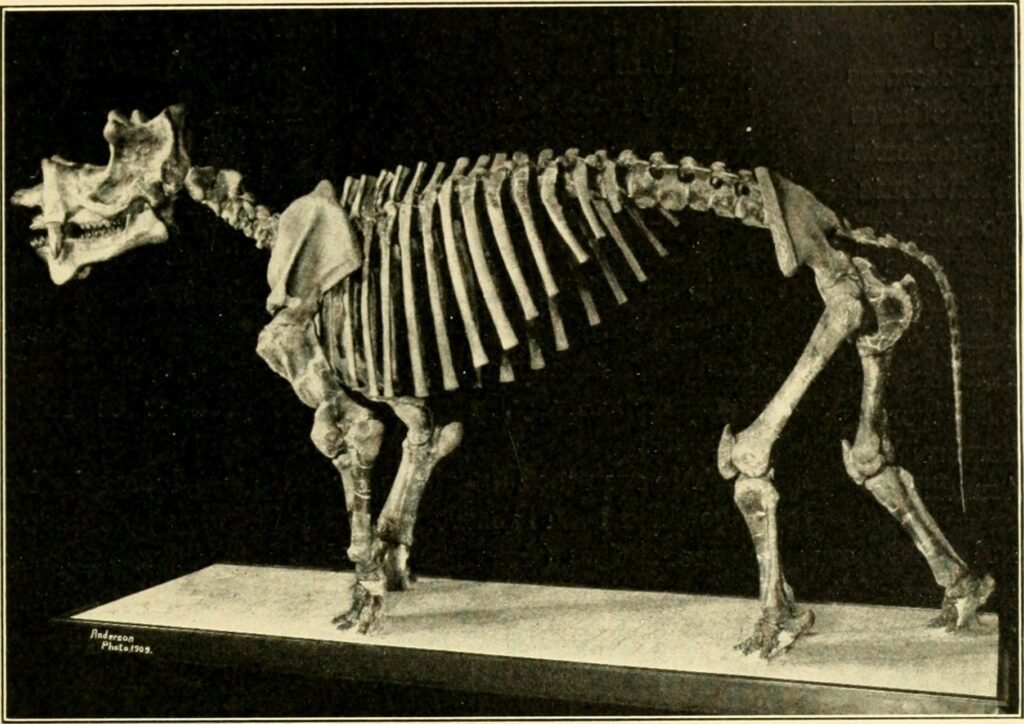
Most people assume paleontology is basically a finished jigsaw puzzle – dig up a bone, slot it into place, done. Museums sure make it look that way, with their towering, perfectly assembled skeletons standing under dramatic lighting.
Except that picture is mostly theater. Behind the glass, entire drawers are full of bones that scientists have never been able to honestly connect to a full animal – jaws with no skull, wings with no torso, a single vertebra so massive it rewrote the record books before it literally crumbled to dust. Here are 12 extinct creatures whose skeletons still refuse to add up, and the strange, sometimes embarrassing reasons why.
#12 – Amphicoelias fragillimus: The Vanishing Giant
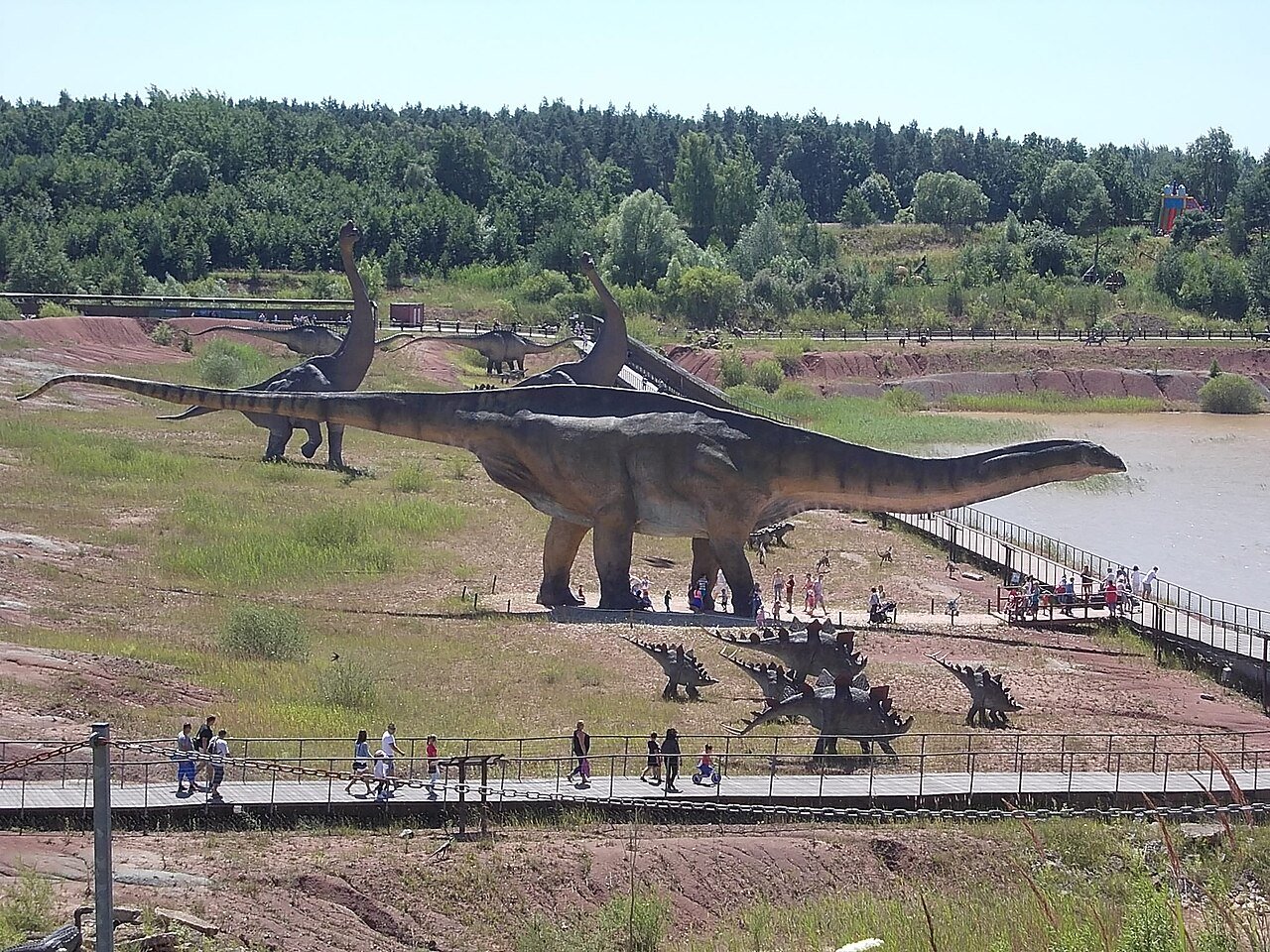
Some paleontologists think this might be the largest dinosaur ever found. The problem is, the only evidence for it literally disintegrated.
In the late 1800s, a single gigantic vertebra from a sauropod was described as Amphicoelias fragillimus. If the original measurements were accurate, the living animal could have stretched past 50 meters – dwarfing every other giant we know of. But the fossil was so fragile it reportedly crumbled away in storage, leaving nothing behind but old sketches and a handful of numbers on paper.
Fast Facts
- First described in 1878 by paleontologist Edward Drinker Cope
- Based entirely on a single vertebra, never a full skeleton
- Original notes described the bone as roughly 2.7 meters tall
- Early length estimates for the animal ran as high as 58 meters
- The only known fossil reportedly disintegrated after storage exposure
No second bone has ever surfaced to confirm it. Some researchers suspect it was mismeasured or misread from the start. Others think it represents a real, still-unnamed lineage of truly monstrous dinosaurs we’ve only glimpsed once. Either way, we’re left with a legend built on numbers and no bones to check them against.
#11 – Deinosuchus rugosus: The Croc We Still Can’t Rebuild
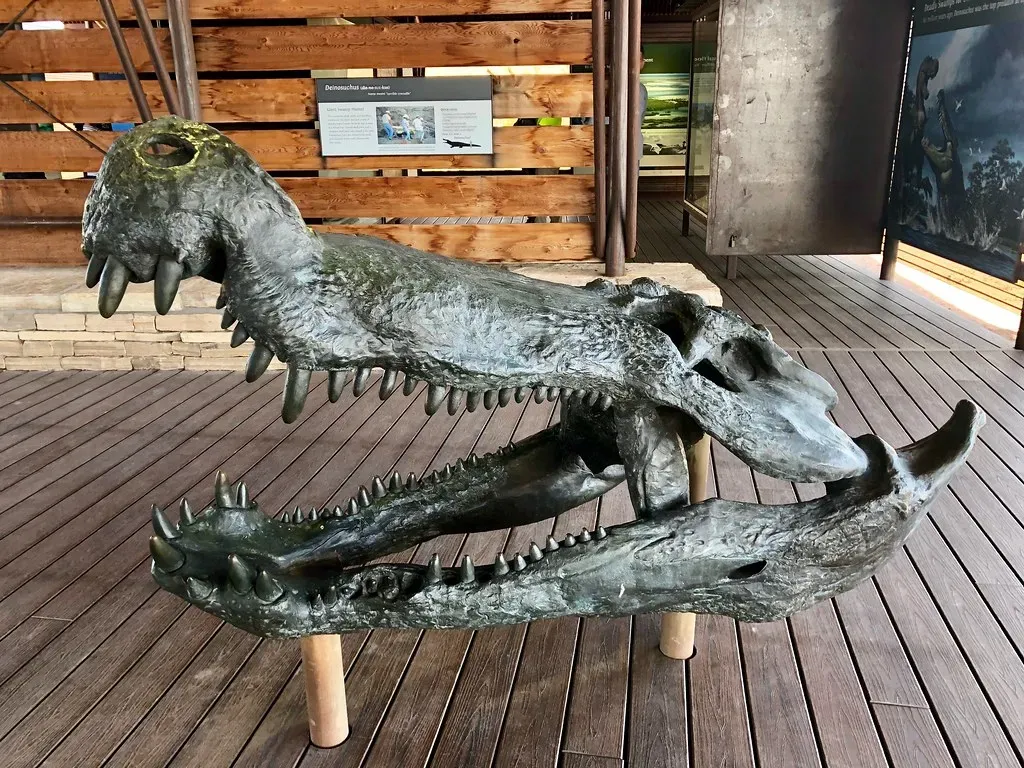
Everyone calls it the “terror crocodile,” but the uncomfortable truth is we still don’t fully know what it looked like.
Deinosuchus is known from scattered skull fragments, vertebrae, and armor plates found across North America. We know it was enormous – possibly over 10 meters long – and that it lurked in rivers waiting for dinosaurs to wander too close to the water. But even with those dramatic bones, no single skeleton has ever tied all the pieces together cleanly.
Several “species” of Deinosuchus have been proposed, revised, and argued over, because the fossils don’t fit neatly into one anatomical model. Some reconstructions look like a bulked-up modern crocodile. Others hint at real differences in skull shape and tail proportions. Every mount you’ve ever seen in a museum is part fossil, part educated guess.
#10 – Elasmosaurus platyurus: The Neck That Got Put On Backwards
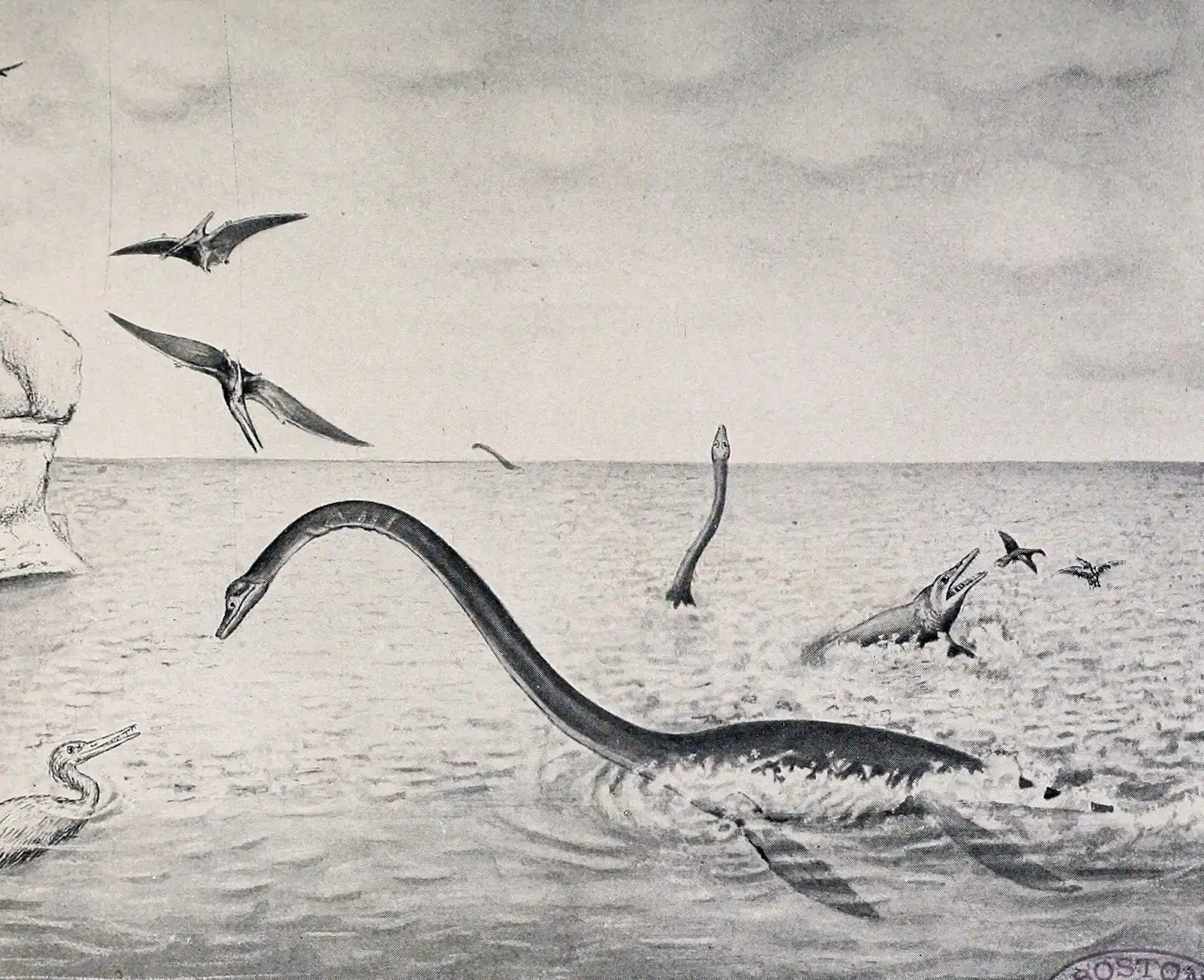
This marine reptile became famous not for what scientists figured out, but for a spectacularly wrong reconstruction that still makes paleontologists wince.
Elasmosaurus is a long-necked plesiosaur from the Late Cretaceous, known from a partial skeleton with an absurdly elongated neck. When it was first described in the 19th century, paleontologist Edward Drinker Cope accidentally mounted the skull on the tail end – effectively building a sea monster that swam backward for years before anyone noticed.
That famous blunder exposed just how tricky it is to match bones correctly when nothing alive looks remotely like your subject. Even now, we have plenty of neck vertebrae and some limb bones, but no fully articulated individual to lock everything into place. How it held its head, how flexible that neck really was, even its swimming posture, are still built on inference rather than certainty.
#9 – Quetzalcoatlus northropi: The Sky Titan With a Missing Body Plan
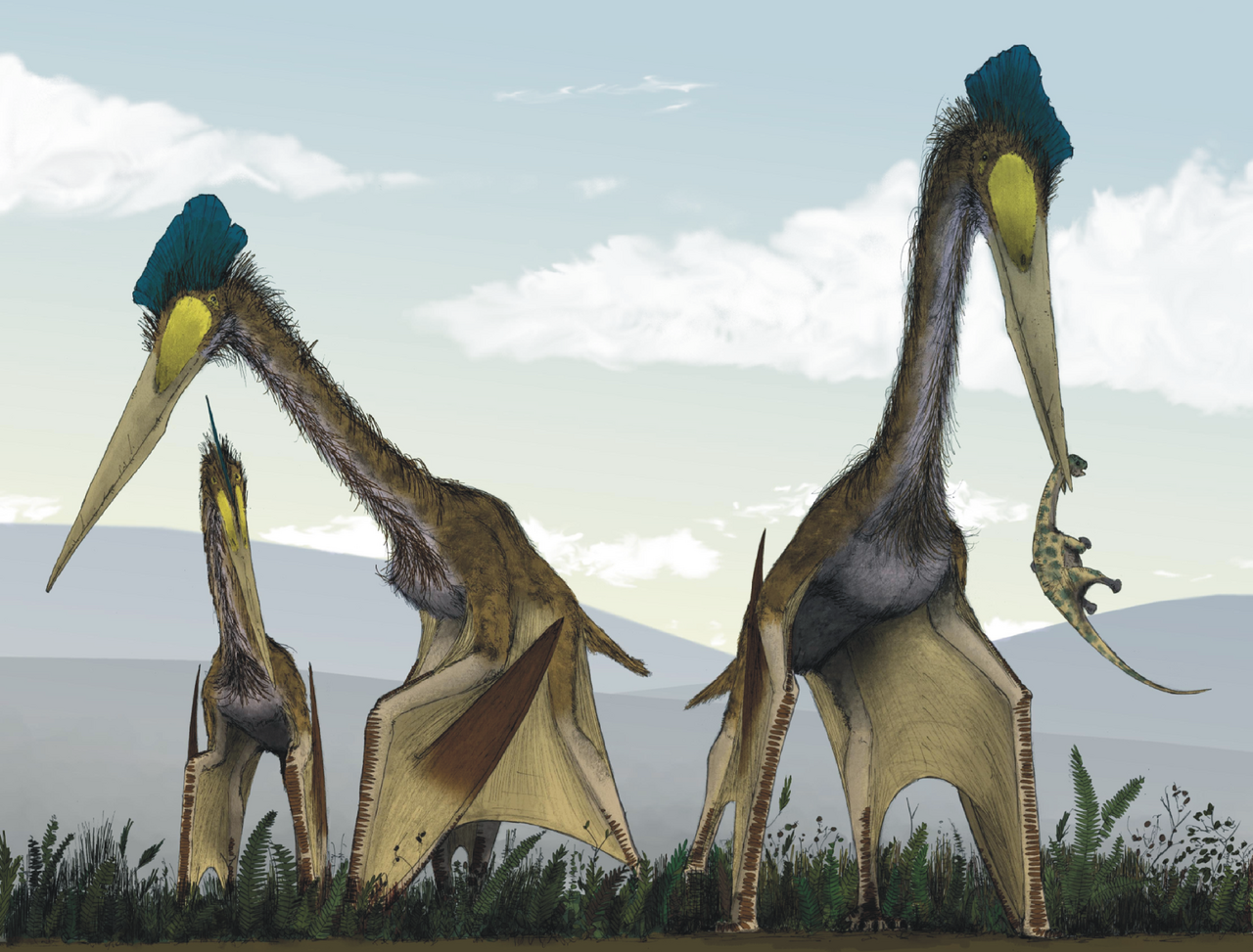
You’ve seen the art: a giraffe-tall flying reptile stalking the shoreline like something out of a nightmare. The catch is that nobody has ever matched a complete skeleton to this giant.
Quetzalcoatlus northropi is one of the largest flying animals ever discovered, but the record-size form is known mainly from a few massive limb bones and fragments. A smaller, better-preserved relative gives researchers a rough sense of the shape, but scaling those detailed bones up to match the giant version is far from straightforward.
At a Glance
- Estimated wingspan of roughly 10 to 11 meters tip to tip
- Estimated body weight commonly cited around 200 to 250 kilograms
- First discovered in Big Bend National Park, Texas, in 1971
- Considered one of the largest flying animals ever documented
Scientists still argue over how it launched into the air with wings that size, whether it walked like an awkward stilted quadruped, and how its neck proportions really compared to its smaller cousins. No one has ever held a complete Quetzalcoatlus skeleton in their hands. Every reconstruction on TV is a sky titan stitched together from mismatched clues.
#8 – Gigantopithecus blacki: The Ape Built From Teeth Alone
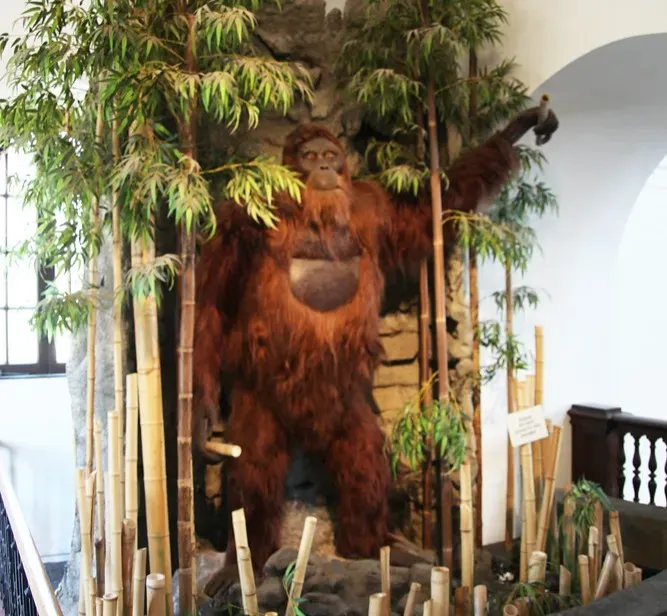
This so-called “real-life King Kong” is almost entirely reconstructed from teeth and jaw fragments – nothing more.
Gigantopithecus lived across Asia and likely went extinct within the last few hundred thousand years. Its molars and mandibles are massive, suggesting a primate far bigger than any living ape. But here’s the uncomfortable part: there’s no skull dome, no confidently matched limb bones, no complete skeleton anywhere. Height estimates ranging from 2.5 to over 3 meters come entirely from chewing gear – like reconstructing your neighbor’s entire body from their dental records.
Nobody knows for certain how upright it walked, or whether it lived in dense forest or open country. Without postcranial bones, its teeth can’t be matched to a reliable body plan, and some researchers now suspect we’ve been overestimating its size for decades. For now, Gigantopithecus remains a dental ghost – a jaw with no body attached.
#7 – Therizinosaurus cheloniformis: Claws in Search of a Creature
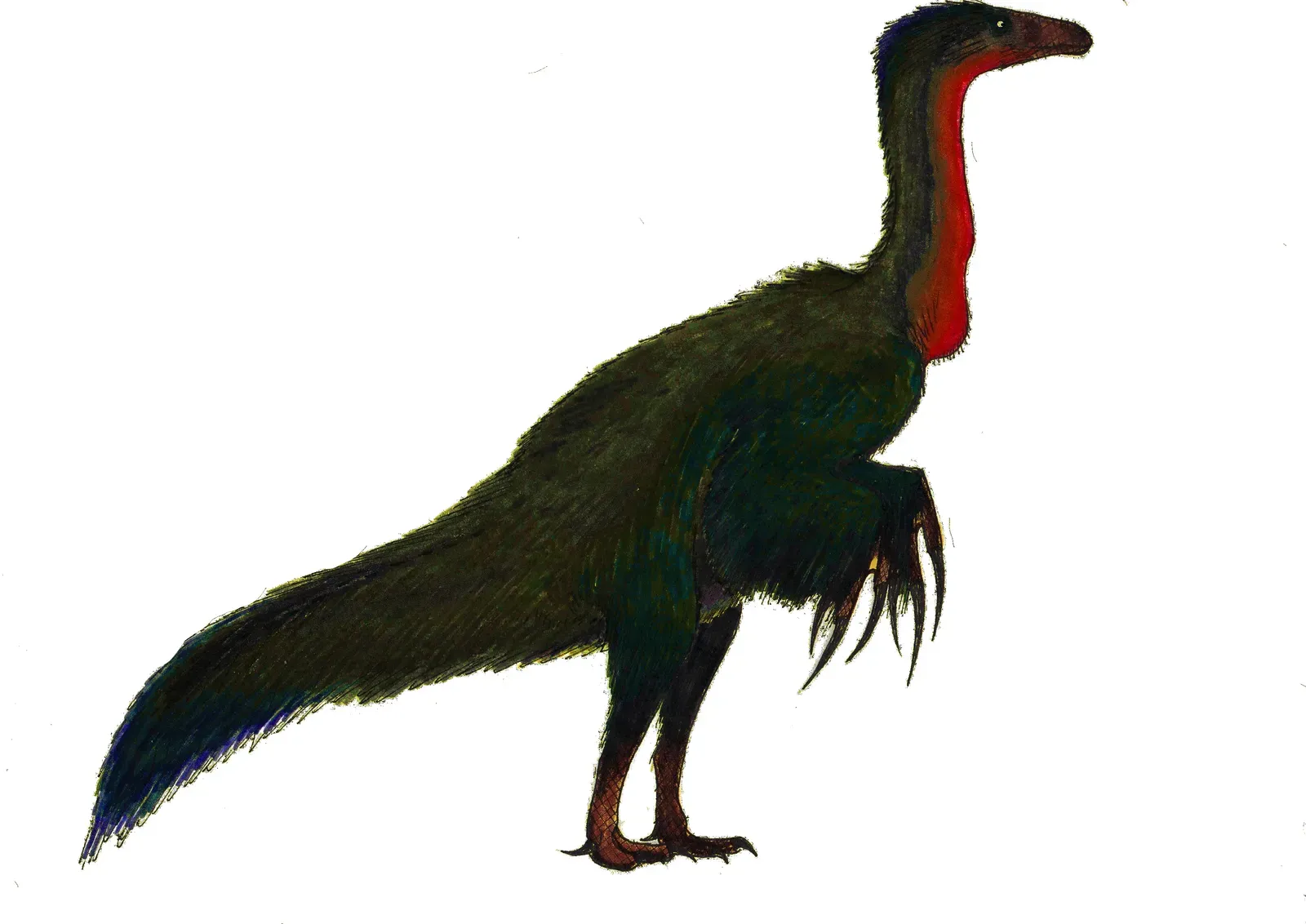
For years, these enormous claws were misassigned to a giant turtle that never actually existed.
Therizinosaurus is a bizarre theropod dinosaur from Mongolia, but it entered science as a genuine mystery. The first fossils found were scythe-like claws over 60 centimeters long, and with almost nothing else to compare them to, early researchers guessed they belonged to a colossal digging turtle. Only later did more fragmentary remains reveal the true owner: a strange, pot-bellied, feathered dinosaur unlike anything expected.
Even now, there’s no complete skeleton that perfectly matches those original claws. Modern reconstructions lean on better-known relatives, but the exact posture of the arms, how the shoulder girdle attached, and how thick the torso really was are all still under debate. The original bones were so out of context that the entire animal had to be reverse-engineered from scratch.
#6 – Spinosaurus aegyptiacus: The Dinosaur Rewritten Every Decade
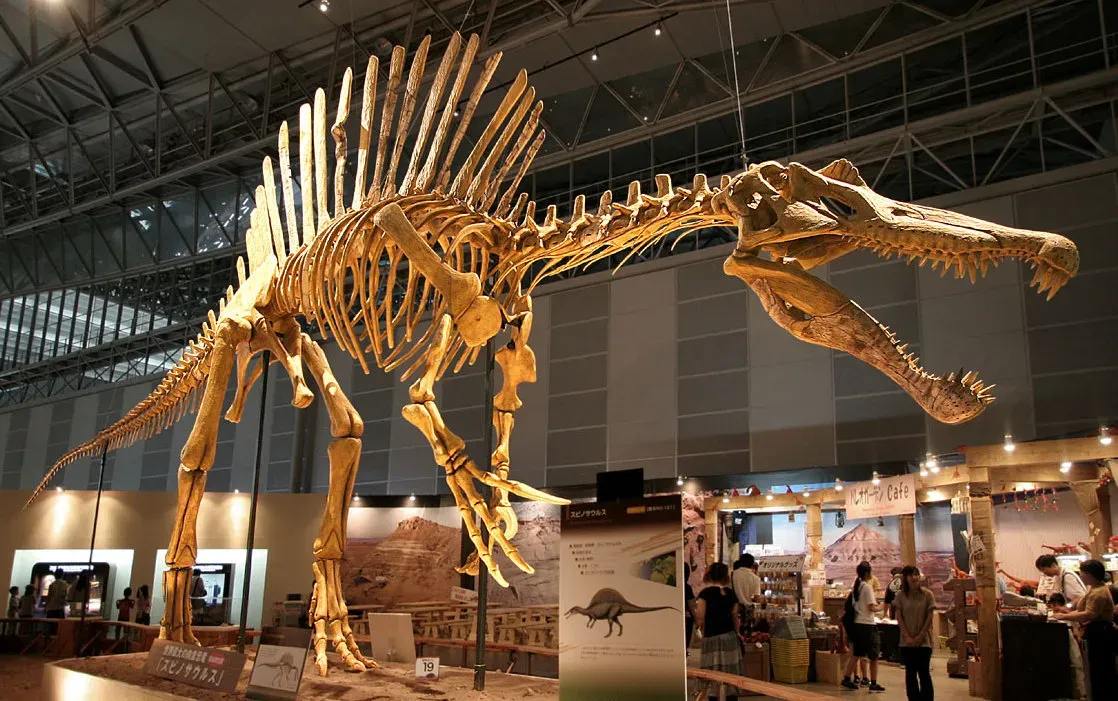
Spinosaurus might be the most constantly reassembled dinosaur on the planet, and its story is almost as strange as the animal itself.
First described from Egyptian fossils in the early 1900s, the original bones were destroyed during World War II bombing raids. For decades, Spinosaurus existed mainly as old drawings and secondhand notes. Then new finds in Morocco revealed a strange mashup of features: a crocodile-like skull, a towering sail, and dense bones suggesting a life spent partly in water.
Worth Knowing
- The original type specimen was destroyed in a 1944 Allied bombing raid on Munich
- For roughly 70 years, the species existed only in old drawings and notes
- New Moroccan fossils were formally published in 2014, reshaping the entire animal
- Its silhouette has shifted at least three times as evidence has changed
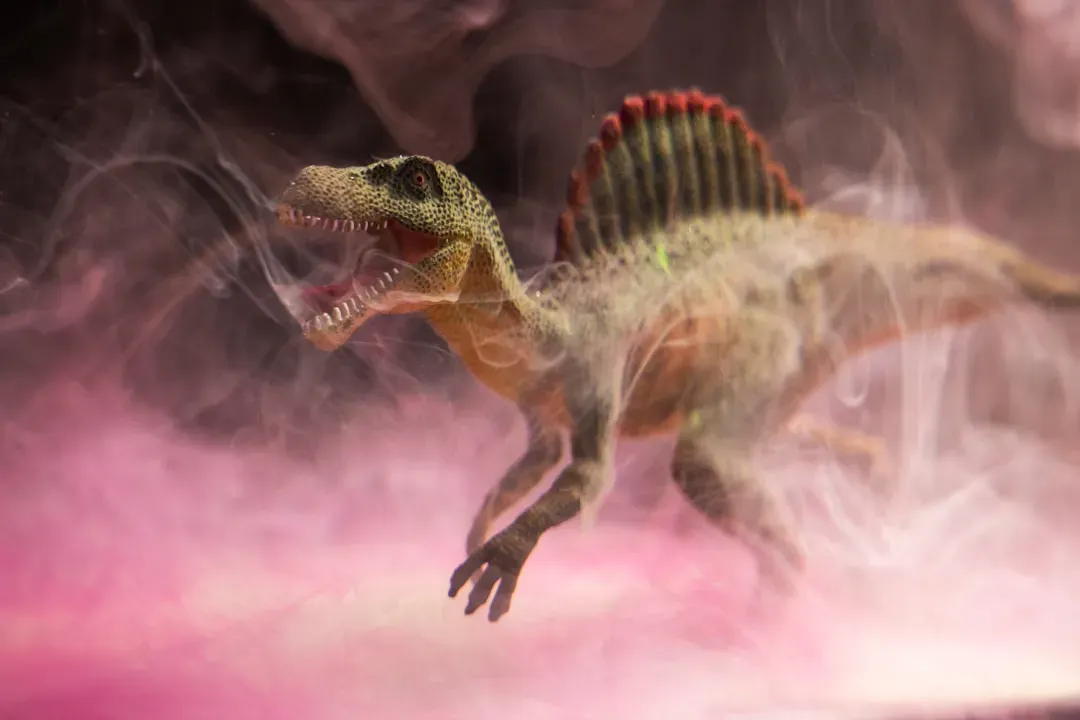
But the actual fossils are frustratingly incomplete, often pulled from different individuals, different sites, and possibly even different species. That’s why Spinosaurus keeps getting redrawn – first as a classic bipedal predator, then as a squat, semi-aquatic quadruped, now as something in between that’s still being argued over. No single, complete skeleton has ever settled the debate for good.
#5 – Leedsichthys problematicus: The Fish With a Very Honest Name
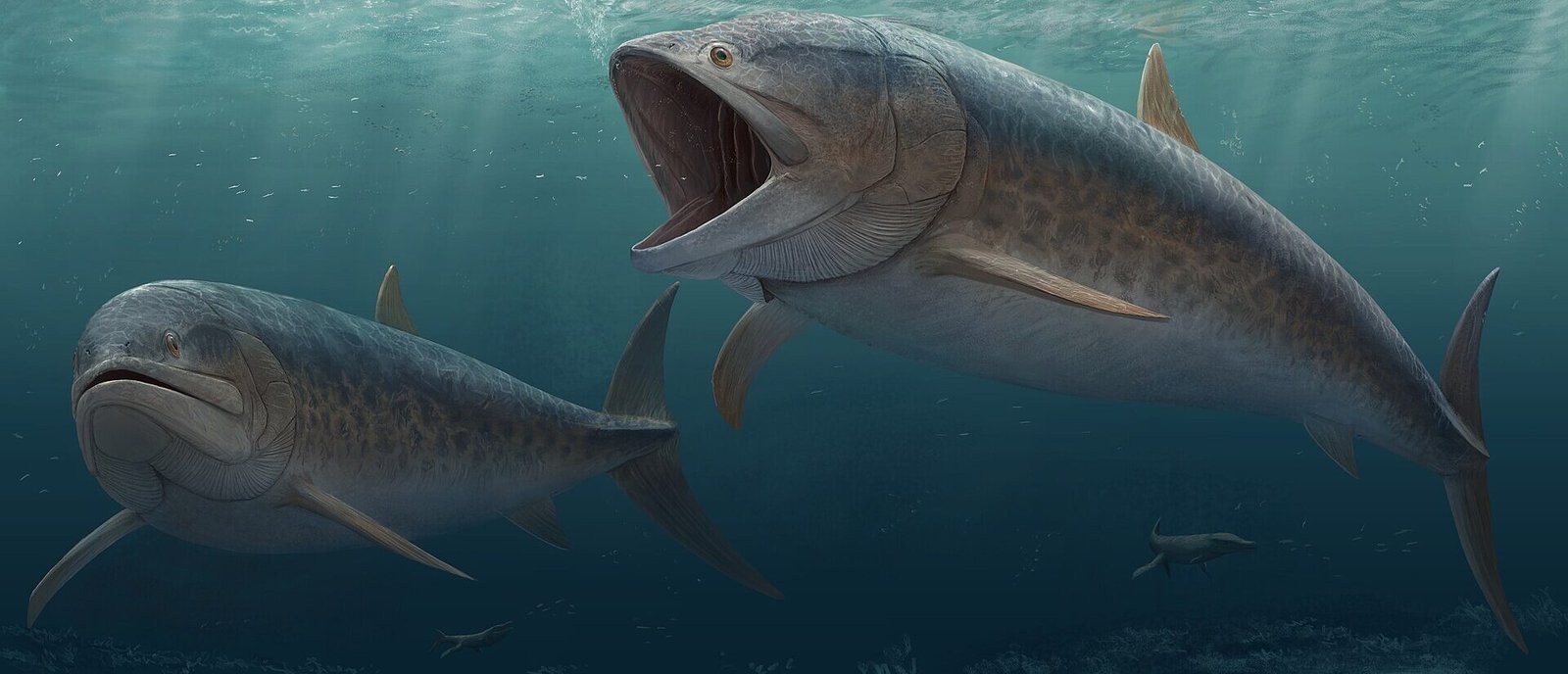
When a species name literally translates to “problematic,” you already know its bones are a nightmare to piece together.
Leedsichthys was a giant Jurassic fish, a plankton-eating behemoth that may have rivaled modern whale sharks in size. Its skeleton was partly cartilaginous and fossilizes badly, so most finds are just heaps of scattered fin rays, gill rakers, and broken skull fragments. Scientists have spent over a century trying to match these pieces into one coherent animal, and size estimates have swung wildly, anywhere from 9 to over 20 meters.
The lack of complete, articulated remains means the body shape is still uncertain, fin placement is partly guessed, and some bones labeled “Leedsichthys” may actually belong to other giant fish entirely. The image you’ve seen in documentaries is really an averaged guess pulled from a pile of mismatched parts.
#4 – Uintatherium anceps: Skulls That Don’t Agree With The Body
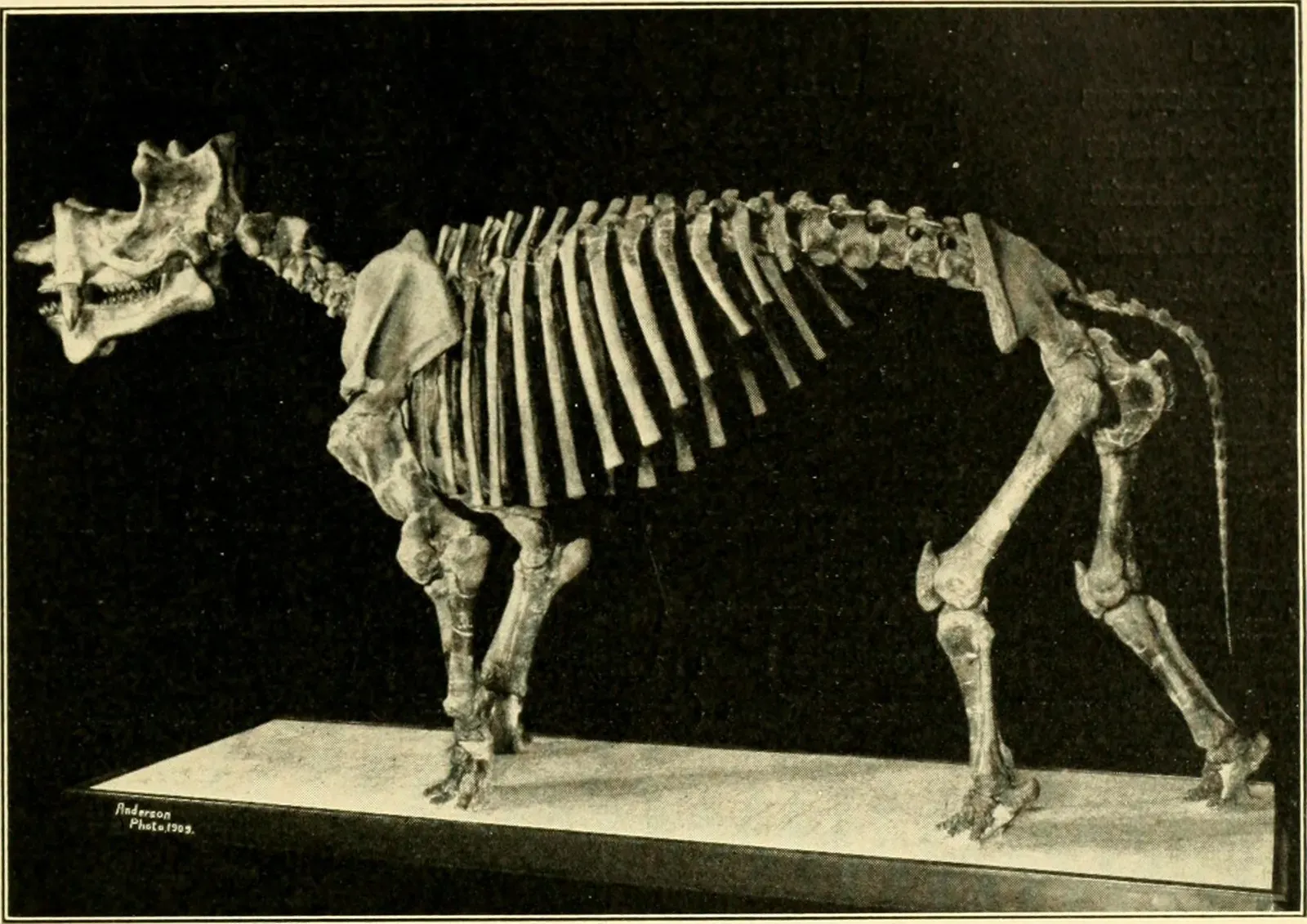
This bulky, horned mammal from the Eocene looks straightforward in textbooks – until you actually try to match all its bones together.
Uintatherium is usually shown as a rhino-like herbivore with blunt horns and huge saber-like canines. We have skulls, and we have skeletons, but they’re rarely found fully articulated as a single individual. Several similar genera have bounced through taxonomic revisions over the decades, making it surprisingly messy to decide which skull shape actually belongs with which body proportions.
Quick Compare
- Skulls: well documented, with distinctive horns and oversized canines
- Full skeletons: rarely found articulated together with a matching skull
- Species count: still disputed among researchers after repeated revisions
- Body proportions: largely inferred by comparison to related genera
In some collections, skulls and body bones found at the same site were originally assumed to be a match, only for later researchers to question the pairing. Were museums quietly building Franken-mammals out of mixed species? Possibly. Experts still disagree over how many distinct Uintatherium-type animals actually existed, and the dramatic mounted skeletons smooth over a lot of uncertainty hiding just behind the glass.
#3 – Bruhathkayosaurus matleyi: Dinosaur or Misidentified Tree?
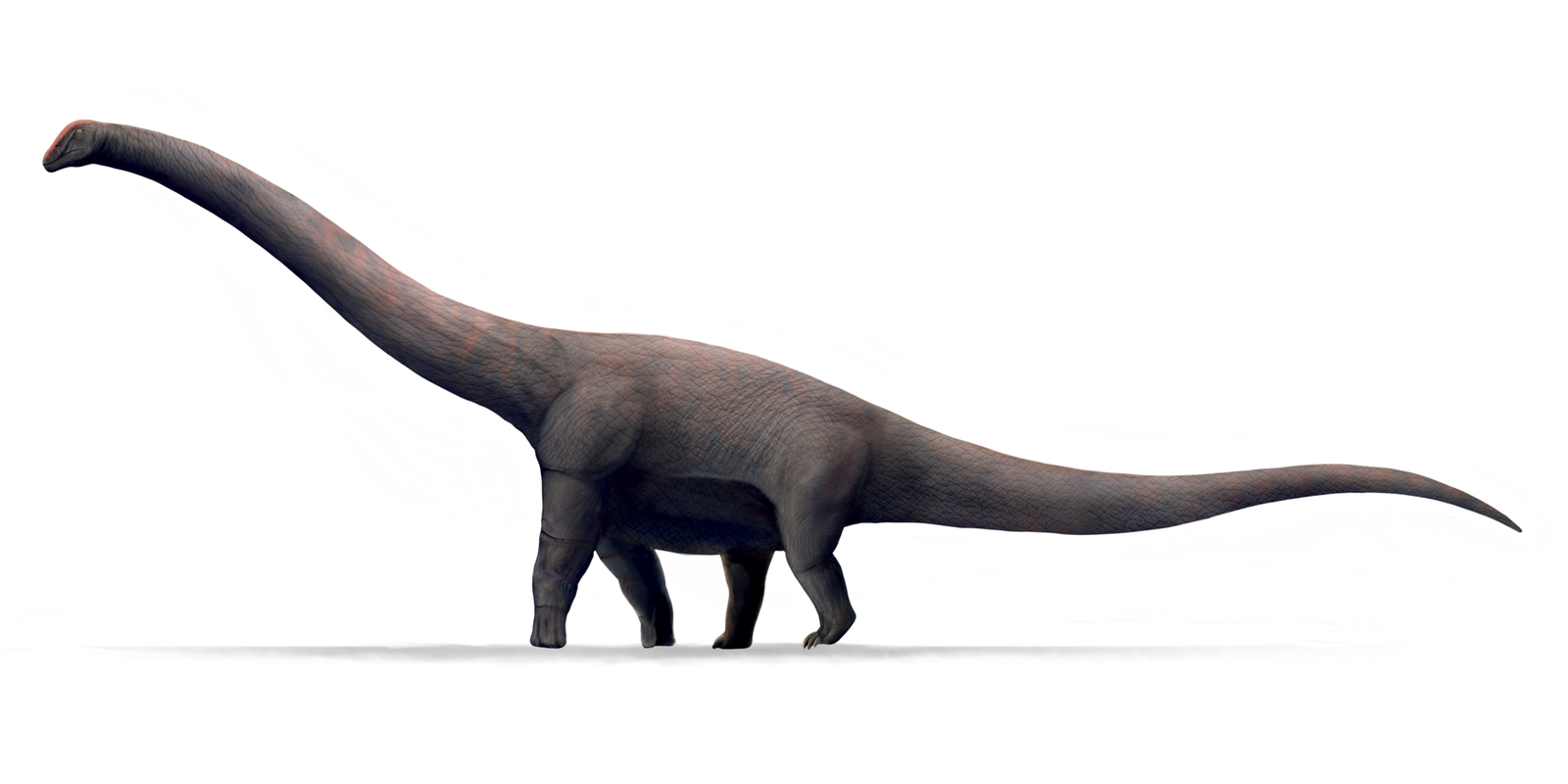
This contender for “largest dinosaur ever” might not even be a dinosaur – and now its bones are simply gone.
Bruhathkayosaurus was reported from India in the 1980s, described from huge limb and hip bones that suggested a titanosaur of extreme size. But here’s the twist: the original fossils have reportedly disintegrated or been lost entirely, and some researchers now suspect what was described as bone may have actually been heavily mineralized wood, or a composite mix of different animals.
With no surviving material to re-examine and no articulated skeleton ever found, Bruhathkayosaurus is essentially an unmatchable rumor sitting in the fossil record. If it was real, we lost our only shot at proving it. If it wasn’t, decades of “biggest dinosaur ever” headlines were built on a mismatch between nature and imagination.
#2 – “Hell Pigs” (Entelodonts): Skulls From a Monster, Bodies From a Mystery
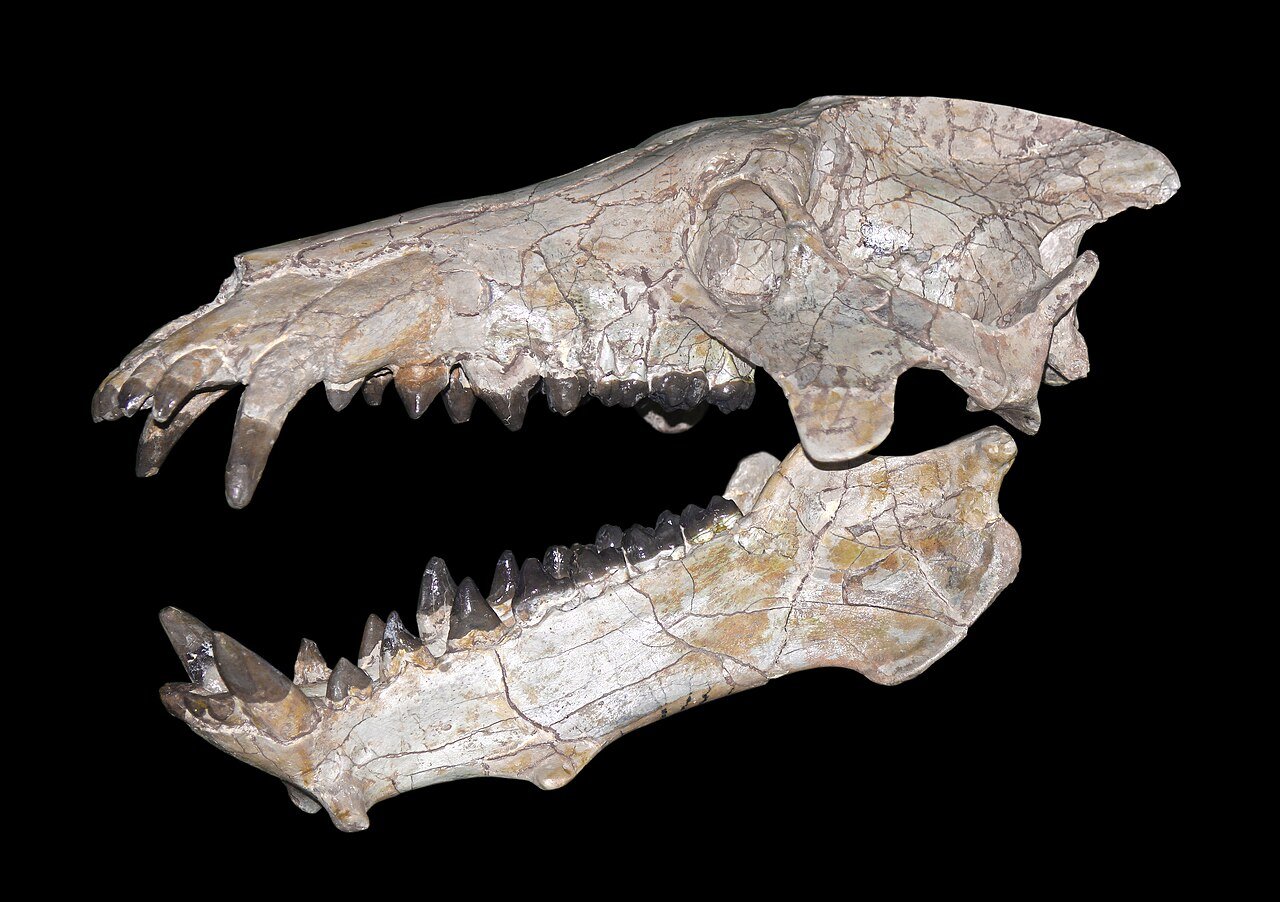
The so-called “hell pigs” are social media famous for their nightmare skulls, but the real animals are still poorly matched together underneath.
Entelodonts like Daeodon and Entelodon were terrifying, long-legged omnivores with massive, warty skulls and bone-crushing jaws. We have some spectacular skulls, plus scattered limb bones and vertebrae, but fully articulated skeletons are surprisingly rare. That means the long legs, boar-like bodies, and hyena-style builds you see in museum art are pieced together from different individuals, and sometimes different genera entirely.
Limb proportions, gait, torso shape, and even tail length are all still genuinely uncertain. We’ve confidently matched skulls to a “type” of animal, but the exact body plan underneath remains fuzzy. Some experts think we’ve exaggerated their predatory swagger by comparing them too closely to modern carnivores.
#1 – Pelagornithids: The Giant “Toothed” Seabirds With No Final Form
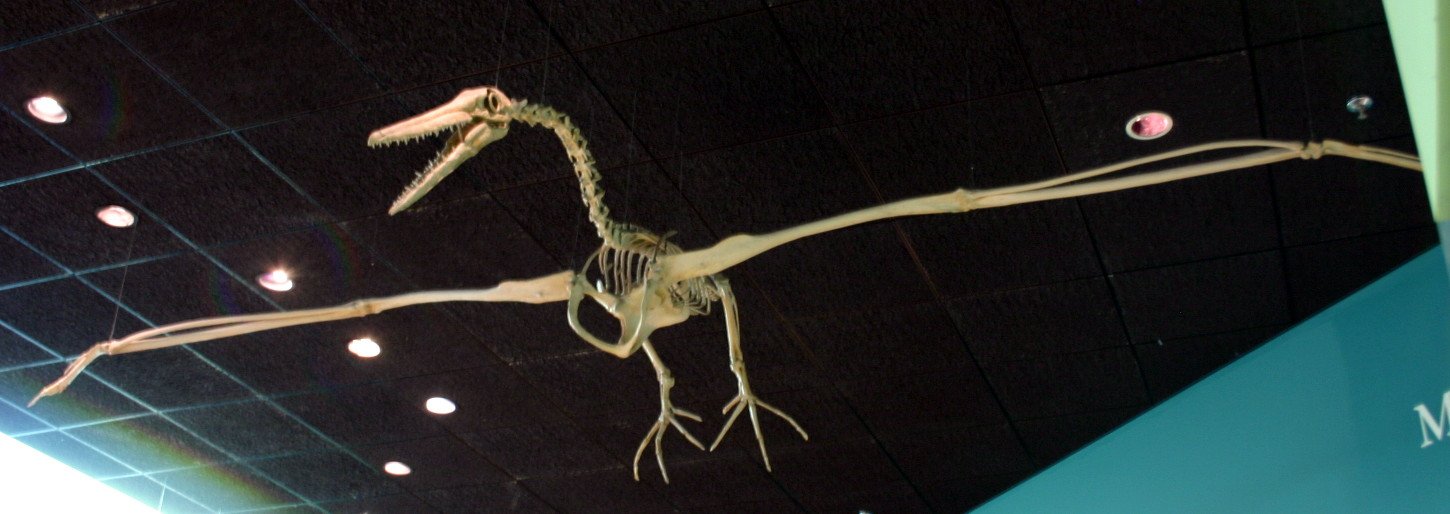
These enormous seabirds might be the single most impressive example of bones that science still can’t fully match into one trusted blueprint.
Pelagornithids, often called “bony-toothed birds,” soared over ancient oceans for tens of millions of years, with wingspans that may have rivaled or exceeded modern albatrosses – some species possibly reaching 6 meters or more. Yet almost all known fossils are partial: a skull here, a wing bone there, vertebrae pulled from an entirely different site. They’re scattered across time and geography with no clean way to say these exact bones belonged to one single bird.
Why It Stands Out
- The lineage persisted from roughly the Paleocene into the Pliocene, tens of millions of years
- Some estimates put maximum wingspan near 6 meters, rivaling small aircraft
- Named for bony, tooth-like spikes lining the beak, not true teeth
- No confirmed complete skeleton has ever tied one individual fully together
As a result, skull shape and “tooth” layout are better understood than the overall body, wing proportions are inferred rather than measured directly, and different species may be unknowingly blended into the same reconstruction. No one has ever had a complete pelagornithid laid out on a lab table. For pure scale, mystery, and scientific frustration, this is the ultimate unmatched fossil on the list.
The Bottom Line
Scroll past enough paleo art online and it’s easy to assume every extinct creature is a solved puzzle, neatly matched from skull to tail. The truth is messier: some of the most famous species we talk about – Spinosaurus, Gigantopithecus, Quetzalcoatlus, even the beloved “hell pigs” – are built from frustratingly incomplete, sometimes vanished, and often mismatched bones.
We’ve turned scraps, teeth, and orphaned vertebrae into full-color monsters, knowing deep down that some of those matches could be wrong. That doesn’t make the science fake. It makes it honest, provisional, and honestly more interesting than the finished-jigsaw version we were all sold in school.
If you ask me, the most overhyped reconstruction on this list is Gigantopithecus – an entire pop-culture ape-monster built off teeth alone feels like more imagination than evidence. The most believable is probably Spinosaurus, simply because scientists keep admitting when they’re wrong and rebuilding it in public. That willingness to say “we got it wrong, here’s the update” is the real story here, and it’s far more compelling than any perfectly posed museum skeleton.