
Ever wondered if you truly know the people around you? Sure, they might seem polite at dinner or friendly at the office. Yet beneath the surface, there’s a whole other layer. Human behavior has this quirky way of revealing what words often conceal. We’re all walking around broadcasting clues about who we really are, whether we realize it or not.
Let’s be real, figuring out someone’s actual character isn’t about grand gestures or dramatic confessions. It’s the quiet stuff. The everyday moments when they think nobody’s watching or when stress cranks up a notch. These are the times that peel back the mask and show you what’s underneath. So let’s dive in and uncover the habits that speak louder than any rehearsed introduction ever could.
How They Treat Service Workers

Watch how someone acts with servers, drivers, or cashiers. This habit never lies. Some folks are charming to your face yet completely dismissive to the person handing them coffee. That split personality tells you everything.
Kindness in small power gaps shows respect, not showmanship, and people who honor others in these moments often bring the same respect home and to work. The next time you’re out with someone, notice their tone and whether they make eye contact. Those few seconds matter more than you think.
Their Response When You Say No

Whether it’s a date, a favor, a promotion, or even just an opinion that clashes with his own, his response to “no” is everything; some people can’t handle boundaries without getting passive-aggressive, guilt-trippy, or straight-up angry, while others respect them without needing an explanation. This single moment can expose entitlement versus maturity. Healthy individuals understand limits without turning them into personal attacks.
I’ve noticed that folks who respect a simple no are usually the same ones you can trust with bigger responsibilities. They get it. Your boundaries aren’t a challenge to overcome. They’re a basic part of human decency.
How They Handle Mistakes
Everyone messes up. That’s just life. What separates good people from problematic ones is accountability. Not everyone can admit it; some people will twist themselves into knots just to avoid saying, “I was wrong”. That’s pure ego talking.
Character isn’t about never slipping up; it’s about what happens next, and accepting responsibility without deflecting, justifying, or vanishing is a strong marker of integrity and psychological maturity. People who own their errors tend to extend that same understanding when you stumble, too.
What They Do When Nobody’s Watching
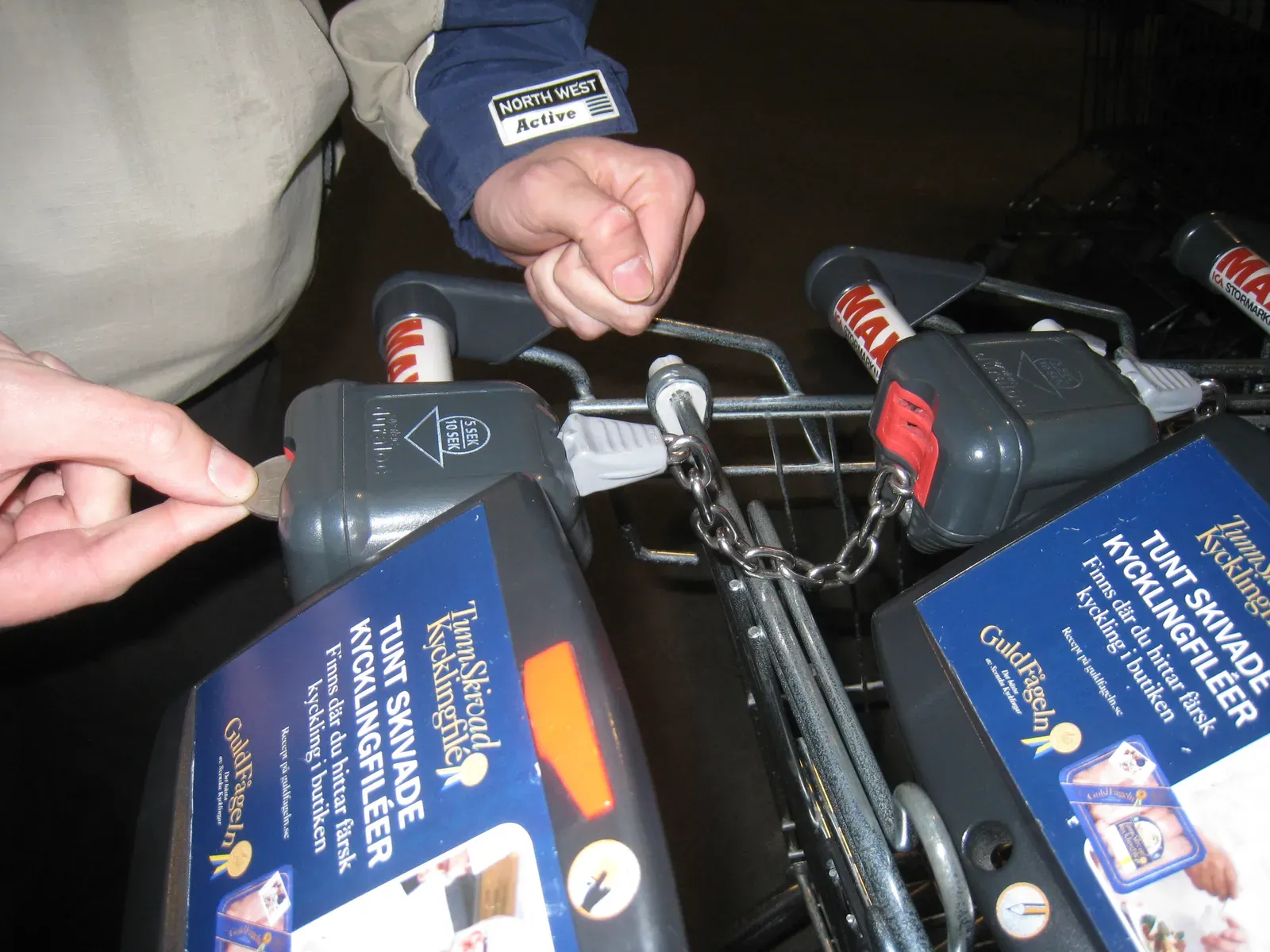
When the spotlight fades, character steps in; does this person put the grocery cart back, do they correct the bill if it is in their favor? These tiny decisions reveal someone’s moral compass more than any public declaration ever could.
Private choices reveal their real north, not the version they market to others, and private moments tell you what someone values when there is no reward. Honestly, if someone cheats the system when they think they can get away with it, what else are they willing to compromise on? Think about it.
Their Behavior During Stressful Situations

Stress doesn’t invent new personalities – it just strips away the filter. When plans fall apart or deadlines loom, does this person become a problem-solver or a blame-shifter? That response speaks volumes.
Someone who can stay calm and composed during high-pressure situations demonstrates resilience and emotional stability; they’re likely to think clearly, make rational decisions, and not let their emotions dictate their actions. Meanwhile, those who crumble easily may struggle with emotional regulation. You learn a lot about someone’s real strength when the pressure’s on.
How They Speak About People Who Aren’t Present

Notice how they speak about people who are not in the room; do they protect dignity, do they avoid private details, and people who speak well of others are more likely to protect you when you are not there. If they’re gossiping about everyone else, trust me, you’re probably next.
The way someone talks behind closed doors reveals whether they have integrity or just politeness. Honestly, I find it fascinating how some people can be sweet to your face yet tear you down the moment you leave the room. That habit tells you everything you need to know about loyalty.
Whether They Keep Small Promises

Small promises are character checks you can actually see; do they text when they say they will, do they send the link they offered, and even a two-minute task reflects care and reliability. If someone can’t follow through on tiny commitments, don’t expect them to honor bigger ones.
When someone keeps the small stuff, you can trust them with bigger plans. It might sound trivial, yet consistency in minor actions builds the foundation of trust. People who dismiss little promises often lack respect for your time and attention.
Their Punctuality Patterns

A person’s punctuality can reveal a lot about their character, and psychologists have found that those who are consistently on time often have traits such as organization, respect for others, and conscientiousness; these individuals understand that being late can affect others and are therefore more mindful of their time. Chronic lateness, on the flip side, can signal a lack of self-discipline or consideration.
Now, life happens. Occasionally being late isn’t the issue. It’s the pattern. If someone repeatedly shows up whenever they feel like it, they’re quietly telling you that your time doesn’t matter as much as theirs. And that’s worth paying attention to.
How They Listen

Listening is an art, and not everyone has mastered it; the way someone listens can tell you a lot about their character, and individuals who actively listen to others, acknowledging their thoughts and feelings, often show empathy and respect for others. Do they interrupt constantly or let you finish your thoughts?
Real listeners lean in. They ask follow-up questions. They don’t just wait for their turn to talk. If someone’s always cutting you off or scrolling through their phone while you’re speaking, it’s not just rude. It’s a sign they value their own voice more than understanding yours.
Their Reaction to Others’ Success

Do their eyes light up, do they lean in with genuine interest, or do you see that subtle flicker of disappointment, maybe even jealousy, before they force a smile? This response is incredibly revealing. Some people genuinely celebrate your wins. Others can barely hide their envy.
People who can’t celebrate others’ victories are usually drowning in their own insecurities; we all mess up. Success doesn’t have to be a competition. If someone can cheer for you without adding a passive-aggressive comment, that’s someone worth keeping close.
How They Respect Boundaries

Respect for others’ boundaries is a crucial aspect of character; those who respect boundaries understand the importance of personal space and privacy, and they show empathy, understanding, and respect for others’ rights to their feelings, thoughts, and experiences. Violating boundaries, especially after you’ve clearly stated them, is a massive red flag.
If you set a limit and someone constantly pushes back with guilt trips or sarcasm, they’re showing you they don’t care about your comfort. It might seem small at first, like teasing you about something you’ve asked them not to. Yet over time, it chips away at trust and respect.
The Way They Clean Up After Themselves

In daily life, mess happens and character shows in the clean-up; do they wipe the counter after making coffee, do they stack dishes without being asked, and people who tidy shared spaces signal care for others, not just comfort for themselves. This isn’t about being obsessively neat. It’s about basic consideration.
A quick reset after a task says, I see the next person, and that small thought is often the true heart of kindness. If someone leaves messes for others to deal with, they’re quietly telling you they don’t think about the impact of their actions. And that habit extends beyond dirty dishes.
Conclusion

Character really does live in the details. You don’t need fancy personality tests or dramatic confrontations to understand who someone truly is. Just pay attention to these quiet habits. They’re like breadcrumbs leading you directly to someone’s core values and intentions.
The beautiful part about recognizing these behaviors is that it works both ways. Every single day, you’re broadcasting your own character through these same small actions. So maybe the real question isn’t just about reading others. It’s about asking yourself what your habits are quietly revealing about you. What do you think? Do these habits ring true in your own experiences? Tell us in the comments.