You think you know history’s greatest minds? Think again. Behind every legendary accomplishment and world changing decision lies a collection of deeply bizarre behaviors that would make even the most peculiar among us seem perfectly ordinary. These weren’t just minor quirks, either. We’re talking about habits so strange that they’ve become nearly as memorable as the achievements themselves.
From inventors who counted coffee beans obsessively to leaders who held meetings from the bathroom, history is packed with personalities who defied convention in ways you’d never guess from your school textbooks. So let’s dive into the fascinating and downright weird world of twelve figures whose eccentricities have been hiding in plain sight all along.
Nikola Tesla and His Pigeon Obsession
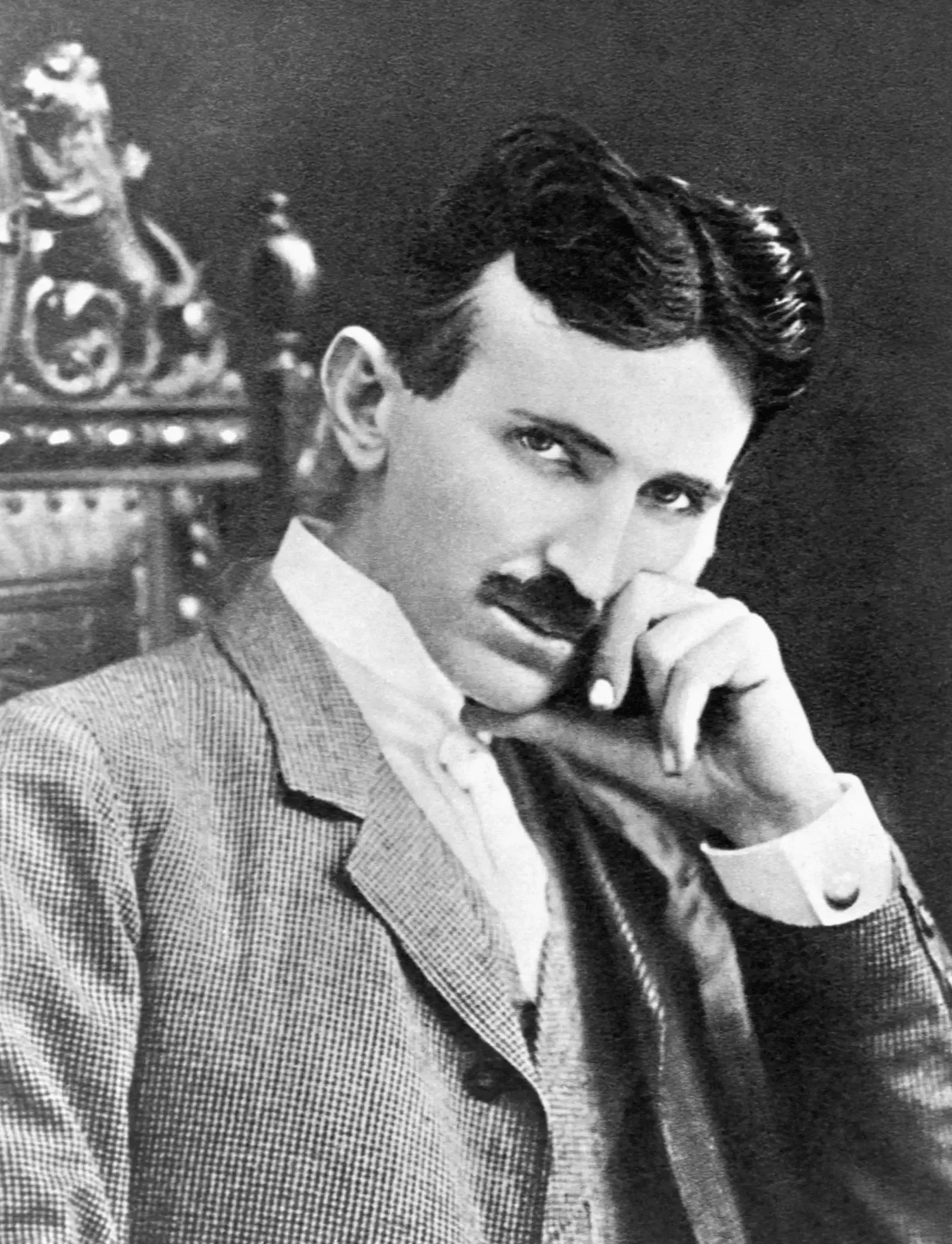
The brilliant inventor formed deep emotional connections with pigeons in his New York hotel room, even claiming one particular bird was the love of his life. Tesla’s obsession wasn’t just about feeding birds in the park, though. He genuinely believed he shared a spiritual bond with these creatures, spending enormous amounts of time caring for injured pigeons and nursing them back to health.
Here’s the thing. Tesla was obsessed with the number three, only staying in hotel rooms with numbers divisible by three, walking around blocks three times, and eating meals with three sets of six napkins. His compulsions controlled nearly every aspect of his daily routine, making social interactions nearly impossible. It’s hard to say for sure, but many historians believe these behaviors stemmed from severe obsessive compulsive disorder.
Winston Churchill’s Naked Dictation Sessions
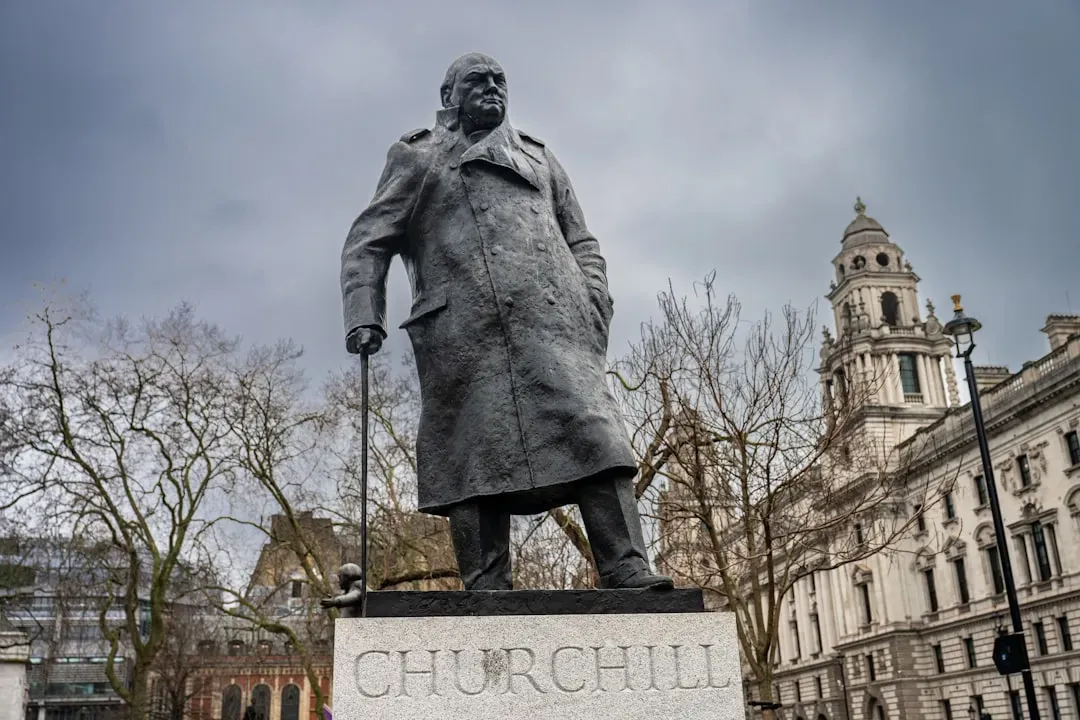
Churchill often emerged from the bath and dictated speeches completely without clothing, maintaining his unusual work habits even during wartime leadership. Imagine being a secretary summoned to take notes, only to find the Prime Minister of Britain wandering around stark naked without a care in the world. This wasn’t just a one time occurrence, mind you.
Churchill seemed completely unbothered by conventional norms of modesty. He believed that his best ideas came to him in moments of complete relaxation, and apparently clothing interfered with that creative process. President Lyndon B. Johnson took this concept even further, routinely conducting meetings while sitting on the toilet with the bathroom door open, using this uncomfortable setting to assert dominance over visitors.
Lord Byron and His Pet Bear at Cambridge
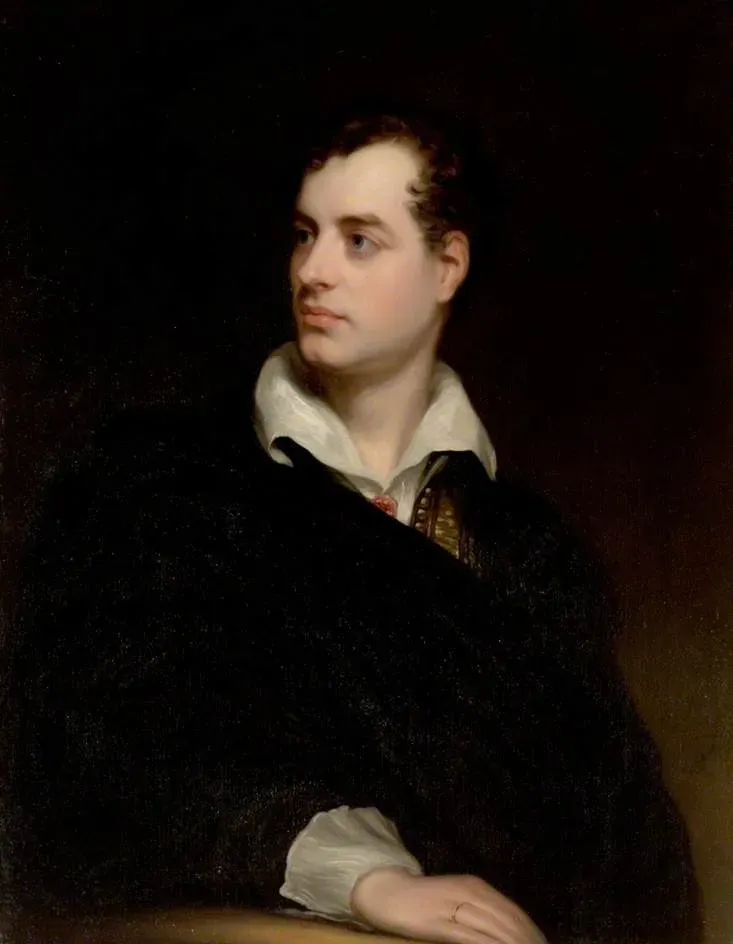
When Cambridge University banned pet dogs, Byron brought a bear instead, walking it around campus like a loyal companion. The famous poet wasn’t trying to make a practical choice here. This was pure defiance wrapped in eccentricity. Byron delighted in shocking people and pushing boundaries wherever he went.
He later traveled with monkeys and a fox, demonstrating a love for animals that was extravagant, poetic, and defiantly nonconformist. Byron’s personal life was scandalous in just about every way imaginable. He had numerous affairs, financial troubles, and a reputation for being both brilliant and utterly chaotic. The bear was just one small piece of his larger than life persona.
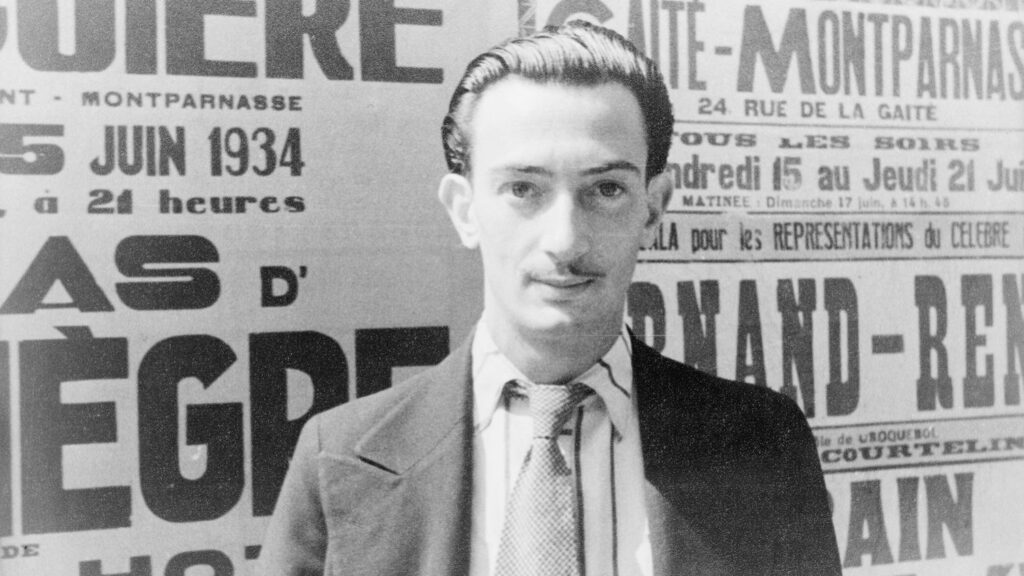
Salvador Dalí’s Dream Catching Technique
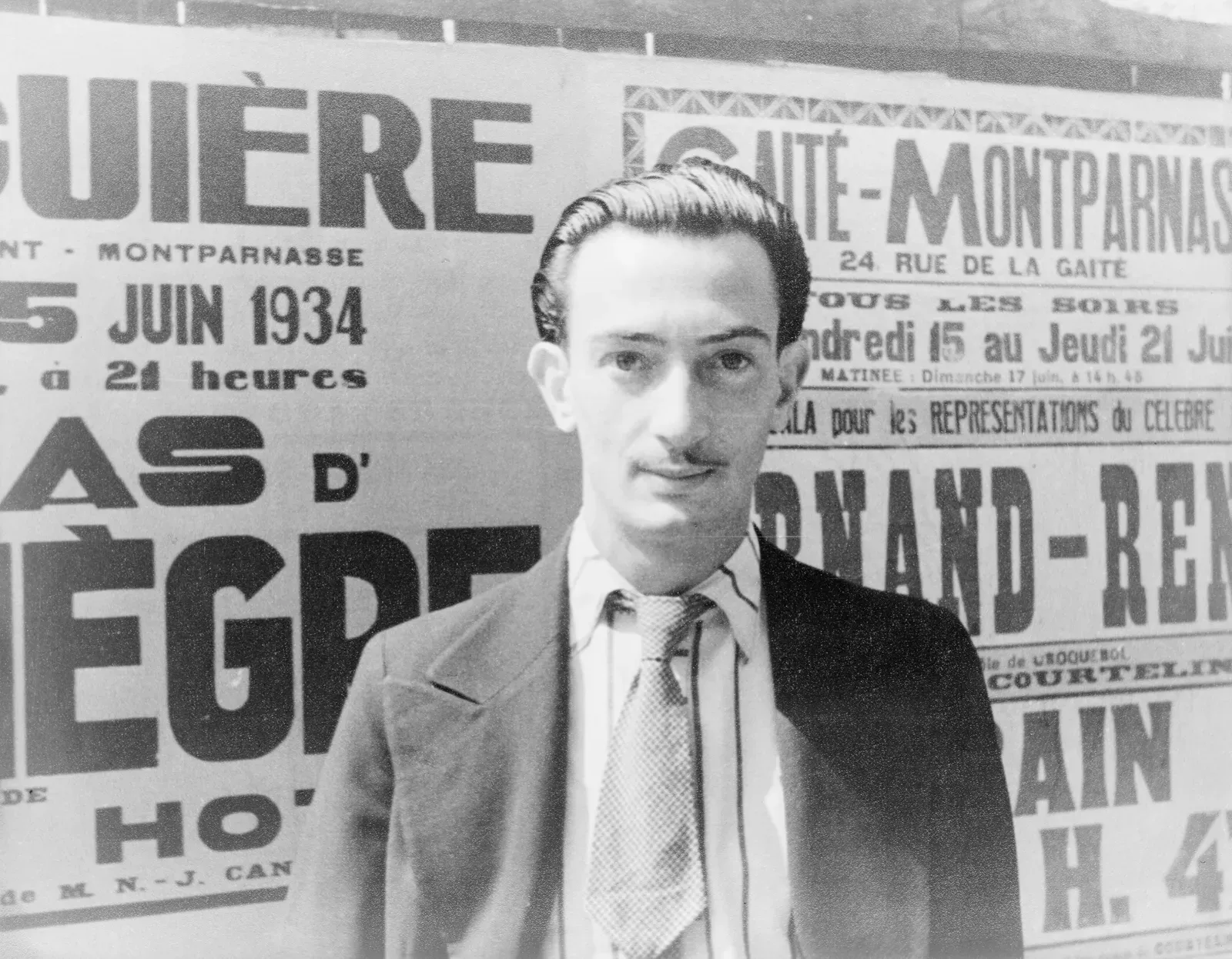
Dalí held a metal key over a tin pan while napping, and as soon as he began to drift away, he would drop the key and wake up, giving him a chance to record the strange images that had flashed through his mind. This technique allowed him to access the twilight zone between waking and sleeping, where his most surreal visions emerged. Let’s be real, it sounds absolutely exhausting.
Before speaking, Dalí would ring a bell to announce himself, and he walked pet anteaters through Paris, calling it performance art. Everything about Dalí was calculated theater. He understood that being weird wasn’t just about personal expression but about creating a brand, a persona that people would never forget.
Benjamin Franklin’s Daily Air Baths
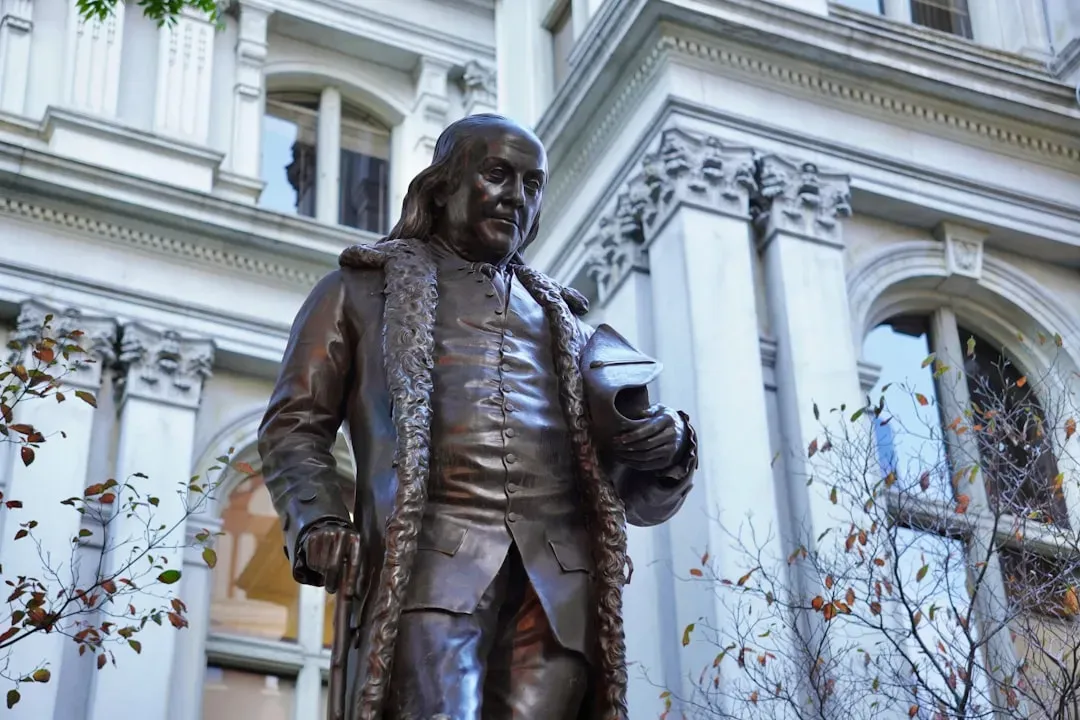
Franklin enjoyed what he called air baths, standing completely unclothed by an open window for up to an hour each morning, believing this practice strengthened his immune system and prevented illness. His London neighbors reportedly found this routine somewhat alarming, to put it mildly. Franklin didn’t care what anyone thought, though.
He was convinced that fresh air exposure was essential for maintaining good health, and clothing only got in the way. This was during a time when modesty was deeply ingrained in society, making Franklin’s behavior even more shocking. Still, the man helped found a nation and invented bifocals, so maybe standing naked by a window wasn’t the strangest thing about the era after all.
Ludwig van Beethoven’s Coffee Bean Ritual
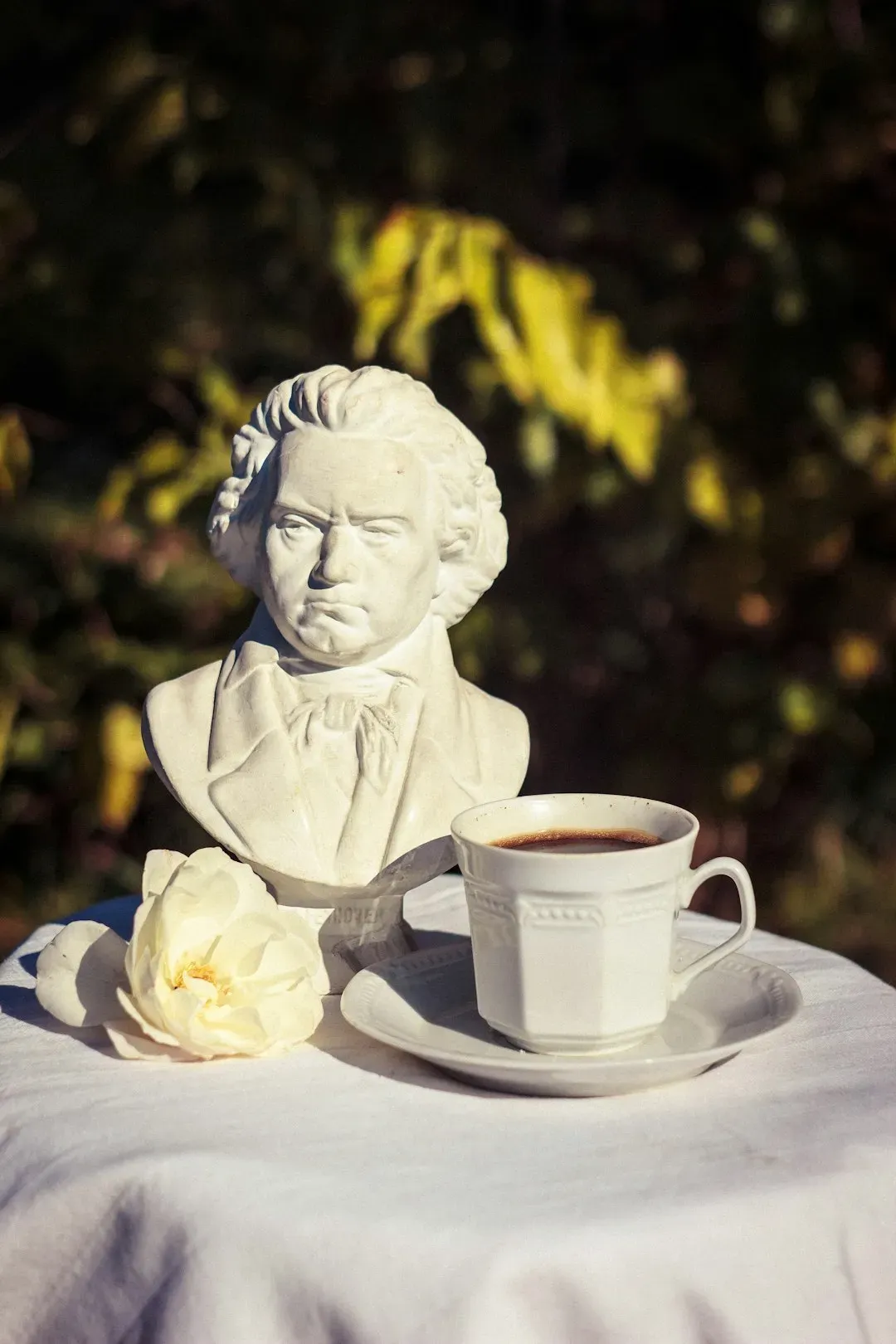
The legendary composer had a bizarre morning ritual involving precisely counting out sixty coffee beans for each cup he brewed, and when inspiration struck while composing, Beethoven would pour ice water over his head to stay alert. Imagine the scene: a musical genius standing in his apartment, soaking wet, with water dripping everywhere while he frantically scribbled notes.
His landlords frequently evicted him due to these habits and his tendency to leave food scraps lying around until they molded. Beethoven’s life was messy in every sense of the word. His obsessive behaviors likely helped fuel his creative genius, even if they made him nearly impossible to live with or rent to.
Peter the Great’s Twisted Educational Methods
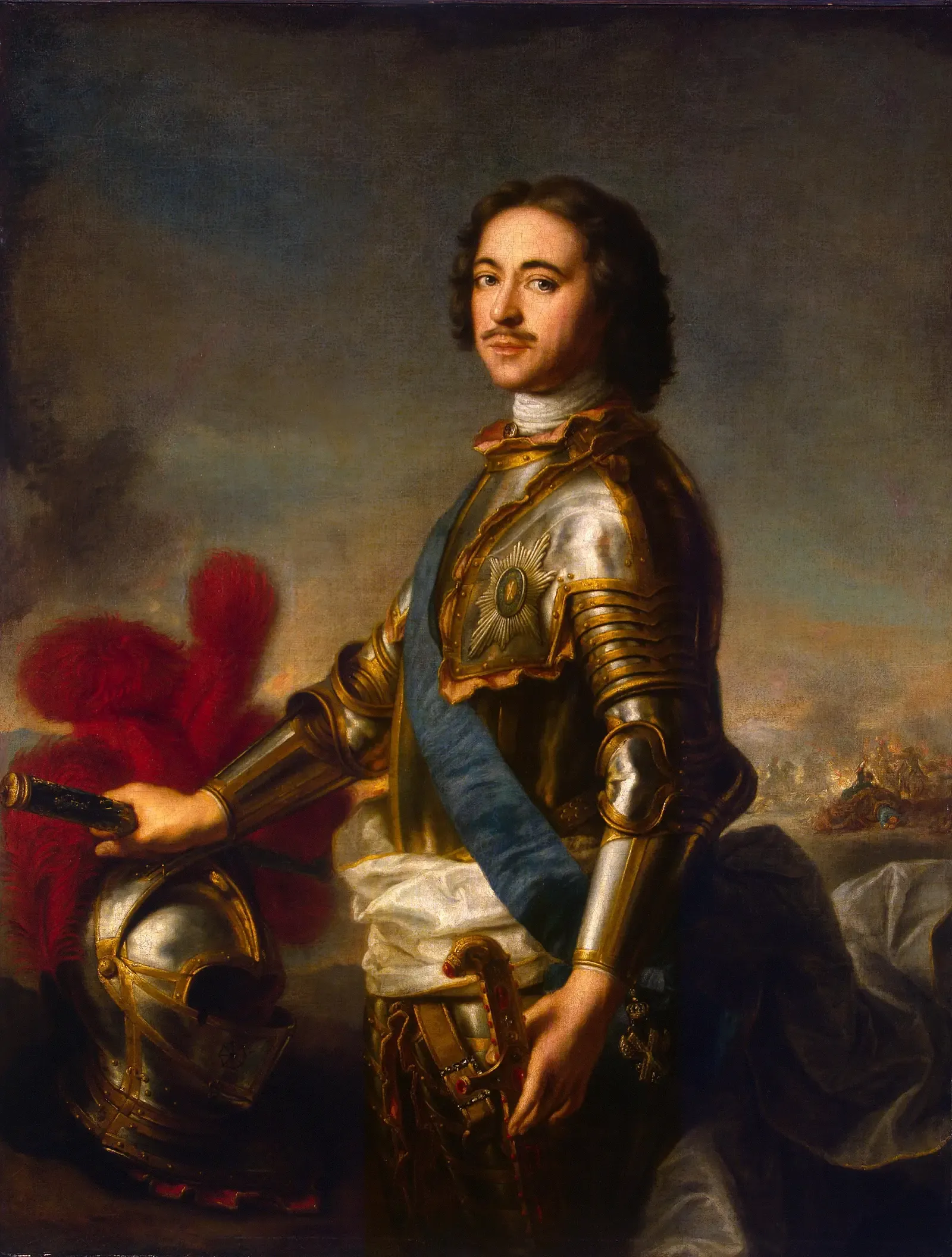
Peter the Great collected human oddities and insisted nobles watch autopsies to toughen them, and he also staged fake executions as pranks. This wasn’t just about being eccentric. Peter was determined to drag Russia into modernity, and he believed shock tactics were necessary to shake people out of their traditional mindsets.
For Peter, transformation required both terror and twisted humor, all in the name of progress. He traveled across Europe incognito to learn shipbuilding and other trades, then returned to Russia and forced his nobles to shave their beards and adopt Western clothing. His methods were brutal, but they worked. Russia became a major European power under his rule.
Howard Hughes and His Germaphobic Isolation
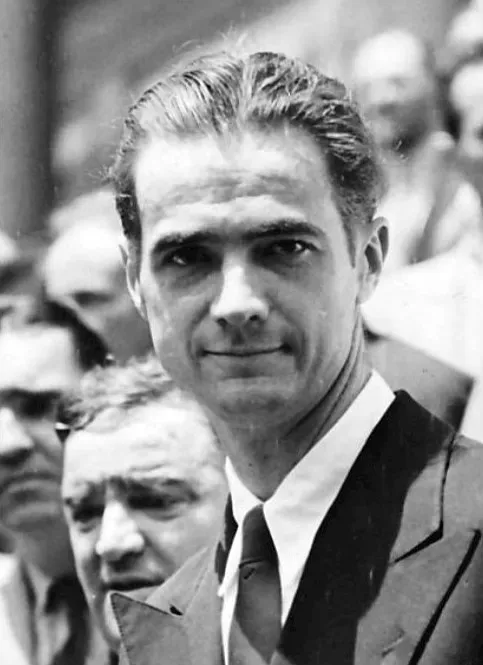
The aviation tycoon became obsessed with cleanliness, refusing to touch objects without tissues and isolating himself in dark rooms for months, storing his own urine in jars and trimming his nails obsessively. Hughes started out as a dashing Hollywood figure and successful businessman. Over time, his fears consumed him completely.
Hughes would wrap tissues around doorknobs before touching them, wear tissue boxes on his feet to protect them from floor germs, and provide detailed written instructions to servants about how to handle his food, with his fear of contamination eventually contributing to his transformation into a reclusive eccentric hiding from the world. His final years were spent in complete isolation, a tragic end for someone who had once seemed to have everything.
Charles Dickens’ Obsessive Work Environment
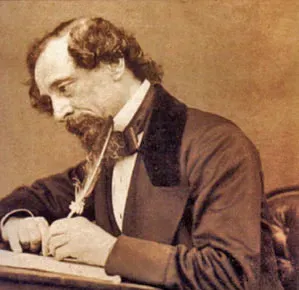
Dickens kept to a military strict schedule, always writing in his study between nine a.m. and two p.m. before striking off on three hour walks, demanding total silence in his house during work hours and requiring that his pens, ink and small collection of statuettes be specially arranged on his desk. He was notoriously fussy about every detail of his workspace.
The author carried these talismans with him wherever he traveled, and he would even rearrange furniture in hotels and guesthouses to recreate the layout of his home office as closely as possible. Dickens also believed that sleeping facing north aligned him better with the Earth’s electrical currents. His rituals might sound excessive, but they clearly worked. The man wrote some of the most beloved novels in the English language.
Isaac Newton’s Self Experimentation
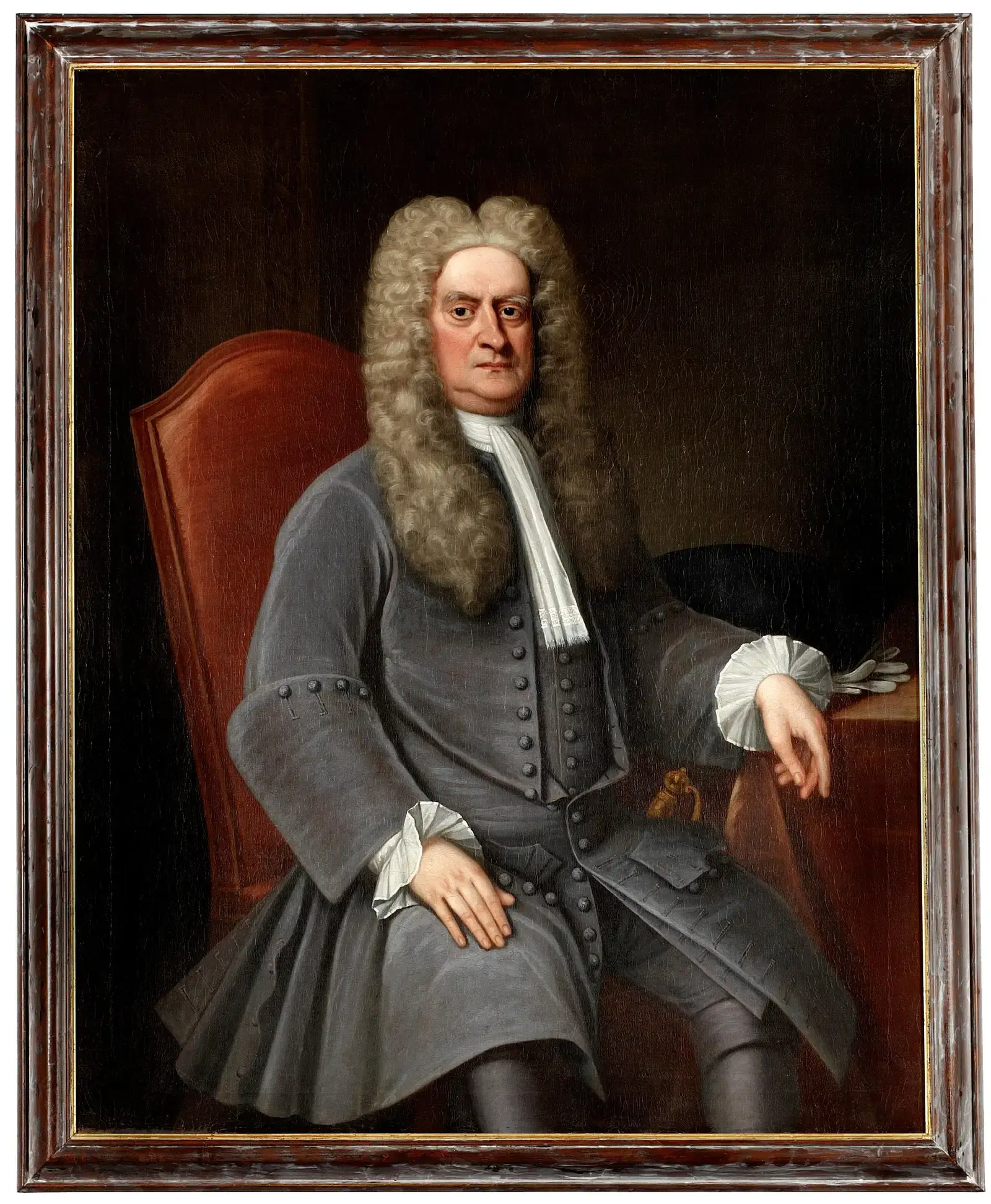
Newton once stared at the sun for so long that it damaged his vision, and he even slid needles behind his eye to study optics, also forgetting to eat for days. Newton’s curiosity knew absolutely no bounds, even when it came to his own body. He treated himself like a laboratory experiment.
This level of dedication is both admirable and deeply disturbing. Newton was so consumed by his quest for knowledge that basic self preservation became an afterthought. His work transformed our understanding of physics and mathematics, but the personal cost was immense. The man who unlocked the secrets of gravity couldn’t be bothered to remember lunch.
Tycho Brahe’s Prosthetic Nose and Drunken Moose
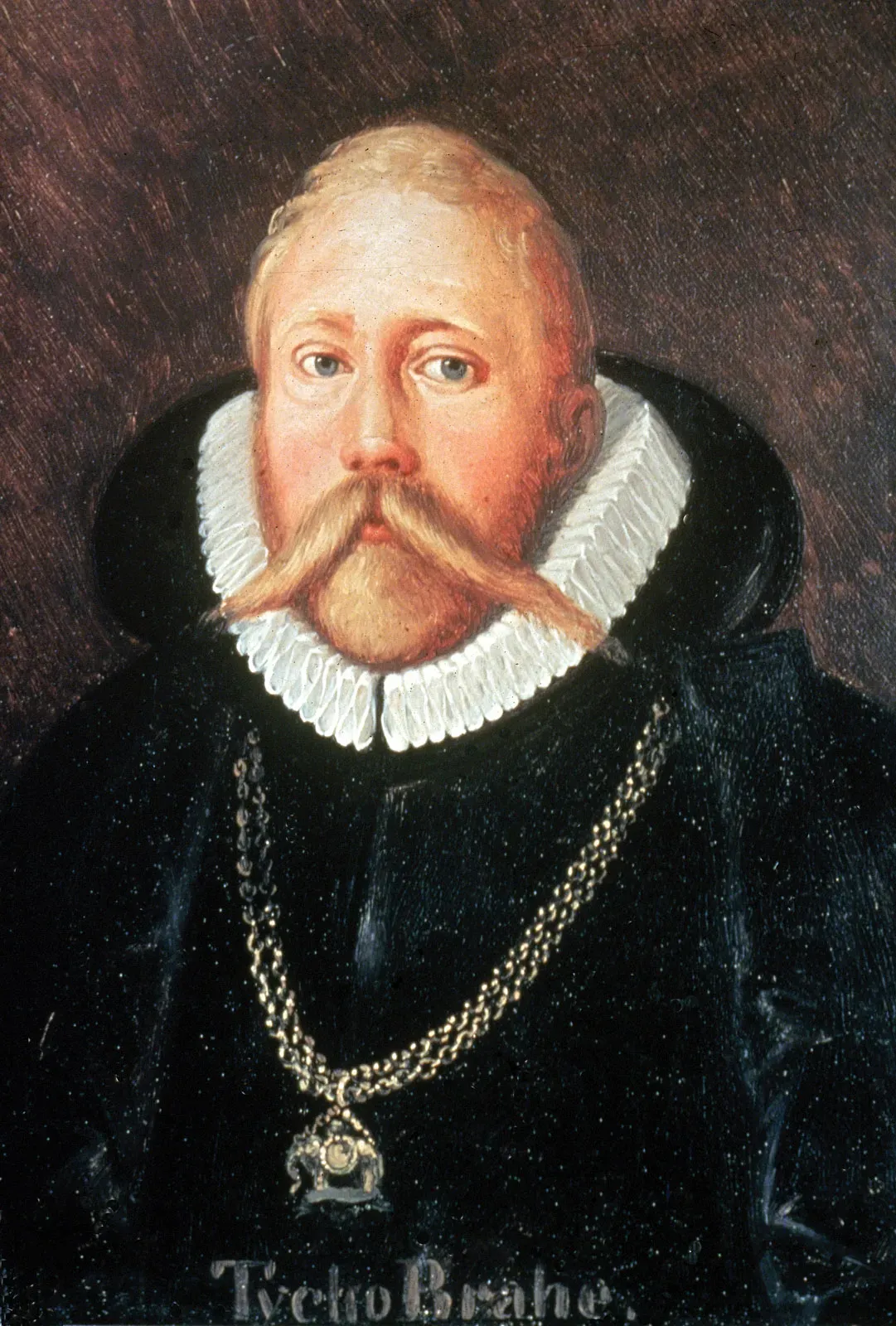
The astronomer domesticated a moose and kept it as a pet, but it died after getting intoxicated at a party he organized, and he also lost part of his nose in a duel, befriended the opponent who cut it off, and then proceeded to create and wear a brass prosthetic nose. Tycho’s life reads like something out of a bizarre novel. How does someone lose their nose in a duel and then become friends with the person responsible?
Tycho was as brilliant as he was strange. His astronomical observations laid the groundwork for later discoveries by Johannes Kepler. Still, it’s the moose story that really captures people’s imagination. A pet moose dying from drinking too much beer at a party is exactly the kind of detail that makes history feel wonderfully human and absurd.
Grigori Rasputin’s Philosophy of Sin
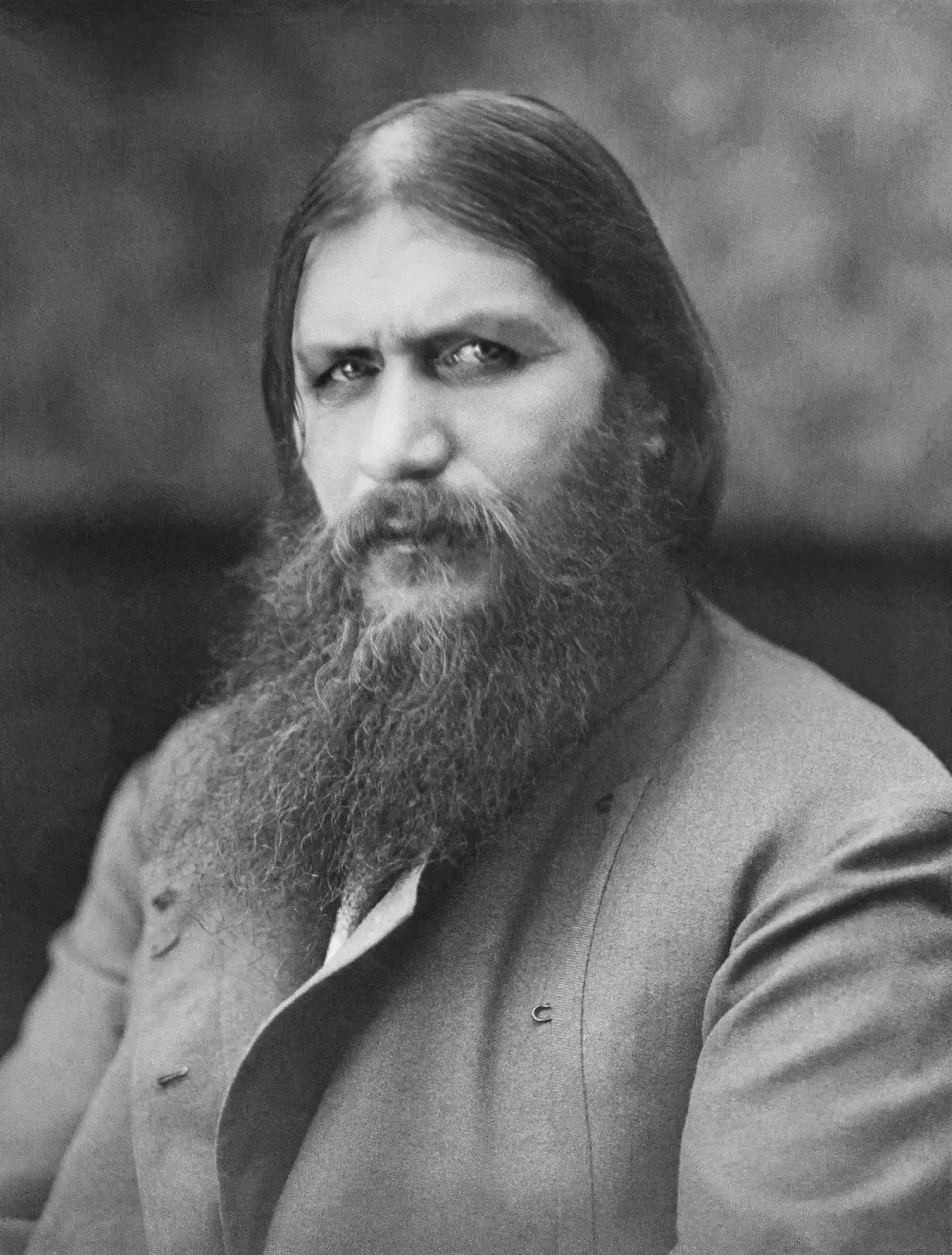
Rasputin rarely bathed, believing filth brought him closer to holiness, and the mystic claimed sin was necessary for salvation, so he indulged in extremes, fasting, feasting, and womanizing in cycles. His followers believed he possessed divine powers, but most people just found him revolting. Rasputin’s influence over the Russian royal family remains one of history’s most bizarre relationships.
A core belief of Rasputin’s cult was that nearness to God is achieved by a state described as holy passionlessness, which is best achieved via exhaustion, and such exhaustion was to be attained by a lot of intimacy, a religious doctrine he described as driving out sin with sin. Rasputin’s twisted theology gave him permission to do whatever he wanted while claiming spiritual justification. His death was almost as strange as his life, reportedly surviving poisoning, shooting, and beating before finally drowning.
Conclusion: The Fine Line Between Genius and Oddity
These twelve figures remind us that brilliance often comes wrapped in strangeness. Their quirks weren’t obstacles to their success but somehow integral to who they were and what they achieved. Whether it was Tesla’s pigeons, Beethoven’s ice water showers, or Peter the Great’s fake executions, these behaviors reveal the deeply human side of people we’ve turned into legends.
Maybe eccentricity isn’t something to be avoided or cured. Perhaps it’s actually the fuel that drives exceptional people to do exceptional things. Next time you catch yourself engaging in some odd little ritual, remember that you’re in good company with some of history’s greatest minds. What about you? Did any of these historical quirks surprise you more than the others?