When you think of dinosaurs, chances are you picture the colossal Tyrannosaurus rex or the three-horned Triceratops. These prehistoric giants have earned their spot in popular culture, appearing in everything from movies to museum displays. Yet beneath their massive shadows lies a treasure trove of equally remarkable creatures that rarely see the spotlight.
The world of dinosaur discoveries is more active than ever. Every two weeks, we meet a new dinosaur species, expanding our understanding of these ancient creatures with each fossil unearthed. But here’s the thing: While scientists uncover these incredible finds, many remain relatively unknown outside academic circles. These overlooked dinosaurs offer fascinating glimpses into how diverse and adaptable prehistoric life truly was, from bizarre feeding habits to unusual body structures that challenge everything we thought we knew about the Mesozoic era. Ready to meet some of the strangest, most intriguing dinosaurs you’ve never heard of? Let’s dive in.
Halszkaraptor: The Swan-Necked Swimmer
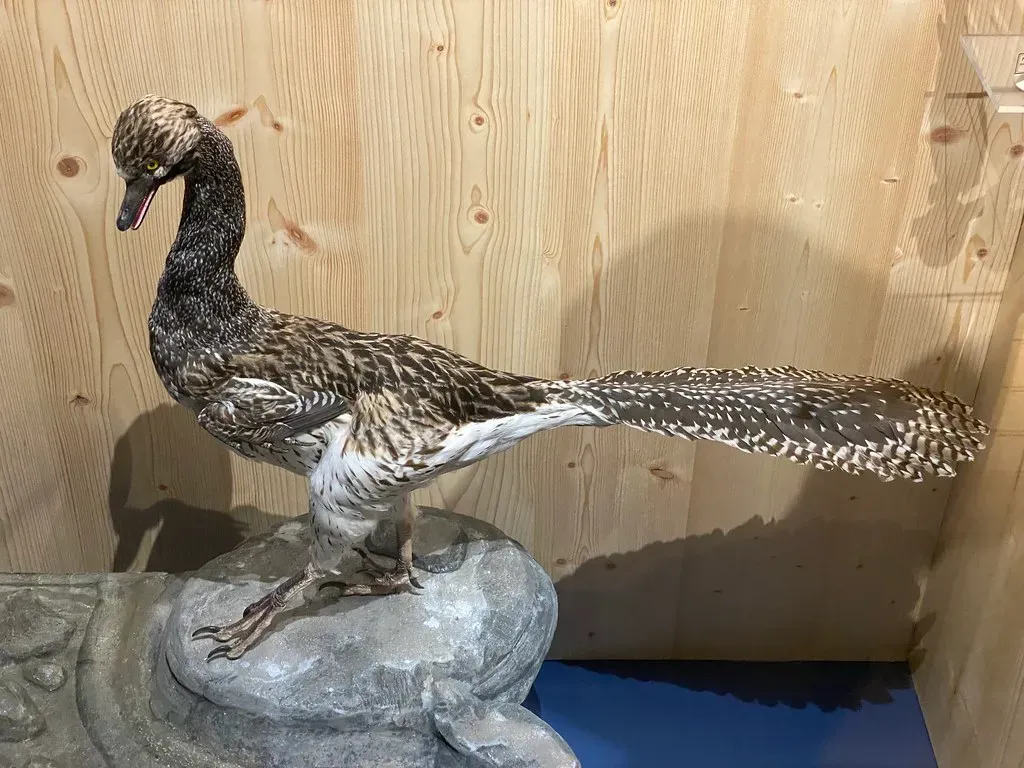
Halszkaraptor, discovered in Mongolia, had a swan-like neck and semi-aquatic adaptations. This unusual predator looked like someone tried to create a dinosaur by mixing bird and crocodile features together. Its body plan was so unique that when paleontologists first examined it, they struggled to believe it was real.
What makes Halszkaraptor particularly fascinating is how it challenges our understanding of dinosaur lifestyles. Most theropods were land-based hunters, yet this creature appears to have spent considerable time in water, hunting fish and other aquatic prey. Its flexible neck would have allowed it to strike at prey with incredible speed, much like modern herons do today. The discovery proves that dinosaurs adapted to nearly every available ecological niche, even ones we’d never expect.
Yi qi: The Bat-Winged Wonder
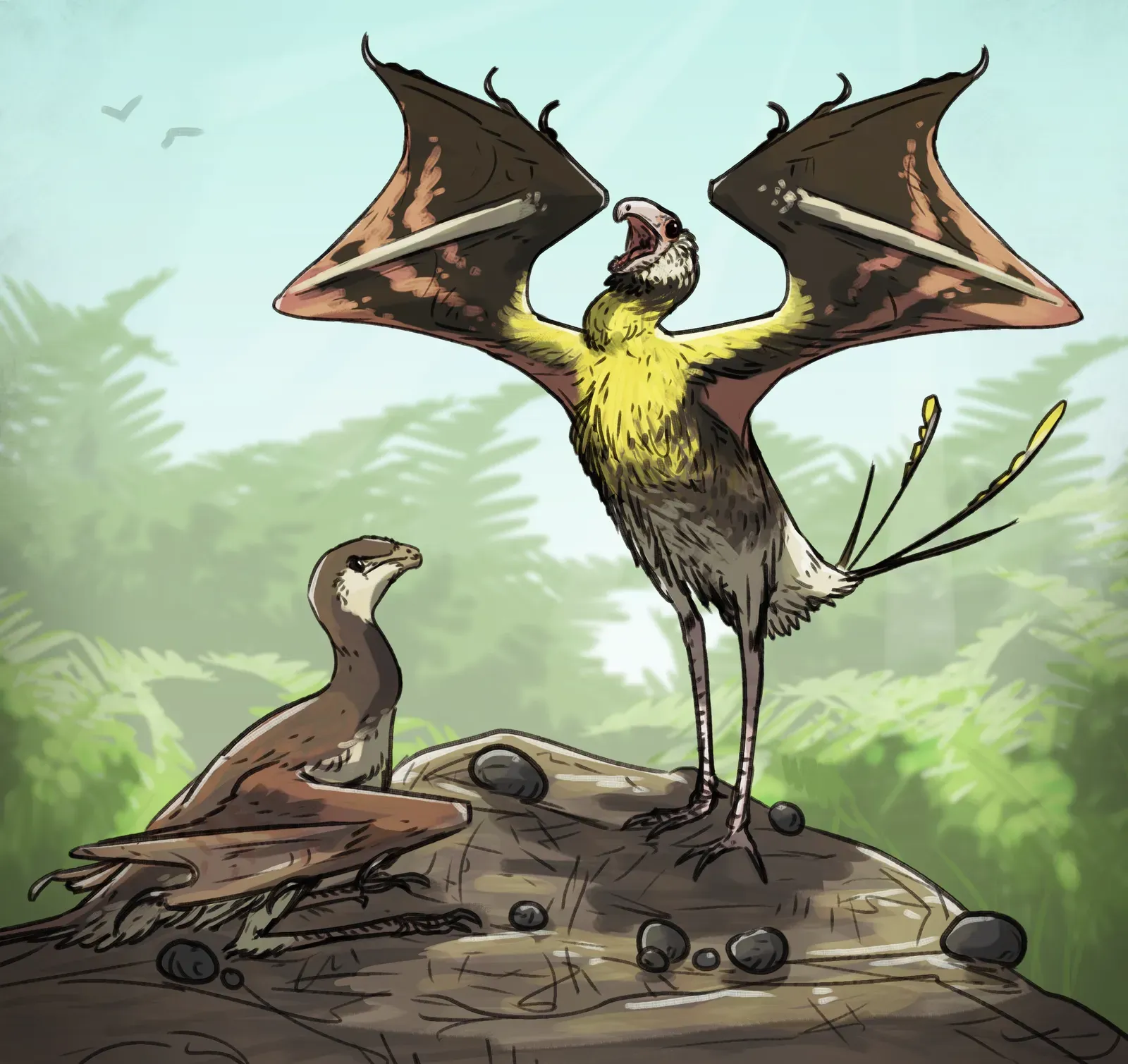
Yi qi, unearthed in China, had a bizarre membrane-wing structure, representing a rare glimpse into the evolution of flight in dinosaurs. Unlike the feathered wings we associate with birds and their dinosaur ancestors, this small creature developed skin membranes stretched between elongated finger bones. Think of it as nature’s experiment with flight that took a completely different path.
This dinosaur represents one of evolution’s more unusual attempts at taking to the skies. This remarkable dinosaur, resembling a cross between a bird and a bat, challenged preconceived notions about the evolution of flight in dinosaurs. Its discovery reminds us that evolution doesn’t follow a single predictable path. Sometimes nature tries wildly different solutions to the same problem, and Yi qi’s bat-like approach to flight is one of the strangest detours in dinosaur evolution.
Chilesaurus: The Puzzle That Confused Scientists
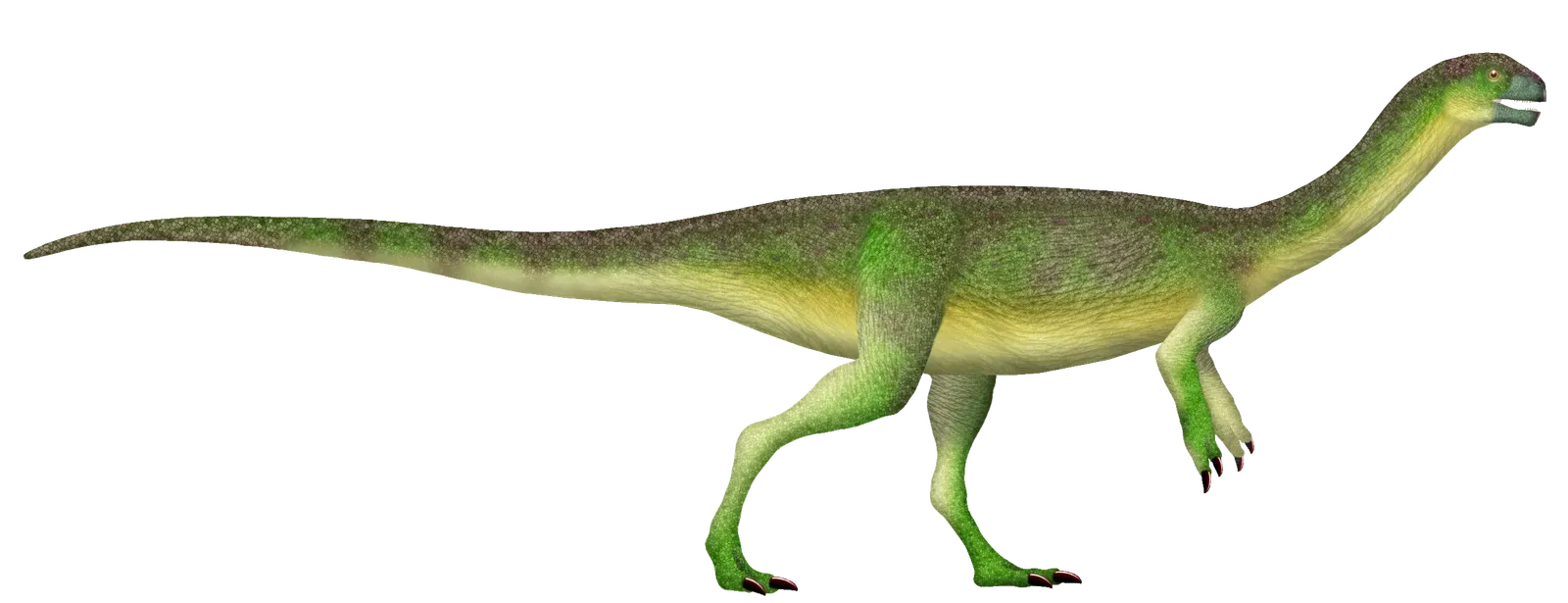
The Chilesaurus, discovered in Chile, initially perplexed scientists with its amalgamation of features from different dinosaur groups. Deciphering the evolutionary significance of such enigmatic dinosaurs requires meticulous research. When paleontologists first examined this creature, they couldn’t decide where it fit in the dinosaur family tree. It had the body of one group, the feet of another, and the teeth of yet another.
This dinosaur is like nature’s Frankenstein monster, but in the best possible way. The Chilesaurus, with its mosaic of traits, exemplifies the difficulties in classification, emphasizing the importance of innovative approaches in paleontological research. Its mixed features tell us that dinosaur evolution was far more complex than simple branching lines on a chart. Sometimes species evolved traits that made them look like they belonged to completely different groups, making the job of modern paleontologists delightfully complicated.
Deinocheirus: The Terrible Hands
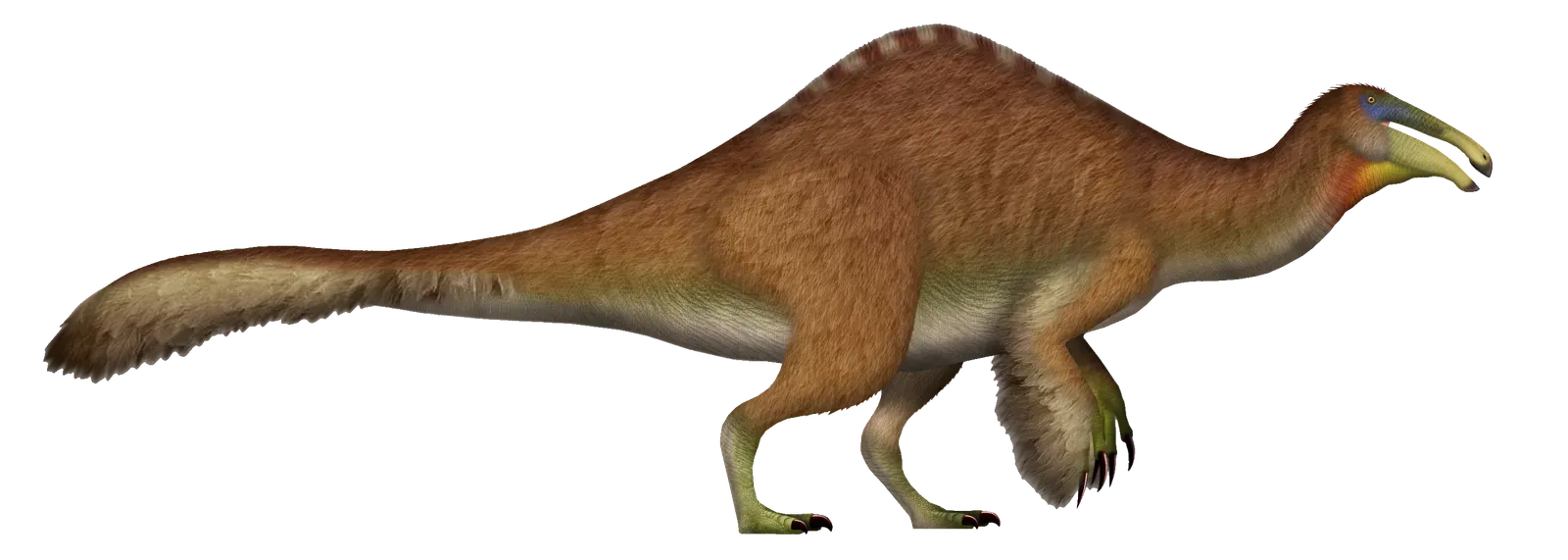
Known as the “terrible hand” due to its large, clawed forelimbs, Deinocheirus was an ornithomimosaur that roamed Mongolia during the Late Cretaceous period, around 70 million years ago. For decades, this dinosaur was known only from its massive arms, which were so enormous that scientists couldn’t figure out what kind of creature they belonged to. When more complete fossils were finally discovered, the result was utterly bizarre.
With a humped back similar to a camel’s and a duck-like beak, Deinocheirus was built for a specialized lifestyle. Initially thought to be a carnivore, further findings suggested it was omnivorous, feeding on plants and possibly fish. Picture something that looks like it shouldn’t exist: part ostrich, part camel, part duck, with arms that could reach across a small car. Its appearance was so unexpected that one paleontologist described it as something from a bad science fiction movie, yet it’s entirely real.
Amargasaurus: The Punk Rock Dinosaur
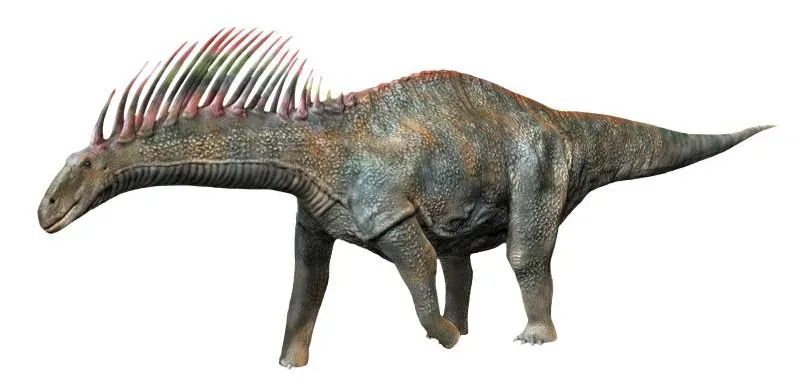
The Amargasaurus, discovered in Argentina, roamed the ancient forests of South America approximately 129 million years ago. This long-necked dinosaur with distinctive spines highlights the adaptability of dinosaurs. Its most striking feature was a double row of tall spines running along its neck and back, giving it a mohawk-like appearance that would make any punk rocker jealous.
Scientists still debate what purpose these spines served. Some researchers believe they supported a sail-like membrane used for temperature regulation, while others think they were purely for display or defense against predators. The animal’s double row of cervical sails might have been used for thermoregulation, display, or communication within its species. Whatever their function, these spines made Amargasaurus one of the most visually distinctive sauropods that ever lived, yet it remains largely unknown outside paleontology circles.
Nigersaurus: The Vacuum Cleaner of the Cretaceous
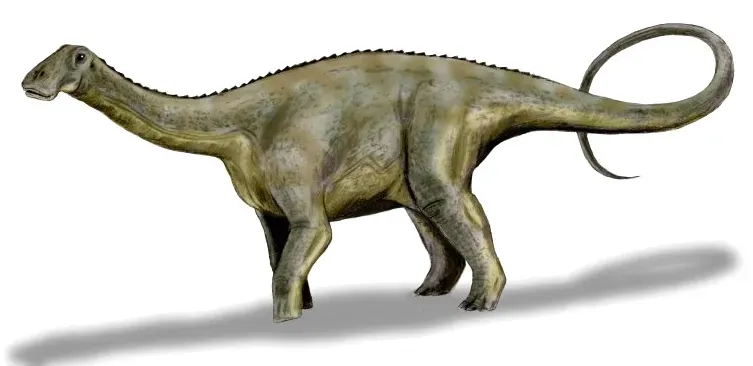
Nigersaurus, known as the “Mesozoic cow”, was a peculiar sauropod from the Middle Cretaceous Niger. With a broad snout and over 500 active and replacement teeth, this dinosaur is famed for its grazing specialization. Its mouth was shaped like the end of a vacuum cleaner attachment, perfectly adapted for sweeping up low-lying vegetation.
What’s truly mind-blowing about Nigersaurus is its teeth replacement system. Every tooth had multiple replacements stacked behind it, ready to take over when the front one wore down. This dinosaur could replace its teeth faster than any other known animal, keeping its lawn-mower mouth in perfect working order. Its skull was incredibly delicate and lightweight, filled with large openings, making it one of the most unusual sauropods ever discovered. Let’s be real: a dinosaur that looked like a vacuum cleaner and had more teeth than seems necessary is definitely worth knowing about.
Therizinosaurus: The Nightmare Gardener
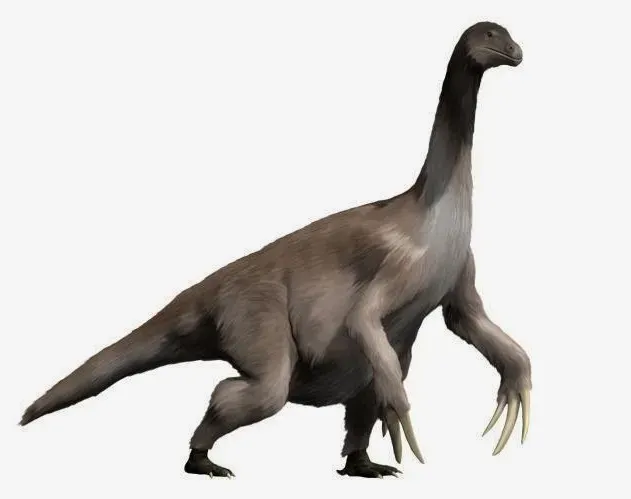
Therizinosaurus, known for its enormous claws, lived during the Late Cretaceous period. Its gigantic size and unique adaptations challenge traditional views of dinosaur morphology. Its claws were longer than swords, measuring over three feet in length, making them the longest claws of any known animal in Earth’s history.
Despite having weapons that would terrify any predator, Therizinosaurus was likely a herbivore. Those massive claws weren’t for hunting meat but probably for stripping leaves from trees and defending against attackers. Its pot-bellied body and long neck made it look completely unlike any other theropod, which were typically sleek predators. This dinosaur basically looked like someone designed a creature specifically to star in nightmares, then decided to make it a vegetarian. Nature has a strange sense of humor.
Wendiceratops: The Frill Master
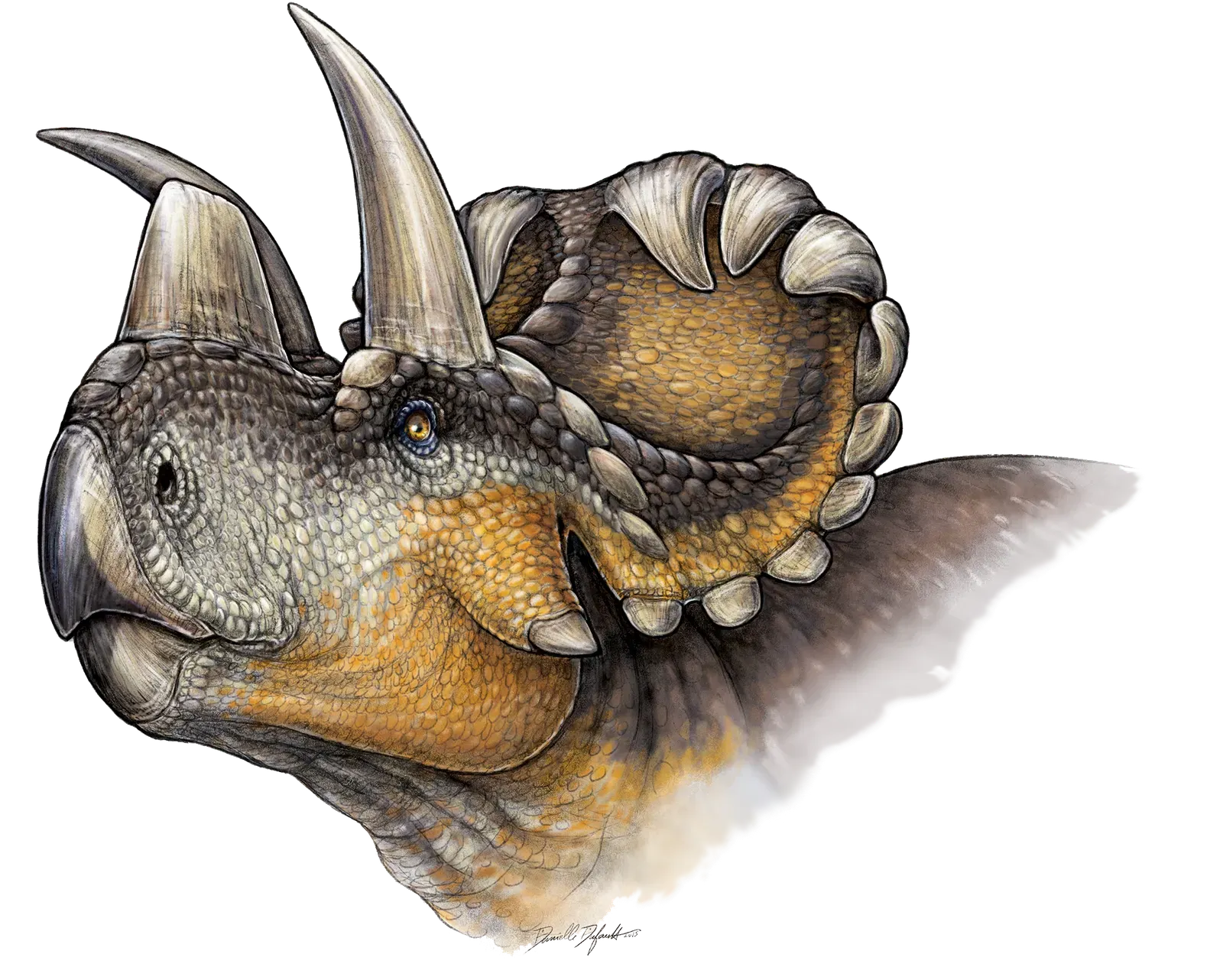
Recent findings, such as the discovery of The Wendiceratops in Canada, provide valuable information about the evolution of horned dinosaurs. This ceratopsian lived during the Late Cretaceous period and sported an elaborate frill with unique ornamentation that set it apart from its more famous relatives like Triceratops.
The discovery of Wendiceratops has helped paleontologists understand how horned dinosaurs evolved and diversified across North America. Its frill likely served multiple purposes: attracting mates, intimidating rivals, and possibly regulating body temperature. These frills were like evolutionary billboards, advertising the owner’s fitness and health. Wendiceratops shows us that even within well-known dinosaur groups, there’s still incredible diversity waiting to be discovered and appreciated.
Incisivosaurus: The Buck-Toothed Oddball
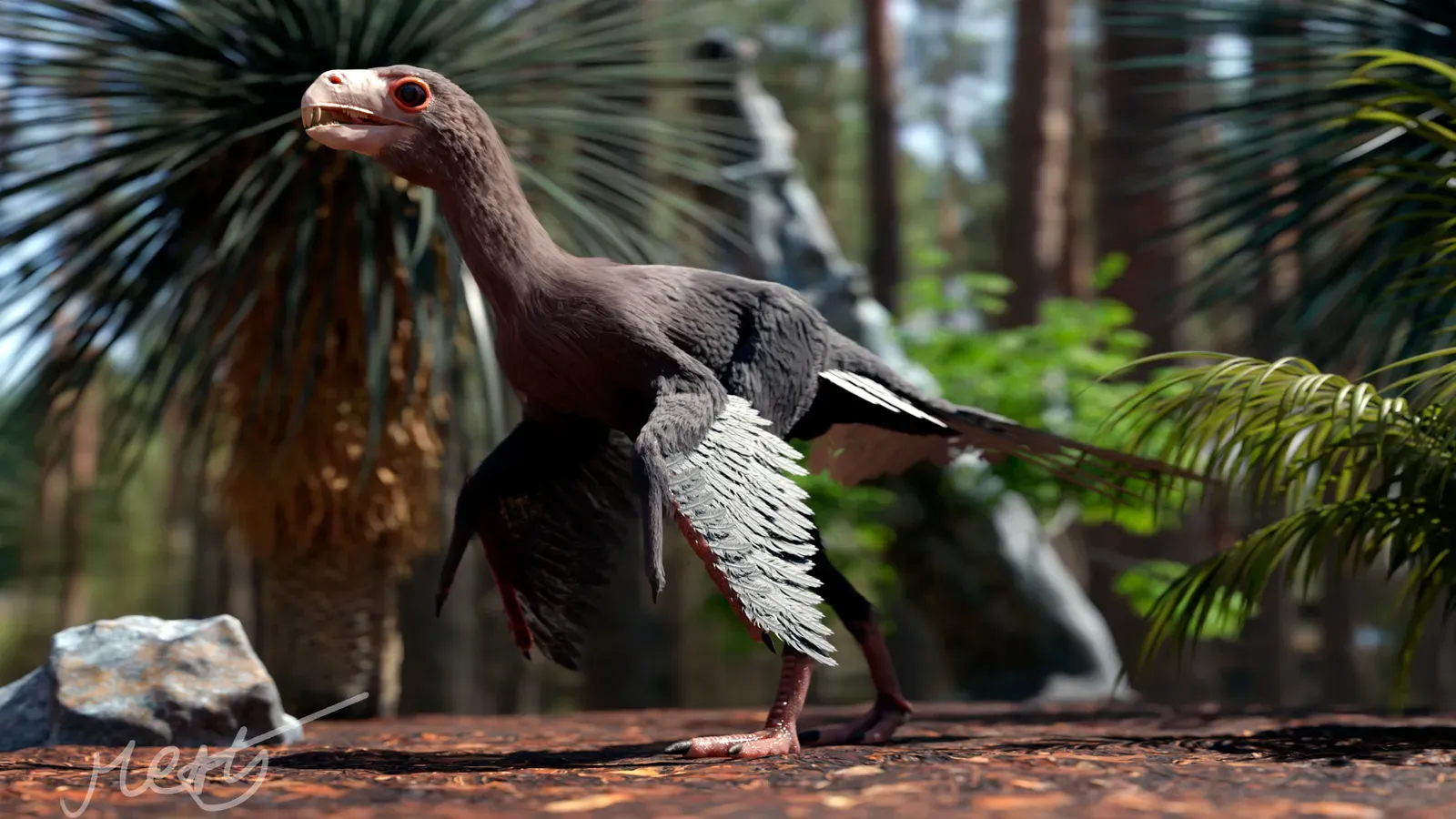
Incisivosaurus was a small, feathered theropod with prominent front teeth like a rodent’s. It likely used them to strip vegetation, making it an unusual plant-eating member of its group. Imagine a bird-like dinosaur with buck teeth as large as a beaver’s, and you’ve got Incisivosaurus. It’s honestly one of the most absurd-looking creatures from the Mesozoic era.
This little dinosaur helped scientists solve mysteries about the evolution of another dinosaur group, the oviraptors. Researchers initially thought oviraptors might have descended from birds that lost the ability to fly, but Incisivosaurus proved to be an early ancestor, disproving that theory. Its combination of sharp claws and herbivorous teeth makes it a fascinating example of how theropods experimented with different diets. Sometimes evolution’s experiments produce creatures that look like they shouldn’t work, yet they thrived for millions of years.
Concavenator: The Humped Hunter
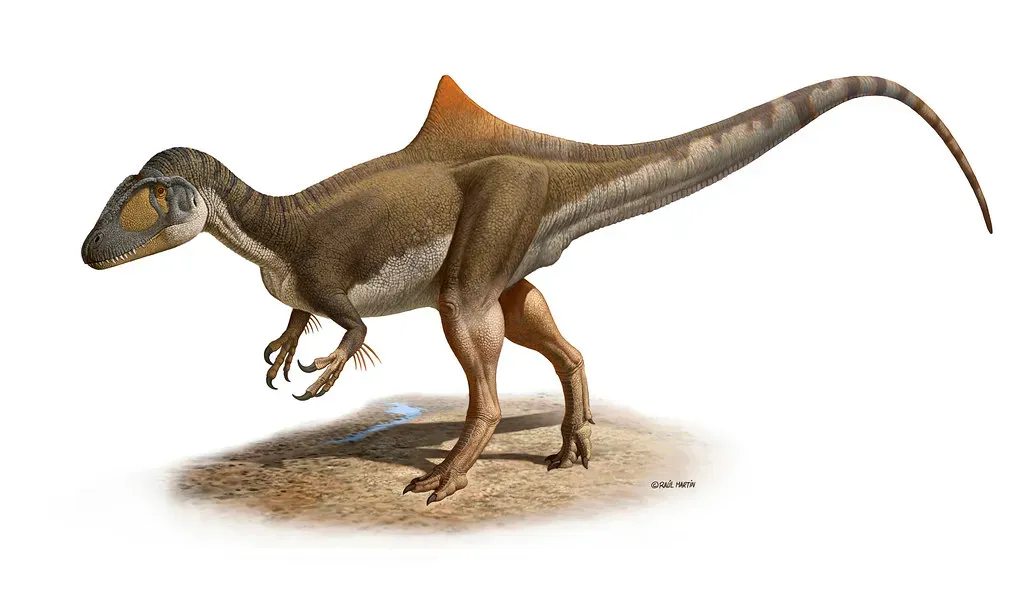
Concavenator was a small carcharodontosaurid from Early Cretaceous Spain. Notable for its unusual back, which featured a prominent, sail-like hump supported by elongated vertebrae, Concavenator stretched around 6 meters long. This predator looked like someone took a regular carnivorous dinosaur and decided to add a dramatic hump to its back for no apparent reason.
The purpose of this hump remains one of paleontology’s intriguing mysteries. Was it used for display during mating rituals? Did it help regulate body temperature? Or did it serve some other function we haven’t even considered? What we do know is that Concavenator was a capable predator that moved on two legs and likely hunted smaller dinosaurs and other prey. Its discovery in Spain also highlights how much diversity existed among predatory dinosaurs, even within relatively small geographic areas.
Mononykus: The One-Clawed Digger
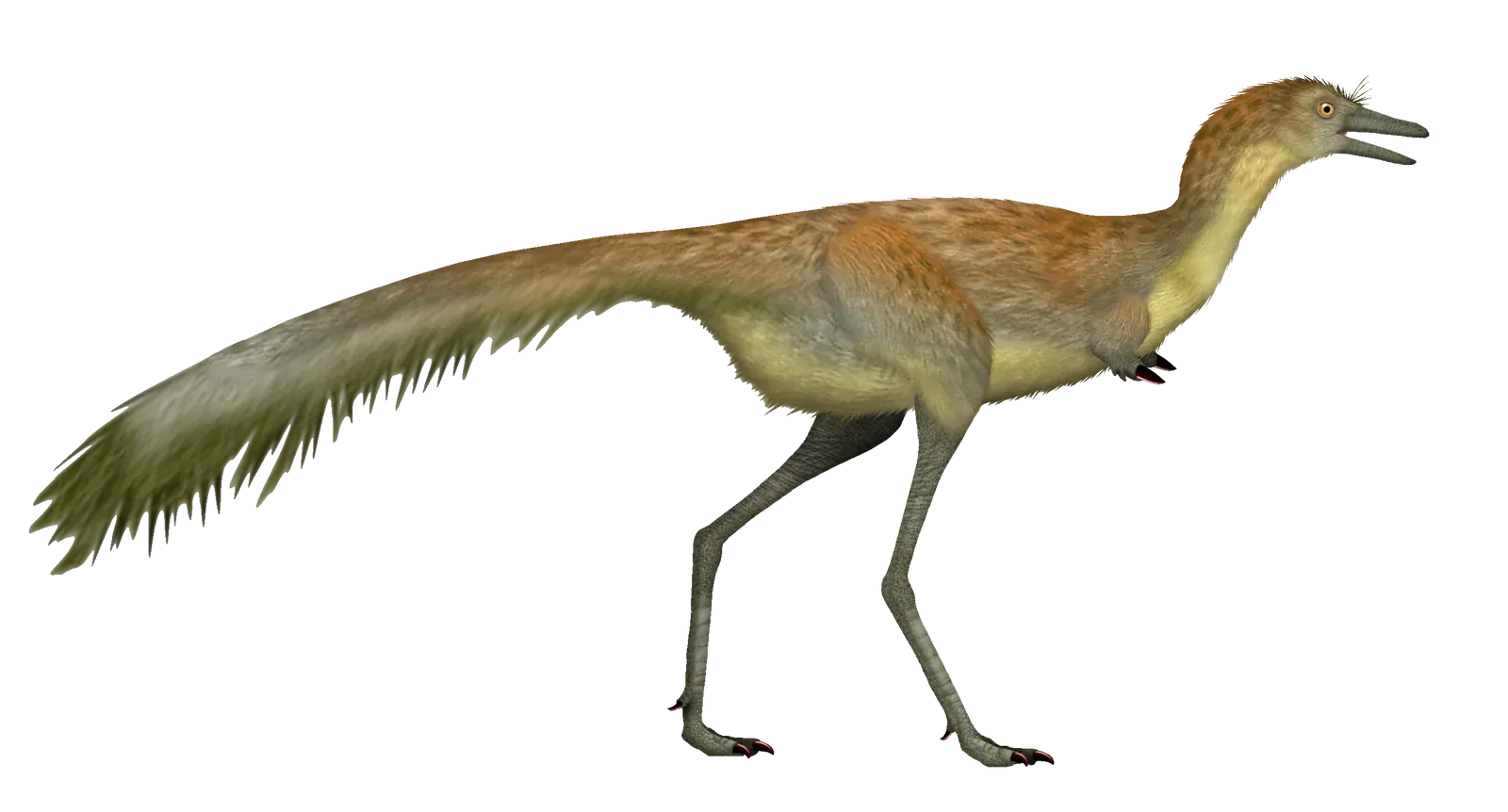
Mononykus, a small theropod from the Late Cretaceous period, was unique for its singular large claw on each forearm, leading to its name meaning “One Claw”. Found in the Nemegt Formation of Mongolia, Mononykus was about 1 to 1.5 meters long. Its long, sharp claws were likely adapted for digging. This tiny dinosaur had arms that were essentially just one massive claw, like evolution decided to create a specialized digging tool.
Scientists believe Mononykus used its powerful claws to break into insect nests, particularly termite mounds, to feast on the insects inside. Its body was built for this specialized lifestyle, with bird-like features that made it quick and agile. This dinosaur represents how evolution can take a basic body plan and modify it for incredibly specific purposes. Honestly, it’s hard to say for sure what Mononykus’s daily life was like, but imagining a tiny dinosaur demolishing termite mounds with single massive claws is both bizarre and delightful.
Bajadasaurus: The Forward-Facing Spikes
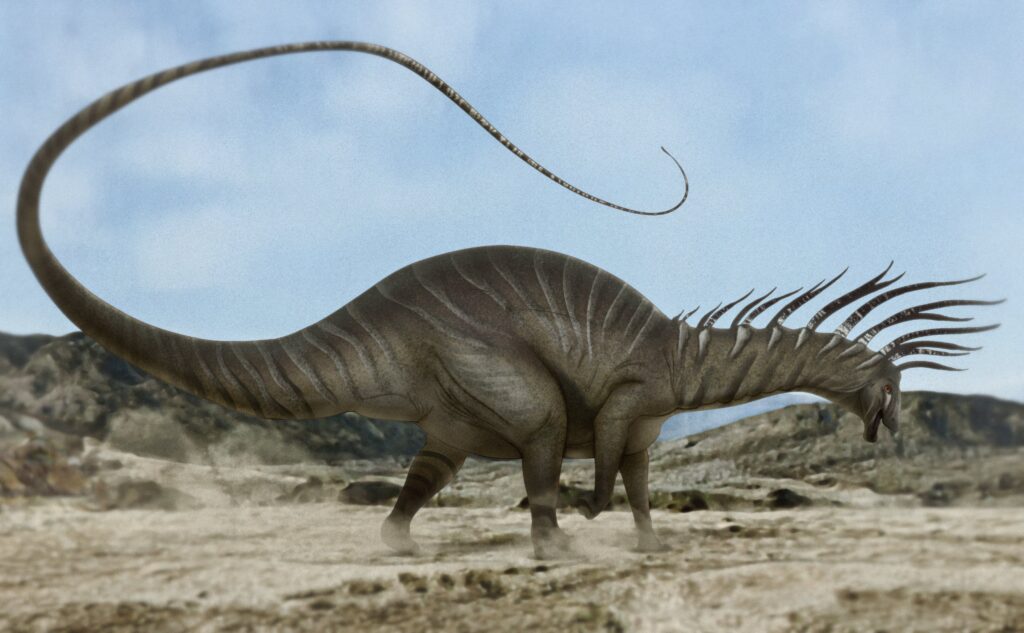
First described in 2019, Bajadasaurus wore a mohawk better than any latter-day punk rocker. A row of spectacular elongated spines point forward from its neck, almost like an arched fence, perhaps for sexual display, passive defense or even thermoregulation. This sauropod from Early Cretaceous Argentina took defensive ornamentation to a whole new level with its forward-pointing neck spines.
These spines weren’t just impressive to look at; they would have made Bajadasaurus a difficult meal for any predator. Imagine trying to bite a creature whose neck is covered in spear-like projections pointing directly at you. The spines might also have been covered in keratin sheaths, making them even longer and more intimidating. This elephant-sized herbivore showed that even gentle plant-eaters needed creative solutions to survive in a world full of hungry predators.
The Importance of These Forgotten Giants
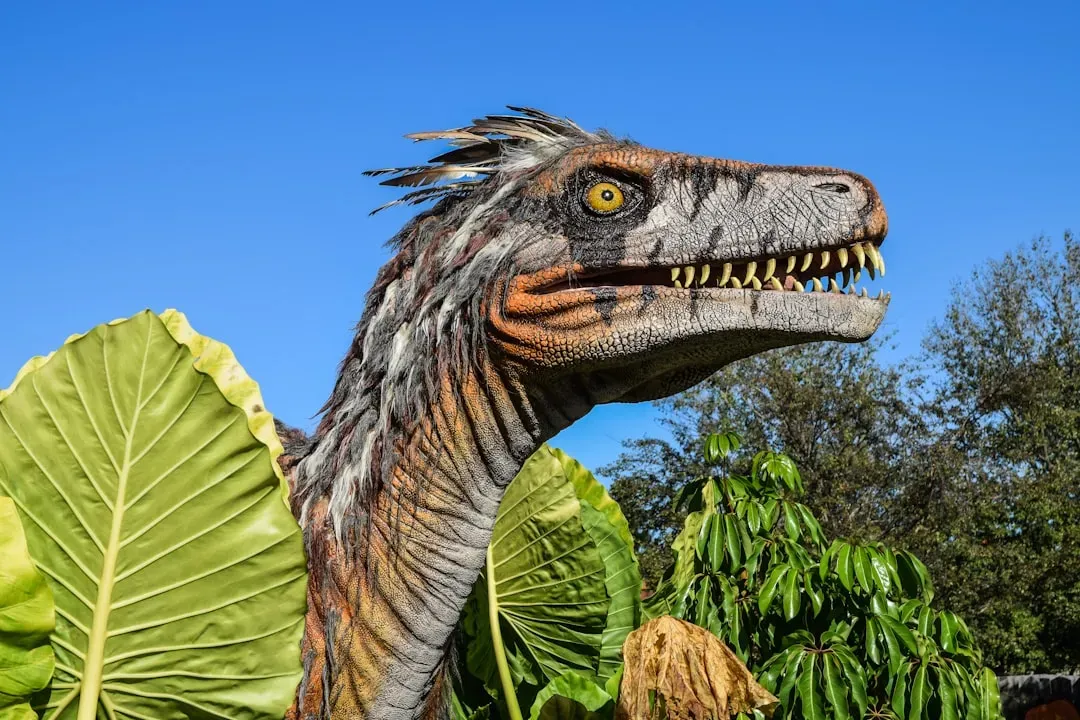
These twelve dinosaurs represent just a fraction of the incredible diversity that existed during the Mesozoic era. Each species tells a unique story about evolution, adaptation, and survival in ancient ecosystems. While they may not have the name recognition of T. rex or Velociraptor, their contributions to our understanding of prehistoric life are invaluable. They challenge our assumptions, fill gaps in the evolutionary record, and remind us that nature’s creativity knows no bounds.
The continued discovery and study of these lesser-known species keeps paleontology exciting and dynamic. Every fossil unearthed adds another piece to the puzzle of Earth’s ancient past, revealing connections and adaptations we never imagined. These creatures deserve their moment in the spotlight, not just as scientific curiosities but as reminders of the extraordinary diversity that once flourished on our planet. What do you think about these incredible creatures? Which one surprised you the most?