Everyone knows the Tyrannosaurus rex. That iconic silhouette, those absurdly tiny arms, the bone-crushing jaws. It’s practically a cultural landmark at this point. Yet here’s what most people don’t realize: North America had an entire, thrilling roster of incredible creatures ruling the land long before T-rex ever took its first thunderous step. Some of these prehistoric animals were enormous. Others were sneaky, bizarre, or surprisingly bird-like. A few were so strange that even paleontologists do a double take.
The fossil record shows that dinosaurs other than tyrannosaurs were the dominant predators in North America as far back as 145 million years ago, while T-rex and its relatives only held that top-predator role around the end of the Cretaceous. That’s a jaw-dropping stretch of prehistoric history that gets almost no love in popular culture. So, let’s fix that. You’re about to meet twelve remarkable dinosaurs that beat T-rex to North America by millions of years, and honestly, some of them deserve far more credit than they get.
1. Coelophysis: The Speedy Little Trailblazer
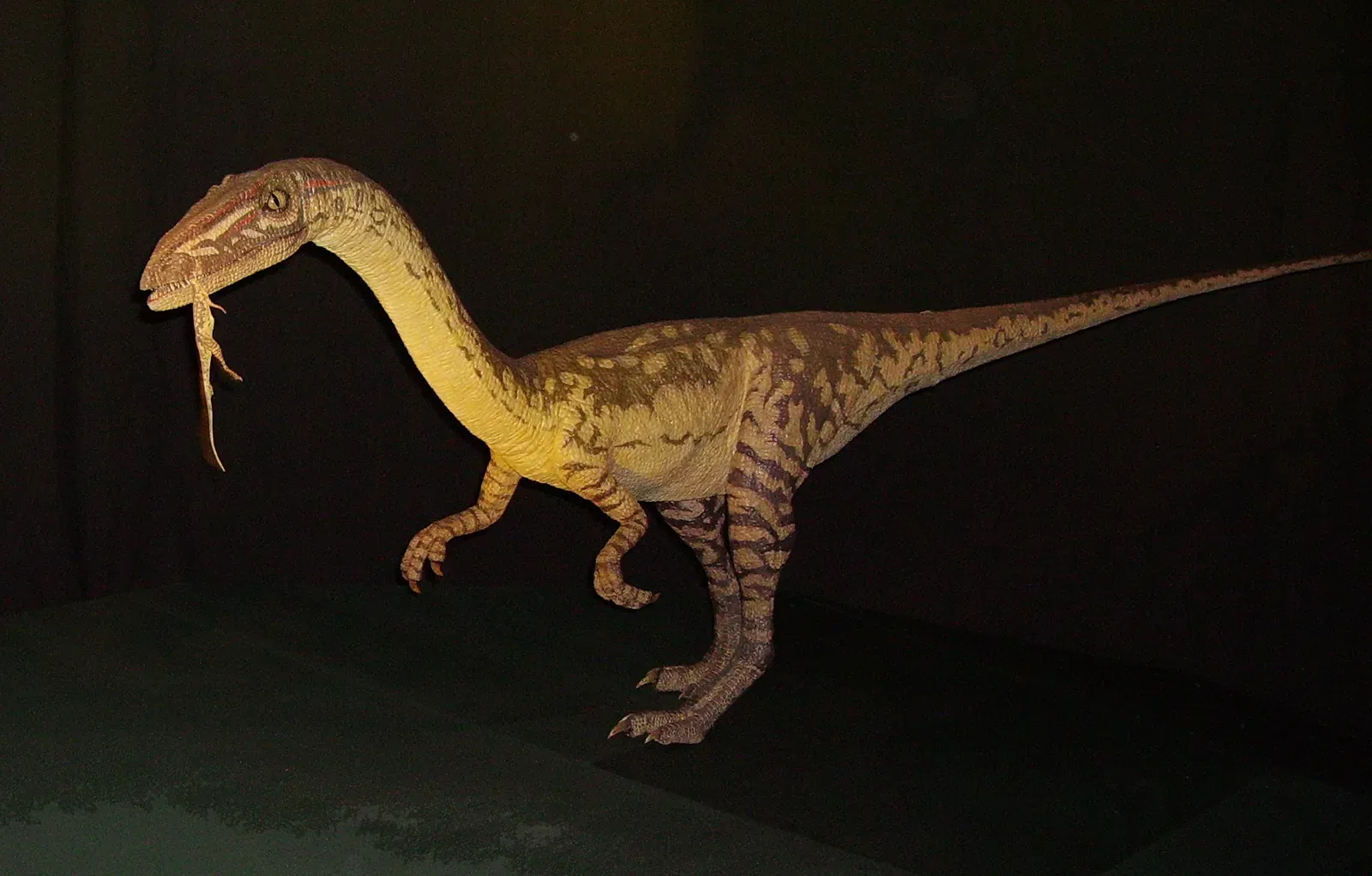
If you want to talk about North America’s original dinosaurs, you have to start with Coelophysis. The earliest potential record of dinosaurs in North America comes from rare, unidentified footprints in the Middle-Late Triassic Pekin Formation of North Carolina, though the most reliable early record comes from fragmentary saurischian fossils unearthed from the Late Triassic Dockum Group of Texas, with later Triassic remains identifiable as specific genera including Coelophysis. Think of Coelophysis as the scrappy founding member of a dynasty that would eventually produce the T-rex itself.
Early theropods like Coelophysis were swift and small, and their name, which means “hollow form,” references the hollow bones that all theropods share, making them lightweight and presumably more agile, which helped in chasing down prey. Picture something resembling a large turkey with sharp teeth and a serious attitude. Fast, lean, and always hungry. It lived roughly 225 million years ago, making it one of the very first tenants of what would become North America’s famous dinosaur real estate.
2. Dilophosaurus: The Double-Crested Predator You’ve Been Misled About
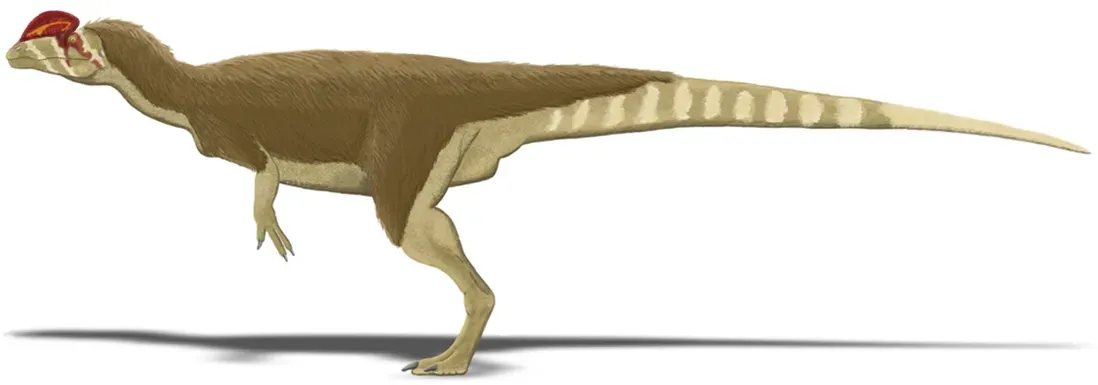
You might think you know Dilophosaurus from a certain famous 1993 film, but honestly, Hollywood got it wrong. There’s no scientific evidence Dilophosaurus could spit venom or had a neck frill, so you can set that image aside. Dilophosaurus was one of the earliest large meat-eating dinosaurs, living during the Early Jurassic Period almost 190 million years ago. That makes it vastly older than T-rex, and in its time, it was likely the biggest predator strutting around what is now North America.
During the Early Jurassic, dinosaurs such as Dilophosaurus, Anchisaurus, Podokesaurus, and the early thyreophoran Scutellosaurus lived in North America. Dilophosaurus stood out most for the two parallel bony crests that ran along the top of its skull, an evolutionary feature paleontologists still debate. Were they for species recognition? Display during mating? Nobody is completely certain. What you can be sure of, though, is that this crested predator was a genuine heavyweight of its era, not a spitting carnival trick.
3. Scutellosaurus: The Tiny Armored Ancestor
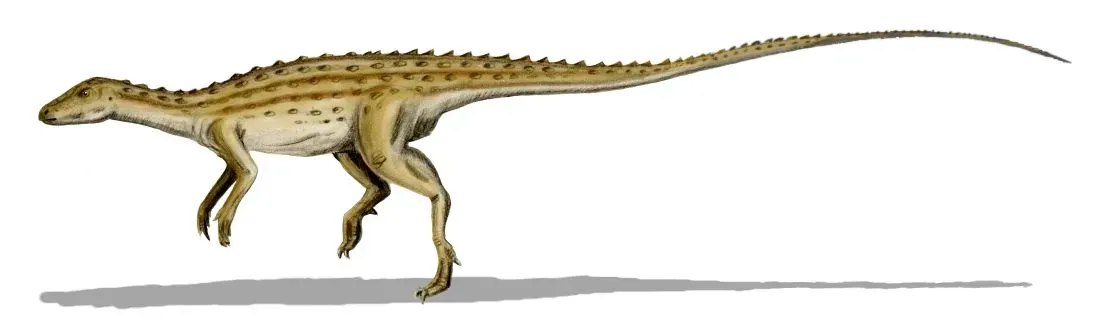
Here’s the thing about Scutellosaurus: it looked almost comically small compared to what would come later, yet its evolutionary importance is enormous. Scutellosaurus was an early armored dinosaur, believed to be an ancestor of all stegosaurs and ankylosaurs. Think about that for a moment. Every iconic armored dinosaur you can name, from the plated Stegosaurus to the club-tailed Ankylosaurus, likely traces its lineage back to this modest little creature that trotted around Early Jurassic North America.
During the Early Jurassic, Scutellosaurus lived in North America alongside Dilophosaurus and Anchisaurus, and is thought to be ancestral to all stegosaurs and ankylosaurs. Scutellosaurus probably moved on two legs most of the time, using its small body armor as a lightweight defensive measure. It’s a bit like discovering that a modest medieval foot soldier is actually the great-great-grandfather of every tank ever built. Small in stature. Massive in legacy.
4. Acrocanthosaurus: The Ridge-Backed Ruler of the Early Cretaceous
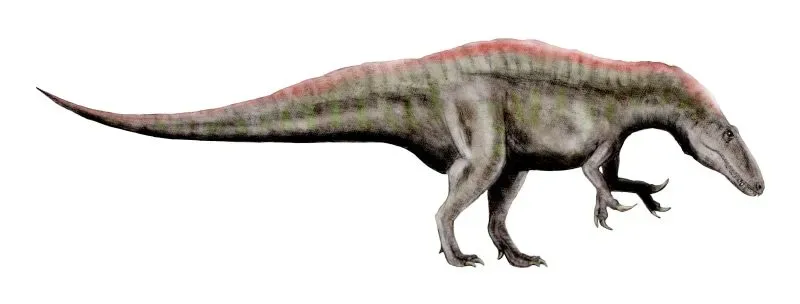
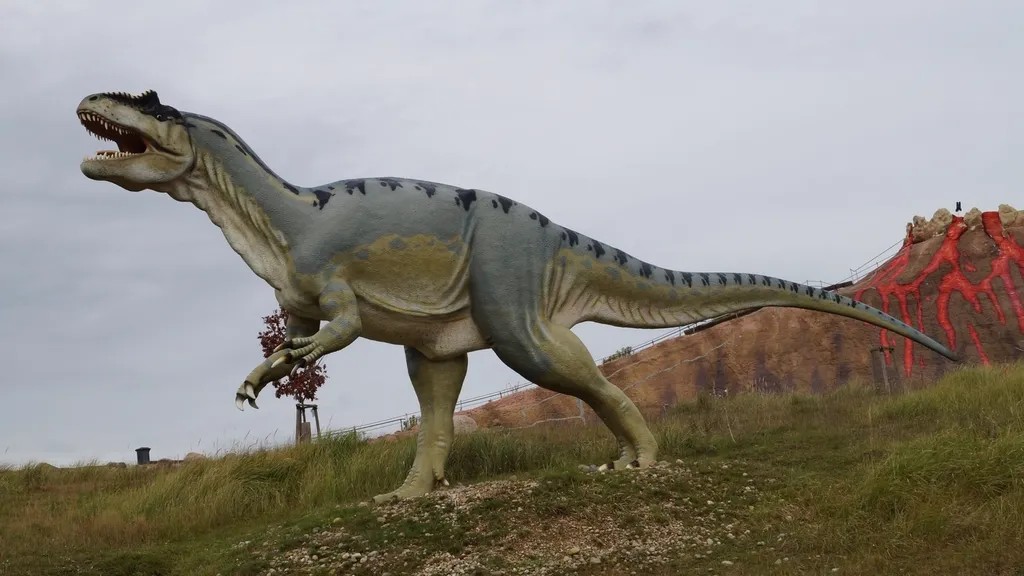
If the Early Cretaceous period had a “King of North America” title to hand out, Acrocanthosaurus would wear that crown without question. Acrocanthosaurus is a genus of carcharodontosaurid dinosaurs that existed in what is now North America during the Barremian and early Cenomanian stages of the Early Cretaceous and Late Cretaceous, from 125 to 99.6 million years ago. Its most striking feature was an impressive ridge of tall neural spines running down its neck, back, and hips, giving this predator a sail-like silhouette unlike anything else walking North America at the time.
Unlike many other dinosaur genera, and especially large theropods, Acrocanthosaurus inhabited both the western and eastern regions of the North American continent, with its presence in the Arundel Formation of Maryland suspected based on teeth almost identical to the species. Much of its fossil remains were discovered in Texas, Wyoming, Oklahoma, and farther toward the east like Maryland, which suggests Acrocanthosaurus may have lived across a wide range of habitats. A predator that vast in its range was clearly not playing second fiddle to anyone.
5. Sauroposeidon: The Skyscraper Dinosaur Nobody Talks About
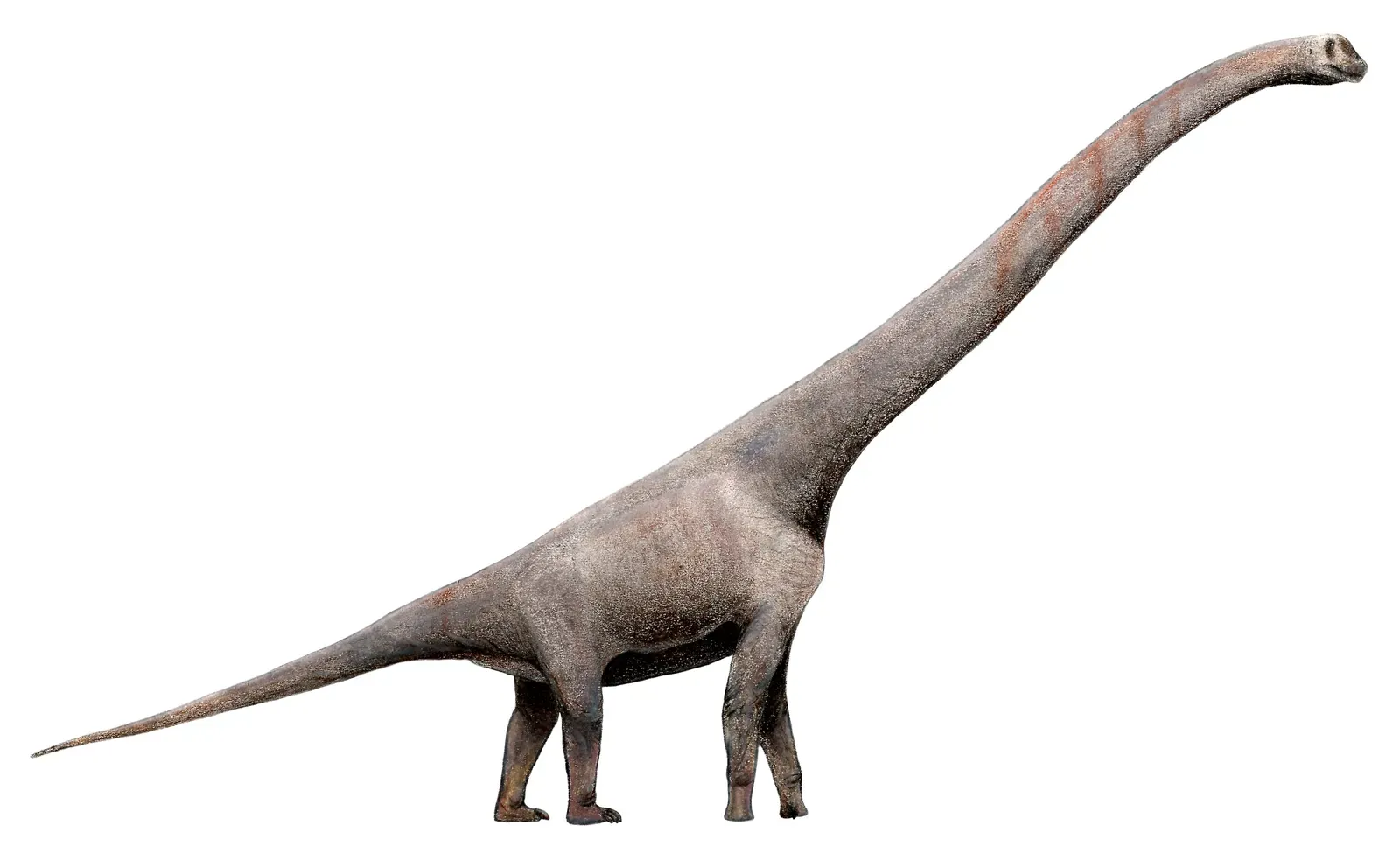
Let’s be real, Sauroposeidon is one of the most jaw-dropping dinosaurs ever to live on this continent, and most people haven’t even heard its name. Sauroposeidon is a genus of giant sauropod dinosaur that lived during the Early Cretaceous period, approximately 112 to 100 million years ago. Its very name means “Earthquake God Lizard,” which tells you everything you need to know about the impression this creature made on the ancient landscape. If you want a scale comparison, picture a six-story building with a neck.
As a massive herbivore, Sauroposeidon would have needed to eat enormous amounts of plant material every day, and its incredible height gave it a special advantage: it could browse on leaves and branches high up in the tallest trees, far above the reach of most other plant-eating dinosaurs, likely meaning it did not compete as much with smaller herbivores for food. The discovery of Sauroposeidon was very important because it showed that incredibly large sauropods were still present in North America during the Early Cretaceous. A gentle colossus that browsed treetops. Genuinely awe-inspiring.
6. Utahraptor: The Real Jurassic Park Raptor
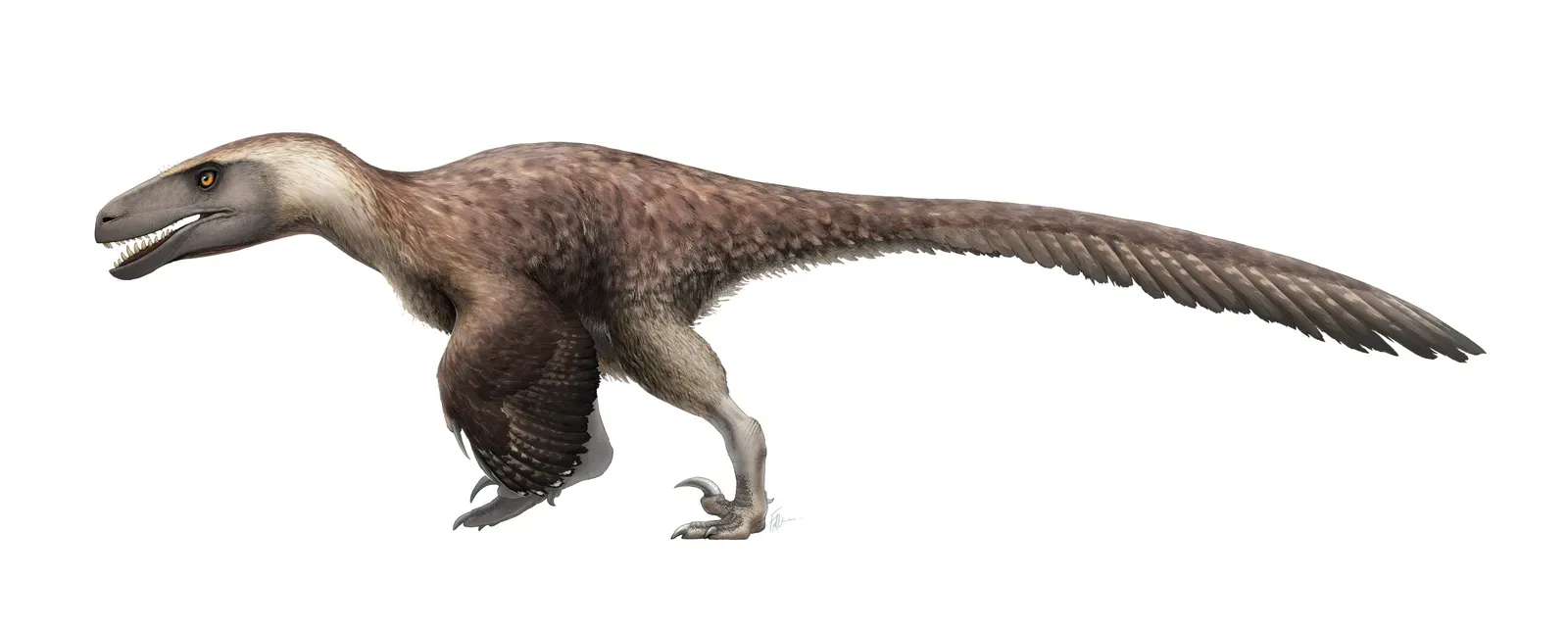
You think you love Velociraptor from the movies? You’d actually be loving Utahraptor, whether you knew it or not. Velociraptor is perhaps the most famous member of the raptor group due to the Jurassic Park films, but the animal in the movie is actually patterned after Deinonychus, and the animal that most matched the movie depiction is Utahraptor, which was ironically published and named just days after the film’s premiere. You couldn’t make that timing up if you tried.
Utahraptor lived during the Early Cretaceous period from around 139 to 135 million years ago in what is now the United States. It is the largest known member of the family Dromaeosauridae, measuring about 6 to 7 metres long and typically weighing around 500 kilograms. That’s not a giant turkey. That’s a feathered, sickle-clawed predator that could look a grown adult human straight in the eye. More robust than Velociraptor, it had powerful claws and strong forelimbs for grasping prey. Terrifying, intelligent, and wildly underappreciated.
7. Tenontosaurus: The Prey That Defined an Ecosystem
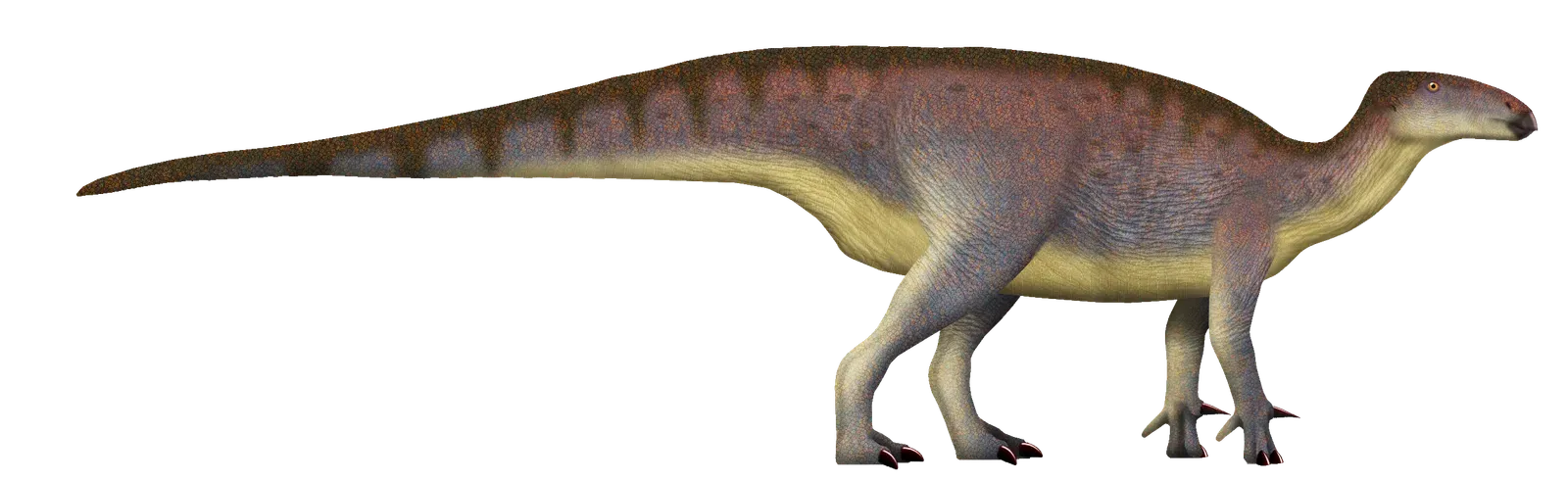
Every ecosystem needs its middle act, and Tenontosaurus played that role brilliantly in Early Cretaceous North America. Ornithischians were more diverse than they were in the Jurassic Period, and Tenontosaurus was among the ornithopods that lived in North America during the Early Cretaceous. It was a large, sturdy plant-eater with a notably long and heavy tail, essentially the prehistoric equivalent of a cow, in that it was everywhere, and nearly everything wanted to eat it.
Sauroposeidon shared its paleoenvironment with other dinosaurs, and Tenontosaurus was the most common dinosaur in the region. Potential prey animals for Acrocanthosaurus included large ornithopods like Tenontosaurus. Honestly, being the most common dinosaur in a landscape packed with enormous predators takes a certain kind of resilience. Tenontosaurus survived by sheer numbers and robust build. It may not be glamorous, but without it, the whole food web of Early Cretaceous North America collapses.
8. Gastonia: The Living Tank Nobody Asked About
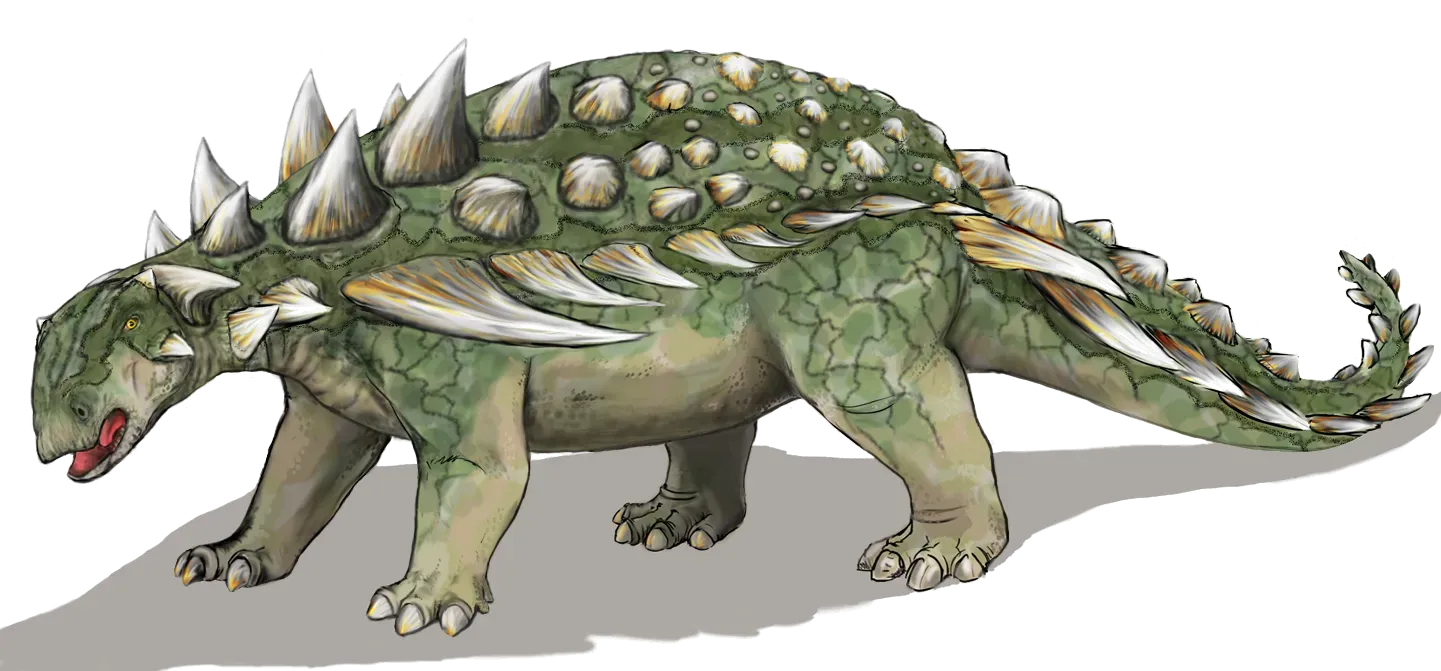
Ankylosaurs replaced their stegosaur cousins in the Cretaceous, and among the ankylosaurs from the Early Cretaceous of North America was Gastonia. Named after paleontologist Robert Gaston who discovered it, Gastonia was a heavily armored herbivore covered in rows of sharp spikes and bony plates. If Acrocanthosaurus was the predator king of its time, Gastonia was the walking fortress it had to think twice about attacking.
What makes Gastonia particularly fascinating is how it represents a complete evolutionary pivot from the Jurassic. The plated Stegosaurus era was over, and a new kind of armored dinosaur was taking over North American habitats. Ankylosaurs like Sauropelta and Gastonia took over from their stegosaur cousins in the Early Cretaceous. Gastonia was discovered in Utah, and its fossils reveal a creature so bristling with defensive weaponry that it looked less like a dinosaur and more like a prehistoric war machine. Nature outdid itself on this one.
9. Falcarius: The Claw-Handed Plant-Eater That Breaks All the Rules
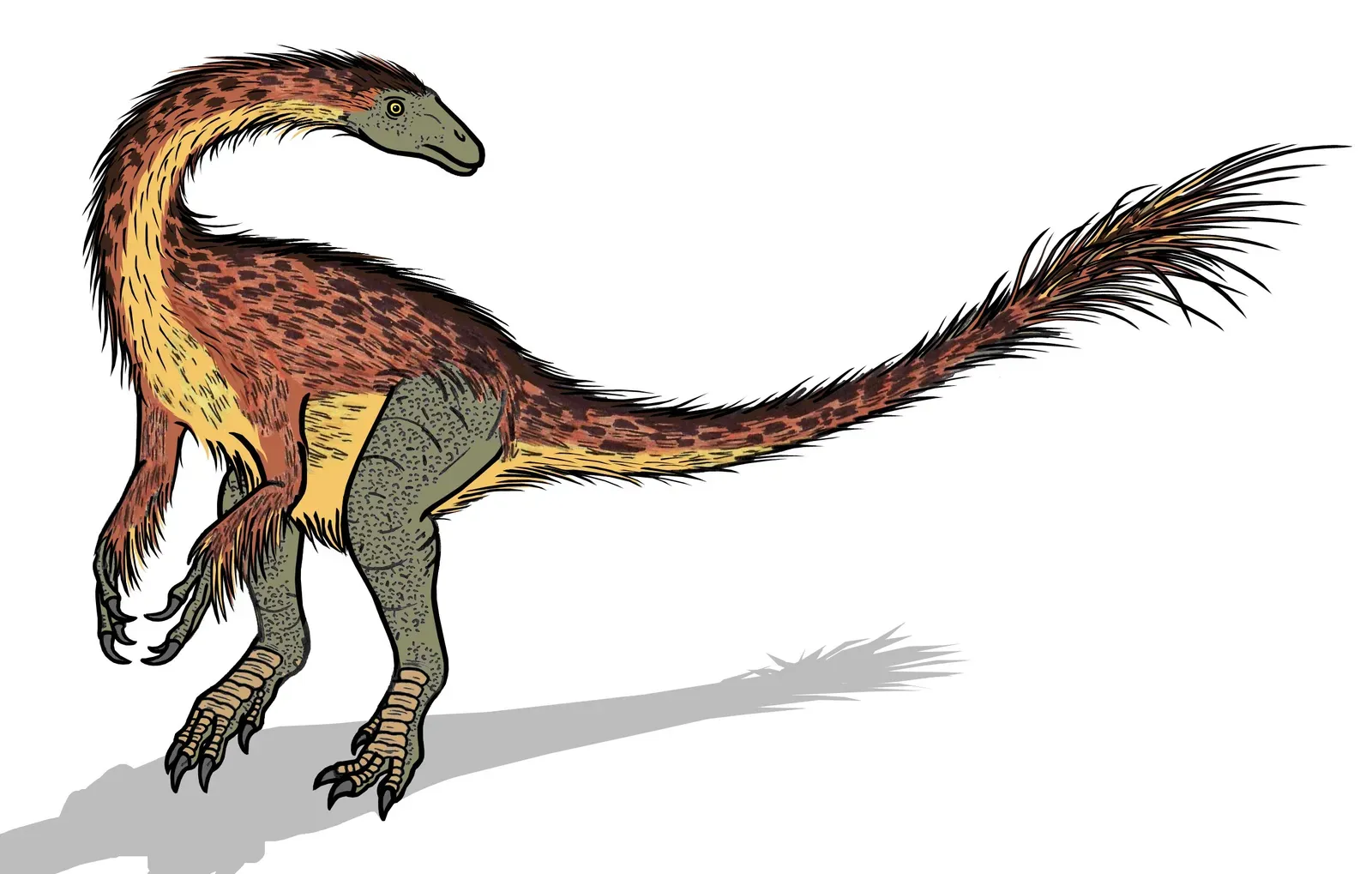
You might expect a theropod dinosaur, the group that includes T-rex and all the famous meat-eaters, to be a carnivore. Falcarius politely ignores that expectation. Falcarius was a 12 foot long theropod dinosaur which lived in Utah during the early Cretaceous Period, approximately 139 to 136 million years ago. Therizinosaurs such as Falcarius are known from the Early Cretaceous of North America. In other words, you’re looking at a meat-eating lineage that evolutionarily switched teams and became a plant-eater, which is about as surprising a career change as you can get in the Mesozoic.
Falcarius’ fossils were found within the lower part of the Yellow Cat Member of the Cedar Mountain Formation, and during this time, Utah was much more verdant and fertile than it is now, with evidence of rich soil, forests, and much higher rainfall. Falcarius, a type of therizinosaur, had long claws and was a plant-eater. Those long curved claws, which give the genus its name, were not weapons in the traditional predatory sense. They were used to pull down branches and gather vegetation. It’s a strange, wonderful, completely counterintuitive animal that deserves a lot more attention.
10. Siats meekerorum: The Giant That Kept T-Rex in Its Place
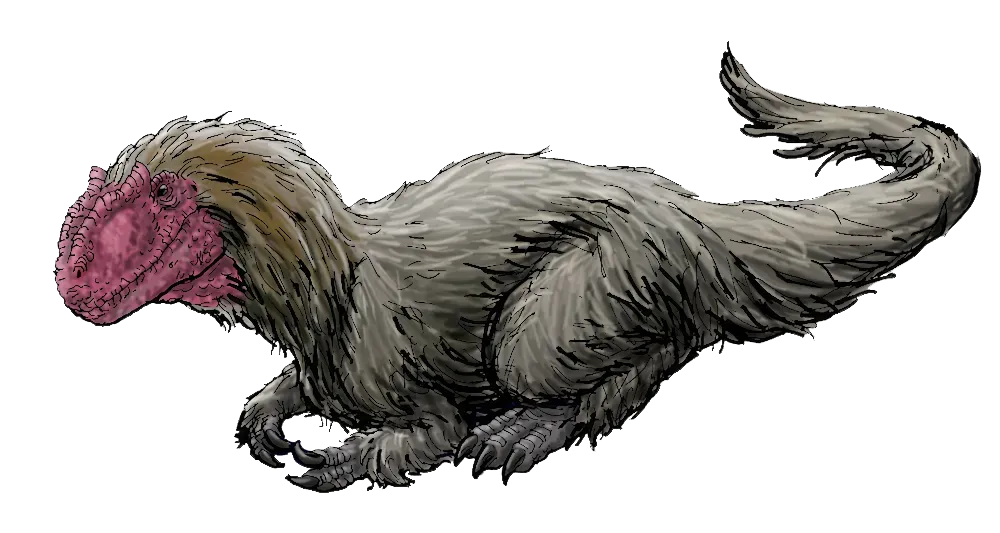
For tens of millions of years, there was a gap in the fossil record between the great Jurassic predators and the rise of tyrannosaurs. Scientists called it a mystery. Then Siats stepped in to fill it. Named Siats meekerorum, the dinosaur discovered in eastern Utah was a previously unknown apex, or top, predator that ruled long before North America’s tyrannosaurs came to power. Let that sink in. For millions of years before T-rex dominated, Siats was the one calling the shots.
Siats was doubtless the top predator of its day due to its large size, leading scientists to believe that the tyrannosaurs only became the dominant group of predators when that competition died out. Scientists found small tyrannosaur fossils in the same rocks where Siats was found, supporting the idea that the tyrannosaur was excluded from the top predator niche. The discoverers report that the dinosaur’s first, or genus, name is a tribute to its predatory prowess, as in the legends of Utah’s native Ute tribe, “Siats” is the name of a voracious monster. A fitting name for a creature that literally bullied T-rex’s ancestors into second place.
11. Moros intrepidus: The Tiny Ancestor of Terror
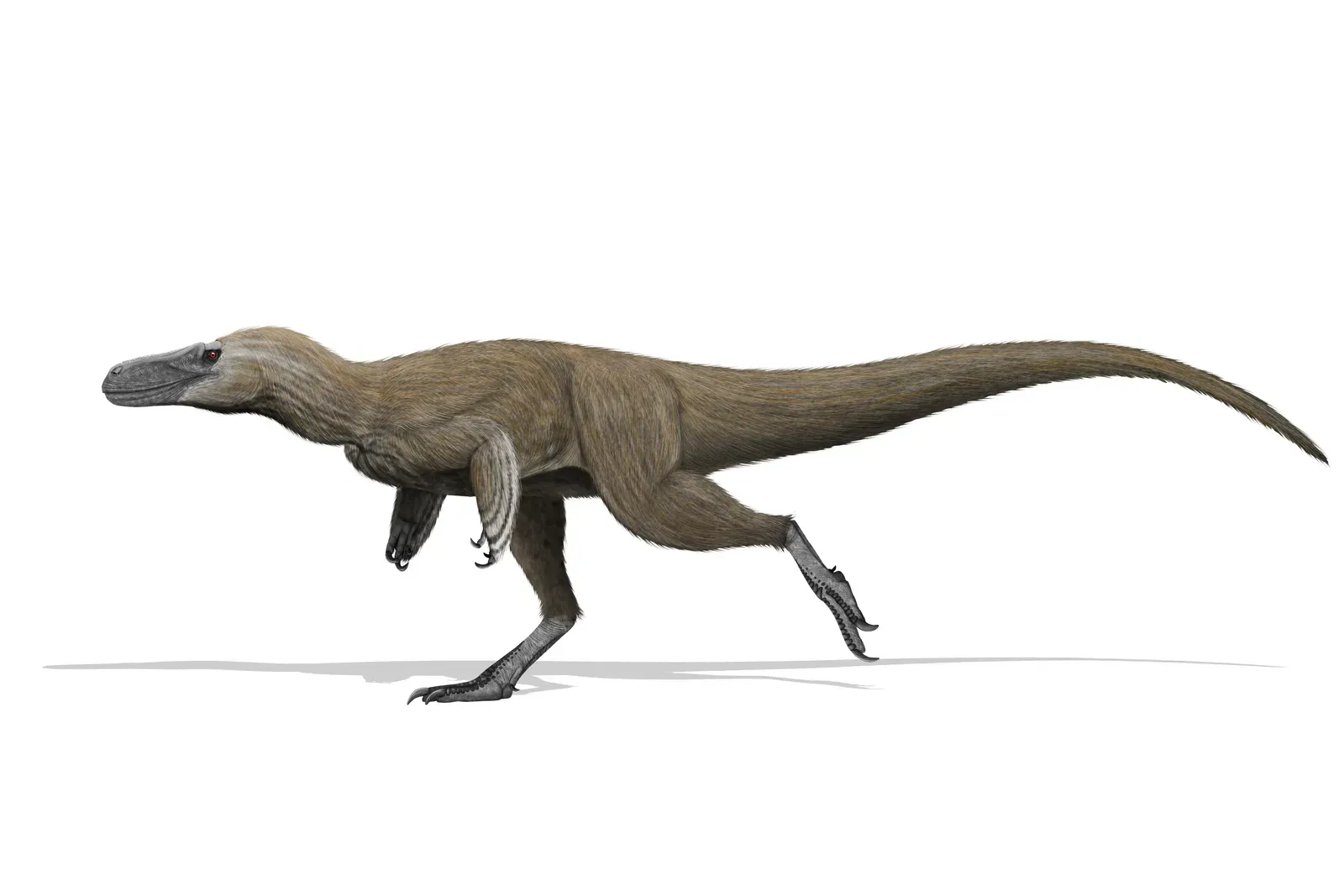
Here is where things get genuinely poetic. The terrifying T-rex lineage did not begin with something massive and menacing. It began with something small, nimble, and easy to overlook. Moros is a genus of small tyrannosauroid theropod dinosaur that lived during the Late Cretaceous period in what is now Utah. Moros was a small-bodied, cursorial tyrannosauroid with an estimated body mass of 78 kilograms. That’s roughly the size of a large dog, not a continent-dominating predator.
Moros represents one of the earliest known diagnostic tyrannosauroid material from North America, first discovered at the Stormy Theropod site in Emery County, Utah, where paleontologists had been researching the area for ten years when, in 2013, limb bones were seen jutting out of a hillside, prompting the excavation, and the bones were described as a new species in February 2019. The generic name is derived from the Greek term Moros, an embodiment of impending doom, in reference to the establishment of the tyrannosauroid lineage in North America that would soon dominate the continent by the end of the Cretaceous. You have to appreciate that. Impending doom. Packaged in a dog-sized body. The T-rex story was already being written, in tiny footsteps.
12. Daspletosaurus: The Terrifying Bridge Between Eras
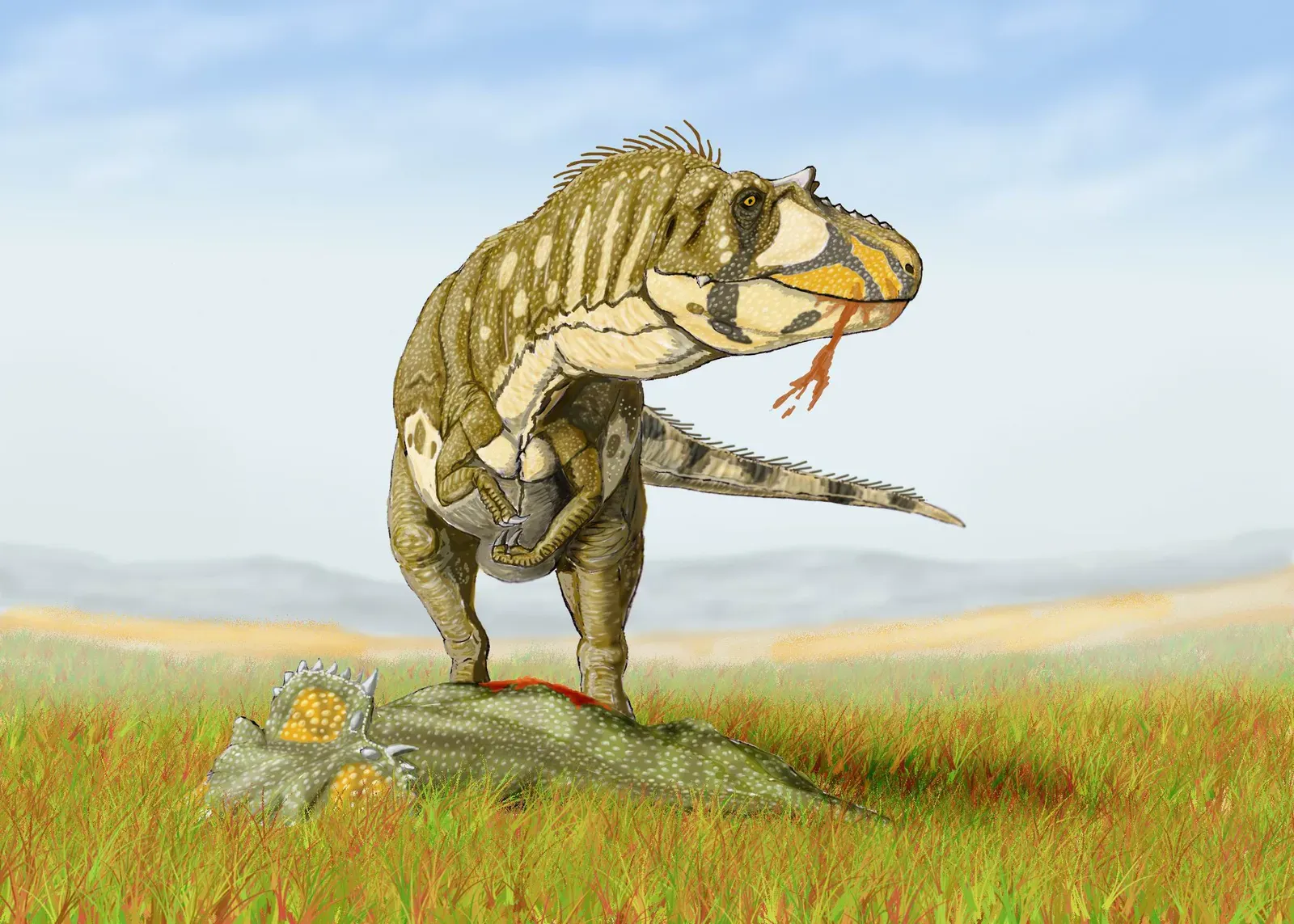
If you want to understand how North America arrived at the T-rex, you have to meet Daspletosaurus first. Starting out small in the Jurassic, tyrannosaurs’ descendants became massive by the Late Cretaceous, with famous examples including Daspletosaurus, Albertosaurus, Tarbosaurus, and Tyrannosaurus. Daspletosaurus, whose name translates roughly to “frightful lizard,” was one of the larger, fully realized tyrannosaurs that walked North America well before T-rex arrived, and it gives you a clear preview of the carnage to come.
During the Campanian stage of the Late Cretaceous, an enormous diversity of dinosaurs is known, and theropods included the tyrannosaurs Albertosaurus, Gorgosaurus, Daspletosaurus, Teratophoneus, Bistahieversor, and Appalachiosaurus. Daspletosaurus lived approximately 77 million years ago in what is now Alberta, Canada, and was likely the apex predator of its region. It had all the hallmarks of later tyrannosaurs: powerful hind limbs, a massive skull, and binocular vision sharp enough to lock onto prey at a distance. It was, in short, the dress rehearsal for the most famous predator in Earth’s history.
Conclusion: The World Before the King
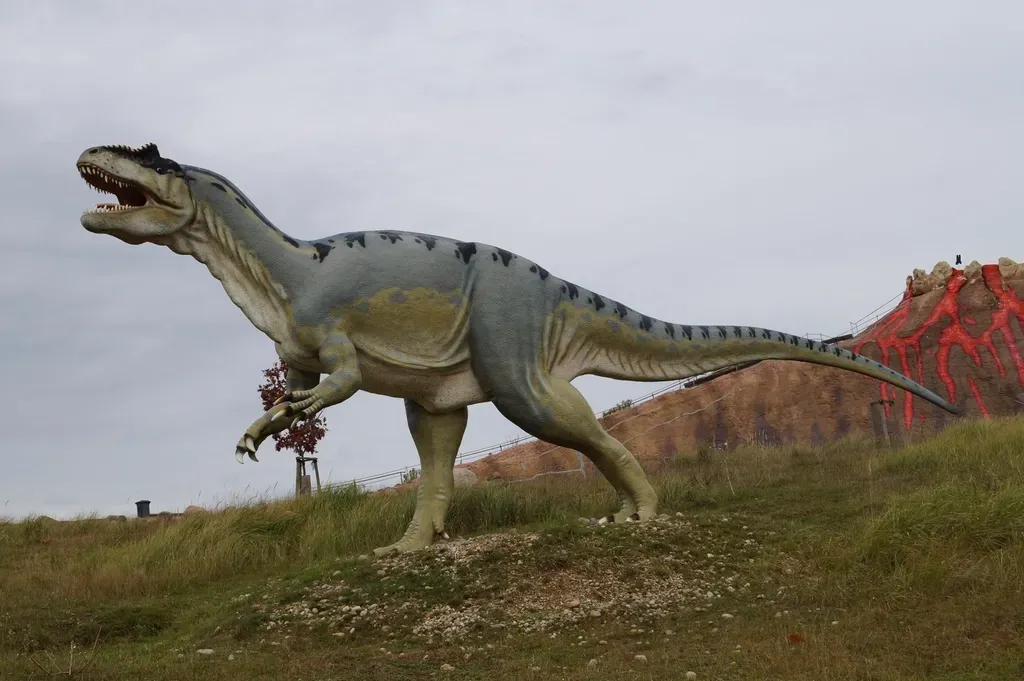
It’s easy to let the T-rex overshadow everything that came before it. That name has a way of filling all the available mental space whenever the word “dinosaur” comes up. But the truth is, North America spent hundreds of millions of years hosting a dazzling, brutal, endlessly surprising parade of prehistoric life long before that famous tyrant lizard king ever showed up.
From the tiny, hollow-boned Coelophysis sprinting across Triassic floodplains, to the ridge-backed Acrocanthosaurus dominating Early Cretaceous territories, to the surprisingly modest Moros quietly laying the evolutionary groundwork for the terror that would follow, every single dinosaur on this list had its own remarkable story. The truth is that dinosaurs roamed Earth for approximately 165 to 177 million years, existing through three distinct periods of the Mesozoic era. That’s an almost incomprehensible stretch of time, filled with creatures that deserve their own spotlight.
The T-rex gets all the movie deals and museum marquees. But perhaps the real story, the more interesting one, belongs to the long line of extraordinary animals that paved the way for it. Which of these twelve surprises you the most? Drop your thoughts in the comments, because honestly, the conversation about North America’s prehistoric past is just getting started.