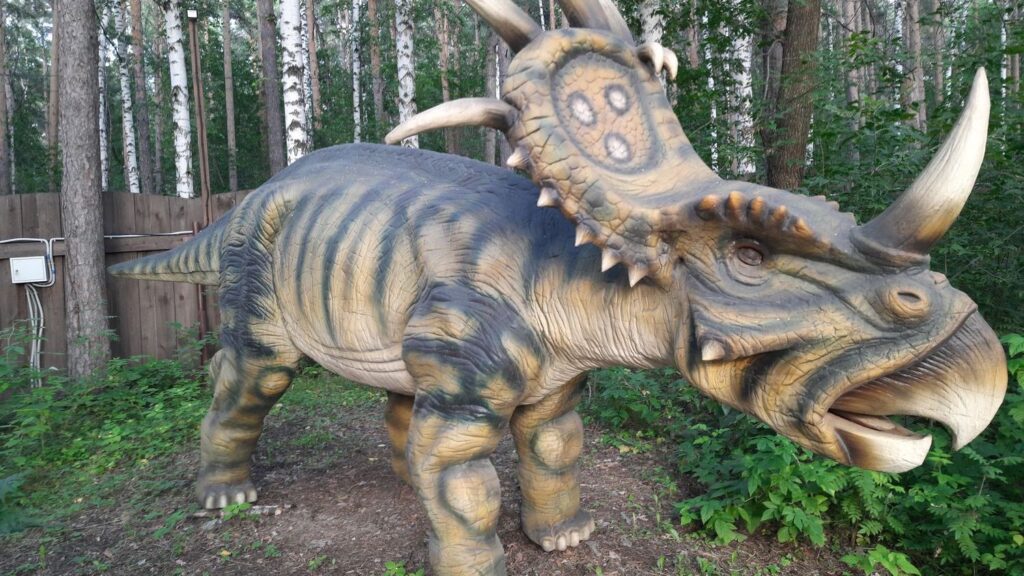
You know the big names. Tyrannosaurus rex with its bone crushing jaws, the three horned Triceratops, the towering Brachiosaurus. These are the rock stars of the Mesozoic world, immortalized in movies and textbooks. The truth is, though, the dinosaur family tree was far weirder and more experimental than most of us ever learned in school.
For nearly two hundred million years, evolution played around with dinosaur anatomy in ways that seem almost absurd today. There were creatures with claws longer than your arm, dinosaurs sporting only one finger per hand, and even ones that lived underground like ancient reptilian hobbits. These lesser known species rarely get the spotlight, which is a shame. They’re the ones that really reveal just how creative, strange, and downright fascinating life on Earth can get. Ready to meet some prehistoric oddballs that’ll make you wonder how they even survived? Let’s dive in.
Therizinosaurus: The Plant Eater With Nightmare Claws
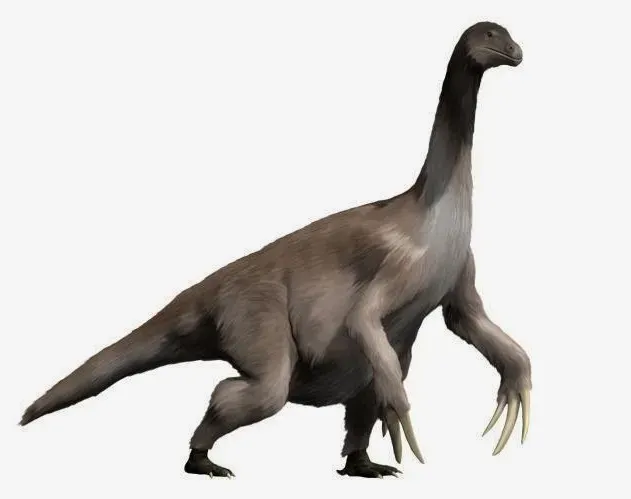
Picture a dinosaur from the Late Cretaceous that looked like something dreamed up for a science fiction movie, standing roughly ten meters long with claws longer than a baseball bat. Therizinosaurus had a pot bellied stance, a long neck, and enormous curved claws that could stretch to terrifying lengths. Here’s the thing that makes it truly bizarre: despite looking like it could tear through anything, this giant was a herbivore.
Those fearsome claws were likely used for stripping vegetation or defense rather than hunting prey. Imagine encountering something that size peacefully munching on leaves and shrubs while sporting weapons that would make Wolverine jealous. It’s hard to say for sure, yet this odd combination of gentle diet and aggressive appearance makes Therizinosaurus one of the most contradictory dinosaurs ever unearthed. The claws alone tell a story of evolution taking a sharp left turn somewhere along the way.
Linhenykus: The Dinosaur With Just One Finger
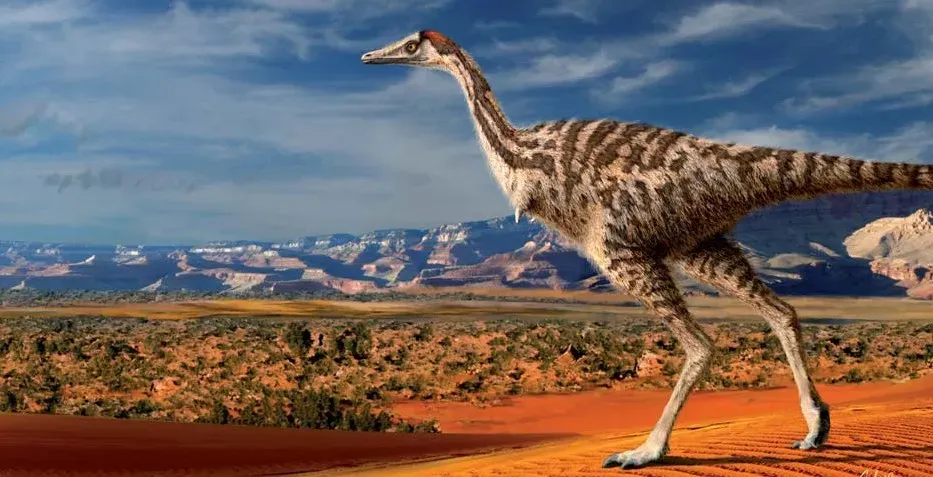
Linhenykus monodactylus was a small creature from the alvarezsaur family, sporting absurdly tiny arms with just one heavily clawed finger per hand, making it the only known dinosaur with this unusual trait. Think about that for a second. One finger. Not two, not three. Just one stubby digit with a claw attached. This little guy lived in what would become Mongolia between roughly eighty four and seventy five million years ago.
Scientists still scratch their heads over why these arms shrank down so dramatically. One theory suggests Linhenykus used those thick claws to dig into ant hills and termite mounds, feeding on insects like a prehistoric anteater that could fit in your palm. Honestly, the mental image of a palm sized dinosaur determinedly attacking a termite mound with its single finger is both ridiculous and endearing at the same time.
Deinocheirus: The Mystery With Terrible Hands
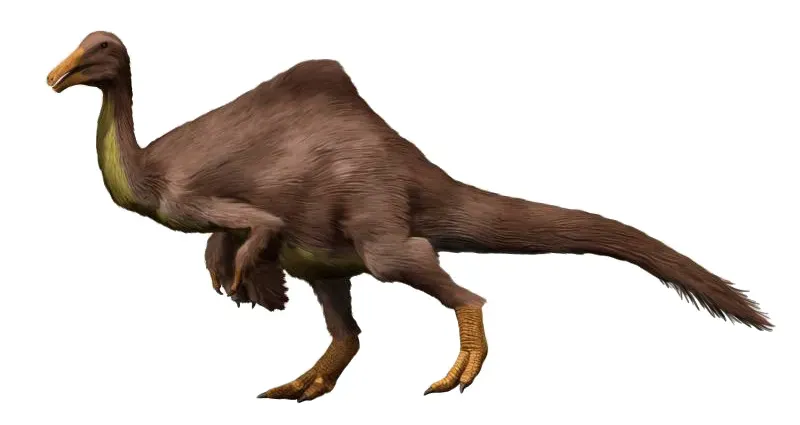
For half a century, the world knew Deinocheirus only by two eight foot arms with massive claws excavated in Mongolia back in nineteen sixty five, until new specimens in two thousand fourteen revealed an amalgam so strange it rivals the platypus. The name translates to “terrible hand,” which seems fitting when all you’ve got are giant limbs with no body attached. Paleontologists must have spent decades imagining what kind of monster those arms belonged to.
Looking like a cross between a duck, a camel, and an extinct ground sloth, this peculiar dinosaur spent most of its life wading in stagnant ponds instead of pursuing prey like its meat eating theropod cousins, using its large rake-like claws to dig and gather plants and its duck-like bill to filter small foodstuffs from water. At eleven meters in length and nearly six and a half tons in weight, it’s the largest ostrich-like dinosaur currently known to science. Talk about exceeding expectations in the weirdest way possible.
Nigersaurus: The Vacuum Cleaner Dinosaur
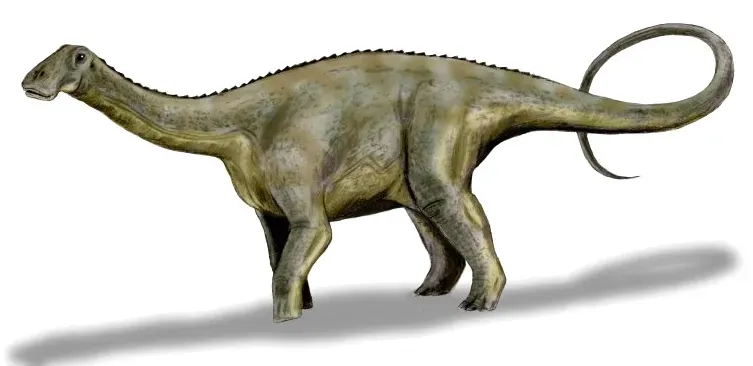
This unusually small sauropod had a unique head and jaw shape not seen in any other animal, with all five hundred teeth positioned at the end of its jaw at the front of the mouth, making its head look like a vacuum cleaner attachment. Seriously, imagine a dinosaur that basically evolved into a living lawn mower. The mouth was flat, wide, and packed with more teeth than seems reasonable for any creature.
Each mature tooth had nine replacement teeth stacked up behind it ready to take over when it wore down. That’s roughly five hundred active teeth plus thousands more waiting in the wings. Nigersaurus grazed close to the ground like modern cattle, constantly chomping through vegetation and wearing down its dental equipment. Its body structure supported a head down, ground level feeding posture. The whole setup is so specialized it borders on excessive, which makes you wonder how many other bizarre evolutionary solutions are still buried in rock somewhere.
Amargasaurus: The Punk Rock Sauropod
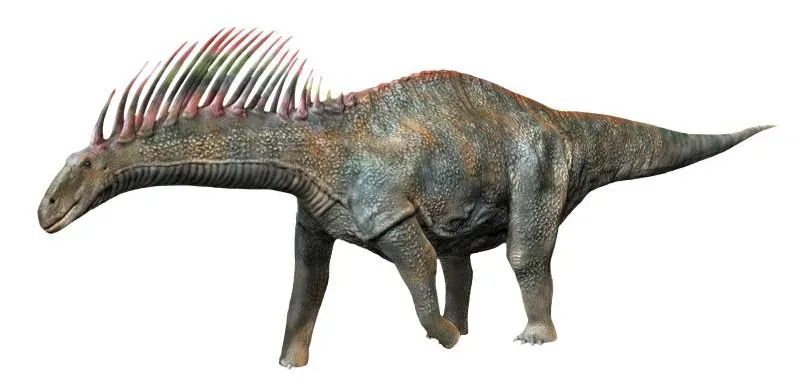
Discovered in nineteen ninety one in Argentina, Amargasaurus was a sauropod that walked on four legs with a long neck and tail, smaller than well known sauropods, maxing out at around thirty five feet long, sporting two rows of spines that grew out of its neck, back and tail like a Mohawk. This thing looked absolutely ready for a mosh pit.
The two rows of neural spines projecting from its back were longest on the neck and smallest on the tail. Scientists debate whether these spines were covered in skin, formed a sail, or just stuck out dramatically on their own. Either way, Amargasaurus had style that other sauropods simply lacked. It’s the kind of dinosaur that makes you wish time travel existed just so you could see it strut around with that ridiculous yet somehow awesome spiky mane.
Incisivosaurus: The Buck-Toothed Bird Dinosaur
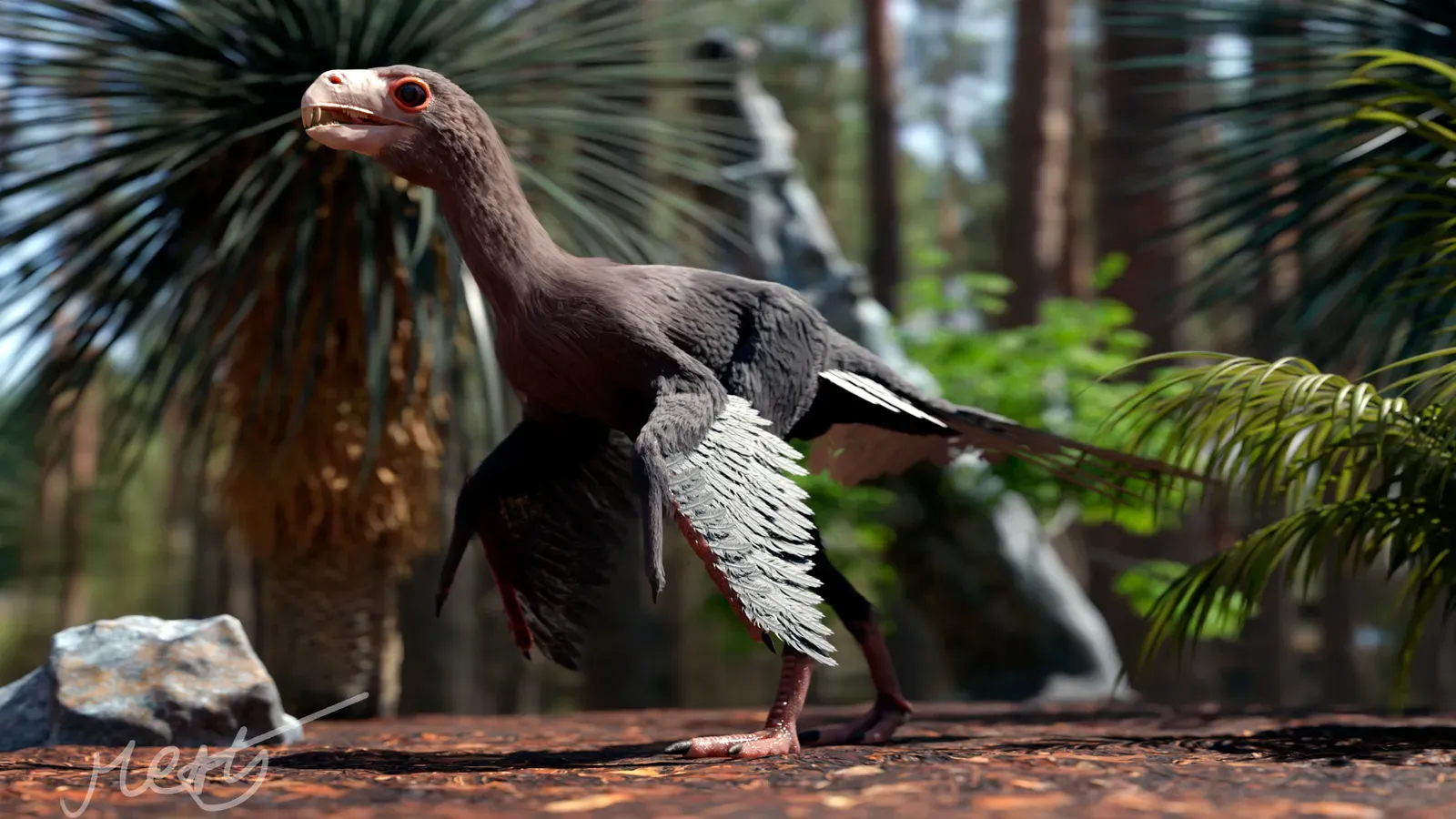
Possibly one of the most absurd creatures to ever walk the Earth, Incisivosaurus was a buck toothed dinosaur that lived one hundred twenty eight million years ago, unique for its bizarre teeth. This dinosaur measured about one meter in length and was characterized by rodent-like incisors in the front of its mouth. Picture a small feathered dinosaur that looks vaguely like a bird crossed with a rabbit and you’re getting close.
Coupled with its sharp cheek teeth, Incisivosaurus could have processed a more diverse diet from plants to small vertebrates, suggesting it might have been omnivorous. Amazingly, their strange physiology helped reveal major secrets about the Oviraptor, with later discoveries showing Incisivosaurus had actually been an early ancestor, disproving the theory that Oviraptors came from birds. Those ridiculous front teeth ended up rewriting part of dinosaur evolutionary history. Never judge a prehistoric book by its buckteeth cover.
Concavenator: The Humped Hunter
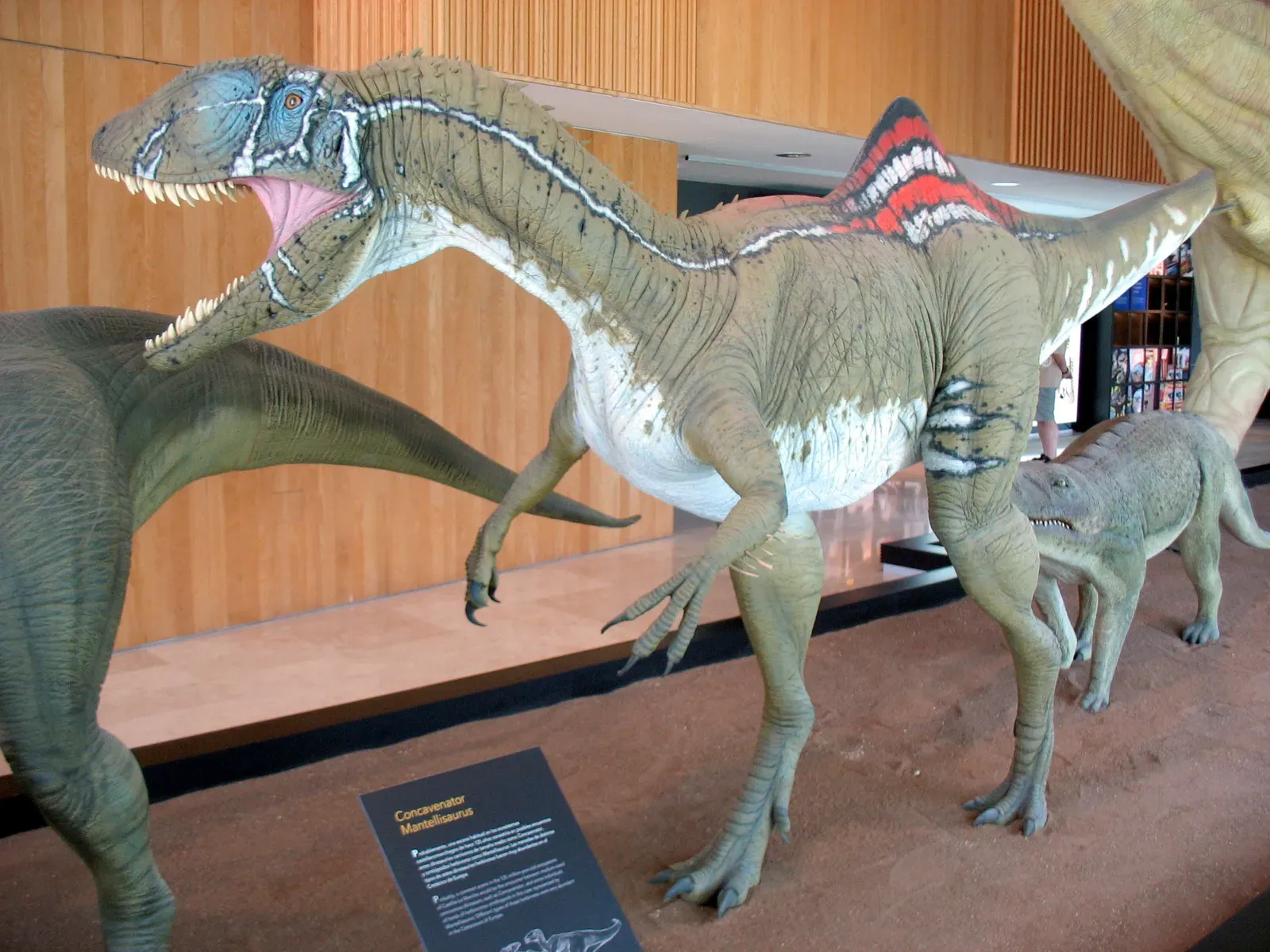
Concavenator corcovatus was a carnivorous dinosaur that roamed Europe about one hundred thirty million years ago, with a noticeable hump on its back that’s unique for these types of dinosaurs and has left scientists puzzled since its discovery in two thousand three. This small carcharodontosaurid from Early Cretaceous Spain featured a prominent sail-like hump supported by elongated vertebrae, stretched around six meters long and moved bipedally.
Researchers have thrown out theories about the hump, speculating it could be used for mating, storing fat, or maybe purely decorative. Another bizarre feature includes bumpy protrusions on its arms similar to anchor points for modern bird feathers, though scientists believed Concavenator most likely had non scale protrusions dangling from them. The debate continues about what those strange knobs actually were. Honestly, it’s like evolution was just trying out random ideas to see what stuck.
Oryctodromeus: The Underground Dweller
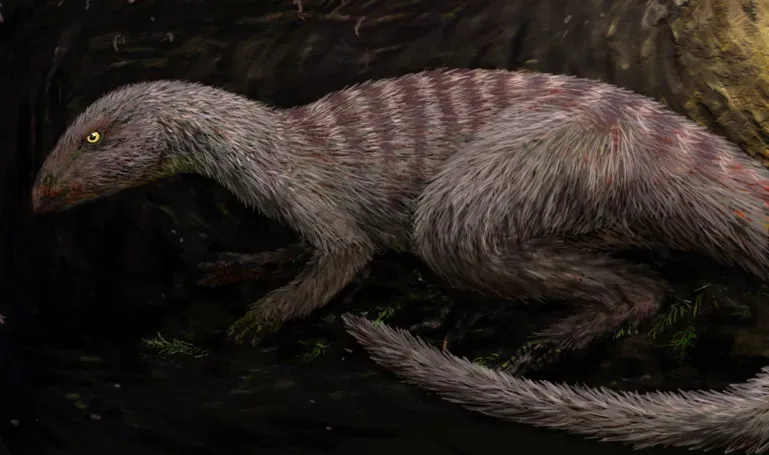
Oryctodromeus was a burrowing dinosaur that dug its own holes to live in, with fossils of three individuals found at the bottom of a six and a half foot burrow, meaning they not only dug but actually lived in the little homes they created rather than just digging for food. This completely changes our mental image of dinosaurs as surface dwelling giants. Here was a species that went underground.
Unearthed in Montana, this unique herbivorous dinosaur from approximately ninety five million years ago displayed an extraordinary adaptation for burrowing, standing about two point one meters long and weighing around forty five kilograms with a physique optimized for speed and digging. The discovery of Oryctodromeus alongside juveniles in a burrow suggests it engaged in parental care, indicating a complex social structure potentially involving family groups. Dinosaurs raising their young in cozy underground dens? That’s weirdly wholesome and totally unexpected.
Parasaurolophus: The Honking Hadrosaur
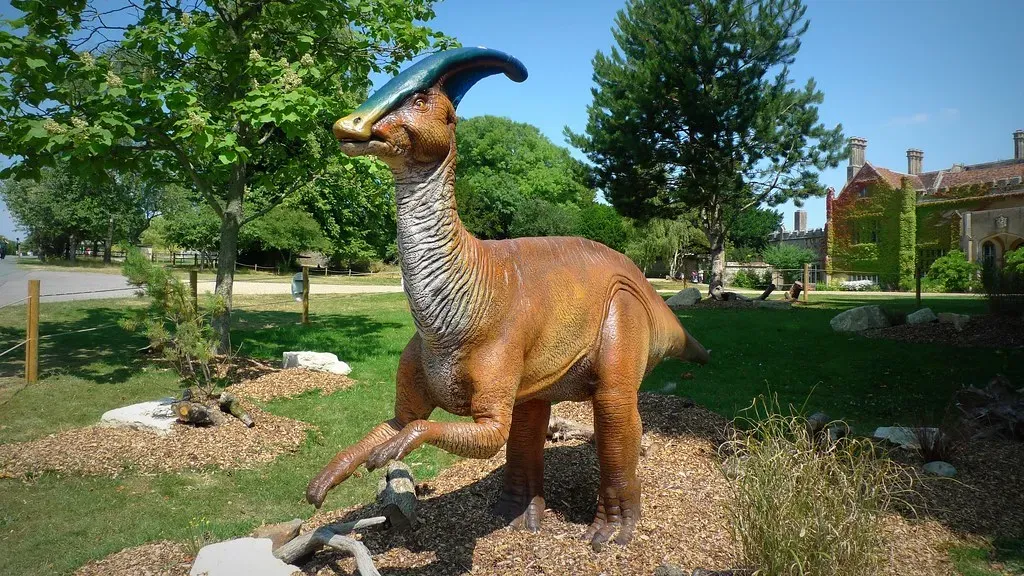
The nine meter long, five ton Parasaurolophus from the Late Cretaceous of western North America stands out from the hadrosaur crowd thanks to the large snorkel shaped crest adorning its head, which connected to its nasal cavity and was full of winding passages that, when air was blasted through them, created a unique sound. Basically, this dinosaur had a built in musical instrument on its skull.
A lone Parasaurolophus honking may have been enough to make a hungry tyrannosaur think twice before approaching, while a herd of honking Parasaurolophus might have produced a honk loud enough to drive predators away from hunting grounds entirely. Imagine herds of these creatures communicating across vast distances with deep resonating calls echoing through prehistoric forests. It’s equal parts majestic and bizarre that their primary defense mechanism was essentially being really, really loud.
Pegomastax: The Parrot Porcupine
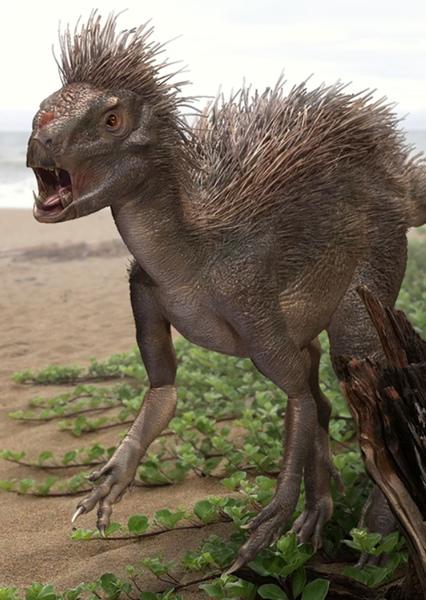
Pegomastax was a tiny dinosaur less than a meter long with sharp beak-like jaws and fang-like teeth, yet despite its fierce looking mouth it ate plants and possibly seeds, with its quilled body covering making it one of the oddest herbivores from the Jurassic. Described as a cross between a parrot and a porcupine, this herbivore had a beak and teeth which sharpened themselves against each other.
Let’s be real, a plant eater with fangs and quills sounds like nature couldn’t decide what it wanted and just threw everything together. Unlike most dinosaurs, this genus was rather small, measuring sixty centimeters in length and weighing less than a housecat, sporting a parrot-like beak with unusual fangs that may have been used for defense or social interactions. Something that tiny and prickly with attitude to spare probably had zero patience for predators twice its size. Sometimes being small and weird is the best survival strategy.
Gigantoraptor: The Giant Chicken Dinosaur
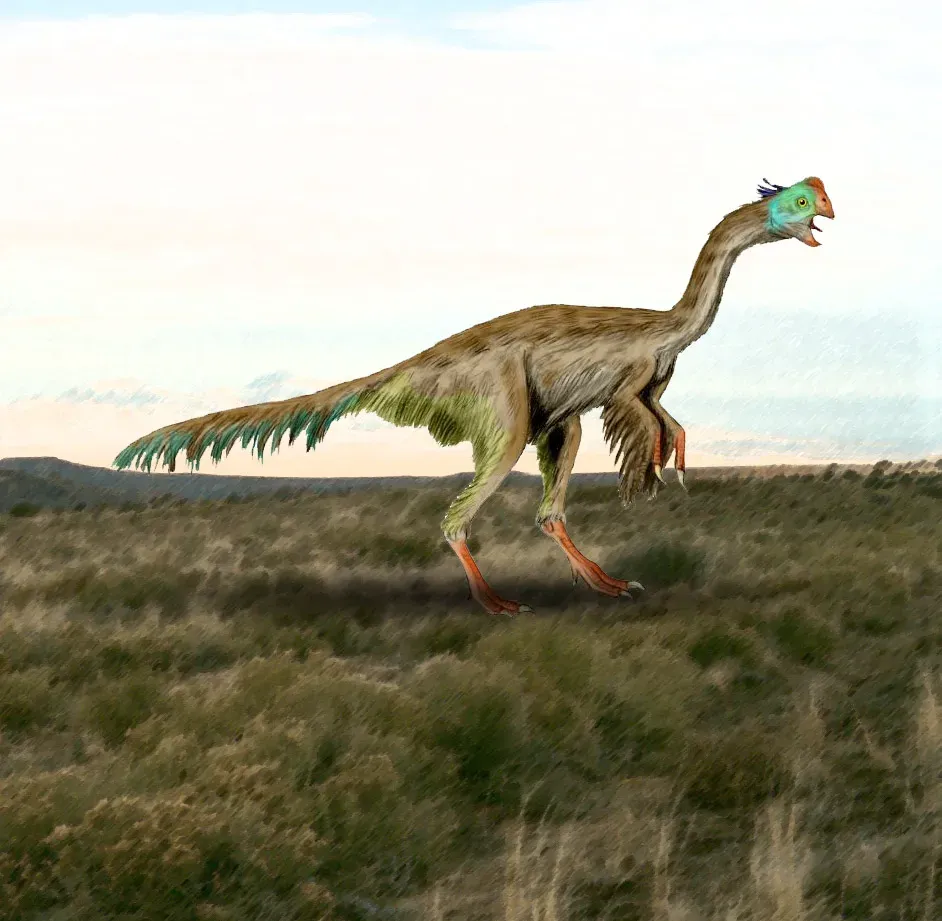
Gigantoraptor was both stunning and strange, a giant among oviraptorosaurs which shared bird-like features, nearly nine metres long and weighing over two tons, putting it in the same weight class as Tyrannosaurus rex. Its mouth looked like a bird’s beak except it had no teeth, and it had large claws on its front and hind legs, with scientists suspecting it was probably feathered but uncertain whether feathers covered parts of its body or all of it.
What it ate has proven tricky to figure out due to its very peculiar physical characteristics, and seeing as only one Gigantoraptor specimen has ever been found, more fossils will need to be discovered to better understand this mysterious giant. The idea of a two ton feathered dinosaur with a toothless beak clucking around is simultaneously hilarious and terrifying. Nature really went wild with this one, creating something that defies easy categorization.
Halszkaraptor: The Swan Dinosaur
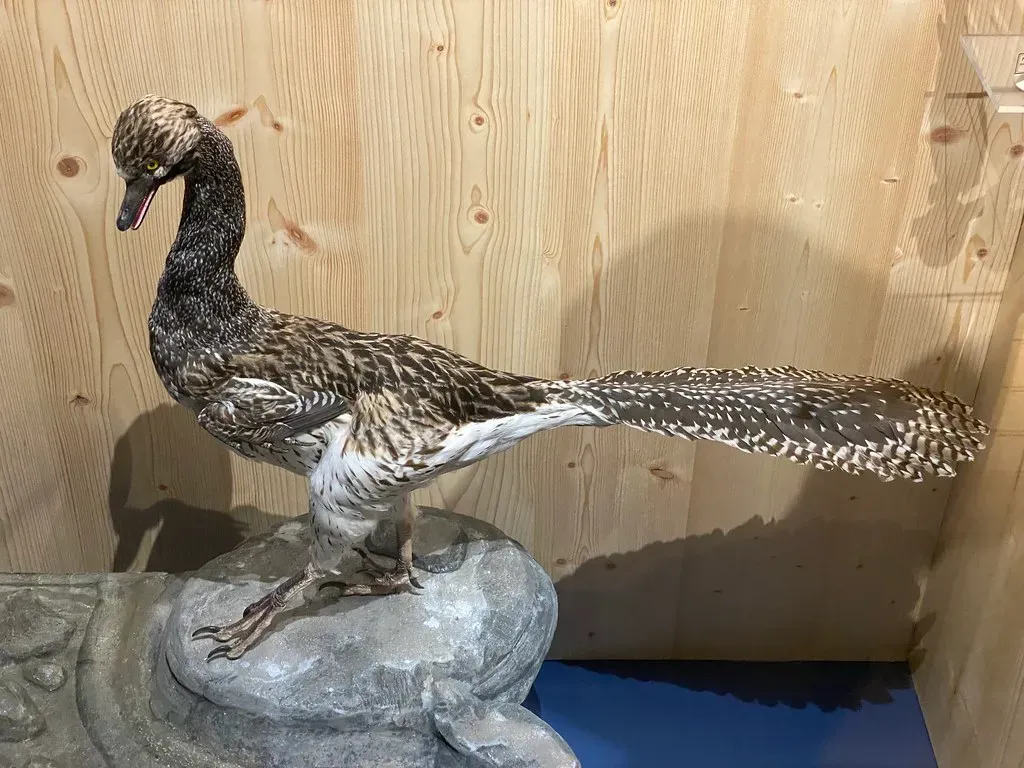
Halszkaraptor’s skeleton appeared so unusual that experts initially didn’t think it was real, with one investigator explaining they suspected it might have been a chimera, a mix of different skeletons glued together, yet once the fossil was scanned scientists determined this creature was genuine and seemed to have been amphibious with features looking more like those of a duck or swan than a reptile, presumably eating fish.
Think about that. A dinosaur that spent time in water, had a long swan like neck, and hunted fish. It completely breaks the typical dinosaur mold we carry around in our heads. Evolution took one branch of the theropod family tree and decided to make it semi aquatic with waterfowl characteristics. The result is something so odd it initially seemed fake to trained paleontologists. That alone tells you just how far evolution was willing to push the boundaries of what a dinosaur could be.
Conclusion
These twelve dinosaurs represent just a fraction of the bizarre experiments that played out over millions of years during the Mesozoic Era. From single fingered diggers to honking hadrosaurs, from underground burrowers to feathered giants the size of elephants, the dinosaur world was far stranger and more diverse than popular culture typically shows us. Each of these creatures solved the problem of survival in its own weird way, proving that evolution doesn’t follow a predictable playbook.
Next time someone brings up dinosaurs, skip the T. rex talk and mention the vacuum mouthed Nigersaurus or the swan necked Halszkaraptor instead. These lesser known species deserve their moment in the spotlight, reminding us that the history of life on Earth is filled with wonderful, inexplicable oddities that make our modern world seem almost boring by comparison. What do you think about these bizarre creatures? Which one surprised you the most?