Imagine standing next to a creature so massive that its footprint could crush a small car, or looking up at a neck that stretches higher than a four-story building. The prehistoric world was home to some of the most incredible giants our planet has ever seen, but how do these ancient titans really stack up against the animals we know today? When we strip away the Hollywood magic and examine the cold, hard facts, the results are absolutely staggering.
The Titanosaur vs. The Blue Whale: Battle of the Ultimate Giants
The recently discovered Argentinosaurus might just be the most massive creature to ever walk the Earth. This colossal titanosaur stretched up to 115 feet in length and weighed an estimated 100 tons, making it longer than three school buses lined up end to end. Its massive vertebrae alone were the size of dining room tables, and paleontologists needed cranes just to move individual bones during excavation.
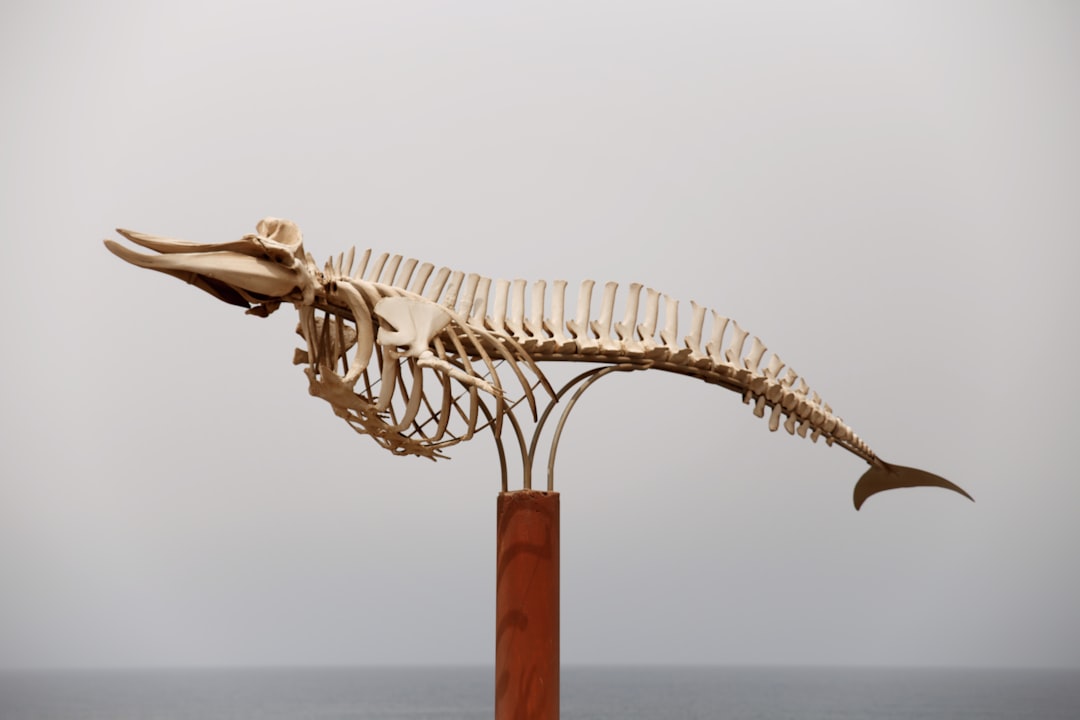
Compare this to the blue whale, our planet’s current heavyweight champion, which reaches lengths of up to 100 feet and weighs around 200 tons. While the blue whale is definitely heavier, the Argentinosaurus was actually longer, creating a fascinating size dynamic. The key difference lies in their body structure – the whale’s massive bulk is supported by water, while the titanosaur had to carry its enormous weight on land using four pillar-like legs.
Spinosaurus vs. Saltwater Crocodile: Aquatic Predators Face Off
The Spinosaurus was a semi-aquatic nightmare that ruled both land and water during the Cretaceous period. This bizarre predator measured up to 50 feet long and weighed around 7-9 tons, sporting a distinctive sail on its back that could reach 6 feet in height. Recent discoveries have revealed that Spinosaurus had paddle-like feet and a crocodile-like snout, perfectly adapted for catching massive fish in ancient rivers.
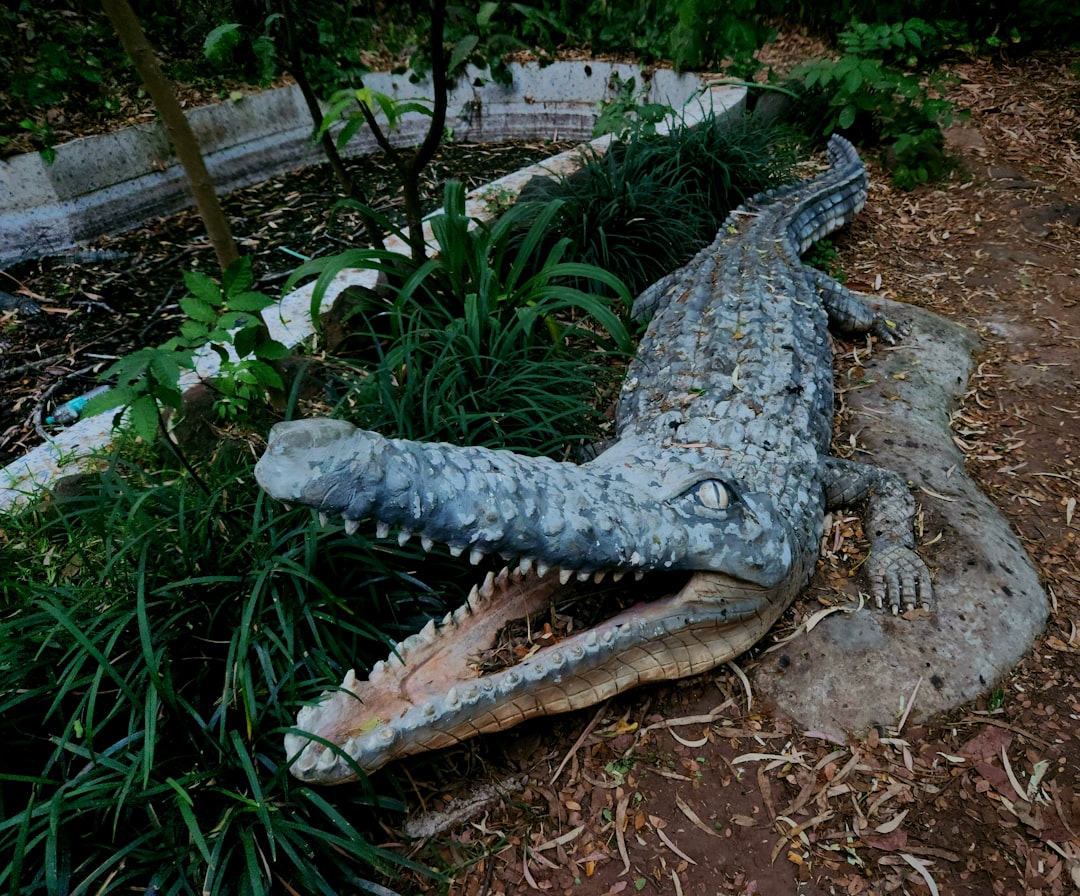
Today’s saltwater crocodile, while impressive at 20 feet long and weighing up to 2,200 pounds, looks almost modest in comparison. The “salty” is currently the largest living reptile, capable of taking down water buffalo and even small boats. However, if you placed a Spinosaurus next to a saltwater crocodile, the dinosaur would be more than twice as long and outweigh the modern croc by roughly 10 to 1.
Therizinosaurus vs. Grizzly Bear: Claws That Could Shred Steel
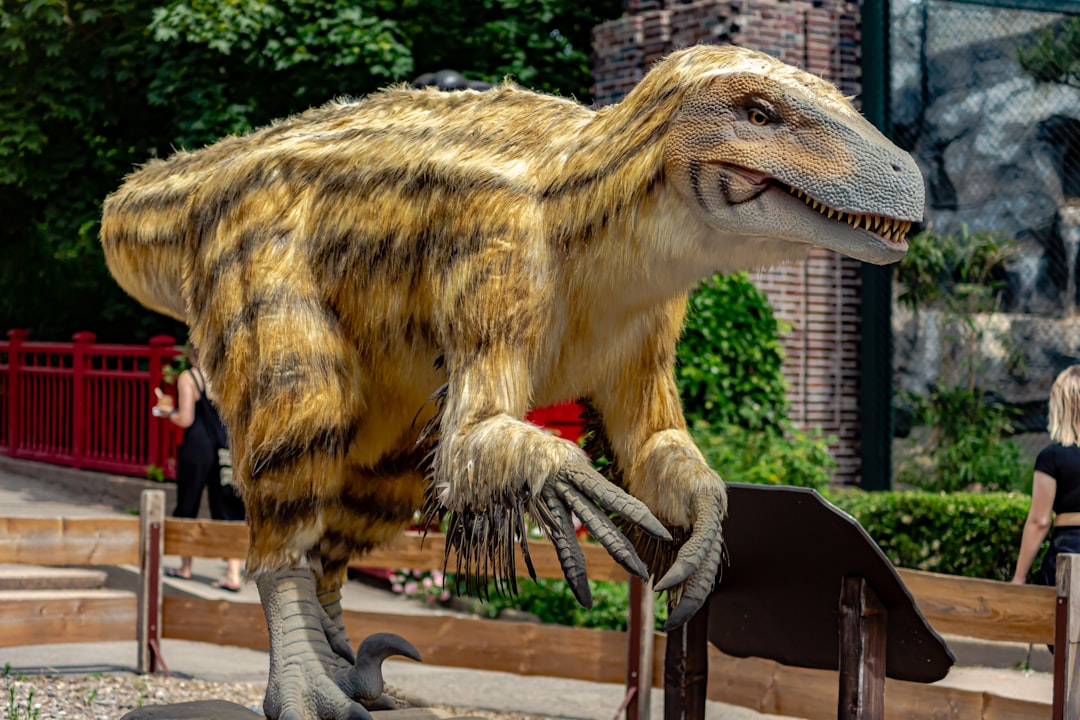
The Therizinosaurus, despite being a plant-eater, possessed some of the most terrifying claws in Earth’s history. These massive dinosaurs stood 16 feet tall and weighed up to 6 tons, but their most striking feature was their enormous claws that could reach over 3 feet in length. Picture garden shears the size of baseball bats, and you’re getting close to understanding these incredible appendages.
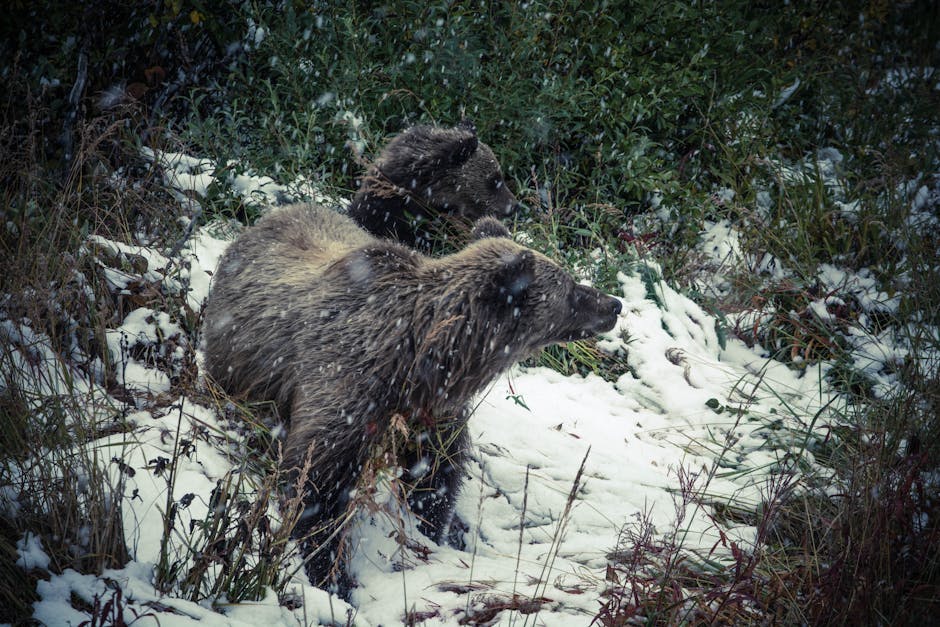
A grizzly bear, standing 8 feet tall on its hind legs and weighing up to 800 pounds, has claws that max out at about 4 inches long. While a grizzly’s claws are incredibly sharp and powerful, they would look like toothpicks compared to a Therizinosaurus. The dinosaur’s claws were actually longer than most people are tall, making even the most aggressive grizzly seem like a teddy bear in comparison.
Giganotosaurus vs. Siberian Tiger: Apex Predators Across Time
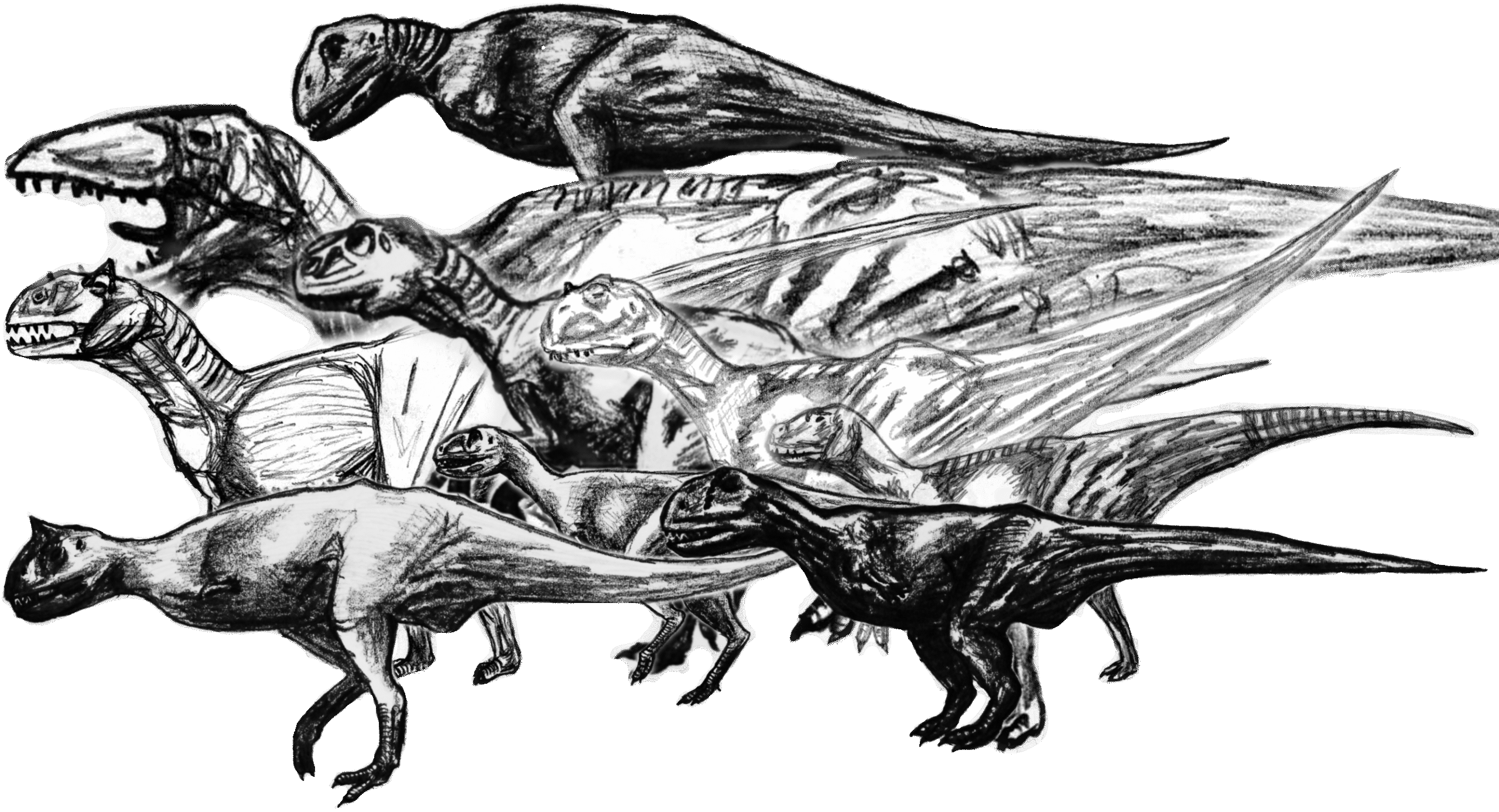
The Giganotosaurus was arguably one of the most fearsome predators to ever stalk the Earth, measuring up to 43 feet long and weighing around 8 tons. This massive carnivore had a skull nearly 6 feet long, packed with serrated teeth designed for slicing through flesh and bone. Its powerful legs could propel this monster at speeds of up to 25 mph, making it a terrifying sight for any prey animal.
The Siberian tiger, our planet’s largest cat, reaches lengths of 10 feet and weighs up to 660 pounds. While tigers are incredible hunters with lightning-fast reflexes and powerful jaws, a Giganotosaurus would dwarf even the biggest tiger. The dinosaur’s head alone was longer than an entire Siberian tiger, and its bite force was estimated to be over 35,000 pounds per square inch.
Brachiosaurus vs. Giraffe: Reaching for the Sky
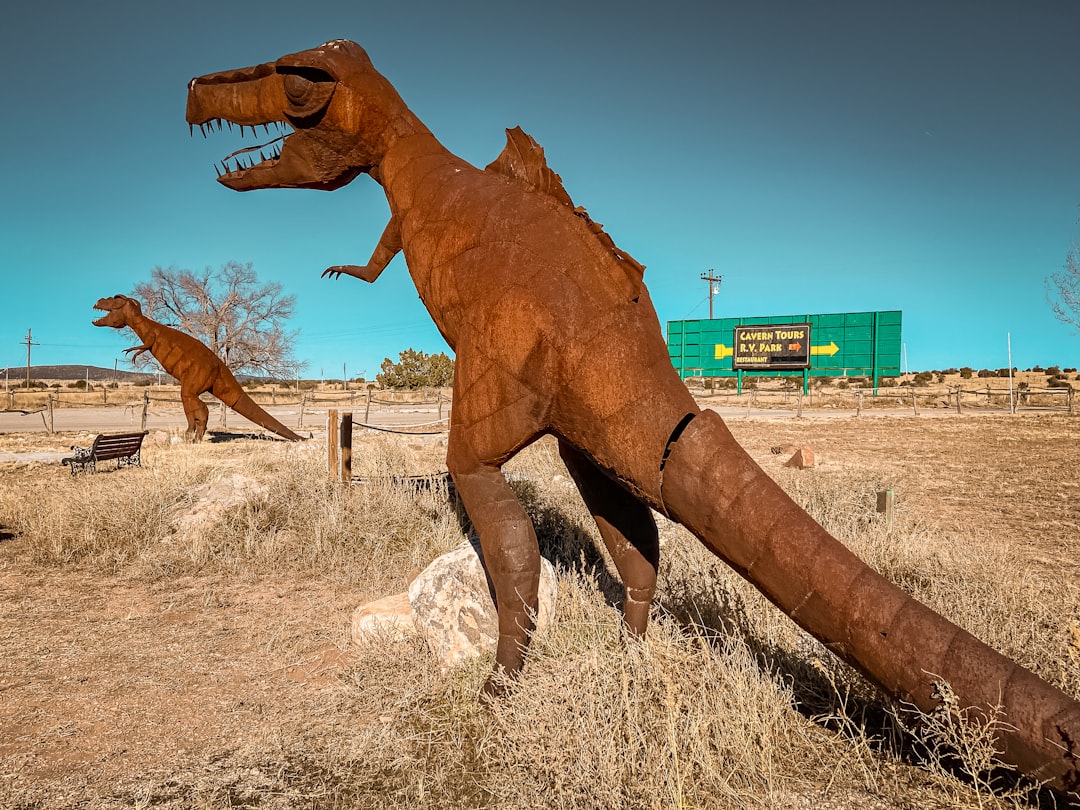
The Brachiosaurus was nature’s ultimate high-rise browser, capable of reaching vegetation 40-50 feet off the ground with its incredibly long neck. This gentle giant weighed up to 80 tons and measured 85 feet in length, with front legs that were longer than its back legs, giving it a distinctive upward-sloping posture. Its heart alone would have weighed around 880 pounds, roughly the same as a grand piano.
Today’s giraffe, standing up to 18 feet tall, is certainly impressive but looks almost miniature compared to Brachiosaurus. A giraffe’s neck, while long at 6 feet, could barely reach the ankle of a Brachiosaurus. The dinosaur could have used a full-grown giraffe as a footstool while reaching for treetops that modern giraffes can only dream of accessing.
Triceratops vs. African Elephant: Horned Heavyweights
The Triceratops was a walking tank that dominated the Late Cretaceous landscape with its impressive three-horned skull and massive bony frill. These herbivores measured up to 30 feet long and weighed between 6-12 tons, with skulls that could reach 10 feet in length. Their distinctive horns could grow up to 3 feet long, making them formidable weapons against predators like T-Rex.
An African elephant, while being the largest land animal today at 13 feet tall and weighing up to 14 tons, would still be overshadowed by a Triceratops. The elephant might have a weight advantage, but the Triceratops was longer and had natural armor plating that would make it nearly invulnerable to most attacks. Imagine an elephant-sized rhinoceros with horns the size of baseball bats, and you’ll understand why T-Rex thought twice before attacking these armored giants.
Microraptor vs. Peregrine Falcon: Aerial Acrobats
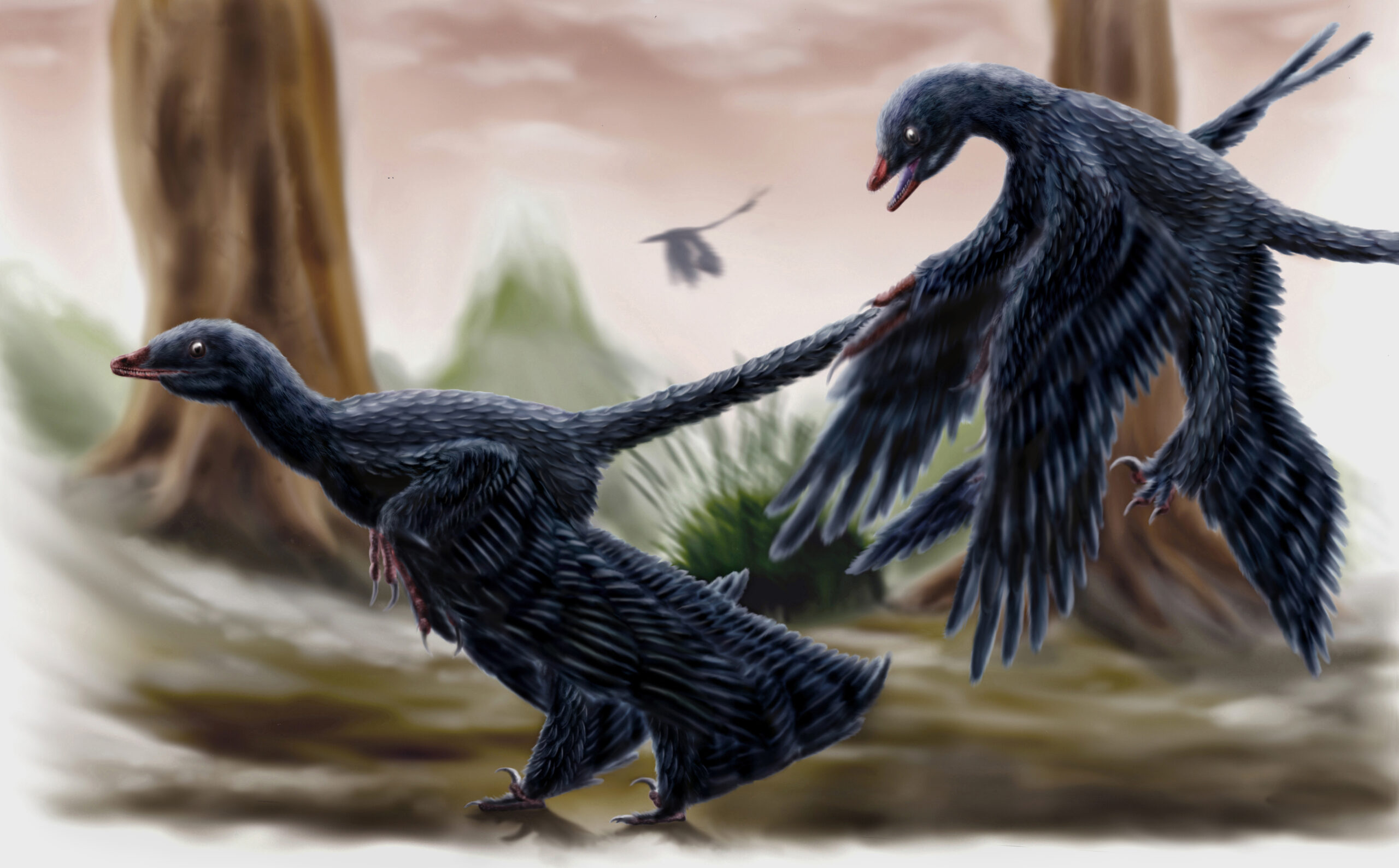
Not all dinosaurs were giants, and the Microraptor proves that some were surprisingly small and agile. This four-winged dinosaur measured only 2 feet long and weighed about 2 pounds, making it one of the smallest known dinosaurs. Despite its tiny size, Microraptor could glide between trees using its unique wing arrangement, with feathers on both its arms and legs.
The peregrine falcon, measuring 15-20 inches long and weighing 1-3 pounds, is remarkably similar in size to Microraptor. However, the falcon is a true master of flight, capable of diving at speeds over 240 mph. While Microraptor was likely limited to gliding and short flights, it represents an incredible evolutionary step toward modern birds, showing that not all dinosaurs were the massive beasts we typically imagine.
Ankylosaurus vs. Rhinoceros: Armored Defenders
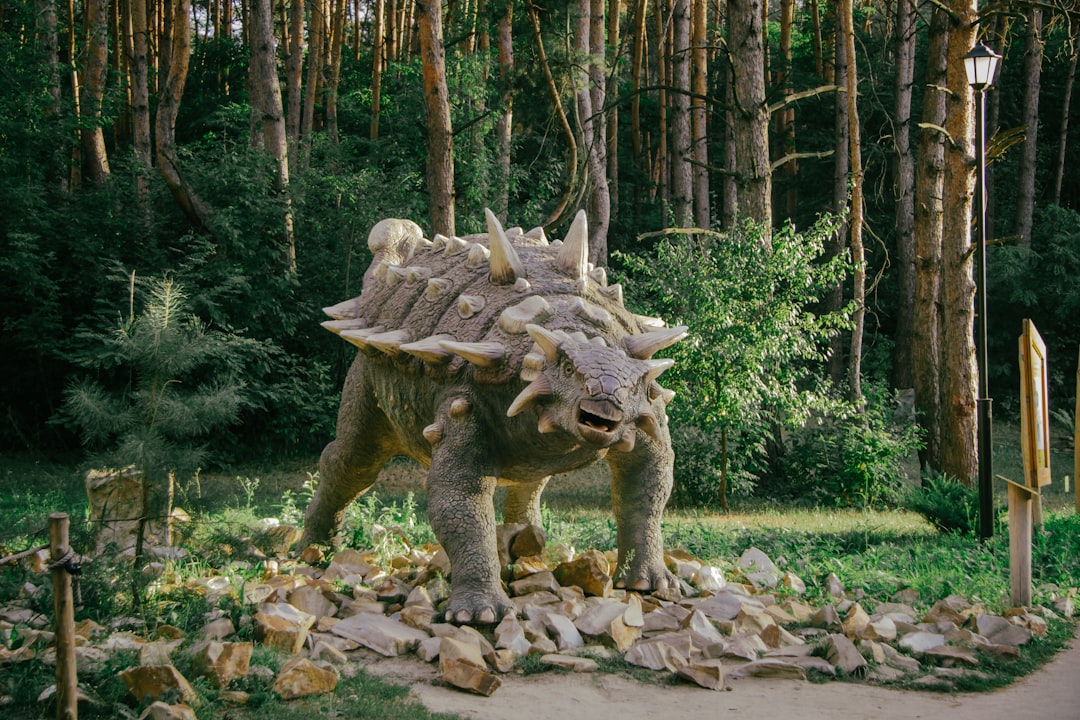
The Ankylosaurus was essentially a living fortress, covered from head to tail in bony armor plates and spikes. This herbivore measured up to 35 feet long and weighed around 6 tons, with a massive club-like tail that could deliver devastating blows to predators. Its armor was so thick that even T-Rex would have difficulty penetrating it, making Ankylosaurus one of the best-defended animals in Earth’s history.
A modern rhinoceros, while tough with its thick hide and impressive horn, would look almost vulnerable next to an Ankylosaurus. The largest rhino species, the white rhino, reaches 14 feet in length and weighs up to 5 tons. While rhinos are certainly formidable, they lack the comprehensive armor plating and weaponized tail of the Ankylosaurus, making the dinosaur the ultimate defensive specialist.
Compsognathus vs. Chicken: Size Surprises
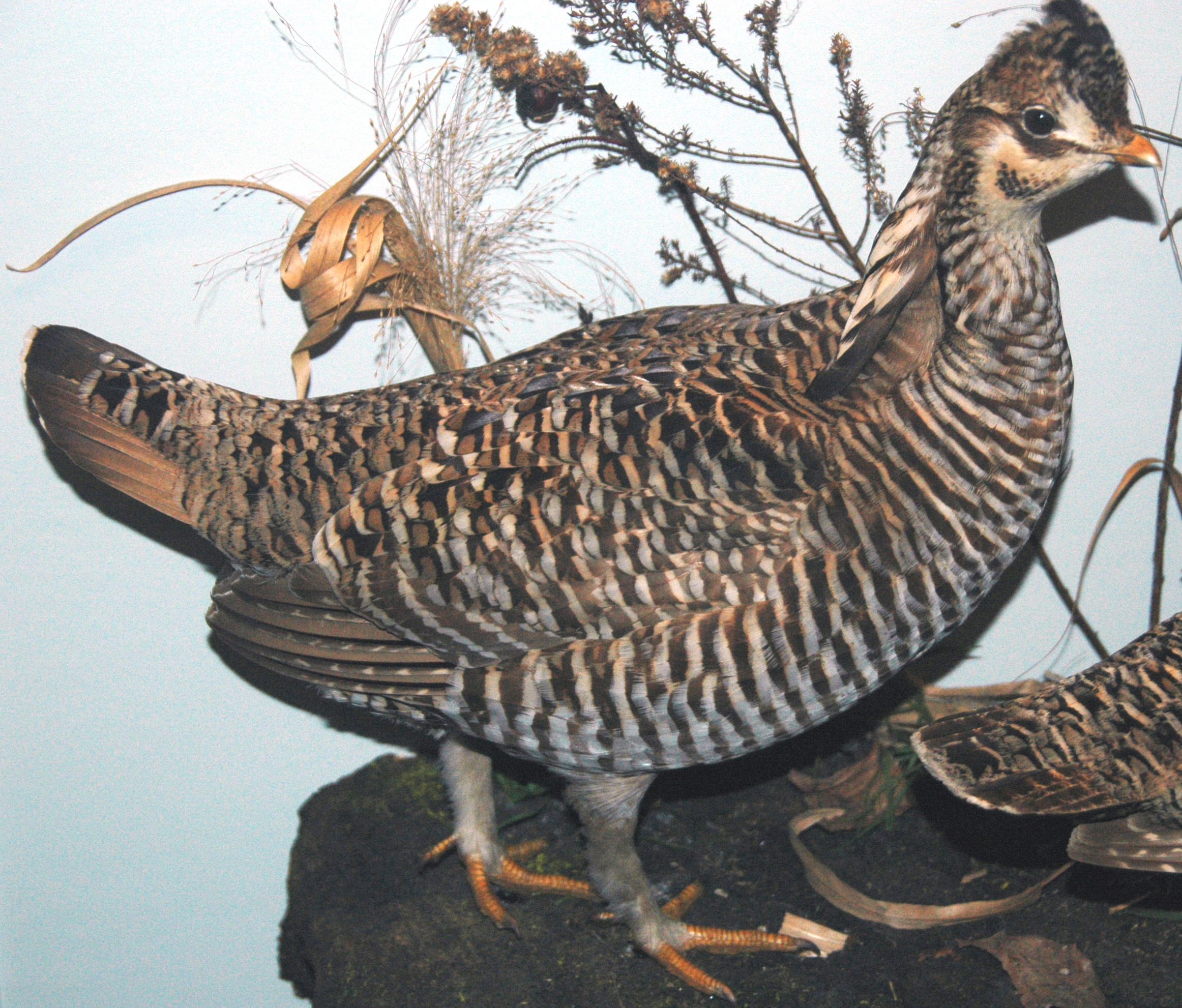
The Compsognathus was one of the smallest known dinosaurs, measuring only 3 feet long and weighing about 7 pounds. This tiny predator was roughly the size of a large chicken, with long legs built for speed and small, sharp teeth for catching insects and small lizards. Despite its diminutive size, Compsognathus was a successful predator that lived during the Late Jurassic period.
A typical chicken weighs between 4-8 pounds and measures about 16 inches tall, making it remarkably similar in size to Compsognathus. This comparison helps put dinosaur diversity into perspective – while we often think of dinosaurs as massive beasts, many were actually quite small. The main difference would be in behavior and anatomy, with Compsognathus being a swift predator while chickens are primarily ground-dwelling omnivores.
Pteranodon vs. Wandering Albatross: Masters of the Skies
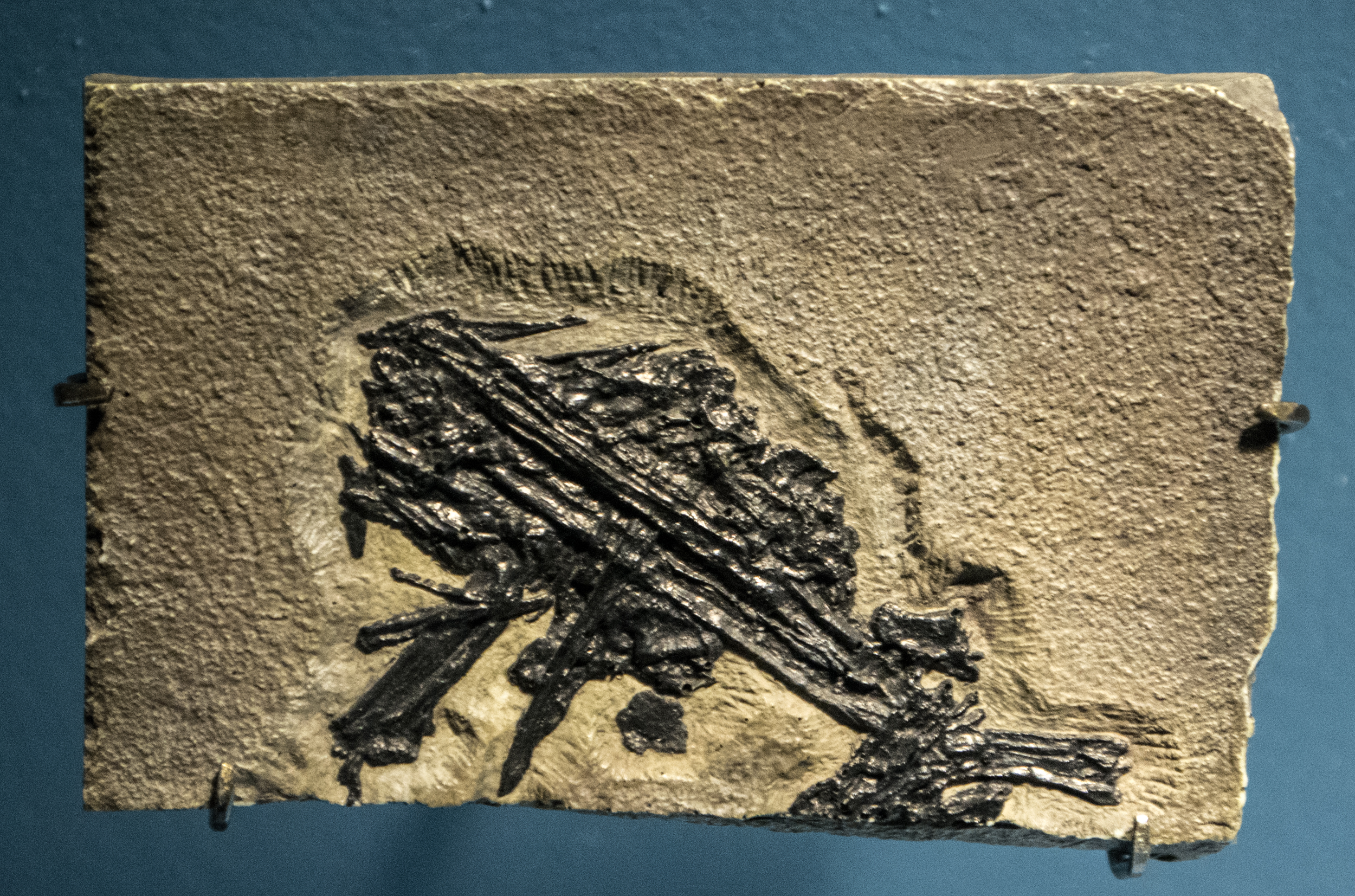
The Pteranodon, while technically not a dinosaur but a pterosaur, was one of the largest flying creatures ever to exist. With a wingspan reaching up to 23 feet and weighing around 55 pounds, these aerial giants dominated Cretaceous skies. Their distinctive head crests could reach 3 feet in length, and they were perfectly adapted for soaring over ancient seas while hunting for fish.
The wandering albatross has the largest wingspan of any modern bird at 11 feet, but even this impressive seabird would be dwarfed by a Pteranodon. The pterosaur’s wingspan was more than twice as wide, making it one of the most imposing flying creatures ever. Imagine looking up and seeing a shadow with wings wider than a small airplane – that’s what smaller creatures would have experienced when Pteranodon soared overhead.
Carnotaurus vs. Kodiak Bear: Speed vs. Strength
The Carnotaurus was built for speed, earning its nickname “meat-eating bull” due to its distinctive horned skull and powerful running legs. This predator measured 25 feet long and weighed around 2.5 tons, with long, muscular legs that could propel it at speeds of up to 35 mph. Its small arms were even more reduced than those of T-Rex, essentially being just tiny stumps.
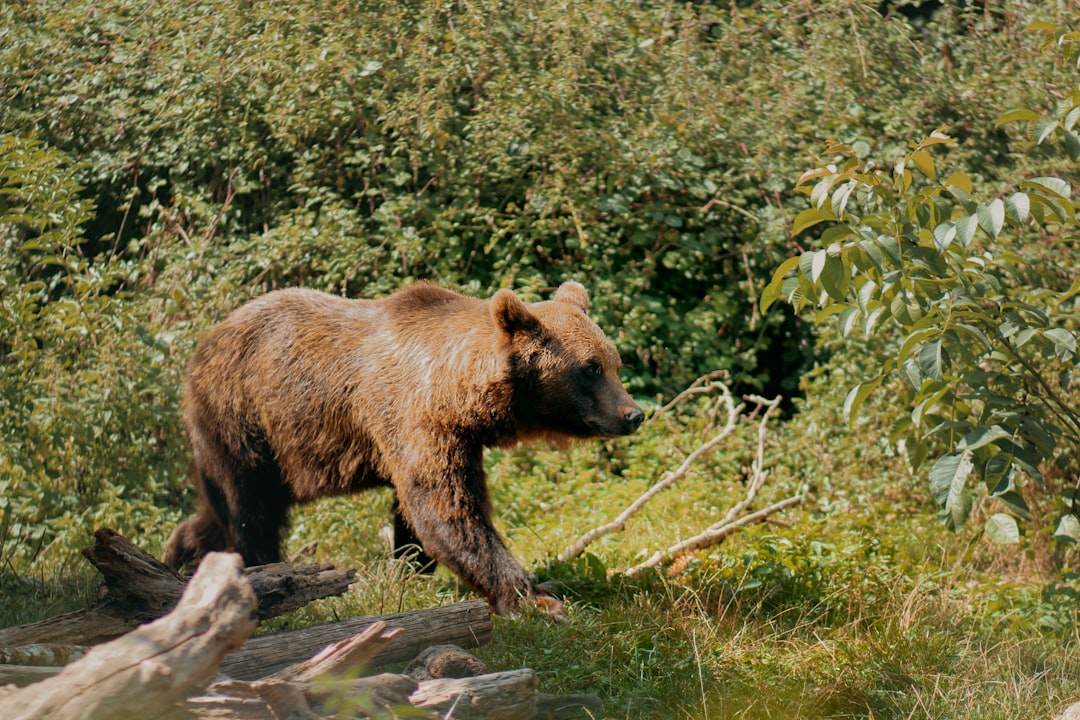
A Kodiak bear, standing 10 feet tall and weighing up to 1,500 pounds, is incredibly powerful but would be completely outmatched by a Carnotaurus. The dinosaur was not only much larger but also significantly faster, combining the size advantage with remarkable speed. While a Kodiak bear is certainly dangerous, it would seem almost sluggish compared to the lightning-fast Carnotaurus.
Dracorex vs. Komodo Dragon: Dragons Real and Imagined
The Dracorex, whose name literally means “dragon king of Hogwarts,” was a small herbivorous dinosaur with a distinctive spiky skull that looked remarkably dragon-like. This creature measured about 10 feet long and weighed around 100 pounds, with a flattened skull adorned with spikes and bumps that gave it an intimidating appearance despite its plant-eating diet.
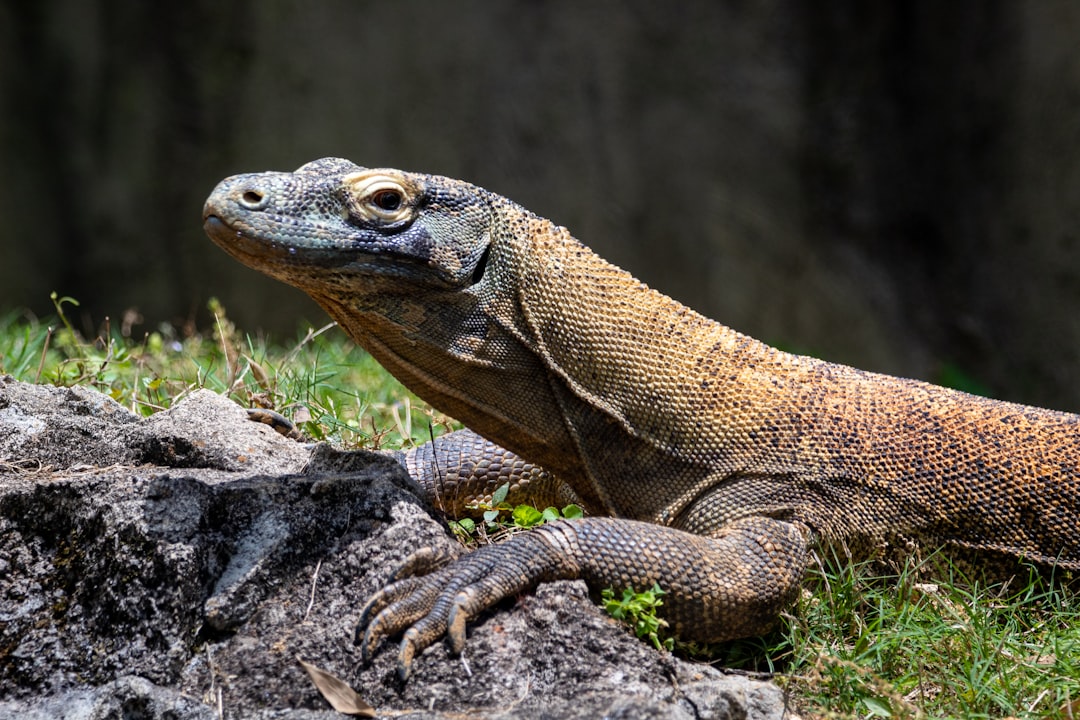
The Komodo dragon, our planet’s largest lizard, reaches lengths of 10 feet and weighs up to 200 pounds. While similar in length to Dracorex, the Komodo dragon is actually heavier and far more dangerous, being a venomous predator capable of taking down prey much larger than itself. Interestingly, the modern “dragon” is actually more fearsome than its prehistoric namesake, proving that sometimes reality is stranger than extinction.
The fascinating world of size comparisons between dinosaurs and modern animals reveals just how incredible our planet’s prehistoric inhabitants truly were. From the colossal Argentinosaurus that dwarfed even blue whales in length, to the tiny Compsognathus that matched our backyard chickens, these ancient creatures displayed an amazing range of sizes and adaptations. While some modern animals like elephants and whales can compete with certain dinosaurs in terms of weight, the sheer diversity and extreme proportions of prehistoric life remain unmatched. These comparisons help us appreciate both the incredible legacy of dinosaurs and the remarkable animals that share our world today. What other prehistoric giant would you want to see walking alongside modern wildlife?