Most people think of prehistoric life as something you only encounter in a museum, frozen in stone, safely sealed behind glass. But here’s the jaw-dropping truth: some of the creatures that shared a planet with dinosaurs are still out there right now, swimming in your oceans, crawling across ancient riverbeds, and lurking in the deep dark places of the world. You don’t need a time machine to see them.
These animals are often called “living fossils,” and honestly, the name fits. The term is used to describe organisms that have, at least superficially, remained unchanged for millions of years. While there aren’t any individual species alive today that also lived hundreds of millions of years ago, there are several groups that look a lot like their ancestors and are pretty much identical in terms of looks and lifestyles. Think about that for a second. Some of these creatures were already ancient when the first humans appeared. Let’s dive in.
1. The Horseshoe Crab: A Helmet from the Paleozoic
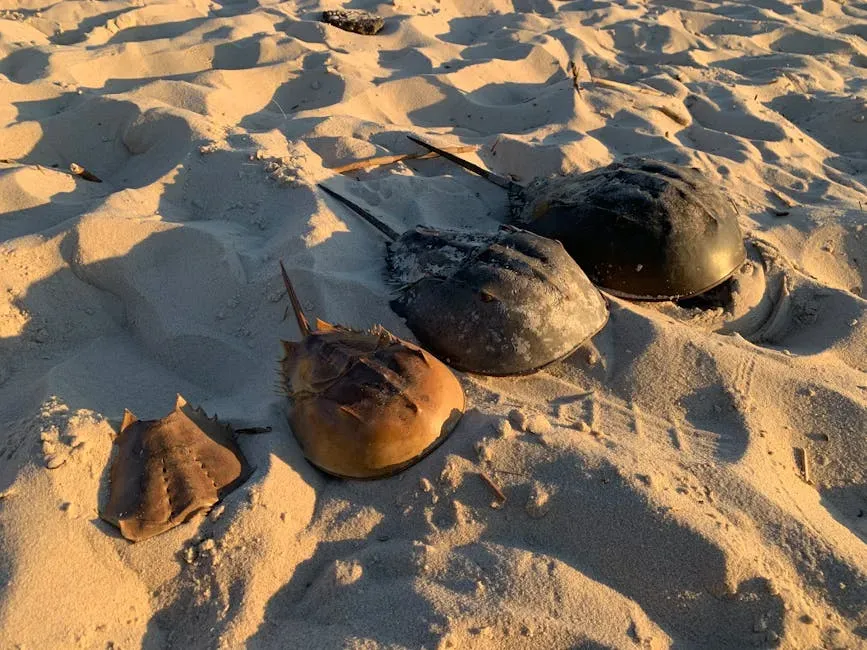
If you’ve ever walked a beach on the eastern United States coast and spotted something that looks like a warrior’s helmet washed ashore, you’ve probably crossed paths with a horseshoe crab. One of the oldest living creatures on Earth, the horseshoe crab has been around for more than 450 million years. These marine arthropods have survived ice ages, asteroid impacts, and countless environmental changes. Despite their name, they are more closely related to spiders and scorpions than crabs.
Here’s the thing that makes them truly extraordinary: they haven’t just survived, they’ve barely changed. Unlike other chelicerates, which demonstrate quite a lot of diversity through time, today’s horseshoe crabs look morphologically identical to those that lived during the Early Triassic, circa 250 million years ago. They occupy the same niches too, scuttling through silty seabeds in search of worms, molluscs, and other invertebrates to eat. On top of that, their blue blood has literally saved millions of human lives through its use in medical testing.
2. The Coelacanth: The Fish That Defied Extinction
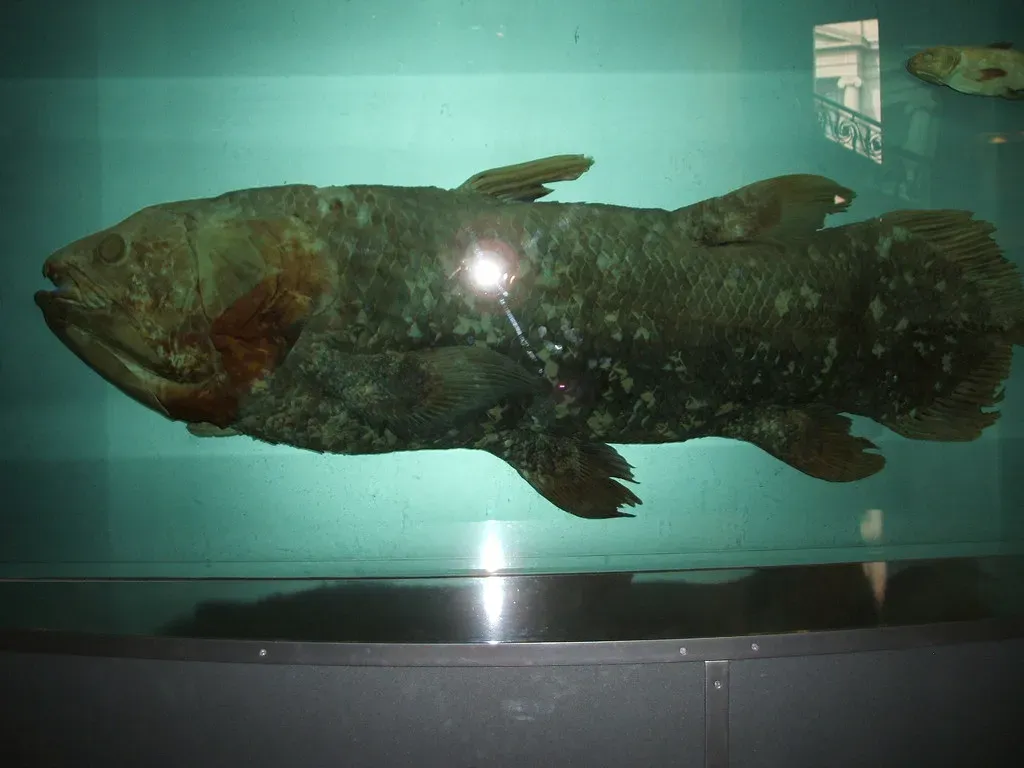
I think the coelacanth might be the most dramatic comeback story in the history of natural science. One of the world’s most famous “living fossils,” coelacanths were once thought to have gone extinct approximately 65 million years ago, during the great extinction in which the dinosaurs disappeared. It wasn’t until 1938 when a live coelacanth was caught in a fishing trawl that scientists realized they were still alive. Today, there are two known living species.
What sets this fish apart beyond its age is its bizarre physical design. Coelacanths are elusive, deep-sea creatures living at depths up to 2,300 feet below the surface. They can be huge, reaching 6.5 feet or more and weighing 198 pounds. Scientists estimate they can live up to 60 years or more. The most striking feature is its paired lobe fins that extend away from its body like legs and move in an alternating pattern, like a trotting horse. Many scientists believe those fins represent one of evolution’s earliest steps toward life on land.
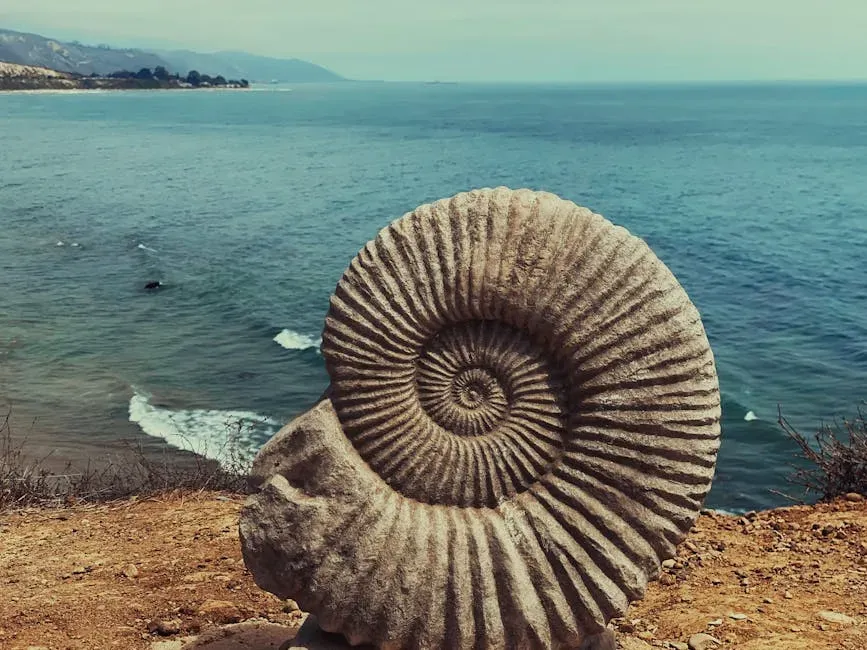
3. The Nautilus: A Living Spiral from Half a Billion Years Ago
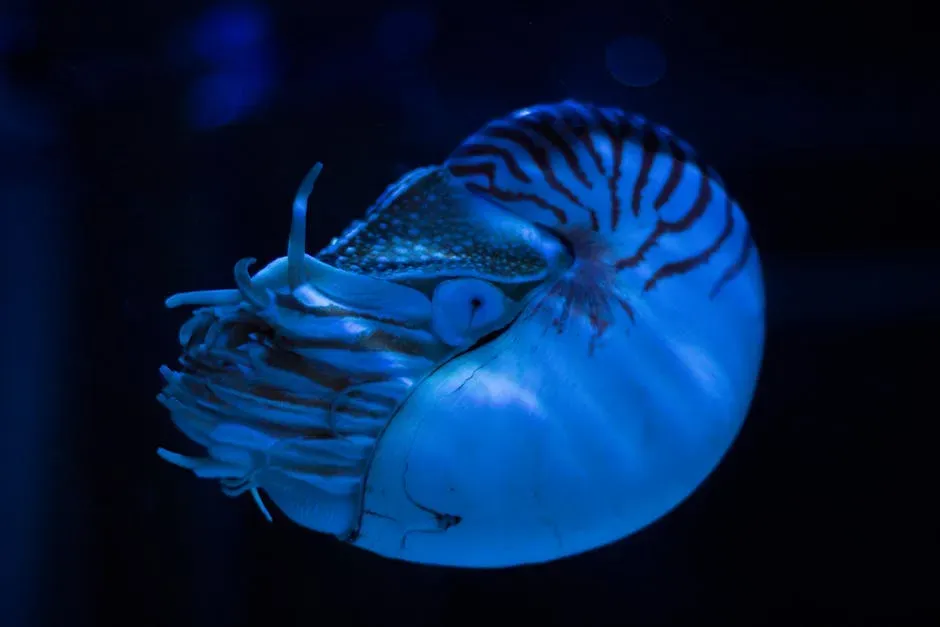
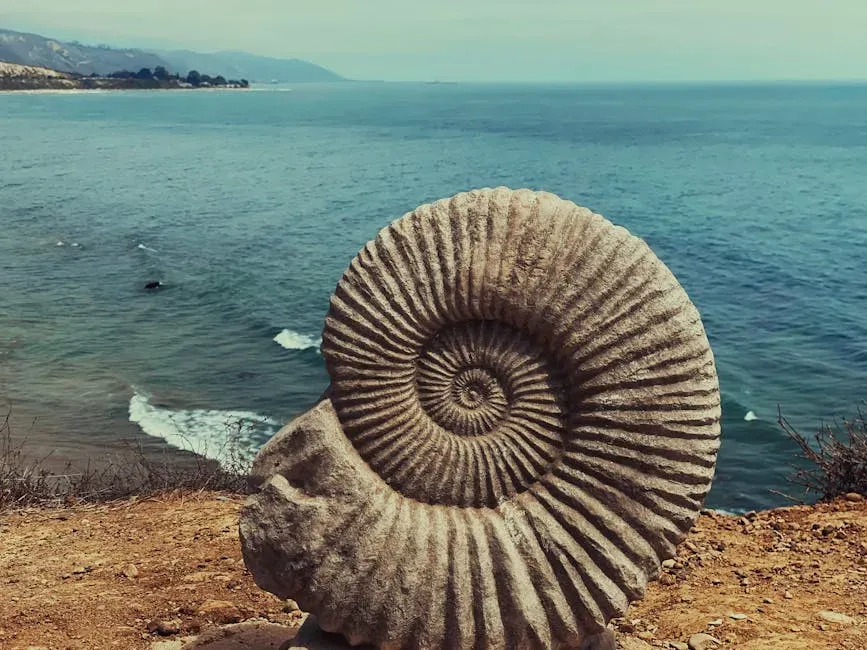
Picture something so elegantly designed that nature saw zero reason to tinker with it for half a billion years. With a lineage stretching back 500 million years, nautiluses are ancient marine mollusks that have remained virtually unchanged. These spiral-shelled creatures use jet propulsion to navigate the ocean depths and rely on buoyancy for movement. Nautiluses are often called “living fossils” because their external and internal structures closely resemble their ancestors.
Their survival story is actually a bit of a miracle when you consider what they’ve outlasted. Appearing on the fossil record half a billion years ago during the Upper Cambrian, they use chemical cues to detect their main food sources like fish and crustaceans, and have a connective tube called a siphuncle that controls their buoyancy by siphoning water through their internal gas chambers. Sadly, overfishing and habitat loss have put their survival at risk. The nautilus outlived dinosaurs, giant marine reptiles, and multiple mass extinctions. The idea that shell collectors could be the ones to finally bring them down is genuinely unsettling.
4. The Crocodilian: A Perfect Predator Since the Dinosaur Age
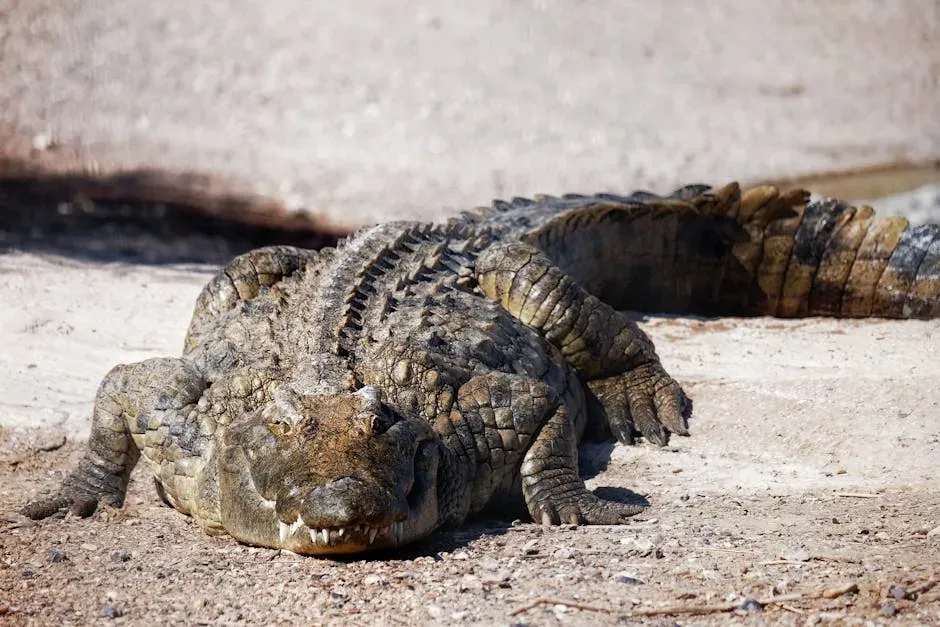
Let’s be real: crocodiles look prehistoric because they essentially are. The basic anatomy of crocodilians is astonishingly similar to that of their 200-million-year-old ancestors. These are true survivors, having outlived the mass extinction event that killed off the dinosaurs. You could drop a modern crocodile into the Late Cretaceous and it would fit right in.
There are more than two dozen species of crocodilians alive today, including true crocodiles, alligators, caimans, and gharials. What’s remarkable is that their design, powerful jaws, armored bodies, and ambush hunting style, required almost no updates over millions of years. Today’s crocodilians may look prehistoric, but they’ve come a long way since their ancestors’ origins in the Late Triassic and may continue to diversify as climate change forces them to adapt. Evolution’s greatest compliment, it seems, is leaving something alone.
5. The Shark: Ancient Hunter of the Open Ocean
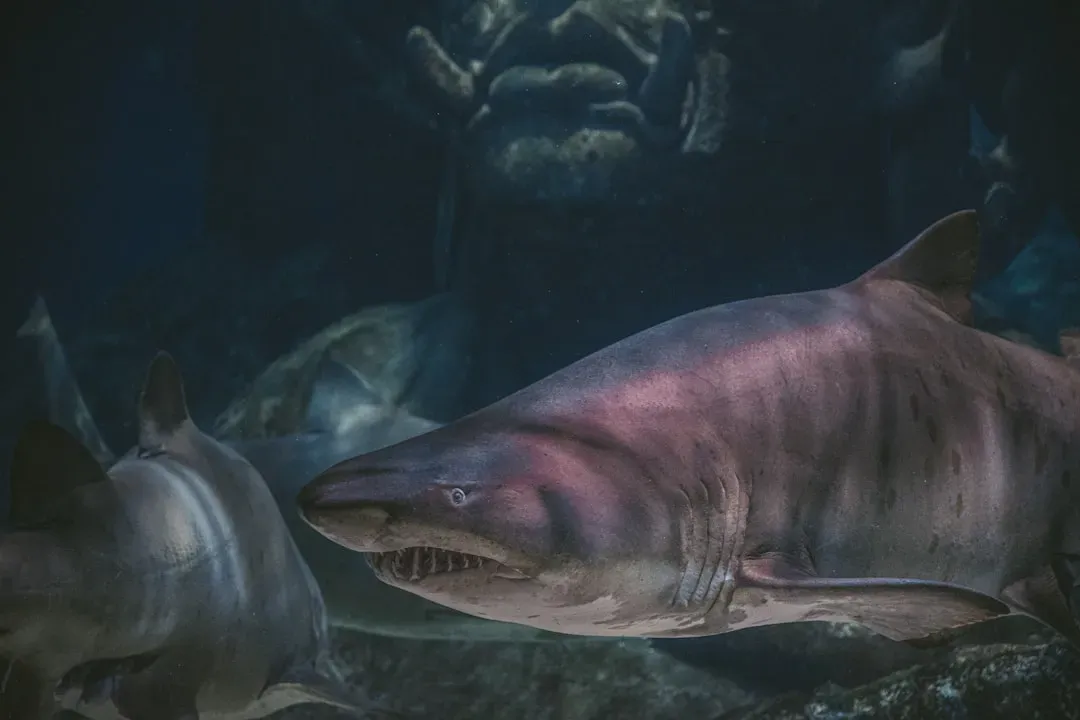
You already knew sharks were old. You probably didn’t know just how old. Sharks have haunted the seas for some 450 million years, emerging during the Silurian period and remaining in existence across countless mass extinction events. To put that in perspective, sharks existed before trees. Before trees! That is almost too much to wrap your head around.
Sharks have been in the ocean for about 450 million years and survived four of the five big extinction events. The modern shark as you’d recognize it today took shape well before the age of dinosaurs. Of course, sharks have changed shape a bit across the millennia, and some particularly gigantic ancient sharks, like the megalodon, don’t exist anymore, at least that we know of. Among the most ancient-looking alive today is the frilled shark, which has been lurking in the deep sea for approximately 80 million years and has changed very little during that time.
6. The Tuatara: New Zealand’s Living Dinosaur Era Relic
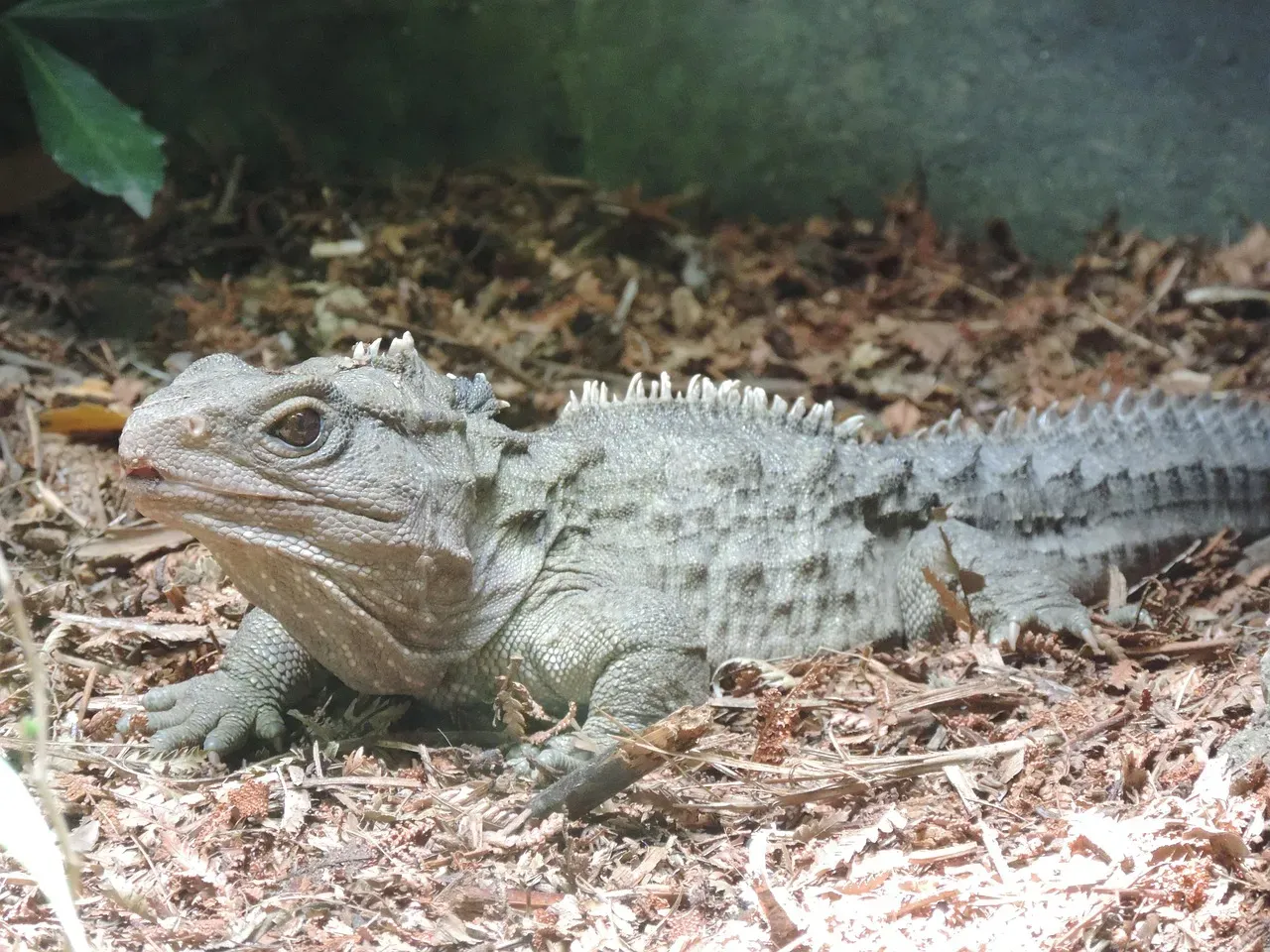
If you ever visit New Zealand, you might encounter one of the strangest reptiles on the planet and not even realize what you’re looking at. The tuatara, native to New Zealand, is often mistaken for a lizard but belongs to a unique lineage of reptiles that flourished during the dinosaur era. Tuataras are easily distinguished by their spiny crests and a third “parietal eye” on top of their heads, which is thought to help regulate circadian rhythms. These reptiles grow slowly, taking up to 20 years to reach maturity, and can live for over 100 years.
It boasts a light-sensing third eye, teeth that grow directly from the jawbone, and a slow metabolism that enables it to live for over a century. Most amazingly of all, the tuatara has hardly changed in some 190 million years. Scientists are particularly fascinated by this creature because they help to explain how snakes and lizards evolved. The tuatara is the last of its entire lineage, a sole survivor representing an entire ancient order of life.
7. The Lamprey: The Jawless Parasite That Refuses to Evolve
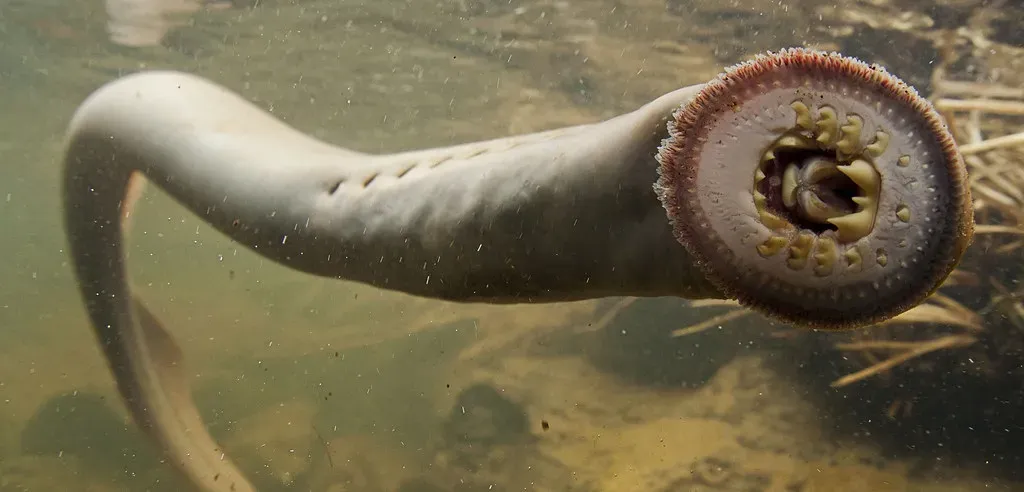
Honestly, the lamprey is the creature on this list most likely to appear in your nightmares. Similar in structure to leeches or eels, lampreys do not possess bones but instead have a cartilaginous skeleton with a single tail fin, and feed off other fish by sucking nutrients from their bloodstream. While lampreys lack jaws, they use a large suction-like mouth filled with tiny horned-shaped teeth and a razor-sharp tongue.
Lampreys originated in the Late Devonian, around 360 million years ago. They may be the only jawless vertebrates alive today, but from 485 to 420 million years ago, jawless vertebrates like them dominated many underwater ecosystems, outcompeting a lot of early jawed vertebrates. Beyond their terrifying mouths, lampreys are scientifically invaluable. They are crucial to understanding how the first backboned animals evolved and, with their remarkable ability to heal from severe nerve damage, how spinal cord injuries can be healed in humans. Who knew the stuff of nightmares could help with medical breakthroughs?
8. The Sturgeon: Gentle Giant from the Age of Dinosaurs
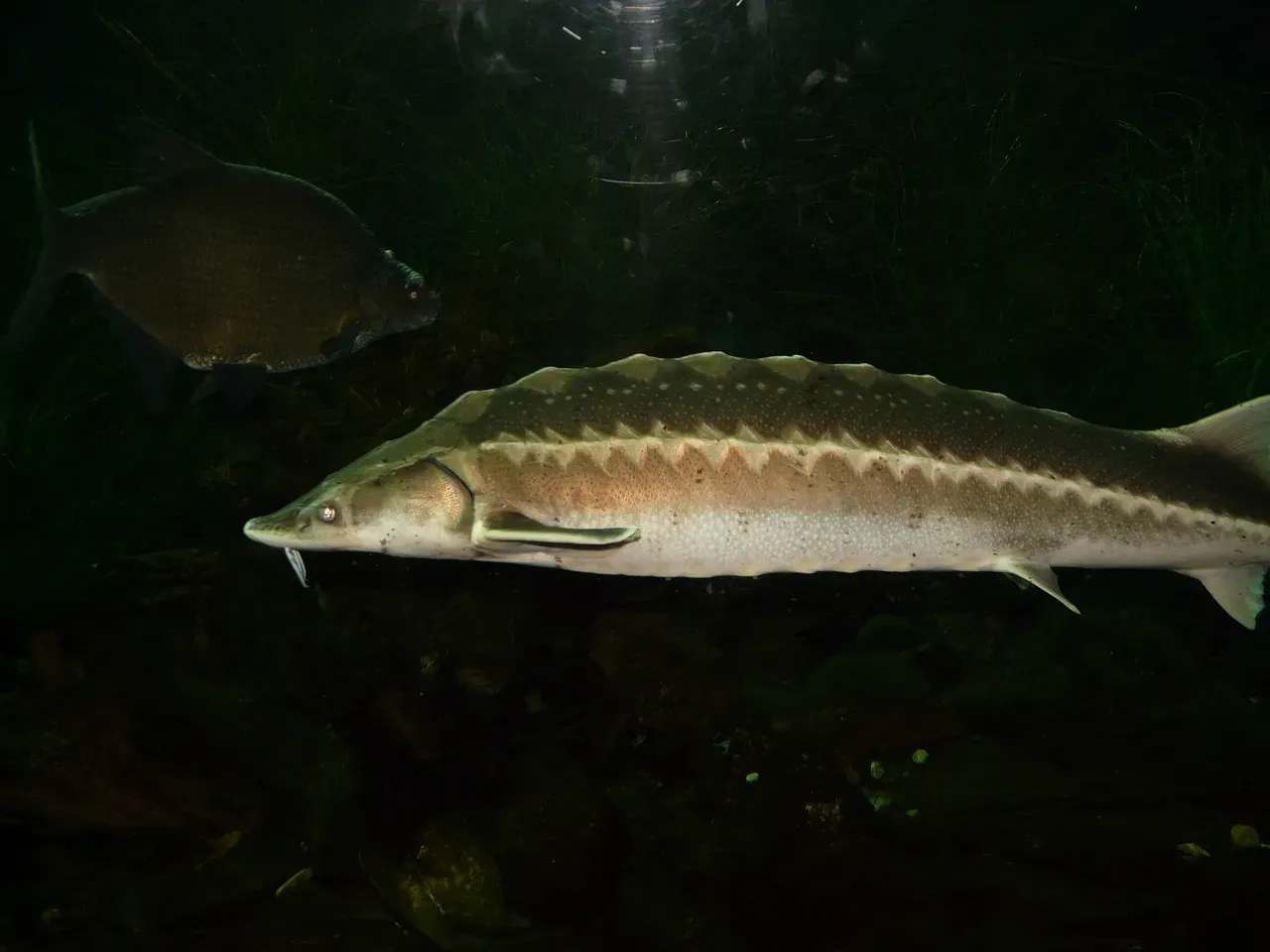
You’ve probably eaten sturgeon without thinking much about its history. Or at least eaten its eggs. Sturgeons are ancient fish that have lived through the rise and fall of dinosaurs. Known for their size and longevity, they can grow up to 18 feet long and live for over a century. These bottom-dwelling fish are famous for their eggs, which are processed into caviar, making them a target for overfishing.
Sturgeon have existed for 100 million years and are found in both fresh and saltwater environments. There are over 25 different types throughout temperate regions of the Northern Hemisphere. There’s something deeply ironic about a creature that survived the extinction of the dinosaurs now being threatened by the human appetite for luxury food. Conservation efforts are critical to ensure the survival of these prehistoric giants, many of which are now critically endangered.
9. The Platypus: Evolution’s Most Bewildering Survivor
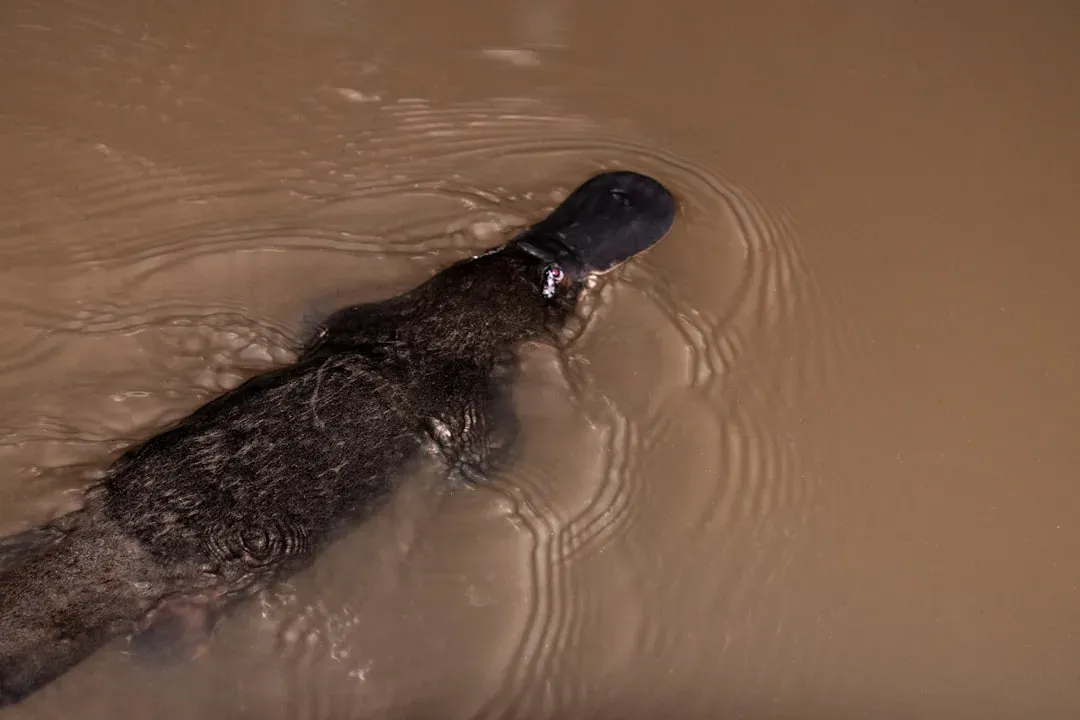
If you designed the platypus from scratch, nobody would believe you. A mammal that lays eggs, has a duck’s bill, beaver’s tail, and webbed feet, and somehow the males have venomous spurs on their hind legs. It sounds completely made up. This bizarre, egg-laying animal that looks like a cross between a duck and a beaver belongs to an ancient group of mammals known as the monotremes. This group is now represented by just the platypus and the echidna, but during the time of the dinosaurs, roughly 100 million years ago, they were reasonably diverse.
Despite their weirdness, these egg-laying mammals have stood the test of time, as the oldest fossils of platypus relatives date back to the early Cretaceous period, around 110 million years ago. Platypuses are one of only two mammalian species that lay eggs, the other being echidnas, or spiny anteaters. Platypuses live only in eastern Australia and Tasmania, while reclusive, nocturnal echidnas live all over Australia. The platypus is essentially a mammal that refused to fully commit to being a mammal, and it’s been thriving for tens of millions of years because of it.
10. The Snapping Turtle: Unchanged for 70 Million Years
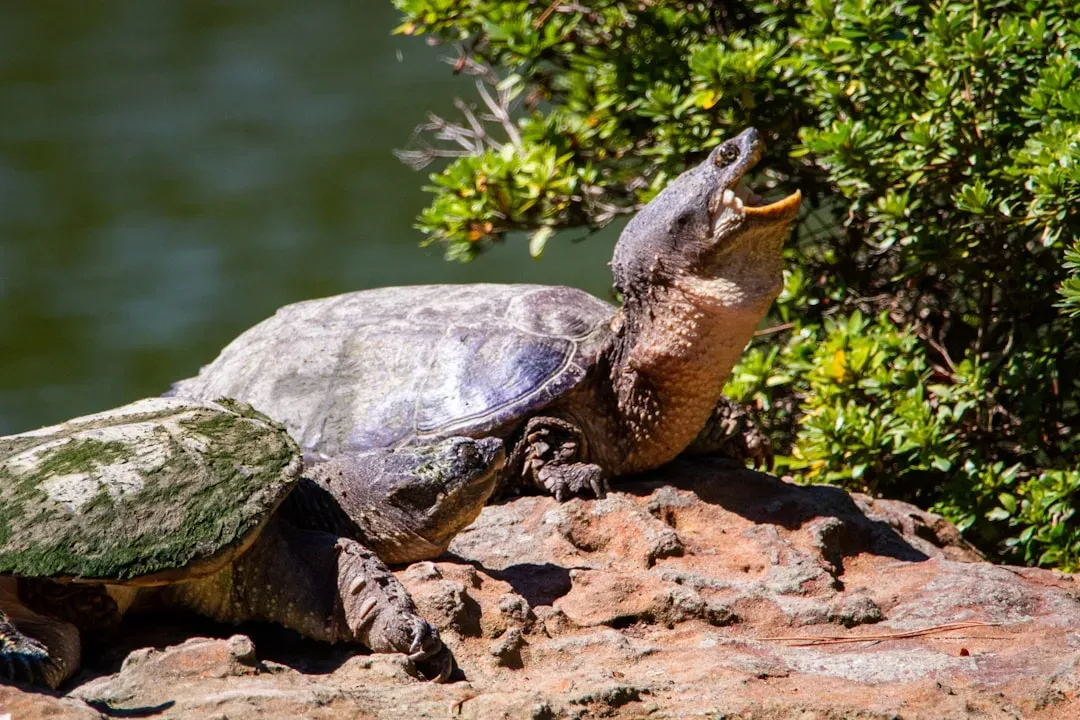
There’s something almost comforting about the snapping turtle, a grumpy, armored creature that has been doing exactly the same thing for tens of millions of years. For the last 70 million years, snapping turtles have remained virtually unchanged. This family of reptiles, known as Chelydridae, has an impressive fossil record, with species documented from several periods from the time of the dinosaurs to the present day.
These extinct snapping turtles looked just like modern species; they also had long tails, ridged shells, and deadly-looking beaks. Like today’s snapping turtles, those that lived alongside the dinosaurs were probably also capable of crunching through bones. It’s hard to say for sure why this design has endured so long without modification, but when you can crack bones with your beak, perhaps there’s simply no need to upgrade. The snapping turtle is the biological equivalent of a tool that was built so well, it never needed replacing.
11. The Chinese Giant Salamander: A 170-Million-Year-Old Amphibian
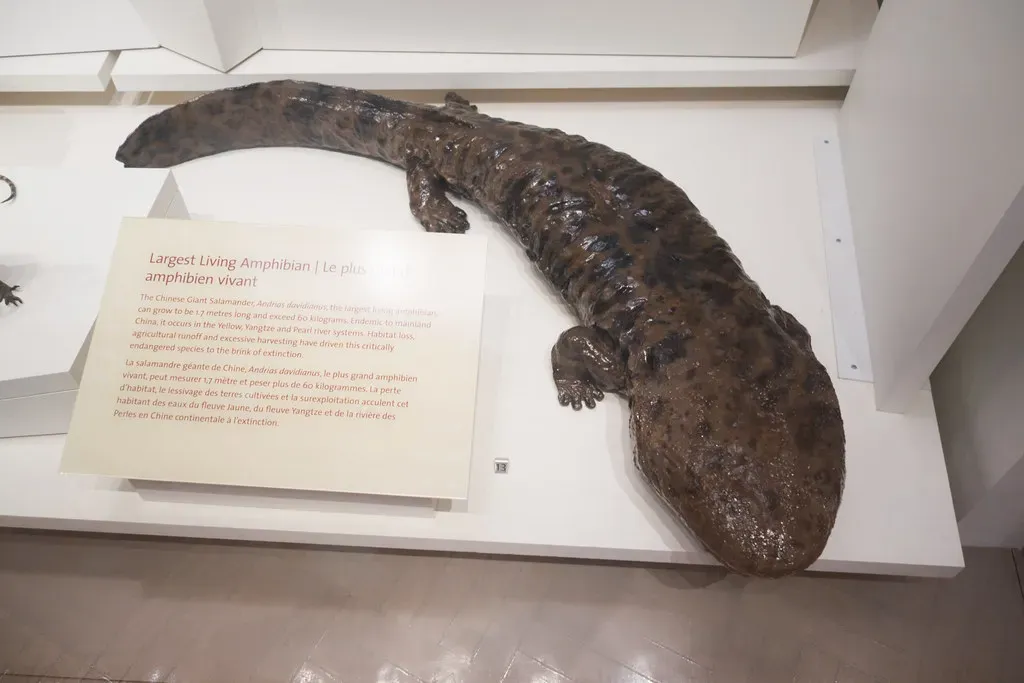
Most people picture a salamander as a small, delicate creature you might find under a rock. The Chinese giant salamander demolishes that image entirely. The giant Chinese salamander is the world’s largest amphibian, reaching lengths of up to six feet. This remarkable creature has remained unchanged for millions of years, making it a true living fossil. It’s essentially the same animal that was crawling around when dinosaurs were still the dominant life form on Earth.
The Chinese giant salamander is the largest salamander on the planet and it’s been around for approximately 170 million years. They weigh over 100 pounds and approach six feet in length. They’re critically endangered and live in fragmented ranges. Habitat loss, pollution, and overharvesting for traditional medicine have led to a dramatic decline in their population. A creature that outlasted entire geological eras is now threatened by changes that have taken place over just a few human generations. That’s a genuinely sobering thought.
12. The Emperor Scorpion: 300 Million Years of Sting
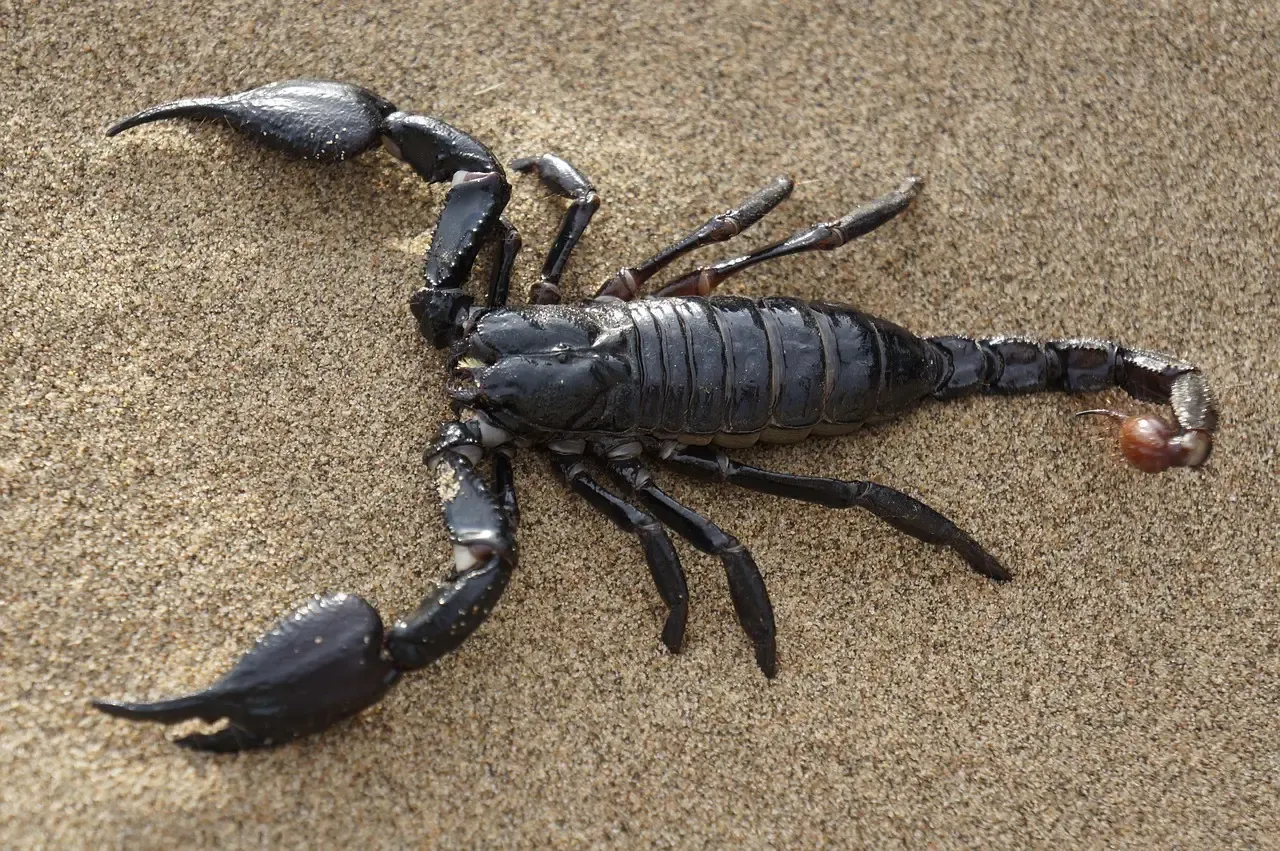
Scorpions are one of those creatures that look like they were built for a different, more hostile planet. That’s because they essentially were. At almost eight inches in length, emperor scorpions are some of the biggest scorpions in the world. They’re also living fossils that have been around for 300 million years. They live in West Africa and while they’re sometimes found in savannahs, they are usually found in the rainforest.
Think about what 300 million years actually means. The emperor scorpion was already crawling across the Earth before the first dinosaur existed. It survived the Permian-Triassic extinction event, sometimes called “the Great Dying,” which wiped out roughly nine out of ten marine species and seven out of ten land species. Since their venom is mild and they aren’t aggressive, they’re a popular choice in the exotic pet trade. So yes, the animal that has outlived nearly everything on Earth can now be kept in a glass tank in your living room. It’s a strange kind of survival, but it counts.
Conclusion: Nature’s Oldest Survivors Deserve Your Attention
The next time you stand at an ocean’s edge or walk through a river delta, take a moment to consider what might be lurking beneath the surface. Some of these creatures have been doing exactly what they’re doing right now for hundreds of millions of years. These ‘living fossils’ are important as they provide a window into Earth’s distant past and help us understand how some organisms have found themselves in states of evolutionary stability. They are irreplaceable chapters in the story of life on Earth.
The uncomfortable reality is that many of these ancient survivors are now more threatened by a few centuries of human activity than they were by asteroid impacts and ice ages. Living fossils are often scarce, the last of their kind with no close relatives alive today, and they tend to thrive in marine environments because it is easier to sidestep extinction events deep in the ocean. The mystery of why some species have coasted through evolutionary history may boil down to chance. They beat impossible odds across deep time. Whether they survive our era is, at least partly, up to us. What will you do with that knowledge?