Dinosaurs have captured our imagination for generations. We build entire museums in their honor, make blockbuster films about them, and let’s be real, most of us had a dinosaur phase as kids that never fully ended. Yet for all that obsession, the actual brains inside those enormous skulls remain one of paleontology’s most mysterious and misunderstood frontiers.
What if everything you thought you knew about dinosaur intelligence was wrong? What if some of the most ferocious predators in Earth’s history were smarter, stranger, and more surprising than any movie ever dared to suggest? Buckle up, because the facts below might just change the way you see these ancient giants forever. Let’s dive in.
1. You Can’t Actually See a Fossilized Dinosaur Brain Directly
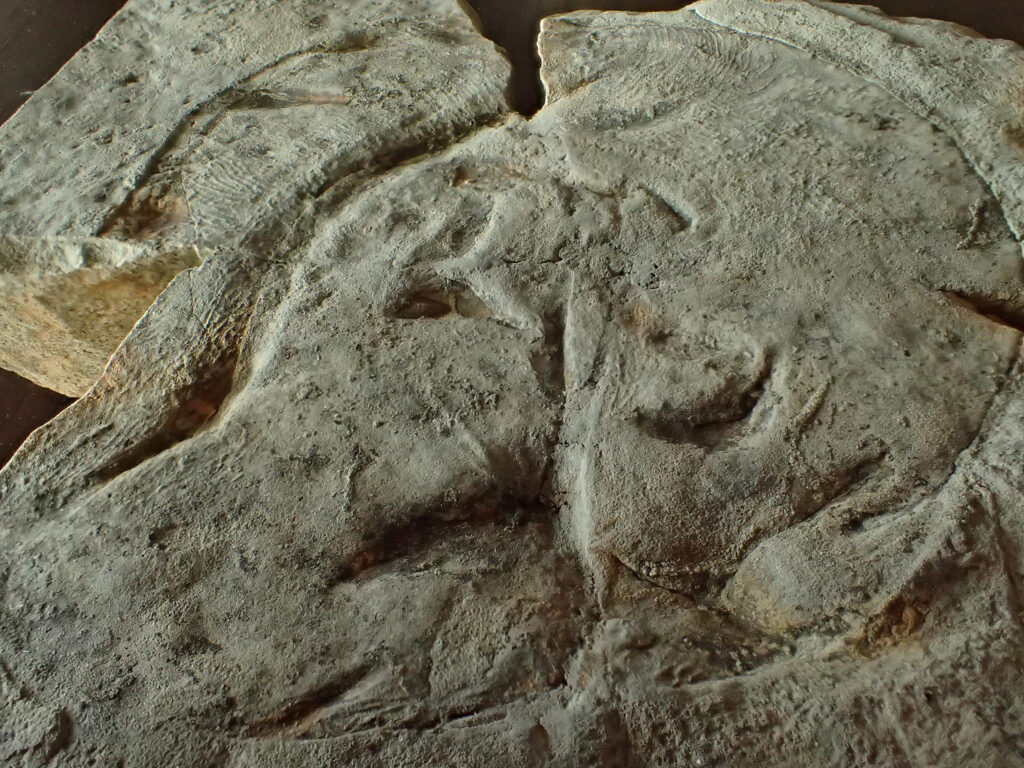
Here’s the thing about dinosaur brains – they simply don’t survive. Soft tissue decays far too quickly to fossilize under normal conditions. The fossil record mostly gives you an endocast, which is a sediment cast of the skull cavity where the dinosaur’s brain once lived. Typically, endocasts provide vital but indirect information about the brains of fossilized animals, as these sensitive organs are often the first to decay.
In simplest terms, an endocast is a special rock – sediment that filled in the space of an animal’s brain cavity after death, taking on its shape. These endocasts can be extremely accurate, showing details like ventricles and nerves, because the bones of the skull tightly surround the brain itself. Think of it like pouring concrete into a glove. You get the shape, but not the hand itself.
2. The First Actual Dinosaur Brain Fossil Was Found Inside What Looked Like an Ordinary Pebble
That oddly textured pebble turned out to be an endocast representing the first known evidence of fossilized brain tissue of a dinosaur, likely a close relative of Iguanodon, a large herbivorous dinosaur that lived about 133 million years ago. A pebble. Someone almost skipped it across a lake.
Based on the brain fossil’s minerals and orientation, researchers believe the dinosaur sank into a stagnant pond after it died. The animal’s braincase served as a natural bowl, cradling the collapsed brain as the pond’s acidic, low-oxygen waters essentially pickled its membranes. As the waters ate away at the dinosaur’s blood and bone, the corrosion freed charged atoms that replaced the pickled tissues with minerals, preserving their impressions 133 million years later. Nature’s own embalming process, working across geological time.
3. Studying Dinosaur Brains Once Required Destroying the Skull Itself
Before the emergence of non-destructive CT imaging technology, studying dinosaur brains came with one major problem: to examine the endocast, you had to sacrifice the skull. You can’t remove the endocast without first breaking the surrounding bone. Imagine that trade-off. A one-of-a-kind, million-year-old skull, gone forever, just to peek inside.
Today, endocasts are made using the same scan doctors use to visualize the inside of patients’ bodies, a method called a computed tomography, or CT, scan. These digital scans don’t harm precious fossil skulls and allow paleontologists to quickly and easily create and share many more endocasts. The technology didn’t just revolutionize medicine – it quietly transformed everything we know about prehistoric minds.
4. Stegosaurus Had a Brain Tinier Than You’d Believe for Its Body Size
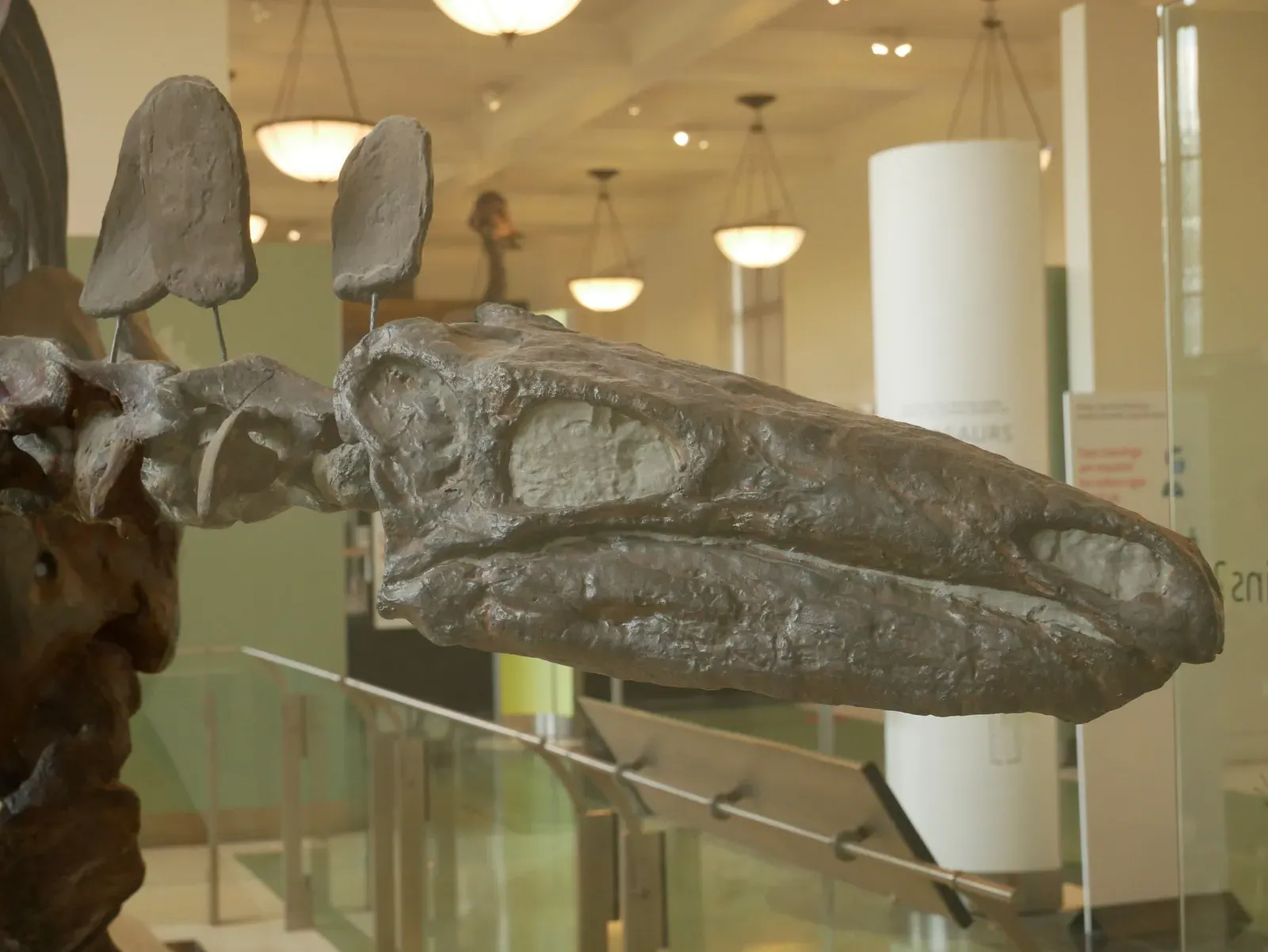
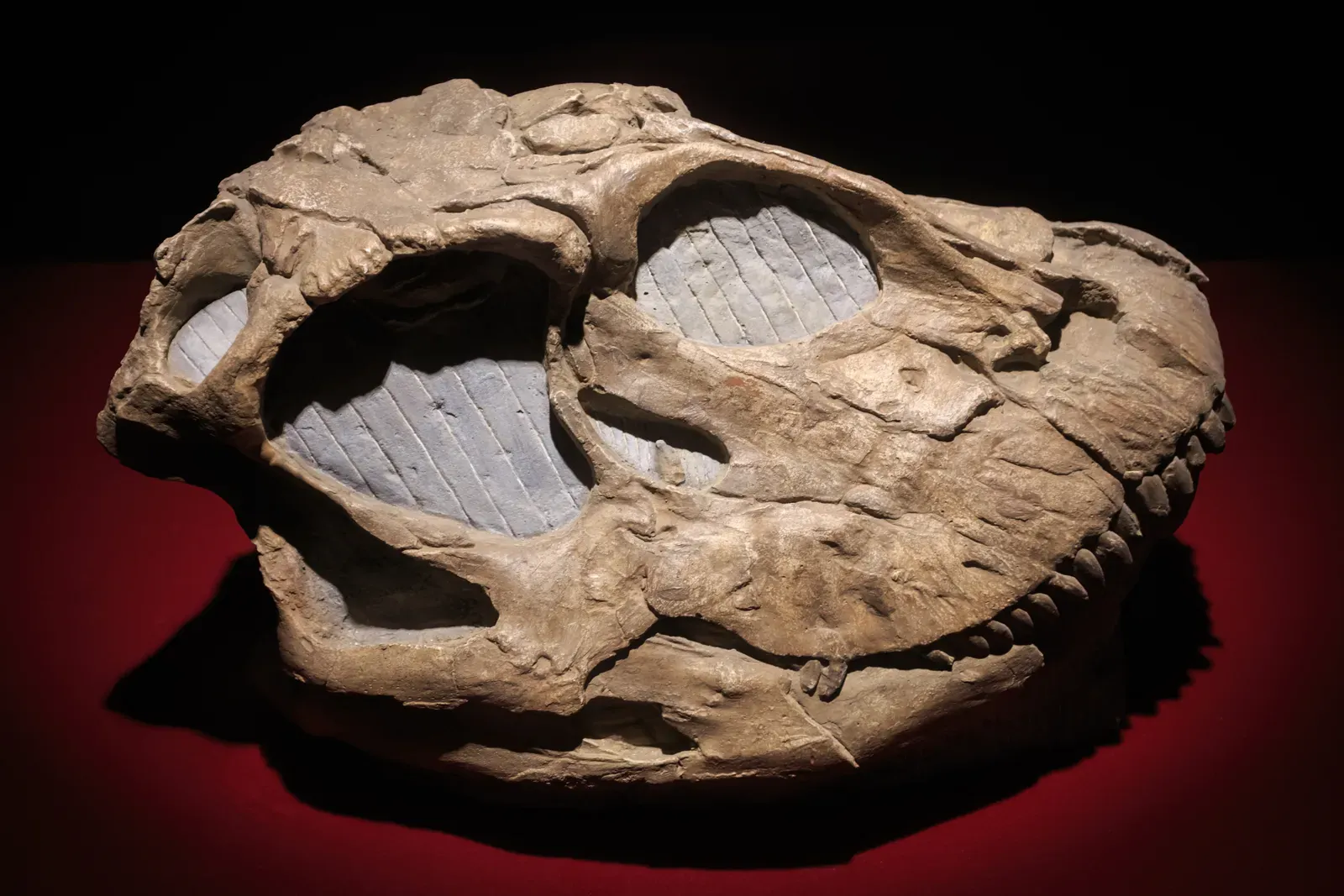
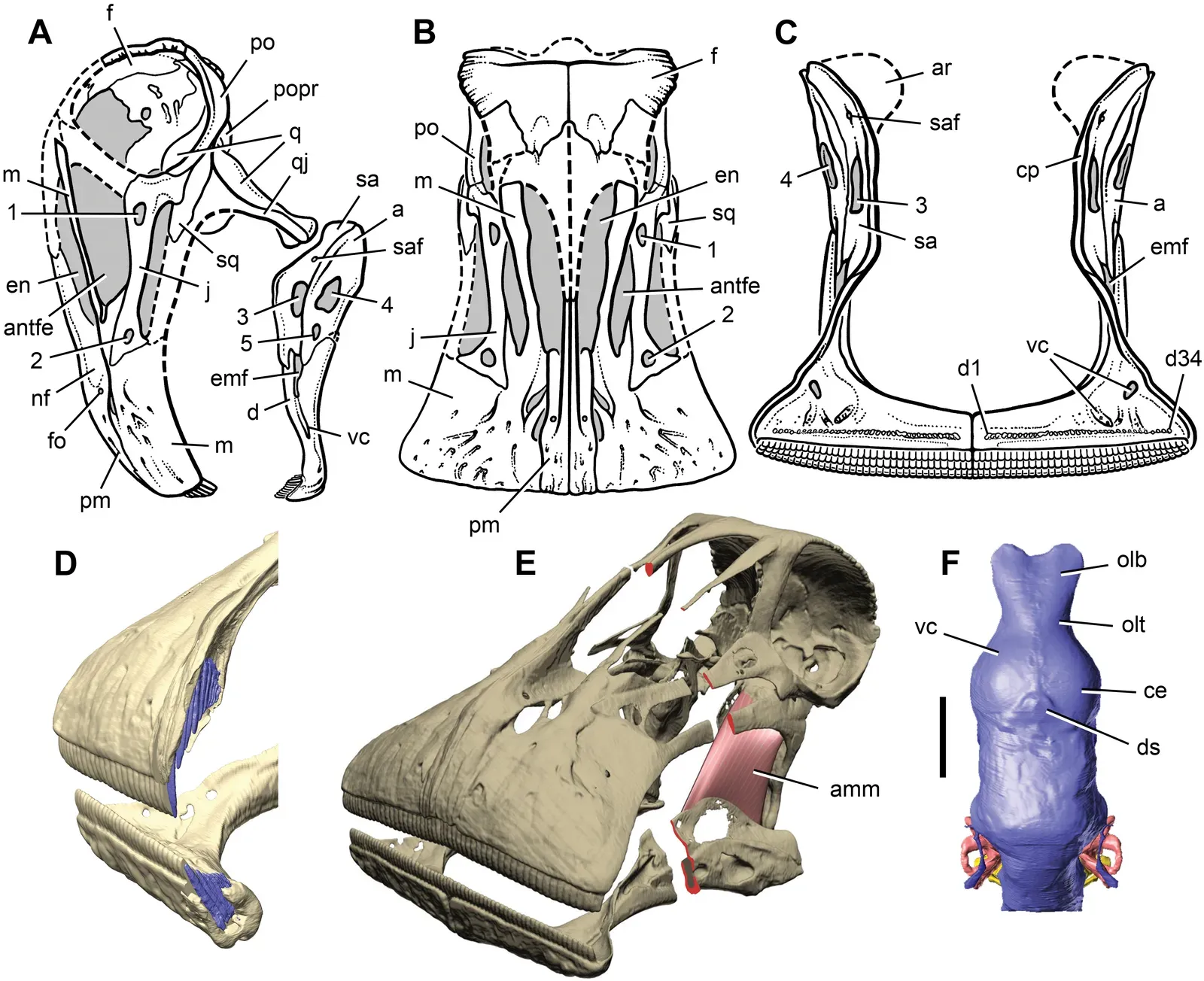
The endocast of the Stegosaurus showed the brain was indeed very small, the smallest proportionally of all dinosaur endocasts then known. The fact that an animal weighing over four and a half metric tons could have a brain of no more than 80 grams contributed to the popular old idea that all dinosaurs were unintelligent, an idea now largely rejected. Eighty grams. That’s roughly the weight of a small chocolate bar, inside an animal the size of a bus.
The small brain size reflects that Stegosaurus did not need the complex problem-solving abilities or advanced social structures seen in dinosaurs with higher EQ values. While Stegosaurus possessed a small brain, its long tenure on Earth suggests its cognitive abilities were perfectly suited for its environment. Survival for millions of years is a testament to successful adaptation, irrespective of low EQ scores. In other words, being “dumb” by our standards didn’t stop them from thriving for an extraordinary stretch of time.
5. The “Second Brain” of the Stegosaurus Was Actually a Myth
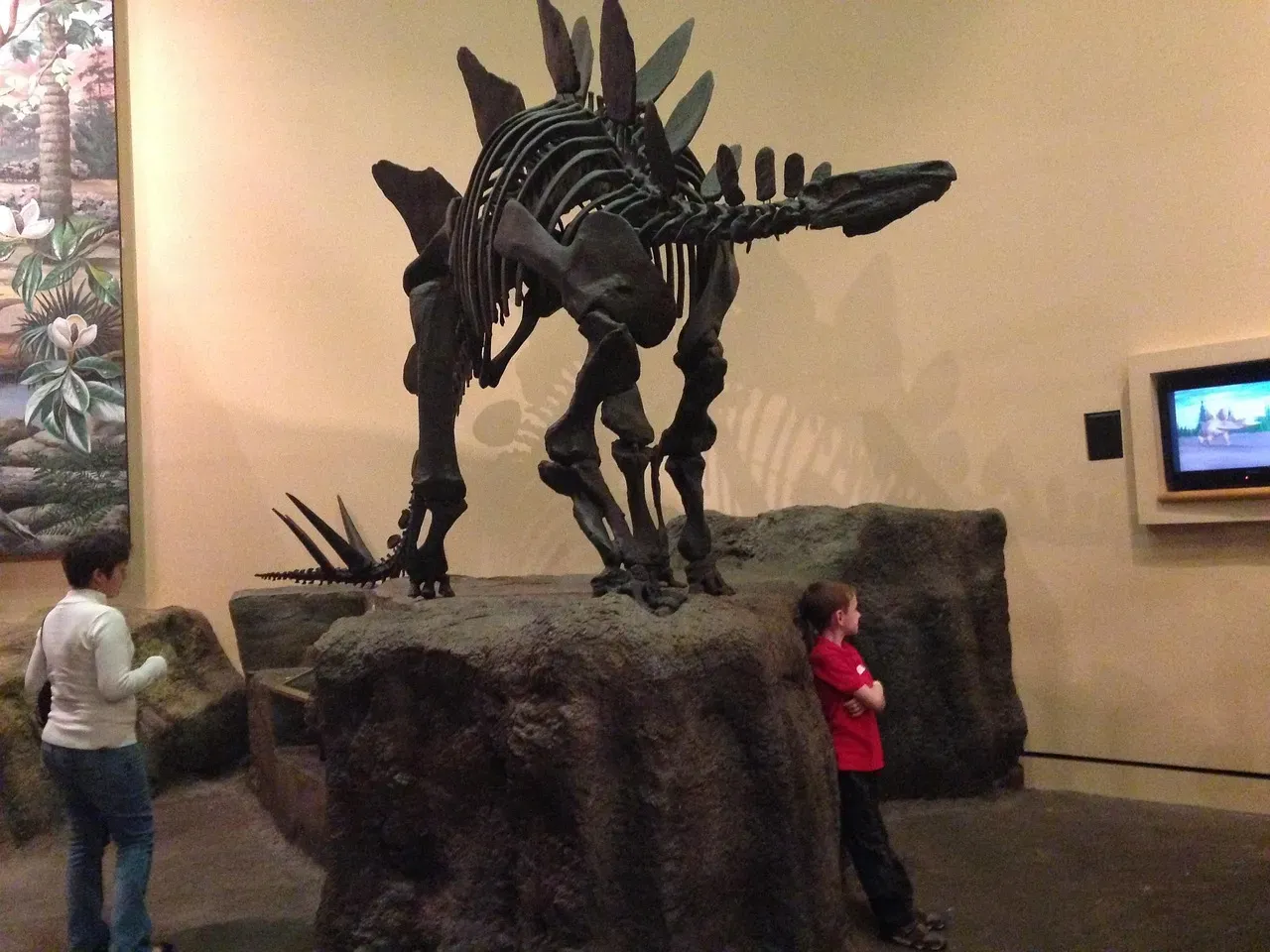
The image of the mighty Stegosaurus, with its iconic plates and thagomizer, often comes with a strange piece of trivia: that it had a second brain in its tail to control its massive body. This idea captivated dinosaur enthusiasts for over a century, painting a picture of a creature too large for a single, walnut-sized brain to manage. It’s a great story. Unfortunately, it’s not true.
It is vital to note that while the Stegosaurus’s enlarged nerve cluster played critical roles in movement and sensory integration, it was absolutely not a center for complex thought. The neural architecture simply was not designed for cognitive functions like learning, memory, or problem-solving. Modern science and paleoneurology consistently demonstrate that such structures are dedicated to lower-level, autonomic or reflexive actions. So the “second brain” was really more like a reflexive relay station – useful, but nothing like a thinking organ.
6. T. Rex Had an Extraordinarily Powerful Sense of Smell
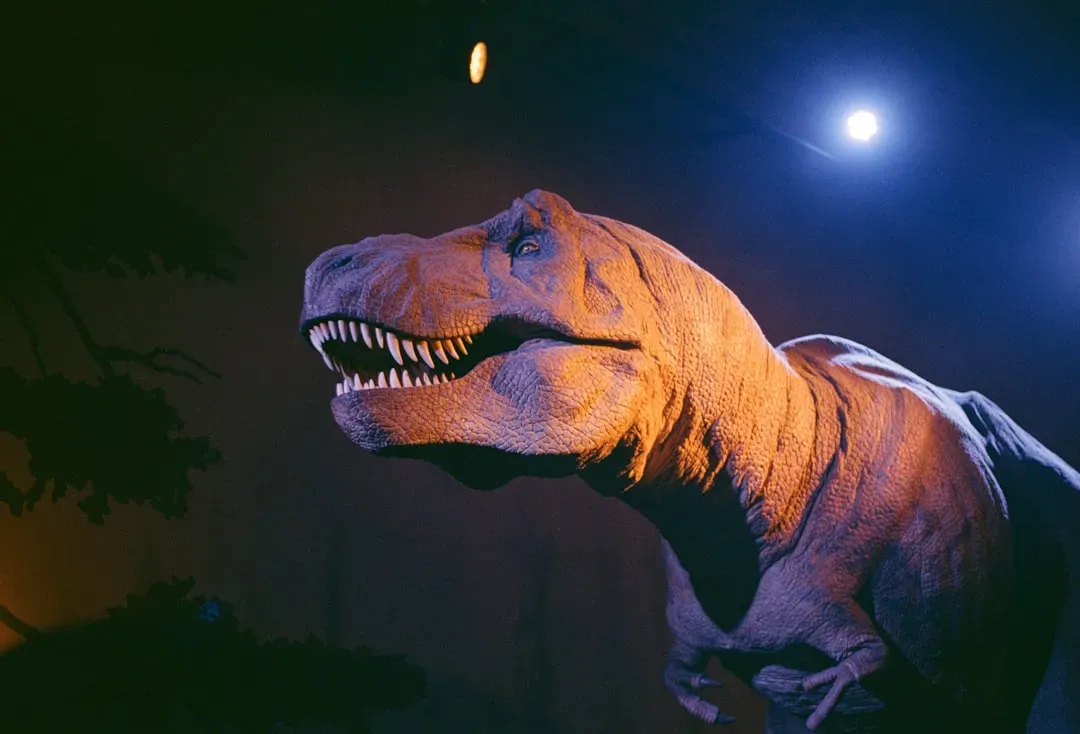
If the olfactory bulbs of Tyrannosaurus rex filled the space available for them, there is no question that they would have been enormous. They would, in fact, have been uniquely large for an amniote. Honestly, that detail is more terrifying than any movie scene. You couldn’t just stay still and hope it wouldn’t notice you.
Even if T. rex had a neuron density on par with primates, the cells probably helped the dinosaur move its large body or gather sensory information. The smell centers of the T. rex forebrain were huge, and if there were a large number of neurons in the telencephalon, many of these would be devoted to processing olfactory information. The T. rex wasn’t just muscle and teeth. It was a sophisticated sensory machine, hunting partly by smell in a way modern predators rarely match.
7. T. Rex’s Intelligence Has Been the Subject of a Fierce Scientific Debate
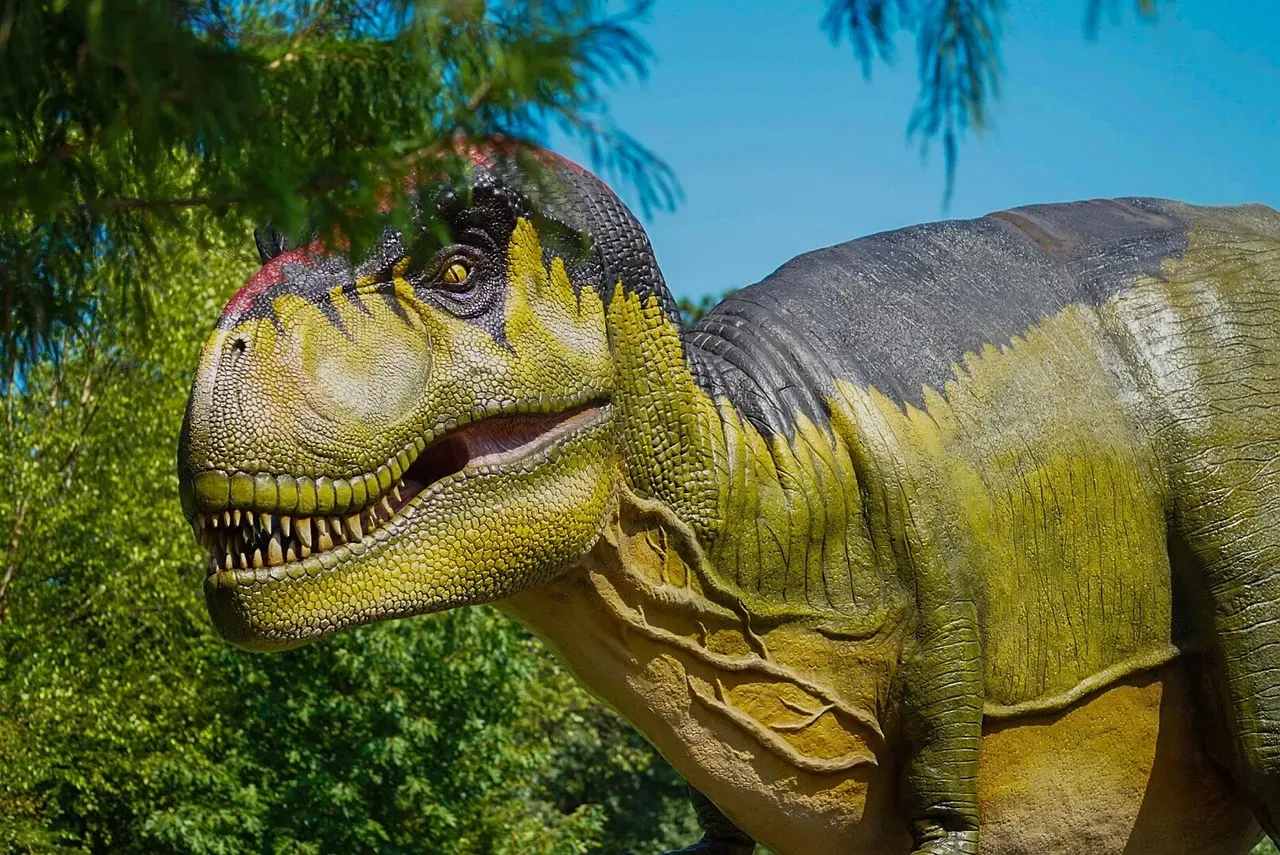
Scientists don’t like to compare intelligence between species, but a controversial study suggests some dino brains were as densely packed with neurons as those of modern primates. If so, that would mean they were very smart, more than researchers previously thought, and could have achieved feats only humans and other very intelligent animals have, such as using tools. That claim set the scientific world on fire.
A later international team of paleontologists, behavioral scientists, and neurologists re-examined brain size and structure in dinosaurs and concluded they behaved more like crocodiles and lizards. The team found that brain size had been overestimated, especially that of the forebrain, and thus neuron counts as well. In addition, they showed that neuron count estimates are not a reliable guide to intelligence. So where does the truth lie? Honestly, it’s hard to say for sure, but the debate is far from settled.
8. The Encephalization Quotient Changed How Scientists Think About Dinosaur Smarts
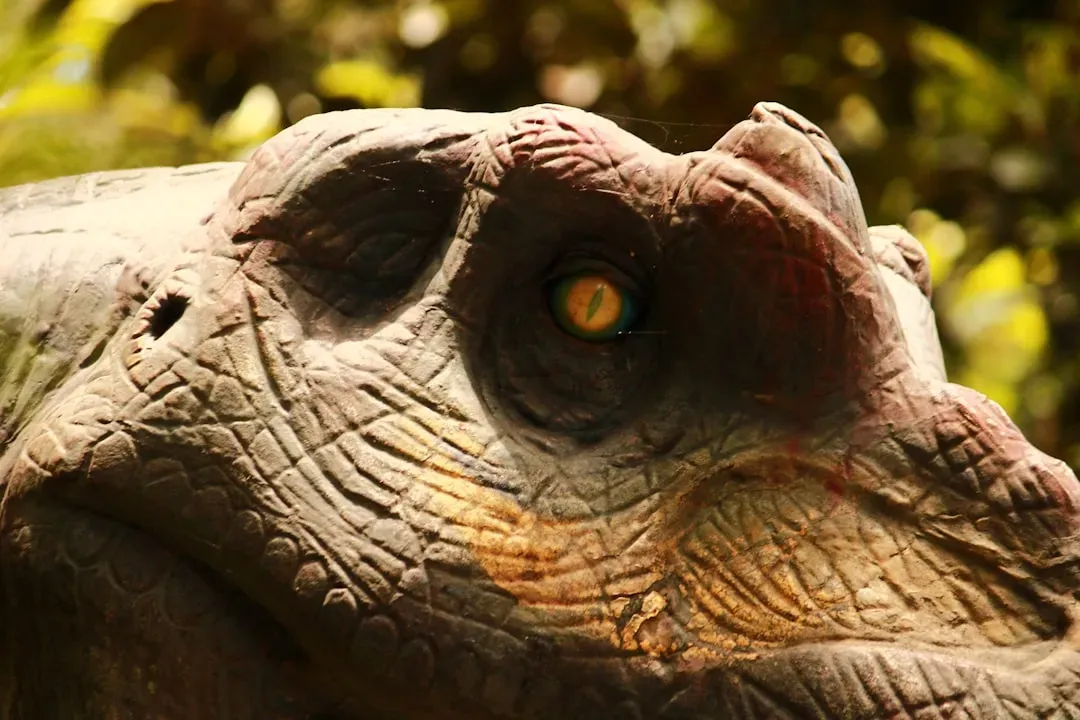
Early assumptions pegged dinosaurs as unintelligent due to their relatively small brain sizes compared to their bodies, aligning them with reptiles. Advancements in paleontology, particularly the development of the encephalization quotient in the 1970s, shifted these views. The EQ measures brain size relative to body mass, suggesting that some dinosaurs, particularly theropods, might have had intelligence levels comparable to modern birds.
Historically, researchers used the encephalization quotient, which measures an animal’s relative brain size related to its body size. A T. rex, for example, had an EQ of about 2.4, compared with 3.1 for a German shepherd dog and 7.8 for a human. Think about that for a moment. You might outthink a T. rex, but not by as much as you’d probably like to believe.
9. Troodon Was the Einstein of the Dinosaur World
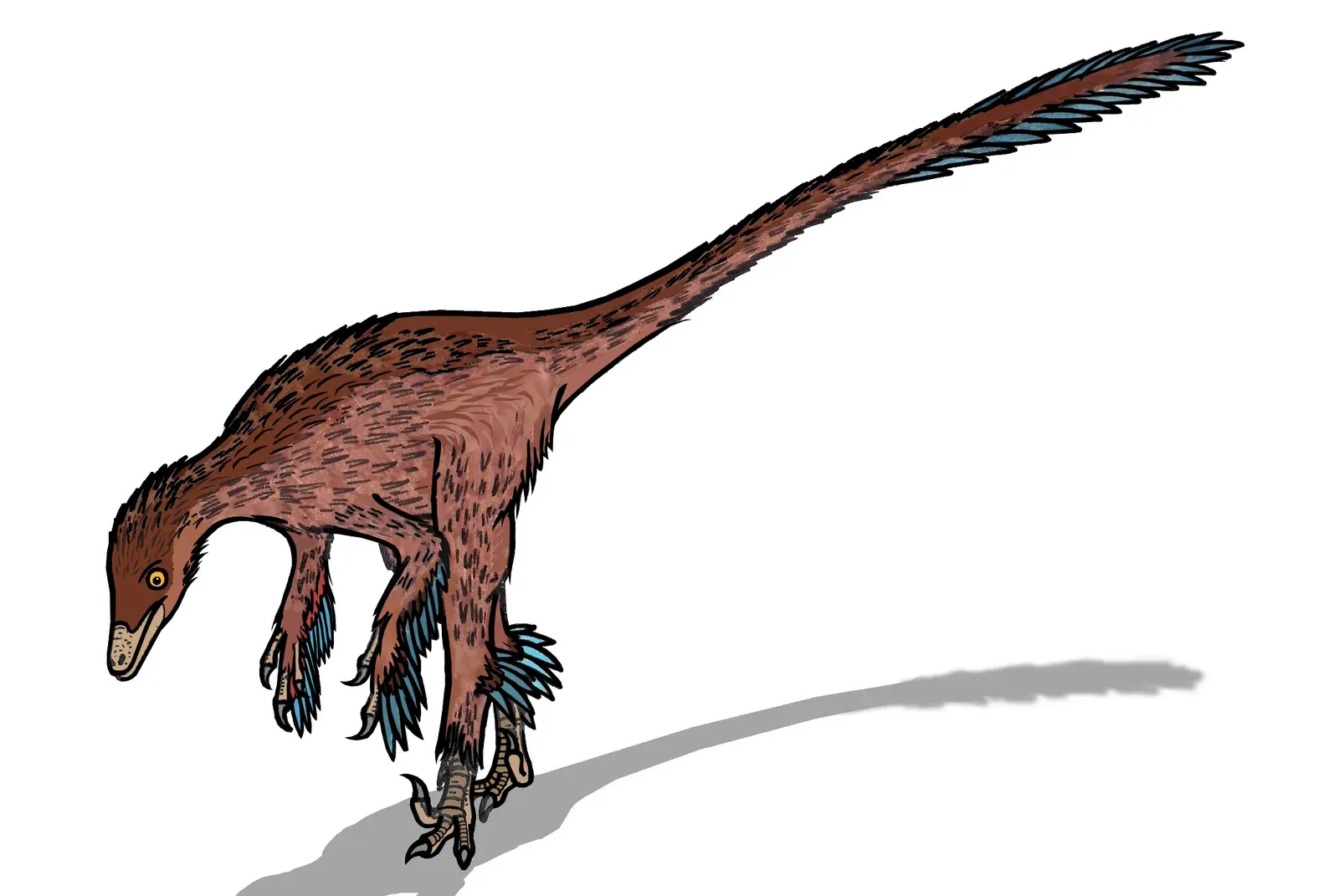
By studying brain size in comparison to actual body size and examining physical attributes to determine behavior, scientists now think Troodon formosus, a relatively small dinosaur from the Late Cretaceous, was the smartest dinosaur ever. Using the Encephalization Quotient, Troodon is believed to be the smartest dinosaur ever, with an EQ of 5.8. This small coelurosaurian dinosaur had a huge brain, especially considering its size, making it the smartest among dinosaurs.
Troodon had a large brain for its relatively small size and was probably among the smartest dinosaurs. Its brain is proportionally larger than those found in living reptiles, so the animal may have been as intelligent as modern birds. Troodon’s big brain gave it good eyesight, keen hearing, and a strong sense of smell, which all helped the predator outwit its prey. Some experts think it might have sometimes hunted in packs to take down large prey. Pack hunting. Night vision. Acute smell. The Troodon was essentially a raptor upgraded.
10. Bigger Dinosaur Brains Were a Stepping Stone to Bird Flight
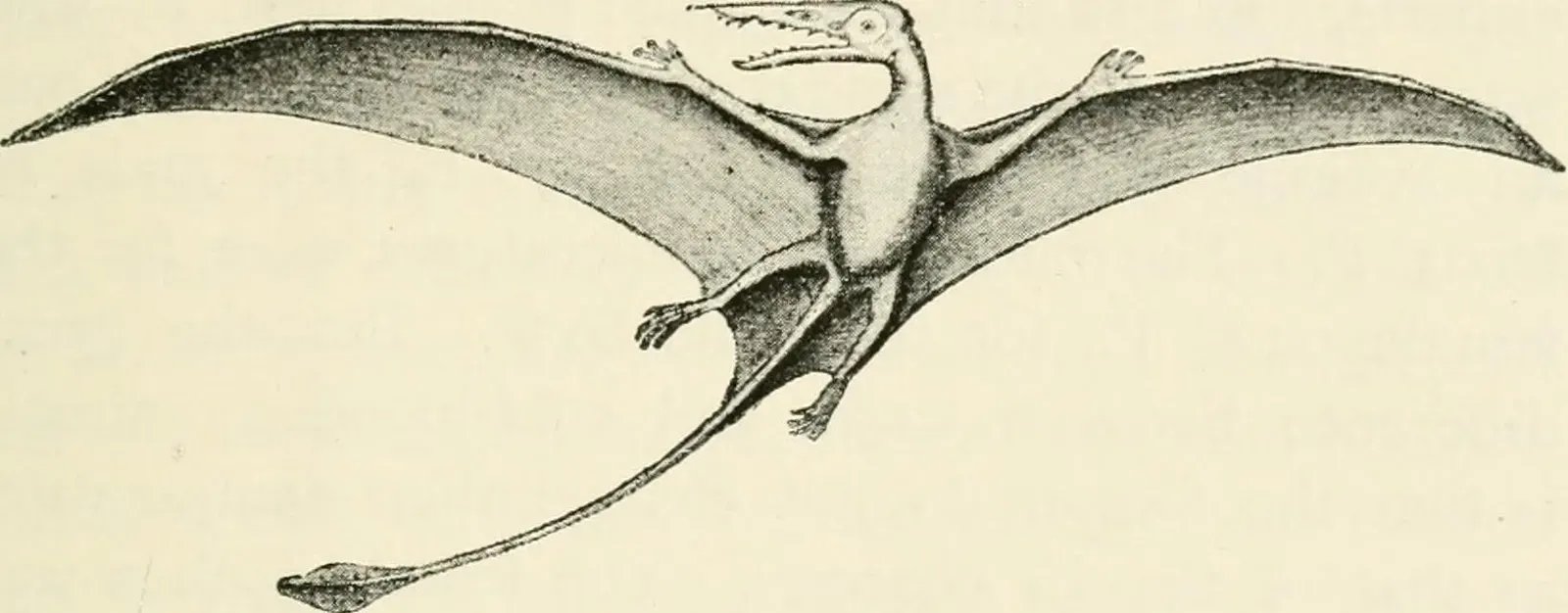
CT scanning has offered paleontologists a detailed view of the dinosaur cerebrum, a center for cognition and coordination in the brain. As it turns out, the cerebrum tends to be very large in dinosaurs that are closely related to birds. That’s not a coincidence. That’s evolution planning ahead, in the only way it knows how.
Research strongly suggests that ancient avian relatives developed big brains long before flying was in the picture, laying the cerebral foundation that made the eventual development of powered flight possible. This means that, similar to the way bigger brains in primates served as a precursor to walking on two legs, bigger brains in dinosaurs primed them for flight. Your backyard sparrow is, in a very real sense, running on upgraded dinosaur brain software.
11. Some Dinosaur Brain Structures Closely Resembled Both Birds and Crocodiles
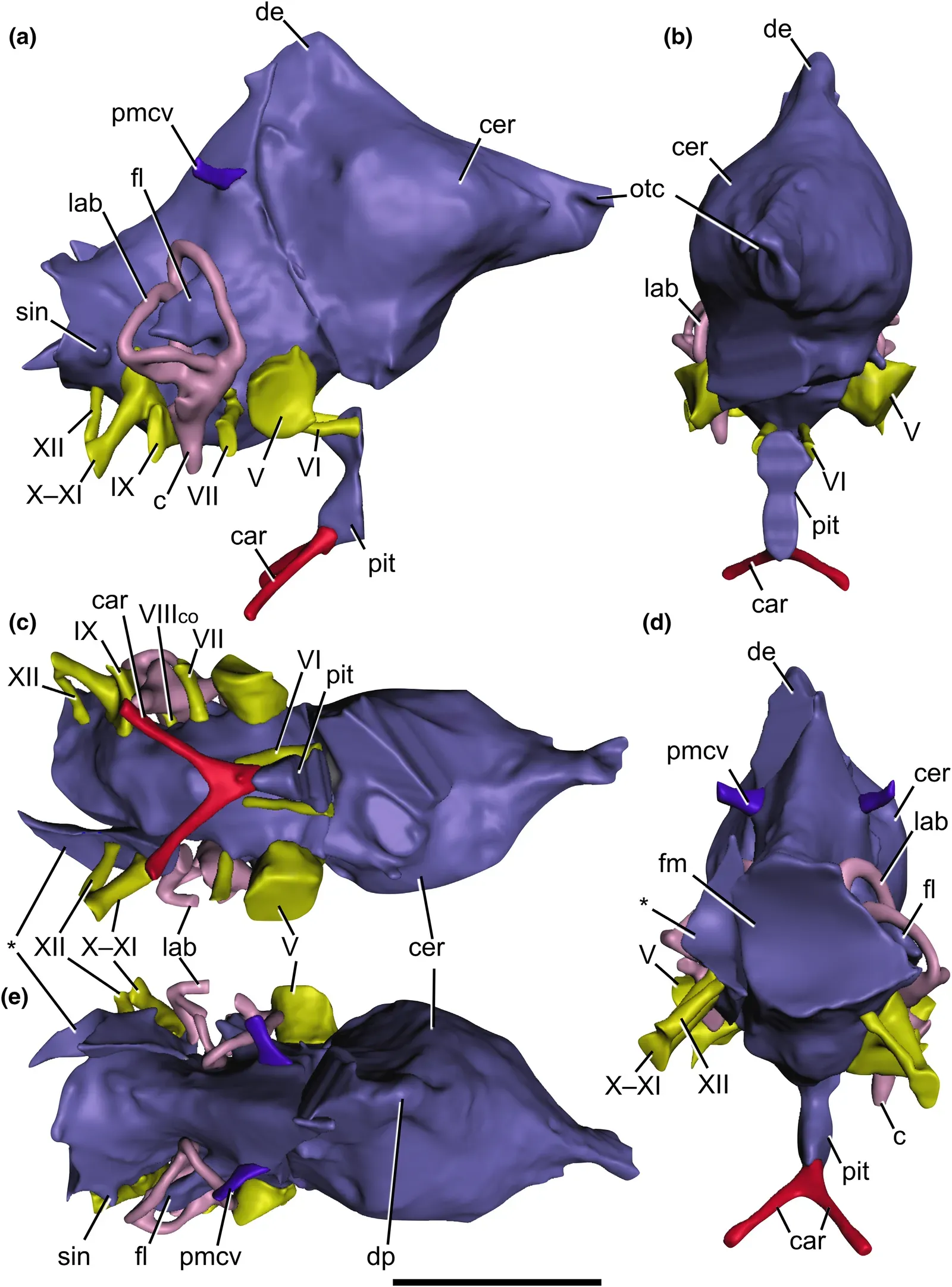
High-resolution scans of a remarkable fossilized brain revealed signs that the dinosaur’s meninges and overall brain structure resembled those of living birds and crocodilians. This dual resemblance isn’t an accident. It’s a direct clue to where dinosaurs sit on the evolutionary tree – right between two very different but surprisingly related groups of living animals.
The structure of the brain, studied with scanning electron microscopes, revealed similarities to both birds and crocodiles. The brain endocast of an Allosaurus, believed to be from a juvenile, measures approximately 16 centimeters tall and 16 centimeters long, but it is narrow, more closely resembling a crocodilian brain than a human’s or even a bird’s. That narrow, elongated shape carries echoes of both ancient reptiles and modern birds, all in the same skull.
12. Dinosaur Parental Behavior Points to Surprisingly Complex Brain Function
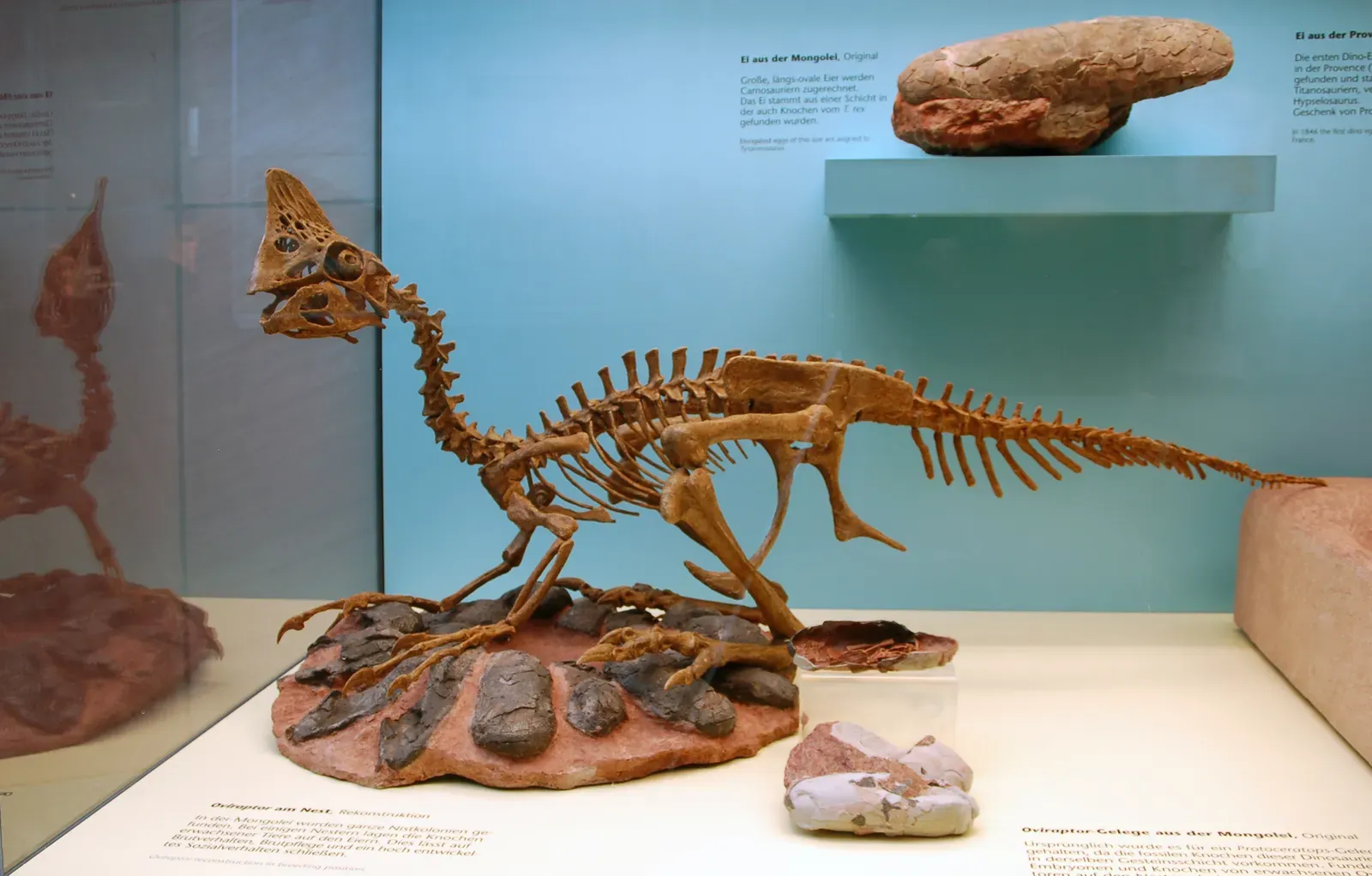
There is incontrovertible fossil evidence of group activity in dinosaurs that can be compared to living in herds as it occurs in living mammals. The evidence also shows that dinosaurs nested the way living birds nest and that they cared for their eggs and hatchlings much as living birds do. Caring for young is cognitively demanding. It requires memory, recognition, and planning – none of which are skills you’d associate with a mindless beast.
Oviraptor is thought to have been one of the most intelligent dinosaurs of the Late Cretaceous period because, like birds today, it sat on its eggs until they hatched. Some scientists suggest Oviraptor even cared for its young to some extent, which is an advanced behavior for a dinosaur. Oviraptor had a large brain for its body size, meaning it could probably outwit most of its peers. Somewhere, an Oviraptor parent was doing something tender and protective, 75 million years before humans ever existed.
Conclusion: The Prehistoric Brain Was More Remarkable Than We Ever Imagined
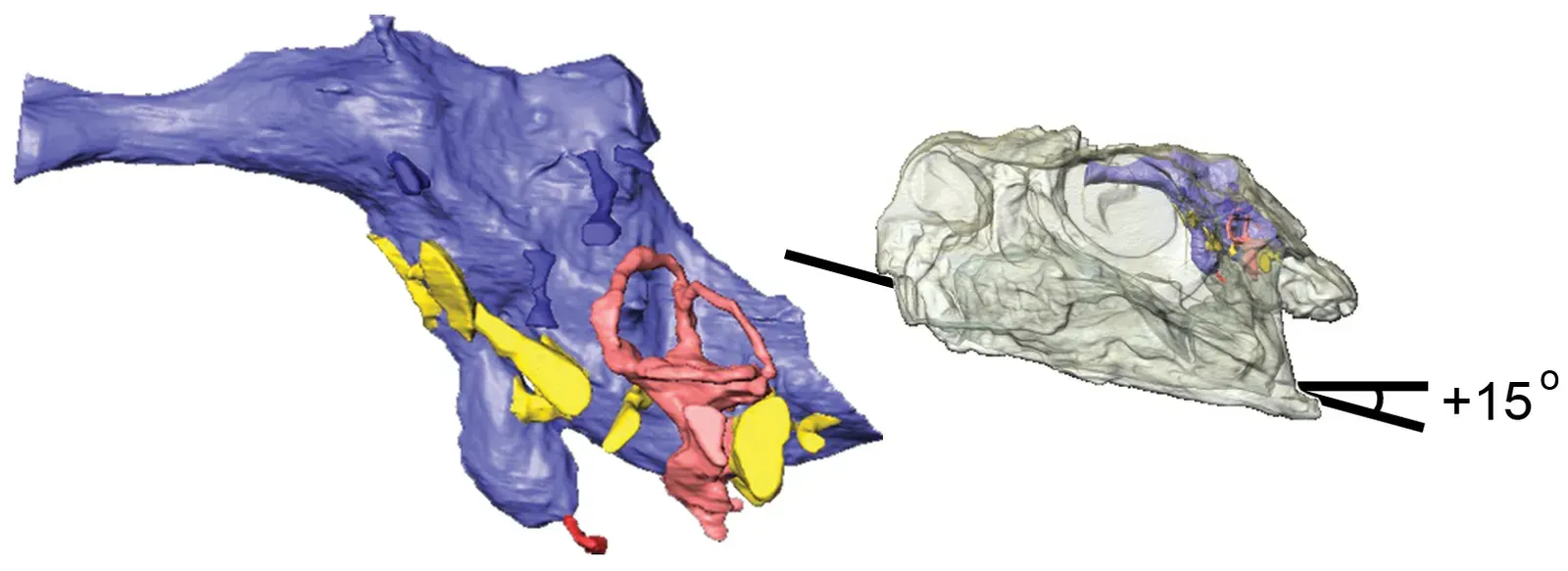
If there’s one takeaway from all of this, it’s that we’ve been wildly underestimating dinosaur brains for most of scientific history. The consensus is that dinosaurs exhibited a range of cognitive abilities, making them some of the most complex animals of their time. From the walnut-brained Stegosaurus myth to the fierce debate over T. rex’s neuron count, every new piece of research peels back another layer of prehistoric mystery.
The science of paleoneurology is still young, and the fossils still have secrets to tell. Future research may further clarify dinosaur intelligence and its implications for understanding the evolution of cognition in both dinosaurs and their avian descendants. Next time you watch a bird perched on your windowsill, remember: you might just be looking at the living heir to 165 million years of dinosaur brain evolution. What do you think – does that change the way you see them? Drop your thoughts in the comments below.