Picture the typical dinosaur. Ferocious. Solitary. Cold-blooded – in every sense of the word. For decades, that was the image most people carried in their heads, shaped by decades of pop science and a handful of blockbuster films. Dinosaurs were killing machines, not caregivers. Certainly not parents.
Turns out, that picture was seriously incomplete. The fossil record has been quietly building a completely different story – one packed with dedicated nest-builders, food providers, brooding parents, and protective guardians. If you think prehistoric parenting sounds boring, get ready to be surprised. Let’s dive in.
1. Some Dinosaurs Actually Fed Their Hatchlings in the Nest
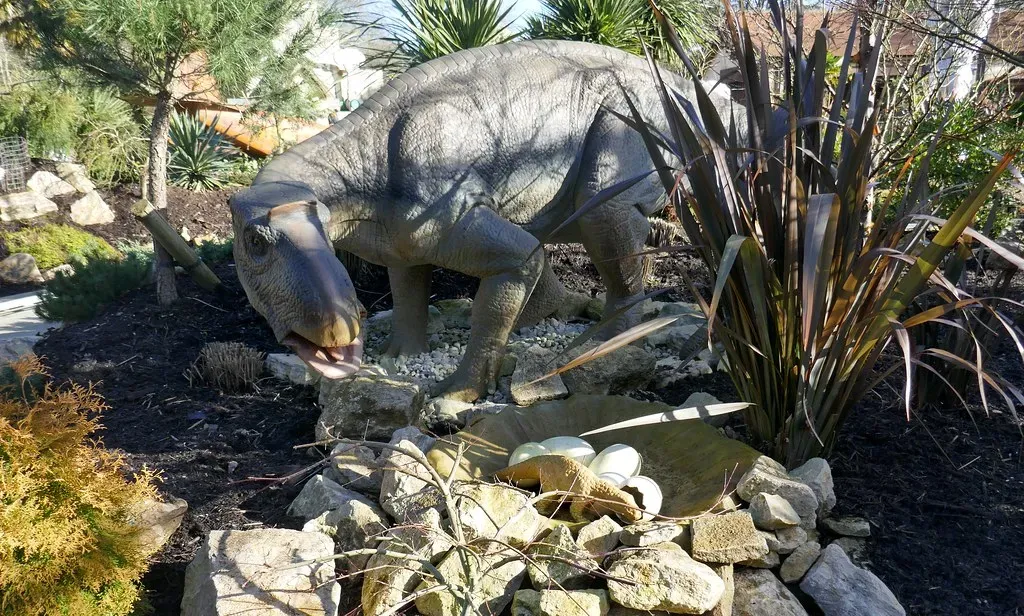
Here’s the thing that completely rewrote what we thought we knew about dinosaur behavior: solid, undeniable evidence that certain dinosaurs actively fed their young. You might expect that from a mammal. From a 9-meter-long reptile that lived 75 million years ago? Not so much.
Upon hatching, fossils of baby Maiasaura show that their legs were not fully developed and thus they were incapable of walking – yet their teeth were partly worn, which means the adults brought food to the nest. Think about what that implies. These babies could not leave on their own, so someone had to come to them. This was the first proof of giant dinosaurs raising and feeding their young. That discovery didn’t just change one species’ profile – it changed the entire field.
2. Nesting Colonies Were the Dinosaur Version of a Neighborhood
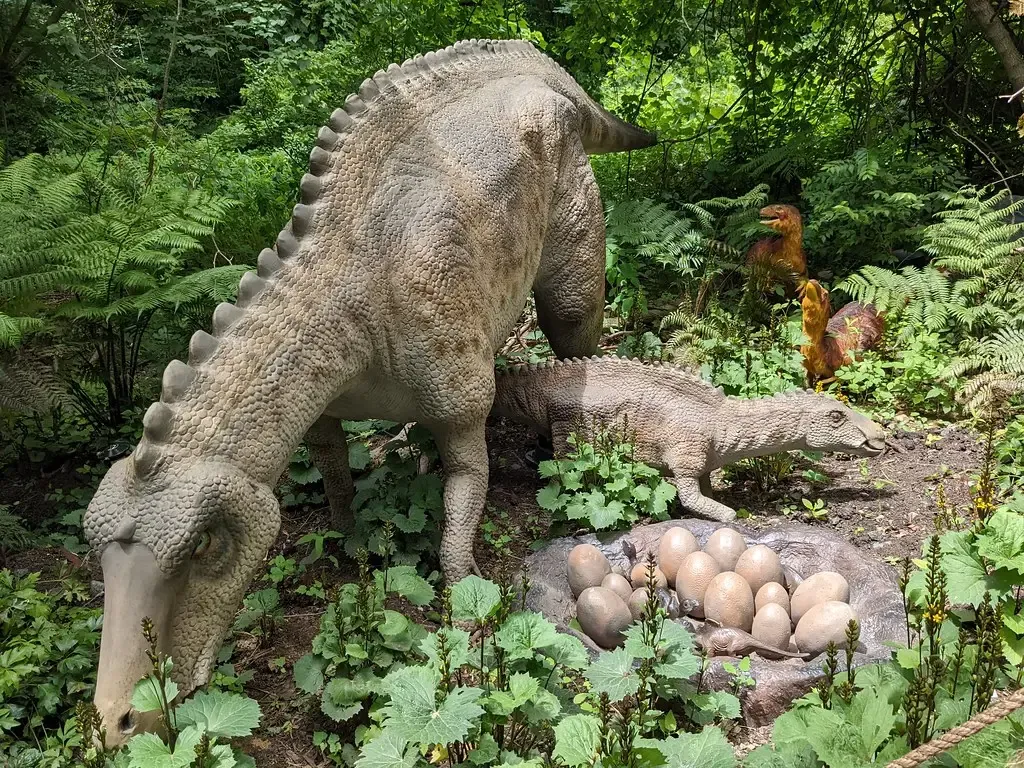
Forget the lone wanderer image. Some dinosaurs were deeply social nesters, building their homes practically side by side – much like modern seabirds crammed onto a rocky coastline. Maiasaura lived in herds and raised their young in nesting colonies, with nests packed closely together, the gap between them being around 7 metres – less than the length of the adult animal itself.
The discovery at Egg Mountain indicated that Maiasaura exhibited colonial nesting behavior, where large groups, likely herds, would all nest together in one area. Honestly, it’s not unlike a modern apartment block when you think about it. There is strength and safety in numbers, even when your neighbors are other giant herbivores. Hundreds of skeletons preserved in one specific ashbed in Montana, as well as those preserved in nesting sites, suggest that Maiasaura was migratory and that these dinosaurs were social animals that nested in groups – probably returning to the same nesting site year after year.
3. Oviraptor Parents Died Protecting Their Eggs
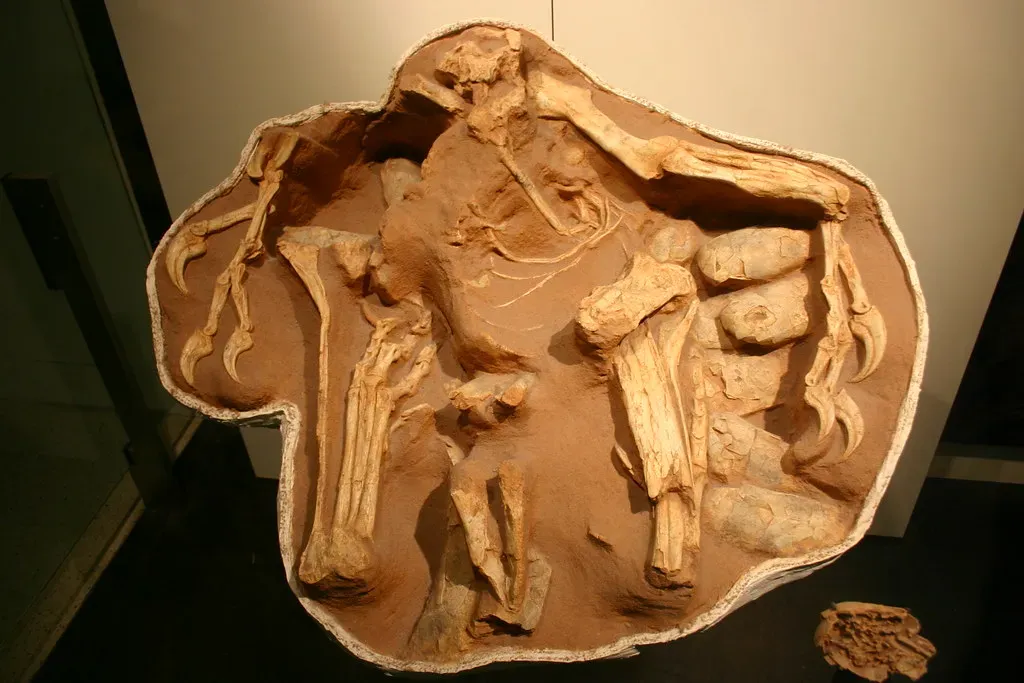
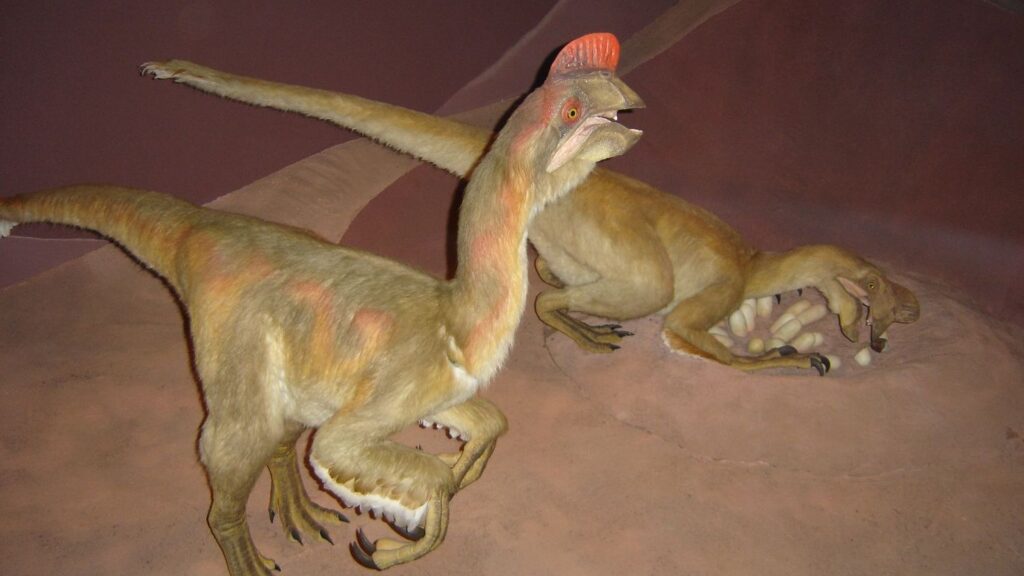
Perhaps the most emotionally powerful story in dinosaur parenting belongs to a creature whose name literally means “egg thief.” For years, Oviraptor was unfairly slandered in the fossil record. Scientists initially assumed it had been caught stealing another dinosaur’s eggs. Based on an early find, scientists thought Oviraptor may have stolen and eaten other dinosaurs’ eggs – but it has now been confirmed that the eggs actually belonged to Oviraptor itself, and there is no other evidence that it stole eggs. In fact, oviraptorids show substantial evidence of putting their lives on the line for their young.
One extraordinary fossil consists of an incomplete skeleton of a large oviraptorid crouched in a bird-like brooding posture over a clutch of at least 24 eggs, at least seven of which preserve bones or partial skeletons of unhatched oviraptorid embryos inside – and the late stage of development of the embryos strongly suggests the adult died in the act of incubating its nest. It’s not metaphorical. This parent literally gave its life for its unborn young. The dinosaur was caught in the act, curled up on its nest – possibly caught in a sandstorm or a mudslide and buried with its eggs. That is definitely protective behavior to the detriment of the parent.
4. Some Dinosaurs Used Vegetation to Heat Their Nests
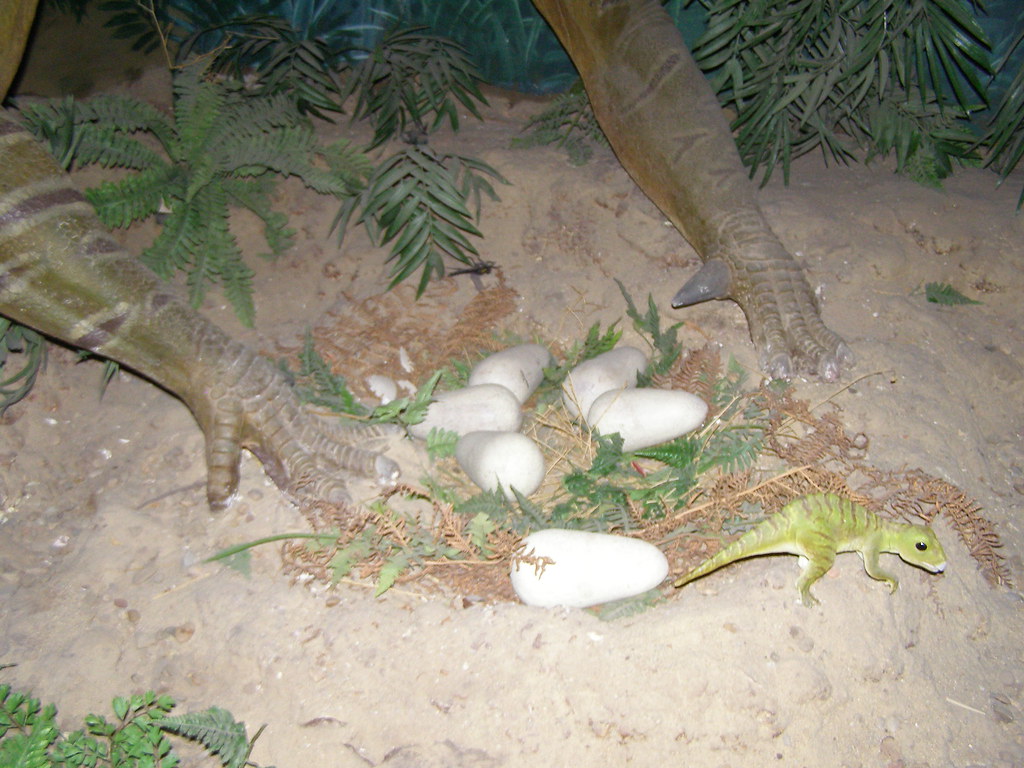
Not every dinosaur could sit directly on its eggs. For large species, doing so would have crushed them entirely. So what’s the workaround when you’re the size of a bus? You improvise a natural incubator. The eggs of Maiasaura were incubated by the heat resulting from rotting vegetation placed into the nest by the parents, rather than by a parent sitting on the nest.
This is remarkably similar to how modern crocodiles manage their own eggs today. Some dinosaur nests were associated with covered mats of vegetation, which probably helped to keep them warm, just as in crocodile nests. It shows a level of environmental problem-solving that you wouldn’t expect from animals so often dismissed as primitive. The nests were made of earth and contained 30 to 40 eggs laid in a circular or spiral pattern. That kind of arrangement takes effort. It isn’t accidental.
5. Oviraptors Used a Hybrid Sun-and-Body Incubation Method
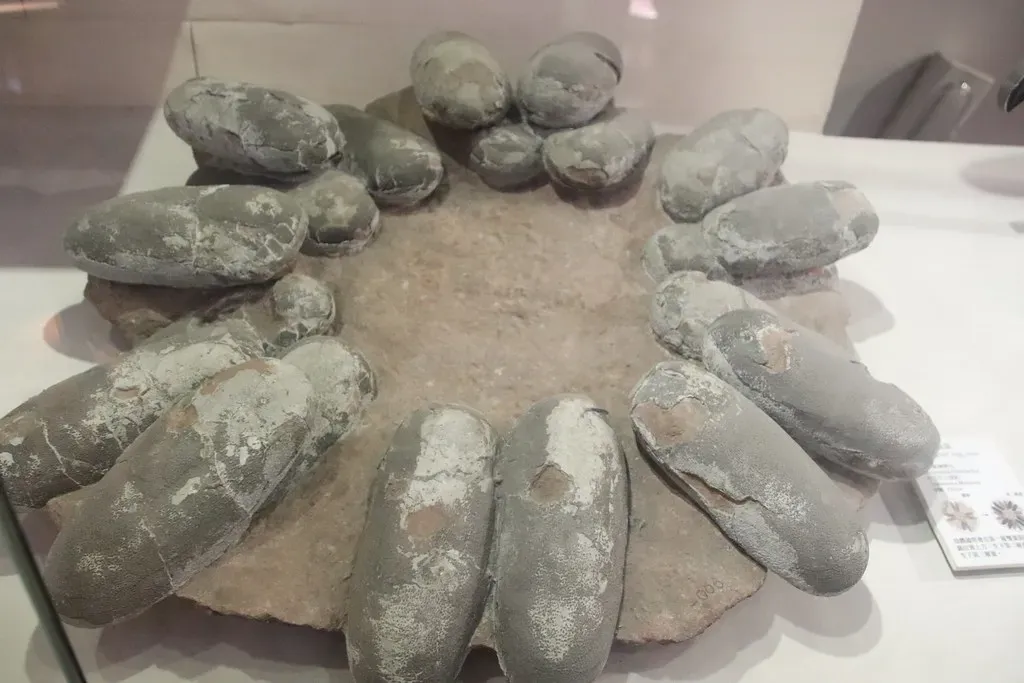
Research published in early 2026 revealed something genuinely fascinating about how oviraptors hatched their eggs. Scientists in Taiwan built a life-size model oviraptor and a realistic nest to test how heat moved through the clutch. In a new study, researchers examined the brooding behavior and hatching patterns of oviraptors, modelled heat transfer simulations of oviraptor clutches, and compared hatching efficiency to modern birds – all while experimenting with a life-sized oviraptor incubator and eggs.
Their experiments showed the parent likely couldn’t heat all the eggs directly, meaning sunlight played a key role. This uneven heating could cause eggs in the same nest to hatch at different times. The results suggest oviraptors used a hybrid incubation method unlike modern birds. Think of it like a mix between a brooding bird and a solar panel system. These dinosaurs and the sun may have been co-incubators, creating a less efficient incubation method compared with modern birds – but this combination may have been a practical adaptation as nests evolved from buried structures to semi-open ones.
6. Giant Dinosaurs Engineered Their Nests to Avoid Crushing Their Young
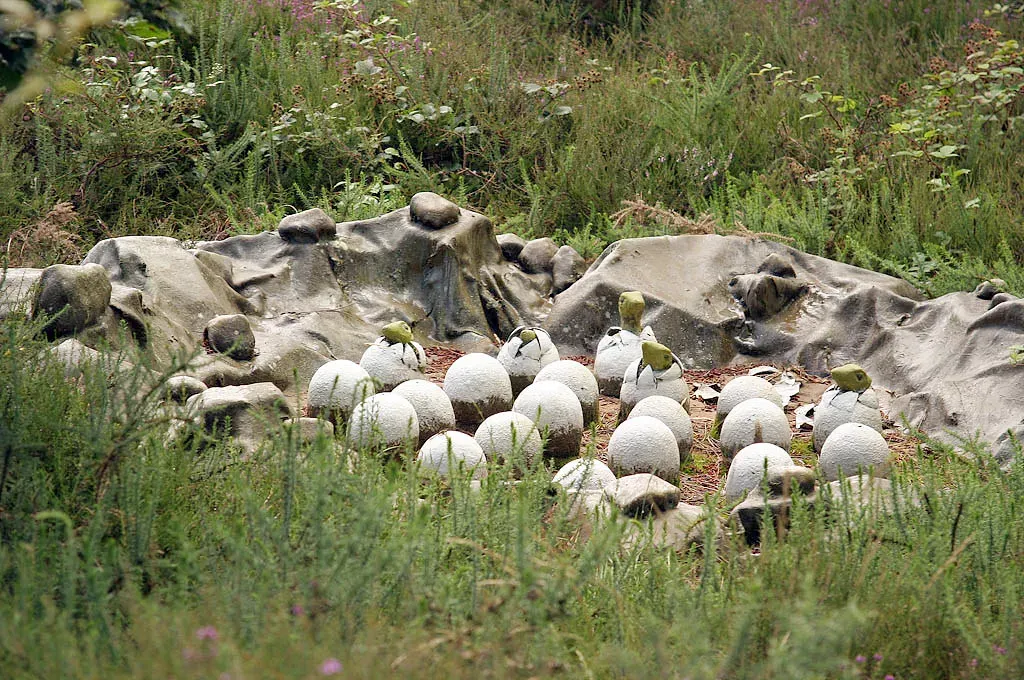
Here is a parenting challenge that no modern creature quite faces at the same scale: you weigh several tons, and your eggs are fragile. A new study of dinosaur nests shows that heftier dinosaurs did have a strategy to avoid squashing their young: carefully stacking their eggs in a ring around themselves in the nest. It’s engineering, essentially. Prehistoric engineering.
Zelenitsky’s team studied 40 nests built by oviraptorosaurs – birdlike dinosaurs that lived more than 65 million years ago. These animals ranged in weight from a few pounds to about 4,000 pounds, with the largest similar in bulk to a modern hippopotamus or rhinoceros. Their nests in turn could be anywhere from about a foot wide to a colossal 10 feet. In smaller nests, eggs were clustered with little or no open space in the center. As the dinosaurs and their nests got bigger, the creatures left more and more space in the middle to sit, creating elaborate piles of eggs. Clever? Honestly, yes.
7. Some Hatchlings Were Born Completely Helpless – And Needed Mom
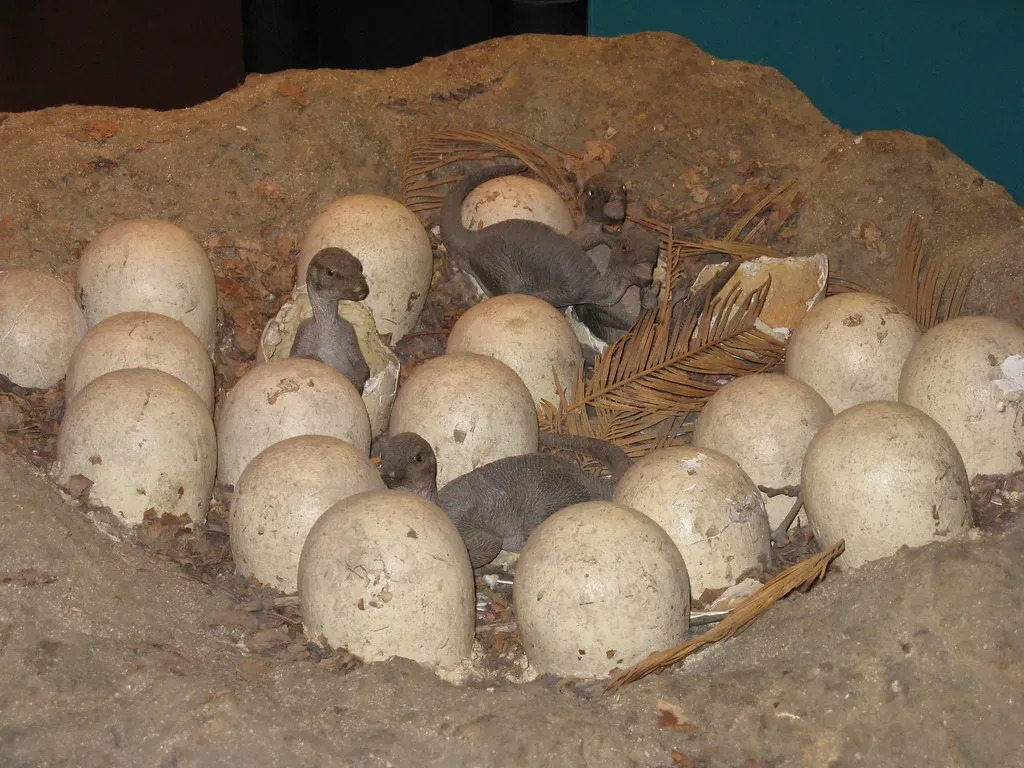
There’s a spectrum in the animal world between babies born ready to run and babies born totally helpless. Scientists call these “precocial” and “altricial” respectively. Think of the difference between a newborn foal and a newborn kitten. Dinosaurs had both types. Some baby hadrosaurines have poorly developed joint surfaces in the legs, meaning they were unable to move well, but have worn teeth suggesting they were feeding – a sign of altricial behavior. Other baby dinosaurs, such as troodontids, have fully formed joints prior to hatching and would have been able to move from day one.
Massospondylus hatchlings had no teeth or teeth too soft to be preserved, suggesting that new hatchlings probably couldn’t have nipped vegetation from plants and would have required parental care. It’s a bit like being born into the world already hungry but completely unable to feed yourself. Without a parent around, survival would have been nearly impossible. The general body proportions of preserved embryonic skeletons of the Early Jurassic Massospondylus have been used to suggest that hatchlings were unable to forage for themselves.
8. Psittacosaurus Adults Watched Over Dozens of Hatchlings at Once
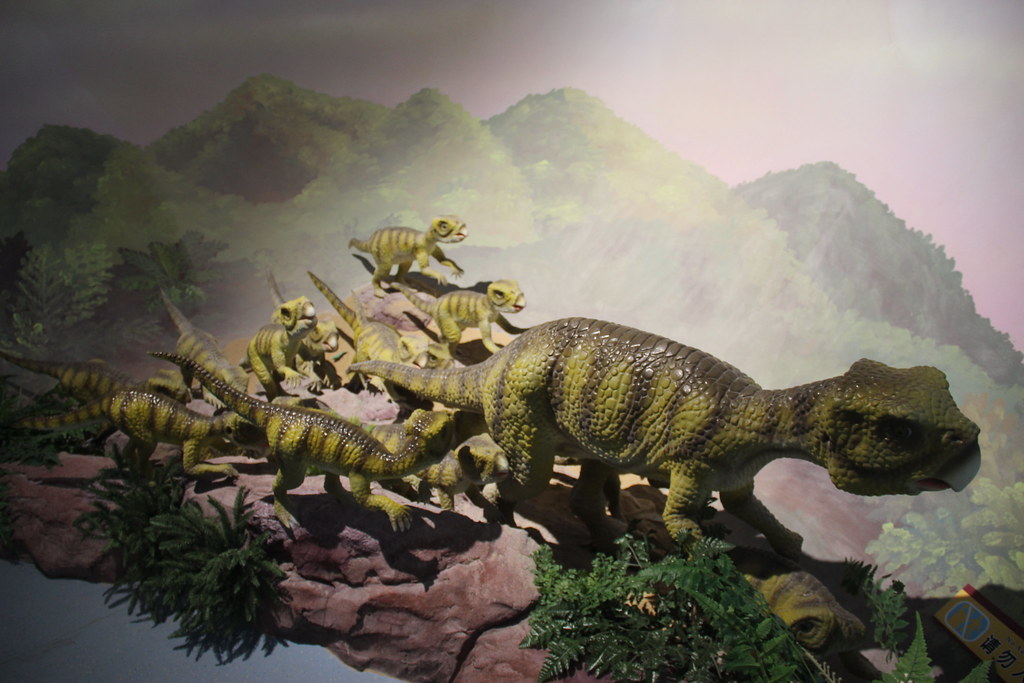
One of the most astonishing fossils in the entire record of dinosaur parenting is a single specimen that tells a whole story in stone. The specimen contains the partial skeleton of an adult Psittacosaurus, a herbivorous dinosaur with a parrotlike beak, surrounded by 34 young, each between 3 and 3.4 centimeters long. Thirty-four babies. With one adult. In a space less than half a square meter.
This single adult clustered with 34 juveniles within an area of 0.5 square metres provides strong evidence for post-hatching parental care in Dinosauria. This adult may have been protecting several broods, since it’s hard to imagine one female laying 34 eggs. What we’re potentially looking at, then, is a communal caregiver – a dinosaur that looked after young from multiple parents. That’s a level of social sophistication that very few people would have predicted in a creature from 120 million years ago.
9. Dinosaurs May Have Returned to the Same Nesting Site Every Year
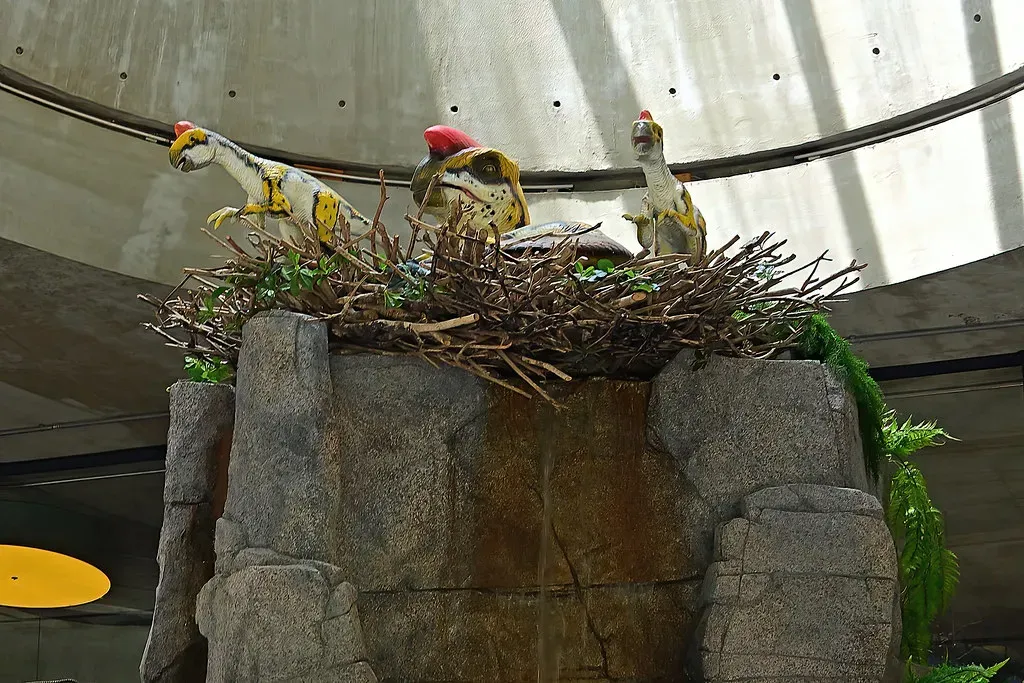
Loyalty to a nesting location is a behavior you’ll recognize in many modern birds. Albatrosses return to the same cliff. Penguins shuffle back to their colony. It turns out you can trace this instinct much further back than birds. An excavation program at a South African site has yielded multiple in situ egg clutches in at least four distinct horizons within a small area, documenting the oldest known dinosaurian nesting site and providing the earliest known evidence of complex reproductive behavior – including site fidelity and colonial nesting in a terrestrial vertebrate.
This nesting site predates other similar sites by more than 100 million years. Site fidelity – that is, returning to the same spot to nest – is one of those behaviors that speaks to memory, habit, and perhaps even emotional attachment to place. It’s hard to say for sure whether dinosaurs had anything like sentimentality, but the rock record suggests they at least had strong instinctual loyalty to their nesting grounds. The oldest known dinosaur eggs date back to the Late Triassic period, approximately 230 million years ago.
10. Troodontids Developed Advanced Contact Incubation Like Modern Birds
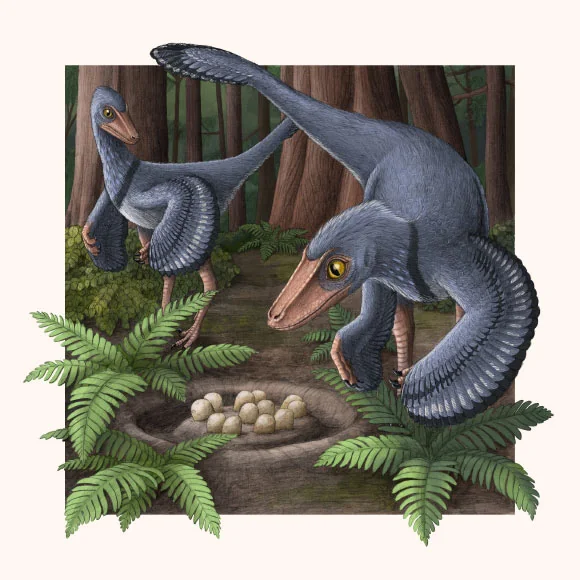
Not all dinosaur incubation methods were equal. While some species relied on vegetation or sunlight, certain feathered theropods developed something much more sophisticated – and much more familiar. Troodontids, which occupy a branch closer to birds on the evolutionary tree, developed even more advanced nesting strategies. Troodontid nests from North America show an arrangement with the eggs closer to the center, which would allow the brooding parent to cover the entire clutch directly with its belly, warming the eggs using a behavior known as contact incubation – just as most modern birds do.
Advanced theropods like the maniraptorans featured high porosity eggshells, suggesting that they laid and incubated their eggs in open nests in a similar fashion to their most closely related living birds, though other paleontological evidence revealed that these early open-nesters still partly buried their eggs. It’s a transitional snapshot, frozen in time – the moment evolution was working out the finer details of what we now know as bird behavior. Many oological characters and reproductive behaviors associated with modern birds are rooted among non-avian theropods, showing a reproductive evolutionary progression from crocodilians to modern birds.
11. Hatchling “Cuteness” May Have Triggered Parental Care Instincts
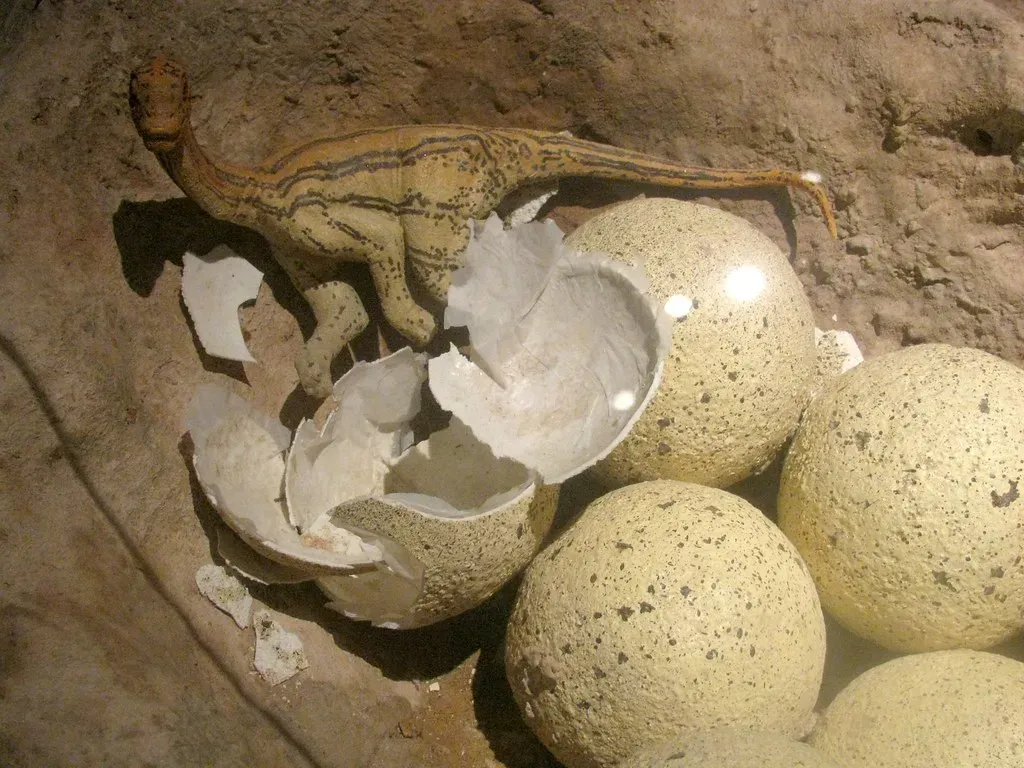
This one genuinely surprised me when I first came across it. We know from animal behavior research that certain features in babies – large eyes, rounded faces, small noses – trigger caregiving responses in adults. Scientists call it the “baby schema.” Turns out, it wasn’t invented by mammals. Maiasaura hatchlings had different facial proportions from the adults, with larger eyes and a shorter snout – features associated with cuteness that commonly elicit care from parents in animals dependent on their parents for survival during the early stages of life.
Think about that for a second. These dinosaurs may have had a hardwired visual trigger built into their biology that made adults instinctively want to protect and feed their young. The hatchlings had different facial proportions from adults, with larger eyes and a shorter snout – traits associated with cuteness that are common in animals that depend on their parents when they are young. Evolution figured out that making babies look a certain way was a survival strategy, and it figured that out tens of millions of years before the first mammal ever showed up. That’s remarkable.
12. Paternal Care – Not Just Maternal – Existed in Certain Dinosaur Groups
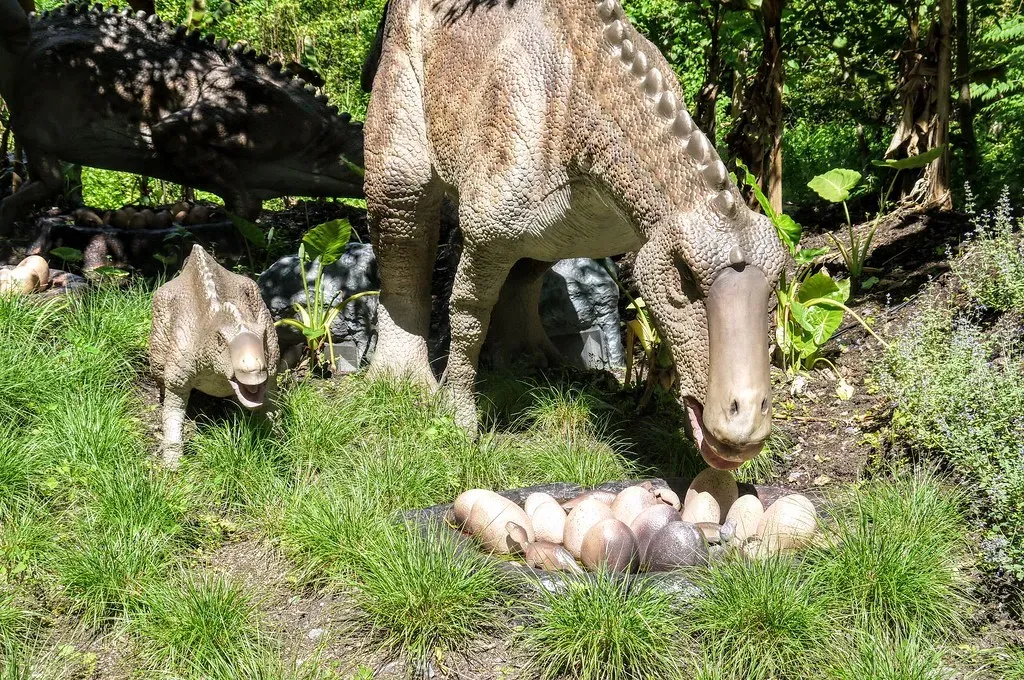
We tend to default to “mama bear” instincts when we imagine animal parenting. But the fossil record for dinosaurs tells a more complicated and, let’s be real, more interesting story. In certain feathered dinosaur groups, it was quite possibly the father guarding the nest. In primitive modern birds, it is the male rather than the female that broods the nest, in a pattern of paternal care. These nests are laid by multiple females, and the male rather than the female typically watches over the young after they hatch.
When plotted against body size, the volume of eggs in nests of dromaeosaurids, troodontids, and oviraptorosaurs more closely resembles the pattern seen in paternal-caring birds than in maternal-caring or biparental-caring birds, suggesting that paternal care may have been an ancestral trait in these groups. It’s hard to say with absolute certainty who was sitting on which nest 70 million years ago – fossils don’t come with name tags. It’s not clear whether the nesting dinosaur was male or female, and paleontologists point out that males tend the nests of some modern birds. Still, the possibility that prehistoric fathers were devoted caregivers is one of the more quietly surprising realities that the science keeps pointing toward.
Conclusion: Dinosaurs Were Better Parents Than We Ever Imagined
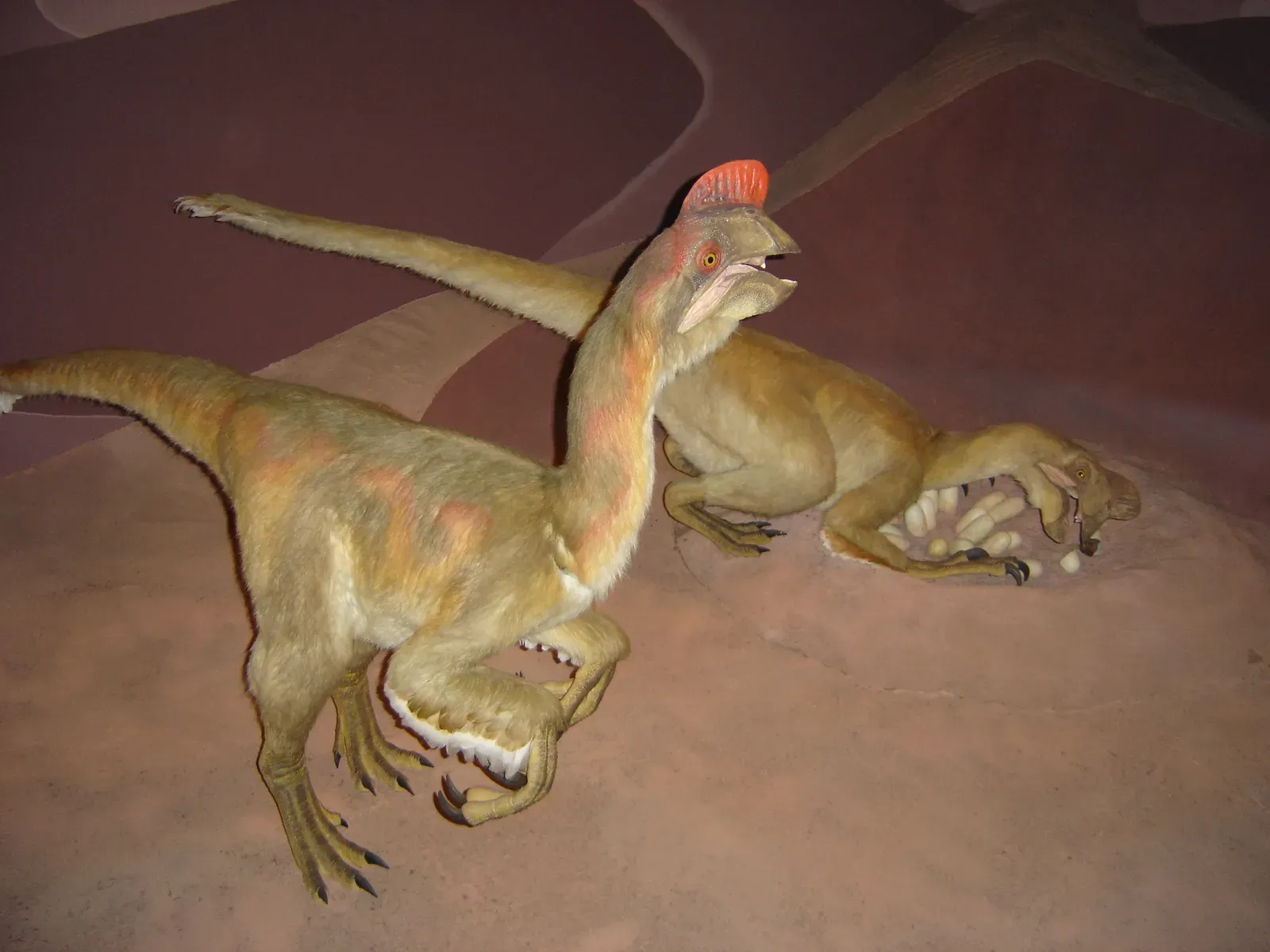
For most of the history of paleontology, dinosaurs were cast as cold, instinct-driven creatures that laid their eggs and walked away without a second thought. The evidence we now have tells a radically different story. Dinosaurs, despite their fearsome reputation, exhibited parental care behaviors similar to those seen in modern animals, and fossilized evidence such as nests and eggs provides real insights into their parental instincts.
From the Maiasaura bringing plant food to nest-bound babies who couldn’t yet walk, to the Oviraptor parent that died wrapped around its clutch in a sandstorm, to the troodontid warming eggs with its own belly – the picture is one of genuine devotion. Parental care of babies for at least several weeks is present in both modern crocodilians and modern birds, implying that this trait was present in archosaurs ancestrally. In other words, caring for your young is one of the oldest instincts in vertebrate history. Dinosaurs didn’t invent parenting. In many ways, they perfected it long before we arrived.
The next time you look at a bird building its nest or a mother carrying her young, remember – you’re watching 230 million years of prehistoric parenting in action. Did you ever think dinosaurs and devoted parents would belong in the same sentence? Tell us what surprised you most in the comments below.