
Picture a swallow lifting off your porch railing in September. Somewhere in the back of your brain, a tidy explanation clicks into place: instinct, warm weather, maybe a memory of last year’s route. That explanation feels solid. It is also almost entirely wrong.
For decades, scientists taught the same simplified story you learned in school, and then spent the last 20-30 years quietly tearing it apart with GPS tags, radar, brain scans, and genetics. What they found underneath wasn’t a simpler system than we imagined. It was a stranger, more sophisticated one, built on smell maps, glitchy magnetic sensors, solo genetic autopilots, and decision-making birds weren’t supposed to be capable of. Here’s what actually holds up.
#12 – “They Just Follow the Warm Weather”
For decades, textbooks claimed birds migrate simply to escape winter and chase warmer temperatures. The reality is colder weather is only a small part of the story, and in many cases it isn’t the main driver at all.
Birds are timing their movements to track food peaks, day length, and even competition, not just sunshine. Some species actually leave comfortable climates to reach colder, food-rich areas at exactly the right moment. That’s the opposite of chasing summer.
Long-distance shorebirds cross entire oceans where the temperature barely shifts, but food availability spikes hard. They depart when invertebrates, seeds, or fish will peak at their destination, often arriving just days before that window opens. Other species time their flights to catch predictable wind patterns, essentially surfing atmospheric highways rather than following a thermometer.
So while your weather app might nail your vacation plans, it does not predict a sandpiper’s next move. But that’s mild compared to what researchers learned about the birds that fly this whole route completely alone.
#11 – “Young Birds Just Copy Their Parents’ Route”
Most people picture baby birds trailing behind mom and dad, memorizing the route like a family road trip. Researchers believed that too, for a long time.
Then tracking studies on species like the blackcap and white stork exposed something startling: many juveniles migrate completely alone on their very first trip, with zero parental guidance, and still land in the correct continent, flyway, and even region. For these birds, navigation isn’t taught. It’s coded.
Scientists now call this a “genetic migration program.” Birds inherit a rough compass direction, say, southwest, and an internal sense of how long to fly that way, whether that’s days or weeks, which together create a built-in route. Hand-raised European warblers that had never seen an adult migrate still showed restlessness pointed in their species’ normal migratory direction.
Experience does refine this over time. Older birds often find shorter, safer routes after a few seasons. But that first epic journey is frequently flown solo, on an inherited flight plan, not a guided tour. And the tools that flight plan actually relies on turned out to be far messier than anyone expected.
#10 – “It’s All About the Sun and Stars”

Ask most people how birds navigate and you’ll hear the same line: sun by day, stars by night. That was the dominant textbook story for years.
The twist is that birds do use the sun and stars, but these are just two tools in a much bigger, stacked system. The old model treated celestial cues as the main compass. Newer research shows they’re more like backup and calibration tools layered on top of other senses entirely.
Planetarium experiments proved some songbirds orient to entire star patterns, not individual bright stars, recognizing how the night sky rotates around the celestial pole and calibrating their internal compass to that rotation. Daytime migrants use the sun’s position too, but they have to constantly correct for time of day, meaning they’re blending solar cues with an internal circadian clock the whole flight.
Quick Compare
- Old model: Sun and stars act as the primary compass
- Newer model: Celestial cues mainly calibrate other senses
- When sky cues are blocked: Birds fall back on magnetism and smell
- Best current view: A layered system, not a single master key
Here’s the part that genuinely surprised scientists: when researchers scrambled star patterns or blocked the sun entirely, birds still oriented correctly using magnetism and smell instead. Sun and stars matter, but they were never the master key people assumed they were.
#9 – “The Magnetic Compass Is in the Beak… or the Eye… or the Brain”
Magnetic navigation has been one of the messiest, most embarrassing flip-flop stories in bird research. For years, the leading claim was that iron-rich particles called magnetite in the upper beak acted as tiny compass needles, sensing Earth’s magnetic field directly.
Then some labs argued the real sensor was in the eye, using light-sensitive molecules called cryptochromes that respond to magnetic fields. Others pointed to the inner ear, or specific brain regions entirely. The truth is scientists badly oversold how certain they were.
Newer work shows many of those “magnetite receptor” cells in the beak were actually just immune cells, not magnetic sensors at all. Meanwhile, strong evidence shows some birds can only use their magnetic compass under certain light wavelengths, which supports the eye-based, quantum-chemistry mechanism. Brain lesions in specific regions can also disrupt magnetic orientation, meaning higher-level processing matters too.
The current picture is humbling. Birds probably integrate multiple magnetic sensing systems at once, in ways scientists still don’t fully understand, and every past “we found the organ” headline turned out to be premature.
#8 – “Birds Don’t Use Smell. Their Brains Are ‘Too Simple'”
Older ornithology textbooks were fairly blunt about this one: birds rely mostly on sight and sound, and smell is basically irrelevant. That assumption aged terribly.
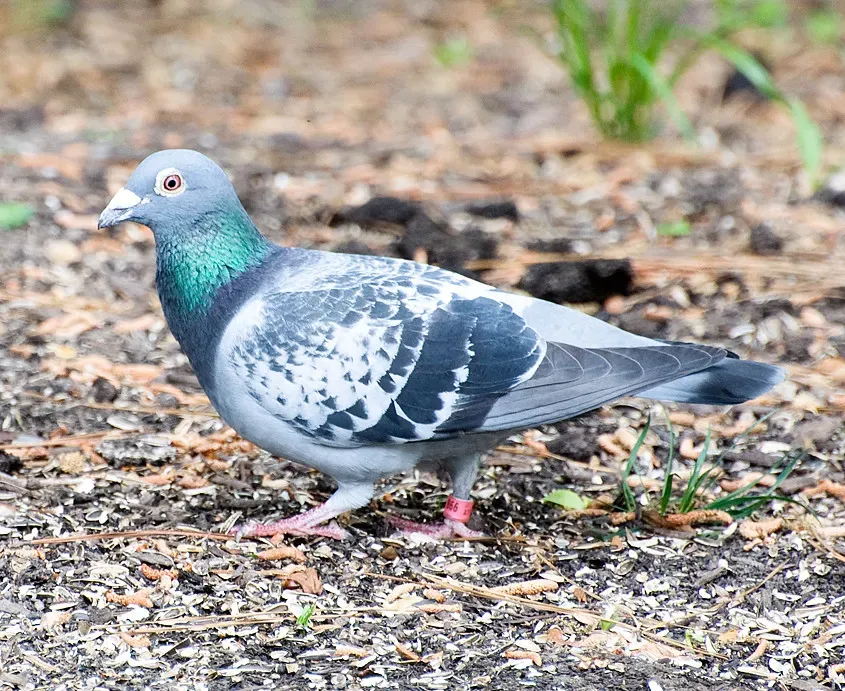
In homing pigeons, researchers cut the olfactory nerve on one side and found something dramatic. Pigeons with impaired smell were far worse at finding their way home, even with their magnetic and visual senses fully intact. Repeated “anosmia” experiments, where birds temporarily lose their sense of smell, keep showing the same disorientation, especially far from familiar landmarks.
Ocean-going birds like petrels and shearwaters appear to follow entire odor landscapes created by plankton and fish activity, tracking scent plumes across hundreds of kilometers of open water. On land, some migrants seem to memorize regional scent profiles, essentially an airborne map confirming they’re on the right track.
The old insult that bird brains were “too simple” for complex smell-based maps hasn’t held up either. Neuroanatomy studies now show substantial olfactory bulb structures in many species once dismissed as poor smellers. Birds don’t just see the world. They smell their way across it.
#7 – “Migration Is a Single, Straight Line Each Year”
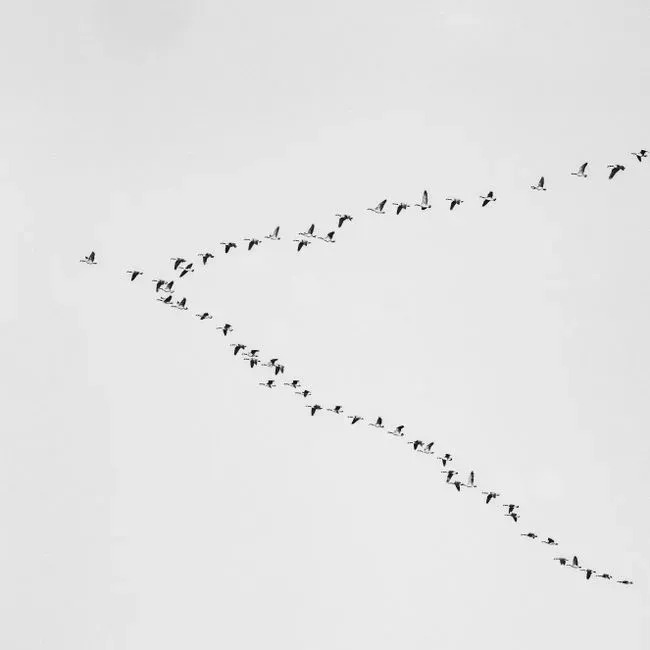
For years, textbook diagrams showed simple arrows: birds breeding up north, wintering down south, back and forth on the same neat line. That tidy arrow was comfortable fiction.
Lightweight GPS loggers and geolocators revealed that many species fly completely different routes in spring and fall, forming giant seasonal loops across the map. This is called loop migration, and it’s turned out to be more rule than exception for long-distance travelers.
Fast Facts
- Loop migration means different spring and fall paths for the same bird
- Some species detour hundreds of miles to reach a key stopover site
- Winds, storm avoidance, and food timing, not distance, shape the loop
- Birds from the same colony can take different routes and still reunite
Why the loops? Birds time their journeys around favorable winds, storm avoidance, and food peaks. A species might push far out over open ocean in fall using strong tailwinds, then hug the coastline in spring to refuel more often along the way. Some birds detour hundreds of miles just to hit a crucial staging site that barely shows up on old range maps.
Even stranger, individuals from the exact same breeding population can take entirely different routes and stopovers and still end up back at the same colony. That tidy schoolbook arrow was really more of a scribbled, season-dependent maze the whole time.
#6 – “Migration Is Purely Instinct, Not Strategy”
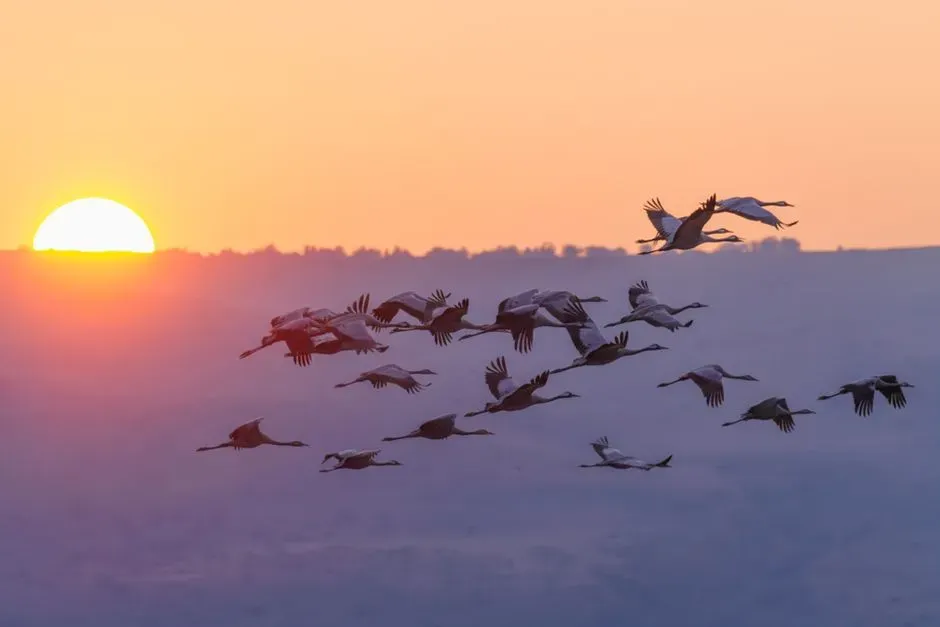
The old narrative painted migration as robotic instinct: days shorten, hormones shift, birds fly. End of story. The updated picture is smarter and sharper than that.
Yes, there’s a strong inherited component. But within that framework, birds make flexible, strategic decisions that early researchers never gave them credit for. They aren’t mindless slaves to an internal calendar.
Many migrants adjust their departure dates around weather fronts, delaying takeoff if headwinds are brutal or a cold front brings dangerous storms, then launching the moment a tailwind opens up. Some species even track barometric pressure changes, essentially running their own built-in weather channel. Individuals also alter stopover length based on fat reserves, local food, and competition at key sites, and long-lived species will sometimes skip breeding entirely in a bad year to conserve energy for survival.
Migration is not a switch that flips on and off. It’s a dynamic negotiation between genes, brain, and real-time conditions.
That’s not blind instinct. That’s risk management with feathers.
#5 – “Birds Always Return to the Exact Same Spot”
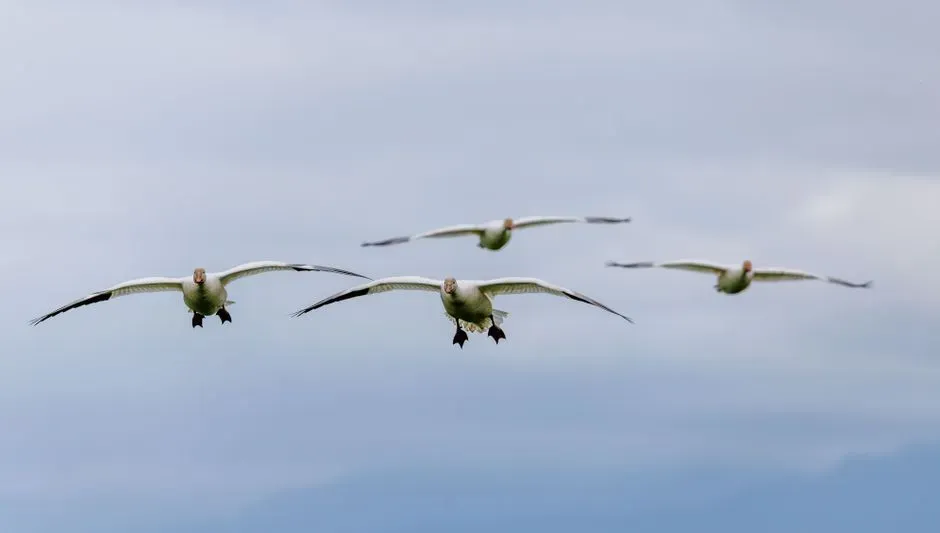
You’ve probably heard that birds always come back to the same tree, the same marsh, even the same nest box, year after year. There’s truth in that. Many species do show strong site fidelity. But researchers overstated it for years, quietly ignoring the birds that switch sites, adjust territories, or explore new ground when conditions change.
As banding and tracking data piled up, the “always loyal” myth started to crack. Site fidelity, it turns out, is conditional. Birds are far more likely to return when:
- They successfully raised young there
- Food stayed stable year to year
- Predation and disturbance remained low
When things go badly, failed nests, degraded habitat, human encroachment, birds are far more likely to shift territories or even change wintering regions entirely. Some species rotate between a small set of favorite sites depending on rainfall or crop cycles.
This flexibility matters more than ever now, as climate change and land-use shifts scramble the landscapes birds once counted on. The uncomfortable truth is that the birds willing to break site loyalty may now have the real edge. The “faithful returner” image was comforting, but it was never the whole story.
#4 – “Climate Change Just Shifts Routes North”
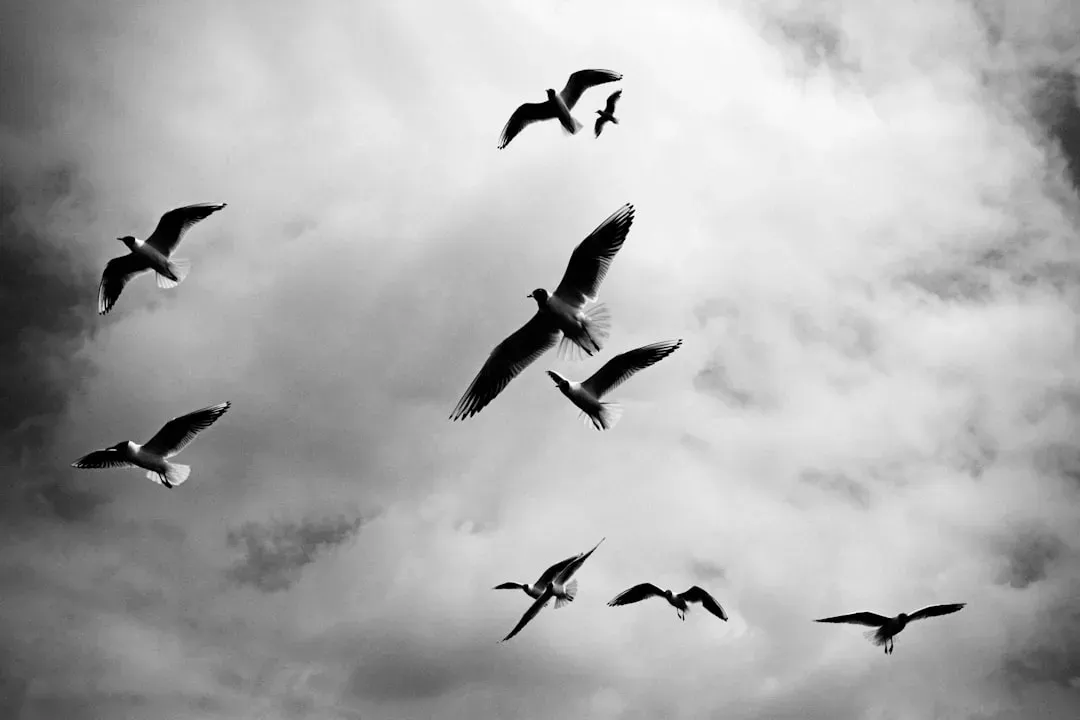
Early discussions about climate change and birds leaned on a simple picture: as things warm, birds just shift their ranges north. Problem solved, right? Reality has turned out uglier and far more tangled.
Many species are arriving earlier on breeding grounds and shifting poleward, that part is true. But the timing of food peaks hasn’t always shifted in sync, creating what scientists call phenological mismatches. Birds show up right as the insects or flowers they depend on have already peaked and crashed.
Some migrants have nudged their arrival dates earlier by a few days. Others, locked into day-length cues and internal schedules, barely shift at all. The result is species consistently arriving late to their own breeding buffet, which means fewer chicks surviving.
Worth Knowing
- Range shifts and food timing don’t always move at the same pace
- Day-length cues keep some species locked to old schedules
- Oceanic and high-altitude species often have nowhere left to go
- Habitat loss can trap birds between warming zones and shrinking ground
Even more uncomfortable, not every species can simply move north. Oceanic birds, high-altitude specialists, and species pinned between habitat loss and warming seas are running out of places to go. Navigation systems built over millions of years never evolved for a climate that no longer exists in many regions, and “they’ll just fly north” turned out to be wishful thinking.
#3 – “Night Migrants Just Point South and Go”
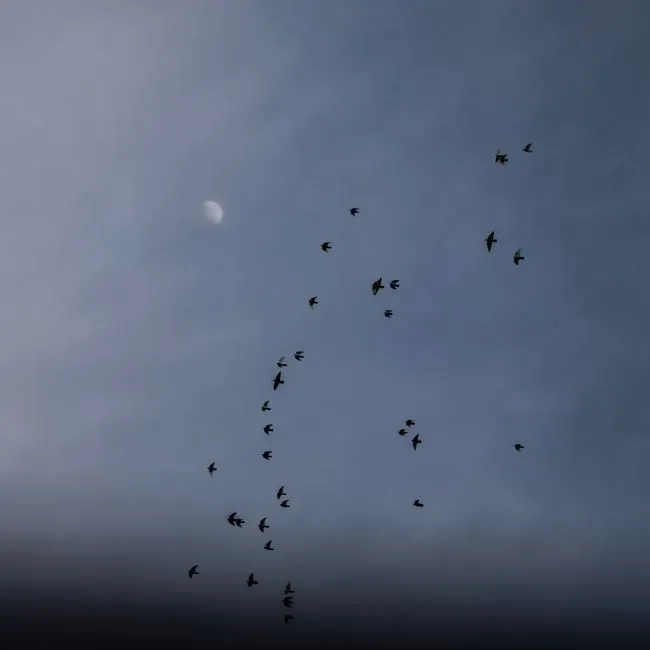
Traditional thinking treated nocturnal migration as basic compass behavior: it gets dark, birds point roughly south, job done. Weather radar and dense acoustic recorder networks blew that picture apart.
Nocturnal migrants routinely:
- Choose very specific flight altitudes to exploit favorable wind layers
- Adjust direction mid-flight to dodge storms or ride jet-like air flows
- Divert hundreds of kilometers in a single night when conditions shift
Pulling off that kind of in-flight course correction means constantly re-sampling their compass cues, stars, magnetic field, wind, and updating an internal map on the fly. They aren’t just aiming south and trusting momentum for eight hours straight.
Even stranger, some species seem to coordinate massive departure waves triggered by specific weather patterns, with huge numbers lifting off together on just a handful of optimal nights, almost like rush hour compressed into one dark window. That’s not a mindless nightly drift. It’s a tightly tuned sense of exactly when and how to move.
#2 – “Urban Lights Only Confuse Them a Little”

For years, light pollution got filed under “annoying nuisance,” not catastrophic threat. That view is collapsing fast. The data are blunt: artificial light at night is one of the most disruptive forces on bird navigation humans have ever created.
Migrants relying on stars and horizon glow as cues get fatally drawn into bright urban areas, circling skyscrapers and floodlit structures until they’re exhausted or collide outright. Radar studies show migration traffic literally bending and pooling over brightly lit zones, like moths swarming a porch light but at a continental scale.
At a Glance
- Radar shows migration traffic bending toward brightly lit cities
- Disoriented birds burn extra fuel circling buildings and towers
- Even small towns can mask the natural light cues birds rely on
- Chronic disorientation leaves birds arriving later and in weaker shape
Birds waste precious fuel, shift altitude, and sometimes abandon routes entirely because their navigation systems were never built to handle overwhelming artificial skyglow. Even low-rise towns can throw off orientation by masking the natural light gradients birds use as backup cues.
It’s not just the dramatic building collisions either. Chronic low-level disorientation means birds arrive later, leaner, and in worse shape at breeding or wintering grounds. While people debate skyline aesthetics, birds are paying the navigational price in real time, every single night.
#1 – “Bird Brains Are Too Small for ‘Real’ Navigation”
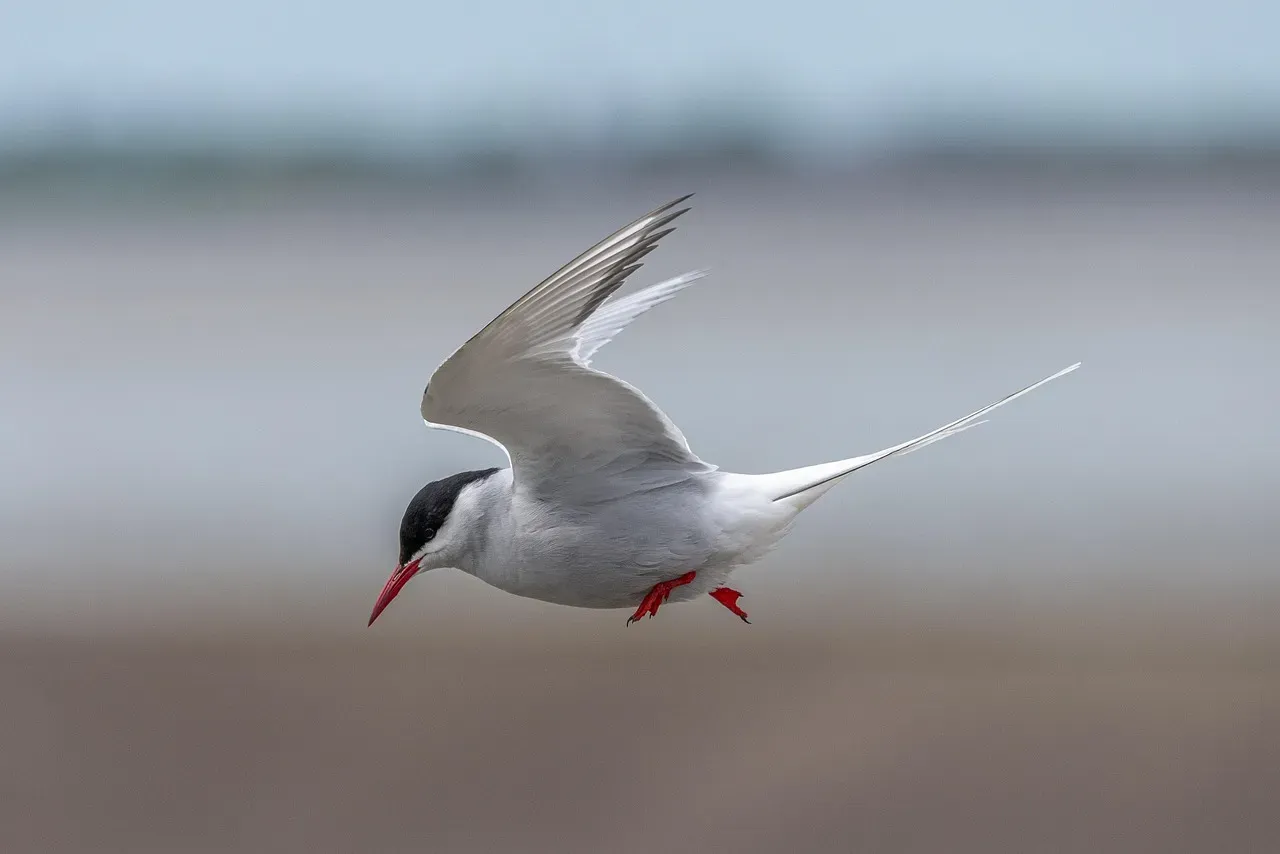
For a long time, the scientific, and frankly cultural, bias was clear: bird brains are tiny, so bird navigation must be simple. Instinct plus a few basic cues, nothing more. Modern neuroscience has demolished that arrogance completely.
The avian hippocampus, a brain region critical for spatial memory, is highly developed in many navigating species. Homing pigeons, corvids, and certain migrants show spatial cognition on par with many mammals, integrating landmarks, magnetic cues, smells, and past experience into a genuine 3D mental map.
Why It Stands Out
- The avian hippocampus rivals mammals in supporting spatial memory
- Displaced birds can reorient using true navigation, not just a fixed heading
- Cognitive maps blend magnetic, visual, and scent-based cues at once
- Juveniles sharpen their mental maps with every migration season
Displacement experiments, where birds get moved hundreds or thousands of kilometers off their normal route, revealed something stunning. Many don’t just fly “homeward” blindly. They adjust their path as if they’ve registered exactly where they ended up relative to both their origin and their destination, what researchers now call true navigation, not simply compass heading plus distance.
Even juveniles running mostly on inherited programs gradually build detailed cognitive maps of coastlines, mountain ranges, rivers, and human-made landmarks over time. Their navigation shifts from genetic autopilot toward experience-rich, map-based travel. The old “tiny brain, tiny abilities” narrative wasn’t just wrong. It was human ego talking, not evidence.
The Bottom Line
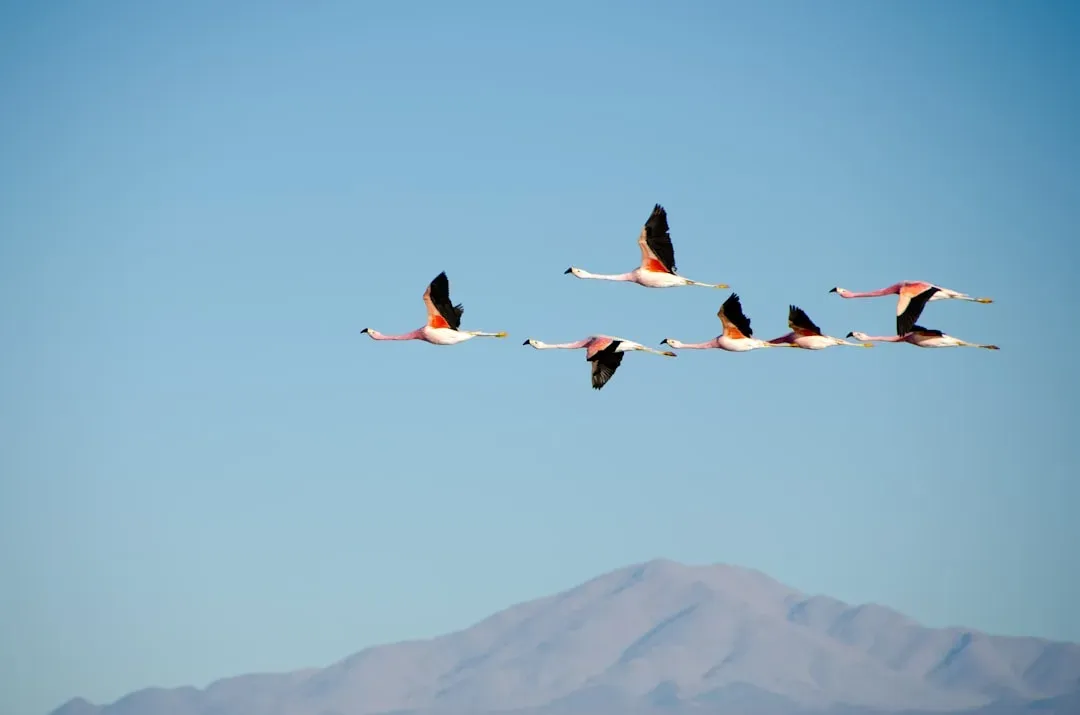
Bird navigation was once sold as a simple story: fly south when it’s cold, follow the sun and stars, come home in spring. The deeper scientists looked, the more that fairy tale fell apart at every seam.
What’s actually underneath is a system that fuses genetic programs, layered magnetic sensing, celestial calibration, smell maps, spatial memory, weather reading, and hard-won experience, all running simultaneously in a brain we spent decades underestimating. Nearly every confident claim researchers made fifty years ago, about pure instinct, fixed routes, weak smell, simple brains, has had to be quietly rewritten.
Here’s the part that should bother us more than it does: right as we’re finally understanding how extraordinary this system is, we’re the ones scrambling it, with city lights, a shifting climate, and vanishing habitat. A navigation system this sophisticated deserves better than to be undone by our porch lights. The more we learn about what birds can actually do, the less excuse we have for making their job harder.