
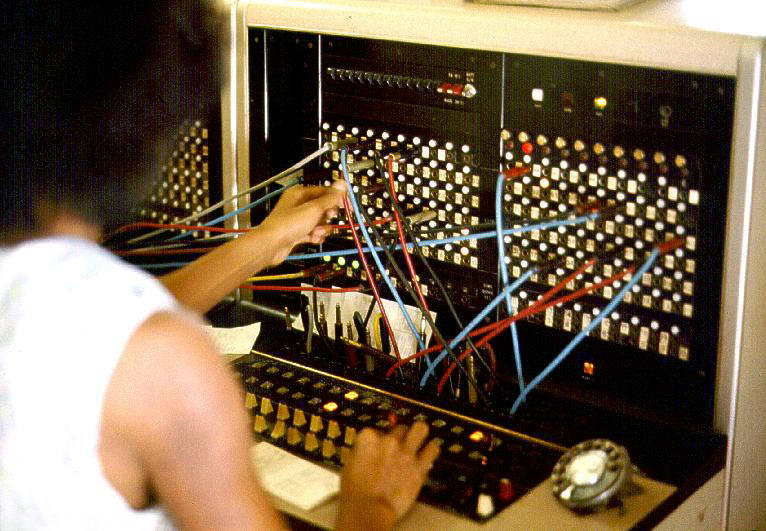
Every old family photo album hides a secret nobody warns you about: almost none of what’s happening in the background still exists. That milkman on the porch? Gone. The switchboard operator connecting your grandmother’s call by hand? Replaced by a chip smaller than a fingernail.
Most people flip through these albums looking only at the faces. But look past them, and archivists who study these photos for a living will tell you the real story is hiding in the background – entire jobs, machines, and rituals that quietly disappeared within a single lifetime. Here are the twelve that vanished the fastest, and the strange reasons nobody saw it coming.
#1 – The Elevator Operator Standing at the Controls

Step into almost any old photograph taken inside a department store or office building, and you’ll spot a uniformed figure standing beside a brass lever, hand resting on the control wheel. This was the elevator operator, a job that existed almost entirely because early elevators had no buttons for passengers to press. Riders couldn’t operate the machine themselves even if they wanted to – every stop required a trained human to align the car precisely with the floor.
The job vanished almost overnight once automatic push-button elevators became standard by the mid-20th century. Buildings that once employed dozens of operators per shift suddenly needed zero. Old photographs freeze this moment perfectly: a person whose entire career was pulling a single lever, now replaced by a button anyone can press. It’s a strange reminder that automation anxiety isn’t new – it just used to look like a man in a pillbox hat.
Fast Facts
- Operators had to hand-brake the car to line it up exactly with each floor
- Automatic push-button elevators spread rapidly through the 1950s and into the 1960s
- A misjudged stop could leave passengers stepping down or up into an uneven gap
- A handful of historic hotels still keep a uniformed operator today purely for old-world charm
#2 – The Iceman’s Wagon Parked Outside the House
Before refrigerators became affordable household staples, nearly every kitchen photo from the early 1900s shows an icebox instead – a wooden cabinet cooled by actual blocks of ice. Photographs from this era regularly capture the iceman’s horse-drawn wagon parked outside homes, delivering blocks that families would haul inside with metal tongs.
The entire ice-delivery industry, from the wagons to the massive icehouses where blocks were stored through summer, disappeared within about two decades once electric refrigeration became mainstream. Some cities relied on dozens of ice delivery routes running daily, an infrastructure most people today wouldn’t even recognize as an industry. When you see an old kitchen photo with a mysterious wooden box instead of a fridge, that’s not a piece of furniture – it’s the ghost of an entire vanished supply chain.
#3 – The Telephone Switchboard and Its Operators
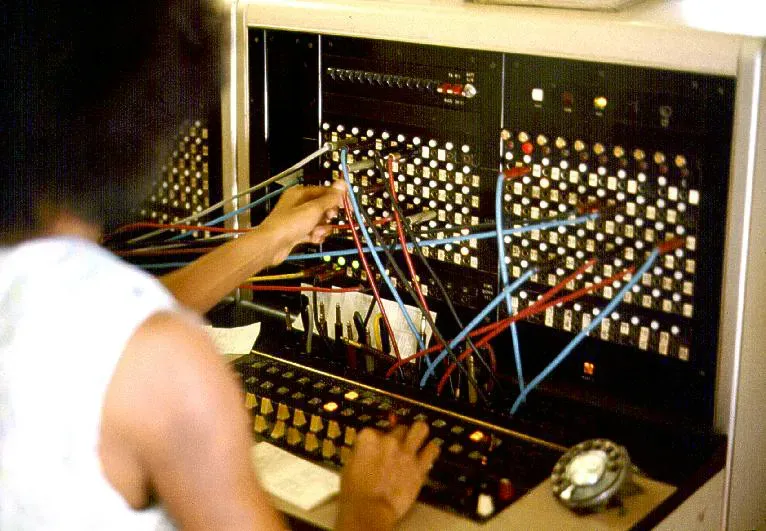
Old office photographs frequently show rows of women seated at massive wooden switchboards, wires and plugs constantly moving between hands. Every single phone call – including local ones – had to be manually connected by an operator physically plugging your line into the recipient’s line. There was no dialing; you picked up the phone and told a stranger where you wanted to go.
This entire profession, once one of the largest employers of working women in America, was phased out as direct-dial technology spread through the mid-20th century. A single automated switching system could replace hundreds of human operators almost overnight in some cities. Photos of these switchboard rooms now look almost science-fictional – a wall of humans manually performing a task now completed instantly and invisibly by software.
#4 – The Drive-In Movie Screen Towering Over Empty Fields
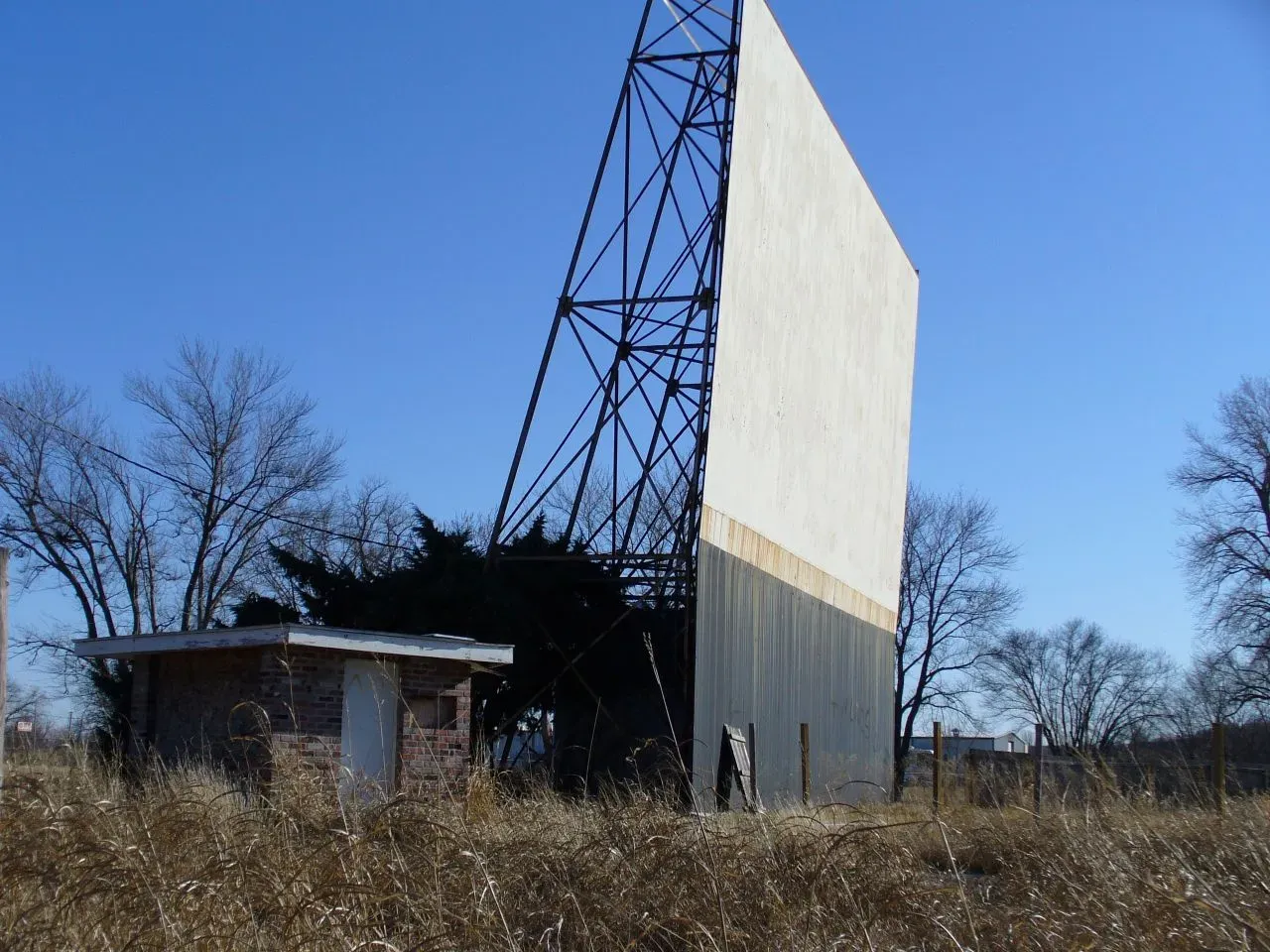
Photographs from the 1950s and 60s often show massive outdoor screens rising above fields packed with cars, speakers hanging from every window. Drive-in theaters were once a defining feature of American leisure, blending car culture with the golden age of cinema.
Most of these theaters didn’t survive the rise of home television and, later, streaming – the land was simply worth more as retail space or housing developments. Old photos of these screens against open sky feel almost mythical now, capturing a version of entertainment built entirely around cars, open space, and a shared communal darkness that modern streaming can’t replicate – no matter how hard nostalgia marketing tries.
At a Glance
- In the late 1950s, there were 4,000 drive-in movie theaters in the United States
- At the peak in 1958, the US had roughly 4,000 drive-in theaters. Today that number is around 300
- Most of the closures happened between the 1970s and 1990s as land values rose, multiplexes expanded, and home video took off
- A few new drive-ins have opened recently, including pop-up and permanent locations built from scratch
#5 – The Milkman’s Glass Bottles on the Doorstep

Flip through any suburban photo album from the mid-20th century and you’ll likely spot glass milk bottles sitting on a porch step, sometimes still frosted from the cold. Home milk delivery was once a daily ritual, with routes as regular and expected as mail service.
The system collapsed almost entirely once supermarkets normalized one-stop grocery shopping and plastic packaging made in-store milk cheaper to produce and transport. Reusable glass bottles, designed to be picked up and refilled indefinitely, all but disappeared within a single generation. It’s easy to romanticize this system in photos, but it also reveals something blunt: convenience culture didn’t kill the milkman – cost efficiency did, and most people never even noticed the shift happening.
#6 – The Full-Service Gas Station Attendant

Old roadside photographs almost always show a uniformed attendant leaning into a car window, checking oil, cleaning the windshield, or manually pumping gas while the driver never leaves their seat. Full-service was not a luxury option; it was simply how gas stations worked for decades.
Self-service stations began spreading widely once cost-cutting made attendant labor less profitable for station owners. Some states, like New Jersey and Oregon, uniquely resisted this shift and still legally require attendants to pump gas today – a rare living fossil of this vanished norm. For everywhere else, the attendant checking your tire pressure is now just a face frozen in a photograph, replaced by a payment screen and a self-serve nozzle.
#7 – The Streetcar Tracks Running Down Main Street
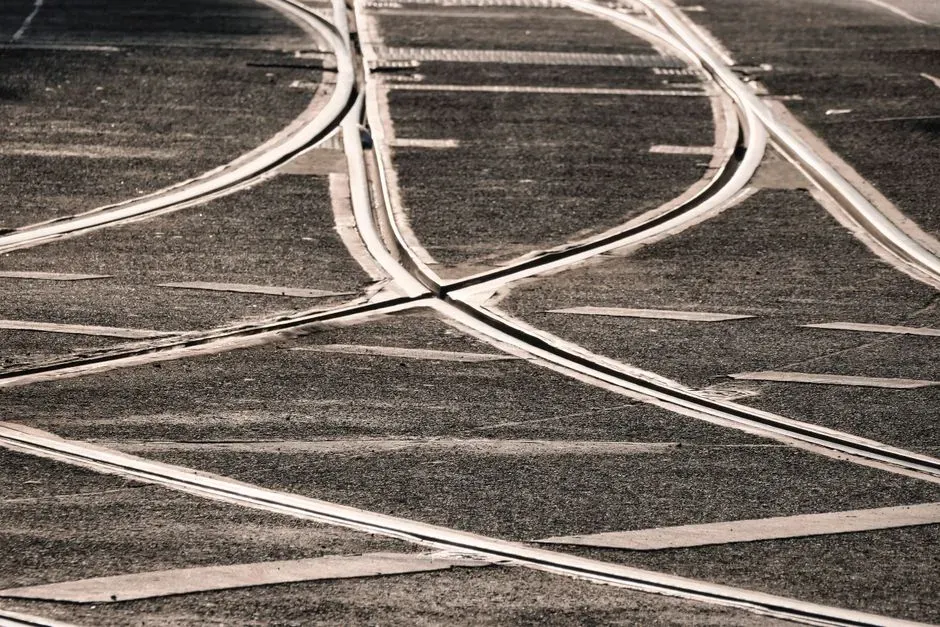
Photographs of early 20th-century American cities almost always show streetcars gliding down the center of the road, tracks embedded directly into the pavement. Nearly every mid-sized city once had an electric streetcar network connecting neighborhoods long before highways existed.
Most of these systems were deliberately dismantled by the mid-20th century as car culture and highway expansion took priority in urban planning. Some historians argue entire streetcar networks were quietly bought out and shut down specifically to boost automobile and bus sales – a controversial claim that still sparks debate among transit historians today. Either way, those tracks embedded in old photos are frequently the only remaining evidence that a city once moved completely differently than it does now.
Quick Compare
- Then: fixed rail lines linked nearly every neighborhood to downtown
- Now: most cities rely on buses and personal vehicles instead
- Then: fares were a few cents and cars ran on a fixed schedule
- Now: light rail is slowly being reintroduced in some cities decades later
#8 – The Soda Fountain Counter Inside the Pharmacy
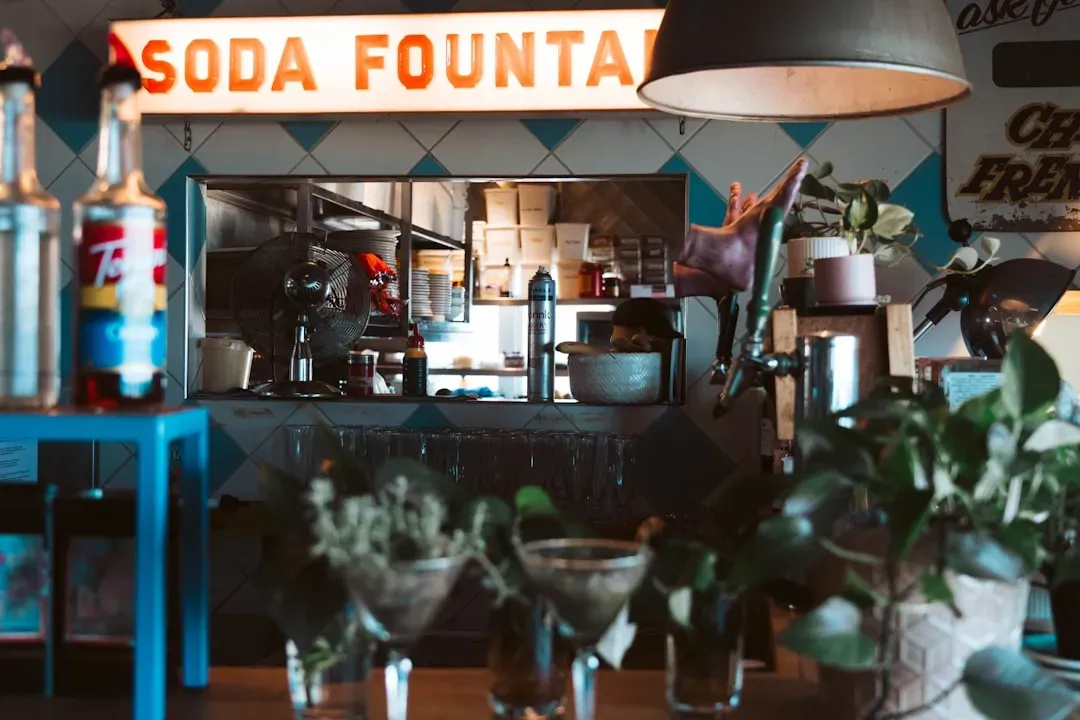
Old photographs of small-town pharmacies often show a long marble counter lined with stools, a soda jerk mixing drinks behind it. Pharmacies weren’t just for medicine – they doubled as social hubs where people gathered for ice cream floats and flavored sodas mixed by hand.
This hybrid business model faded as pharmacies specialized strictly into healthcare and grocery chains absorbed the snack and beverage side of retail. Very few of these hybrid pharmacy-soda counters survived past the 1970s, and the ones that remain today are treated as nostalgic novelties rather than normal businesses. It’s a strange reminder that the line between “healthcare” and “hangout spot” used to be far blurrier than it is now.
#9 – The Public Phone Booth on Every Corner

City street photographs from just a few decades ago almost always include a glass phone booth, often with someone standing inside mid-conversation. Payphones weren’t a backup option; they were often the only way to make a call outside the home or office.
The rise of mobile phones made public payphones financially unsustainable almost everywhere, and most were removed simply because maintenance costs outweighed dwindling usage. What used to be essential infrastructure is now something younger generations only recognize from old photographs or superhero movies.
Worth Knowing
- By 1960, a million of them had been planted like thickets of human connectivity from Wall Street to Staten Island
- New York City’s sweep of roughly 8,000 pay phones first began in 2015
- The last remaining public payphone kiosk was removed from the streets of Manhattan in May 2022
- Four Superman-style phone booths on the Upper West Side still stand as living relics
#10 – The Vaudeville Theater Marquee
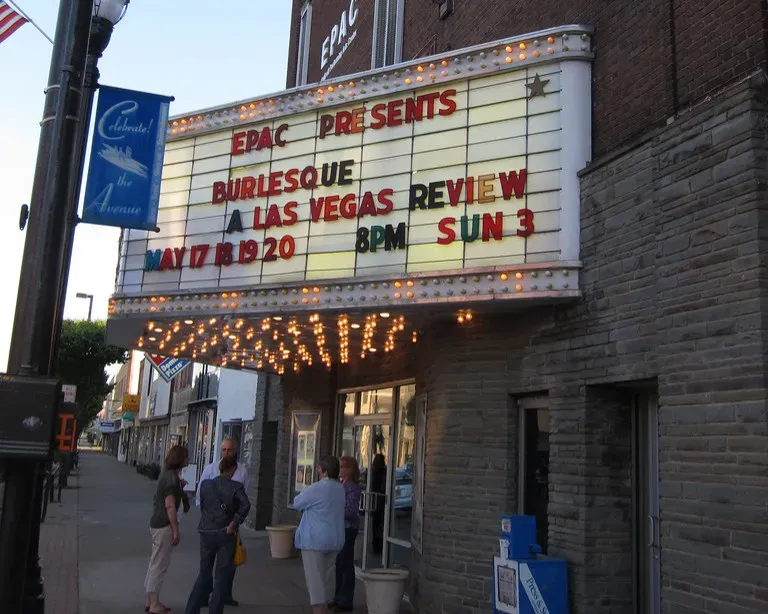
Photographs from downtown districts in the early 1900s often show elaborately lit marquees advertising vaudeville acts – a mix of comedy, music, and variety performance that dominated live entertainment before film took over. These theaters were often architectural showpieces, built to impress as much as entertain.
Vaudeville collapsed rapidly once movies with synchronized sound offered cheaper, more consistent entertainment starting in the late 1920s. Many of these grand theaters were either demolished or converted into movie houses within just a few years of vaudeville’s decline. The elaborate marquees in old photos represent an entertainment format most people today have never experienced firsthand, wiped out almost entirely by a single new technology.
#11 – The Steam Locomotive Pulling Into the Depot
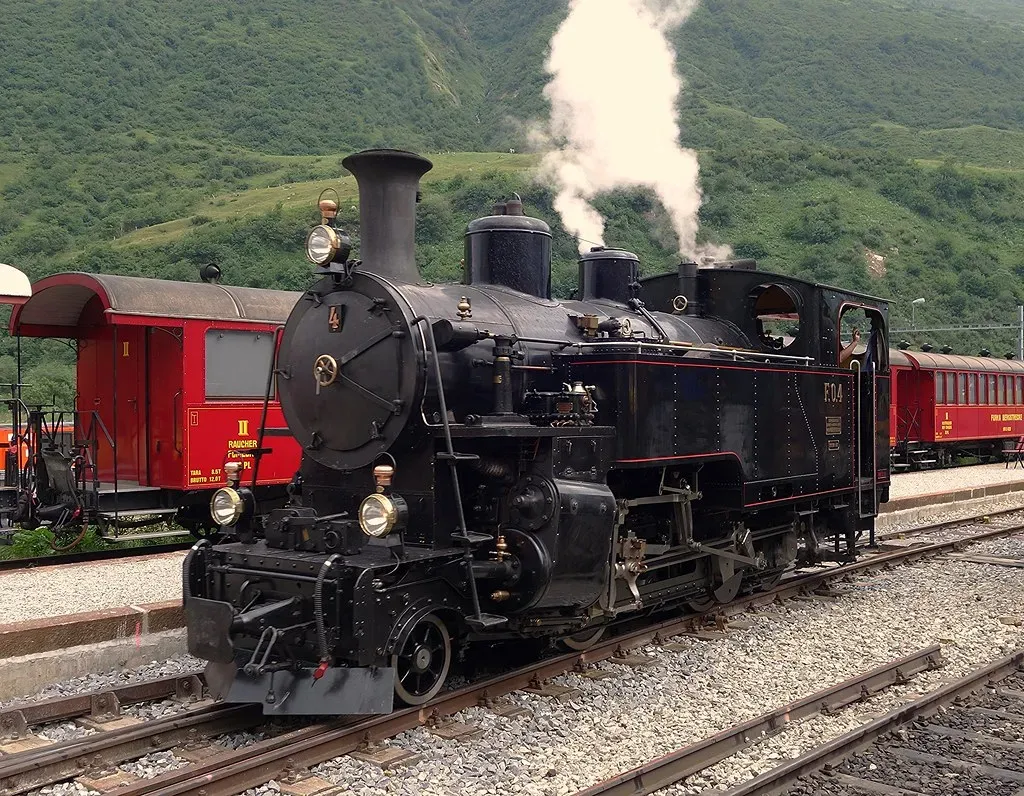
Old photographs of small-town train depots often capture a hissing steam locomotive at the platform, passengers and freight loading side by side. For most of the 19th and early 20th centuries, the train depot functioned as the true center of town – where news, goods, and people all arrived at once.
Diesel and electric locomotives phased out steam power almost completely by the mid-20th century due to efficiency and maintenance costs. Many small-town depots shown in these photos were abandoned entirely once passenger rail declined in favor of highways and air travel. The photograph freezes not just a machine, but an entire social structure – the depot as gathering place – that simply doesn’t exist in most towns anymore.
#12 – The Family Gathered Around a Single Shared Television
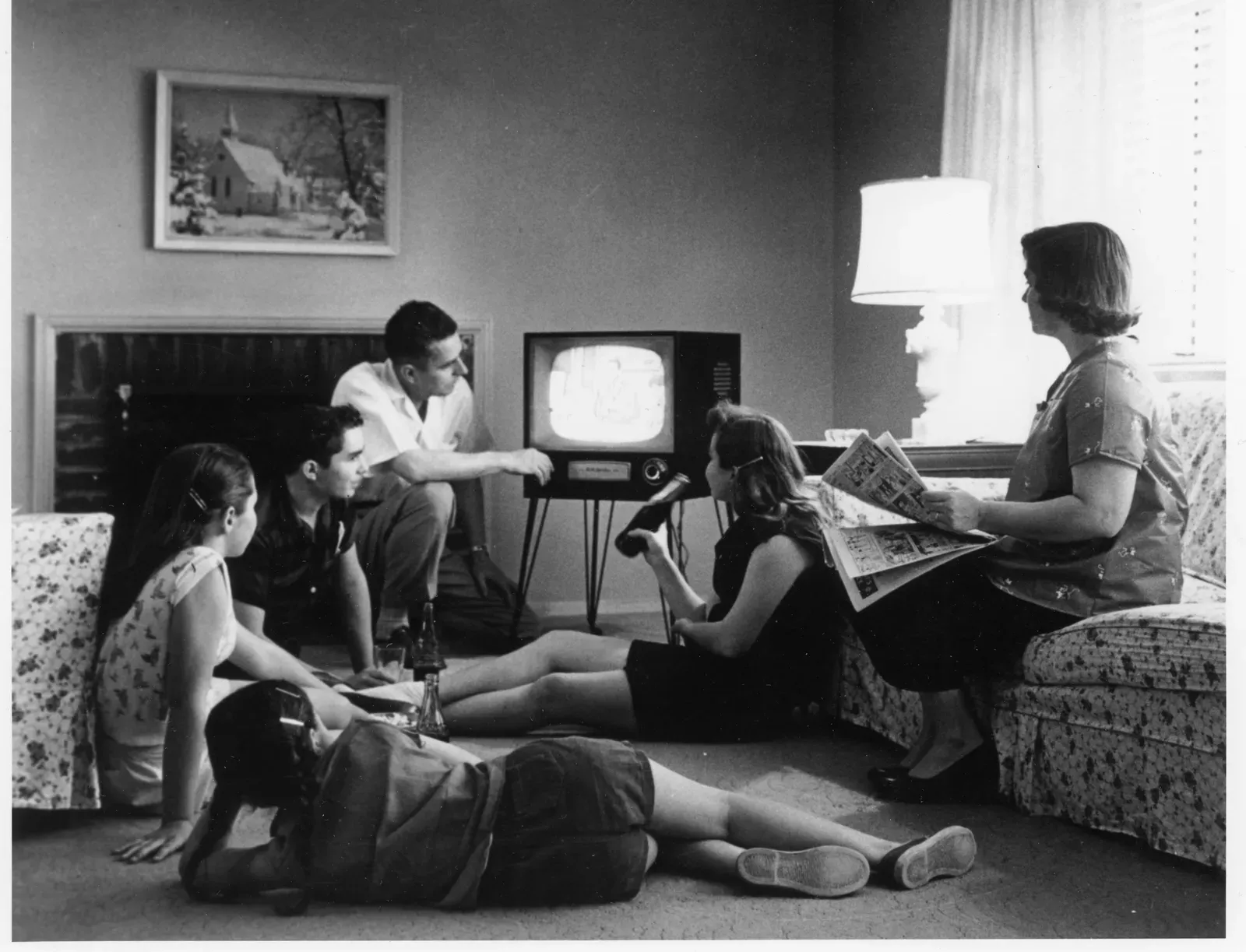
Photographs from mid-century living rooms almost always show the entire family clustered around one single television set, often the only screen in the house. Television wasn’t personal entertainment yet – it was a shared, communal event, with everyone watching the same program at the same time.
This single-screen model was replaced as televisions became cheaper and eventually multiplied into every bedroom, followed by phones and tablets fragmenting attention even further. Some media historians argue this shift from shared viewing to isolated screens fundamentally changed family communication patterns – a claim that remains hotly debated but hard to dismiss when looking at these old photos. That one glowing screen surrounded by an entire family is a scene almost impossible to recreate today, no matter how hard anyone tries.
The Bottom Line

Old photographs aren’t just portraits of people – they’re accidental documentation of entire systems that vanished within a single lifetime. From switchboard operators to streetcar tracks, almost everything in the background of these images has been replaced, automated, or demolished.
To collect photographs is to collect the world.
Susan Sontag
What strikes us most isn’t just the nostalgia – it’s how quickly these “permanent” fixtures of daily life disappeared once a cheaper or faster alternative arrived. If there’s one opinion worth defending here, it’s this: convenience always wins, even when it quietly erases entire communities and professions along the way.
So look again at that old photo in your attic. Somewhere in the background, past the faces you already know by heart, an entire vanished world is waiting to be noticed.