
Life has a way of hitting us when we least expect it. Illness strikes, relationships crumble, careers implode. Some people seem to shatter under the weight of these blows, while others bounce back stronger. What separates the two? It’s hard to say for sure, but the ancient philosophers spent centuries pondering this exact question, and they left behind a treasure map of insights worth exploring. The Greeks, Romans, Taoists, and Buddhists all wrestled with the human condition, and they discovered something startling: resilience isn’t about avoiding pain. It’s about transforming how you move through it. Think of it like water flowing around a boulder in a stream.
The ancient philosophy of Stoicism was famous for promoting resilience in the face of setbacks and disasters, but it wasn’t alone. Eastern traditions like Taoism and Buddhism offered equally profound tools for navigating life’s storms. What’s remarkable is how their teachings overlap, despite emerging from completely different corners of the world. These weren’t just ivory tower ideas. They were practical philosophies designed for everyday people facing real hardship. So let’s dive in.
You Control Your Responses, Not External Events
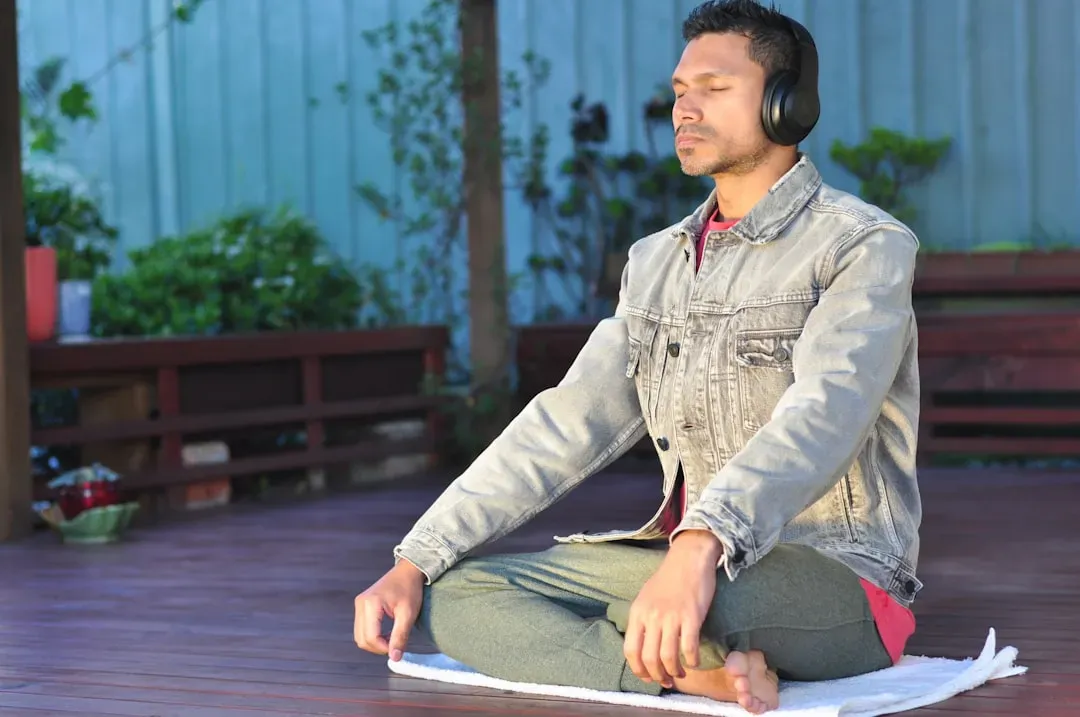
Ancient wisdom emphasized understanding the difference between what is within our control and what is beyond our control. This might sound obvious, yet most of us spend enormous energy trying to control things we simply can’t. Your boss’s mood, the weather, other people’s opinions – these things lie outside your sphere of influence. Resilient people internalize this distinction deeply.
When you truly grasp this concept, something shifts. You stop wasting energy on futile battles and redirect it toward what actually matters: your thoughts, your actions, your attitudes. Ancient teachings emphasized distinguishing between what we can control and what we cannot, with acceptance not meaning passivity but acknowledging limitations while focusing energy on areas where we have influence. It’s oddly liberating to realize that you’re only responsible for your own choices, not the entire universe.
You See Obstacles as Opportunities for Growth

Here’s something most people miss: challenges aren’t interruptions to your life. They are your life. Stoic philosophy taught people to view adversity as an opportunity for growth and self-improvement, building resilience and mental toughness by embracing life’s challenges. When you frame setbacks this way, they lose their power to devastate you.
Think about it. Every difficult situation teaches you something – about yourself, about others, about what truly matters. Resilient individuals don’t just endure hardship; they mine it for lessons. They ask, what can I learn from this? How can this make me stronger? This mindset doesn’t eliminate pain, but it gives pain purpose. It transforms suffering into a strange kind of fuel.
You Practice Self-Reflection Regularly

Ancient philosophy recognized the value of self-reflection as a key to living a good life, with philosophers like Seneca emphasizing the importance of regular self-examination. Resilient people don’t just react to life – they examine their reactions. They sit with their thoughts, uncomfortable as that might be, and ask hard questions. Why did I respond that way? What triggered that emotion? What pattern am I repeating?
This practice of turning inward creates self-awareness, which is the foundation of emotional resilience. You can’t change what you don’t understand about yourself. Writing helps too. Engaging in conversation with oneself, ideally in writing, forces us to find words, describe behaviors, and give thoughts form, which brings clarity. There’s something about putting pen to paper that clarifies muddled thinking.
You Cultivate Inner Strength Over Physical Power

In ancient Roman thought, strength encompassed more than mere physical power; it included moral integrity, resilience, and the ability to endure hardship, with physical strength complemented by ethical conduct and virtuous living. Real resilience isn’t about how much you can bench press. It’s about character. It’s about staying true to your values when everything around you is falling apart.
Ancient philosophers emphasized the importance of developing inner strength and fortitude through practicing self-discipline and self-control. This kind of strength doesn’t announce itself loudly. It’s quiet, steady, unshakeable. It’s the person who loses everything but doesn’t lose themselves. Physical strength fades with age, but inner strength can grow throughout your entire life if you tend it carefully.
You Accept Impermanence as Natural

Nothing lasts forever. Not the good times, not the bad times, not even you. One of the core concepts in Buddhism is impermanence, and this teaching offers profound relief when you truly internalize it. The job you lost? It was always temporary. The relationship that ended? Nothing was guaranteed to last. Your current struggle? It will pass too.
Resilient people don’t cling desperately to circumstances or relationships. They hold things lightly, appreciating them while they’re here but not devastated when they change. This doesn’t mean you become cold or indifferent. It means you understand the nature of reality. Everything is in flux. Ancient philosophers taught that embracing the inevitability of change and learning to adapt can enhance our resilience. Fighting this truth only creates suffering.
You Flow with Life Rather Than Against It

Wu Wei, often translated as effortless action, encourages us to move with life’s challenges rather than against them, like water naturally flowing around obstacles, reducing stress and helping us better handle difficulties. This Taoist principle captures something essential about resilience. Imagine trying to walk through a river by pushing directly against the current. You’d exhaust yourself. Now imagine angling your body and using the current’s energy to move forward. Same destination, far less effort.
Taoism teaches Wu Wei, the art of action without strain – acting in alignment with the natural flow of events, which is not passivity but precision: doing only what is needed, when it is needed. Resilient people have mastered this dance. They read situations accurately and respond appropriately, not rigidly. They conserve energy by working with circumstances rather than exhausting themselves in futile resistance.
You Maintain Perspective During Crisis

Ancient wisdom reminds us that our perception of events often matters more than the events themselves, and by maintaining a rational and balanced perspective, we can navigate challenges with greater resilience. When you’re in the middle of a crisis, it’s easy to catastrophize. Your mind spirals, imagining worst-case scenarios. But resilient people have trained themselves to step back and ask: How much will this matter in a year? In five years?
This isn’t about minimizing real problems. It’s about right-sizing them. Not every setback is a catastrophe, even though it feels like one in the moment. Sometimes what seems like the end of the world is actually just the end of a chapter. The ability to zoom out and see the bigger picture prevents you from being swallowed by immediate panic.
You Practice Compassion Toward Yourself and Others

Compassion is a fundamental aspect of ancient teachings that encourages us to empathize with the suffering of others, and developing compassion not only benefits those around us but also fosters resilience within ourselves. Harsh self-judgment weakens resilience. When you beat yourself up for every mistake, you deplete the very resources you need to recover. Resilient people treat themselves with the same kindness they’d offer a good friend.
Ancient wisdom emphasized treating others with fairness and kindness, encouraging us to live in harmony with our fellow human beings while practicing empathy and compassion. This extends outward too. When you recognize that everyone is struggling with something, judgment softens. You become more patient, more understanding. This emotional flexibility – toward yourself and others – creates a buffer against life’s hardships.
You Connect with Nature and Natural Rhythms
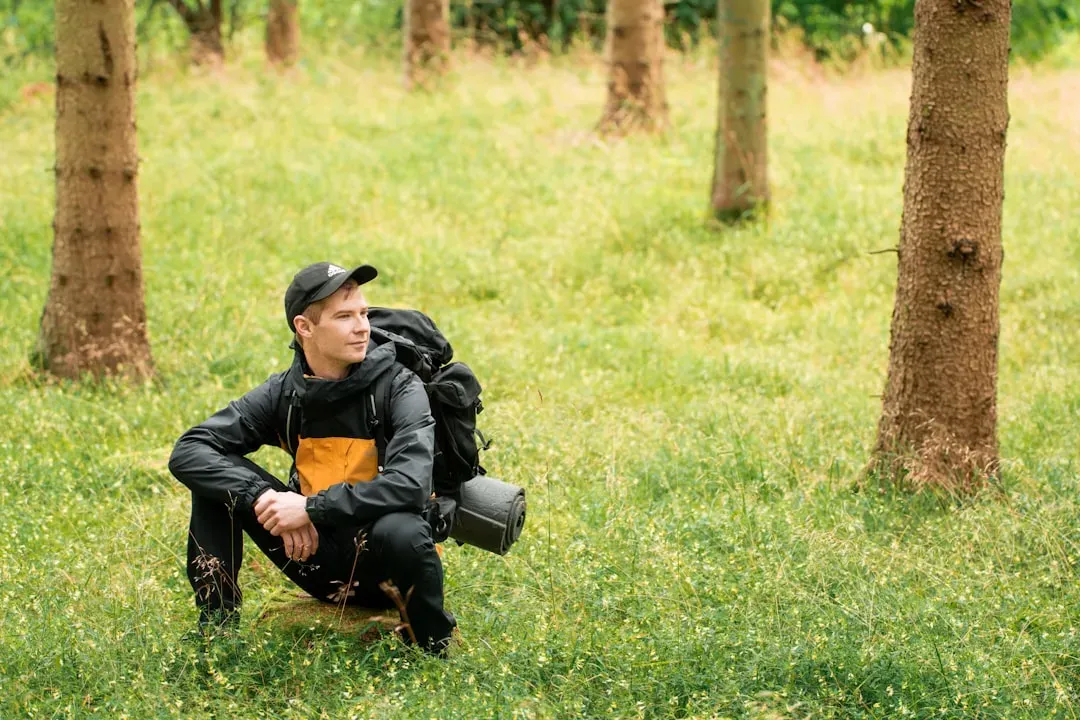
In Taoist thought, the natural world is both teacher and mirror, with mountains embodying steadiness, rivers revealing adaptability, and seasons reminding us that renewal follows decay. Spending time in nature isn’t just pleasant – it’s restorative. There’s something about witnessing the cycles of growth, decay, and renewal that puts your own struggles in context.
Resilient people often maintain a strong connection to the natural world. They watch seasons change and remember that their own difficult season will change too. They observe how trees bend in the wind without breaking. They notice how rivers persistently find their way around obstacles. Ancient wisdom encouraged aligning with the natural world and its rhythms, promoting a life of simplicity and moderation, with practices fostering connection to promote inner peace and resilience. These aren’t just pretty metaphors – they’re practical lessons in resilience.
You Cultivate Emotional Balance, Not Emotional Numbness
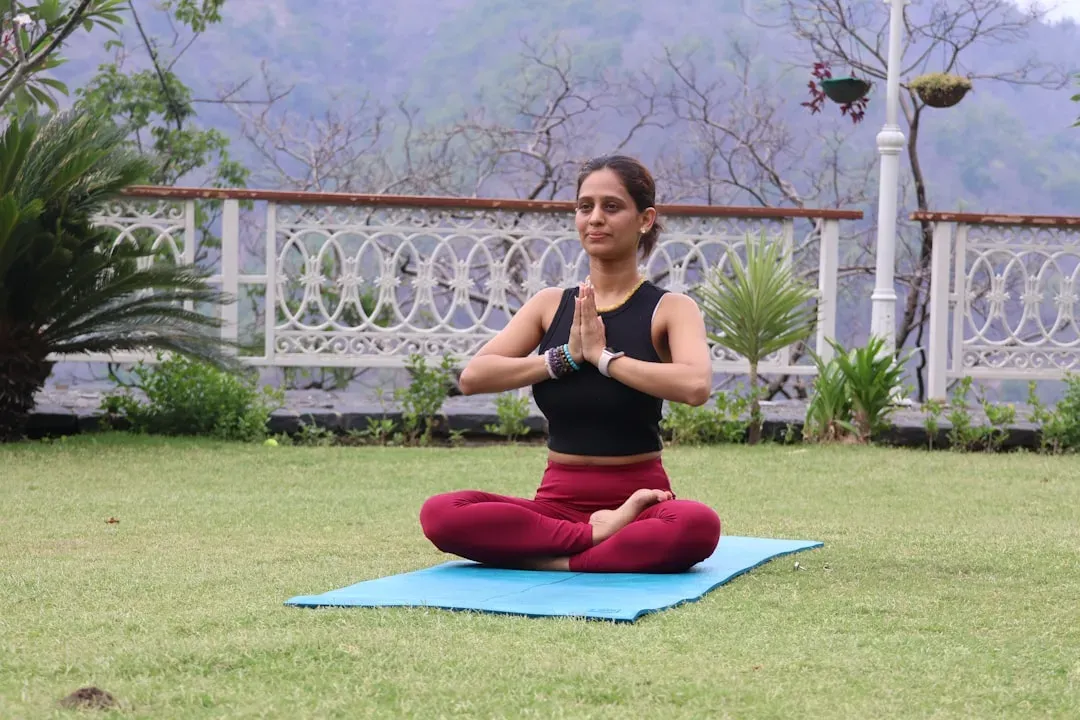
Stoicism isn’t about becoming emotionless or suppressing feelings. This is a common misconception. Resilient people feel deeply – joy, grief, anger, love. The difference is they don’t let emotions hijack the steering wheel. The concept of Yin-Yang highlights the importance of balancing two opposing yet complementary forces: active energy and restful energy, which work together to create harmony in life.
This balance is key. You need both energy and rest, both action and reflection, both feeling and thinking. Resilient individuals don’t suppress difficult emotions; they experience them fully, learn from them, and then let them pass. They understand that emotions are information, not orders. You can feel afraid without letting fear dictate your choices.
You Build Strong Connections with Others
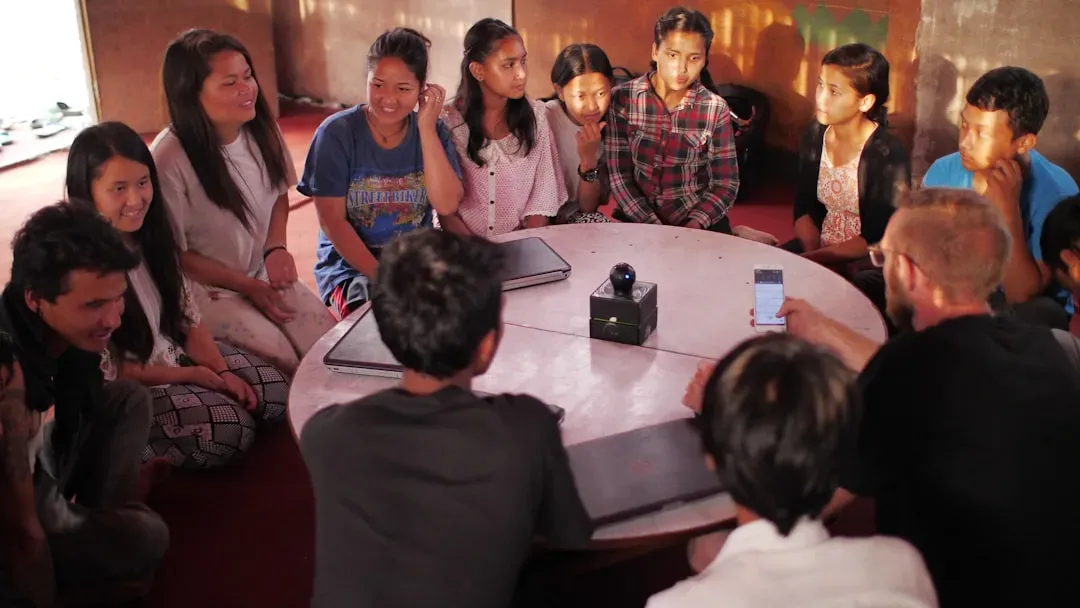
Ancient philosophers never believed that rugged self-reliance or indifference to the world around us is at the heart of living well, insisting we are at home in the world when we are connected to each other in cooperative efforts. This shatters the myth of the lone wolf. Real resilience isn’t about going it alone. It’s about knowing when to reach out, when to lean on others, when to admit you need help.
Ancient teachings emphasized that one is at home in the world when connected to others in cooperative efforts, and while self-mastery is essential, one draws on one’s deepest relationships for true strength and resilience. The strongest people aren’t those who never fall – they’re the ones who have people to help them back up. Investing in genuine relationships, building community, offering and accepting support – these aren’t signs of weakness. They’re foundational to lasting resilience.
You Align Your Actions with Your Core Values

Ancient philosophy encouraged striving to embody virtues in daily life, making ethical choices and treating others with kindness and respect. When you know what you stand for, decisions become clearer. Resilient people have done the work of identifying their core values – what truly matters to them – and they use these values as a compass during difficult times.
This alignment creates integrity, which literally means wholeness. When your actions match your values, you maintain a sense of self even when everything external is chaotic. You might lose your job, your home, your status, but you don’t lose yourself. This internal coherence is perhaps the deepest form of resilience. It’s what allows some people to endure unimaginable hardship without becoming bitter or broken.
Finding Your Way Back to Balance

Taoism sees resilience as return – the act of realigning with natural flow after losing harmony. Resilience isn’t about never falling apart. It’s about knowing how to put yourself back together. These twelve traits aren’t superhuman abilities – they’re cultivated skills, practiced over time, often learned through the very hardships they help you navigate.
The ancient philosophers understood something we’re only now rediscovering in modern psychology: you have more control over your inner life than you think. External circumstances will always be unpredictable, often painful, sometimes devastating. That’s the deal we all signed when we showed up here. The question isn’t whether you’ll face adversity. It’s whether you’ll develop the inner resources to meet it with grace, wisdom, and maybe even growth. What trait resonates most with you right now? Which one might you start practicing today?