Long before whales ruled the ocean, before great white sharks even existed, the seas were dominated by reptiles so bizarre and so brilliantly engineered that modern science is still catching up to just how extraordinary they really were. These were not clumsy creatures dragging themselves through the water. They were finely tuned predatory machines, each shaped by millions of years of relentless natural pressure into something almost impossible to believe.
You’ve probably heard of ichthyosaurs, mosasaurs, or plesiosaurs. But do you actually know what made them so remarkable? The truth is far stranger and far more fascinating than any movie has ever shown you. So buckle up, because this dive into prehistoric ocean biology is about to get surprisingly wild. Let’s get into it.
1. The Mosasaur’s Shark-Like Tail That Fooled Science for Over 200 Years
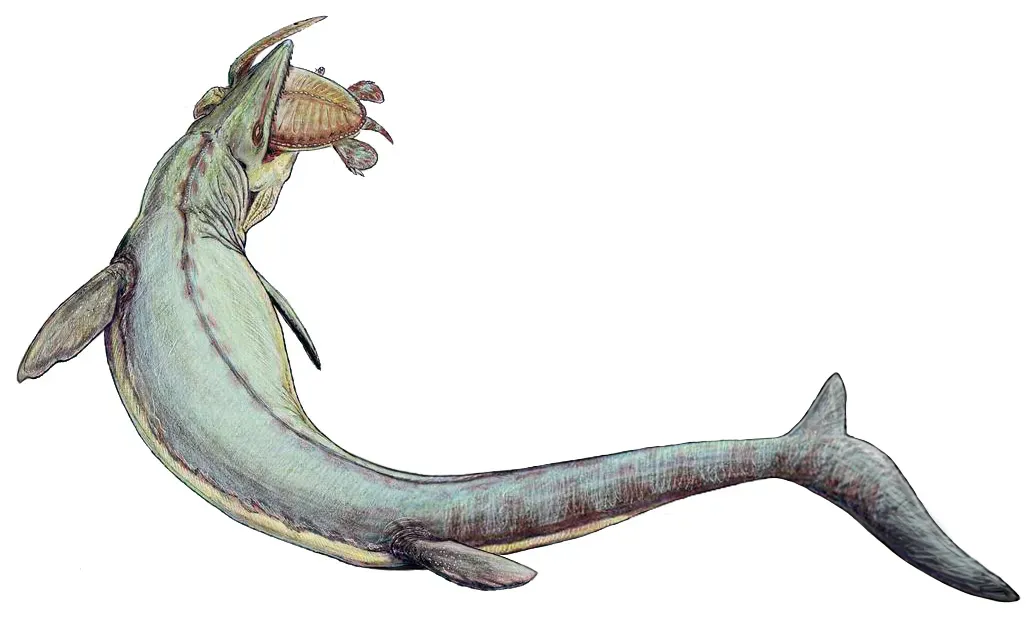
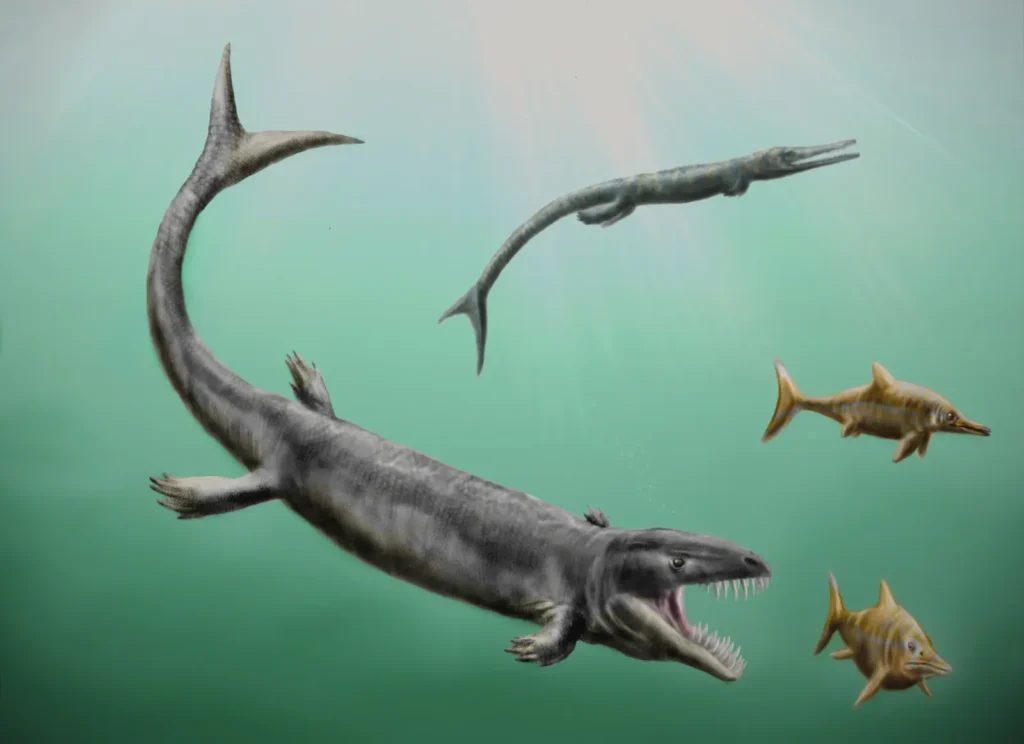
Here’s the thing – for more than two centuries, scientists had the mosasaur completely wrong. For over 200 years, scholars thought mosasaurs sported paddle-shaped tails much like sea snakes. That image, the sluggish serpentine swimmer, was wrong in almost every important way. It wasn’t until 2013, when a stunning fossil from Jordan came to light, that everything changed.
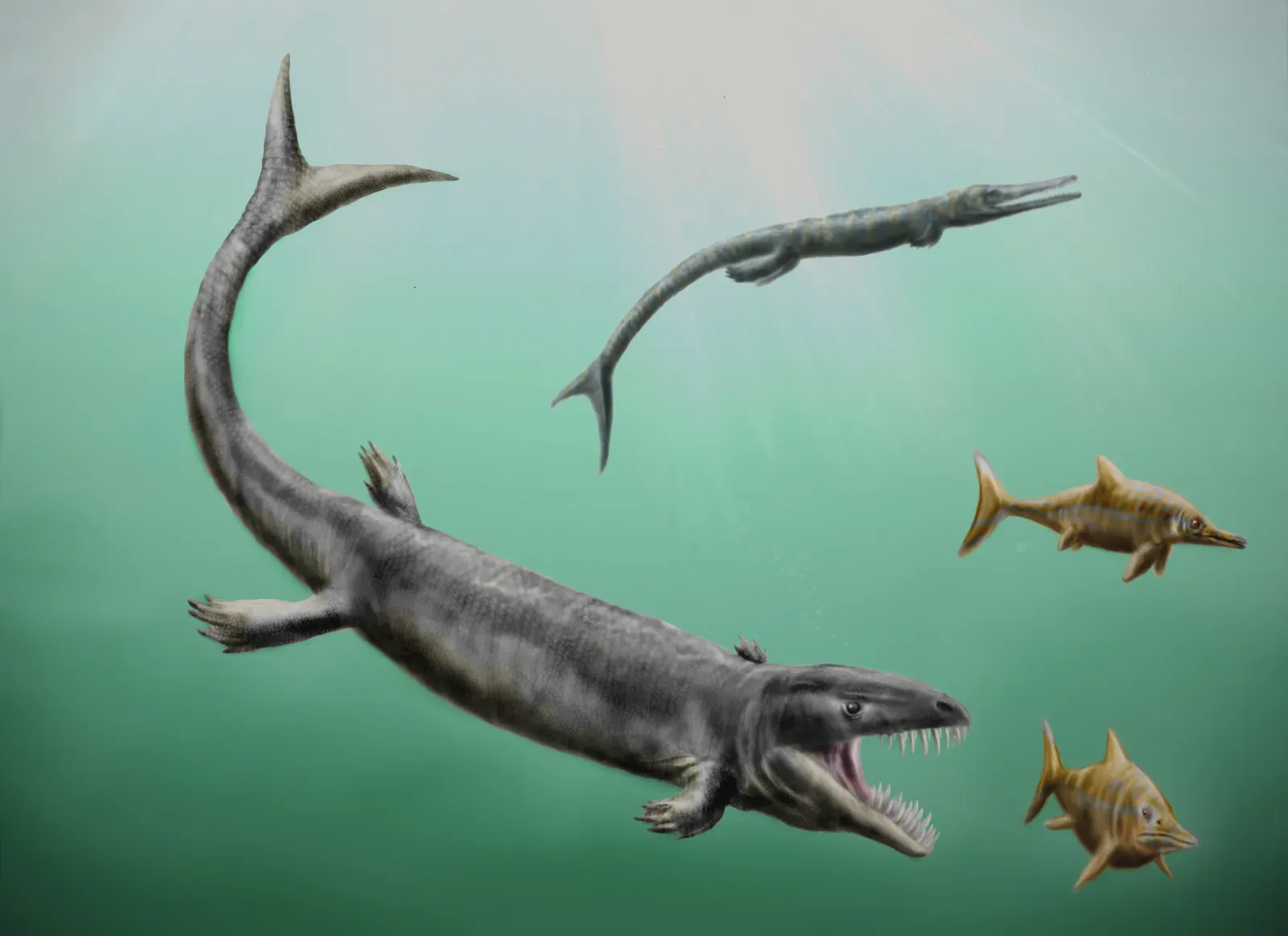
A specimen of the mosasaur Prognathodon, described in 2013, provided the first clear evidence of a sophisticated tail structure, preserving the outline of a large, crescent-shaped tail fluke similar in form to that of a modern shark. The discovery altered the understanding of how these animals lived and hunted. Think of it like discovering that a creature you assumed was jogging was actually sprinting. The shark-like tail fluke provided an efficient method of propulsion known as carangiform or thunniform locomotion. This swimming style concentrates movement in the rear portion of the body and the tail fin, while the rest of the body remains relatively rigid, which reduces drag as the animal moves through the water.
2. The Ichthyosaur’s Blubber Layer – A Warm-Blooded Secret Hidden in Stone
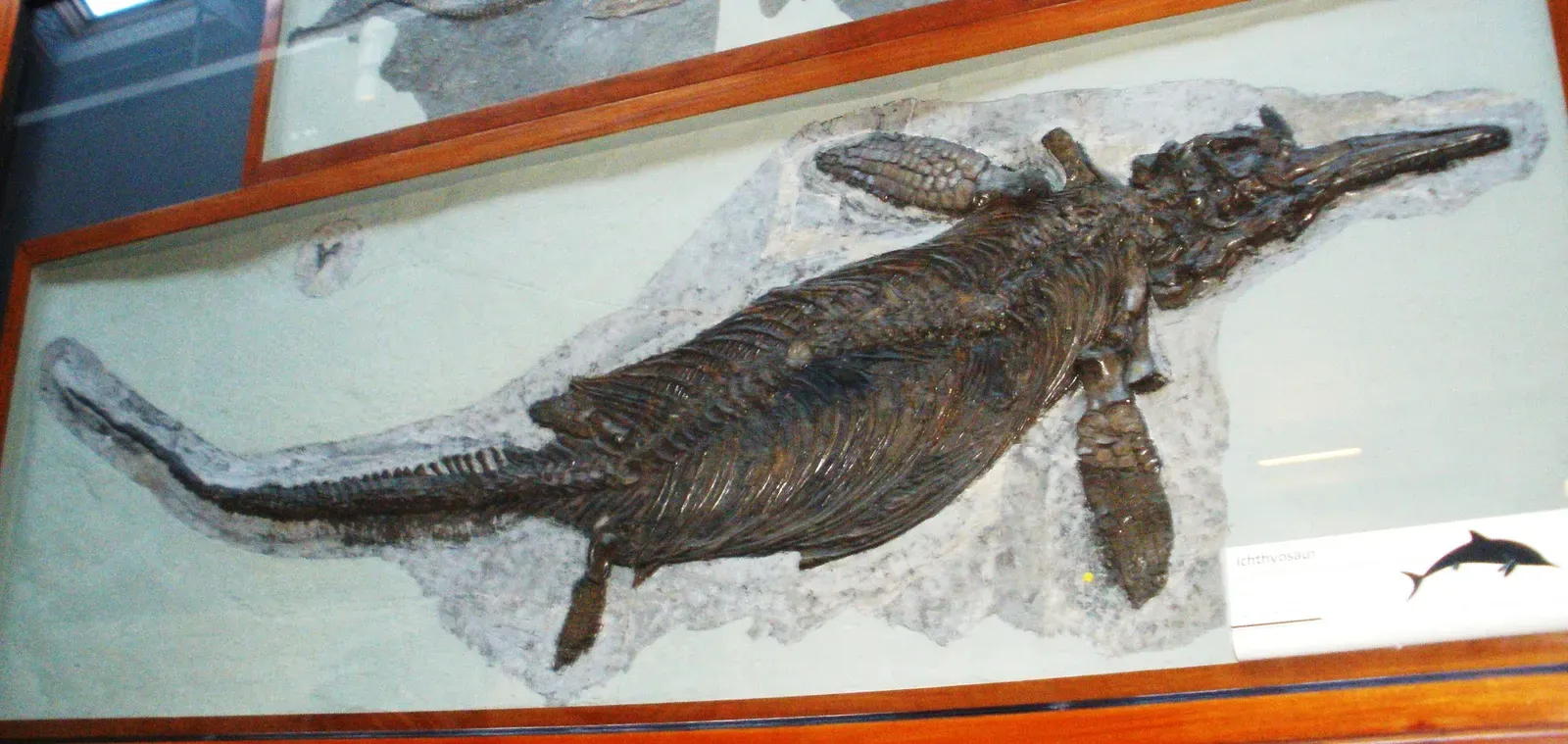
You might think of reptiles as cold, slow creatures that bask on rocks. Ichthyosaurs? Honestly, they were nothing like that. Ichthyosaurians were air-breathing, warm-blooded, and bore live young. Many, if not all, species had a layer of blubber for insulation. That’s right – a reptile with blubber, just like a whale or a dolphin.
Both ichthyosaurs and plesiosaurs were found to have a body temperature similar to that of today’s whales, between 95 to 102 degrees Fahrenheit. Scientists figured this out by analyzing the oxygen isotope ratios locked inside fossilized teeth – essentially reading body temperature from a tooth millions of years old. It’s almost poetic. A 2010 study of extinct marine reptiles compared geochemical proxies for temperature in fossil teeth with those found in the fossils of extinct fish, and researchers found that both ichthyosaurs and plesiosaurs had elevated body temperatures compared with the fish.
3. The Enormous Eyes of Ophthalmosaurus – Nature’s Deep-Sea Night Vision
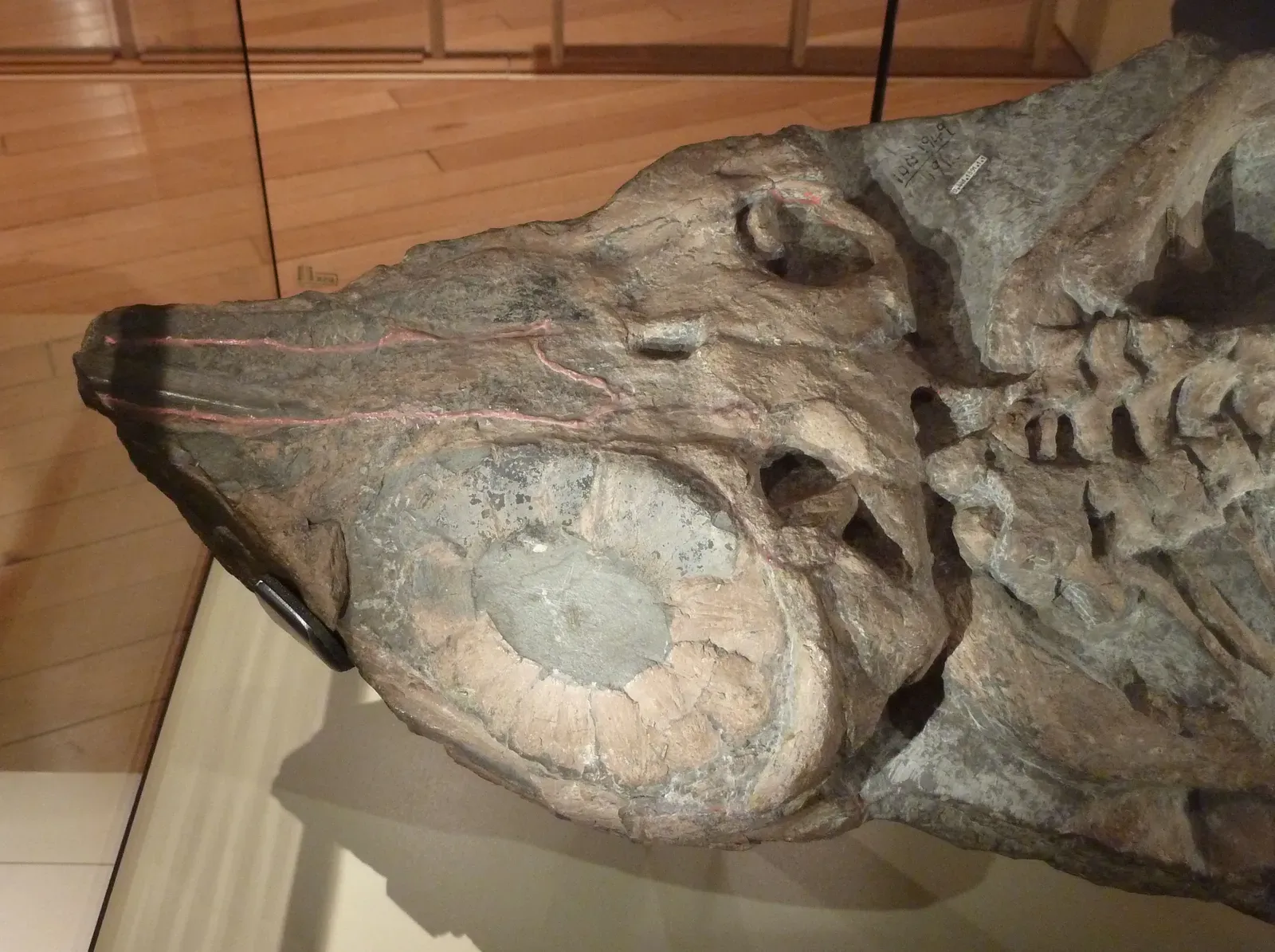
Some ichthyosaurs were enormous, while others were more modest in size, like Ophthalmosaurus, which reached about 6 meters in length. Its eyes were proportionally larger than any known marine creature, supported by bony scleral rings to withstand crushing depths. To put that in perspective, imagine a creature about the size of a large car with eyes the diameter of a dinner plate. That’s not exaggeration – that’s paleontology.
The eyes of Ophthalmosaurus were supported by bony growths called scleral rings, which were extremely well-developed. Beyond the obvious large size of the eye, these rings would have supported the eye against the crushing effect of the water that would have been at a much higher pressure than the water nearer the surface. Examination of the joints of Ophthalmosaurus has also revealed damage to the bones caused by decompression sickness. In other words, this creature was diving so deep it was getting the bends – just like human divers who surface too quickly. Ophthalmosaurus was a deep-diving Jurassic ichthyosaur that dominated deep niches, with its disc-shaped vertebrae minimizing gas buildup and enabling hunts lasting up to 20 minutes submerged.
4. Viviparity – Giving Birth Live in Open Ocean
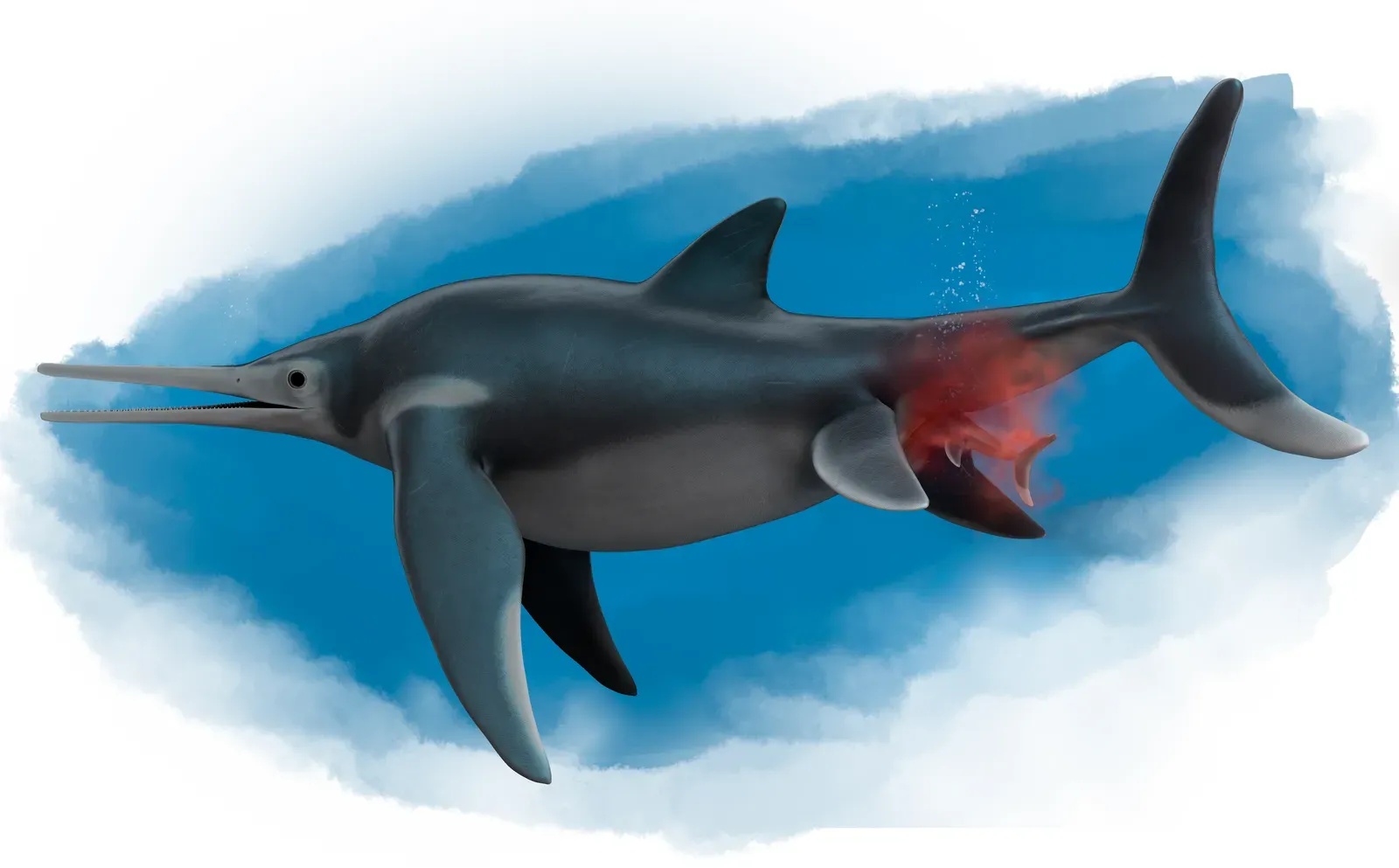
Let’s be real – giving birth in the middle of the open ocean, with no land, no nest, nothing, is genuinely extreme. Yet several prehistoric marine reptiles pulled it off perfectly. Over time, evidence for live birth in other marine reptiles has piled up. A fossil of the long-snouted, short-necked plesiosaur Polycotylus, for example, was found with the bones of an embryo inside, and mosasaurs evolved the ability to give live birth as well.
Ichthyosaurs were viviparous, bearing live young instead of laying eggs. Although they were reptiles descended from egg-laying ancestors, viviparity is not as unexpected as it first appears. Air-breathing marine creatures must either come ashore to lay eggs or give birth to live young in surface waters. Given their streamlined and transversely flattened bodies, heavily adapted for fast swimming, it would have been difficult, if not impossible, for ichthyosaurs to move far enough on land to lay eggs. Evolution, when forced, tends to find a way. Fossils reveal that they gave live birth, with embryos positioned tail-first to prevent drowning during delivery.
5. Plesiosaur Bone Density – The Underwater Ballast System
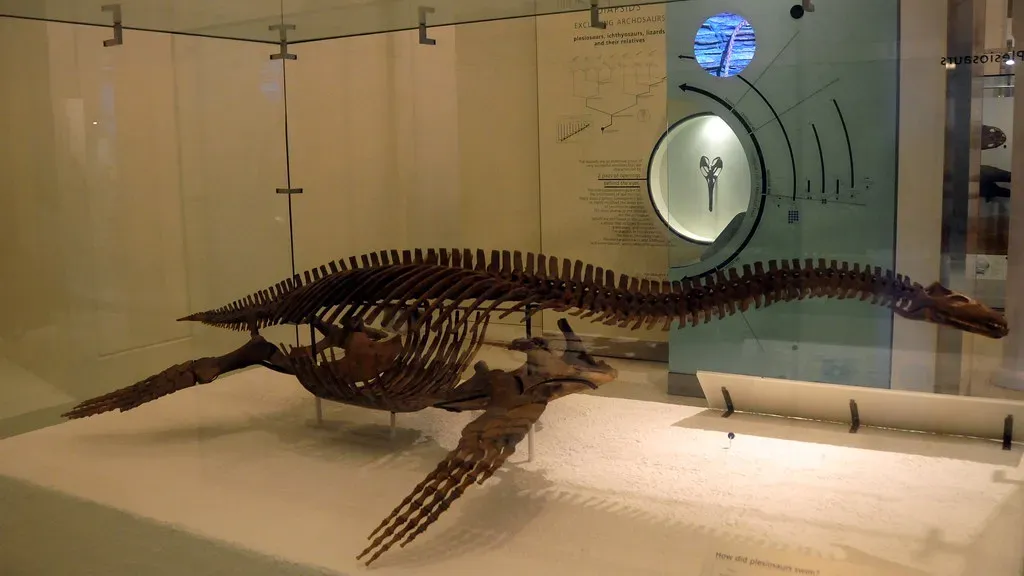
Most animals with lungs float quite easily in water. Plesiosaurs, however, had an elegant solution to what must have been an annoying buoyancy problem. Unlike many marine animals with lightweight bones, plesiosaurs evolved heavy, compact bones that helped counteract lung buoyancy. This adaptation not only stabilized them underwater but also increased the likelihood of preservation after death. It’s like carrying built-in ballast weights – the same concept used in submarines.
Some plesiosaurs even retain stomach contents, such as fish bones and cephalopod hooks, as well as gastroliths – smooth stones swallowed to aid digestion or fine-tune buoyancy. So you’ve got dense bones plus deliberately swallowed stones – both serving as a finely calibrated depth-control system. All plesiosaurs shared a distinctive anatomical blueprint that set them apart from every other marine reptile that ever lived. Their bodies were broad, rigid, and barrel-shaped, built around a strong ribcage that resisted twisting.
6. The Four-Flipper Flying Motion of Plesiosaurs
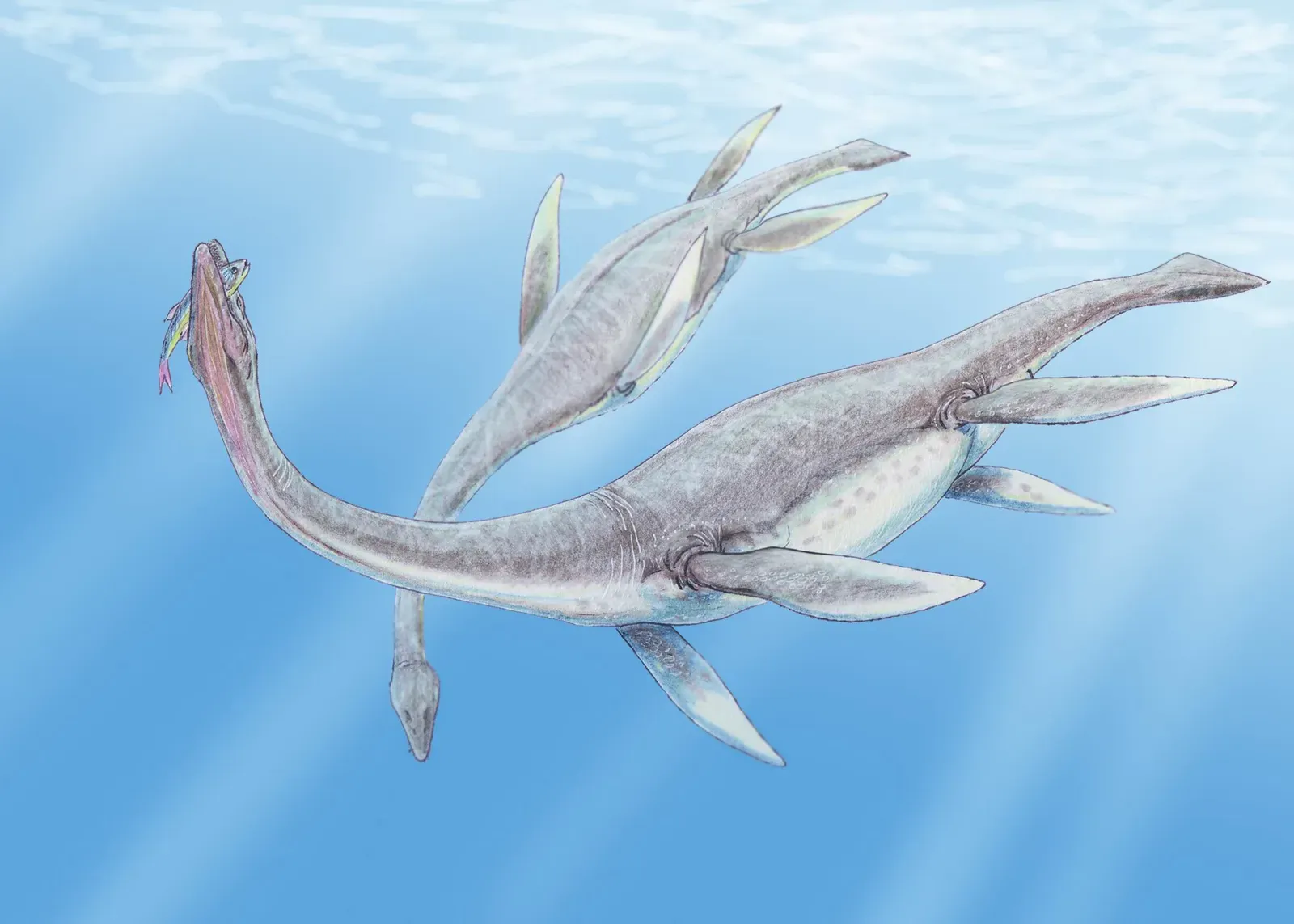
Most sea creatures push themselves through the water using a tail. Plesiosaurs did something completely different, and honestly, it still puzzles researchers today. The flipper arrangement of plesiosaurs is unusual for aquatic animals in that probably all four limbs were used to propel the animal through the water by up-and-down movements. The tail was most likely only used for helping in directional control. This contrasts with ichthyosaurs and the later mosasaurs, in which the tail provided the main propulsion.
Think of it like a giant underwater bird, flapping four wings simultaneously instead of swimming with a tail. Their movement through the ocean saw them flapping their four flippers as birds flap their wings. To power the flippers, the shoulder girdle and the pelvis had been greatly modified, developing into broad bone plates at the underside of the body, which served as an attachment surface for large muscle groups able to pull the limbs downwards. The engineering here is breathtaking when you really think about it.
7. Mosasaur Keeled Scales – Hydrodynamics Written in Skin
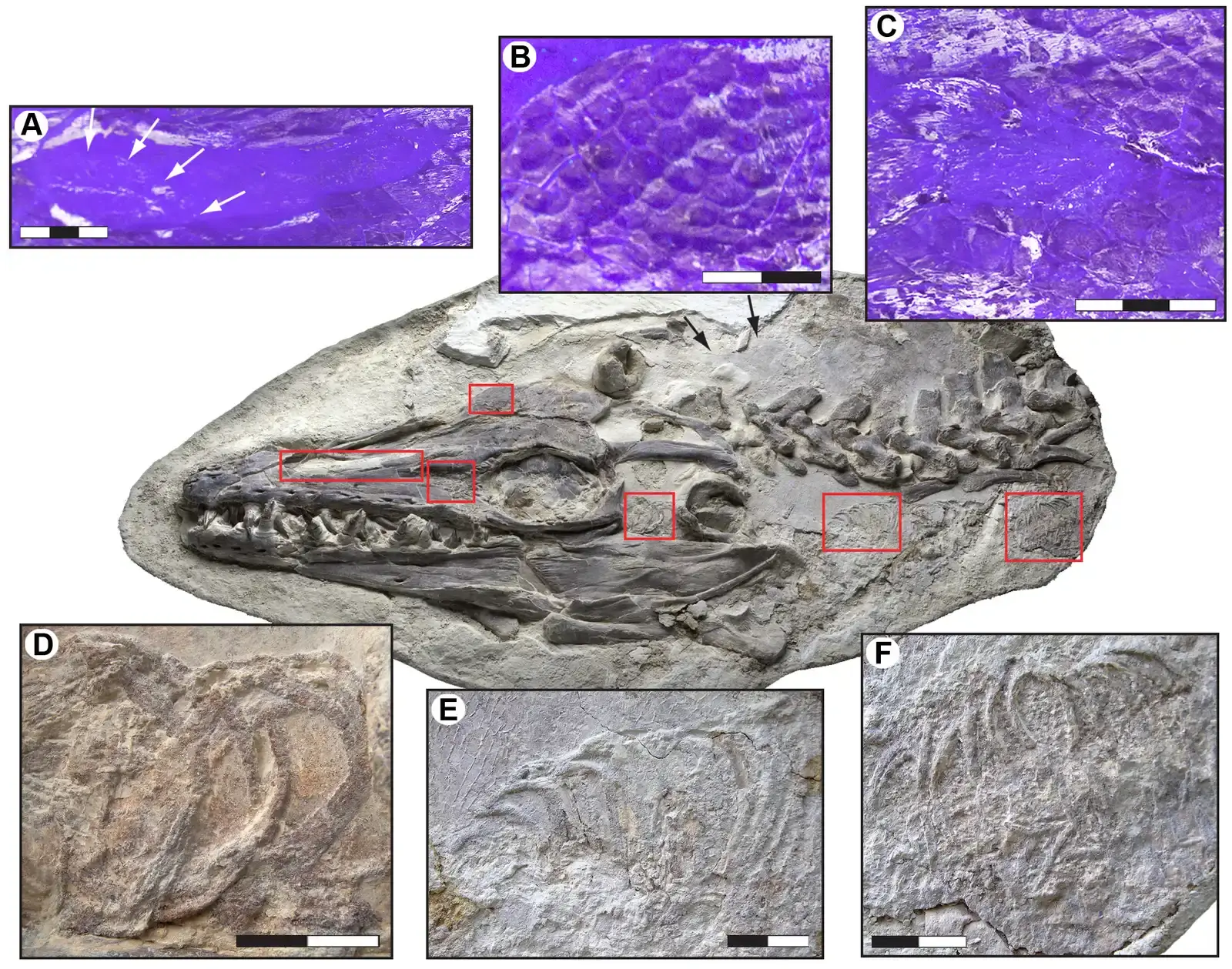
You might assume that skin texture barely matters underwater. In reality, it can be the difference between a fast predator and a slow one. A fossil of the large mosasaur Plotosaurus described in 2009 preserved fossil soft tissues along with the bones, including scaly skin. The scales of Plotosaurus were small and roughly similar to those of modern lizards, but they possessed an important specialization – these scales were keeled in such a way that they streamlined the lizard’s body and would have allowed it to swim with less effort, a critical adaptation for a predator thought to have cruised open waters.
The findings on the caudal fluke morphology, along with previous work on the streamlined body shape, keeled scales, and modified limbs, provide compelling evidence that derived mosasaurs were hydrodynamically advanced animals capable of high-efficiency swimming. This is convergent evolution at its most jaw-dropping – a lizard independently developing the same hydrodynamic skin solutions as modern sharks. The emerging evidence suggests that aquatic adaptations evolved relatively quickly within the group, within less than 10 million years, and likely convergently.
8. The Crushing Teeth of Placodonts – Prehistoric Nutcrackers of the Sea
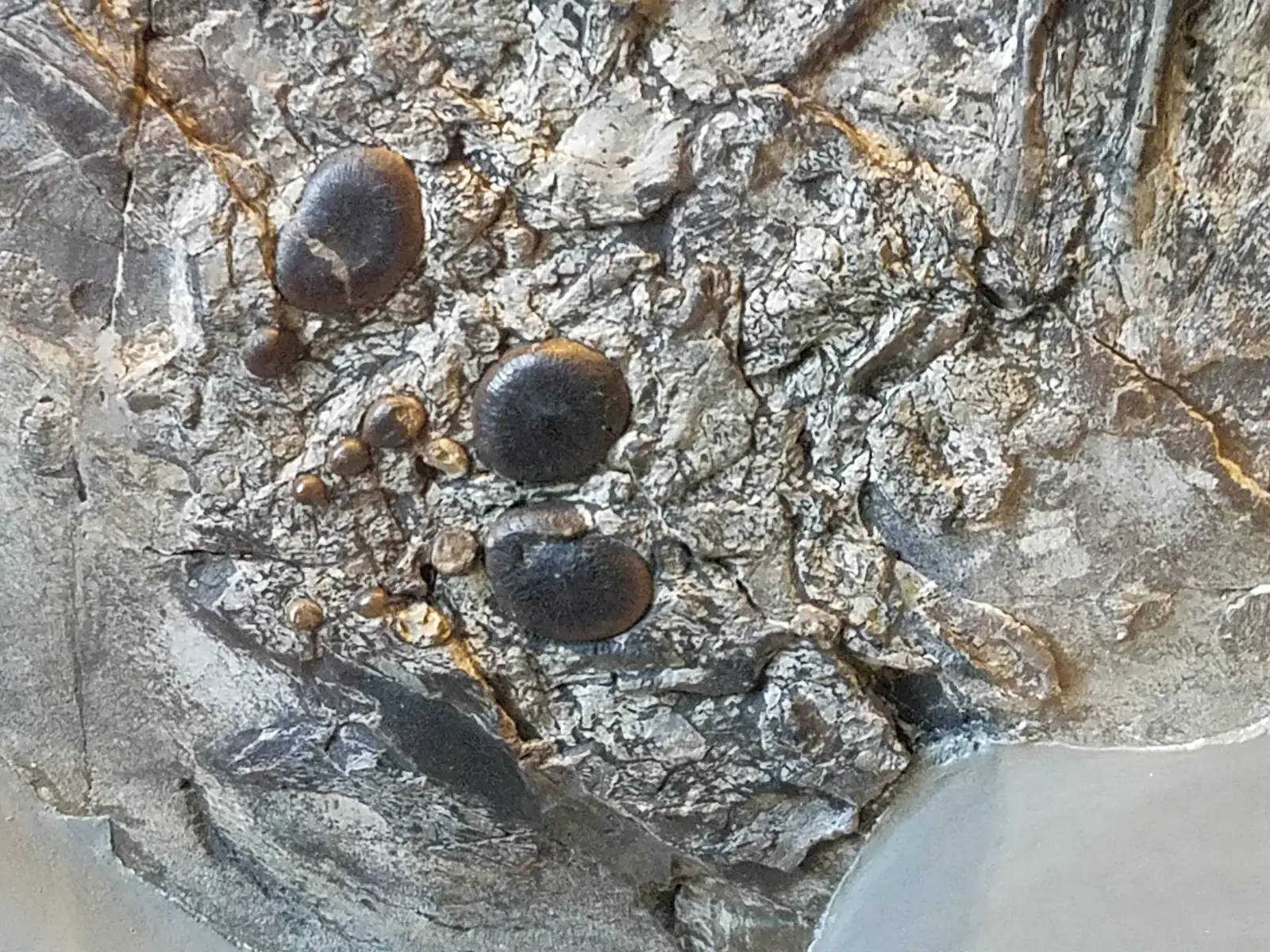
Most prehistoric marine reptiles were built to chase fast prey. Placodonts took a radically different approach – they specialized in crushing hard-shelled creatures that nothing else could eat. Placodonts demonstrate the strongest adaptation to a durophagous diet known in any reptile, with teeth that are broad and flat rather than small and pointed. Imagine teeth designed less like knives and more like flat grinding stones mounted in a jaw.
The evolutionary ancestors of placodonts had long, pointy teeth even on the roof of the mouth, especially suitable for catching soft-bodied prey. In contrast, placodonts are easily identified by their crushing teeth, bulbous in early placodonts and flattened in species that occur later in the evolutionary lineage. The diet of placodonts consisted of marine bivalves, brachiopods, and other hard-shelled invertebrates. They were notable for their large, flat, often protruding teeth, which they used to crush molluscs and brachiopods. The palate teeth were adapted for this durophagous diet, being extremely thick and large enough to crush thick shell.
9. The Plesiosaur’s Extraordinary Neck – Over 70 Vertebrae in a Single Spine
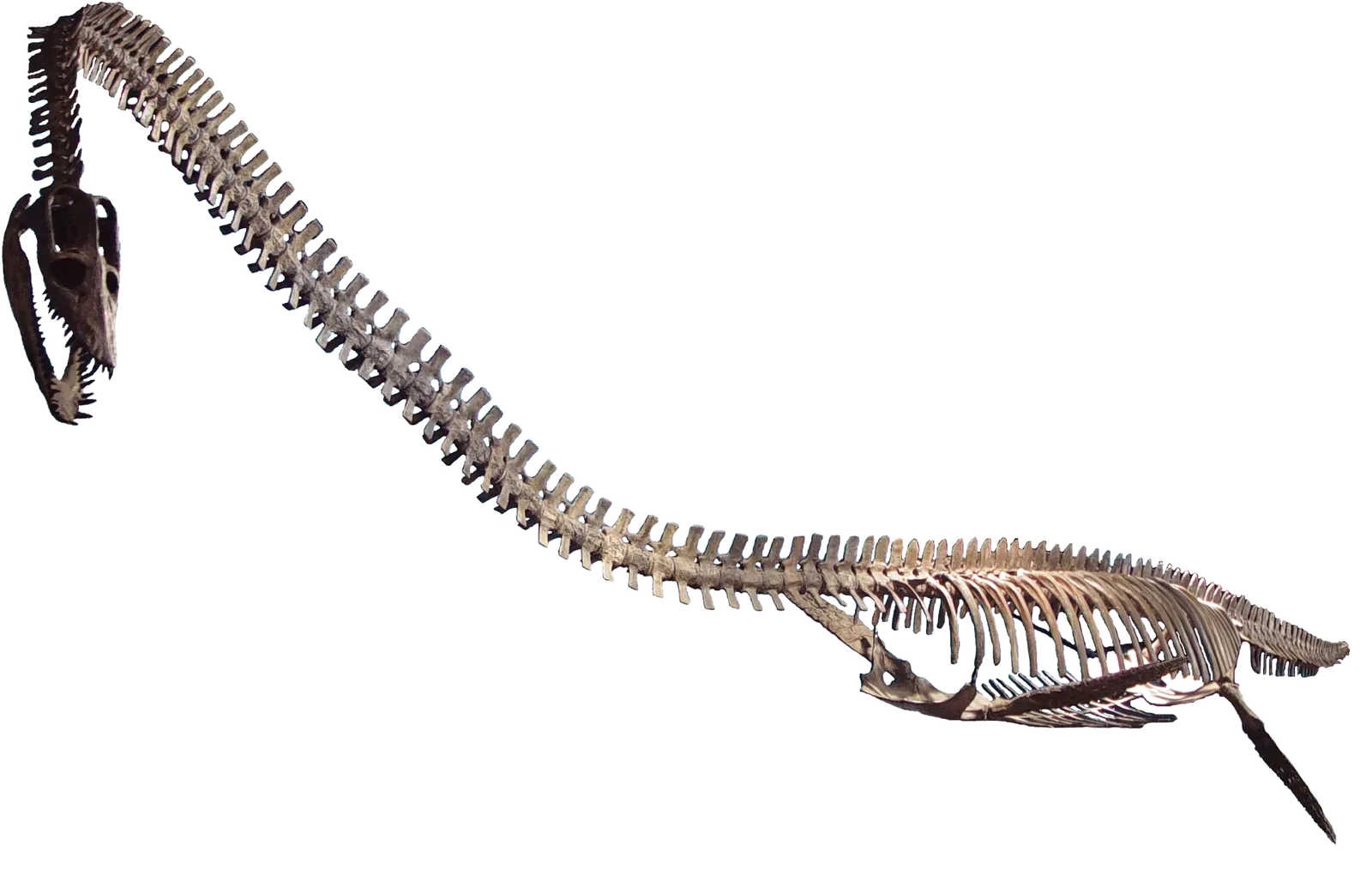
There are animals with long necks. Then there is the elasmosaurid plesiosaur. Some plesiosaurs had necks longer than their entire bodies, with as many as 70 or more vertebrae – more than any other known vertebrate animal. That’s not just remarkable, it’s unprecedented in the entire history of vertebrate life on Earth. A giraffe has seven neck vertebrae. Seventy is on a different planet entirely.
It’s hard to say for sure exactly how they used such extreme neck length in hunting, but the leading ideas are fascinating. Some plesiosaurs likely used their long necks to ambush prey, snapping up fish and cephalopods. Others went in a completely different direction, abandoning long necks in favor of massive skulls, short muscular necks, and immense bite strength. These short-necked forms are commonly known as pliosaurs, and they represent one of the most extreme predatory body plans ever to evolve in the sea. Two wildly different evolutionary strategies, side by side in the same ancient ocean.
10. Ichthyosaur Disc-Shaped Vertebrae – A Skeleton Reinvented for the Sea
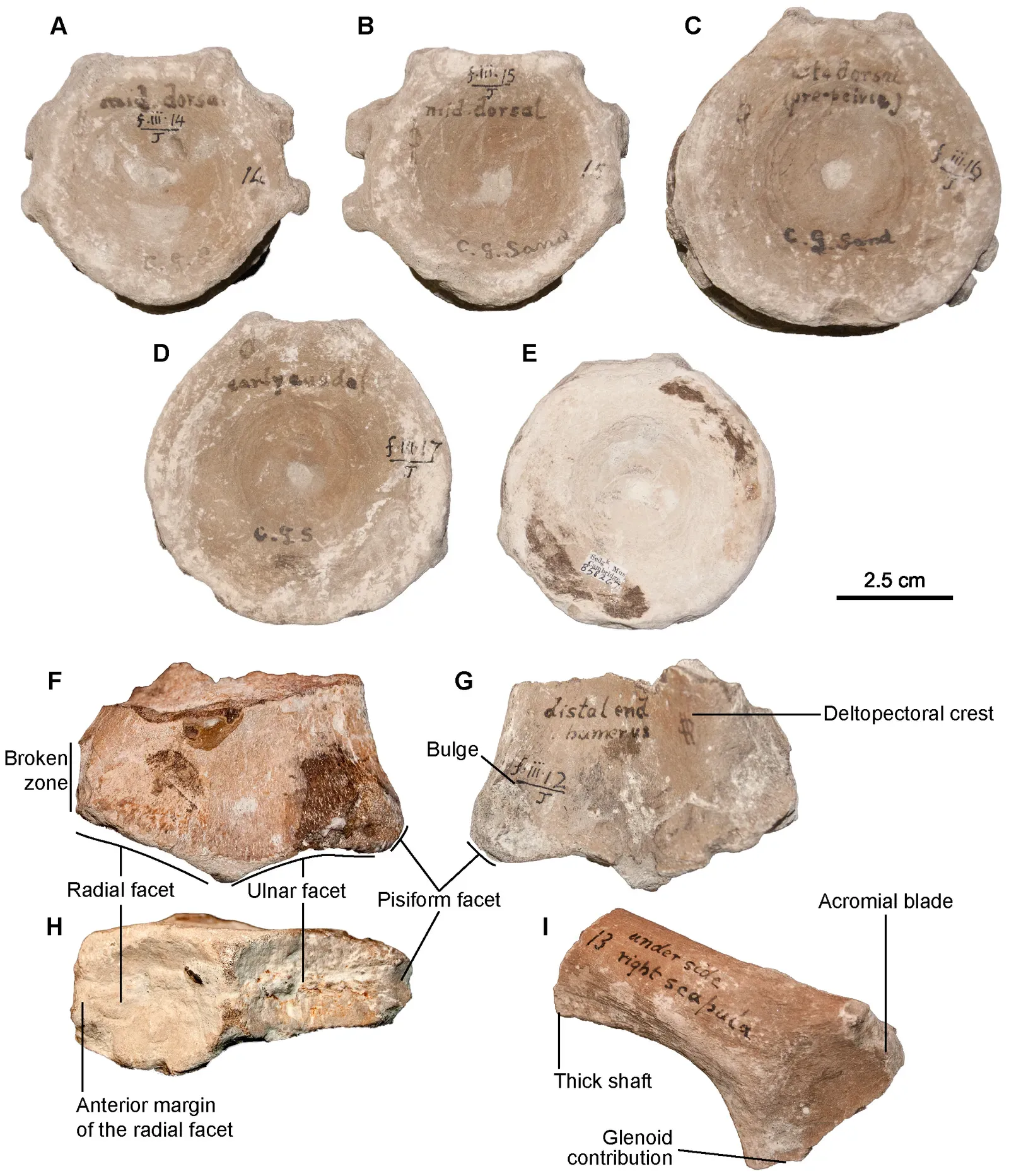
When you take a land animal and put it in water, certain structural elements of the skeleton become unnecessary. Ichthyosaurs took this remodeling further than almost any other vertebrate. Basal ichthyopterygia, like their land-dwelling ancestors, still had vertebrae that possessed a full set of processes allowing them to interlock. As ichthyosaurs were fully aquatic, their bodies were supported by the Archimedes force exerted by the water. Therefore, the vertebral processes lost much of their function, and early ichthyosaurs had rear dorsal vertebrae that became disc-shaped, like those of typical fishes.
The result was a spine uniquely suited to fast, fluid movement through water. Their length-to-depth ratio was between three and five, the optimal number to minimize water resistance or drag. Their smooth skin and streamlined bodies prevented excessive turbulence. Their hydrodynamic efficiency, the degree to which energy is converted into forward movement, would approach that of dolphins. Evolution didn’t just tweak this animal – it fundamentally reimagined its skeleton from the inside out.
11. Placodont Body Armor – A Turtle Shell That Evolved Independently
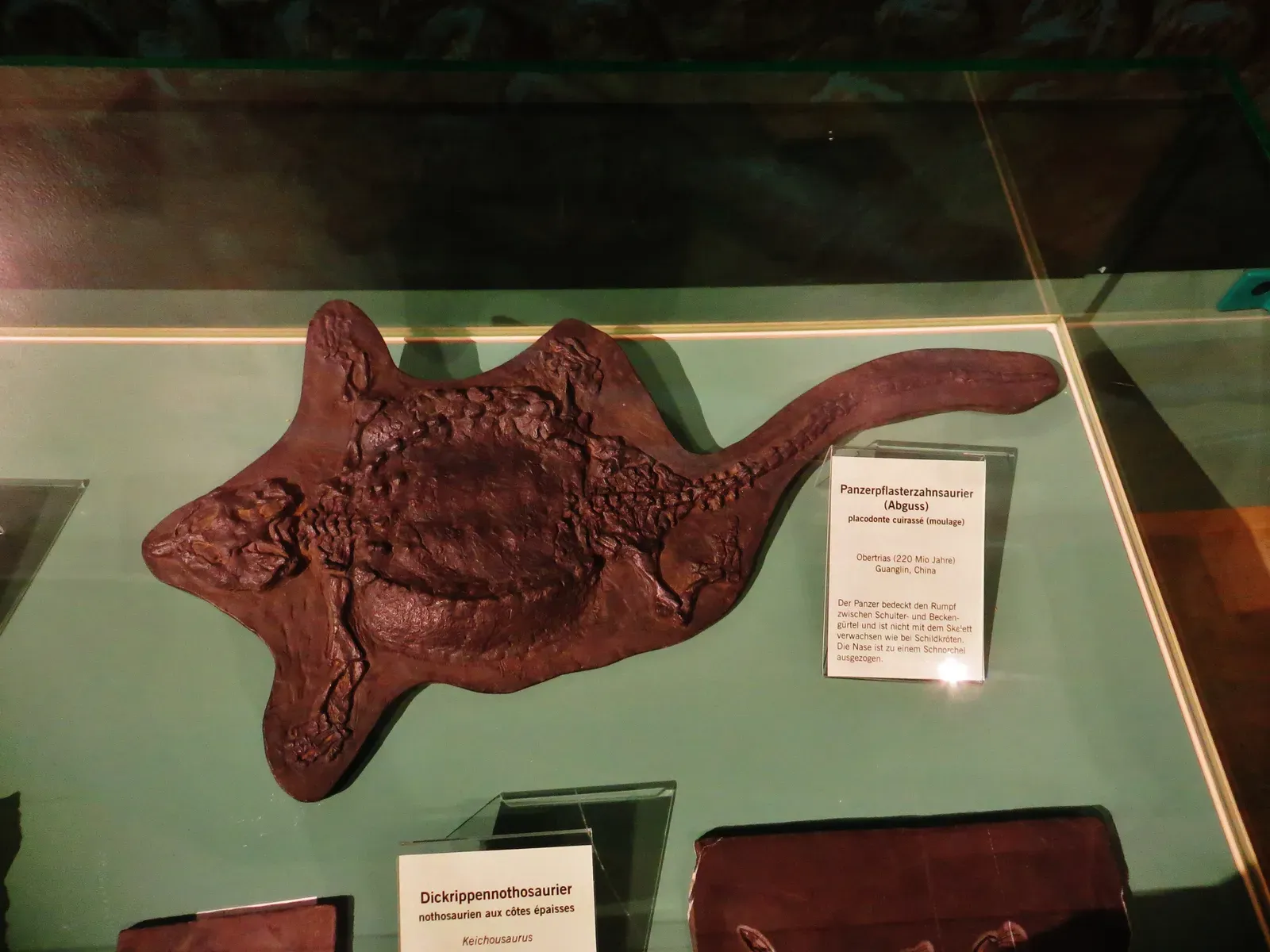
I know it sounds crazy, but one group of prehistoric marine reptiles effectively invented the turtle shell on their own, completely independently of actual turtles. As carnivorous reptiles began to colonize the seas, later placodonts developed bony plates on their backs to protect their bodies while feeding. By the Late Triassic, these plates had grown so much that placodonts such as Henodus and Placochelys resembled the sea turtles of the modern day more than their own ancestors without bony plates.
Other placodonts, like Psephoderma, developed plates in a different articulated manner that resembled the carapace of horseshoe crabs more than those of sea turtles. All these adaptations can be counted as perfect examples of convergent evolution, as placodonts were not related to any of these animals. In contrast, the armored placodonts developed a broad, turtle-like shell on their backs as well as, in some kinds, armor on the neck, skull, and tail. This is evolution solving the same problem – being eaten – in remarkably similar ways across completely unrelated lineages.
12. The Rapid Land-to-Sea Transformation of Mosasaurs
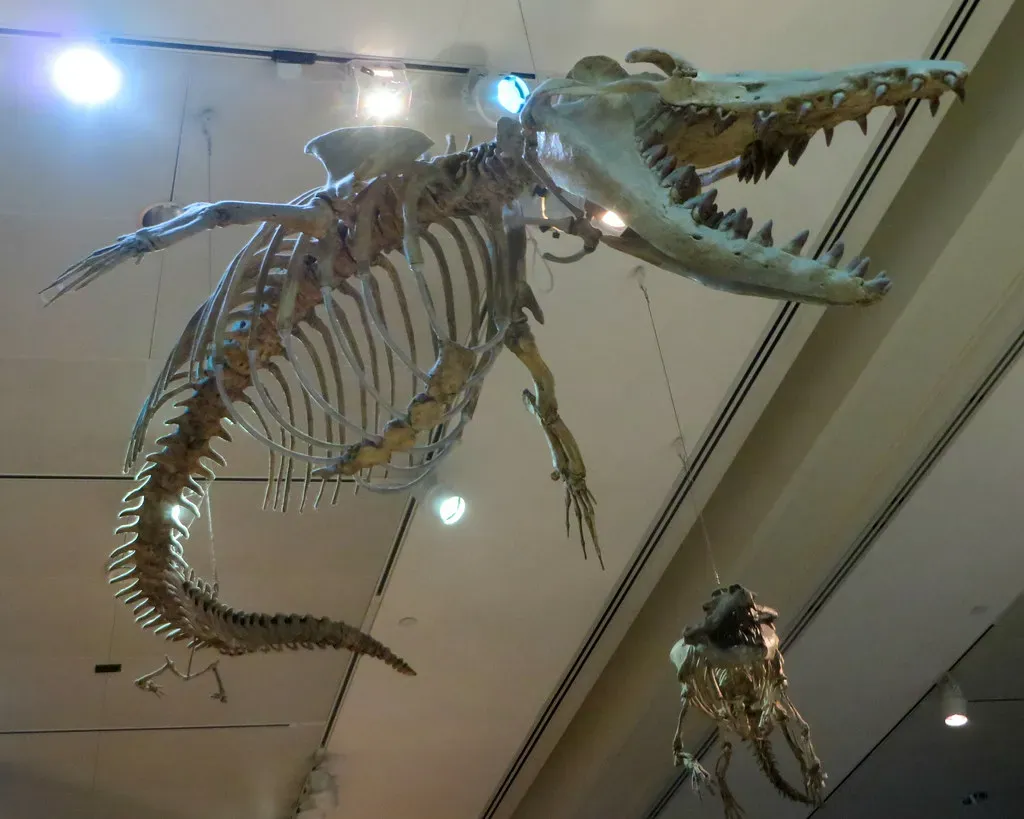
Mosasaurs lived approximately 98 to 66 million years ago. In their early history, they had legs and feet and likely resembled modern monitor lizards – after moving into shallow lakes, streams, and eventually the ocean, they adapted by becoming more streamlined and developed fins and tails. What makes this truly staggering is the speed at which it happened. In evolutionary terms, this transformation was practically overnight.
Mosasaurs were latecomers to the marine reptile scene, appearing in the Late Cretaceous period. These fearsome predators were related to modern-day lizards and ranged in size from a few feet to over 50 feet in length. Mosasaurs dominated the oceans during their relatively short existence. Mosasaurs rose to dominance during a period of major change in marine ecosystems. Earlier ocean predators such as ichthyosaurs had already gone extinct, and plesiosaurs were declining. This left an opening for mosasaurs to rapidly diversify and take over as the primary large predators in the world’s seas. A monitor lizard, given enough time and pressure, became a shark-like ocean ruler. That is evolution in its most extraordinary form.
Conclusion: Ancient Seas, Timeless Lessons
What you’ve just explored is not simply a list of strange creatures from deep time. It’s a masterclass in what life is capable of when pushed to the edge. Every single one of these adaptations, from blubber in a reptile to a rebuilt vertebral column to an eye the size of a football, tells you something profound about how evolution responds to challenge. Not slowly, not predictably, but creatively and sometimes with shocking speed.
Varied lineages of marine reptiles all underwent different modifications as they evolved in the aquatic realm. The physical disparities among ichthyosaurs, plesiosaurs, mosasaurs, and other marine reptiles underscore the fact that there was no single, optimal way to be a saurian in the water. That, honestly, is the most human takeaway of all. There is no single right answer. There are only solutions – endlessly creative, endlessly surprising ones.
Which of these adaptations surprised you most? Drop your thoughts in the comments – because honestly, the ancient oceans deserve far more of our attention than they get.