
You’ve probably wondered what makes people genuinely happy. Not just that fleeting joy after scoring a great deal or having a fun night out, but that deeper sense of contentment that lingers. Here’s the thing: happiness isn’t some modern invention or Western obsession. It’s woven into the fabric of human existence, showing up in ancient Greek philosophy, Buddhist teachings, and contemporary psychology research alike. What’s fascinating is that despite our vastly different languages, traditions, and lifestyles, certain truths about happiness seem to echo across every corner of the globe.
Think about it. Whether you’re living in a bustling metropolis or a quiet village, certain experiences just make us feel alive and fulfilled. These aren’t random accidents or cultural quirks. They’re fundamental aspects of what it means to be human. So let’s dive in and explore what truly matters when it comes to living a life that feels good, meaningful, and worth celebrating.
Strong Relationships Are the Foundation of Joy

Research spanning numerous countries reveals that stable and loving partner and family relationships are widely regarded as the most significant predictors of well-being. It’s not about how many friends you have on social media or how popular you are at parties. The quality of your connections matters far more than the quantity. When you have people who genuinely see you, support you, and share your ups and downs, life simply feels better.
The Harvard Study of Adult Development, one of the world’s longest studies tracking human happiness over 87 years, found that good relationships keep us happier and healthier. This isn’t just feel-good advice. People with strong social ties live longer, experience less physical pain, and maintain sharper mental faculties as they age. Your grandmother was right when she said friends are the family you choose. Nurturing those bonds might be the smartest investment you’ll ever make.
Purpose Gives Life Direction and Meaning

Having goals and meaning in life enhances fulfillment, and psychological research shows this sense of purpose contributes significantly to long-term well-being. You know that feeling when you wake up and there’s something you’re genuinely excited to do? That’s purpose at work. It doesn’t have to be grand or earth-shattering. Maybe you’re passionate about teaching neighborhood kids to read, or you’re building something with your hands, or you’re working toward a career that aligns with your values.
Without purpose, days blur together into a meaningless slog. With it, even challenging moments feel worthwhile. Different cultures express this differently – the Japanese call it ikigai, that sweet spot where what you love, what you’re good at, what the world needs, and what you can be paid for all intersect. Whatever you call it, finding your reason for getting out of bed transforms ordinary existence into something genuinely satisfying.
Gratitude Shifts Your Perspective

Appreciating the present moment boosts happiness, as gratitude and mindfulness are strongly linked to psychological well-being. It sounds almost too simple, doesn’t it? Just be thankful for what you have. Yet this practice has profound effects on how you experience daily life. When you actively notice the good things – even small ones like a perfect cup of coffee or a stranger’s smile – your brain literally rewires itself to spot more positivity.
Gratitude isn’t about ignoring problems or pretending everything’s perfect. It’s about balance. Sure, your job might be stressful and your commute annoying, but maybe you also have a cozy home to return to and a pet who’s unreasonably happy to see you. Acknowledging both realities keeps you grounded without drowning in negativity. Cultures around the world, from indigenous communities to modern societies, have always incorporated gratitude rituals into their daily lives for good reason.
Physical and Mental Health Form the Bedrock

A healthy body and mind create the foundation for joy, as physical and mental health are fundamental to experiencing happiness. You can’t really enjoy life when you’re constantly exhausted, in pain, or struggling with untreated mental health issues. This isn’t about achieving some Instagram-perfect physique or never having a bad day. It’s about taking basic care of yourself so you actually have the energy and clarity to appreciate life’s good moments.
Sleep matters. Movement matters. What you put in your body matters. How you process stress matters. These aren’t separate from happiness – they’re prerequisites for it. Different cultures approach wellness differently, but the core truth remains: when your body and mind are functioning well, everything else becomes easier. Even small improvements, like taking a daily walk or talking to someone about your worries, can shift your entire experience of being alive.
Community Connection Provides Belonging

Happy people tend to have good relationships and social support, with the happiest individuals being those who have people they can turn to in times of need. Humans are social creatures. We evolved in tribes, and that need for belonging is still hardwired into us. When you feel part of something larger than yourself – whether that’s a neighborhood, a faith community, a hobby group, or a tight-knit workplace – you experience a sense of security and identity that solitary achievements can’t provide.
Research shows that both helpers and recipients experience greater happiness from caring and sharing in contexts involving caring connections, choice, and clear positive impact, with benevolent acts remaining significantly higher globally even after pandemic levels decreased. Being part of a community means both receiving support and offering it. That reciprocity creates meaning. You matter to others, and they matter to you. It’s beautiful and messy and deeply human.
Autonomy and Personal Freedom Matter

In every culture, wealthier people generally are happier than less wealthy people, though this relationship is stronger for life satisfaction than emotional well-being. Now, this isn’t really about money itself. It’s about what money provides: choices. Financial security means you can make decisions about your life rather than constantly reacting to crises. You can choose work that aligns with your values, live where you want, and invest in experiences that matter to you.
Personal freedom extends beyond finances, though. It’s about having control over your daily existence – deciding how you spend your time, who you spend it with, and what you pursue. Cultures vary widely in how much they emphasize individual autonomy versus collective harmony, yet within every society, people who feel they have some agency over their lives report greater satisfaction. Feeling trapped or powerless is universally miserable.
Acceptance of Life’s Natural Ups and Downs

The Japanese describe happiness by alluding to social harmony and the transient nature of happiness, recognizing its socially disruptive consequences. Western culture often pushes this idea that you should be happy all the time, which is honestly exhausting and unrealistic. Other traditions embrace a more nuanced view. Life includes sadness, frustration, loss, and boredom alongside joy and excitement. Accepting this doesn’t make you pessimistic – it makes you wise.
When you stop fighting against the natural ebb and flow of emotions, you actually suffer less. Bad days become just that: bad days, not catastrophes or signs you’re failing at life. This acceptance also helps you savor good moments without desperately clinging to them or fearing they’ll end. Everything changes. That’s not depressing; it’s liberating. You can experience whatever arises without the added pain of resisting reality itself.
Balanced Living Creates Sustainable Contentment
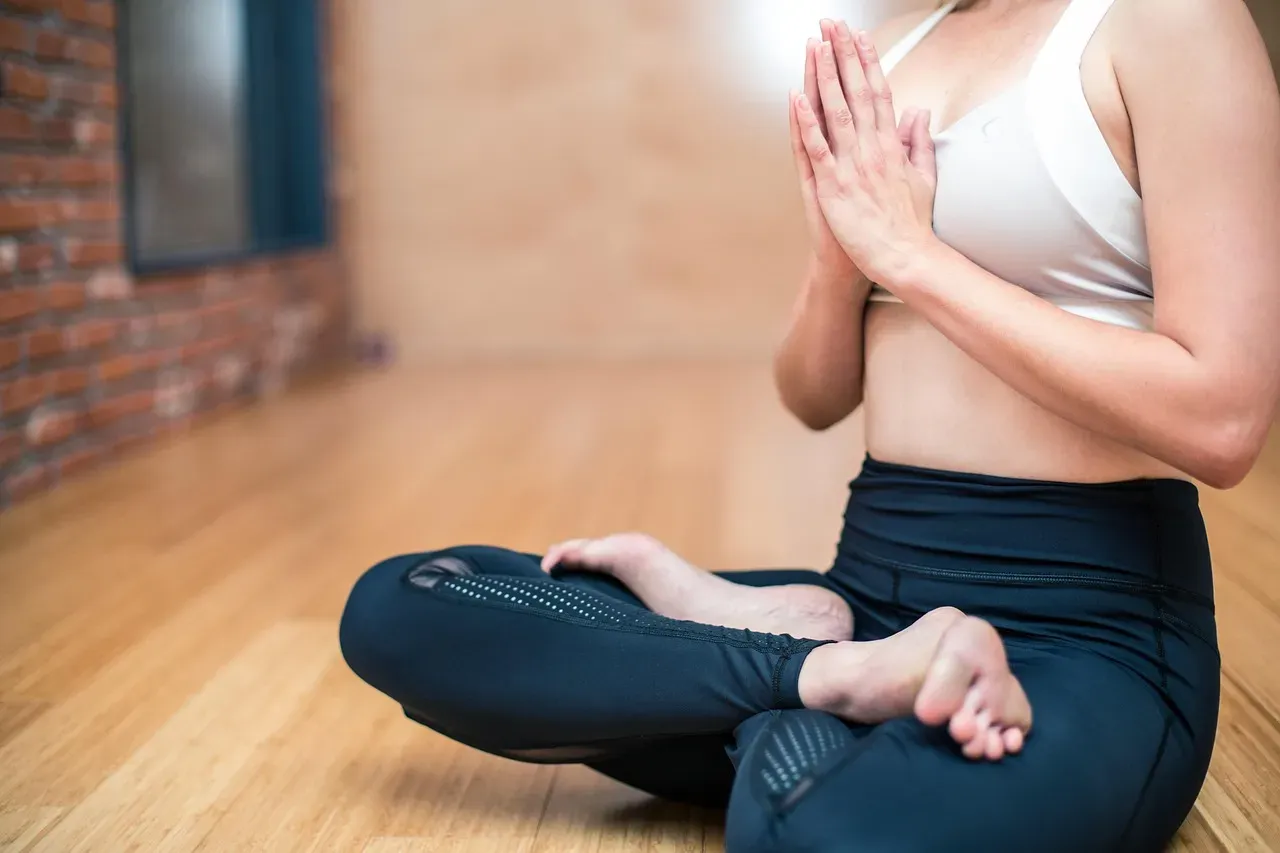
Sweden’s concept of lagom, meaning “just the right amount,” represents a philosophy of balance and moderation, suggesting happiness comes from contentment and sustainability rather than pursuing excess or perfection. We live in a culture that constantly pushes for more – more productivity, more possessions, more experiences, more everything. But there’s wisdom in the middle path. Working yourself to exhaustion isn’t noble; it’s unsustainable. Constantly chasing the next achievement or purchase leaves you perpetually unsatisfied.
Balance looks different for everyone. Maybe it’s working hard but also protecting your weekends. Maybe it’s having nice things without drowning in debt. Maybe it’s being ambitious while also accepting your limitations. The key is finding your personal sweet spot where you’re engaged and growing without burning out. Honestly, this might be one of the hardest principles to follow in our overstimulated, always-on world, but it’s worth the effort.
Living in Harmony with Something Greater

Strong relationships contribute significantly to long-term well-being, and psychological research shows social connections, along with community ties, are fundamental across cultures. Many cultures emphasize connection not just with other people but with nature, with spiritual traditions, or with a sense of something transcendent. You don’t have to be religious to benefit from this. It’s about recognizing you’re part of a larger whole, whether that’s the natural world, the sweep of human history, or a spiritual dimension.
This perspective shrinks your problems to a more manageable size while simultaneously making your life feel more significant. When you’re hiking in the mountains or gazing at the stars or participating in a meaningful ritual, you often experience awe – that sense of being small in the best possible way. It reminds you that your daily anxieties aren’t the whole story. There’s beauty and mystery and continuity beyond your individual struggles.
Growth and Learning Keep Life Interesting

A psychologically rich life is distinct from lives defined by happiness or meaning, focusing on thinking deeply and seeing the world differently, and for a significant minority of people, that third path is the one they would choose. Stagnation is the enemy of happiness. When you’re learning something new, developing a skill, or challenging yourself in some way, life feels vibrant and engaging. This doesn’t mean you need to be constantly productive or improving. It means staying curious about the world and your place in it.
Psychological richness is defined as a life filled with diverse, perspective-changing experiences, whether external like traveling or internal like absorbing powerful books or music. Maybe you’re learning a language, exploring a new hobby, traveling to unfamiliar places, or simply reading books that change how you see things. These experiences add texture and depth to your existence. They prevent life from becoming a monotonous routine and keep you mentally flexible as you age.
Contribution and Helping Others Brings Fulfillment

Research shows that doing good and feeling good go hand in hand, with studies finding people who demonstrate traits like compassion, respect, fairness, and honesty also report higher happiness and life satisfaction. There’s something deeply satisfying about making a positive difference, even in small ways. Volunteering, helping a neighbor, mentoring someone, donating to causes you believe in – these actions create meaning that self-focused pursuits rarely match. It’s paradoxical but true: focusing less on your own happiness and more on contributing to others often results in greater personal satisfaction.
In recent years, helping strangers remains significantly higher globally by an average of 18 percent, and expecting kindness from others is a stronger predictor of happiness than major actual or expected harms. This doesn’t mean martyring yourself or ignoring your own needs. It means recognizing that your wellbeing is intertwined with others’. When you help someone else, you’re reminded of your own capabilities and value. You’re part of making the world slightly better, which is a pretty good way to spend your limited time here.
Trust in Others and Your Community

Research involving over 2.5 million participants found that people who tended to trust others more were happier and more satisfied with life, and experiencing greater well-being fostered more trust down the road. Cynicism might feel protective, but it’s exhausting and isolating. When you can generally trust that most people aren’t out to harm you, that systems mostly work, and that cooperation is possible, you move through life with less anxiety and more openness. This doesn’t mean being naive or ignoring genuine dangers. It means not assuming the worst about everyone.
People are too pessimistic about the kindness of their communities, as the return rate of lost wallets is much higher than people expect, especially in high-trust societies. Trust creates a positive feedback loop. When you trust others, you’re more likely to engage with them, which leads to positive experiences that reinforce your trust. Communities with high levels of social trust report greater happiness across the board. Building trust starts with small acts – keeping promises, being reliable, giving people the benefit of the doubt when possible.
Savoring Simple Pleasures in Daily Life

Almost anything we do is more enjoyable with other people, with participants consistently rating 105,766 activities across 80 categories as more enjoyable when engaged in alongside another person. Happiness isn’t always found in dramatic moments or major achievements. Often it’s in the small, ordinary experiences you might overlook if you’re not paying attention. A good conversation. A delicious meal. Sunlight on your face. Laughing at something absurd. These moments cost nothing and require no special circumstances, yet they’re what life is actually made of.
The trick is noticing them rather than constantly rushing toward some future goal or dwelling on past regrets. Mindfulness practices help with this, but so does simply deciding that these moments matter. When you’re eating, really taste your food. When someone’s talking to you, actually listen. When you’re outside, notice the weather and the sounds around you. This isn’t about toxic positivity or ignoring real problems. It’s about not letting life pass you by while you’re distracted by worries or your phone screen.
Finding Your Own Path While Honoring Universal Truths

The beauty of these principles is that they’re flexible enough to fit into any life while being solid enough to actually guide you. You don’t need to follow someone else’s blueprint for happiness. Your version might prioritize different elements than your neighbor’s, and that’s perfectly fine. Maybe you’re more introverted and need fewer but deeper relationships. Maybe purpose comes through creative work rather than traditional achievement. Maybe your spirituality looks nothing like organized religion.
What matters is that you’re intentionally building a life that includes these core elements in ways that feel authentic to you. You’re nurturing relationships, finding meaning, taking care of yourself, staying curious, contributing to something beyond yourself, and actually experiencing the life you’re living rather than sleepwalking through it. These aren’t secrets or revolutionary ideas. They’re timeless truths that humans have been discovering and rediscovering for thousands of years across every culture. The question isn’t whether they work – it’s whether you’ll actually put them into practice. What small step could you take today toward a life that feels genuinely fulfilling? Think about it.