You know about T-rex. You’ve probably seen Jurassic Park more times than you care to admit. Maybe you’ve even browsed a few documentaries about woolly mammoths or saber-toothed cats. That’s the thing about prehistoric life, though. We’ve become so fixated on the superstars that we’ve completely overlooked some genuinely bizarre creatures that deserve their moment in the spotlight.
The fossil record is packed with animals so weird, so utterly unexpected, that when scientists first discovered them, they had no idea what they were looking at. Some confused paleontologists for decades. Others made audiences at scientific conferences burst out laughing because they seemed too absurd to be real. Yet these creatures existed, thrived, and carved out their own niches in ecosystems millions of years old. They’re the unsung heroes of prehistory, and you’re about to meet twelve of them.
Tullimonstrum: The Monster That Stumped Scientists for Half a Century
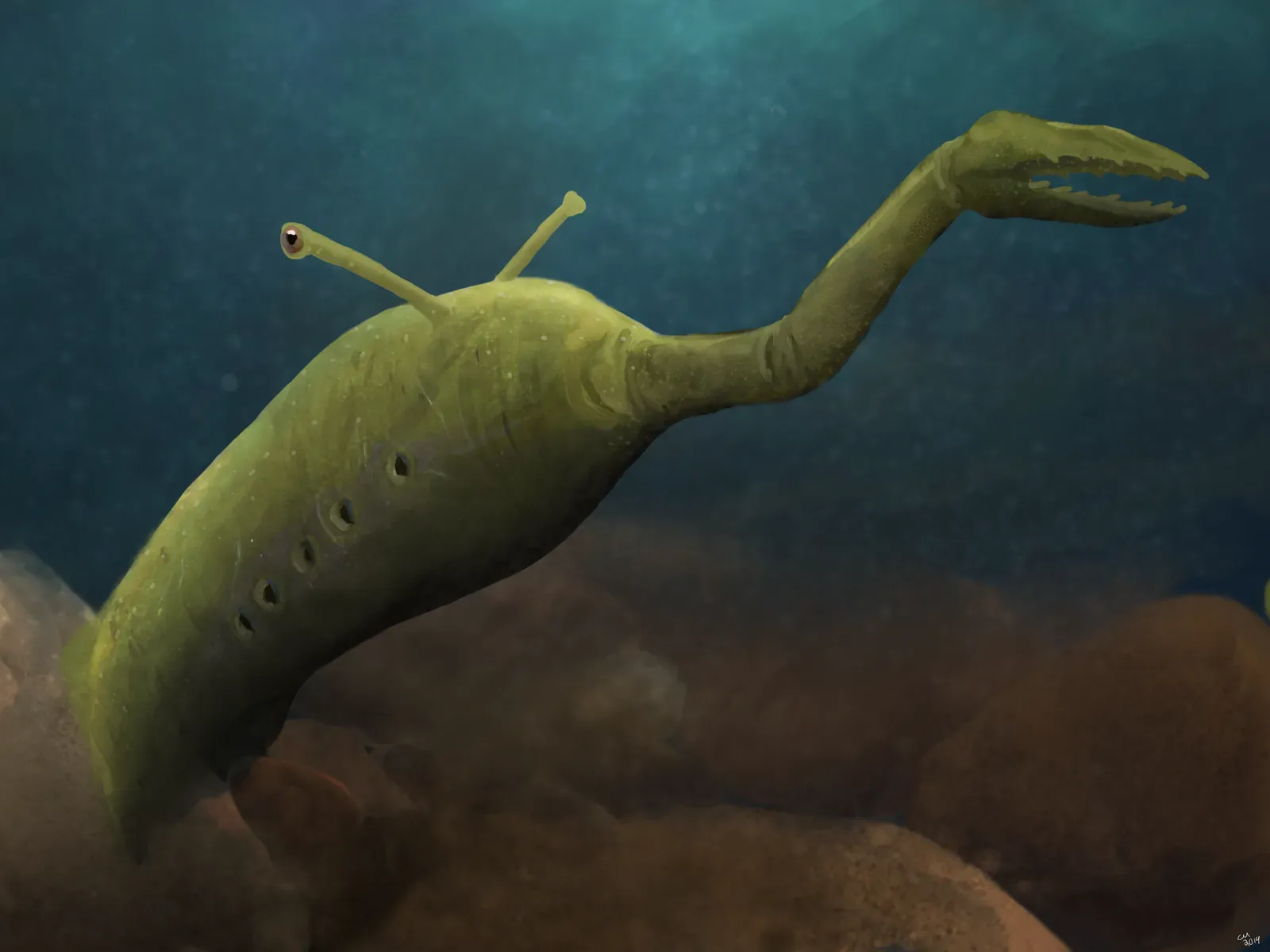
The tully monster was a worm-like creature about a foot long with eyestalks and a pincher-tipped proboscis with razor-sharp teeth. Honestly, if someone described this animal to you without showing you the fossil, you’d think they were making it up. Illinois used to be covered by a tropical sea, and the Mazon Creek area outside of Chicago is a motherlode of soft-bodied animals fossils, including some bizarre ones called Tully monsters that flummoxed scientists trying to identify it for decades.
Living in an ancient sea that once existed in Northeast Illinois, the Tully Monster had eyes situated on strange stalks and a jawless mouth that extended off a long proboscis, and scientists have determined that it belonged to the same family as the modern-day lamprey. The creature used its claw-like appendage to latch onto other sea dwellers and basically licked the nutrients it needed off them. If that doesn’t qualify as both resourceful and deeply unsettling, nothing does.
Estemmenosuchus: The Crowned Crocodile That Wasn’t a Crocodile
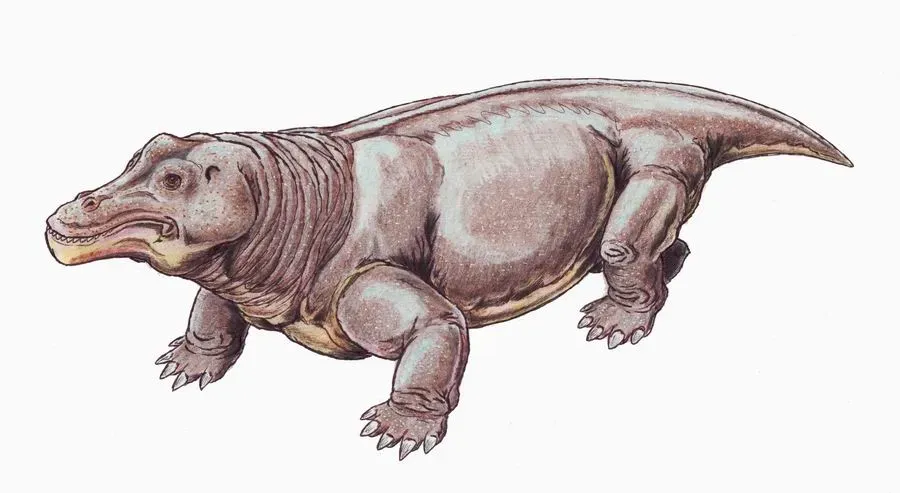
Estemmenosuchus was a large therapsid that lived about 267 million years ago, and therapsids eventually evolved into mammals. Let me be clear: this creature looked absolutely ridiculous. Its name literally means “crowned crocodile,” and Estemmenosuchus’ face was rimmed with a bizarre collection of horn-like protrusions. Nobody really knows what these bony growths were for. Display? Defense? Pure fashion statement?
Estemmenosuchus is one of the most bizarre-looking prehistoric monsters that belonged to the group of the dinocephalians, and despite their dinosaur-like appearance, they were actually more closely related to mammals, including us. Imagine a rhinoceros-sized creature covered in weird facial horns wandering around 267 million years ago, and you’ll start to understand just how experimental evolution was back then.
Adalatherium: The Crazy Beast That Defied Logic
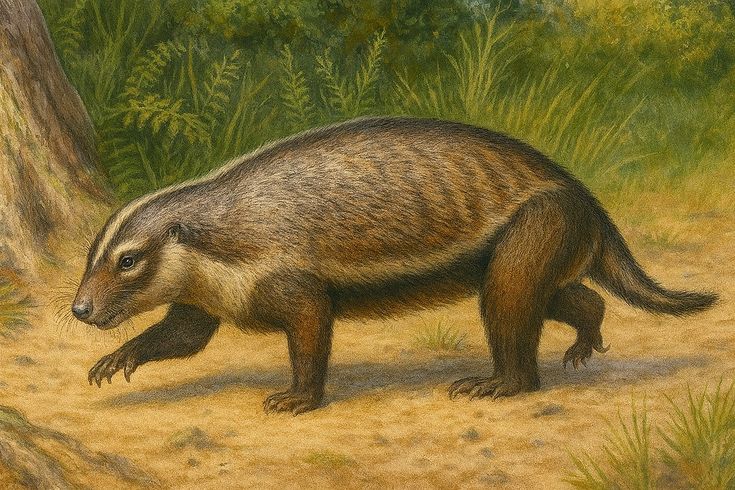
Here’s a creature whose very name translates to “crazy beast,” and for good reason. Adalatherium was a vaguely badger-like mammal that lived about 66 million years ago, and the weird thing is that none of its parts seem to match, with its surprisingly well-preserved skeleton not making any sense. Its front legs resembled a badger’s, tucked under the body for digging. Meanwhile, its hind legs sprawled out sideways like a lizard’s.
Scientists are completely baffled by how this thing walked. Think about that for a second. We’ve sent rovers to Mars, split the atom, and decoded DNA, yet this prehistoric mammal’s gait remains a complete mystery. It’s the biological equivalent of mixing parts from entirely different instruction manuals and somehow ending up with something that functioned.
Deinotherium: The Elephant With Backward Tusks
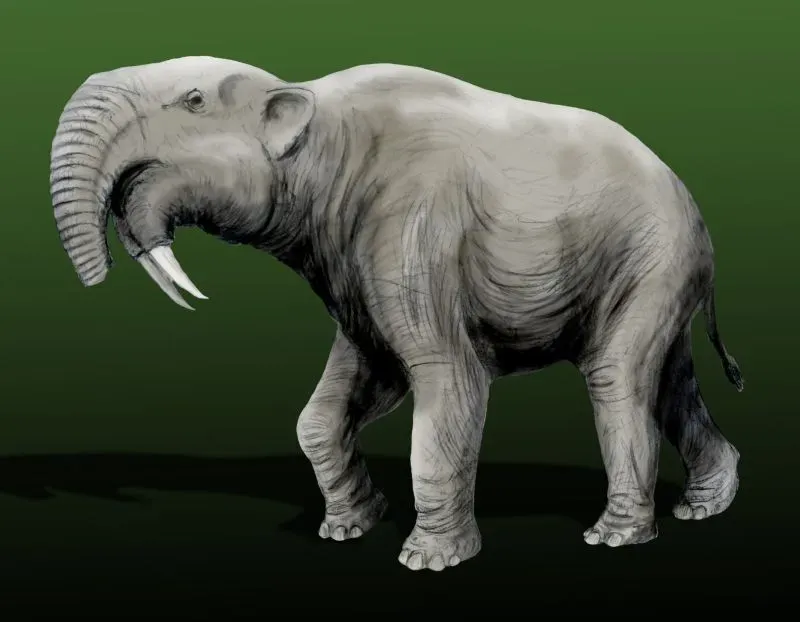
Most elephants have tusks that point forward or slightly upward. Around 20 million years ago there lived a prehistoric pachyderm named Deinotherium with twin, curved tusks curving down from the jaw, and precisely what the elephant used these tusks for isn’t clear. Early theories suggested it used them to anchor itself to riverbanks while sleeping, which sounds like Victorian scientists had been reading too much fantasy fiction.
The truth is probably less poetic but more practical. These downward-curving tusks might have been used for stripping bark, digging up roots, or even fighting. Paleontologists may yet discover the real answer. Until then, Deinotherium remains one of those delightful prehistoric mysteries that reminds us how much we still don’t know.
Andrewsarchus: The Wolf-Sized Mystery Predator
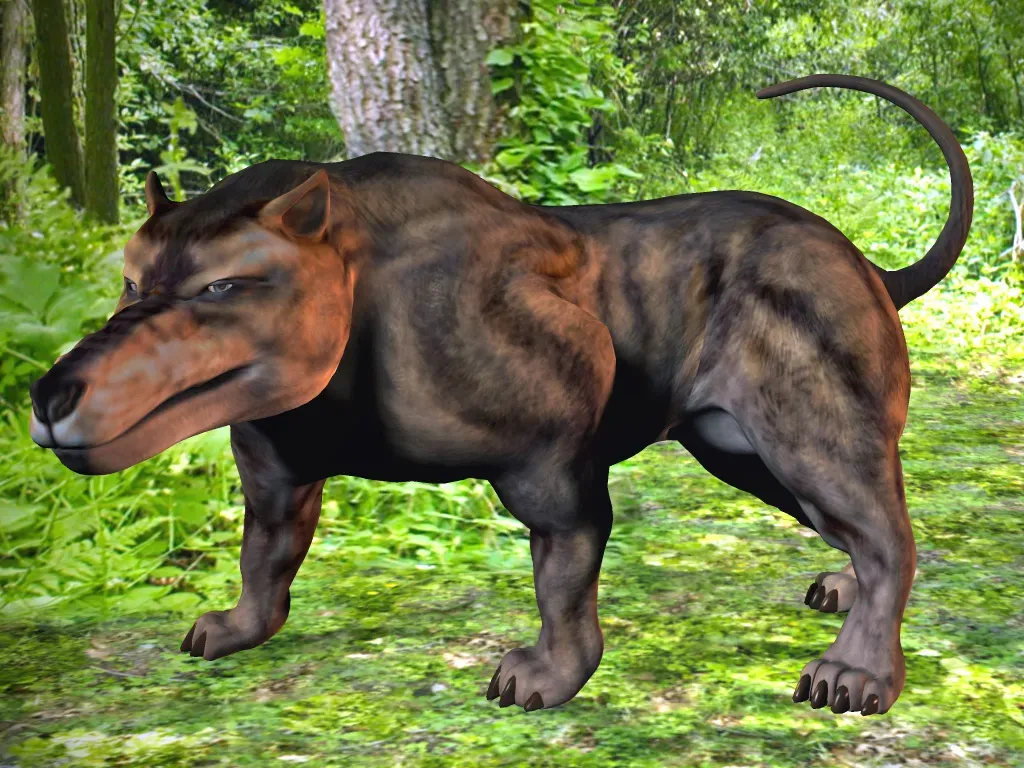
Andrewsarchus, known from a single skull, may have been one of the largest meat-eating mammals, and the trouble is that this meat-eating beast is only known from a skull and a foot, with no other fossils coming to light in nearly a century. Imagine trying to reconstruct an entire animal from just a head and a single foot. That’s the challenge paleontologists face with this creature.
Based on related animals, it seems that Andrewsarchus was about the size of a rhino and took down prey with massive jaws, acting more like an enormous wolf than a cat. What’s fascinating is that despite looking like it should be related to modern predators, Andrewsarchus was actually more closely related to hippos and whales. Evolution really doesn’t care about our expectations.
Glyptodon: The Armadillo the Size of a Volkswagen
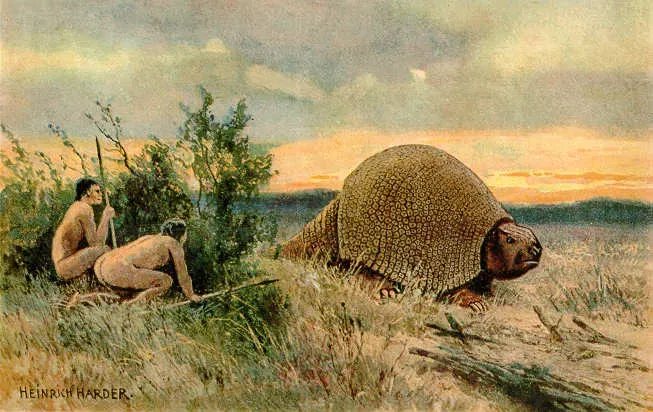
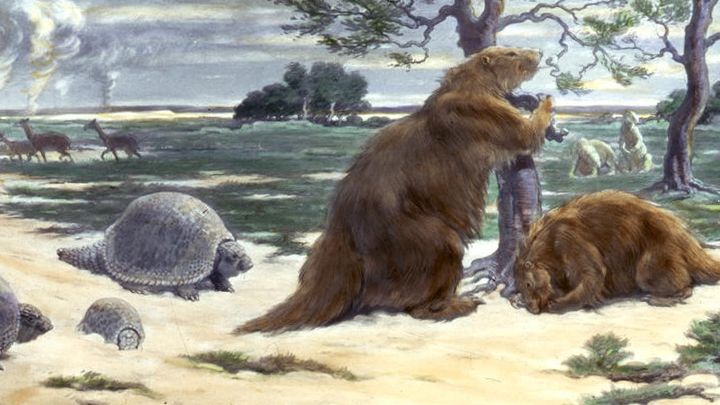
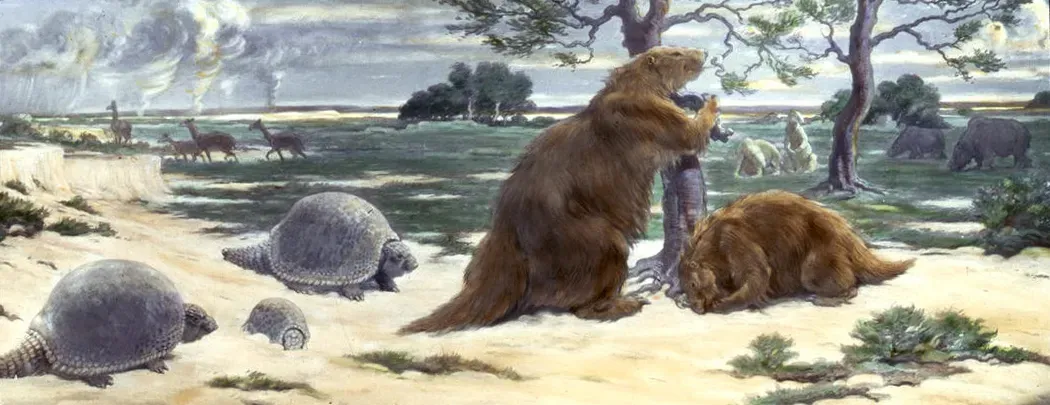
Glyptodon was a giant armadillo of the Pliocene and Pleistocene epochs, with a shell that was around 1.5 m in length, and a total body length of around 3.3 m, making it an impressive sight walking through the South American forests and grasslands. Picture an armadillo you could use as a camping tent. That’s Glyptodon. Like its modern relatives, it had protective armor, but scaled up to absurd proportions.
Dwelling mostly in South America as recently as 12,000 years ago, this mammal had an armored shell and clubbed tail for protection, and while it was capable of rolling into a ball like an armadillo, the Glyptodon was the size of a Volkswagen. Early humans might have actually encountered these creatures. Can you imagine stumbling across something like that in the wild? What would you even do?
Phorusrhacos: The Terror Bird That Actually Earned Its Nickname
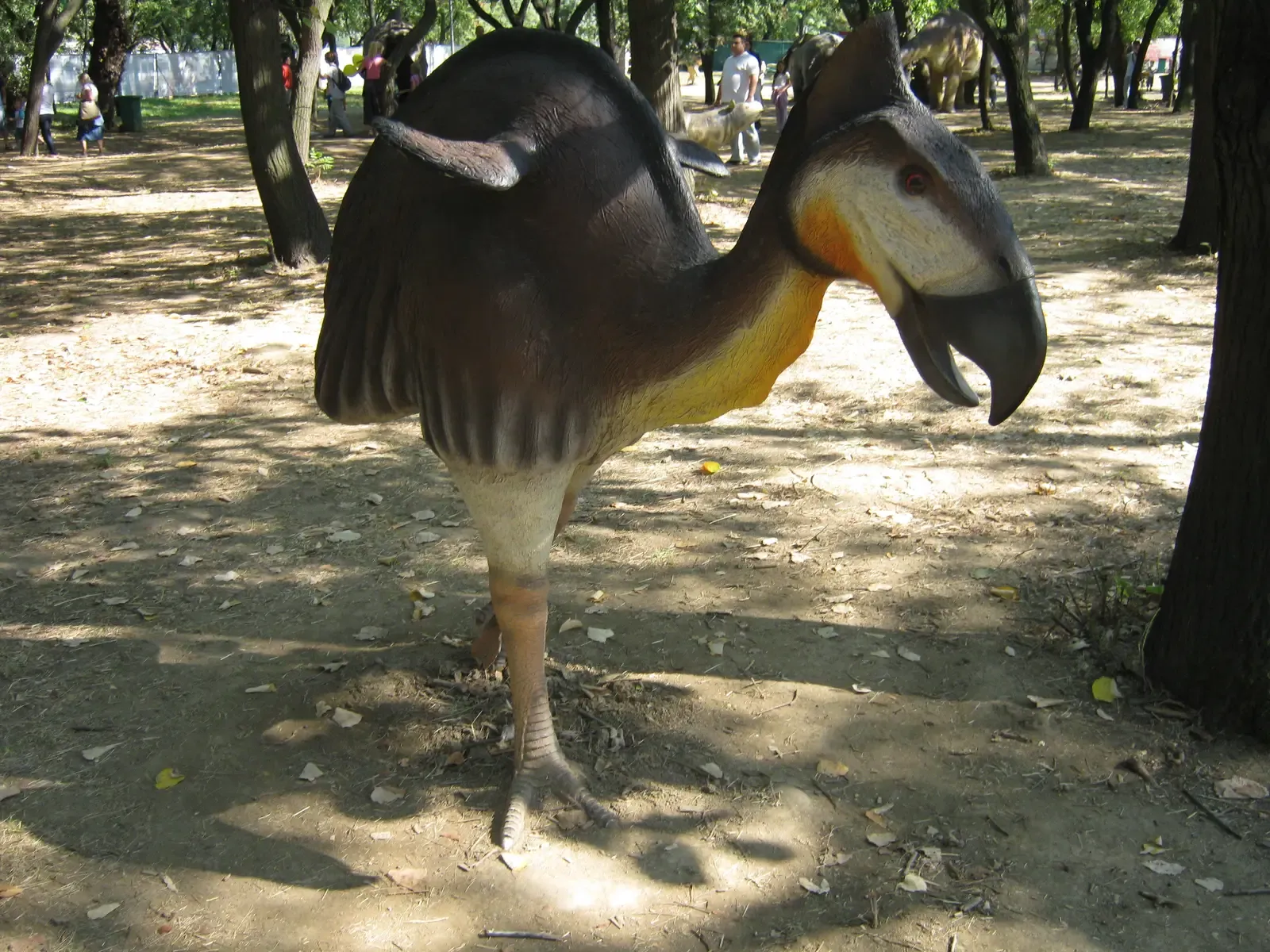
Phorusrhacos Longissimus was a species in the Phorusrhacidae family, also known as ‘terror birds,’ and these huge, flightless meat-eaters were equipped with powerful hooked beaks and large claws, likely serving as an apex predator in South American during the Miocene epoch. Let’s be real: if you saw this thing charging at you, “terror” would be exactly the right word.
These birds stood roughly two meters tall and couldn’t fly, but they didn’t need to. Part of the Phorusrhacidae family, they were giant, carnivorous birds that roamed this Earth during the Miocene epoch and lived in the woodlands of South America, considered a highly lethal predator. They were basically the velociraptors of their era, except they were birds, and they came after the dinosaurs went extinct.
Procoptodon: The Giant Short-Faced Kangaroo
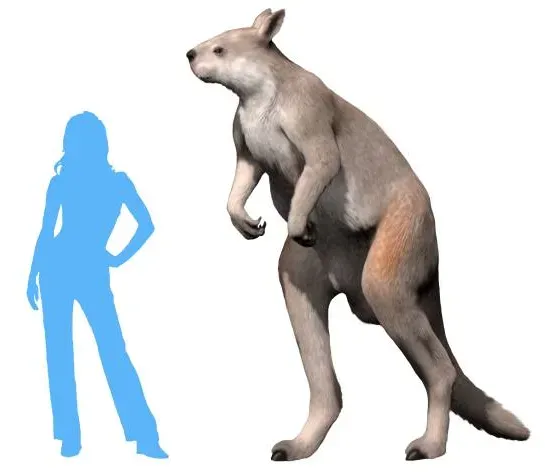
The 2 m tall Procoptodon is the largest kangaroo ever to have lived, inhabiting Australia during the Pleistocene epoch, and was a member of the Sthenurinae, or short-faced kangaroo, subfamily. This wasn’t your average hopping marsupial. At over six and a half feet tall, Procoptodon towered over modern kangaroos and had a distinctly flattened face that gave it a surprisingly humanoid appearance.
The fossil record suggests these creatures might have moved differently from their modern cousins, possibly walking more than hopping. Their size alone would have made them formidable, and early Australian humans definitely would have crossed paths with them. I’d love to know what those encounters looked like.
Purussaurus: The Caiman That Makes Modern Crocodiles Look Tiny
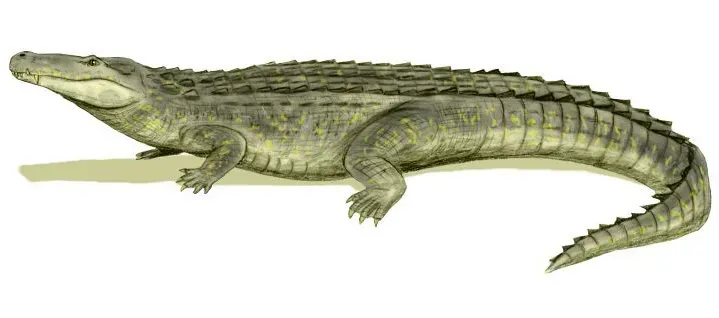
Purussaurus was a gigantic caiman that lived in what is today known as the Amazonian rainforest, and back in Purussaurus’ days, 8 million years ago, that region was actually a vast inland sea. This wasn’t just some oversized crocodile. It was one of the largest predators to ever patrol freshwater ecosystems, reaching lengths that would dwarf any modern alligator or crocodile.
Living in a region teeming with other predators and prey, Purussaurus occupied the top of the food chain. Its bite force would have been devastating, capable of taking down virtually anything unlucky enough to enter its territory. The fact that it thrived in what’s now the Amazon basin shows just how dramatically our planet’s environments have changed.
Inostrancevia: The Saber-Toothed Proto-Mammal
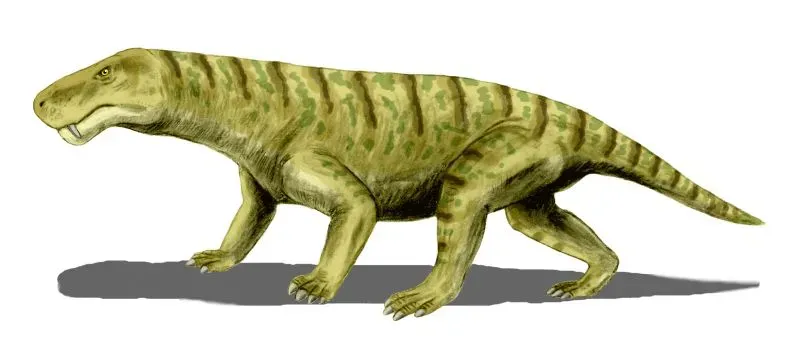
Inostrancevia was a protomammal, an ancient ancestor of today’s modern mammals, like Dimetrodon, but looked very different – more like a big cat, and it had longer legs than Dimetrodon, which suggests it was a runner. This creature existed before dinosaurs even appeared, yet it had features that wouldn’t look out of place on a modern predator.
Inostrancevia had sabre-shaped canines that could land killer blows on the necks of megaherbivores such as Scutosaurus, and it used a ‘puncture-pull’ strategy, tearing away huge chunks of meat. It’s unclear whether it had scales like its reptilian ancestors or fur like its mammalian descendants, making it even more mysterious.
Anomalocaris: The Cambrian’s First Apex Predator
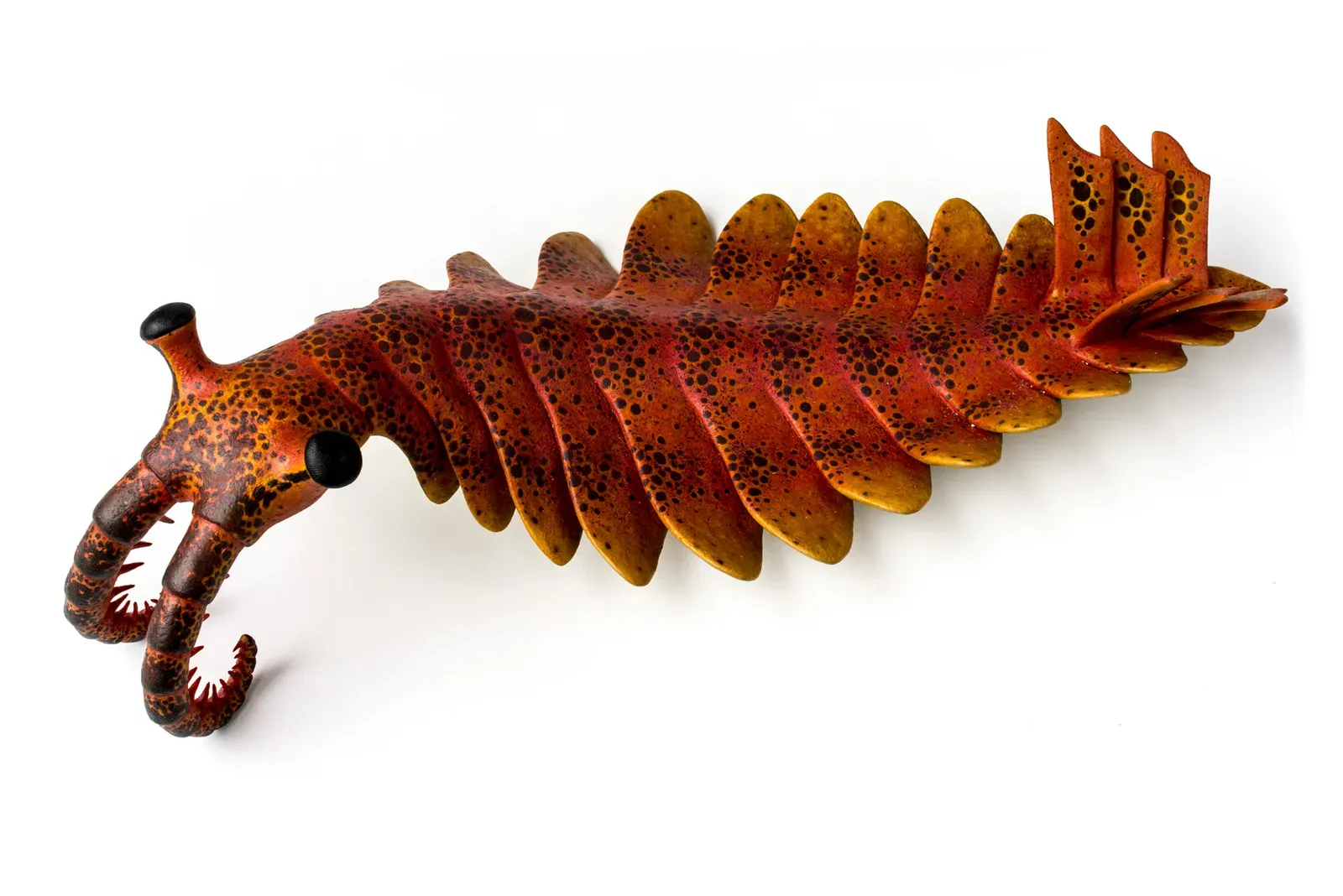
More than half a billion years ago, the world’s oceans were stalked by a soft-bodied predator that looked unlike anything alive today called Anomalocaris, or ‘unusual shrimp,’ widely regarded as the world’s first apex predator, measuring up to a metre in length. This creature dominated the seas long before vertebrates even existed.
For a long time, trilobites were assumed to have been Anomalocaris’s favourite snack, but new research has suggested that this predator was incapable of cracking tough trilobite armour, and it’s now believed Anomalocaris was a hunter that relied on speed, agility and superior sight rather than strength. It had massive compound eyes and grasping appendages that allowed it to snatch prey with precision.
Pikaia: The Tiny Ancestor of Everything With a Backbone
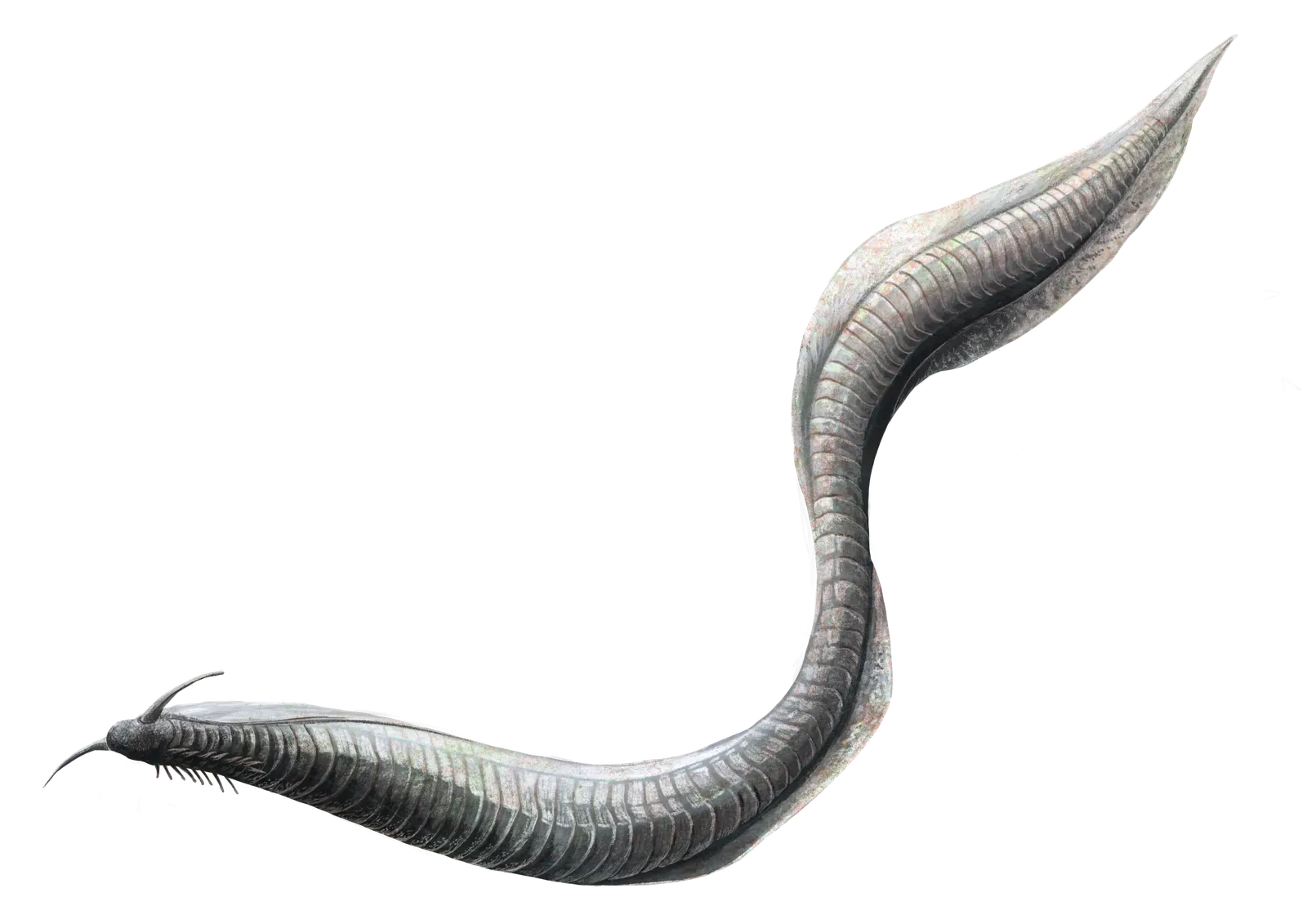
Pikaia might seem like little more than a prehistoric squiggle, shorter than your pinkie and appearing to be little more than a tube with a dark streak running along its back, but that streak is important – it’s a notochord, marking Pikaia as one of the earliest relatives of vertebrates. This unassuming little worm-like creature is essentially your great-great-great (times a few billion) grandparent.
Pikaia had a fin on its back and could probably swim by flexing its body like an eel, which would have allowed it to swim away from more numerous invertebrates that dominated the seas 508 million years ago. Without creatures like Pikaia making that crucial evolutionary leap, you wouldn’t be reading this right now.
Conclusion: The Forgotten Superstars of Ancient Earth
The prehistoric world wasn’t just about Tyrannosaurus rex and Triceratops. It was filled with creatures so strange they seem pulled from science fiction, yet every single one of them was real. They hunted, reproduced, adapted, and ultimately vanished, leaving behind only fragmentary clues to their existence. Some confused scientists for decades. Others still puzzle researchers today.
What strikes me most about these unsung heroes is how they challenge our assumptions about what life can be. Evolution isn’t a straight line toward perfection. It’s a messy, experimental process that produces creatures with backward tusks, stalked eyes, and bodies cobbled together from seemingly incompatible parts. These animals remind us that nature is far more creative than any human imagination.
Next time you hear someone talking about dinosaurs, maybe mention Tullimonstrum or Adalatherium. Trust me, the conversation will get a lot more interesting. What do you think? Did any of these bizarre creatures surprise you?