
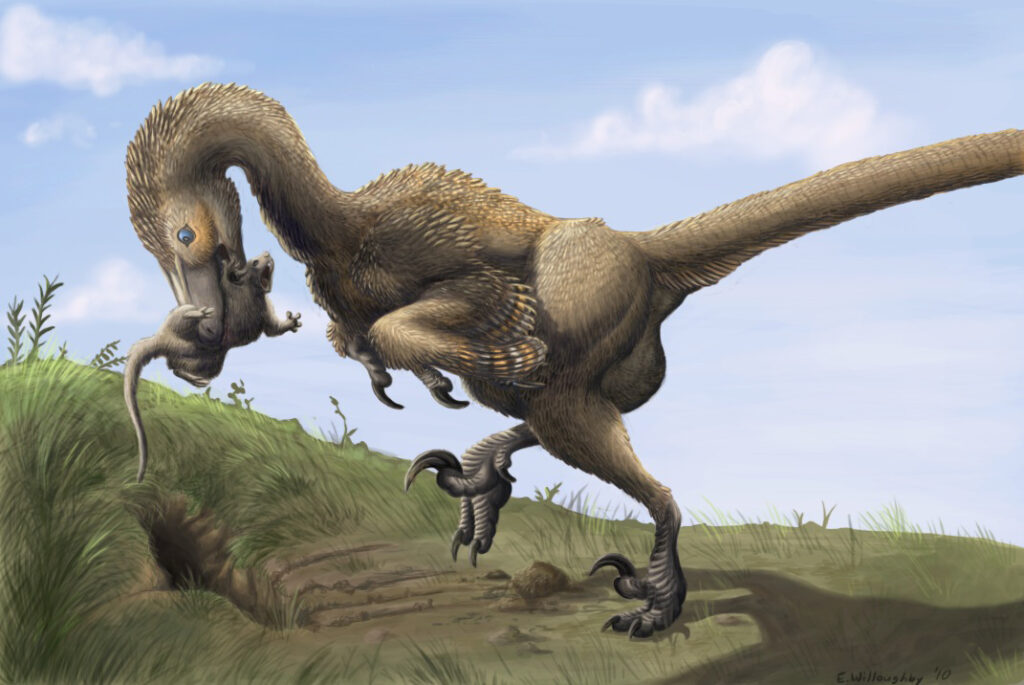
Most people assume the deadliest dinosaurs were the biggest ones – the ones with skulls the size of a bathtub and teeth like railroad spikes. But paleontologists have quietly been rewriting that story for two decades. Some of the most efficient, most lethal hunters in the fossil record were small, feathered, and easy to underestimate – animals that looked more like oversized turkeys than monsters.
T-Rex relied on brute force. These smaller predators relied on speed, intelligence, venom, pack tactics, and specialized weapon systems that made them arguably more dangerous per pound than any tyrannosaur that ever lived. Here’s what the fossil evidence actually says – and why size was never the whole story.
#12 – Buitreraptor: The Rooster-Sized Killer Nobody Saw Coming
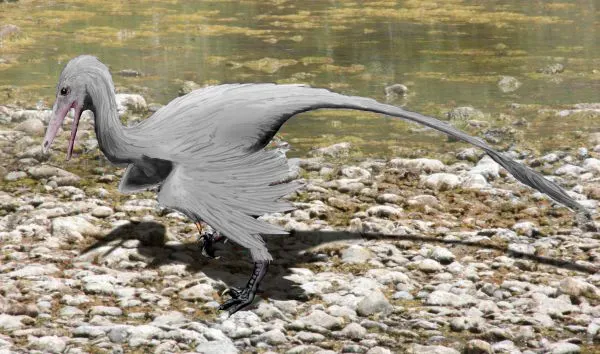
Buitreraptor looked like something you’d shoo off your porch, not something that belonged on a list of deadly predators. But this Argentine dromaeosaurid had a trick most raptors never bothered with: unusually long forelimbs and hands built specifically for grabbing.
Scientists believe it used those long arms to pin prey in place while a curved claw on its second toe did the real damage. Unlike its more famous cousins, Buitreraptor probably didn’t shred its meals apart – its teeth lacked the serrated edges built for tearing flesh, so it likely just held prey still and swallowed it whole. It’s a hunting style closer to a heron snatching a fish than a velociraptor going full horror-movie. Most people don’t realize small raptors were experimenting with entirely different killing methods long before their bigger cousins ever showed up.
At a Glance
- Homeland: Patagonia, Argentina
- Era: Late Cretaceous, roughly 90 million years ago
- Family: Dromaeosauridae – the same “raptor” lineage as Velociraptor
- Signature weapon: long grasping arms paired with a curved toe claw
#11 – Saurornitholestes: The Overlooked Canadian Assassin
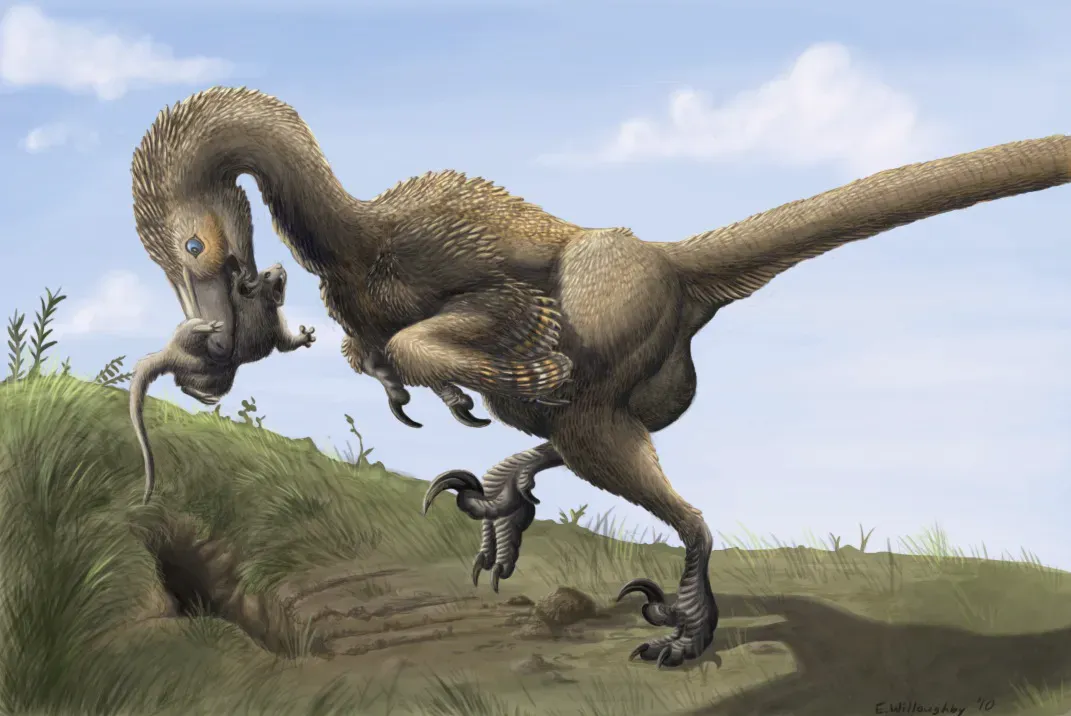
Saurornitholestes barely gets mentioned outside academic papers, and that’s exactly the problem. This small dromaeosaurid prowled Late Cretaceous North America alongside far more famous predators, and the fossil evidence shows it wasn’t just scavenging scraps – it was actively hunting.
Its remains have turned up everywhere from Alberta down to the Gulf Coast, which is a strange range for such a small predator to cover. That kind of spread suggests it was a wildly successful generalist, adaptable enough to hunt across multiple ecosystems while larger, more specialized predators struggled to compete for the same territory. Turns out being unremarkable-looking was actually a survival advantage. Small, fast, and forgettable is exactly how you avoid becoming someone else’s lunch while still being a highly effective predator yourself.
#10 – Compsognathus: The Chicken That Terrorized the Jurassic
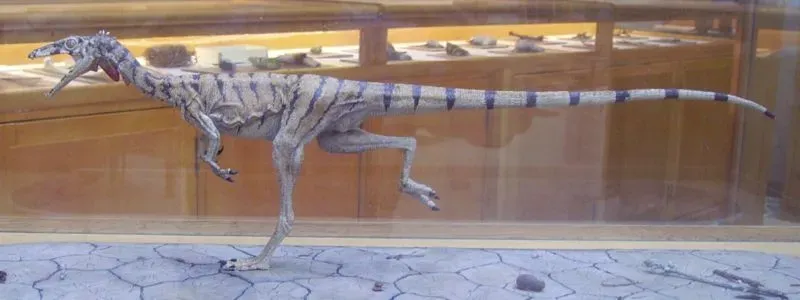
Compsognathus was roughly the size of a chicken, and yet it was a fully committed, fully capable predator. Its diminutive size fooled generations of illustrators into drawing it as some harmless little scavenger picking at scraps.
In reality, it carried the same basic toolkit as its giant relatives – sharp teeth, real speed, and hollow bones built for quick bursts of movement. Its small size was actually a hunting advantage, letting it chase down lizards and small mammals that bigger theropods couldn’t be bothered to pursue. Secretly, this “harmless” dinosaur occupied a niche that bigger predators physically couldn’t fill. While tourists picture T-Rex as the Jurassic’s only real threat, Compsognathus proves smaller ecological niches had their own ruthless specialists fighting just as hard to survive.
#9 – Microraptor: The Four-Winged Ambush Predator
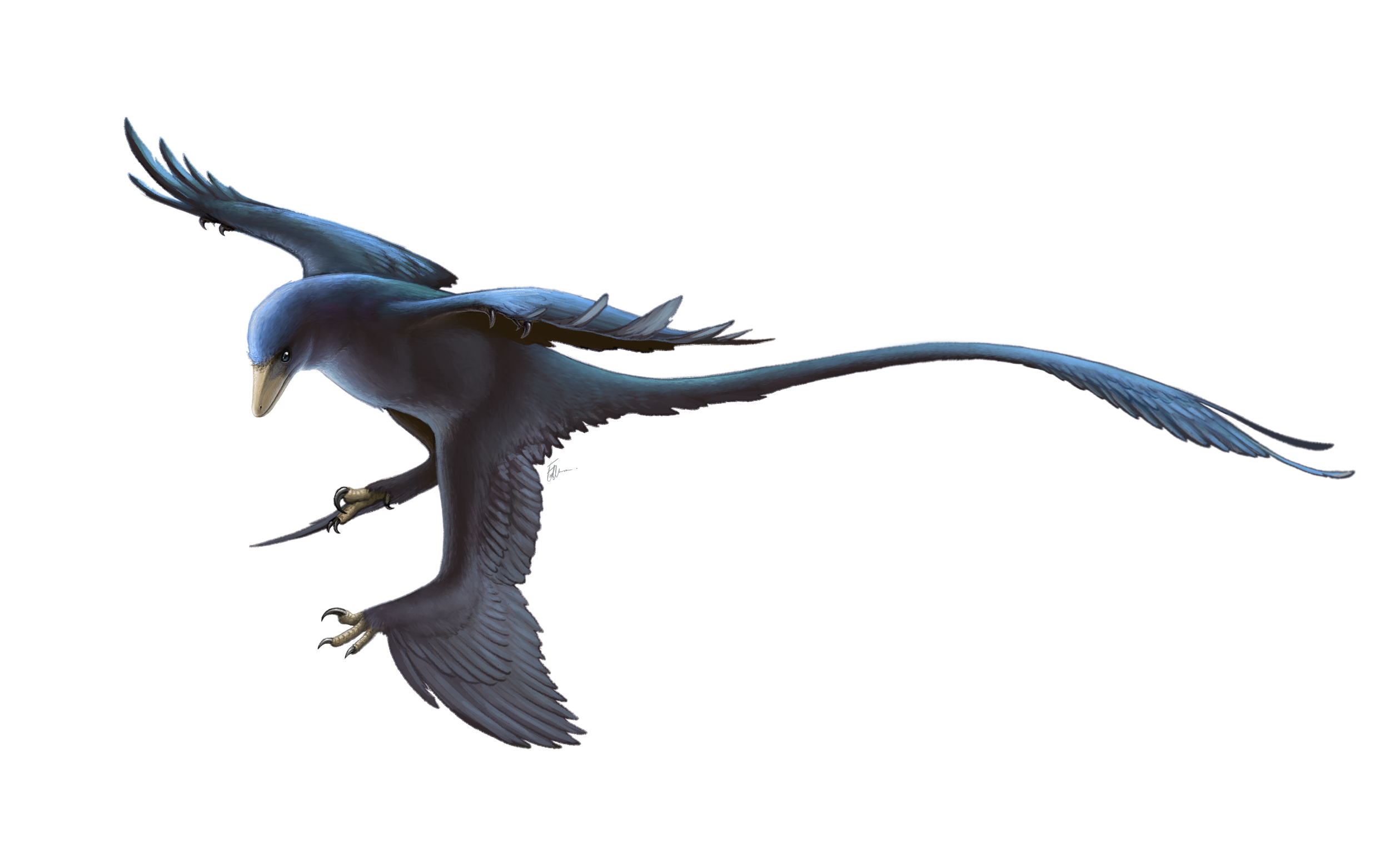
Microraptor looked like a glorified pigeon, but it may have hunted from angles no other dinosaur on Earth could reach. This astonishingly small dromaeosaurid was barely crow-sized – somewhere between 40 and 90 centimeters long and under a kilogram in weight, even smaller than Velociraptor.
What made it different was its four wings and its apparent ability to glide. That changes everything about how we should picture it hunting – not chasing prey across open ground like a mini T-Rex, but dropping in from the trees, ambushing from above where nothing expected an attack. Most people picture raptors sprinting across open plains, not gliding down from canopy branches like a feathered missile. That’s a fundamentally different, and in some ways more unsettling, hunting strategy than anything a lumbering tyrannosaur could ever pull off.
Fast Facts
- Length: 40-90 cm (16-35 inches), nose to tail
- Weight: under 1 kg (about 2 lbs)
- Home turf: Liaoning, China, roughly 120 million years ago
- Standout trait: four feathered wings built for gliding, not flapping flight
#8 – Masiakasaurus: The Dinosaur With a Face Only a Fisherman Could Love
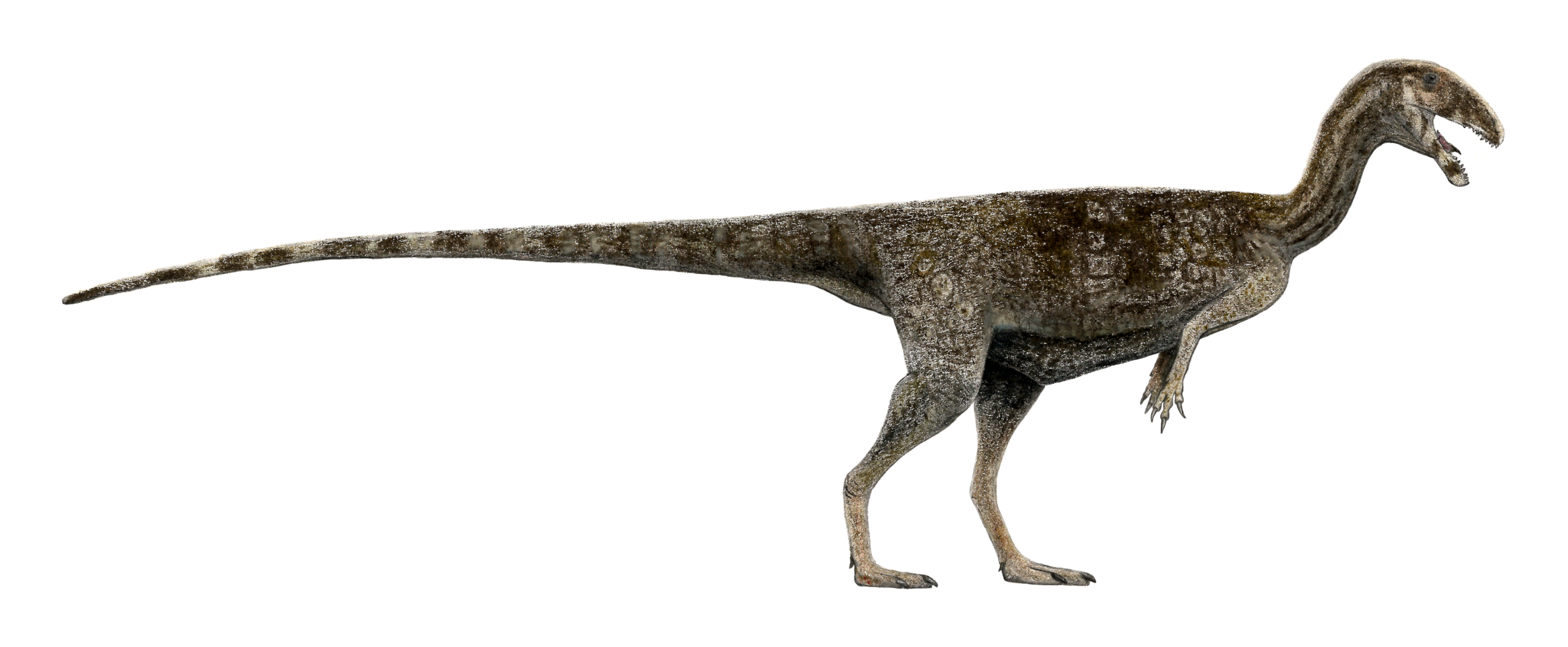
Masiakasaurus had a mouth so strange that early paleontologists assumed it was some kind of deformity, not a weapon. Its front teeth pointed forward and out of the mouth, curving upward at the tip to create a hooking action perfectly built for catching small, fast-moving prey.
It’s a bizarre, almost comical adaptation – buck teeth turned into a trap. Scientists now believe this dog-sized predator used those specialized teeth to snatch fish right from the water’s edge, a hunting method almost nothing else in the fossil record was doing quite the same way. Turns out those “ugly” teeth were precision fishing hooks, not a design flaw. While most dinosaurs relied on raw bite force, Masiakasaurus evolved an entirely different weapon system nobody expected to find on a theropod.
#7 – Coelophysis: The Lightweight Pack Hunter of the Triassic
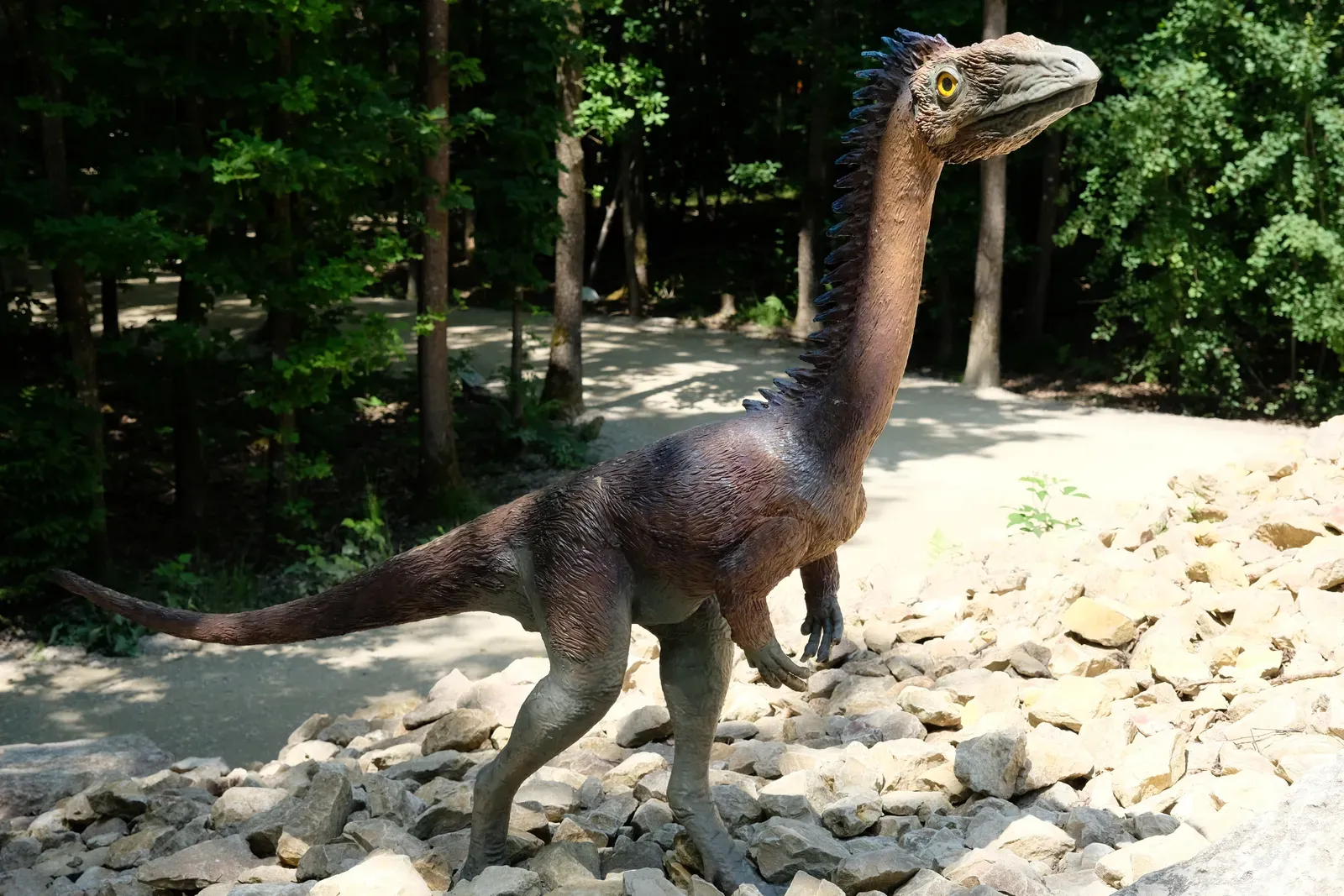
Coelophysis was slender enough to look almost fragile, but it was one of the earliest dinosaurs to prove that speed beats size. Its lightweight, hollow-boned build let it move fast and strike quickly, a strategy that made it one of the most abundant predators of the Late Triassic.
Hundreds of individuals have been found together at single fossil sites, suggesting these animals congregated in large numbers – whether for hunting, migrating, or sheltering together is still debated among paleontologists today. Its slim, almost delicate skeleton hid a fast, opportunistic hunter that thrived in an era still dominated by far larger reptilian competitors. Most people assume early dinosaurs were slow and primitive, but Coelophysis was already running the “small and vicious” playbook 200 million years ago.
Worth Knowing
- One of the earliest true dinosaurs, dating back roughly 200 million years
- Famous mass grave at Ghost Ranch, New Mexico, contains hundreds of skeletons
- Predates T-Rex by well over 130 million years
- Hollow bones made it fast, but also surprisingly fragile in the fossil record
#6 – Sinornithosaurus: The Dinosaur Scientists Thought Was Venomous
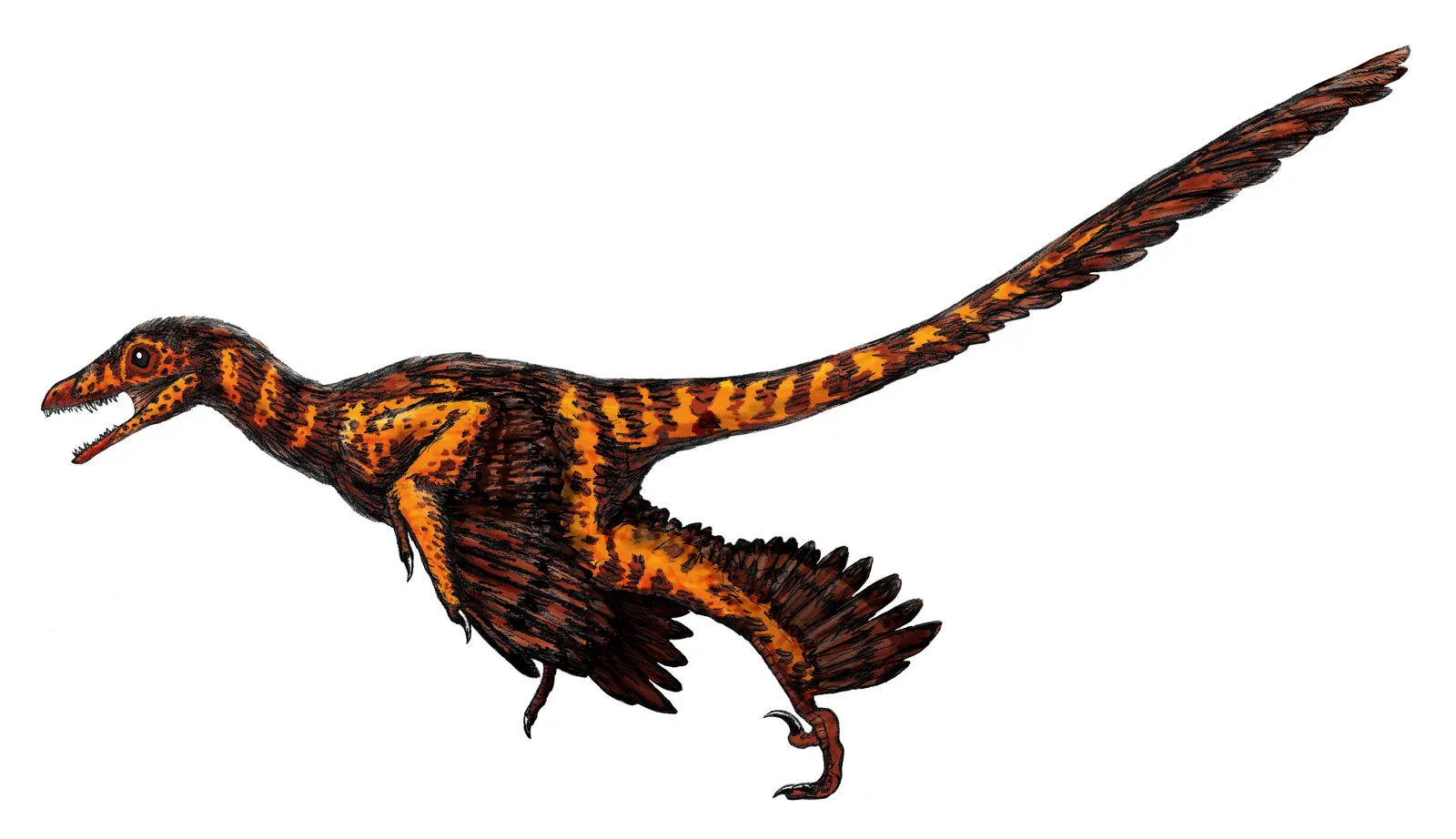
For a brief, wild moment in paleontology, scientists genuinely believed a turkey-sized dinosaur could poison you. Sinornithosaurus was petite as dinosaurs go – picture a turkey with teeth – but it ran with a rough crowd, as a close cousin of the infamous Velociraptor.
Researchers noticed its teeth resembled those of rear-fanged snakes, which channel venom down a groove into a victim’s flesh, and the theory made headlines around the world. It didn’t survive scrutiny for long – later analysis showed the supposed venom gland site didn’t actually exist, and the teeth just looked unusual because they’d loosened slightly from the skull after death. Even after the venom idea got debunked, it revealed just how easily small raptors could be mistaken for something far more exotic and dangerous.
#5 – Dilophosaurus: The “Delicate” Dinosaur Hollywood Got Completely Wrong
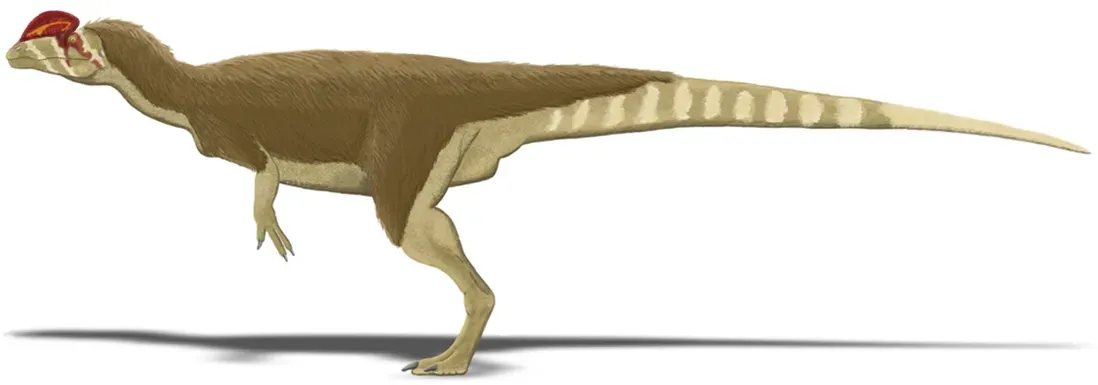
Thanks to one iconic movie, most people picture Dilophosaurus as a small, frilled, dog-sized creature that spat blinding venom. None of that is true, and the real animal is arguably more unsettling because of it.
The poison-spitting frill was pure invention for the screen – there’s zero fossil evidence for it. What’s real is stranger: some scientists speculated its double crests were connected to unusually notched jaws, sparking decades of debate over whether this apex predator’s skull was actually weaker than it looked. Most people don’t realize the real Dilophosaurus was a full-sized apex predator, not the pint-sized movie monster. Its reputation got shrunk by Hollywood while its actual anatomy remained a genuine scientific puzzle.
#4 – Troodon: The Dinosaur With Night-Vision and a Genius Brain
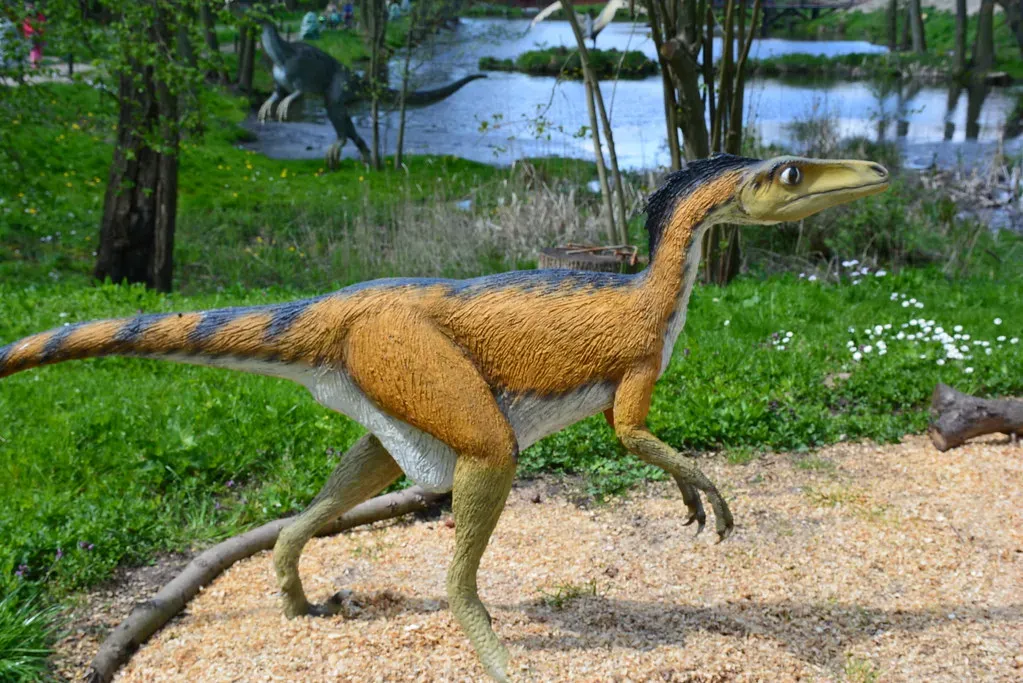
Troodon might be the single most underrated predator in dinosaur history, and its secret weapon wasn’t muscle – it was its brain. It had a large head, jagged teeth, and excellent eyesight that suggests it was likely nocturnal, hunting at night much like modern owls.
That alone made it a nightmare for smaller prey animals with zero evolutionary defense against night attacks. On top of that, Troodon is believed to have had the largest brain-to-body ratio of any dinosaur, and its binocular vision would have let it focus sharply on fast-moving prey and strike with real precision. Secretly, this owl-brained hunter may have outsmarted animals that were physically bigger and stronger than it. T-Rex hunted with force. Troodon hunted with strategy.
#3 – Deinonychus: The Real Dinosaur Behind the Movie Monster
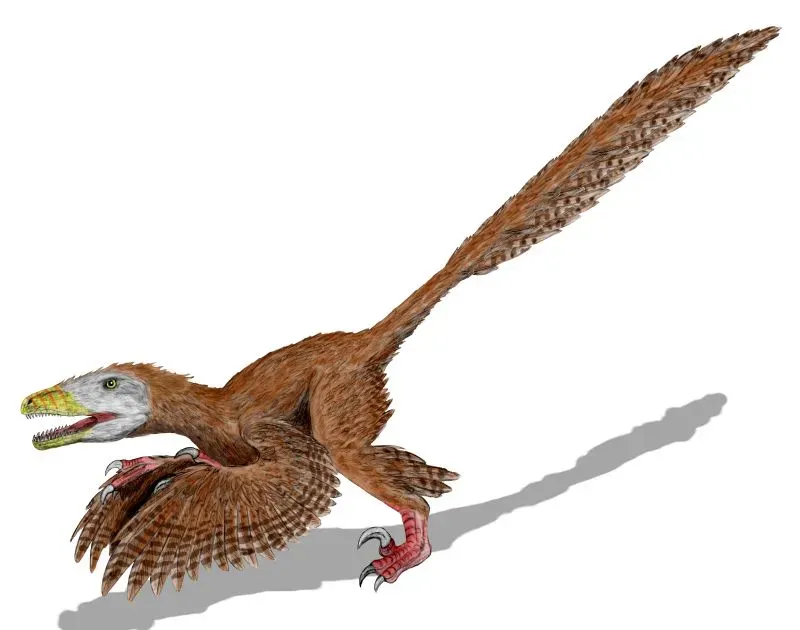
Everyone remembers Jurassic Park’s raptors – what almost nobody remembers is that they were actually Deinonychus wearing a fake name. The movie’s “Velociraptors” were modeled on Deinonychus, and the size difference is enormous: Velociraptor was about the size of a small dog, while Deinonychus was closer to a pony.
Deinonychus reached roughly 3.4 meters in length and 60 to 73 kilograms in weight – about three times heavier than the real Velociraptor. This was a genuinely formidable mid-sized predator, built with a massive sickle claw on each foot and a grip strong enough to pin down prey many times its own size. Most people give Velociraptor all the credit when Deinonychus was actually the bigger, stronger animal the whole time. The movie franchise borrowed its most terrifying features and slapped the wrong name on them.
Quick Compare
- Length: Deinonychus ~3.4 meters vs. Velociraptor ~2 meters
- Weight: Deinonychus 60-73 kg vs. Velociraptor about 7 kg
- Movie identity: both got blended into one “Velociraptor” on screen
- Real-world size winner: Deinonychus, by a wide margin
#2 – Utahraptor: The “Turkey” That Was Actually a 500-Pound Killing Machine
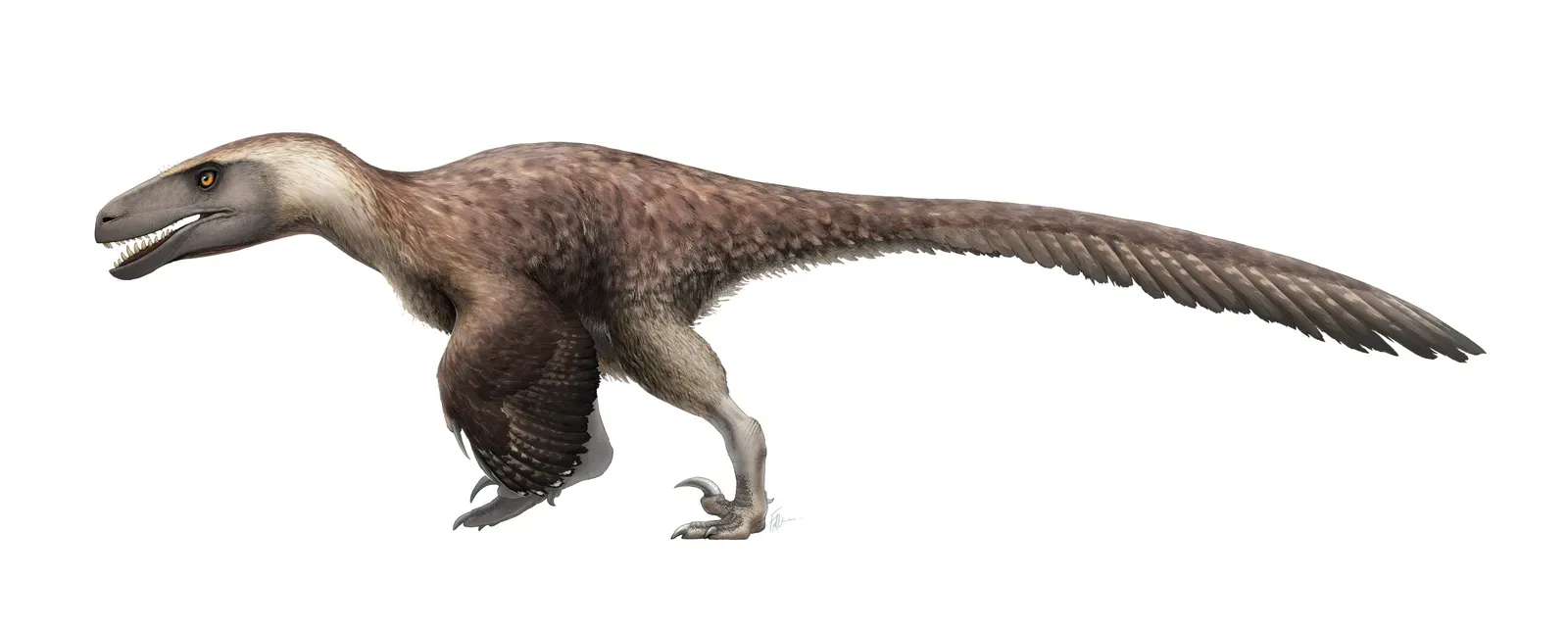
If Utahraptor existed today, calling it a “raptor” would feel like an insult – this thing was built like a small tank. Over 20 feet long and approaching a thousand pounds, it was the largest and oldest known dromaeosaurid, armed with a powerful bite and massive clawed arms.
Its most famous weapon was the biggest “killing claw” of any raptor ever found – a curved sickle blade held off the ground so it stayed razor-sharp for the kill. Utahraptor was arguably the most dangerous pound-for-pound dinosaur that ever lived, and because it likely carried feathers like its smaller relatives, it may have looked less like a movie monster and more like an oversized, furious bird. Turns out the biggest “raptor” of all time might have looked more like an angry ostrich than a killing machine.
#1 – Velociraptor: Small, Feathered, and Pound-for-Pound the Deadliest of Them All
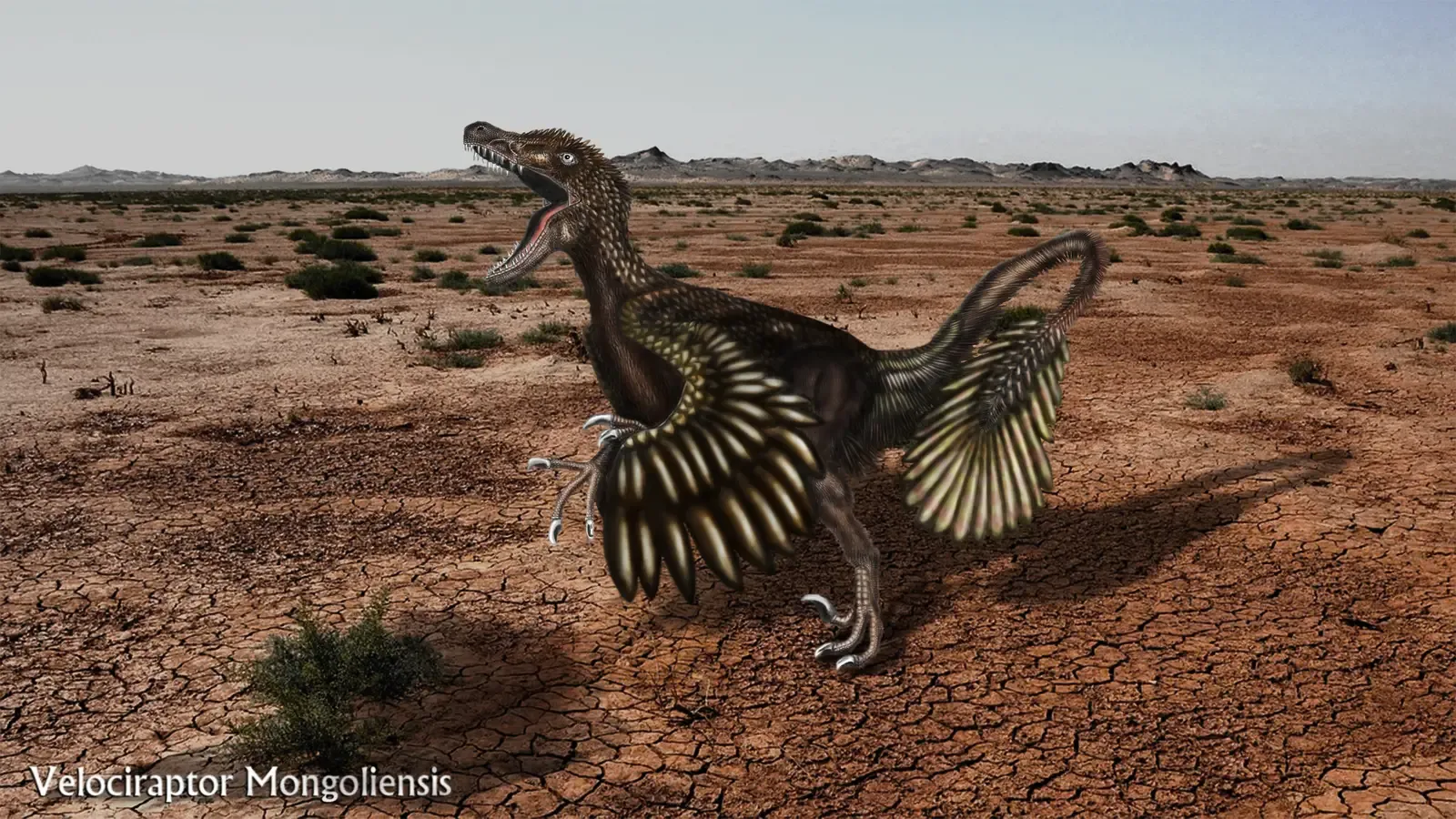
This is the dinosaur that started the myth – and the real version is somehow even more interesting than the movie lie. At around 2 meters long, half a meter tall, and just 7 kilograms in weight, Velociraptor was half the size of the creatures in Jurassic Park, covered in a light feathery coating that made it look more like an aggressive turkey than the scaly monster from the movies.
Yet its reputation as an apex hunter isn’t Hollywood exaggeration. Its bite force reached up to 1,000 PSI – roughly the same as a spotted hyena, and just under a polar bear’s – packed into a body barely bigger than a turkey.
Pound-for-pound, Velociraptor was the champion predator among the dinosaurs.
Prof Steve Brusatte, University of Edinburgh
The real Velociraptor didn’t need to be big to be terrifying – it just needed to be efficient.
The Bottom Line
The tyrannosaurs got the movie deals, but the fossil record tells a very different story. Speed, intelligence, specialized teeth, and pack behavior repeatedly outperformed raw size across the Mesozoic, and animals like Troodon, Velociraptor, and Utahraptor prove that “small and feathered” could still mean genuinely lethal.
Frankly, the obsession with the biggest dinosaur has always been a little misguided. Efficiency, not size, decided who actually survived long enough to pass on their genes. If a modern-day Velociraptor wandered into your backyard looking like nothing more than an angry turkey, most people wouldn’t think twice about it – right up until it was too late.