
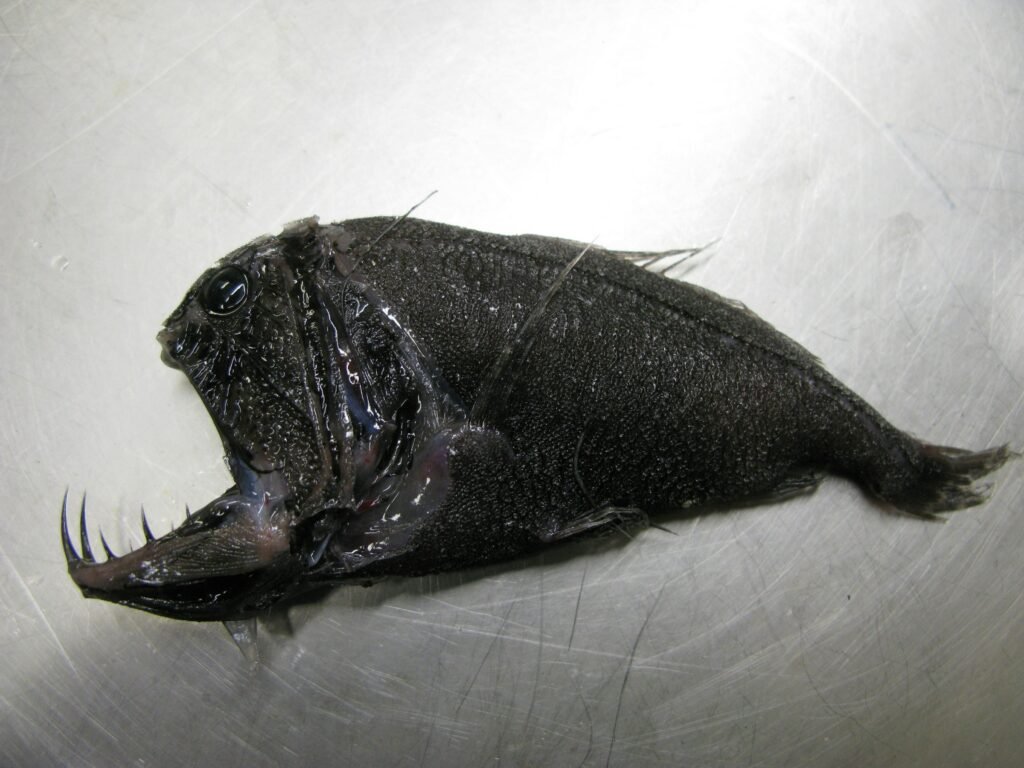
Most people assume that once science gives an animal a name, researchers keep studying it for decades. Actually, the opposite is often true. It’s been estimated that 13% to 22% of described species – depending on the taxonomic group – have only ever been observed once, written up in a single paper, and never seen by a scientist again.
Some taxonomists privately suspect the real number is even higher, with entire categories of life existing only as a name on a page – never followed up, never re-examined, never seen again. Here’s what the data actually says about the creatures science found once and then quietly forgot.
#13 – Trochosaurus, the Badger-Named Fossil Nobody Could Pin Down
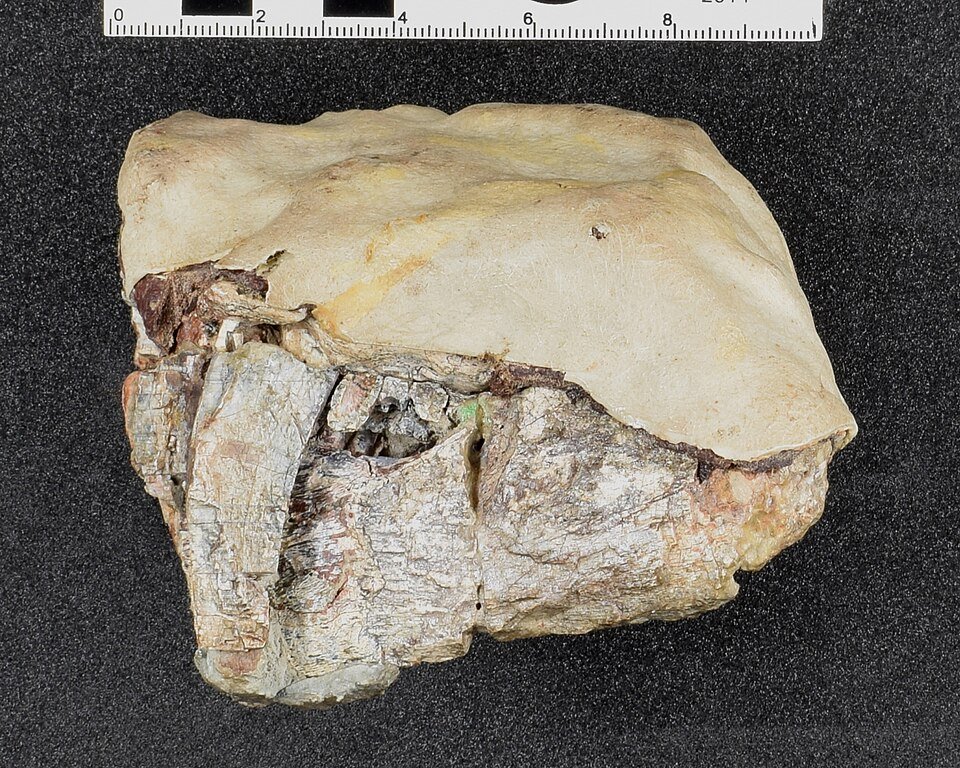
A reptile literally named after a badger has spent over a century stuck in scientific limbo.
Trochosaurus, from Greek words for “badger” and “lizard,” is a dubious genus of therocephalian therapsid from South Africa, to which various species were once assigned. Researchers piled species onto this genus for decades, including a type species described in 1915 and additional species added in the 1930s, before the whole lineage was quietly reclassified as unreliable. Every single species ever placed in Trochosaurus is now flagged the same way in the record.
Fast Facts
- Genus name derived from Greek words for “badger” and “lizard”
- Type species described in 1915
- Additional species added throughout the 1930s
- Every species now flagged as a nomen dubium
That flag is called a nomen dubium, and it refers to a scientific name that is of unknown or doubtful application. A name may also be considered a nomen dubium if its name-bearing type is fragmentary or lacking important diagnostic features, which is often the case for species known only as fossils. Trochosaurus isn’t rare – it’s one of thousands of fossil names quietly sitting in this exact gray zone. And #12 makes even this look tame – it’s a full century of silence.
#12 – The Century-Old Deep-Sea Worm Nobody Rechecked
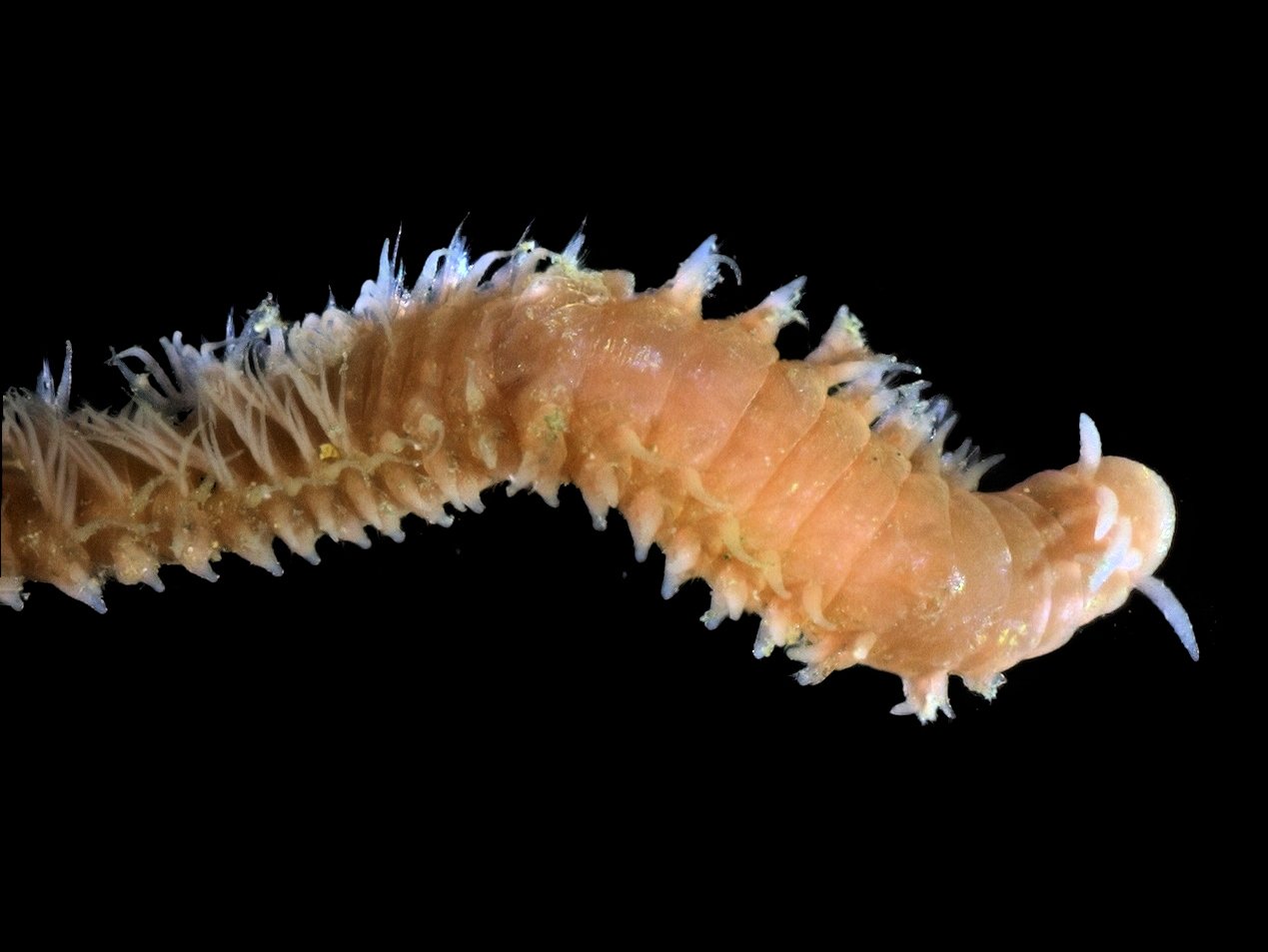
One species, one description, one full century of total scientific silence.
Deep inside the taxonomy of the marine worm genus Marphysa sits a lonely category: Group D contains exactly one named species on Earth, first described back in 1920, and it has never been joined by a second. No competing description, no rediscovery, no revision – just a single name holding an entire branch of the family tree by itself for over a hundred years.
Part of the reason is where these worms live. The deep-sea fauna has rarely been studied compared to terrestrial and shallow water fauna, and even historic expeditions like the Siboga and HMS Challenger didn’t pay much attention to certain deep-sea regions. Only a handful of taxonomic studies on these worms have ever been conducted, mostly in coastal habitats and hydrothermal vents, leaving other deep-sea habitats largely undocumented. That means a species can sit unverified for over 100 years simply because nobody has gone back to look. Somehow, #11 manages to be even lonelier.
#11 – Marphysa fauchaldi: The Lone Member of Its Own Taxonomic Club
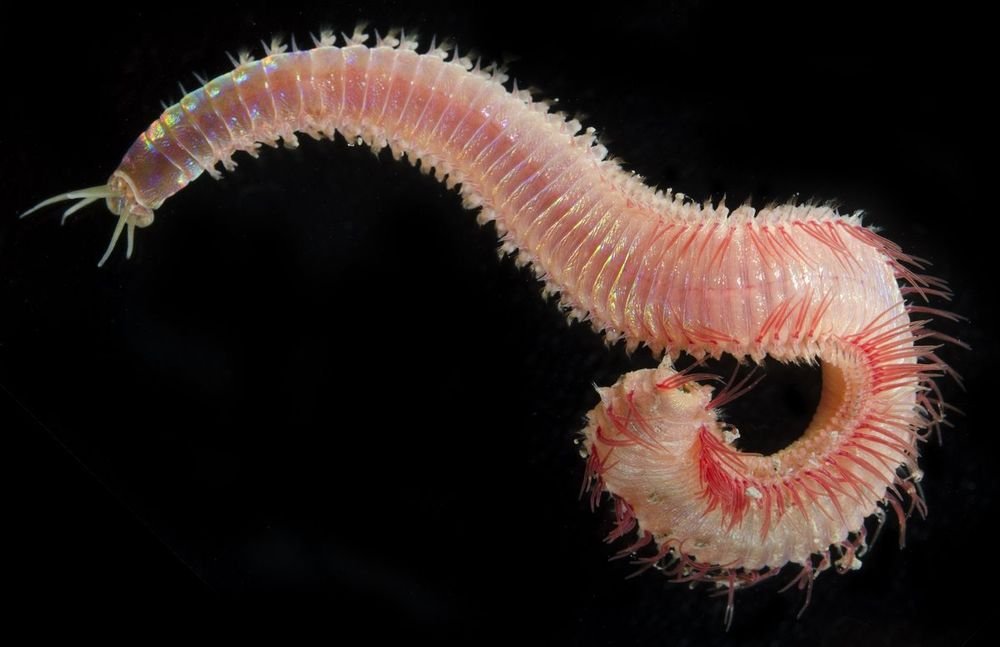
Some species don’t just go unstudied – they never even get company in their own category.
Group E of that same Marphysa genus is even younger and just as isolated: it holds a single species, named in 2010, and to this day it remains the only member of its group. While its neighboring categories have picked up multiple species over the decades, this one has stayed frozen at exactly one, as though the moment the paper was published, the search simply stopped.
Many experts now argue this pattern says more about funding gaps than biology. Deep-sea taxonomy is chronically underfunded, and describing a “one and done” species is often easier than chasing down a follow-up expedition years later. The lonely categories may not reflect rare animals at all – they may reflect research nobody ever finished. #10 takes that isolation and adds a genuine scientific risk to it.
#10 – Myonera aleutiana: The Carnivorous Clam That Broke a Record and Vanished
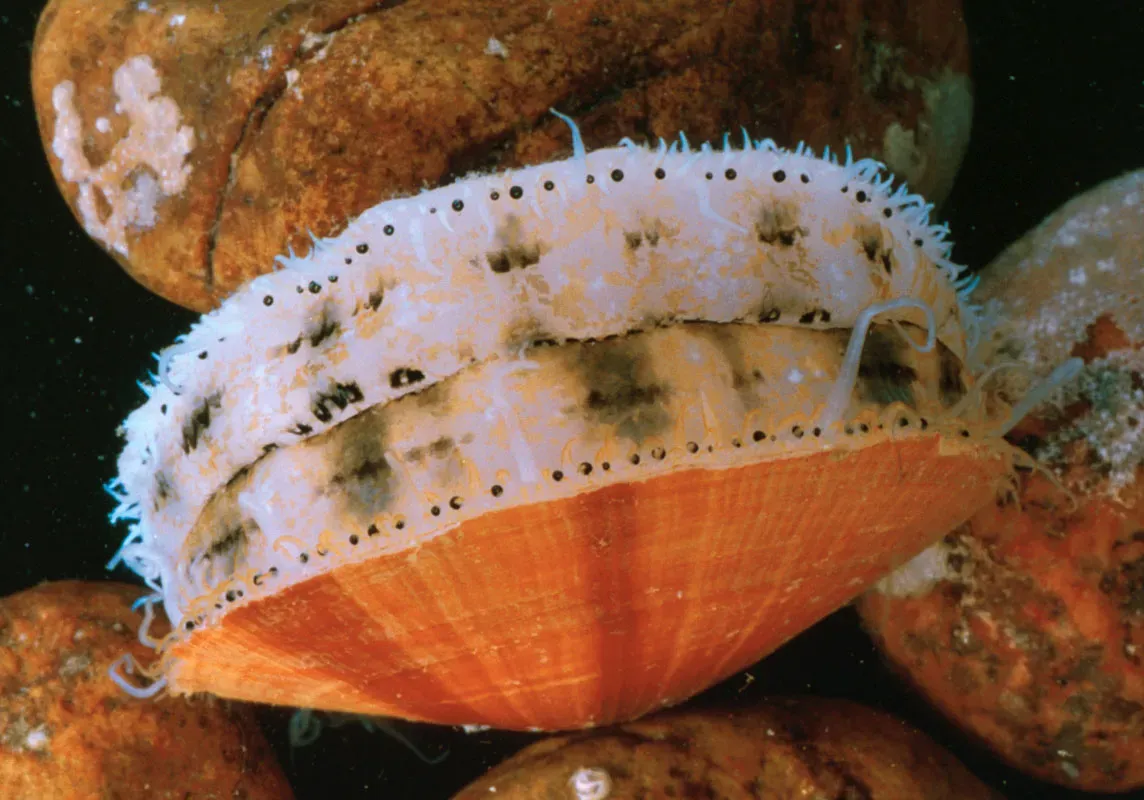
A predator hiding inside a bivalve shell just set a depth record most people have never heard about.
Myonera aleutiana, a carnivorous deep-sea bivalve, was documented using non-invasive micro-CT scanning that produced more than 2,000 tomographic images, revealing remarkable detail of its soft tissue without a single cut. It was found between 5,170 and 5,280 meters deep, roughly 800 meters deeper than any previously known species in its genus, and it represents the first in-depth anatomical description ever produced for any Myonera species.
That last detail is the real shock: an entire genus’s worth of anatomical knowledge now rests on a single specimen. If that one holotype is ever lost or damaged, science effectively loses its only detailed window into how this creature actually works. #9 raises the stakes again, with an entire species riding on one octopus.
#9 – Grimpoteuthis imperator: The Dumbo Octopus Known From One Body
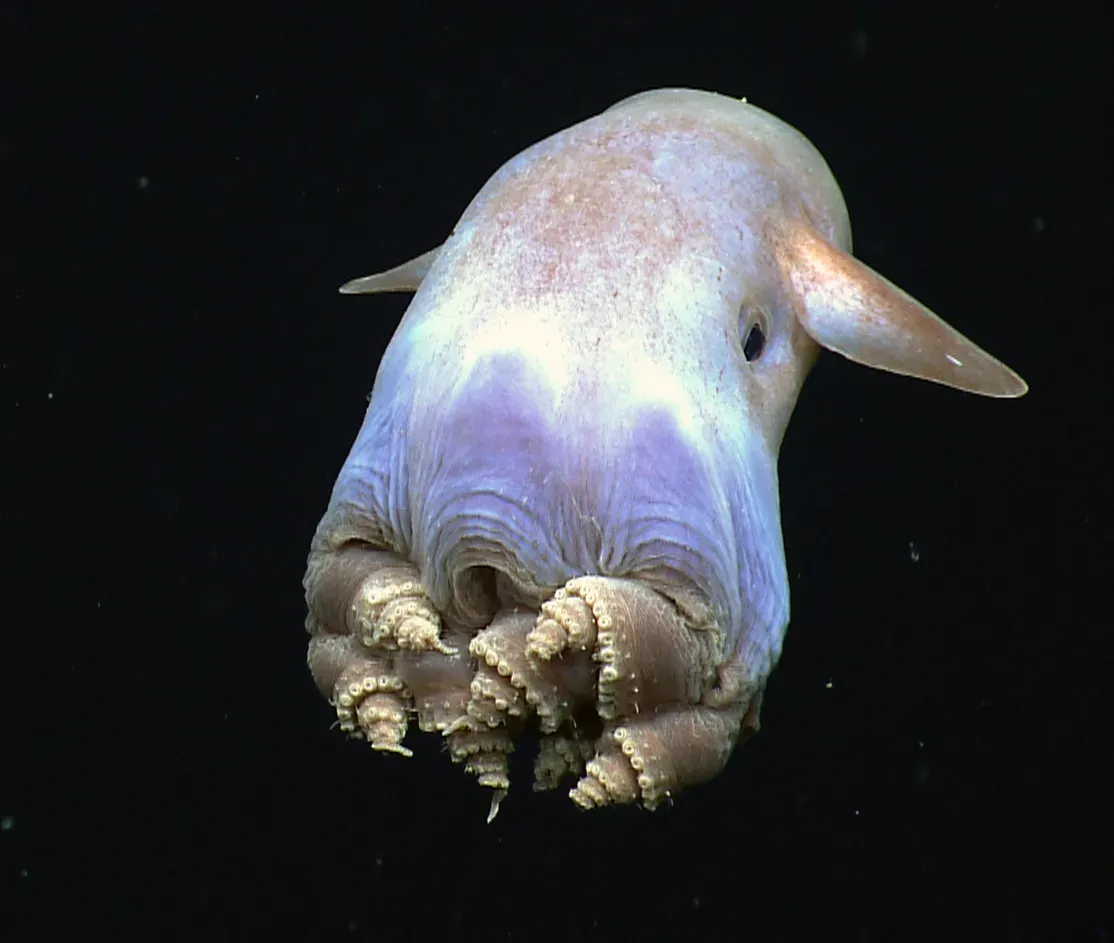
An entire species exists in the record books because of exactly one octopus.
Researchers used the single available representative of an allegedly novel deep-sea cephalopod species, combining digital photography, MRI, micro-CT, and DNA barcoding, ultimately designating that lone specimen as the holotype of a new dumbo octopus species, Grimpoteuthis imperator. No dissection, no second body, no population survey – just one individual, scanned from every possible angle.
Worth Knowing
- Digital photography captured external features from every angle
- MRI scanning mapped internal soft tissue without cutting
- Micro-CT imaging added fine structural detail
- DNA barcoding confirmed the specimen as a new species
The reason for this caution is simple: invasive dissection techniques involve damage or even partial destruction of a specimen, which can preclude analysis of singular, endangered, rare, or otherwise valuable organisms. In other words, cutting the animal open to study it properly would have destroyed the only proof it ever existed. #8, though, isn’t a deep-sea mystery at all – it’s a plant that vanished from a bookshelf.
#8 – Abutilon albidum: The Plant That “Disappeared” for 74 Years
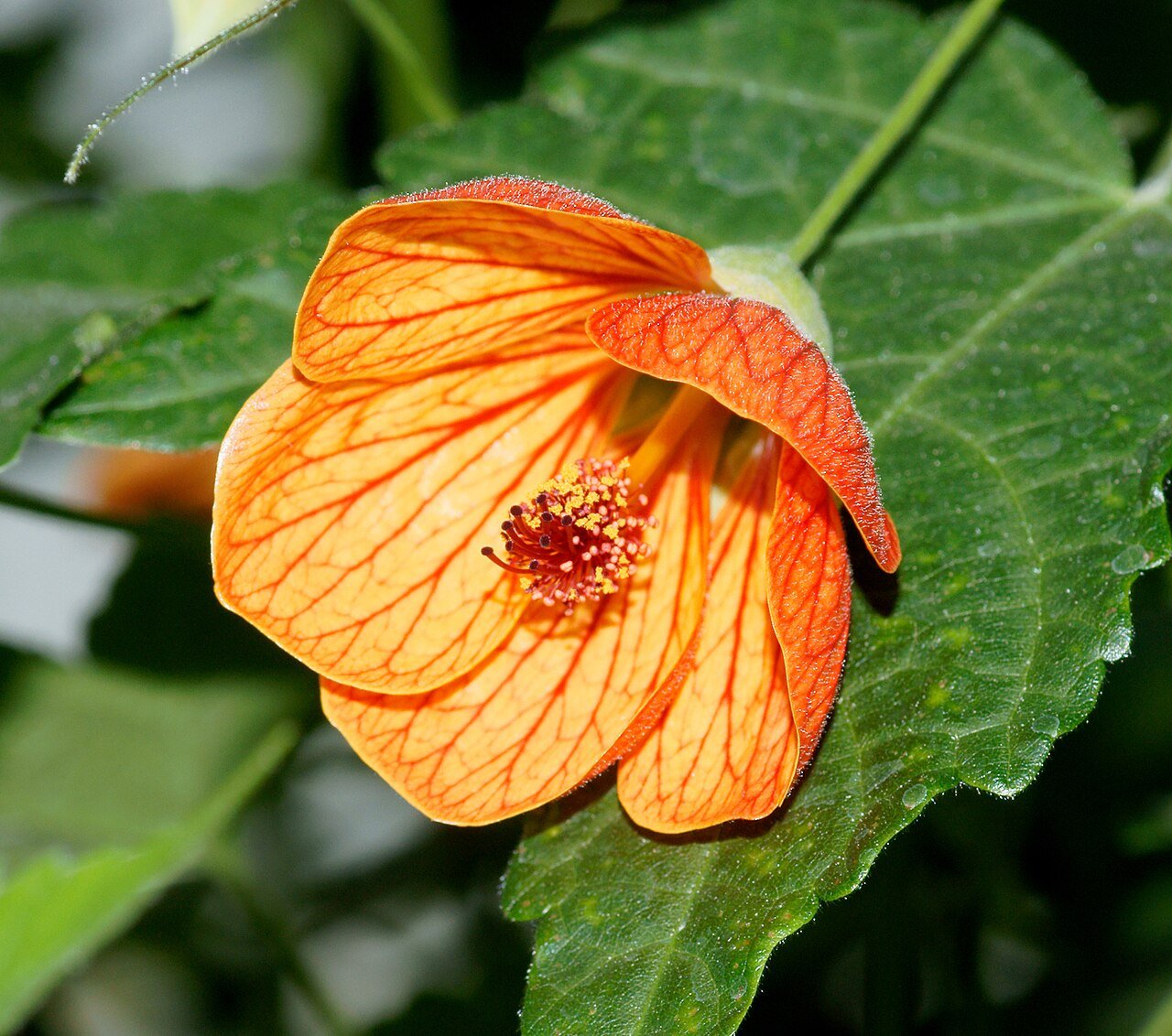
This shrub didn’t go extinct. It just fell completely out of the scientific conversation.
Abutilon albidum was thought to have been last collected in 1945 in Tenerife, only to be rediscovered in the exact same area in 2019. After the 1940s it was no longer collected nor mentioned in regional literature, and surprisingly, without any real explanation, Canarian records of the species were later folded into an entirely different, invasive weed instead.
This is a pattern that shows up constantly in botany and zoology alike. Research on vertebrates has shown that species considered undescribed were, in several cases, actually discovered and named long ago, only to fall into oblivion while being treated as synonyms of other taxa. The species wasn’t lost. The paperwork was. #7 shows the same blind spot swallowing not one species, but fifteen at once.
#7 – The Cave Amphipods Conservation Forgot
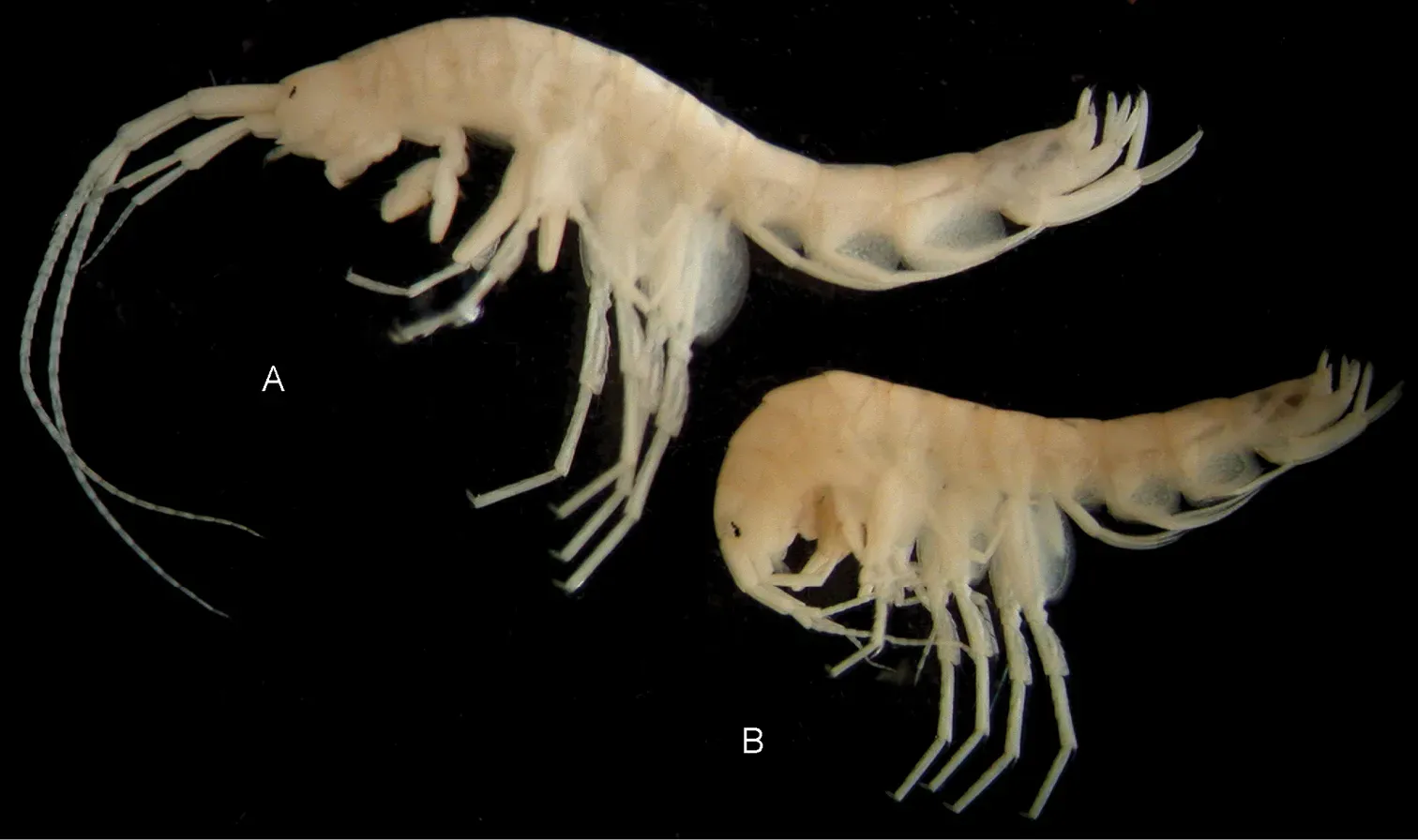
Fifteen distinct species were hiding inside what everyone assumed was just one.
Using genetic delineation methods on the subterranean amphipod complex Niphargus stygius sensu lato, researchers found it actually consists of 15 parapatric and sympatric species, each as evolutionarily distinct as the average nominal species in the genus. For years, all fifteen were treated as biological background noise, invisible under a single shared name.
At a Glance
- 15 distinct species hidden inside one presumed species
- Each as evolutionarily distinct as typical named species in the genus
- Slovenia’s subterranean endemic count underestimated by 12 species
- Croatia’s count underestimated by 4 species
Here’s the controversial part: most cryptic species are rarely included in conservation programs because they remain formally undescribed. Ignoring these cryptic species underestimates the number of subterranean endemics in Slovenia by 12 species and in Croatia by four. Entire endemic populations can vanish forever without a name ever being officially assigned to protect them. #6 proves this isn’t just a subterranean problem – it happens in broad daylight, too.
#6 – Three Moths Mistaken for One Species, For Decades
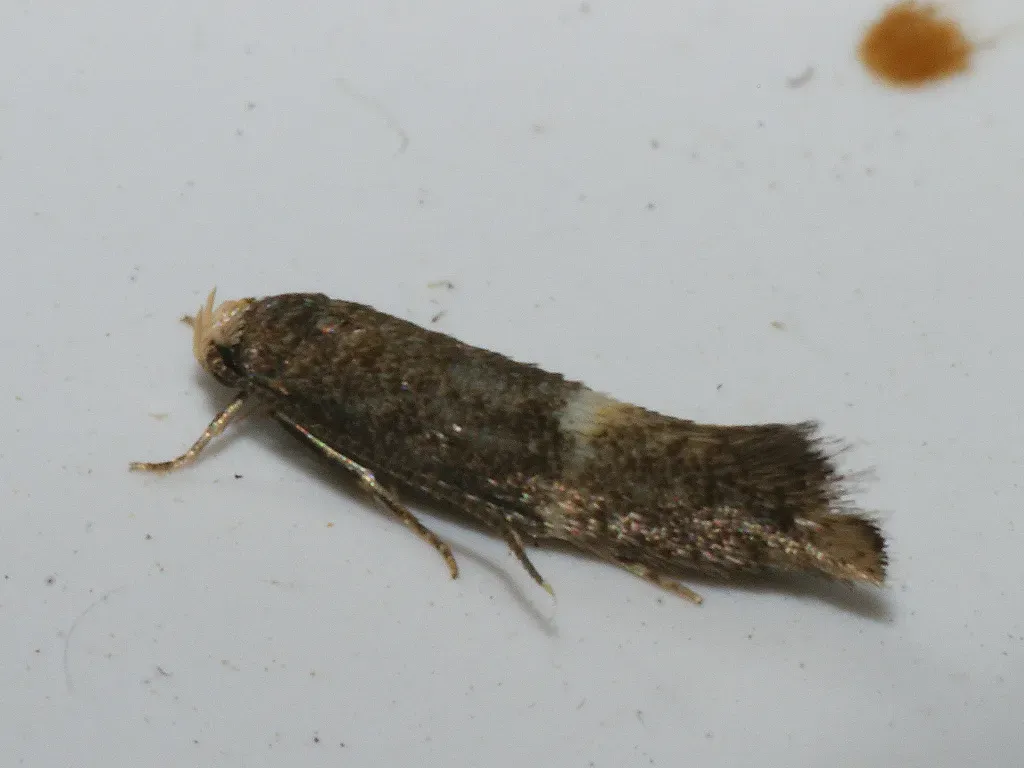
For years, taxonomists lumped three completely separate species under a single name, because nobody thought to check their pheromones.
Investigations into primitive moths combined pheromone-trap bioassays with mitochondrial and nuclear barcoding to resolve species boundaries in a group previously defined only by subtle wing-scale patterns, ultimately identifying three cryptic Eriocrania species in Northern Europe, each with unique pheromone ratios that drove assortative mating. Wings alone couldn’t tell them apart. Chemistry could.
This is now considered a compelling example of non-ecological speciation, demonstrating that chemical ecology paired with DNA diagnostics can uncover hidden diversity even in well-studied insect orders. If moths this thoroughly studied were hiding three species inside one name, imagine how many obscure, rarely-studied insects are doing the exact same thing right now. #5 turns that suspicion into eight confirmed cases at once.
#5 – The “Cosmopolitan” Worm That Was Secretly Eight Species
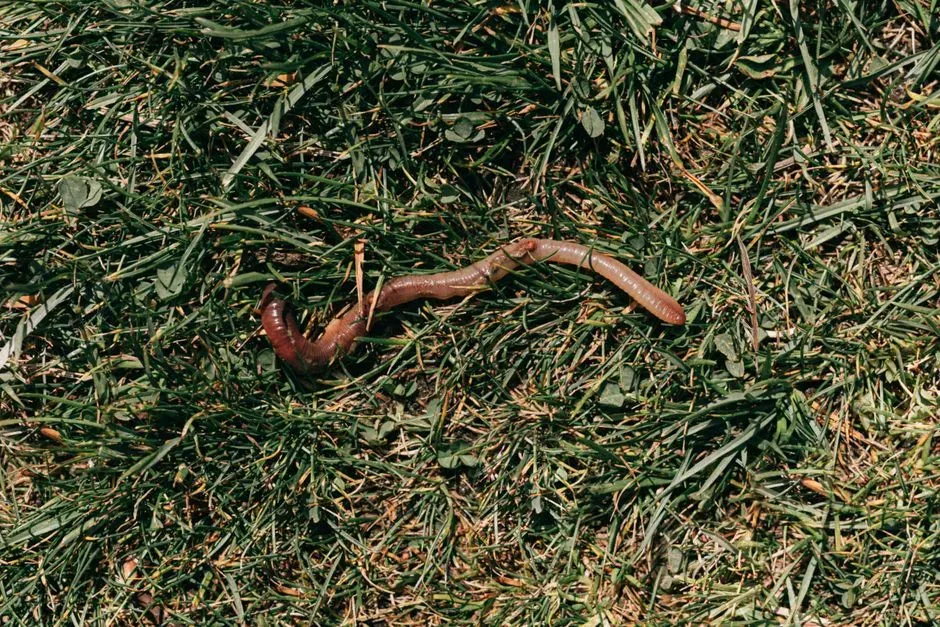
A creature believed to live on coastlines worldwide turned out to actually be eight completely different animals, each trapped on its own single coast.
Research on a once-cosmopolitan ghost-worm revealed eight distinct species confined to single coastlines, identified through multilocus phylogenetics and coalescent-based delimitation methods. For years, textbooks confidently described this “one species, worldwide” story as settled biology.
It wasn’t remotely settled. Many marine species labeled as having a huge, convenient global range are almost certainly the same story repeated: one name applied broadly out of convenience, while genetics quietly reveals a dozen narrowly endemic species that nobody bothered to re-examine. The map was wrong the entire time – it just took modern DNA tools to prove it. #4 drags this same uncertainty all the way back into the fossil record.
#4 – Rebuilt From a Single Bone Fragment, Then Forgotten
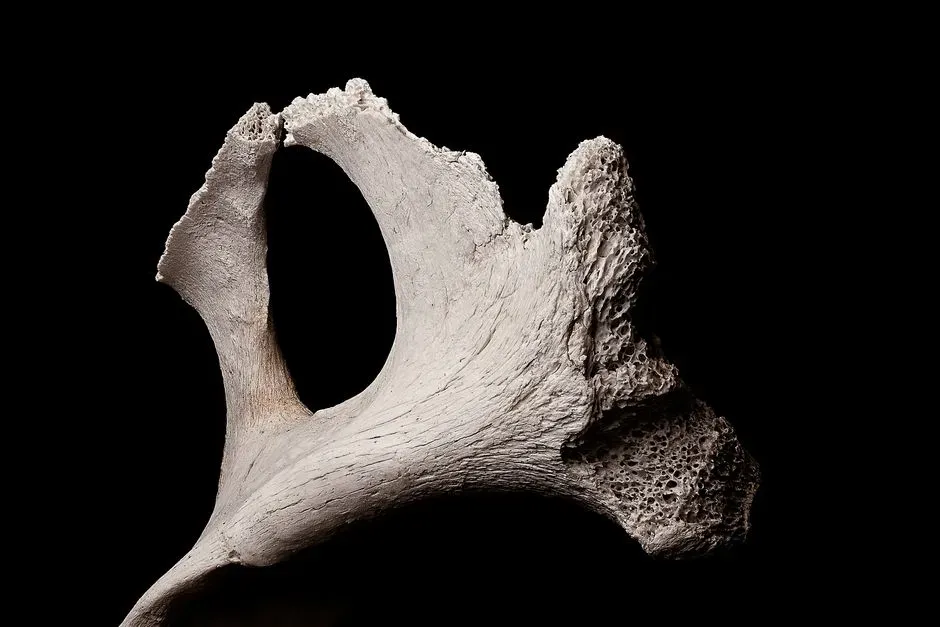
An entire reptile species can hinge on nothing more than one broken piece of bone.
In case of a nomen dubium, it may be impossible to determine whether a specimen belongs to that group at all, and this often happens when the original type material is lost or destroyed. For fossil species especially, that “type material” was frequently just a jaw fragment, a tooth, or a partial skull to begin with – nowhere near enough to compare confidently against anything discovered later.
The scientific rulebook does allow a fix: the zoological and botanical codes allow for a new type specimen, called a neotype, to be chosen in these cases. But that fix requires someone to actually revisit the case, and most nomina dubia simply never get that attention. The species exists purely as a name attached to a description – nothing more. #3 shows how badly this problem can scale – straight into triple digits.
#3 – The 103 Ghost Species Hiding in One Dinoflagellate Genus
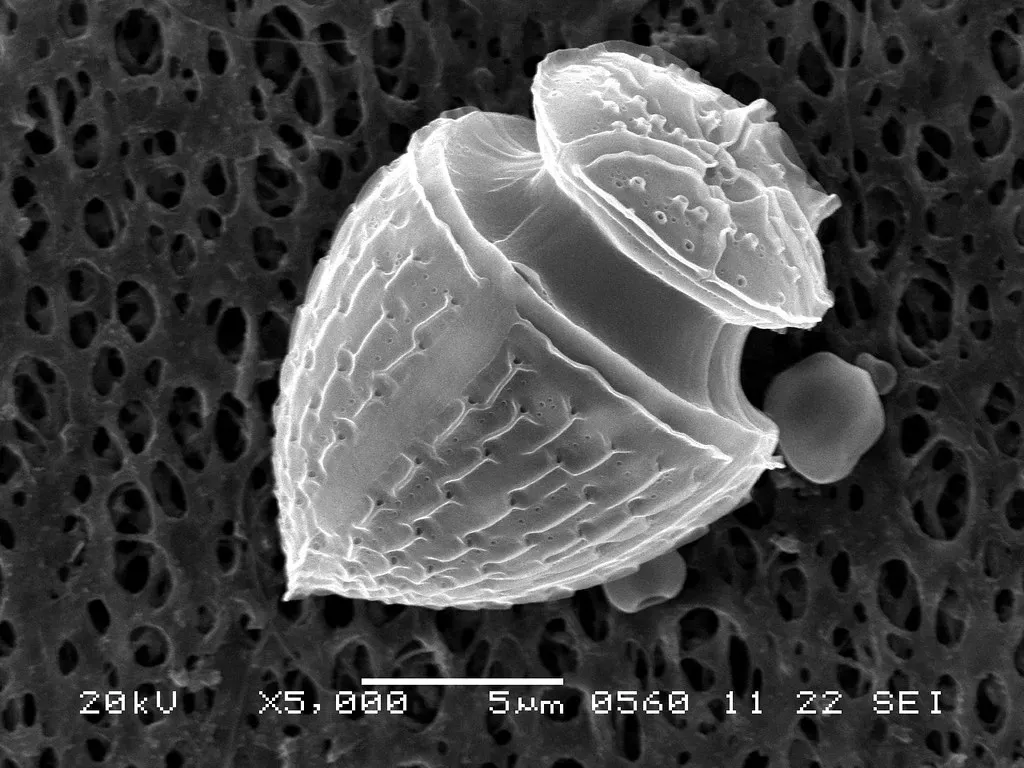
Inside a single genus of microscopic plankton, more than a third of every named species has vanished from the scientific record entirely.
The genus Gymnodinium contains 268 extant species, 103 of which – 38% – have not been observed since their original description. Scientists call these species “oncers,” meaning they’ve only ever been observed at the time and place of their original discovery. That’s not a handful of oddities. That’s more than a third of an entire genus.
Quick Compare
- Total named species in the genus: 268
- “Oncers” never seen since discovery: 103 (38%)
- Realistically identifiable species, per researchers: 234
The uncomfortable part is why. Researchers concluded that the majority of these oncers were poorly described in the first place, leaving their true identity ambiguous. As a result, they argued the genus realistically contains only 234 identifiable species, not 268. Nearly 100 official names might be functionally useless because nobody wrote a good enough description the first time. #2 is where actual taxonomists start arguing with each other about how bad this really is.
#2 – Taxonomists Still Argue About How Many “Ghost Species” Actually Exist
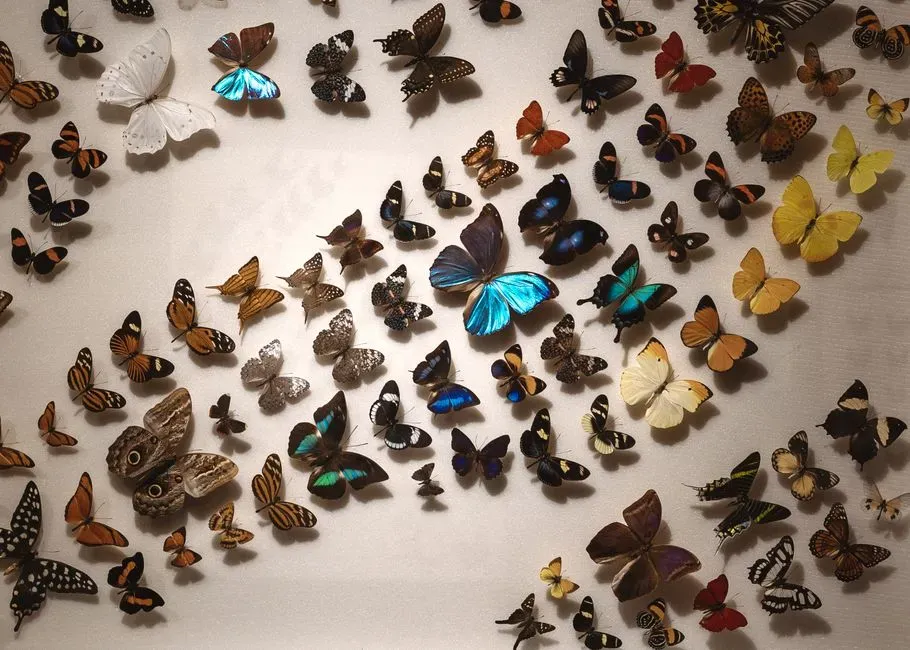
When professional taxonomists tried to actually count the ghosts, they couldn’t even agree on the number.
On a taxonomy research mailing list, specialists debated this directly. One estimate suggested that 30 to 35% of species are known only from their original description. Another expert pushed the number dramatically higher: it’s been suggested that our understanding of 50% to 65% of all species is limited entirely to the information included in the original description, meaning for very many species there have been no further publications adding new information.
That’s a staggering admission from inside the field itself. If that proportion is really this high, it directly affects the reliability and effectiveness of the entire discovery process. Half of everything science has ever formally named might still be unverified. None of that, though, compares to the single strangest case on this list.
#1 – The Ghost Fish Filmed Alive Exactly Once, and Never Again
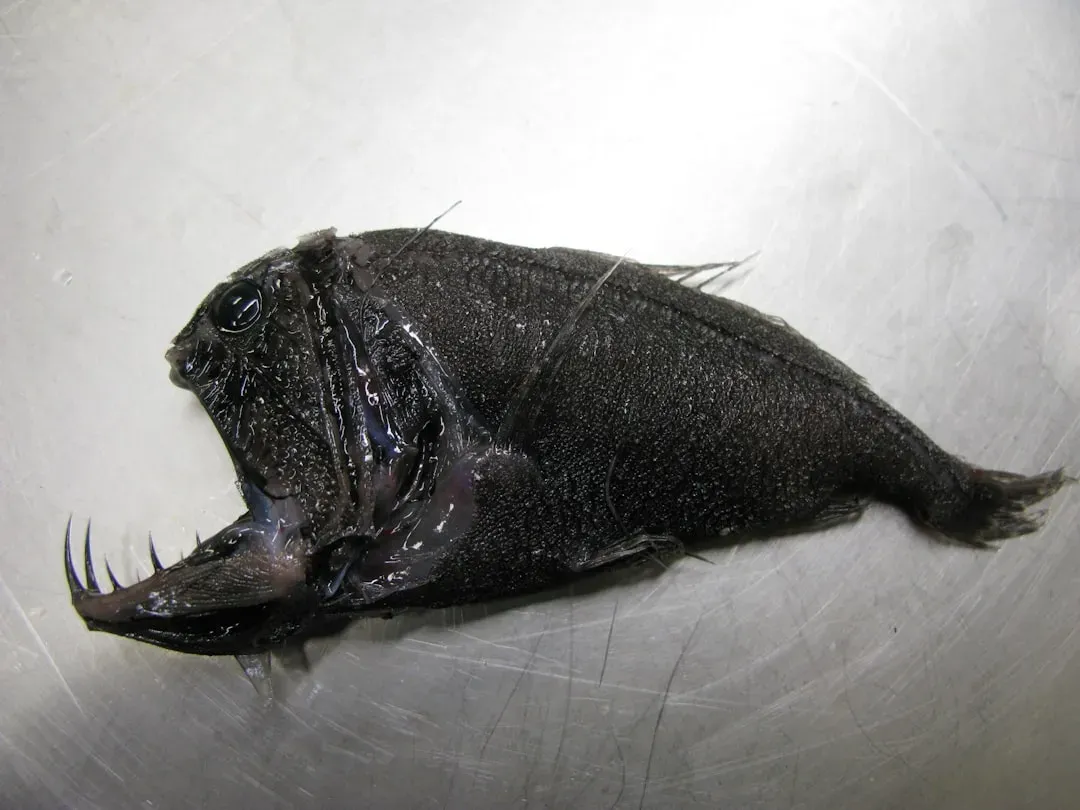
On a ridge deep inside the Mariana Trench, cameras caught something that had never been filmed before – and still hasn’t been filmed since.
The “ghost fish” belongs to the family Aphyonidae and was first spotted alive by scientists in 2016 during a National Oceanic and Atmospheric Administration expedition. It was filmed at about 2,500 meters deep along Explorer Ridge inside the Mariana Trench Marine National Monument, and the specimen itself was only about 10 centimeters long. Before that sighting, essentially everything known about aphyonid fishes came from trawled, already-dead specimens.
That single sighting still stands alone. It marks both the first and last-ever live footage of any member of the Aphyonidae family. More than 80% of the deep sea remains completely unexplored to this day. Somewhere down there, entire families of animals are probably living their whole existence without a single human ever seeing them move.
The Bottom Line
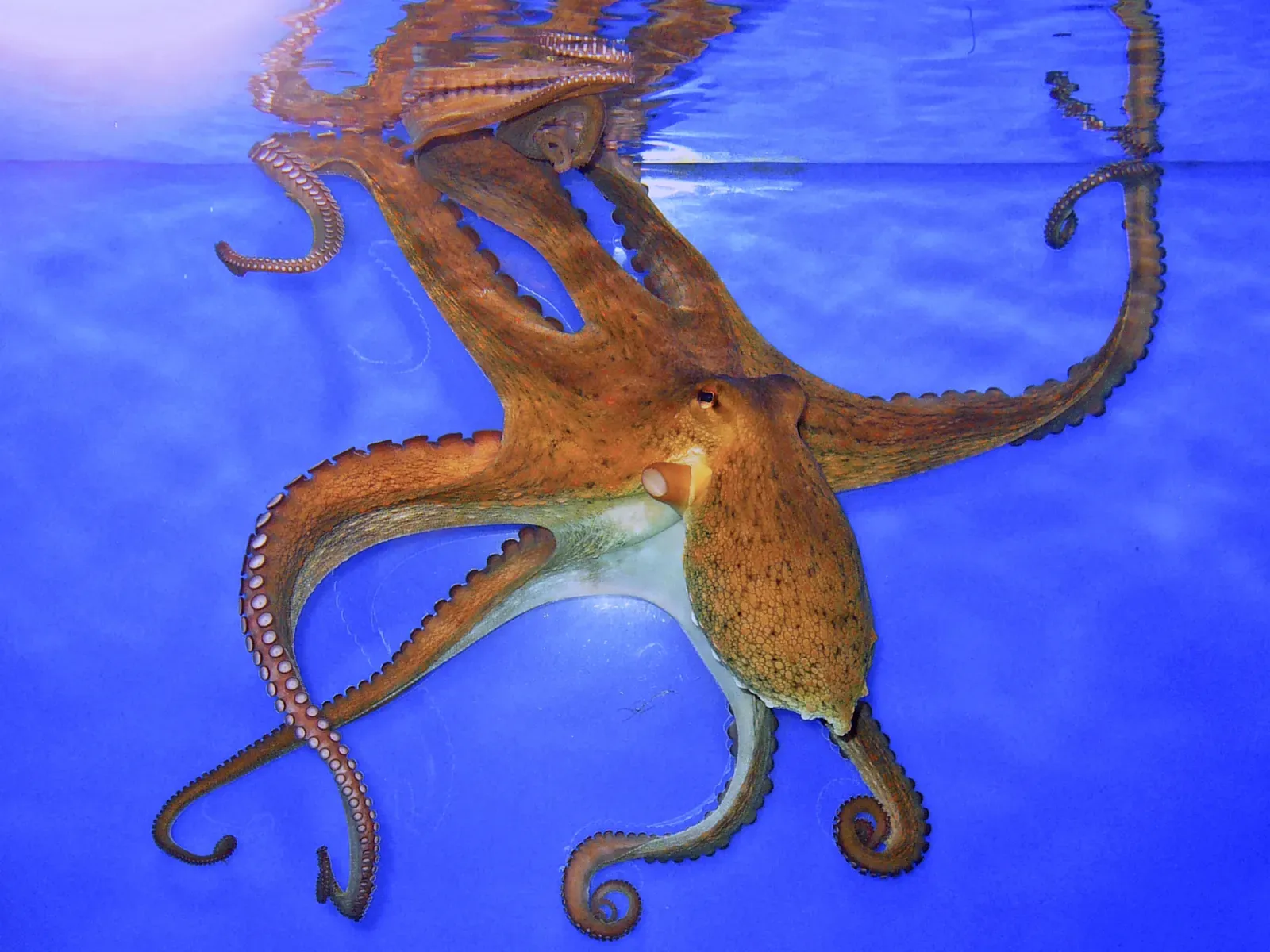
Here’s the uncomfortable truth: science’s tidy species lists are far shakier than most people assume. A worm named in 1920, an octopus known from one body, a fish filmed alive exactly once – these aren’t rare exceptions. They’re a documented pattern, possibly affecting more than half of everything ever formally described.
We’d argue taxonomy has a serious follow-up problem, not just a discovery problem – funding chases new names, not confirming old ones. Which “oncer” do you think is most likely still out there, alive, waiting to be seen a second time? Drop your guess in the comments.