
Somewhere along the way, humans decided nature already sorted its winners from its losers – that the slimy, the bald, the twitchy-tailed, and the bug-eyed earned their bad reputations fair and square. We built entire cultures of disgust around certain animals without ever checking the receipts.
Here’s the uncomfortable twist: scientists studying cancer resistance, ecosystem collapse, and animal cognition keep finding that the creatures we dismiss fastest are often doing the heaviest lifting behind the scenes. Some are quietly rewriting medical textbooks. Others are the only thing standing between a functioning ecosystem and a public health disaster. Keep reading, because by the end of this list you may never look at a rat, a vulture, or a naked mole rat the same way again.
#1 – The Opossum
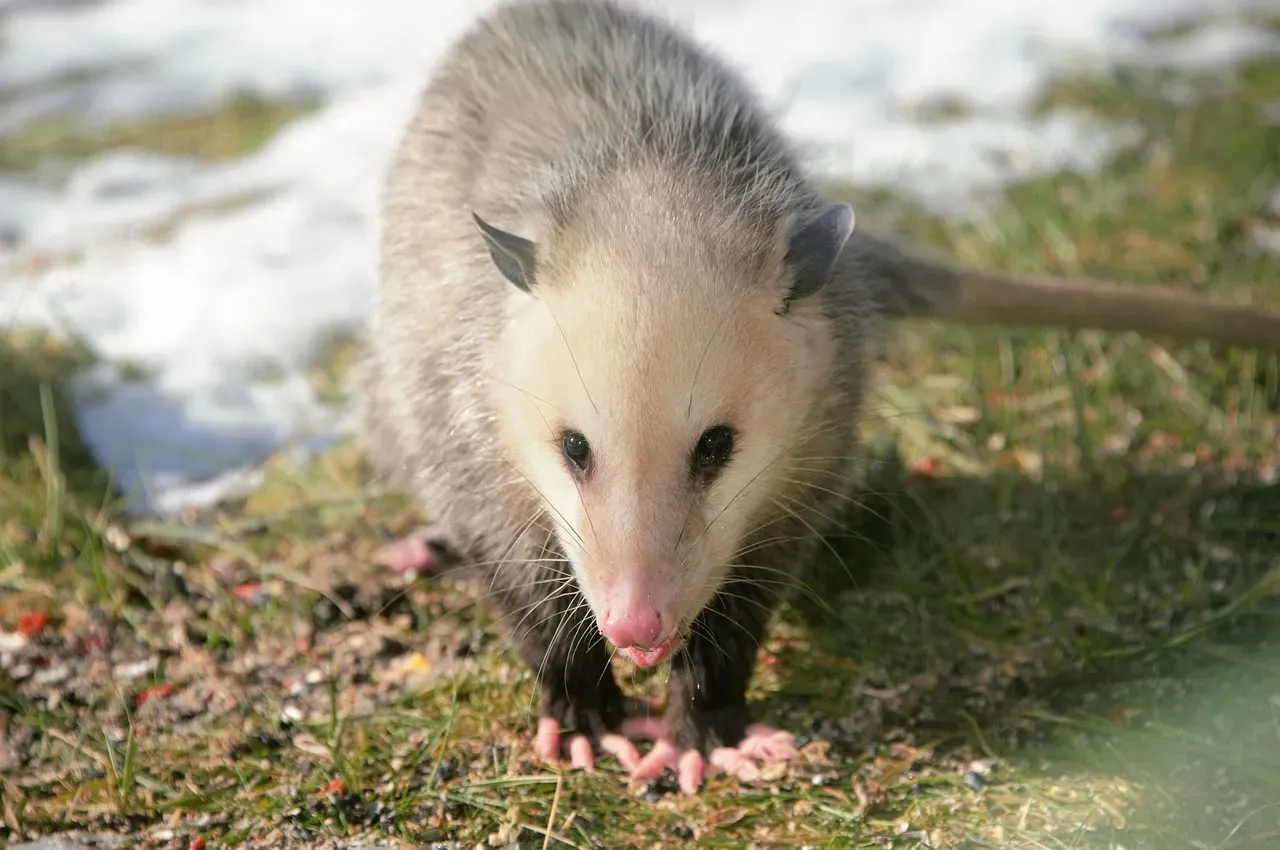
Most people see a hissing, snaggle-toothed opossum rooting through the trash and assume it’s a diseased pest that deserves the broom. That reputation is almost entirely undeserved.
Opossums run body temperatures too low to sustain the rabies virus effectively, which makes them one of the least likely mammals on the continent to actually carry it, despite decades of fear-based rumors. They’re also remarkably resistant to the venom of pit vipers, a trait researchers have studied specifically for its potential in developing better antivenom for humans.
Social media loves claiming opossums are tick-annihilating machines that devour thousands per season. Recent stomach-content research complicates that story significantly. Researchers analyzed the stomach contents of 32 Virginia opossums from central Illinois and searched exhaustively for ticks or tick fragments – and found none.
That doesn’t make opossums useless. They still function as nature’s clean-up crew, consistently eating garbage, rotting carrion, spoiled eggs, and nuts that would otherwise sit and rot. The real story is more interesting than the meme: opossums are one of the most disease-resistant, low-conflict mammals living quietly in your backyard.
#2 – The Naked Mole Rat
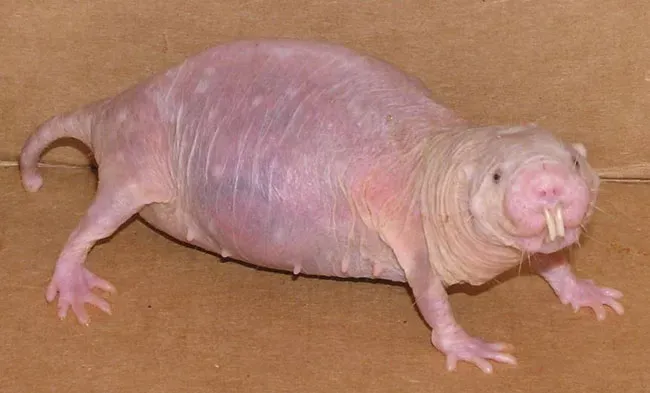
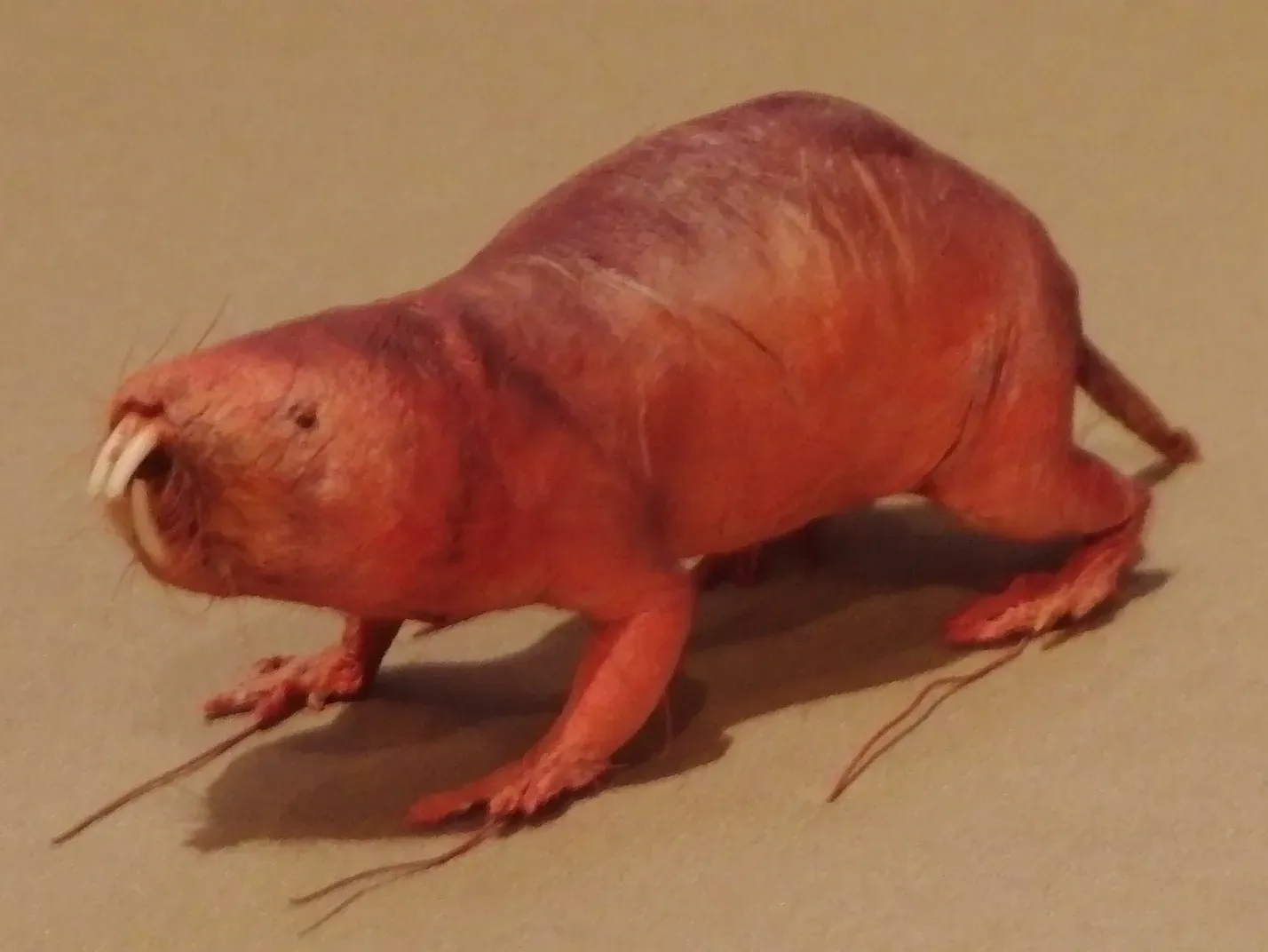
If any creature deserves the title “so ugly it’s secretly a superhero,” it’s this one. Naked mole rats almost never get cancer, and scientists have finally figured out why.
Naked mole-rats have a maximum lifespan exceeding 37 years, show a delayed aging phenotype, and rarely develop cancer or Alzheimer’s disease. That’s an absurd lifespan for a rodent roughly the size of a mouse, an animal that typically survives only two or three years in the wild.
Researchers eventually traced the secret to a specific molecule called HMW-HA, a heavyweight form of hyaluronic acid. Naked mole rats carry about ten times more of it in their bodies than mice or humans do, and it appears to be one of the key mechanisms behind their cancer resistance.
When scientists engineered lab mice to carry the naked mole rat version of the gene responsible, the results were startling – those mice showed improved overall health and lived longer than ordinary mice. This isn’t a quirky internet fact. It’s the foundation of active human cancer research happening right now.
Fast Facts
- Lifespan can top 37 years – roughly 15x longer than a similarly sized mouse
- Rarely develops cancer or Alzheimer’s disease
- Carries about 10x more cancer-blocking HMW-HA than mice or humans
- Engineered mice given the same gene lived longer, healthier lives
#3 – The Vulture
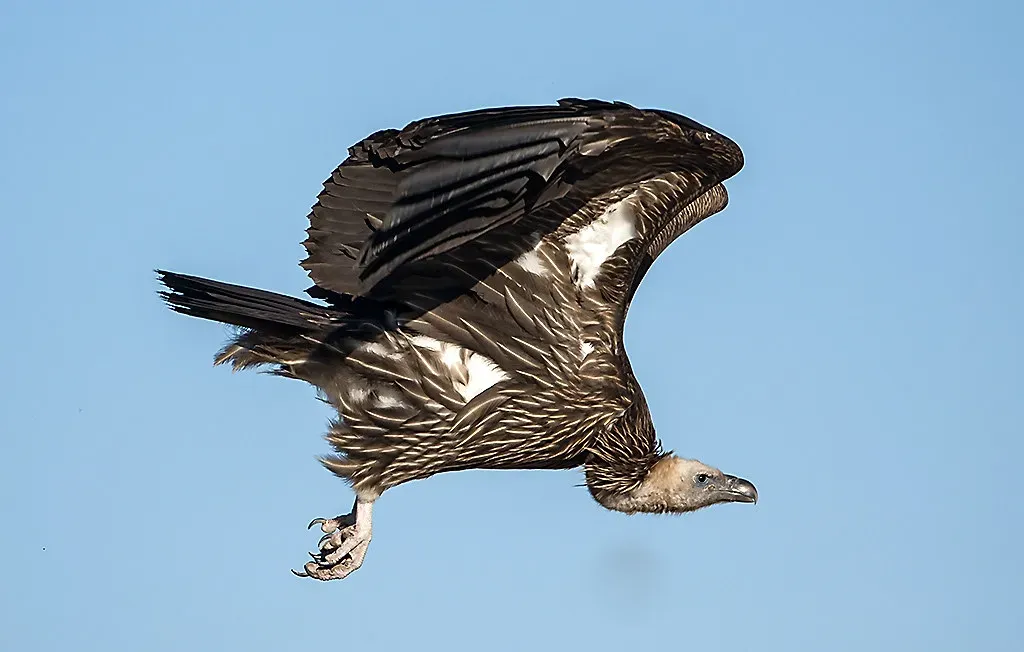
Nobody roots for the vulture. Bald-headed scavengers circling something dead don’t exactly inspire conservation fundraisers. But the collapse of vulture populations has directly killed thousands of humans, and almost nobody has heard about it.
Vulture populations in India fell by more than 95% during the mid-1990s – the fastest decline of any bird species ever recorded, and the steepest crash since the extinction of the passenger pigeon. Researchers studying the aftermath found something alarming: the loss of vultures raised all-cause human death rates by more than 4% in districts that once had strong vulture populations.
The mechanism is brutally simple. Without vultures rapidly stripping carcasses clean, feral dogs and rats move in instead, and disease risk climbs along with them. As one team studying the collapse put it, losing a specialist species from an ecosystem can’t always be compensated for by other animals – and when that happens, human disease burden can rise with it.
Field experiments back this up directly. When researchers excluded vultures from carcasses, decomposition rates were cut in half, and fly abundance doubled compared to carcasses vultures could access normally. Vultures aren’t gross. They’re a sanitation department nobody ever thanked.
#4 – The Tardigrade
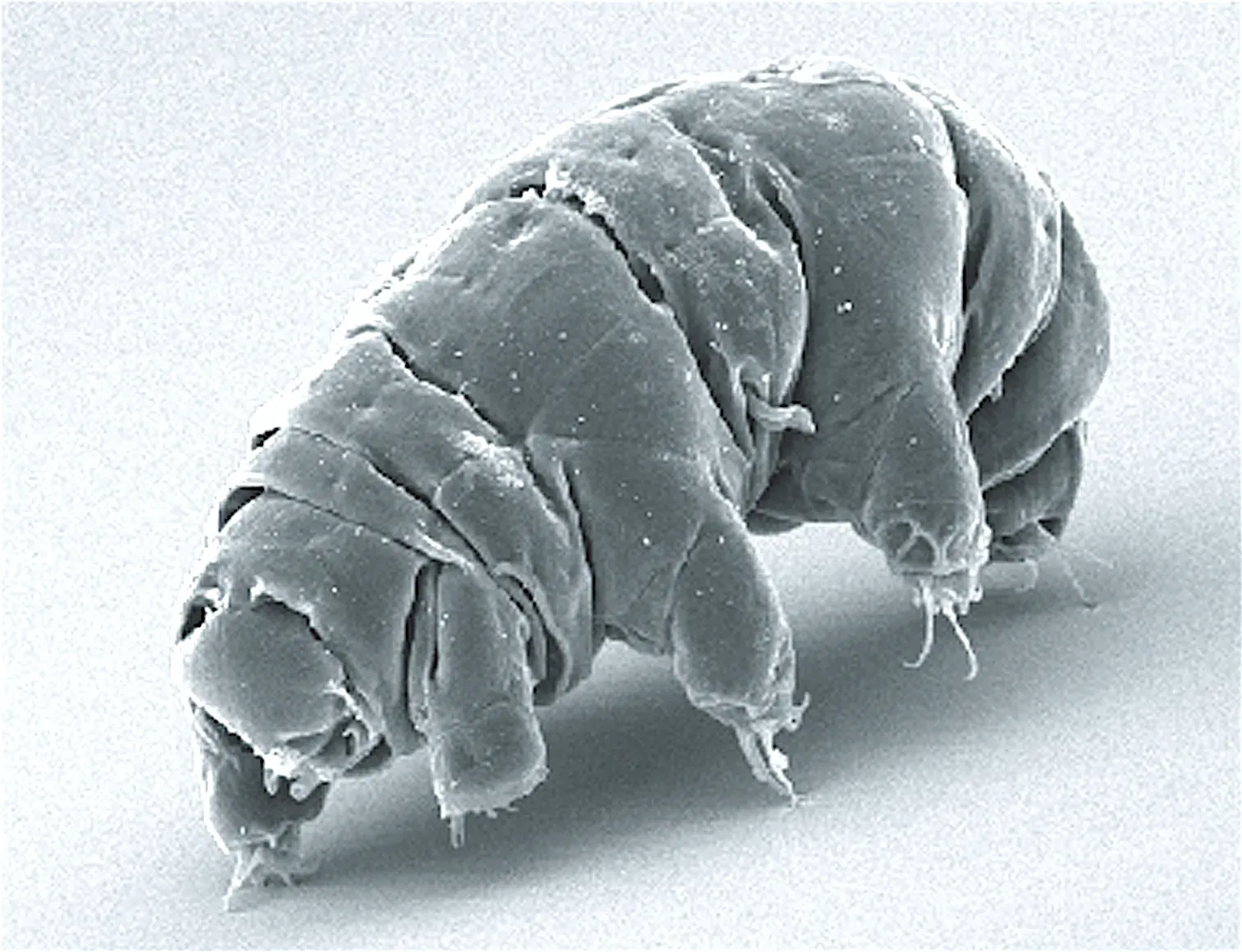
Most people have never seen a tardigrade, let alone respected one. This microscopic “water bear” may be the single most indestructible animal on the planet, and it isn’t close.
In a desiccated state, tardigrades have endured the vacuum of outer space and pressures six times greater than the ocean’s deepest trench. They’ve survived temperatures as low as -458°F and as high as 300°F, and walked away unscathed from radiation levels 1,400 times higher than what would kill a human being.
Scientists have even fired them from air guns at extreme velocity just to test their limits – tardigrades shot at speeds approaching 3,000 feet per second still survived. The trick is a state called cryptobiosis, in which the creature expels nearly all the water from its body, retracts its head and limbs, and enters a dormant shell until conditions improve. A protein called Dsup shields its DNA from radiation damage the whole time it waits.
In that suspended state, a tardigrade can survive roughly 30 years without food or water. Space agencies now study them as models for keeping astronauts alive on long-duration missions. Try ridiculing that under a microscope.
#5 – The Cockroach
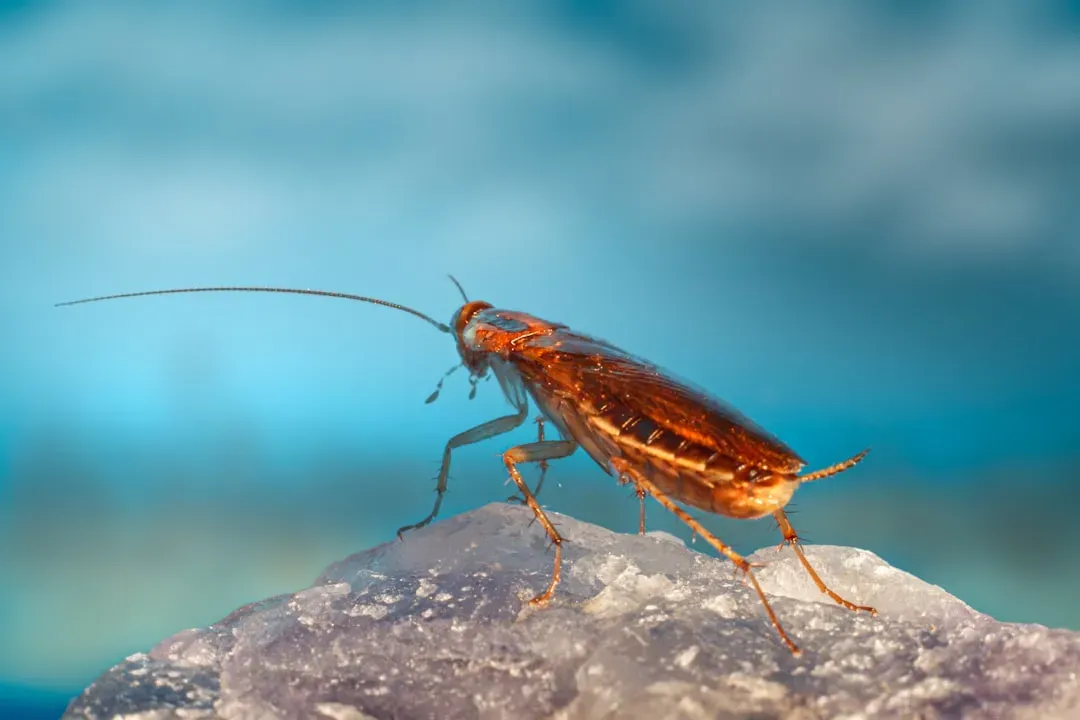
Cockroaches trigger instant disgust, and entire industries exist purely to eliminate them on sight. Secretly, though, roaches are one of the most sophisticated survival machines evolution has ever produced.
Cockroaches have existed in roughly their current form for hundreds of millions of years, predating dinosaurs by a wide margin. They can survive weeks without food, several days without water, and tolerate radiation doses many times higher than what would kill a human – a trait that made them useful test subjects in early nuclear-era biology research.
Beyond raw toughness, roaches display surprisingly complex behavior. They navigate mazes using memory, communicate through chemical trails, and even make collective decisions as a group about where to shelter, something researchers describe as a primitive form of social intelligence.
Their flattened bodies and jointed exoskeletons let them squeeze through cracks and absorb crushing forces that would kill most other insects instantly. Most people assume roaches thrive because they’re dirty. The truth is they thrive because they’re one of the most efficiently engineered bodies in the animal kingdom.
#6 – The Octopus
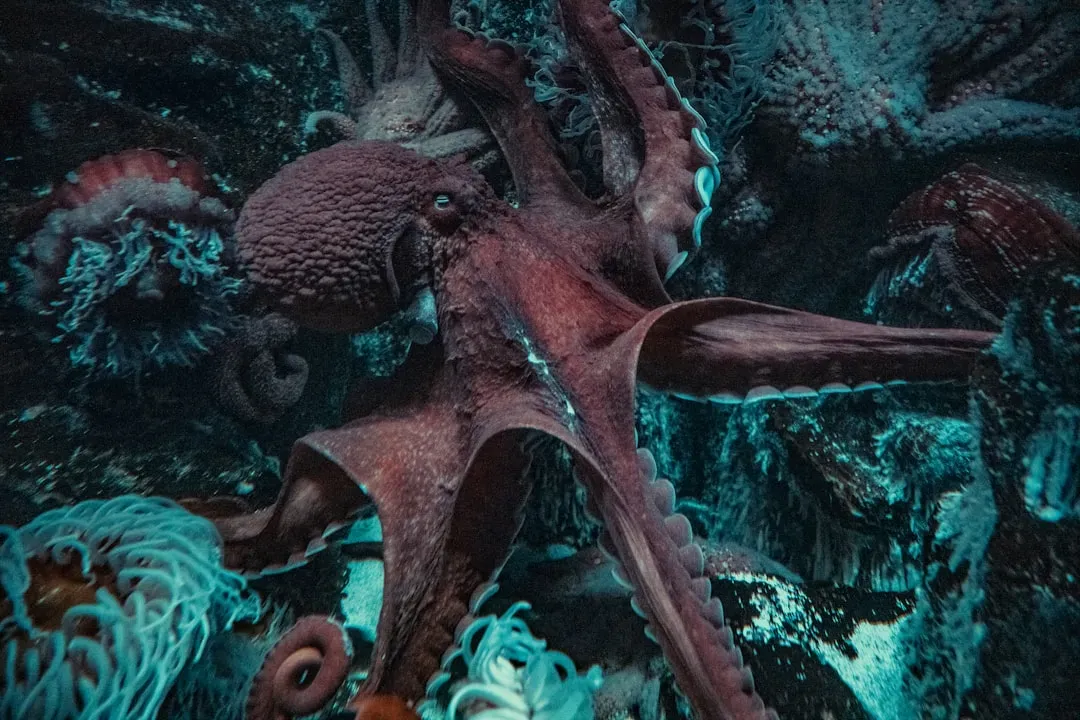
Octopuses look like something pulled from a horror film – all suckers, beaks, and shapeshifting skin. What most people don’t realize is that they may be the closest thing on Earth to an alien intelligence.
Roughly two-thirds of an octopus’s neurons are distributed across its eight arms rather than centralized in its brain, meaning each arm can taste, touch, and problem-solve semi-independently of the rest of the animal. Researchers have documented octopuses opening childproof jars, escaping supposedly secure tanks through drainage pipes, and using coconut shell halves as portable armor – behavior that meets the scientific definition of tool use.
They also change color and texture in fractions of a second, not only for camouflage but seemingly to express mood, using pigment cells wired directly to their nervous system rather than driven by hormones. Some species have even been observed “playing” with objects repeatedly with no food reward involved, behavior researchers associate with genuine curiosity rather than instinct.
Strangely, octopuses often live only a year or two, which makes their intelligence even harder to explain evolutionarily. Nobody fully understands why a creature builds that much brainpower for such a short life.
Why It Stands Out
- Two-thirds of its neurons sit in its arms, not its brain
- Opens jars, escapes tanks, and uses coconut shells as armor – real tool use
- Shifts color and texture in a fraction of a second
- Shows curiosity-driven “play” with objects, not just instinct
#7 – The Rat
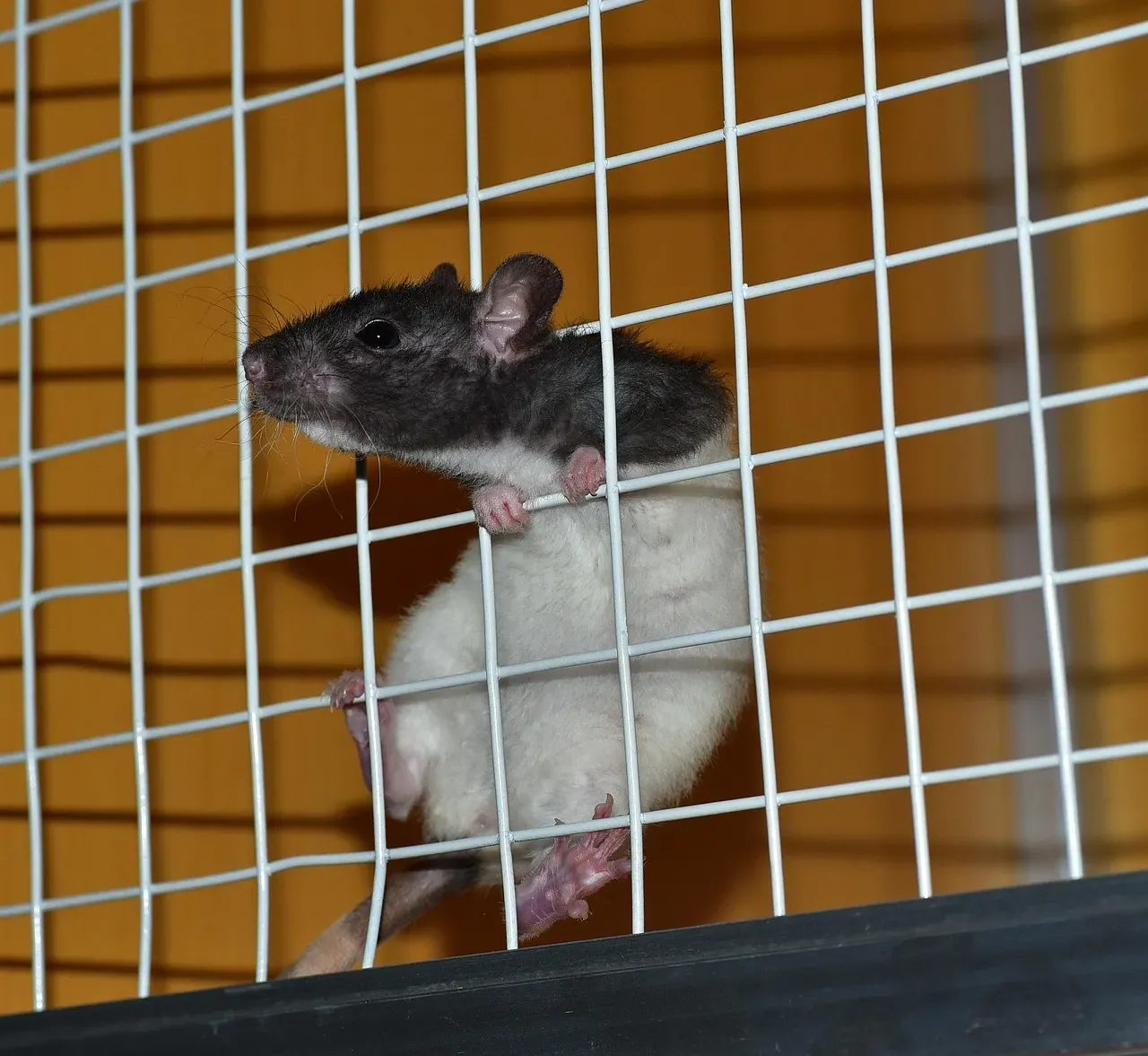
Few animals get written off faster than the common rat. Actually, laboratory and field research has repeatedly shown rats demonstrate empathy – a trait scientists once assumed was reserved for primates.
In controlled experiments, rats have freed trapped cagemates even when there was no reward for doing so, and even when a food reward was actively competing for their attention. Researchers interpret this as genuine prosocial helping. Rats also show measurable stress responses when they witness another rat in distress, a phenomenon known as emotional contagion.
Outside the lab, trained rats have been deployed in humanitarian demining programs, sniffing out buried landmines and unexploded ordnance far faster and more cheaply than mechanical detection equipment. Their scent-detection abilities have also been tested for identifying tuberculosis in sputum samples, screening dozens of samples in the time it takes a technician to test just one.
Rats breed fast and survive almost anywhere on Earth, which is exactly why humans learned to hate them instead of study them. The irony is that their adaptability is the very trait making them useful lifesavers today.
#8 – The Pigeon
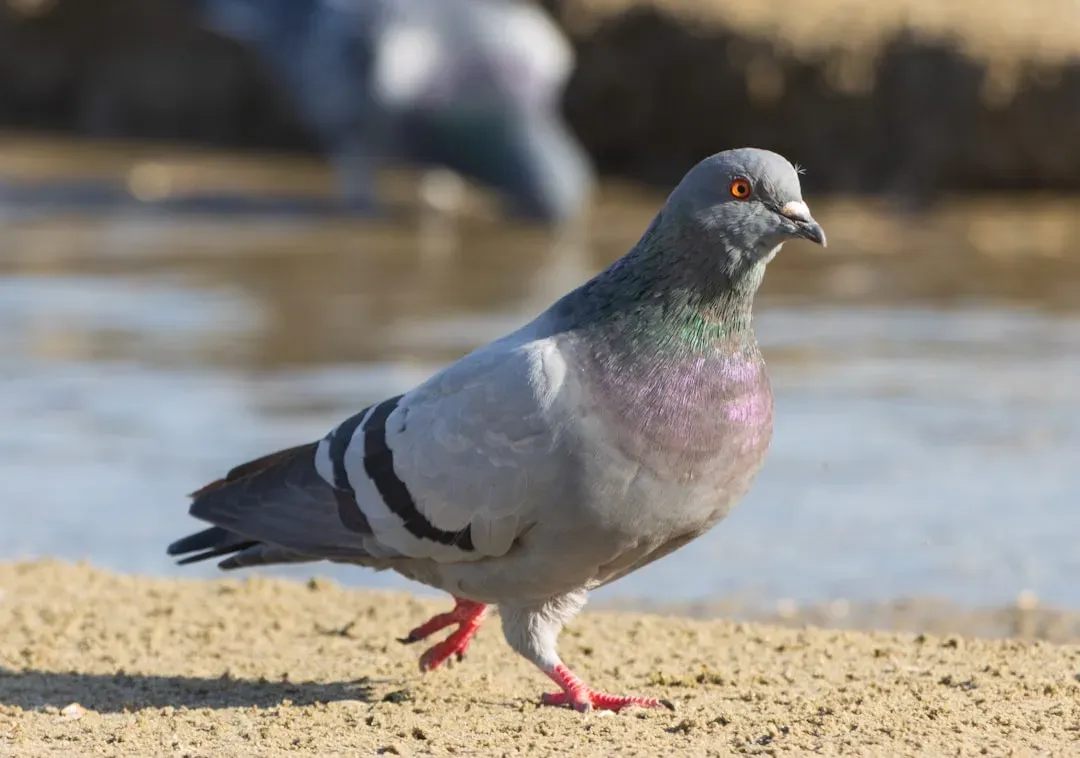
Pigeons get treated like flying trash, background noise on every city sidewalk. Turns out that same “rat with wings” can pass a mirror self-recognition test and reliably distinguish between different human faces.
Pigeons were used extensively in both World Wars to carry messages across enemy lines because their navigational reliability outperformed early radio technology in certain conditions. Their homing ability relies on a combination of magnetic field detection, sun positioning, and memorized visual landmarks – a navigational toolkit machines still haven’t fully replicated.
Cognitive researchers have trained pigeons to distinguish genuine artwork from fakes at accuracy rates well above chance, and to sort objects into abstract categories, a task requiring a real form of conceptual thinking. In experimental medical research, pigeons have even been trained to spot cancerous tissue in scanned images at accuracy levels comparable to trained human radiologists.
The bird cooing on your windowsill is arguably a better navigator, categorizer, and pattern-spotter than most people ever give it credit for.
#9 – The Hyena
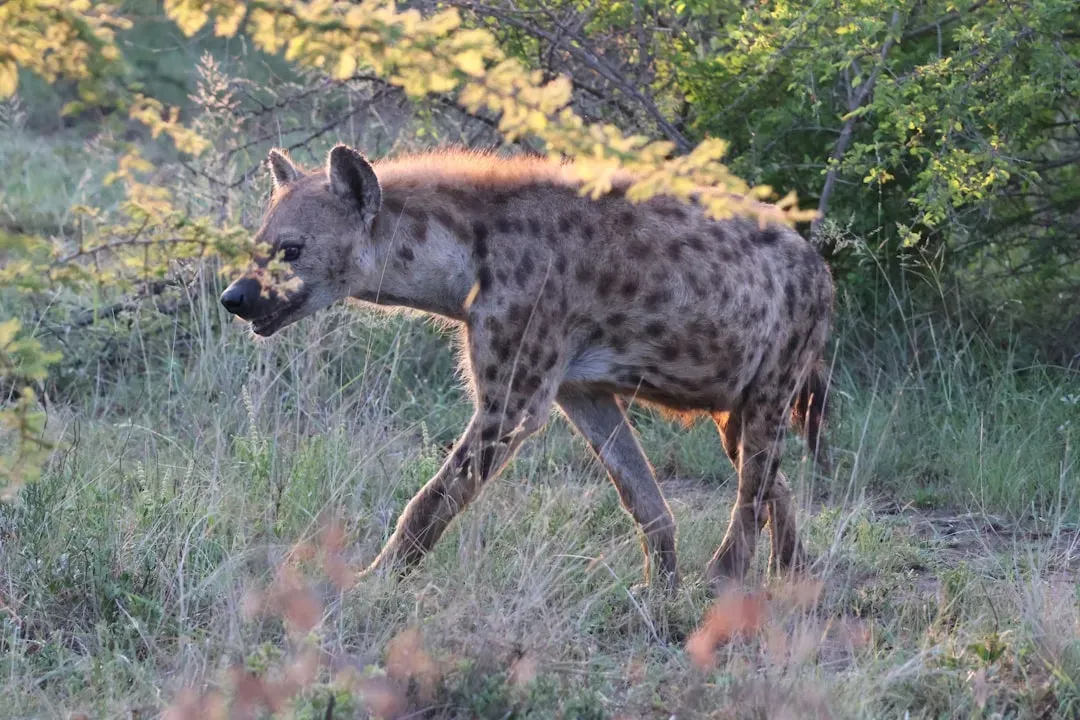
Hyenas get cast as cowardly, cackling scavengers in every nature documentary ever made. Most people don’t realize spotted hyena society is one of the most complex social structures in the entire animal kingdom, arguably rivaling primates.
Hyena clans are matriarchal, with females outranking every male regardless of size, and social rank is inherited across generations rather than won through individual fights. Researchers studying hyena cognition have found they can solve cooperative problems requiring two individuals to pull ropes at the same time – a task that demands actually understanding another animal’s intentions.
Contrary to the scavenger stereotype, spotted hyenas hunt down the majority of their own food, often in coordinated group pursuits that bring down prey far larger than any single hyena could manage alone. Their bite force is also disproportionately powerful, capable of crushing bone to reach marrow that other predators simply leave behind – an ecological role that recycles nutrients no other species can access.
The laughing scavenger of pop culture is, in reality, a highly organized apex predator with a complicated, matriarchal family tree.
#10 – The Bat
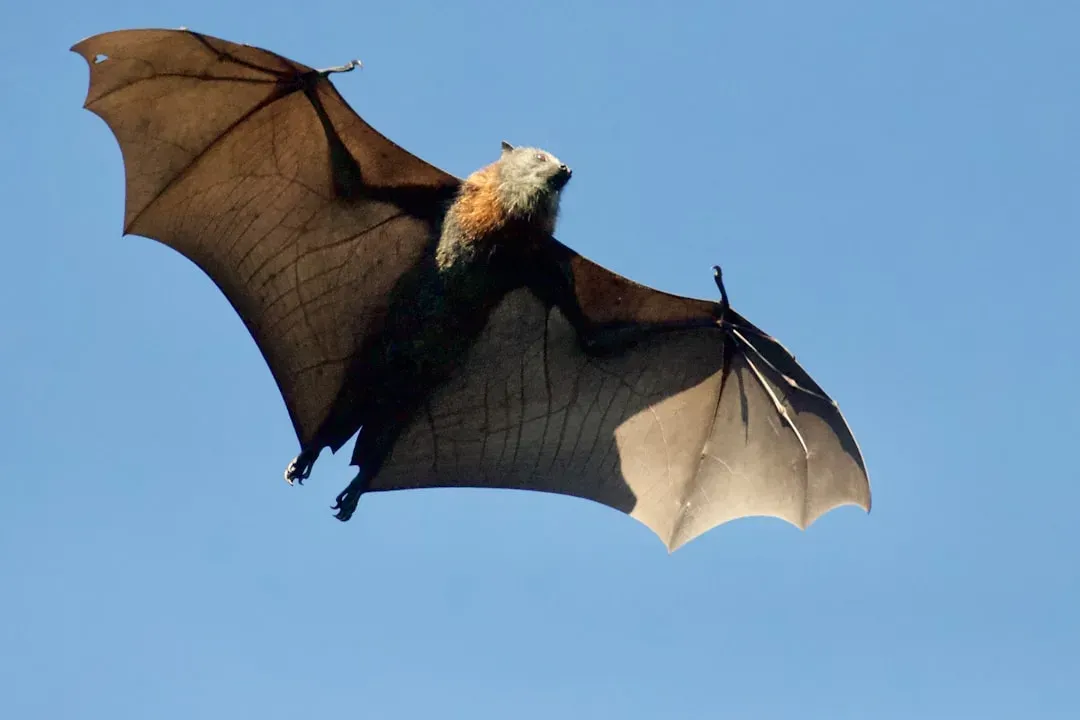
Bats get blamed for everything from vampire myths to disease outbreaks. Secretly, bats are one of the most important pollinators and pest-control agents on the planet, and entire industries depend on them without realizing it.
A single colony of insect-eating bats can consume enormous quantities of crop pests in a single night, reducing the need for pesticide use on nearby farmland. Agricultural economists estimate the pest-suppression value bats provide to farming industries runs into the billions annually across North America alone, simply from eating insects that would otherwise damage crops.
Fruit- and nectar-feeding bat species are also essential pollinators for numerous crops, including varieties of bananas, mangoes, and agave – meaning the plant behind tequila production depends heavily on wild bat pollination. Bats also disperse seeds across long distances, helping regenerate cleared forest land far more efficiently than wind alone ever could.
Despite all this quiet economic and ecological labor, bat populations worldwide face serious pressure from habitat loss and disease. Vilifying them ignores how much work they’re doing every single night while we sleep.
At a Glance
- One colony can devour huge volumes of crop pests in a single night
- Pest-suppression value to farming: estimated in the billions annually in North America
- Key pollinator for bananas, mangoes, and agave – yes, tequila needs bats
- Populations under growing pressure from habitat loss and disease
#11 – The Wolf
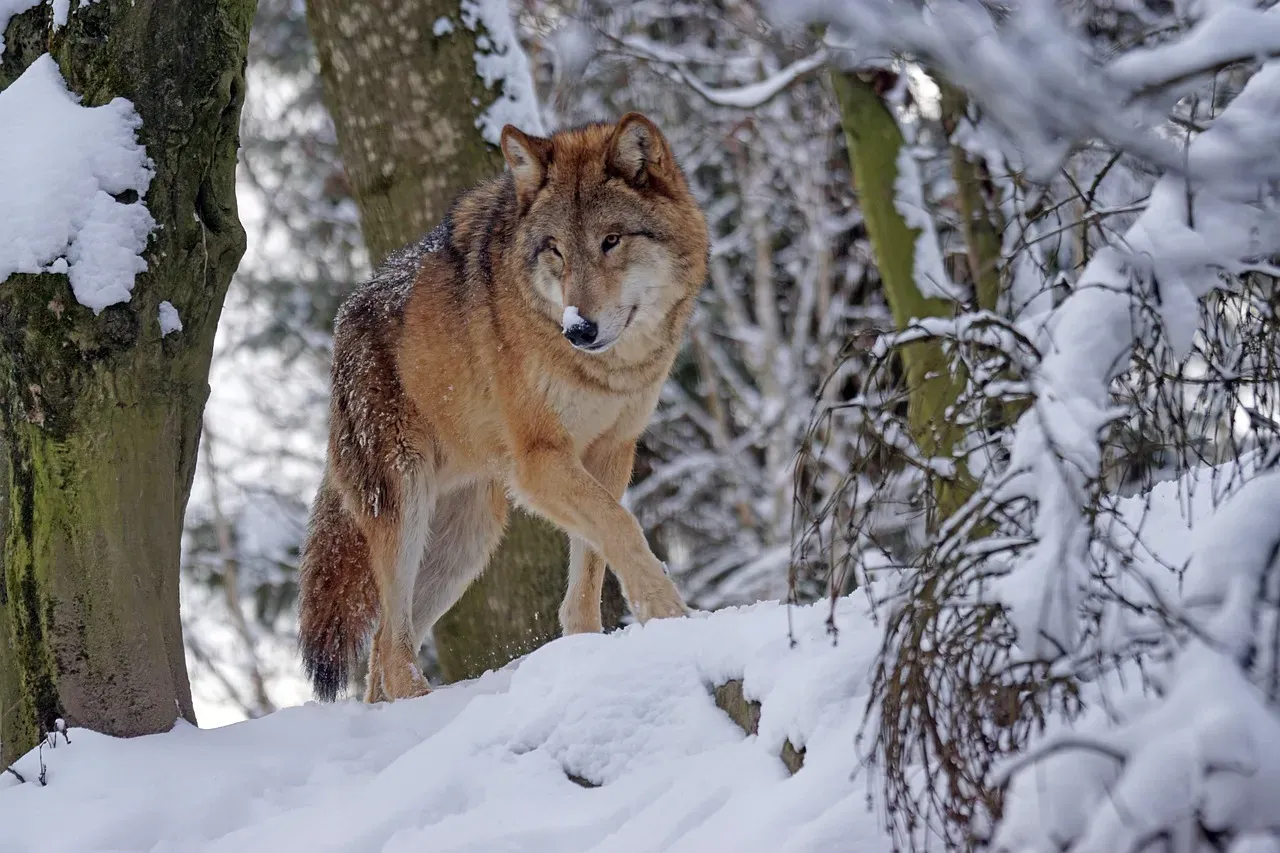
For most of modern history, wolves were treated as vermin to be shot on sight. Turns out removing wolves from an ecosystem can quietly unravel the entire landscape around them.
When wolves were eliminated from regions like Yellowstone in the early 20th century, elk populations exploded unchecked, overgrazing young willow and aspen trees along riverbanks. Without those trees, riverbank soil eroded faster, water temperatures shifted, and habitat for countless smaller species declined – a cascading effect researchers now call a trophic cascade.
Only the mountain has lived long enough to listen objectively to the howl of a wolf.
Aldo Leopold
When wolves were later reintroduced, elk behavior changed dramatically – not just their numbers, but their habits. Elk stopped lingering in exposed river valleys, allowing vegetation to recover, which in turn supported beaver populations, songbirds, and eventually changed the physical course of certain streams. It remains one of the most cited examples in ecology of a single predator reshaping physical geography.
#12 – The Axolotl
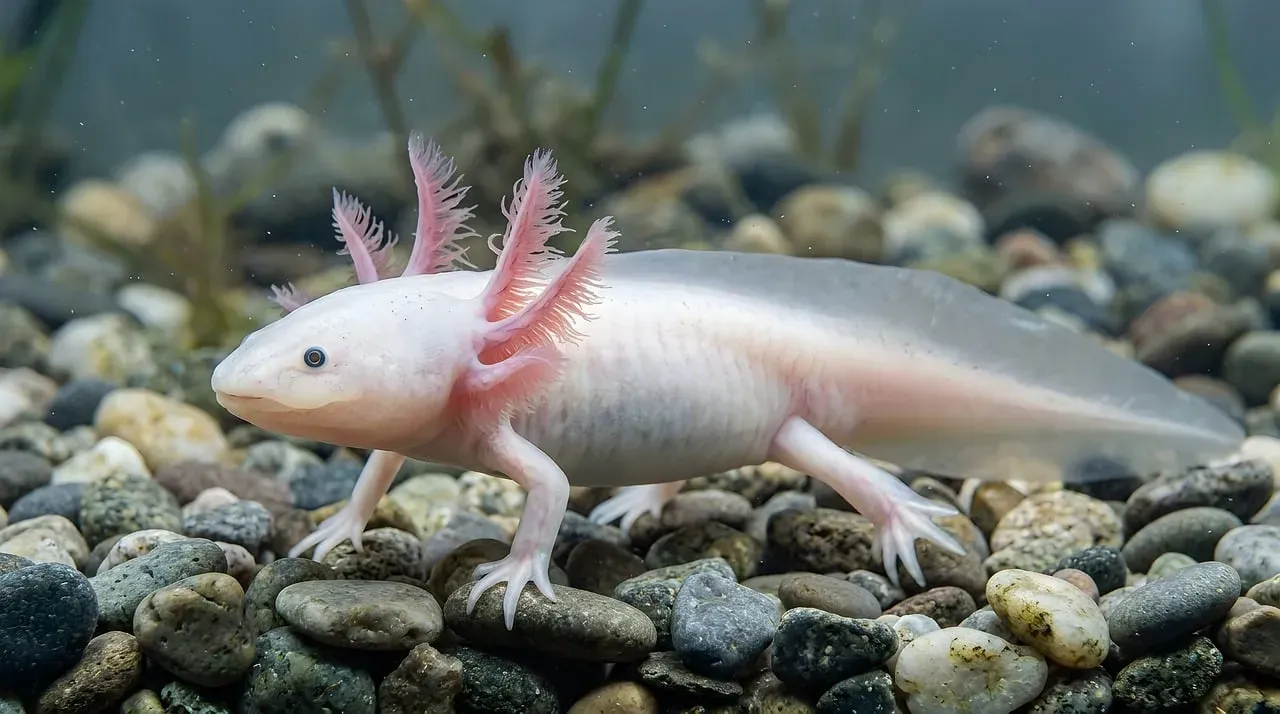
Axolotls look like a cartoon character’s idea of a salamander – all smile, no menace. Most people don’t realize this “silly-looking” amphibian can regrow entire limbs, organs, and even portions of its spinal cord and brain without scarring.
Unlike humans, who heal wounds with scar tissue, axolotls regenerate lost tissue with fully functional, structurally accurate replacements. A regrown limb comes back as a real limb – complete with bone, muscle, nerves, and blood vessels, not a lump of scar. This ability has made axolotls one of the most heavily studied model organisms in regenerative medicine.
Scientists are especially interested in how axolotl cells seem to “remember” what type of tissue they’re supposed to become during regrowth, a process still not fully understood at the genetic level. Some research groups are investigating whether unlocking similar pathways in mammals could eventually help treat severe human injuries or reduce surgical scarring.
In the wild, axolotls are critically endangered, surviving almost nowhere outside a shrinking network of canals near Mexico City. The creature memed for looking “goofy” may end up teaching medicine how to heal without scars at all.
#13 – The Shark
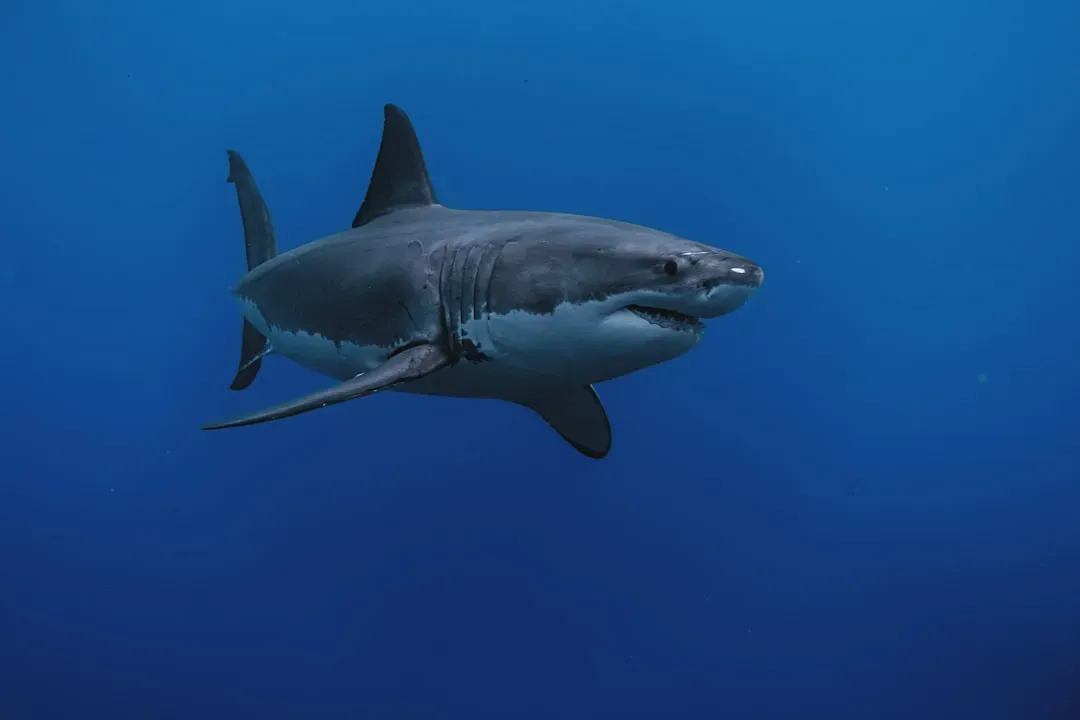
No creature on this list has been more thoroughly misjudged by pop culture than the shark. Most people rank sharks as the ocean’s most dangerous predator to humans, but the actual math tells a completely different story.
Unprovoked shark attacks on humans are exceptionally rare worldwide each year, especially considering how many millions of people swim in ocean waters annually. Statistically, the drive to the beach carries dramatically higher risk than the swim itself. Meanwhile, sharks perform an essential regulatory role, keeping fish and marine mammal populations balanced and preventing overgrazing of sensitive habitats like seagrass beds and coral reefs.
Removing sharks from a marine ecosystem often triggers unexpected chain reactions. In several studied coastal regions, declining shark populations allowed mid-sized predator species to boom unchecked, which then devastated shellfish populations that entire local fishing economies depended on – a collapse strikingly similar to what happened when wolves disappeared from land ecosystems.
Sharks have existed in some form for hundreds of millions of years, surviving multiple mass extinction events that wiped out the vast majority of life on Earth. That’s not the resume of a mindless killing machine. It’s the resume of one of evolution’s most successful survivors, now facing population collapse largely because of how badly humans have misjudged it.
Quick Compare
- Myth: ocean’s deadliest predator to humans. Reality: unprovoked attacks are exceptionally rare
- Myth: mindless killing machine. Reality: essential regulator of fish and reef health
- Myth: expendable pest. Reality: its disappearance can collapse entire fishing economies
- Myth: fragile relic. Reality: survivor of multiple mass extinctions over hundreds of millions of years
The Bottom Line
The pattern across all 13 of these creatures is impossible to ignore: the animals humans dismiss fastest are often the ones holding entire ecosystems, medical breakthroughs, or survival strategies together. Naked mole rats are rewriting cancer research. Vultures prevent measurable spikes in human death rates. Wolves reshape rivers just by existing. Tardigrades outlive radiation that would liquefy human tissue without even trying.
I’ll say the quiet part out loud: our disgust reflex is a terrible scientist. It reacts to slime, bald heads, and scuttling legs, not to actual value or intelligence. Every animal on this list proves that the ugliest résumé in nature often belongs to the hardest worker in the room.
Which of these surprised you the most? Did we miss a creature that deserves a spot on this list? Drop it in the comments.