Every couple of weeks, somewhere in the world, a paleontologist announces a brand-new dinosaur. For a day or two, it’s everywhere – news sites, documentaries, museum press releases. Most people assume that once a dinosaur gets a name and a headline, it’s locked into the record forever, a permanent line in every future textbook.
That assumption is wrong far more often than you’d think. Behind the flashy announcements, fossils get bombed into dust, single teeth get exposed as filler species decades later, and museum specimens sit on public display for years without ever receiving an official name. Some of these dinosaurs even helped define entire scientific categories before quietly failing to hold up under scrutiny. Here are 13 that made headlines once, then vanished from the conversation almost as fast as they arrived.
#13 – Ultrasauros macintoshi: The “Biggest Dinosaur Ever” That Got Erased By a Typo
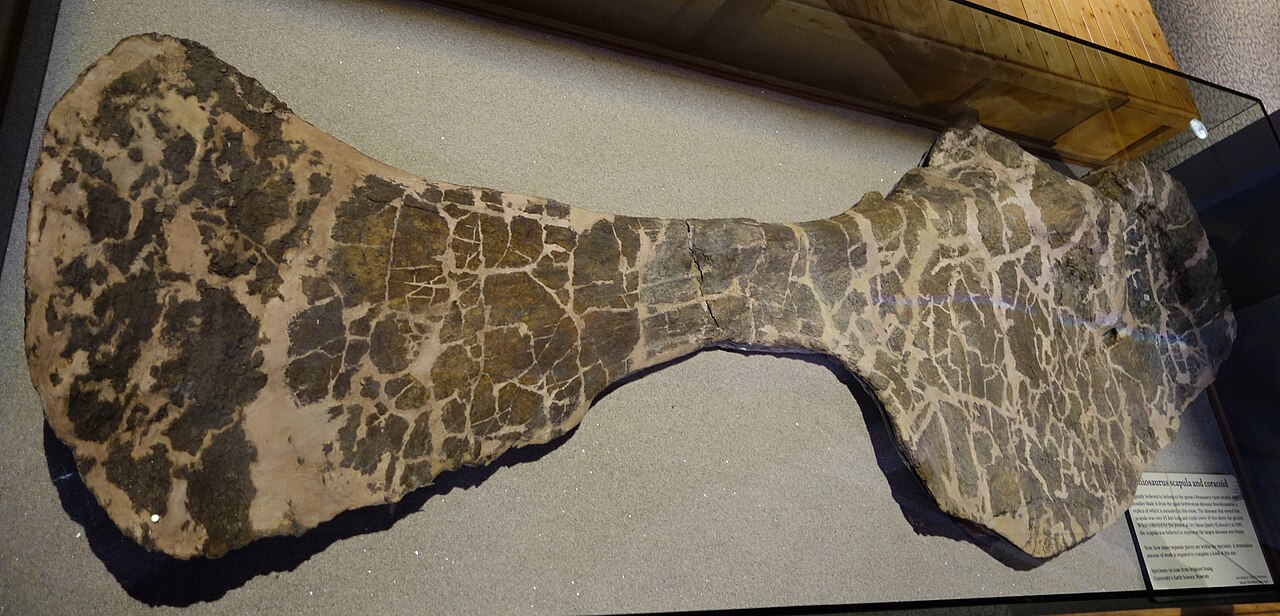
In the early 1980s, one shattered vertebra convinced the world a sauropod twice the size of anything previously known had roamed Colorado. Paleontologist James Jensen dug up the bones and nicknamed the animal “Ultrasaurus,” and newspapers ran with it as the largest land animal in history.
The name itself turned out to be the fatal flaw. It had already been used for a completely unrelated, obscure Korean dinosaur, which made the label scientifically invalid the moment it hit print. Researchers scrambled to rename it “Ultrasauros,” but the bones themselves didn’t hold up either – they were eventually folded into other known sauropods, and the so-called record-breaker simply stopped appearing in scientific papers.
#12 – Diplodocus lacustris: The Dinosaur That Existed for 130 Years on a Handful of Teeth
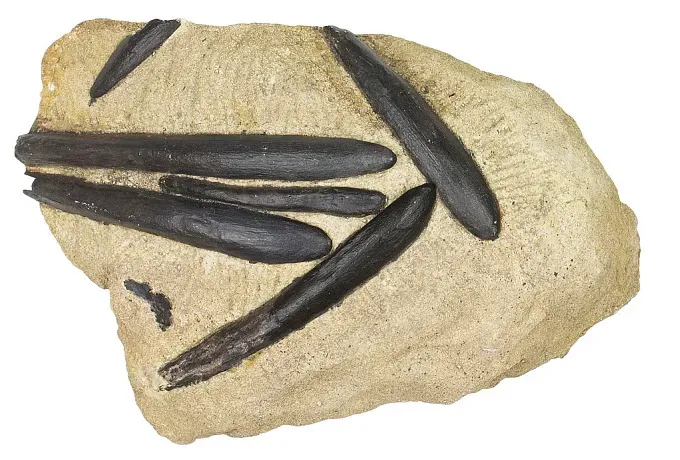
Sometimes a “new species” isn’t really a fossil discovery – it’s a filing error nobody bothers to correct for over a century. Near Denver in 1884, naturalist Arthur Lakes found a handful of teeth from an animal nobody had seen before and shipped them off to the famous paleontologist Charles Marsh.
Marsh decided the teeth belonged to a new species of Diplodocus and dubbed it “lacustris” – no skeleton, no skull, just a scatter of teeth and a big name attached. The species sat unchallenged in the record for well over a century, until researchers in 2013 finally compared the teeth to known juvenile Diplodocus specimens and found nothing that separated them. The name was quietly retired, and most casual dinosaur fans never even learned it existed.
Fast Facts
- Named in 1884 from teeth alone – no skull, no skeleton
- Credited to Charles Marsh, one of the biggest names of the Bone Wars era
- Stood as an accepted species for roughly 129 years
- Invalidated in 2013 after comparison to juvenile Diplodocus teeth
#11 – Titanosaurus indicus: The Dinosaur That Named an Entire Group While Barely Existing Itself
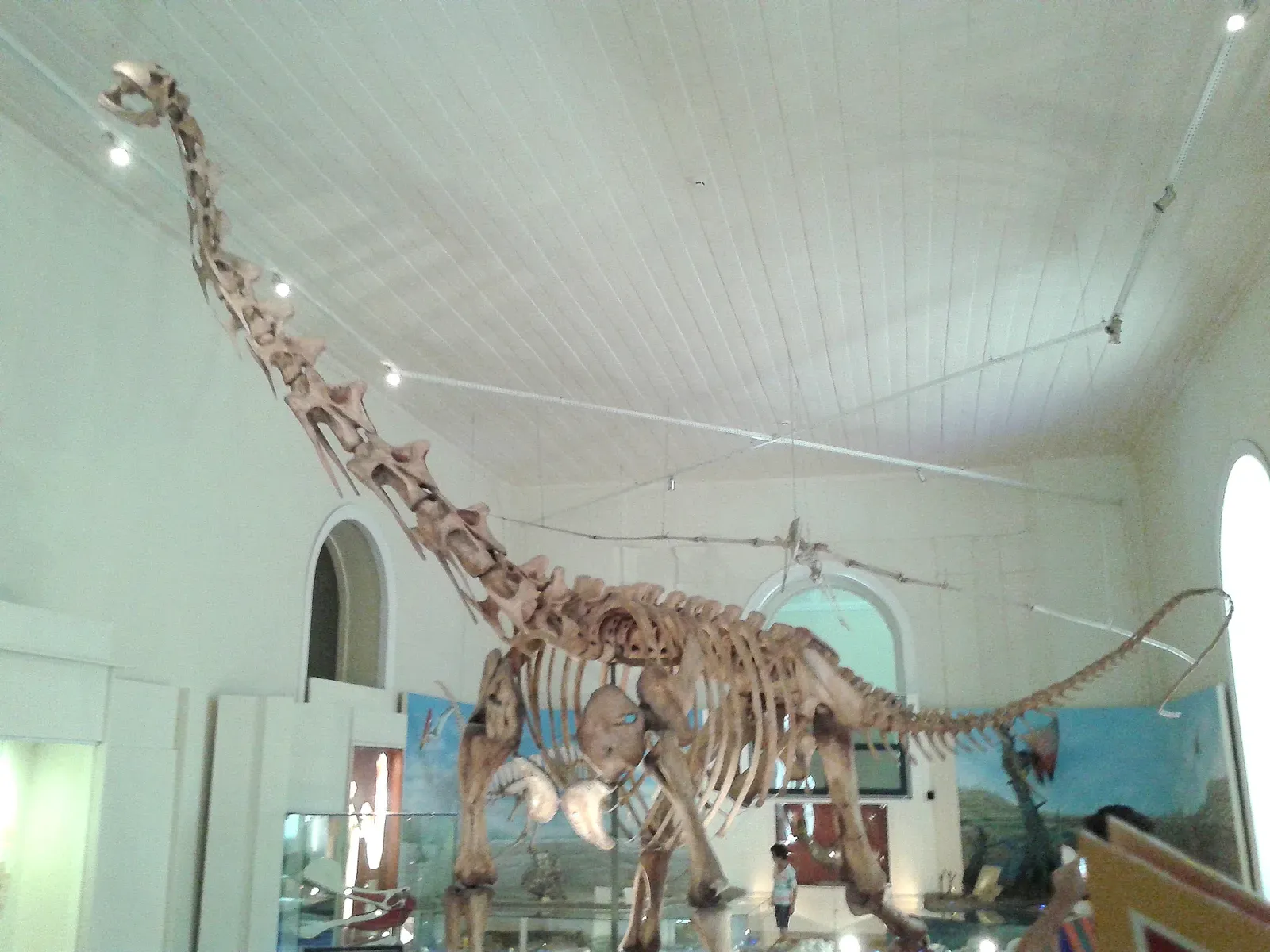
Here’s an uncomfortable truth most dinosaur books skip entirely: the animal that lent its name to the giant titanosaur group may not be scientifically identifiable at all. British paleontologist Richard Lydekker named Titanosaurus indicus in the 1870s based on a fragmentary thigh bone dug up in central India, and at the time it was treated as a landmark – the first sauropod formally described from the subcontinent.
The irony is almost poetic. The very features used to define the species turned out to be common to nearly every large sauropod, meaning nothing in the bone actually sets it apart from its relatives. Today, Titanosaurus indicus is treated as a “nomen dubium” – a name without a clearly definable animal attached – even while the word “titanosaur” gets used constantly to describe some of the biggest creatures ever to walk the planet.
#10 – Aegyptosaurus baharijensis: Blown Up Before Anyone Could Study It Twice
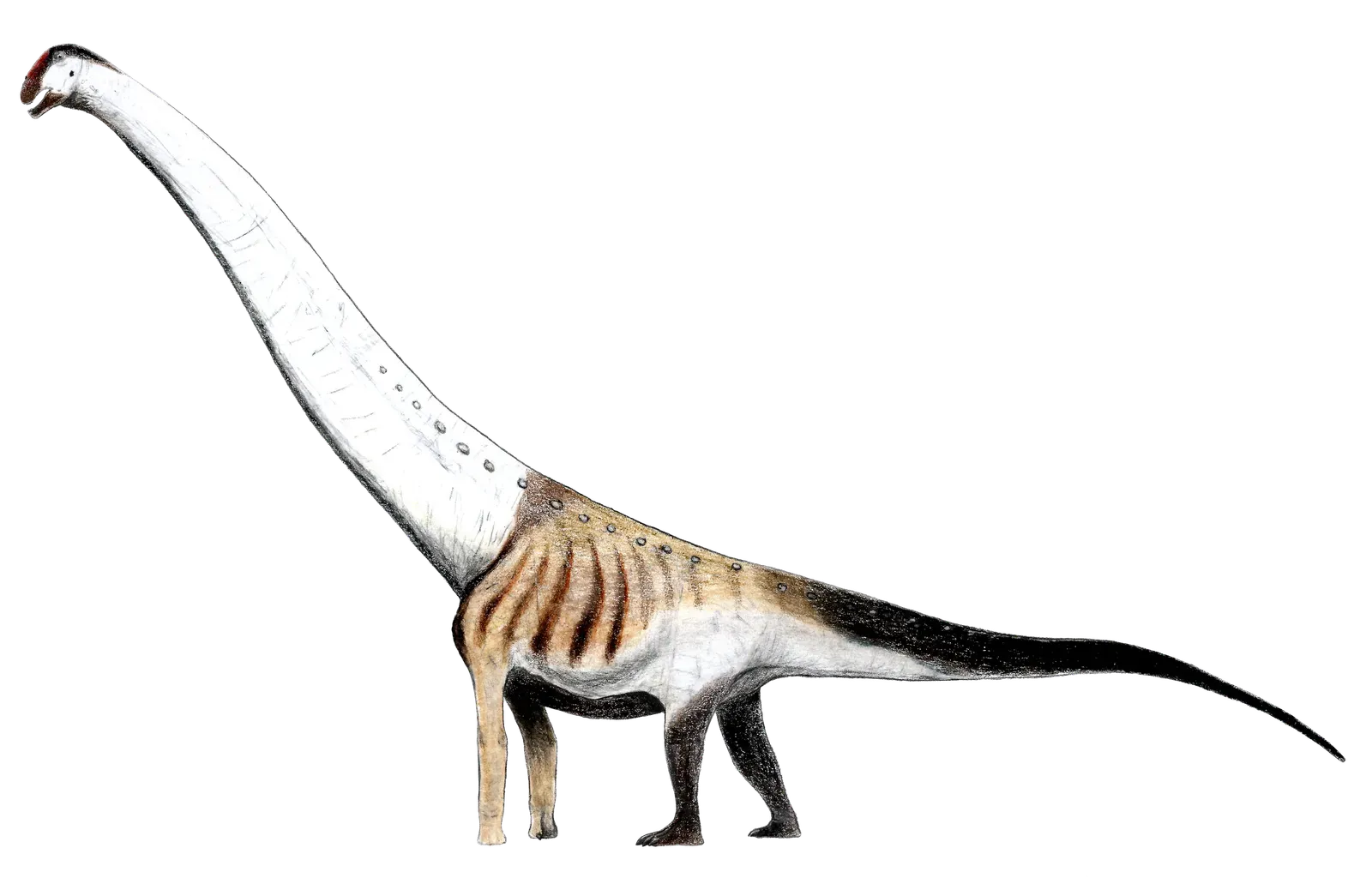
Imagine naming a dinosaur, publishing the description, and then having the only proof of its existence erased by an actual bomb. German paleontologist Ernst Stromer spent years excavating fossils from Egypt’s Bahariya Oasis in the early twentieth century, shipping his finds back to a museum collection in Munich.
Then came April 1944, when Allied bombing raids on Munich destroyed the Bavarian State Collection housing the original specimens. With no duplicate casts and no digital archives, the fossil that once justified an entire species name simply ceased to exist. Modern paleontologists can only work from Stromer’s decades-old sketches and written descriptions.
#9 – Bahariasaurus ingens: The Giant Predator That Vanished in the Same Fire
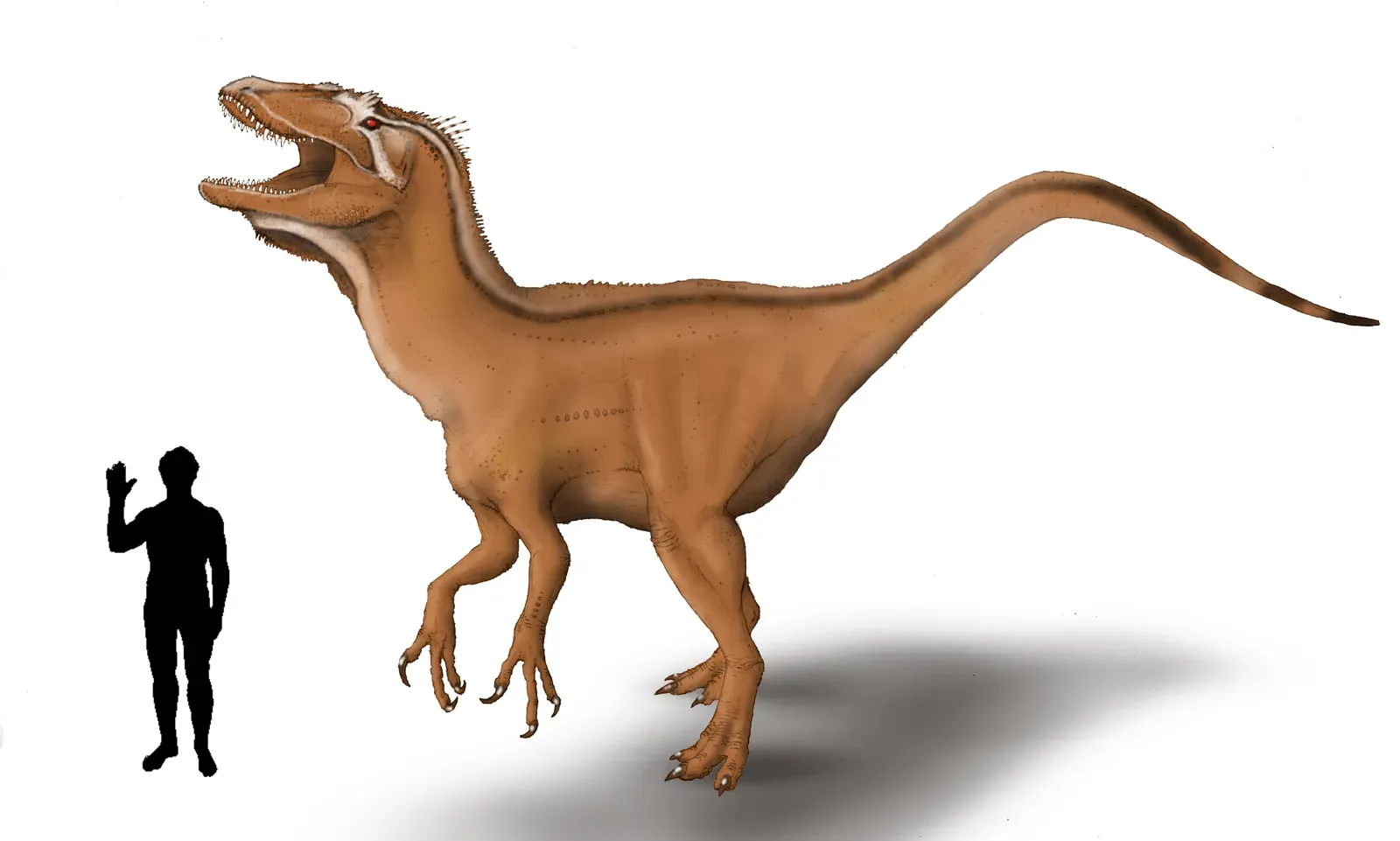
Stromer’s bad luck wasn’t limited to one species – an entire ecosystem of Egyptian predators disappeared from science in a single catastrophic night. Bahariasaurus was announced as a massive theropod, potentially rivaling the largest carnivorous dinosaurs known at the time, based on partial vertebrae and limb fragments pulled from the same Bahariya deposits.
The same 1944 Munich bombing that destroyed Aegyptosaurus wiped out this specimen too, erasing one of the only physical records of large-bodied African predators from that era. Because so little material existed even before the destruction, later scientists still can’t agree on whether Bahariasaurus was a distinct genus at all, and without the bones, that debate can never be fully settled.
#8 – Amphicoelias fragillimus: The Dinosaur So Big Scientists Can’t Prove It Existed
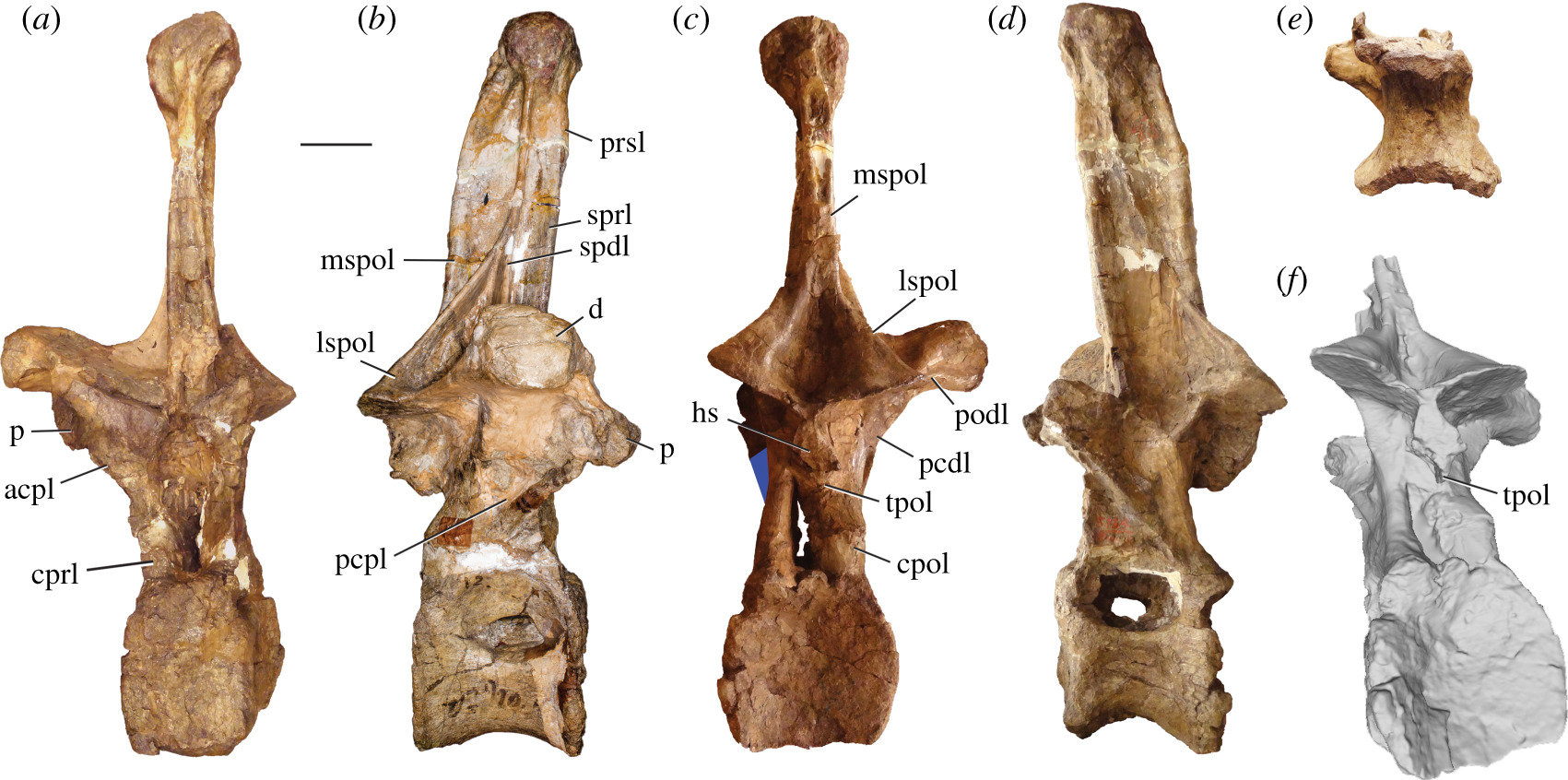
In 1878, a single vertebra was measured, sketched, described, and then lost forever – and it may have belonged to the largest land animal in Earth’s history. Paleontologist Edward Cope dug up a nearly five-foot dinosaur vertebra in Cañon City, Colorado, and estimated the full animal at over 190 feet long, which would dwarf anything else ever found.
The fossil was reportedly so fragile it crumbled after study, leaving behind nothing but Cope’s original notes and a single published illustration. No photograph of the actual bone has ever surfaced, and modern researchers trying to reconstruct the animal’s true size from the sketch alone get wildly different numbers depending on which measurements they trust. Some now classify it separately as Maraapunisaurus, but without the original material, the debate stays permanently unresolved.
#7 – Seismosaurus halli: The “Earth Shaker” That Got Demoted Back to Diplodocus
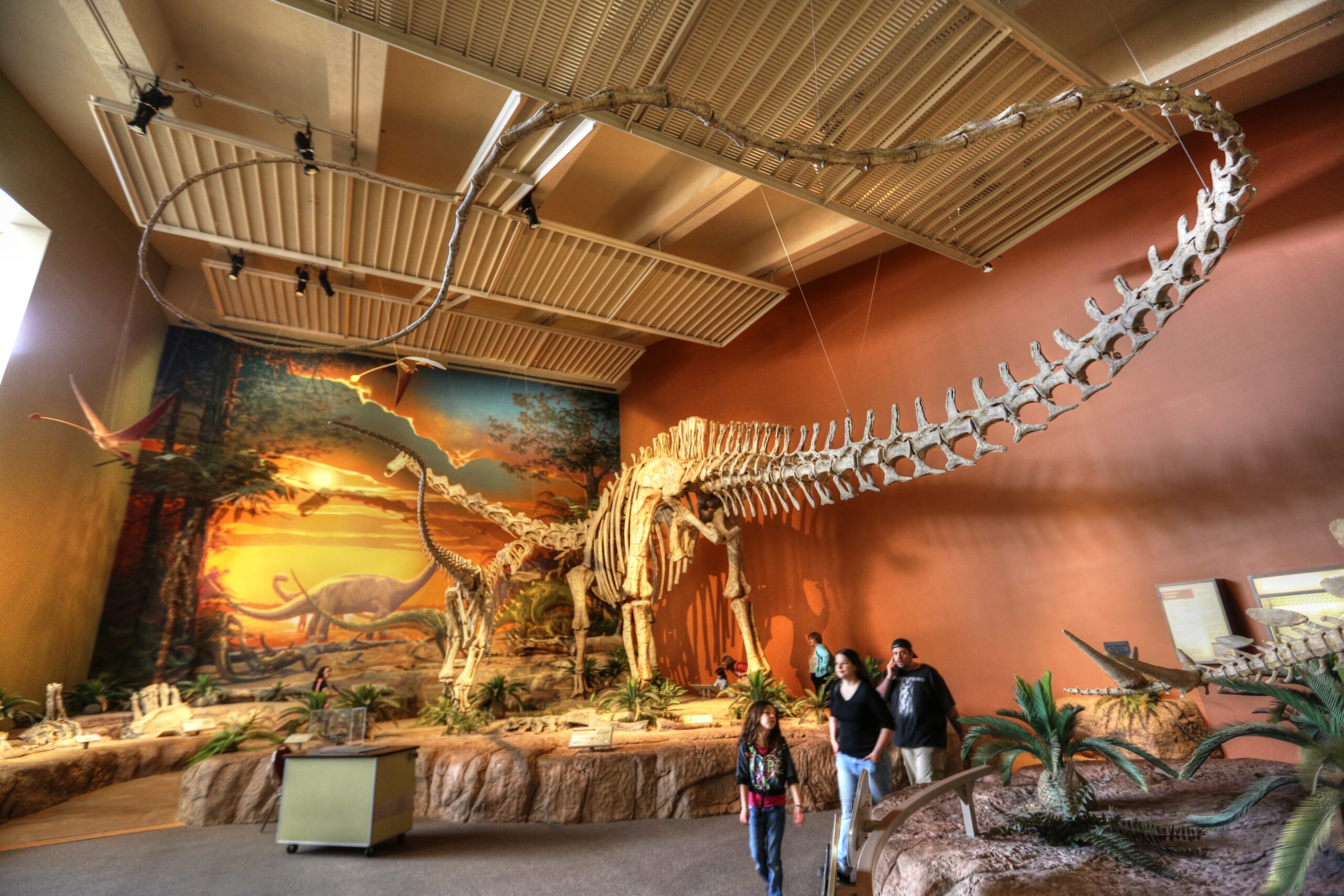
For over a decade, this dinosaur held a genuinely thunderous reputation – until researchers realized they’d basically been looking at an oversized cousin. When Seismosaurus was named in 1991 from bones found in New Mexico, press coverage was enormous, built around length estimates pushing past 100 feet, and the name itself, meaning “earthquake lizard,” was chosen specifically to sell how massive the animal supposedly was.
Then further study of the vertebrae and hip bones revealed something deflating: the skeleton fell well within the normal range of Diplodocus. By the mid-2000s, researchers had formally folded the specimen into Diplodocus as a new species, hallorum, and the once-famous “Seismosaurus” name dropped out of active use almost overnight, even though older textbooks still occasionally reference it.
Quick Compare
- The hype (1991): Named “Seismosaurus,” pitched as a distinct earth-shaking giant over 100 feet long
- The reality (mid-2000s): Reclassified as Diplodocus hallorum, just an oversized member of an already-known genus
- The name origin: “Earthquake lizard” – chosen specifically to sound massive
- The legacy: Still shows up in older books, but no longer used in current research
#6 – Yaverlandia bitholus: Britain’s “Oldest Headbanger” That Wasn’t Even a Pachycephalosaur
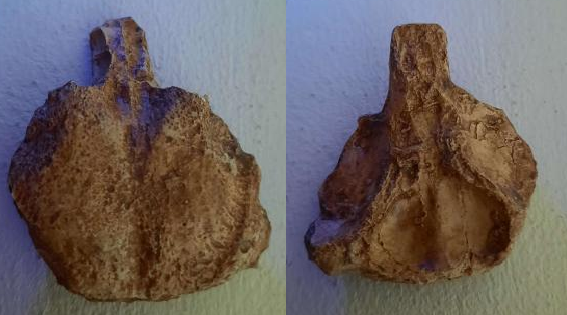
For decades, this tiny domed skull was treated as proof that armored-headed dinosaurs lived in Europe millions of years earlier than anywhere else. The specimen – a small double-domed skull fragment found on England’s Isle of Wight – became a minor celebrity on dinosaur distribution maps for nearly thirty years, surviving one taxonomic review after another despite being based on scraps of bone.
Then the domes stopped adding up. Research by paleontologist Darren Naish showed the skull actually belonged to a theropod, likely a maniraptoran, not a dome-headed plant-eater at all. A second skull fragment turned up on the same beach in 2012, but instead of settling the question, it only deepened the mystery. Recent reviews now openly admit the animal’s true identity may never be resolved without significantly better remains.
#5 – Dracorex hogwartsia: The Harry Potter Dinosaur That Got Erased By Its Own Growth Spurt
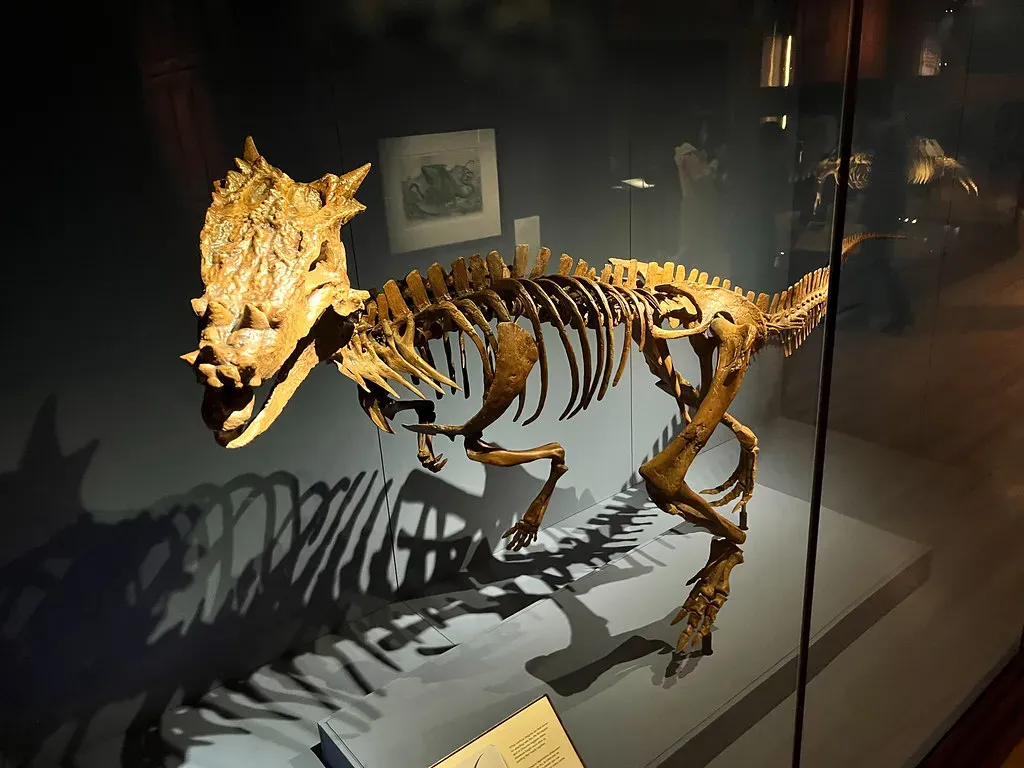
This one had one of the best marketing stories in modern paleontology – a spiky-skulled dinosaur literally named after Hogwarts – and it barely survived three years as a valid species. When Dracorex hogwartsia was announced in 2006, museums leaned hard into the pop-culture tie-in, and the dinosaur became an instant favorite with kids and casual fans alike, thanks to a flat, spiky skull that looked nothing like a typical dome-headed pachycephalosaur.
Then paleontologist Jack Horner ruined the fun. In 2009, research showed that Dracorex and another supposedly distinct species were actually juvenile and nearly-mature versions of the same animal – the dramatic dome simply grew in with age. The name still shows up on toys and in old headlines, but scientifically, it no longer exists as its own species.
#4 – Archaeoraptor liaoningensis: The “Missing Link” That Was Secretly Glued Together
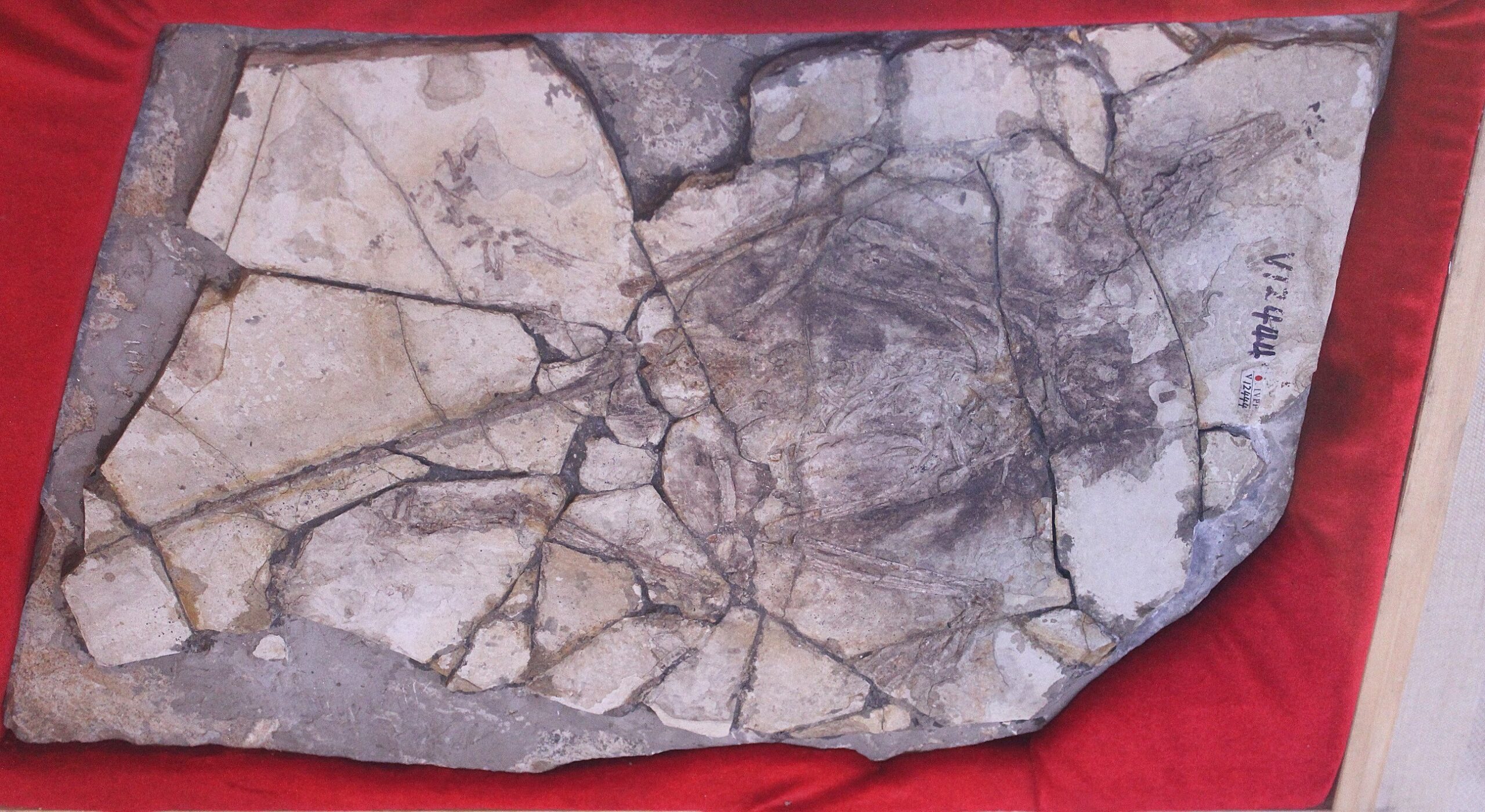
This is the discovery that should have rewritten the story of bird evolution – and instead became one of paleontology’s most infamous cautionary tales. In 1999, National Geographic promoted a fossil supposedly proving a direct evolutionary link between dinosaurs and birds, complete with feathers and a dinosaur-like tail fused onto one specimen, and the animal was positioned as proof bridging one of science’s biggest gaps.
Then researchers discovered the fossil was a fake – literally glued together from the unrelated bones of different species and sold as a single spectacular find. Major scientific journals refused to publish a formal paper on it, and paleontologist Xu Xing later found a matching “Archaeoraptor” tail on a completely different dinosaur specimen at a Chinese institute, confirming the forgery for good. The name never received a legitimate scientific description and quietly disappeared from serious research.
Worth Knowing
- Publicly unveiled in 1999 as a dinosaur-to-bird “missing link”
- Exposed as a composite – a fused fake made from unrelated specimens
- Major journals declined to publish a formal scientific description
- Confirmed as a forgery after Xu Xing matched the tail to another fossil
- Never existed as a legitimate named species in the scientific record
#3 – Nanosaurus agilis: The “Textbook” Dinosaur That Turned Out to Be Nothing Special
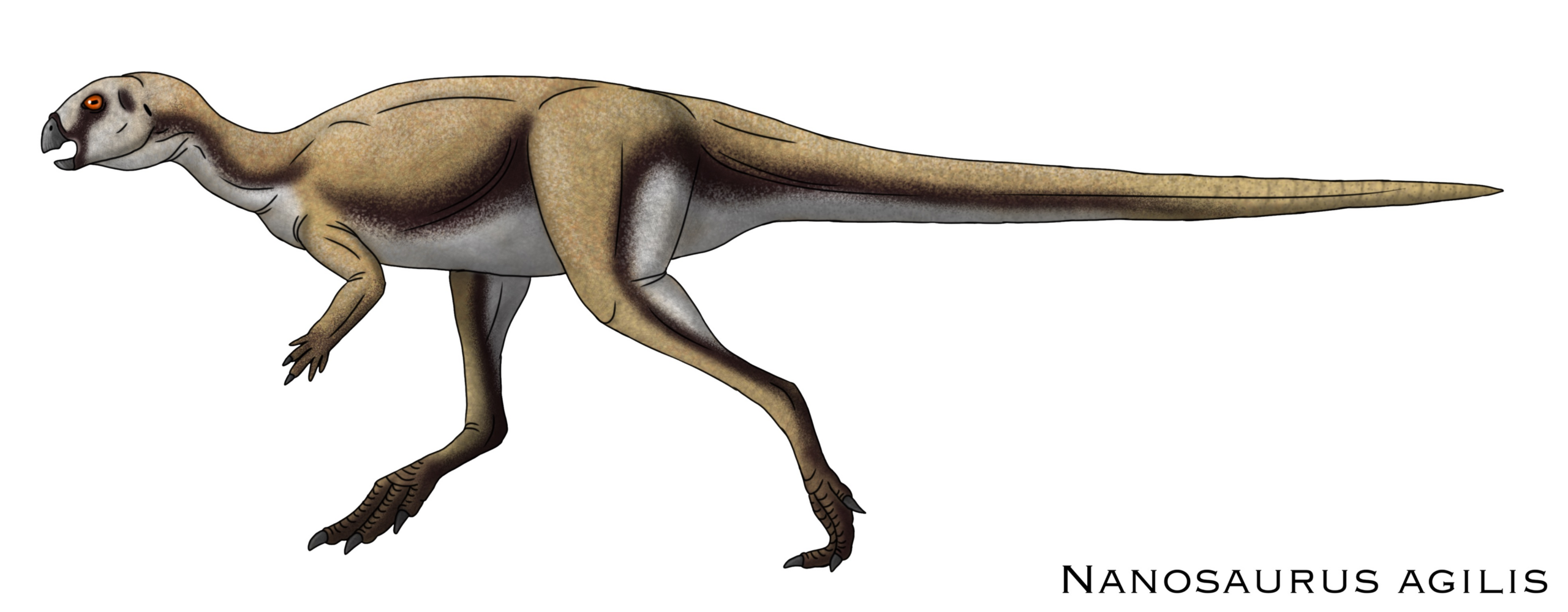
For nearly 150 years, this small herbivore was treated as one of the defining little dinosaurs of the American West – until researchers realized the fossils couldn’t actually prove that. Named by Othniel Marsh in 1877 during the height of the frantic Bone Wars, Nanosaurus agilis became a go-to reference point for small plant-eating dinosaurs from the Morrison Formation, and generations of paleontology students learned its name as a textbook example of Jurassic diversity.
The bones, it turns out, were never distinctive enough to define a species in the first place. Nanosaurus is no longer considered valid, and the spotlight it once held has shifted to Enigmacursor, a newly named small dinosaur whose fossils show clear differences from the historic Nanosaurus material. Nanosaurus quietly slid out of active use, replaced by a name most casual dinosaur fans have never even heard.
#2 – “Alan”: The Sauropod Sitting in a Museum Without an Actual Name
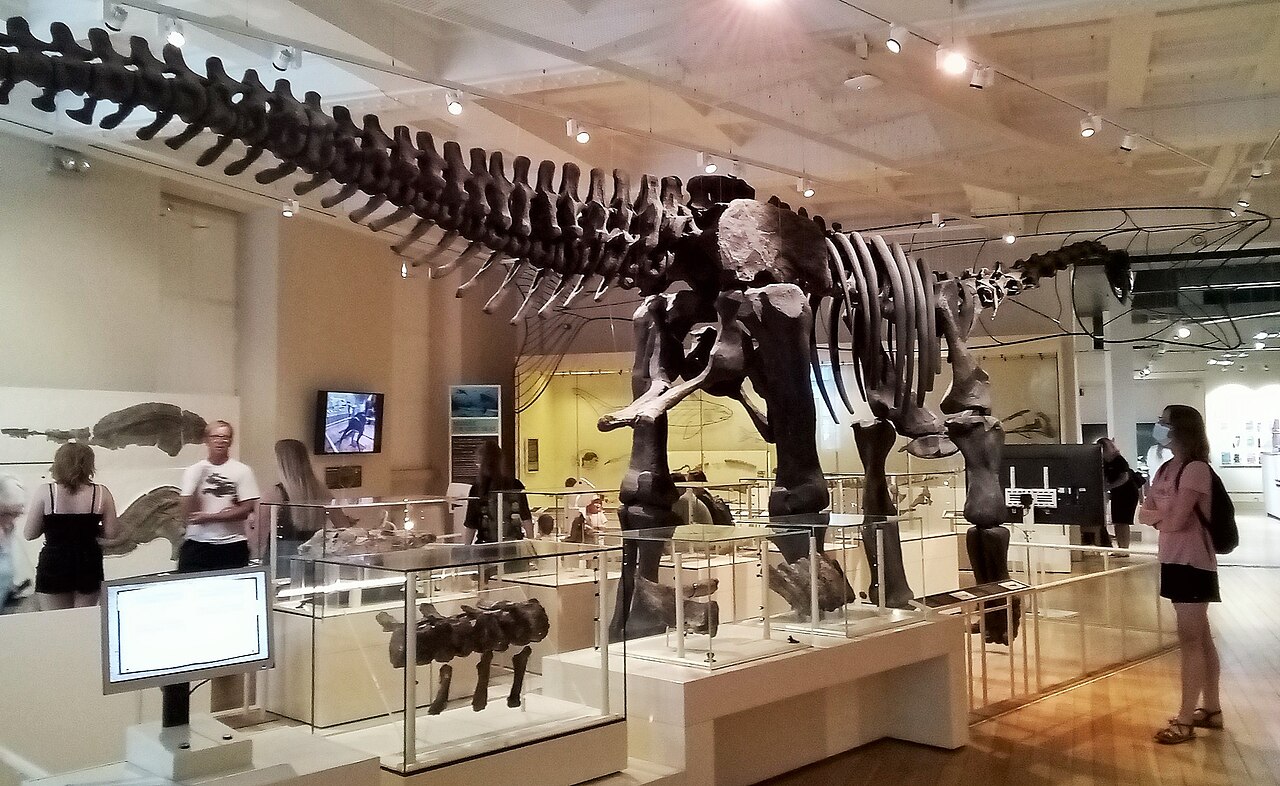
Some dinosaurs get their fifteen minutes of fame and then sit in scientific limbo for years, technically undescribed despite being fully on public display. Discovered in Yorkshire and nicknamed “Alan” after the fossil hunter who found it, Alan Gurr, this partial sauropod skeleton generated real buzz when it was unveiled, complete with a VR reconstruction at a British museum exhibit.
It has never received an official scientific species name. A 2015 analysis found that it belonged to Eusauropoda, could be excluded from Diplodocoidea, and was most similar to Cetiosaurus – but rather than closing the case, that left the specimen permanently labeled “close, but not quite.” The fossil still sits at the Yorkshire Museum as part of the Yorkshire’s Jurassic World exhibit, and visitors walk past a genuine dinosaur discovery every day, unaware that scientifically speaking, it’s still nameless.
#1 – Bruhathkayosaurus matleyi: The Possibly-Biggest Dinosaur Ever, Washed Away By a Monsoon
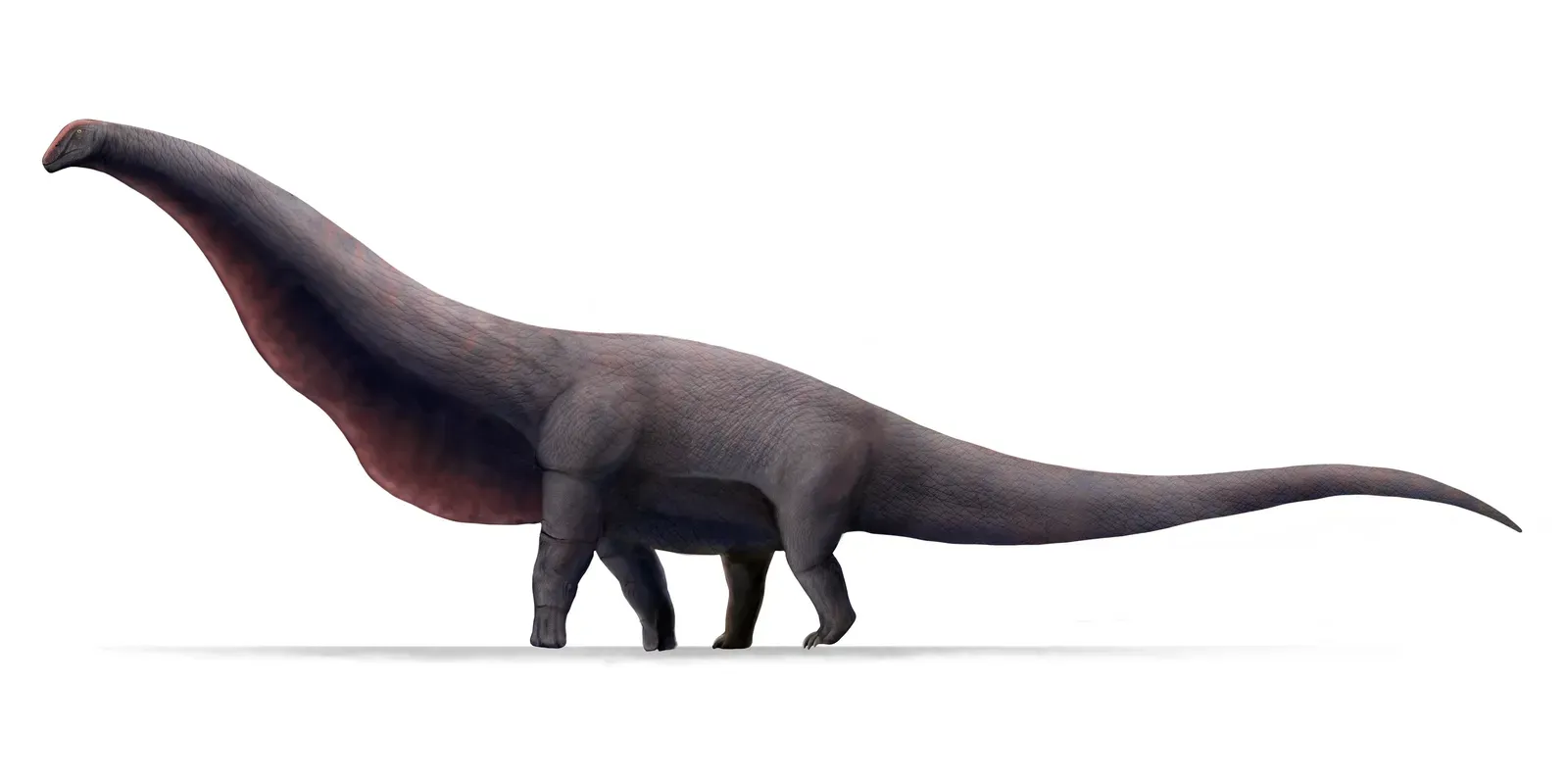
This is the wildest story in dinosaur paleontology, and most people have never heard of it: a creature that may have outweighed a blue whale, announced once, and then almost never discussed again because the evidence physically disappeared. In 1989, Indian researchers Yadagiri and Ayyasami described a set of massive limb bones found in Tamil Nadu, originally classifying the animal as a giant theropod, though later unpublished opinions suggested the remains actually belonged to a sauropod, probably a titanosaur.
Based on a reported tibia longer than that of Argentinosaurus, some researchers calculated the animal could have stretched past 100 feet and weighed well over 100 tons – numbers that would make it one of the largest land animals ever to exist. Then, according to multiple accounts, the actual fossils were swept away in monsoon floodwaters not long after discovery, leaving nothing behind except crude line drawings. Some paleontologists have even suggested the original bones may have been fossilized wood mistaken for a skeleton, which makes this the ultimate unresolved dinosaur mystery – a headline-worthy giant that science can never fully verify again.
At a Glance
- Described: 1989, based on limb bones from Tamil Nadu, India
- Original classification: giant theropod; later opinions leaned toward sauropod/titanosaur
- Estimated length: potentially over 100 feet
- Estimated weight: possibly over 100 tons
- Fate of the fossils: reportedly lost to monsoon floodwaters
The Bottom Line
The pattern across these thirteen stories is impossible to ignore: dinosaurs don’t just go extinct once. Many go extinct scientifically, over and over, as new evidence quietly overturns old headlines.
Most people assume paleontology is a steady march of confirmed facts, but the truth is messier. Names get discarded, fossils get destroyed, and “record-breaking” animals sometimes turn out to be filing errors or outright forgeries.
Frankly, the fact that a possibly whale-sized dinosaur like Bruhathkayosaurus can simply vanish into a monsoon and barely make headlines says more about how little the public actually tracks paleontology than about the science itself. Which of these forgotten dinosaurs surprised you the most? Drop it in the comments.