
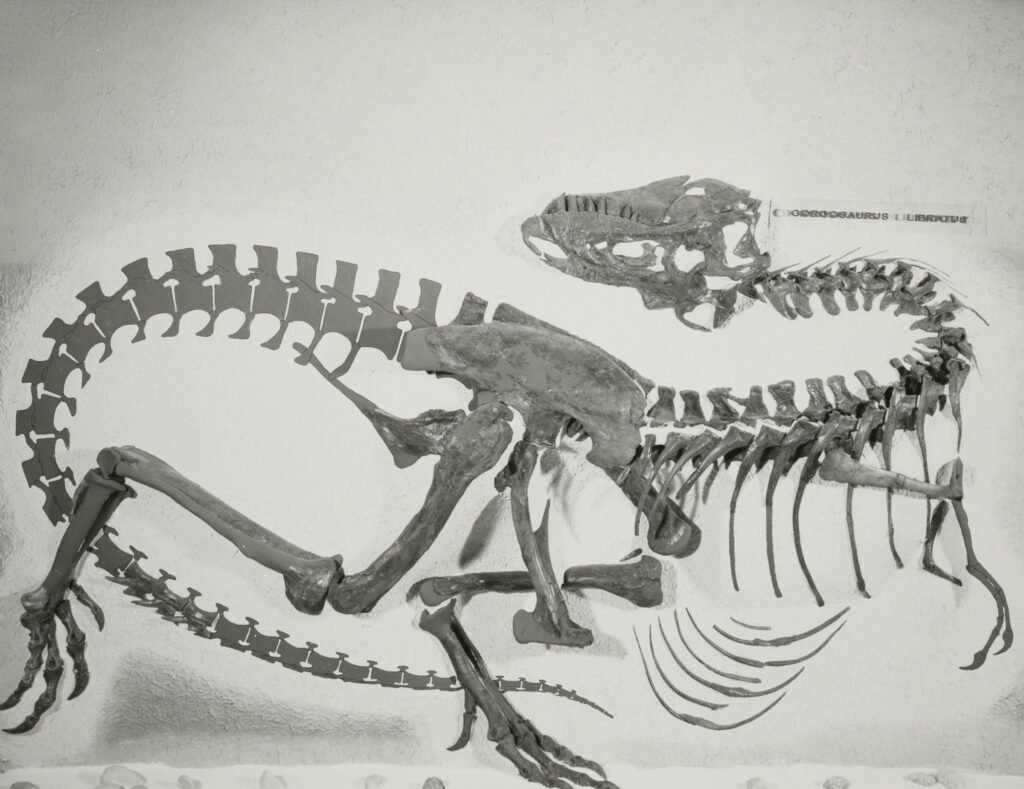
A hundred years of dinosaur textbooks were quietly wrong, and almost nobody noticed the fix. Museum gift shops kept selling the same toy models. School posters never got the memo. Documentaries kept airing animals that, technically, stopped existing the moment a scientist re-measured a single bone sitting in a drawer somewhere.
That’s not an exaggeration. Paleontologists and biologists have spent the last century quietly erasing more than a dozen “distinct” extinct species, folding each one into an animal that already had a name, already had a display case, already had a chapter in the textbook. Some of these corrections happened in obscure journals nobody read for decades. Others triggered real academic feuds that are still simmering today. Here’s what actually happened to all thirteen, and why a couple of them refuse to stay dead.
#13 – The Giant “Terror Bird” That Was Never Its Own Genus
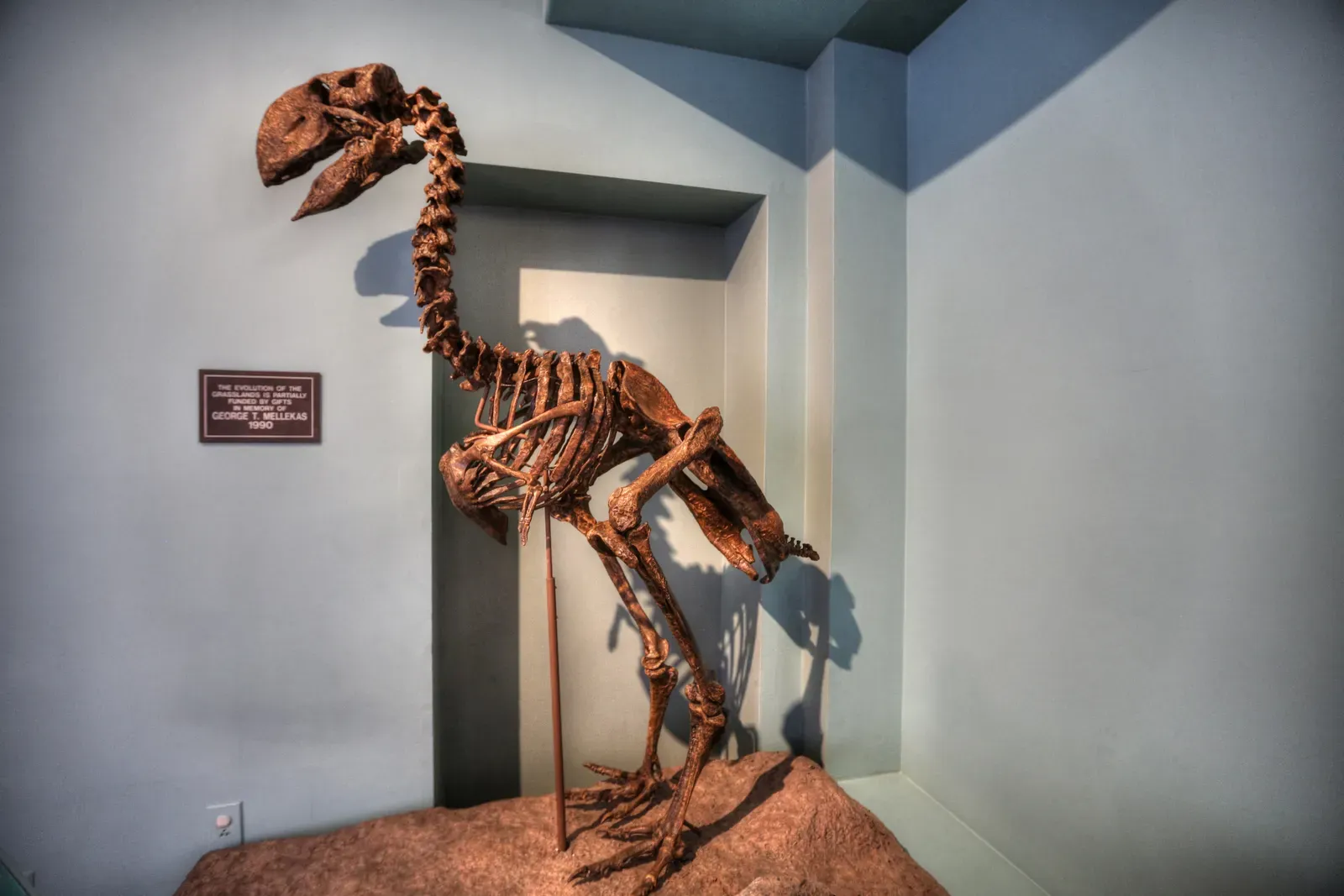
Diatryma gigantea sounded like something out of a monster movie – a seven-foot flightless bird with a skull built like a hatchet, stalking North America right after the dinosaurs vanished. For decades, it had its own genus, its own mounted skeletons, its own spot in prehistoric bird lineups next to Gastornis, a similar giant bird described from France.
The problem was that Diatryma and Gastornis turned out to be the same animal, just described independently on two different continents before anyone compared the bones side by side. Once researchers lined up the skeletal material, the “distinct” American giant bird collapsed into a junior synonym of Gastornis giganteus, the older name from Europe. Museum placards have been slowly catching up ever since, though plenty of old dioramas still use the wrong label.
#12 – The “Pygmy Tyrant” That Might Just Be a Teenager
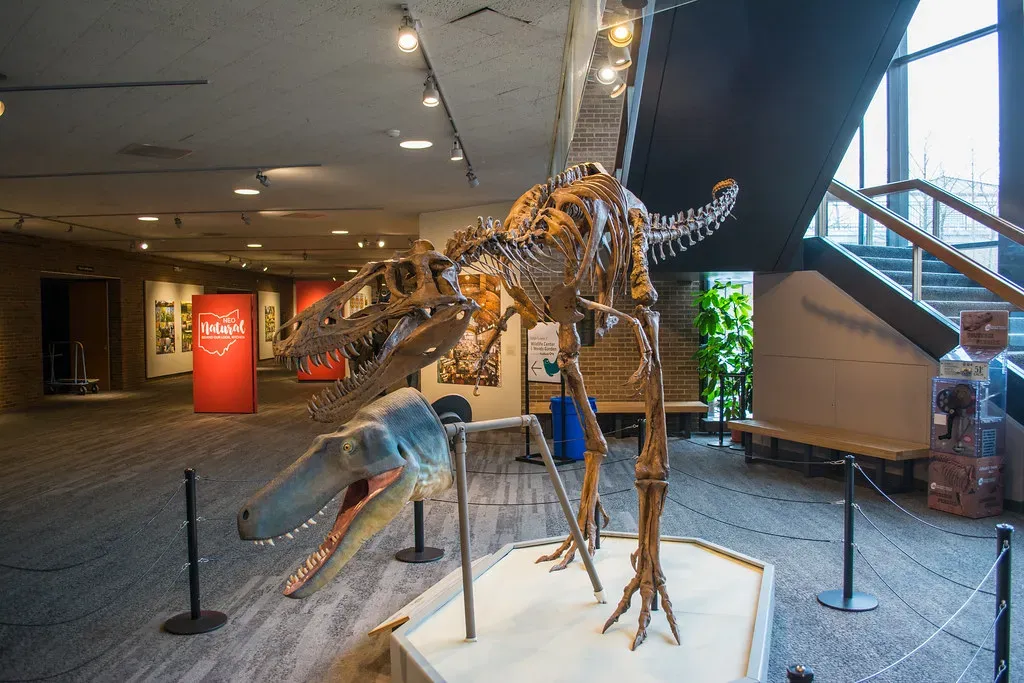
Nanotyrannus lancensis was pitched as a scrappy, sharp-toothed miniature cousin of Tyrannosaurus rex, a totally separate small predator roaming the same Late Cretaceous landscape. For years it had its own name, its own reconstructions, and its own fan base among dinosaur enthusiasts who loved the idea of a “mini T. rex” running around.
The skepticism started building when researchers noticed the skull bones showed classic signs of an animal still growing, not a fully mature small predator. Growth-ring analysis on the leg bones suggested the specimens died as juveniles, still years away from adult size. Many paleontologists now argue Nanotyrannus was never a separate species at all – just a teenage Tyrannosaurus rex, caught mid-growth-spurt. The debate hasn’t fully closed, and some researchers still defend Nanotyrannus as valid, but the momentum has shifted hard toward folding it back into T. rex.
Worth Knowing
- The famous “Jane” specimen, unearthed in Montana’s Hell Creek Formation in 2001, is central to this fight – growth-ring studies on her leg bones suggested she died around age 11 to 13, well before adulthood.
- Bone-ring evidence from other Tyrannosaurus specimens indicates T. rex typically reached full adult size around age 20.
- In late 2025, two independent studies published in Nature and Science re-examined a nearly complete “Dueling Dinosaurs” skeleton and argued it was skeletally mature at roughly 20 years old – reigniting the case for Nanotyrannus as a genuine separate genus.
- That back-and-forth makes Nanotyrannus one of the most actively contested identity crises in dinosaur paleontology right now.
#11 – The “New” Dinosaur That Was Already Named Decades Earlier
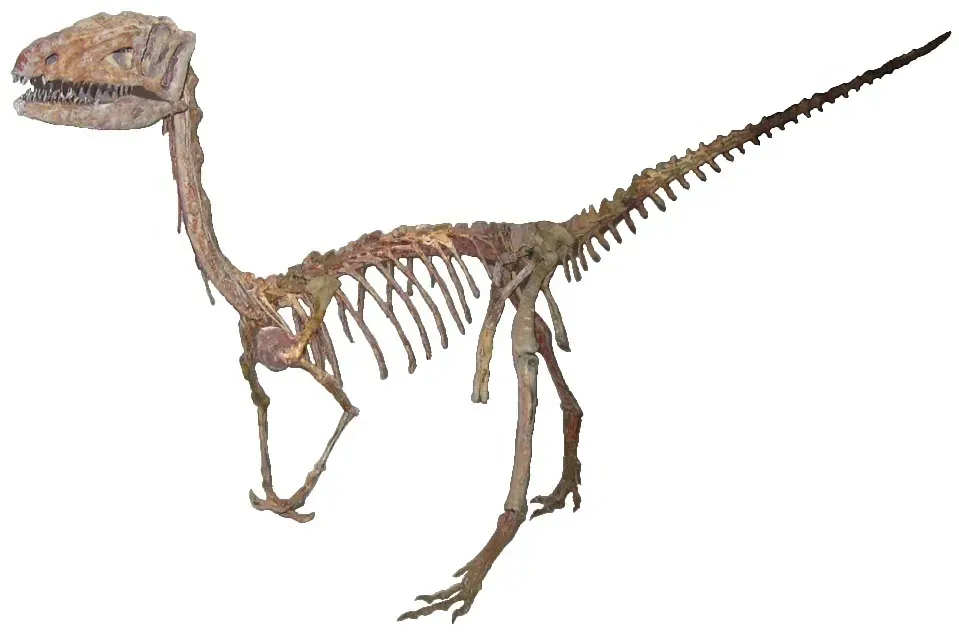
In 1981, scientists described a small, lightly-built predator from New Mexico and gave it a brand-new name: Rioarribasaurus colberti. It seemed reasonable – the specimen came from a slightly different rock layer than other known dinosaurs in the region, and the describers were confident they had something unique.
Later reexamination told a different story. The “new” dinosaur was anatomically identical to Coelophysis bauri, a species that had already been named back in 1889, nearly a century earlier. Rioarribasaurus turned out to be a redundant name for an animal science had already catalogued, and the label was formally abandoned once researchers confirmed the bones matched. Coelophysis kept its priority, and Rioarribasaurus quietly vanished from active use, remembered mostly as a cautionary tale about naming fossils too fast.
#10 – The “Duck-Billed Dinosaur” That Became a Placeholder Name
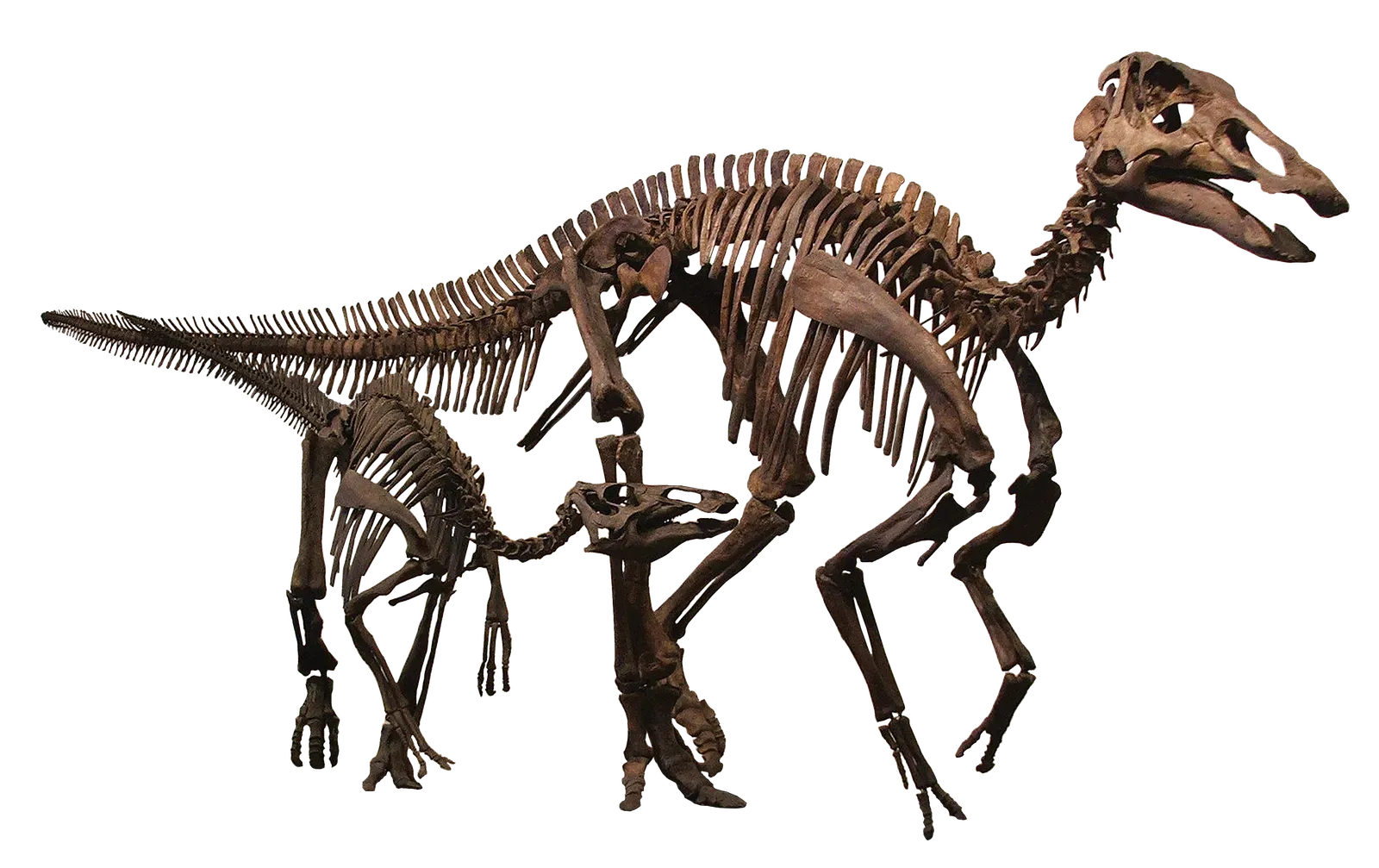
Trachodon mirabilis was one of the first duck-billed dinosaurs ever named, based on some teeth collected in the 1850s. For generations, “Trachodon” became the go-to shorthand for almost any duck-billed dinosaur fossil that turned up, a catch-all label slapped onto material that didn’t obviously belong anywhere else.
That convenience became a liability. Teeth alone can’t reliably distinguish between closely related duck-billed species, and once more complete skeletons were compared, researchers realized the original Trachodon material was too vague to anchor a real species. Trachodon was downgraded to a “nomen dubium” – a name too poorly defined to be scientifically valid – and its better-known specimens were reassigned to Edmontosaurus. The name still shows up in old books and vintage toy lines, but professionally, it’s been retired for decades.
#9 – The “Duck-Billed Titan” That Was Just a Big Edmontosaurus
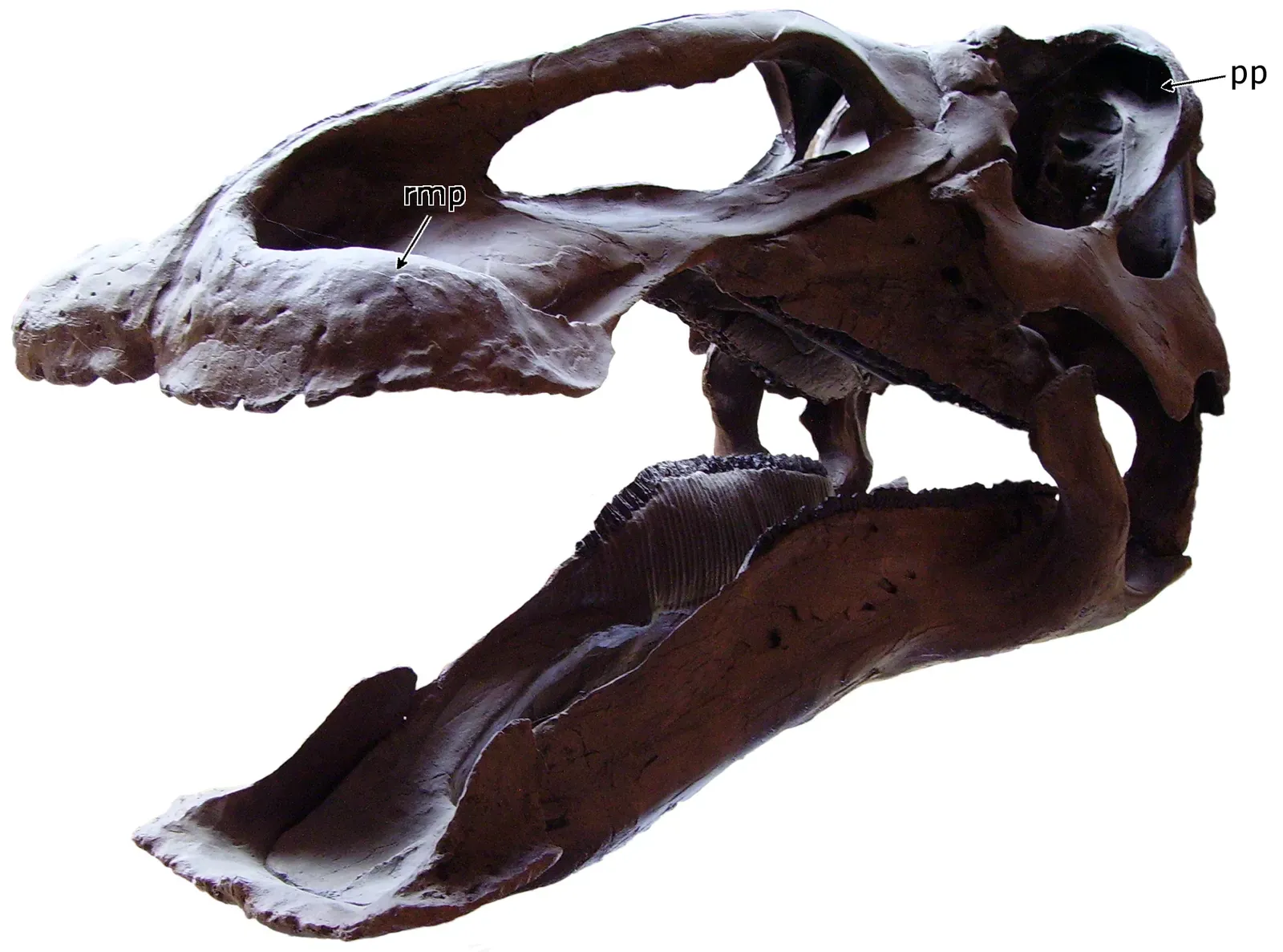
Anatotitan copei sounded impressive on paper: a massive, long-skulled duck-billed dinosaur distinct enough to earn its own genus name in the 1990s. Museums loved it. The flattened, elongated skull looked genuinely different from other duck-bills on display nearby.
Closer study of the growth series told a less exciting story. Researchers tracking skull shape across different ages of Edmontosaurus annectens found that the “flattened” skull shape was simply what happens to this species as an individual matures – not a separate lineage at all. Anatotitan was folded back into Edmontosaurus annectens, meaning the distinctive genus was really just an unusually old, unusually large member of a species already on the books. The skeletons in museum halls didn’t move, but the label under the glass quietly changed.
#8 – The “Dragon” Dinosaur That May Just Be a Baby
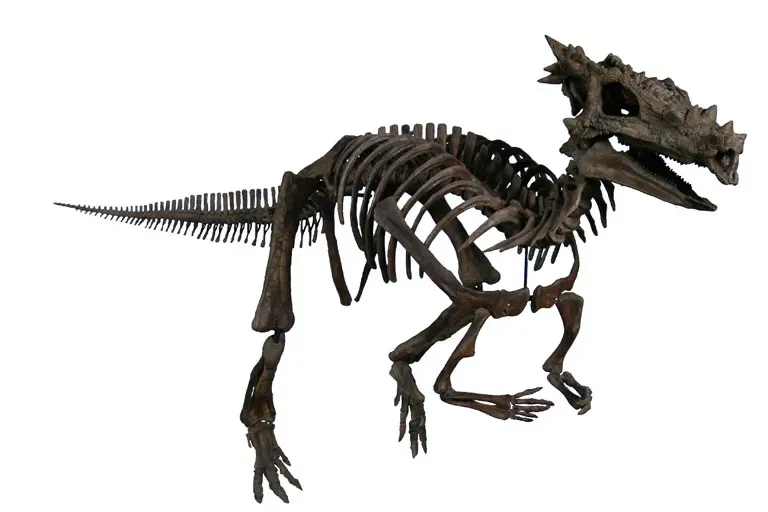
Dracorex hogwartsia earned instant fame the moment it was named in 2006 – a spiky-skulled dinosaur literally named after Hogwarts, with a skull covered in knobs and horns and no dome at all. It looked nothing like its supposed relatives in the pachycephalosaur family, which are famous for thick, domed skulls built for head-butting.
That “no dome” feature turned out to be the giveaway. Researchers studying skull development in related species found that domes grow in gradually as pachycephalosaurs age, starting flat and spiky in youth. A growing number of paleontologists now argue Dracorex was simply a juvenile Pachycephalosaurus wyomingensis, years away from growing the dome that defines the adult form. If that holds up, an entire “species” was really just a young dinosaur caught before puberty.
#7 – The Companion Dinosaur Facing the Same Identity Crisis
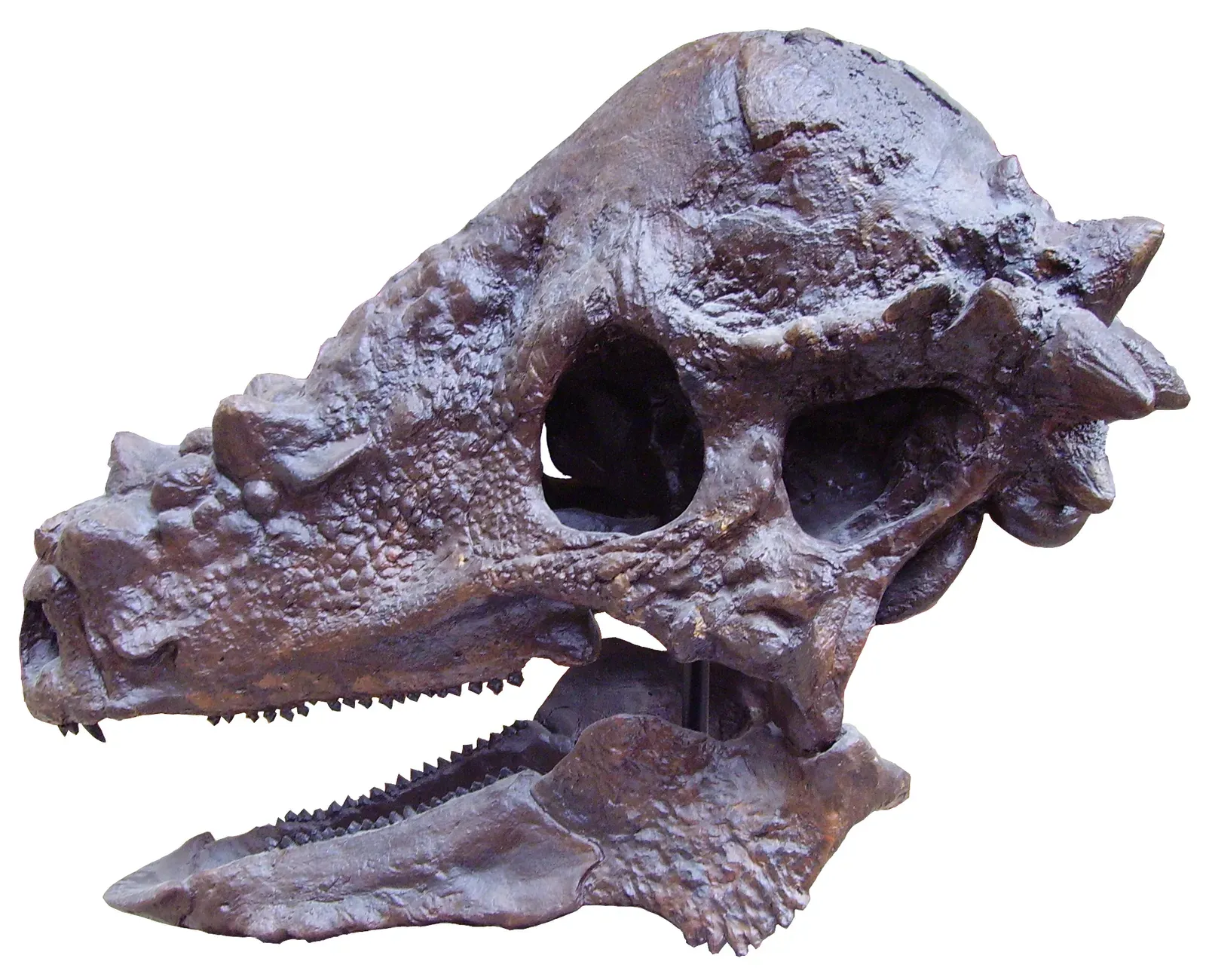
Stygimoloch spinifer got tangled in the exact same controversy as Dracorex, and for good reason – it shares the same skull-growth pattern. Named for its devil-like horned skull, Stygimoloch was pitched as another distinct spiky pachycephalosaur living alongside its dome-headed relatives in the same Late Cretaceous ecosystem.
The math didn’t add up for long. All three supposed species – Dracorex, Stygimoloch, and Pachycephalosaurus – were found in the same rock formation, at the same time, with skull features that lined up perfectly with a single growth sequence from young to old. Researchers proposed that Stygimoloch represents a subadult stage of Pachycephalosaurus, caught mid-transformation between the spiky juvenile form and the fully domed adult. Not every paleontologist agrees yet, but the growth-series evidence is hard to ignore.
Quick Compare
- Juvenile (“Dracorex”): flat skull, no dome, long sharp spikes across the back of the head.
- Subadult (“Stygimoloch”): a dome begins rising at the center of the skull while the spikes grow shorter and thicker.
- Adult (Pachycephalosaurus): full rounded dome, spikes reduced to small bumps near the skull’s edge.
#6 – The “Ultra” Dinosaur That Got Split Between Two Other Animals
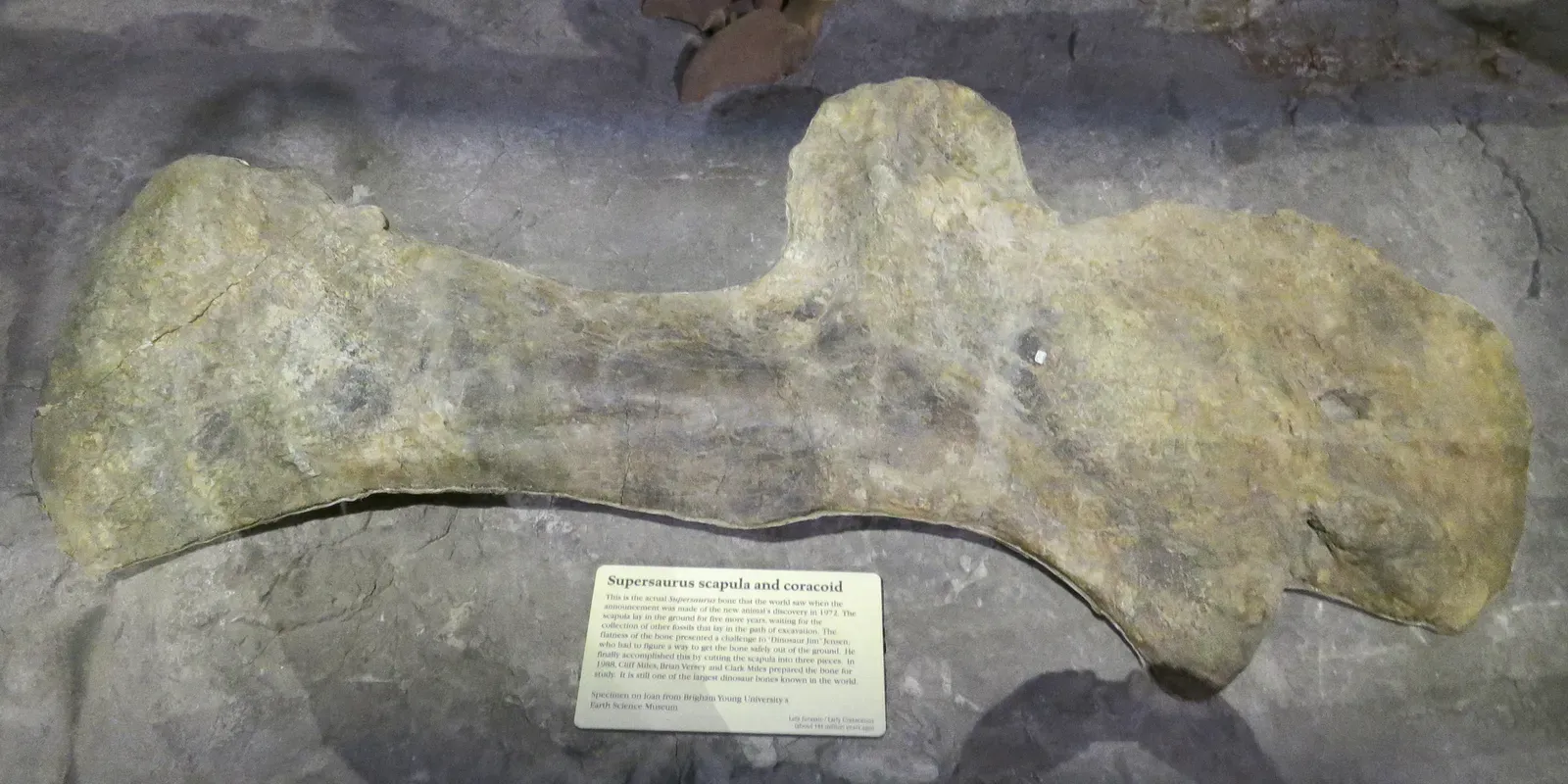
Ultrasauros macintoshi debuted with a name built for headlines – “ultra lizard,” implying it topped every other giant sauropod on record. Discovered in Colorado in the 1970s, it was marketed for years as one of the largest land animals to ever exist, a genuine record-breaker.
The record didn’t survive close inspection. Researchers eventually realized the bones used to define Ultrasauros actually belonged to two completely different animals mixed together at the excavation site. The vertebra was reassigned to Supersaurus, while other bones were matched to Brachiosaurus-type material, meaning “Ultrasauros” was never a single animal at all – just a taxonomic illusion built from mismatched fossils. The name has been formally abandoned, and the “world’s biggest dinosaur” crown moved to genera that were already named.
#5 – The Three-Horned Rival That Might Just Be an Old Triceratops
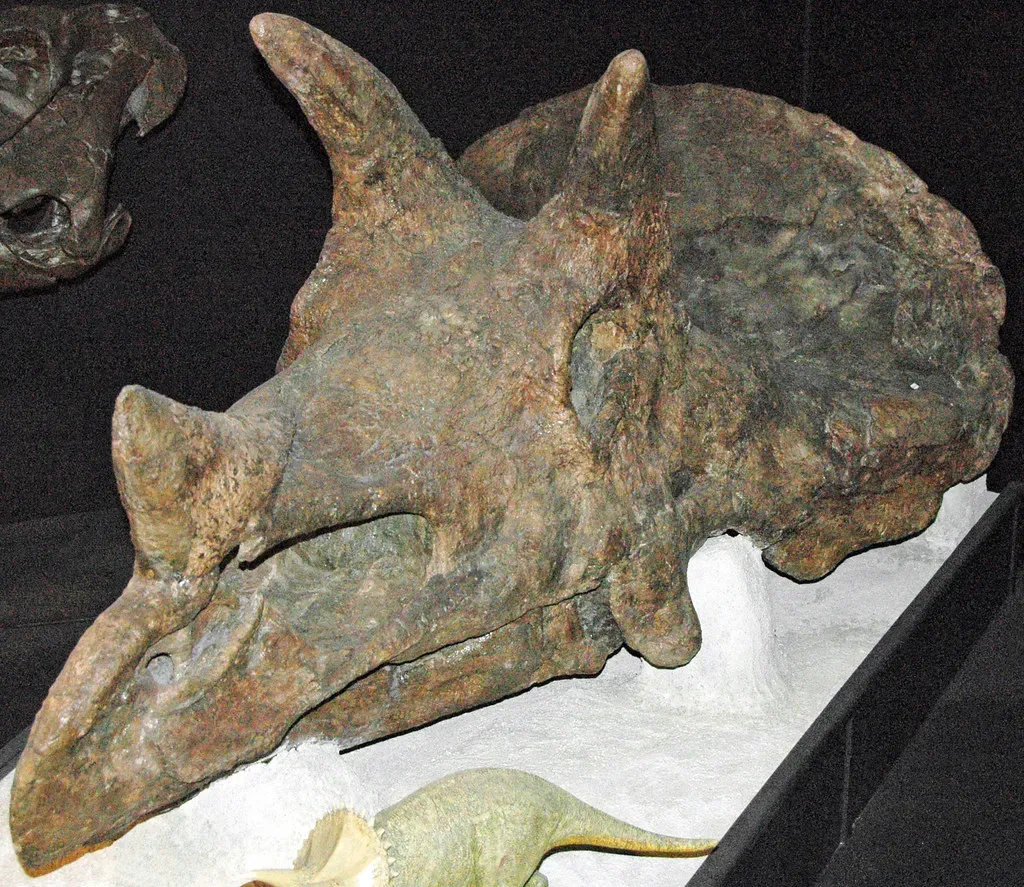
Torosaurus latus looked like a natural cousin of Triceratops – three horns, a broad frill, similar body plan, similar time period. For over a century, they sat comfortably as separate species in the same family tree, distinguished mainly by frill shape and the presence of large holes near the back of the skull.
Then researchers noticed something odd while examining skull growth stages: Triceratops skulls seem to thin out and develop those same holes as the animals age toward full maturity. Some paleontologists now argue Torosaurus is nothing more than the fully mature adult form of Triceratops, with the “extra” species disappearing once you account for how much a Triceratops skull changes between adolescence and old age. Other researchers strongly disagree, arguing the growth stages don’t line up as neatly as claimed. The fight over this one is far from settled.
#4 – The Giant Flightless Birds That Turned Out to Be Married Couples
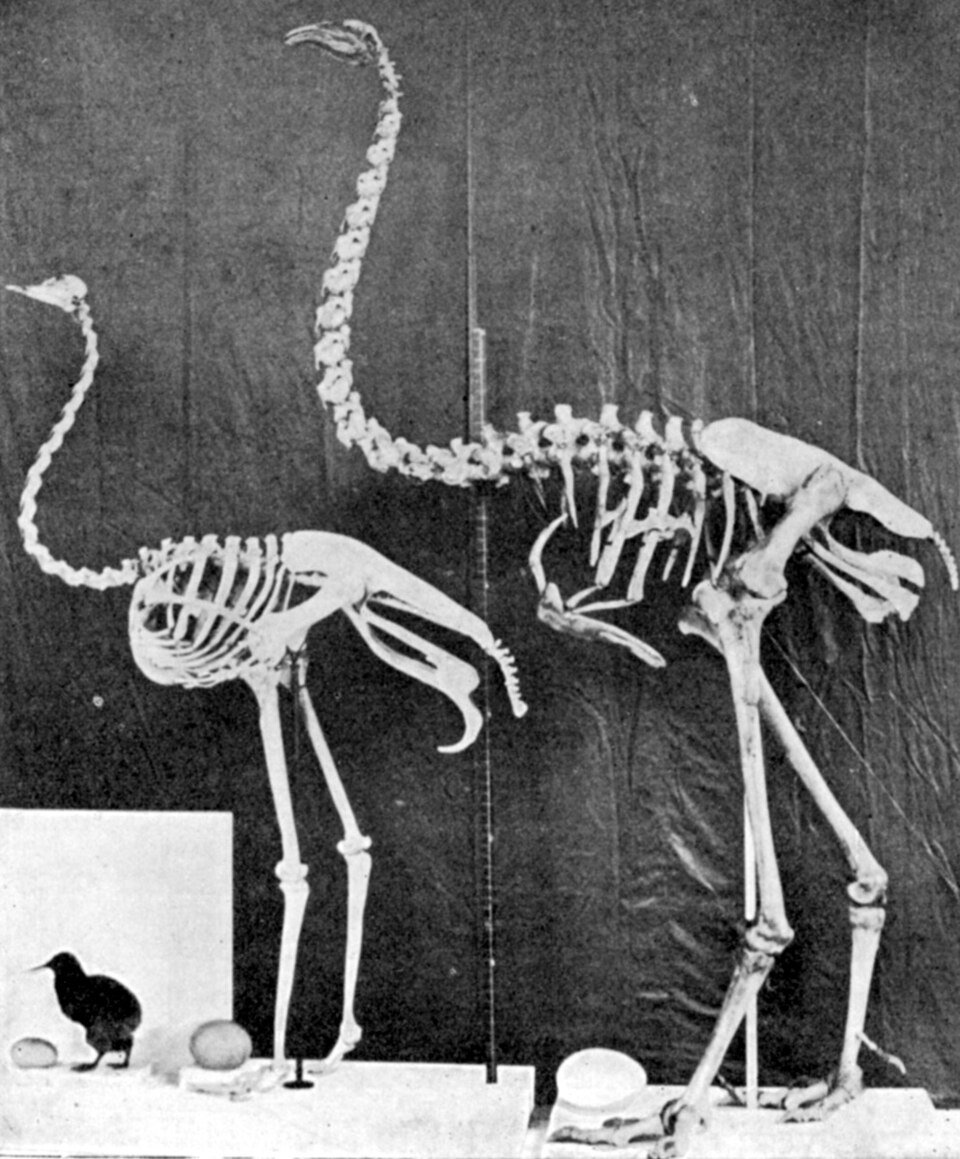
New Zealand’s moa were originally split into dozens of species by 19th- and 20th-century scientists working from incomplete leg bones and skull fragments, each new size variation treated as proof of a new species. At one point, researchers had described far more moa “species” than genetics would eventually support.
The real explanation was staring right at them: extreme sexual size differences within single species, not separate lineages. Dinornis seems to have had the most pronounced sexual dimorphism, with females being up to 150% as tall and 280% as heavy as males – so much bigger that they were formerly classified as separate species until 2003. DNA sexing later confirmed all D. struthioides were males, and all D. robustus were females, proving what looked like three species was really one species split by sex. Entire “species” of moa were really just husbands and wives of the same animal.
Fast Facts
- Dinornis females may have stood up to 150% as tall and weighed up to 280% as much as males – among the most extreme size gaps between sexes ever documented in a bird.
- Before 2003, that size gap was so dramatic that scientists split the sexes into separate “species,” D. struthioides and D. robustus.
- DNA sexing settled the question, confirming every D. struthioides specimen tested was male and every D. robustus specimen was female.
- Nineteenth- and twentieth-century researchers had once carved moa into dozens of named “species” based on isolated leg bones alone.
#3 – The Zebra Relative That Wasn’t Actually a Separate Species
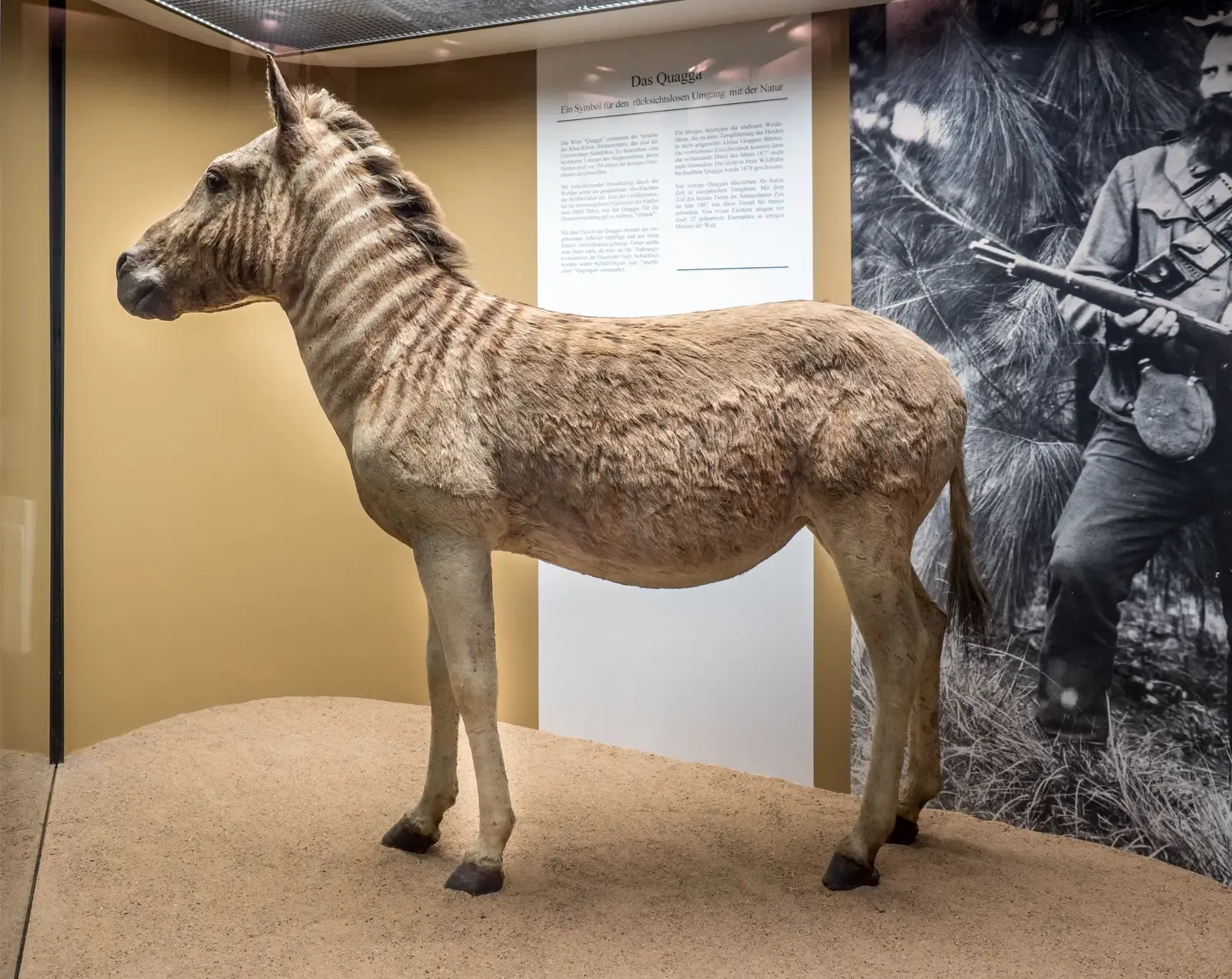
The quagga looked dramatically different from an ordinary zebra – heavily striped at the front, fading to solid brown toward the rear, almost like two animals fused together. It was hunted to extinction in the 1880s while still classified as its own distinct species, entirely separate from the common plains zebra.
In 1984, the quagga made history as the first extinct animal to ever have its DNA sequenced, sparking decades of genetic detective work that followed. That research eventually confirmed the quagga wasn’t a distinct species at all, but a subspecies of the plains zebra that diverged from other plains zebra populations only 120,000 to 290,000 years ago – a blink of an eye in evolutionary terms. A species that had gone extinct for over a century turned out to be a striped color variant, not its own lineage at all.
#2 – The “Earth-Shaking Lizard” That Lost Its Own Name
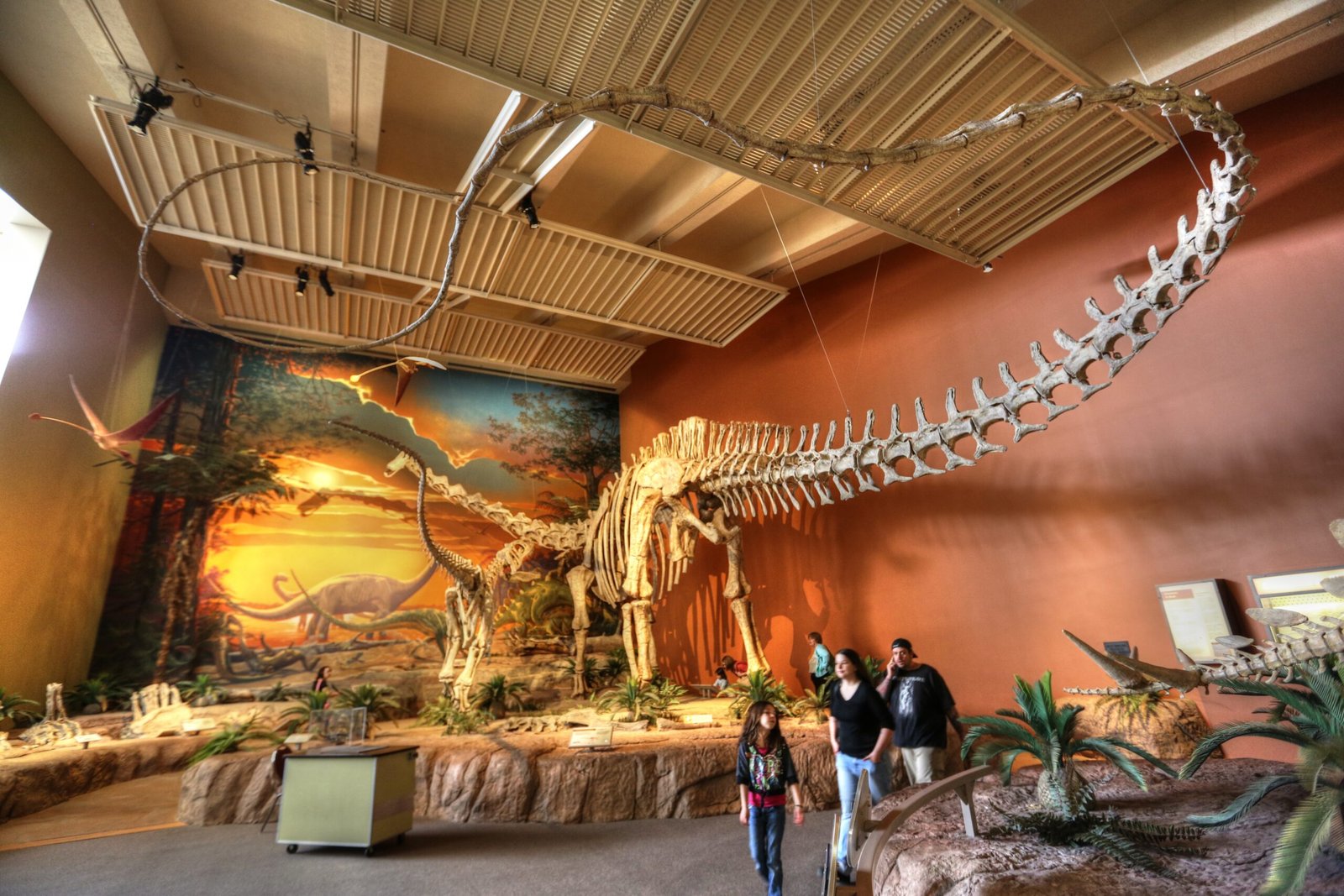
Seismosaurus hallorum was introduced to the public with maximum drama – the name literally means “earthquake lizard,” and early estimates put its length at a staggering 39 to 52 meters, which would have made it one of the longest animals ever discovered on land. Naturally, it became a media sensation almost instantly.
Reality shrank the legend considerably. Reexamination of the holotype found that Seismosaurus differed from Diplodocus in ways too minor to justify its own genus, and researchers reclassified it as a junior synonym of that already-established name. The legendary size estimate took a hit too – the original 39-to-52-meter claim was walked back to a far more modest 30 to 35 meters once the bones were properly compared. The “biggest dinosaur ever found” turned out to be a slightly oversized Diplodocus that already had a name.
#1 – The Icon That Was Erased for 112 Years, Then Un-Erased
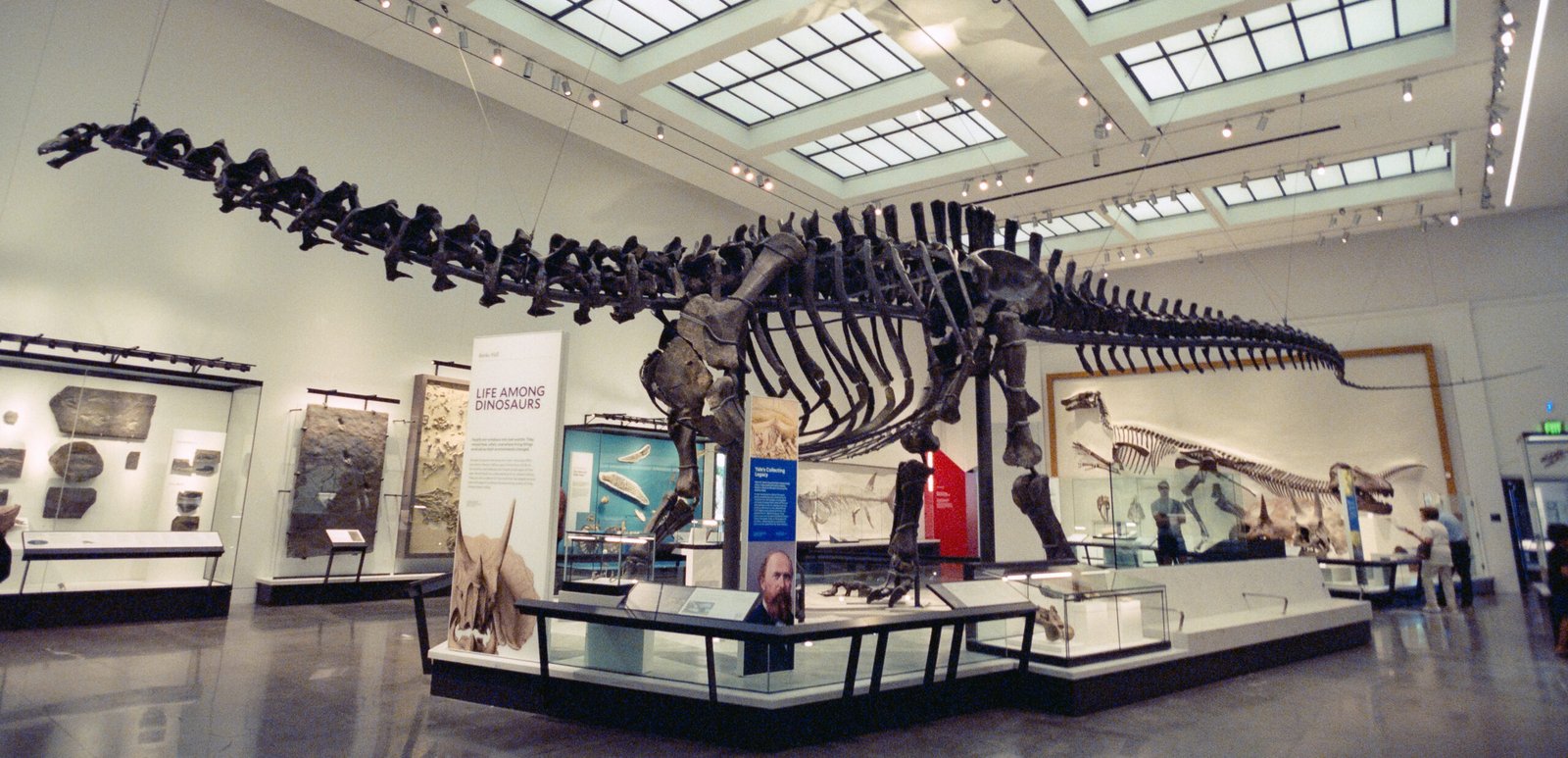
Brontosaurus is the granddaddy of every entry on this list – the most famous case of an extinct animal getting folded into a species that was already on the books, and the most dramatic reversal of that decision decades later. In 1903, paleontologist Elmer Riggs re-examined the bones and concluded that Marsh’s Brontosaurus specimens actually represented the same genus as Apatosaurus, meaning the two names were synonyms. Because Apatosaurus had been named first, priority rules demanded Brontosaurus disappear entirely from formal science.
It didn’t disappear from public imagination, though. Riggs published his findings in a relatively obscure journal, so the correction never really caught up with public awareness – and the flashier, technically invalid name kept getting exposure everywhere else. Brontosaurus stayed folded into Apatosaurus for 112 straight years – museum plaques, oil company logos, and cartoons kept the “wrong” name alive the entire time. Then, in 2015, a massive statistical study by Emmanuel Tschopp and colleagues reexamined the skeletal differences and found it to be distinct after all, resurrecting Brontosaurus as a genuine, separate genus. It’s the rare case on this list where the folded-in animal fought its way back out.
At a Glance
- 1877: Othniel Charles Marsh names Apatosaurus ajax from Colorado’s Morrison Formation.
- 1879: Marsh names a separate, larger skeleton Brontosaurus excelsus.
- 1903: Elmer Riggs declares Brontosaurus a junior synonym of Apatosaurus in a little-read Field Columbian Museum publication.
- 2015: A statistical study scoring 477 anatomical features across 81 dinosaur specimens resurrects Brontosaurus as a valid genus.
The Bottom Line
Here’s the uncomfortable truth the fossil record keeps confirming: half of what gets called a “new species” is really just an old species caught at a different age, sex, or growth stage. Juvenile pachycephalosaurs got mistaken for entirely different animals. Male and female moa got split into separate species by scientists who never checked the DNA. A striped zebra subspecies stayed extinct for a century before anyone realized it was never its own species to begin with. Even Brontosaurus, the most famous “correction” in paleontology, spent over a century erased before the evidence dragged it back from the dead.
The pattern says something blunt about how science actually works: naming a fossil first and verifying it later is still standard practice, and that should make everyone a little more skeptical of tomorrow’s “confirmed extinct species” headline. Torosaurus and Nanotyrannus look like the next names on this list – it’s really just a matter of when, not if. My money’s on both of them losing their genus status within the decade, and honestly, paleontology will be more honest for it.