
Most people picture dinosaurs the same tired way: dull green or muddy brown lizards trudging through grey prehistoric swamps. That image is scientifically outdated, and has been for over a decade. Since 2010, paleontologists have used electron microscopes to spot fossilized pigment sacs called melanosomes, and the results have completely rewritten the color palette of the Mesozoic.
We’re talking rust-red armor, crow-black iridescent wings, and one species scientists actually nicknamed the “rainbow dinosaur.” Twelve species now have confirmed, evidence-based color patterns – not artist guesses – and the details get stranger the further down this list you go.
#1 – Sinosauropteryx Was Basically a Ginger
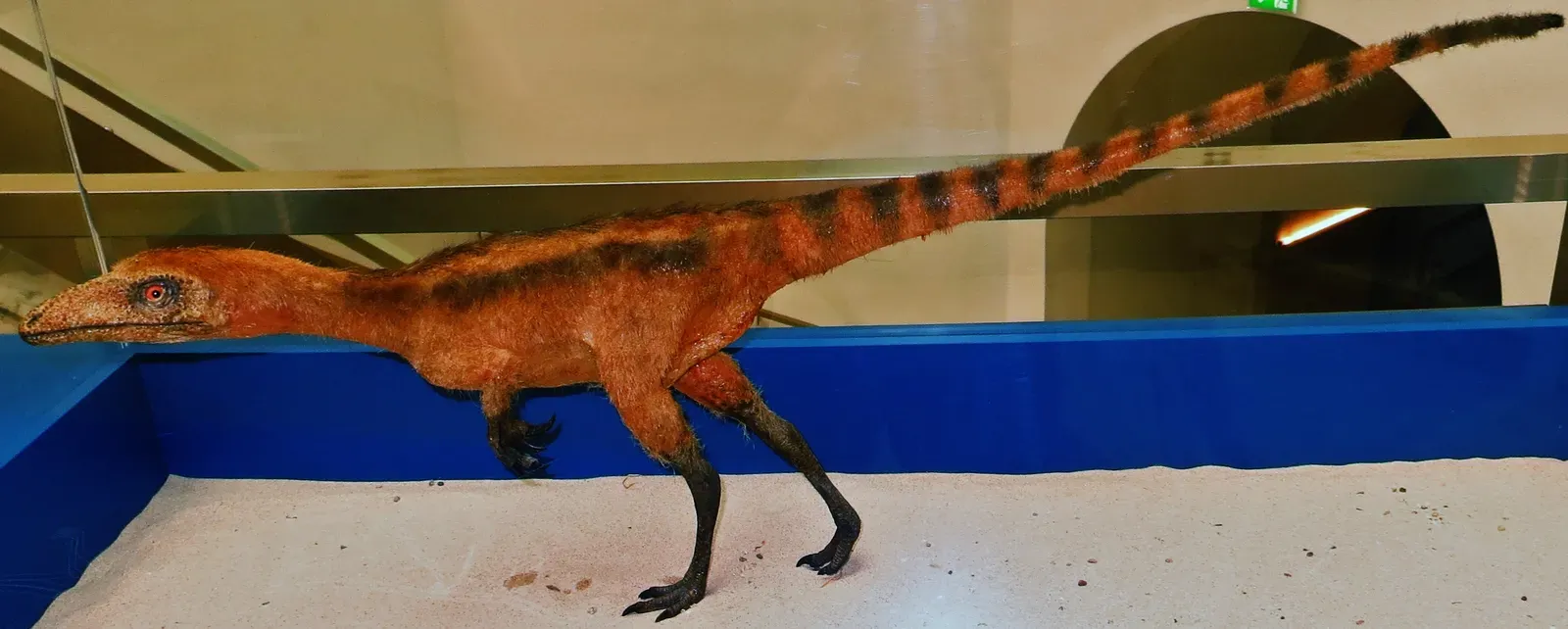
This turkey-sized meat-eater was the first dinosaur in history to have its actual color scientifically confirmed, not guessed.
In 2010, teams studying its fossilized “dino fuzz” found melanosomes packed into the tail region. Scientists discovered that Sinosauropteryx was mostly a red-brown colour with alternating dark and light bands on its tail, and these bands would have helped camouflage the little dinosaur like zebra stripes. Researchers also found a lighter belly and darker back – a pattern called countershading. Sinosauropteryx sported a gingery-brown coat of downy feathers with a dark back and lighter underbelly, plus white tail stripes and a bandit mask across its eyes similar to a raccoon.
Fast Facts
- First dinosaur species ever given a scientifically confirmed color, back in 2010
- Reddish-brown body with a dark back and lighter belly (classic countershading)
- Banded, candy-cane-style tail markings for camouflage and signaling
- Distinctive dark “bandit mask” across the eyes, much like a raccoon
Here’s the detail most people miss: that flashy tail wasn’t just camouflage. The candy-cane tail of Sinosauropteryx was likely a social signal, used by these dinosaurs to communicate with each other when they met. A predator with a built-in semaphore flag on its rear end is not the beige lizard textbooks used to draw.
That candy-cane tail was just the opening act. Next up is a bird whose feathers pulled off a trick that scientists didn’t expect to find preserved in stone at all.
#2 – Confuciusornis Wore Four Colors on One Feather
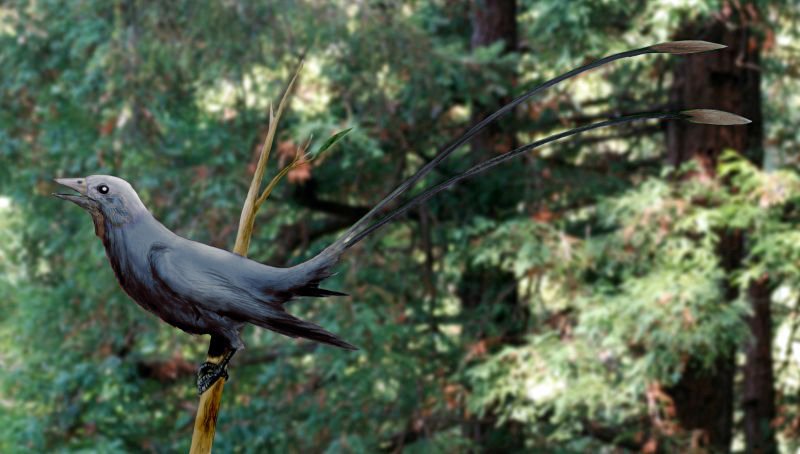
This 125-million-year-old early bird proved something wild: individual feathers could shift color mid-strand, like a natural ombré dye job.
Researchers studying its remains detected two types of melanosomes: eumelanosome, which gives rise to black-gray color, and pheomelanosome, which results in a reddish-brown color. That second finding mattered enormously, because this was the first time pheomelanosomes had been found in early birds, opening the door to reddish and rust tones nobody expected to survive in fossils.
Even more surprising was the variation within a single specimen. The 125-million-year-old early bird Confuciusornis was found to have color variation between blacks and browns in a single feather. That means this creature wasn’t a flat, one-tone animal – it had gradient plumage the way some modern songbirds do.
Most people assume ancient birds were dull test subjects for evolution, but Confuciusornis was already experimenting with multi-tonal feather design tens of millions of years before peacocks existed. It proved feathers could paint in gradients – its far more famous cousin decided to skip the rainbow entirely, and that choice tells us something researchers didn’t expect.
#3 – Archaeopteryx, the “First Bird,” Was Mostly Black
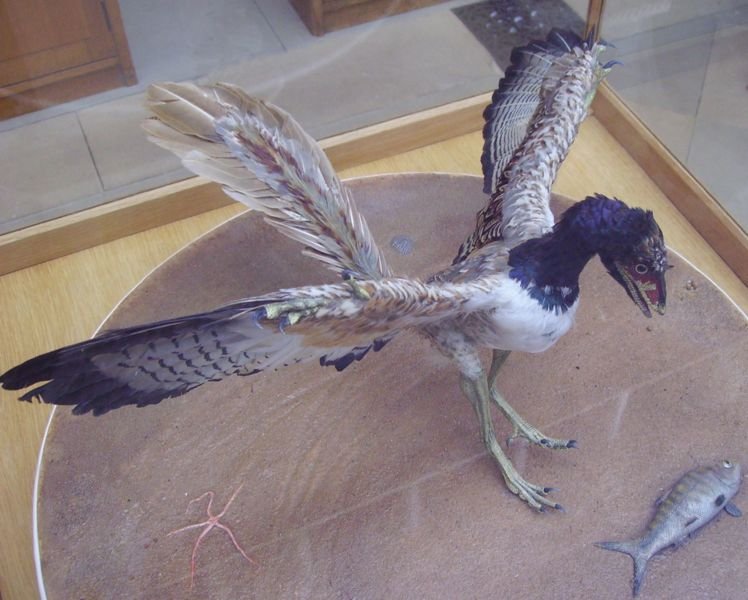
The most famous transitional fossil on Earth finally got its color test in 2012, and the result surprised almost nobody who studies melanin.
In 2012, Ryan Carney and colleagues produced the first colour study on an Archaeopteryx specimen, and fossilized melanosomes suggested a primarily black coloration in the feathers of the specimen. Black might sound anticlimactic compared to rainbow dinosaurs, but it’s actually significant. Black feathers packed with eumelanin are structurally stronger and more resistant to bacterial degradation in living birds today – meaning Archaeopteryx’s dark plumage may have been functional, not just decorative.
Here’s the controversial opinion paleontologists rarely say out loud: Archaeopteryx being black undercuts the romantic idea that the first flying dinosaurs were dazzling show-offs. Sometimes the missing link between dinosaurs and birds looked more like a crow than a peacock. That’s a less glamorous headline, but it fits the evidence far better than any speculative color chart ever could.
If black feathers were about survival, the next dinosaur on this list swung completely the other direction.
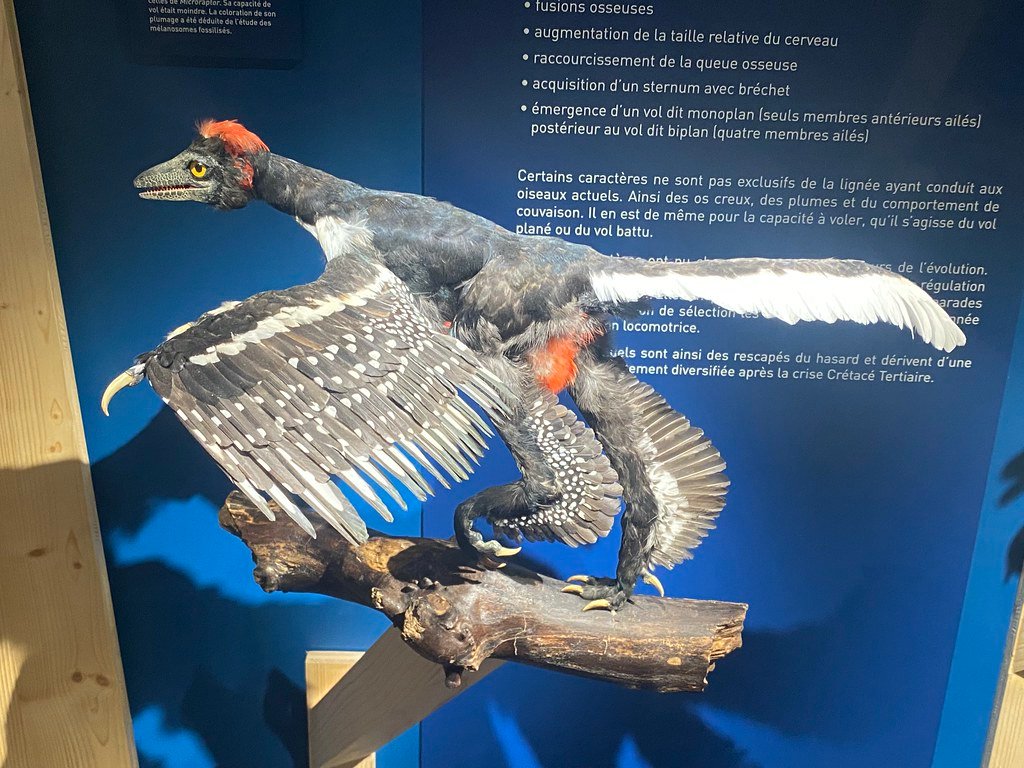
#4 – Anchiornis Had a Full-Body “Portrait,” Mohawk Included
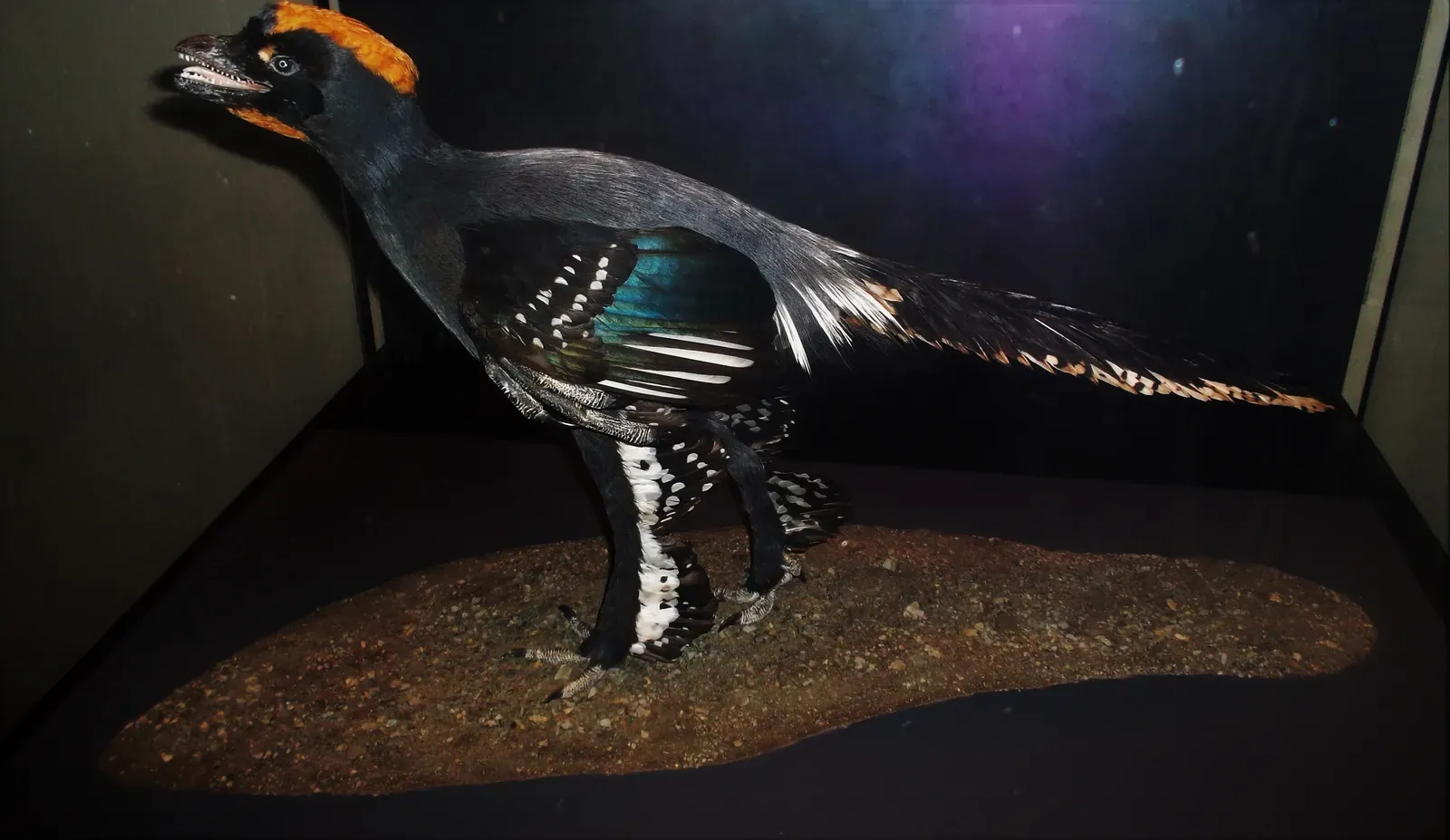
This chicken-sized dinosaur became the first animal in history to have its complete, full-body coloration mapped from actual fossil evidence rather than partial guesswork.
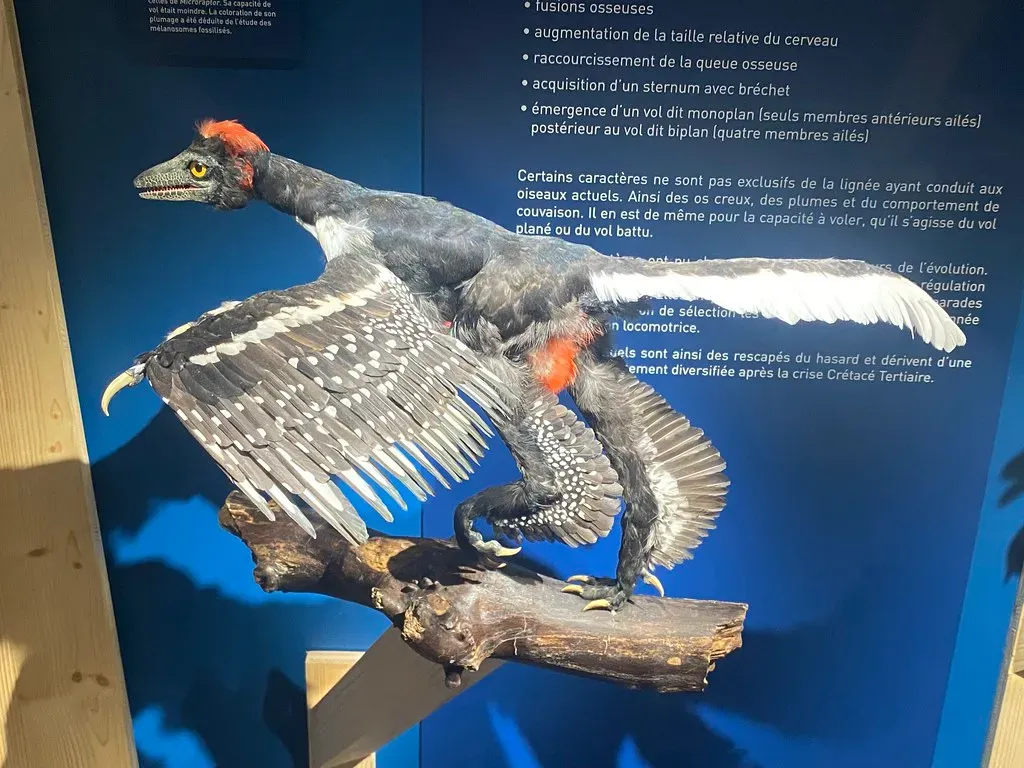
Researchers who sampled dozens of points across a single specimen concluded the animal appears to have had a dark gray or black body and wings with some white feathers that gave it a stripe pattern, plus a reddish-brown crest and speckles on the face. One paleontologist involved compared the pattern directly to a domestic bird breed, noting the color patterns on Anchiornis’s limbs are quite similar to the silver-spangled Hamburg chicken, a domestic breed of ornamental chicken.
The crest is what really stunned scientists. It appears that Anchiornis had a burnt-orange headdress and freckles, possibly meaning that these bright colors played a role in communicating to other birds.
A rust-orange mohawk on a black-and-white-spangled body is about as far from “grey lizard” as prehistoric life gets. This wasn’t camouflage – this was a display piece, built to be seen. The next dinosaur on this list took a similar idea and applied it somewhere else entirely: the tail.
#5 – Caudipteryx Wore Striped “Fashion Tail Feathers”
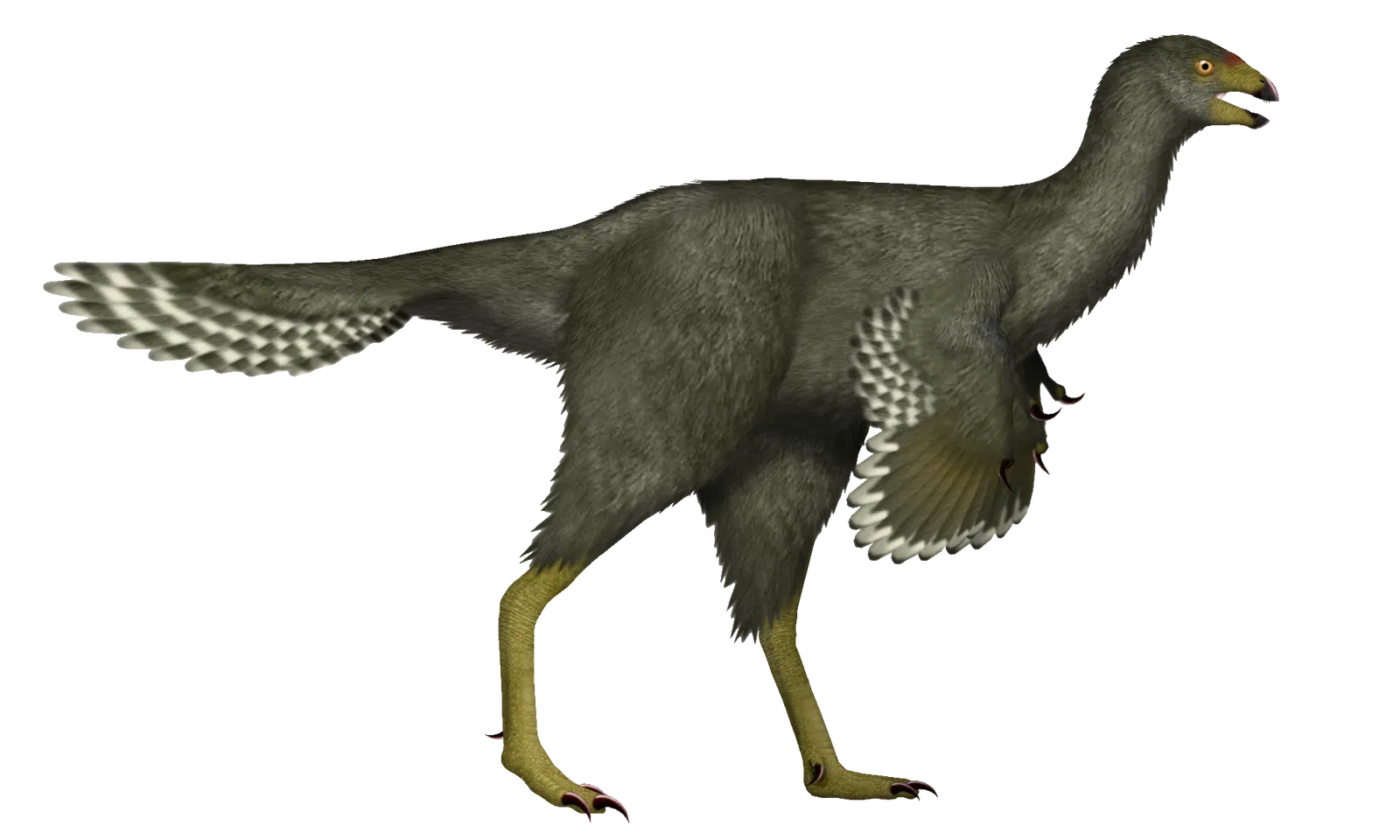
Long before peacocks existed, this small, feathered dinosaur was already rocking banded tail plumage that looked suspiciously like a deliberate design choice.
The original 1998 description already noted the existence of preserved colour bands on the fossilized tail feathers of the holotype specimen. Later chemical analysis went further, confirming that the body feathers of Caudipteryx contained eumelanin, a pigment lending dark grey/black shades.
What makes this genuinely interesting is the mismatch between body and tail. A mostly dark grey-black body paired with a banded, patterned tail suggests two different evolutionary pressures at work – camouflage for the torso, display for the tail fan.
Most casual dinosaur fans assume feathers only mattered for flight, but Caudipteryx couldn’t fly at all. Its feathers were pure fashion statement, arguably one of the earliest recorded uses of plumage purely for show in the fossil record. A flightless dinosaur wearing striped tail feathers for attention sets up the next entry perfectly – a cousin from the same fossil beds that took “dressed to impress” even further.
#6 – Huadanosaurus Was Dressed to Impress
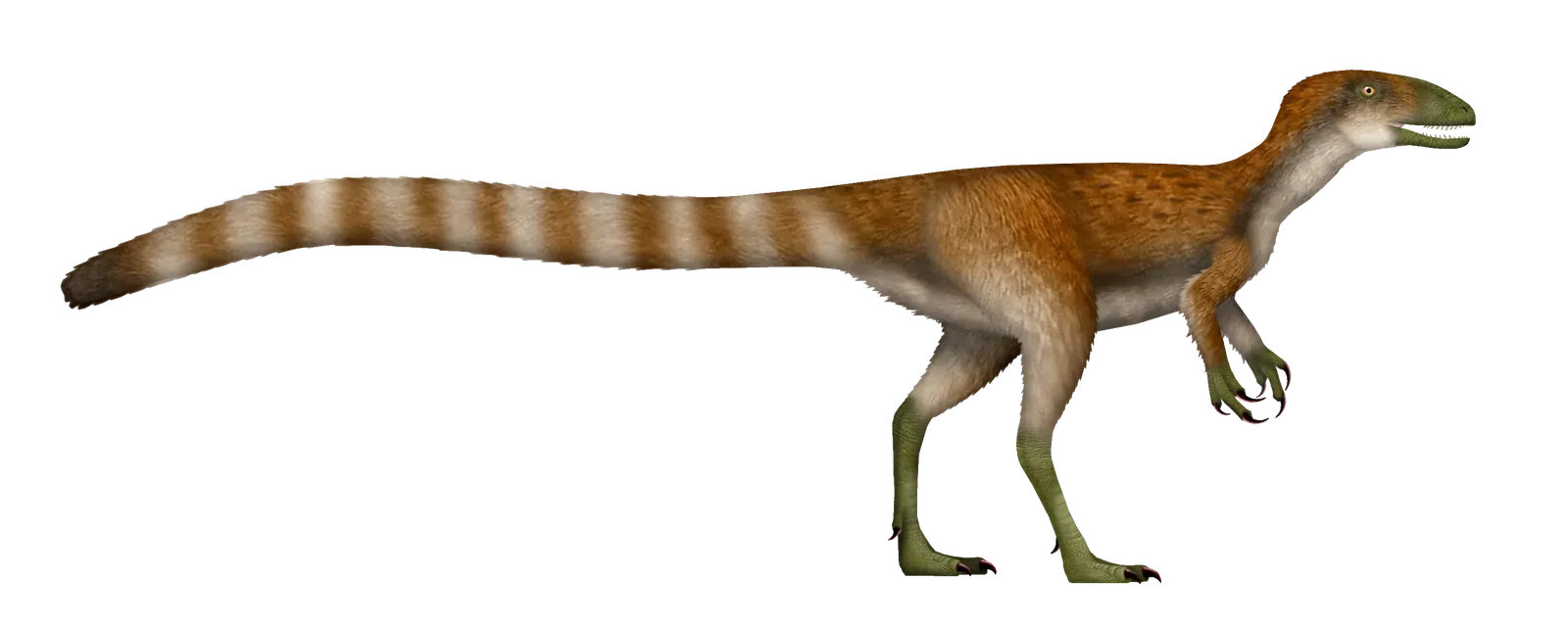
This lesser-known feathered dinosaur, discovered alongside Sinosauropteryx material in China, turned out to have warm, rust-toned plumage built for one specific purpose: getting noticed.
Zhang and colleagues discovered melanosomes in the holotype of Huadanosaurus, and it was suggested that Huadanosaurus had rufous or light brown feathers, probably used for display. That word “display” is doing a lot of work here. Unlike the countershaded camouflage patterns found on ground-dwelling herbivores, this coloring pattern doesn’t scream “hide from predators” – it screams “look at me.”
Researchers studying the same Chinese fossil beds have repeatedly found this split personality among small theropods: some evolved toward blending in, others toward standing out.
The unpopular truth most dino documentaries skip over is that not every prehistoric color pattern was about survival. Some of it, just like modern bird plumage, was almost certainly about attracting a mate – vanity baked directly into the fossil record. Display feathers are one thing. The next dinosaur on this list didn’t just wear color – it wore shine.
#7 – Microraptor Shimmered Like a Crow
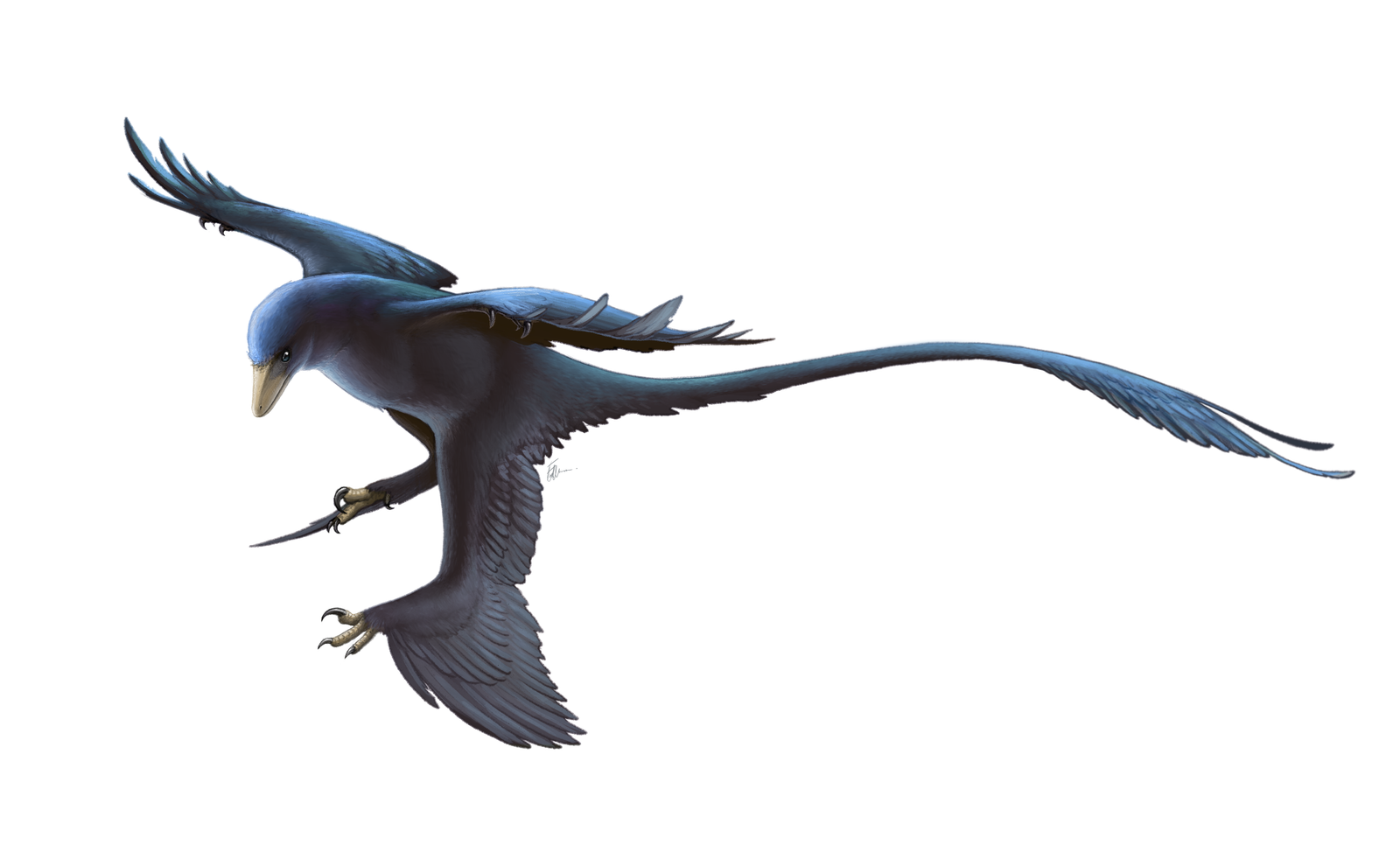
This four-winged glider from Early Cretaceous China wasn’t just black – it was iridescent black, the kind of shine that only shows up under direct light.
A 2012 study led by Jakob Vinther examined the microscopic arrangement of its melanosomes and found something remarkable: the first evidence of prehistoric iridescence. Microraptor’s melanosomes were arranged in a particular pattern found in modern iridescent birds, meaning this dinosaur was shiny black like a crow. The stacking pattern itself is the giveaway – iridescence in living birds comes from tightly layered melanosomes reflecting light at specific angles, not from pigment alone.
This discovery also revealed something about Microraptor’s daily habits. It indicates that Microraptor was probably diurnal, since nocturnal animals have no reason to be iridescent.
Worth Knowing
- First dinosaur confirmed to show true structural iridescence, not just flat pigment
- Melanosomes stacked in tight layers – the same trick crows and starlings use today
- A four-winged body plan built for gliding between trees, not soaring
- Shiny feathers only make evolutionary sense in daylight, pointing to a diurnal lifestyle
A shimmering four-winged glider that was active during the day, showing off a raven-like sheen as it moved between trees, is a far cry from the shadowy, nocturnal predator pop culture usually imagines. Crow-black iridescence was impressive enough. But one more feathered dinosaur pushed that shimmer into full rainbow territory.
#8 – Caihong Earned the Nickname “Rainbow Dinosaur”
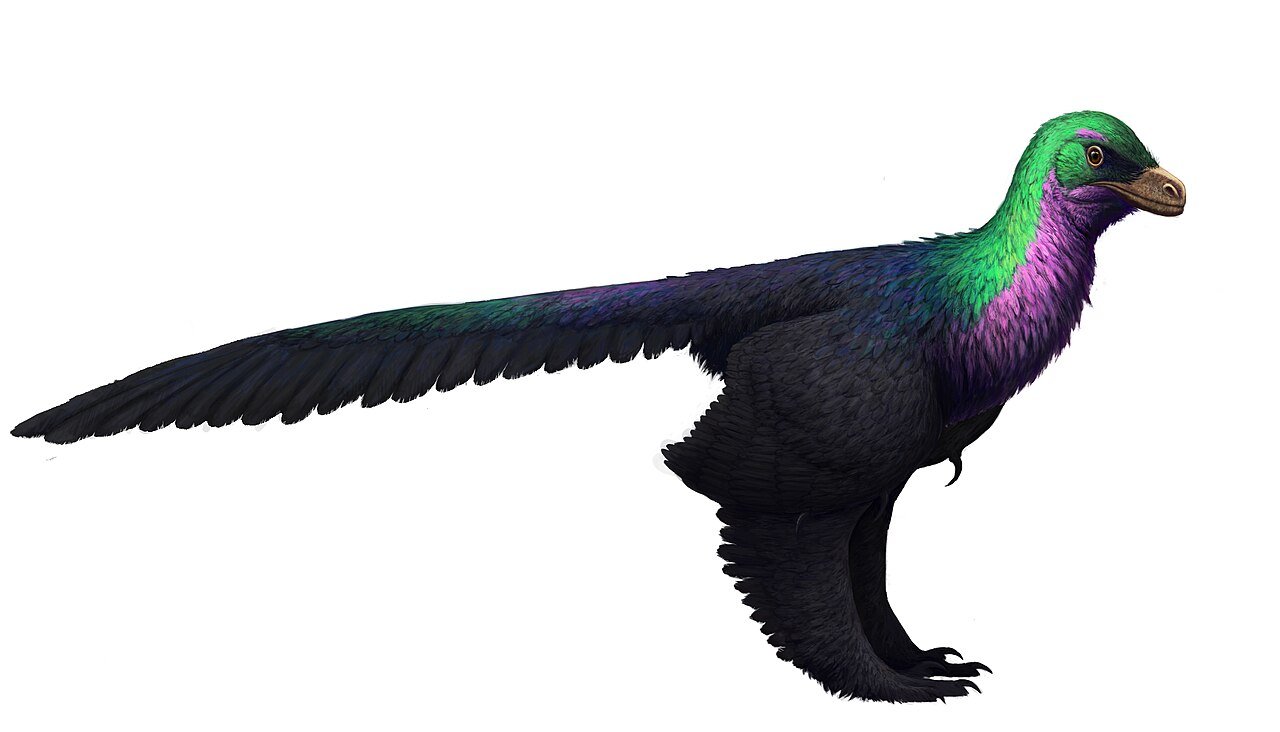
If Microraptor was iridescent black, this species took the concept and ran with it – earning a name that literally translates to “rainbow” in Mandarin.
Caihong sported multiple colours across its head, making it a “rainbow dinosaur” of sorts. Unlike Microraptor’s crow-like sheen, Caihong’s melanosome structure suggested shifting, multi-hued iridescence concentrated around the head and neck – the kind of effect you see today in hummingbirds, where the same feather can flash gold, green, or purple depending on the viewing angle.
Researchers studying this wider group of feathered dinosaurs point to one likely explanation for such vivid, unnecessary-for-survival coloring. The wide variations of colours are likely the result of sexual selection and the differentiation of species, since with so many different species of small, feathered dinosaurs, it would have been important to have vibrant and distinct colours so as to not confuse your mate.
A dinosaur with a rainbow head is exactly the kind of discovery that should have replaced the grey-lizard stereotype years ago. Not every dinosaur wanted to be noticed, though. The next one on this list was engineered by evolution to disappear completely.
#9 – Psittacosaurus Was Built for the Forest Floor
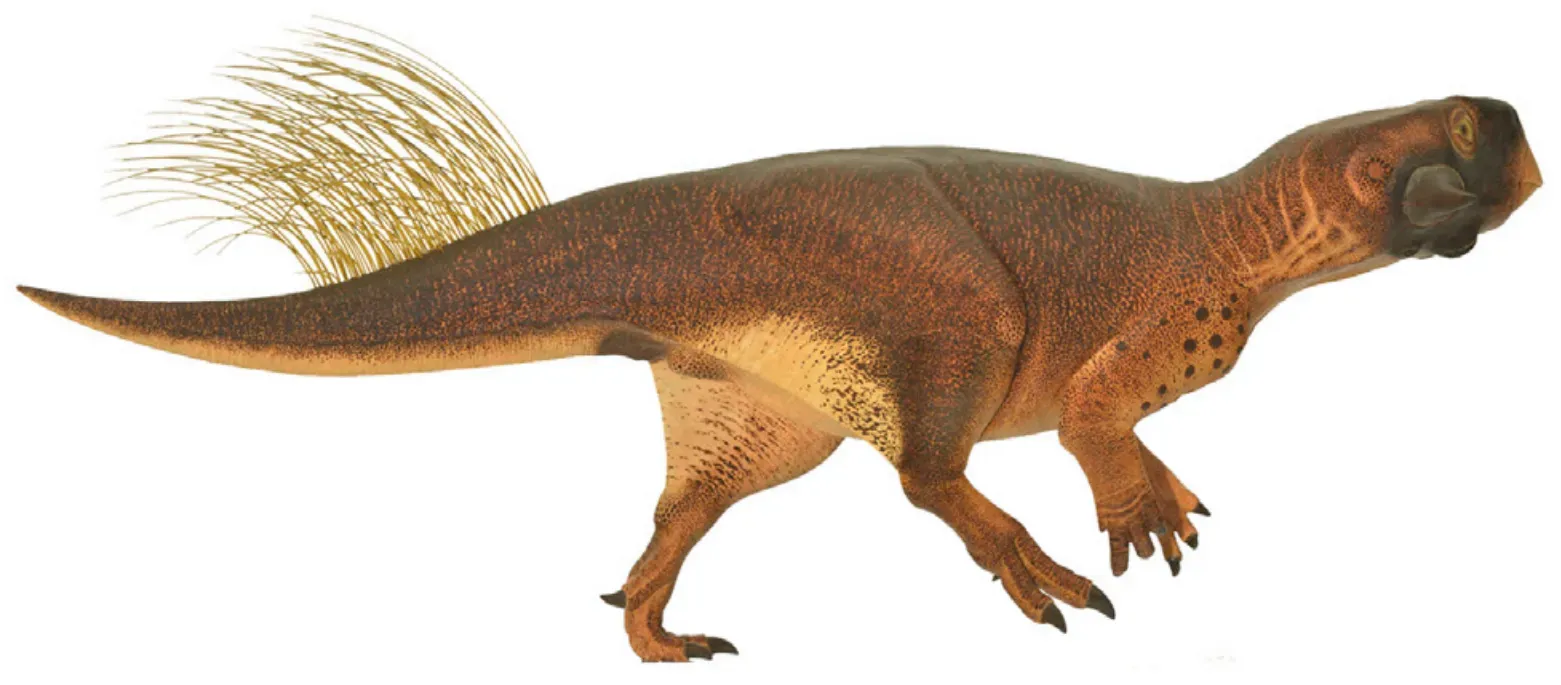
This horned relative of Triceratops wasn’t flashy at all – and researchers say that was entirely intentional, engineered by evolution for one specific type of hiding.
A landmark reconstruction project found Psittacosaurus was light on its underside and darker on top, a color pattern known as countershading that is a common form of camouflage in modern animals. But the real breakthrough was matching the pattern to a specific environment. According to the scientists, Psittacosaurus most likely lived in an environment with diffuse light, such as in a forest, since countershading most likely served to protect this dinosaur species against predators that use patterns of shadow on an object to determine shape.
The precision here is what stunned paleontologists. This Psittacosaurus was countershaded with a light underbelly and tail, whereas the chest was more pigmented, and other patterns resemble disruptive camouflage, whereas the chin and jugal bosses on the face appear dark.
This wasn’t a random blob of brown – it was a calculated, habitat-specific paint job, mapped scale by scale. Camouflage that precise is rare. But the next dinosaur on this list makes even Psittacosaurus’s hiding act look modest, once you learn its size.
#10 – Borealopelta Was a 3,000-Pound Redhead in Hiding
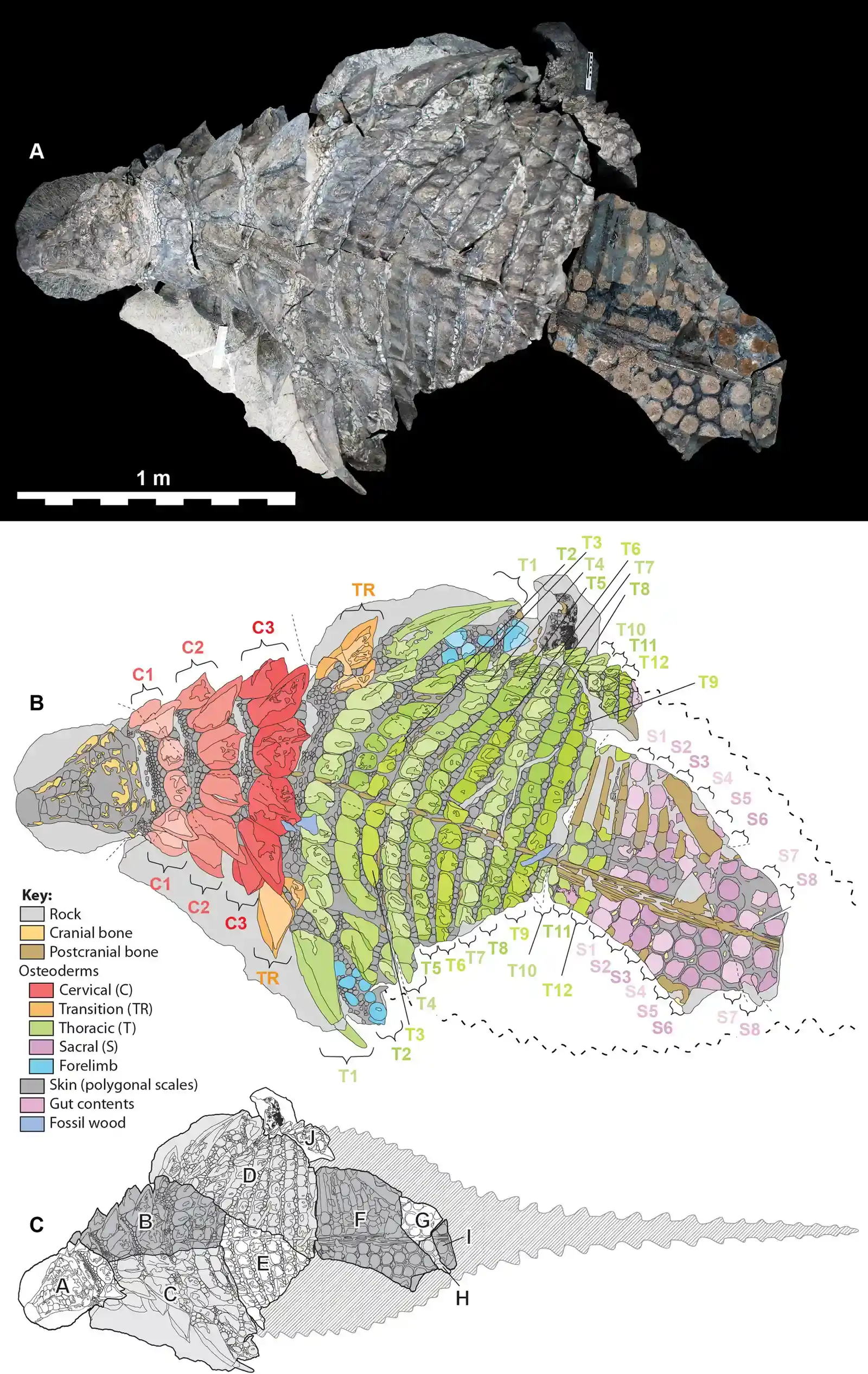
This armored tank of a dinosaur is arguably the single most shocking color discovery on this entire list, because of what its coloring implies about the world it lived in.
After five years of painstaking preparation, researchers confirmed melanosomes in the skin of Borealopelta showed that it was rusty red, and also countershaded. That alone would be interesting. But the real gut-punch is the logic behind it – this indicates that it still needed to hide from predators, despite being 3,000 pounds, the size of a small rhino, when modern animals that large don’t bother with countershading because there’s really nothing large enough around to threaten them.
Compare that to the actual predators sharing its ecosystem. The large carcharodontosaurs of the time that may have threatened Borealopelta got up to 13,000 pounds.
Quick Compare
- Borealopelta’s weight: roughly 3,000 pounds, comparable to a small rhino
- Local carcharodontosaur predators: up to 13,000 pounds, over four times heavier
- Modern rhinos and elephants: no countershading needed, since nothing large enough hunts them
- Borealopelta: rusty red and countershaded anyway, despite its heavy armor plating
A three-ton armored tank still needed to camouflage itself from something more than four times its own weight. That single detail rewrites how terrifying Cretaceous predators really were – no amount of armor bought you the right to stop hiding. If a three-ton tank still needed camouflage, imagine what today’s animals gave up to survive.
#11 – Giant Fossil Penguins Had a Full Color Wardrobe
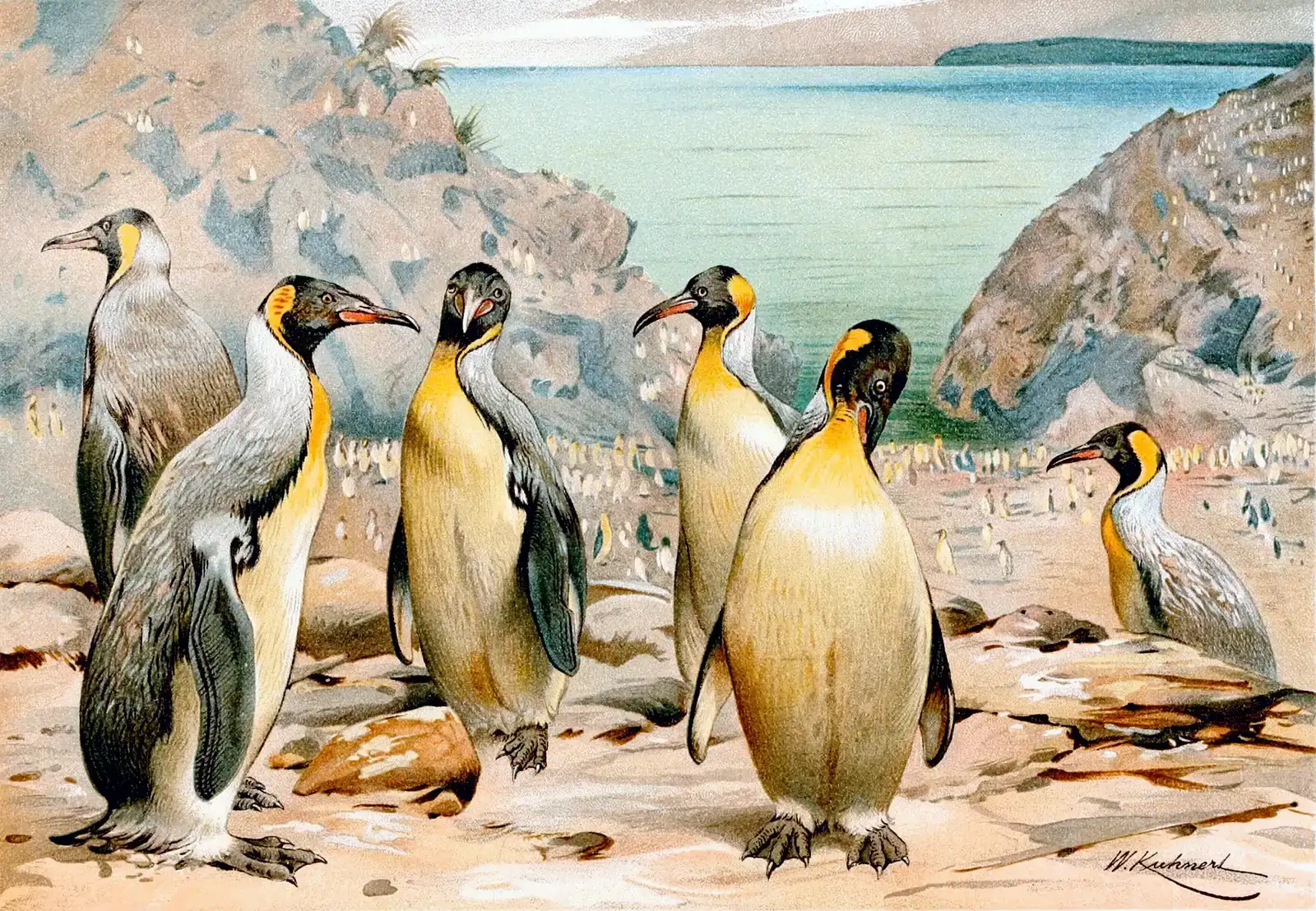
Not every colorful discovery involves a dinosaur that looks reptilian – some involve ancient relatives of birds we’d recognize instantly today, just supersized and far more colorful than modern penguins.
Melanosome studies on extinct penguin lineages found something genuinely unexpected. Giant fossil penguins bore color patterns of black, red and gray – a stark contrast to the simple black-and-white tuxedo look every living penguin species wears today. That red pigment in particular raised eyebrows, since no modern penguin carries anything close to that hue in its plumage.
At a Glance
- Modern penguins: strictly black and white, no exceptions among living species
- Giant fossil penguins: black, red, and gray plumage confirmed via melanosomes
- Red pigment: absent from every penguin species alive today
- Likely trade-off: color lost over time in favor of ice-and-water camouflage
The uncomfortable opinion worth stating plainly: modern penguins are, color-wise, a pale imitation of their ancient relatives. Somewhere along the evolutionary timeline, penguins traded a richer palette for the stark monochrome camouflage that helps them blend into open water and ice today. It’s a trade-off that worked for survival, but it makes today’s penguins visually the least interesting version of their own lineage.
Penguins traded color for survival. The last discovery on this list proves that even the biggest animals to ever exist didn’t get a pass on color research either.
#12 – Diplodocus, the Giant Sauropod, Finally Got Its Skin Color Tested
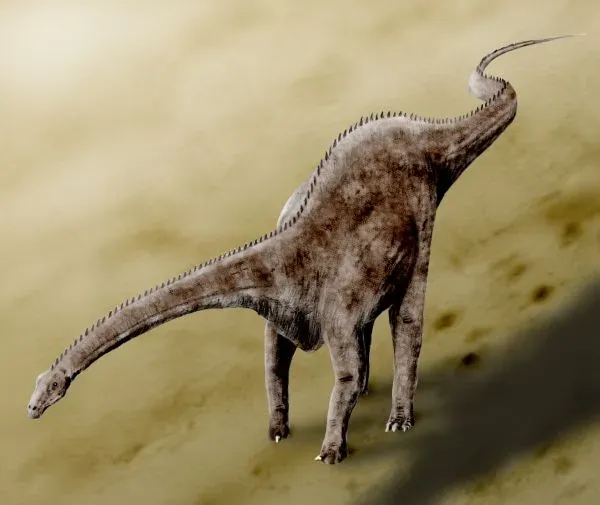
Nobody expected a hundred-foot-long, whip-tailed sauropod to be part of the color revolution – the animals studied so far had all been small, feathered, and bird-adjacent. Diplodocus broke that pattern entirely.
At Montana’s Mother’s Day Quarry, researchers examined the skin impressions of juvenile Diplodocus specimens preserved from the Late Jurassic. The quarry is renowned for its exceptional preservation of fossils, including skin impressions of young Diplodocus dinosaurs dating back roughly 150 million years. Using scanning electron microscopes, the team found not one but two distinct melanosome types embedded in the skin itself.
The first type was oblong or oval-shaped melanosomes, commonly associated with darker colors such as black or brown in modern animals, and their presence in Diplodocus suggests that the dinosaurs may have had dark-colored skin. The second was even stranger: flat, disc-shaped melanosomes, similar to those found in bird feathers, which are responsible for reflecting light and creating iridescence or lighter colors.
A sauropod the size of a school bus, potentially carrying iridescent-producing skin structures, is the discovery that finally proves color research isn’t just a feathered-dinosaur niche – it applies to the biggest animals to ever walk the Earth.
The Bottom Line
Twelve species, twelve confirmed color palettes, and not a single “generic grey lizard” among them. The real headline here isn’t any one dinosaur – it’s how wrong the old default assumption was. From Sinosauropteryx’s ginger stripes to Diplodocus’s iridescent-capable skin, the evidence shows dinosaurs used color the same way modern animals do: to hide, to warn, and to show off.
If melanosome science can find rainbow patterns on a sauropod’s skin, what other “boring brown” dinosaur is secretly hiding a wild color story? Which one on this list surprised you most – Borealopelta’s hidden camouflage or Anchiornis’s mohawk? Drop your pick in the comments.