
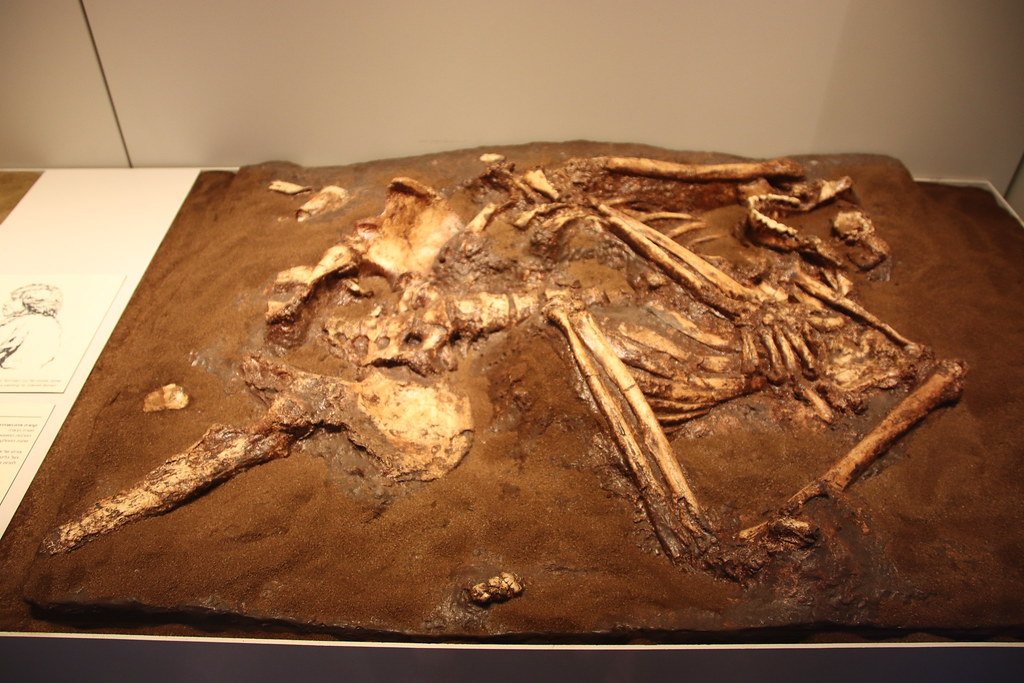
Most people picture Neanderthal graves as simple holes in the dirt, bodies dumped and forgotten by a species too dim to grieve. That image is dead wrong, and the dirt itself is the proof.
Archaeologists keep pulling eagle talons, bear bones, deer jaws, half-ton stone slabs, and mysterious flint blades out of graves barely big enough for a toddler’s skeleton. Decades later, researchers still can’t agree on what any of it means. Some of these “grave goods” have been debunked as tricks of nature. Others have survived every attempt to explain them away, and a few have only gotten stranger the harder scientists look. Here’s what the actual dig sites reveal about the 13 strangest objects ever found next to Neanderthal remains.
#13 – The Double Burial at Sima de las Palomas That Looks Suspiciously Deliberate
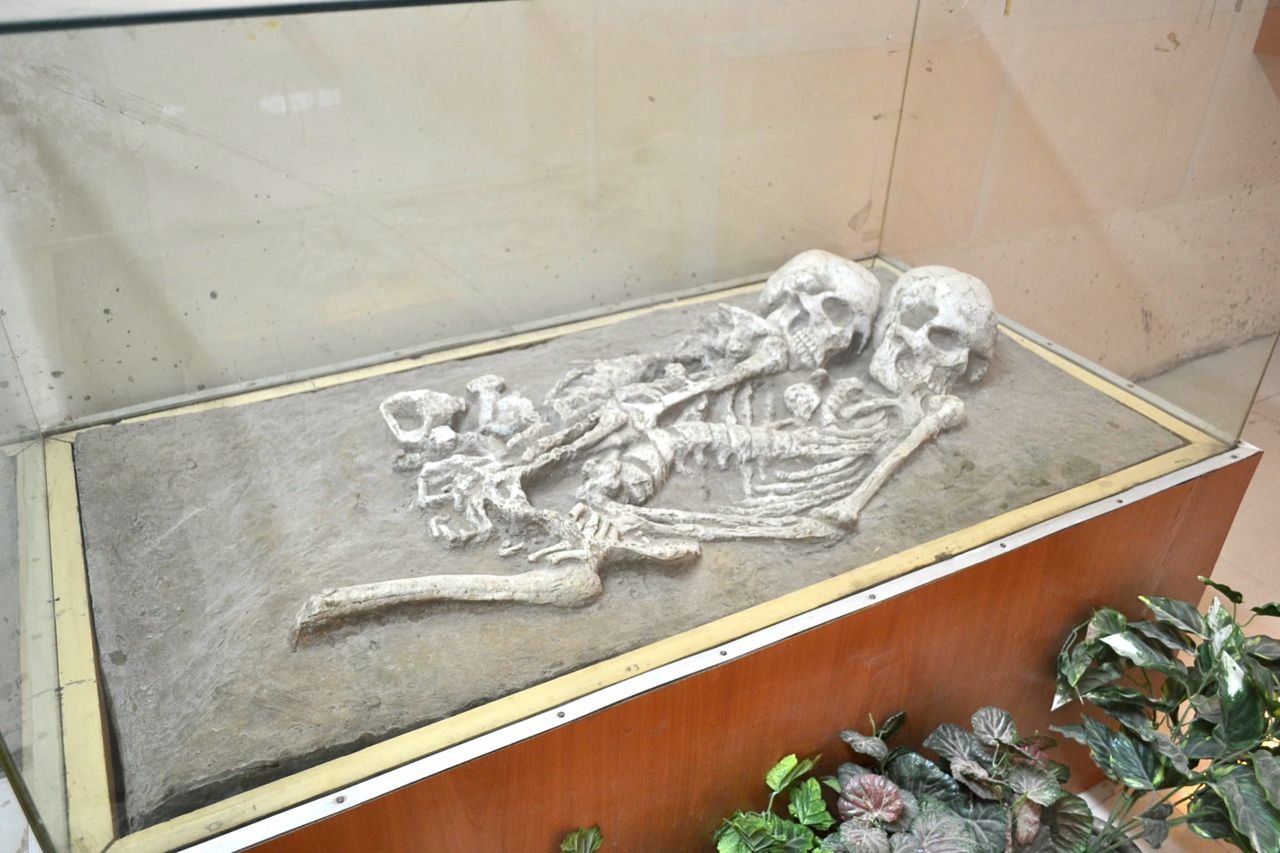
At this cave site in Murcia, Spain, excavators found multiple Neanderthal skeletons positioned close enough together that some researchers believe they weren’t buried separately at all.
The most unsettling detail is the physical closeness of two adult individuals, whose limbs overlap in a way that’s difficult to explain as coincidental collapse or random bone accumulation. If the placement was intentional, it would suggest something researchers rarely credit Neanderthals with: a concept of paired or simultaneous burial, possibly tied to a shared cause of death or a bond the group wanted to preserve even after death. Skeptics counter that cave sediments shift, and overlapping bones don’t automatically mean overlapping funerals. Without a clearly dug, single pit, the “double burial” label remains contested – and the next site on this list makes that debate look tame.
#12 – The Flint Blade Placed Directly on an Infant’s Body in Syria
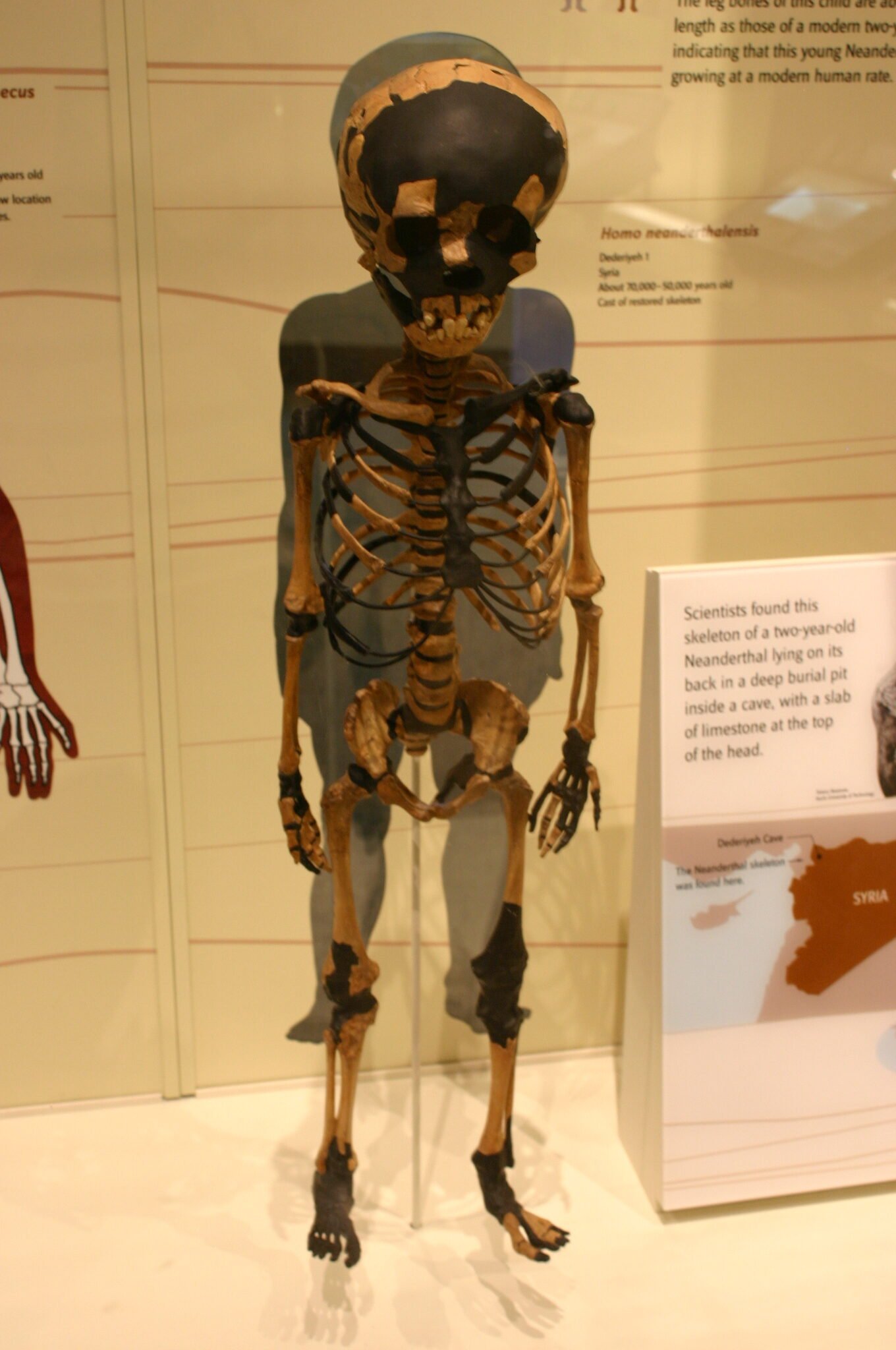
Dederiyeh Cave in northern Syria produced one of the most peculiar infant burials in the Neanderthal record.
Excavators found the remains of a young Neanderthal child with a triangular stone flake positioned near the body – not scattered debris from the surrounding sediment, but an object that appears to have been placed on purpose. The unexplainable part is why a functional stone tool, something a group would normally keep for cutting or scraping, would be buried with a child too young to have ever used it. Some researchers argue it reflects a symbolic gesture, maybe equipping the child for an unknown journey. Others suggest it was simply dropped during the burial process and never retrieved, but the placement was precise enough that random accident feels like a lazy answer.
Fast Facts
- Location: Afrin River valley, northern Syria
- Key find: Dederiyeh 1, a Neanderthal child roughly 2 years old at death
- Excavated during a joint Japanese-Syrian research project in the 1990s
- Considered one of the most complete Neanderthal infant skeletons ever recovered
#11 – The Deer Jawbone Resting on an Infant’s Pelvis at Amud Cave
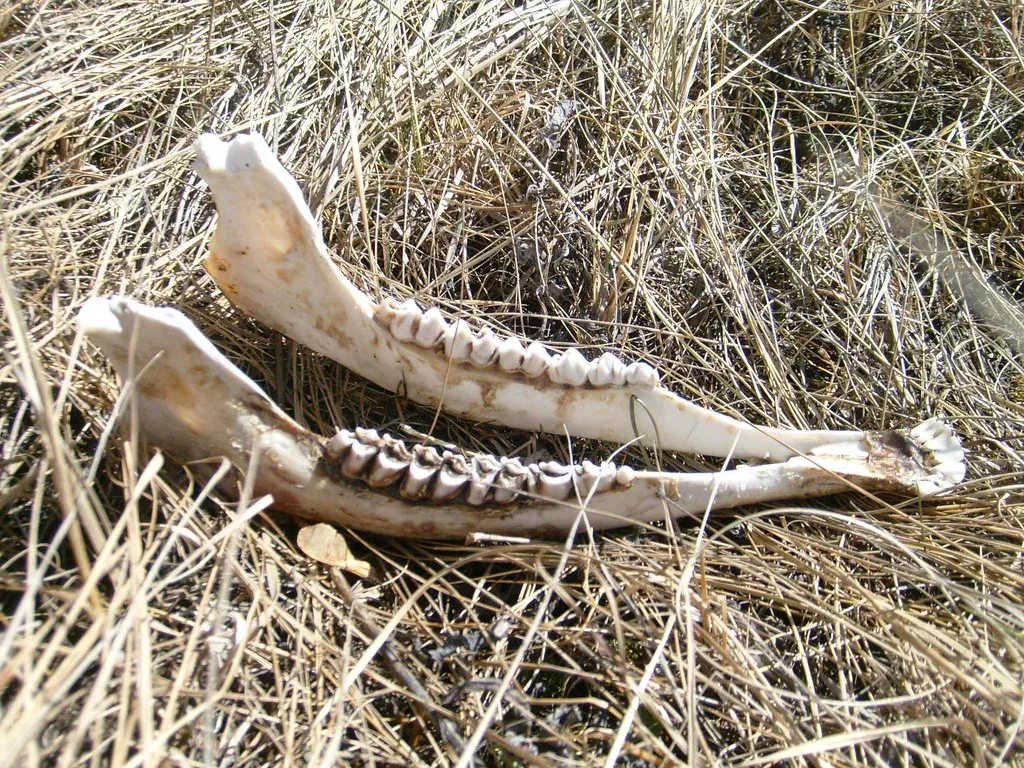
In Israel’s Amud Cave, archaeologists uncovered the remains of a Neanderthal infant, catalogued as Amud 7, with something bizarre resting against its body: the upper jawbone of a red deer.
The maxilla wasn’t buried elsewhere in the sediment layer – it was found in direct contact with the infant’s skeleton, which rules out most explanations involving scavengers or debris drifting into the grave. Archaeologists still can’t agree on whether the jawbone was a food offering, a totem, or simply a random object caught in the burial fill. What makes this case especially hard to dismiss is the sheer specificity of the placement. Random bones from meals discarded around a cave floor don’t typically end up touching a buried infant’s pelvis, and the debate over intentionality has run for decades with no resolution in sight.
#10 – The “Offering” of Burned Cattle Bones at Le Moustier
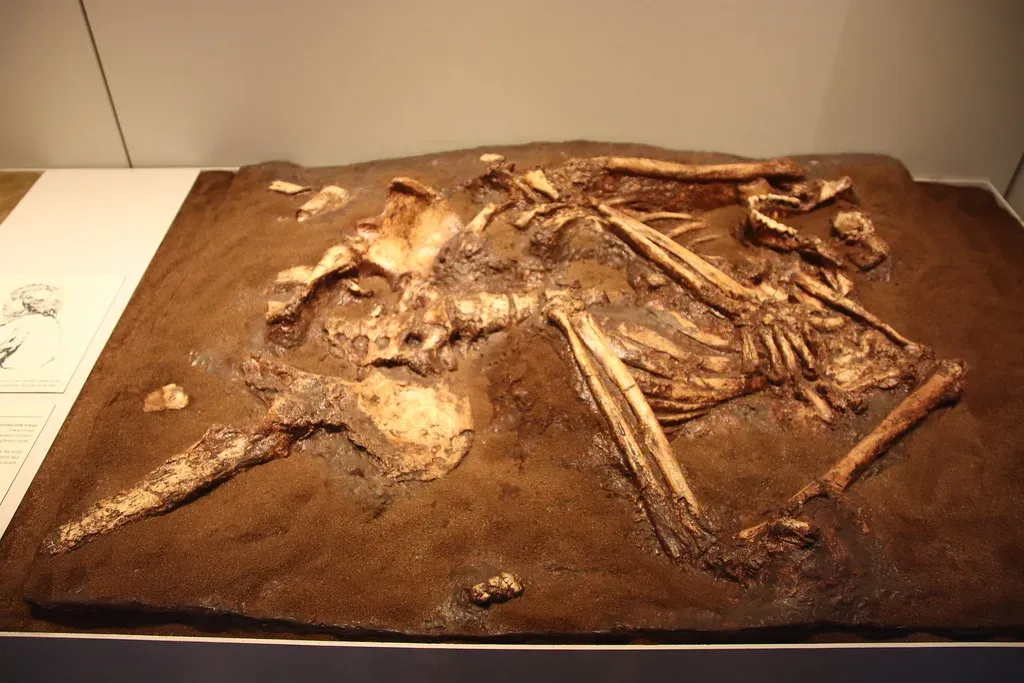
The Le Moustier rock shelter in France gave its name to an entire tool industry, but its most puzzling contribution to archaeology is a young Neanderthal male buried with red ochre and a scatter of burned wild cattle bones around the body.
Early excavators described the skeleton’s head resting on a bed of flints like a pillow, the remains sprinkled with red ochre, and burned wild cattle bones scattered about, as if in offering. The unresolved mystery is whether those burned bone scraps represent a genuine funerary offering or just leftover cooking debris that happened to end up in the same pit. Modern archaeologists treat the early 20th-century excavation records with caution, since the techniques back then weren’t precise enough to separate coincidence from ritual. The story has survived for over a century anyway, precisely because nobody has definitively disproven it.
#9 – The Pierced Ivory Rings That May Not Even Belong to Neanderthals
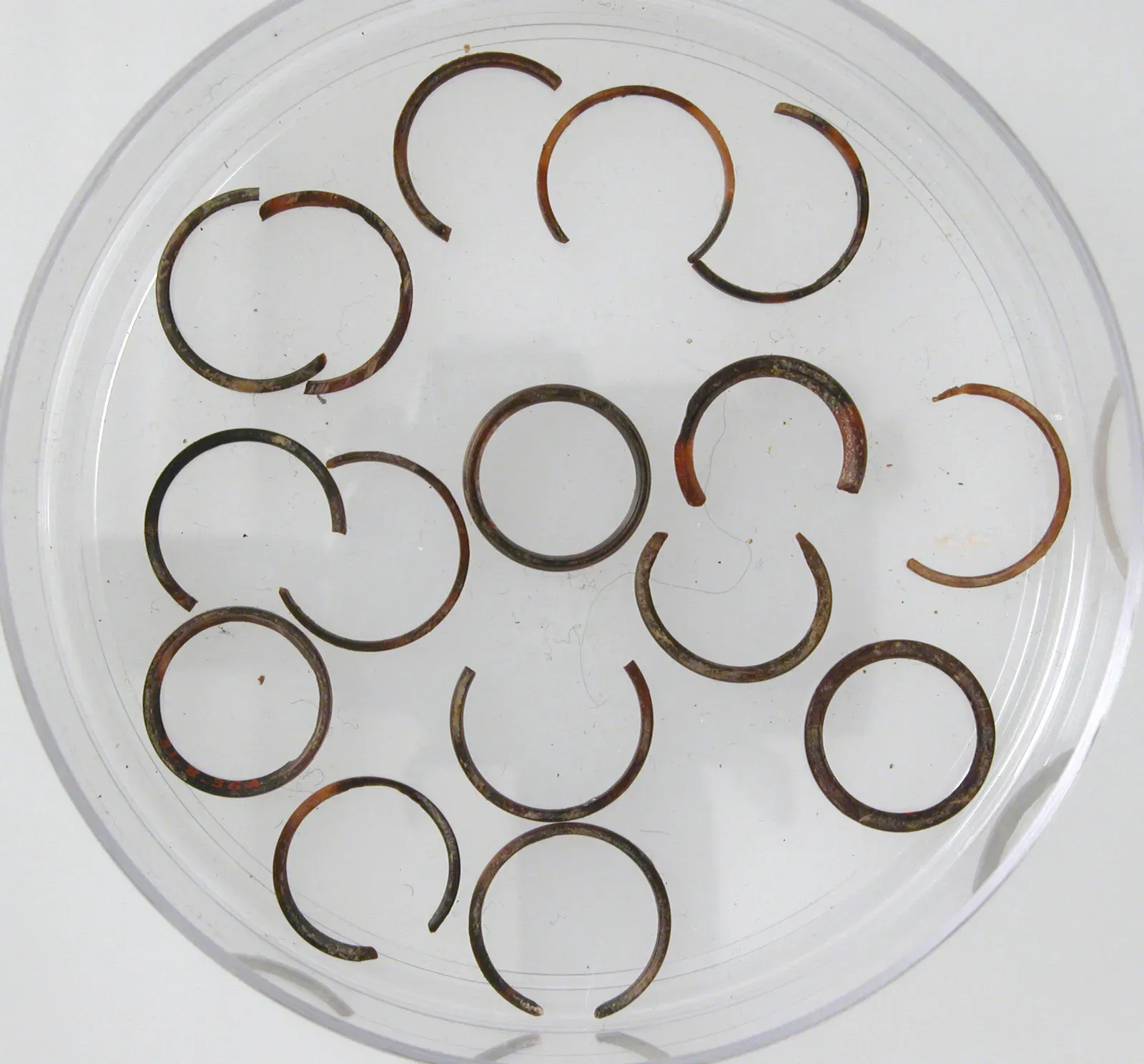
At Arcy-sur-Cure in France, the Grotte du Renne site produced pierced teeth, bone points, and carved ivory rings in layers associated with Neanderthal remains – objects that looked, for years, like undeniable proof of Neanderthal jewelry-making.
Then radiocarbon dating and stratigraphic reanalysis threw the entire find into chaos. The genuinely strange part is that some researchers now argue the ornaments may have filtered down from a later, modern-human occupation layer above, meaning the “Neanderthal jewelry” might not be Neanderthal at all. Sediment in cave sites can shift, burrow, and compress over tens of thousands of years, blurring which layer an object truly belongs to. Nobody has fully settled the argument either way, which means one of the most-cited pieces of evidence for Neanderthal symbolism is still, technically, up for grabs.
#8 – The Toolkit That Sparked a Decades-Long Fight at Saint-Césaire
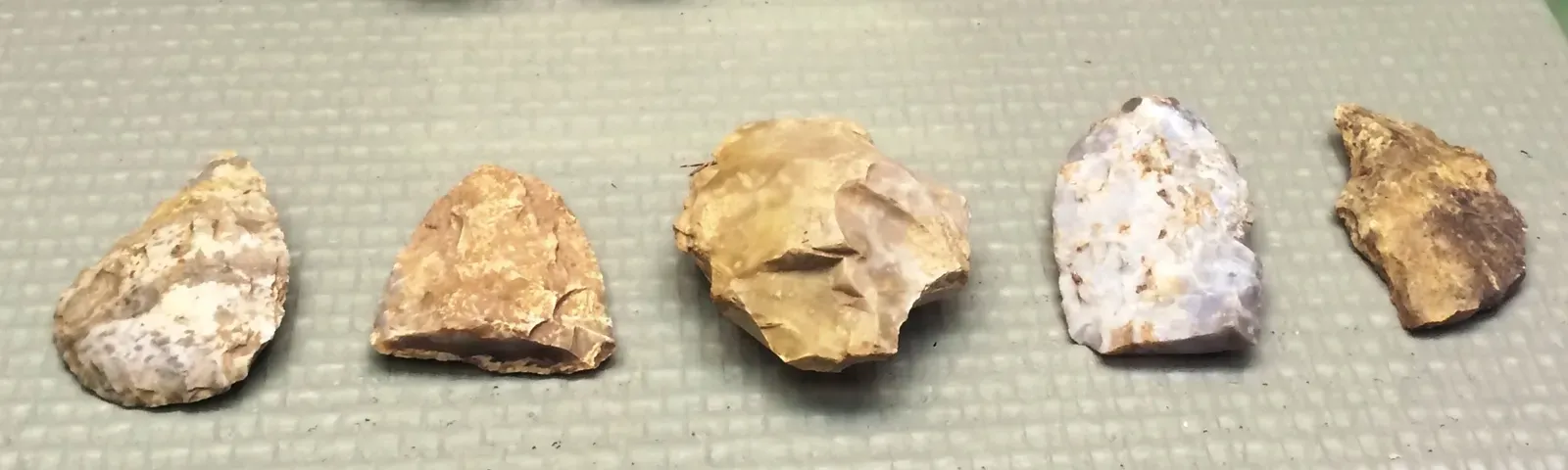
The Neanderthal skeleton found at Saint-Césaire in France was discovered lying within a layer containing Châtelperronian tools – an industry that includes bone implements and ornament-like pieces normally linked to early modern humans.
The find forced archaeologists into an uncomfortable question: did Neanderthals independently invent these more advanced tools, or did they copy, trade, or scavenge them from nearby Homo sapiens groups? What nobody can definitively explain is how a Neanderthal ended up buried alongside a toolkit that looks almost too sophisticated for the species, according to older assumptions about Neanderthal capability. Some researchers see it as proof of independent Neanderthal innovation. Others see contamination or cultural borrowing during a period when the two species overlapped in Western Europe, and the skeleton itself doesn’t settle the question – it just guarantees the argument keeps going.
#7 – The Skeleton at Kebara Cave That’s Missing Its Own Skull
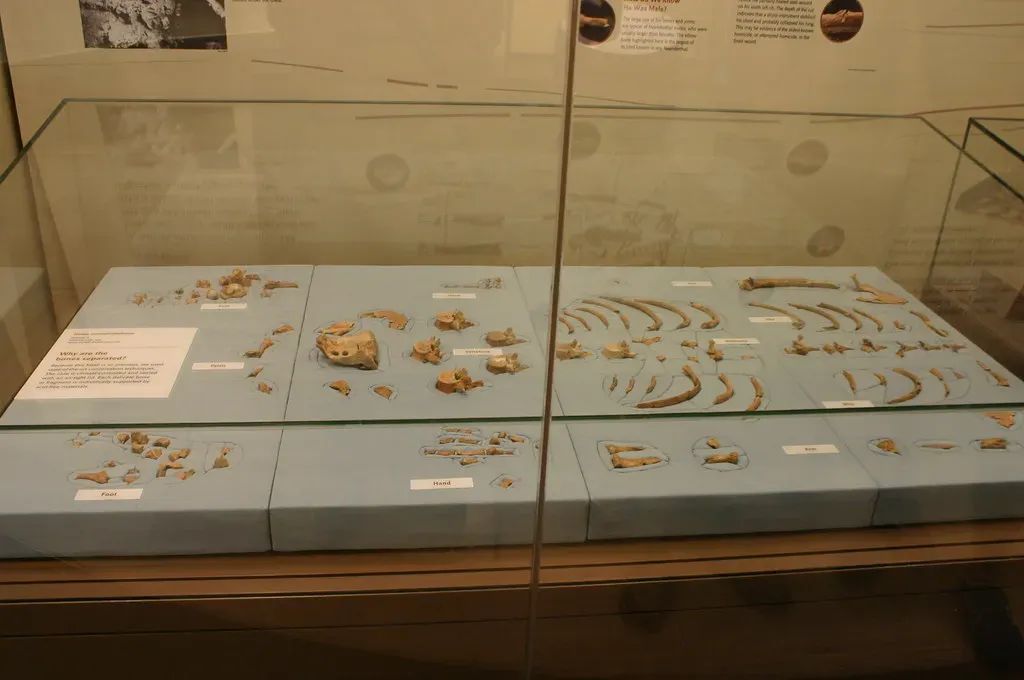
Kebara Cave in Israel produced one of the most complete Neanderthal skeletons ever found, nicknamed “Moshe” – except the skull and lower legs are conspicuously absent, while the rest of the body, including a rare, perfectly preserved hyoid bone, remained intact.
That combination is what makes the find so difficult to explain. A missing skull paired with an otherwise undisturbed skeleton suggests the head may have been deliberately removed after burial, once the body had already decomposed enough to detach it cleanly. Scavengers typically don’t leave a torso this pristine while carrying off just the head and lower legs. Some archaeologists interpret the missing skull as evidence of a secondary funerary ritual – a return visit to the grave for reasons that remain a mystery. Nobody’s ever found the skull.
At a Glance
- Nickname: “Moshe,” discovered in 1983
- Missing: skull and lower leg bones
- Preserved: a rare hyoid bone, the throat structure tied to speech capability
- Interpretation: possible secondary burial ritual involving a return visit to the grave
#6 – The Animal Bones Surrounding “The Old Man” of La Chapelle-aux-Saints
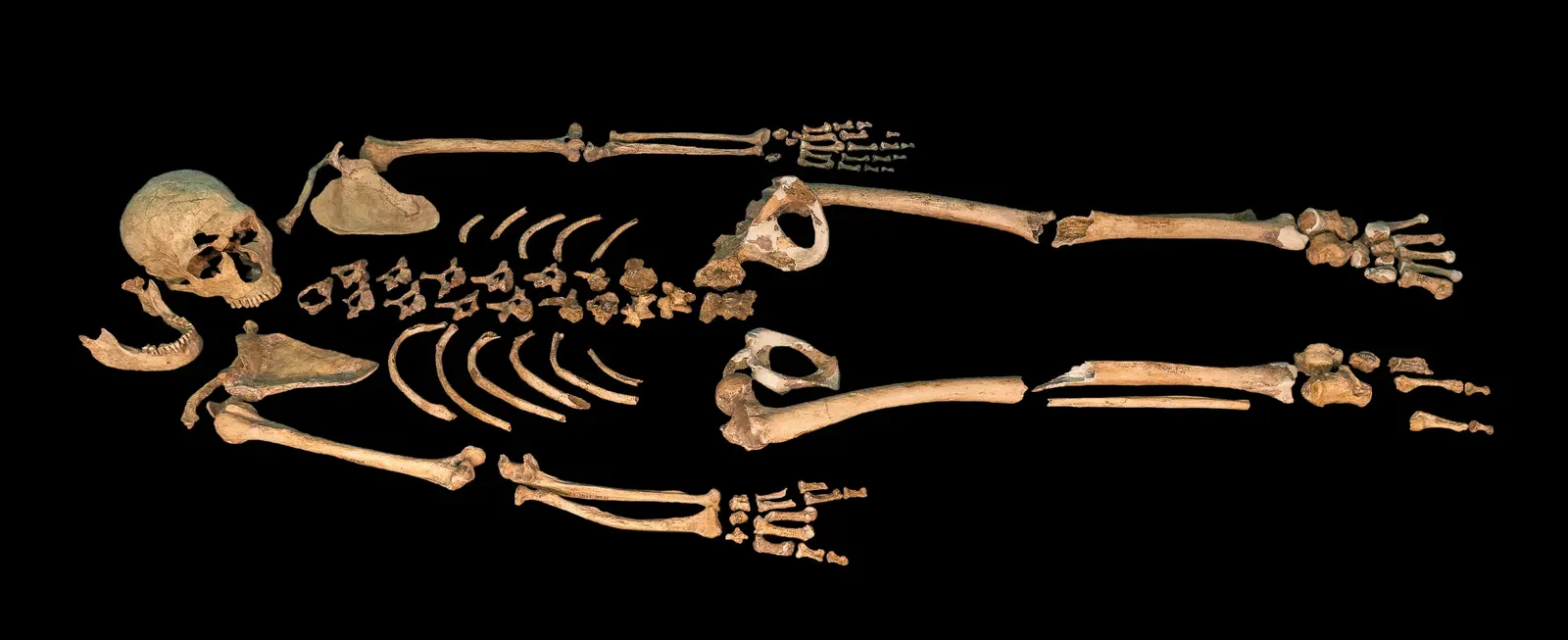
For over a century, the skeleton known as the “Old Man” of La Chapelle-aux-Saints was treated as the gold standard for proving Neanderthals buried their dead – and animal bones found near the body only deepened the intrigue.
A 2013 reanalysis of the site confirmed the burial was intentional, showing that the companions of the Neanderthal took great care to dig him a grave and protect his body from scavengers. Researchers noted that unlike the reindeer and bison bones also present in the cave, the Neanderthal remains contained few cracks and showed no signs of weathering-related smoothing or disturbance by animals. The lingering question is whether those nearby animal bones were deliberate offerings or unrelated debris from meals eaten in the same cave over thousands of years.
Neanderthal burial was a reality at La Chapelle-aux-Saints, and it also raises the possibility that the evolution of human burial began with the simple modification of natural pits for funerary use.
Paul Pettitt, archaeologist
#5 – The Infant Grave at Roc de Marsal That Keeps Getting Reversed
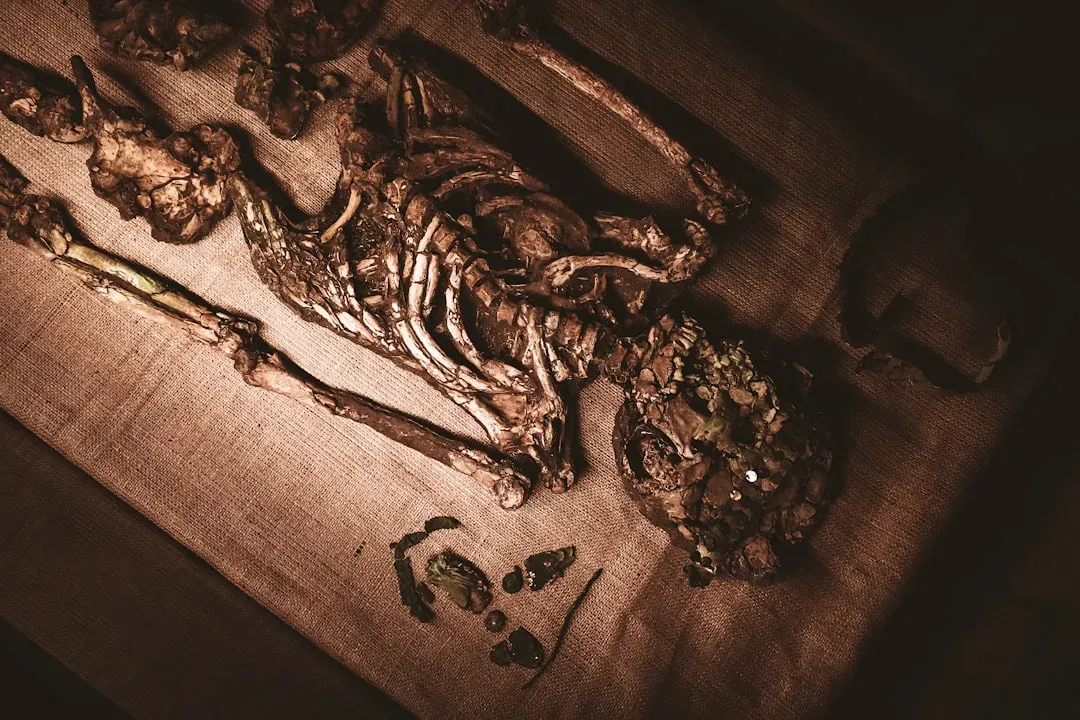
The infant skeleton found at Roc de Marsal in France has been dragged back and forth between “definite burial” and “not a burial at all” for years, and the objects and sediment around it are the reason why.
Early researchers treated the depression holding the child’s remains as clear evidence of intentional burial, complete with a deliberately dug pit. Later reanalysis using modern microstratigraphic techniques suggested the pit might actually be a natural karstic feature – a hollow carved out by geology, not by Neanderthal hands. The single most frustrating detail for archaeologists is that the skeleton’s remarkably intact condition still doesn’t match how a body left exposed on a cave floor should look. If scavengers or weather had reached the infant, the bones should show far more damage than they do, and that contradiction remains unresolved.
Quick Compare
- Original view: A deliberately dug pit points to intentional burial
- Revised view: The depression may be a natural karstic hollow, not man-made
- Original view: Careful placement suggests ritual treatment of the body
- Revised view: Bones are too intact for a body left exposed on the cave floor
#4 – The Ring of Goat Horns That May Never Have Been a Ring At All
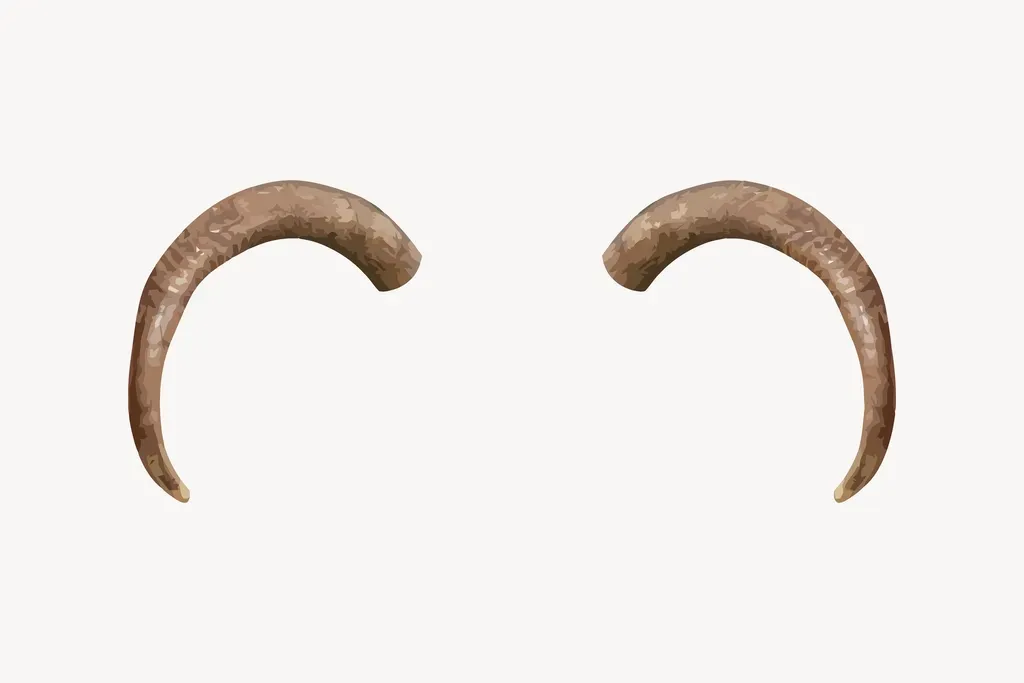
At Teshik-Tash Cave in Uzbekistan, excavators claimed to find a young Neanderthal buried inside a circle of mountain goat horns, driven point-first into the ground like a prehistoric fence.
The original account describes a child of about nine years old buried with mountain goat horns arranged vertically in pairs, forming a circle around the body with the pointed ends driven into the ground. The mystery deepened when later researchers examining the original excavation photos noticed something odd – a re-examination of the site’s records found the photo depicted the goat horns lying flat, all horizontal, directly contradicting the vertical “Stonehenge of horns” story that made the site famous. Was it deliberate ritual staging, sediment shifting the horns over millennia, or an excavator’s imagination filling gaps in a messy dig? The debate is still unsettled today.
#3 – The Brown Bear Bones Buried Beneath an 1,870-Pound Slab
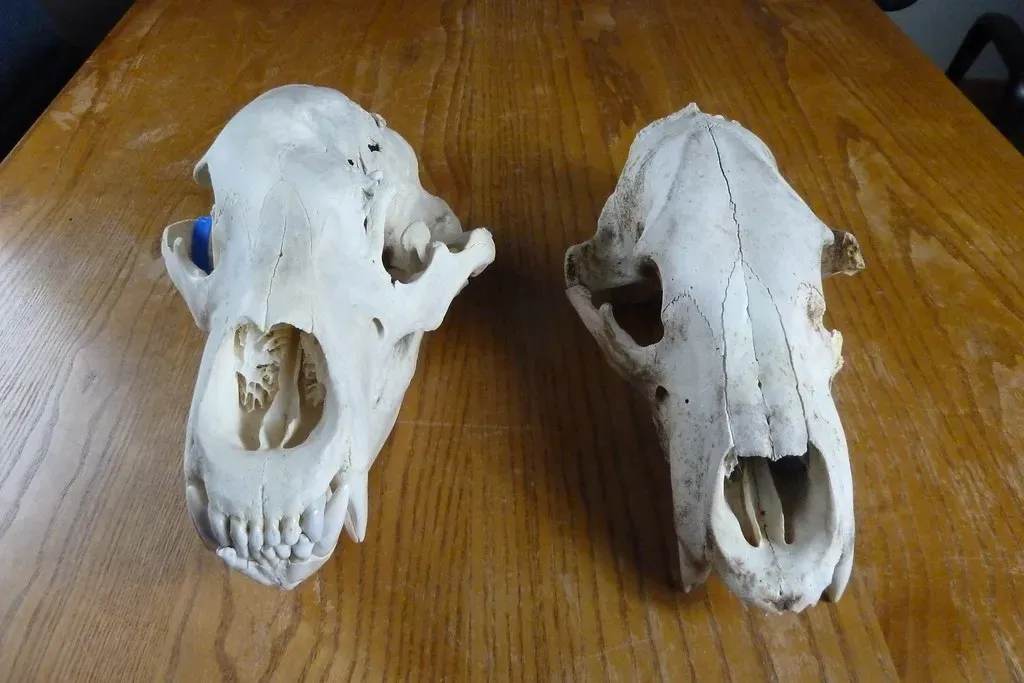
Régourdou Cave in France holds what many consider the single strangest Neanderthal burial ever excavated – a body surrounded by stone points and brown bear bones, sealed beneath an enormous stone slab.
According to excavation records, a Neanderthal was buried here around 70,000 years ago, surrounded by stone points and brown bear bones, with the points possibly serving as weapons and the bear bones possibly serving as hunting trophies or trinkets. What genuinely stumps researchers is the sheer effort involved – on top of the grave sat a giant, 850-kilogram limestone slab, a true funeral slab, requiring real coordinated labor to move into place. One archaeologist summed up the confusion bluntly, asking what the connection between that individual and brown bears could have been, and why that connection had to be formalized with a burial this elaborate. Nobody has ever answered that question convincingly.
Worth Knowing
- Location: Dordogne region, France, close to the famous Lascaux cave complex
- Estimated burial age: around 70,000 years
- Sealing slab weight: roughly 1,870 pounds (about 850 kg)
- Grave goods: stone points plus brown bear bones and remains
- The site’s heavy bear associations continue to fuel “bear cult” theories among researchers
#2 – The Bone Fragment With Deliberate Cuts at La Ferrassie
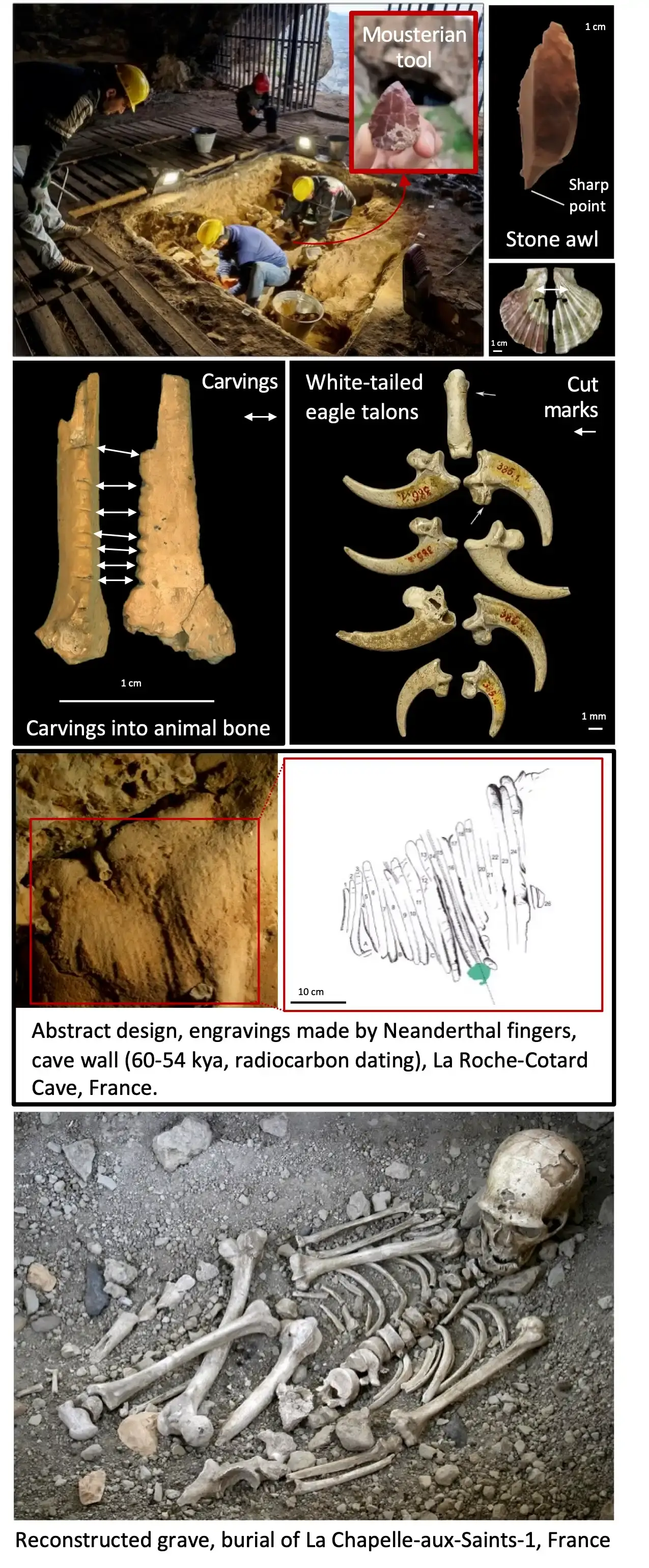
La Ferrassie in France holds the remains of eight Neanderthals, and the site’s strangest artifact isn’t a tool or a bone – it’s a piece of bone that was clearly modified by hand, found in direct association with a burial.
Excavators documented that the bone fragment has a series of intentional parallel cuts, evidence that someone deliberately marked it rather than damaging it by accident. The same site produced a tumulus of stones built on top of one grave using rocks brought in from outside the cave, plus a burial that included a large stone slab placed over the body. The truly bizarre twist is that La Ferrassie also contains rows of cupules – hammered pits in rock – that some researchers date to the same period, though experts remain mystified by their meaning. Recent dating of a two-year-old child’s burial at the site, La Ferrassie 8, further confirmed that a pit was dug in a sterile sediment layer specifically to hold that small body, proving this wasn’t a one-off accident.
#1 – The “Flower Burial” That Refuses to Die, Even After Being Debunked
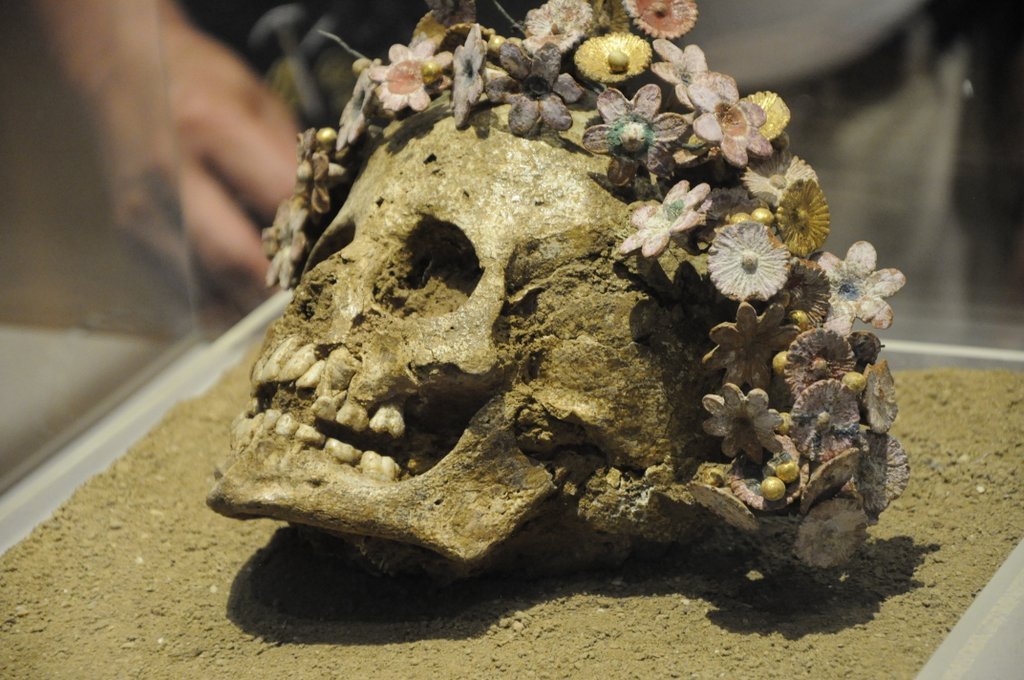
No Neanderthal burial has caused more excitement, or more controversy, than Shanidar 4 – the so-called “Flower Burial” discovered in Iraq’s Shanidar Cave.
When excavator Ralph Solecki’s team analyzed soil samples around the skeleton, they found several pollen clusters of as many as 100 grains each, evidence, they argued, that complete flowers had been introduced into the burial cave.
Someone in the last Ice Age must have ranged the mountainside in the mournful task of collecting flowers for the dead.
Ralph Solecki, excavator
That single sentence reshaped how the public saw Neanderthals almost overnight. But decades later, a 2023 study delivered a devastating twist, arguing the pollen was likely deposited by burrowing bees rather than mourning Neanderthals, since the insects may have burrowed into the dirt on the cave floor and left behind pollen they’d collected elsewhere. Even now, the interpretation is still debated, and new excavations continue at the site, keeping the question wide open decades after it began.
The Bottom Line
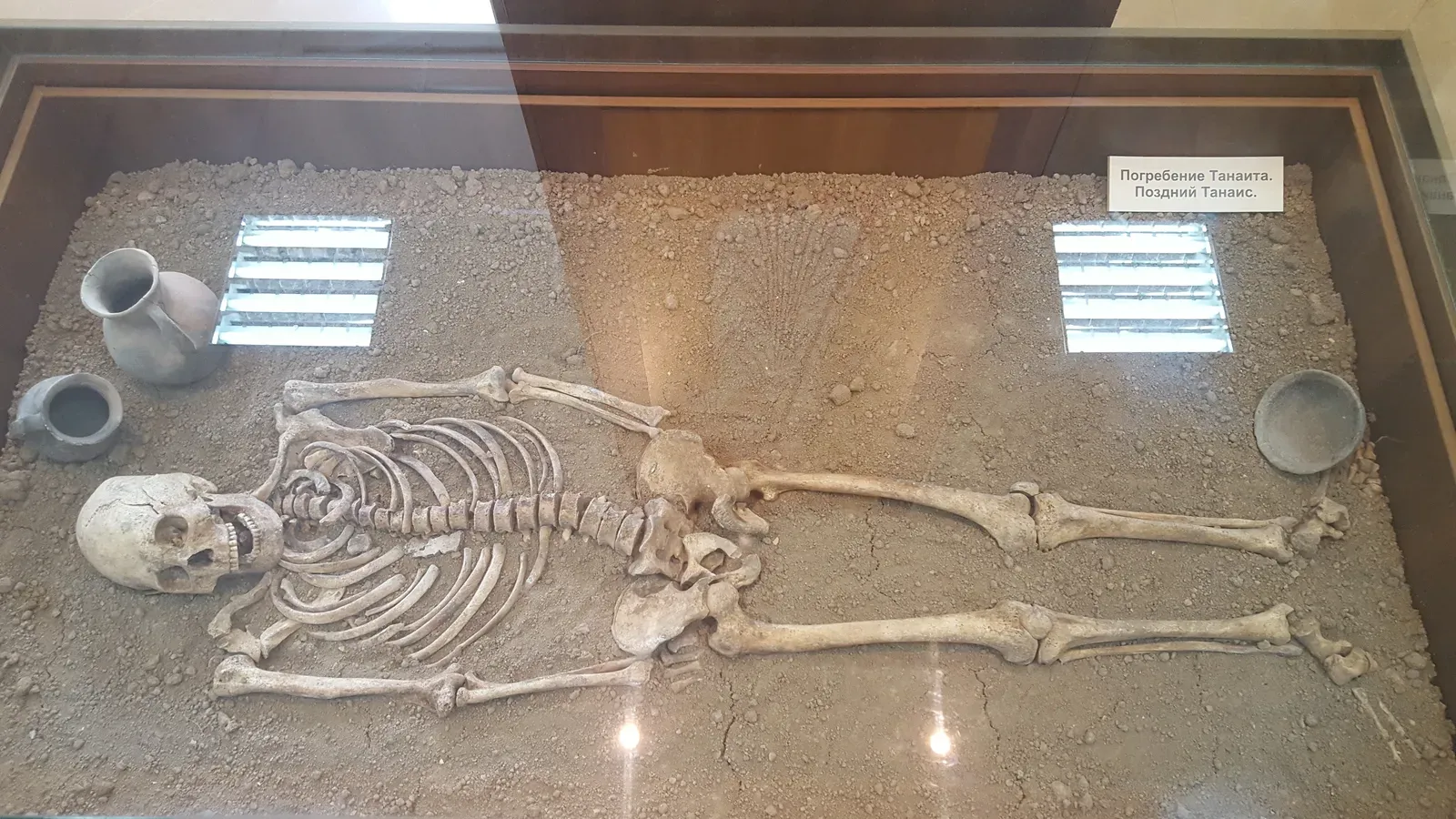
After digging through thirteen of the strangest Neanderthal burials on record, one thing is obvious: the “brutish caveman” stereotype should have been buried a long time ago. Bear bones under 1,870-pound slabs, deer jaws resting on infant bones, and skulls that vanish from otherwise perfect skeletons aren’t the work of a species incapable of symbolic thought.
At the same time, we think archaeologists sometimes reach too fast for ritual explanations when geology, scavengers, or sloppy early excavation records could explain the same evidence just as easily. The truth probably sits somewhere between “primitive animal” and “mystical flower people,” and honestly, that messy middle ground is far more interesting than either extreme. Which burial on this list do you think holds up to scrutiny, and which one do you think archaeologists got completely wrong? Drop your take in the comments.