
Most people assume scientists have always known exactly how long animals live. That’s not even close to true. For decades, researchers built entire careers on guesswork, captivity records, and math formulas that eventually collapsed under real scrutiny.
Some species were written off as short-lived when they were secretly outliving human civilizations. Others were assumed ancient when they barely made it past adolescence. The errors weren’t small rounding mistakes, either – some were off by literal centuries. Here’s what happened when scientists finally went back and checked the math, and just how wrong “settled science” turned out to be.
#1 – The “Billion Heartbeats” Theory That Fooled Biologists for Generations
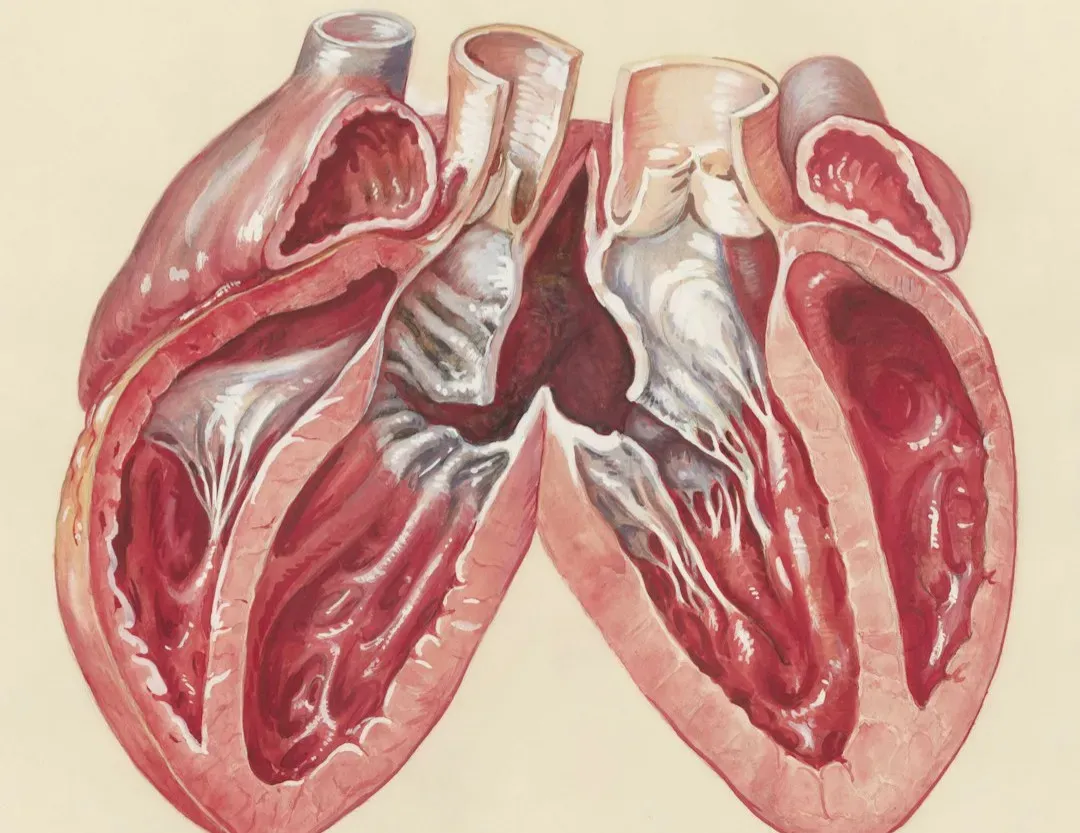
For most of the 20th century, scientists treated animal lifespan like a simple math problem tied to heart rate. Almost nobody questioned it.
The idea, known as the Rate of Living theory, claimed every mammal gets a fixed number of heartbeats before it dies. Hit the limit, and that’s it. Scientists calculated that the oldest elephants on record clocked in at around a billion and a half heartbeats.
The strange part? That exact number kept showing up everywhere. The oldest shrews on record: about a billion and a half heartbeats. The oldest lions, the oldest rats – the same number, over and over. It looked like an elegant universal rule.
Then humans broke it completely. According to the theory, we should live shorter lives than elephants, since our hearts race so much faster. Instead, more of us are living elephant-long lives than ever before – not because our hearts slowed down, but because medicine, safety, and modern living rewrote the equation entirely. It took decades for anyone to admit the theory never actually worked.
#2 – Zoo Elephants Were “Living Long Lives,” Except the Data Was Backwards
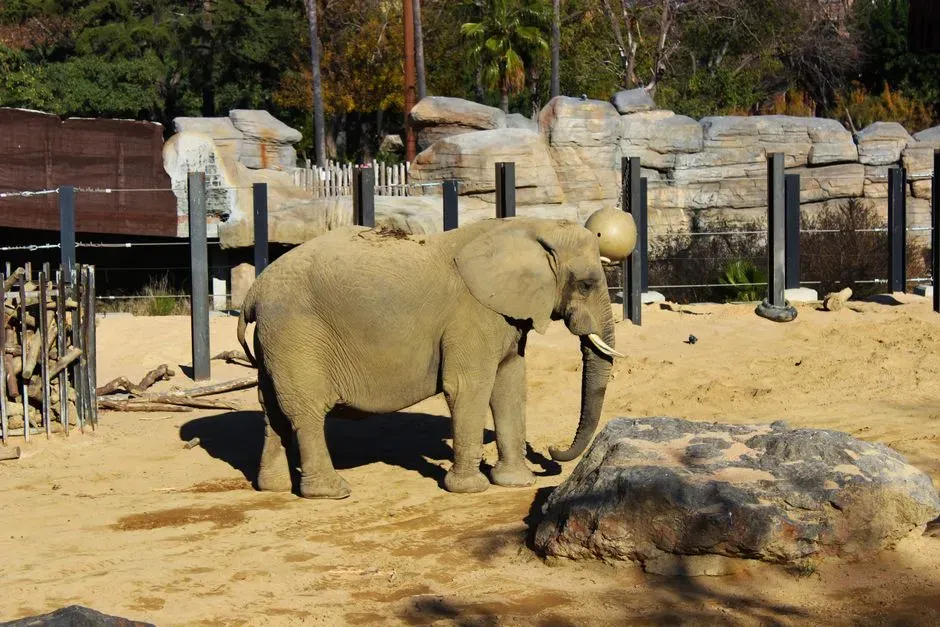
For years, zoos insisted captivity was actually good for elephant longevity. Almost nobody double-checked the numbers until it was almost too late to matter.
A landmark study compared elephants living freely in Kenya’s Amboseli National Park against elephants born in European zoos, and the gap was staggering. Wild female elephants had a median lifespan of 56 years. Captive elephants: just 16.9 years.
Wild elephants were outliving their zoo counterparts by nearly 40 years on average – roughly three times as long. That’s not a rounding error. That’s an entire second lifetime lost somewhere between the wild and the enclosure.
The most uncomfortable detail came later. Researchers discovered elephants captured from the wild as adults actually survived longer in captivity than elephants bred there from birth. Something was going wrong extremely early in a captive elephant’s life, possibly even before it was born. It wasn’t a small miscount. It was a decades-long feel-good narrative the numbers never actually supported.
#3 – Bowhead Whales Were Underestimated by Nearly 150 Years
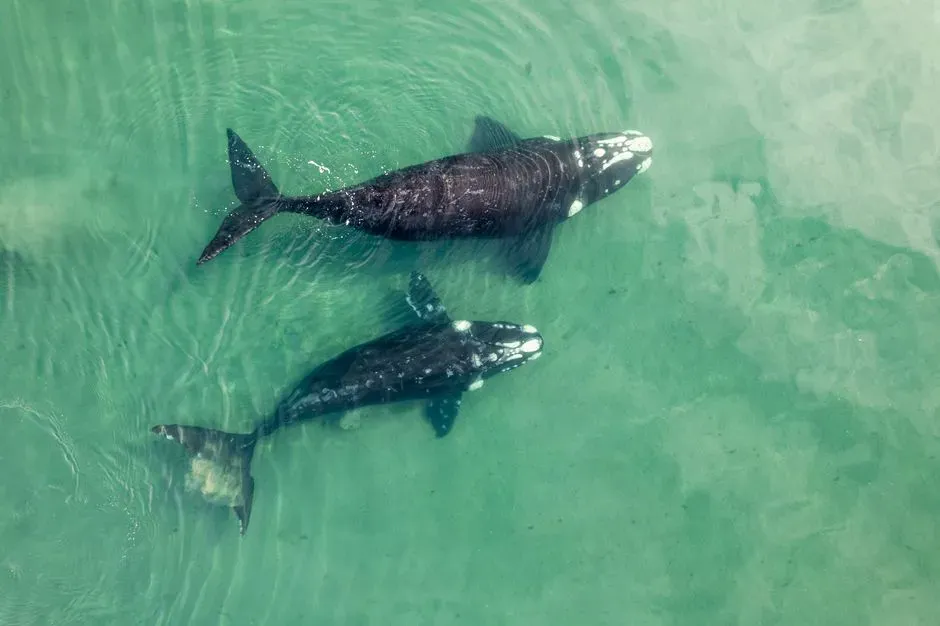
Marine biologists spent generations assuming bowhead whales aged roughly like humans do. That guess turned out to be off by more than a century.
For decades, textbooks confidently stated bowheads lived fifty or sixty years. Then, in the late 1990s, new historical and biochemical evidence identified bowheads that had lived well into their second century.
That’s not a minor correction. That’s triple the original estimate. The breakthrough came from an unlikely source: old harpoon fragments embedded in whale blubber, some dating back to 19th-century whaling expeditions. Whales alive today had literally survived attacks launched more than a hundred years earlier.
Once researchers paired that evidence with amino acid analysis of the whales’ eye tissue, a fuller picture emerged, one where 150-plus years wasn’t the exception, it was almost ordinary. For decades, textbooks repeated the “fifty or sixty years” figure with total confidence. It took harpoon archaeology to finally drag the record into the light.
#4 – Greenland Sharks Weren’t Just Wrong by Years – They Were Wrong by Centuries
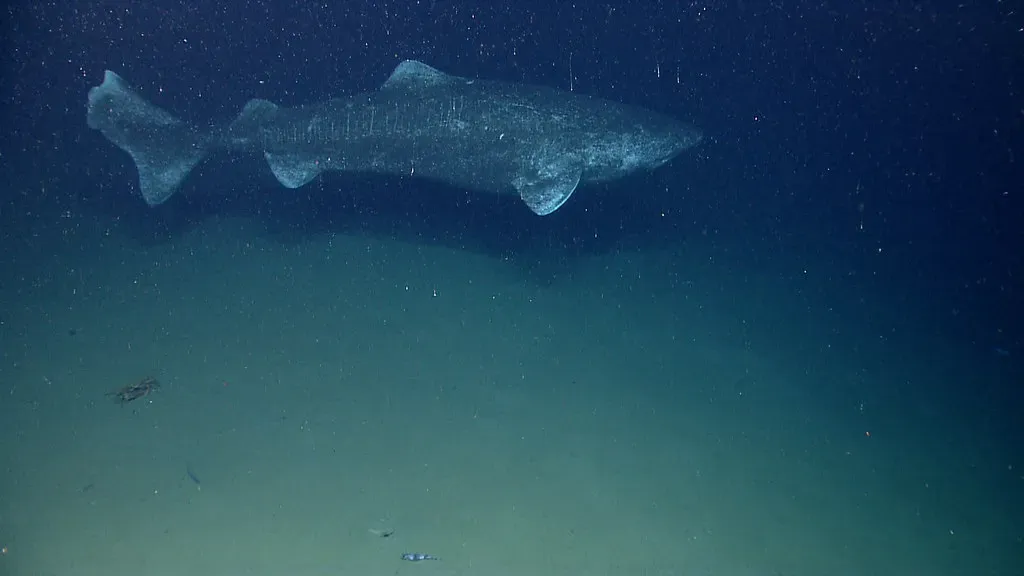
Ask a marine biologist in the 1990s how long a Greenland shark lives, and you’d have gotten a shrug and a guess measured in decades, not centuries.
The problem was structural. Most sharks can be aged by counting growth bands on their vertebrae, like rings on a tree. Greenland sharks have soft vertebrae with no usable bands, so nobody had a reliable method, and without one, nobody had a real number either.
Everything changed when scientists stopped looking at bones and started looking at eyes. Using radiocarbon dating on eye lens tissue, researchers determined Greenland sharks have a life expectancy of at least 272 years, possibly stretching to 392. These sharks don’t even reach reproductive age until around 150.
A shark alive today may have been swimming before the United States existed. The uncertainty window even allows for a birth year of 1504, the year Michelangelo finished carving David. This wasn’t a small underestimate fixed with a few extra years. It was an entire species quietly living centuries longer than anyone thought a vertebrate could.
Fast Facts
- Radiocarbon dating of eye lens tissue puts lifespan between 272 and 392 years
- Reproductive maturity doesn’t arrive until around age 150
- Possible birth years stretch back to 1504 – the same year Michelangelo finished David
- Soft, band-free vertebrae made traditional shark-aging methods useless for the species
#5 – “Ming the Clam” Proved Scientists Miscounted by Over 100 Years – Then Killed It Finding Out
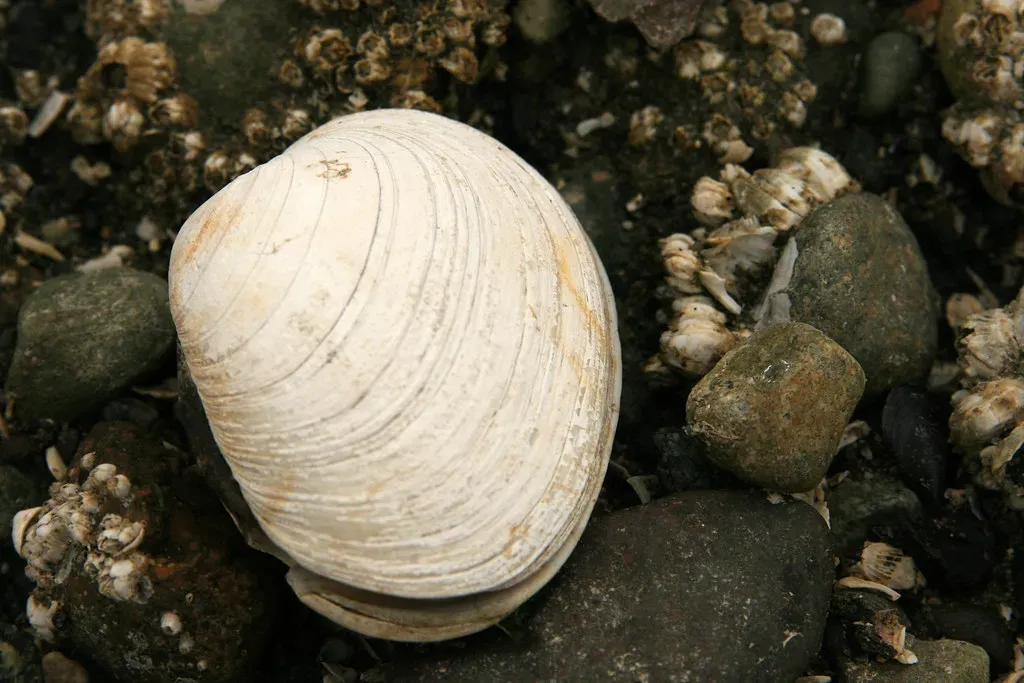
In 2006, researchers accidentally froze what turned out to be the oldest known individual animal ever documented on Earth. Then they spent years arguing about exactly how old it actually was.
Collected off the coast of Iceland, initial counts of the annual growth rings in its shell put the age at around 405 years old, already a record-breaker. Researchers weren’t satisfied. In 2013, they re-examined the shell with more precise techniques, and the count jumped to 507 years old.
That’s a 100-year miscount on an animal already considered the oldest ever documented. The clam was nicknamed Ming by journalists, after the Chinese dynasty ruling when it was born. And here’s the part that stings: the clam died the same day it was discovered, meaning its record-setting age was only confirmed after the animal was already gone.
Many marine biologists now suspect we’ve barely scratched the surface of how old deep-sea mollusks can get, and that Ming likely wasn’t even close to the true ceiling for its species.
#6 – Giant Tortoises Were Both Overestimated AND Underestimated, Depending on the Century
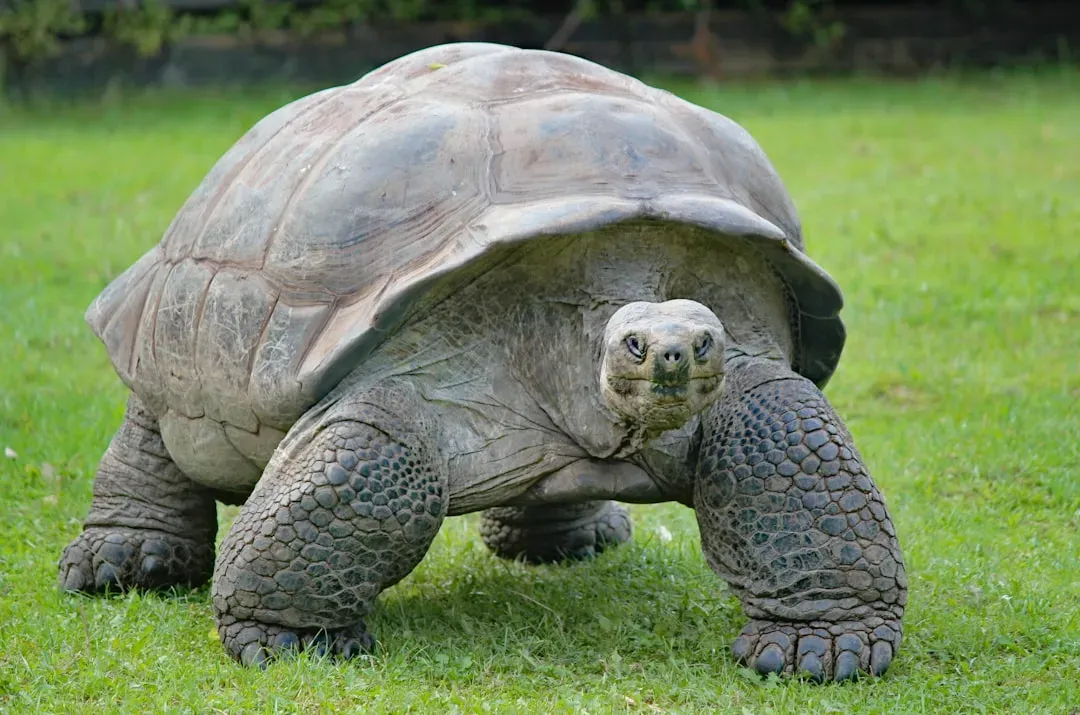
Here’s where things get genuinely confusing: 19th-century naturalists wildly overestimated tortoise lifespans, while modern conservationists initially underestimated exactly how long the real record-holders could survive.
Old field guides from the 1800s casually claimed tortoises could live past 190 years, with zero scientific verification behind the number, pure folklore treated as fact. Modern tracking finally replaced the guesswork with real data.
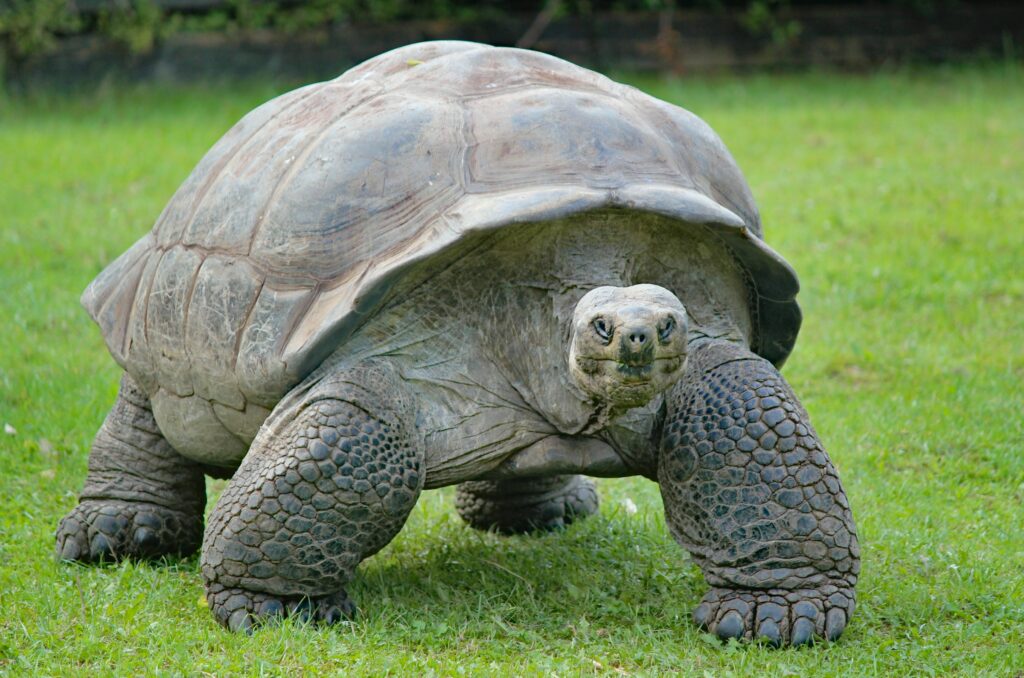
Adwaita, an Aldabra giant tortoise, was confirmed as the oldest living land vertebrate ever recorded, at 255 years old. That’s actually higher than most 19th-century “exaggerated” guesses. Old folklore wasn’t entirely wrong. It just wasn’t verifiable yet.
Meanwhile, more typical giant tortoises were long assumed to share that same multi-century potential, when the reality is far more modest. Lonesome George, the last known Pinta Island tortoise, died in 2012 at age 112, remarkable, but nowhere near the mythical 200-plus-year claims pop culture keeps repeating. Many wildlife experts now argue the “tortoises live forever” myth has actually hurt conservation funding, since people assume these species are naturally resilient when they’re actually critically vulnerable to habitat loss.
#7 – Woolly Mammoths Got a Lifespan Estimate 40,000 Years After Going Extinct
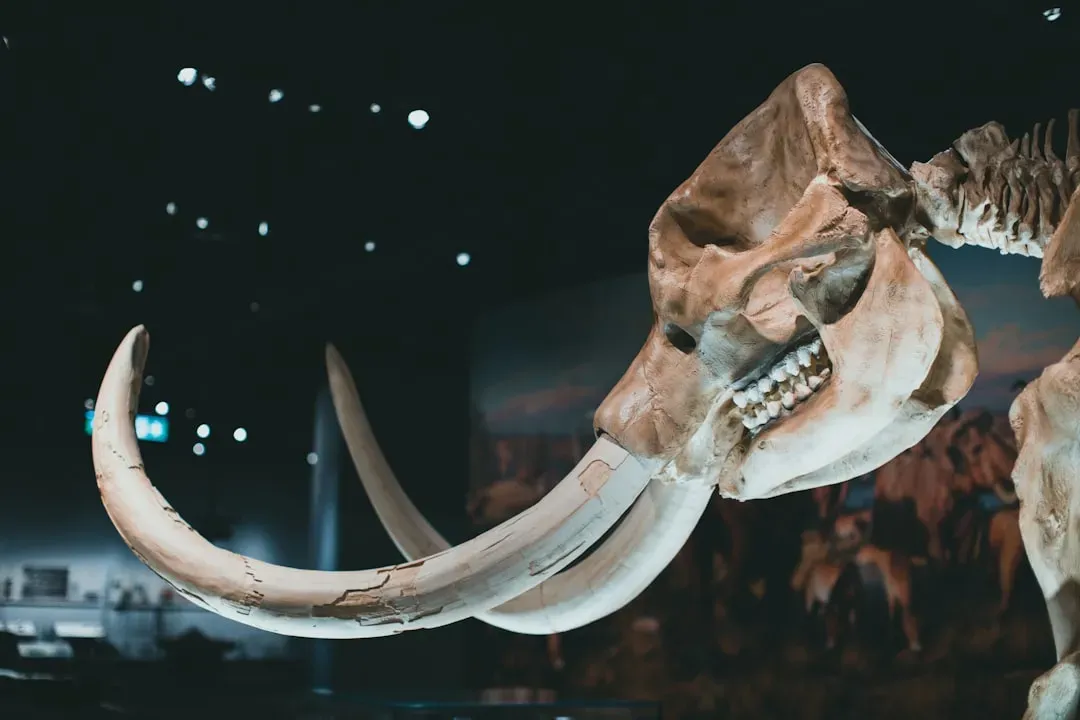
You’d think an extinct species would be impossible to accurately age. A genetic breakthrough finally gave scientists a real number instead of a shrug.
Researchers developed a method that tracks how DNA methylation changes with age across living species, then applied that same genetic clock to ancient DNA pulled from frozen remains. Extrapolating from species with known lifespans, they estimated the woolly mammoth probably lived around 60 years.
That number had simply never existed before. For decades, “how long did a mammoth live” was pure speculation based on elephant comparisons alone. The method didn’t stop with mammoths, either. Scientists applied the same genetic clock to other extinct species, opening an entirely new field of paleo-longevity research.
As more scientists sequence the genomes of other animals, this same trick means their lifespans can finally be estimated too, which carries real weight for conservation and wildlife management decisions today. This is a rare case where the “miscount” wasn’t fixing an old wrong number, it was replacing total uncertainty with an actual answer for the first time in history.
#8 – Humans Have a “Natural” Lifespan of Just 38 Years, According to Our Own DNA
This one tends to start arguments at dinner tables, and for good reason: our genes appear to be calibrated for a much shorter life than most of us will actually get to live.
Using the same genetic aging method built for comparing species, researchers estimated humanity’s “natural” lifespan at around 38 years. That figure isn’t a typo, and it isn’t pessimism, it’s roughly what your biological clock is set to before modern intervention steps in, and it lines up with anthropological estimates for early modern humans.
So why are we living to 70, 80, or beyond? Medicine, sanitation, and food security have stretched human life far past what our genetics alone would ever predict on their own.
Some researchers call this one of the greatest achievements in human history, an entire extra lifetime bolted onto our biology through vaccines, clean water, and modern healthcare. Others find it unsettling, arguing it proves we’re quietly fighting our own DNA every single day just to stay alive past 40.
Quick Compare
- Neanderthal/Denisovan genetic ceiling: roughly 37.8 years
- Early modern human “natural” baseline: roughly 38 years
- Actual modern human life expectancy: 70 to 80-plus years, thanks to medicine and sanitation
#9 – Neanderthals Weren’t Living Longer Than Us – They Were Barely Reaching Middle Age
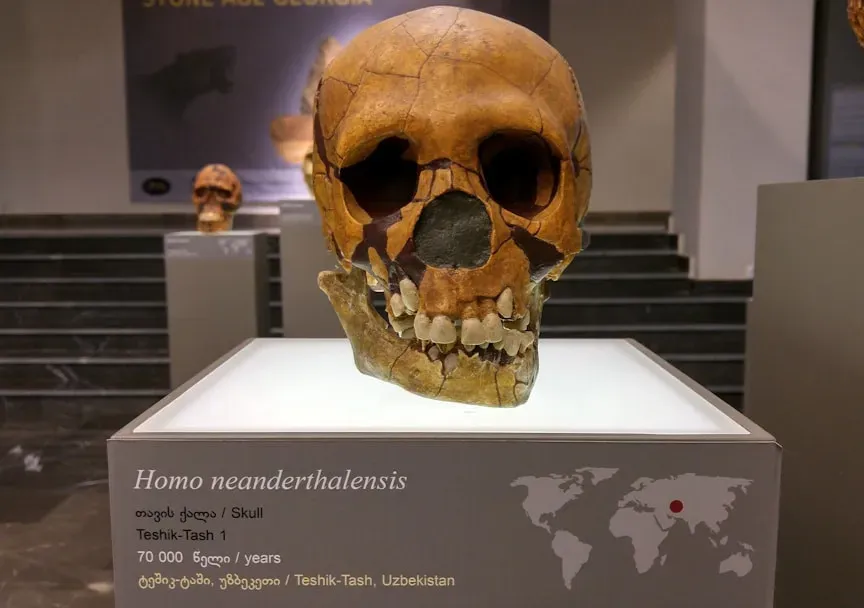
Pop culture loves to romanticize Neanderthals as rugged, weathered survivors. Their actual genetic lifespan ceiling tells a much less flattering story.
Using the same DNA-based aging method applied to mammoths and modern humans, researchers turned their genetic clock on our closest extinct relatives. Neanderthals and Denisovans had a maximum lifespan of roughly 37.8 years.
That’s almost identical to our own 38-year “natural” baseline, meaning our biological aging clock hasn’t actually changed much in tens of thousands of years. What changed dramatically is everything around that clock: medicine, nutrition, shelter, and safety from predators and violence.
This finding quietly demolishes the idea that ancient humans and their relatives were somehow built to age slower or live longer in some “purer” natural state. If anything, early hominids were racing against a genetic timer nearly identical to ours, they just had far fewer tools to outrun it.
#10 – The “Mortality Plateau” Gerontologists Trusted for Decades Turned Out to Be a Data Error

For nearly thirty years, the scientific consensus held that human mortality risk actually slows down after age 80. Then researchers discovered the data behind that idea was flawed from the start.
Studies from the 1990s suggested the exponential rise in human mortality with age eventually decelerates, and these early studies convinced an entire generation of biodemographers and gerontologists that the deceleration was real and universal after age 80. Nobody seriously questioned it.
An entire generation of aging research was built on a plateau that may not actually exist. The problem traces back to record-keeping errors at extreme old ages, where birth certificates, pension fraud, and simple clerical mistakes inflated how old some “supercentenarians” really were.
Researchers now argue mortality estimates for ages above 105 should be treated with real caution. This miscount matters enormously – pharmaceutical companies and longevity researchers have spent millions chasing biological explanations for a plateau that might just be bad bookkeeping.
Worth Knowing
- The mortality-slowdown theory dominated gerontology for roughly three decades
- Record-keeping errors – fraud and clerical mistakes – inflated many supercentenarian ages
- Researchers now urge caution with mortality data above age 105
- Millions in longevity research funding chased a pattern that may never have existed
#11 – Scientists Cut Genetics’ Role in Lifespan by Half for Decades
For most of modern genetic research, scientists were confident your genes only played a minor supporting role in how long you’d live. That belief just got completely overturned.
Earlier estimates suggested inherited factors explained only about 20 to 25 percent of lifespan differences between people, with some large studies placing the number below 10 percent. That framing shaped decades of public health messaging, one that leaned almost entirely on lifestyle and environment.
Then a new analysis using massive twin datasets flipped the entire model. Genes may actually account for roughly half of the differences in how long people live, at least double the old estimate, and a hidden influence that had been masked for decades.
This is a genuinely controversial correction. It doesn’t mean lifestyle stops mattering, but it does mean the “your choices fully control your lifespan” narrative that dominated wellness culture for years was, at best, incomplete.
#12 – Naked Mole-Rats Prove a Single “Species Lifespan” Number Is Often a Lie
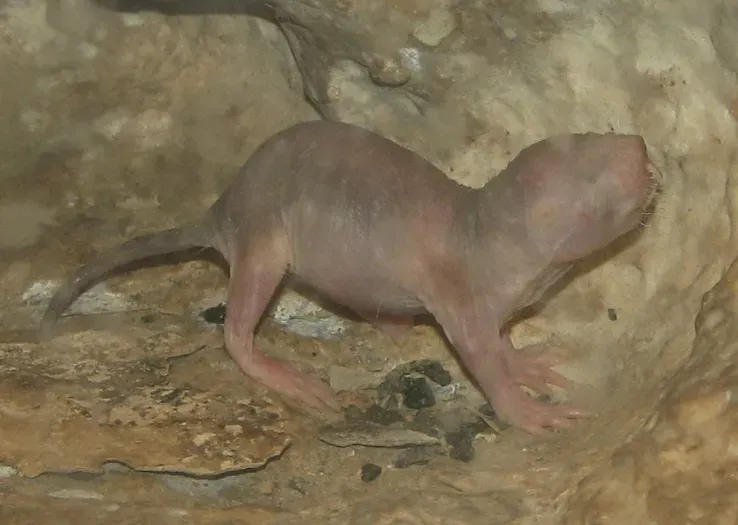
Most lifespan charts hand you one tidy number per species. Naked mole-rats expose exactly how misleading that oversimplification can be.
Within the exact same colony, in the exact same tunnels, eating the exact same food, two mole-rats can have wildly different life expectancies depending purely on social role. Breeding mole-rats can live up to 17 years, while non-breeding workers typically make it just 2 to 3 years.
That’s nearly a 15-year gap within the same species, living side by side underground. This forced researchers to rethink how “maximum lifespan” databases get built across the entire animal kingdom.
If a single non-breeding worker had been the only individual ever studied, scientists might have permanently underestimated the species’ true longevity potential by over a decade. Many biologists now argue the same databases behind those “which animals live longest” headlines are quietly riddled with these social-caste blind spots.
At a Glance
- Breeding mole-rats: up to 17 years
- Non-breeding workers: typically just 2 to 3 years
- Same colony, same tunnels, same food – the gap comes entirely from social role
#13 – 19th-Century Naturalists Guessed Wild Numbers That Modern Science Is Only Now Proving Weren’t Entirely Crazy

Here’s the twist nobody sees coming: some of the oldest, most mocked animal lifespan claims in recorded history are looking less ridiculous the more modern science digs.
An 1851 medical journal casually printed sweeping lifespan figures with zero scientific backing. One widely circulated 19th-century claim insisted elephants “live 400 years,” that ravens live 100 years and swans 300, and that “a tortoise lived more than 190 years.” For over a century, modern scientists dismissed all of it as folk exaggeration with no real evidence behind it.
Here’s the twist: while the elephant claim was pure fantasy, we now know a real tortoise lived to 255 years, a real clam lived to 507, and a real shark likely exceeded 390. In other words, those 19th-century naturalists weren’t wrong that some animals could live for centuries. They were just wrong about which animals.
It took radiocarbon dating, genetic clocks, and roughly 150 years of scientific stubbornness to finally admit the old guesses had the right instinct, just aimed at completely the wrong species.
The Bottom Line
Animal lifespan science has been quietly wrong, over and over, for more than a century – sometimes underestimating by centuries, sometimes overestimating with zero evidence at all. Bowhead whales, Greenland sharks, and Ming the clam all prove that “known facts” about aging were often just outdated guesswork wearing a lab coat.
Even human lifespan research wasn’t safe. Genetics got underestimated by half, and an entire mortality plateau may have been built on nothing more than bad paperwork.
If you ask me, that’s the real story here, not the sharks or the clams, but how confidently wrong the “experts” were allowed to be for decades without anyone bothering to double-check. Nature is almost always older, stranger, and more resilient than the last generation of scientists assumed. So the next time someone states an animal fact like it’s settled science, don’t be surprised if it gets rewritten in twenty years. What “settled” fact do you think is secretly wrong? Drop your guess in the comments.