
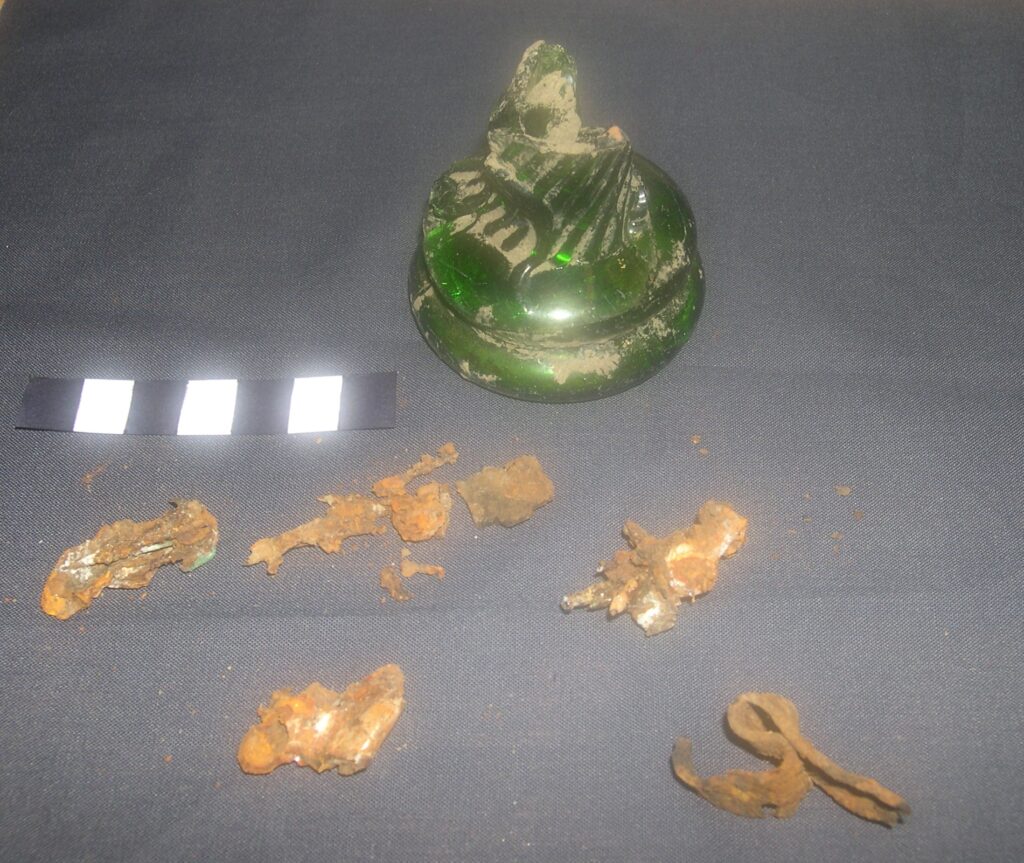
Walk into a 300-year-old cottage and knock on the wall – you might be inches from a dead cat, a curse-trapping bottle of nails and urine, or a handwritten note left by a bricklayer who knew you’d never meet him. That’s not folklore exaggeration. It’s documented, cataloged, and still being uncovered by renovation crews today, sometimes with a phone camera rolling.
For centuries, the people who built our houses, churches, and cornerstones weren’t just solving structural problems. They were hiding fear, faith, insurance policies, and love notes to the future – and in one case on this list, an actual living, breathing human being. Some of it was superstition dressed up as construction. Some of it was deadly serious. Here’s what historians and preservationists actually found, working up to the one hidden thing that had to survive an armed search alive.
#1 – Old Shoes Buried to Trap Evil Spirits
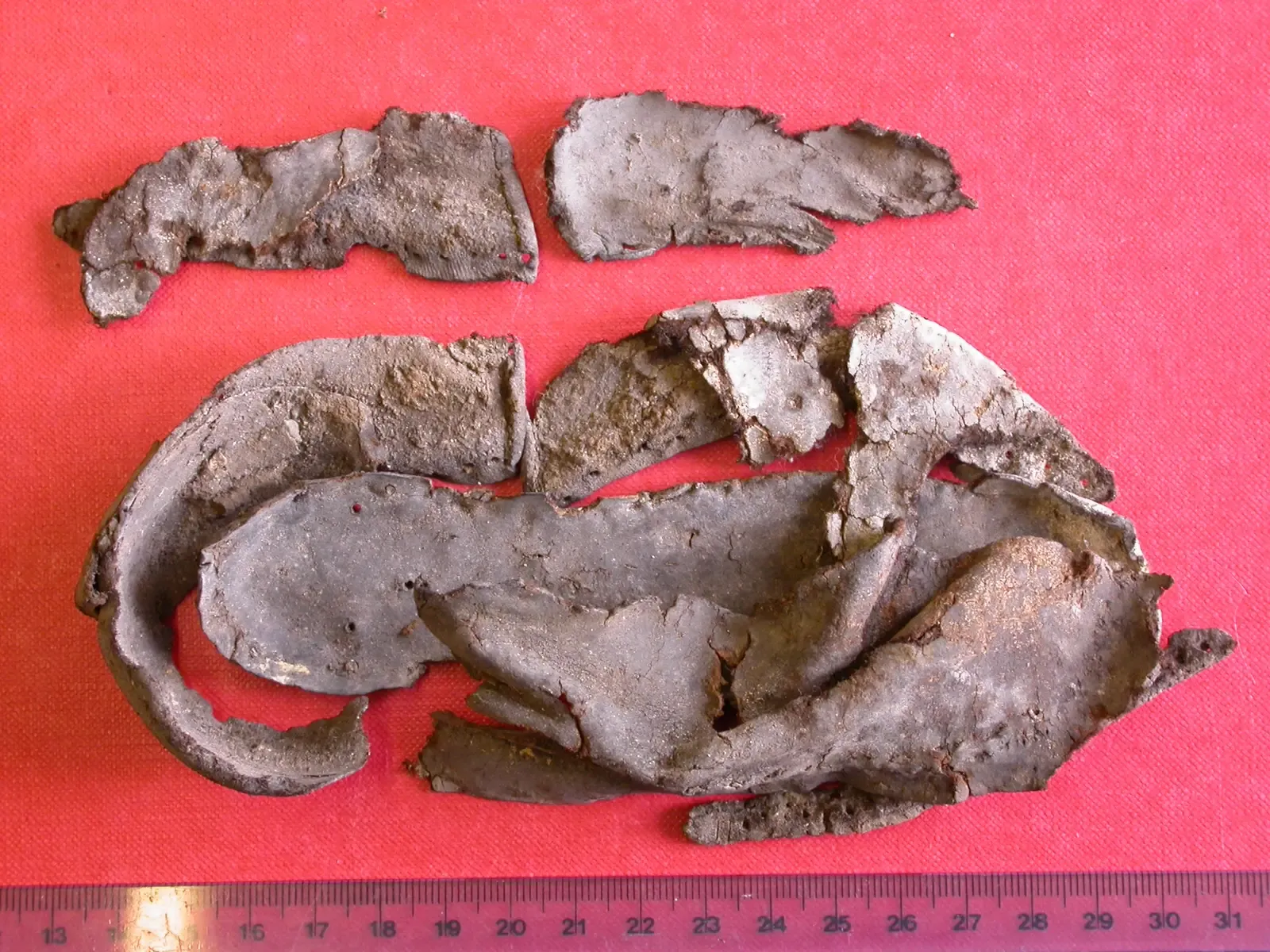
Builders across Europe and beyond spent centuries quietly bricking up footwear inside the very walls they were constructing. It wasn’t an accident, and it definitely wasn’t laziness.
Independent researcher Brian Hoggard has observed that the locations where these shoes turn up – chimneys, under floors, above ceilings, around doors and windows, inside roofs – suggest they were concealed as magical charms. The goal was protecting the household from demons, ghosts, and witches. The scale of this practice is staggering: the Northampton Museum runs a Concealed Shoe Index, which had already logged around 1,900 discoveries by 2012.
The oldest confirmed example dates back over 700 years, discovered behind the choir stalls of Winchester Cathedral, installed in 1308. Most were single, well-worn shoes rather than matching pairs, a detail that only deepens the mystery of why they were chosen at all.
The tradition didn’t vanish overnight, either. It faded through the 20th century but hasn’t fully disappeared. Shoes were just the opening act, though – wait until you see what builders were pressing into wet concrete for good luck.
#2 – Coins Pressed Into Foundations for Luck
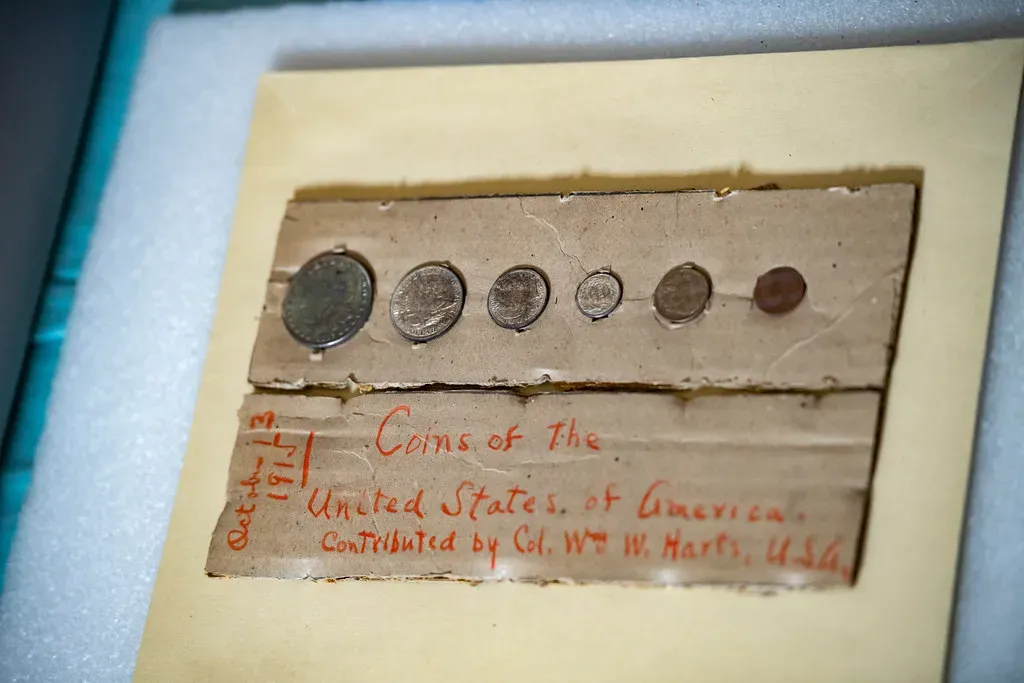
Long before “lucky pennies” became a cliché, builders were literally cementing coins into the bones of a structure.
This wasn’t a British quirk – it’s ancient. Time-capsule expert William Jarvis traces the practice of depositing ritually significant objects in foundations and cornerstones back thousands of years, all the way to ancient Mesopotamia. It was a foundational offering long before it was a superstition.
The coins weren’t random pocket change, either. When Boston’s 1795 Statehouse cornerstone box was finally opened, the original container held an engraved silver plaque, a medal honoring George Washington, and a set of coins including one believed to date to the mid-1600s. That means builders were sometimes burying currency that was already over a century old at the time of construction, a deliberate nod to history rather than just luck.
Fast Facts
- Foundation deposits trace back to ancient Mesopotamia, thousands of years before Rome or Britain adopted the custom.
- Boston’s 1795 box held coins dating from 1652 to 1855, plus a Washington medal and a silver plaque believed engraved by Paul Revere.
- The cornerstone itself was hauled through Boston on a wagon drawn by 15 white horses, one for every state in the Union.
- The box was reopened in 1855, then again in 2014, with fresh coins and mementos added each time before resealing.
Coins were the easy part. Builders got far more ambitious with paper – and what they buried next was meant to outlive them entirely.
#3 – Newspapers Sealed Inside Walls and Floors
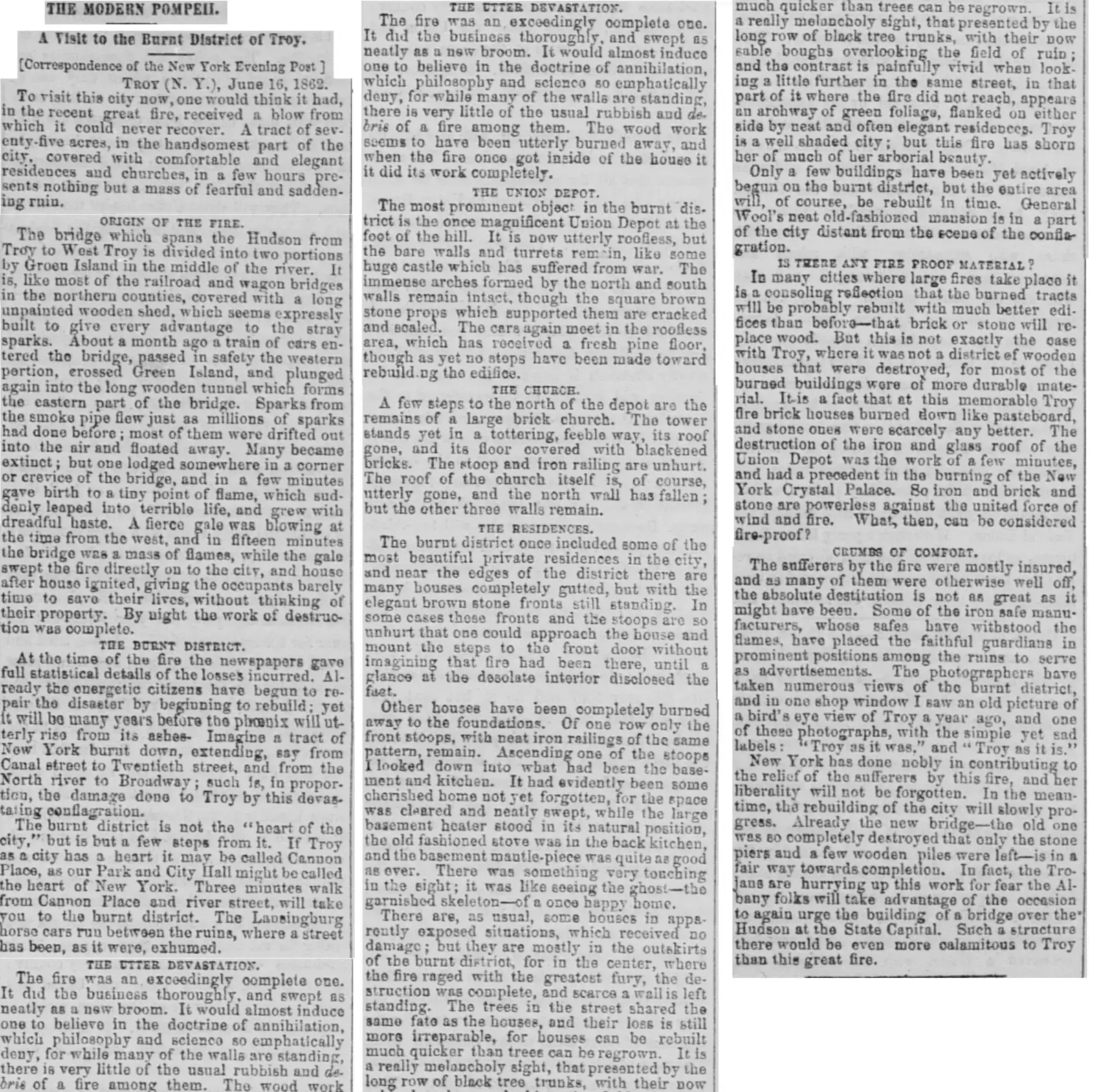
If coins told future generations “we were wealthy enough to spare this,” newspapers told them exactly what their world looked like.
University archivists have opened cornerstone cavities decades after construction and found entire newspaper stashes waiting inside – local papers, a university catalogue, issues of Popular Mechanics and Science magazine, and postcards showing off a city’s biggest industries. That’s not a one-off habit. Industrial companies did the same thing, often reacting to breaking news in real time before sealing it away for good.
One capsule literally captured a presidential assassination attempt. The Building 42 cornerstone at 3M’s Saint Paul plant held samples of 3M products, the 1949 company annual report, a copy of the in-house Megaphone magazine, a company history, newspaper accounts of the attempted assassination of President Harry S. Truman just days earlier, and an aerial photo of the plant itself.
That’s a snapshot of an entire era, sealed in stone within days of the headline breaking. But newspapers were meant to be found eventually – the next item on this list was never supposed to see daylight at all.
#4 – Secret Signatures and Notes From the Crew
Every construction crew wants credit, even the ones who knew nobody would read their words for a hundred years.
Some of these notes are surprisingly sentimental. A team restoring a 1920s theater found signatures from the original construction crew, along with a note reading “May this building stand longer than we do,” written on a support beam that had stayed hidden for nearly a century. It’s a small, almost poignant gesture from men who knew they’d be forgotten long before the building was.
Modern crews are still doing it. In 2025, workers converting an old swimming bath into apartments found a 50-year-old note listing the names, trades, and hometowns of the original 1973 crew. They didn’t just admire it – they recreated the ritual on the spot.
After we found it, I wrote a note stating the names of the guys who are on site and said how we are converting the swimming baths into luxury apartments… I got pretty much everyone who was on site that day to sign the document.
Construction worker who found the 1973 note
That single discovery went viral, proving this hidden-note tradition is very much alive. Next up is a hiding practice that had nothing to do with sentiment – and everything to do with money.
#5 – Mason’s Marks Carved for Payment, Not Decoration
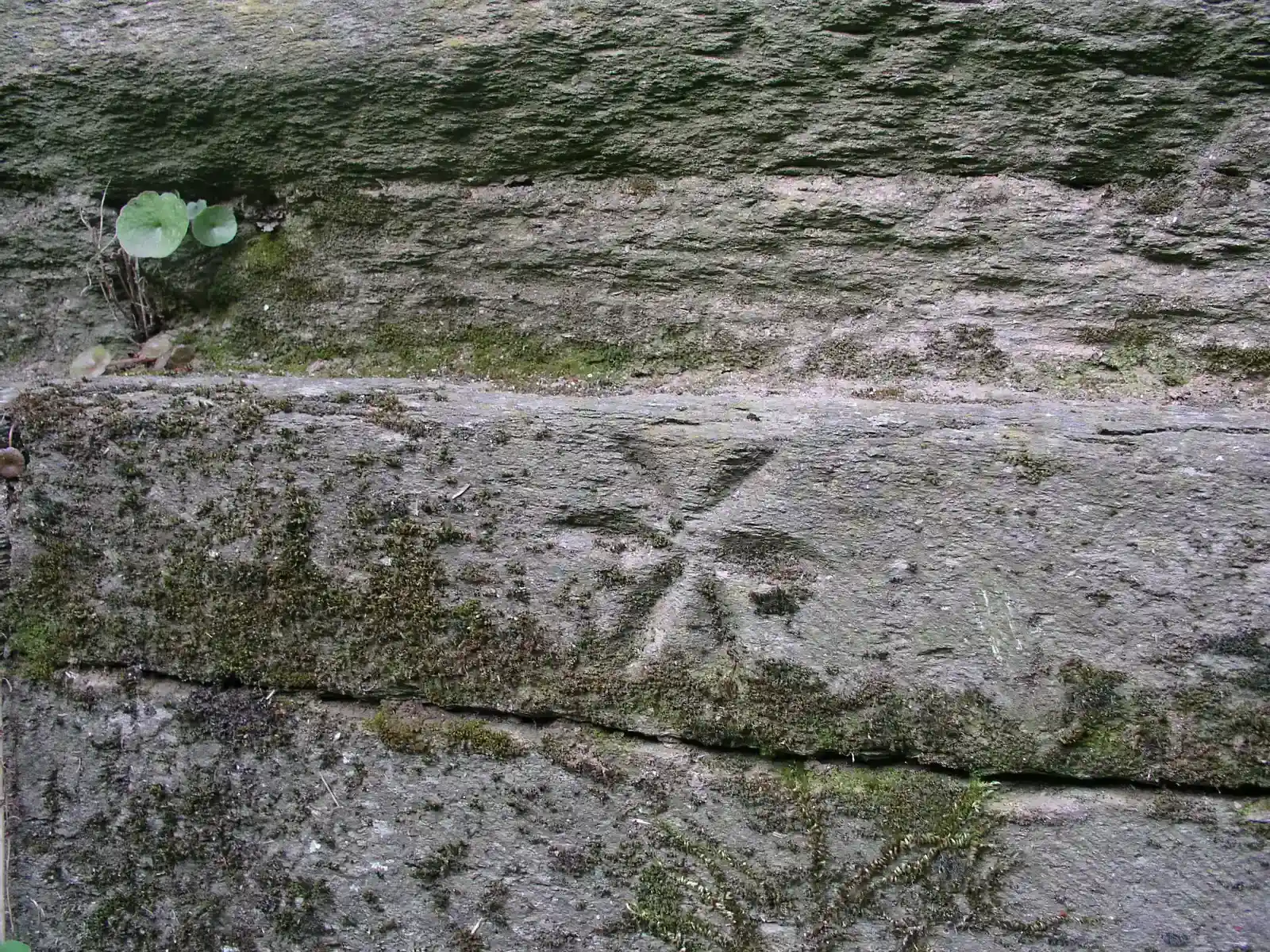
Medieval stonemasons weren’t sentimental about their carvings. They were tracking a paycheck.
Skilled masons working on cathedrals and castles often carved a unique personal symbol into the stones they finished, sometimes low down or in joints where later plasterwork or mortar would hide the mark completely. These symbols functioned like a signature and an invoice at once, letting a master builder tally exactly how many blocks each worker had shaped and calculate wages accordingly.
Most people assume these marks were purely artistic. They weren’t. This was an early piecework accounting system disguised as craftsmanship, and many were never meant to stay visible once the wall was finished.
Some masons reused the same personal mark across multiple buildings and even multiple decades, which now lets researchers track individual craftsmen’s careers across an entire region, centuries later. It’s one of the few purely practical items on this list, with zero superstition attached. The next hidden object, though, was believed to have real spiritual power.
#6 – Written Charms Tucked Behind Plaster
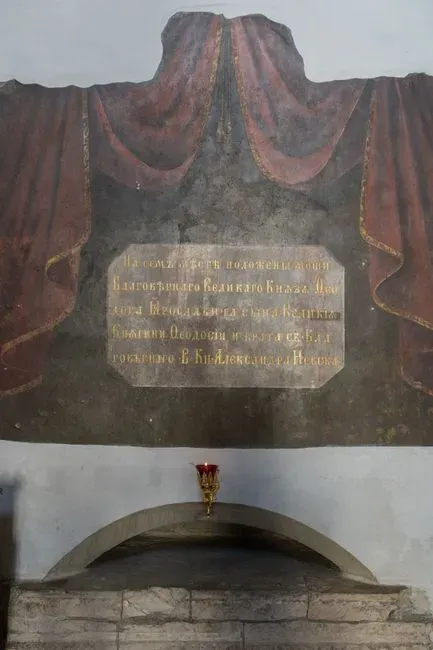
Long before witch bottles or concealed shoes, some builders relied on the simplest tool available: the written word.
Folklorists cataloguing ritual protection in old buildings treat this as its own distinct category, alongside protection marks, daisy-wheel circles, deliberate burn marks, and Marian marks. These weren’t casual notes. They were often short prayers, biblical verses, or protective phrases, folded tightly and slipped into a crack before it was sealed shut for good.
Historians confirm this wasn’t limited to footwear traditions alone. Other items historically concealed in walls as good-luck charms include animal skulls, bottles, and written charms – though shoes remain by far the most common find. A written charm essentially worked as a spiritual insurance policy layered on top of the physical structure.
Paper charms were subtle. What came next was carved directly into the timber, for anyone who knew how to look.
#7 – Witch Marks Scratched Into Timber and Stone
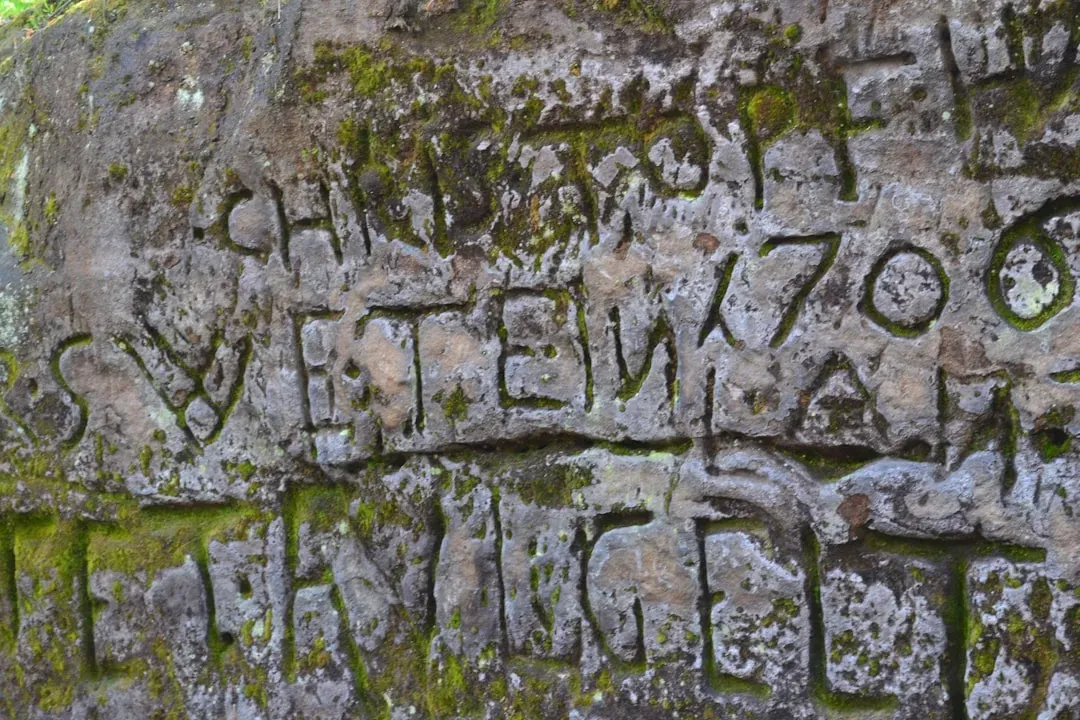
Some protective symbols weren’t hidden away at all – they were carved in plain sight, disguised as nothing more than scuff marks.
These are commonly known as witch marks, and their purpose was explicitly defensive: symbols thought to protect a dwelling from spells. Look closely at old barns, church doorways, and cottage beams across Britain, and you’ll spot circular “daisy wheel” patterns or overlapping V-shapes scratched near entry points, exactly where builders believed evil spirits were most likely to slip inside.
At a Glance
- Common shapes include circular “daisy wheel” carvings and overlapping V-shaped patterns.
- Concentrated near doors, windows, and fireplaces – the entry points evil spirits were believed to favor.
- Mistaken for generations as accidental tool damage or ordinary wood grain.
- Found on barns, church doorways, and cottage beams throughout Britain.
Many experts now argue these marks are far more common than people realize. They’ve simply been mistaken for random tool damage for generations. Because they blend so seamlessly into wood grain and worn stone, entire buildings have stood with these symbols exposed for centuries without anyone noticing their intentional, protective purpose.
Carved symbols worked on the surface. But some builders felt the need to bury an entire animal skull for extra protection.
#8 – Horse Skulls Buried Beneath the Floor

This is one of the strangest and most debated items on this list, and even folklorists don’t fully agree on why it was done.
Horse skulls turn up with surprising regularity underneath old floorboards, catalogued right alongside other ritual protection items like written charms and daisy-wheel carvings. The going theories split into two camps: pure folk superstition meant to guard the household, and a more practical – though still debated – idea that the hollow skull cavity subtly altered the acoustics of the room above it.
Here’s the controversial part: some historians now dismiss the acoustic theory entirely, arguing it’s a modern rationalization layered on top of what was originally a straightforward ritual sacrifice tied to protecting the home. Whichever explanation you believe, someone had to deliberately source an animal skull and place it beneath a floor that was about to be sealed forever.
Skulls are unsettling. But nothing on this list disturbs preservationists quite like the bottle that comes next.
#9 – Witch Bottles Filled With Nails, Hair, and Urine
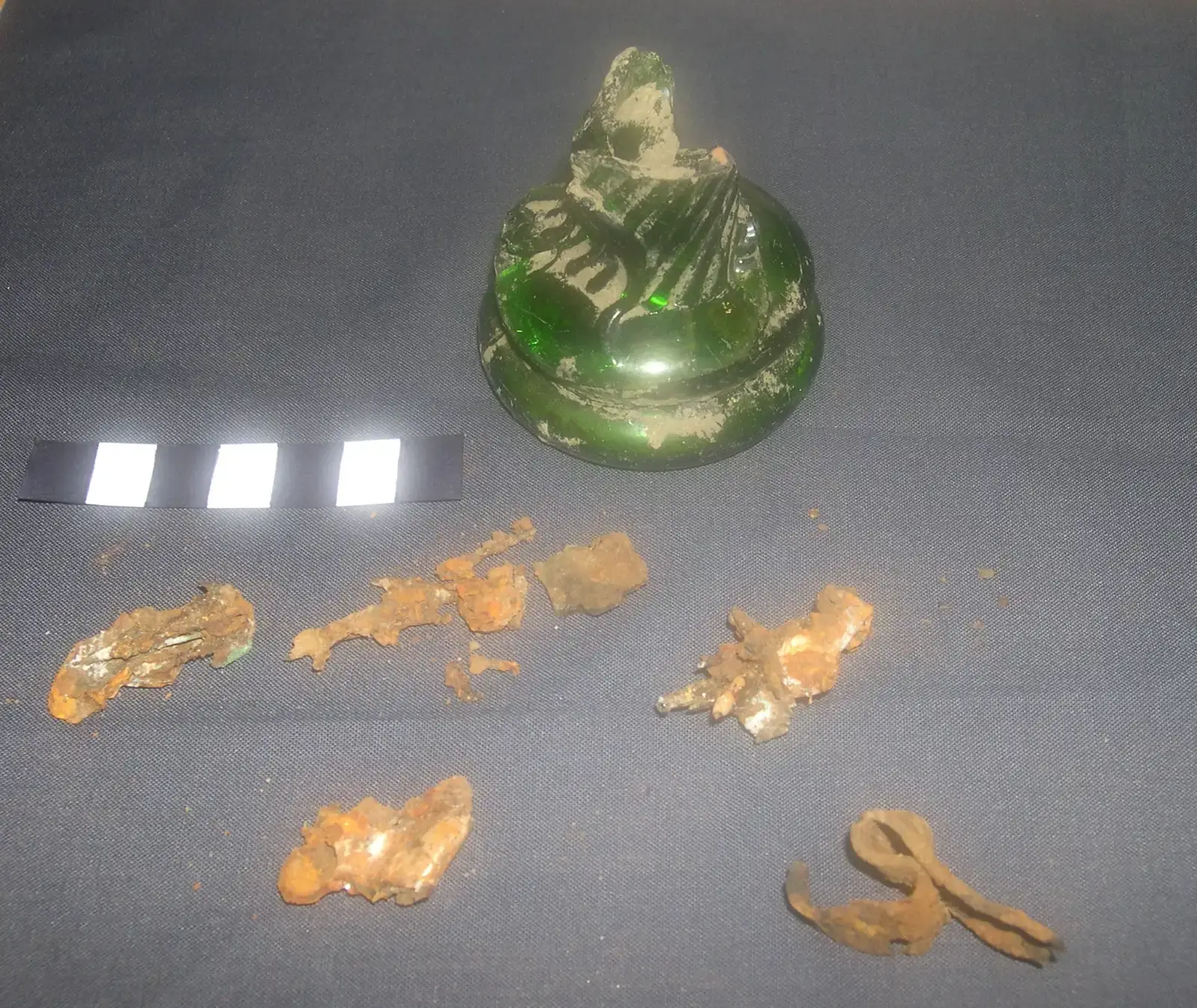
If you think concealed shoes sound strange, witch bottles are stranger, and far more literal in their purpose.
These weren’t decorative. They were designed as a weaponized trap for reversing a witch’s curse right back onto her. The recipe was recorded in detail centuries ago: in the 1671 treatise “Astrological Practise of Physick,” English astrologer Joseph Blagrave prescribed several remedies for flipping a curse back onto its caster.
The actual contents are genuinely unsettling. Witch bottles packed with nails, urine, and hair are often found near doorways and hearths – the exact open spaces where people believed evil spirits might enter a home. Builders and homeowners weren’t hiding these for decoration; they were setting a magical booby trap meant to hurt or confuse any witch attempting a curse on the household. These bottles were widely used between the 15th and 19th centuries, especially during wars, poor harvests, or periods of social upheaval.
That’s disturbing enough on its own. But at least a bottle isn’t a corpse – and the next item on this list very much is.
#10 – Mummified Cats Bricked In as Guardians
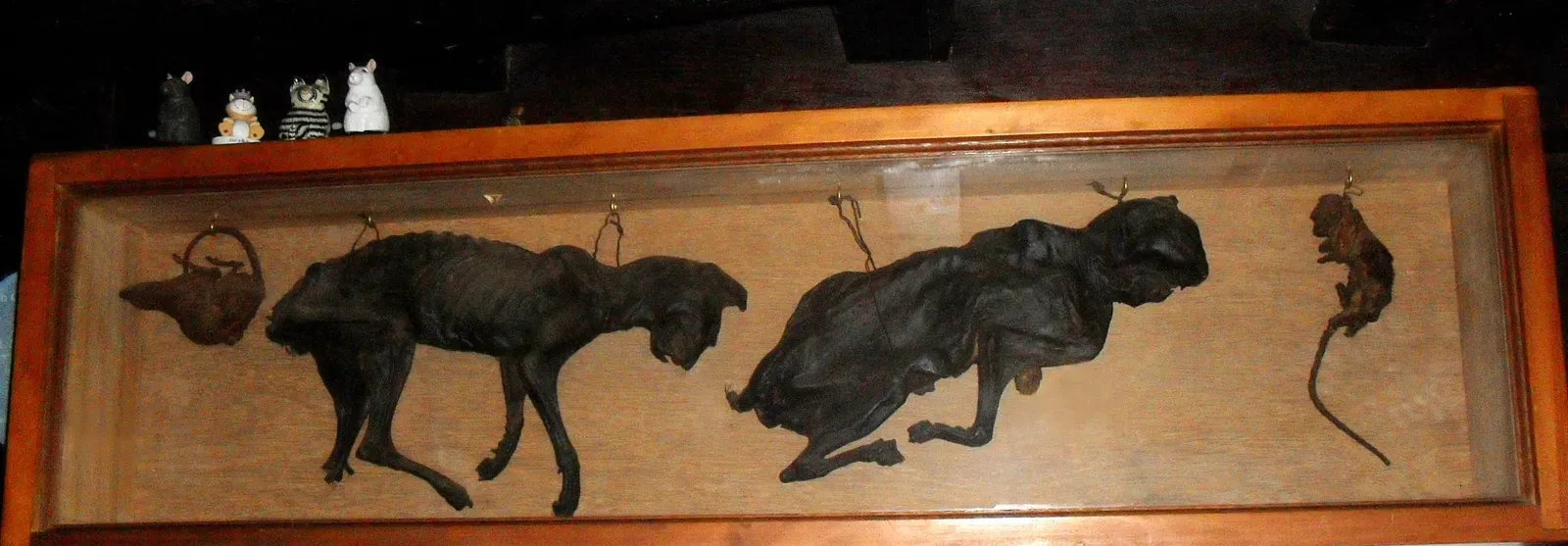
This is the one that stops renovation crews cold, and it’s far more common than most people assume.
There are well over a hundred dried, or mummified, cats on record at present, though anecdotal accounts suggest the real number could be ten times higher. One especially chilling example turned up near the site of England’s most infamous witch trial. A mummified cat, also known as a “dry cat,” was discovered in a sealed room inside a 17th-century cottage in Pendle Hill, England – the site of the trials where 10 local men and women were hanged in 1612 for witchcraft.
Here’s the detail that turns this from sad to genuinely eerie: many of these cats weren’t just tossed into a cavity. They were deliberately posed as if mid-hunt, sometimes accompanied by rats to emphasize the imagery. Archaeologist Wayne Perkins has suggested cats were sometimes bricked into walls to act as guardians against vermin, whether through their physical presence or their symbolic power.
If that’s the darkest item on this list, the next one is the most ceremonial – and it involves Founding Fathers.
#11 – Time Capsules Sealed With Full Masonic Ceremony
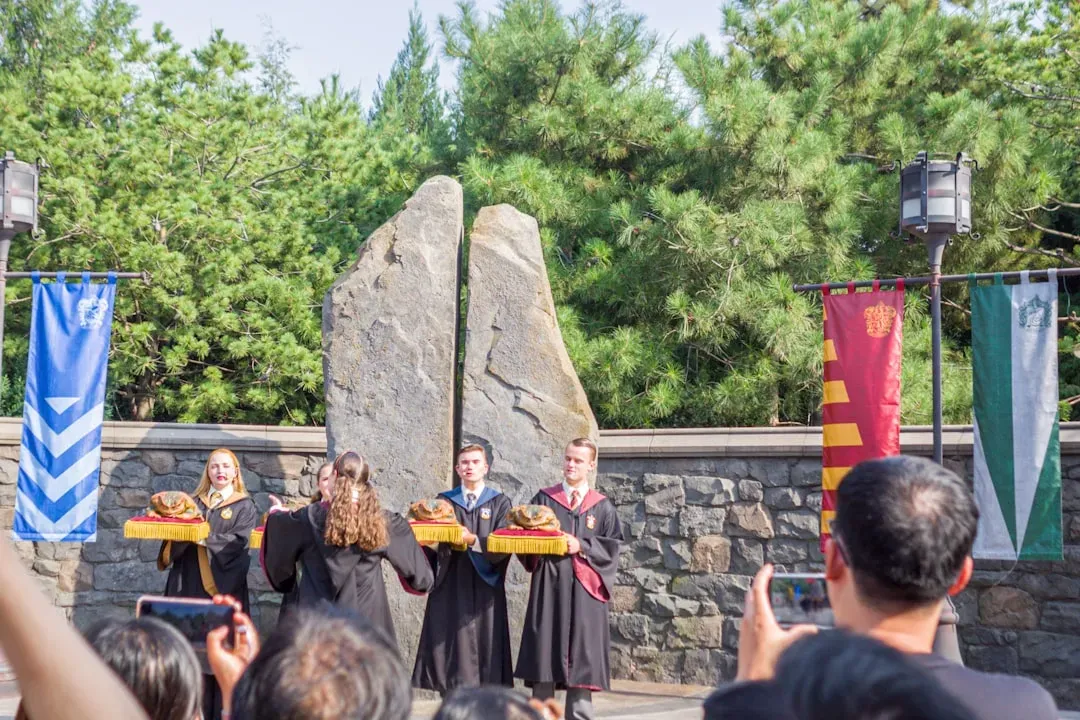
Not every hidden object was slipped in quietly. Some were buried with cannons, marching bands, and hundreds of witnesses watching.
The most famous American example is Boston’s Statehouse cornerstone, sealed in 1795 at the culmination of a Masonic ceremony held on July 4th. This wasn’t a small gathering. The massive granite cornerstone was transported in a procession from the Old State House to the site of the new one, on a wagon drawn by 15 white horses – one for each state in the Union at the time.
Most people use “time capsule” and “cornerstone box” interchangeably, but historians say that’s technically wrong. A cornerstone box is typically filled with ephemera and ceremoniously sealed during a building’s dedication, with no expectation it will ever be opened as long as the structure stands. A true time capsule has a specific “open by” date, with contents deliberately chosen to preserve a glimpse of contemporary life for a future audience.
Quick Compare
- Cornerstone box: Sealed during a dedication ceremony, with no plan to ever reopen it.
- Time capsule: Built around a specific “open by” date and meant to be recovered on schedule.
- Boston’s 1795 box: Opened during repairs in 1855, then again in 2014 – decades and centuries after each sealing.
Ceremony and pageantry are one thing. The next item on this list was buried for a reason far more personal.
#12 – Personal Keepsakes Meant Only for the Household
Not everything hidden in a structure was meant for future strangers to find. Some objects were deeply, privately personal.
The fertility theory behind concealed shoes is one clear example. Footwear was traditionally associated with fertility, and shoes were often used as charms in the hope that a household would be blessed with a child. A single, worn child’s shoe wasn’t a random object – it likely belonged to someone the family loved, chosen specifically because of that connection.
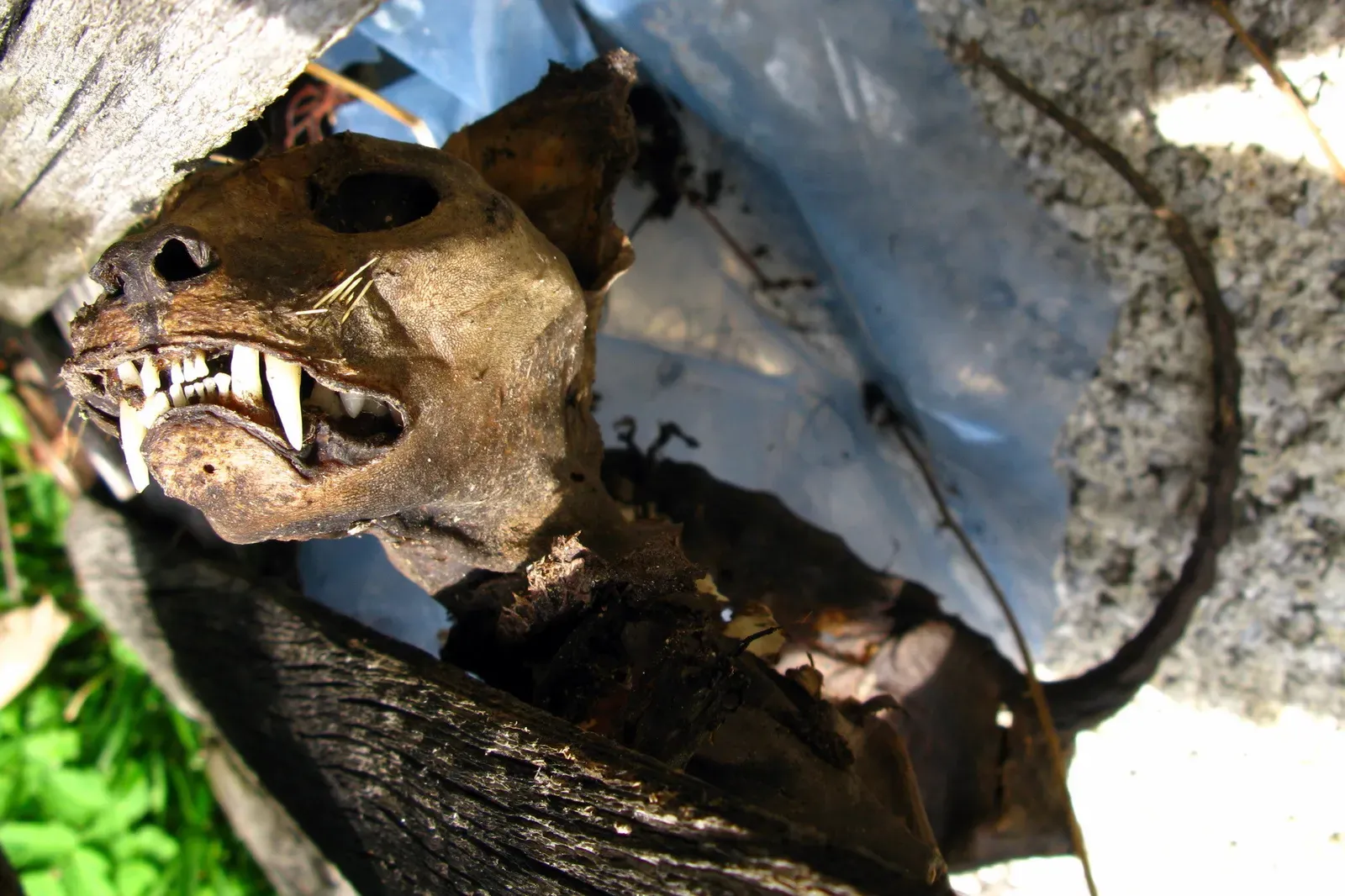
Even the era’s most unsettling rituals carried a strange intimacy. When a mummified cat was uncovered at Virginia’s Carlyle House, workers noticed it hadn’t just been shoved into a gap. The cat was resting in a sealed stone alcove inside the chimney, sprinkled with herbs. Someone took the time to prepare that space with care, not carelessness.
These were quiet, personal gestures. What comes last on this list, though, was hidden out of pure life-or-death necessity.
#13 – Priest Holes Built to Hide Fugitives Alive
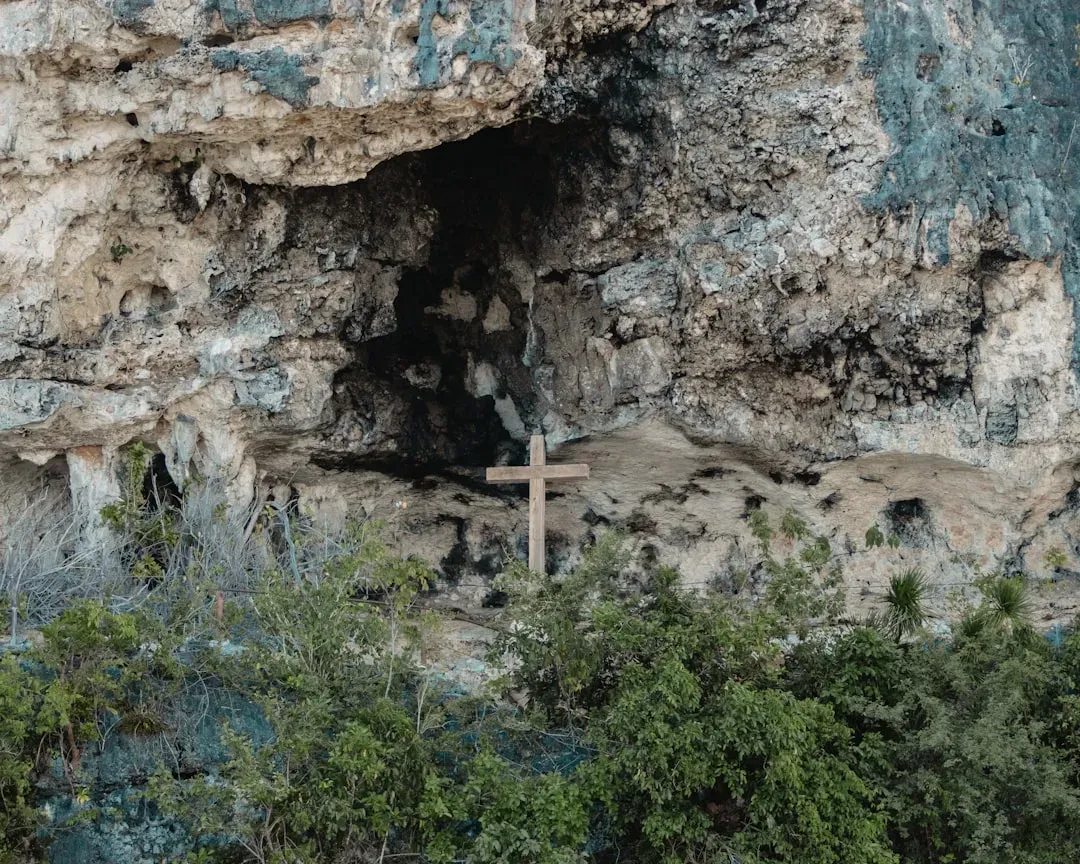
The most dramatic thing builders ever hid inside a structure wasn’t an object at all – it was a living, breathing human being.
During periods of religious persecution in 16th- and 17th-century England, Catholic priests risked execution simply for being present in the country. Wealthy Catholic families responded by commissioning skilled carpenters to build concealed chambers into their manor houses – tiny compartments behind fireplaces, beneath staircases, or inside false chimney walls, engineered specifically to hide a person for hours or even days during a raid.
These weren’t crude cubbyholes; they were precision carpentry disguised as ordinary architecture. The builders responsible became specialists in their own right, designing hiding places so convincing that some went undiscovered by searchers at the time and were only found by renovators generations later.
Worth Knowing
- Jesuit lay brother Nicholas Owen built dozens of priest holes across England, often working alone at night to avoid suspicion.
- Some hides used a decoy compartment to disguise a second, better-concealed chamber right behind it.
- Owen was tortured to death in the Tower of London in 1606 without ever revealing a hiding place he built.
- Several of his priest holes weren’t discovered until centuries later, during modern renovations.
Unlike every other item on this list, a priest hole had exactly one job: keep a person alive and undetected, sometimes for days at a stretch, while an armed search party tore the house apart looking for them.
The Bottom Line
Builders weren’t just stacking bricks – they were leaving behind fear, faith, humor, and sometimes life-or-death engineering inside the walls themselves. From witch bottles packed with nails and hair to mummified cats posed mid-hunt, from Masonic time capsules sealed with cannon fire to priest holes built to hide a living person from armed searchers, these hidden objects turn ordinary old buildings into layered time machines.
What strikes me most isn’t the superstition – it’s the intention. Someone chose that shoe, wrote that note, posed that cat, or carved out that chamber, fully knowing they’d never see it discovered. That’s not decoration. That’s a message sent forward through solid stone. The strangest part is that renovators are still finding new ones today, decades or centuries after the mortar dried. Which one of these surprised you the most – and would you have left something behind in your own walls? Drop it in the comments.