
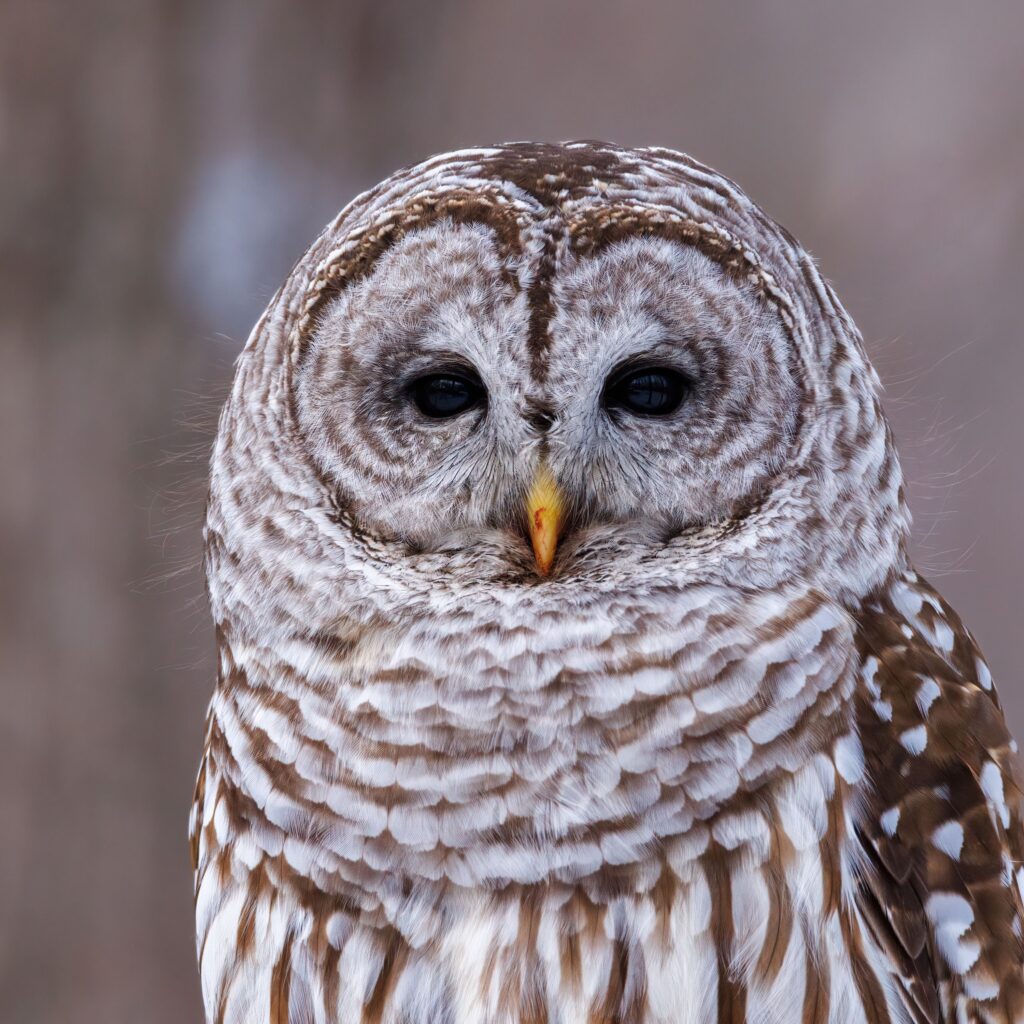
Most people assume owls are strictly wilderness creatures, quietly vanishing as forests shrink and subdivisions spread. That assumption turns out to be almost backwards. Researchers tracking these birds inside actual city limits have found some owls aren’t just surviving urbanization – they’re outbreeding their forest cousins while dodging entirely new threats nobody predicted.
From rooftop nests in Melbourne to backyard oak trees in Charlotte, scientists have spent decades quietly documenting how owls rewrote their own survival rules without asking permission. Here’s what they actually found once they started paying attention.
#1 – Charlotte Turned Out to Be an “Uber-Forest” for Barred Owls
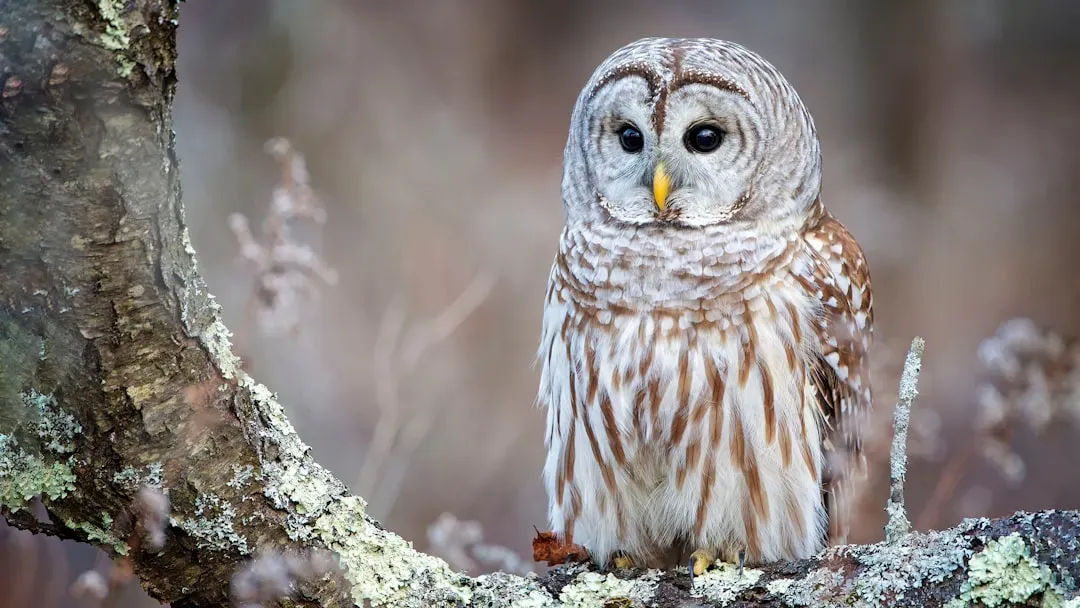
Nobody expected a mid-sized North Carolina city to become a research hotspot for one of America’s most forest-dependent owls. Barred owls are the textbook definition of a deep-woods bird, the kind field guides describe as needing miles of unbroken canopy just to survive.
For over two decades, ecologist Rob Bierregaard and his team monitored barred owls in suburban Charlotte, and what they found upended the textbooks entirely.
The textbooks say barred owls need large stands of old-growth forest. Either the Charlotte owls never read that book, or the book is wrong – because they’re really there, and doing quite well.
Rob Bierregaard, University of North Carolina at Charlotte
The scale of the study was massive. Researchers monitored roughly 40 nesting sites every single year, tracking generations of young as they matured, in a project sponsored by the Carolina Raptor Center. The surprise wasn’t that a few stray owls wandered into town. It’s that a stable, breeding, multi-generational population set up permanent residence in a landscape scientists had assumed was completely unsuitable.
#2 – Urban Owls Are Reproducing Faster Than They’re Dying
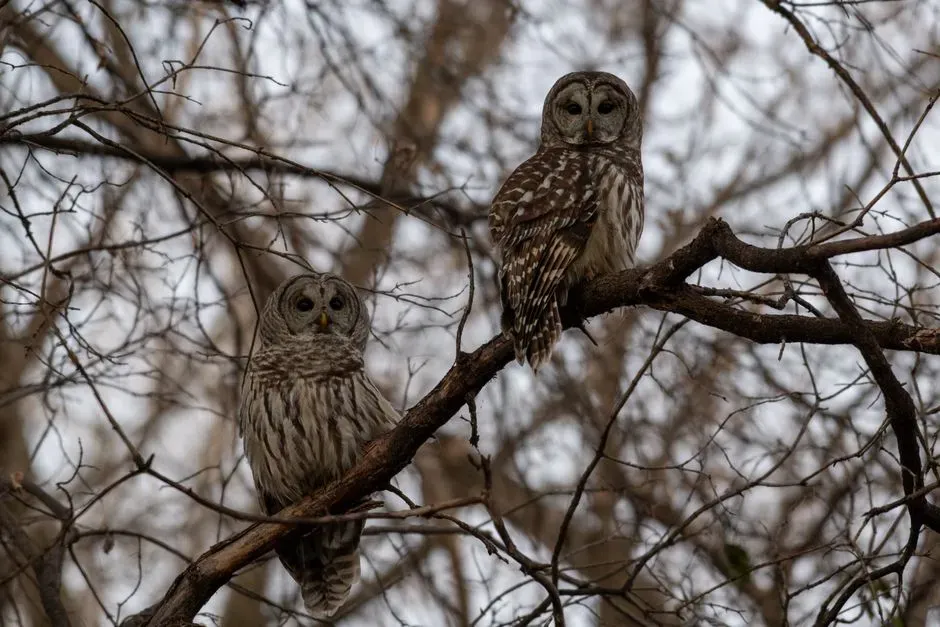
This is the finding that made ornithologists sit up straight: city life might actually be better for barred owl population growth than the deep forest ever was.
Bierregaard’s team tracked hundreds of nesting attempts and found something researchers rarely see in wild populations. The study monitored more than 200 nesting attempts by 78 different pairs, comparing suburban Charlotte to the surrounding countryside. Urban barred owls reproduced effectively enough – possibly far more effectively than their rural counterparts – that their birth rate outpaced their death rate.
That single sentence is a quiet bombshell for wildlife biology. Cities, long blamed for wiping out sensitive species, were actually producing a population surplus. It suggests abundant food and fewer natural predators in the suburbs can outweigh the risks of living near humans, at least for this species.
#3 – Researchers Know Individual City Owls by Name

The Charlotte project got so detailed that scientists stopped thinking of owls as a population and started treating them like neighbors with mailing addresses.
By attaching tiny radio transmitters to young owls and tracking them for years, the team built what amounts to a family tree of an entire urban owl community. They followed the birds as they matured, watched where they finally settled, and mapped an ongoing network of territories and nesting sites across south Charlotte. Bierregaard has said that if you spot an owl in that part of the city, chances are researchers already know exactly who it is.
That level of individual tracking revealed something bigger too. The resulting maps showed a dozen or so distinct owl territories in south Charlotte, each one roughly 200 acres – nearly a square kilometer. A dozen separate owl kingdoms hiding inside a single suburb is not something most residents would ever guess is happening above their heads while they sleep.
#4 – Cars, Not Predators, Are the Real Killer of City Owls
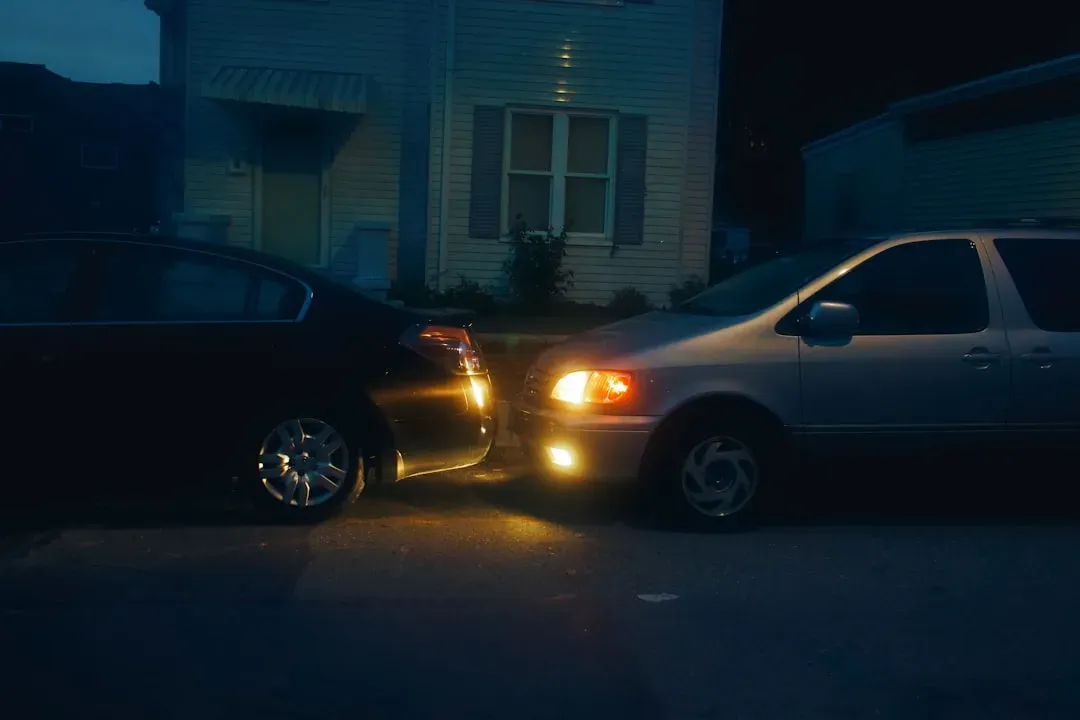
Forget hawks, foxes, or starvation – the biggest threat to an urban owl’s life turned out to be something much duller and far more mechanical.
In wild forests, barred owl mortality comes mostly from starvation, disease, or larger predators picking off the weak. In the city, that entire equation flips. Urban owl deaths tend to trace back to disease or to vehicles, which researchers now consider the owls’ single most serious predator.
This finding matters because it reframes what “urban risk” even means for wildlife. It isn’t habitat loss or lack of food killing these birds. It’s literally getting struck by cars while hunting low over roads and parking lots at night. Researchers now flag traffic corridors as a genuine conservation variable alongside tree cover and prey density when judging whether a city can sustain a healthy owl population.
#5 – City Owls Basically Switch Their Entire Diet to Rats
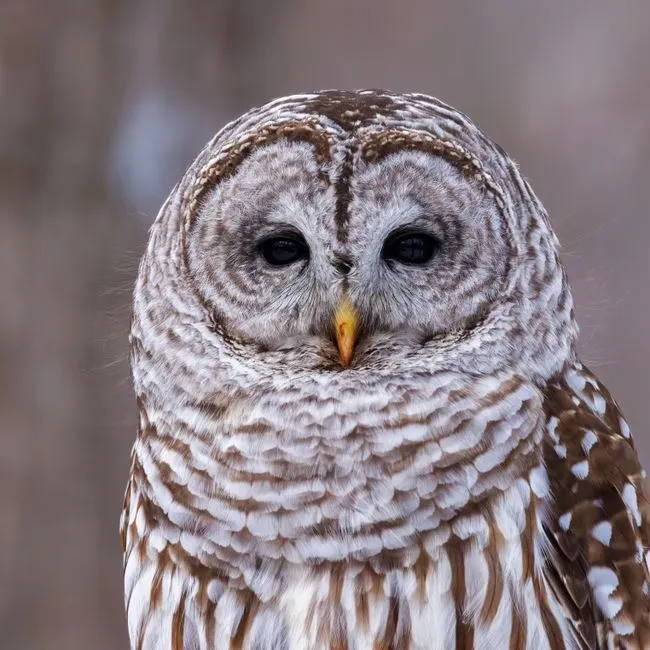
When barred owls move to town, they don’t just tolerate city life – they rewrite their entire menu to match it.
A study of urban barred owls in the Lower Fraser Valley of British Columbia found a dramatic dietary shift compared to their rural counterparts. Researchers identified 688 prey items from eight urban nest and roost sites, and rats made up 54.5% of the diet – by far the most common prey – followed by field voles at 19.3% and deer mice at 5.2%.
Quick Compare
- Rats: 54.5% urban diet vs. just 1-11% in rural nests
- Field voles: 19.3% urban diet vs. 50-87% in rural nests
- Deer mice: 5.2% of urban diet, barely present rurally
Compare that to owls living just outside the city. Two rural nest sites showed the opposite pattern entirely, with owls eating predominantly field voles – 50% and 87% respectively – and rats making up only 11% and 1% of their diet. That’s an almost complete dietary flip based purely on what’s locally available. The correlation was clean too: the more urban development surrounding a nest, the more rats showed up on the menu.
#6 – Owls Almost Never Build Their Own Nests
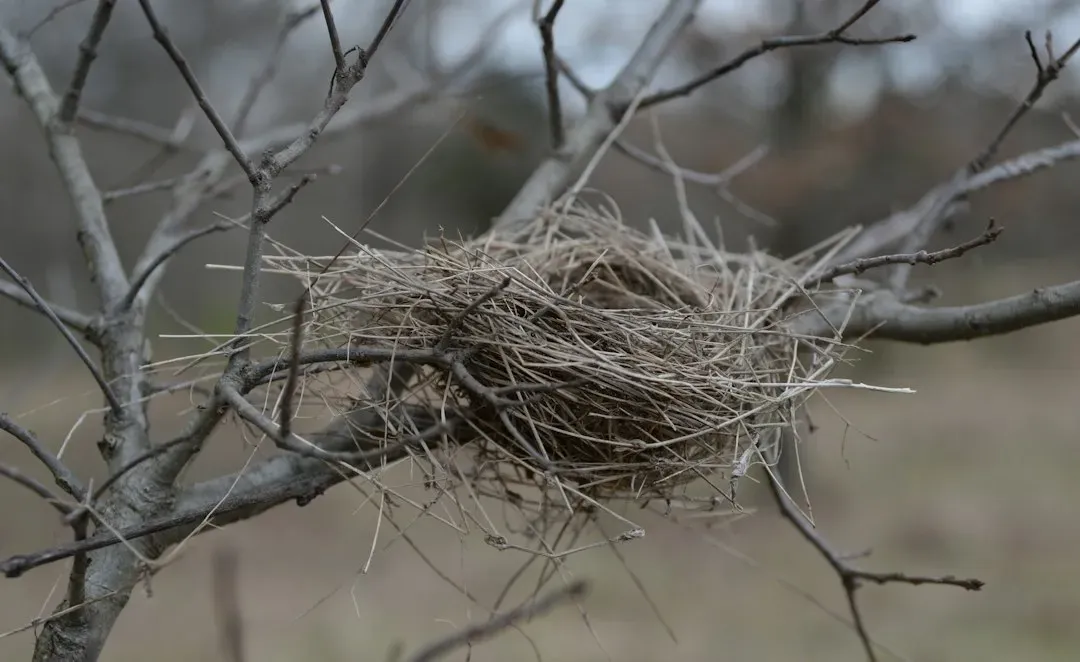
Here’s something that surprises nearly everyone who first learns about owl nesting: owls are terrible home builders, and they don’t even bother trying.
Instead of constructing anything from scratch, both major North American species studied in these projects rely entirely on recycling somebody else’s real estate. Barred owls and their relatives simply move into an old nest built by another animal – meaning a barred owl raising chicks in your neighborhood might be sitting in a hawk’s or squirrel’s old handiwork from years earlier.
Natural cavities matter more than anything else in this equation. Barred owl nests in natural locations were found in tree cavities 74.8% of the time, in old hawk nests 12.9% of the time, in the tops of hollow trees 8.2% of the time, with squirrel nests and other odds and ends making up the small remainder. Nearly three-quarters of nests are simply hollowed-out cavities, not built structures at all. That’s exactly why old, decaying trees matter so much for urban conservation – they’re irreplaceable real estate that no amount of new construction can replicate.
#7 – Great Horned Owls Are Public Enemy Number One for Barred Owls
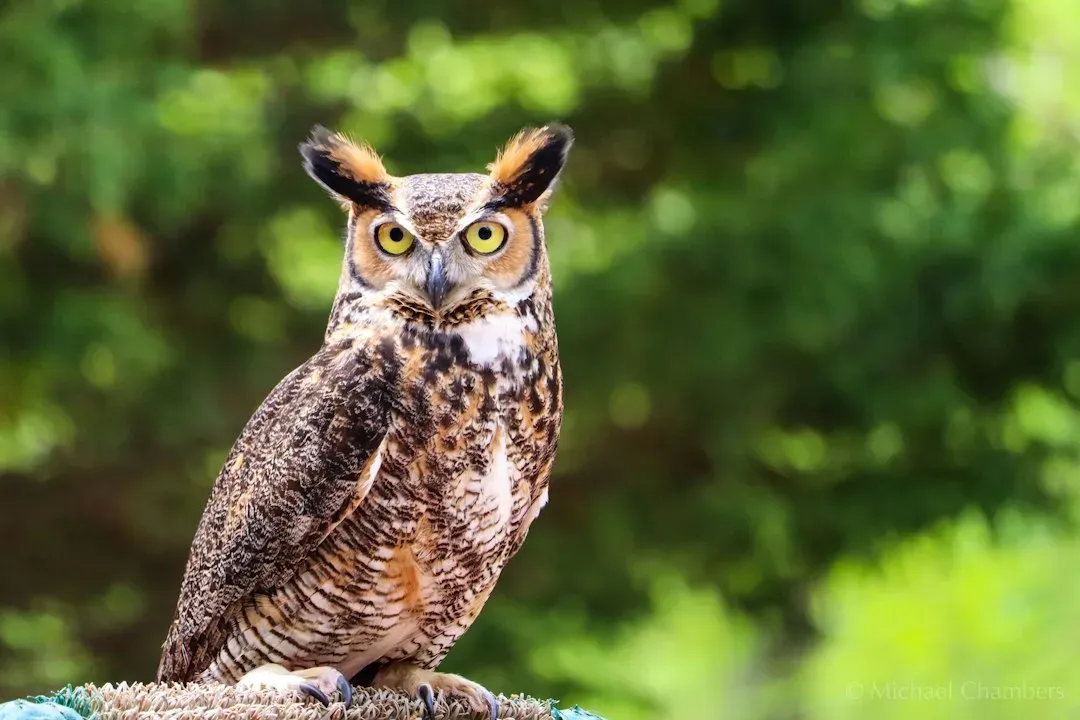
Even inside the relative safety of a city, barred owls can’t fully relax – because their biggest threat isn’t human, it’s another owl entirely.
Research consistently shows this isn’t some minor rivalry. The great horned owl is the most serious predatory threat a barred owl faces, and although the two species often share the same general areas, a barred owl will actively relocate within its own territory the moment a great horned owl moves in nearby.
This avoidance behavior actually shapes how barred owls choose urban habitat, sometimes pushing them into denser suburban pockets specifically to sidestep their rival’s territory. Researchers studying comparative urban tolerance found something even stranger here: barred owls avoided human activity more than red-tailed hawks, great horned owls, and eastern screech owls, and showed stronger negative reactions to forest fragmentation than either great horned owls or northern saw-whet owls. The species most people assume is the toughest, most adaptable owl is actually pickier about habitat fragmentation than its own rivals.
#8 – Australia’s Powerful Owls Are Running Out of Places to Nest
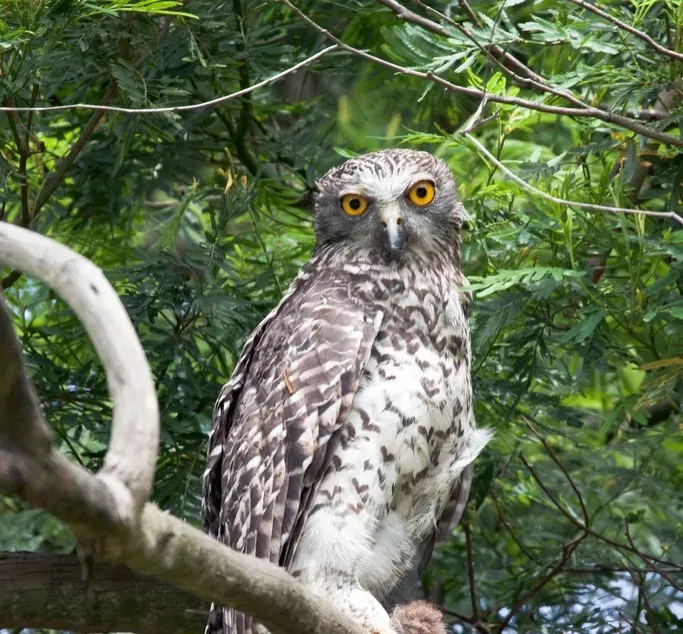
While American barred owls found city life surprisingly easy, Australia’s largest owl species is facing the exact opposite problem.
Powerful owls historically depended on centuries-old trees with massive hollows, and cities have been quietly removing exactly those trees for decades. Urban encroachment now threatens the species that have adapted to it, and although powerful owls once linked strictly to old-growth forests now inhabit urban environments, they face mounting human-driven pressures – chief among them, a shrinking supply of places to actually raise a family.
Fast Facts
- Powerful owls are Australia’s largest owl species
- They depend on tree hollows that take centuries to form
- A single owl can catch hundreds of possums in a year
- Habitat loss, not food scarcity, is driving their nesting crisis
The irony is that cities feed these owls extremely well. Abundant possum populations lure them in, with each bird capturing hundreds of possums a year. But with nowhere to nest, they struggle to breed, and their population risks declining further despite living in what should be a paradise of prey. Plenty of food, nowhere to raise a family – a conservation puzzle researchers are now trying to solve with technology instead of waiting for old trees to regrow.
#9 – Scientists Are 3D-Printing Artificial Tree Hollows for Owls

When natural nesting cavities disappeared faster than trees could regrow them, a team of Melbourne researchers tried something almost nobody expected: printing owl homes from scratch.
The project drew inspiration from an unlikely source. Part of the answer to the powerful owl’s housing crisis turned out to involve termite mounds, augmented reality, and 3D printing – since these birds don’t build nests but instead rely on large hollows in old, tall trees that humans keep removing, both in the bush and in the suburbs.
The team combined digital scanning with fabrication to mimic what nature normally takes centuries to build. The pilot targeted the powerful owl specifically, designing hollows with computer models inspired by the natural cavities and termite structures the species already prefers. Sensors inside the artificial hollows record temperature and humidity every 20 minutes, letting researchers monitor conditions in real time. Researchers are essentially running a live climate-control experiment inside an owl’s living room.
#10 – Standard Nest Boxes Mostly Fail for Powerful Owls
Before researchers turned to 3D printing, they tried the obvious fix first – and it barely worked.
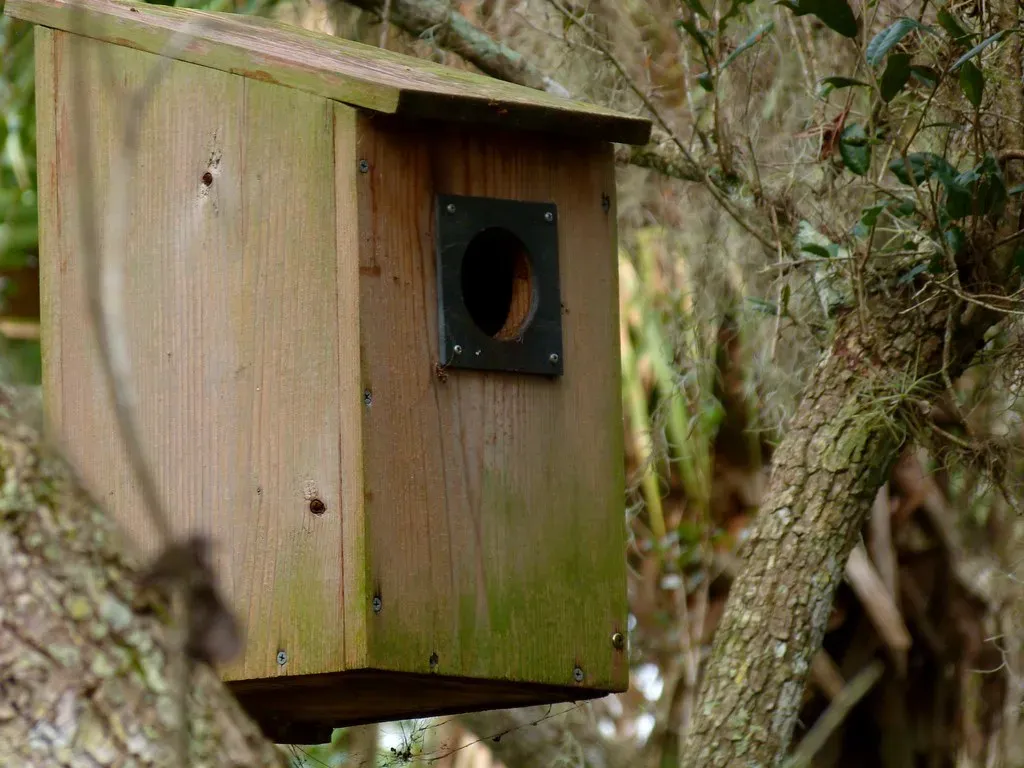
Conventional nest boxes, the kind that work perfectly well for smaller owls, turned out to be a poor match for a species this large and this particular. Conservationists installed nesting boxes as an early fix, but with limited success – a 2011 study in Victoria documented a pair of owls using one such box, though only one of their two chicks actually survived.
Worth Knowing
- Standard boxes often disintegrate within just a few years of use
- Poor ventilation design can cause dangerous overheating
- Marine-plywood construction released toxic vapors in some boxes
- A 2011 Victoria study saw only one of two chicks survive in a monitored box
The problems went well beyond low uptake. The boxes tend to disintegrate and become unusable after only a few years, and design flaws can lead to overheating, poisoning from toxic marine-plywood vapors, or chicks that simply fail to grow properly. A well-intentioned conservation fix was quietly poisoning or cooking the very chicks it was meant to save. It’s one of the more uncomfortable findings in urban owl research: good intentions without rigorous design testing can backfire badly.
#11 – Burrowing Owls Actually Track How Fast Cities Expand Around Them
Not every owl lives in trees – and the ones that nest underground gave researchers a completely different way to measure urbanization’s pace.
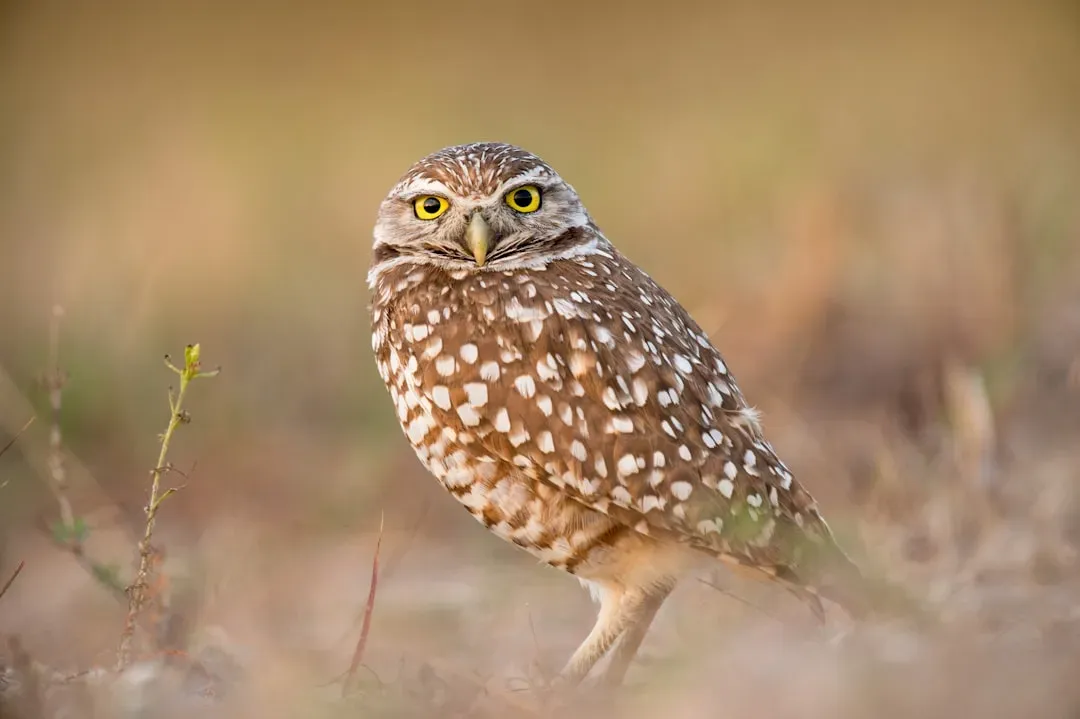
A five-year study in coastal Argentina used satellite imagery to compare how burrowing owls responded to two towns growing at wildly different speeds. Researchers monitored two populations nesting in separate coastal villages, digitizing satellite images to track the year-over-year growth of urbanized land while simultaneously recording changes in the number and location of owl burrows.
The contrast in development speed was extreme. Over the study period, one village saw building coverage grow by a modest 17%, while the other exploded by 269%. That’s not gradual urban creep – that’s one town going from empty coastline to dense development in five years, with owl nests acting as an accidental tracking device. Related research on the same species found the disruption didn’t necessarily hurt them: urban populations showed notably higher densities, and urban individuals were more loyal to their territory and more productive than their rural counterparts.
#12 – Rat Poison Is Quietly Killing the Owls That Eat Rats
This is the finding that should genuinely worry anyone who’s ever set a box of rodenticide out near their own home.
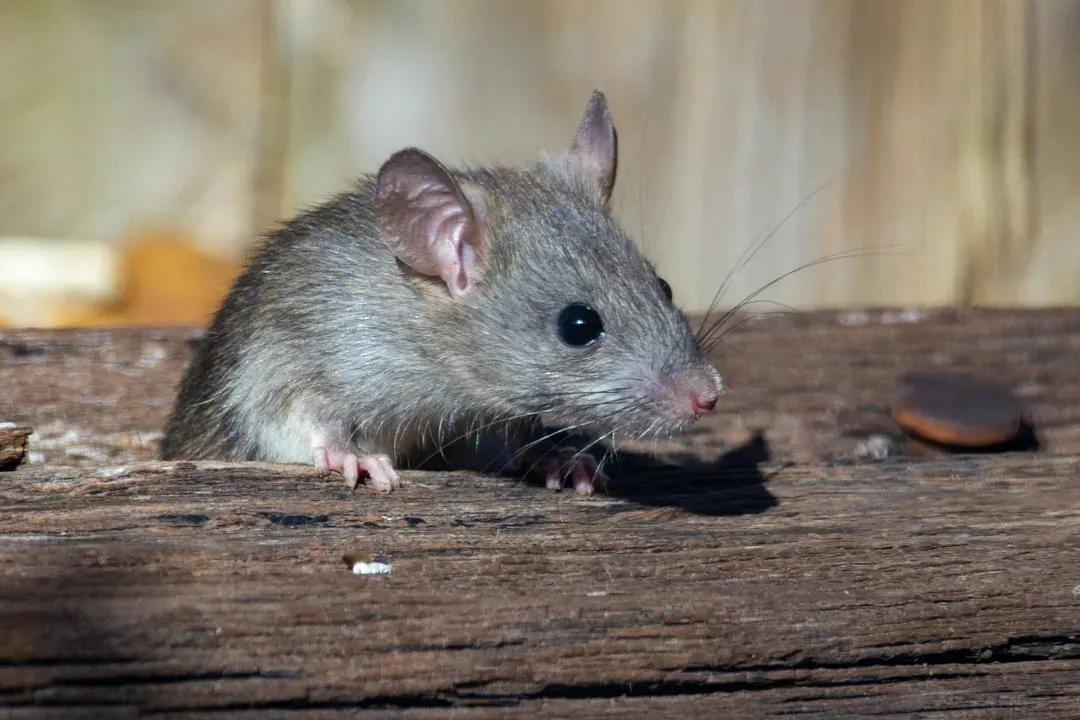
Owls eating rodents in cities are, by extension, eating whatever chemicals were used to kill those rodents first. New York City’s screech owl population gave researchers a grim case study. A necropsy of an adult female eastern screech-owl, found dead in late January 2002, revealed poisoning by brodifacoum, an anticoagulant rodenticide – and the bird had been in good flesh, with abundant fat reserves, showing no outward sign of trouble.
The mechanism is brutally simple. Poison bait boxes contain toxins that spread up the food chain to predators eating the targeted rodents. After a rat or mouse ingests the poison, it interferes with blood clotting and kills the animal within four to 14 days – long enough for it to be caught and eaten several times over by an owl, hawk, or fox. A healthy-looking, well-fed owl can still be dying internally from a poison it never directly touched. Researchers now flag this as one of the single biggest hidden threats to urban raptor populations worldwide, echoing the slow, decades-long DDT crisis that once nearly wiped out bald eagles.
#13 – Universities Are Now Replacing Poison with Owl Nest Boxes
The most hopeful finding to come out of urban owl research might also be the simplest: stop poisoning the food chain, and let owls do the job instead.
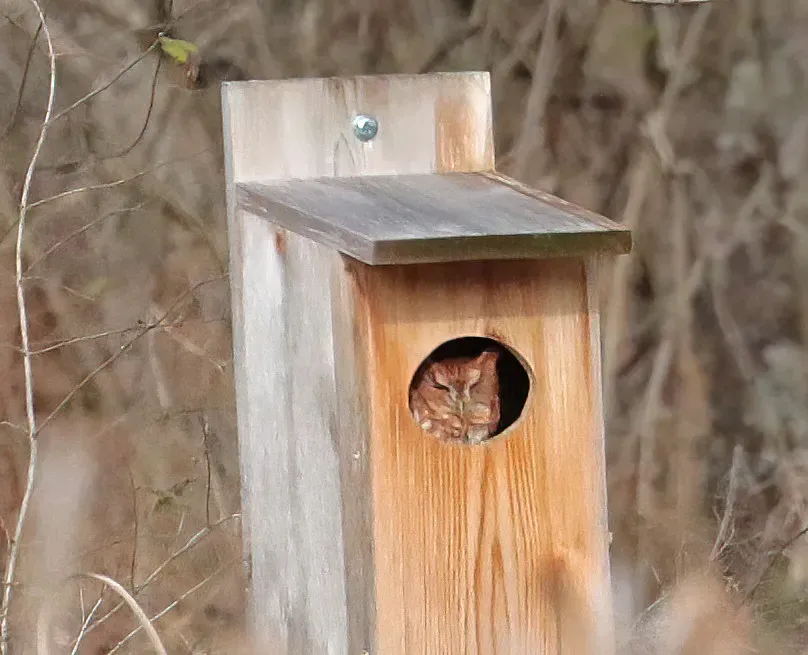
Graduate students at Western University in Ontario took this idea directly to campus administrators, backed by their own research into pest control effectiveness. The students argued the school should replace rodenticide traps with screech owl nest boxes, calling it a safer and more sustainable way to manage campus pests. They convinced the university to let them install 10 owl nest boxes in trees and roof peaks around campus.
Why It Stands Out
- California vineyards have used barn owl boxes for decades instead of poison
- One vineyard recorded barn owls killing more than 30,000 rodents in three years
- The approach costs a fraction of traditional trapping or poisoning programs
- Western University installed 10 nest boxes as a campus-wide pilot program
The reasoning was blunt and evidence-based. One student noted that rodenticide boxes are “not as effective as people think,” while screech owl nest boxes attract owls that eat rats without introducing chemicals that ripple through the ecosystem. Similar programs elsewhere back this up with real numbers: California vineyards have been swapping rodenticides for barn owl nest boxes for decades, and one study found barn owls killed more than 30,000 rodents in a single vineyard over three years, at a fraction of the cost of trapping or poisoning. A single owl family can out-perform an entire chemical pest-control budget – and do it without poisoning every predator up the food chain along the way.
The Bottom Line
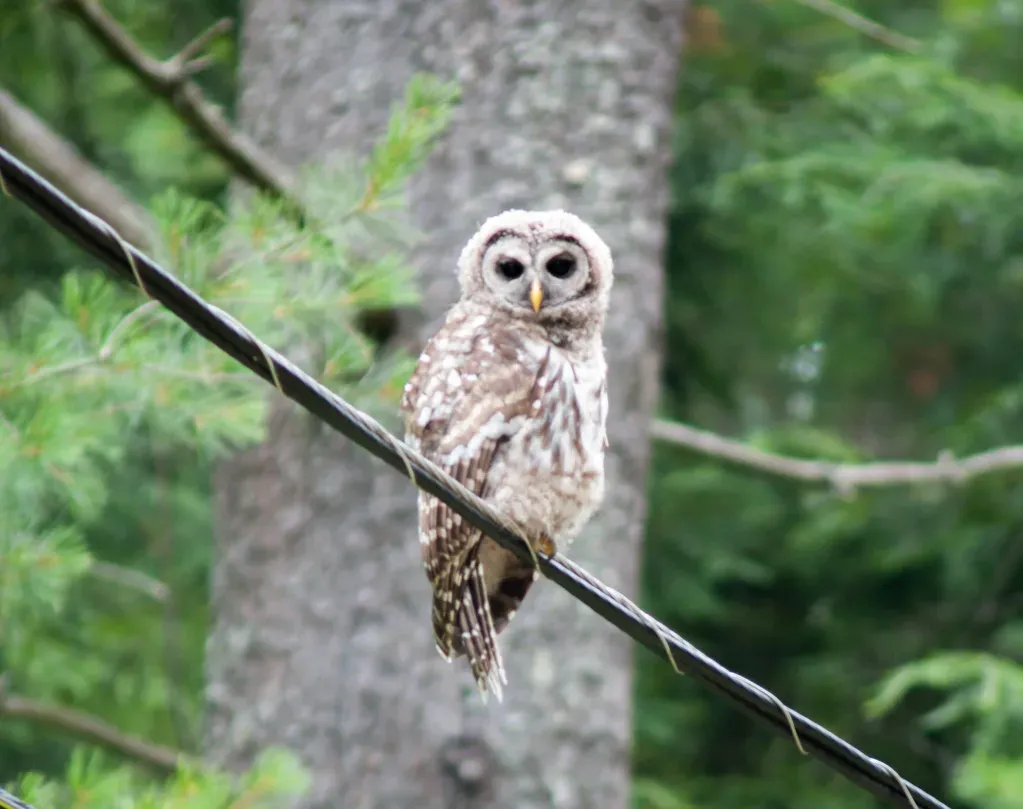
The research is clear on one uncomfortable truth: owls didn’t adapt to cities because we made room for them – they adapted despite us largely ignoring them. Charlotte’s barred owls proved cities can out-produce forests, while Australia’s powerful owls prove the opposite can happen just as easily when nesting habitat vanishes without a backup plan.
The single most alarming pattern across every study is rodenticide – a slow, invisible poison working its way up from rat to owl, undoing decades of population gains in total silence. If there’s an opinion worth defending here, it’s this: nest boxes and 3D-printed hollows are band-aids, not fixes. Cities that actually want owls need to leave old trees standing and rat poison on the shelf.
Which finding surprised you the most? Drop it in the comments.