
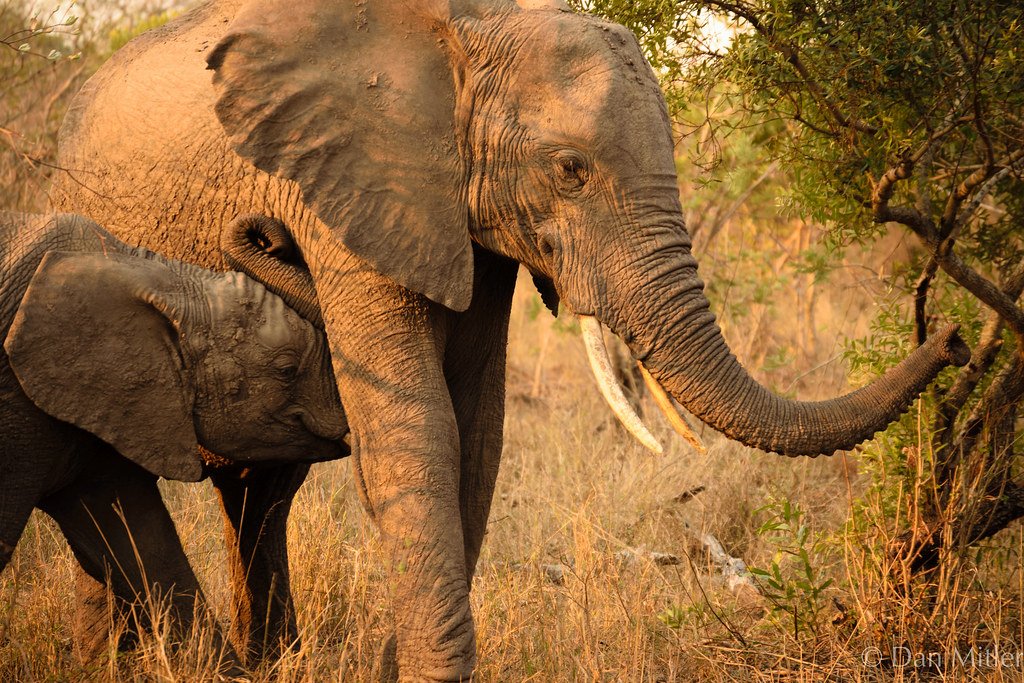
Most people assume “elephants never forget” is just a cute saying passed around at zoos and nature documentaries. The reality is far stranger. Field biologists have spent over three decades documenting elephant recall that outperforms almost every land mammal on Earth – and yet the same scientists studying these animals up close will admit, plainly, that they still can’t explain what’s actually happening inside an elephant’s mind.
The behaviors themselves are undeniable. Elephants return to the bones of their dead. They remember a caretaker’s scent more than a decade after saying goodbye. They walk in dead-straight lines toward water they haven’t touched in 35 years. But the internal experience behind every one of those moments? Still locked away, behind a wall no brain scanner has broken through. Here’s what researchers actually know for certain – and the thirteen deeper mysteries even cutting-edge science can’t yet measure.
#1 – Why Elephants Return to Bones for Reasons We Can’t Confirm
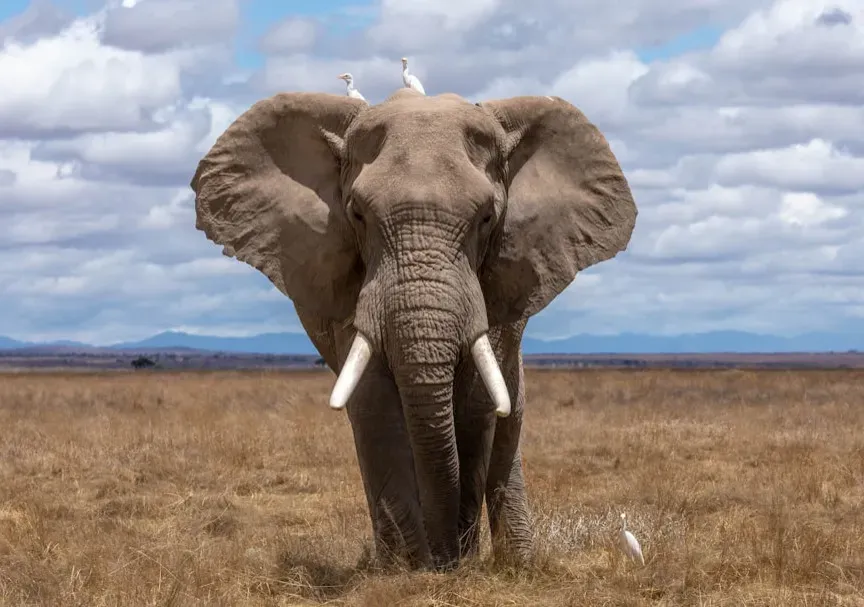
Elephants don’t just walk past the remains of their own kind – they stop, and they linger. Researchers studying wild herds have documented members of three different elephant families visiting the body of a deceased matriarch, smelling and touching and repeatedly passing by the corpse over the following days.
Scientists can log every trunk touch and every minute spent at the site, but they can’t answer the deeper question underneath it. The behavior itself is measurable. The motivation is not. As one bioethicist studying the phenomenon put it, science can observe a given behavior, but it is very difficult to know what feeling has motivated that behavior.
Some biologists call it grief. Others refuse to use that word at all. In controlled testing, elephants have even been shown to seek out the skulls and ivory of their own species over the remains of other animals – but the emotional trigger behind that preference has never been isolated in a lab. That mystery deepens when you consider how elephants respond to their own dead relatives specifically, which brings us to an even stranger finding.
#2 – Whether an Elephant Can Actually Recognize Her Own Mother’s Skull
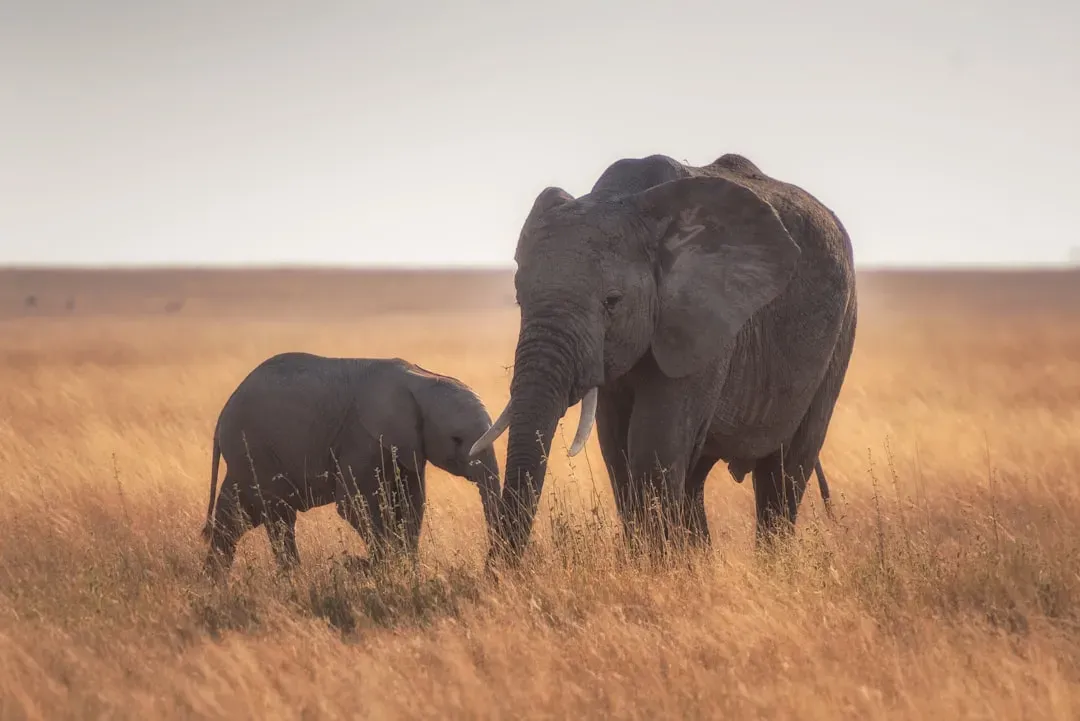
Here’s a controversial twist that contradicts a lot of viral “elephant grief” content online: elephants may not be able to pick out the remains of their own family member at all.
In a landmark experiment, researchers gave three elephant families – each of which had recently lost a matriarch in their female-led society – a choice between the skull of their own matriarch and the skulls of two unrelated matriarchs. The result surprised almost everyone. The elephants did not favor the skull of their own dead matriarch, suggesting they may not be able to specifically identify the remains of their own relatives.
That finding challenges the popular idea that elephants mourn specific individuals by face forever. Elephants clearly remember “elephant” as a category worth investigating – but personal recognition of remains may not be part of that memory at all. Researchers still don’t know if this is a sensory limitation, a memory gap, or something else entirely. It’s one of the biggest unresolved contradictions in elephant cognition research today.
#3 – The Hidden Emotion Behind a 13-Year Scent Memory
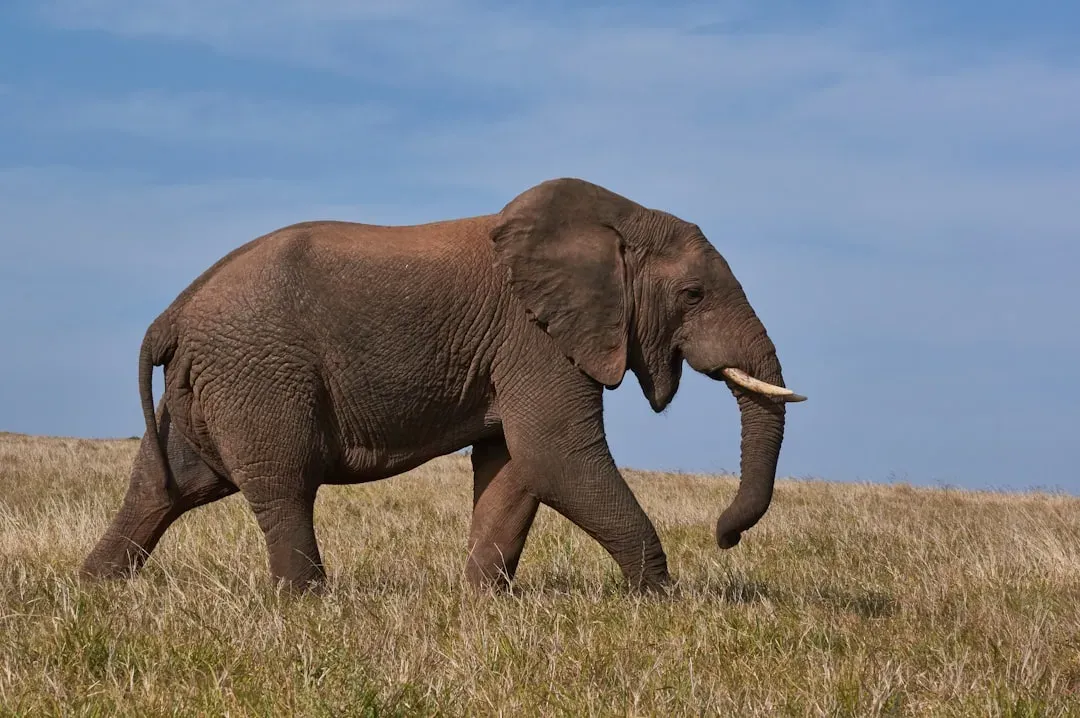
Smell might be the most underrated memory trigger in the entire animal kingdom, and elephants may be its greatest masters. In a 2024 study published in the journal Zoo Biology, scientists tracked two female elephants who had relocated from the Berlin Zoo to Hodenhagen 13 years earlier, and tested whether they still responded to the scent of former caretakers.
The study provided the first solid evidence that elephants can recognize the scent of their keepers even after more than a decade apart. The lead researcher noted the elephants showed heightened interest specifically toward scents belonging to people who had once cared for them.
Fast Facts
- Study published in Zoo Biology in 2024
- Two female elephants tracked across a zoo relocation
- 13 years passed since the elephants last had contact with the scent-source
- Elephants showed heightened interest in former caretakers’ scents specifically
What researchers still cannot measure is why the elephants leaned in longer, sniffed harder, or lingered near those particular scents. Is it comfort? Curiosity? Something closer to longing? No instrument exists that can translate a trunk’s extra three seconds of sniffing into an emotional readout. The behavior is documented. The feeling behind it remains locked inside the elephant.
#4 – Whether Elephants Truly Understand That Death Is Permanent
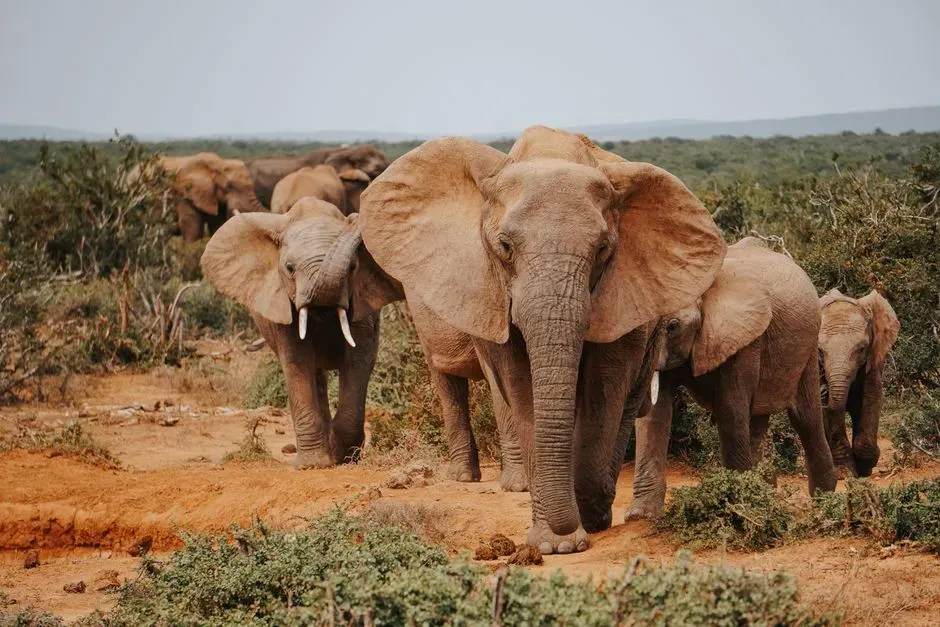
Grasping mortality is considered one of the most advanced cognitive milestones in the animal kingdom, and elephants keep hinting they might have it. Researchers have long noted elephants “grasp the concept of death and feel emotions such as sorrow, grief and loss,” pointing to behaviors like touching and caressing the bones of the dead, moving them to different locations, and covering them with grass, leaves and tree limbs.
In 2024, researchers from the Indian Institute of Science Education and Research documented something even more specific: five cases of Asian elephants burying their dead calves, complete with sustained vocalizations that lasted up to an hour.
But here’s the friction point most articles skip: critics say the burial reports, recorded in the Journal of Threatened Taxa, lacked direct field observation. Behavior that looks like mortality-awareness could also be reflexive scent-avoidance or instinctive calf-handling gone wrong. Until researchers can separate “acting like death is understood” from “actually understanding death,” this remains one of the biggest open questions in animal cognition.
#5 – What a 35-Year-Old Water Memory Actually Feels Like

Somewhere in an elephant’s brain sits a map that can be decades old and still perfectly accurate. During one of the most cited drought studies in elephant science, researchers observed matriarchs leading their families to remote water holes they hadn’t visited in over 35 years – sources that weren’t on any regular migration route but were remembered from the previous major drought decades earlier.
Even more striking, the elephants traveled in straight lines for up to 50 kilometers to reach these obscure water sources, a route choice that ruled out random wandering. Herds with older matriarchs had dramatically higher survival odds – calf survival rates were significantly higher in herds led by older females during drought periods compared to herds led by younger ones.
Researchers can track GPS coordinates, but they can’t scan for the actual neural “flashback” moment when a decades-old memory gets triggered by present-day thirst. That subjective moment of recall – the elephant equivalent of “wait, I know this place” – has never been captured by any device.
#6 – The Real Number of Individuals an Elephant Can Track by Scent Alone
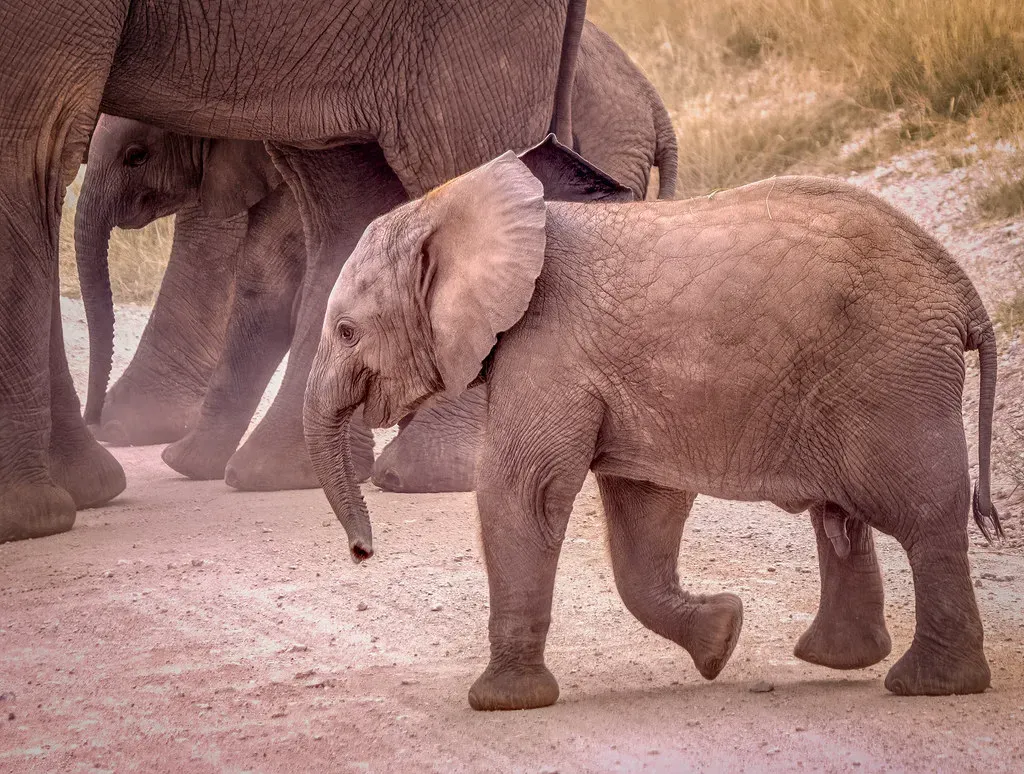
Most people assume elephants remember a handful of close family members. The actual number is far bigger – and far blurrier at the edges. One review of elephant cognition studies found evidence that elephants may recognize at least 17, and possibly up to 30, different individuals based on olfactory information alone, while holding expectations about where each of them should be.
That’s not casual familiarity. That’s a working mental roster of scent-signatures paired with expected physical locations – what researchers describe as a large working memory capacity for spatial information, alongside efficient recall of the olfactory cues tied to specific individuals.
At a Glance
- Minimum documented count: 17 individuals tracked by scent
- Upper tested range: up to 30 individuals
- Memory type: scent-signature paired with expected location
- True ceiling: unknown, since 30 was simply the largest group ever tested
Here’s the catch nobody talks about: researchers don’t actually know where that number caps out. Thirty individuals was simply the largest group tested – not necessarily the elephant’s true ceiling. Wild herds regularly interact with dozens of extended family members and rivals across a single season. Whether an elephant is quietly tracking 40, 60, or 100 individual scent-profiles at once is a question no lab has been equipped to answer yet.
#7 – Whether Elephants Dream Their Memories in Just Two Hours of Sleep
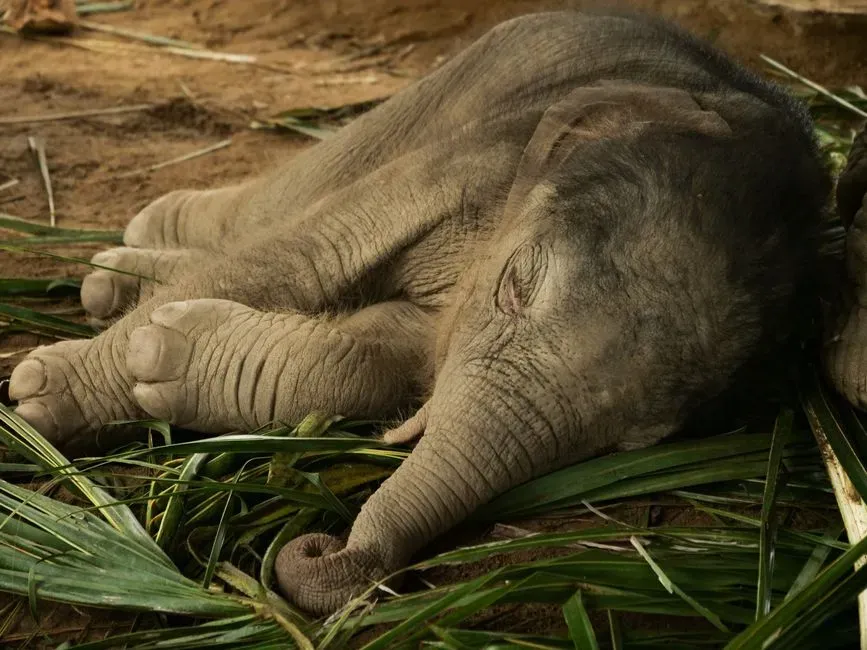
This is the fact that stops most people cold: elephants sleep less than almost any other mammal on the planet, which raises an unsettling question about how they even store all this information. Wild elephants have been recorded sleeping for roughly two hours a night, standing for most of it, only occasionally lying down.
In humans, memory consolidation – the process of “filing” a memory from short-term to permanent long-term storage – happens heavily during deep sleep and REM cycles. If elephants get a fraction of the sleep humans need, how are they consolidating decades of migration routes, water holes, and individual scent profiles at all?
No sleep-lab study has ever mapped an elephant’s brain activity during those brief rest windows against the sprawling databases of routes and relationships they’re known to retain. Researchers reviewing elephant memory literature have openly acknowledged there is remarkably limited empirical research on the memory capacities of any living elephant species. The sleep-memory link in elephants remains almost entirely unmeasured.
#8 – How a Single Human Voice Gets Filed Away for Twenty Years
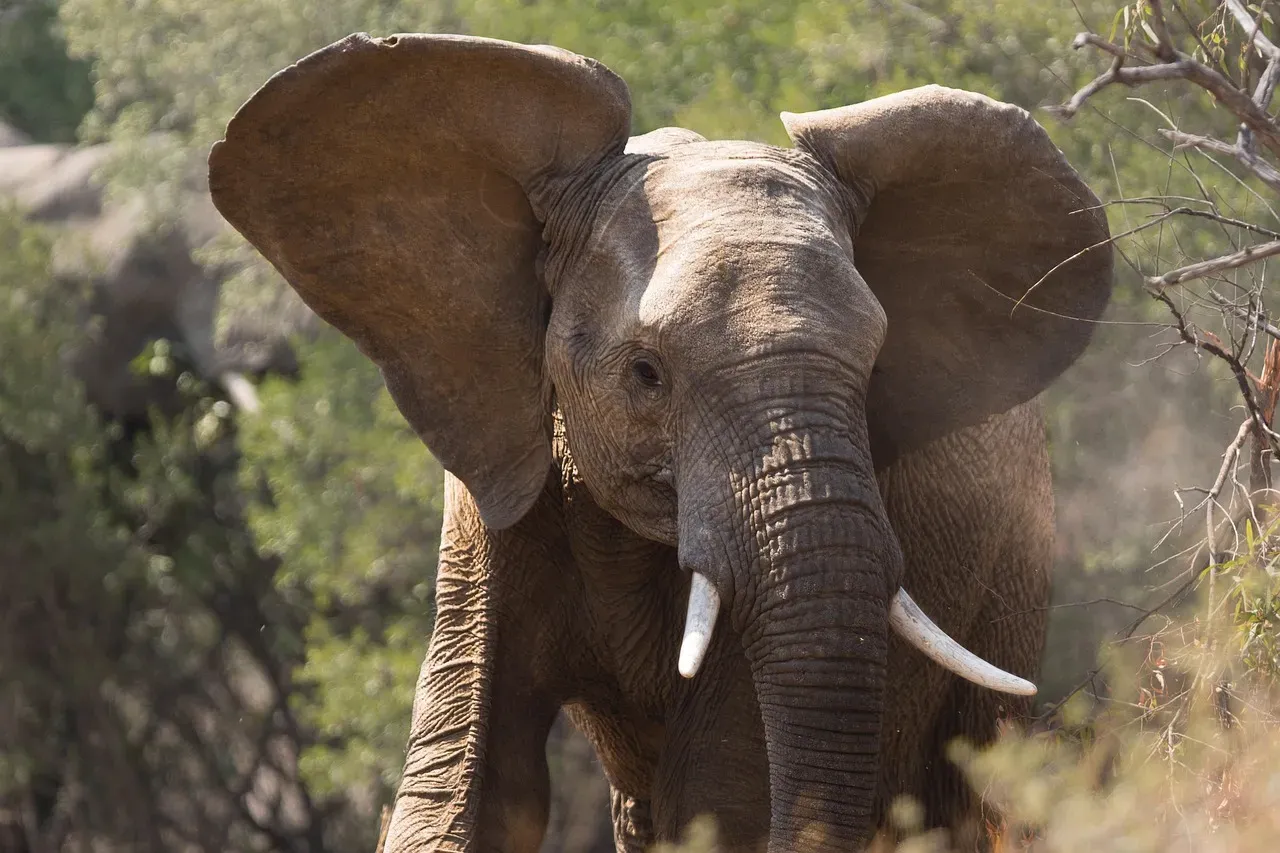
Elephants don’t just remember other elephants – they build detailed, permanent files on individual humans, sometimes after just one encounter. Cognitive researchers note that an elephant’s hippocampus and cortex allow it to remember individual herd members, watering holes, migration routes, and even human faces decades later, with some elephants recognizing people they last met 20 or more years earlier.
In one striking field example, researchers dressed in clothing resembling that of tribal groups known for spear-throwing rituals found that elephants reacted warily and showed negative signals decades after the original encounters – even though the “threat” this time was just fabric.
The elephants weren’t reacting to a smell or a sound – they were reacting to a category of danger tied to visual memory of clothing patterns. That’s a level of abstraction researchers still can’t fully quantify. Is the elephant recalling a specific bad day, or has it built a generalized threat-template from repeated experience? Nobody has yet designed an experiment precise enough to separate the two.
#9 – Whether Trauma From Poaching Gets Passed Down Like a Warning
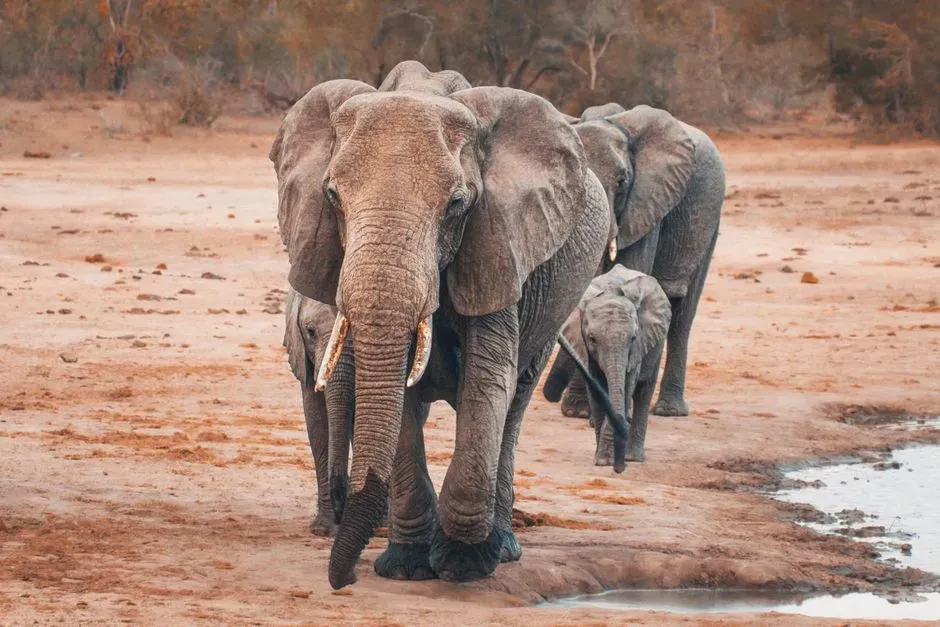
This is one of the more unsettling theories circulating in elephant research circles, and it’s backed by real behavioral shifts. Elephants that survive violent encounters with humans – culling operations, poaching attempts, habitat conflict – often show long-lasting behavioral changes, and younger elephants in the same herd sometimes display the same wariness even without having witnessed the event directly.
Field researchers describe how elephants remember dangerous places specifically: they remember where predators attacked, they remember regions disturbed by humans, and they remember migration routes used by generations before them.
That third point is the unsettling one. If migration routes get passed between generations through observed behavior rather than direct experience, it suggests trauma-adjacent caution could theoretically travel the same way – matriarch to calf, herd to herd. No study has definitively proven multi-generational trauma transmission in elephants the way it’s been studied in some rodent models. It remains a plausible, disturbing, and entirely unmeasured possibility.
#10 – The Mechanism Behind Sensing a Death From Miles Away
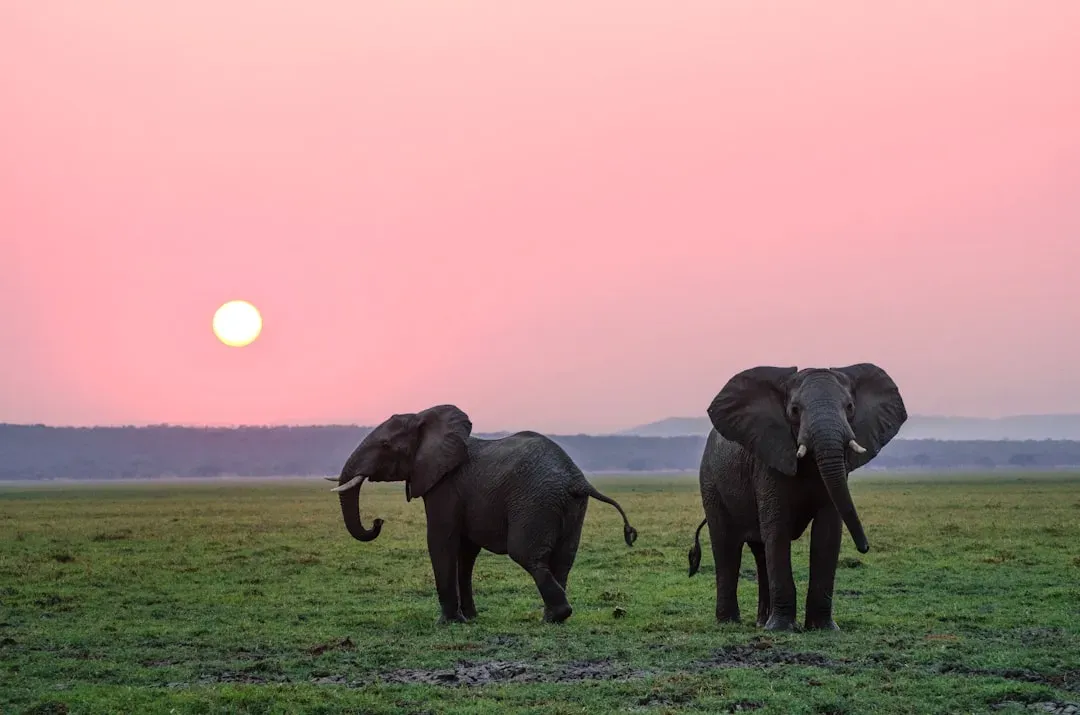
Every elephant researcher has heard some version of this story, and it still doesn’t have a scientific explanation. When conservationist Lawrence Anthony passed away, wild elephants that had known him previously congregated for a two-day vigil, traveling miles to stand guard outside his house.
It’s one of the most widely cited anecdotes in elephant behavior circles – and one that highlights exactly where the science runs out. As one recent review of the story put it, the interpretation that the elephants somehow learned of his death and traveled to mourn him requires a mechanism that no one has identified, despite elephants having extraordinary sensory capabilities including infrasound communication over miles and seismic detection through their feet. Whether any of these could account for detecting a human death at the reported distance remains unknown.
Worth Knowing
- Elephants communicate using infrasound detectable over long distances
- They can sense seismic vibrations through sensitive receptors in their feet
- Wild elephants traveled for a two-day vigil after Lawrence Anthony’s death
- No confirmed mechanism explains how they could have detected the death itself
This is the single clearest example of “documented but unexplained” in all of elephant science. The arrival happened. Witnesses confirmed it. But the sensory pathway connecting a distant death to a herd’s sudden decision to travel there has never been reverse-engineered. Infrasound theories are popular, but nobody has proven it.
#11 – Whether Elephants Have True “What-Where-When” Memory
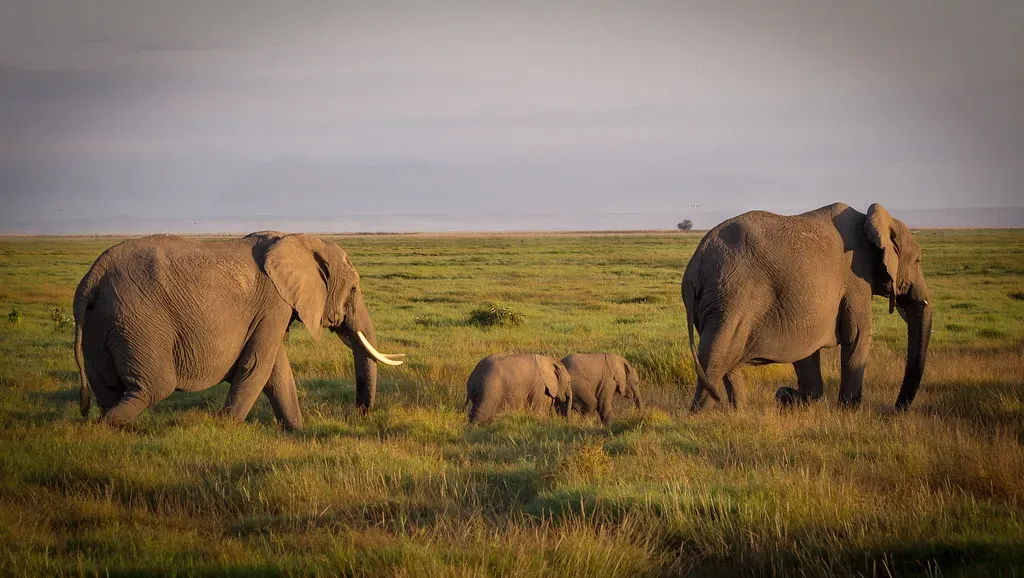
Human memory has a special category called episodic memory – the ability to recall not just a fact, but a specific moment, tied to a specific place and time. Scientists are still arguing over whether elephants have it.
A comprehensive review of elephant cognition research concluded that despite decades of anecdotal confidence, well-controlled experimental tasks to test elephant memory remain limited, and much of what we know comes from observing behavior in the wild rather than from controlled memory experiments. That’s a significant admission from scientists who study this for a living.
Remembering a location is not the same as remembering a specific moment tied to that location. An elephant returning to a water hole could be running on pure spatial memory – “water exists here” – without any accompanying memory of the specific day it first found that water. Proving true episodic recall requires experiments almost nobody has designed for elephants yet, because testing “when” something happened in an animal’s mind is notoriously difficult.
#12 – What Happens When an Elephant Returns to Its Birthplace
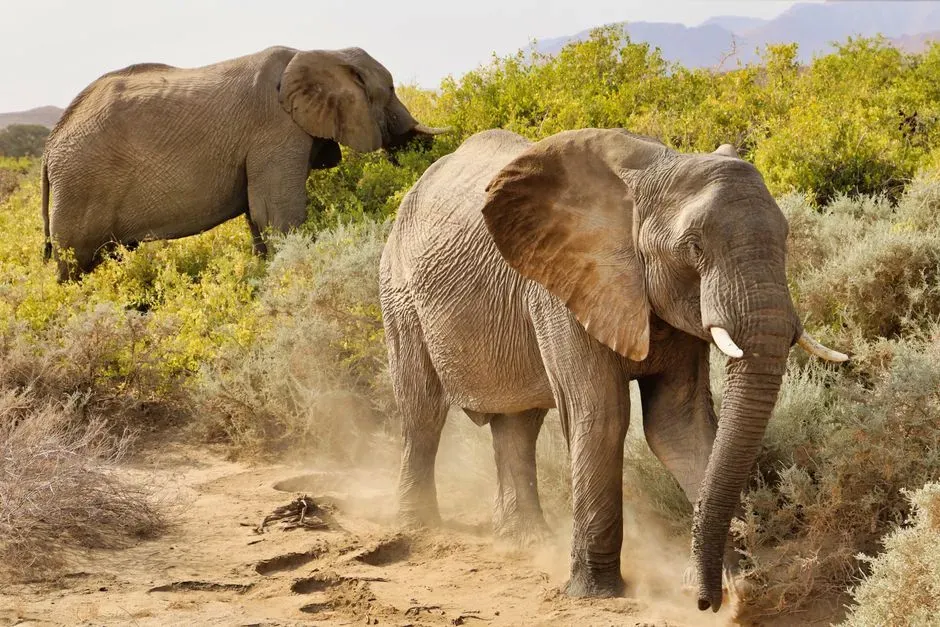
There’s a pattern researchers keep noticing in long-term tracking data: elephants sometimes travel enormous distances back to locations tied to their earliest years, decades after leaving. Spatial memory research shows African savanna elephants ranging over home ranges of up to 11,000 km², navigating using remembered landmarks, dry-season water sources, and migration corridors used by the same family for generations – with GPS tracking confirming purposeful, direct routes to specific water sources not visited in months or years.
Some of those corridors trace directly back to where a matriarch was born.
What researchers can’t yet measure is whether this counts as nostalgia, habit, or pure resource-logic. An elephant returning to its birth region could simply be following the most efficient known path to reliable water – no emotional pull required. Or it could be something closer to a deliberate homecoming. Until brain-imaging technology can be safely used on free-ranging elephants mid-journey, that distinction stays theoretical.
#13 – The Upper Limit of Elephant Memory Nobody Has Found Yet
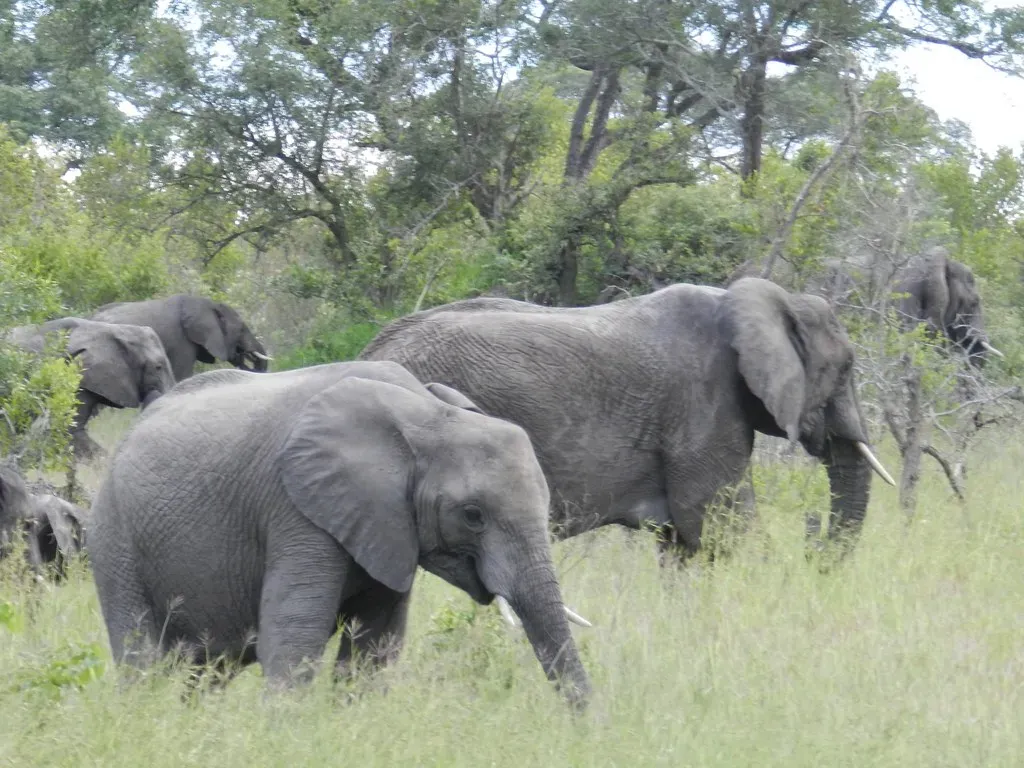
After decades of study, here’s the most humbling admission in the entire field: nobody has ever found the ceiling of an elephant’s memory capacity. Every controlled test – quantity discrimination, odor recall, tone discrimination – keeps returning the same result: elephants remember more than the experiment was designed to measure.
One classic study found an Asian elephant could learn to discriminate between 12 tones, and after one full year, still remembered the meaning of each one. Other studies show elephants retain knowledge of which odors were rewarded and maintain accuracy when tested after 2, 4, 8, and 16 weeks – and in a separate study, after 3 weeks and even a full year.
Quick Compare
- Tone discrimination: 12 tones remembered accurately after 1 full year
- Odor-reward memory (study one): accuracy held at 2, 4, 8, and 16 weeks
- Odor-reward memory (study two): accuracy held at 3 weeks and again at 1 year
- Human-scent recognition: former caretakers recognized after 13 years apart
Every single test elephants have been given, they’ve passed at the maximum duration researchers bothered to test. Nobody has run the experiment long enough to find where elephant memory actually fails. As experts reviewing the field concluded, the evidence suggests elephant memory is far more impressive and complex than simply remembering lots for a long time. The true limit of an elephant’s memory may not be a scientific finding yet – it may simply be a question nobody has had the patience to test.
The Bottom Line
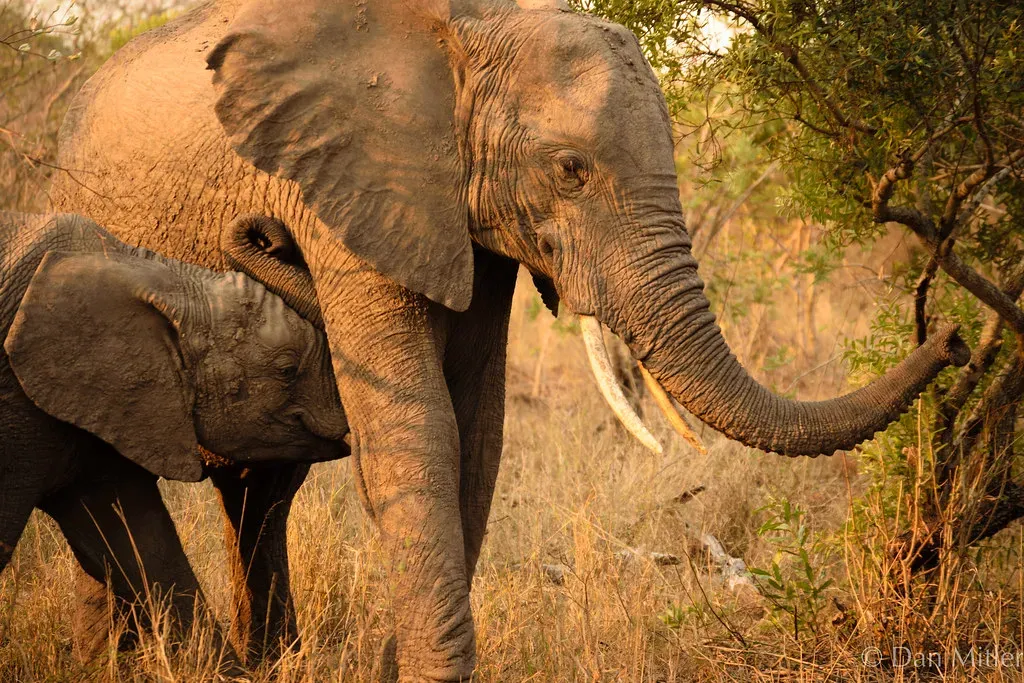
The uncomfortable truth is that “elephants never forget” undersells the mystery, not oversells it. Every documented behavior – the 35-year water routes, the 13-year scent recognition, the bone-touching rituals, the vigils for humans – outpaces the tools researchers currently have to explain why it happens.
We can track GPS coordinates and log sniff-durations, but we still can’t measure grief, mortality-awareness, or the emotional weight behind a single trunk touch. That gap between documented behavior and measurable inner experience is, honestly, the most fascinating unsolved case in animal cognition today.
If you ask me, that gap is the point. The day science finally closes it, elephants will stop being a mystery and start being a mirror – and I suspect that’s exactly why so few researchers are in a hurry to finish the job. Which of these thirteen mysteries do you think gets cracked first? Drop your guess in the comments.