

Scientists have mapped the human genome, split atoms, and sent probes past the edge of our solar system. Yet ask a biologist to explain why you sleep, why you age, or how the first living cell sparked into existence – and you’ll get a shrug dressed up in technical language. Life on Earth is still, in fundamental ways, a mystery nobody has actually solved.
Most people assume science tidied up these basics decades ago. It hasn’t. From the switch that might control aging to the “junk” DNA quietly running your genome, here are 14 questions that still keep researchers up at night – and a few of the answers (or lack of them) might genuinely unsettle you.
#1 – How Did Life Actually Begin?
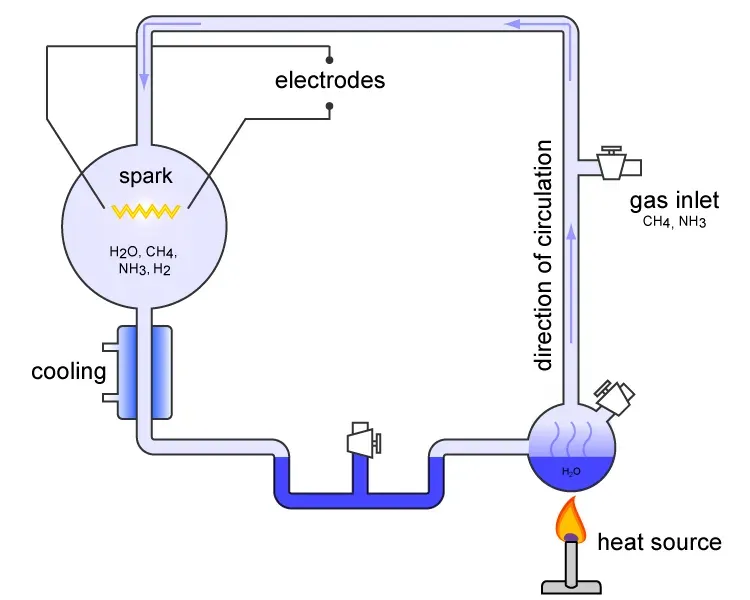
Every biology textbook confidently describes evolution, but flip back far enough and you hit a wall: nobody knows how non-living chemicals became living cells. This transition, called abiogenesis, remains one of science’s most stubborn unsolved puzzles.
Researchers have recreated early Earth conditions in labs and successfully generated amino acids, the building blocks of proteins. The famous 1952 Miller-Urey experiment produced organic compounds from basically lightning and gas, proving the ingredients for life could form naturally. But ingredients aren’t the same as a cake. Getting from loose molecules to a self-replicating, membrane-bound organism is a leap nobody has fully explained.
What I cannot create, I do not understand.
Richard Feynman
There are competing theories, too. Some scientists point to deep-sea hydrothermal vents as life’s birthplace. Others argue clay minerals or even outer space, via meteorites, seeded Earth with the necessary building blocks. Each theory has evidence, but none has closed the case. Turns out, the biggest event in Earth’s history remains scientifically unwitnessed.
#2 – Why Do We Age At All?
Aging feels inevitable, but biologically speaking, it shouldn’t have to happen the way it does. Many organisms barely age, or don’t age the way humans do, which raises an uncomfortable question: why do we?
There are several competing theories, and none of them has won. The “damage accumulation” model says aging is simply cellular wear and tear piling up over decades. Another theory blames programmed cellular processes, essentially arguing the body is wired to self-destruct once reproduction is no longer useful.
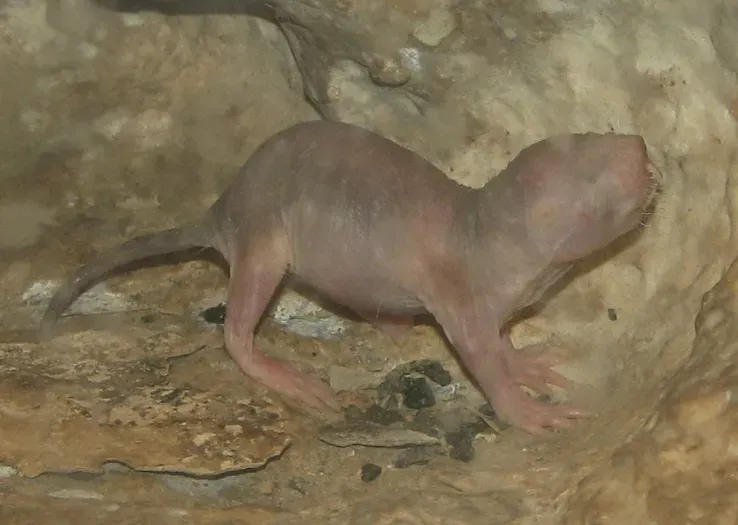
Naked mole rats barely show typical signs of aging and can live over 30 years despite being rodent-sized, which breaks the usual size-to-lifespan pattern seen across mammals. Then there’s the Greenland shark, estimated to live 250 to 500 years, and the fact that some jellyfish can essentially reverse their life cycle. If aging were simply “damage,” these species should show it too. Many longevity researchers now suspect aging is partly a switch that evolution could, in theory, flip differently. Nobody has found that switch yet.
Quick Compare
- Naked mole rat: Lives 30+ years with almost no visible aging, despite its small rodent-sized body.
- Greenland shark: Estimated lifespan of 250 to 500 years, among the longest-lived vertebrates on record.
- Immortal jellyfish: Can reverse its life cycle back to a juvenile stage under stress instead of dying.
- Humans: Typically live 70 to 80 years, shaped by both cellular damage and programmed limits.
#3 – What Is Sleep Actually For?

Every animal with a nervous system seems to need some form of sleep, yet the exact biological purpose of it is still debated among neuroscientists. This is embarrassing for a species that talks about sleep constantly.
The most popular theory says sleep helps the brain clear out waste, including proteins linked to conditions like Alzheimer’s. Studies suggest cerebrospinal fluid washes through the brain more aggressively during sleep, flushing out metabolic byproducts the body accumulates while awake. Another theory focuses on memory consolidation, the idea that sleep is when short-term memories get filed into long-term storage.
Here’s the friction point: if sleep were purely restorative, why would it leave animals vulnerable to predators for hours at a time? Evolution usually eliminates risky behaviors, not amplifies them. Some scientists argue this vulnerability proves sleep must be doing something so critical that the survival risk is worth it. What that “something” fully is remains unresolved, and some researchers now believe sleep serves several unrelated functions bundled into one.
#4 – Why Does Sex Even Exist?
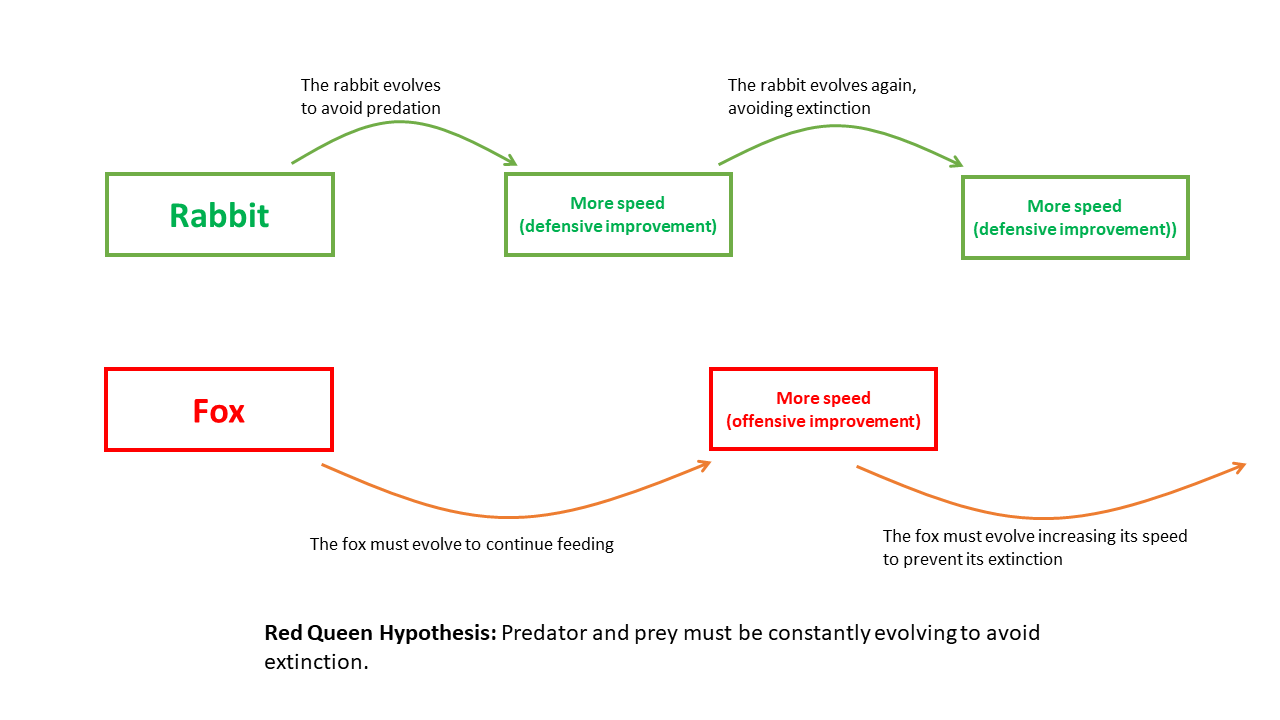
This sounds like a joke question, but it’s a legitimate evolutionary puzzle. Asexual reproduction is faster, more efficient, and doesn’t require finding a partner. So why did sexual reproduction become the dominant strategy for complex life?
The leading theory is called the “Red Queen Hypothesis.” It argues that sexual reproduction shuffles genes constantly, making populations less predictable and harder for parasites and diseases to exploit. Species that reproduce asexually can be wiped out rapidly once a pathogen cracks their genetic code, since every individual is essentially identical. Mixing genes through sex creates variation, which acts like a defensive shield.
But this doesn’t fully explain the cost. Sexual reproduction burns roughly twice the resources, since only half the population, females, actually produces offspring. Many biologists admit the math doesn’t cleanly balance out. Some now argue sex evolved for a mix of reasons stacked together, not one clean advantage, making it a messier story than the textbooks suggest.
#5 – What Actually Causes Consciousness?
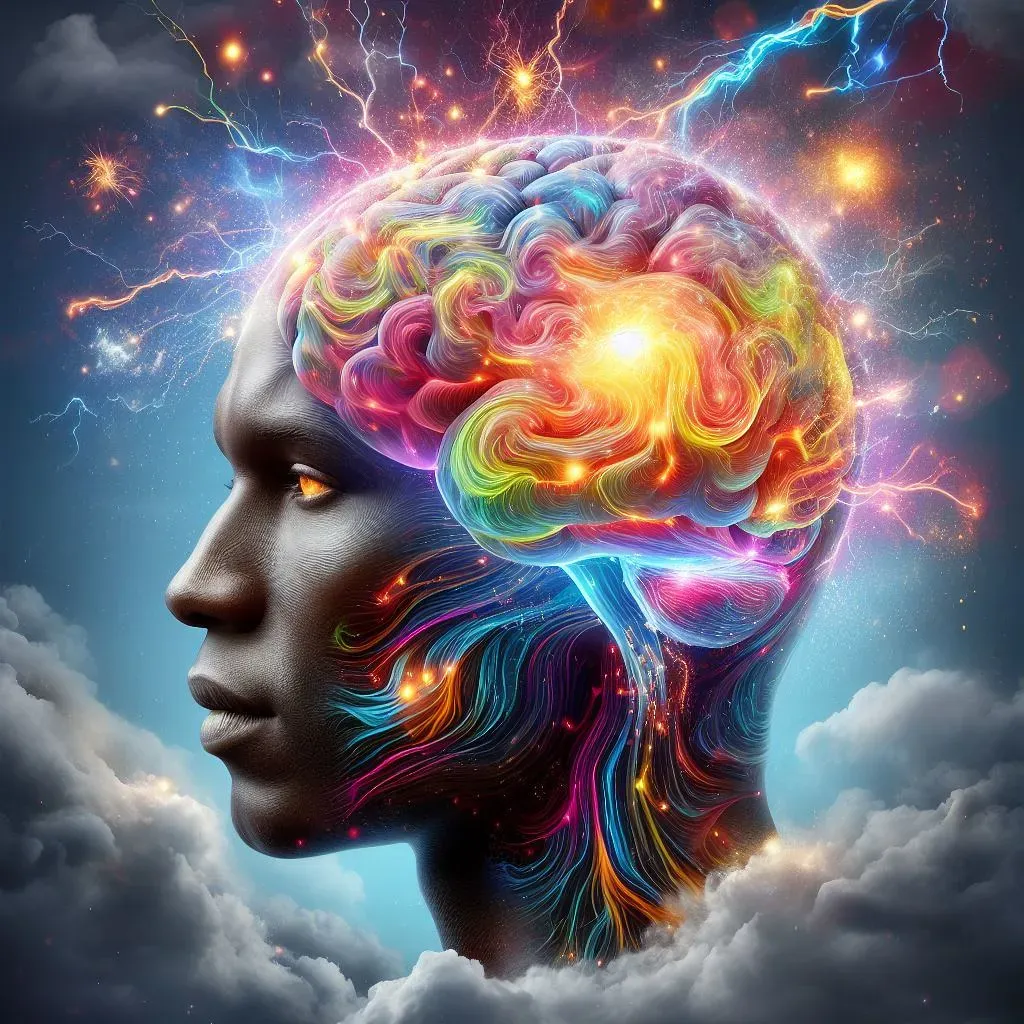
Neuroscientists can map which brain regions light up during different mental states, but explaining how electrical signals in gray matter turn into subjective experience remains untouched territory. This is often called “the hard problem” of consciousness, and it’s not solved.
Some researchers argue consciousness might not be exclusive to complex brains at all, pointing to evidence that even simple organisms display basic forms of awareness or responsiveness that resemble decision-making. If that’s true, the line between “aware” and “not aware” gets blurry fast. Other scientists lean toward the theory that consciousness emerges only past a certain threshold of neural complexity, but nobody agrees where that threshold sits.
This isn’t just philosophical navel-gazing. It has real stakes in medicine, particularly around patients in vegetative states or under anesthesia. Doctors need to know if a patient is “there” in any meaningful sense, and current science can’t always answer that with certainty. Consciousness remains, quite literally, invisible to direct measurement.
#6 – Why Is the Genetic Code Shaped the Way It Is?
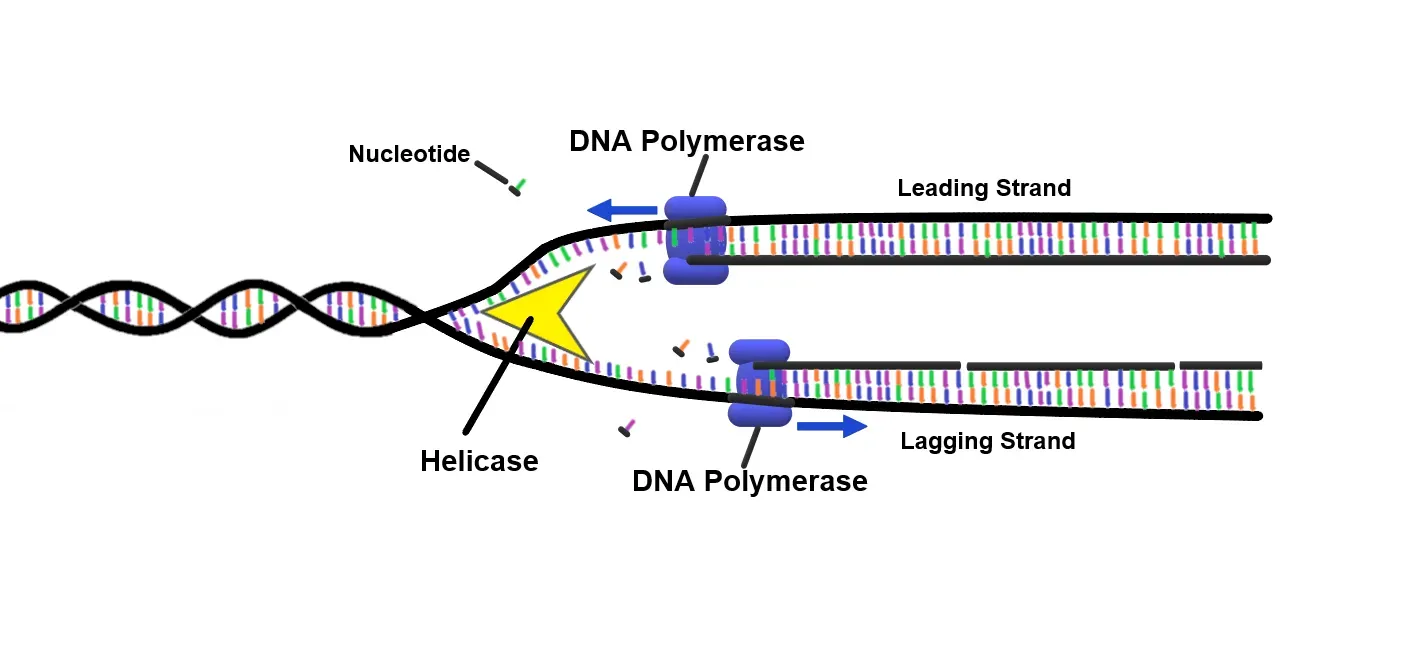
DNA uses a four-letter alphabet, A, T, C, G, arranged into three-letter codons that spell out proteins. This system works incredibly well, but scientists still don’t fully know why this particular code was the one life settled on out of many theoretically possible options.
There are thousands of ways a genetic code could theoretically be structured, yet nearly all life on Earth uses the same one. Some researchers argue this points to a single common ancestor whose code simply got locked in early and never changed, because mutations to the code itself would be catastrophic. Others argue the current code is unusually efficient at minimizing the damage caused by mutations, suggesting evolution actively selected it over rival versions.
A small number of organisms use slightly modified versions of the genetic code, proving it isn’t entirely fixed across all life. This detail keeps the debate alive. Was our code an accident that got frozen in place, or the survivor of an ancient competition among multiple genetic systems? Nobody has definitive proof either way.
#7 – How Many Species Actually Live on Earth?

This sounds like something a database should easily answer by now. It doesn’t. Estimates for the total number of species on Earth range wildly, and scientists openly admit they’re guessing within a very large margin of error.
Some estimates put the number in the low millions, while others push into the tens of millions once insects, fungi, and microorganisms are factored in properly. The ocean floor alone is thought to contain vast numbers of undiscovered species, many of which live in environments too remote or too small-scale for regular surveying. Microbial life complicates things even further, since bacteria and archaea can be genetically distinct enough to count as separate species yet look identical under a microscope.
At a Glance
- Named and catalogued species so far: roughly 1.2 to 2 million.
- Estimated total eukaryotic species, including undiscovered ones: around 8.7 million by some widely cited models.
- Some researchers push total estimates into the trillions once microbial diversity is included.
- Insects and marine organisms are thought to make up the bulk of species still waiting to be identified.
This isn’t a minor rounding error. It’s the difference between knowing roughly what’s alive on this planet and admitting we don’t. Conservation policy, disease research, and biodiversity protection all depend on having accurate numbers, yet the true species count remains one of biology’s most unresolved bookkeeping problems.
#8 – Why Do Some Animals Live for Centuries While Others Live for Days?
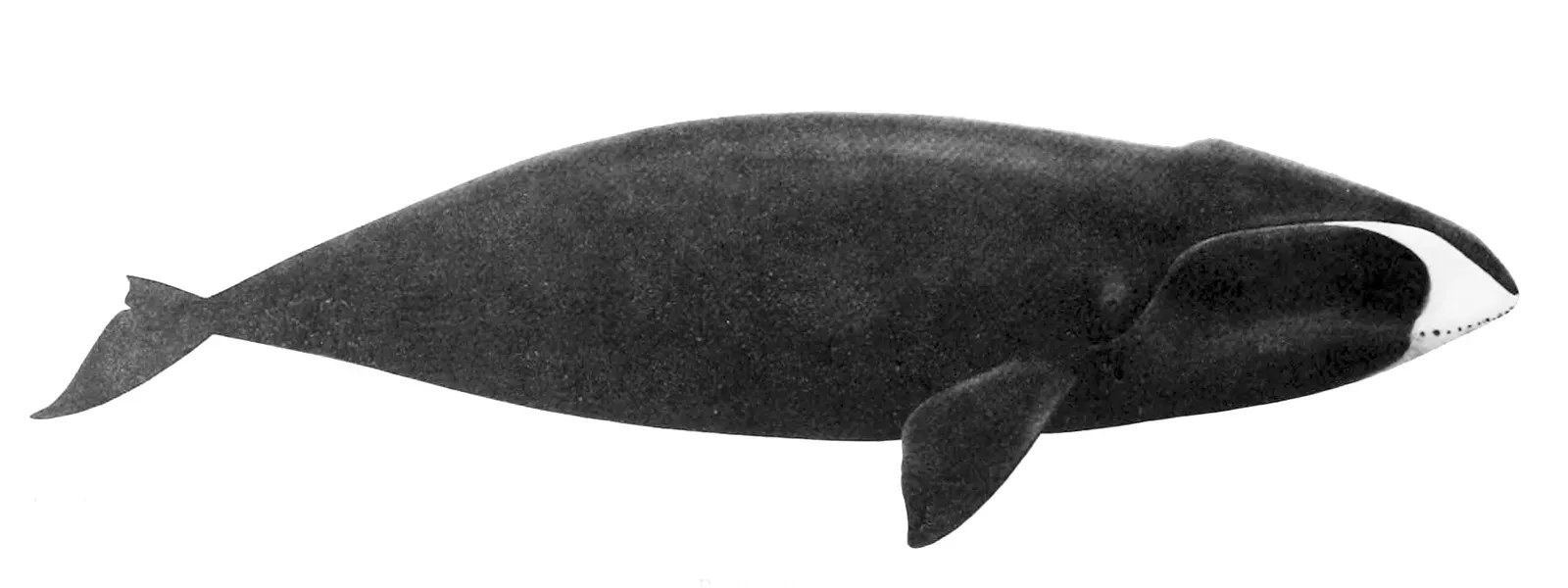
Lifespan across species varies from a single day to several centuries, and this range doesn’t follow a simple, predictable pattern. Bigger animals often live longer, but not always, and that inconsistency is exactly what makes this such a stubborn scientific question.
Bowhead whales are believed to live well over 100 years, and some individuals may reach 200. Meanwhile, certain mayflies live less than 24 hours as adults. Size, metabolic rate, and environment all seem to play a role, but none of them fully explain the extremes on their own. Turtles and tortoises defy expectations too, aging extremely slowly despite relatively modest body sizes compared to whales.
Genetic research into long-lived species has identified some cellular repair mechanisms that appear stronger in animals with longer lifespans, but the full picture remains incomplete. Many researchers now suspect there isn’t one universal aging mechanism at all, but a patchwork of different systems across species, each shaped by different evolutionary pressures.
#9 – What Actually Triggers a New Species to Form?
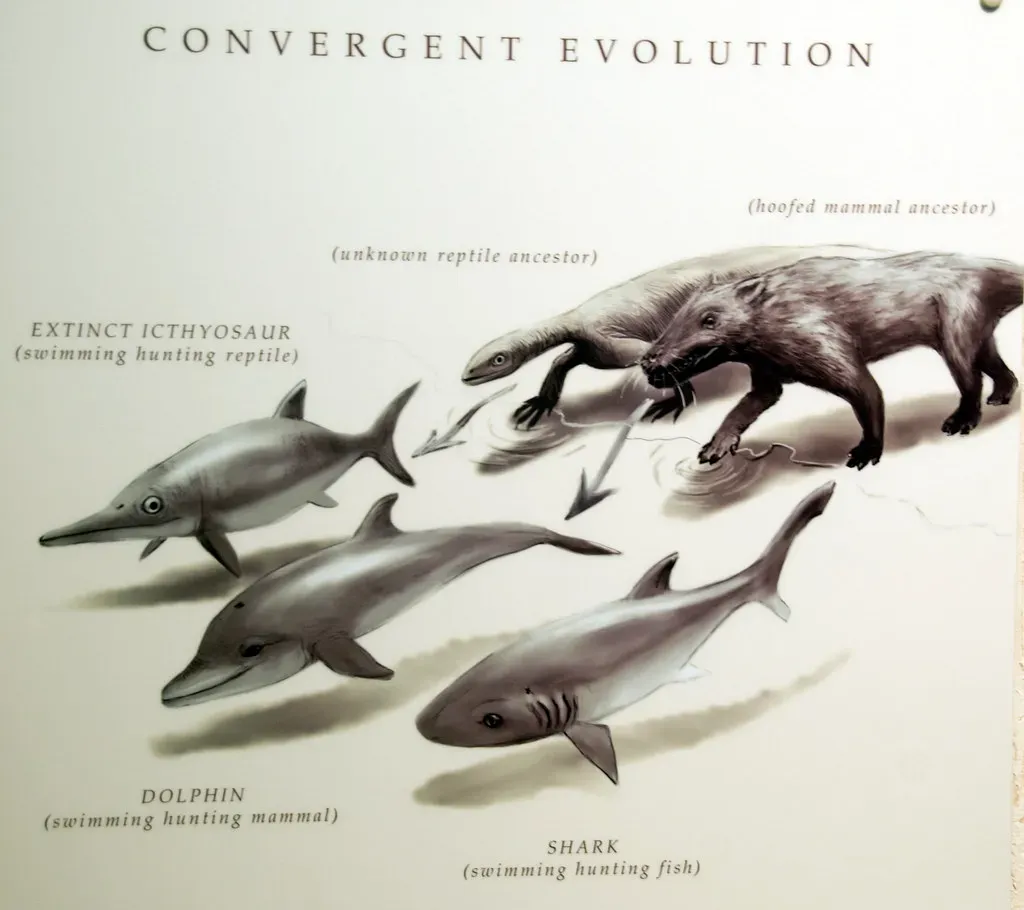
Evolution explains how species change slowly over generations, but the exact tipping point where one population splits into two distinct species is far messier than most people assume. Speciation isn’t a single dramatic event; it’s usually a slow accumulation of small differences, and scientists still argue about how to define the exact moment it happens.
Geographic separation is the most commonly cited trigger, where populations get physically isolated and drift apart genetically over time. But speciation has also been documented happening without physical separation at all, particularly in fish and insect populations that split due to behavioral or dietary changes alone. This complicates the classic textbook model considerably.
There’s also ongoing debate about how much genetic difference is actually required before two populations count as separate species instead of just distant relatives. Hybridization between supposedly separate species happens more often than expected in nature, blurring the boundaries even further. The concept of a “species” itself, ironically, doesn’t have one universally agreed-upon scientific definition.
#10 – Why Did Complex Multicellular Life Evolve More Than Once?
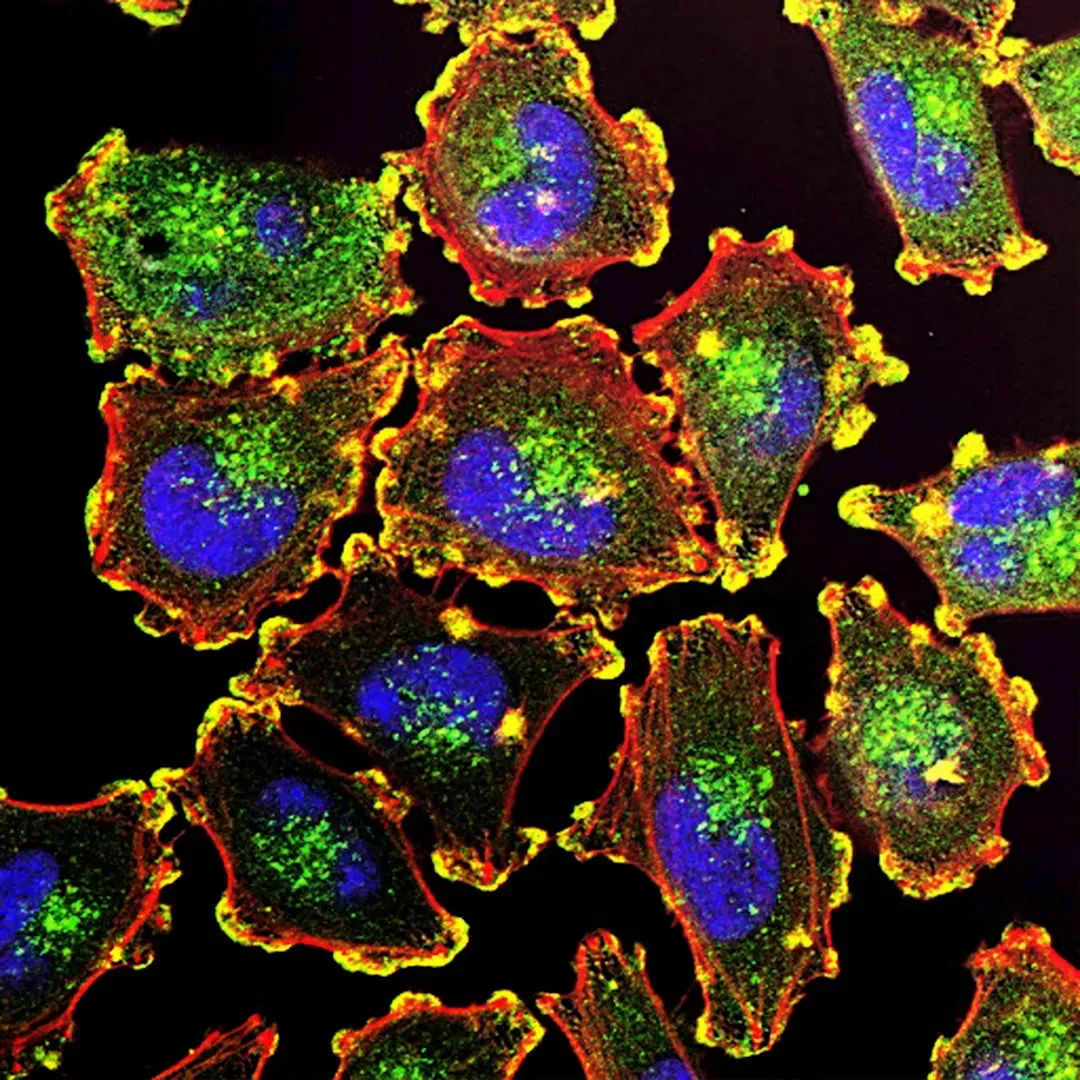
For roughly 2 billion years, life on Earth stayed almost entirely single-celled. Then, seemingly independently, multicellular life evolved multiple separate times across different lineages, including in animals, plants, fungi, and algae. Why this leap happened repeatedly, rather than just once, is still being debated.
One theory suggests rising oxygen levels in the atmosphere made larger, more complex bodies metabolically possible for the first time. Multicellularity may have offered a survival advantage against predators, since bigger clumps of cells are harder for microscopic predators to consume. Cooperation between cells, instead of pure competition, may have also been rewarded more heavily once environmental pressures shifted.
The controversial part is why this jump took so long. If multicellularity is genuinely advantageous and has evolved independently many times, why did single-celled life dominate Earth for the vast majority of its history before this transition kicked in? Some researchers argue the atmospheric and chemical conditions simply weren’t ready earlier, while others suspect a rare genetic accident had to happen first.
#11 – What Is “Junk DNA” Actually Doing?
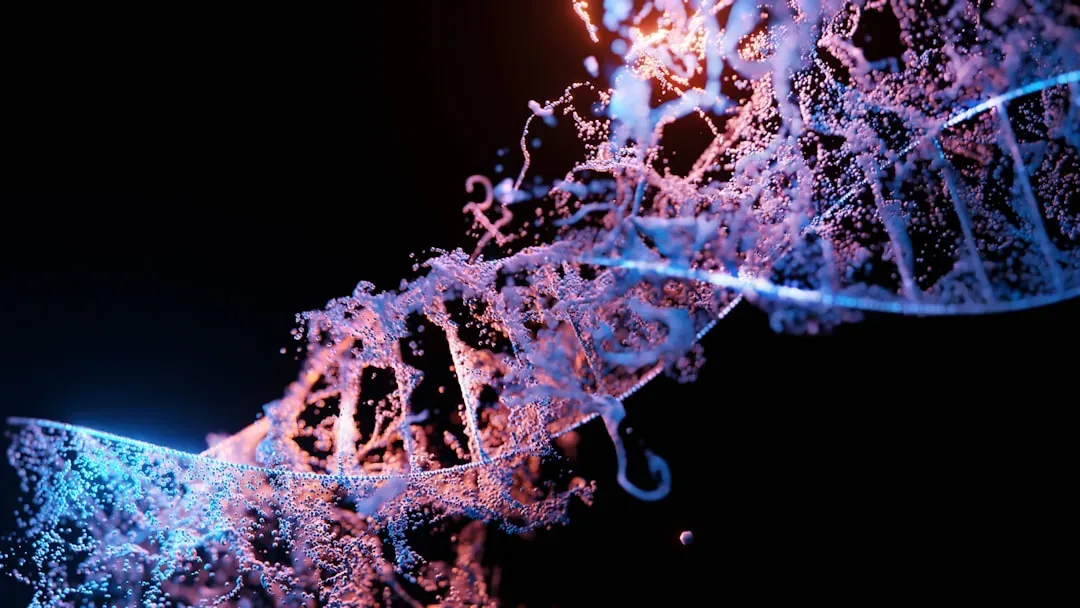
For decades, scientists assumed large portions of the human genome that don’t code for proteins were essentially evolutionary leftovers, ignored and unused. That label, “junk DNA,” is increasingly controversial, and many researchers now argue it’s misleading.
Roughly 98% of human DNA does not directly code for proteins, yet research has shown that many of these non-coding sections play regulatory roles, switching genes on and off at precise moments. Some of this DNA appears linked to diseases when mutated, suggesting it’s doing something functionally important rather than sitting idle.
Worth Knowing
- About 98% of human DNA doesn’t directly code for any protein.
- Many non-coding regions act like switches, turning nearby genes on or off at precise moments.
- A large share of “junk” sequences trace back to ancient viral DNA that inserted itself into our genome.
- Mutations in some non-coding regions are linked to disease, hinting at hidden functions still being uncovered.
Still, not everyone agrees on how much of this non-coding DNA actually matters versus how much genuinely is inactive leftover material from viral insertions and genetic copying errors accumulated over millions of years. This is one of biology’s more heated internal debates, pitting researchers who see hidden function everywhere against those who argue plenty of DNA really is just along for the ride, doing nothing evolutionarily meaningful at all.
#12 – How Did the First Complex Cell Actually Form?
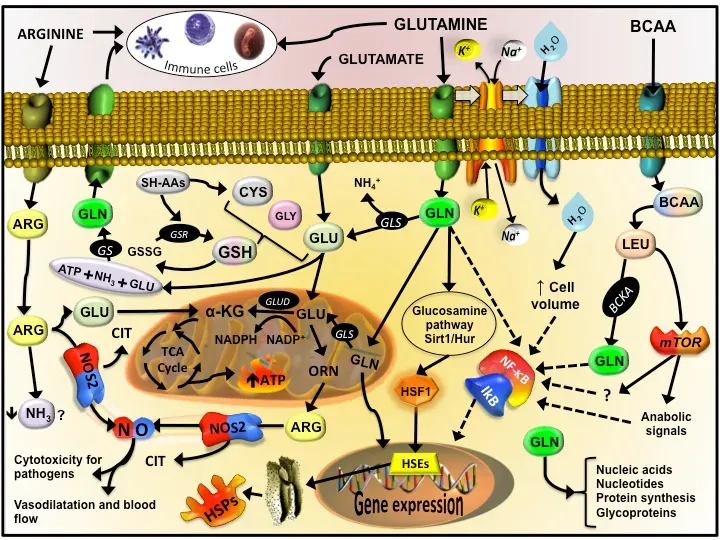
Simple bacterial cells are relatively straightforward. Complex cells, the kind that make up plants, animals, and fungi, contain internal structures like mitochondria that were once independent organisms absorbed by a host cell. This event, known as endosymbiosis, is widely accepted, but exactly how and why it happened remains scientifically fuzzy.
The leading theory says a simple cell engulfed a smaller bacterium, and instead of digesting it, the two formed a permanent partnership. Mitochondria still carry their own separate DNA today, distinct from the DNA in the cell’s main nucleus, which strongly supports this merger theory. This partnership eventually became essential, powering nearly all complex life on Earth.
What’s unresolved is why this merger happened just once, apparently, in Earth’s entire history, then spread to become the ancestor of all complex life. If it was genuinely advantageous, why didn’t it happen independently multiple times, the way multicellularity did? Some scientists suspect this event was staggeringly rare, essentially a cosmic coincidence that never repeated.
#13 – Why Did the Cambrian Explosion Happen So Suddenly?
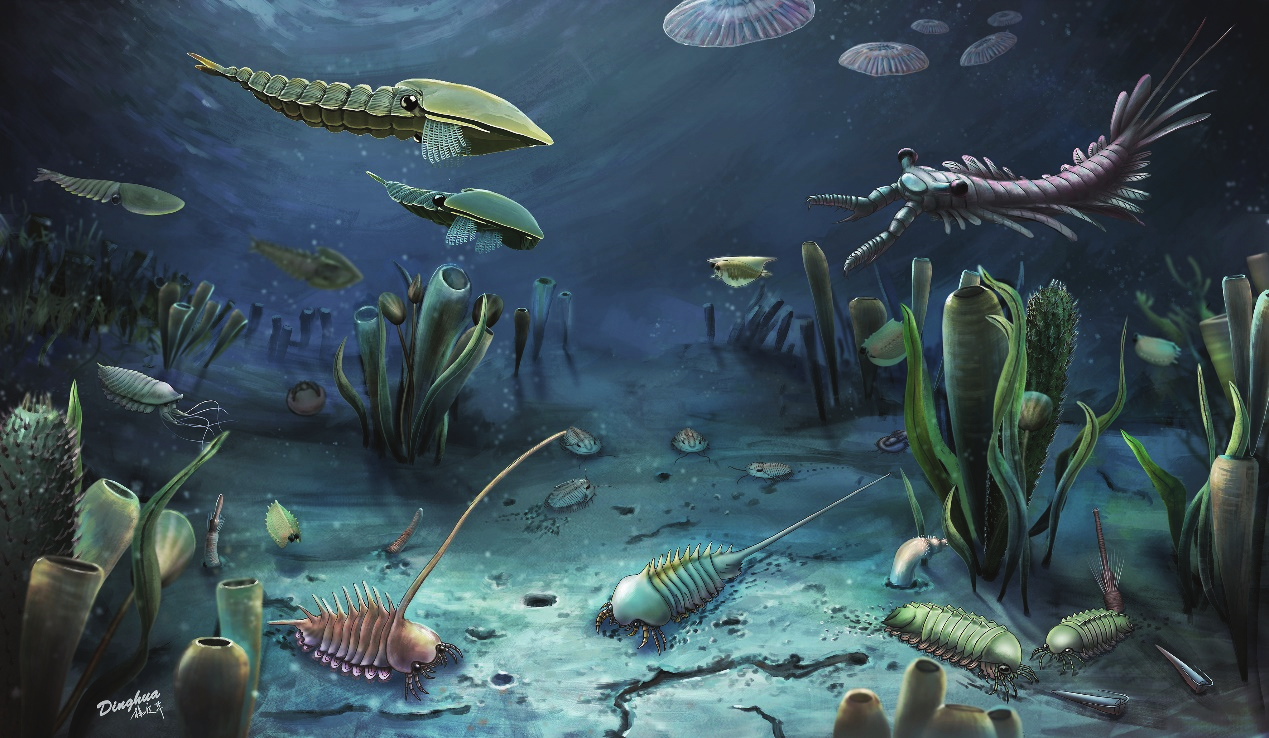
Around 538 million years ago, something strange happened in Earth’s fossil record. Complex animal life, which had barely existed before, suddenly diversified at an astonishing rate, producing most of the major animal body plans still around today. This event, called the Cambrian Explosion, remains one of paleontology’s biggest unresolved mysteries.
Several theories compete for the explanation. Rising oxygen levels are frequently cited as a trigger, since more oxygen allows for bigger, more energy-demanding bodies. The evolution of eyes and predation may have kickstarted an evolutionary arms race, forcing rapid adaptations in defense and speed. Others point to genetic innovations, like the development of Hox genes, which control body structure and could have unlocked entirely new physical designs almost overnight in evolutionary terms.
Fast Facts
- Timing: began around 538 million years ago, unfolding over roughly 20 million years.
- Most major animal body plans alive today first appear in the fossil record during this window.
- Rising atmospheric oxygen is one of the most frequently cited possible triggers.
- Hox genes, which govern body structure, may have unlocked rapid new physical designs.
The controversial part is the speed. In evolutionary terms, tens of millions of years is fast, but critics argue that’s still not “sudden” enough to be called an explosion, and some scientists believe the fossil record is simply incomplete rather than accurately reflecting a true burst of diversification. The debate over what really caused this leap remains unsettled.
#14 – Do Plants and Other “Simple” Organisms Have Memory?

Plants don’t have brains, nerves, or anything resembling a nervous system, yet a growing body of research suggests they may respond to stimuli in ways that resemble memory and even basic learning. This idea remains controversial and heavily debated within botany and plant biology circles.
Some experiments have shown plants like the Mimosa pudica adjusting their defensive responses over repeated stimulation, appearing to “remember” that a stimulus wasn’t actually dangerous. Similarly, some studies suggest certain plants can be conditioned to associate one stimulus with another, a process resembling associative learning typically reserved for animals with actual brains.
Critics argue these behaviors can be explained through simpler biochemical processes rather than genuine memory or cognition, and that assigning brain-like qualities to plants risks anthropomorphizing basic chemical signaling. This is exactly the kind of controversial, hotly contested territory that splits the scientific community. Whether plants possess a primitive form of intelligence, or whether that idea is overreach, remains genuinely unresolved.
The Bottom Line
Fourteen fundamental questions, and modern science still can’t fully answer any of them with certainty. We don’t know how life started, why we age, what sleep is truly for, or how consciousness emerges from neurons.
That’s not a failure of science; it’s proof of how genuinely complicated life is, even after centuries of study. Anyone claiming these mysteries are “basically solved” is oversimplifying decades of legitimate scientific disagreement.
The honest answer is messier, and honestly, more interesting. Which of these fourteen mysteries surprised you the most? Drop your thoughts in the comments.