
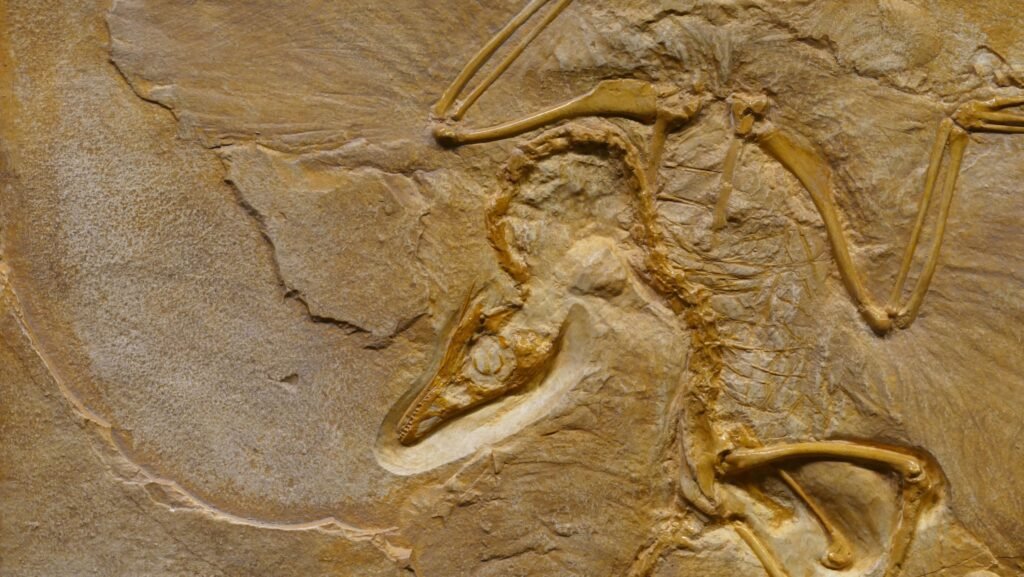
Most people picture fossils as gray, flattened bones pressed into rock – the same tired story repeated in every museum. But one 48-million-year-old lake bed in Germany broke every rule of fossilization, trapping animals so completely that scientists can see their last meal, their fur color, and even what they were doing in the seconds before they died.
Paleontologists call the Messel Pit a “Lagerstätte” – German for “storage place” – because nothing else on Earth stores this much detail this well. Here’s what the actual fossil record reveals, one impossible discovery at a time.
#1 – The Death Trap Lake That Made Everything Possible
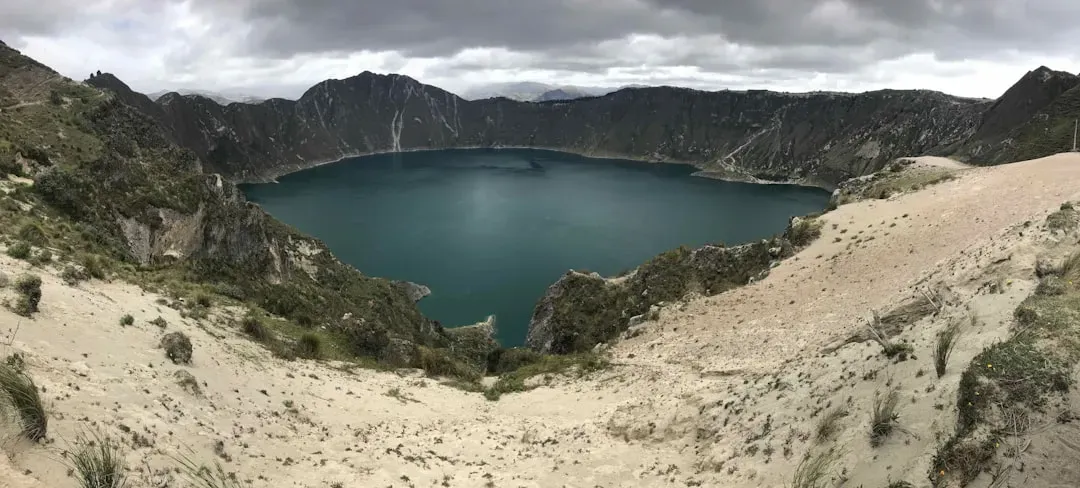
Nothing here would exist without one freak volcanic accident. This shape can be traced back to the lake’s volcanic origins as a maar crater lake, formed when hot, rising magma from the center of the earth met cold groundwater about 48 million years ago. The collision triggered steam explosions that catapulted hot gases, volcanic ash and rock to the surface through a small vent.
The lake that formed was only 1.5 kilometers wide but plunged to a depth of up to 300 meters – and that extreme depth turned out to be the secret ingredient. Since the bottom of the lake was free of oxygen and currents that could move or fragment sunken bodies, dead organisms simply sank, settled, and were rapidly sealed under sediment. Most fossil sites destroy soft tissue within days. Messel’s stagnant, poisonous water did the opposite – it acted like a natural vault, sealing bodies away from scavengers, bacteria, and oxygen all at once. And that eerie stillness at the bottom of the lake set up an even stranger find waiting in #2.
Fast Facts
- Formed roughly 48 million years ago when rising magma met groundwater in a violent maar eruption
- The crater lake stretched about 1.5 kilometers across but plunged to nearly 300 meters deep
- Today’s protected fossil site covers just 42 hectares, with a 22.5-hectare buffer zone around it
- Declared a UNESCO World Heritage Site on December 9, 1995
#2 – Full Body Outlines No Other Site Can Match
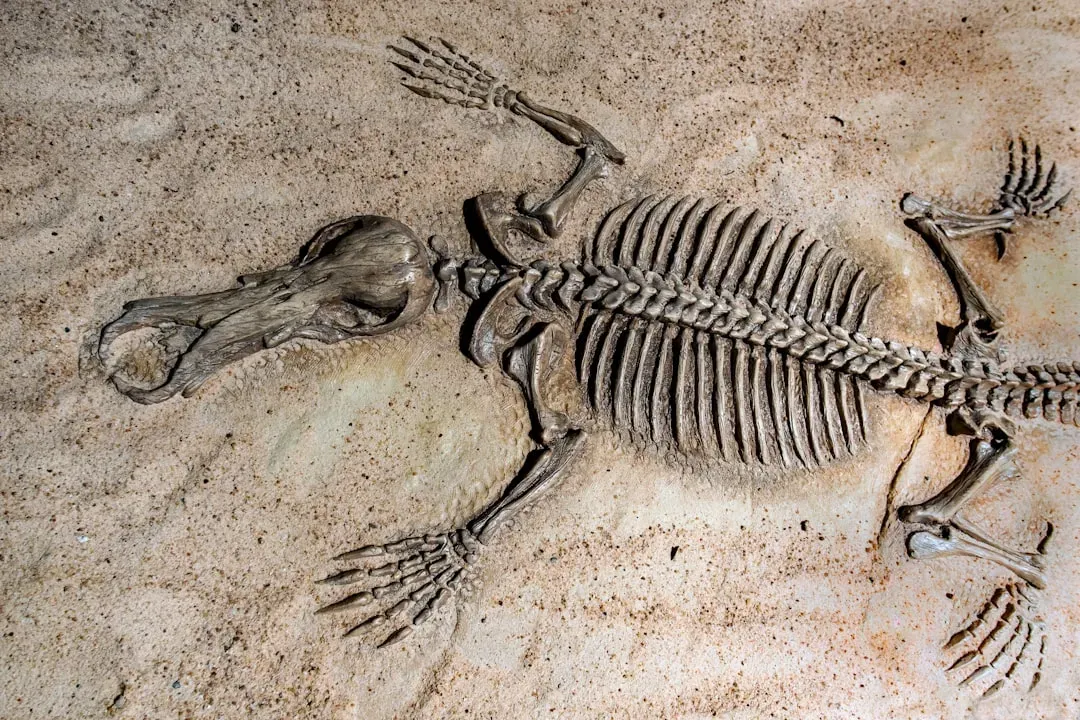
Forget scattered bone fragments – Messel gives you the whole animal, shape and all. While most fossil vertebrate remains yield only broken pieces of bone, Messel offers fully articulated skeletons complete with the outline of the entire body, plus feathers, hairs, and stomach contents. This isn’t a rare exception at the site – it’s the norm.
Consider that in most fossil beds around the world, only teeth or jawbone fragments of vertebrates ever survive. Here, vertebrates are preserved in full articulation, often with “soft” tissues like hair, scales, or feathers still attached, and occasionally with stomach contents intact. A silhouette of skin and fur is something almost no other fossil bed on the planet can offer at this scale. Museums elsewhere show you a skeleton and ask you to imagine the animal. At Messel, you don’t have to imagine anything – the body is right there, pressed into stone like a photograph. Full skeletons were just the beginning, though – what came out of some of those bodies is even stranger.
#3 – Actual Last Meals, Frozen Mid-Digestion
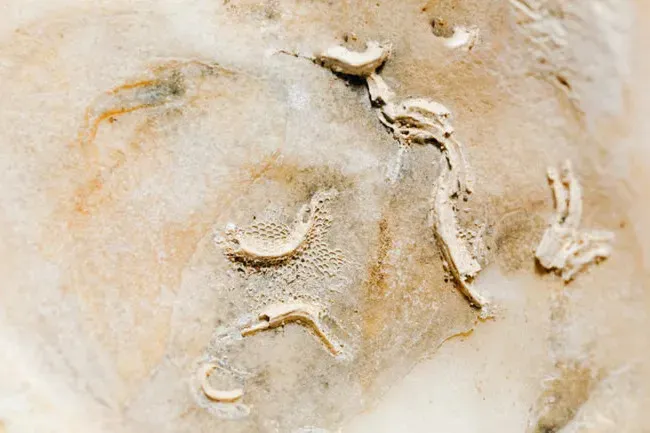
Somewhere in Germany, a fossilized stomach still holds someone’s final dinner from 48 million years ago. Skeletons here are often complete with the contours of soft parts and stomach contents preserved – including, in at least one case, a fetus – and insect gut contents have turned up repeatedly. This isn’t a one-off curiosity. It’s a recurring pattern across species.
Researchers examining one of the site’s famous tiny horses got a direct window into its diet. The examination of the stomach contents showed that the prehistoric horse ate the leaves of deciduous trees and fruit. Most fossils never reveal what an animal ate – Messel reveals it down to the plant species. Combine that with insect gut contents and you get something close to a forensic reconstruction of an entire Eocene food web, meal by meal. If frozen last meals sound rare, wait until you hear what color survived alongside them.
#4 – Color That Should Have Vanished 48 Million Years Ago
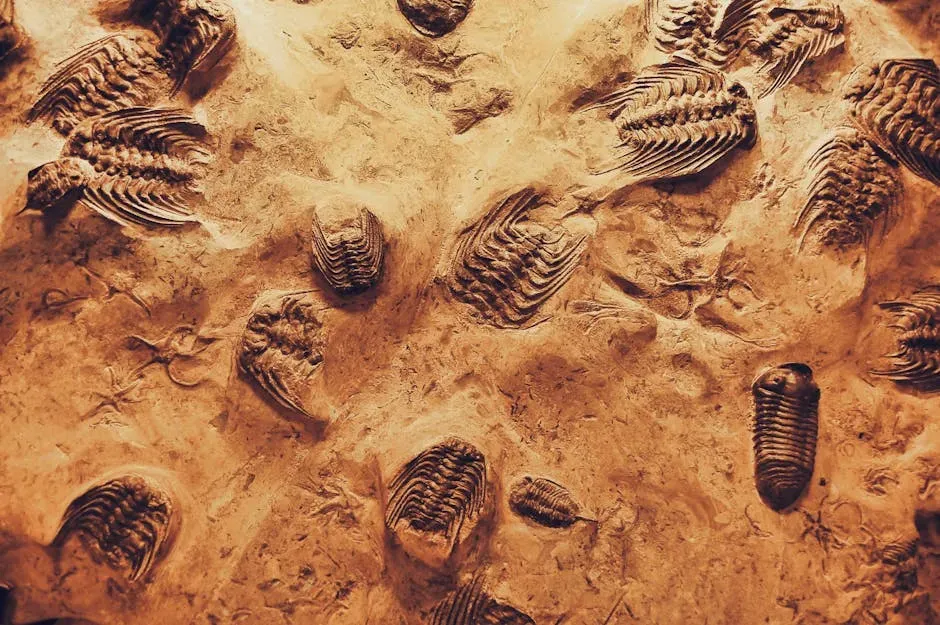
Color is supposed to be the first thing fossilization destroys. Messel didn’t get the memo. Plant fossils have been found with intact flowers and fruits, and insects still showing iridescent colors. Even the fur and feathers of some mammal and bird species, along with the colored wing covers of beetles, are preserved. That’s a level of chromatic detail almost never seen in fossils this old.
Modern imaging is only making this more shocking. Exceptional preservation here keeps producing new findings thanks to improved analysis techniques like mobile scanning macro-XRF imaging, which recently confirmed actual pigment remains. Scientists are now pulling literal pigment molecules out of rock that’s older than the Alps. While most museums display gray casts and call it a day, Messel is one of the only places where you can argue about an animal’s real, original color – and be right. Preserved color is rare enough. Preserved behavior is rarer still.
#5 – Bats That Rewrote the History of Echolocation
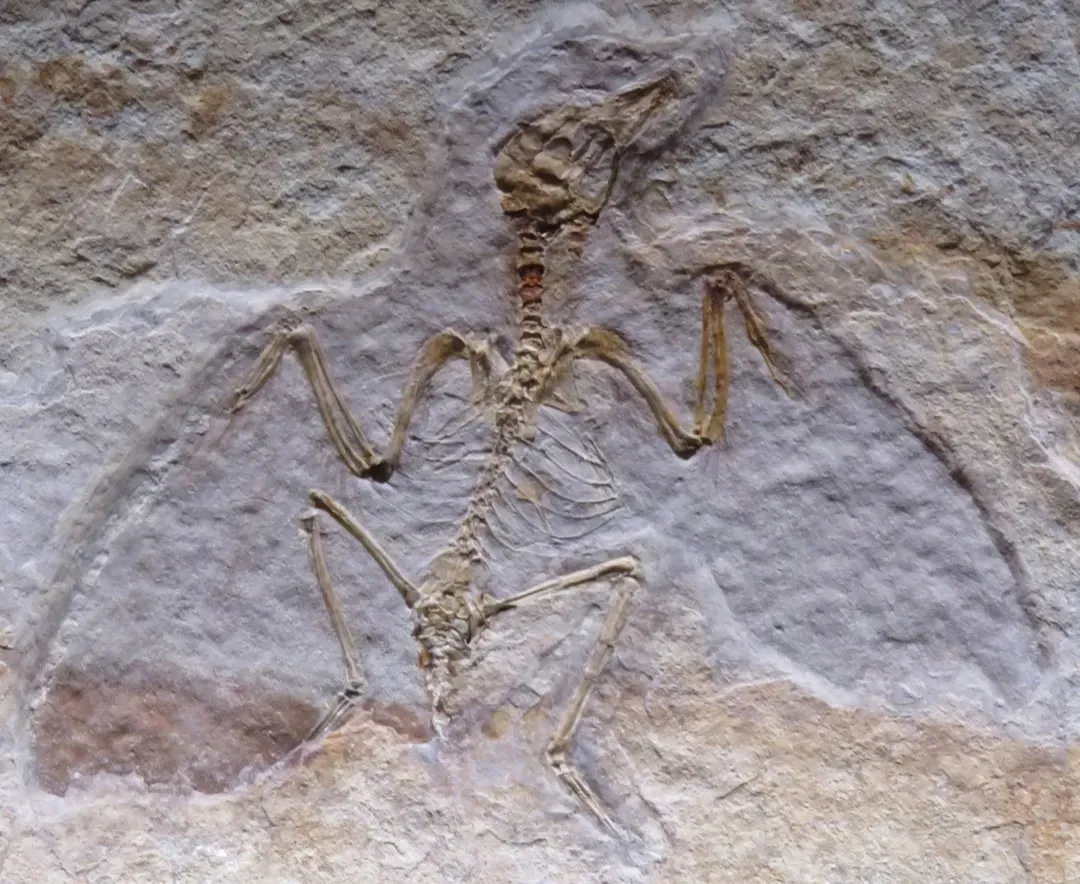
Bats are fragile, hollow-boned, and almost never fossilize well anywhere else. Messel is the exception. Significant scientific discoveries here include studies of the evolution of echolocation in exceptionally well-preserved fossil bats, alongside vital new data on the evolution of primates, birds, and insects. Innumerable small mammals – pygmy horses, large mice, primates, ground dwellers, aardvark relatives, and bats – have all been recovered from the same shale.
This matters because bat skeletons rarely survive intact anywhere else on Earth. The delicate ear bones needed to prove early bats could echolocate almost never fossilize – except here. Messel gave scientists actual physical evidence of when and how flying mammals developed biological sonar, turning a decades-old evolutionary guessing game into hard data. Most natural history debates stay theoretical forever. This one got settled by a shale quarry outside Frankfurt. Bats settled one debate. The next fossil settled something even more personal – reproduction itself.
#6 – Pregnant Mothers, Fetus Still Inside
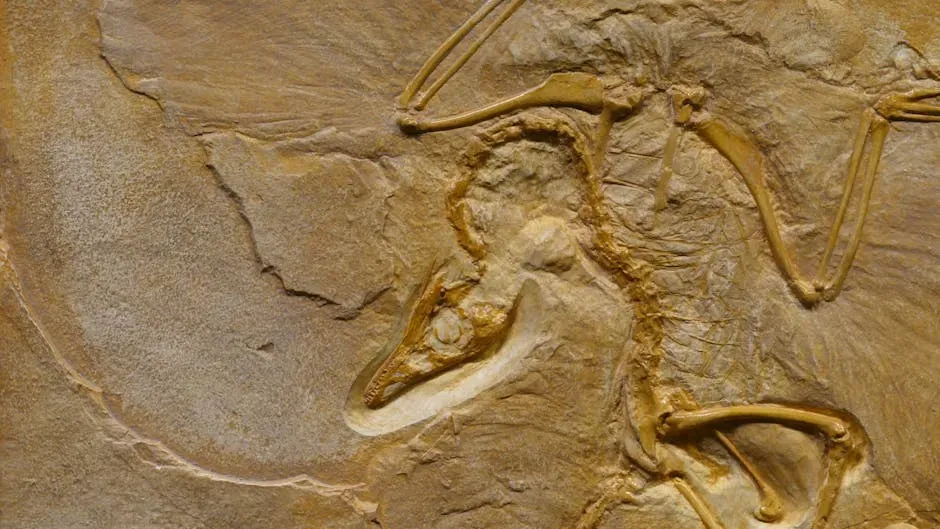
Few fossil sites anywhere have ever captured pregnancy itself. Messel has multiple examples. Some of the most famous discoveries from the pit are the fossil remains of prehistoric horses – more than 60 skeletons of stallions, foals, and mares, some of the mares even pregnant. That single detail turns a skeleton into a biological snapshot of reproduction, not just anatomy.
The broader pattern extends well beyond horses. The site’s fossils are so exceptionally preserved that they sometimes include stomach contents, parasites, and even unborn offspring inside pregnant mammals, offering rare insight into the internal lives of ancient creatures. Unborn young almost never survive fossilization – soft, small, unprotected tissue decomposes almost instantly. Yet Messel’s anoxic mud somehow held onto it. Here’s an opinion worth sitting with: many paleontologists argue this single detail, fetal preservation, is worth more scientifically than a hundred more complete adult skeletons from anywhere else. Pregnancy is intimate. What comes next is almost impossible to believe.
#7 – Turtles Frozen Mid-Mating, Nine Times Over
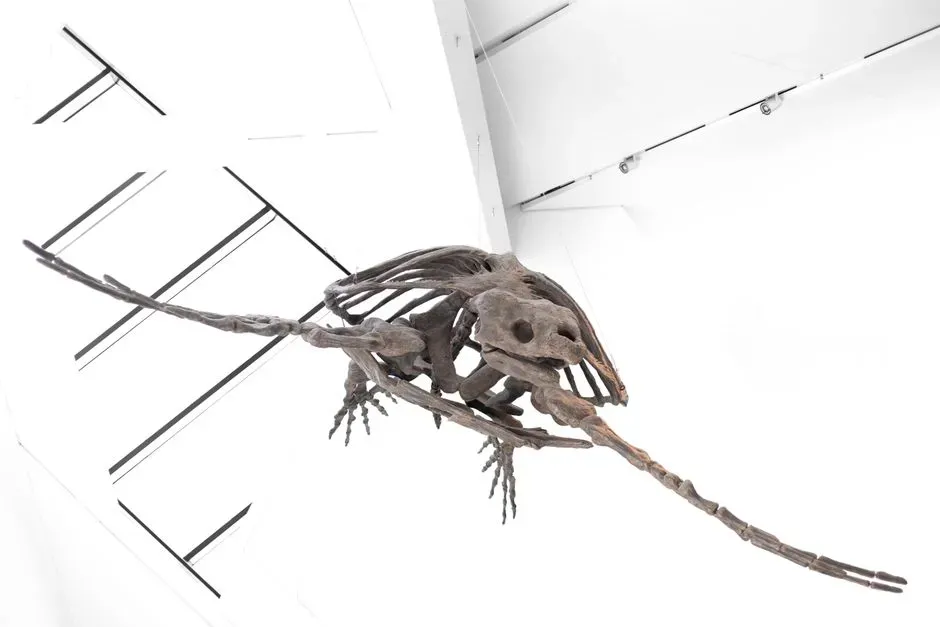
This is the fossil record’s only known instance of vertebrates caught having sex. Fossil turtles here were caught in the act – the first known case of animals with backbones found copulating in the fossil record. It represents one of nine mating pairs of the extinct turtle Allaeochelys crassesculpta found at the pit, the male about 20 percent smaller than the female.
The story behind their deaths is almost as remarkable as the fossils themselves. Each pair shows the male’s tail tucked under the female, and researchers believe the turtles began mating in the aerated surface waters of the ancient lake, then sank into deeper water and were overcome by a release of toxic volcanic gas. Nowhere else in the entire fossil record has this behavior ever been documented – not once, let alone nine times. Most “behavior” fossils are inferred from bite marks or footprints. This one needs zero interpretation. Mating pairs are rare. What happened inside a single fossilized leaf is rarer still.
Worth Knowing
- Nine separate mating pairs of the extinct turtle Allaeochelys crassesculpta have been recovered from Messel
- In every pair, the male was roughly 20 percent smaller than the female
- Researchers believe the pairs sank from the surface into toxic deep water and died still locked together
- No other fossil site on Earth has produced repeated physical evidence of vertebrate mating behavior
#8 – A “Zombie Ant” Death Grip 48 Million Years Old
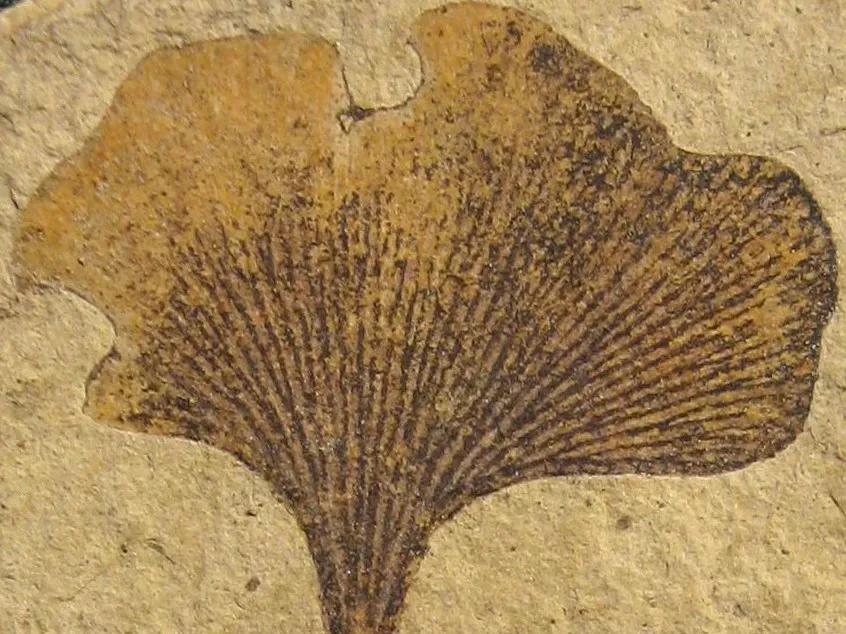
Somewhere in the Messel shale is proof that mind-controlling fungi are ancient, not modern. Symptomatic “dumb-bell”-shaped bite marks on either side of a leaf vein have been identified as the death-grip of a carpenter ant, terminally parasitized by a fungus that – apparently then, as today – took over its behavior to release spores at a good location. It’s the earliest clear example of fungal behavioral manipulation on record. The ant itself never had to fossilize – its final act did.
This single leaf print proves something most people assume is a recent evolutionary discovery. Zombie-fungus behavior wasn’t new when scientists found it in modern rainforests – it’s at least 48 million years old. No skeleton, no soft tissue, no color – just a bite pattern on a leaf, and it’s still one of the most talked-about fossils on the entire site. Sometimes the smallest fossil tells the strangest story. A leaf bite mark told one story. A three-animal fossil tells an even wilder one.
#9 – A Three-Course Meal Frozen in One Fossil
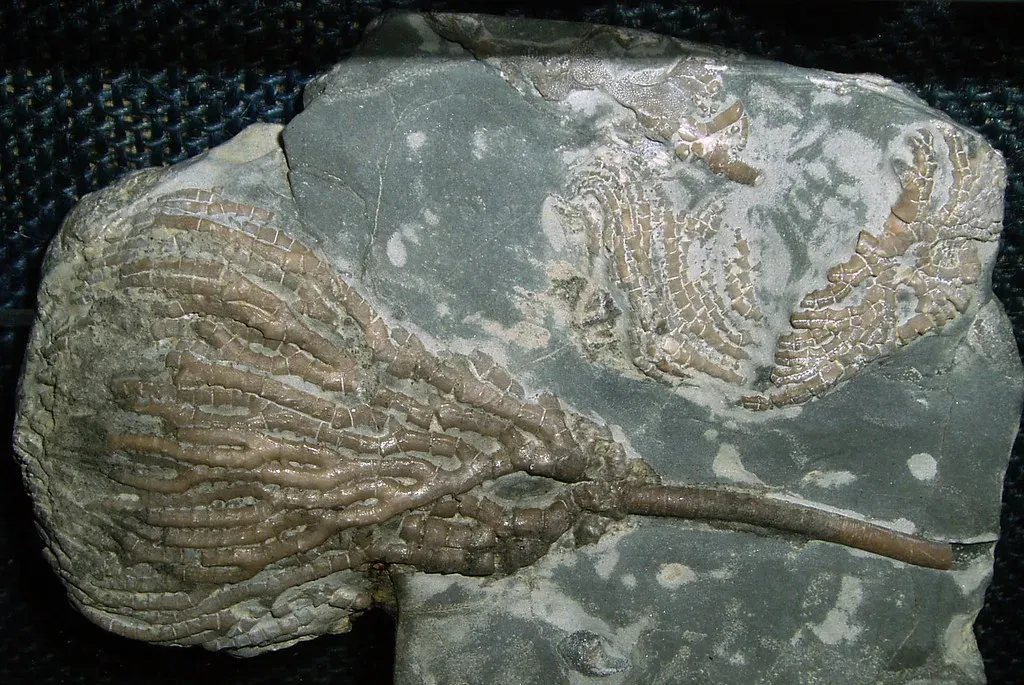
This might be the single strangest fossil ever pulled from the pit. Some incredible Messel discoveries include a three-in-one fossil: bug inside lizard inside snake. Three separate animals, three separate meals, one single moment of geological bad luck for all of them.
Predation chains like this almost never survive fossilization intact – usually only the top predator’s bones remain, with no proof of what it had eaten, let alone what its prey had eaten. A snake, a lizard, and an insect were caught in the exact same instant, nested inside one another like a prehistoric matryoshka doll. Most food-web reconstructions rely on guesswork pieced together from separate fossils found miles and centuries apart. Messel handed scientists the entire chain, still assembled, in a single rock. Predation chains are wild enough. Reproduction caught mid-birth is even wilder.
Quick Compare
- Typical fossil food chain: only the top predator’s bones survive, with no proof of what it ate
- Messel food chain: snake, lizard, and insect preserved together in one single specimen
- Typical reconstruction: pieced together from fossils separated by miles and centuries
- Messel reconstruction: an entire three-animal meal frozen in one moment, fully assembled
#10 – The World’s Oldest Fossil Python, Giving Live Birth
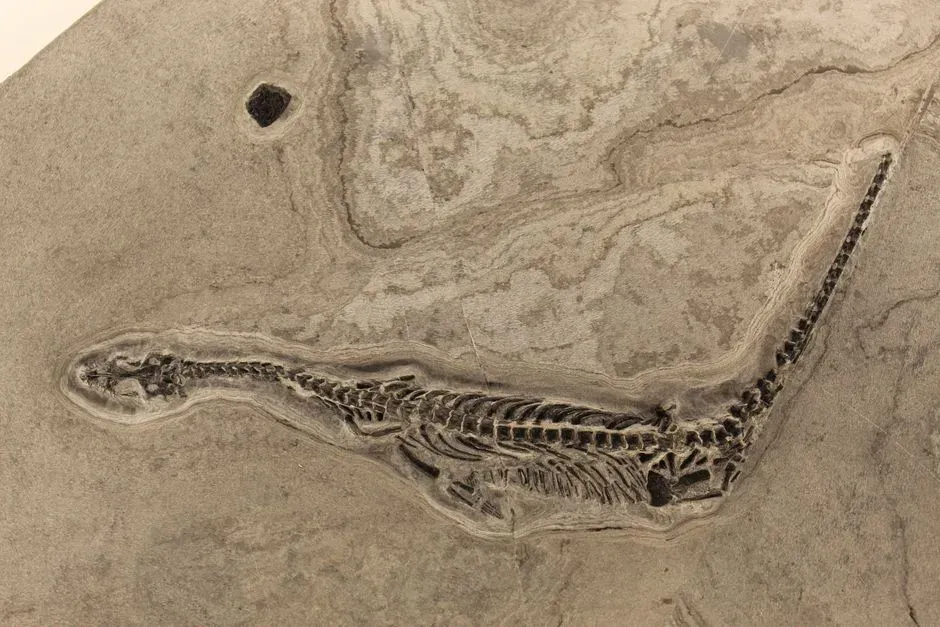
Snakes rarely fossilize well at all – their bones are thin, fragile, and scattered easily. Messel broke that rule twice over. Crocs and snakes are represented here by exquisite fossil specimens, and some of the most significant fossil snake research of the last decade has come out of this quarry, including the world’s oldest fossil python and evidence of live birth in a fossil snake.
Live birth in snakes is a trait scientists still study today in boas and pythons, yet finding direct fossil evidence of it is almost unheard of. A snake caught in the literal act of giving birth is a find so rare that most paleontologists will never see one in their career. Combine that with the oldest confirmed python fossil on record, and Messel quietly holds two separate world records in reptile paleontology that most tourists walking past the visitor center have never even heard of. Live birth is remarkable. A preserved gland down to its fat molecules might be even more so.
#11 – A Bird’s Gland, Preserved Down to the Original Fat Molecules
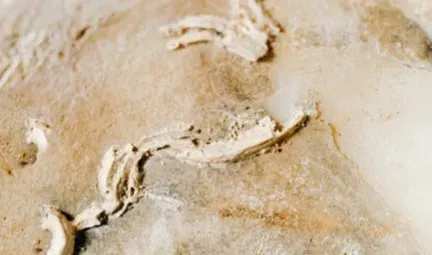
This one sounds small. It isn’t. Among the incredible Messel discoveries is a bird gland preserved as soft tissue, including lipid molecules, alongside structural coloration in fossil bird feathers. A gland – not bone, not shell, but soft glandular tissue – survived, and so did the actual fat molecules inside it.
This is chemistry, not just anatomy. Most fossils only preserve mineralized structure; organic molecules break down within years, not millennia. Original lipid molecules surviving 48 million years is close to a paleontological impossibility anywhere else on Earth. Paired with structural coloration in feathers – the same physics that makes a peacock shimmer – this single find lets scientists study both the chemistry and the visual appearance of a bird that died before the Alps even existed. Chemistry survived in a bird. Fame and controversy followed in a primate.
#12 – “Ida,” the Primate That Split the Scientific World in Two
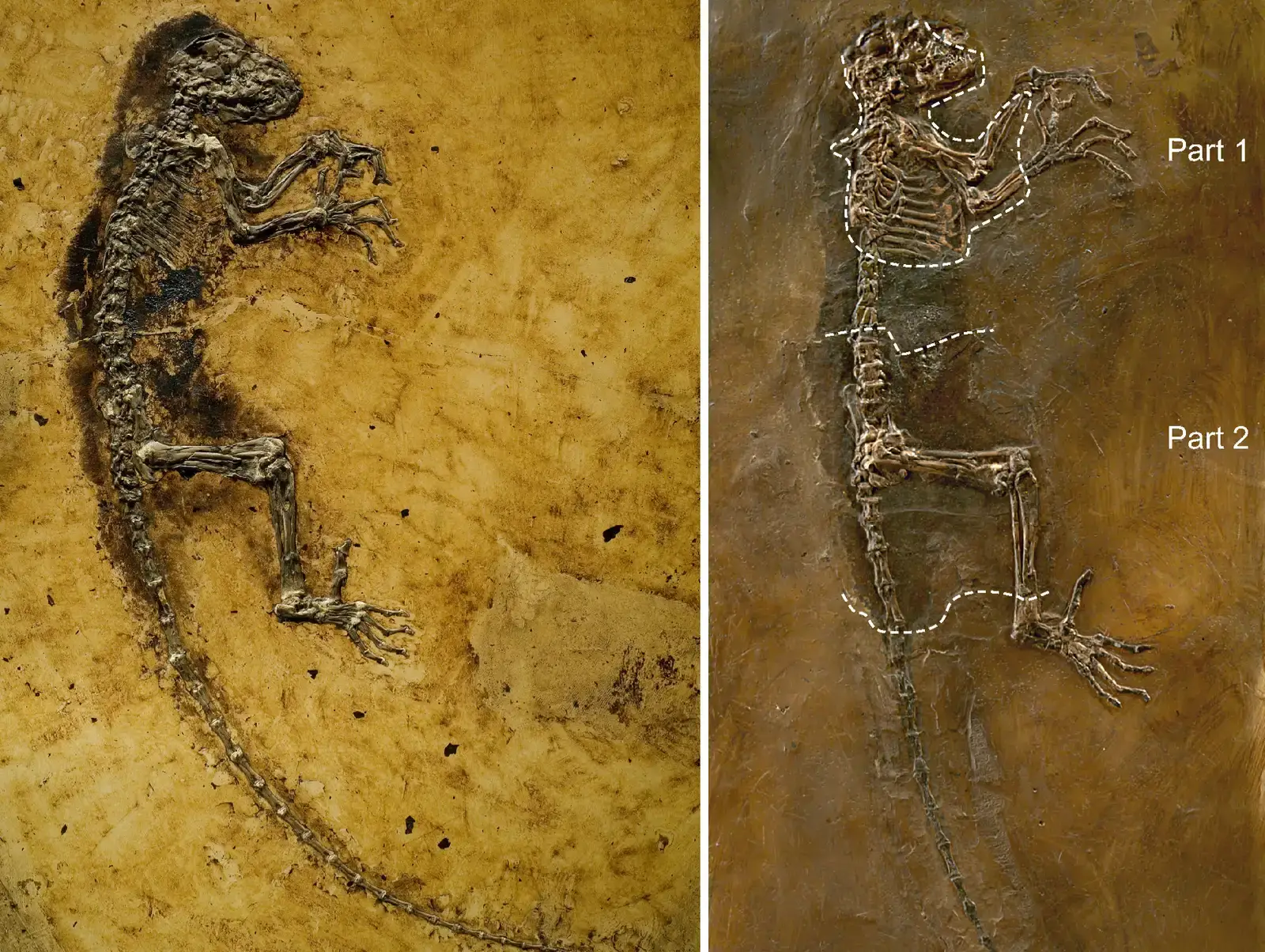
Few fossils have ever caused this much public argument. Among the fossils found at the site is an early primate with anthropoid characteristics, discovered and made public in May 2009 – Darwinius masillae. “Ida” is a remarkable fossil, one that also advertises – thanks to her species name “masillae” – the site of Messel that held her remains for over 47 million years, Masilla being the Latin name for Messel used in the Lorsch monastery Codex, dated to 800 AD.
The hype around this fossil became a story in itself. Darwinius’s exquisitely preserved holotype received an inordinate amount of media attention in 2009, lauded as a “holy grail,” and had a troubled, partly obscured history before selling for roughly $1 million – attention almost certainly out of proportion to the science. A single fossil primate triggered a bidding war, a media circus, and a scientific backlash – all from one shale quarry in Germany. Here’s an opinion worth sitting with: the science was solid, but the marketing oversold it, and that gap between hype and evidence is exactly why “Ida” still gets argued about in comment sections today. One primate caused a media storm. The final fact is bigger than any single fossil – it’s an entire vanished ecosystem.
#13 – An Entire Frozen Ecosystem, Species by Species
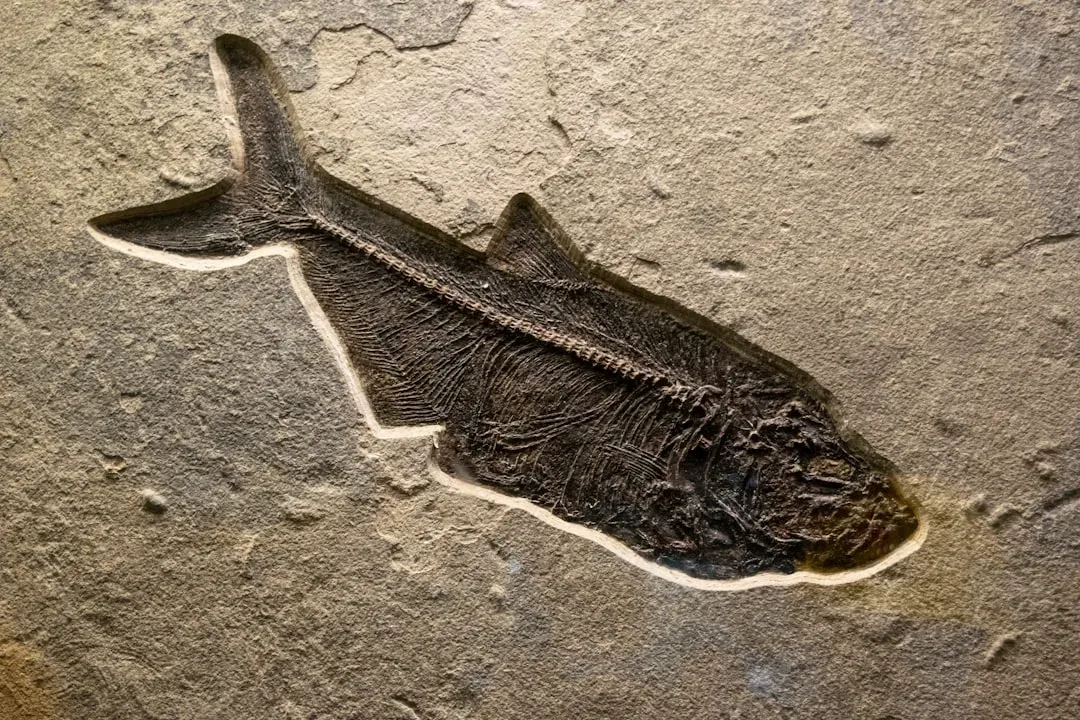
This is the fact that ties every other discovery together – Messel didn’t just preserve individual animals. It preserved an entire world. The site provides unique information about the early stages of mammal evolution, exceptional in the quality of preservation, quantity, and diversity of fossils from over 1,000 species of plants and animals, ranging from fully articulated skeletons to feathers, skin, hair, and stomach contents. All of it sits within an area of just 42 hectares, conserving a rich fossiliferous bed of oil shale some 190 meters thick. Over 1,400 taxa of plants, fungi, and animals have been documented at the site.
No other single location on the planet offers this density of interconnected life from one moment in deep time. Messel is the richest site in the world for understanding the living environment of the Eocene, between 57 million and 36 million years ago, and it keeps delivering exceptionally well-preserved mammal fossils – from fully articulated skeletons to stomach contents. Over a thousand species, from insects to horses to primates, all died in the same lake and were preserved together – an entire ecosystem, not just a handful of lucky bones. That’s the real reason paleontologists keep coming back: it’s not one fossil, it’s a whole vanished world, still readable in the rock.
At a Glance
- Fossil-bearing oil shale bed roughly 190 meters thick, packed into just 42 hectares of land
- Over 1,000 species of plants and animals documented, with more than 1,400 taxa recorded overall
- Represents the Eocene epoch, roughly 57 to 36 million years ago
- Named a UNESCO World Heritage Site in 1995 after local residents fought off plans to turn it into a landfill
The Bottom Line
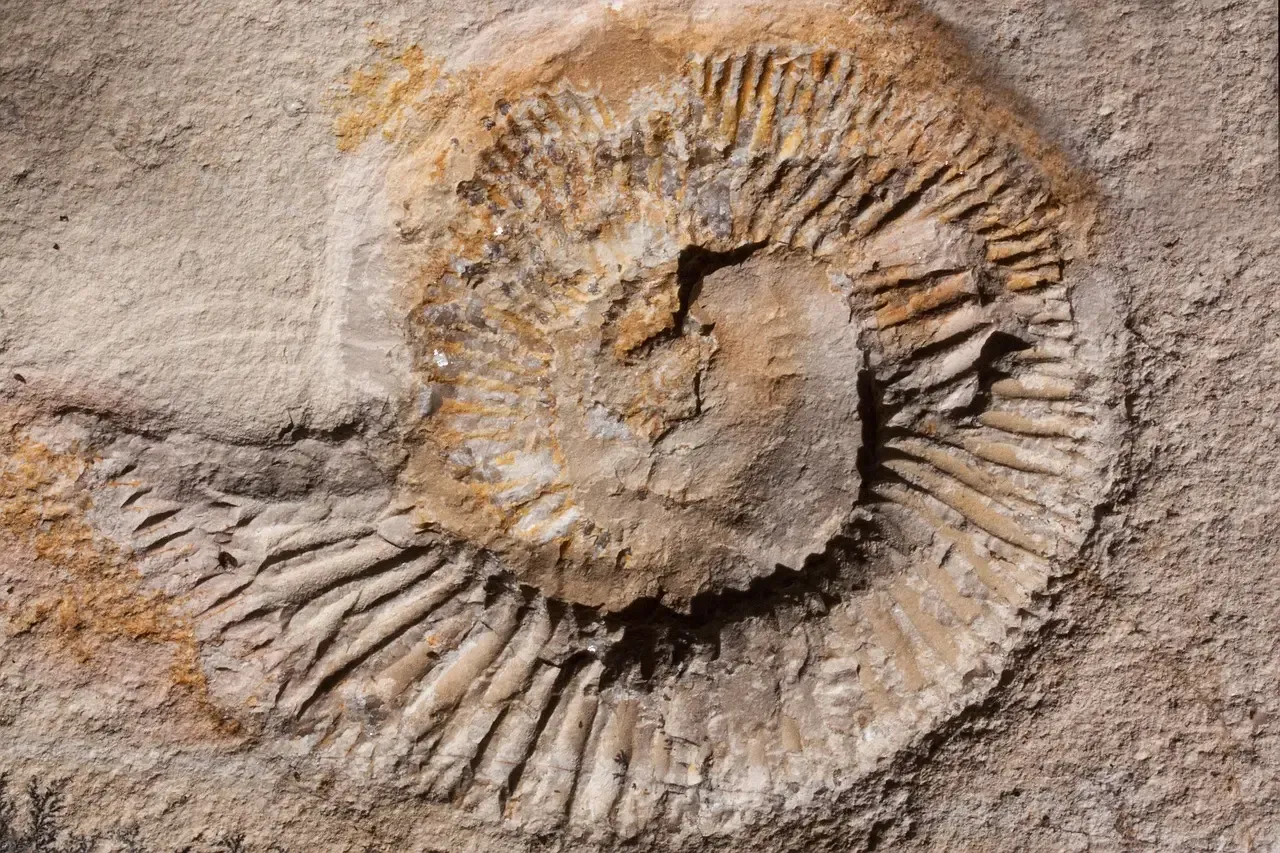
Messel isn’t famous because it has a lot of fossils – plenty of sites do. It’s famous because it preserved things nearly every other fossil bed on Earth destroys: color, stomach contents, pregnancy, mating behavior, even lipid molecules inside a bird’s gland.
Honestly, the “Ida” media circus aside, this quarry outside Darmstadt has quietly delivered more genuine evolutionary evidence than almost any other single site on the planet – and most people have never even heard of it. That’s the real scandal here, not the hype. Which of these 13 finds shocked you the most? Drop your pick in the comments.