
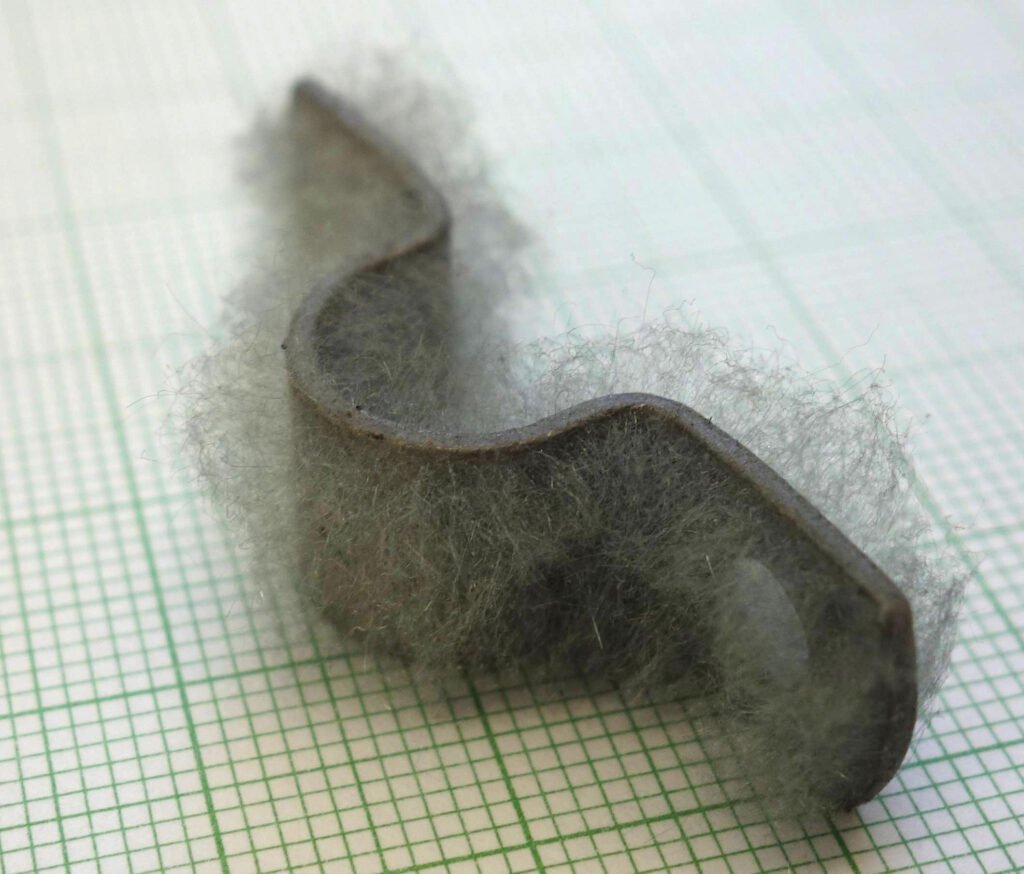
Zinc doesn’t look dangerous. It’s the dull gray coating on screws, floor tiles, and cable racks – the stuff whose entire job is to stop corrosion, not cause a $2 million outage. But quietly, inside server rooms, hospitals, breweries, and even nuclear power stations, this rust-proofing metal has been growing microscopic hair-like filaments that snap off, drift through moving air, and land exactly where they shouldn’t: inside running electronics.
Most facility managers have never even heard the term “zinc whisker.” Forensic engineers and federal researchers have – and when they went looking for the real culprit behind a string of “unexplainable” system failures, the trail led somewhere nobody expected. Here’s what they found, one shutdown at a time.
#1 – Everyday Office IT Closets
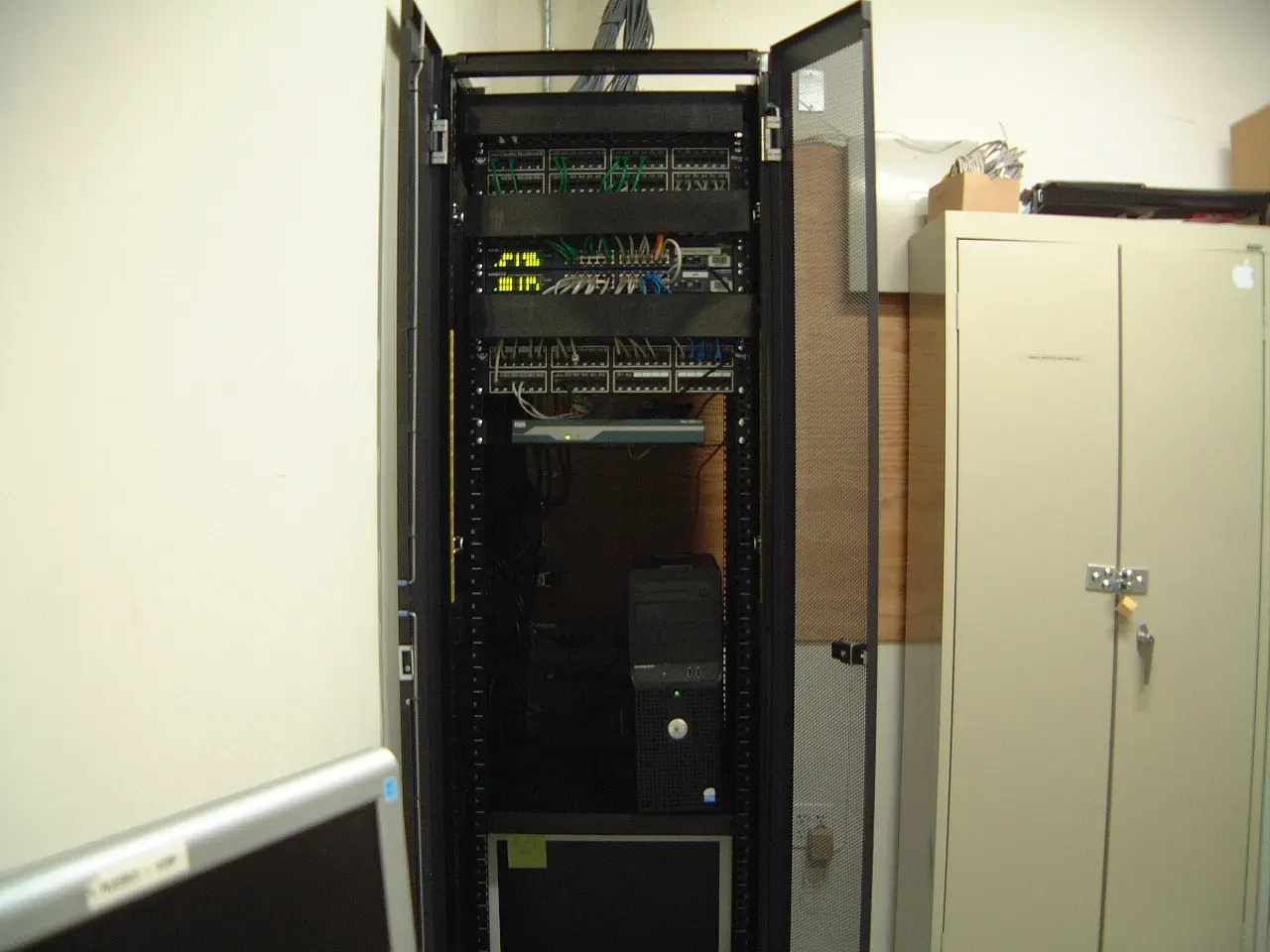
Nobody expects a supply closet full of networking gear to become a crime scene, but zinc whiskers don’t discriminate between a Fortune 500 data center and a small back-office server rack.
Any zinc-electroplated surface can host them, and the mechanism is identical everywhere: the electroplating process causes molecular stress, and to relieve the pressure the zinc expands outward, forming microscopic filaments on the outer surface. Office IT closets rarely get the same rigorous inspection schedule as a purpose-built data center, which makes them a blind spot.
The real shock is that these filaments don’t need a dramatic trigger. Growth occurs over time without external influence, making older or heavily used infrastructure especially vulnerable. A closet that hasn’t been touched in years can be quietly loading a fuse.
Fast Facts
- Zinc whiskers form when electroplating stress pushes microscopic metal filaments out of a coated surface.
- They’re conductive, which means they can create short circuits, voltage variances, and signal disturbances inside sensitive electronics.
- Growth happens gradually, with no external trigger required – equipment can sit untouched for years and still be at risk.
- Any zinc-electroplated part can host them, from floor tiles to switches to server racks.
That’s a slow burn. What happened next, inside a manufacturing plant’s cooling system, moved a whole lot faster.
#2 – Manufacturing Plant Cooling Systems
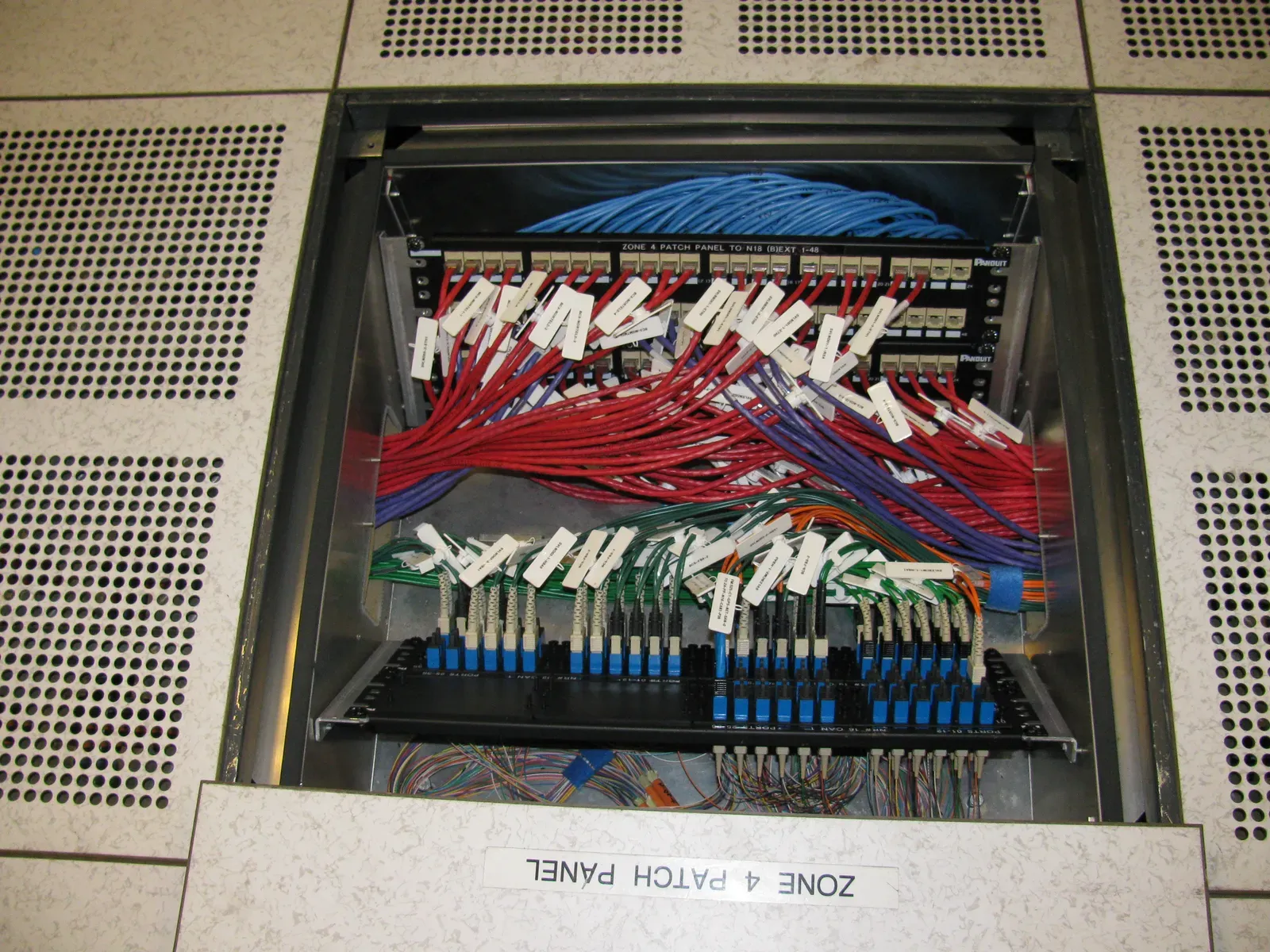
An entire production facility once ground to a near-halt because of a startup routine for a new cooling unit that nobody suspected.
In one documented case, engineers renovating a data center inside a manufacturing plant kept seeing power supplies fail after installing new cabinets, and the failures only escalated. As additional activity in the data center was completed, the number of power supplies failing continued to increase, and after new power, grounding, and cabinets were installed, power supply failures increased greatly.
The team assumed it was an electrical grounding problem. It wasn’t. When they launched the new cooling unit for manufacture startup, they saw even more power supply failures – and after digging deeper, they discovered zinc whiskers. The additional airflow under the raised floor had broken off more whiskers, which were sucked into the power supplies and shorted them out.
The most surprising part: the fix required pulling the entire raised floor while the plant stayed live, because as with any data center, they weren’t able to shut it down. The whole operation kept running while the floor was ripped up beneath it.
That fix was brutal enough on its own. But a Toronto office took even longer to figure out what was quietly killing its servers.
#3 – Corporate Enterprise Server Rooms

A Toronto-based organization spent weeks replacing hardware before anyone realized the servers themselves weren’t the problem.
It started right after a routine data center cleaning. It all began in 2002, shortly after the company had an outfit in to clean up its data center, and a couple of weeks later the servers started failing – motherboards, hard drives, you name it. Even brand-new boxes failed too.
The IT team burned through every conventional troubleshooting theory. Overseeing a collection of about 50 servers, they exhausted every avenue trying to solve the mystery. It took a chance conversation at an industry conference to crack the case.
Here’s the part most people don’t realize: whiskers don’t need direct contact with a board to cause damage – they just need to be airborne near an intake fan. Once the raised floor tiles were lifted for inspection, the source became obvious.
Corporate IT could at least afford weeks of trial and error. A hospital can’t.
#4 – Hospital and Healthcare IT Infrastructure

Hospitals run some of the most failure-intolerant computer systems on the planet, and zinc whiskers have already found their way inside more than one.
The same investigators who traced whisker contamination through corporate data centers say the pattern doesn’t stop at business offices. The brewery wasn’t the last of it – similar problems have since been tracked down in hospitals, offices, and other facilities.
What makes healthcare IT uniquely vulnerable is the sheer density of legacy raised-floor infrastructure still in service. Zinc whiskers remain one of the most underestimated contamination-control risks inside mission-critical facilities, particularly those with raised flooring, electroplated zinc components, or aging galvanized infrastructure. When disturbed, these microscopic conductive filaments can become airborne, enter airflow distribution paths, and settle inside sensitive electronics.
The most unsettling fact: in a hospital setting, “intermittent system fault” isn’t just an inconvenience – it’s a patient-safety variable nobody budgeted for.
And it gets more personal than a server rack, because zinc whiskers have shown up inside the very machines monitoring patients.
#5 – Medical Monitoring Devices Themselves
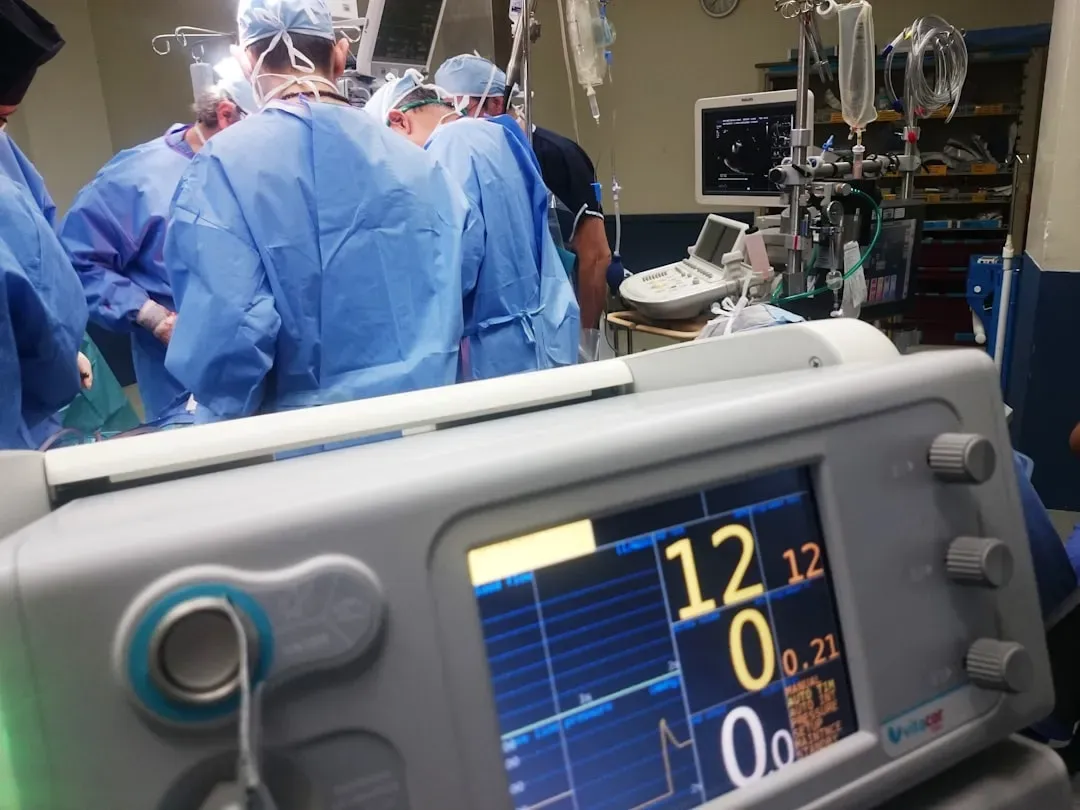
It’s one thing for a server to crash. It’s another for a device monitoring a patient’s breathing to fail silently – and that’s exactly what triggered a federal recall.
Documented failure histories compiled by whisker researchers list a specific 1990 case: apnea monitors, a medical device category, were recalled after zinc whiskers were found on a rotary switch. This wasn’t a theoretical risk from a white paper – it was a real product recall tied directly to metal filaments nobody could see with the naked eye.
The bold detail most people miss: zinc whiskers aren’t limited to server rooms and floor tiles. Any electroplated component – including a switch inside a piece of medical equipment – can host them. These whiskers measure just a few microns in diameter but can grow several millimeters long, forming due to internal stresses in the zinc plating caused by temperature changes, humidity, and mechanical strain.
A rotary switch is a tiny, unglamorous part. It still triggered a nationwide recall.
Turns out hospitals and offices aren’t even the strangest place whiskers have struck. A brewery found that out too.
#6 – A Brewery’s Entire Production Network

Nobody expects the flow of beer to be threatened by microscopic metal hairs, but a Canadian brewing operation found out the hard way.
Investigators called in to solve a string of unexplained router failures traced the problem to a Cisco router being fed contaminated air. Zinc whiskers were being sucked into the router by its powerful fan, and being conductive, the electrical charges would build and build until small explosions occurred inside the unit.
The investigation itself sounds like something out of a detective show. Investigators deployed six zinc-whisker collection kits under the floor tiles, in the ceiling, on racks, and on the equipment itself – and there they were: thousands of strands of zinc whiskers captured in photographs using a powerful electron scanning microscope.
The most surprising fix wasn’t a redesign – it was industrial-grade filtration. A room air cleaner with specialized filters capable of capturing particulate as fine as 100 microns was installed, along with a customized vacuum. The dirty tiles emitting the whiskers were identified, removed, and the floating whiskers were purged at the source.
At a Glance: The Brewery Investigation
- Six collection kits placed under floor tiles, in the ceiling, on racks, and on equipment
- Thousands of whisker strands confirmed via electron scanning microscope imagery
- New filtration installed, fine enough to capture particulate down to 100 microns
- Root cause traced to a handful of contaminated floor tiles, not the router hardware itself
If a brewery’s router can explode, imagine what’s at stake when the network belongs to a bank.
#7 – Bank and Stock Exchange Data Centers

Financial infrastructure runs on uptime, which is exactly why whisker contamination inside a bank or exchange data center is treated as an existential threat rather than a nuisance.
Industry trade coverage has flagged this sector specifically as high-exposure. This contaminant could turn out to be one of the most failure-causing anomalies affecting electronic and computer equipment in data centers, and these facilities – located deep inside banks, stock exchanges, government facilities, and hundreds of other businesses – are all susceptible to this unique and possibly catastrophic contaminant.
Most people don’t realize the outages don’t always announce themselves clearly. Because zinc is conductive, a whisker can act like a low-capacity fuse. Although the whiskers are small in size, they’re large enough to cause problems in today’s microcircuits, including short circuits, voltage variances, and other signal disturbances. In a trading environment, a voltage variance lasting milliseconds can still mean a lost transaction.
This isn’t a new threat, either. Telecom engineers were fighting this exact problem before most modern data centers even existed.
#8 – Telecom Central Office Switches

Long before data centers existed in their modern form, telecom switching rooms were ground zero for the first documented whisker failures.
The problem is older than most engineers currently working realize. Metal whiskers were known since the 1940s, when Bell Labs first discovered them in telecom environments. That’s not a typo – this is a decades-old, well-documented phenomenon that keeps resurfacing because the underlying materials science hasn’t changed.
Formal failure logs back this up with specifics. One documented case lists a telecom application failing due to tin, zinc, or cadmium whiskers found on metal enclosures and cans. Telecom central offices are packed with exactly the kind of galvanized steel enclosures and relay racks that whiskers love to colonize, and because these facilities were built for decades of continuous uptime, much of that original zinc-plated hardware is still in service today – quietly aging, quietly under stress.
Quick Compare: Metal Whiskers Aren’t Just Zinc
- Zinc whiskers – grow on galvanized steel and zinc-plated floor tiles, racks, and enclosures
- Tin whiskers – grow on tin-plated components like switch contacts and hybrid package lids
- Cadmium whiskers – rarer, but logged on the same metal enclosures as zinc and tin
- All three share the same failure mechanism: conductive filaments bridging circuits they were never meant to touch
Long before anyone had a name for this problem, an entire category of storage hardware was already failing because of it.
#9 – Mass Data Storage Devices
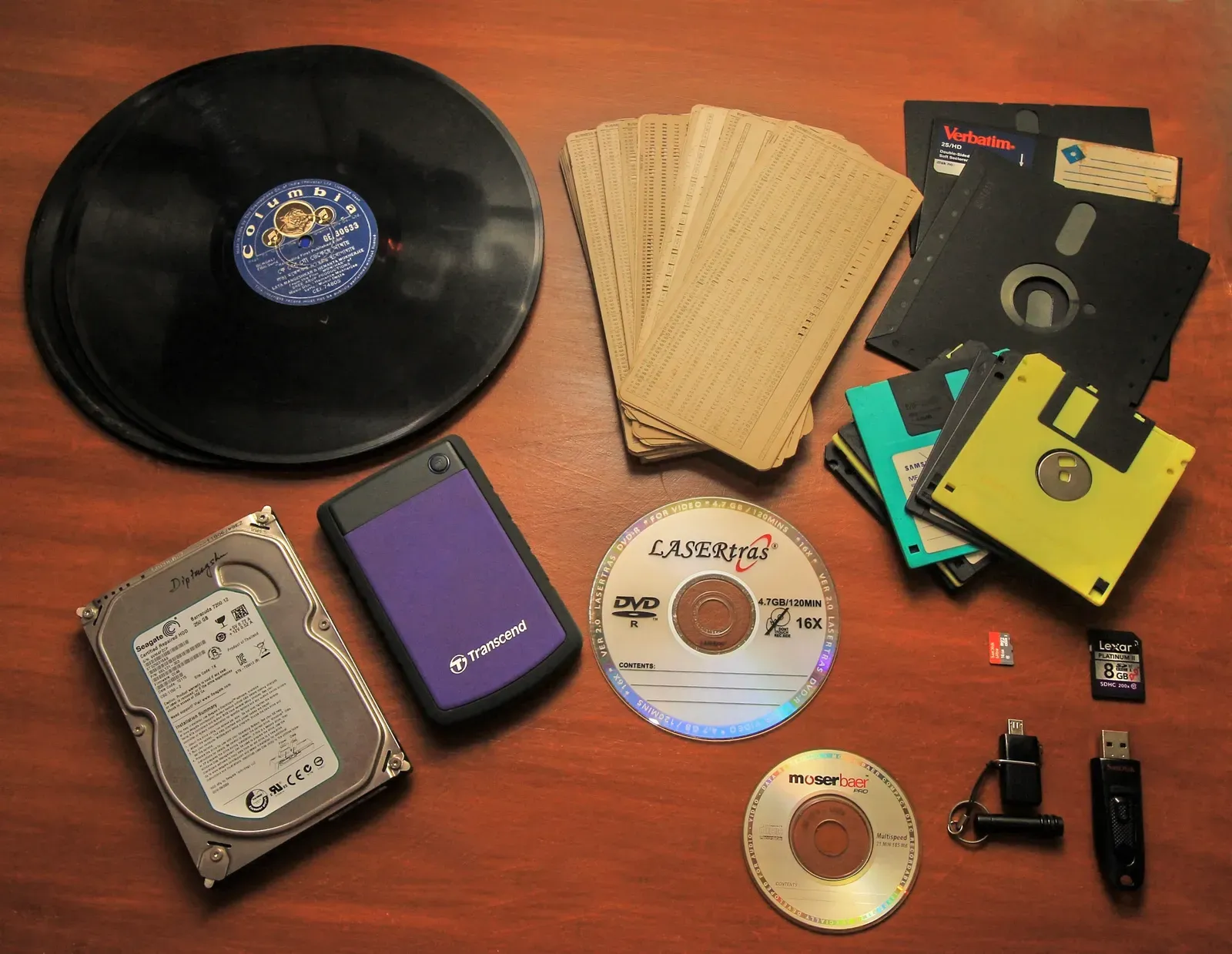
Before anyone had coined the term “zinc whisker awareness,” an entire generation of storage hardware was failing for reasons nobody could pin down.
A formal engineering investigation from the era describes exactly this scenario. There were failures in newly installed mass memory storage devices, and the ensuing failure investigation determined that the causes were electrical short circuits caused by small metallic filaments growing on the underside of raised floor tiles and support structures – filaments dislodged during maintenance and distributed throughout the data center by forced-air cooling systems.
The most damning detail is how far back this traces. The first identification of zinc whiskers and their associated system failures occurred in the 1940s, with renewed interest arising later, triggered by an apparent spike in reported failures. Manufacturers of raised-floor tiles were slow to catch on: access floor tiles have been used in high-technology facilities since the 1960s, but it’s apparent some floor system manufacturers didn’t give adequate forethought to the electro-chemical instabilities of the metal stock used to produce their products.
If this problem can sneak past storage engineers for decades, no facility should assume it’s too sophisticated to be next – not even one that launches rockets.
#10 – NASA Facility Computer Systems

If an agency capable of launching spacecraft can get blindsided by a rust-prevention coating, it’s a humbling reminder that no facility is too advanced to be immune.
NASA’s own engineering documentation confirms the agency dealt with this directly. Researchers describe a failure scenario attributed to zinc whiskers that affected many facilities, including some NASA sites, that utilized zinc-coated raised access floor tiles and support structures – noting that whiskers growing beneath a raised floor have the potential to wreak havoc on electronic systems operating above it.
The consequences were not hypothetical. Whisker debris was drawn inside electronic systems – servers, routers, disk arrays – operating in the data center, resulting in catastrophic and/or intermittent short-circuit failures.
The most surprising twist: NASA didn’t just fix the problem quietly – it published an entire awareness campaign and photo gallery specifically so other facility managers wouldn’t repeat the same costly mistake.
Government computing isn’t exempt either – and neither, it turns out, is the military.
#11 – U.S. Military Computer and Radar Systems

Government computing infrastructure isn’t exempt just because it’s mission-critical – if anything, aging military hardware may be more exposed, not less.
Trade publications covering this issue specifically flag defense facilities as part of the affected population. The Colorado Department of State suffered data center computer malfunctions that crippled its ability to deliver services, and the U.S. Air Force documented malfunctions tied to the same contamination pattern.
Formal whisker failure logs go further, listing multiple military and aerospace applications compromised by metallic whisker growth – including a 1986 F-15 radar system, a military application, failing due to tin whiskers on a hybrid package lid. It underscores that whisker-related failures aren’t confined to civilian office buildings; they reach directly into defense-grade hardware.
The most sobering fact: military systems are held to some of the strictest reliability standards in existence, and this contaminant still slipped through.
Few places demand more precision than a nuclear reactor’s control room. That didn’t stop whiskers from getting in there too.
#12 – Nuclear Power Plant Monitoring Instruments
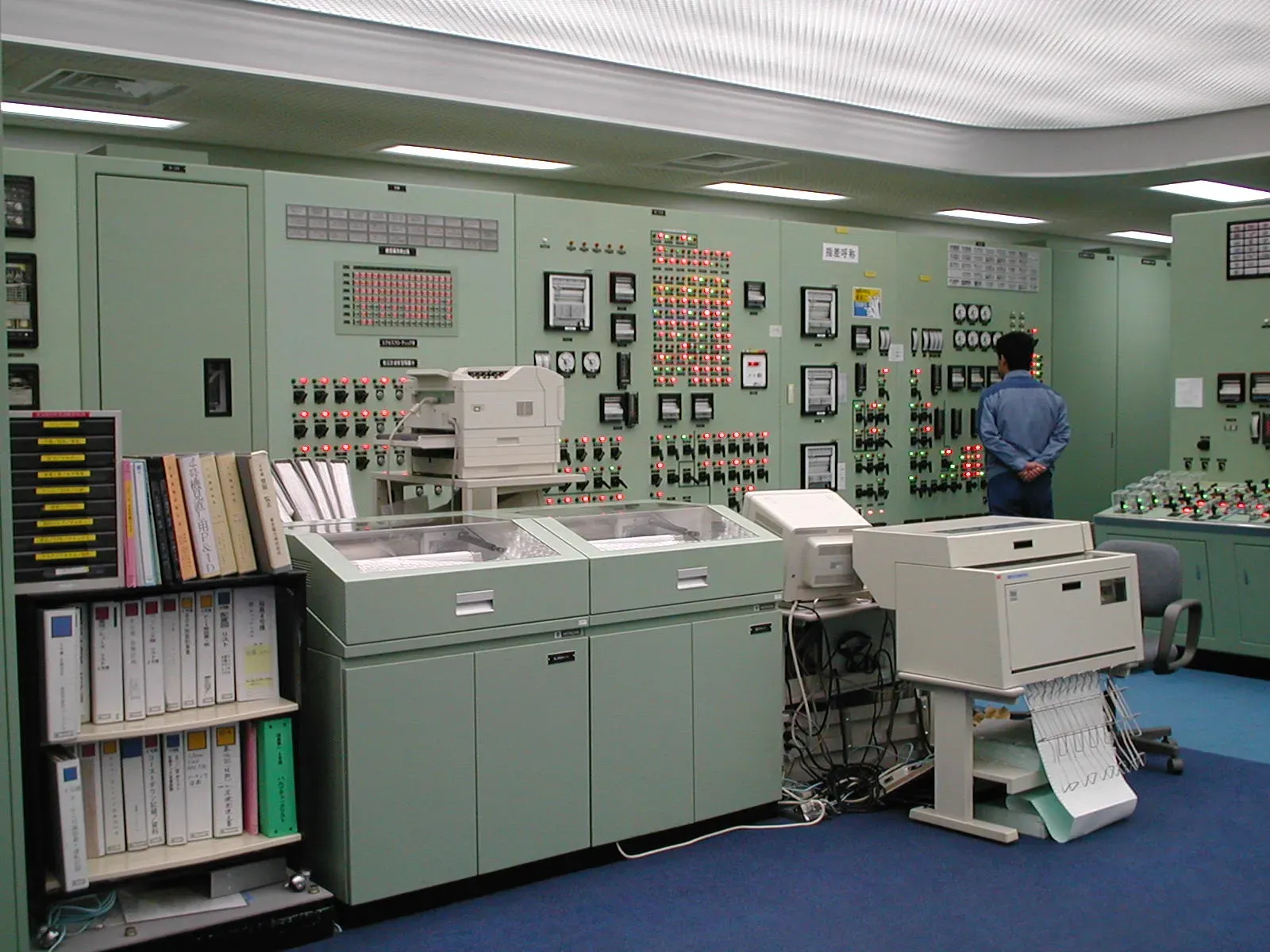
Few facilities demand more precision than a nuclear reactor’s instrumentation room, which is exactly why whisker contamination inside one is so alarming.
Documented failure histories place metallic whisker contamination directly inside operating nuclear plants. In 1990, Duane Arnold Nuclear Power Station experienced a power-industry failure caused by metal whiskers found on LPRM detectors. A near-identical failure had already been logged at another facility: Dresden Nuclear Power Station similarly experienced a power-industry failure caused by metal whiskers on LPRM detectors.
LPRM stands for Local Power Range Monitor – instrumentation used to track reactor conditions in real time. The controversial opinion many engineers won’t say publicly: if a rust-proofing coating can compromise reactor monitoring hardware twice at two separate plants, the industry’s zinc-plating standards for critical instrumentation deserve far more scrutiny than they currently receive.
Worth Knowing: A Timeline Decades in the Making
- 1940s – Bell Labs first identifies metal whisker growth in telecom environments
- 1960s – Raised access floor tiles become standard in high-tech facilities, many using zinc-coated components
- 1986 – Tin whiskers on a hybrid package lid disable an F-15 radar system
- 1990 – Zinc whiskers force an apnea monitor recall and disrupt LPRM detectors at two nuclear plants
- 2004 – A three-week outage cripples Colorado’s Secretary of State filing systems
And nowhere did the fallout hit closer to home than a state government office in 2004.
#13 – State Government Election and Business Filing Systems
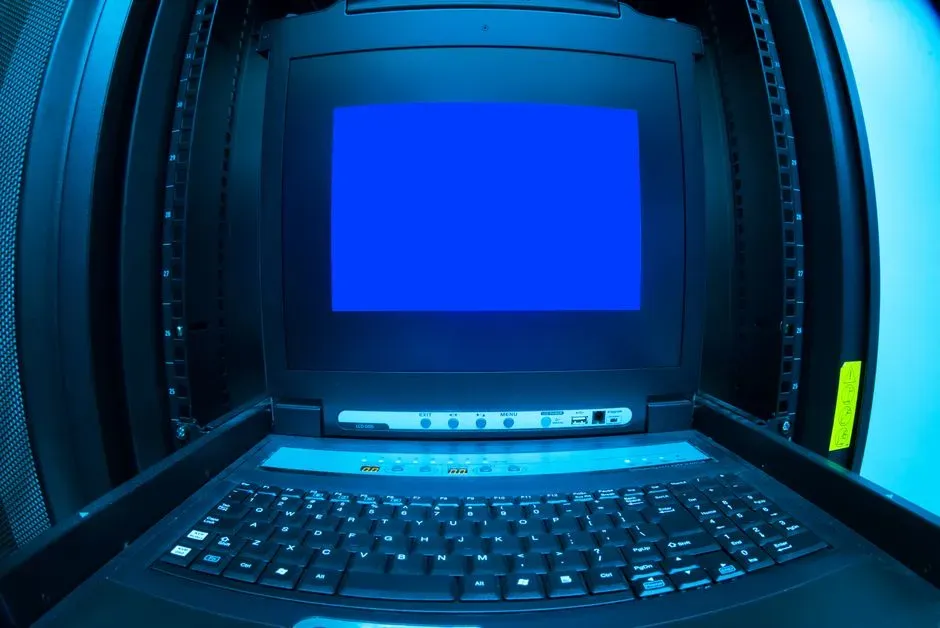
Nothing on this list hits closer to home than watching an entire state government grind to a halt over a coating problem nobody had heard of.
In 2004, Colorado’s Secretary of State’s office became the poster child for this exact scenario. The Denver Post reported how zinc whiskers caused computer outages for three weeks in the Colorado secretary of state’s office, basically halting business and elections document filings. Three weeks. Not three hours – three weeks of a state government unable to process filings that citizens and businesses depend on.
The most damning realization is that this wasn’t a freak, one-off event – it’s a pattern that keeps recurring precisely because whisker damage is so hard to diagnose. These failures are often difficult to pin down because the whiskers are microscopic and invisible without specialized microscopy. That means for every publicized Colorado-style incident, there are almost certainly quieter government outages that got blamed on “unexplained IT glitches” and never made the news.
The Bottom Line
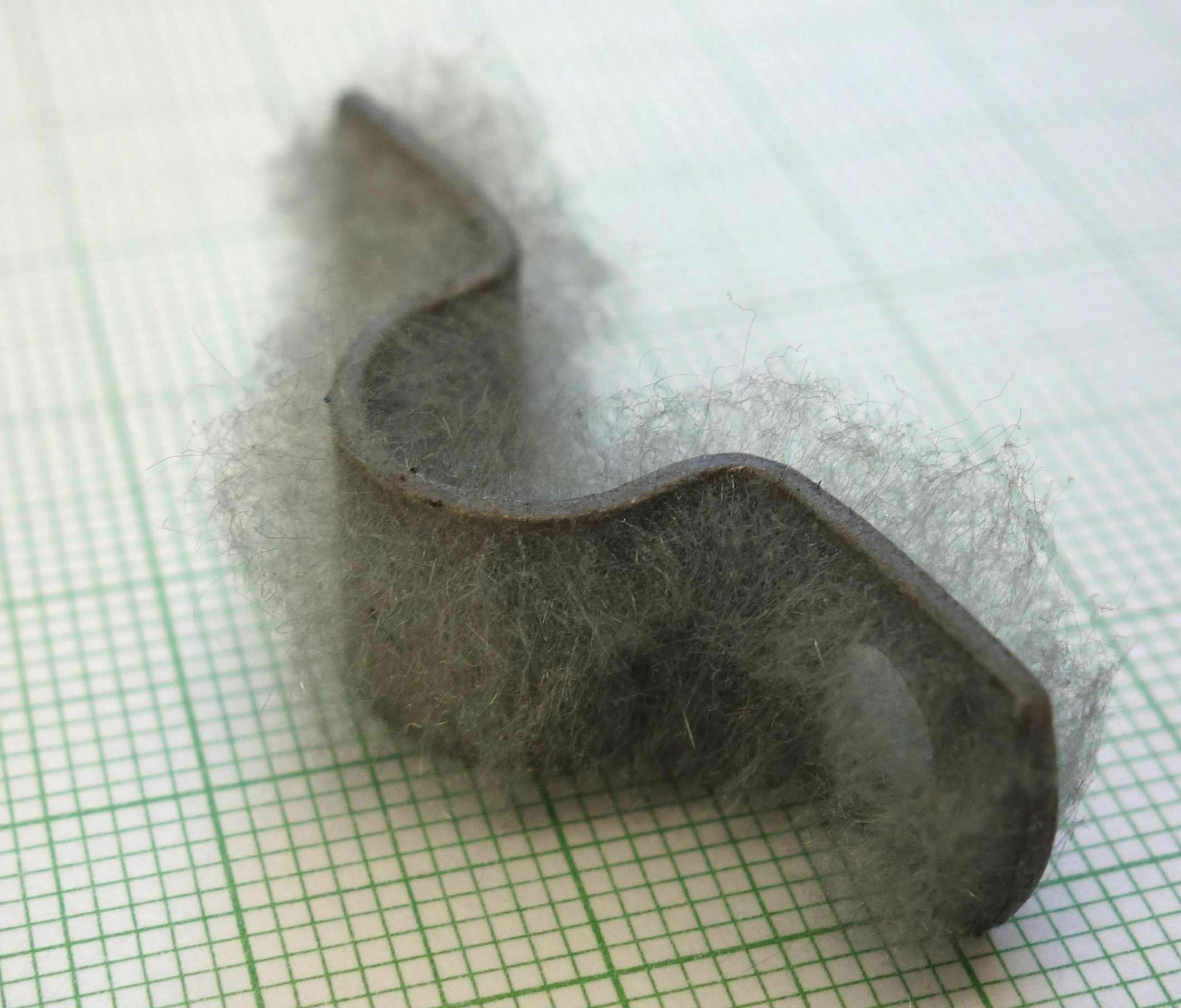
Thirteen wildly different environments – a brewery, a nuclear reactor, a hospital, a state government office – all brought down by the same overlooked coating problem. Zinc whiskers don’t care how important your system is; they only need airflow, an electroplated surface, and time.
The scariest part isn’t the damage itself. It’s how often these failures get logged as “no trouble found,” because the evidence vaporizes instantly – the whisker’s low fusing current means it often leaves no visible residue behind, so the incident just… recurs, unexplained, again and again.
If your facility still runs on older raised flooring or galvanized components that have never been inspected for this, here’s the opinion worth sitting with: this was never a problem you could catch by looking harder. It’s a problem you eliminate at the source, or you keep losing hardware to a cause you’ll never see coming.