
Most people assume progress only moves in one direction – that every ancient tool was a clumsy prototype waiting to be “fixed” by modern engineering. Surgeons, ballistics researchers, and materials scientists keep stumbling onto an inconvenient truth: some Stone Age technology still beats what’s sitting on store shelves today, and not by a little.
From blades sharper than anything in a modern operating room to hunting weapons that hit harder than a factory-made arrow, early humans occasionally nailed the design on the first try – and never let go of it. Here’s what the data, the archaeological record, and modern lab tests actually say, counting down to the one that genuinely stops people mid-scroll.
#13 – The Grinding Stone That Chefs Secretly Still Prefer

Long before electric spice grinders existed, early humans were crushing seeds, grains, and roots between two stones – a mortar and a handheld pestle, sometimes called a quern.
This wasn’t just a primitive blender. The slow, low-heat crushing action of stone-on-stone grinding preserves volatile aromatic oils that high-speed electric blades destroy through friction heat. Many professional chefs and food scientists still argue that a hand-ground spice paste tastes measurably fresher than anything that comes out of a motorized grinder, because the metal blades in electric units generate enough heat to cook off the very oils that give spices their punch.
Stone grinding tools also never need batteries, never overheat, and never wear out an internal motor. Archaeologists have found grinding stones in use for over 30,000 years, making them one of the longest continuously used tools in human history – a track record no kitchen gadget has ever matched.
While most people assume newer automatically means better, plenty of home cooks are now going back to volcanic basalt mortars specifically because the flavor difference is noticeable. That’s just the warm-up. Number 12 replaced something even more essential – and did it better.
#12 – The Digging Stick That Outworks a Garden Trowel

A sharpened wooden stick, sometimes fire-hardened at the tip, was arguably the most important tool in early human survival – far more important than any spear.
Digging sticks let foragers extract tubers, roots, and insects from soil that would take far longer to work with a small hand trowel. The length and leverage of a digging stick lets a person apply far more downward force with less strain on the wrist and back than a short-handled modern trowel, which is why many indigenous communities across Africa, Australia, and the Americas still use a version of this tool today instead of imported garden equipment.
Unlike a trowel, a digging stick doubles as a walking staff, a defensive weapon, and a lever for moving rocks or logs. It’s arguably the first true multi-tool in human history, and its single-piece design means there’s no hinge, no plastic handle, and nothing to snap under pressure.
Modern trowels break at the neck constantly; a well-made digging stick rarely does. Impressive, sure. But #11 solved a problem plastic still hasn’t figured out.
#11 – Birch Bark Containers That Fight Bacteria Better Than Plastic
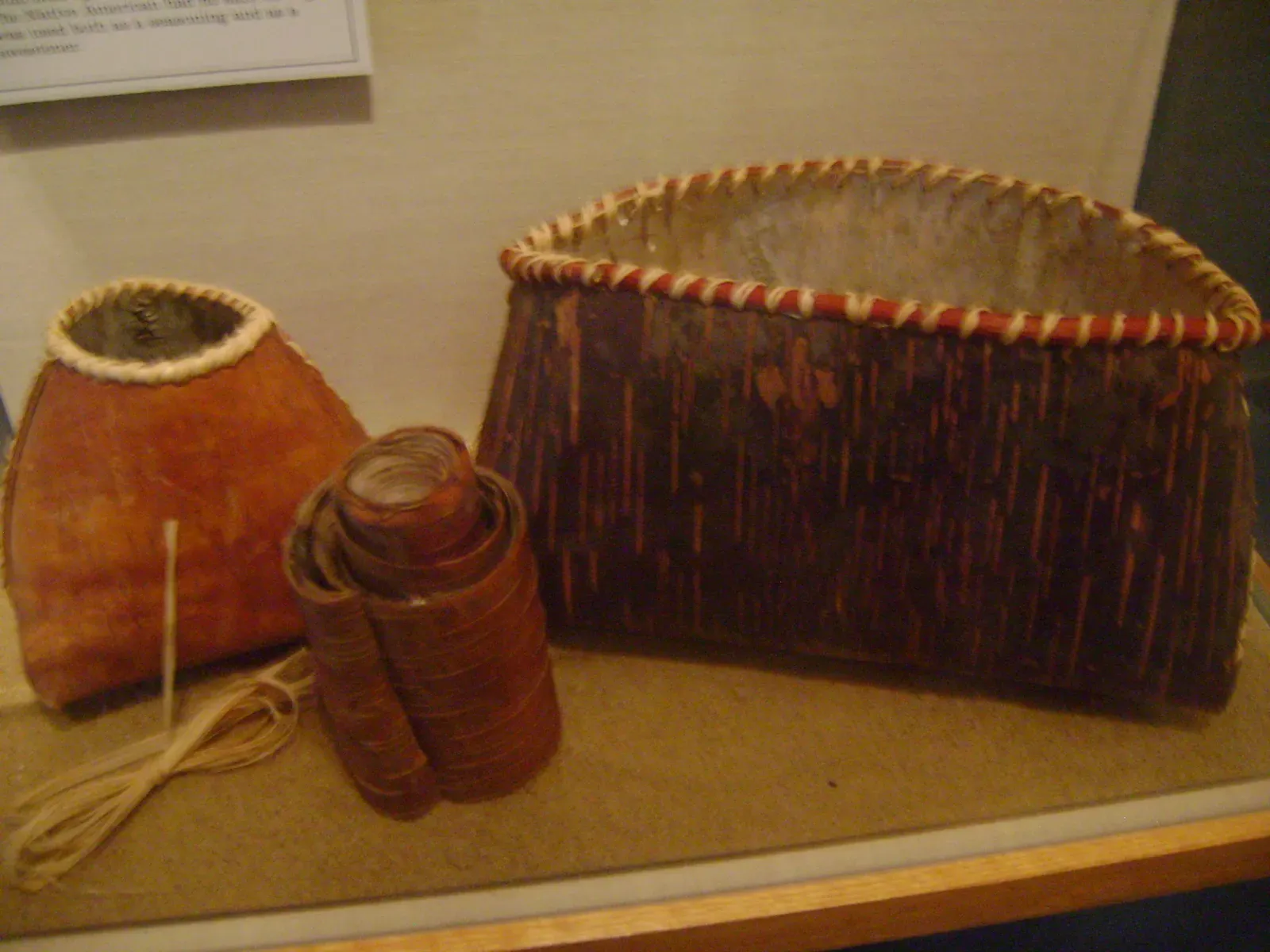
Birch bark isn’t just waterproof – it’s chemically self-defending.
The bark contains a compound called betulin, a natural antimicrobial and antifungal agent that early humans exploited without understanding the chemistry behind it. They folded birch bark into containers for storing food, water, and even medicinal salves, and the material actively slowed bacterial growth inside. Modern plastic containers do the opposite – many plastics leach chemicals into food and provide zero antimicrobial benefit, and some studies have linked long-term exposure to certain plastic compounds with hormone disruption.
Birch bark is also lightweight, foldable, waterproof without any coating, and completely biodegradable, while most plastic storage containers persist in landfills for centuries.
Scandinavian and Siberian cultures used birch bark vessels for thousands of years, folding and stitching them into shapes surprisingly close to modern Tupperware – minus the microplastics. Hold that thought, because #10 exposes something modern fishing gear gets embarrassingly wrong.
#10 – Woven Fish Traps That Beat Modern Nets on Sustainability

Basket-style fish traps, woven from reeds or willow branches, were one of humanity’s earliest food-security inventions – and in several ways they’re still more responsible than industrial fishing gear.
A woven trap catches fish passively and selectively; smaller fish and non-target species can often escape through the gaps, while trawl nets scoop up everything in their path regardless of size or species. This means traditional trap fishing produces dramatically less bycatch than modern commercial netting, a major reason marine biologists studying sustainable fisheries have started reintroducing trap-based methods in overfished regions.
At a Glance
- Woven from natural reeds or willow, with zero synthetic material
- Selective by design – smaller fish and non-target species can escape through the gaps
- Produces far less bycatch than commercial trawl nets
- Requires no fuel, no engine, and sheds no microplastic fibers
Traps also require no fuel, no engine, and no synthetic material that sheds microplastics into waterways – a growing problem with modern nylon nets, which shed fibers every time they’re used.
While critics rightly point out that traps can’t feed a planet of eight billion people, many marine conservationists now argue the ancient method should be scaled back into modern fisheries specifically because it does less ecological damage per fish caught. Nets and traps are one thing. Wait until you see what a stone on a string can do.
#9 – The Hunting Sling That Rivals a Modern Handgun
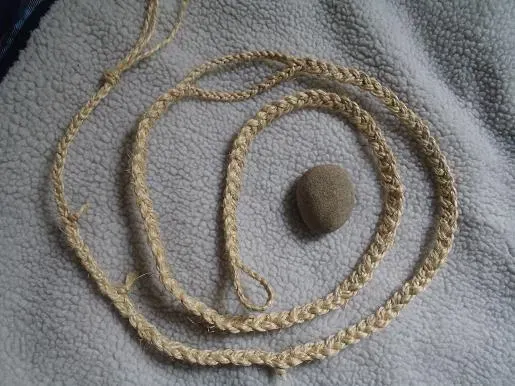
Most people picture the sling as a toy from the David-and-Goliath story, but ballistics research tells a very different story.
A skilled slinger whipping a stone through a leather or woven sling can generate projectile speeds fast enough to seriously injure or kill at range, with some experimental archaeology tests clocking sling stones at velocities that rival low-caliber handgun rounds in terms of impact energy. Roman armies used sling units specifically because they could out-range early bows, and Assyrian and Greek military records describe slingers as decisive in siege warfare.
The sling requires zero moving parts, no strings to snap, and ammunition that can be picked up off the ground anywhere on Earth – a huge logistical advantage over the manufactured cartridges modern slingshots and firearms depend on.
It’s also nearly silent compared to a firearm, making it a genuinely effective tool for small-game hunting without alerting every animal in a mile radius. That’s not even the most alarming weapon on this list. #8 might explain why humans survived an entire ice age.
#8 – The Bone Needle That Out-Survives Modern Steel
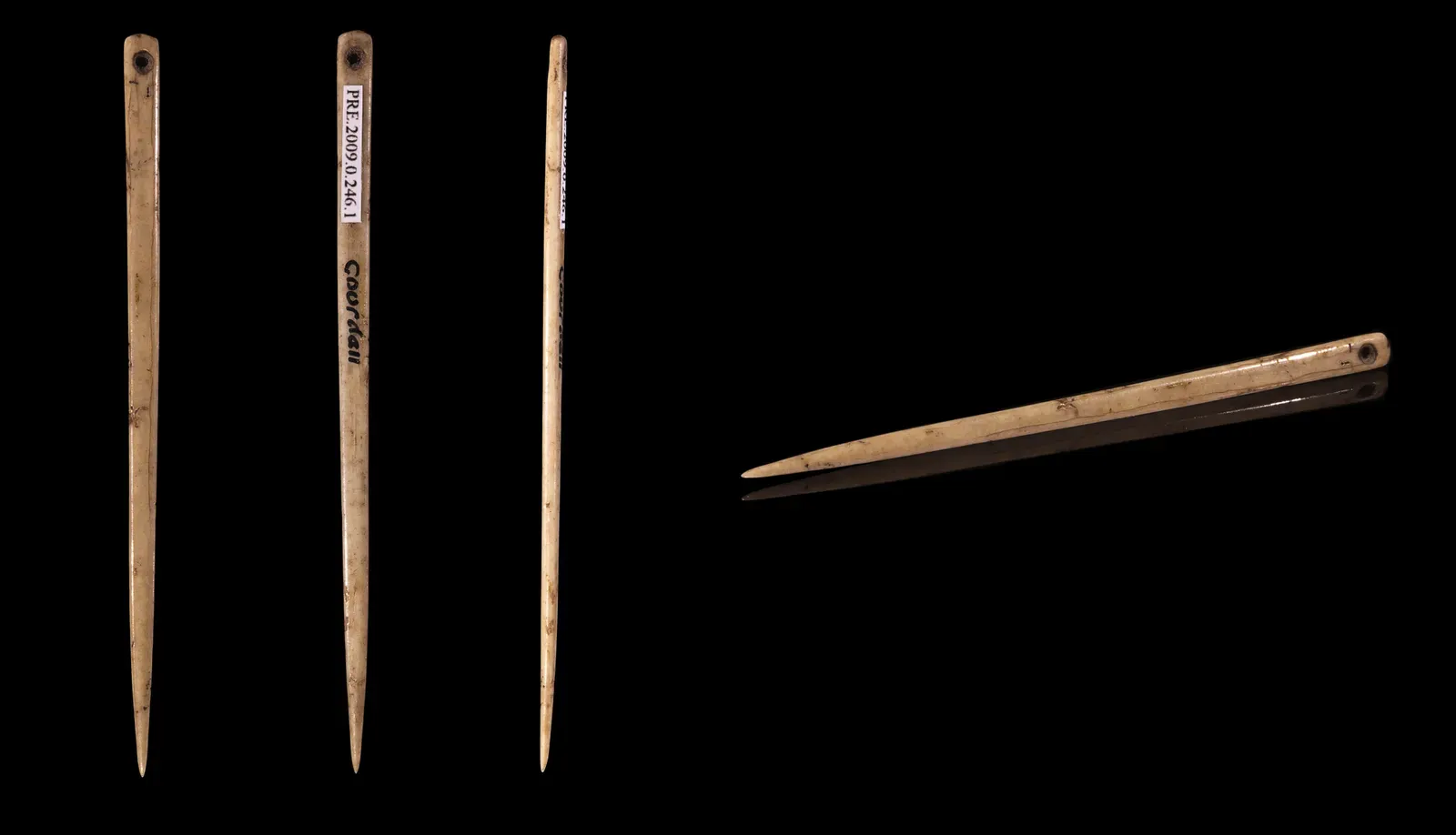
An eyed needle carved from bone or antler, some dating back over 50,000 years, allowed early humans to sew tightly fitted, layered clothing – and that single invention may be the reason humans survived the last Ice Age at all.
Unlike a simple awl that just punches holes, an eyed needle pulls sinew thread through material in one motion, creating tight, wind-resistant seams. Researchers studying Ice Age survival now believe tailored, layered clothing sewn with bone needles was a bigger factor in surviving extreme cold than fire itself, since fire can’t travel with a hunter chasing game across open tundra.
Bone needles don’t rust, don’t corrode, and won’t snap in freezing temperatures the way many modern steel needles become brittle and fracture in extreme cold.
Sinew thread, meanwhile, expands slightly when wet and contracts as it dries, tightening the seam automatically – a self-sealing property synthetic thread doesn’t replicate nearly as well in true survival conditions. Sewing kept us alive. Walking on top of the snow? That’s #7’s job – and it’s still winning arguments among outdoor guides.
#7 – The Snowshoe Design Modern Brands Still Can’t Improve On
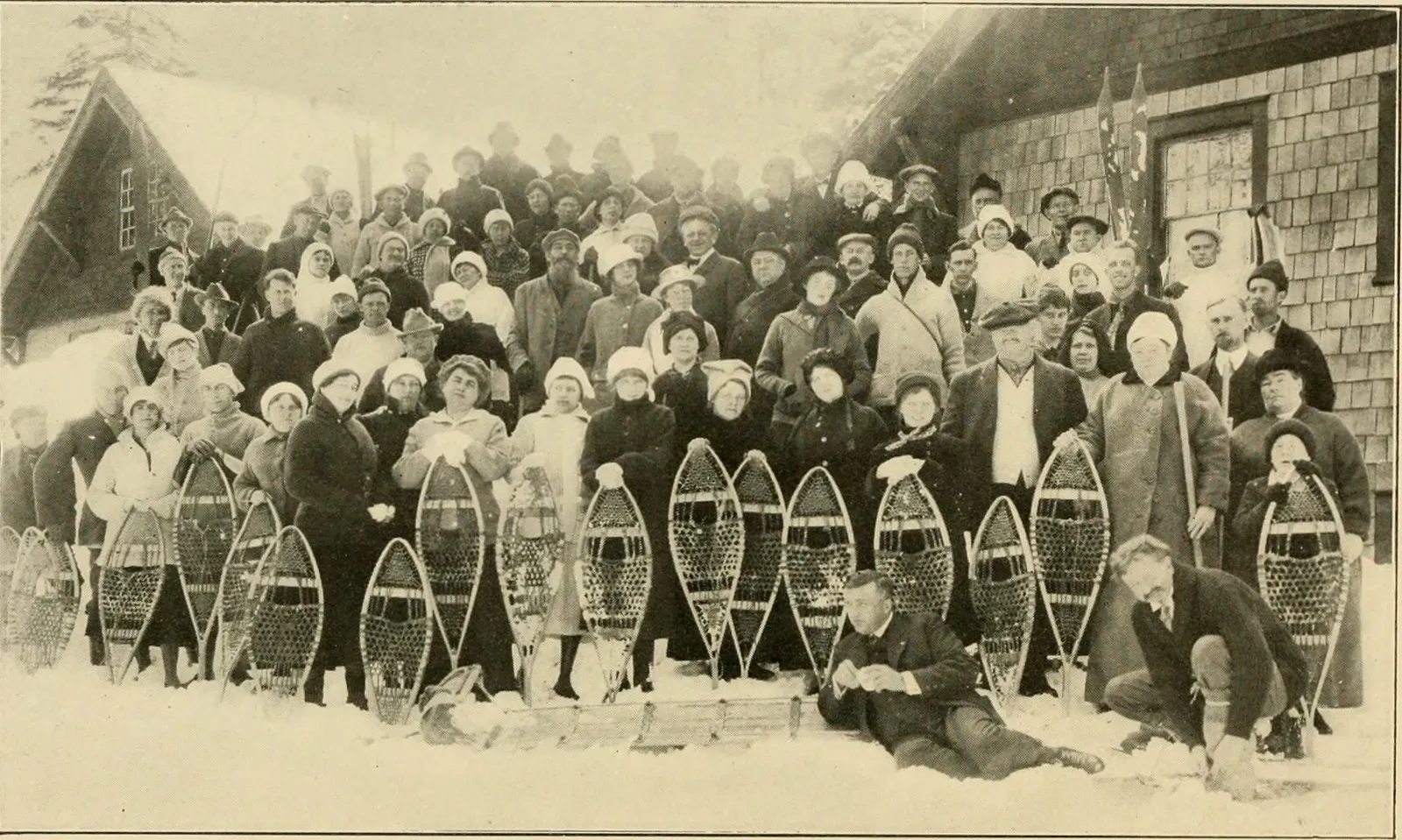
The basic wood-frame, rawhide-webbed snowshoe used by Indigenous Arctic and Subarctic peoples for centuries remains, in many expert opinions, superior to some ultralight modern aluminum designs for deep, unpacked powder.
Traditional snowshoes distribute a person’s weight across a wider surface area using flexible wood bent into a teardrop or bearpaw shape, which flexes naturally with each stride instead of fighting the walker’s motion the way rigid aluminum frames can. Many backcountry guides argue that in truly deep, dry powder, the wider traditional designs still outperform smaller, sportier modern shoes marketed for speed on packed trails.
Worth Knowing
- Wood frames are bent into a teardrop or bearpaw shape, flexing naturally with each step
- Wider surface area spreads body weight better in deep, unpacked powder
- Rawhide webbing can be repaired in the field with just a knife and spare hide
- Ultralight modern shoes still win on groomed, packed trails – it’s terrain-dependent
The rawhide webbing is also repairable in the field with nothing more than a knife and spare hide, while a snapped modern binding or cracked aluminum frame usually means the trip is over.
This is one of the more controversial opinions among outdoor gear reviewers, since ultralight modern shoes dominate for groomed trails – but for true wilderness survival, plenty of guides still trust the old design first. Snow is one thing. Water is another – and #6 might be the most underrated boat design in history.
#6 – The Skin Kayak That Beats Plastic in the Water
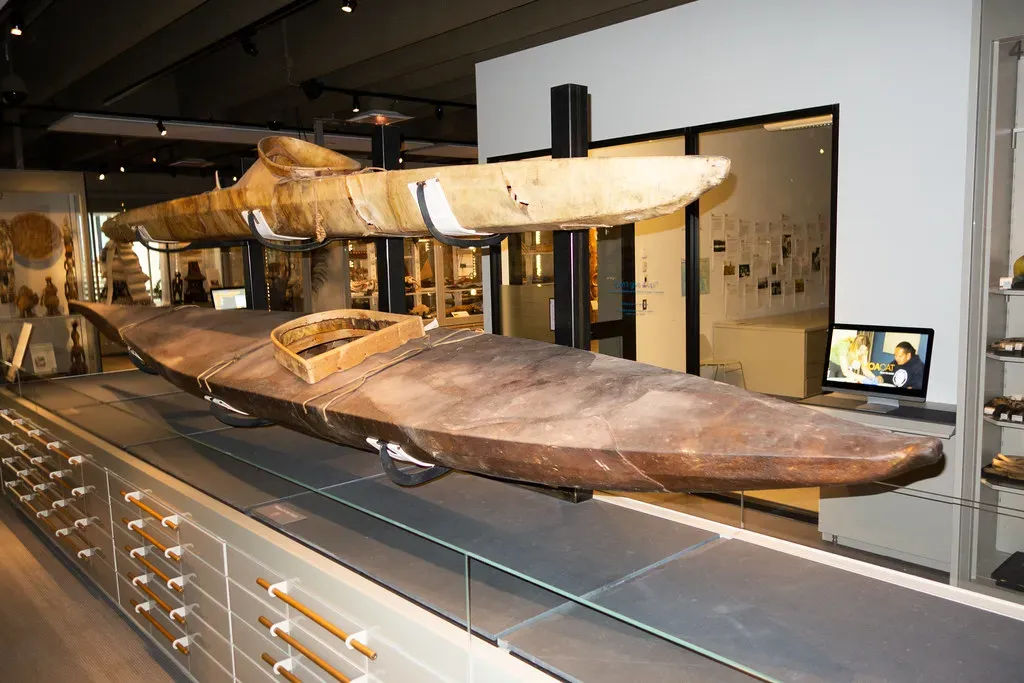
The Inuit qajaq, built from a wood or bone frame stretched with sealskin, is lighter, faster, and more efficient in Arctic water than the vast majority of mass-produced plastic kayaks sold today.
Traditional skin-on-frame construction produces a boat that can weigh a fraction of a comparable rotomolded plastic kayak, while flexing slightly with wave action instead of slamming rigidly against it – a property that actually improves fuel efficiency in human terms, since paddlers expend less energy per stroke. Elite sea kayakers and boat designers have studied traditional qajaq hull shapes for decades specifically because the proportions produce less drag than many modern recreational hulls.
Skin boats are also field-repairable with a needle, sinew, and spare hide, whereas a cracked plastic hull usually requires a full replacement.
Some modern expedition kayakers have gone as far as commissioning traditional skin-on-frame builds specifically because the old design outperforms plastic in true Arctic conditions. A boat that repairs itself in the field is impressive. A fire that never runs out of fuel? That’s next level.
#5 – The Fire-Starting Method That Never Runs Out of Fuel
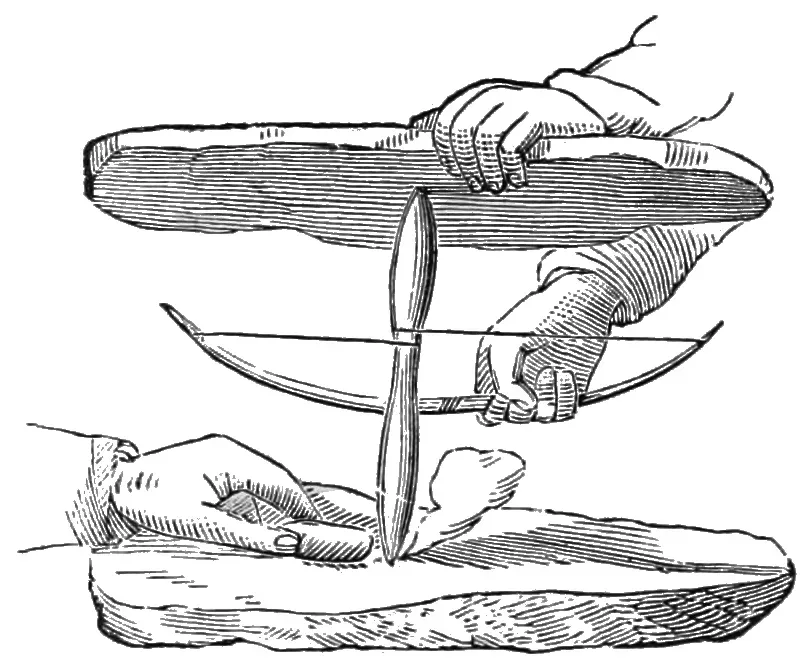
A bow drill – a simple bow-strung stick spun rapidly against a wooden base to generate friction heat – has one massive advantage over every lighter, match, and butane torch ever manufactured: it never runs out of fuel.
Modern lighters fail in cold temperatures because butane doesn’t vaporize properly below a certain point, and at high altitude, thin air can make lighters sputter and fail entirely. A bow drill works using only wood, cordage, and physical effort – no chemicals, no cartridges, and nothing that degrades sitting in a survival kit for years. Waterproof matches, meanwhile, still require a dry striking surface, something that’s nearly impossible to guarantee during a genuine emergency.
Survival instructors still teach the bow drill first for exactly this reason: once you know how to make one, you can start fire literally anywhere on Earth with materials found on the ground.
No modern fire-starting tool can make that same claim with a straight face. Fire matters. But #4 is the one aerospace engineers still can’t fully explain.
#4 – The Boomerang’s Aerodynamics Still Baffle Engineers
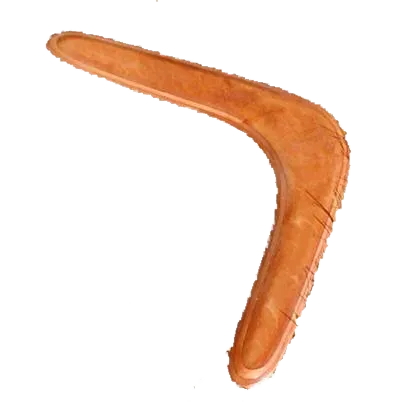
The returning boomerang is one of the few thrown objects in human history engineered to fly in a curve and come back to the thrower – and modern aerospace engineers still use it as a teaching example of applied aerodynamics.
Aboriginal Australian communities refined the asymmetrical airfoil shape of the returning boomerang over thousands of years, long before anyone understood the physics of lift and gyroscopic precession that make the return flight possible. No modern throwing tool – not a frisbee, not a javelin – replicates both a stable curved flight path and automatic return to the user in a single object. Non-returning boomerangs, meanwhile, were heavier hunting versions capable of breaking the legs of kangaroos at range, doubling as a fighting weapon.
Fast Facts
- Refined by Aboriginal Australian communities over thousands of years
- Asymmetrical airfoil shape creates lift and gyroscopic return flight
- Heavier non-returning versions could break a kangaroo’s leg at range
- The only thrown weapon designed to come back after a missed shot
A boomerang also required no ammunition beyond itself; a missed throw simply came back for another attempt, something no thrown spear, arrow, or bullet has ever offered a hunter.
It’s a rare case of an ancient object being both a weapon and, essentially, a self-retrieving tool. A self-returning weapon is strange enough. #3 is stranger: a tool that never needed to change for over a million years.
#3 – The Hand Axe That Outlasted Every Tool Ever Made
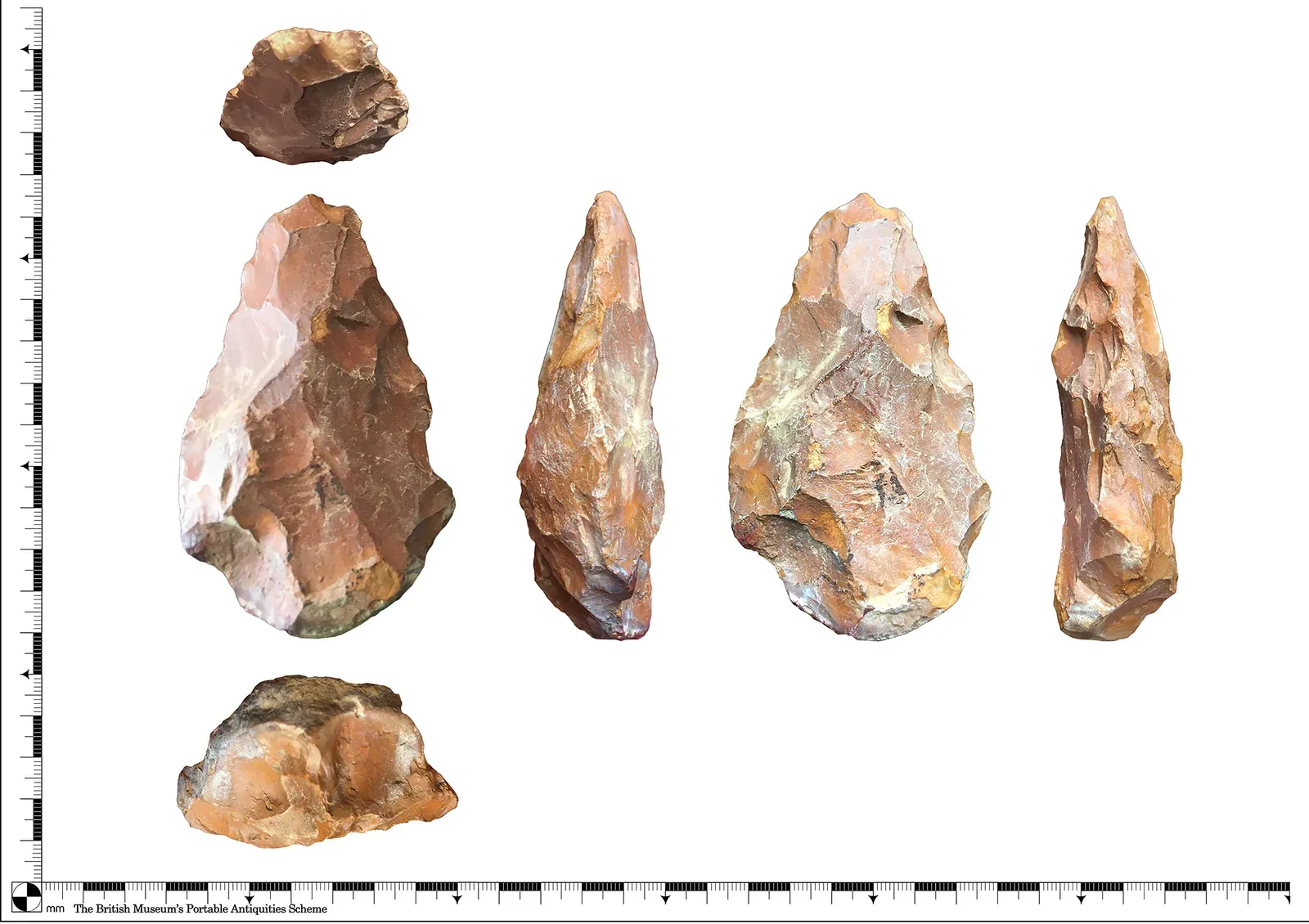
The Acheulean hand axe – a teardrop-shaped stone tool chipped on both sides – was manufactured with almost no design changes for well over a million years, making it the single longest-used tool design in the entire archaeological record.
No modern tool has come remotely close to that kind of staying power; even the hammer and screwdriver have gone through constant material and shape revisions over just the last century. The hand axe’s genius was its radical versatility – it could cut, scrape, chop, dig, and even be thrown, all from a single piece of stone with no moving parts, no handle to snap off, and no metal to rust.
Modern toolkits require dozens of specialized single-purpose tools to replicate what one well-made hand axe could do.
Many archaeologists now argue that judged purely by longevity of design and functional versatility, the hand axe is the most successful tool humans have ever created – full stop, no modern equivalent included. One tool lasted a million years. The next one hits harder than anything modern archery makes today.
#2 – The Atlatl That Hits Harder Than a Modern Hunting Arrow
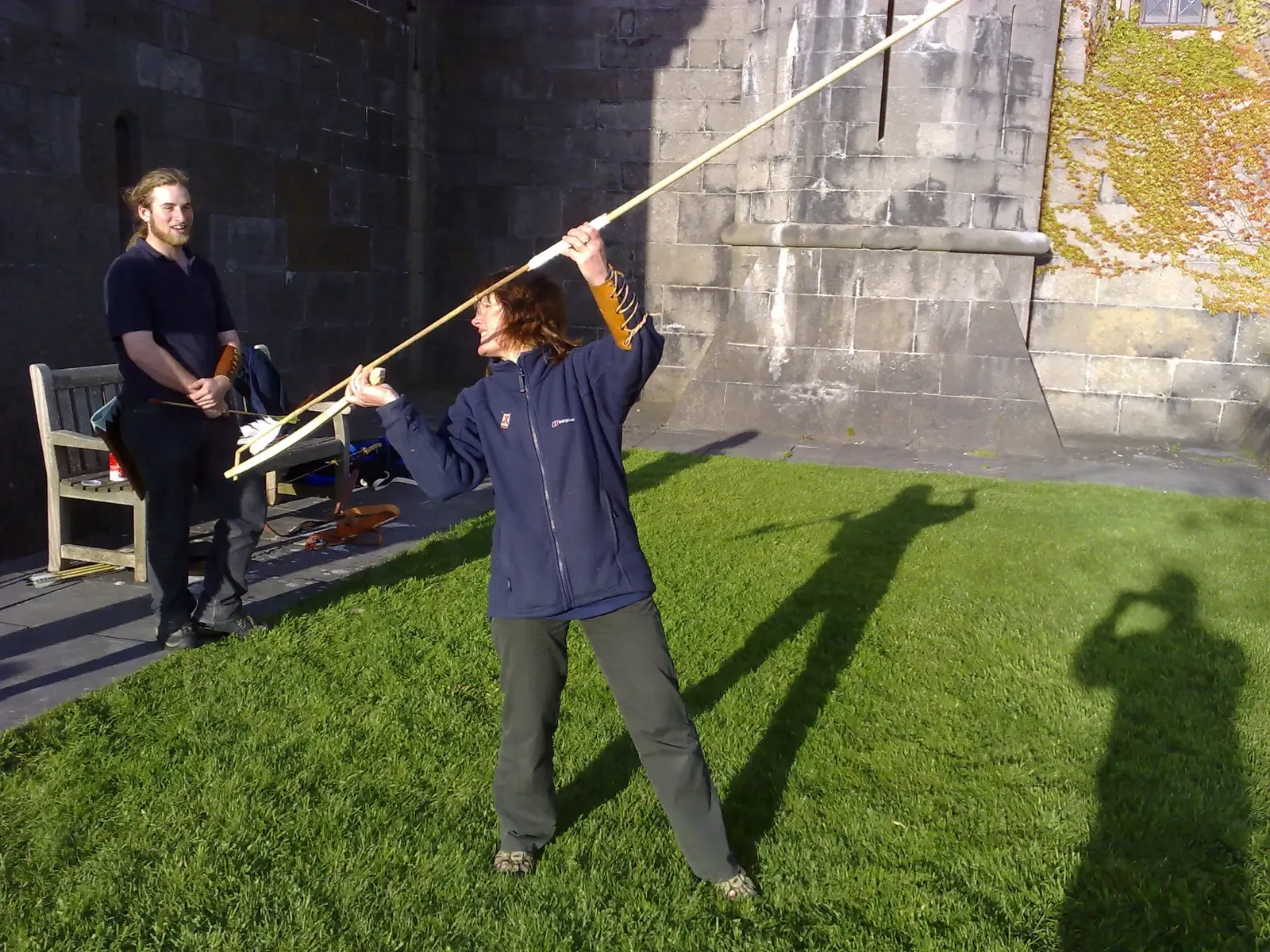
The atlatl, a simple hand-held lever used to launch a dart, sounds primitive next to a compound bow – until you look at the actual impact numbers.
A modern hunting arrow carries around 540 grains of weight at a speed of about 220 feet per second, delivering roughly 58 foot-pounds of kinetic energy, while a heavier atlatl dart thrown at a slower speed impacts at 62 foot-pounds – meaning the “primitive” weapon actually hits with more force on impact than a modern hunting arrow in direct comparison. Using the same weights and speeds, the atlatl dart’s momentum comes out to roughly double that of the modern arrow, a difference that matters enormously when the goal is dropping large game in one shot.
Quick Compare
- Modern arrow: ~540 grains, ~220 fps, ~58 foot-pounds of energy on impact
- Atlatl dart: heavier and slower, but ~62 foot-pounds of energy on impact
- Momentum: the atlatl dart carries roughly double the arrow’s momentum
- Top dart speed: over 150 km/h (93 mph), effective on large game near 20 meters
A traditional atlatl can readily impart projectile speeds of over 150 km/h (93 mph), and it’s thought a distance of around 20 metres could have brought down a large animal using nothing but a stick, a dart, and human muscle.
This is genuinely controversial among hunting enthusiasts – the myth persists that the atlatl is inferior to nearly every other hunting method except throwing a spear by hand, yet the physics say otherwise. Everything so far has been a warm-up for this. #1 is the one that actually stops surgeons in their tracks.
#1 – The Obsidian Blade Still Used in Operating Rooms Today

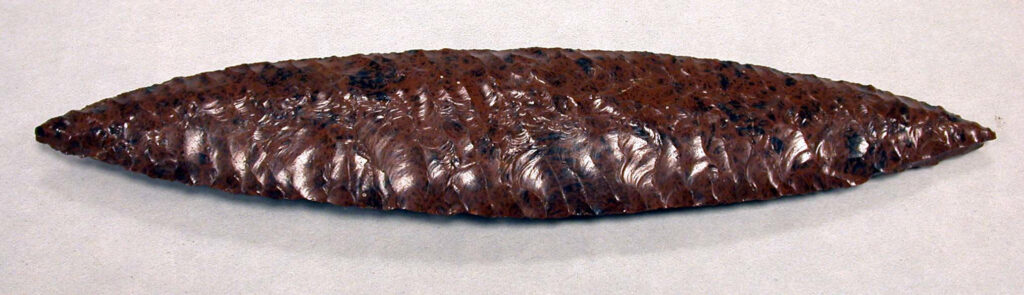
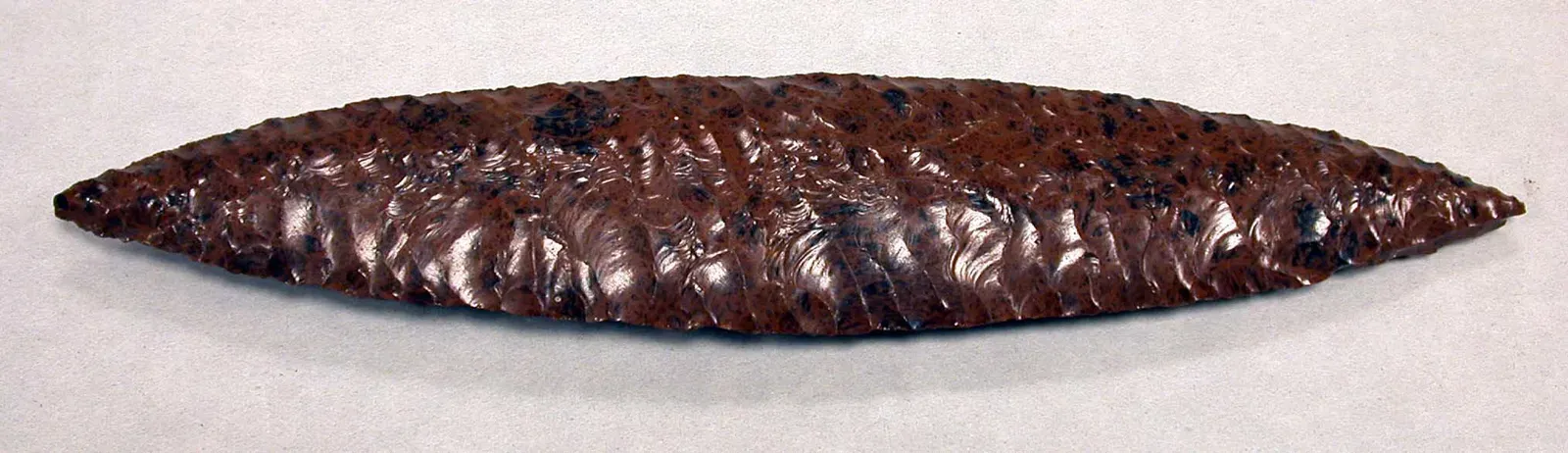
This is the one that genuinely stuns most people: surgeons in the United States are, right now, using blades made from volcanic glass because steel simply can’t match the edge.
The implement often used to carry out primitive skull surgery was made from obsidian, and at 30 angstroms an obsidian scalpel can rival diamond in the fineness of its edge. To put that into perspective, most household razor blades measure 300-600 angstroms – obsidian is roughly ten to twenty times finer than the blade in your bathroom cabinet. Steel scalpels have a rough cutting edge at the microscopic level that tears into tissue, while obsidian cleaves into a fine, continuous edge when properly cut.
This isn’t ancient folklore dressed up for a headline.
The biggest advantage with obsidian is that it is the sharpest edge there is, it causes very little trauma to tissue, it heals faster and more importantly it heals with less scarring.
Dr. Lee Green, University of Alberta
Researchers rediscovering ancient knapping methods found something else remarkable: experimentation found the glass blades were equally as strong as steel scalpels in wound healing and caused no foreign body reactions. A tool first made by human hands a million years ago, out of volcanic rock, is still cutting people open in modern hospitals – and doing it better than steel.
The Bottom Line
The evidence is hard to ignore: early humans didn’t just survive with primitive gear – they engineered solutions that, in specific and measurable ways, still beat what replaced them. Obsidian remains sharper than surgical steel. The atlatl hits harder than a modern hunting arrow. The hand axe outlasted every tool design in human history.
This isn’t nostalgia – it’s physics, chemistry, and thousands of years of trial and error compressed into objects that never needed a battery, a factory, or a warranty. Modern manufacturing solved for cost and speed, not always for performance, and that trade-off shows up exactly where you’d least expect it – in an operating room, on a frozen trail, in the palm of a hand throwing a stone.
Which one of these surprised you the most? Drop your pick in the comments – and tell us if we missed one.