
The internet loves to talk about “forbidden” places, but here’s the twist most people miss: the scariest closures in the caving world aren’t the ones with big warning signs and press releases. They’re the ones where a permit simply stops being renewed, a steel door goes up overnight, and nobody in an official capacity ever explains why. Geologists mention it in passing. County records go quiet. Scientific papers stop being published.
Somewhere between “preservation,” “safety,” and outright silence, at least fourteen cave systems around the world have vanished from research access – and in several cases, the people who study them for a living still don’t have a straight answer. Here’s what insiders, geologists, and leaked correspondence actually say.
#14 – The Unnamed Gated Caves of Sequoia & Kings Canyon, California
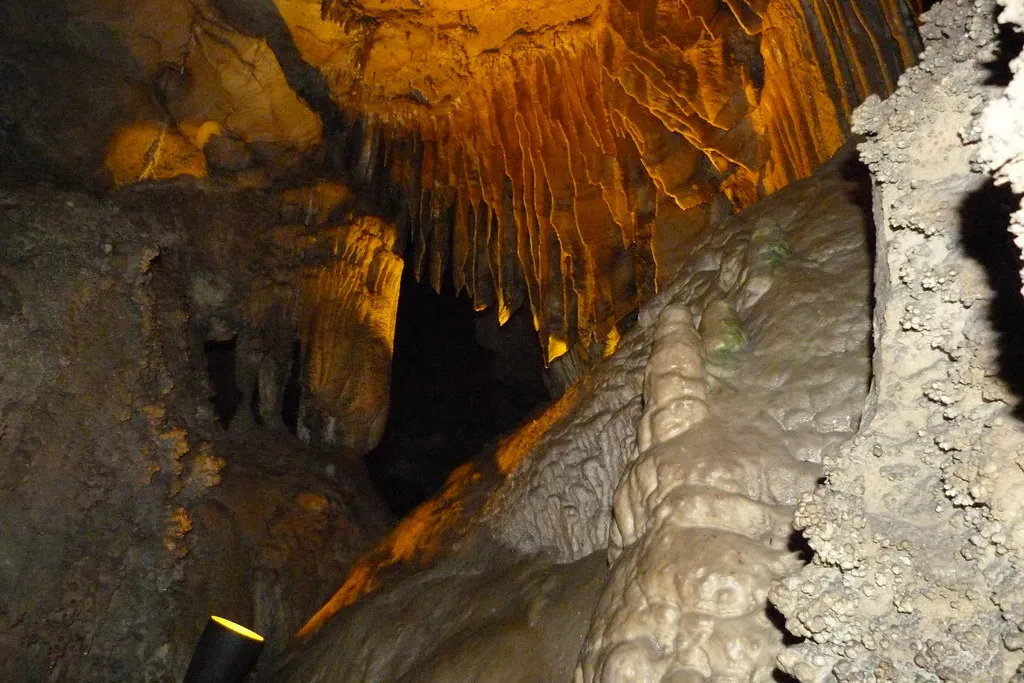
Somewhere inside these twin national parks sit cave entrances the National Park Service refuses to name publicly.
The Park Service openly admits some caves are treated differently than others, but rarely says exactly which ones or precisely why. Other caves, with rare and sensitive animals or mineralogical features, may be closed to entry, while a few caves are set aside for research and study. That’s about as much detail as the public – or most outside researchers – ever gets.
What makes this stranger is the physical infrastructure involved. Six park caves are gated, meaning that the entrances contain locked gates of metal bars that protect the cave from uninformed trespassers or which protect any trespassers from dangers in the cave. Notice the vague, almost circular justification – protection from the cave, or protection of the cave, take your pick.
Even veteran cavers say they’ve never seen a published list explaining which “sensitive animal” or mineral formation triggered each specific closure. But that’s nothing compared to what we found about #13.
#13 – Mammoth Cave’s Sealed Bat Passages, Kentucky
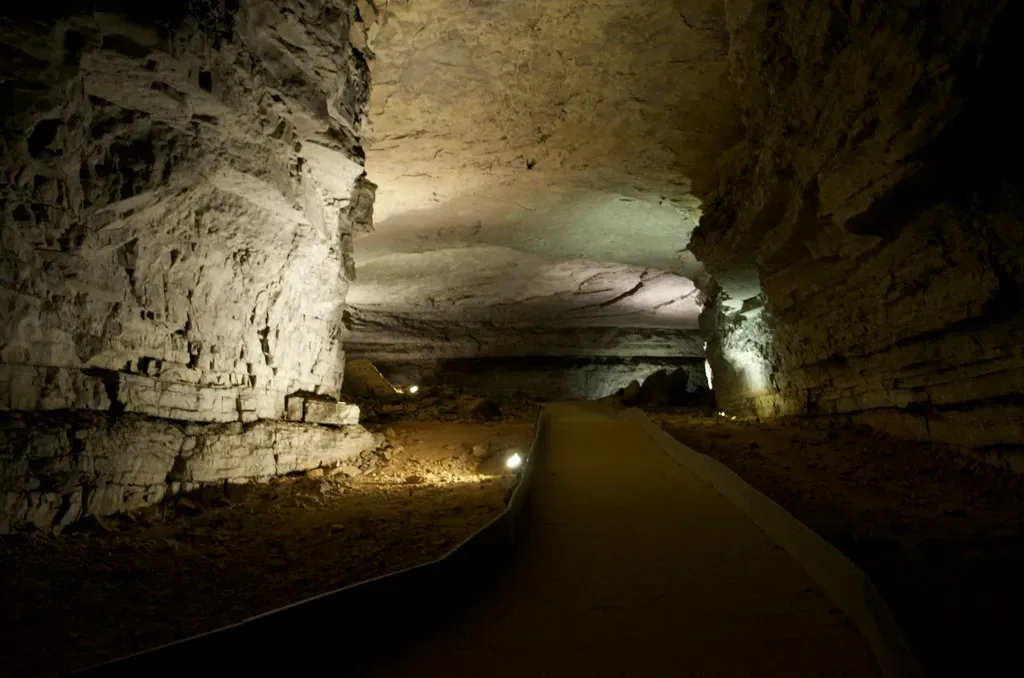
An entire underground ecosystem has gone dark to protect a fungus nobody can see.
Across the United States, cave managers have quietly closed off sections of major systems – including parts of the Mammoth Cave network – to slow the spread of white-nose syndrome, a fungal disease devastating bat colonies. Most of these closures were never mapped publicly, and the exact boundaries of “closed” versus “open” passages have shifted year to year without formal announcement.
Researchers who study bat populations say they understand the biological logic: human boots and gear can carry fungal spores between cave systems. But independent geologists and hobbyist cavers have complained for years that they can’t get straight answers about which specific corridors are shut, for how long, or what data justifies keeping them locked instead of monitored.
The silence isn’t sinister – it’s bureaucratic – but it still means researchers outside the inner circle are left guessing. Wait until you see what’s happening in Spain at #12.
#12 – Altamira Cave, Spain
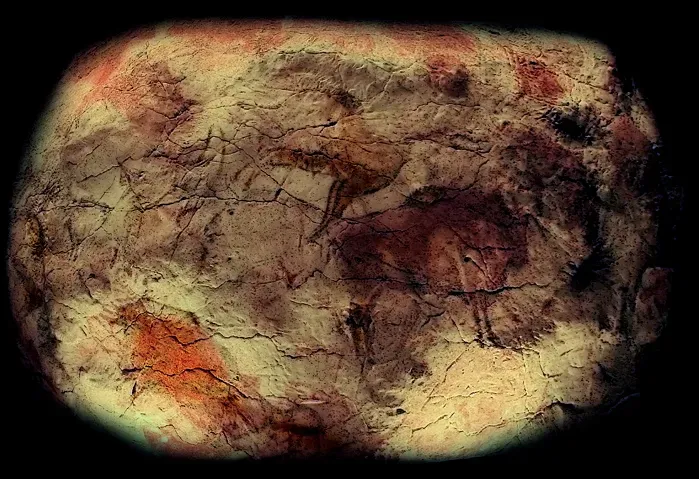
A UNESCO-listed masterpiece has been opened and closed so many times that even scientists can’t agree on the rules anymore.
Discovered in 1868, the cave complex became a tourist magnet, and by the 1970s it received 3,000 visitors a day. Body heat and moisture from people’s breath were blamed for a gradual deterioration of the images, and from 1982 to 2002 only a handful of visits were allowed each day. Then things got worse – the cave was completely shut off to most visitors after scientists detected green mold stains on the paintings in the main chamber.
Here’s the part that should trouble researchers: in 2010, the government’s main scientific research body, the CSIC, recommended that the caves remain closed, with one of its researchers writing that “the people who go in the cave have the bad habit of moving, breathing and perspiring.” The board overruled its own scientists anyway, deciding the caves were too valuable to keep closed.
Fast Facts
- Discovered: 1868, in Cantabria, Spain
- Peak tourism: roughly 3,000 visitors a day by the 1970s
- Restricted era: 1982-2002, with only a handful of daily visits allowed
- 2010: CSIC scientists recommended permanent closure after mold was detected on the paintings
Politics beat preservation – and that’s a pattern you’ll see again on this list. Next up, a cave so hostile it doesn’t need politics to keep people out.
#11 – Cave of Crystals, Naica, Mexico
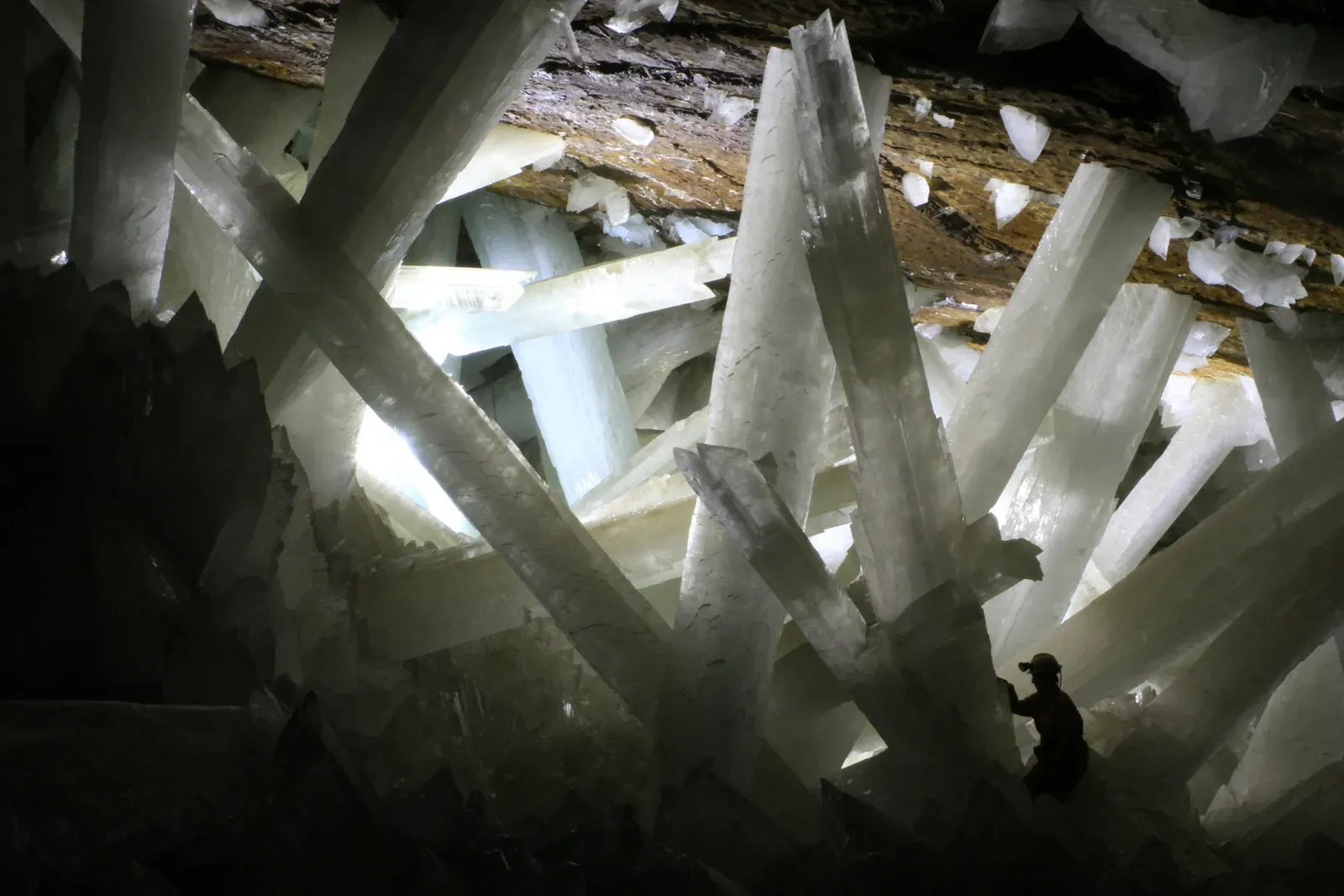
Underground beams of crystal the size of telephone poles are now sitting under water, and nobody knows when – or if – anyone will see them again.
Three hundred metres beneath a mountain in northern Mexico, accessed only through a silver mine, beams of translucent white crystal jut in every direction. Temperatures reach 58°C with near-100% humidity, meaning humans can survive inside without protective equipment for less than ten minutes. That alone made research brutally difficult even at the cave’s peak.
Then the mine that made access possible shut the door for good. The mining company closed the route to the cave around 2015, when a leak sprung, letting water into the mine at a rate that outpaced the pumps. The cave is now permanently flooded, and even the scientists who spent over a decade studying it have no fixed timeline for return.
There have been reports that mining activity might resume through another entrance, but it remains unclear whether the cave itself will flood again. That’s nothing compared to the legend swirling around cave #10.
#10 – Cueva de los Tayos, Ecuador
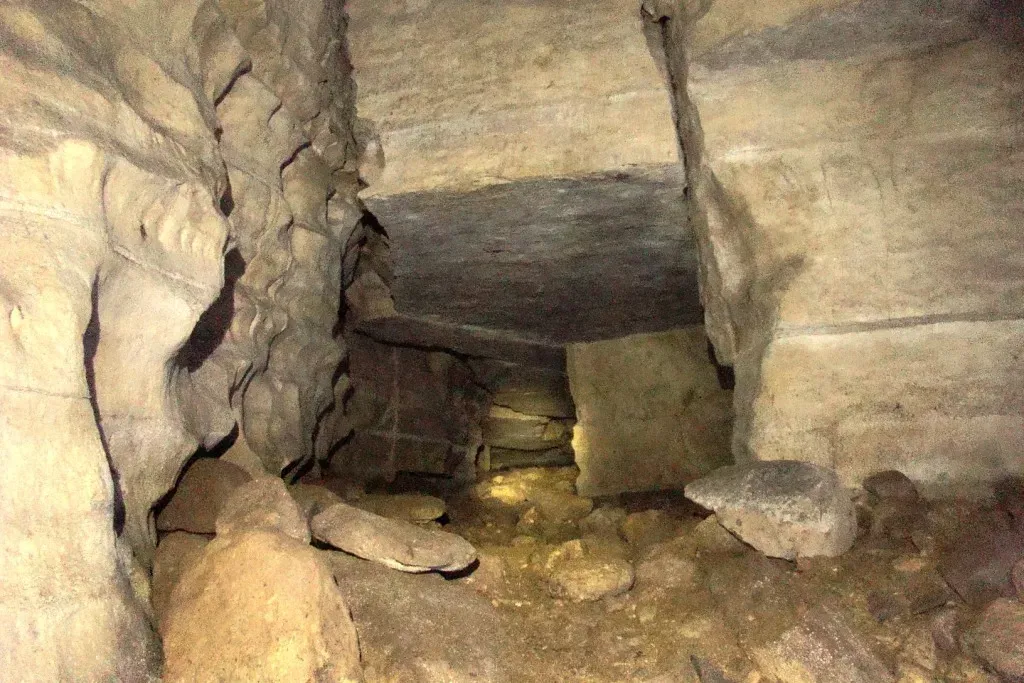
A cave so wrapped in myth that separating fact from fiction has become part of the reason access stays complicated.
Cueva de los Tayos sits deep in Ecuador’s Amazonian foothills, on land traditionally used by the Shuar people. It became internationally famous after a 1976 caving expedition – one that reportedly involved astronaut Neil Armstrong – sparked decades of speculation about hidden chambers, metal artifacts, and even extraterrestrial connections popularized by fringe authors. Almost none of those sensational claims have ever been verified by mainstream science.
What’s less debated is the practical reality: remoteness, indigenous land rights, and the site’s reputation as a magnet for pseudo-archaeological tourism have made formal, long-term research permits difficult to secure. Legitimate speleologists say expeditions have stalled for reasons never clearly communicated by local or national authorities – a mix of bureaucracy, land disputes, and simple reluctance to feed the mythology further.
The next cave on our list vanished from view because of a helicopter, not a legend.
#9 – The Giant Sinkhole Cave of Wells Gray Provincial Park, Canada
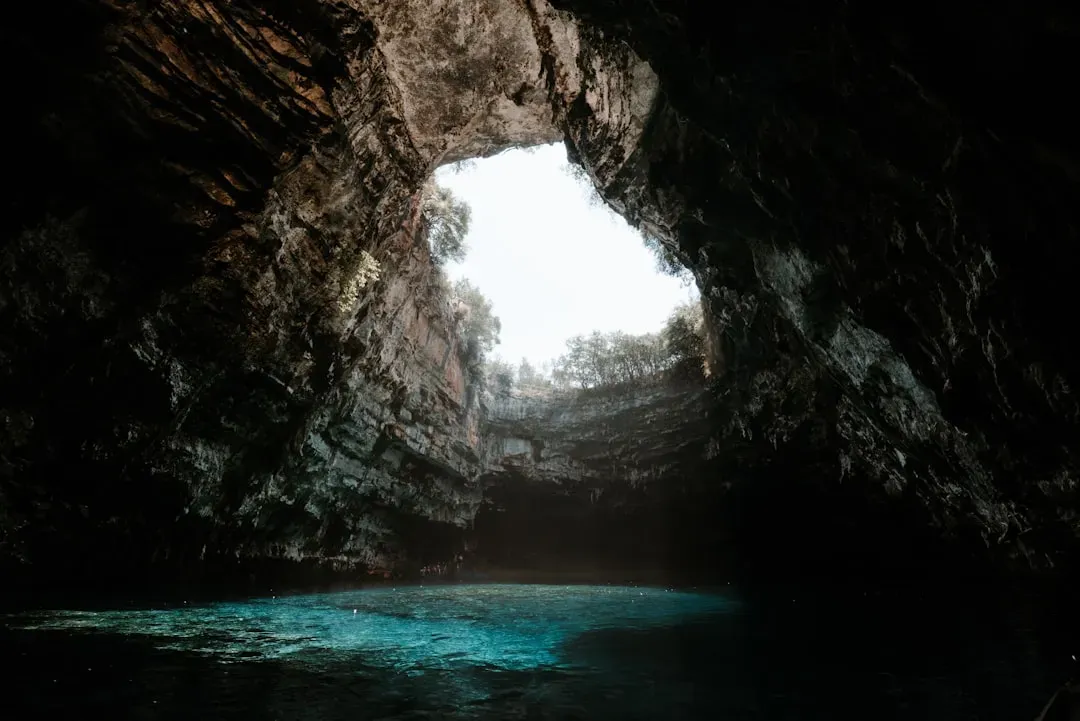
A cave so massive it was compared to a soccer field standing on its end – and then it disappeared from public maps entirely.
A helicopter crew came across the cavern in the northeastern corner of Wells Gray Provincial Park in March, and it’s the largest known cave of its type, with a depth roughly the length of a soccer field. Almost immediately, researchers kept its exact location a secret.
Officials moved fast. B.C. Parks announced that the cave and its surrounding area are now closed to the public, and those who try to get close despite the shutdown face a fine of up to $1 million or a year in prison. Even the geologist studying it seemed caught off guard by the speed of the decision.
You’re kidding. Wow.
Catherine Hickson, geologist
Officials cited danger and preservation, but the specific research protocols governing who gets in – and when – have never been made public. Two Arizona caves closed just as abruptly, and the story gets even murkier.
#8 – La Tetera Cave, Arizona
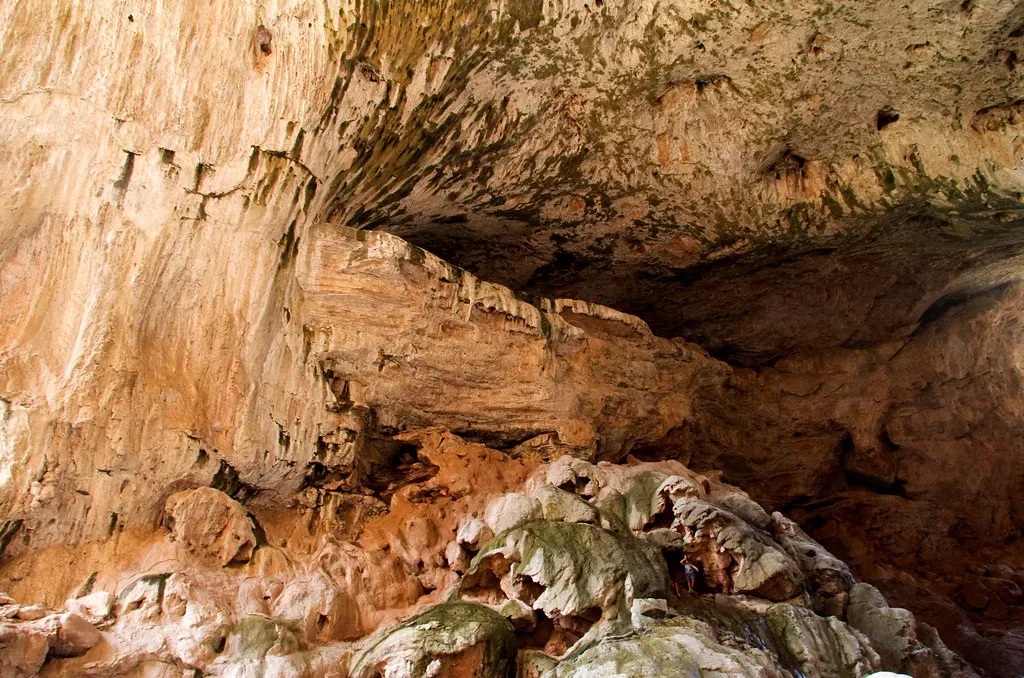
A scientist studying microbes for NASA-style space research got locked out of her own project, and nobody in county government ever gave her a straight answer.
Scientists have been locked out of two “live” caves on public land east of Tucson for more than two years, threatening their work and the gathering of irreplaceable baseline data. Officials weren’t exactly forthcoming about next steps either – nearly three years after the public announcement of La Tetera’s discovery, Pima County officials said there are no plans to re-open the caves to scientists.
This wasn’t a minor academic inconvenience. The lack of human contamination mattered because rare, pristine caves are about the only places on Earth untouched by humans, making them the closest analog for space exploration. One researcher had physically placed microbe-collecting equipment inside the cave and was never able to retrieve it on schedule. She had hoped the stations might still be of use if she could retrieve them within the following year.
Just next door, an even older research site went dark for reasons that are just as murky.
#7 – Arkenstone Cave, Arizona
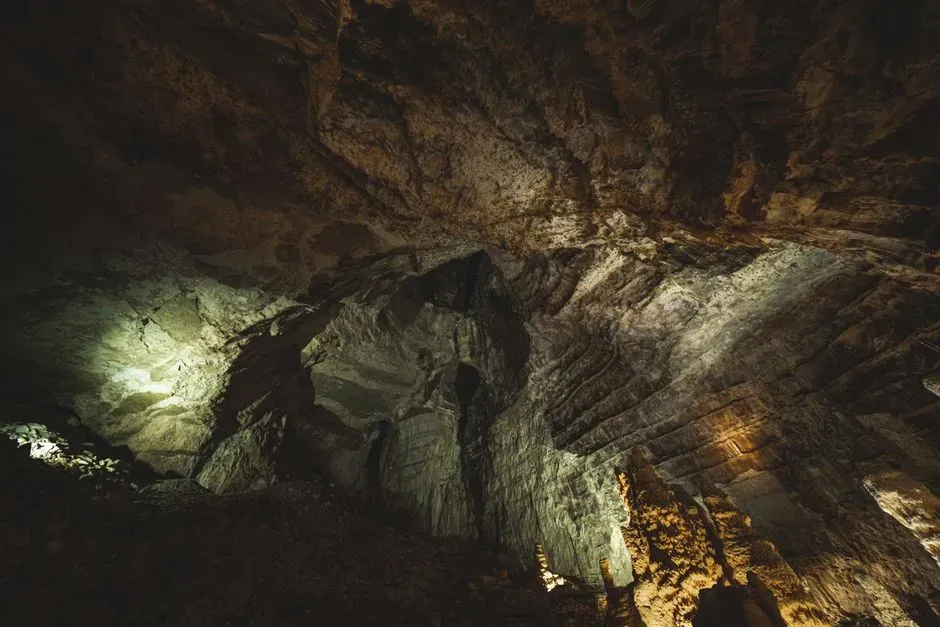
The cave had been open to scientists since the 1960s – until it suddenly wasn’t, with almost no public explanation.
Arkenstone Cave was open to cavers and researchers since the 1960s, but still a “live” or “wet” cave, and was closed not long after the discovery of La Tetera. The timing raised eyebrows among the caving community, since Arkenstone had a decades-long track record of safe, productive research access before the sudden shutdown.
The scientific cost was immediate and specific. A previously unknown species of pseudoscorpion had been discovered in Arkenstone, and a hydrology study was under way when the cave was closed, with the pseudoscorpion later listed as one of Pima County’s priority vulnerable species. In other words, county officials shut down access to a cave hosting an actively-studied, newly discovered, and now officially “vulnerable” species – without publishing a clear justification for the timing.
Quick Compare
- La Tetera: Newer discovery, scientists locked out for more than two years with no reopening plan announced
- Arkenstone: Open to researchers since the 1960s before its sudden, unexplained closure
- Shared thread: Both sit on public land east of Tucson and were shut within a short window of each other
- Scientific cost: Arkenstone’s newly discovered pseudoscorpion is now a priority vulnerable species still awaiting full study
Half a world away, an entire cave system remains locked behind an unresolved international border dispute.
#6 – The Krubera-Veryovkina Cave System, Abkhazia
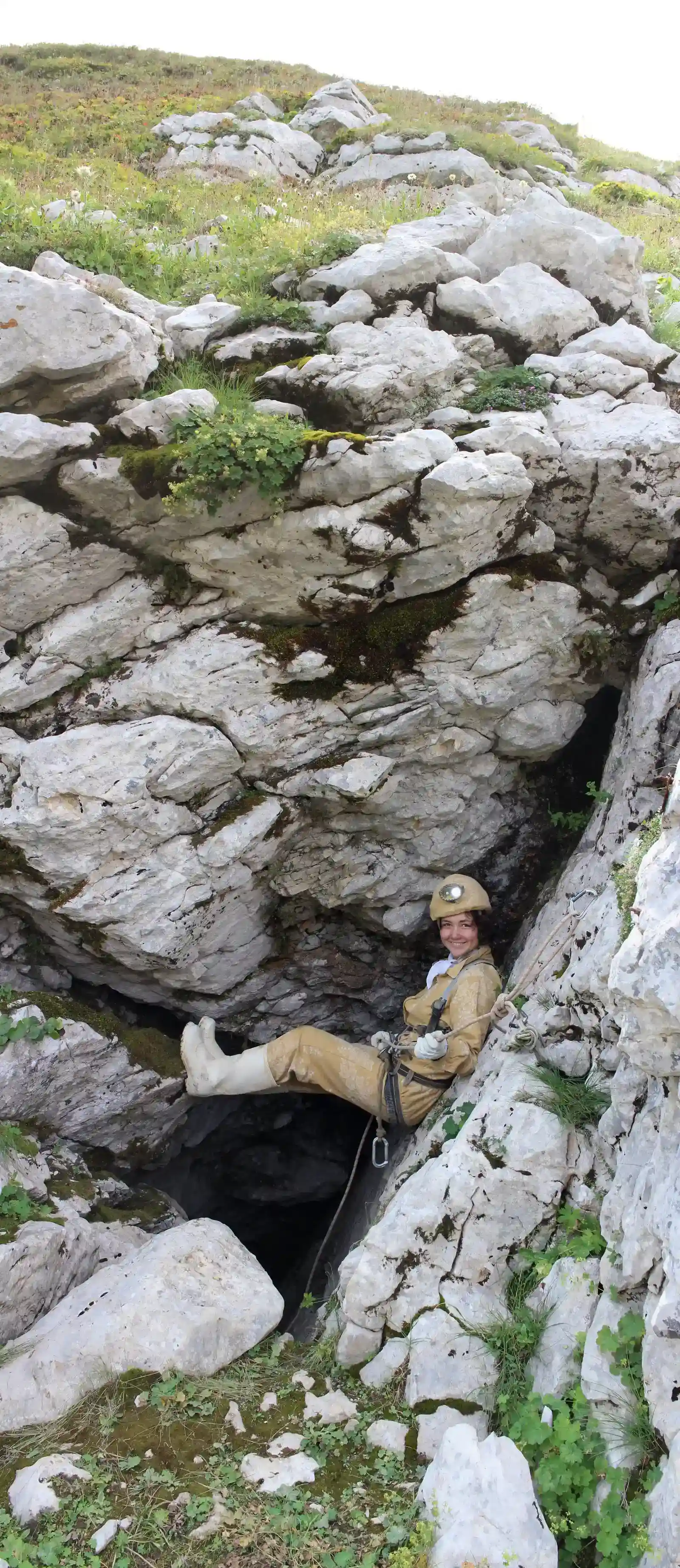
The deepest known cave on Earth sits in a place most governments don’t officially recognize exists.
Krubera-Veryovkina plunges more than two kilometers into the Arabika Massif, making it the deepest cave system ever documented by human explorers. The catch is its location: Abkhazia, a breakaway region whose political status remains disputed internationally. That unresolved status alone has made routine scientific permitting a genuine headache for outside researchers, regardless of how safe or stable the cave itself might be.
Foreign speleological teams have historically needed special arrangements just to enter the region, let alone the cave, and shifting diplomatic relationships can change access with little formal warning or explanation. Unlike caves closed for a clearly stated ecological reason, Krubera-Veryovkina’s restrictions are tangled up in geopolitics that have nothing to do with geology.
Which means the “why” behind any given closure often depends on who you ask, and when. The next entry has a similar problem, only this time the stakes involve ancient human ancestors.
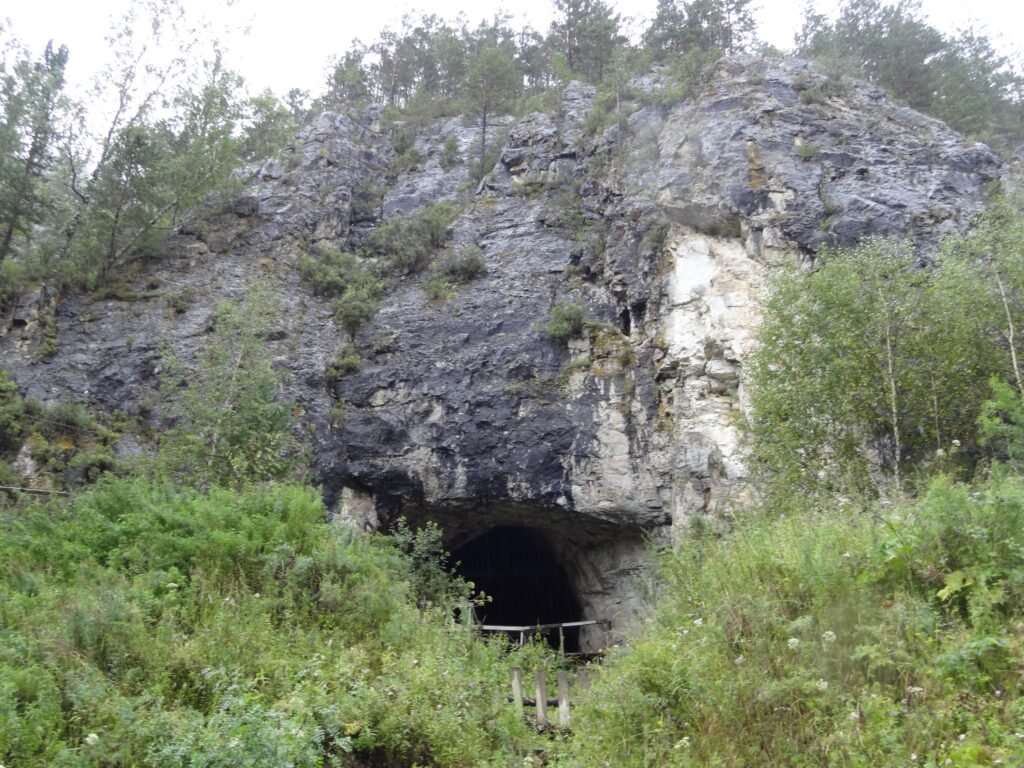
#5 – Denisova Cave, Siberia
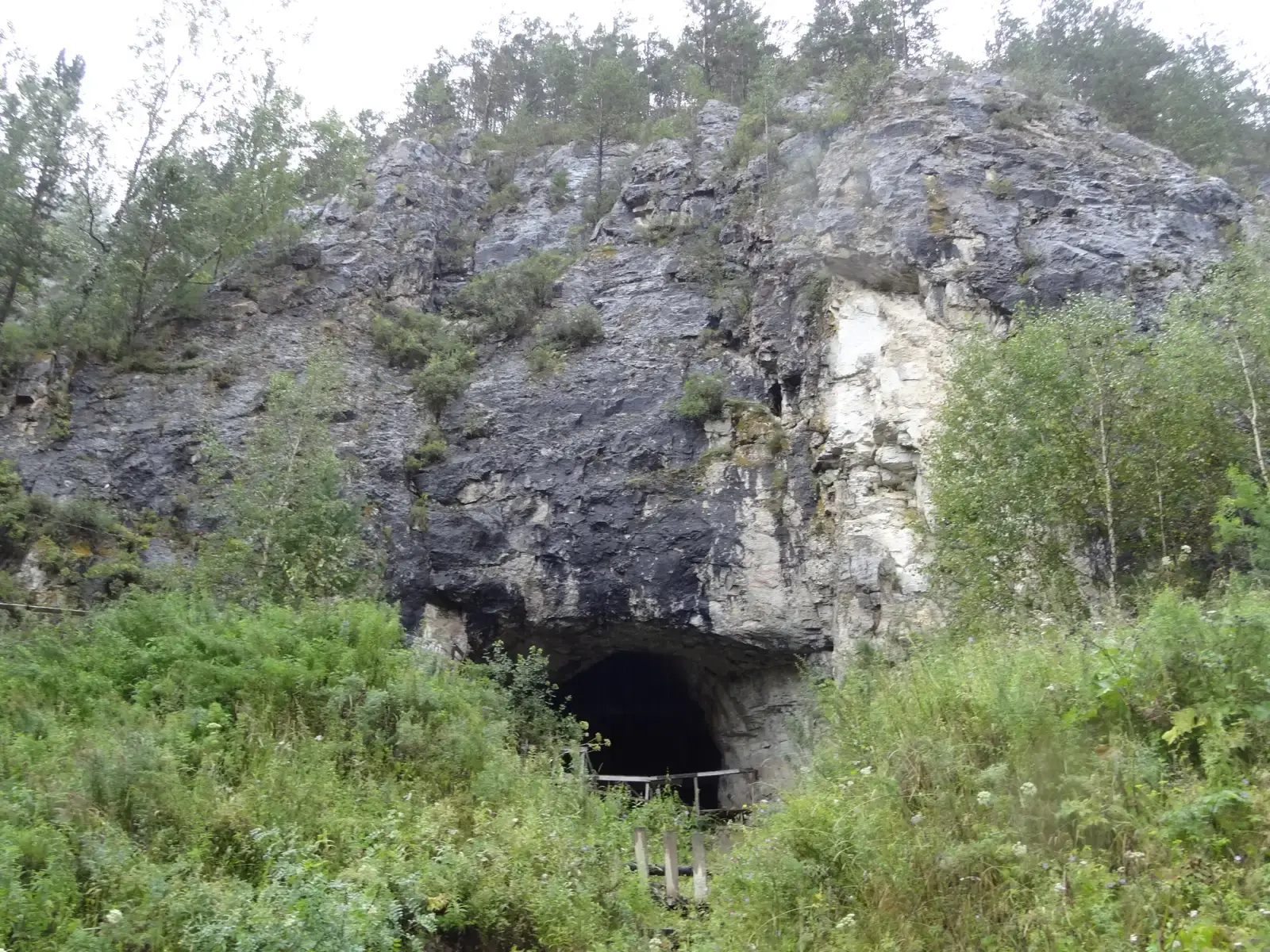
The cave that rewrote the human family tree has become significantly harder for half the scientific world to visit.
Denisova Cave, tucked into Russia’s Altai Mountains, is where researchers identified an entirely new group of ancient human relatives – the Denisovans – through DNA extracted from a single finger bone. For years, this made it one of the most collaborative sites in paleoanthropology, drawing international teams working alongside Russian institutions.
That collaboration has narrowed sharply in recent years, as shifting geopolitical relationships have made it far more difficult for non-Russian researchers to travel to the site or maintain the kind of open data-sharing that once defined the project. No single agency has published a formal explanation detailing exactly which restrictions apply to whom, leaving much of the outside academic world to piece together the situation secondhand.
It’s a quiet closure, driven by politics rather than preservation – a theme that connects several caves on this list. Back in France, a much older cave has been sealed for reasons that are, at least, better documented.
#4 – Lascaux Cave, France
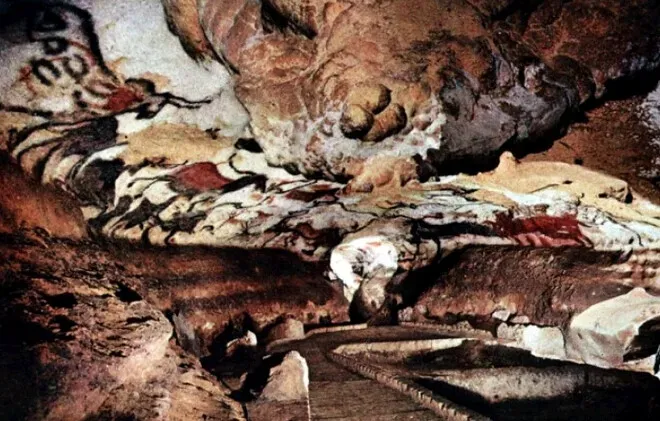
The world’s most famous prehistoric art gallery was loved to near-death by the very tourists who wanted to see it.
In 1963, Lascaux Cave closed its doors to the general public and became a protected UNESCO World Heritage Site under close surveillance, with steel doors and security cameras, after being officially opened to the public in 1948. It had quickly gathered huge attention from tourists around the world, who flocked from far and wide to catch a glimpse of prehistoric history from the Upper Paleolithic Period.
The damage came fast and proved permanent. Stark artificial lighting installed during the 1940s is believed by many to have caused the paintings to fade and discolor over time. Even now, decades later, restoration has only partly worked – no new signs of damage have appeared and the funguses have begun to retreat, but signs of damage to the pigmentation of the paintings are still visible. Today, the small number of visitors granted access – those carrying out research or maintenance work – must wear sterile white overalls, latex gloves, and shoe covers.
Worth Knowing
- Opened to the public: 1948
- Closed to the public: 1963, after visible deterioration set in
- Primary cause: artificial lighting combined with heat and moisture from crowds
- Today: only researchers and maintenance crews enter, suited in sterile overalls, gloves, and shoe covers
A nearby French cave took the opposite approach from the start, and never let the public in at all.
#3 – Chauvet Cave, France
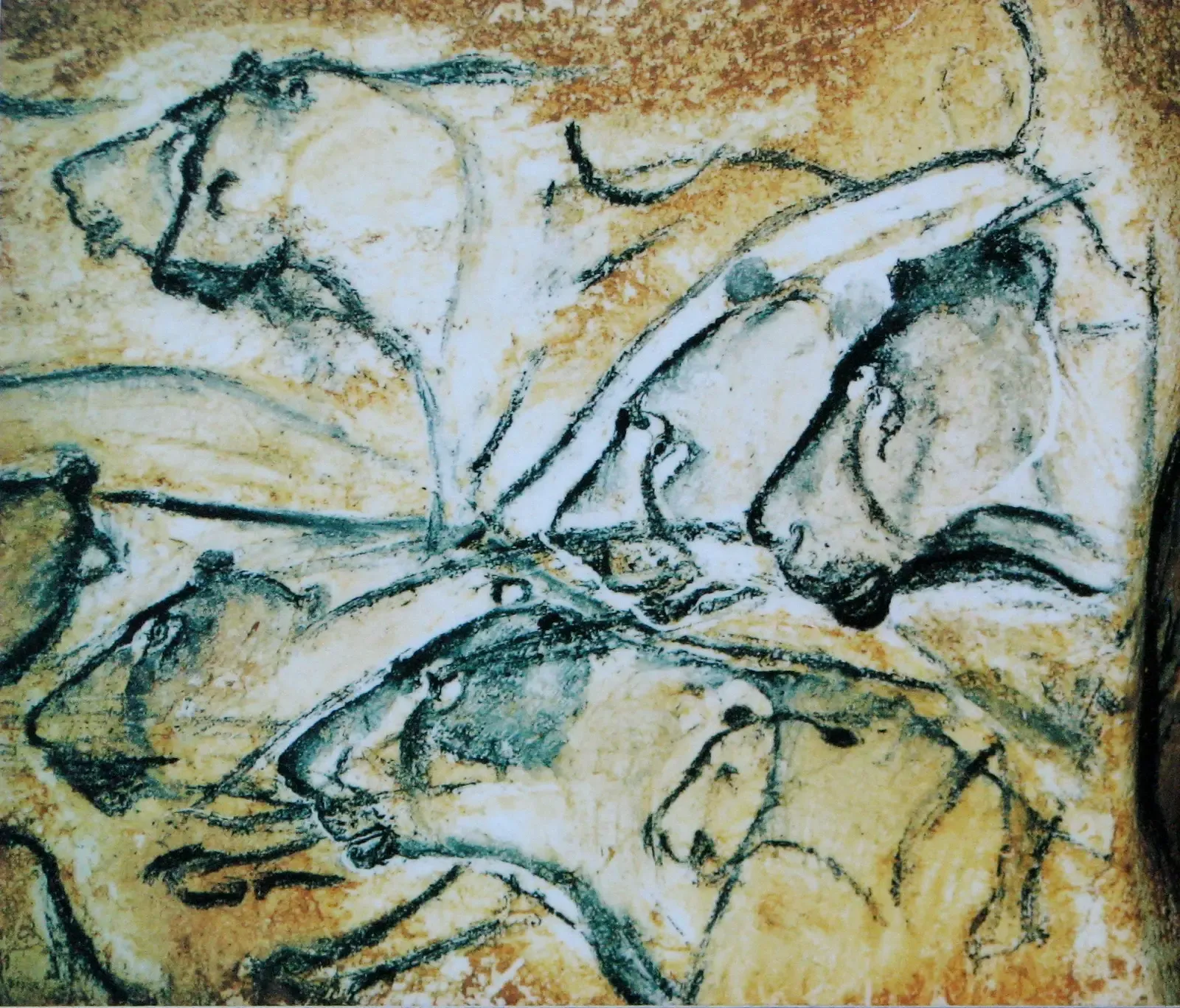
This cave contains humanity’s oldest known drawings – and almost nobody alive has ever been allowed to see them in person.
Discovered in 1994 by a group of speleologists who kept the discovery secret and notified only regional authorities, a steel door was installed within a month, and only small groups of scientists have been permitted access each year since. The lesson from Lascaux clearly shaped this decision – scientists were well aware Lascaux’s paintings had been damaged by mold, fungus, and other contaminants after being opened to the public, with many of the paintings irreparably damaged.
Officials didn’t hesitate to make the closure permanent. For preservation reasons, the cave will never be opened to the public. Even scientists face a strict numbers cap – fewer than 200 researchers a year are allowed to visit the cave, which stretches into several branches along about 800 meters. A $62.5 million replica now exists specifically so the public never has a reason to ask for access again.
But a cave in the American Southwest takes secrecy even further, restricting even the most credentialed researchers.
#2 – Lechuguilla Cave, New Mexico
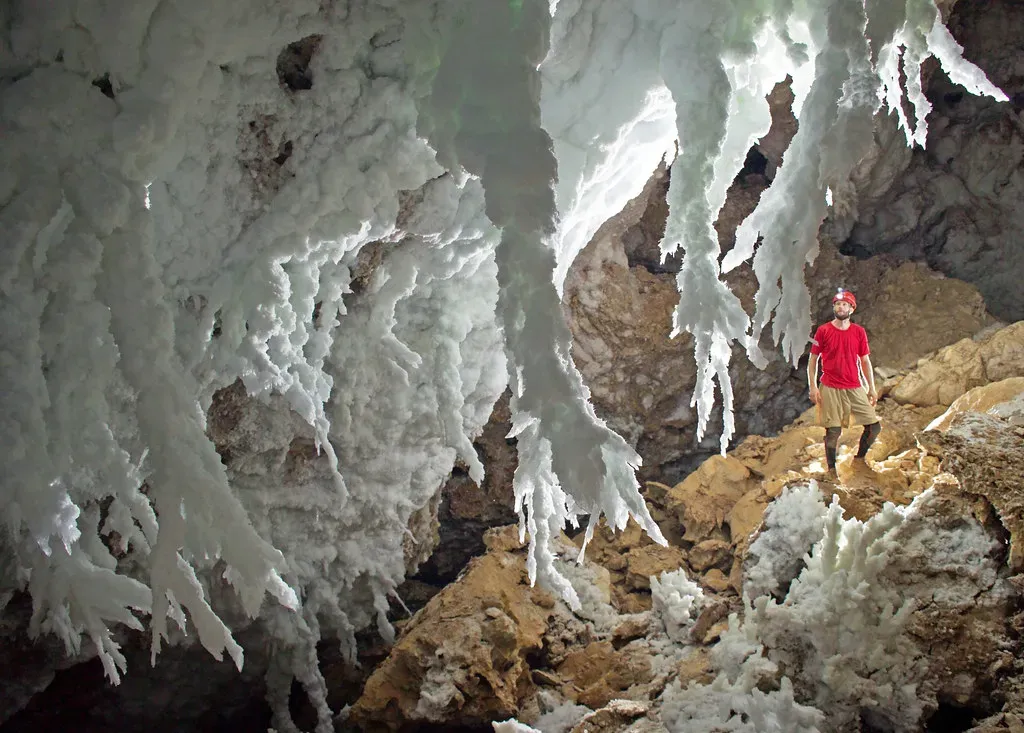
This is arguably the most scientifically valuable cave in North America, and almost nobody outside a tiny circle of experts is allowed anywhere near it.
Unlike nearby Carlsbad Caverns, which is open to visitors, Lechuguilla Cavern is closed to the general public, with only approved researchers and exploration teams allowed to enter. The reasoning is blunt and uncompromising: preservation, because the formations inside are extremely fragile, and even the moisture from a human breath or the touch of a hand could cause irreversible damage.
The payoff for that extreme restriction has been enormous. The discoveries made in Lechuguilla have already provided valuable insights into biology, geology, and environmental science, and the cave is about 1,604 feet deep, making it the deepest limestone cave in the United States. Most of the public will never see a single photograph taken from inside its deepest chambers.
Exploration continues today, with new passages being discovered almost every year – but only for the tiny number of people ever granted special permission. Still, nothing on this list compares to a cave that’s been cut off from the entire surface of the planet for millions of years.
#1 – Movile Cave, Romania
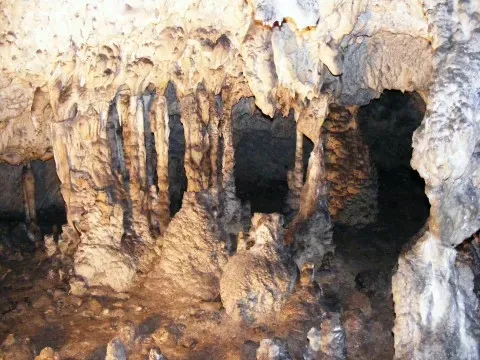
This cave has been sealed off from the rest of the planet for longer than most species have existed – and stepping inside it unprotected would kill you within minutes.
Discovered in 1986, it is notable for being sealed from the outside world for approximately 5.5 million years, hosting a unique ecosystem of 50+ species that survive without sunlight through chemosynthesis. The air inside would kill an unprotected person within minutes, as a combination of oxygen deprivation, CO₂ toxicity, hydrogen sulfide, and methane creates conditions requiring the same respiratory equipment used in industrial chemical environments.
Access is about as restricted as it gets on this entire list. The cave is only accessed through an 18-meter deep shaft closed off from the outside atmosphere by an air-tight gate, and access is drastically limited to only a few entries a year in order to minimize impact and preserve the cave’s integrity. Every single organism inside has never been exposed to surface bacteria, viruses, or outside organic matter, meaning one contaminated glove could unravel five million years of isolated evolution.
Why It Stands Out
- Sealed from the surface for an estimated 5.5 million years
- Home to more than 50 species found nowhere else, sustained entirely by chemosynthesis
- Toxic air mix of low oxygen, CO₂, hydrogen sulfide, and methane requires industrial respiratory gear just to enter
- Entry limited to only a handful of visits per year through a sealed 18-meter shaft
It’s the closest thing on Earth to an alien planet, and it’s staying sealed for exactly that reason.
The Bottom Line
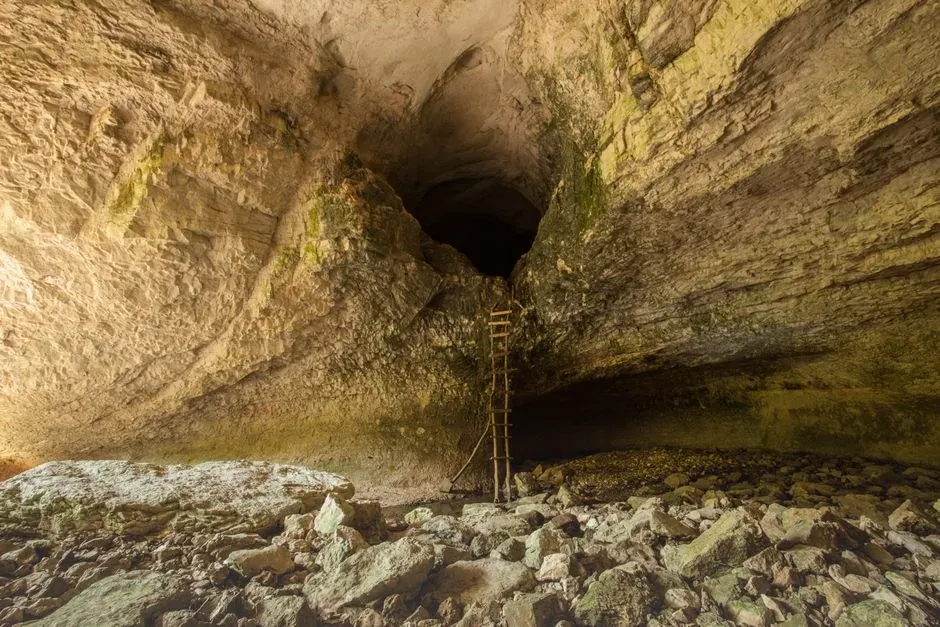
The pattern across all fourteen sites isn’t actually mystery for mystery’s sake – it’s a collision of fragile ecosystems, toxic chemistry, disputed borders, and, occasionally, plain bureaucratic silence. Some closures, like Movile and Lechuguilla, are backed by hard science that genuinely justifies extreme caution. Others, like La Tetera, Arkenstone, and Wells Gray, look far murkier, with officials offering vague timelines and almost no published rationale.
Here’s the opinion that’ll probably ruffle some feathers: transparency shouldn’t be optional just because a cave is remote. If public land agencies are going to lock scientists out indefinitely, taxpayers and researchers alike deserve a documented reason – not silence.
Which of these closures do you think is justified, and which one smells like an excuse? Drop your take in the comments.