

Every once in a while, a single photograph lands like a lightning bolt. An old belief, a lazy assumption, or a half-remembered “fact” gets hit by one clear, well‑made image, and suddenly the story changes. We like to think our opinions are based on solid evidence, but the truth is that for many topics, we’ve been relying on blurry pictures, cropped angles, and outdated visuals for years.
Better cameras, satellites, telescopes, drones, microscopes, and even everyday smartphones have quietly rewritten what we “know.” A higher resolution here, a different wavelength there, a new vantage point from above or within – each one can flip a narrative on its head. Sometimes the new photo corrects a small misconception; other times it rearranges entire fields of science, journalism, or history.
In this article, we’ll look at fourteen powerful cases where a better photograph didn’t just improve the view – it overturned an idea. Some are dramatic scientific turning points; others are subtle but profound corrections to how we see our bodies, our planet, and each other. All of them share one lesson: the lens you use can change the truth you think you see.
#1: The “Face on Mars” and the Power of Higher Resolution
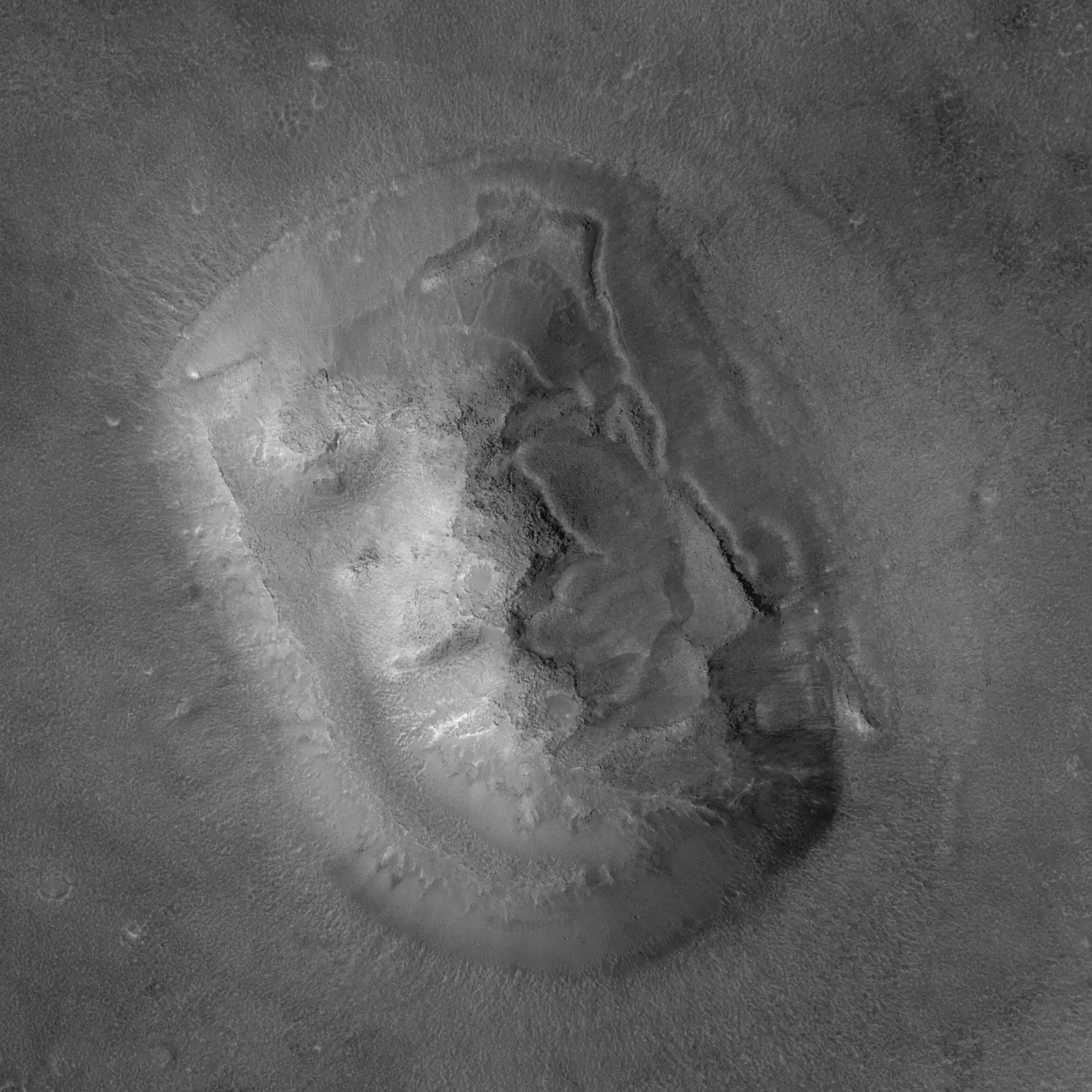
Back in the late twentieth century, a grainy image from a Mars orbiter showed what looked uncannily like a human face carved into a rocky mesa. For a while, this low‑resolution photo fueled speculation that Mars might hold ancient monuments or even proof of intelligent life. The human brain is wired for pattern recognition, and in those fuzzy pixels, many people saw not just rocks, but intent, design, and mystery.
Then newer spacecraft arrived with far better cameras. High‑resolution images of the same region revealed a rugged hill with ridges and shadows, nothing more. When viewed clearly, the “eyes,” “nose,” and “mouth” dissolved into random bumps of terrain. The idea of an alien sculpture collapsed under simple, sharper data. It wasn’t a revelation delivered by a new theory; it was just a better photograph exposing how easily our minds are fooled.
This episode has become a textbook example of pareidolia, the tendency to see meaningful shapes in random patterns. It also shows how misleading early images can be when they’re treated as definitive. A single clearer photo from a new mission did what arguments and debunkings struggled to do for years – it made the myth visually untenable.
- Low‑resolution images can exaggerate patterns that are not really there.
- Sharper photos often deflate sensational claims without needing complicated explanations.
- The “Face on Mars” went from supposed alien artifact to geology lesson overnight.
#2: “Pluto the Planet” Meets the Heart-Shaped Reality
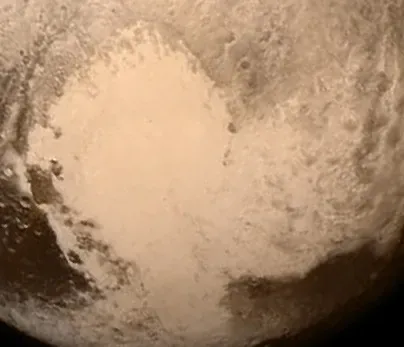
For a long time, Pluto was a fuzzy dot, even in the best telescopes. Its status as a planet felt more like tradition than observation. When its official classification was downgraded to “dwarf planet,” many people were annoyed, but very few had actually seen Pluto as anything more than a point of light on a chart or a smudge in a textbook image. In imagination, it was a cold, featureless ice ball at the edge of the solar system.
Then a spacecraft flew by and captured the first detailed photographs of Pluto’s surface. Suddenly, this distant world showed a bright, heart‑shaped feature, varied terrain, mountains of ice, and hints of geological activity. The photos overturned the lazy idea that small, distant bodies are boring leftovers. Instead, they suggested complexity, internal processes, and a surprisingly dynamic history, despite Pluto’s modest size.
Ironically, the images that arrived after Pluto lost its planetary title made it feel more alive and charismatic than it had ever been. The public perception flipped from “demoted rock” to “strangely lovable, active world with a giant heart on it.” One better set of photographs reframed Pluto not in terms of status labels, but as an object deserving attention in its own right.
#3: The Blue Marble Shattering the “Flat and Fragmented” Earth View
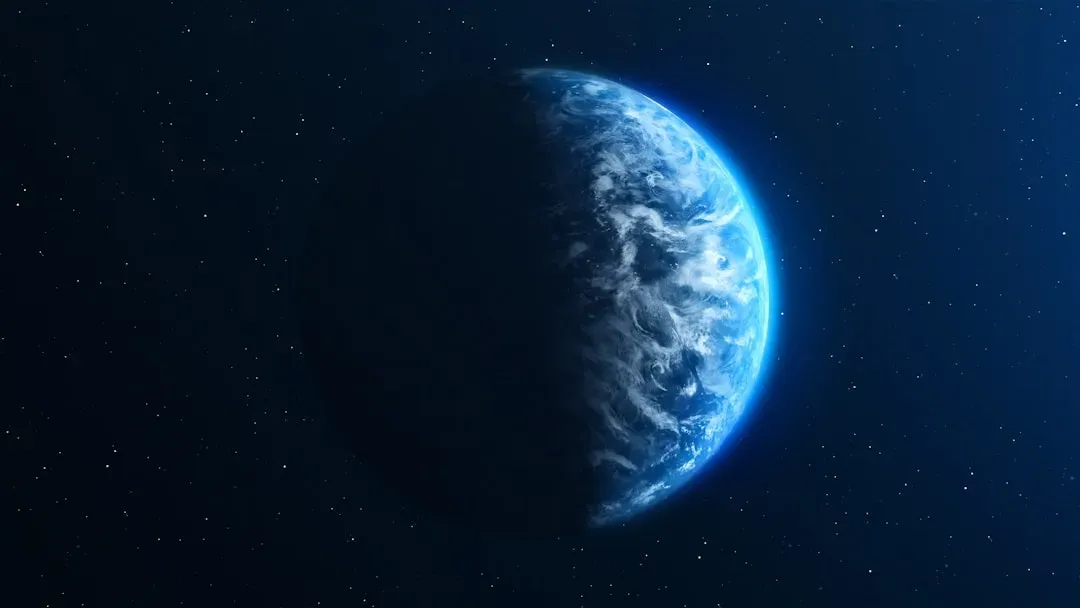
Before spaceflight, every picture of Earth was necessarily partial. Maps were stitched together, globe makers made their best guesses, and photographs from the ground showed nothing of the planet as a whole. People intellectually accepted that Earth was round, but their emotional picture was still local and fragmented – a patchwork of continents, borders, and weather reports rather than one unified world.
When the first full‑disk color images of Earth from space arrived, everything shifted. The now‑famous view of Earth as a blue, white‑swirled marble hanging in the darkness was more than just pretty. It visually overturned the common mental model of separate, disconnected regions. Continents and oceans appeared as parts of a continuous, delicate system, a single shimmering object suspended in empty space.
This photograph challenged the idea that environmental issues or conflicts were purely local problems. Seeing Earth whole made it harder to pretend that pollution, climate, and resource use stopped neatly at national borders. It nudged public consciousness toward a planetary mindset, helping seed modern environmental movements and global cooperation narratives.
- Earlier visuals: maps, drawings, and local photos suggested separation and fragmentation.
- The space photograph showed Earth as a single, fragile sphere.
- That single image helped normalize the idea of a shared, interconnected planet.
#4: Black Hole Imagery and the End of “Pure Theory” Skepticism
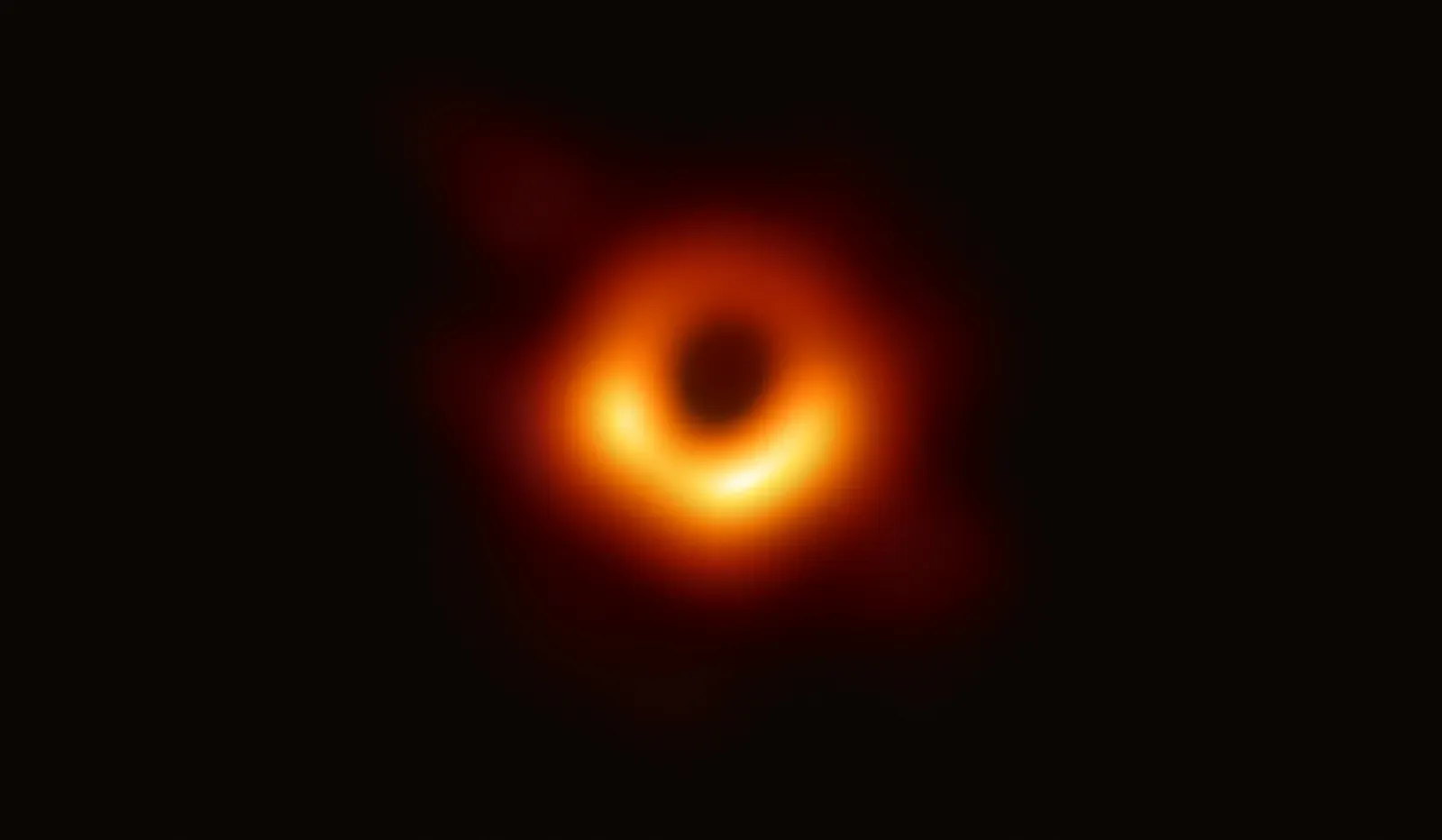
For decades, black holes lived mostly in equations, simulations, and artist impressions. Many people accepted the concept, but for others, black holes felt like theoretical monsters from the math department rather than real objects. Without any direct visual evidence, skeptics could argue they were just convenient fictions or overconfident extrapolations.
Then came a global effort combining radio telescopes around Earth into a single, planet‑sized camera array. The resulting photograph of a supermassive black hole’s shadow against a glowing ring of infalling material was grainy but unmistakable. It was the first time we had seen, with observational data, the predicted silhouette carved into light itself. This image did not merely confirm a theory; it made a highly abstract concept viscerally real.
Suddenly, black holes were not just numbers in a paper; they were photographically observed phenomena. The famous orange‑ring image overturned the lingering idea that black holes might be mathematical fantasies. Even though physicists had long been confident, one photograph closed the emotional gap between theory and reality for the wider public, turning skepticism into awe.
#5: Microscopy and the Myth of “Clean” Surfaces
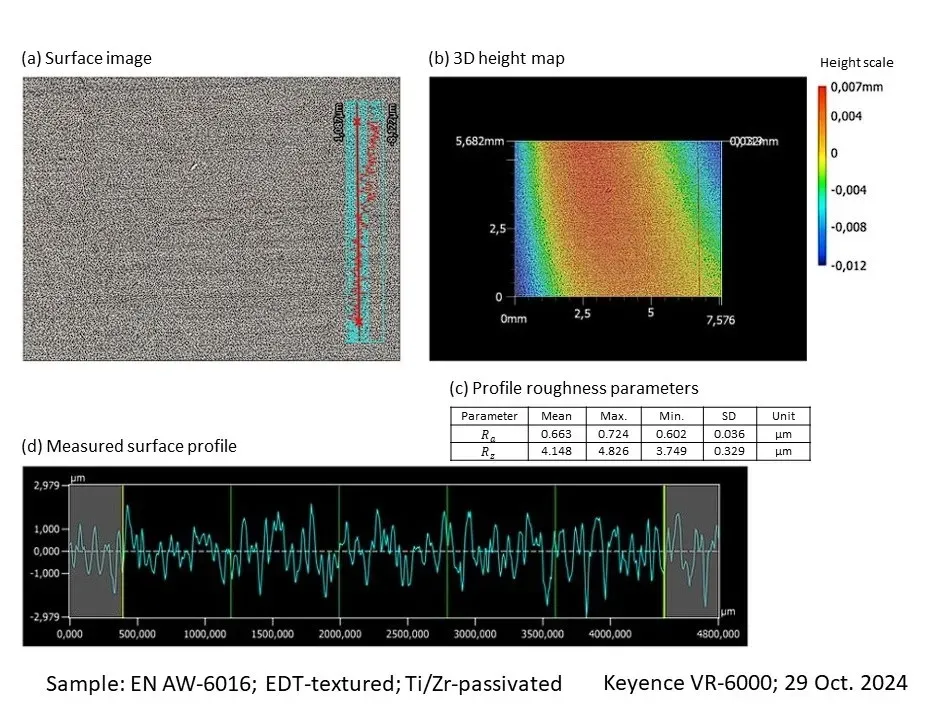
At normal scale, your kitchen counter, smartphone screen, or even your skin can look smooth and relatively clean. The naked eye and everyday photos give a comforting illusion: wipe something down, watch it shine, and you feel like the germs and grime are gone. For a long time, that was the dominant visual story – cleaning equals cleanliness, full stop.
High‑magnification photographs told a different tale. Under an electron microscope, a polished metal surface becomes a jagged landscape of cracks and pits. A supposedly clean cutting board reveals trenches and fibers packed with residues. Skin turns into rolling hills full of pores, flakes, and tiny inhabitants. These images overturned the naive belief that “looks clean” meant “is clean.”
Of course, not every surface is crawling with dangerous microbes, and the photos can be a bit theatrical. But they serve as a sharp correction to casual assumptions. Microscopic photography has:
- Revealed how easily bacteria can hide in micro‑scratches and crevices.
- Shown why certain materials are harder to sterilize than others.
- Helped explain why handwashing technique and disinfectants matter more than a quick wipe.
Once you’ve seen those enlarged worlds, your idea of cleanliness shifts from shine and smell to structure and scale, guided by images that expose what the eye alone cannot.
#6: Ultrasound Images Rewriting Early Pregnancy Assumptions
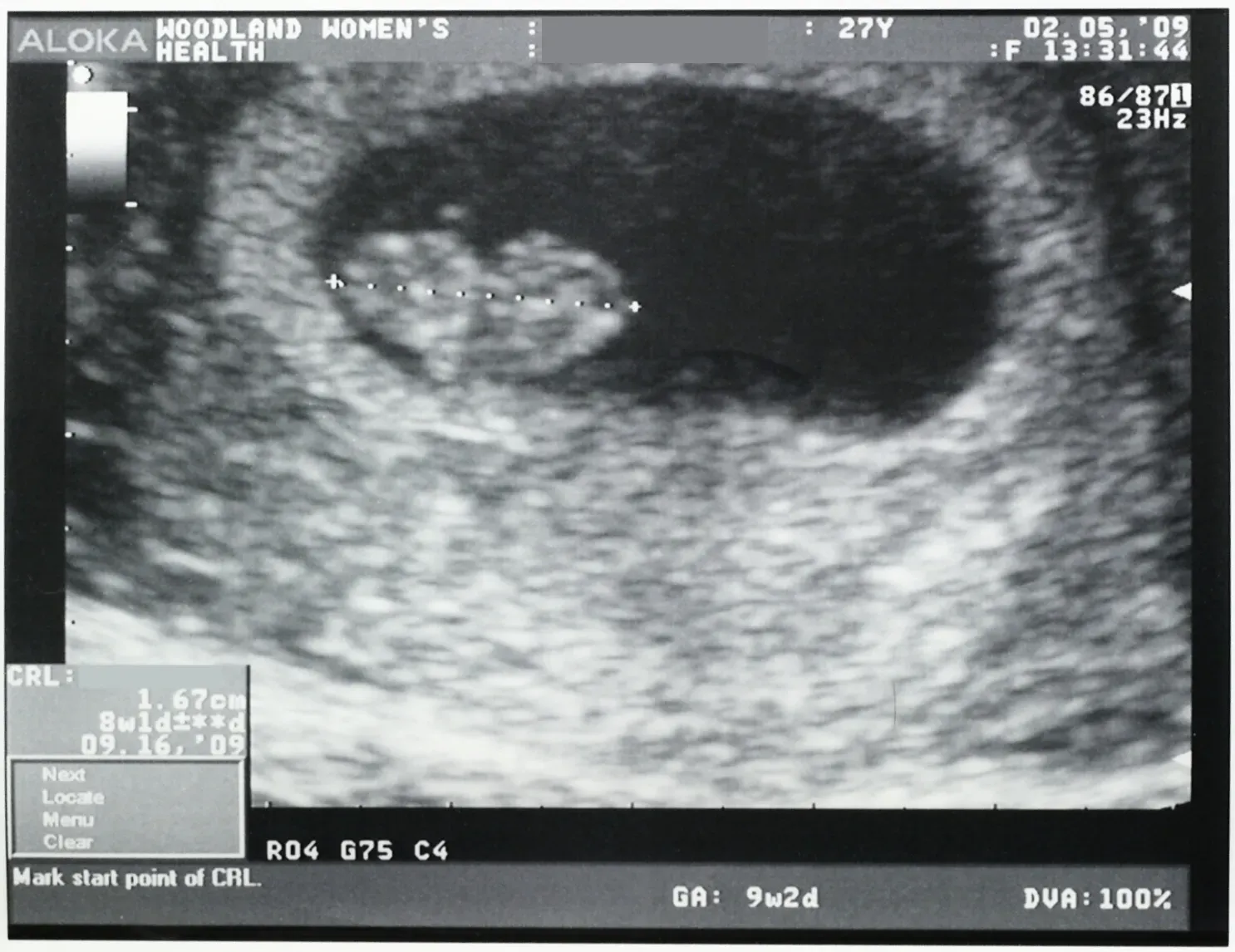
For much of history, the earliest stages of pregnancy were hidden, inferred only from symptoms and timing. Cultural stories and even medical ideas about fetal development were built on limited observations, anatomical drawings, and a great deal of imagination. Early life was a kind of black box, mysterious and, in many ways, abstract.
Modern ultrasound imaging changed that by offering moving, real‑time photographs inside the womb. Expecting parents could suddenly watch tiny limbs move, see heartbeats, and observe developmental milestones week by week. While the images are not perfect portraits, they overturned the old notion that the fetus was an indistinct blob for most of pregnancy. Instead, people could observe structured development, growth patterns, and sometimes even behaviors like thumb‑sucking.
This had both emotional and practical consequences. It deepened the sense of connection and reality long before birth, and it also allowed doctors to spot complications or abnormalities much earlier. The single act of looking – of photographing from the inside – reshaped medical protocols, parental expectations, and ethical debates. A hidden process became a visible, trackable journey.
#7: Satellite Photos and the Illusion of Endless Forests
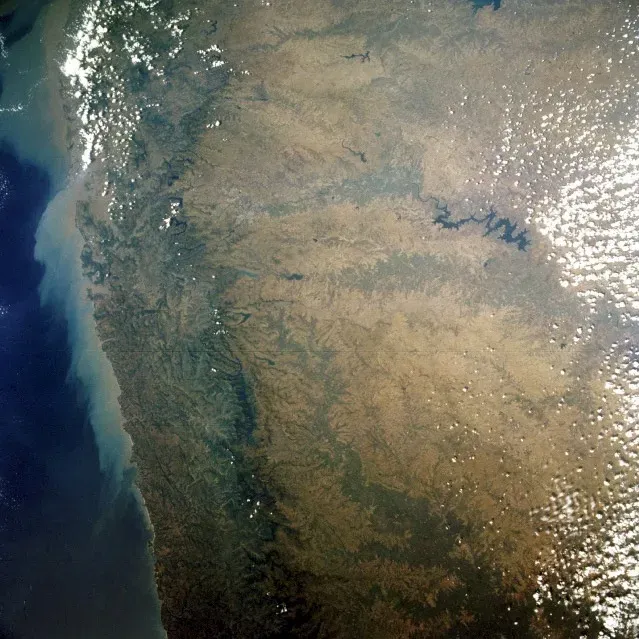
Standing in the middle of a dense forest, surrounded by trees stretching in every direction, it is easy to believe the greenery goes on forever. Early maps and ground‑level photos reinforced this feeling of abundance. The idea that forests were practically infinite, especially in remote regions, used to be common, particularly among those who had never seen a larger‑scale view.
Then satellites started taking repeated, high‑resolution photographs of land cover over time. These images showed, in painful clarity, how quickly forests were shrinking in many parts of the world. What looked stable and endless on the ground was revealed from above as fragmented, receding, and sometimes vanishing almost year by year. The idea of limitless woodlands gave way to a more sobering reality of rapid deforestation, patchwork habitats, and isolated remnants.
A single comparison image – side‑by‑side satellite views separated by a decade – often tells a more powerful story than pages of statistics. Dense green gives way to pale cleared areas, roads slice up canopies, and smoke scars appear where fires once were rare. Satellite photography overturned the comforting belief in endless forests and replaced it with a visible urgency that has fueled conservation efforts and policy debates.
- Ground photos: lush, immersive, but narrow in scope.
- Satellite photos: wide, time‑lapse views of loss and fragmentation.
- Result: a shift from perceived abundance to recognized vulnerability.
#8: Glacier Time‑Lapse Killing the “Slow, Distant Change” Myth
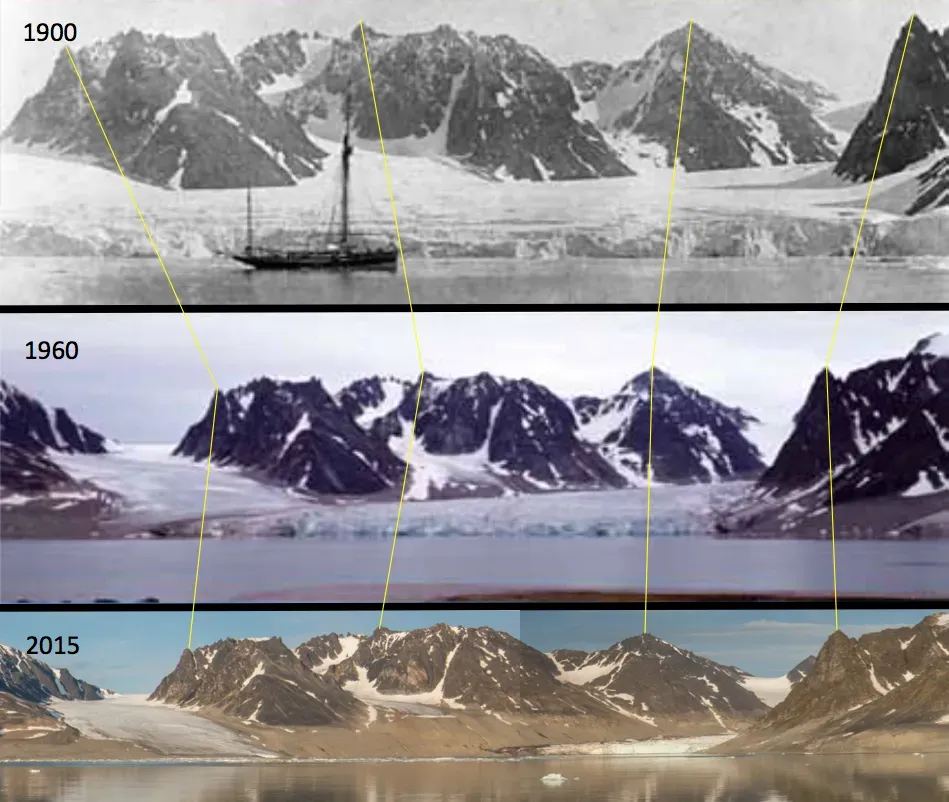
For many people, glaciers were once static backdrops in postcards and travel brochures – majestic, ancient, and essentially unchanging. The idea was that ice moved on geological timescales, far too slowly for human eyes to really notice. Climate change debates could feel abstract when tied to such distant, seemingly immovable giants.
Photographers and scientists began taking repeat photographs of the same glaciers over years and decades, from the same vantage points. When stitched into time‑lapse sequences, those images told a staggering story: glaciers retreating visibly, sometimes dramatically, within a single human lifetime. Valleys once filled with solid ice turned into bare rock and newly formed lakes. The old notion of glacial change being too slow to see was demolished by simple, patient photography.
These visual records have been especially powerful because they require no complex modeling to understand. You see an early image full of ice, then a later one with the ice noticeably pulled back, then another with even less. Each frame is just a photograph, but together they overturn the idea that climate shifts are vague or hypothetical. Change becomes personal, measurable, and directly observable.
#9: Drone Perspectives Ending the “Nothing to See Here” Local Myth
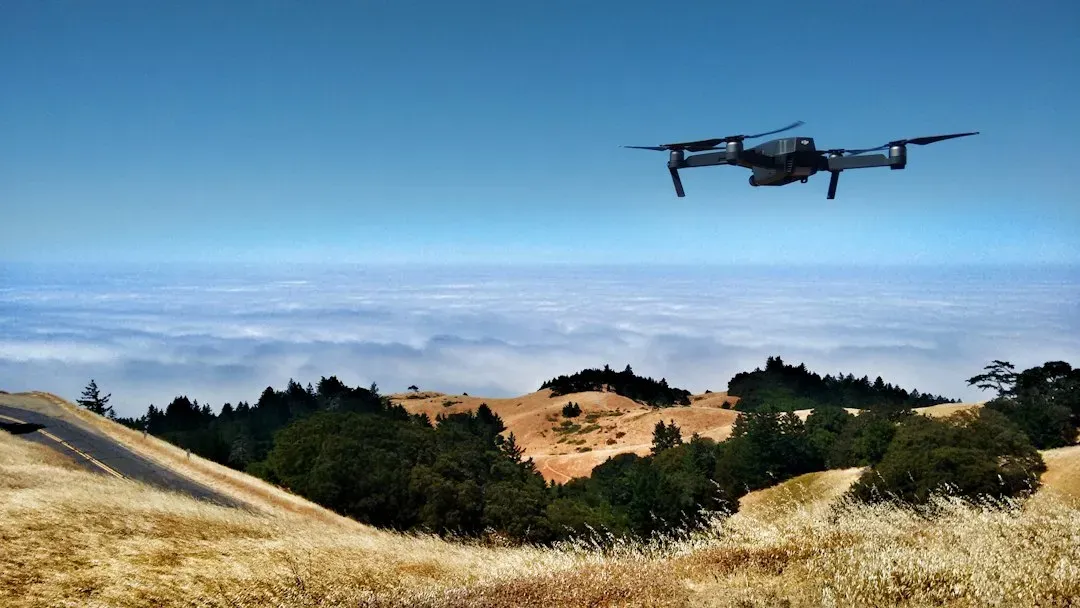
From ground level, a small illegal dump, an unregulated mine, or a polluted waterway can be hidden behind fences, trees, or the curve of the land. Local authorities or businesses might insist the impact is minimal or confined. Residents might suspect more, but with only street‑level views, their complaints can sound speculative. The idea persists that the problem is small or isolated.
Consumer drones and aerial photography disrupted that illusion. A single flight over an area could reveal sprawling waste sites, vast scars in the landscape, or long plumes of discolored water that were invisible from the road. Where once there might have been only rumors, suddenly there were overhead photographs showing patterns, scale, and connections. The “nothing to see here” narrative crumbled when confronted with wide‑angle, detailed images.
These bird’s‑eye photos have empowered journalists, activists, and even curious neighbors. They provide a different kind of transparency, one that does not depend on official statements. The better the aerial imagery gets, the harder it becomes to hide large‑scale environmental damage or questionable land use behind selective angles and partial views.
- Ground photos can be blocked, cropped, or limited in scope.
- Drone images capture context, scale, and patterns in a single frame.
- One overhead shot can overturn years of minimizing or denial.
#10: High-Speed Photography Destroying “Common Sense” Physics

At everyday speeds, our intuition about how things move and break feels reliable. We assume we know how a balloon pops, how a droplet falls, or how a light bulb shatters, because we have seen these things happen countless times. But our eyes integrate motion over time; we blur events into a smooth, simplified story. From that blur, we build our “common sense” physics.
High‑speed photography – recording thousands or even millions of frames per second – revealed a completely different world. A droplet bounces, spreads, recoils, and breaks into intricate shapes we never guessed. A bullet passing through fruit causes ripples and cavitation effects that look almost otherworldly. Balloons rupture in complex wave patterns rather than simple, even explosions. These images overturned the idea that everyday events are simple and fully understood just because they are familiar.
Once, I was convinced I knew exactly how a match ignited until I saw a high‑speed video of the strike and flare. It felt like watching a miniature volcanic eruption rather than a simple spark. That experience made me more cautious about trusting intuition over evidence. High‑speed photos teach a humbling lesson: our mental snapshots of reality can be wildly incomplete, and only by slowing things down can we see what is really happening.
#11: Deep-Sky Photography Challenging the “Empty Space” Illusion
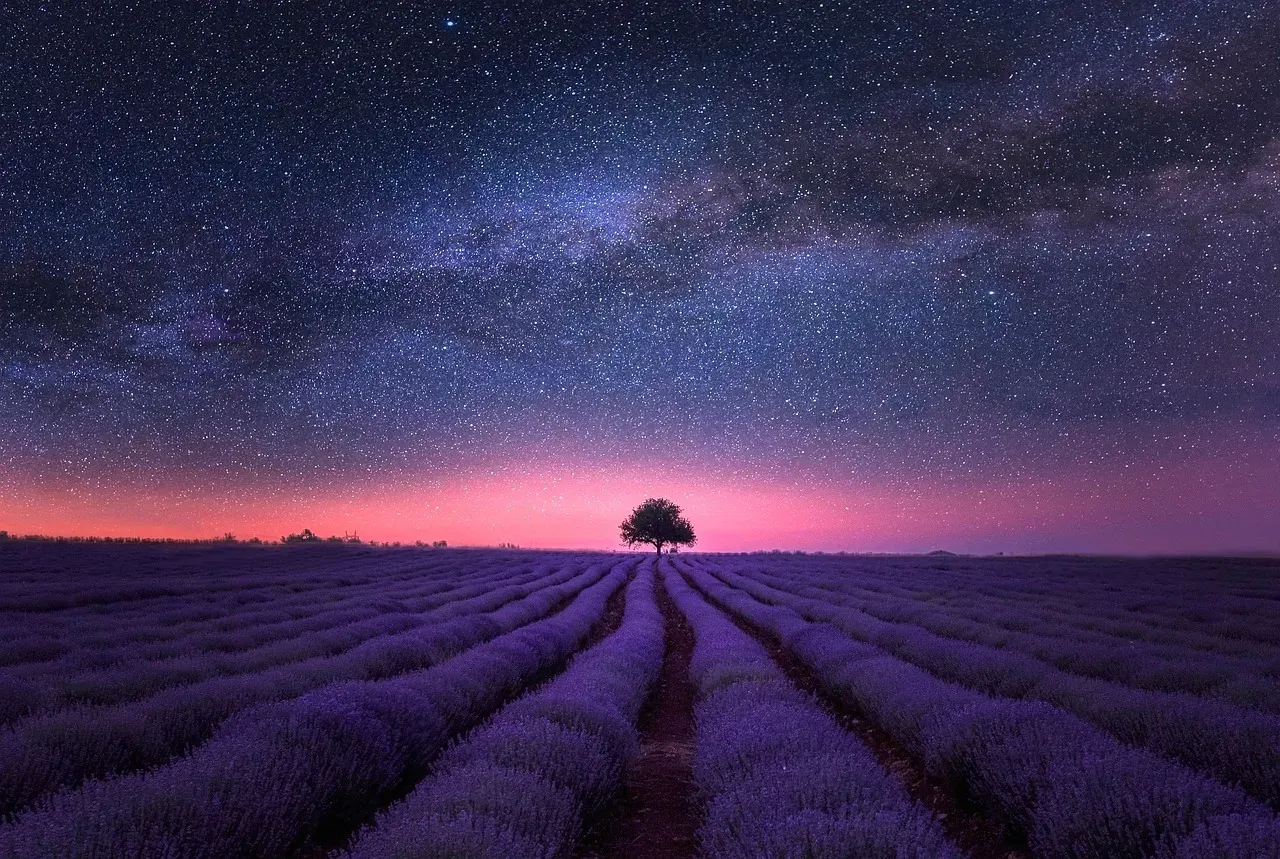
Look up at the night sky from most places, and you might see a scattering of stars, a smudge of the Milky Way if you are lucky, and a lot of blackness. For centuries, that blackness was taken literally: space was mostly void, with a few isolated lights hanging in the dark. Even early astronomical photos did not fully break this impression, because they were limited by exposure times and camera sensitivity.
Long‑exposure deep‑sky photographs changed that. When telescopes stared at a seemingly empty patch of sky for many hours, the resulting images revealed a stunning density of galaxies, nebulae, and faint stars. What had looked like a blank region became a crowded cosmic metropolis. This overturned the idea that dark areas of the sky were truly empty. Instead, they are often just filled with objects too faint for quick looks or unaided eyes.
The famous deep‑field images, in which an apparently dull speck of sky turns out to host thousands of distant galaxies, rewrote our sense of scale. Space stopped being a mostly empty stage with a few actors; it became a densely populated landscape where almost any direction you look contains unimaginable numbers of worlds. One better photograph made the universe feel less like a desert and more like an endless city of lights.
#12: Thermal Imaging and the Myth of Invisible Energy Loss
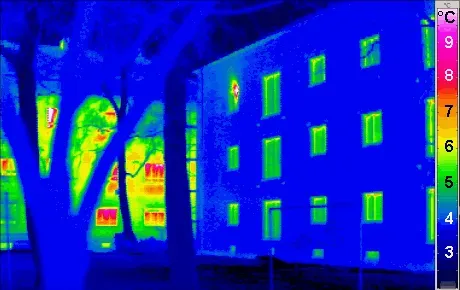
Heat loss is one of those concepts that is hard to picture. Homeowners might know their houses are “drafty,” but the idea of where energy is actually escaping often stays vague. Walls look solid, windows look closed, and roofs look intact. Without a clear picture, people default to guesswork or assume that minor leaks cannot add up to much.
Thermal imaging cameras provided a radically different view. In a single colorful photograph, you can see where a building is bleeding warmth: glowing window frames, hot streaks along rooflines, cool patches where insulation actually works. These images overturn the comforting assumption that if something looks sealed, it must be efficient. They show energy loss as bright, undeniable patterns, rather than abstract numbers on an energy bill.
Once you have seen a thermal image of your own home – or even just a typical one online – it becomes hard to ignore what was previously invisible. People change where they add insulation, seal gaps they did not know existed, and sometimes rethink building materials altogether. A photograph translating temperature into color has done more to make energy loss real than many lectures on thermodynamics.
- Traditional photos cannot reveal temperature differences through walls and materials.
- Thermal photos turn invisible leaks into vividly clear shapes.
- The result is a more accurate mental model of how buildings really behave.
#13: Before-and-After Medical Imaging Correcting “All in Your Head” Narratives
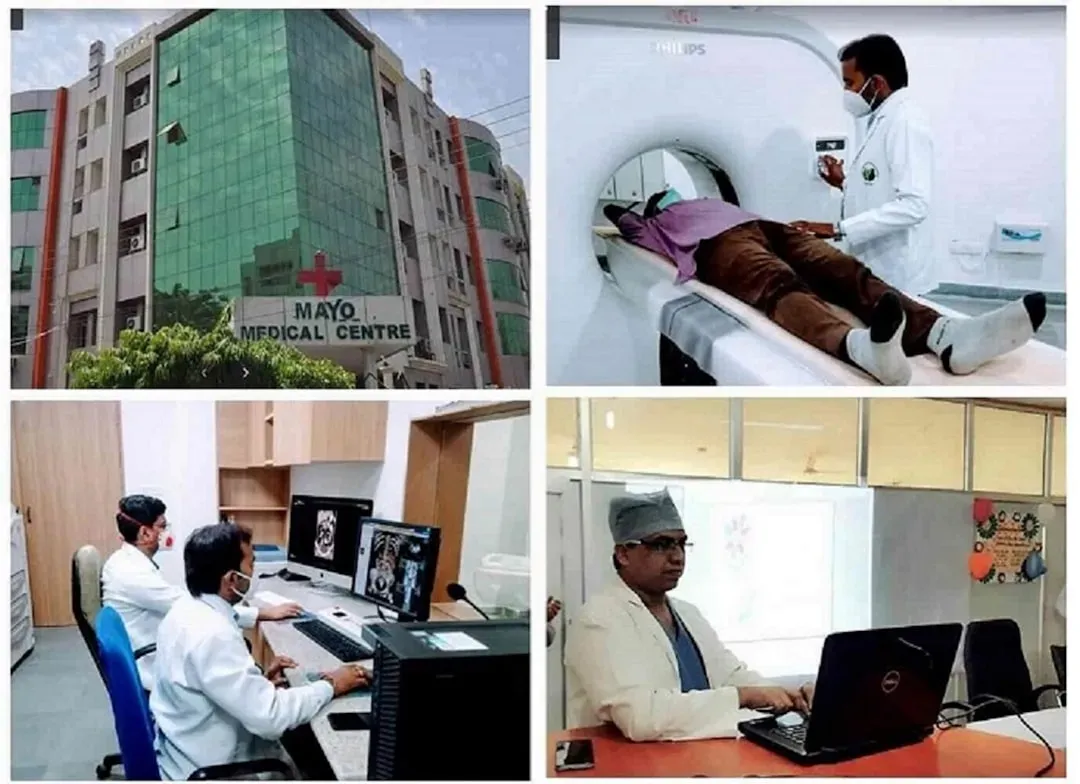
Before certain imaging technologies became widespread, many chronic conditions were dismissed because they left no obvious marks on standard tests or surface exams. Patients complaining of pain or fatigue could be told, explicitly or implicitly, that it was “all in their head.” The lack of visible evidence in ordinary photographs or scans reinforced the idea that nothing serious was wrong.
Newer imaging methods – whether detailed MRI slices, improved contrast techniques, or specialized functional scans – began to show subtle changes in tissues, joints, or neural pathways that had previously been invisible. Suddenly, what had seemed like unexplained symptoms could be linked to structural or functional differences. A single clear image of inflammation, a tiny lesion, or an abnormal activation pattern overturned years of doubt for some patients.
These photographs do not solve every mystery, and absence of evidence is still not evidence of imaginary illness. But they have shifted the narrative. When I first saw a side‑by‑side comparison of a healthy brain and one affected by a degenerative condition, the visual difference was stark and sobering. The idea that a person looked “fine” and therefore must be fine could no longer stand unchallenged once photographs showed otherwise from the inside out.
#14: Social Photography and the Collapse of Stereotyped Realities

For much of the twentieth century, most published photographs of different countries, communities, or lifestyles were filtered through a handful of media outlets and gatekeepers. This skewed which stories were told and which images represented entire groups. Stereotypes thrived on repetition: the same few types of scenes, taken from the same angles, stood in for millions of lives.
As smartphones and social platforms spread, people everywhere began publishing their own photographs of daily life. Ordinary meals, street scenes, family gatherings, fashion choices, and local humor started to circulate widely. The result has been a slow but profound overturning of simplistic ideas about what a “typical” person from a given place looks like, wears, believes, or enjoys. The curated, narrow photo narrative gave way to messy, diverse, often contradictory realities.
Of course, social photographs bring new problems: performance, filters, and selective sharing. But they also puncture long‑standing visual myths. When you scroll through images posted directly by people from places you once only knew through news reports or travel brochures, stereotypes start to crack. A single candid photo of someone laughing on a city sidewalk can feel more real than a dozen staged magazine spreads trying to define a culture.
Conclusion: One Better Photograph, One Less Comfortable Myth
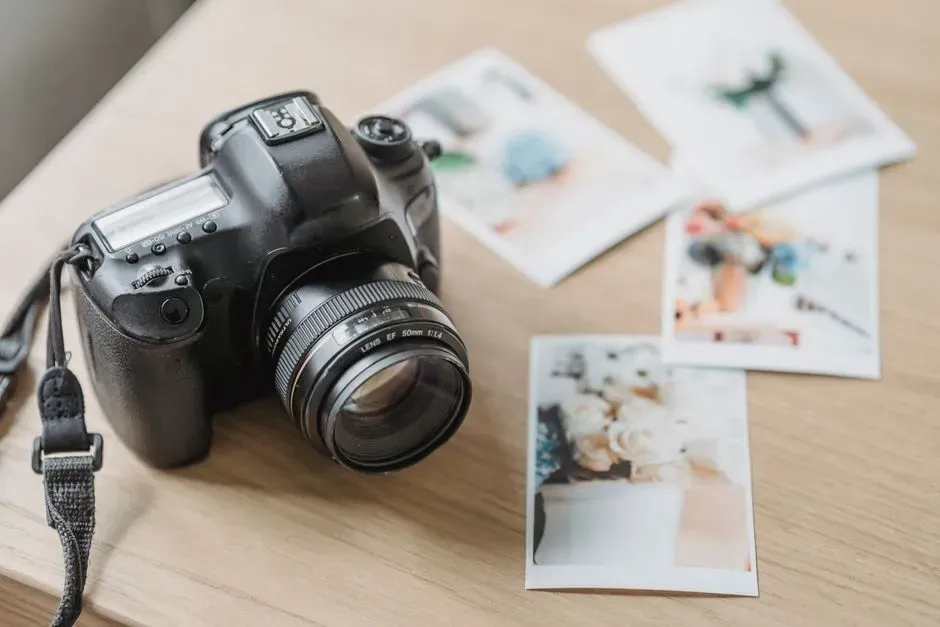
Across all these examples, the pattern is striking. We are rarely tricked by lies alone; we are more often misled by partial truths, fuzzy images, and narrow viewpoints. – a higher resolution, a new wavelength, a wider angle, a different vantage point – does not just sharpen what we already knew. It can reveal that what we thought we knew was never fully true in the first place.
Personally, the more I look at these cases, the less confidence I place in my first visual impressions. I find myself asking: from what angle, with what tool, at what scale am I really seeing this? That question feels increasingly urgent in a world flooded with images. Some photos expose; others conceal. The ones that overturn bad ideas tend to do so not by adding drama, but by adding clarity.
In the end, the power of a better photograph is both thrilling and uncomfortable. It opens doors we did not know were there, but it also forces us to admit how easily our senses, and our stories, can be wrong. Maybe the wisest habit we can adopt is simple: whenever a picture seems to confirm exactly what we already believe, it might be time to look for a sharper, wider, or stranger view. After all, how many of our favorite ideas are just waiting for one inconvenient photograph to change the focus?