
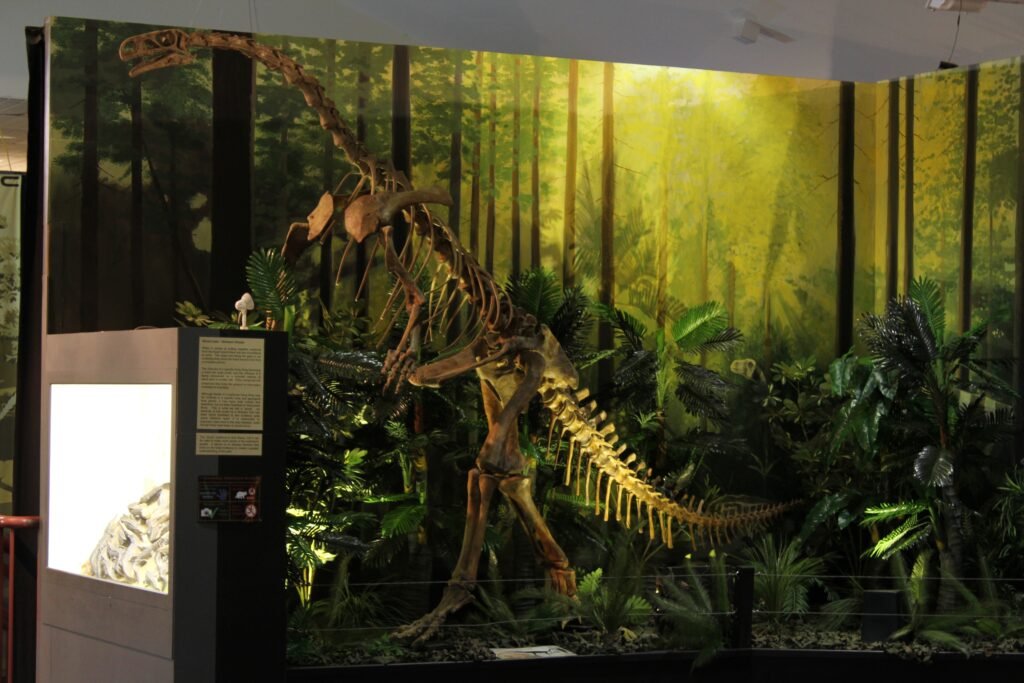
Most people assume a dinosaur skeleton in a museum is settled science – a fixed, permanent fact bolted to a pedestal. It isn’t. Behind the glass cases and placards, paleontology quietly rewrites itself all the time, and dozens of “textbook” prehistoric animals have been erased, renamed, or reclassified out of existence once new fossils or fresh analysis proved the old story wrong.
Some were composite fakes stitched together from unrelated bones. Some were cases of mistaken identity that fooled trained experts for decades. A few were outright frauds that fooled the entire scientific world. Here’s what the fossil record – and the researchers who quietly corrected it – actually say, starting with a “record-breaking” giant that turned out to be two different animals wearing one name.
#14 – Ultrasauros, the “Biggest Dinosaur Ever” That Was Actually Two Dinosaurs
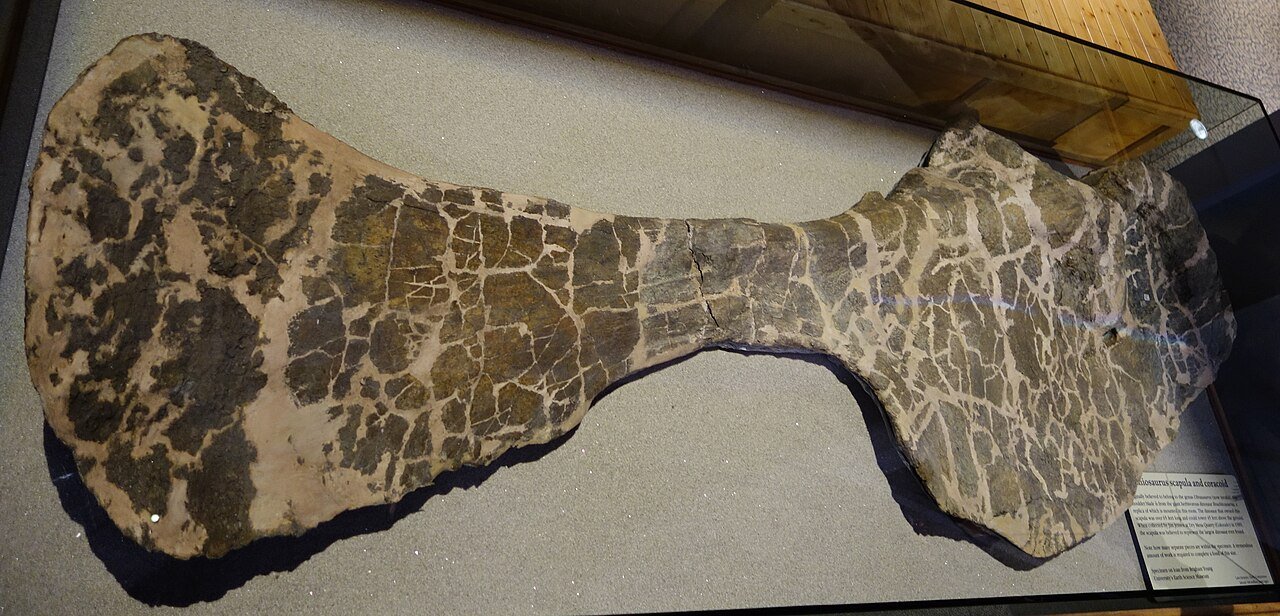
For a brief, glorious moment in the 1980s, Ultrasauros was crowned the largest land animal to ever exist. The name came from a jumble of enormous bones pulled from Colorado’s Dry Mesa Quarry, and paleontologists initially assumed they belonged to one record-breaking sauropod.
The truth was messier. The vertebra used to define Ultrasauros actually belonged to a Supersaurus, while other bones were reassigned to a Brachiosaurus-like animal. Once researchers untangled the mix-up, the genus name quietly disappeared from serious literature, even though it lingered in outdated encyclopedias and dinosaur toy packaging for years afterward. Museums that once touted “the world’s biggest dinosaur” under this name had to walk it back entirely, because there was no single animal left to display. But that’s nothing compared to what we found about #13.
#13 – Seismosaurus, the “Earth Shaker” That Got Demoted
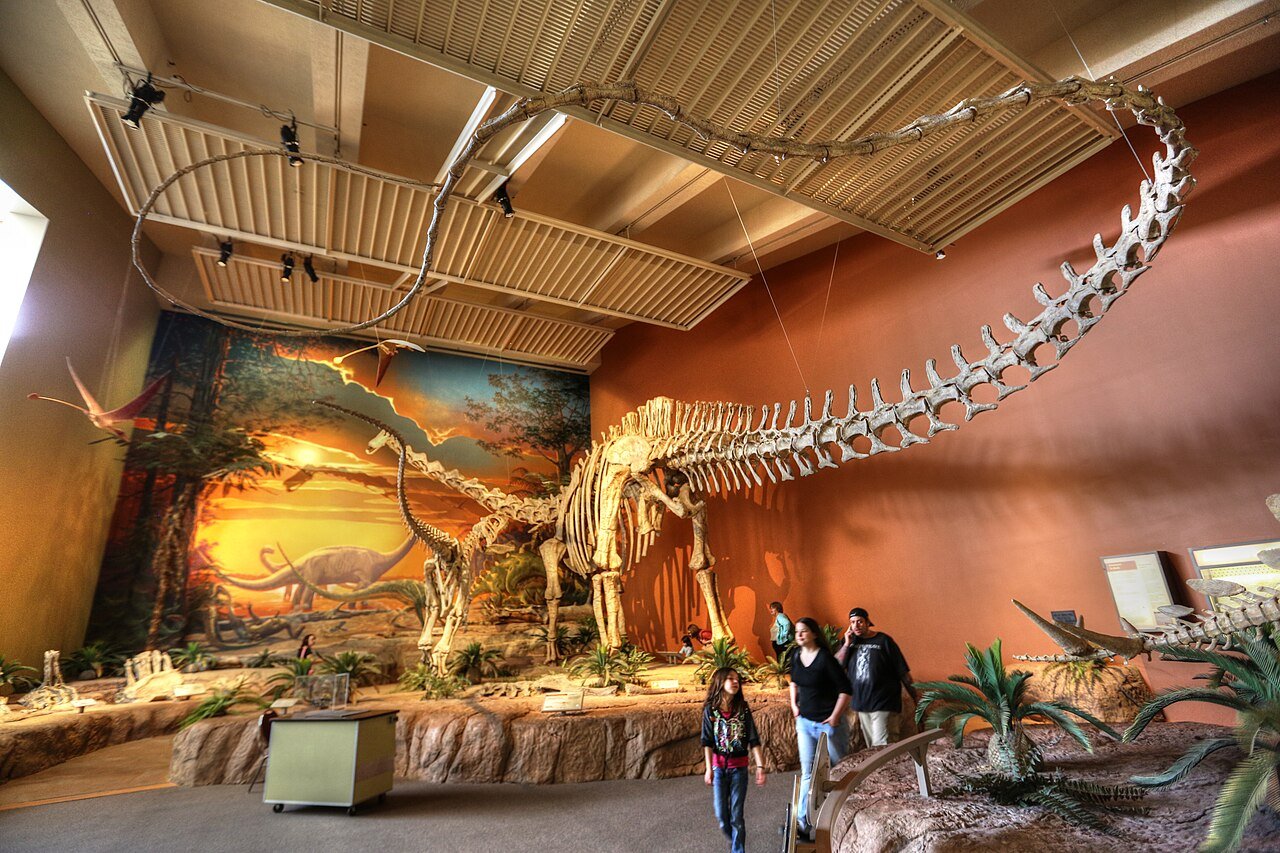
Seismosaurus was introduced to the world as a sauropod so massive it supposedly shook the ground when it walked – hence the dramatic name. Discovered in New Mexico and described in 1991, the animal was pitched as one of the longest creatures ever to walk the planet, stretching well past 100 feet by some early estimates.
The dramatic size claims didn’t hold up. As more complete Diplodocus specimens were studied and compared vertebra-by-vertebra, researchers determined that Seismosaurus wasn’t a distinct genus at all – it was simply a large, robust species of Diplodocus. By the mid-2000s, the “Earth Shaker” name had been formally folded into Diplodocus hallorum, and museum placards that once celebrated an entirely new titan quietly rebranded their star exhibit. Next up is an even stranger identity crisis, and this one lasted almost 50 years.
#12 – Deinocheirus, the Monster Known Only by Its Terrifying Arms
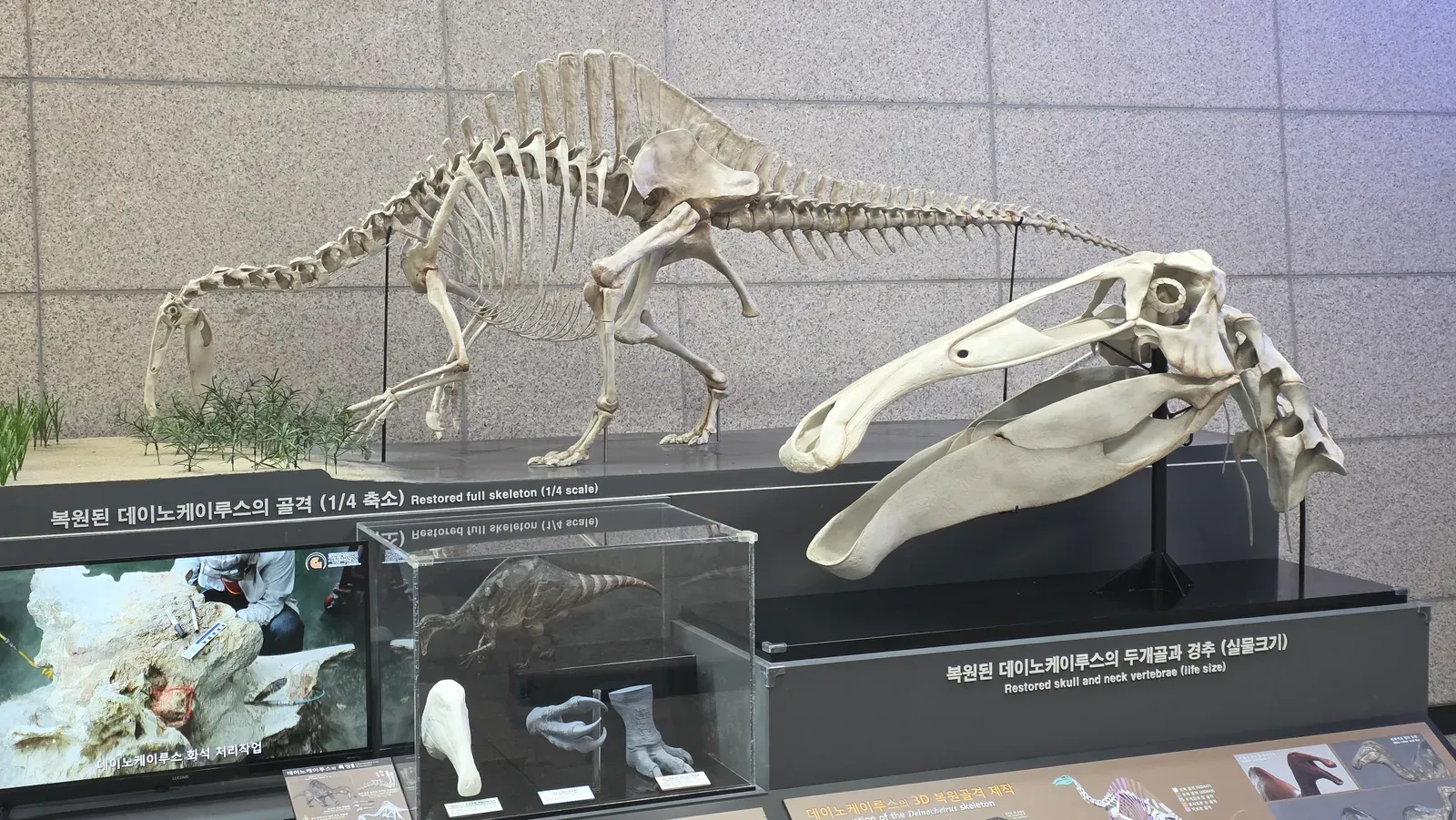
For decades, all scientists had of Deinocheirus was a pair of eight-foot-long arms tipped with menacing claws – and that was enough to fuel nightmares. Discovered in Mongolia in 1965, those arms alone were used to imagine a towering, ferocious predator, possibly a giant relative of the raptors.
Museums built entire speculative reconstructions around this monster-movie image for nearly half a century. Then, in 2014, complete skeletons finally surfaced, and the reveal stunned paleontologists: Deinocheirus wasn’t a slasher-movie killer at all. It was a bizarre, hump-backed, duck-billed ornithomimosaur that likely ate fish and plants using a beak, not fangs. The old “terrifying arms” mounts and illustrations were pulled from displays almost overnight, replaced by something closer to an ungainly, sail-backed giant goose. But #11 involves a debate paleontologists still can’t agree on.
Fast Facts
- Discovered in Mongolia in 1965 – but only as a pair of giant arms
- Complete skeletons finally described in 2014, nearly 50 years later
- Arms stretched roughly 8 feet (2.4 meters) long
- Reclassified as an ornithomimosaur – a “bird-mimic” dinosaur, not a predator
- Likely ate fish and plants using a broad, duck-like beak
#11 – Nanotyrannus, the Tiny Tyrant That Might Not Exist
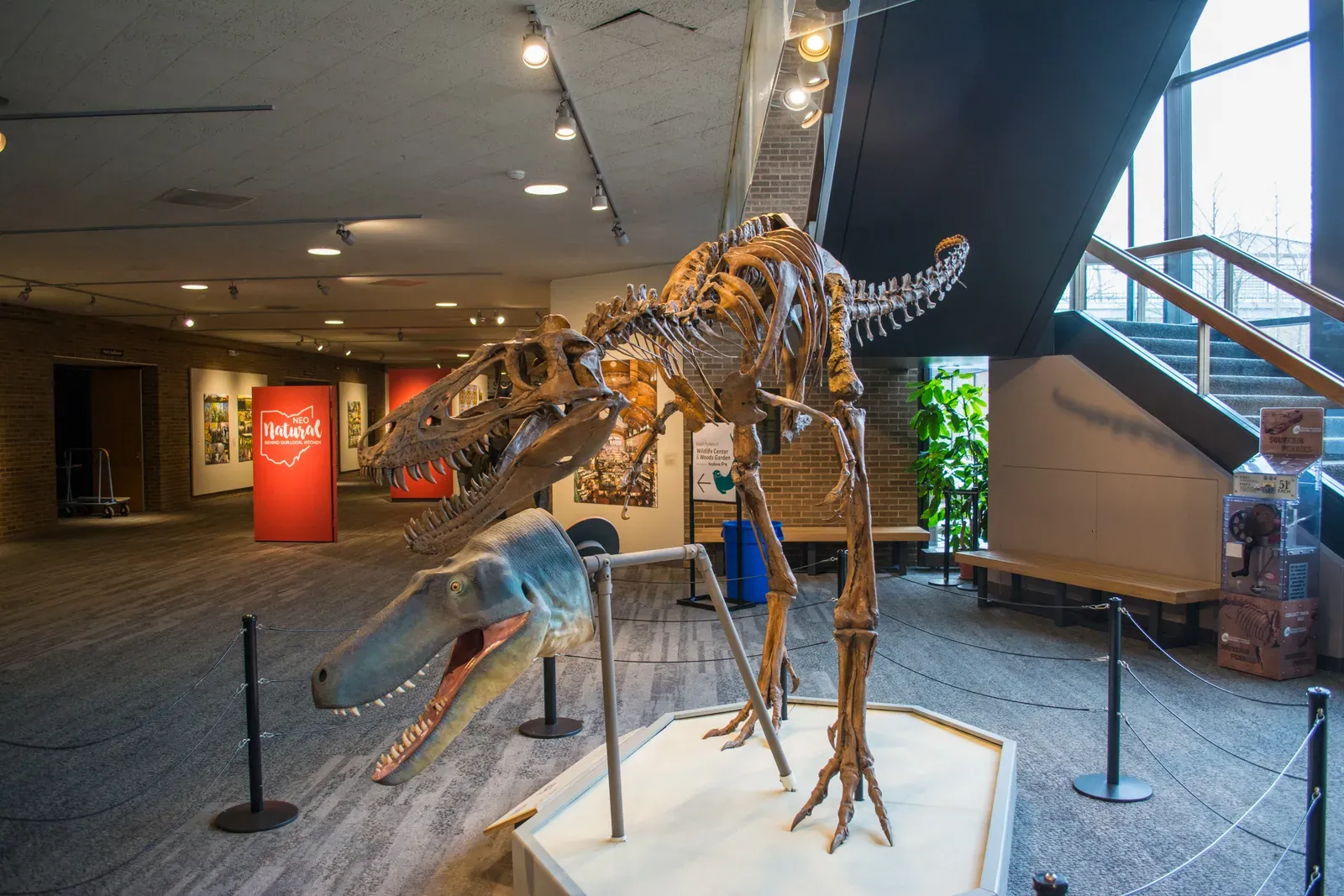
Nanotyrannus was marketed for years as a scrappy, fast, miniature cousin of Tyrannosaurus rex – a distinct predator in its own right. The classification rested almost entirely on a single skull discovered in Montana, which had proportions that looked juvenile at first glance but was declared a new genus in 1988.
The catch: many paleontologists now argue this “tiny tyrant” is simply a young T. rex caught mid-growth-spurt, since tyrannosaur skulls change dramatically in shape and thickness as the animal matures. The debate has split the field for over 30 years and still isn’t fully resolved. Increasingly, museum exhibits hedge their language, labeling specimens as “possible juvenile T. rex” rather than confidently naming them Nanotyrannus. The next case shows what happens when a “new dinosaur” turns out to just be a teenager in disguise.
#10 – Dracorex and Stygimoloch, the Dome-Headed Dinosaurs That Were Secretly Teenagers
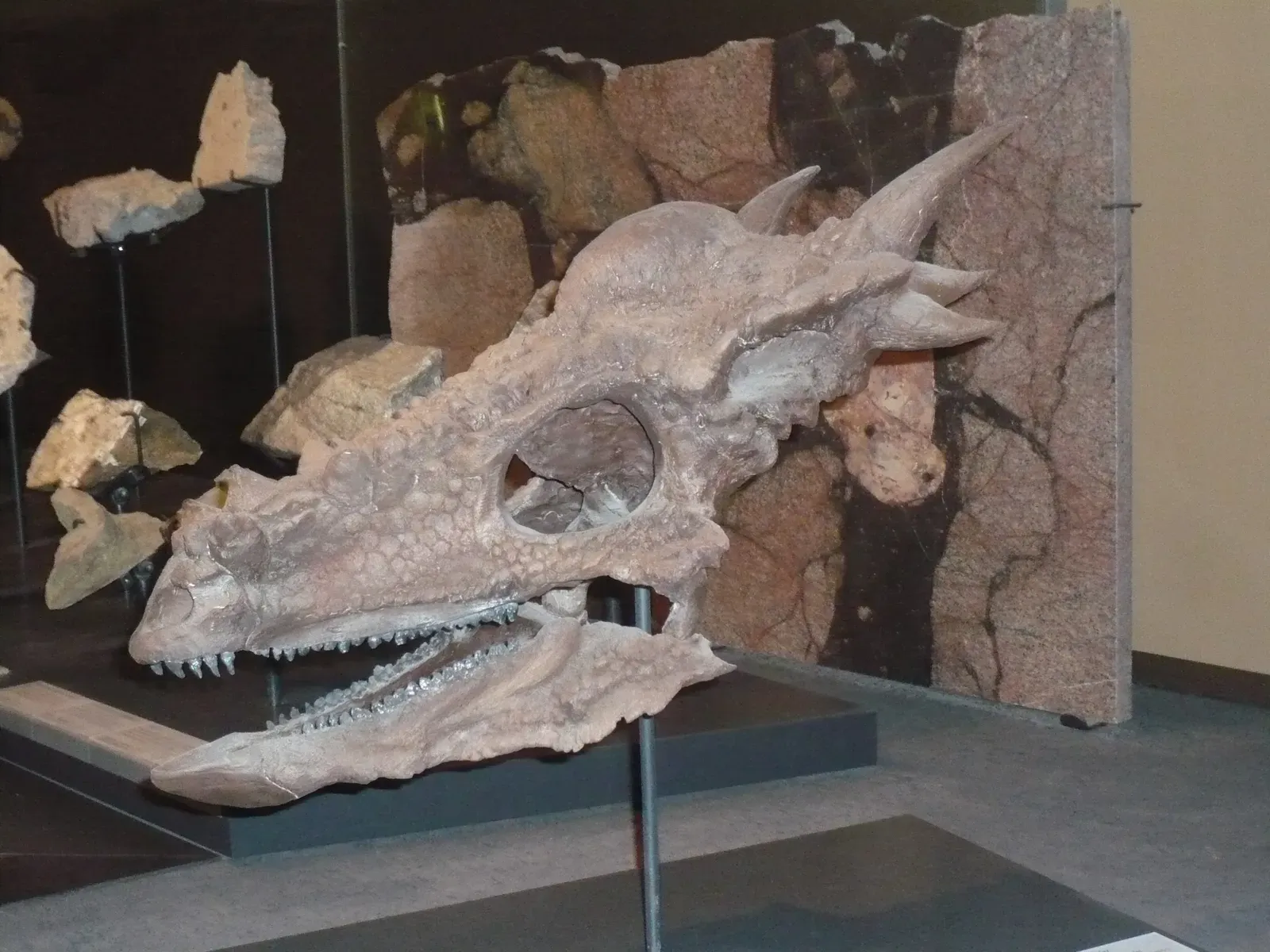
Dracorex hogwartsia – literally named after Harry Potter’s school – and its spiky cousin Stygimoloch were once celebrated as two distinct, flat-headed and thorny-domed dinosaurs roaming Cretaceous North America. Both were flashy, media-friendly discoveries in the early 2000s, complete with dramatic names evoking dragons and demons.
Paleontologist Jack Horner and colleagues later proposed something wilder: both animals were simply growth stages of Pachycephalosaurus. As these dome-headed dinosaurs aged, their skull ornamentation was thought to change dramatically, starting flat and spiky in youth and thickening into a solid dome in adulthood. If the theory holds, museums spent years displaying juvenile and subadult Pachycephalosaurus under two entirely separate dragon-and-demon-themed names. Up next, a dinosaur that may have vanished for the exact same reason – only this one had horns.
#9 – Torosaurus, the Giant-Frilled Dinosaur That May Just Be an Old Triceratops
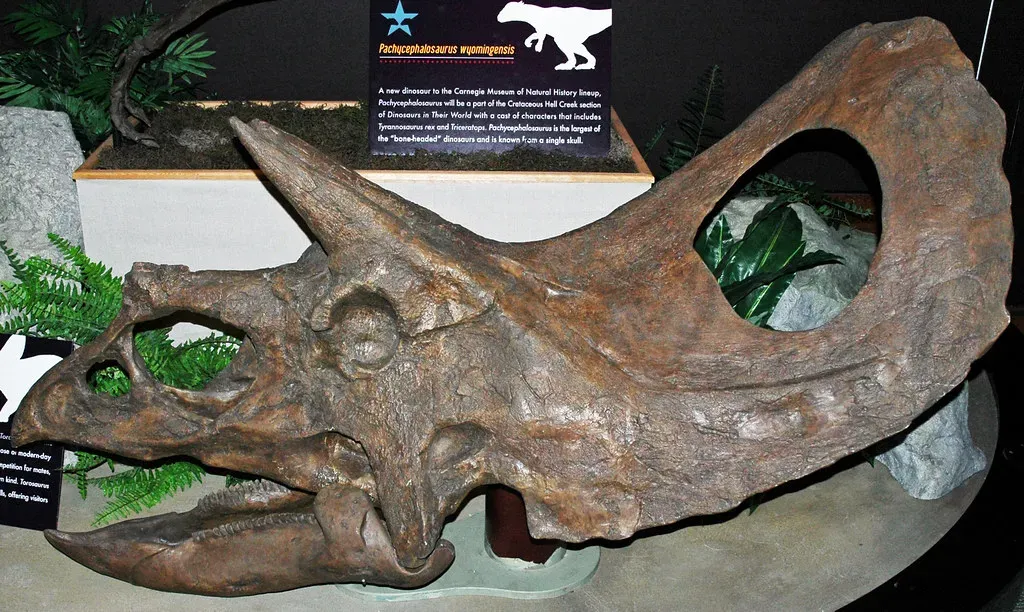
Torosaurus was famous for having one of the largest skulls of any land animal, with a frill stretching well beyond its body length. For over a century it stood as a proud, independent genus alongside its more famous relative, Triceratops.
Then a 2010 study turned the exhibit hall upside down: researchers proposed that Torosaurus wasn’t a separate animal at all, but a fully mature Triceratops, whose frill developed thinning holes and an elongated shape only in old age. Younger Triceratops, in this theory, simply hadn’t lived long enough to grow the “Torosaurus” look. The claim remains contested, but the controversy alone was enough to make many museums soften their signage to “possibly synonymous with Triceratops.” The next entry proves dinosaur reconstruction mistakes go back to the very first dinosaur ever named.
#8 – Megalosaurus, the First Dinosaur Ever Named – and Immediately Misdrawn
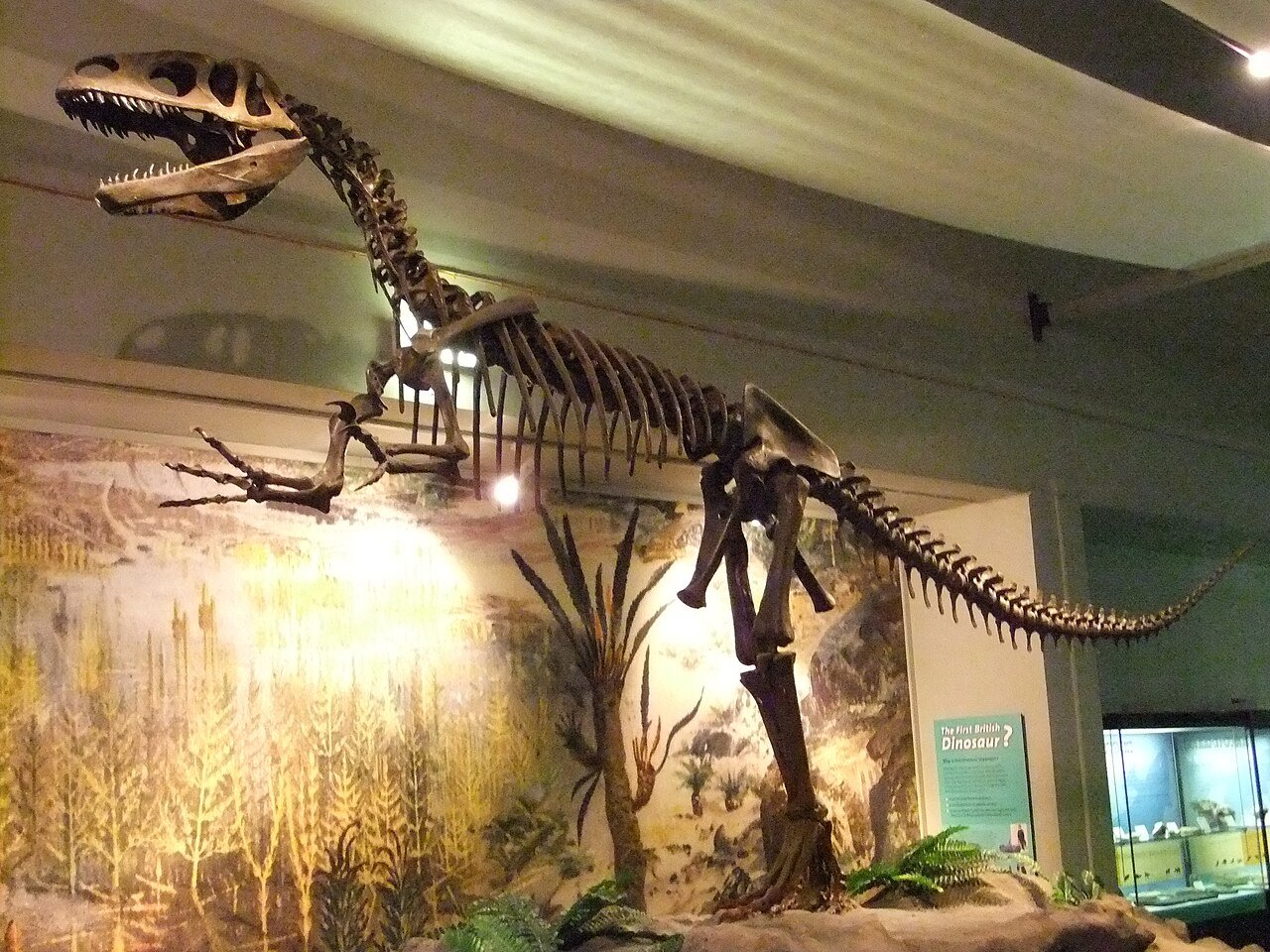
Long before “dinosaur” was even a word, Megalosaurus was already being sculpted into museum halls based on almost nothing but scattered bone fragments. Named in 1824, it holds the honor of being the very first dinosaur formally described by science.
When Victorian sculptor Benjamin Waterhouse Hawkins built life-sized models for London’s Crystal Palace Park in the 1850s, he portrayed Megalosaurus as a hulking, four-legged, lizard-like beast – because that’s what fragmentary bones and Victorian imagination suggested. The real animal looked nothing like this. Later, far more complete theropod discoveries proved Megalosaurus walked on two legs, built more like a stocky predator than a lumbering reptilian ox. The original Crystal Palace statues still stand today, technically inaccurate but too historically significant to remove – a monument to just how wrong a first guess can be. But #7 tackles a mistake that changed not the animal’s posture, but its most famous body part.
Worth Knowing
- Named in 1824 – the first dinosaur ever formally described by science
- Early reconstructions were based on scattered, incomplete bone fragments
- Crystal Palace Park statues (1850s) showed it as a four-legged, ox-like beast
- Later fossils proved it actually walked upright on two legs
- The inaccurate statues still stand today as historical landmarks
#7 – Stegosaurus, the Armored Dinosaur With Plates in the Wrong Place
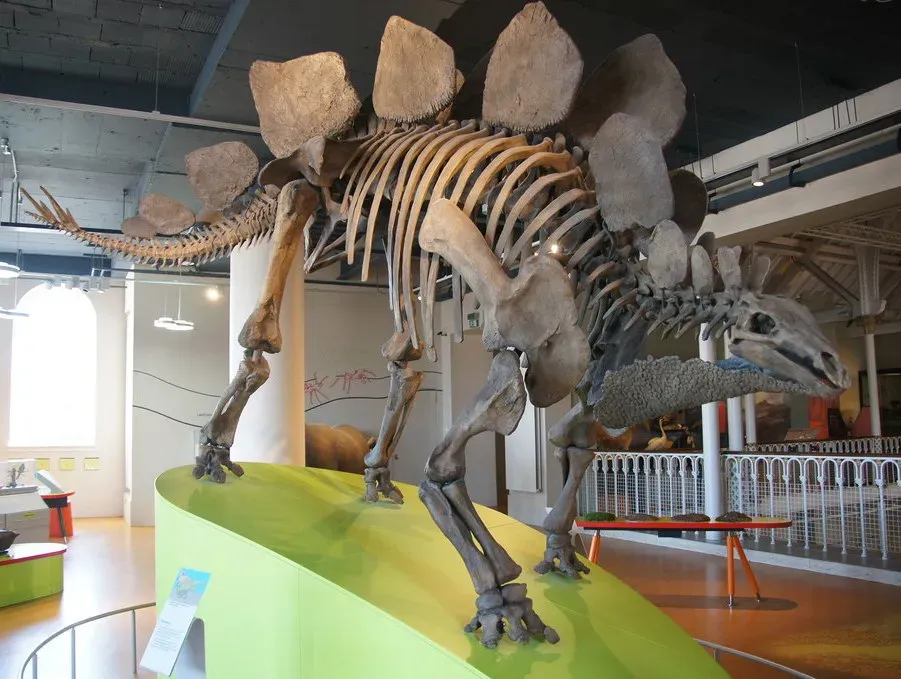
Everyone recognizes Stegosaurus by its rows of bony plates, but for decades scientists couldn’t agree on how those plates were even arranged on the living animal. Early reconstructions, including some from the dinosaur’s original describer, suggested the plates might have lain flat across the back like armor plating, or stood in a single tidy row down the spine.
Neither idea survived scrutiny. Later fossil evidence and careful bone-socket analysis revealed the plates likely stood upright in two alternating, staggered rows – a far more distinctive and photogenic look than the flat-armor version. This wasn’t a minor tweak; it changed the entire silhouette people picture when they think of Stegosaurus. Older museum murals and models depicting flat or single-row plates have been steadily replaced over the last several decades. The next case involves one of the biggest posture overhauls in modern paleontology.
#6 – Spinosaurus, the Predator That Secretly Lived in the Water
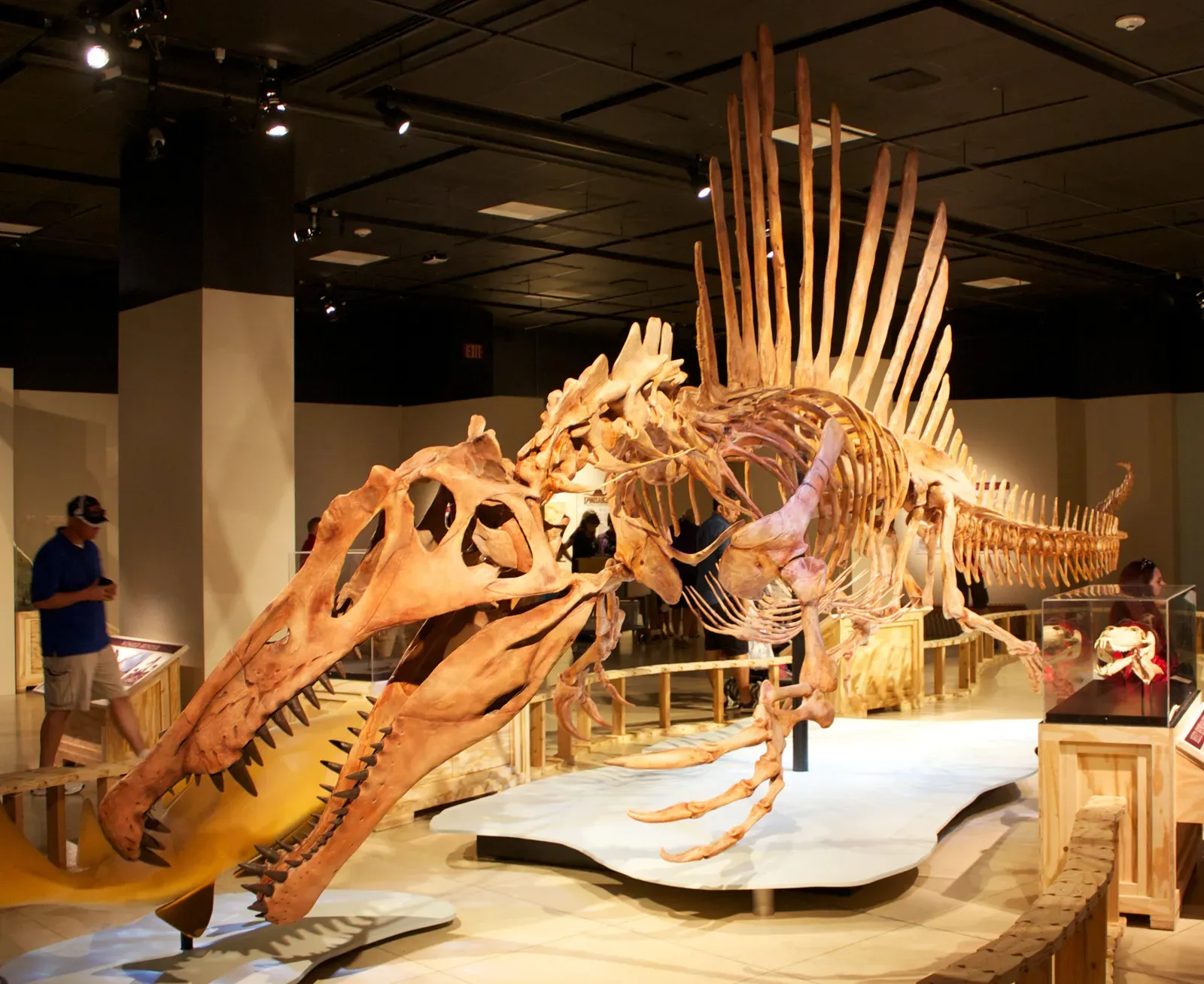
For most of the 20th century, Spinosaurus was drawn as a towering, sail-backed, two-legged land predator – essentially a bigger, spikier version of T. rex. That image dominated museum displays, textbooks, and blockbuster movies for generations.
Then a 2014 study of newly recovered remains from Morocco upended everything: researchers argued Spinosaurus had unusually short, weak hind limbs, dense bones built for buoyancy control, and proportions suggesting it spent much of its life in rivers rather than striding across land. Some researchers even proposed it swam more like a giant, semi-aquatic crocodile than a typical dinosaur, and a follow-up 2020 study on its tail bones suggested a broad, paddle-like fin built for propulsion in water. The debate over exactly how aquatic Spinosaurus really was continues to run hot, but the old “generic land-predator” mounts have already been retired or heavily revised in major exhibits worldwide. Up next is a case where the fossil itself wasn’t wrong – it was fake.
Quick Compare
- Old view: Towering, two-legged land predator built like a spiky T. rex
- New view: Short hind limbs, dense buoyant bones, semi-aquatic lifestyle
- 2014 study: Proportions suggested a life spent largely in rivers
- 2020 study: Tail bones revealed a broad, paddle-like fin for swimming
#5 – Archaeoraptor, the “Missing Link” That Turned Out to Be a Forgery
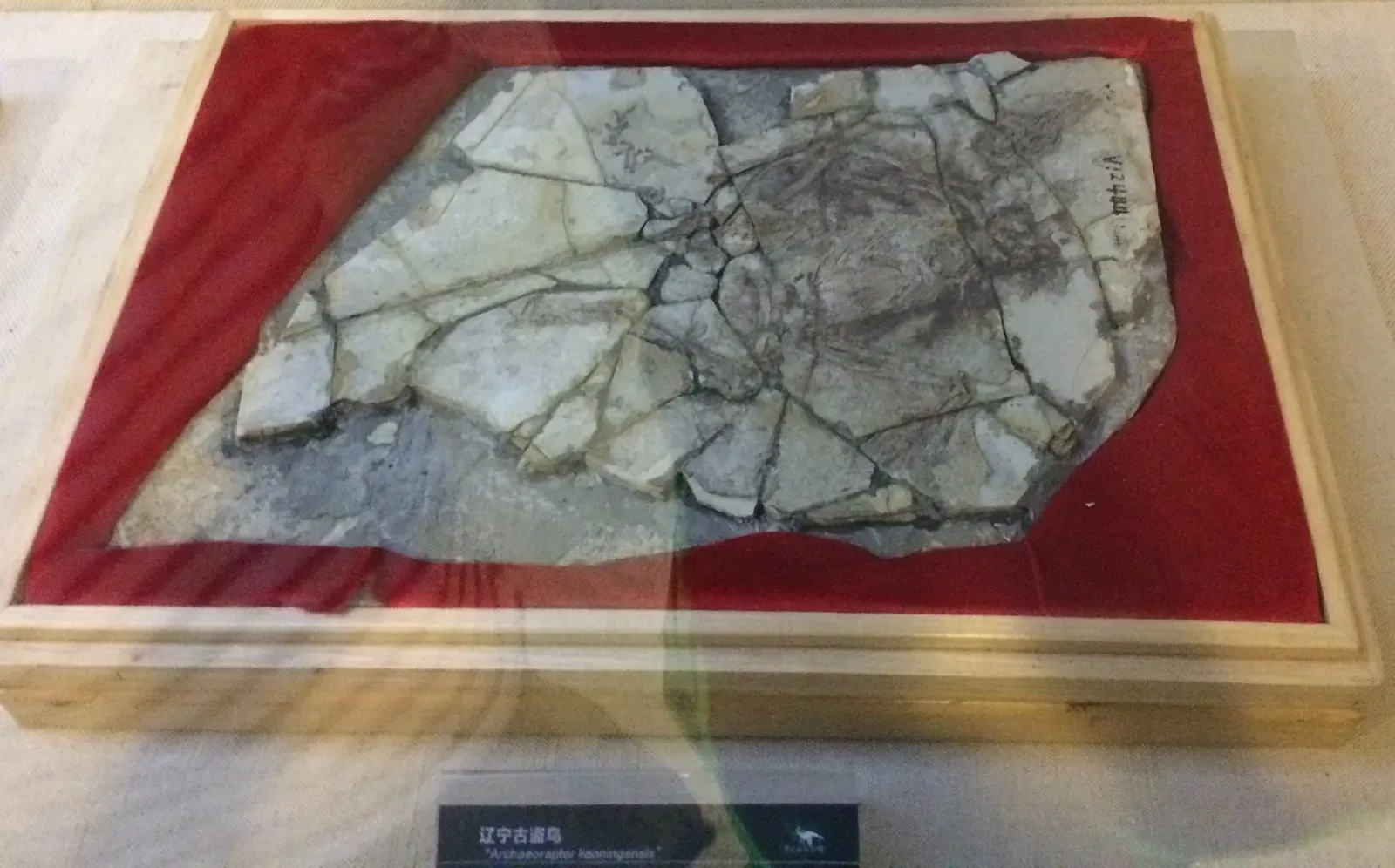
In 1999, a fossil dubbed Archaeoraptor was unveiled with enormous fanfare as compelling proof of the evolutionary link between dinosaurs and birds. It even landed a feature spread before formal scientific peer review had run its course – a major red flag in hindsight.
The fossil was a fraud. Detailed CT scanning later revealed it had been assembled from multiple unrelated specimens, illegally smuggled out of China and glued together by fossil dealers to create a more impressive, sellable “missing link” than any single genuine fossil could offer. The body turned out to belong to a primitive bird, while the tail had been grafted on from an entirely different feathered dinosaur. Once exposed, the fossil was pulled from consideration as scientific evidence, and the embarrassing episode became a cautionary tale about rushing spectacular fossils past rigorous verification. The next entry proves museums themselves aren’t immune to decades-long mix-ups.
#4 – Apatosaurus, the Dinosaur That Wore the Wrong Head for 70 Years
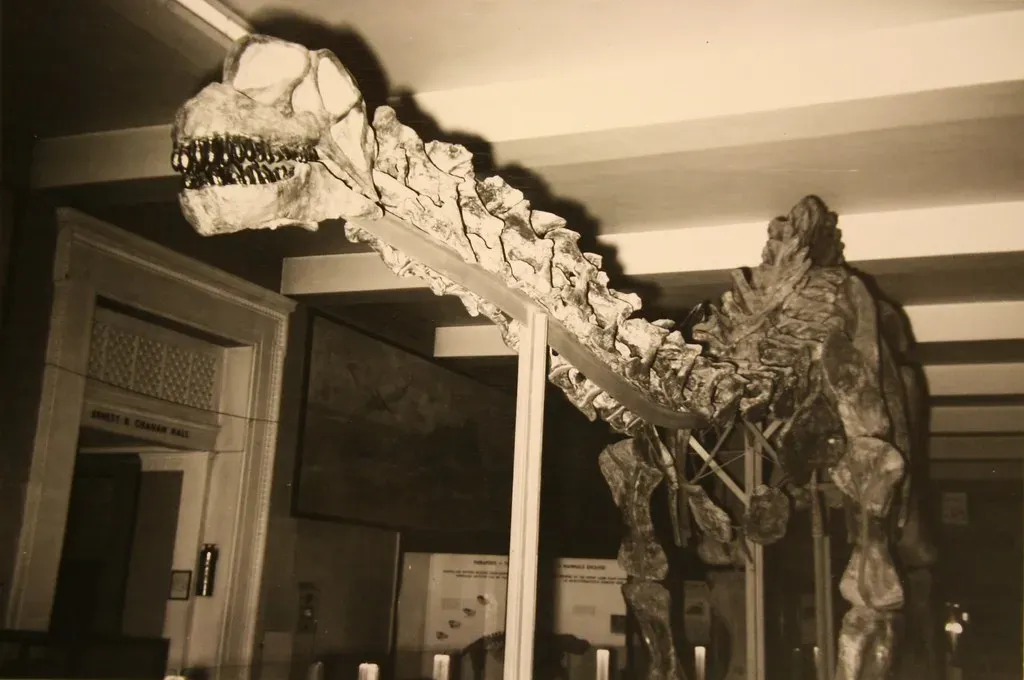
Millions of visitors admired a towering long-necked skeleton for most of the 20th century without realizing they were staring at a head that didn’t belong to the body. When Apatosaurus skeletons were first mounted, their actual skulls were missing, so museums improvised.
Experts initially believed the skull of Apatosaurus resembled that of Camarasaurus – a misconception so ingrained that several mounted skeletons were displayed with Camarasaurus skulls for decades. Researchers eventually reasoned that a very different, more Diplodocus-like skull found near an Apatosaurus skeleton decades earlier was likely the correct one, and a subsequent discovery of a still-connected skull and neck proved them right. The proper skull was finally mounted more than seven decades after the original skeleton’s discovery, forcing multiple major institutions to quietly swap heads on their flagship exhibits. But an even older mix-up flipped an entire skeleton backward.
#3 – Elasmosaurus, the Sea Monster Displayed With Its Head on Its Tail
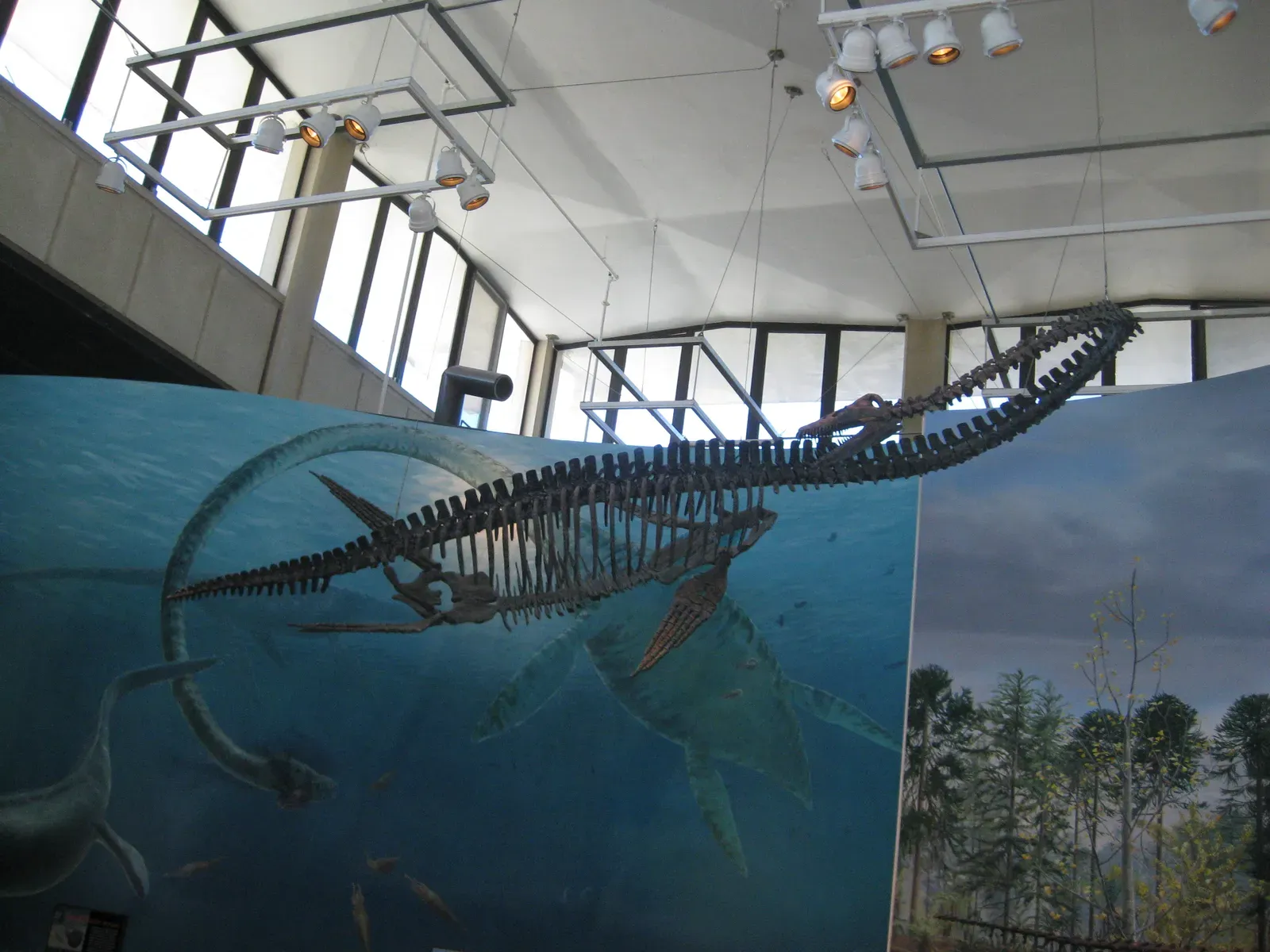
Few paleontology blunders are as visually absurd as this one: for a short but mortifying period, the world’s leading expert reconstructed a marine reptile completely backward. In 1868, Edward Drinker Cope incorrectly restored the type specimen of Elasmosaurus platyurus by placing the skull at the end of the animal’s tail, an error that haunted him the rest of his career.
Cope had never assembled a plesiosaur before and assumed the large number of vertebrae mostly belonged in the tail, resulting in a reconstruction with a long tail and short neck – when in reality, the animal had one of the longest necks of any creature that ever lived. The error was embarrassing enough that after realizing the mistake, all copies of the preprint were recalled and reprinted with a corrected reconstruction. The rivalry surrounding the mistake became legendary in paleontology circles, immortalized as a symbol of how competitive, rushed science can go spectacularly wrong. Even so, nothing tops the sheer scale of the identity crisis waiting at #2.
#2 – Iguanodon, the Dinosaur With a Horn That Was Actually a Thumb
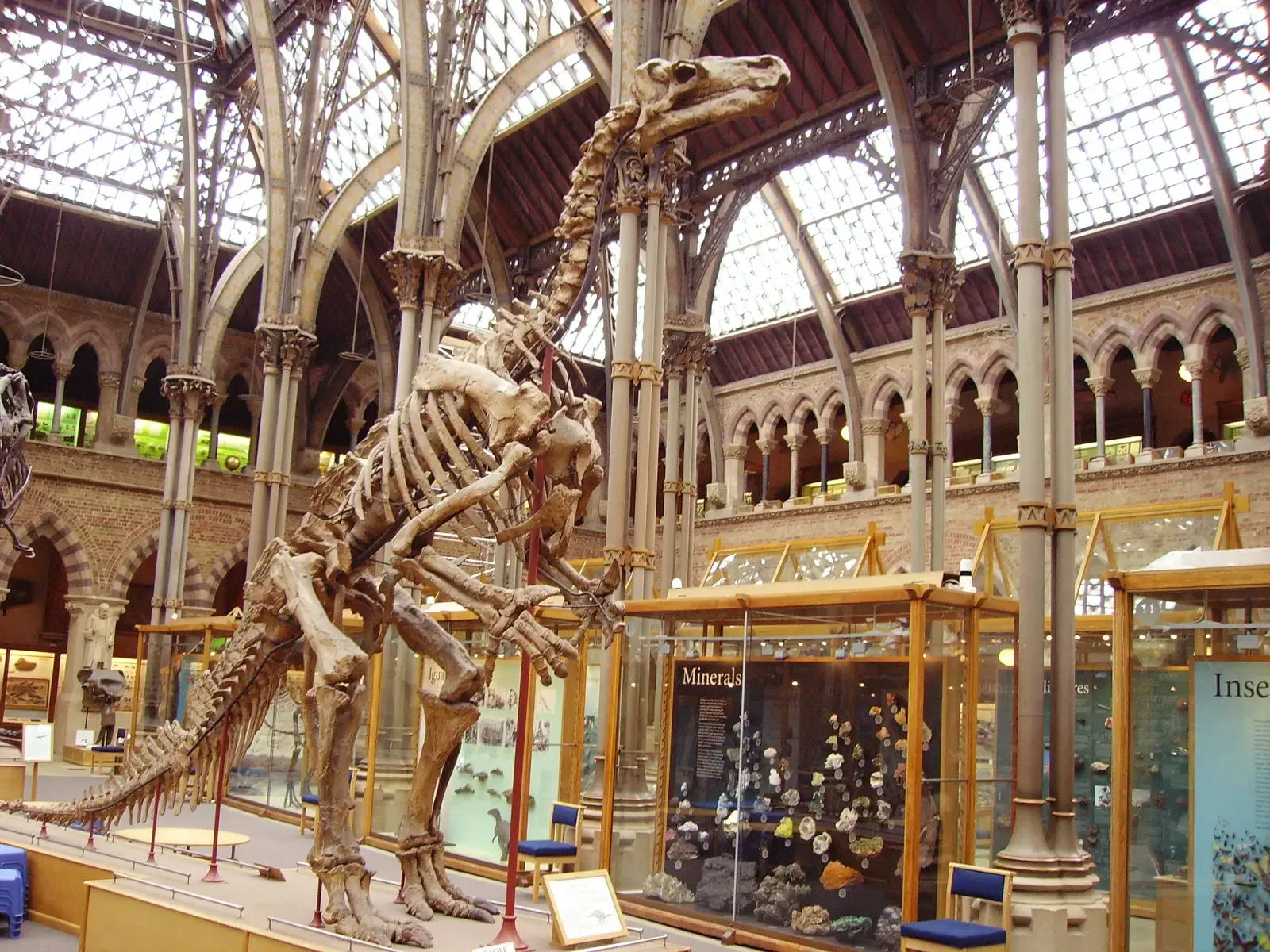
For decades, one of the most famous dinosaurs on Earth was displayed with a weapon on completely the wrong part of its body. The peculiar false thumb of Iguanodon was originally thought to sit on the dinosaur’s nose, since when Gideon Mantell first described the animal in 1825, it seemed reasonable that a conical, bony spike corresponded to the same structure on the snouts of rhinoceros iguanas.
Life-sized Victorian statues built for London’s Crystal Palace Gardens immortalized this “nose-horned” version, cementing the mistake in the public imagination for a generation. The correction came from an extraordinary discovery: twenty years after the statues were built, new skeleton finds showed the bones placed as a horn on the nose were actually thumb spikes, probably used for defense against predators. In 1878, coal miners in Belgium discovered at least 38 Iguanodon skeletons together, one of the most significant dinosaur discoveries ever, finally settling the debate for good. But no reclassification story is more dramatic – or more famous – than the one closing out this list.
#1 – Brontosaurus, the Dinosaur That Officially Didn’t Exist for Over 100 Years
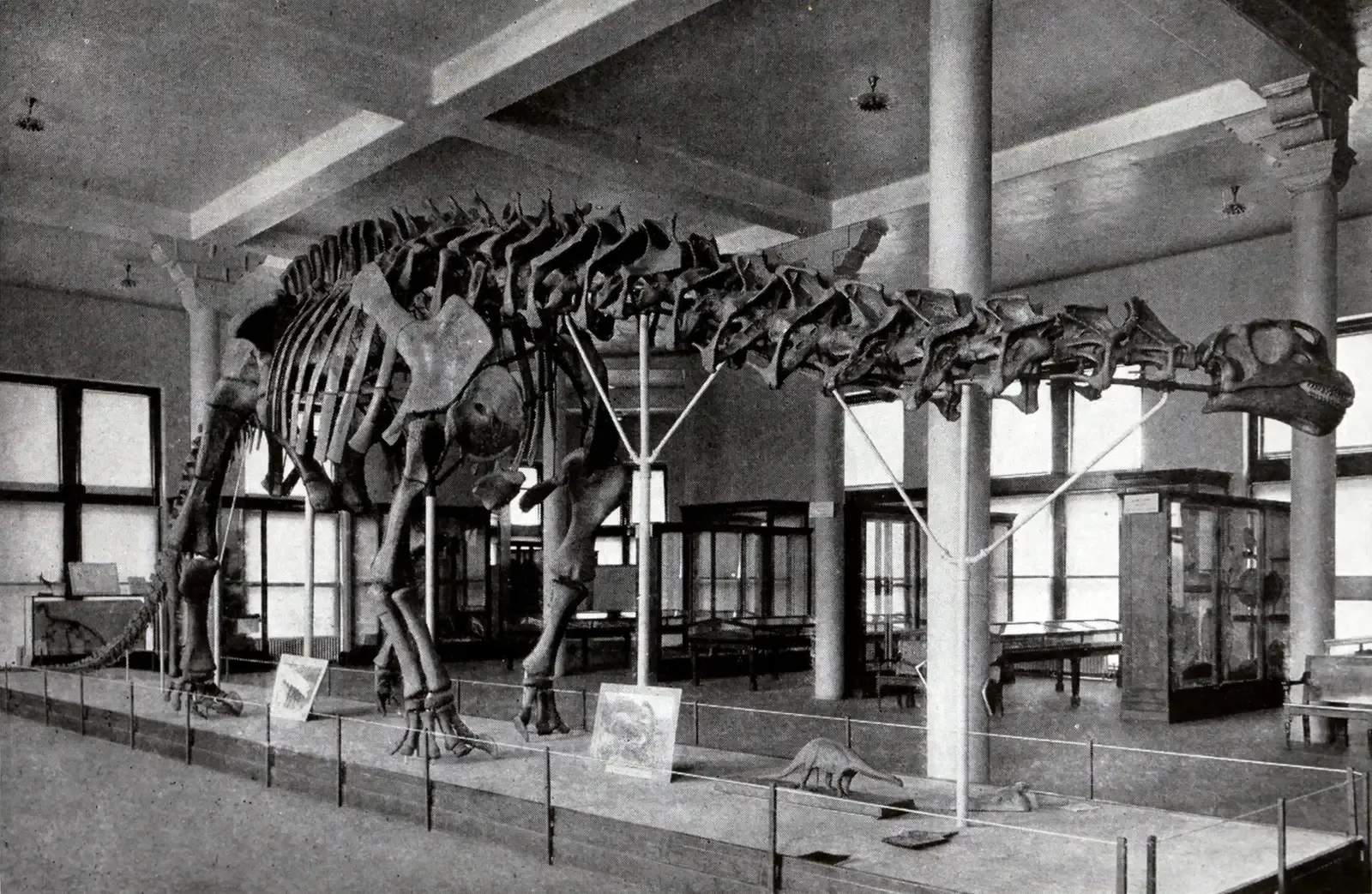
If you grew up believing Brontosaurus was real, you were technically wrong for most of the 20th century – and so was almost every museum on Earth. In 1903, paleontologist Elmer Riggs found that Brontosaurus was apparently the same as the genus Apatosaurus, and the rules of scientific nomenclature state that the oldest name has priority, dooming Brontosaurus to extinction as a valid name.
This decision was widely adopted, and for the next hundred years, museums and textbooks maintained that Brontosaurus did not exist as a unique dinosaur – even as toy shelves, cartoons, and movies kept the name alive for the public anyway. Then came a twist nobody saw coming. A large-scale morphological analysis published in 2015, comparing 81 diplodocid sauropods specimen by specimen, successfully re-established Brontosaurus as a valid, separate genus after all, distinguishable from Apatosaurus most easily by its neck, which is higher and less wide. A dinosaur erased from science for a century was suddenly resurrected – proof that “settled” paleontology is anything but.
At a Glance
- 1903: Declared identical to Apatosaurus and erased as a valid name
- Over 100 years: The name persisted in pop culture but not in science
- 2015: A study comparing 81 diplodocid specimens brought the name back
- Key difference: Brontosaurus has a taller, narrower neck than Apatosaurus
The Bottom Line
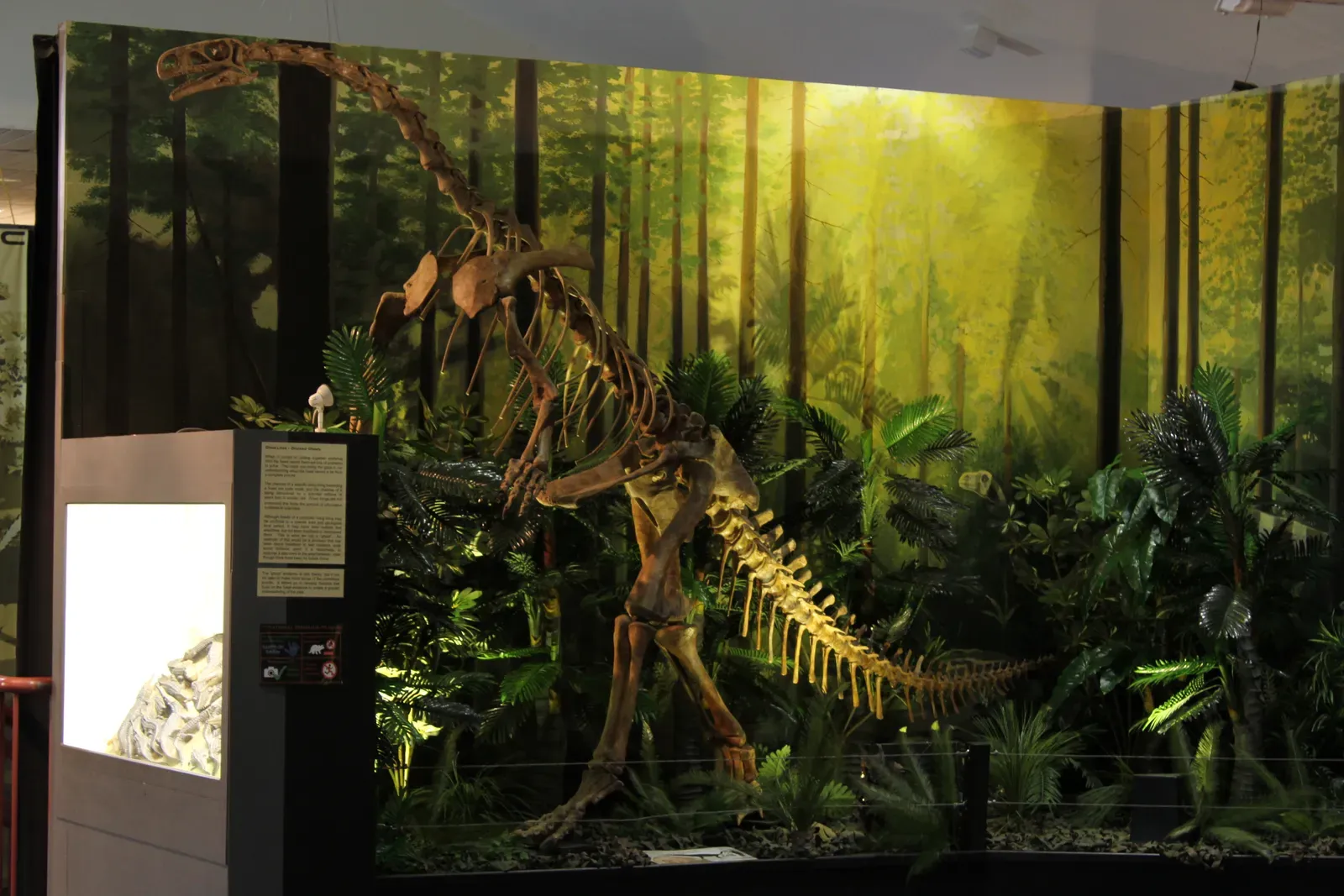
Here’s the uncomfortable truth museums rarely put on their placards: dinosaur skeletons are educated guesses, constantly rebuilt as evidence improves. Wrong heads sat on famous skeletons for 70 years. A dinosaur’s most iconic weapon spent decades glued to the wrong body part. An entire genus vanished, then came roaring back a century later.
Frankly, the “final answer” version of any exhibit you see today probably isn’t final at all – and that’s not a flaw in science, it’s the whole point of it. The next time a placard tells you exactly how an extinct animal looked or lived, remember: it isn’t a fact carved in stone. It’s paleontology’s best guess, dated the day it was printed.