
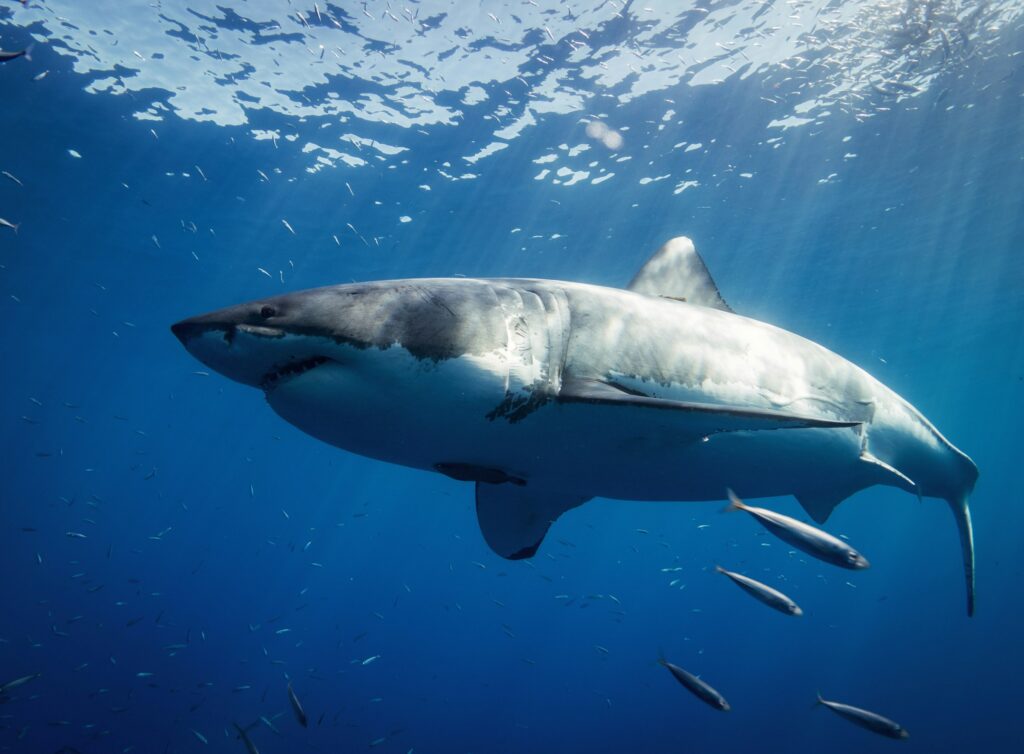
Sharks have been swimming the oceans for hundreds of millions of years, long before dinosaurs, yet we still know surprisingly little about what they actually do when nobody is watching. Drones, tags, baited cameras, and thousands of hours of diver footage have chipped away at the mystery, but some moments in a shark’s life remain stubbornly hidden. What follows is a rundown of the behaviours that have slipped past every camera, every research vessel, and every lucky diver so far, and why catching them on film has proven so difficult.
1. Great white shark courtship and mating
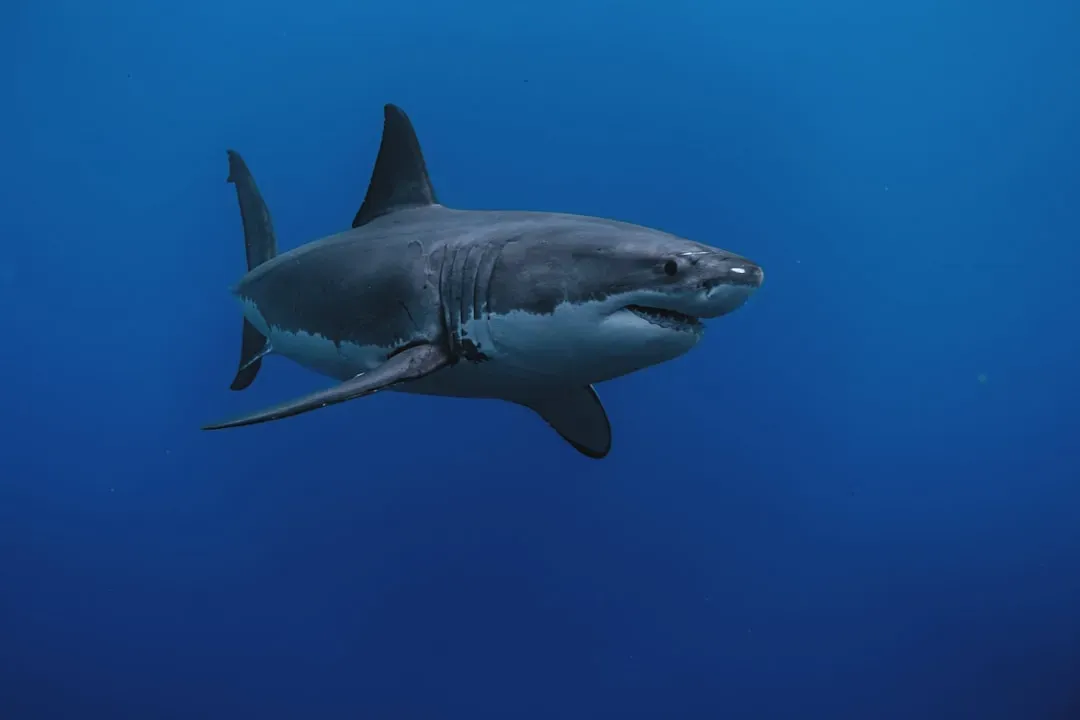
Despite great white sharks being one of the most studied and recognisable predators on the planet, nobody has ever filmed them mating. Scientists don’t know how great whites get down to business, in fact their mating behavior has never been witnessed, as is the case with most other shark species. Researchers can only infer the mechanics from anatomy and from the mating habits of related species.
Part of the problem is simply logistics. Observing white shark mating is even more difficult than other species, because white sharks are quite rare, it’s dangerous to be in the water with them outside of a cage, and they are often in places where the water is cold and murky. Add in the fact that adults spend much of their lives roaming huge stretches of open ocean, and the odds of a camera being in the right place at the right moment shrink to almost nothing.
2. The exact moment a great white shark gives birth
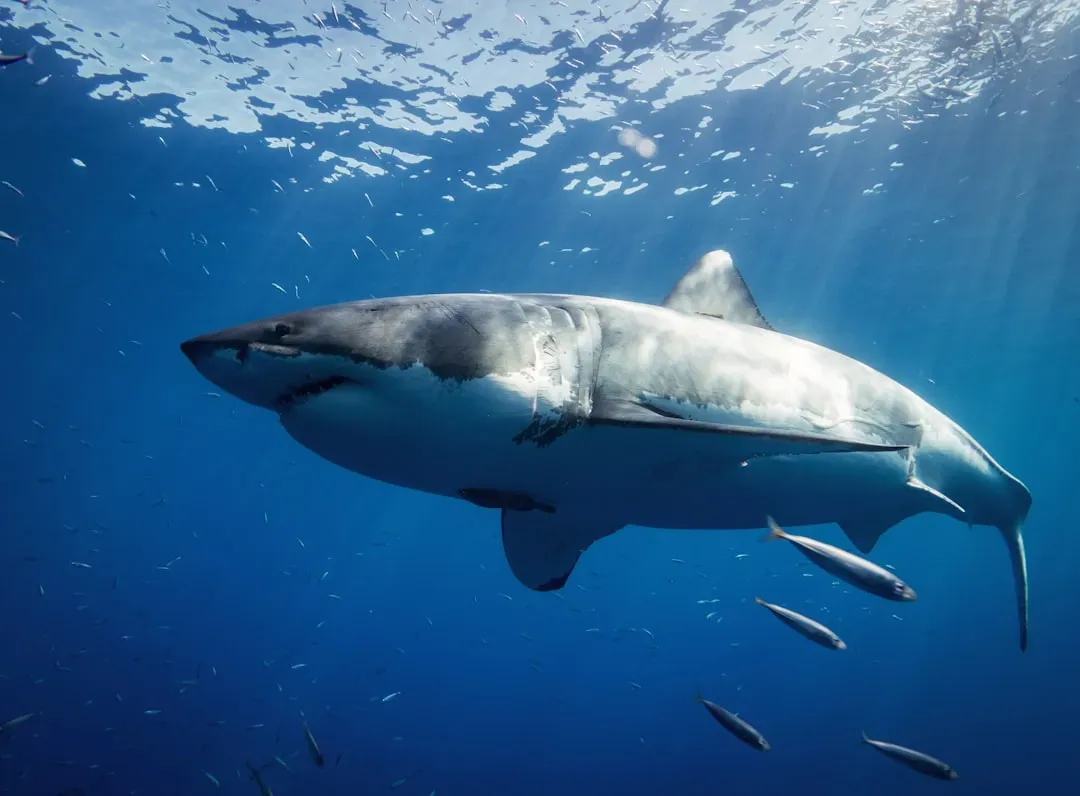
Even with decades of tagging and tracking, the birth of a great white shark pup has never been captured on camera. Despite decades of research, tagging, and observation at great white aggregation sites around the world, no scientist or diver has ever documented a great white shark giving birth in the wild, from the Farallon Islands to Guadalupe, Gansbaai, Mossel Bay, and the Neptune Islands. Scientists have tagged countless adults and mapped their migrations without ever pinning down the exact spot where labor happens.
A 2024 sighting off the California coast came tantalisingly close. Researchers Phillip Sternes and filmmaker Carlos Gauna spotted a small, chalky-white shark that appeared to be newly born, and even when scientists have attached tracking devices to mature females, it has proved nearly impossible to be in the exact right place at the exact right time to observe and document the moment of birth. The footage was groundbreaking, but the actual delivery, the seconds when a pup leaves its mother, is still something no one has witnessed firsthand.
3. Whale shark copulation, start to finish
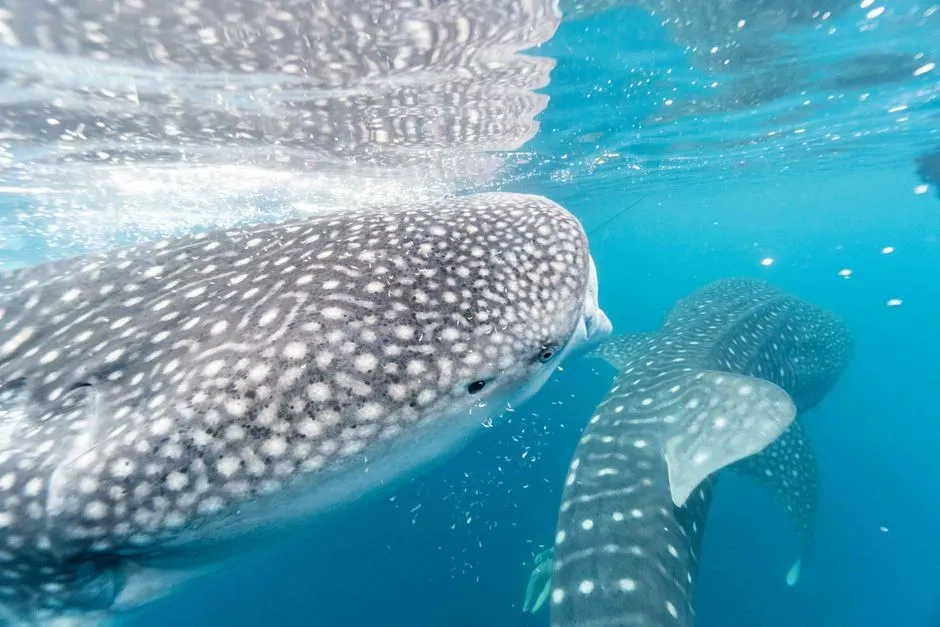
Whale sharks are the largest fish in the ocean, which makes it almost comic that scientists have never seen the full act of them mating. Whale sharks exist, and that means they must be reproducing, yet despite this, scientists have never actually seen two whale sharks mating. A handful of courtship attempts have been documented, including an aerial sighting at Ningaloo Reef where a male tried and failed to court a smaller female.
More recent footage captured a male following and biting a female’s tail fin, a known courtship gesture in cartilaginous fish, but even this ended without success. The behaviors did not appear to result in successful mating, and the female appeared to actively resist the attention of the male. Scientists still have not filmed a completed copulation between two whale sharks anywhere in the world.
4. Great white sharks doing whatever they do in the twilight zone
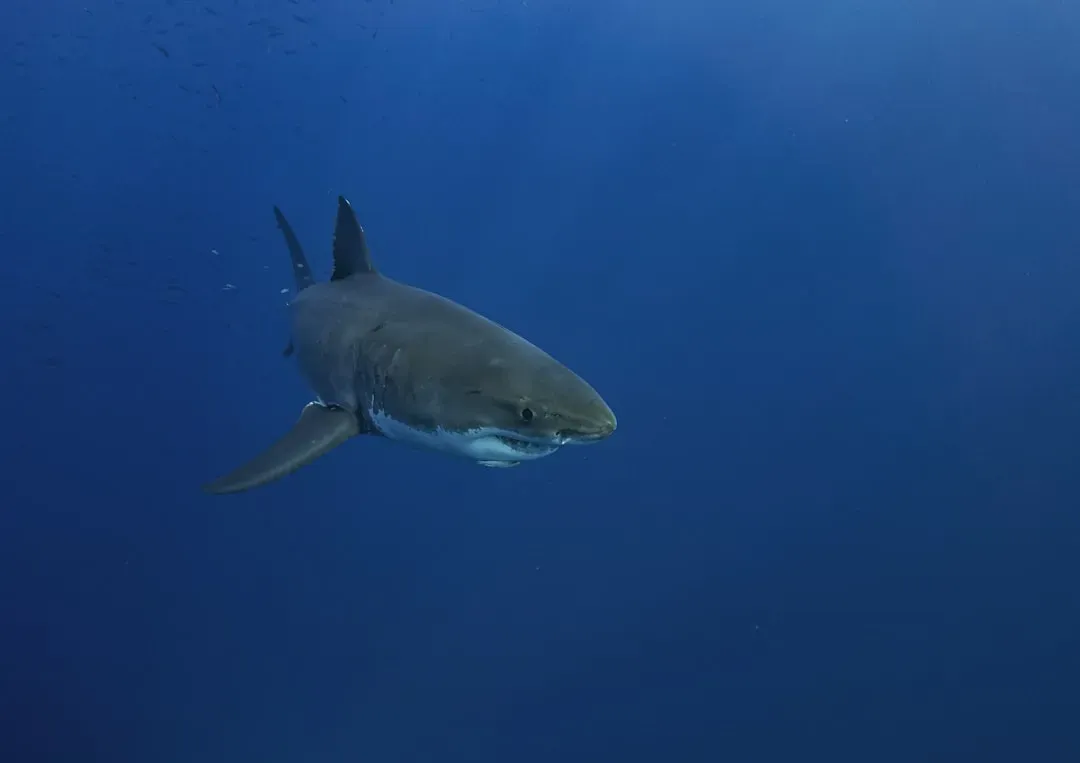
Tagging data has revealed that great whites plunge far deeper than anyone expected, but what they are actually doing down there has never been filmed. Great white sharks have been recorded diving 3,700 feet into the ocean’s midnight zone, and large marine predators regularly spend time in the ocean’s twilight and midnight zones, far beneath the depths at which they feed, in a discovery that has mystified scientists. No camera has yet followed a great white through one of these extended deep dives to show what triggers them or what happens during them.
Researchers suspect it has something to do with feeding, but the evidence is not conclusive. There’s good evidence for some species or situations in which diving deep is clearly for foraging, but researchers also find cases where the use of the deep ocean is not for feeding, or represents a totally different kind of predator-prey interaction. Until someone manages to get a camera on a shark for hours at those crushing depths, this remains one of the biggest blind spots in shark science.
5. Goblin sharks striking prey in their natural habitat
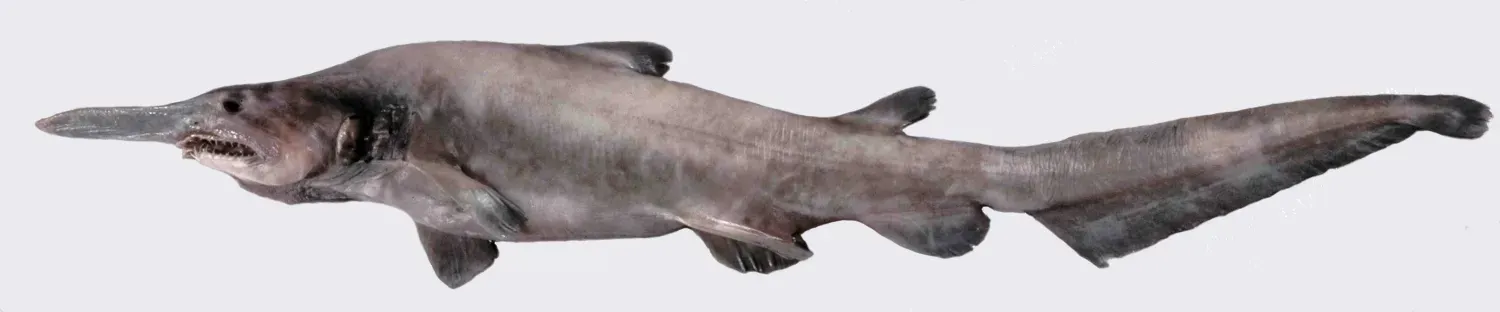
The goblin shark’s slingshot jaw is one of the strangest feeding mechanisms in the animal kingdom, yet for most of scientific history nobody had ever seen it happen in the wild. The goblin shark is believed to catch its prey by projecting its very protrusible jaws, but its actual feeding behavior has never been observed until footage finally surfaced showing the strike in action. Even then, only a handful of confirmed clips exist.
The species remains so elusive that most sightings still come from accidental fishing bycatch rather than deliberate observation. Until now, most live observations have come from sharks that were accidentally hauled in on fishing lines, and researchers admit they’ve never really seen them alive. Full natural hunting sequences in open water, away from cameras mounted on submersibles, are still essentially undocumented.
6. Megamouth shark social and feeding behaviour
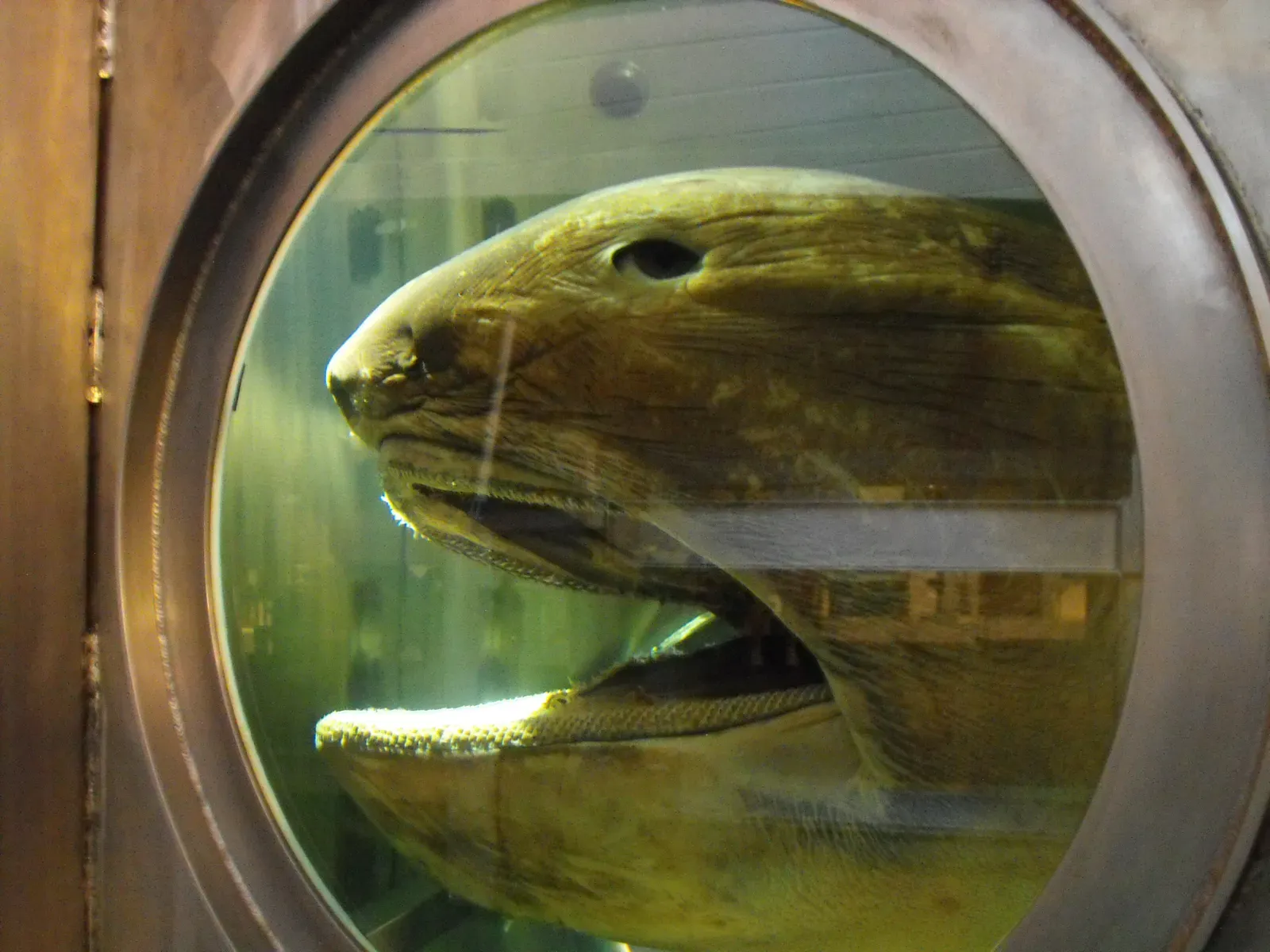
Discovered only in 1976, the megamouth shark remains one of the rarest large animals on the planet to encounter, let alone film in detail. Megamouth sharks live so deep that they are rarely seen by humans, and less than one hundred have been seen since the species was first discovered. With numbers that small, capturing any sustained behavioural footage becomes a matter of extraordinary luck.
What little is known about their daily rhythms comes from inference rather than direct observation. Scientists know it is a deep-sea filter feeder, swimming slowly through the dark with its huge mouth open to scoop up plankton and jellyfish, but because sightings are so rare, the megamouth remains one of the ocean’s biggest mysteries. Nobody has filmed how they interact with each other, whether they gather in groups, or how they behave during their nightly rise toward the surface.
7. The chemical signals sharks send to find mates
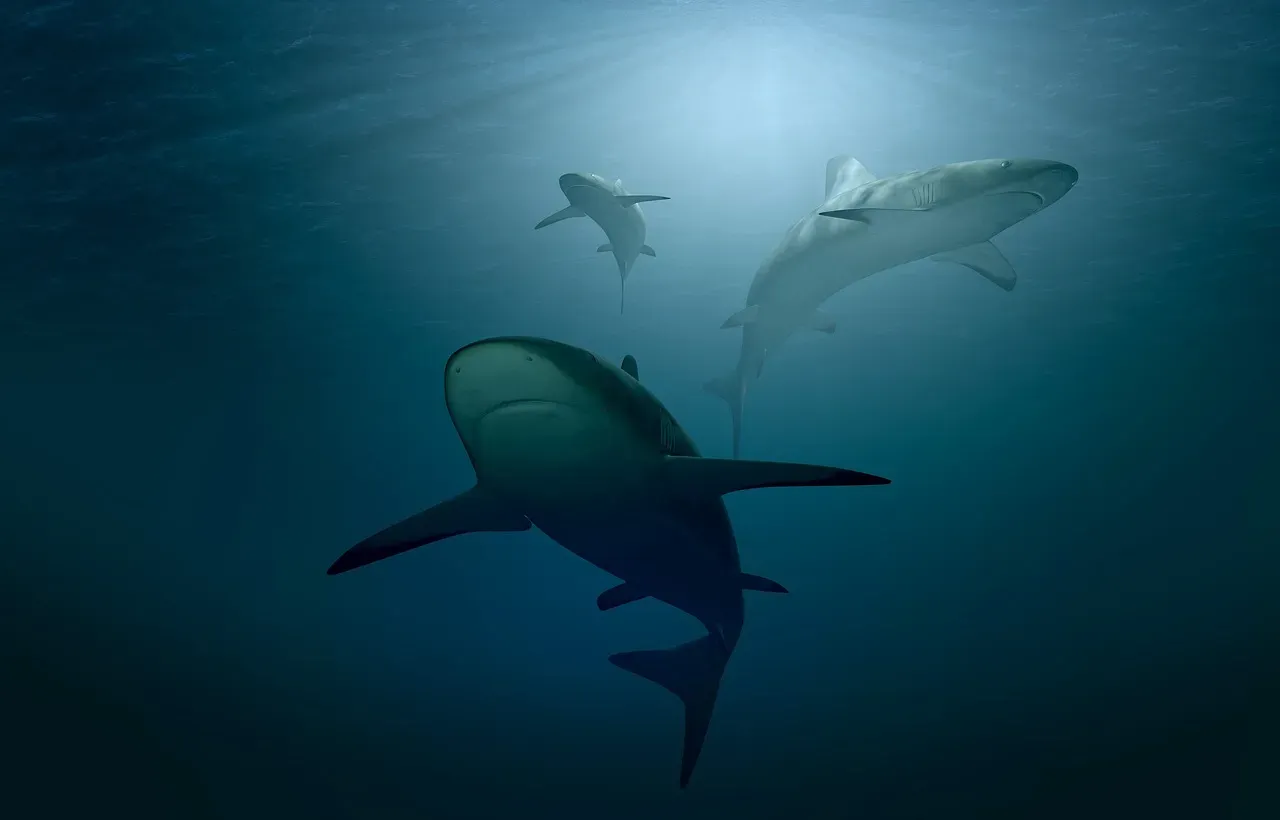
Long before any physical contact happens, many shark species are believed to release pheromones into the water to signal reproductive readiness. Scientists believe the first commonality among shark mating rituals is the emission of chemicals by female sharks, which signal to males in the surrounding area that the female is ready to mate, chemicals called pheromones that are common in other animals as well. This chemical exchange happens on a scale and in conditions that make it essentially invisible to any camera.
Because these signals disperse invisibly through open water, no footage exists of the moment a female’s chemical cue actually reaches and influences a male shark’s behaviour. Researchers have only pieced this together through indirect evidence, like males suddenly changing course or behaviour near a receptive female. The actual transmission and reception of these chemical messages remains something scientists can theorise about but never actually watch happen.
8. Great white shark nursery grounds, precisely located
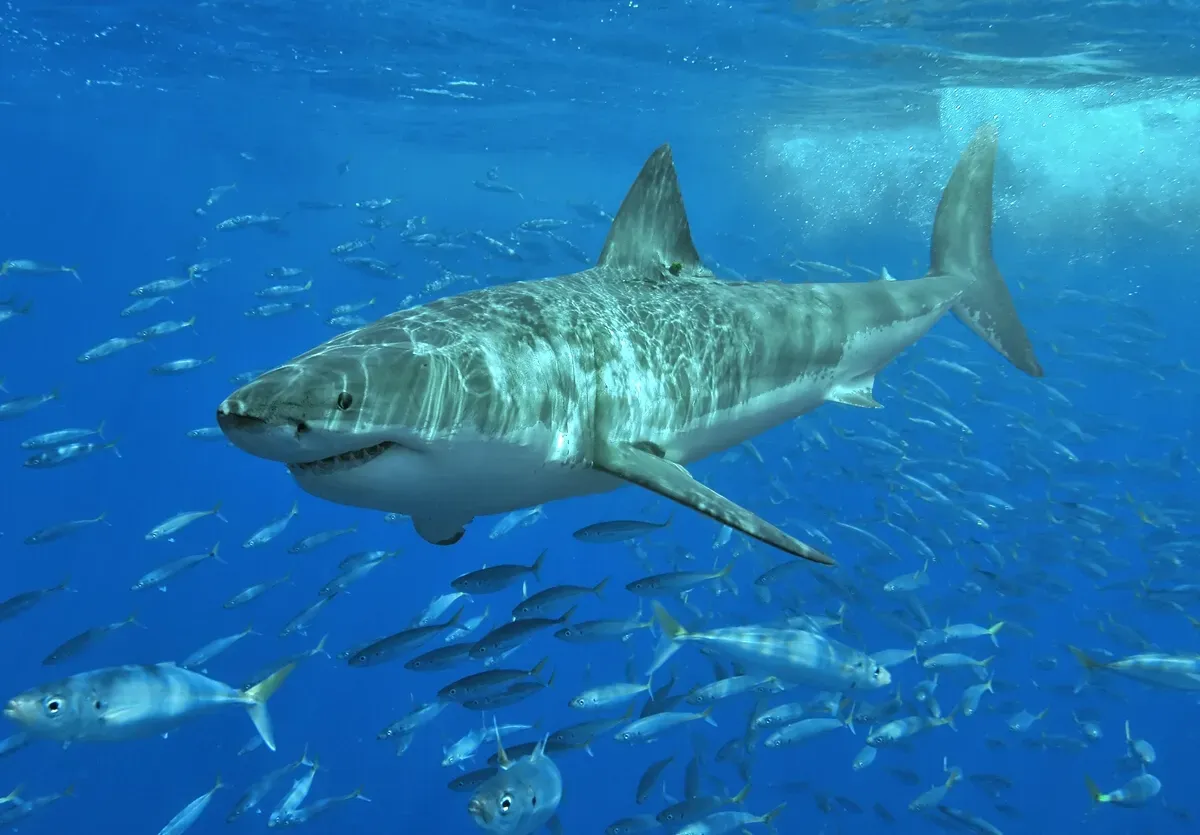
Scientists know great white sharks give birth somewhere, but pinning down exact nursery sites in most parts of the world has proven remarkably difficult. There are major gaps in white shark life history such as information on breeding and newborns, and while it’s been posited that female sharks use the area of Santa Barbara down to northern Baja California to give birth, that hasn’t been observed. Even the best candidate location is based on circumstantial evidence rather than a filmed event.
Southern hemisphere populations are even murkier. Nursery areas associated with the South African and Australian populations are less precisely mapped, partly because southern hemisphere great whites have received less systematic research attention, and because birth locations remain inferred rather than directly observed. Until a camera or drone happens to be positioned over the right patch of coastline at the right time, these nurseries will stay a matter of educated guesswork.
9. Deep-sea sharks like the frilled shark hunting in situ
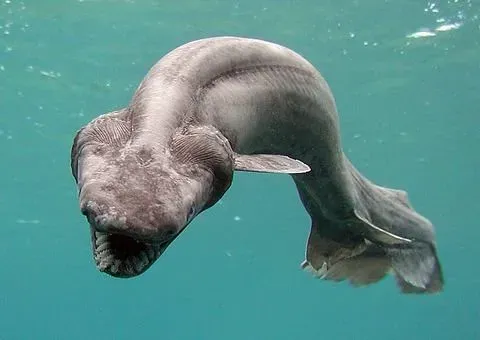
The frilled shark looks like something plucked from a much older era of the planet, and its hunting behaviour in the wild has essentially never been filmed. Deep-sea shark species like the goblin shark and the frilled shark possess unique adaptations that allow them to thrive at extreme depths, but their remote habitats make encounters with humans exceedingly rare. Most of what scientists know about how it captures prey comes from studying stomach contents in specimens caught by trawlers.
Its eel-like body and rows of needle-thin teeth suggest an ambush predator, but nobody has recorded the strike itself happening naturally at depth. The sheer pressure and darkness of its habitat, often well below a thousand meters, make deploying cameras there both expensive and logistically punishing. Submersible expeditions occasionally spot the species drifting past, but a full predatory sequence remains unfilmed.
10. Whether sharks actually sleep, and what that looks like
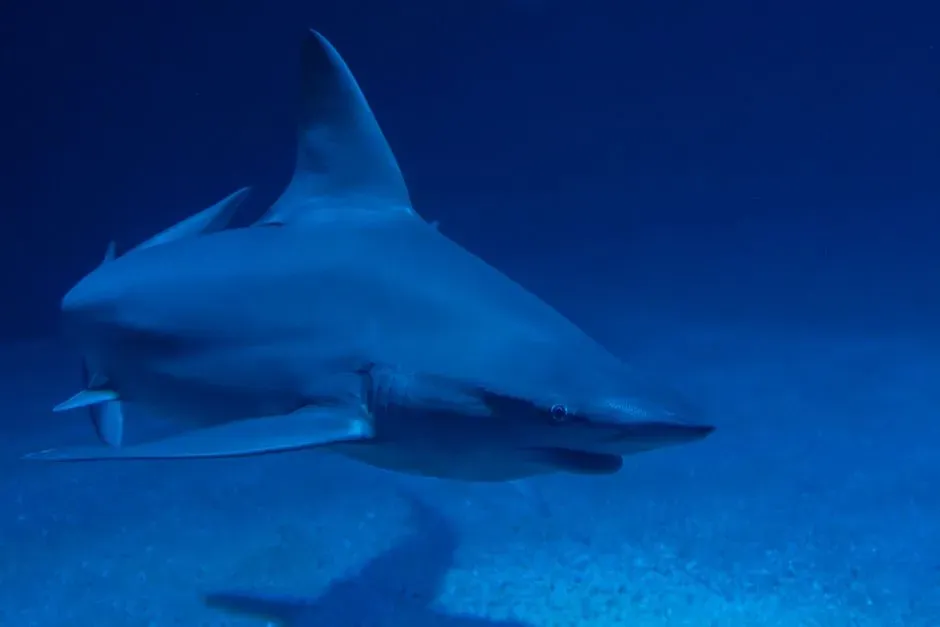
It sounds like a simple question, but nobody has definitively filmed a wild shark in a genuine resting or sleep-like state for most species. Sharks lack eyelids that close the way ours do, and many species must keep moving to force water over their gills, which complicates the very idea of sleep as most people picture it. Some species, like nurse sharks, appear to rest motionless on the seafloor for long stretches, but whether this constitutes true sleep, complete with reduced brain activity, has never been confirmed on camera in open water.
Researchers have used tagging data to infer periods of reduced activity, sometimes linked to tidal cycles or moon phases, but inference is not the same as observation. Without a way to monitor brain activity remotely on a free-swimming animal, this remains one of the more basic yet unanswered questions in shark biology. It is a reminder that even something as ordinary sounding as rest can be an enormous scientific blind spot underwater.
11. Physical combat between rival males competing for a mate
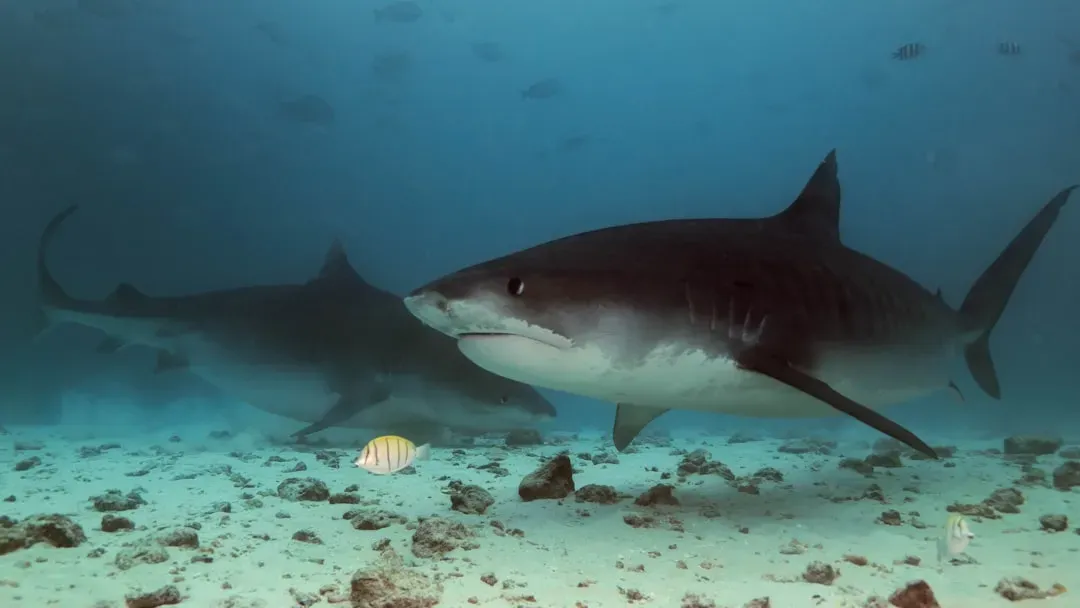
Scarring patterns on female sharks, particularly bite marks near the gills and pectoral fins, suggest that males sometimes compete aggressively for access to a mate. Some scientists suggest that the biting of the female is also to get the interest of the female, and these bites are considered a part of the courtship ritual as they often occur right before mating rather than during it. Yet direct competition between two rival males vying for the same female has essentially never been filmed from start to finish.
Most of what is inferred about male rivalry comes from healed scars found on captured or tagged individuals, not from watching an actual contest unfold. Whether males chase each other off, engage in ritualised displays, or simply race to reach a female first is still speculative. Given how rarely mating itself gets filmed, catching the competitive lead-up to it seems even less likely anytime soon.
12. Coordinated or cooperative hunting among sharks
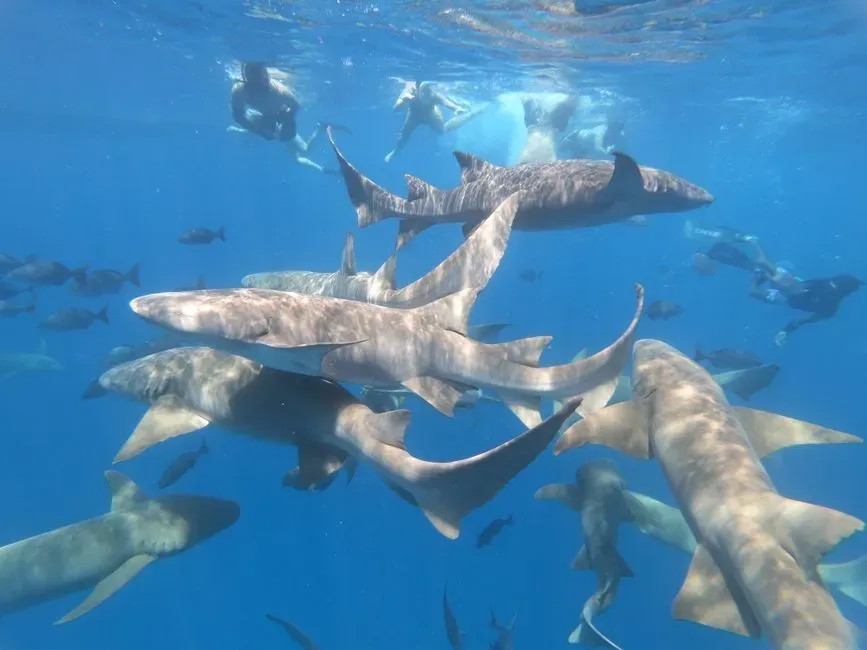
Sharks are usually portrayed as solitary hunters, but there have been scattered anecdotal reports suggesting some species occasionally coordinate when chasing prey. Full, unambiguous footage of this kind of cooperative behaviour, where multiple sharks appear to work together rather than simply converging on the same food source, remains extremely rare and largely unverified on camera. Most so called group feeding events researchers have documented look more like competitive scrambles than actual teamwork.
Some species, including certain reef sharks, have been observed hunting in loose groups that seem to corral fish, but whether this reflects genuine cooperation or just shared opportunism is unresolved. Because sharks are difficult to track as a group over long stretches of open water, distinguishing real coordination from coincidence remains one of the trickier puzzles in shark behaviour research. It is the kind of footage that would rewrite assumptions about shark intelligence and social structure if it were ever captured cleanly.
13. Long-distance migratory reunions and social recognition
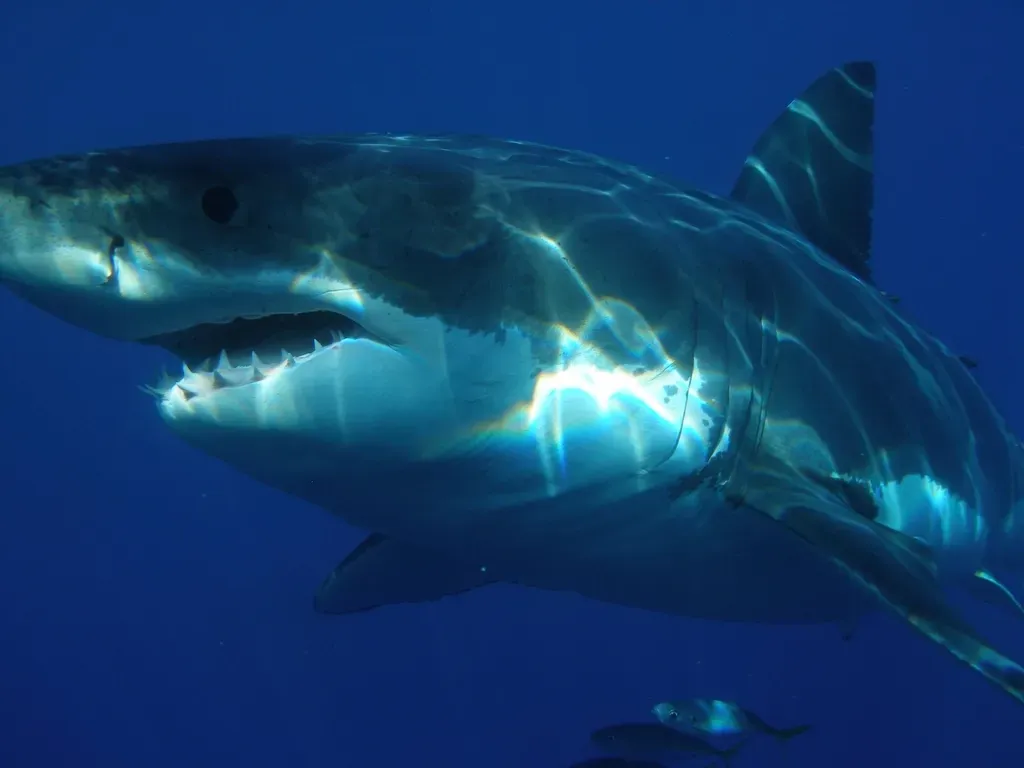
Tagging studies have shown that individual sharks, including tracked great whites, return to the same coastal sites year after year, sometimes crossing entire ocean basins to do it. What has never been filmed is whether these sharks recognise each other upon return, or whether any kind of social bond persists across these long separations. The assumption has generally been that sharks are indifferent to individual identity, but that assumption has never actually been tested through direct observation.
Some loosely associated groupings have been noted at seasonal gathering sites, hinting that there might be more social structure than previously assumed. Still, no footage exists showing two individually identified sharks interacting in a way that suggests memory or recognition after a long migration apart. It remains an open and largely unexplored question in the field.
14. A whale shark actually giving birth
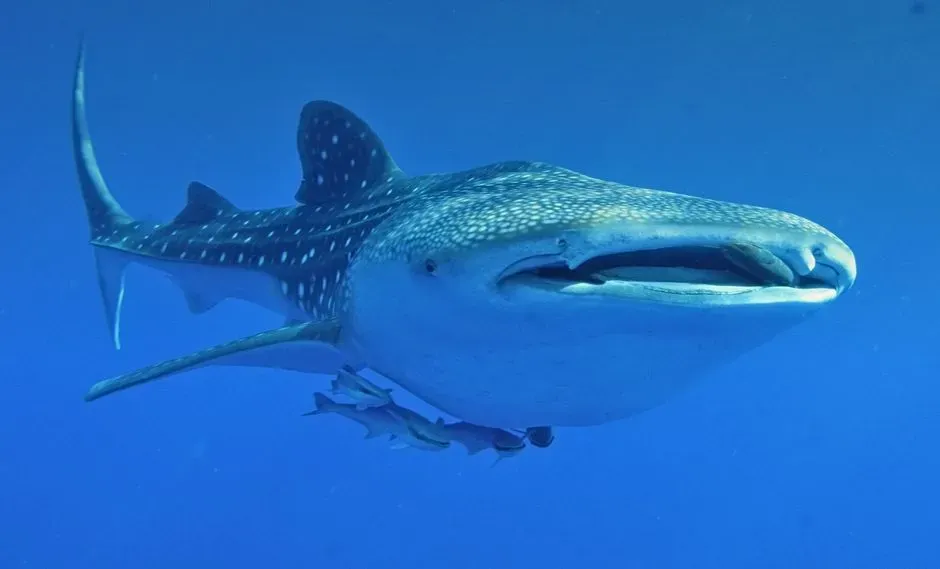
Genetic and anatomical evidence confirms that whale sharks give live birth rather than laying external eggs, since a pregnant female caught decades ago was found carrying hundreds of pups in different stages of development. Despite that landmark discovery, nobody has ever filmed a whale shark in the act of giving birth in the wild. Existing reports of whale shark courtship and procreative behaviors include only two locations in the wild, the waters around the Saint Helena Islands and Western Australia’s Ningaloo Reef, and even those sightings only cover courtship, not birth itself.
Scientists still do not know where whale sharks go to deliver their pups, whether it happens in deep offshore waters or somewhere closer to shore. Given how difficult it has been just to document courtship behaviour in this species, the actual birthing event may remain unfilmed for a long time yet. It stands as one of the more glaring gaps in what we know about the world’s largest fish.
Final thoughts
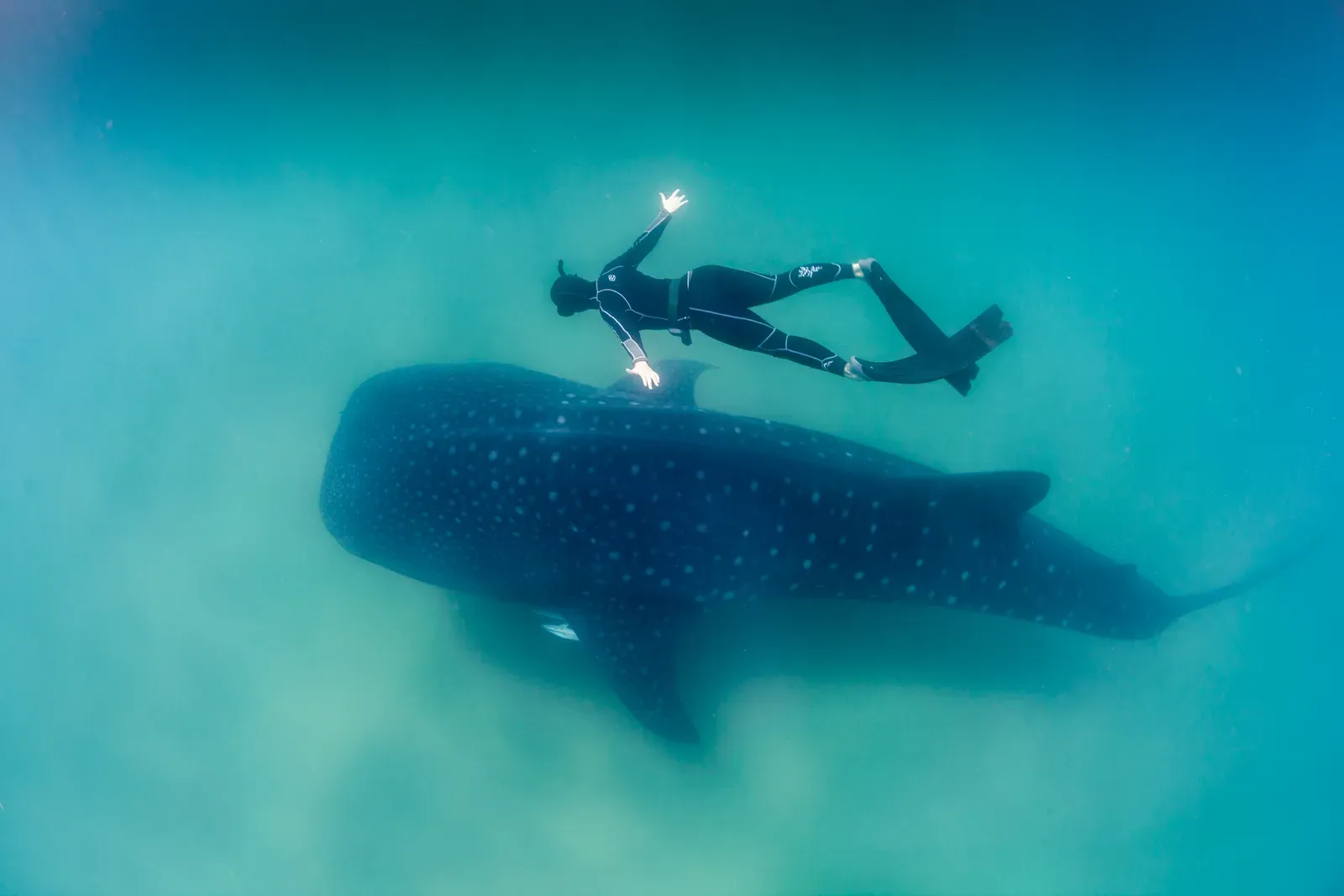
What strikes me most about this list is not how mysterious sharks are, it is how much of that mystery comes down to simple bad luck and impossible timing rather than any grand secret of nature. These are animals that spend most of their lives far from shore, in murky water, at depths no diver can reach safely, doing things on their own schedule with zero regard for a research grant’s timeline. Every camera crew chasing a first-ever shot of mating, birth, or a deep-sea strike is essentially betting against enormous odds, and usually losing.
That is not a criticism of the science, if anything it is a reason to trust it more. The handful of breakthroughs that have happened, a whale shark courtship caught from a small plane, a possible newborn great white spotted by drone, three leopard sharks filmed mating for the first time ever, all came from patient, unglamorous fieldwork rather than dramatic expeditions. The behaviours still missing from the record are not evidence of failure. They are a fairly honest measure of how much ocean is still out there, doing its own thing, waiting for someone to be in the right place with a camera running at exactly the wrong moment for the shark and exactly the right one for science.