
Have you ever felt like a ghost in your own relationships? Like you’re putting in all the effort, but nobody really sees you anymore? That uncomfortable feeling in the pit of your stomach when you realize you might be invisible to the people who matter most is more common than you’d think. The truth is, doesn’t announce itself with loud declarations. It creeps in quietly, disguised in small moments that you might brush off at first. Those little dismissals add up over time, leaving you drained, resentful, and questioning your worth.
What makes this psychological phenomenon so fascinating is how our brains adapt to these patterns. You might not even notice what’s happening until you’re already deep in the cycle. Let’s be real, most of us have found ourselves in situations where we give and give until there’s nothing left. So let’s dive in and uncover those sneaky signs that you’re being undervalued in your relationships, your workplace, or even your friendships.
They Never Say Thank You Anymore

Simple courtesies like saying please, thank you, or asking about your day aren’t just good manners – they’re signs that someone actually appreciates what you do for them, and when these social graces disappear, it may signal . Think about the last time your partner, friend, or colleague acknowledged something you did for them. Can you even remember? When gratitude vanishes from daily interactions, it’s like watching color drain from a photograph.
When a partner stops expressing gratitude for the little things you do, saying thank you is a simple way to show appreciation, and its absence can make you feel undervalued and overlooked. You keep doing thoughtful things, hoping for some recognition, yet the silence grows louder. This absence of appreciation doesn’t just sting in the moment – it fundamentally reshapes how you see yourself in that relationship.
Your Concerns Get Dismissed or Ignored

Here’s the thing about raising concerns in any relationship: One good way to tell if is to see what happens when you raise significant concerns to that person – how seriously do they take the concern and how quickly do they address it in a find-a-solution way, because the response itself can tell you a lot. Pay attention to what happens after you speak up. Do they immediately change the subject? Do they minimize what you’re feeling?
I think this is one of the most revealing signs. When someone values you, they pause and really listen. The very definition of taking someone for granted is assuming that the person will always stick around, regardless of whether you put enough effort into maintaining the relationship – few people would leave their cars unattended for months or ignore all warning lights that may appear on the dashboard. Yet somehow, people expect human relationships to keep running without any maintenance.
You’re Always the One Making Plans

A partner making plans without considering your schedule or interests can be hurtful, and it often suggests that they prioritize their own needs and desires over yours, which can contribute to feeling unappreciated in the relationship. Think about your social calendar for a moment. Who initiates the hangouts? Who suggests dinner dates or weekend activities?
When you’re constantly the one reaching out, it creates this exhausting dynamic where you’re forever chasing connection. The other person just sits back, passively waiting for you to do all the emotional labor. This imbalance speaks volumes about how much they truly value your presence in their life.
They Only Reach Out When They Need Something

If your partner is only texting you sporadically, particularly when they want something, it’s a sign , and while this might be an appropriate method of communication for more casual relationships, it’s wholly inappropriate for a committed one. You know this pattern all too well if you’ve experienced it. Your phone lights up with their name, and before you even read the message, you already know they’re asking for a favor.
Where are they when you need emotional support? When you want to share good news or just have someone to talk to? Relationships shouldn’t operate like ATM machines – you can’t just withdraw whenever you need something without making regular deposits. If someone only values your utility rather than your humanity, that’s a massive red flag.
Your Feelings Are Treated as Secondary

If you feel taken for granted, it is probably because you are giving more than you are getting – the taker is primarily concerned about their interests over your well-being, and they come first while you are secondary. This creates an incredibly painful dynamic where your emotions become background noise in someone else’s life story. Your struggles get dismissed as trivial compared to theirs.
When your partner doesn’t ask how you’re feeling, it’s an indicator they don’t take your perspective into account. You find yourself swallowing your feelings to keep the peace, constantly adapting to their moods while they never reciprocate. Honestly, this behavior reveals someone who sees you as a supporting character rather than an equal partner.
The Relationship Feels One-Sided

Compromise is essential in any relationship, but it should be a two-way street – if you find yourself constantly bending to accommodate your partner’s needs while yours are ignored, it’s a clear sign of being taken for granted. You’re perpetually the flexible one, the understanding one, the one who sacrifices plans and preferences. Meanwhile, they remain rigid in their expectations.
This imbalance gradually chips away at your sense of self. You start wondering if your needs even matter. When someone is taking you for granted, you likely will feel like you’re in a rut where the sparkle in the relationship may start to fade, and it’s difficult to make things exciting if the relationship is one-sided. That initial spark you felt? It’s been replaced with obligation and resentment.
They Take Credit for Your Work

If someone tries to steal your glory at work, that’s a sign they’re taking advantage of your kind nature, and these behaviors communicate a sense of entitlement from the person that’s benefiting from the relationship. Few things are more infuriating than watching someone else present your ideas as their own. You put in the hours, did the research, and solved the problem.
This happens more often than people realize, especially in competitive workplace environments. Your so-called colleague or friend lets you do the heavy lifting, then swoops in to collect the praise. This is one of the major signs that you can’t trust your co-worker, and you shouldn’t let them get away with it because you’ll be taken for granted right out of a promotion.
Physical or Emotional Intimacy Has Changed Dramatically

Another sign to look out for is a change in physical intimacy – if your partner seems to want to have sex with you significantly more but isn’t giving you any emotional intimacy, it may be that they are taking advantage of you, and they may not be willing to share anything with you in terms of feelings and affection. This disconnect between physical and emotional connection reveals someone who’s interested in what you can provide, not who you actually are.
On the flip side, when your spouse suddenly becomes less affectionate than usual, it may indicate they take you for granted, and affection is one of the primary ways people express love, so its absence can be concerning. Either extreme signals that something fundamental has shifted in how they value your presence in their life.
You Feel Invisible

People sometimes talk of feeling invisible to their partner – a new dress or a different hairstyle goes unnoticed, and you stop talking with each other about how your day has been, with your partner looking at their phone instead. It’s honestly one of the loneliest feelings in the world. You’re physically present but emotionally unseen.
You could walk into a room wearing something completely different, and they wouldn’t notice. You share an accomplishment, and they barely glance up from their screen. One subtle yet powerful sign of being taken for granted is when your partner behaves as if your presence, patience, and support are guaranteed, and they may stop checking in, take liberties with your time, or make decisions without consulting you. This erasure of your existence is psychologically damaging.
They Break Promises Without Consequences

If your partner always promises things and never follows through, , because people keep their word when dealing with others whom they value and respect, and as soon as someone shows a willingness to diverge from promises made, it’s a sign they’ve ceased to value you correctly. Empty promises are relationship poison. At first, you believe them when they say they’ll change or show up.
After repeated disappointments, you realize their words mean nothing. They promise to help with household tasks, attend your important events, or simply be more present. Yet nothing changes. The pattern continues because they know you’ll stick around regardless, so why bother following through?
You’re Expected to Handle Everything

It might be that you’re always left with various practical chores to do, and your partner doesn’t ever offer to do these things themselves, which may be because you’ve always done these things so they assume you’re happy to continue that way, without ever checking it out with you. You’ve become the default manager of everything – household responsibilities, emotional labor, remembering birthdays, planning social events.
If a partner’s first question after hello is asking what you’re cooking tonight, , because free time is a precious, limited commodity and household errands should be split evenly, and if your partner begins piling it all on your time, it’s a sign they’ve ceased giving your desires the credence they deserve. This mental load becomes crushing over time.
They Disrespect Your Time and Boundaries

If your partner shows up late or bows out of things that are important to you, they’re likely taking you for granted, and while nobody is punctual all the time, they should be making a concerted effort to be there, especially if it’s something you truly care about. Your time apparently has no value to them. They cancel plans at the last minute, show up whenever they feel like it, and expect you to always be available.
Your partner takes you for granted by not respecting your boundaries – they may not listen to you when you say no or may not respect your personal space and privacy. This fundamental disrespect reveals someone who believes their needs always supersede yours. It’s exhausting trying to maintain boundaries with someone who constantly tramples over them.
You’re Always the One Apologizing

Conflict resolution should be a two-way process, and if you’re consistently the one apologizing, initiating reconciliation, or trying to fix things even when you’re not at fault, it suggests a lack of accountability from the other side. Somehow, every argument becomes your responsibility to resolve. Even when they’re clearly in the wrong, you find yourself saying sorry just to restore peace.
This pattern reinforces unequal power dynamics, and the person who always takes responsibility becomes conditioned to absorb emotional blame, which can erode self-respect and reinforce the cycle of being taken for granted. You’re not maintaining a relationship at this point – you’re managing someone else’s emotions while neglecting your own.
Your Identity Has Dissolved Into the Relationship
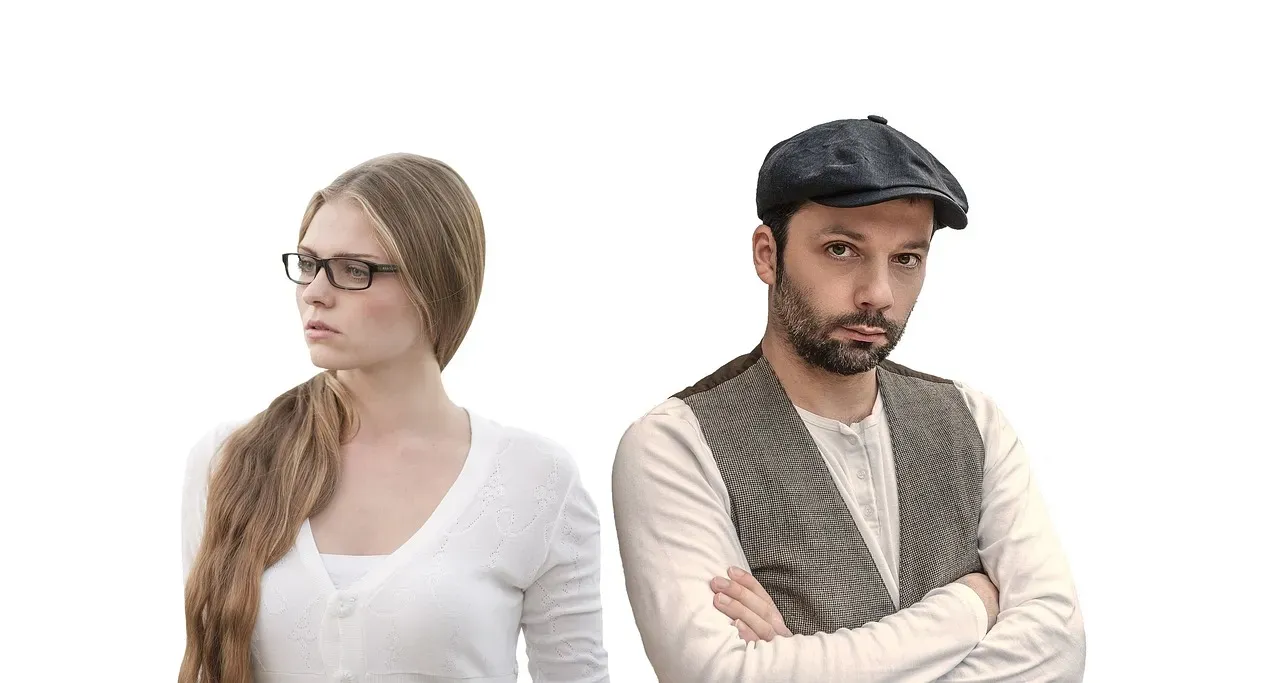
Perhaps the most painful sign is realizing that you’ve lost touch with your authentic self – you may have stopped doing things you love, neglected personal goals, or reshaped your identity around your partner’s preferences, which often stems from codependency where self-worth becomes tied to another person’s approval or happiness. Who were you before this relationship? Can you even remember?
You’ve stopped pursuing hobbies you once loved. Your friendships have faded because you’re always available for them but never have time for anyone else. This transformation fosters emotional numbness, internal conflict, and identity loss, as you begin prioritizing the relationship’s stability over your own authenticity, which compromises both your emotional health and the relationship’s integrity. Losing yourself is perhaps the highest price of being taken for granted.
Conclusion: Reclaiming Your Worth

Recognizing these signs is the first crucial step toward change. Being taken for granted in a relationship is not always obvious – it unfolds subtly through small acts of neglect and emotional imbalance, but by recognizing these psychological patterns, individuals can regain control of their emotional health. You deserve relationships where your presence is celebrated, not just tolerated. Where your efforts are noticed and reciprocated.
The uncomfortable truth is that sometimes people take us for granted because we allow it. Not because we’re weak, but because we’ve been conditioned to believe that loving someone means accepting less than we deserve. If someone is taking you for granted, the big question is whether you are actually allowing that person to do so – are you expecting enough out of what should be a bilateral relationship, and are you letting your concerns slide rather than raising them as soon as they emerge?
What patterns did you recognize in your own life? Sometimes seeing these behaviors written out makes everything suddenly clear. Remember, acknowledging that isn’t about playing the victim – it’s about honoring your worth and deciding what you’re willing to accept moving forward. What will you do differently starting today?