
Most people still talk about animal memory like it’s a cute party trick – a dog who remembers where the ball rolled, a squirrel that “sort of” recalls where it buried its nuts. Meanwhile, in labs and field sites around the world, researchers keep tripping over a much bigger and stranger truth.
A shocking number of animals remember more, for longer, and in more human-like ways than any textbook ever admitted. We’re not talking about instinct or reflex here. We’re talking about life stories, social drama, grudges that last decades, and emotional scars that never fully fade.
Some of these findings unsettled scientists so badly they spent years arguing about whether to trust their own data. Here’s what fourteen different species actually reveal about memory – and why the “dumb animal” stereotype might say more about us than it ever did about them.
#14 – Goldfish Don’t Just “Forget in 3 Seconds”
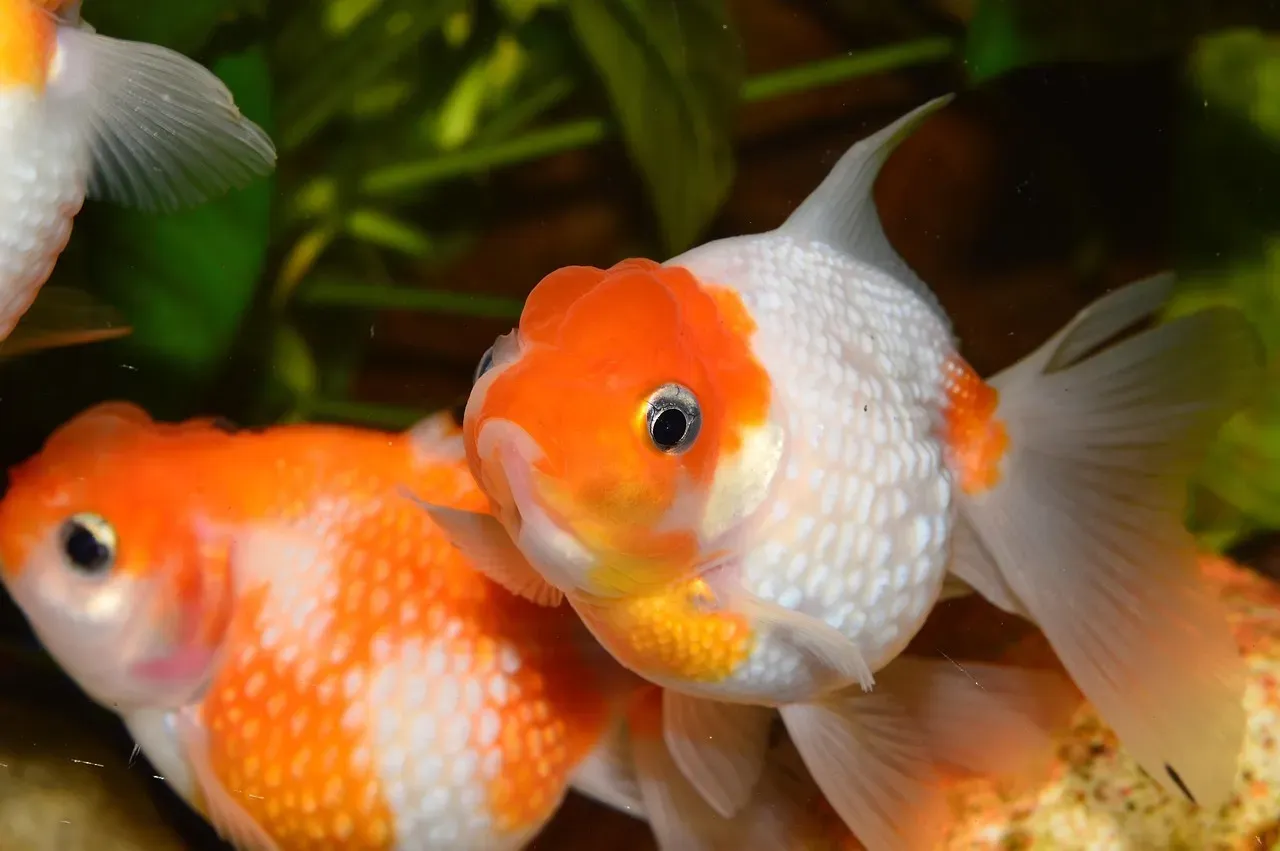
For years, the internet joke has been that goldfish have a three-second memory. It’s catchy, it’s funny, and it’s completely wrong.
Controlled lab studies have repeatedly shown that goldfish and other small fish can be trained to associate sounds, colors, and locations with food. They hold onto those memories for weeks, sometimes months. In one classic example, fish learned to show up at a feeding spot at a specific time of day, long after the original training had stopped.
What scientists underestimated wasn’t just how long fish remember, but what kind of memory they’re working with. These aren’t mindless feeding reflexes. Fish can distinguish between different shapes and colors, and they can remember mazes well enough to navigate them more efficiently every time they try.
Quick Compare
- Myth: Goldfish forget everything after three seconds.
- Reality: Trained associations can last weeks to months.
- Myth: Fish can’t tell shapes or colors apart.
- Reality: Fish distinguish colors and shapes, and get faster at mazes with repetition.
That means they’re building mental maps of their world and updating them as conditions change – the bare minimum of what we’d call “learning” in a mammal. For decades it was dismissed as simple conditioning. It turns out the “dumb goldfish” stereotype says more about human laziness than fish brains. And if you think fish are surprising, wait until you meet the bees.
#13 – Bees Remember Faces (And Routes) Better Than You Think
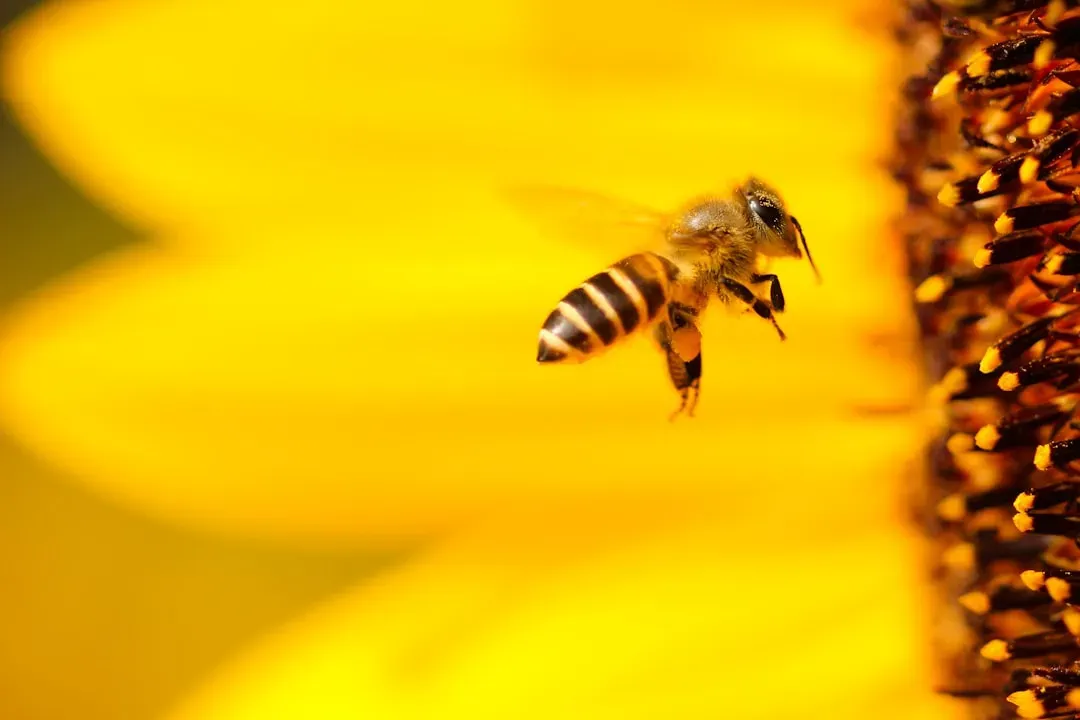
If you still think of bees as tiny flying robots, this will scramble your mental model. Honeybees don’t just buzz randomly from flower to flower. They navigate using complex visual cues, and they can remember specific routes and landmarks for days at a time.
In experiments, bees learned to recognize patterns and even simplified human faces to access a food reward. What’s wild is that they do this with a brain the size of a sesame seed. They form “cognitive maps” of their surroundings and then quietly optimize them.
If several food sources are scattered around, bees figure out a near-optimal visiting order – the same kind of “traveling salesman” problem that gives human computer scientists headaches. Somehow, their tiny brains store and update that map on the fly.
This kind of spatial memory was once thought to require a large, “advanced” brain. Some neuroscientists now argue the line between “insect memory” and “mammal memory” was mostly human ego, not science. Bees carry detailed, long-lasting memories that guide their daily life, not just reflexes triggered by pollen. Bees are impressive. But squirrels play an entirely different memory game.
#12 – Squirrels Run Mental Search Engines for Buried Food
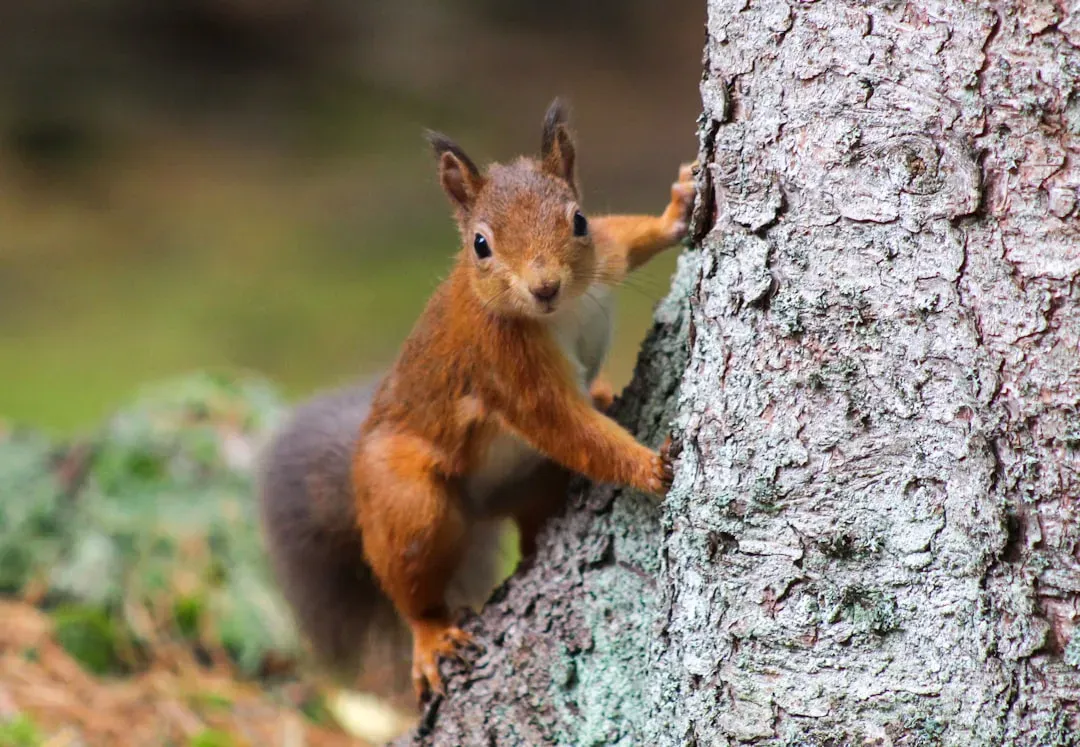
Everyone jokes about “scatterbrained” squirrels, but the science says they’re more like tiny outdoor librarians. When squirrels bury hundreds or thousands of nuts across a wide area, they’re not relying on random sniffing to find them again.
Researchers tracking tagged nuts found that squirrels often recover them months later using memory of specific locations, not smell alone. Even more surprising, squirrels don’t just memorize GPS-style coordinates. They organize their caches systematically – by type of nut, by value, and by future usefulness.
They’ll tuck high-value food into safer spots and lower-value items into more exposed places, then remember which is which when times get tough. For years, textbooks framed this as “simple instinct.” But you don’t accidentally develop a categorization strategy tied to food quality and future planning without a serious memory system behind it.
Several studies show squirrels revisiting fake cache sites they created while being watched, apparently to mislead would-be thieves. That means they remember not just where they buried food, but which sites were decoys and which were real. The “forgetful squirrel” trope is backwards – they’re playing memory chess with predators and competitors. If squirrels are playing chess, the next entry is playing something closer to a courtroom drama.
#11 – Birds With “Bird Brains” Beat Human Toddlers on Some Memory Tasks
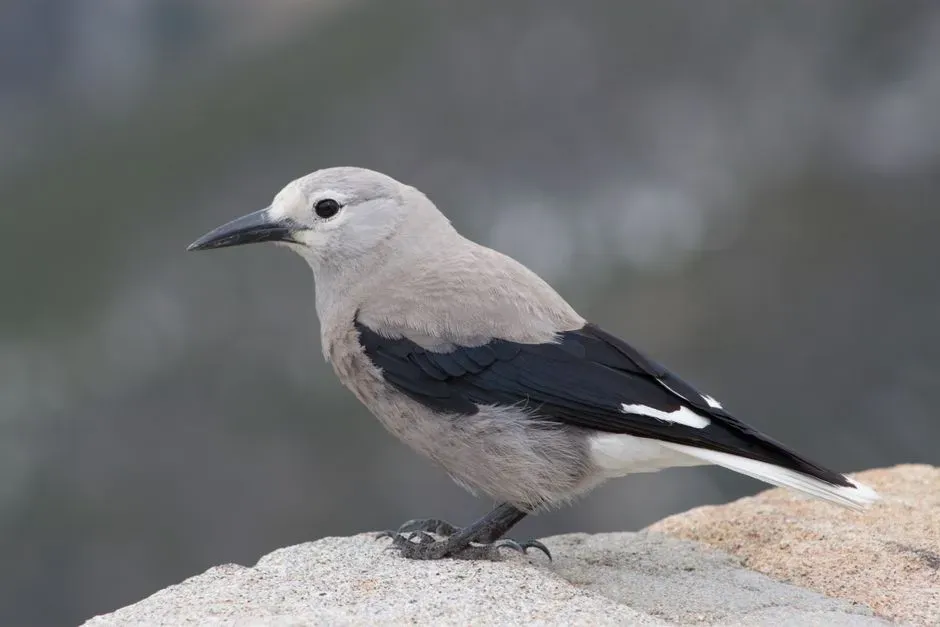
“Bird brain” was meant as an insult. Cognitive science has quietly turned it into a compliment.
Certain birds – especially corvids like crows, ravens, and jays – store and retrieve thousands of food caches across large territories. In some studies, Clark’s nutcrackers remembered the locations of over 2,000 hidden stashes for up to nine months. That alone is extraordinary.
Then researchers started giving them problem-solving and working-memory tests. On tasks involving object tracking, some of these birds outperformed human toddlers, remembering where a hidden item was moved even after multiple distractions – a classic test of mental “updating.”
Fast Facts
- Clark’s nutcrackers can track over 2,000 individual food caches.
- Some of those cache memories last up to nine months.
- Corvid brains pack neurons more densely than many mammal brains of similar size.
- On certain object-tracking tasks, corvids have outperformed human toddlers.
For decades, the assumption in neuroscience was simple: bigger brain equals better memory. But bird brains are wired differently, packing dense, efficient neural circuits instead of a sprawling cortex. It turns out structure and wiring can matter more than raw size. Not every bird is a feathered genius, and some headlines oversell it, but the “simple bird” model is dead. Birds just reset your expectations. Octopuses are about to blow right past them.
#10 – Octopus Memory Is So Good It Forced Labs to Redesign Their Experiments
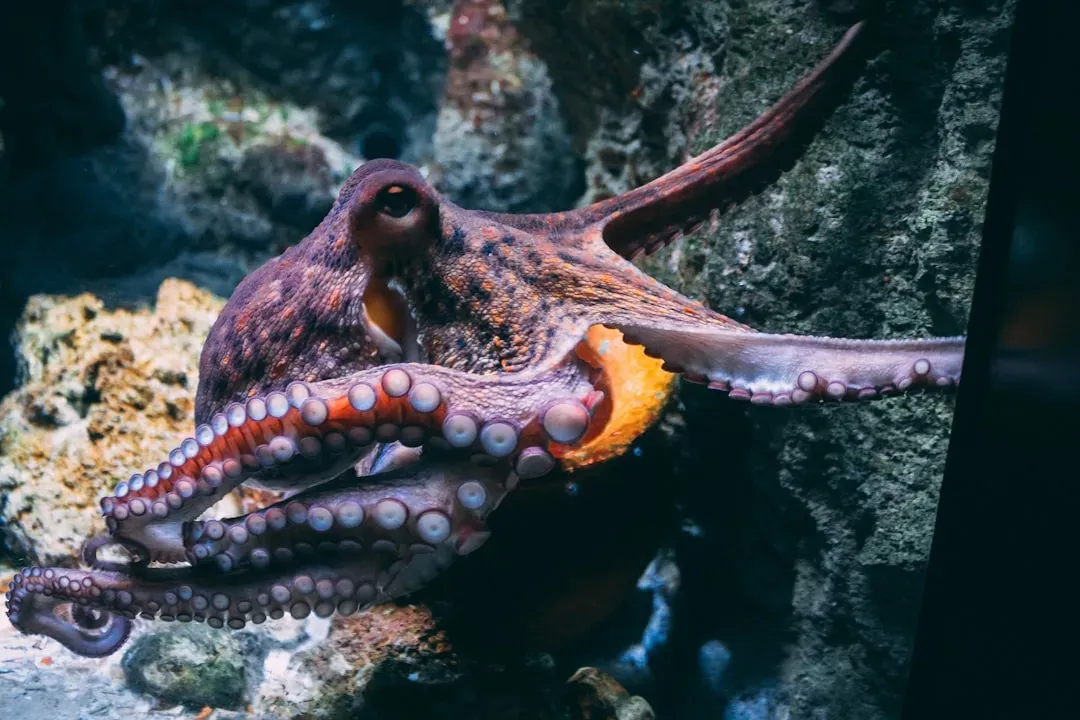
Most people accept that dolphins and chimps are smart. But octopuses? For a long time, they were written off as exotic sea monsters with cool tentacles.
Then behavioral experiments revealed something scientists had missed: octopuses remember individual humans, specific tasks, and even lab routines – and they use that memory to mess with the people studying them. In some marine labs, octopuses learned which researcher usually fed them and greeted that person more eagerly.
They also remembered who had poked or bothered them, and responded with jets of water or ink aimed specifically at that individual. This isn’t a goldfish looking for flakes. It’s targeted, long-term social memory.
Many octopus experiments had to be redesigned because the animals were “learning the experimenter” instead of the task, quietly making the data useless. Their distributed nervous system, much of it packed into their arms, challenged brain-centric views of memory altogether. Each arm can process and “remember” sensory information semi-independently, then feed it back to the central brain. An octopus holding a grudge is strange. An elephant holding one for twenty years is something else entirely.
#9 – Elephants Remember Trauma and Faces for Decades
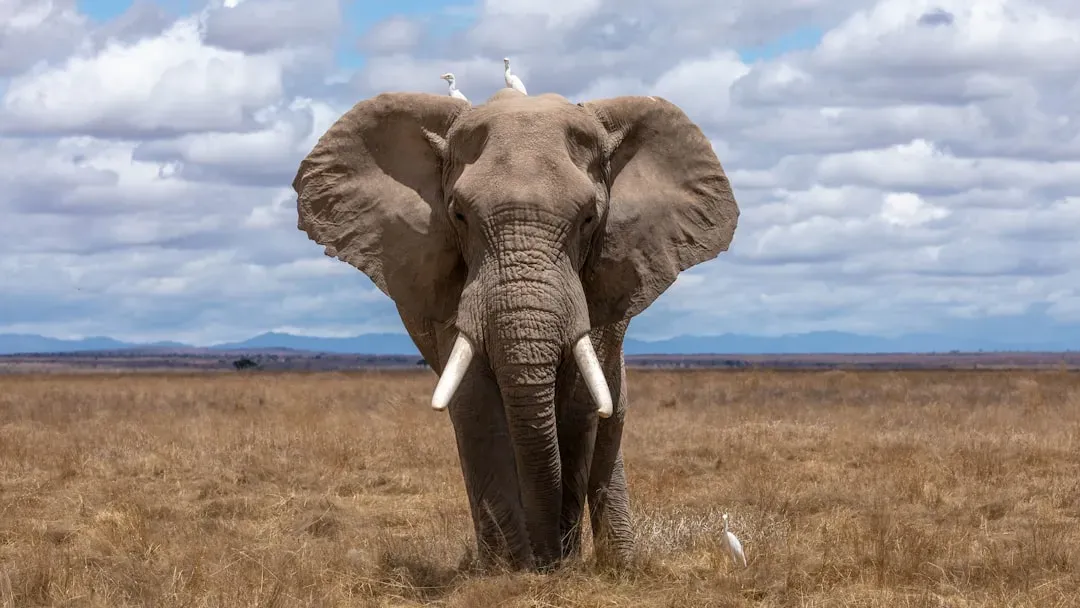
You’ve heard the saying: an elephant never forgets. That’s not literally true – they forget plenty – but it’s uncomfortably close in some areas.
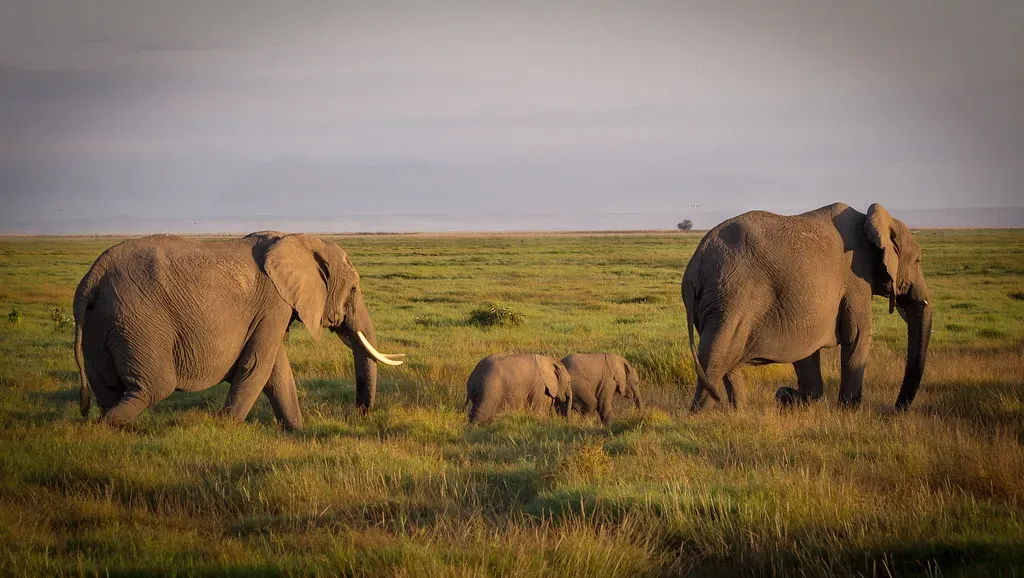
Field observations and longitudinal research suggest elephants can recognize the calls and scents of other individuals even after 20-plus years apart. They remember who helped them, who threatened them, and where dangerous events took place. This goes way beyond simple survival memory.
In several documented cases, elephants altered their migration routes to avoid places where culls or poaching had occurred years earlier. Some herds react more aggressively to human voices from language groups associated with past violence, compared to unfamiliar but harmless languages.
Direct experimental proof over such long spans is genuinely hard to gather – nobody is running controlled trials on 60-year-old elephants. But field observation, acoustic studies, and comparative neuroscience all point the same direction. Elephants carry multi-decade, autobiographical-like memories that shape their emotional responses. If an elephant’s memory of a massacre still shapes its behavior decades later, that blurs the line with what we’d call PTSD in humans. Elephants carry decades of memory. Dogs, it turns out, carry more than commands.
#8 – Dogs Remember Events, Not Just Commands
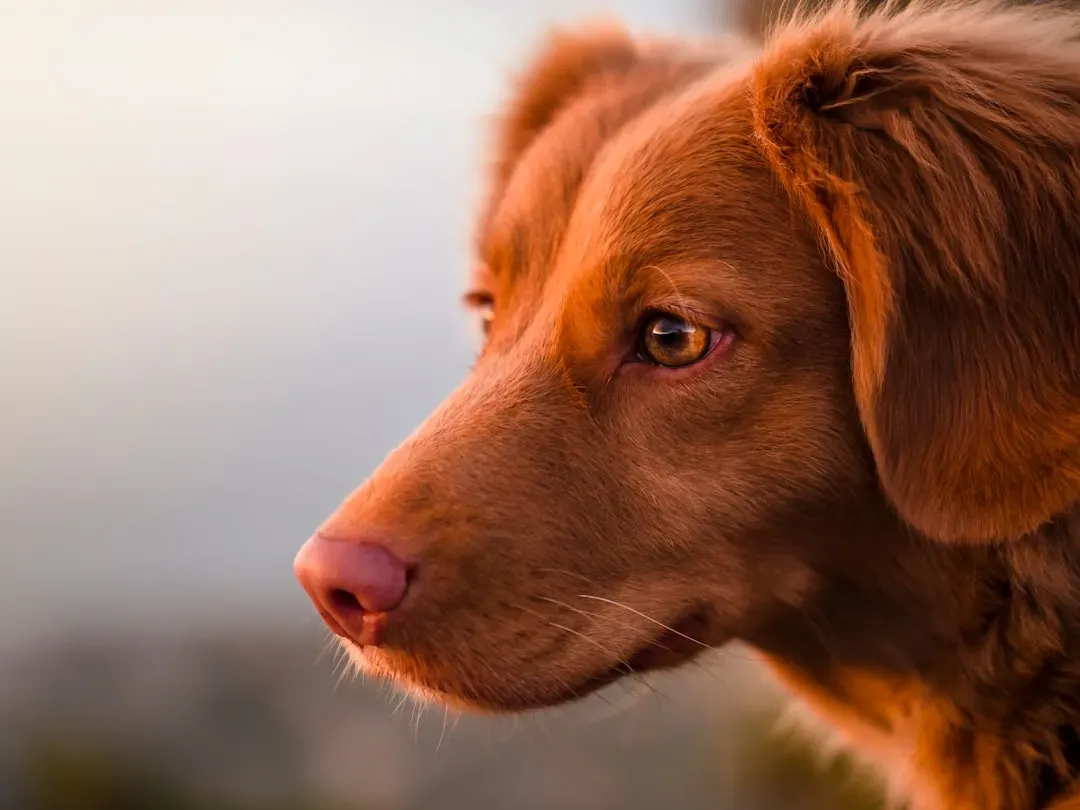
The comfortable story about dogs is that they’re great at learning commands, but everything else is just habit. Recent research has shredded that simplification.
Dogs show signs of episodic-like memory – the ability to recall specific past events they were never trained to remember. In one clever experiment, dogs were taught to “do as I do,” copying a human’s action on command. Out of nowhere, the trainer then asked them to repeat an action they’d seen earlier but had no reason to think mattered. Many dogs could still do it.
Owners see the everyday version of this constantly. Dogs remember:
- The sound of a particular car door that means “my person is home.”
- Exactly where they last saw a favorite toy days ago.
- Which neighbor once scared them, years after the fact.
Skeptics say we’re reading too much into this, that it’s advanced associative learning. But that’s kind of the point – the boundary between “association” and “episode” is fuzzier than psychologists once preached. Dogs may not narrate their life stories, but their behavior shows a surprisingly rich memory for specific, one-off experiences. If your dog remembers specific days, wait until you hear what your “aloof” cat has been quietly filing away.
#7 – Cats Remember More Than They Care to Show You
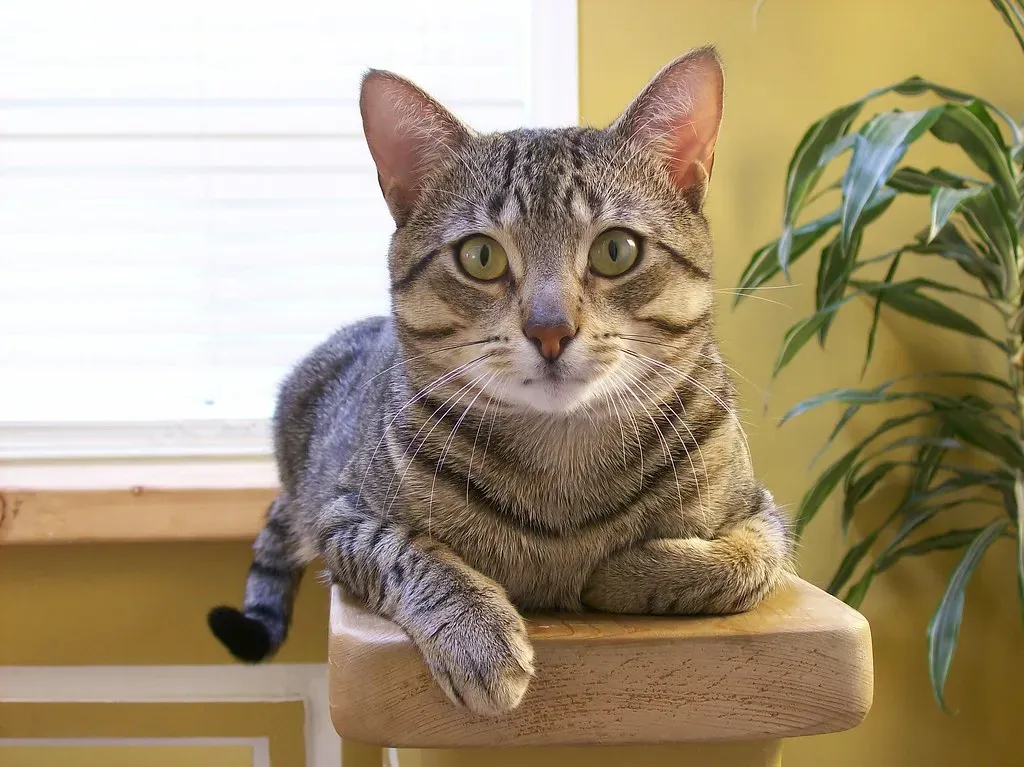
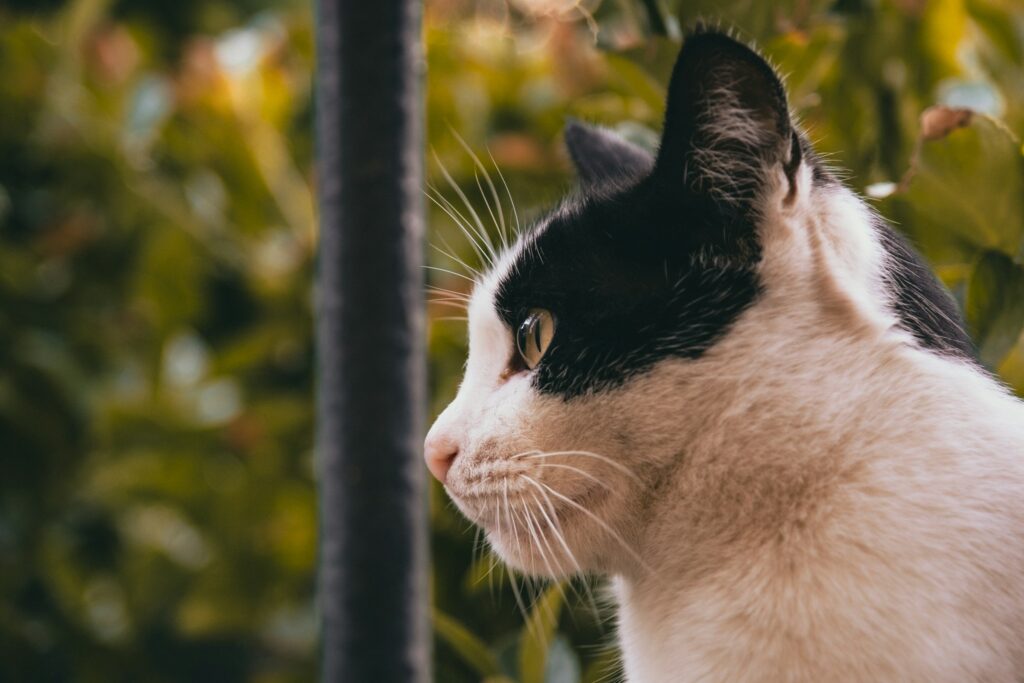
Cat owners have suspected this for ages: your cat remembers everything, it just refuses to perform on command. For a long time, scientists mistook that refusal for limited memory.
When researchers finally designed cat-friendly tests, the story changed. Domestic cats can remember the location of hidden objects for short periods, and retain “what, where, and when” information at levels comparable to dogs in some tasks.
What’s more interesting is what they remember emotionally. Cats often avoid carriers, vet offices, or people who handled them roughly, even if it happened only once, long ago. They also seem to track which humans respond well to their signals and which ones can be safely ignored – not just “pain equals box,” but a nuanced social and spatial map of their world.
Worth Knowing
- Cats can recall “what, where, and when” details on par with dogs in some tests.
- A single rough handling by a vet or groomer can be remembered for years.
- Cats build ongoing social maps of which humans respond to their signals.
- Lab testing lags behind dog research partly because cats are notoriously hard to motivate with typical rewards.
Many vets openly admit some cats “hold grudges” for years, particularly against staff who performed painful procedures. There’s less cat cognition research than dog research overall, partly because cats are notoriously hard to motivate in a lab. But the studies we do have suggest their apparent “aloofness” is a lousy indicator of their memory capacity. Cats keep secrets. Crows keep records – and they share them.
#6 – Some Birds Remember Human Faces and Hold Long-Term Grudges
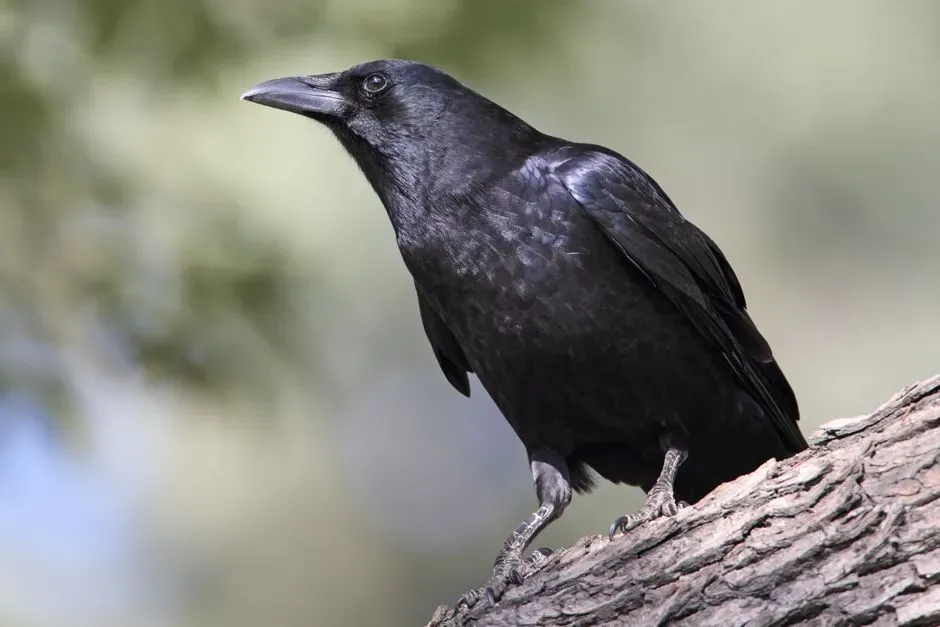
If you’ve ever felt like a crow was staring you down, you might not be paranoid. Urban studies have shown that crows can recognize individual human faces and remember which ones posed a threat, years later.
In one famous experiment, researchers wearing a specific mask trapped and banded wild crows. For seasons afterward, local crows mobbed and scolded anyone wearing that same mask, regardless of who was actually underneath it.
The effect spread socially. Young birds that had never seen the original trapping event joined the mobbing anyway, apparently learning it from older crows. That implies a shared cultural memory, where experiences get stored and passed between individuals rather than relearned from scratch.
This rattled scientists because it broke a comforting assumption: animals might remember other animals, but humans were supposedly just background noise. Pigeons, magpies, and some parrots show similar face-recognition abilities. To them, you’re not just “a human”; you’re that human – categorized, evaluated, and filed away. If a crow can hold a grudge against your face, farm animals are about to make that feel a lot more personal.
#5 – Farm Animals Remember Who Was Kind (And Who Wasn’t)
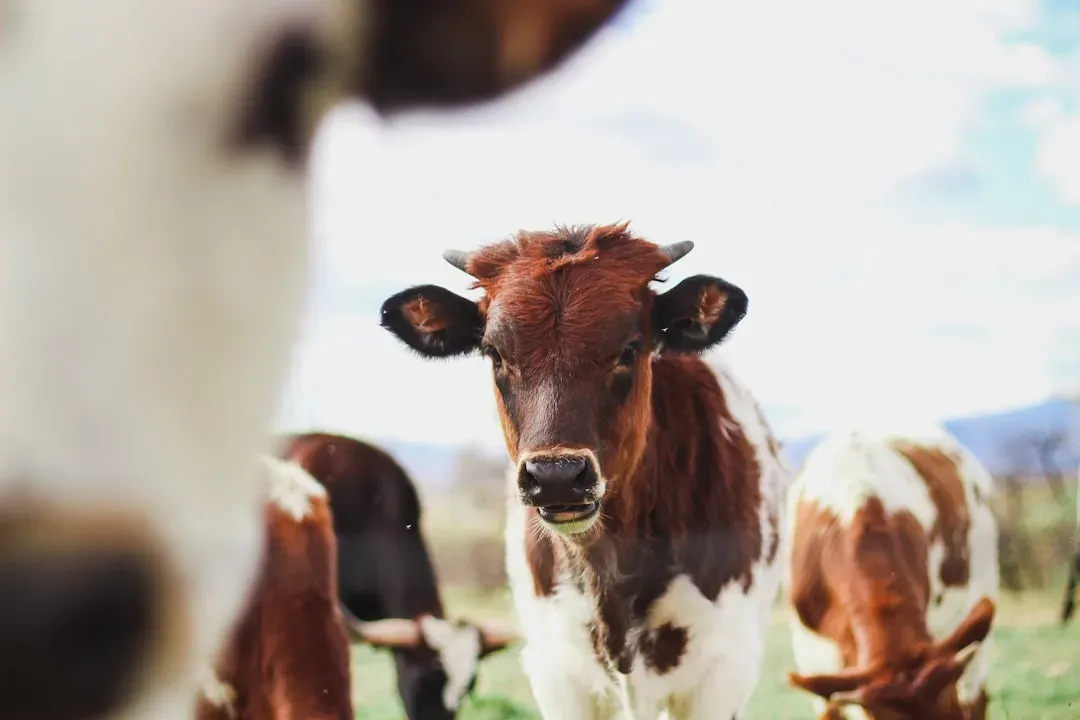
Most people still talk about cows, pigs, and chickens like they’re interchangeable units: “stock,” not individuals. Memory research quietly disagrees.
Cows can recognize dozens of herd mates and remember human handlers’ faces and treatment for months or years. Animals handled gently stay easier to move and milk long-term. Those roughly treated often remain skittish around that specific person, even while behaving normally around everyone else.
Pigs show even more complex memory. They navigate mazes, remember food locations, and remember which individuals beat them to food last time – then adjust their strategy accordingly. They often target slower pigs they remember as less threatening while avoiding ones who fought back before. That’s memory plus social calculation.
Chickens, arguably the most underestimated of all, recognize individual flock members and remember social hierarchies, adjusting their behavior based on who pecked them in the past and who backed down. This isn’t random flapping; it’s a lived social memory that shapes daily choices. Farmers and ranchers have known this for generations. Farm animals remember kindness. Primates remember politics.
#4 – Primates Recall Complex Social Drama for Years
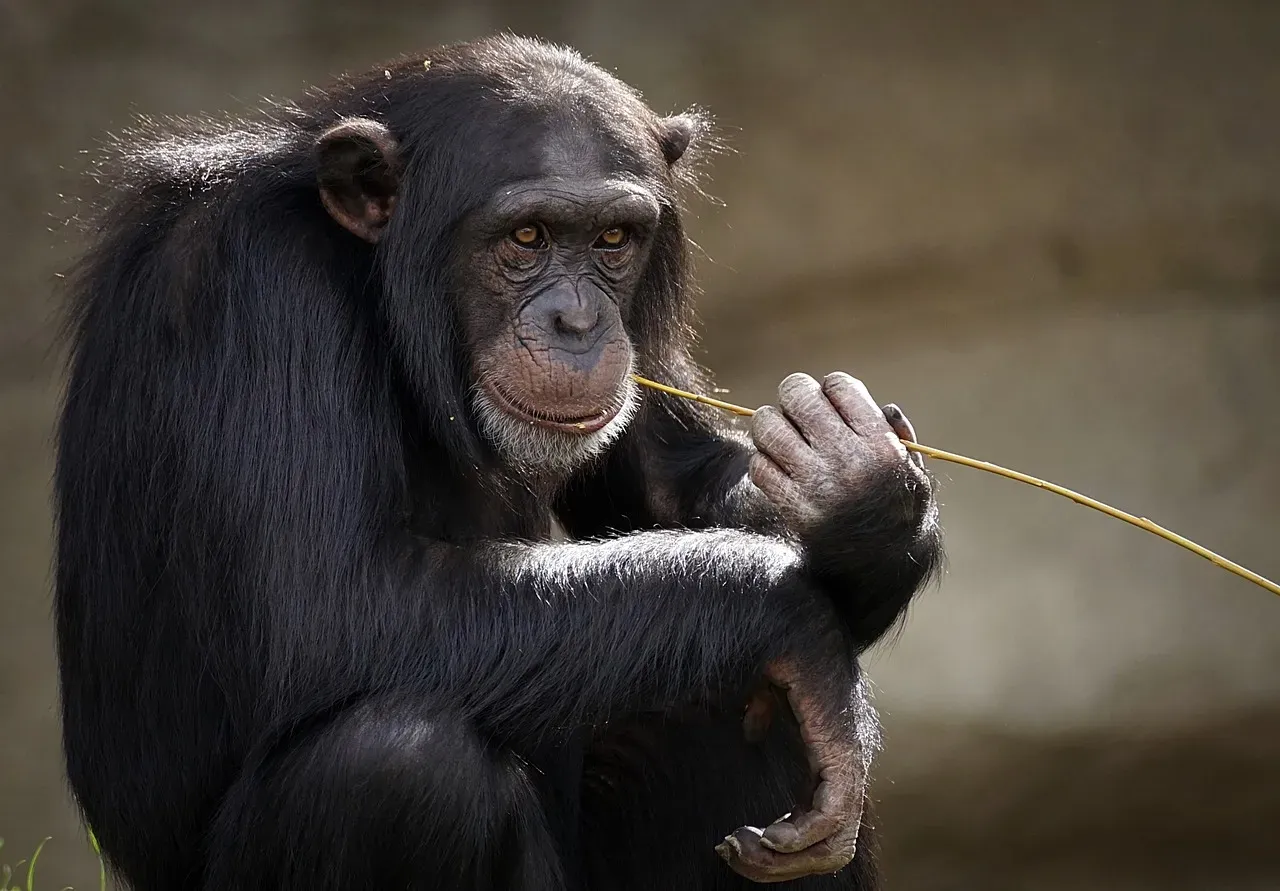
It shouldn’t shock anyone that chimpanzees, bonobos, and macaques have good memories. What scientists underestimated was how long, and how politically, they use them.
In wild troops, primates remember alliances, betrayals, and grooming partners over spans that can run into years. A long-ago conflict can resurface the moment an opportunity to settle the score appears.
Playback experiments – where researchers play recorded calls from absent individuals – show primates remember the voices of many specific group members and react differently depending on their shared history. Male bonobos may react more favorably to calls from females who once shared food or grooming with them. Chimps, on the other hand, may bristle at the sound of an old rival.
We are unique, but not as unique as we thought.
Frans de Waal
In some labs, apes have recognized former caretakers after decades of separation, greeting them with excitement and specific social gestures. Skeptics argue we sometimes project soap-opera narratives onto these encounters, and that’s a fair caution. But even stripped of story, the raw facts – recognition after decades, strategic alliances, long-term responses to old injuries – force an uncomfortable admission: their memory for social life sits closer to ours than we’d like. Primates carry decades of social bookkeeping. Rodents carry something even more primal.
#3 – Rodents Remember Fear the Same Way Humans Do
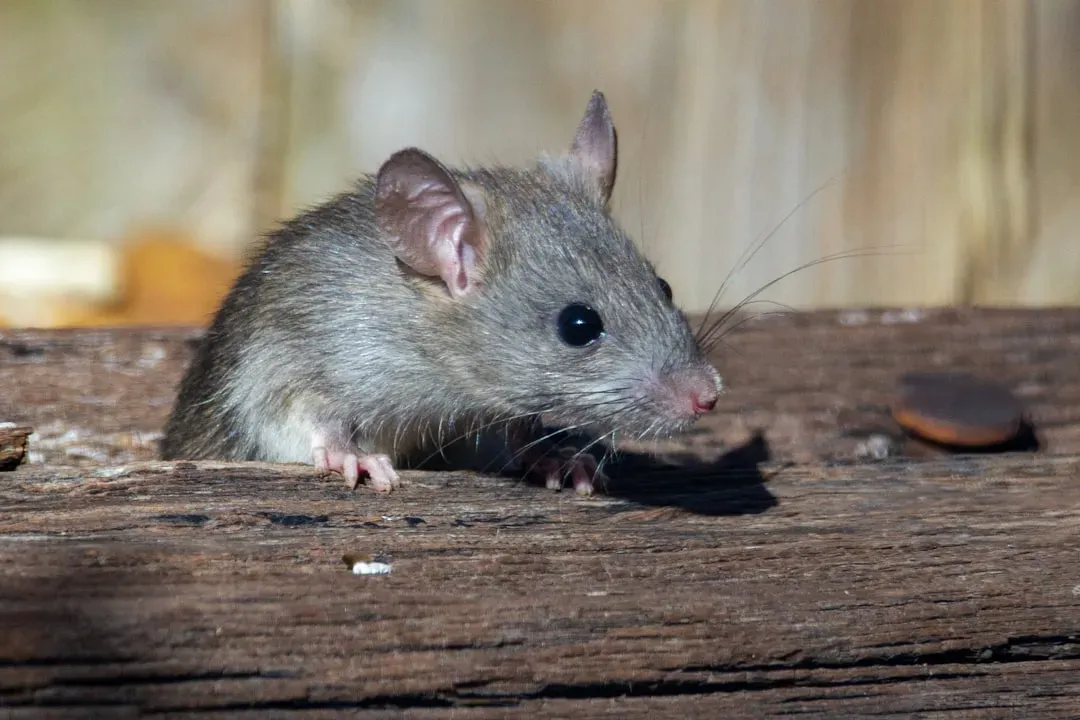
Mice and rats are the workhorses of neuroscience. For years, they were treated like blank slates – stand-ins for generic brains, useful but not particularly interesting as individuals.
Then memory research zeroed in on contextual memory, especially around fear. Rodents form detailed memories of locations, cues, and sequences tied to danger, and those memories can last much of their lifespan.
In classic fear-conditioning experiments, rodents learn to associate a specific environment with a mild foot shock. Long after the shocks stop, simply placing them back in that room produces a clear fear response. Change enough details of the room and the response drops – meaning they didn’t just learn “everywhere is bad,” they formed a specific, contextual memory.
More advanced work has shown that reactivating the neural “engram” of that memory can bring the fear back, or even reshape it, paralleling human PTSD research. Nobody serious claims a mouse has an inner monologue about its trauma. But the underlying memory machinery is more similar than most people are comfortable admitting. Rodents remember fear alone. The next entry remembers as a group – and the group outlives its members.
#2 – Social Insects Carry Collective Memories That Outlive Individuals
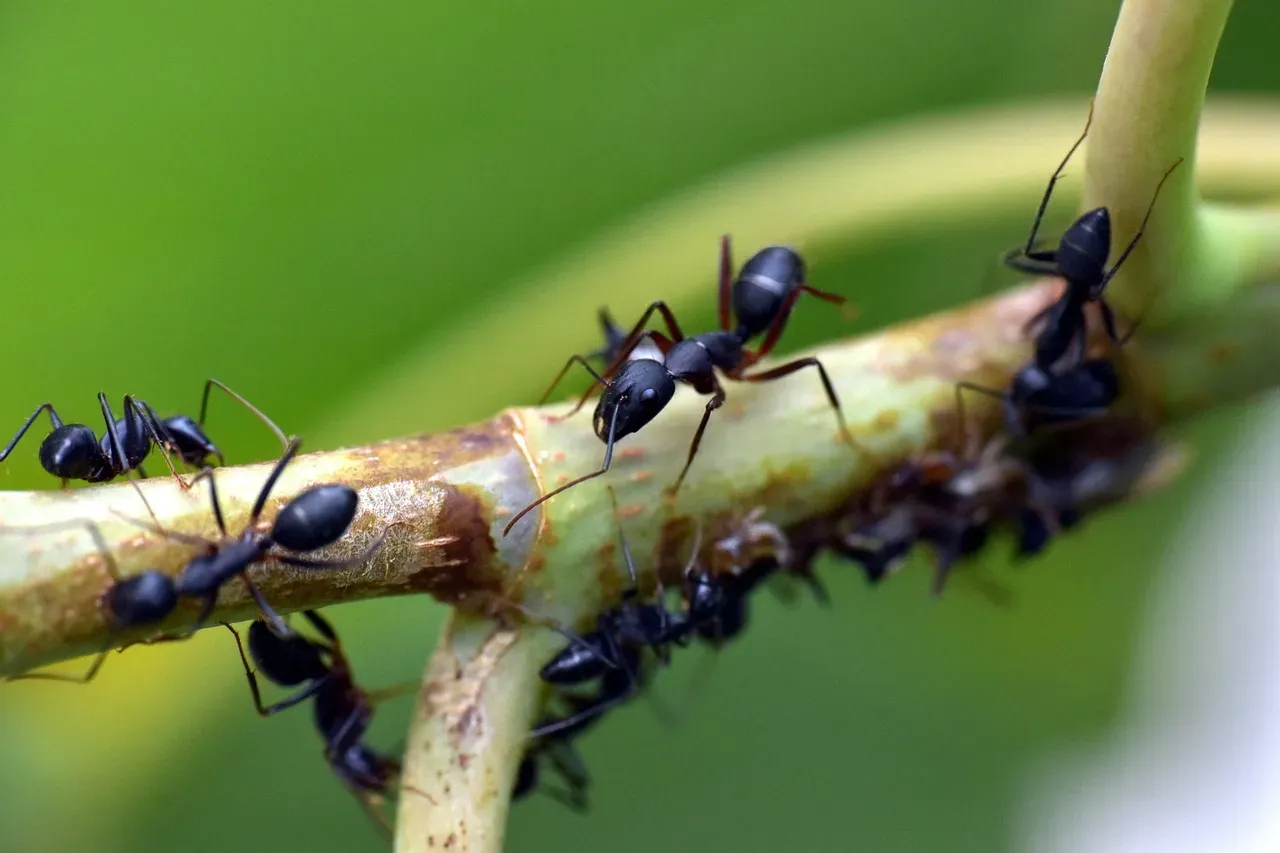
Here’s where things get weird. Ants, termites, and bees don’t just rely on individual memory; they build colony-level memories that shape behavior long after any single worker dies.
A trail of pheromones laid today can guide foraging patterns tomorrow. Nest architecture “remembers” defensive strategies from previous attacks, with tunnels and chambers modified over time in response to recurring threats. Some ants remember their nest’s location using visual landmarks and can navigate back even after being displaced far away.
At a Glance
- Pheromone trails laid today can steer foraging routes for days afterward.
- Nest tunnels and chambers get modified based on past attacks.
- Colony-level “memory” persists even as individual workers turn over rapidly.
- Some ants navigate back to their nest using remembered visual landmarks after being displaced.
What scientists underestimated for years is how these tiny individual memories stack into a colony-wide memory bank. Patterns of foraging, defense, and brood care become ingrained as a kind of distributed memory encoded in the trails, the nest structure, and the ongoing behavior of thousands of individuals.
Many biologists resisted calling this “memory,” preferring the safer term “emergent behavior.” But past events changing future responses in a persistent, specific way is the core definition of memory, whether it sits in a neuron or a tunnel. In a sense, the colony itself “remembers” predators, food sources, and environmental shifts, even as individual ants turn over rapidly. Once a colony can remember without any single brain doing the remembering, the final entry stops sounding far-fetched.
#1 – “Episodic-Like” Memory in Animals Is Closer to Human Autobiography Than We Wanted to Believe
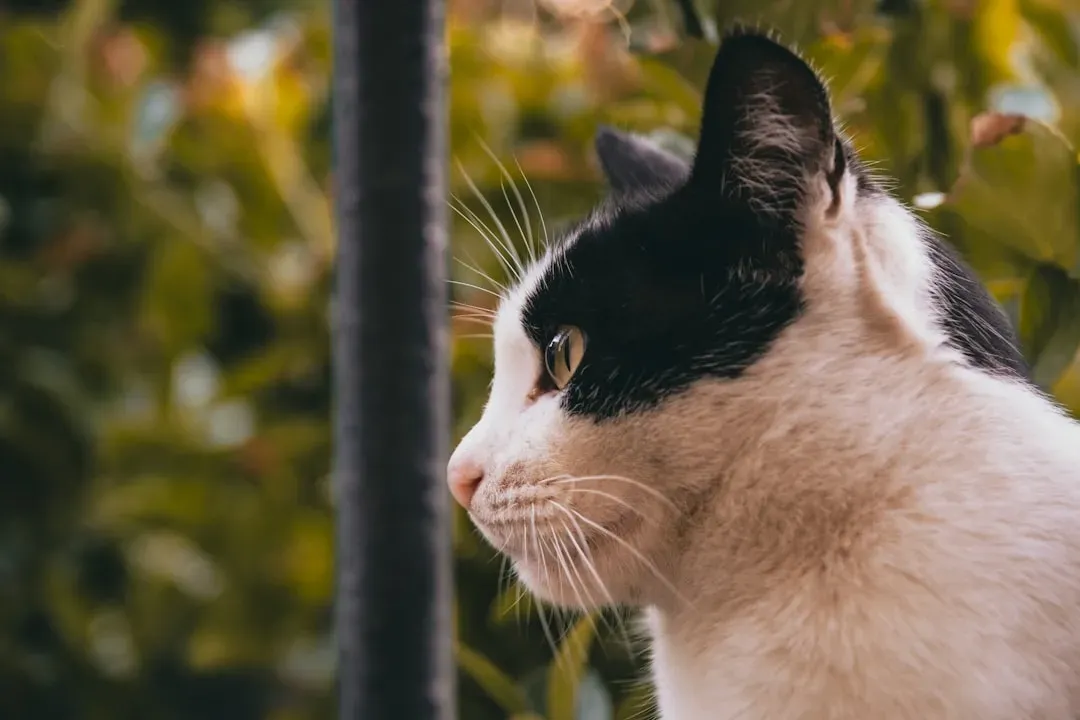
For decades, psychologists drew a hard line: humans have episodic memory, the ability to mentally travel back and re-experience specific events in rich detail. Animals, we were told, only had semantic or procedural-ish memory – they know that something is true, or how to do something, but not the unique where, what, and when of a single moment.
That neat distinction has been eroding fast. Scrub jays remember what kind of food they cached, where they put it, and how long ago, then decide whether it’s still worth retrieving before it spoils. Dogs recall actions they saw earlier on surprise command. Rats and mice show integrated memories of event sequences over time.
Even cuttlefish adjust their feeding decisions based on remembered past meals, showing something close to a sense of “recent versus long ago.” Scientists still hedge their language, calling it “episodic-like” memory, because you can’t ask a bird how it feels to remember. But from a strict behavioral and neural standpoint, the gap is narrower than anyone predicted thirty years ago.
The more we look, the more we find animals storing richly structured memories that guide flexible, future-oriented behavior. Some researchers still push back, worried we’re over-humanizing animals, and that skepticism is healthy. But ignoring the mounting evidence because it makes us uncomfortable isn’t science – it’s denial. And that brings us to the uncomfortable truth tying all fourteen points together.
The Bottom Line
Animal memory has been underestimated for one simple reason: we wanted it that way. It was convenient – ethically, economically, and psychologically – to believe most animals lived in a kind of eternal present, unburdened by detailed recollections, subtle grudges, or long-term emotional scars.
The last few decades of research have shredded that story. From bees with route maps to elephants carrying half-century-old trauma, the evidence says countless species keep richer, longer, and more flexible memories than we were ever taught in school.
That doesn’t mean every viral headline about “animal genius” is accurate, or that a goldfish shares a human’s inner world. Some claims get hyped, and the word “episodic” still gets thrown around too casually. But taken together, these findings force an opinionated conclusion: pretending animals are forgetful automatons is no longer a scientific position. It’s a cultural comfort blanket.
The real question was never “do animals remember?” It’s which memories we’re willing to acknowledge, and what changes once we finally do. Did we overrate one of these, or miss a bigger one entirely? Say what you think.