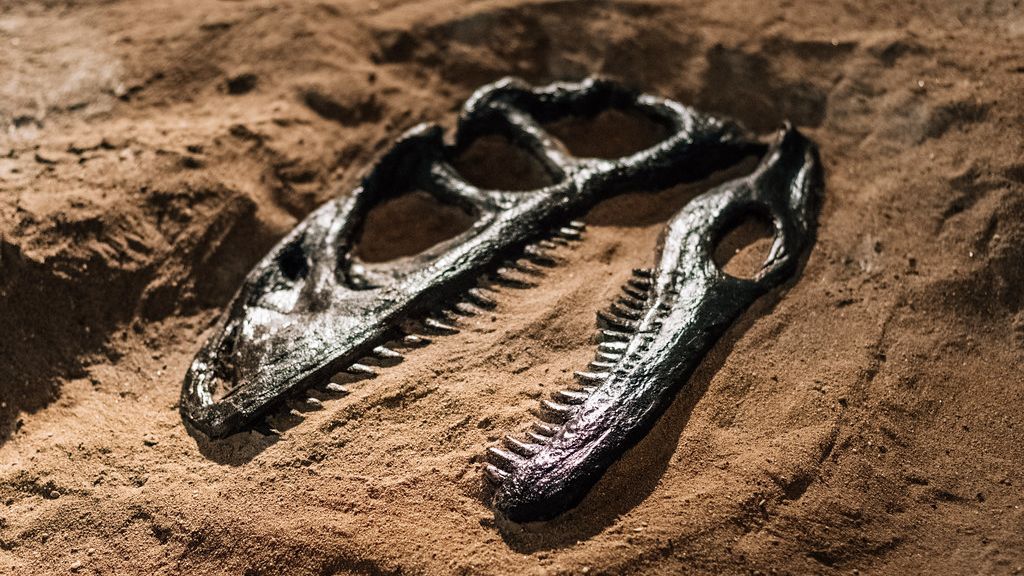
Walk into almost any natural history museum today and you will find the same scene: massive skeletons frozen in dramatic poses, skin rendered in gray-green scales, and wall text that reads like it was written when disco was still charting. The fossils are real. The science behind them? Often decades out of date. What’s genuinely shocking is that researchers have completely overturned some of the most iconic dinosaur “facts” in the last twenty years alone – using actual bones, preserved skin, chemical analysis, and trackways – and most of the museums haven’t touched their exhibits.
This isn’t about minor footnotes. We’re talking about feathers on animals you thought were scaly, colors scientists can now actually measure, and an extinction story far messier than the legendary asteroid headline. Some of what sits behind that velvet rope is, by the standards of working paleontologists, closer to mythology than science. The 14 entries below are what the experts know and what most of us were never told.
#14 – Brontosaurus Was a Real Animal All Along
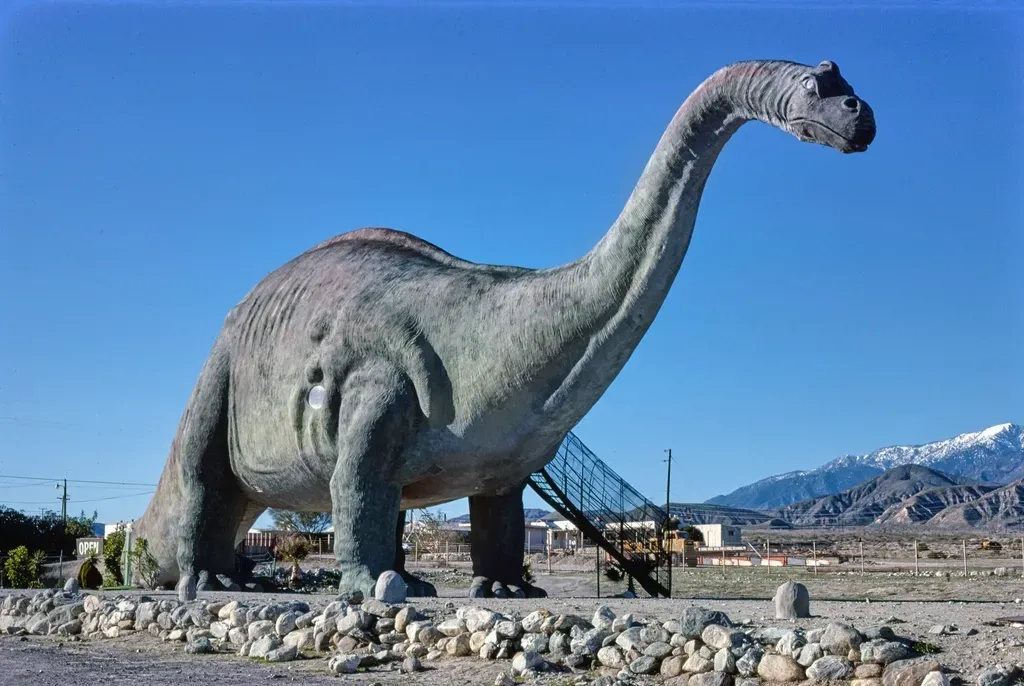
For most of the twentieth century, museums confidently labeled the giant long-necked sauropod as Apatosaurus, declaring Brontosaurus a case of mistaken identity and a cautionary tale about hasty science. Then in 2015, a meticulous reanalysis of skull structure, neck vertebrae, and shoulder architecture confirmed that Brontosaurus is a legitimate, distinct genus. The two animals lived in overlapping environments but had meaningfully different builds and, likely, different feeding strategies. The name that generations of children grew up loving turned out to be scientifically valid the entire time.
The deeper embarrassment is the skull story. For decades, museum mounts displayed Brontosaurus with a Camarasaurus head – the wrong skull entirely – because the correct one wasn’t available and nobody wanted to leave it headless. Paleontologists have known about the mix-up for years. Many institutions quietly corrected storage records. The public hall? Often untouched, labels and all. What looks like institutional caution is really just the staggering cost of ripping out a beloved centerpiece and starting over.
Fast Facts
- Brontosaurus lived roughly 156–146 million years ago during the Late Jurassic, in what is now Utah and Wyoming.
- The genus was synonymized with Apatosaurus in 1903 – and stayed that way for over 110 years.
- The 2015 reanalysis by Tschopp and colleagues scored specimens across 477 morphological characters, one of the most extensive sauropod phylogenetic studies ever published.
- At least three valid Brontosaurus species are now recognized: B. excelsus, B. parvus, and B. yahnahpin.
#13 – T. rex Was Not Covered in Scales
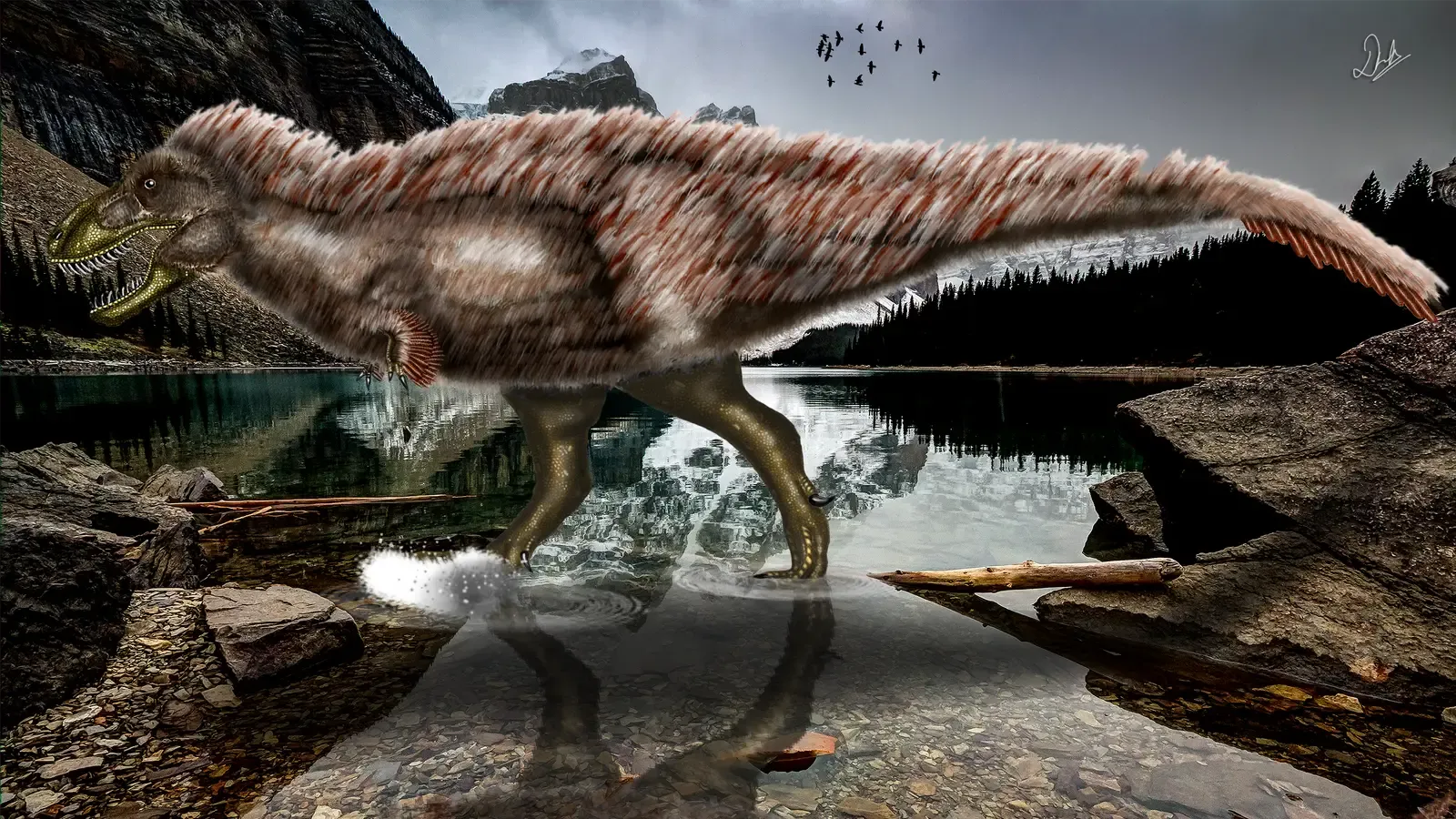
The image is burned into the cultural imagination: a T. rex with thick, reptilian skin, every inch of it scaly and glistening under a Cretaceous sun. Fossil skin impressions tell a more complicated story. Several tyrannosaur specimens show pebbly hide in certain regions, but closely related smaller species carried filamentous, proto-feather structures – and the biological logic strongly suggests that juveniles used similar insulation to regulate body temperature. A fully scaled adult T. rex contradicts the pattern running through its entire family tree.
Museums keep displaying the scaly version because adding feathers or feather-like patches to an existing mount isn’t a weekend project – it means expensive fabrication, lighting redesigns, and updated signage across entire halls. So visitors still leave with the mental image of a giant lizard, when the animal’s closest living relatives are chickens and ostriches. The irony is that a feathered or partially feathered T. rex is actually more terrifying, not less. A six-ton predator covered in dark, bristling filaments, moving fast on warm-blooded metabolism, is a far grimmer picture than any cold-blooded reptile ever was.
#12 – Velociraptor Was Turkey-Sized and Fully Feathered
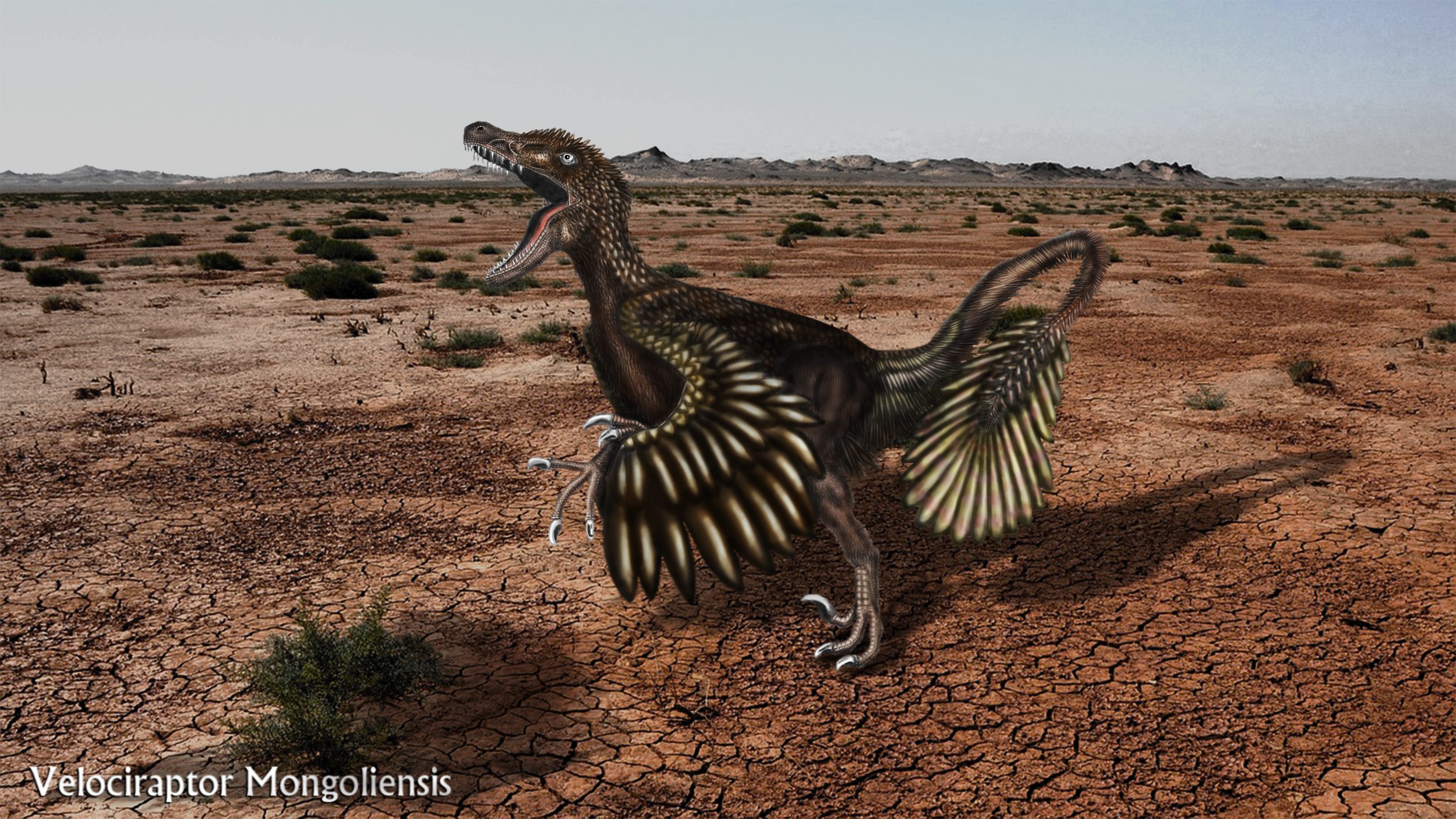
Jurassic Park did more damage to public understanding of Velociraptor than almost any other single cultural artifact in history. The real animal stood roughly half a meter at the hip, weighed around 15–33 pounds, and was covered in vaned feathers – not the six-foot, scaly, door-handle-operating nightmare of the films. Quill knobs preserved directly on Velociraptor forearm bones are definitive physical proof that true flight feathers were attached there, even though the animal itself couldn’t fly. It is, in the most literal sense, a feathered predator the size of a large bird.
The dramatic movie version sells tickets and merchandise, and museums lean into that familiarity rather than correct it. The actual animal – small, fast, feathered, probably hunting in forested undergrowth – is arguably more interesting than the Hollywood version precisely because it’s so unexpected. A pack of turkey-sized, feathered predators working together through dense vegetation is a genuinely strange and vivid thing to imagine. The exhibits rarely invite you to imagine it that way.
Quick Compare
- Movie Velociraptor: ~6 feet tall, scaly, green, roughly human-sized
- Real Velociraptor: ~1.6 feet at the hip, fully feathered, ~15–33 lbs
- Flight feathers: Up to 14 secondary quill feathers confirmed on the forearm – it just couldn’t fly
- Closest real-world visual: A large, long-tailed, toothy predatory bird – not a reptile
#11 – We Can Now Measure What Color Dinosaurs Were
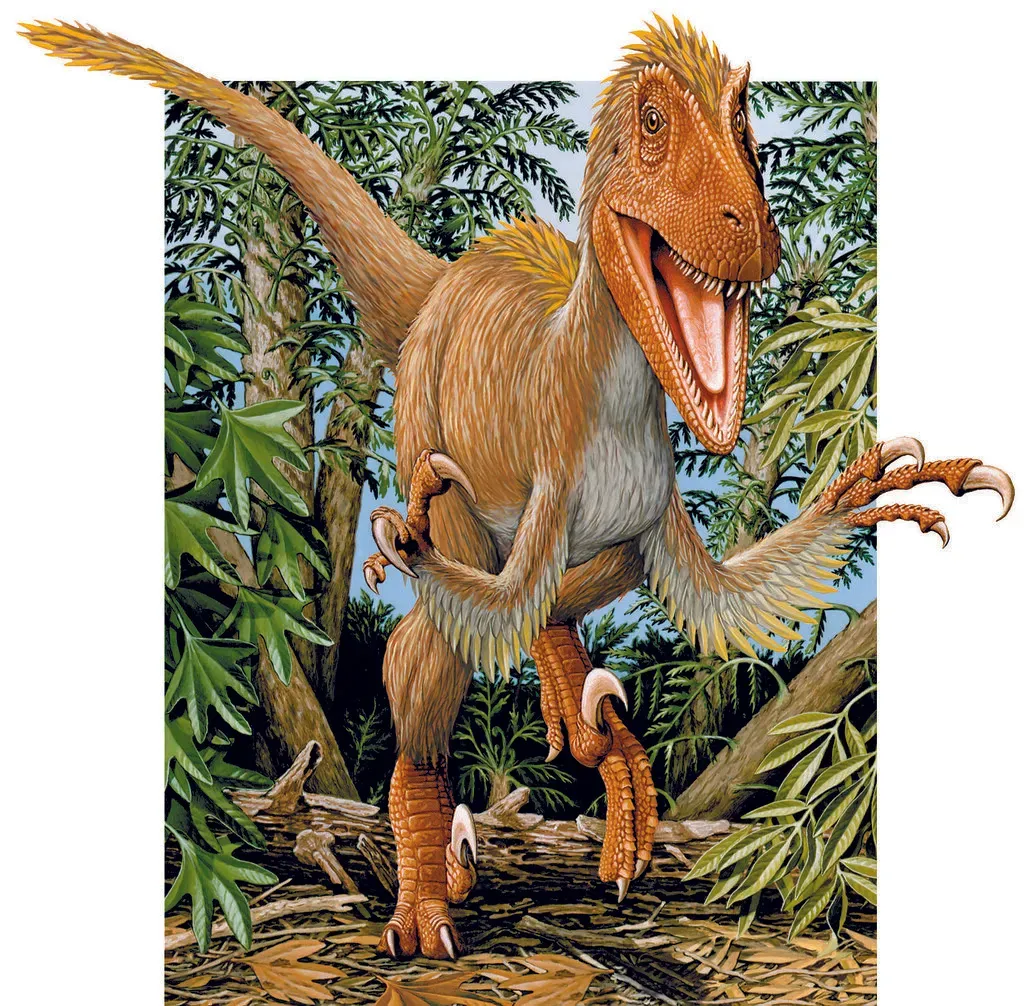
This is the one that stops people cold when they first hear it. Melanosomes – the microscopic structures responsible for pigmentation – survive fossilization under the right conditions, and scientists have learned to read them. Analysis of Sinosauropteryx revealed a striped tail with alternating reddish-brown and white bands, and a raccoon-like dark mask across its face. Microraptor, the four-winged glider, had iridescent blue-black feathers structurally similar to a modern raven. Anchiornis showed vibrant red feathers around its head and bold black-and-white patterning on its wings.
These aren’t guesses or artistic licenses. They are direct chemical and structural readings from actual fossil material, peer-reviewed and replicated. Yet almost every museum dinosaur still appears in the same default palette of gray, green, or muddy brown – a color scheme chosen decades ago because no one knew any better and the displays were never updated. Visitors walk past animals whose real appearance would genuinely surprise them, with no indication that the science to know better already exists.
#10 – Their Tails Never Touched the Ground
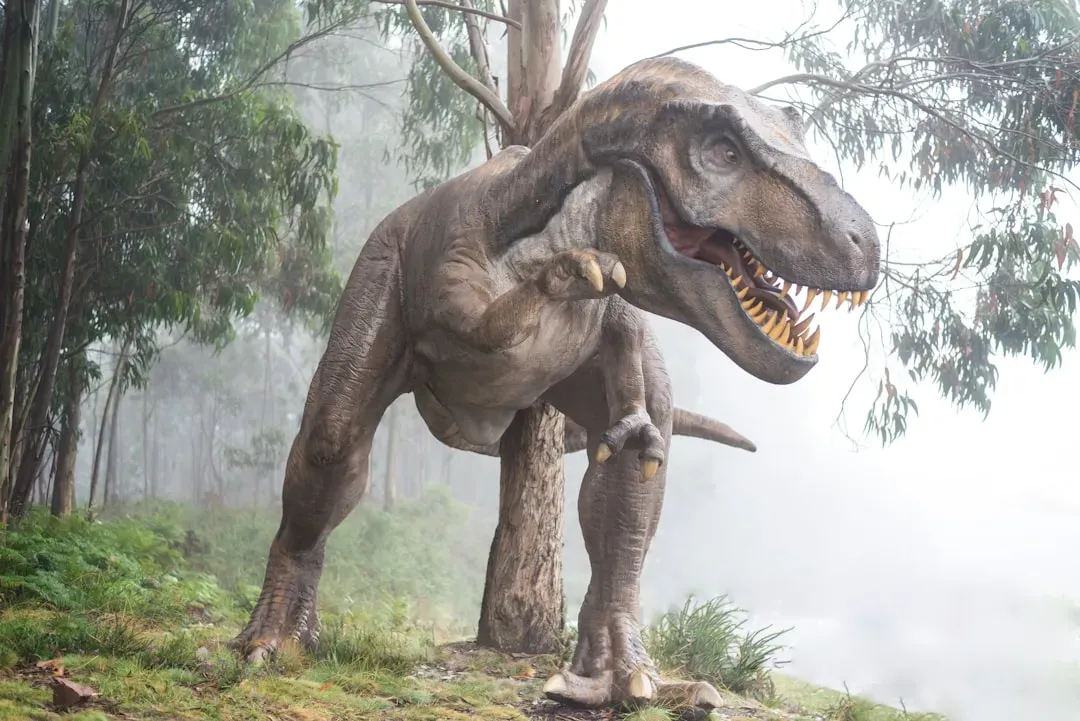
The old reconstructions are almost charming in retrospect: dinosaurs standing upright like enormous kangaroos, thick tails dragging behind them, leaving long furrows in the Mesozoic mud. The problem is that not a single dinosaur trackway ever found includes a tail drag mark. Not one. Biomechanical analysis confirmed what the tracks already suggested – dinosaurs held their spines nearly horizontal with tails lifted and extended as a counterbalance to the weight of the head and torso. The kangaroo posture would have been biomechanically unstable and energetically catastrophic for large animals.
Many museums corrected this starting in the 1980s and 1990s, which is why some institutions have beautifully remounted skeletons in the proper horizontal pose. But older halls in smaller or underfunded institutions still display the classic upright mounts, either because rebuilding entire armatures costs hundreds of thousands of dollars or because nobody wants to explain to longtime donors why the centerpiece is being dismantled. The posture shift isn’t a minor tweak – it changes everything about how you perceive the animal’s speed, agility, and behavior.
#9 – Spinosaurus Was a River Predator, Not a Land Giant
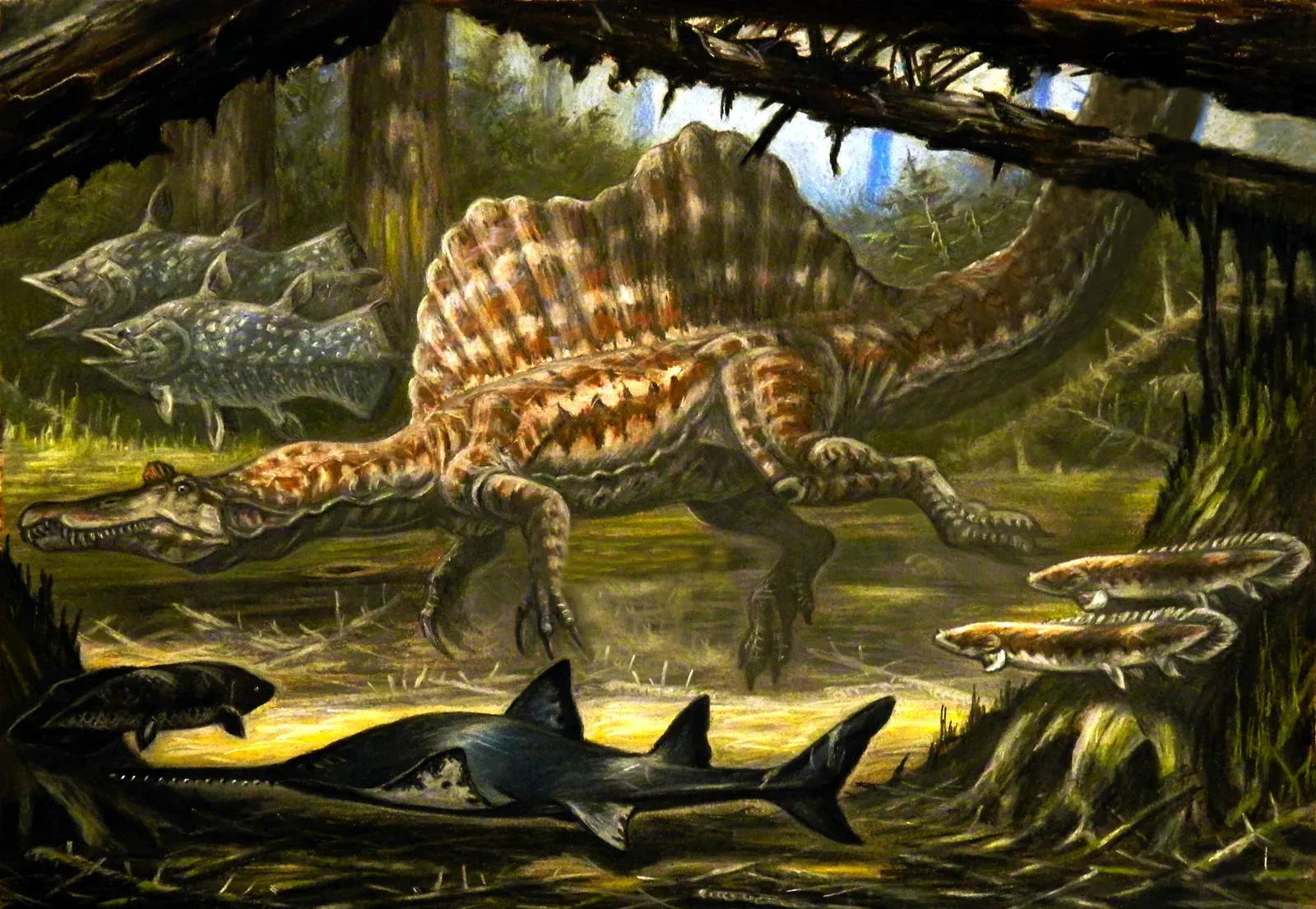
For most of its museum history, Spinosaurus was presented as the largest terrestrial predator that ever lived – bigger than T. rex, ruling the land on powerful back legs. Then the fossils started complicating that story badly. A 2020 landmark study in Nature described a paddle-shaped tail ideally suited for water propulsion. Bone density studies show limb bones far denser than any land-running predator needs – a trait shared with diving birds and aquatic mammals. The nostrils sit far back on the skull, convenient for a surface-breathing aquatic hunter. This animal spent serious time in the water, chasing fish in vast river systems.
The implications for exhibits are enormous and expensive. A terrestrial Spinosaurus mount drops into a standard diorama. An aquatic or semi-aquatic Spinosaurus requires water features, entirely different posing, and a fundamentally rewritten narrative wall. So most museums still display the land-giant version, occasionally with a small footnote about “recent discoveries” that undersells how dramatically the picture has changed. The Spinosaurus we pictured in every dinosaur book from the 1990s and 2000s is essentially a different animal from the one scientists now describe.
At a Glance: What Made Spinosaurus Aquatic
- Tail: Paddle-like structure with tall, flexible neural spines – built for water propulsion, confirmed in a 2020 Nature paper
- Bone density: Exceptionally dense limb bones – 30–40% denser than other theropods – used for buoyancy control, similar to penguins and hippos
- Hind limbs: Shortened and robust, with feet possibly webbed, like semi-aquatic mammals
- Skull: Conical, interlocking teeth suited for gripping slippery fish; nostrils set far back on the snout
- Isotopic data: Oxygen isotope chemistry places it ecologically in the aquatic column, closer to crocodilians than terrestrial theropods
#8 – Many Dinosaurs Had Rich Social Lives and Parented Their Young
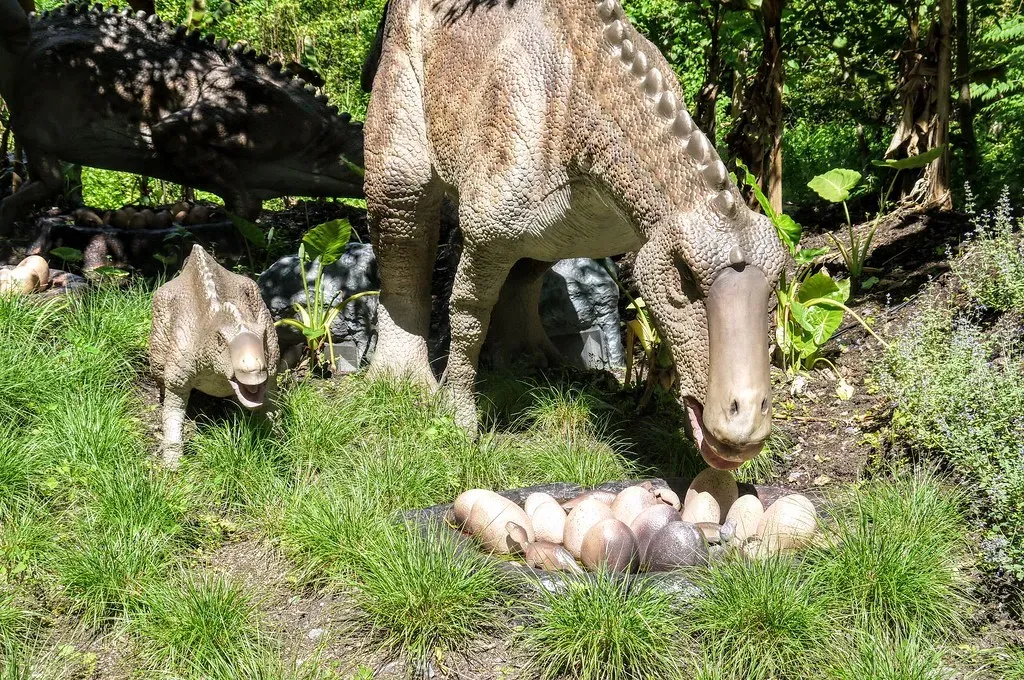
Bone beds tell stories that single skeletons never can. Sites containing dozens of individuals of the same species – spanning multiple age groups, from juveniles to fully grown adults – are direct evidence of group living. Maiasaura, whose name literally means “good mother lizard,” offers some of the clearest evidence: nesting colonies, eggs in organized clutches, and young animals with underdeveloped leg bones that couldn’t have survived without adult provisioning. Parental care in dinosaurs wasn’t a rare exception – it appears to have been widespread, particularly in species that nested communally.
Some evidence even points to seasonal migration in large-bodied species, movements that would have rivaled the great wildebeest migrations of the modern Serengeti in sheer scale. The social and behavioral complexity implied by this evidence rarely makes it into museum displays, which remain stubbornly focused on individual skeletons posed mid-roar. A hall that communicated dinosaur behavior – herd dynamics, parental care, migration corridors – would be a fundamentally different and far more engaging experience than what most museums currently offer. The science to build it already exists.
#7 – Dinosaurs Were Warm-Blooded, or Close Enough to Matter
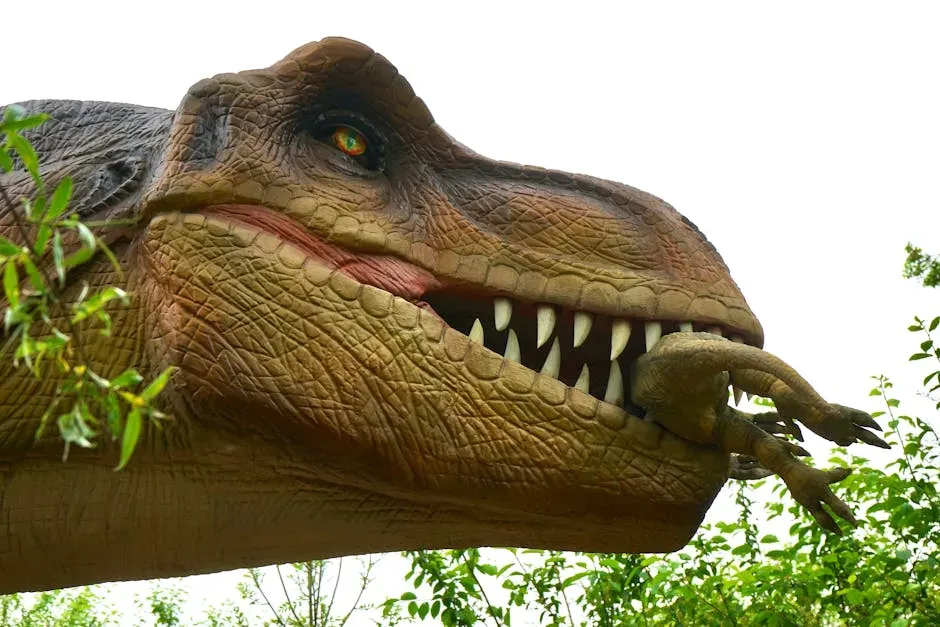
Growth rings inside dinosaur bones – read the way dendrochronologists read tree rings – show growth rates that simply don’t happen in cold-blooded animals. Oxygen isotope ratios add another layer, indicating stable elevated body temperatures maintained year-round regardless of external conditions. Some species show metabolic signatures closer to modern birds than to any living reptile. The old framing of dinosaurs as sluggish, sun-dependent, cold-blooded creatures contradicts nearly everything bone histology has revealed in the last thirty years.
The practical consequences of this are significant. A warm-blooded or near-warm-blooded metabolism means faster movement, higher activity levels, broader geographic range, and very different ecological roles than the lumbering reptile stereotype suggests. Yet museum text panels in older halls still casually contrast “cold-blooded dinosaurs” with “warm-blooded mammals” as though this were settled, uncontroversial biology. It’s the kind of framing that embeds a fundamentally misleading picture in the mind of every school group that files past it.
Worth Knowing
- Bone histology – the microscopic study of bone tissue – is the primary tool scientists use to determine dinosaur growth rates and metabolism.
- Some large sauropods show annual growth increments comparable to modern large mammals, not reptiles.
- The current scientific consensus places most dinosaurs in a metabolic middle ground: warmer and more active than living reptiles, but not identical to modern birds or mammals.
- This warm-blooded capacity likely allowed dinosaurs to colonize high-latitude environments, including regions near the Cretaceous poles.
#6 – Birds Are Not Descended from Dinosaurs – They Are Dinosaurs
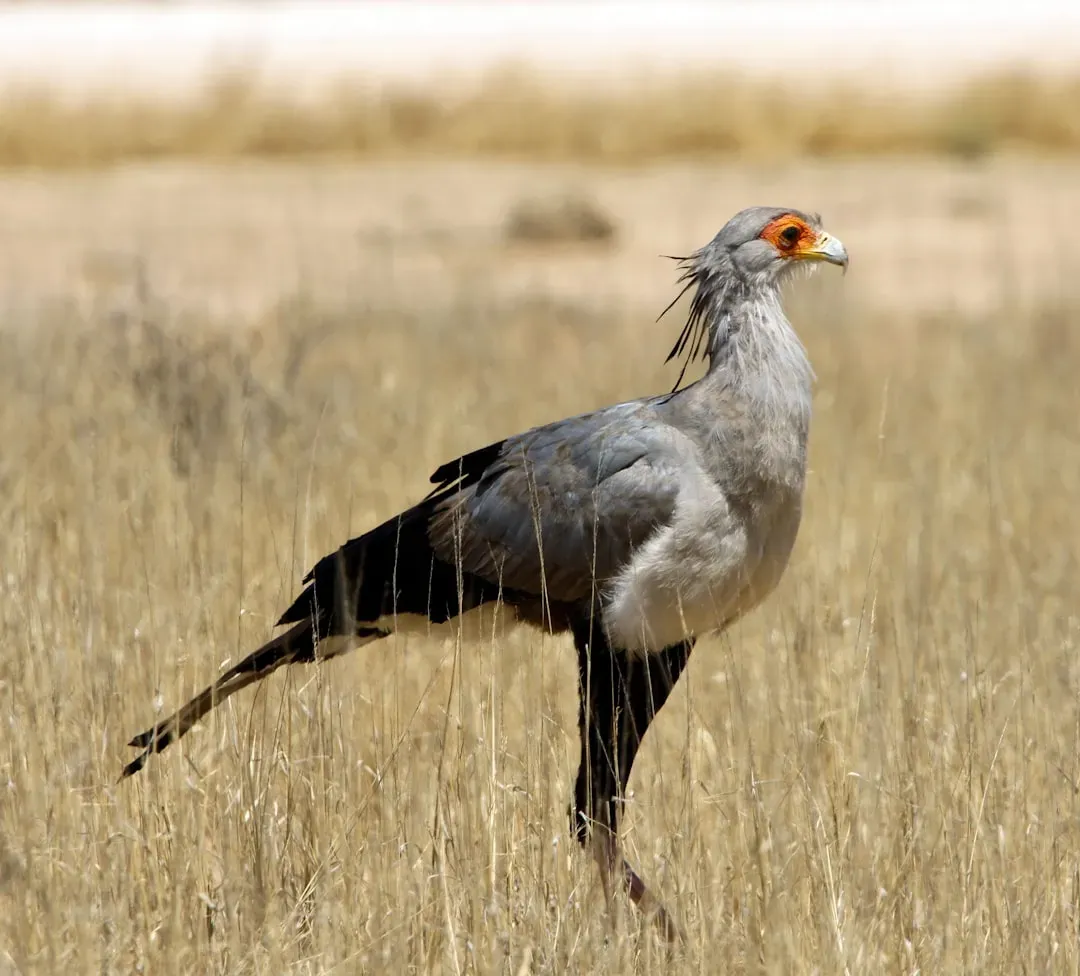
This distinction sounds pedantic until you sit with it. Phylogenetic analysis doesn’t place birds as cousins or descendants of theropod dinosaurs – it places birds inside the theropod clade, making every living bird a literal, taxonomically valid dinosaur. The sparrow on your windowsill is a dinosaur. The chicken in your refrigerator is a dinosaur. The evolutionary line did not end 66 million years ago; it survived, diversified, and currently includes roughly 10,000 living species. Avian dinosaurs outnumber mammal species on Earth right now.
Birds are living dinosaurs in the same way humans are living apes. The ancestry isn’t metaphorical – it’s cladistic reality.
Paleontologist Stephen Brusatte, The Rise and Fall of the Dinosaurs
Museum signage almost universally hedges this with phrases like “birds evolved from dinosaurs” or “birds are related to theropods,” language that implies a clean break that the cladogram doesn’t support. Fully integrating birds into the dinosaur story would require rewriting evolutionary tree displays, redesigning exhibit flow, and inviting visitors to see the pigeons outside the museum entrance as part of the same lineage as T. rex. It would be genuinely revelatory. It would also require a museum willing to admit its current framing is scientifically imprecise.
#5 – Multiple Tyrannosaur Species Shared the Same Ecosystem
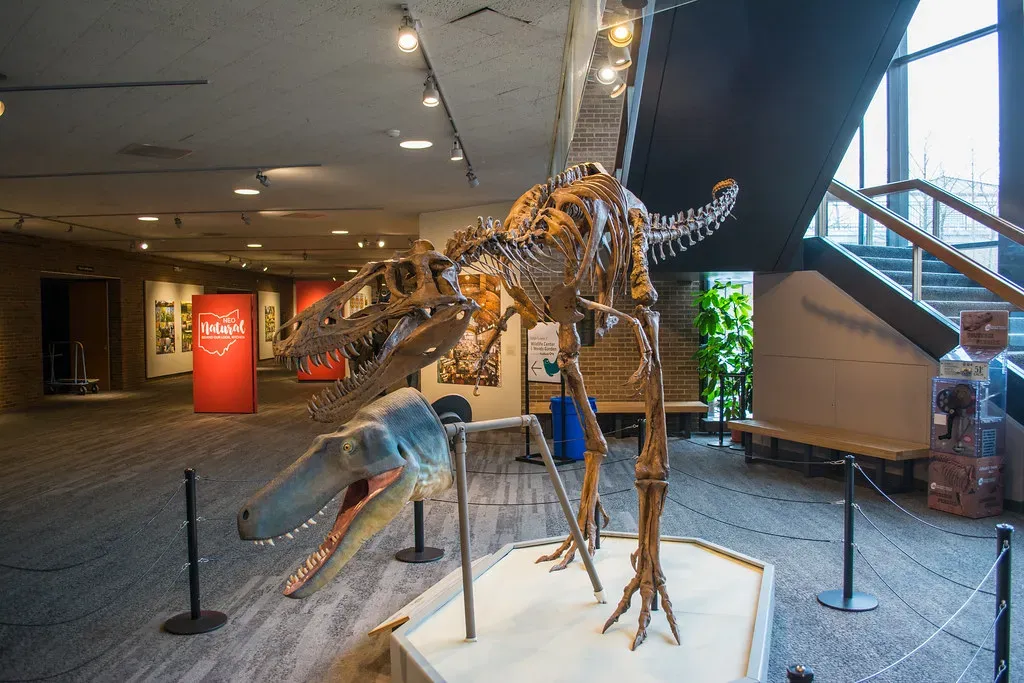
The Nanotyrannus debate has been running for decades and it refuses to settle quietly. A collection of smaller tyrannosaur skulls and skeletons from Late Cretaceous formations shows proportions, tooth counts, and structural features distinct enough that a growing number of experts argue these represent a genuine separate species coexisting with T. rex rather than simply juvenile T. rex individuals caught at an awkward growth stage. Bone histology and growth series analysis have complicated both sides of the argument, but the case for distinct taxa is stronger now than it was ten years ago.
Museums routinely label smaller tyrannosaur specimens as “juvenile T. rex” because it’s a simpler story and T. rex is the draw. The possibility that Late Cretaceous North America hosted multiple tyrannosaur species filling different ecological niches – the way Africa hosts lions, leopards, and cheetahs today – is a far more interesting picture that most exhibits don’t entertain. If Nanotyrannus is eventually confirmed as a valid species, a number of museum labels will need updating overnight. The science is already ahead of the signage.
#4 – Horned Dinosaurs Lived in Europe Too
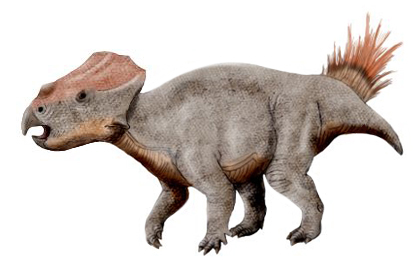
The mental map most people carry places ceratopsians – the horned, frilled dinosaurs anchored by Triceratops – firmly in North America and Asia, with a clear boundary at every other continent. Recent fossil discoveries shattered that boundary. Ajkaceratops and related forms from Hungary confirm that ceratopsians reached Europe during the Late Cretaceous, earlier than most biogeographic models predicted and through migration routes that forced paleontologists to reconsider how landmasses and island chains connected during that period. The European record isn’t huge, but it’s unambiguous.
Most museum distribution maps still show blank space over Europe where ceratopsians are concerned, because the exhibits were built before these finds were published and updating continental maps requires revising entire panels rather than swapping a single label. The discovery matters beyond the geography – it reshapes our understanding of how groups dispersed, which land bridges were active, and how isolated different dinosaur faunas actually were. It’s exactly the kind of finding that belongs on a museum wall and doesn’t yet appear on most of them.
#3 – Dinosaur Body Coverings Were Far Stranger Than Anyone Expected
Plates, spikes, and frills cover most museum armored dinosaurs in forms that look roughly familiar – angular, bony, predictable. Then a 125-million-year-old armored dinosaur turned up with hollow, quill-like spines unlike anything seen before in the group. These weren’t bony extensions growing out of the skeleton. They were integumentary structures – skin-based – and they project from the animal’s body in ways that look genuinely alien compared to the ankylosaurs and stegosaurs lined up in most exhibits. The diversity of what dinosaur skin could do keeps expanding with each significant find.
The problem for museums is timing. Exhibit casts and mounts are fabricated from specimens available at the time of construction, and the most surprising new finds – from Morocco, China, Argentina, and elsewhere – often postdate the halls they should be informing by a decade or more. Visitors see a relatively conservative range of integument types and leave thinking dinosaur body coverings were straightforward. The actual fossil record suggests something far more varied and biologically inventive, from porcupine-like hollow spines to iridescent feather patches to countershaded camouflage – a living world of surface texture and color that standard museum mounts flatten almost completely.
Why It Stands Out: The Real Range of Dinosaur Skin
- Countershading: Psittacosaurus preserves darker pigment on top, lighter underneath – a camouflage pattern typical of forest-canopy animals
- Iridescent plumage: Microraptor’s iridescent blue-black feathers, confirmed by melanosome analysis in 2012, rival a modern starling
- Hollow quill spines: At least one armored dinosaur species shows integumentary quills unlike any previously documented in the group
- Striped tails: Sinosauropteryx carried a candy-cane banded tail in chestnut and white – now confirmed by direct fossil pigment chemistry
- Scaled patches + feathers: Some species appear to have mixed both on the same body, depending on region and function
#2 – Young Dinosaurs Often Looked Like Completely Different Animals
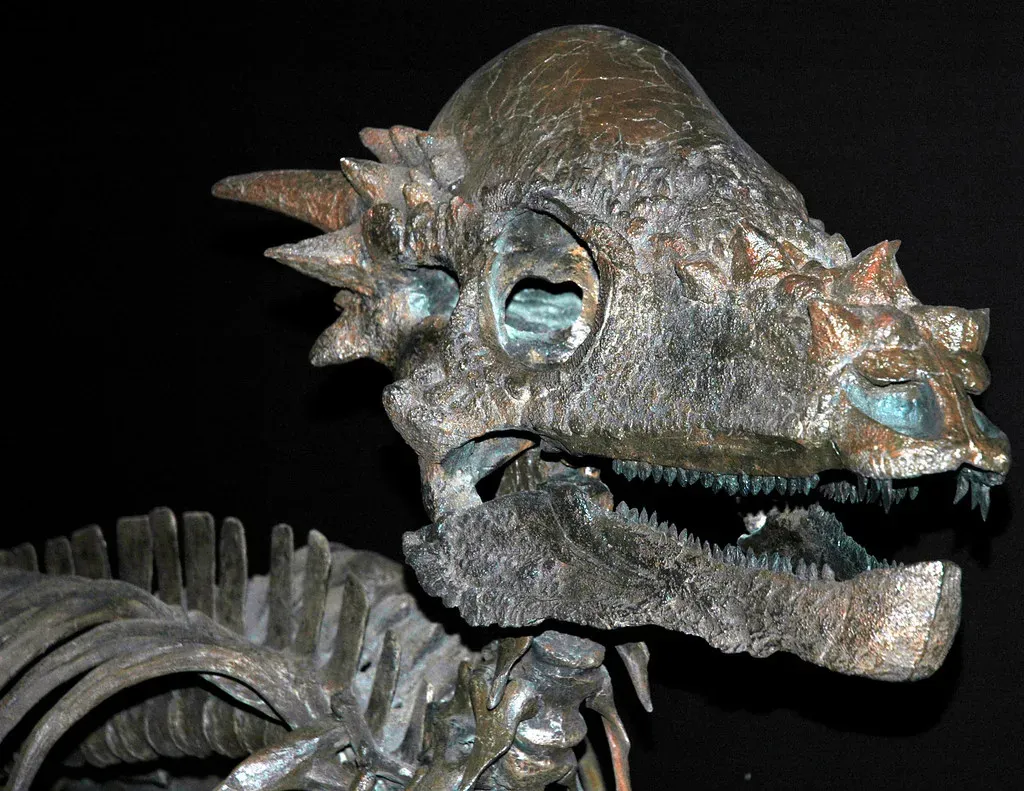
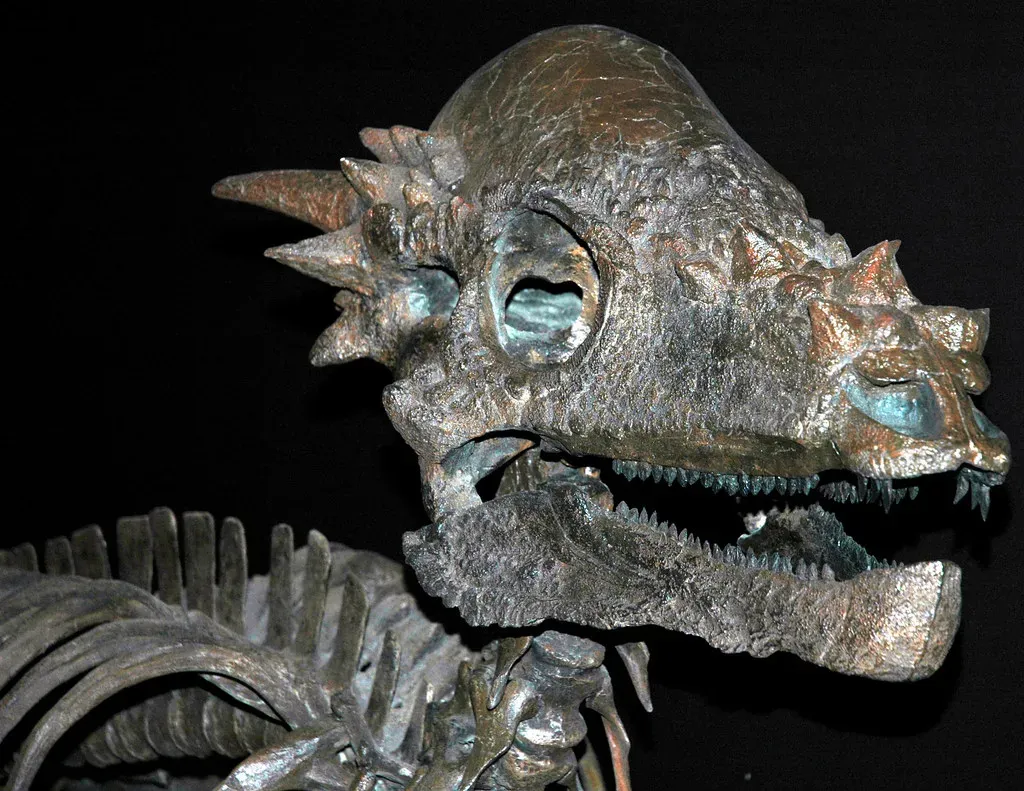
Growth in some dinosaur species was so dramatic that juveniles and adults of the same species look nothing alike – different skull proportions, different horn arrangements, different body ratios. This has caused real problems in the fossil record: specimens that looked distinct enough to be named as new species turned out, once bone histology revealed their age, to be juveniles or subadults of already-known animals. Pachycephalosaurus and its supposed relatives offer one well-known example. Triceratops and Torosaurus are locked in a similar ongoing debate about whether they are truly distinct or represent growth stages of the same animal.
The practical consequence is that museum species counts are likely inflated. Some of the “distinct species” standing in separate display cases are almost certainly the same animal at different points in its life. Exhibits rarely communicate ontogenetic change – the dramatic physical transformation animals undergo as they grow – because it requires nuance that doesn’t fit easily on a label beside a skeleton. Bone histology has given paleontologists the tools to sort this out reliably, but that sorting process is ongoing, and the results consistently outpace the exhibits that visitors are actually seeing.
#1 – The Asteroid Didn’t Act Alone
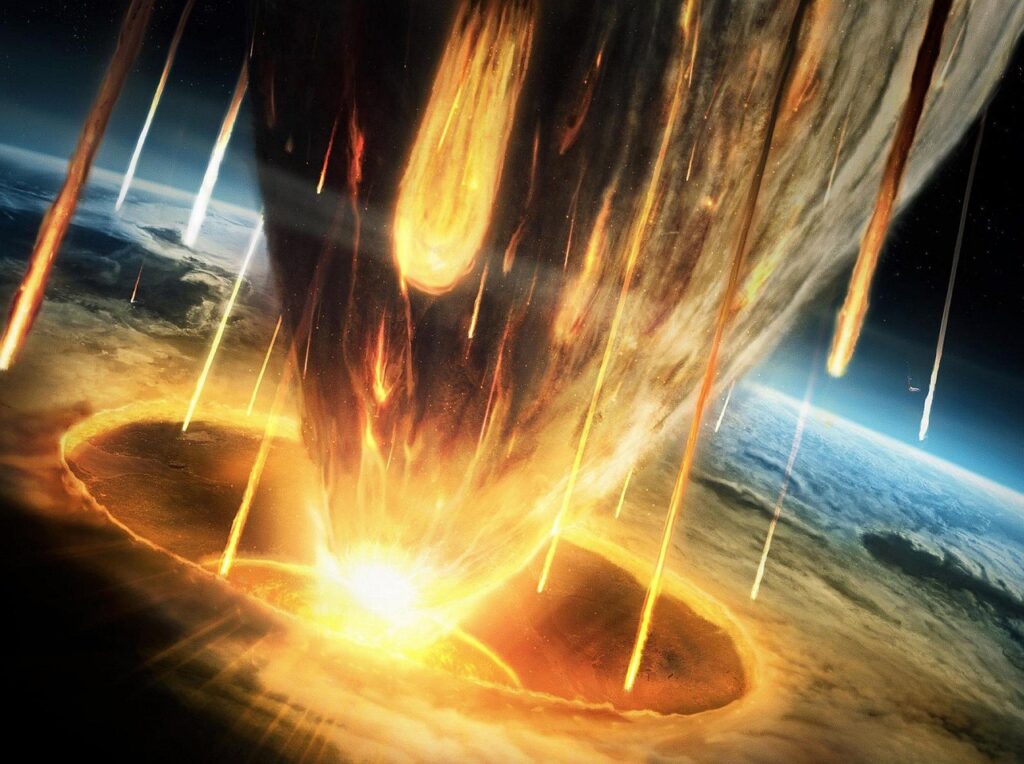
The Chicxulub impact is the most visually dramatic event in the history of complex life on Earth, and museums lean hard into that drama – the fireball, the impact winter, the sudden silence. The problem is that the extinction story was already being written before the rock hit. The Deccan Traps, a volcanic province in what is now India, had been erupting with extraordinary intensity for hundreds of thousands of years before the impact, releasing enough sulfur dioxide and carbon dioxide to destabilize global temperatures, acidify oceans, and stress ecosystems that were already running hot. Some dinosaur lineages show measurable declines in diversity before the asteroid arrives in the geological record at all.
The impact almost certainly delivered the killing blow. But calling it the sole cause misrepresents what the evidence actually shows – a world already under pressure, struck by a catastrophe it no longer had the resilience to survive. The multi-causal story is better science, and it’s also a richer, more unsettling narrative: not a clean cosmic accident but a slow erosion followed by a final, overwhelming shock. Museums favor the single dramatic headline because it photographs well and fits on a placard. Experts favor the messier truth because it’s what the rocks actually say.
The Gap Between the Lab and the Hall
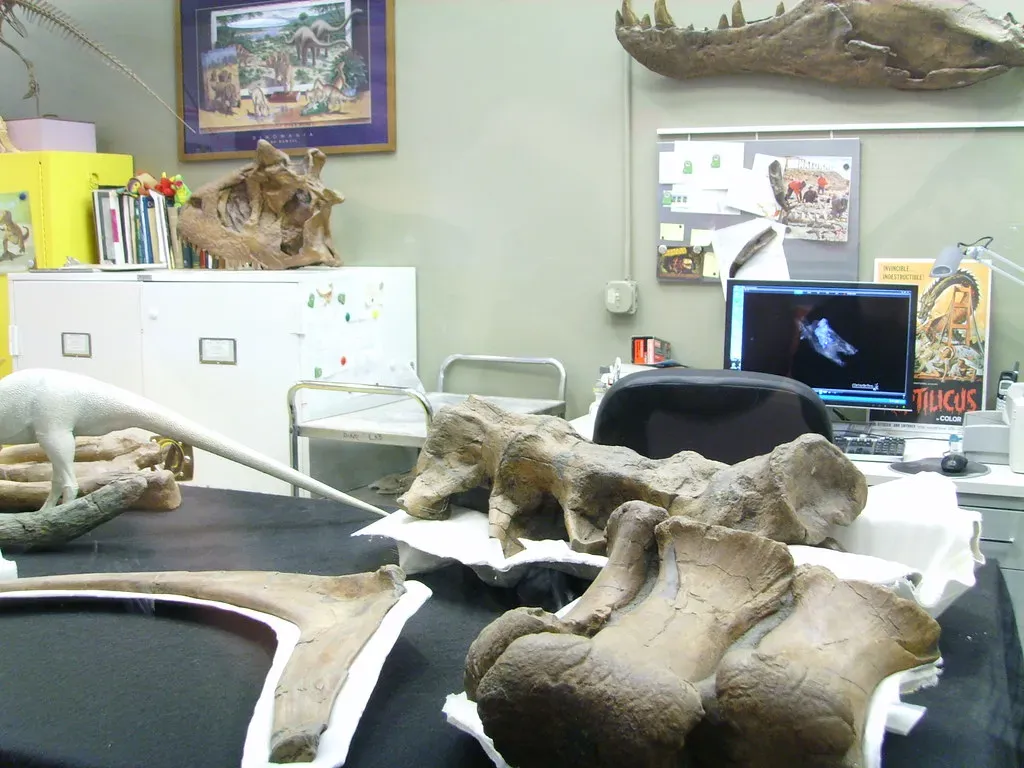
Here is what makes this genuinely frustrating: none of these corrections are obscure or contested at the fringes of the field. Feathered theropods, measurable colors, warm-blooded metabolism, birds as living dinosaurs – these are mainstream, textbook-level paleontology taught in university courses right now. The information exists. The problem is that translating it into the physical space of a museum requires money, institutional will, and a willingness to publicly admit that what visitors paid to see last decade was incomplete. Those are hard things to manufacture simultaneously.
What this means for anyone walking into a natural history museum today is simple: treat the skeletons as treasures and the labels as first drafts. The bones are real and extraordinary. The story wrapped around them is often twenty or thirty years behind the people who study them professionally. The actual science – feathered, colorful, warm-blooded, socially complex, and extinction-story messy – is stranger and more compelling than almost anything currently mounted behind glass. Museums that find the courage and funding to close that gap won’t just be more accurate. They’ll be genuinely unmissable.
And honestly? That gap is an indictment – not of museum staff who work hard with limited resources, but of a system that funds the building of exhibits far more generously than it funds updating them. Science doesn’t stop when the ribbon is cut. The Mesozoic was a living, colorful, feathered, warm-blooded world of staggering complexity, and the public deserves to see it that way. Every year a label goes uncorrected is another year a child walks out believing something a paleontologist hasn’t believed in decades. The fossils are extraordinary enough on their own. It’s time the story around them caught up.