
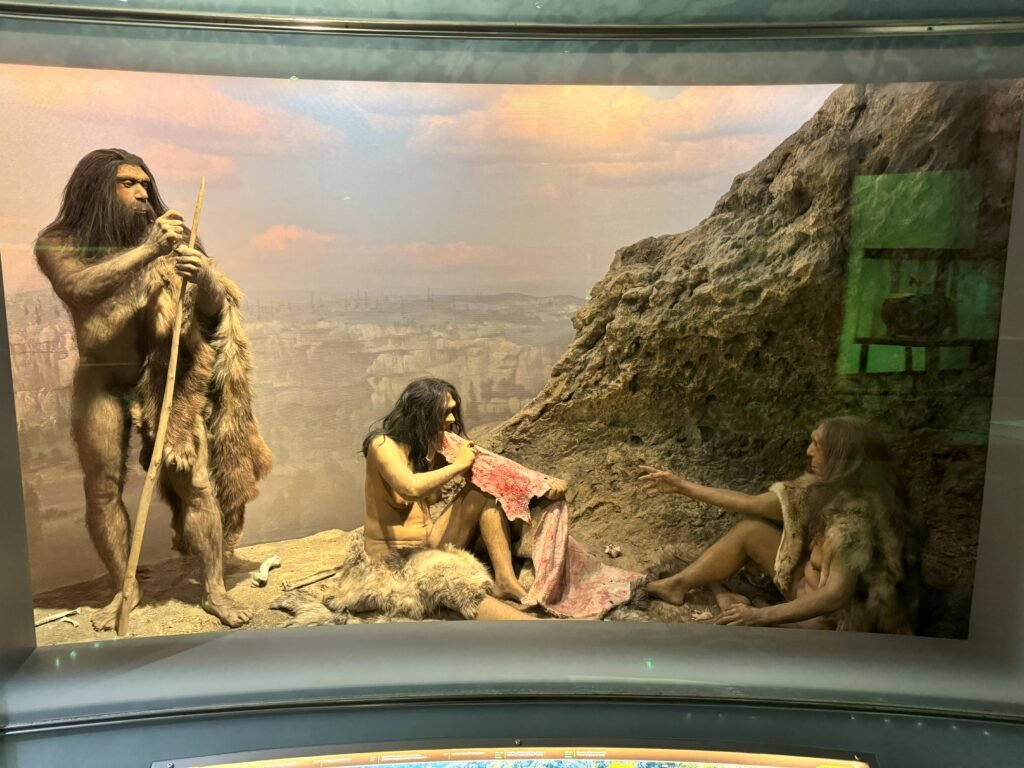
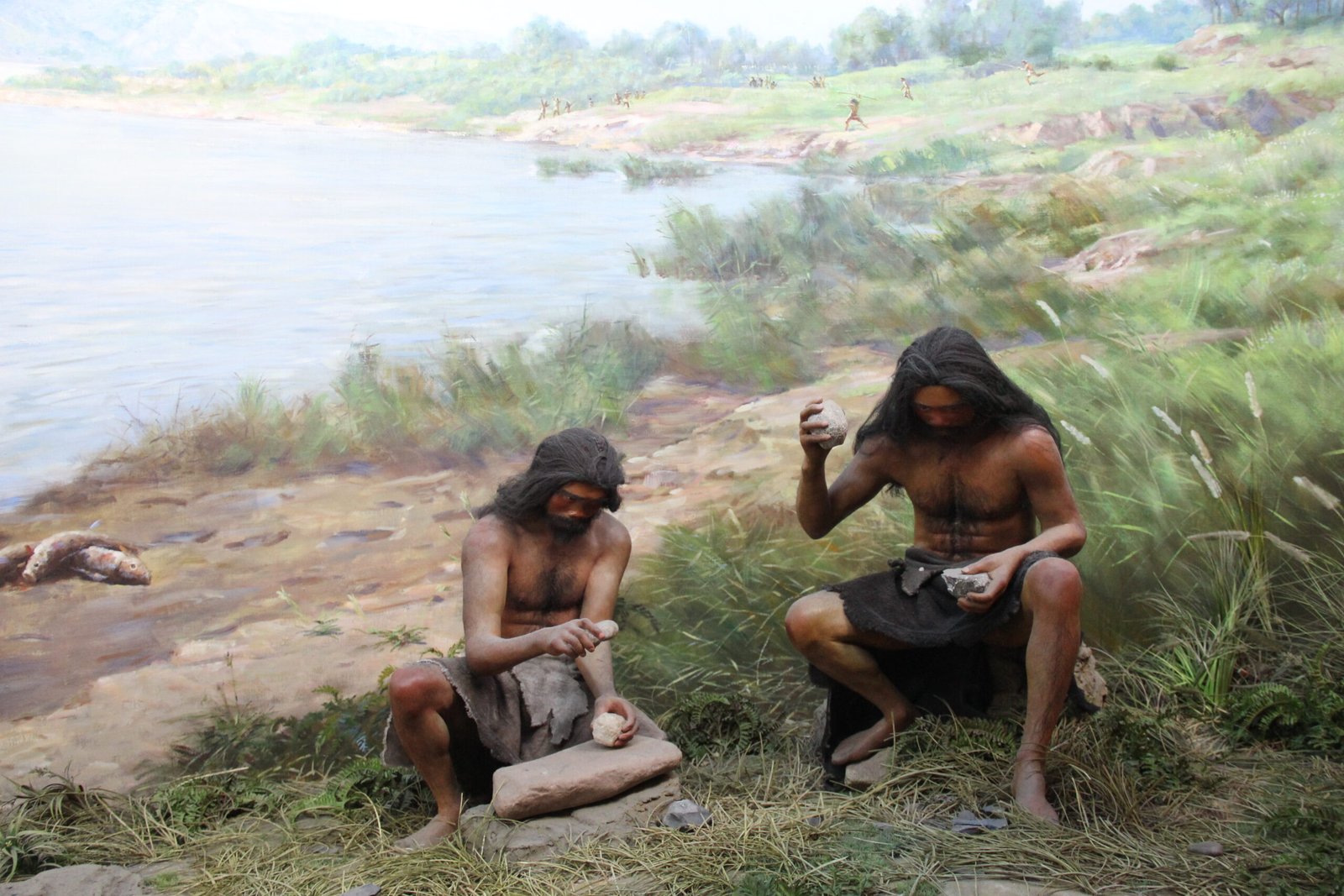
Picture a museum diorama: a hunched, dim-witted brute clutching a club, grunting at fire he barely understands. That’s the Neanderthal science handed us for over a century – and it turns out almost none of it holds up. This was a species smart enough to build things, medicate themselves, bury their dead with apparent ceremony, and pass their DNA into millions of people alive right now.
When the first Neanderthal skullcap turned up in Germany’s Neander Valley in 1856, researchers were so thrown by its strange shape that they dismissed it outright, guessing it belonged to some recently extinct oddity rather than a relative worth taking seriously. That skepticism became the template for 160 years of underestimating them. Here are .
#1 – They Built Mysterious Stone Rings Deep Inside a Pitch-Black Cave
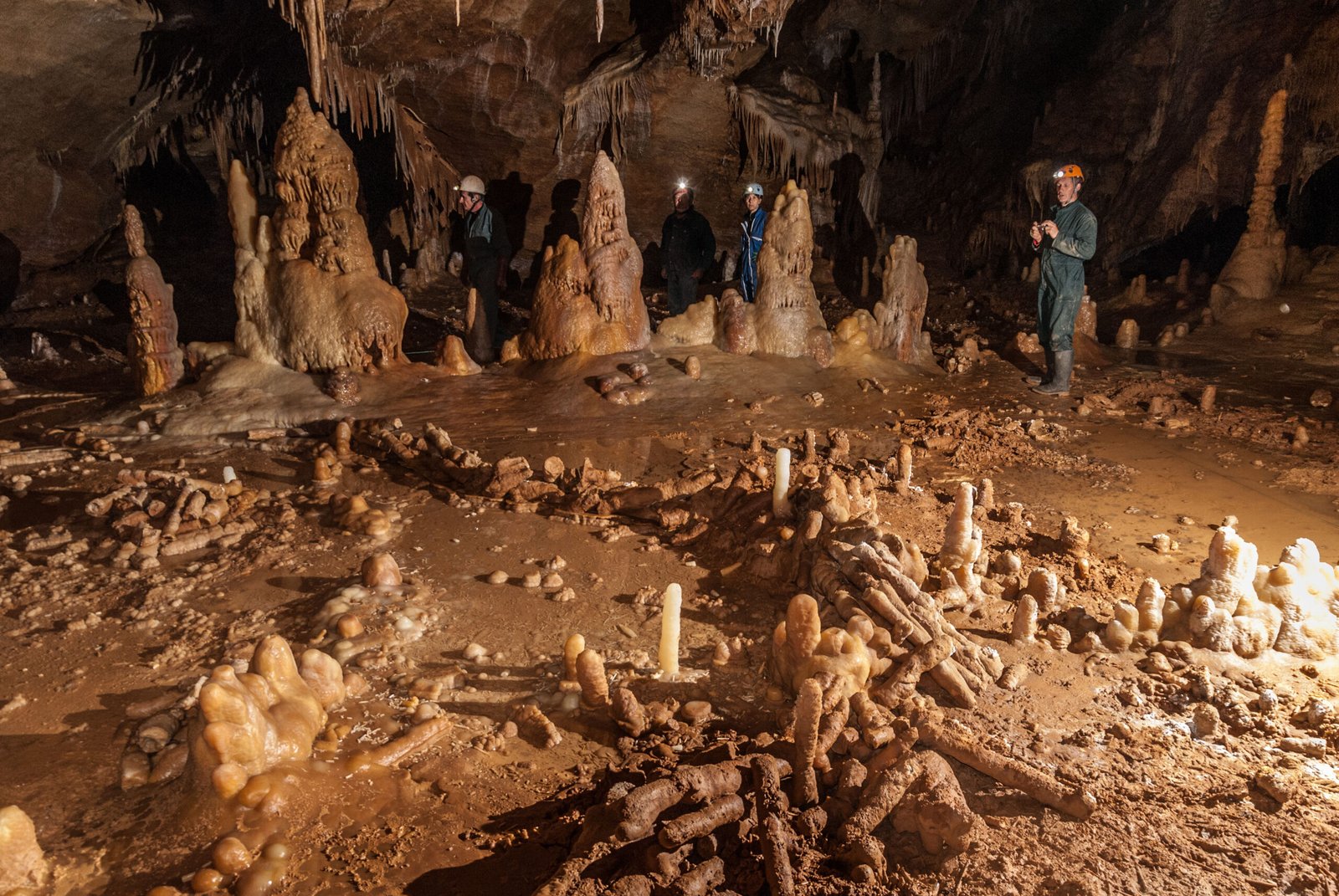
Long before modern humans set foot in Europe, Neanderthals crawled hundreds of meters into total darkness to build something deliberate. Deep inside Bruniquel Cave in southwestern France, archaeologists found annular (ring) and accumulation (pile) structures made of broken stalagmites, 336 metres from the cave entrance. This wasn’t a fluke of geology – someone snapped hundreds of stalagmite columns to the same length and stacked them with clear intention.
What really stunned researchers was the dating. The larger ring, more than five metres across, speaks of organized effort, and it dates to around 176,000 years ago – placing it firmly within the era of early Neanderthals and making it one of the earliest well-dated structures ever built by humans. That’s roughly 140,000 years before modern humans arrived anywhere near the region.
Traces of fire were also scattered among the stalagmite rings, meaning whoever built this structure carried burning material deep underground on purpose. Nobody knows why. Ritual space? Shelter? A meeting point? The purpose remains a total mystery, and that unanswered question is exactly why paleoanthropologists still argue about it today. And what came next is even stranger.
#2 – They Painted the World’s Oldest Known Cave Art
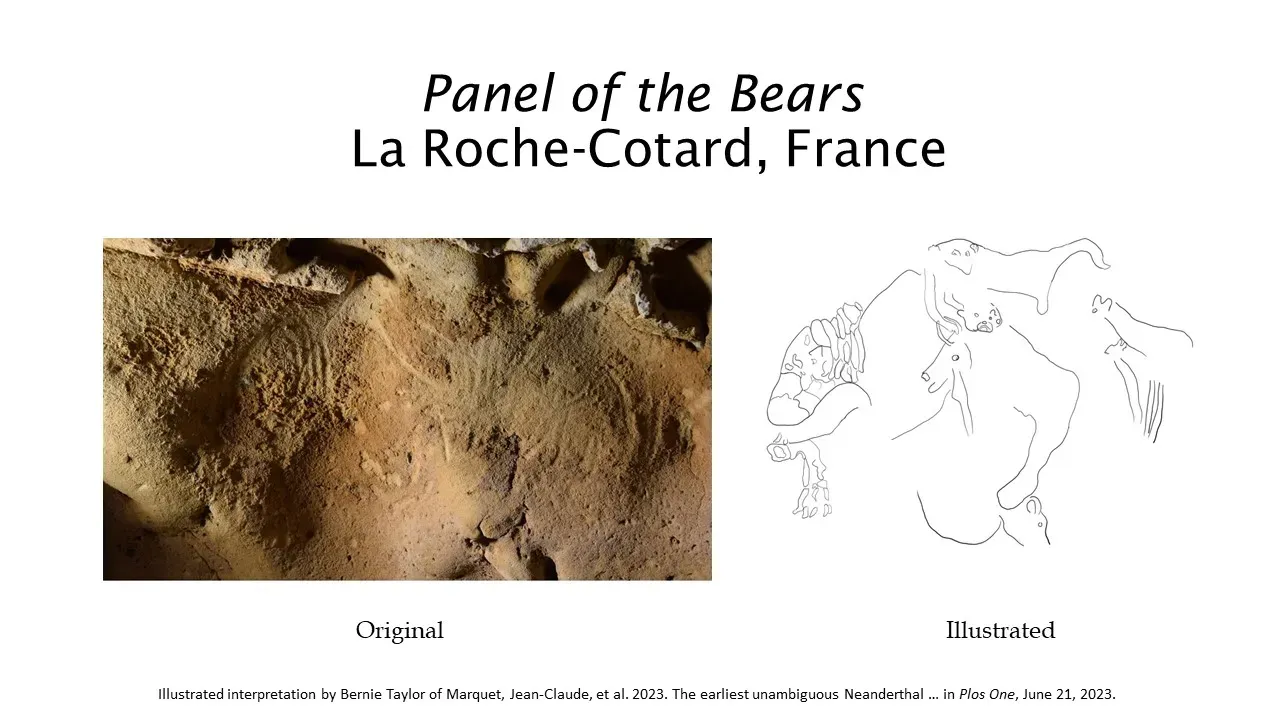
Cave painting was supposed to be humanity’s signature move – proof that only Homo sapiens had the abstract mind needed to turn a wall into a canvas. Then uranium-thorium dating blew that theory apart. The cave paintings at La Pasiega, Maltravieso, and Ardales are the earliest dated so far, predating the arrival of modern humans in Europe by at least 20,000 years – which points squarely at Neanderthal authorship.
The details are almost eerie in their specificity. A red hand stencil at Maltravieso Cave, a ladder-shaped pattern of lines at La Pasiega, and painted stalagmites at Ardales all sat under mineral crusts that had been quietly accumulating for tens of thousands of years. The math simply doesn’t leave room for modern humans to have made them.
Fast Facts
- Three Spanish caves involved: La Pasiega, Maltravieso, and Ardales
- Dating method: uranium-thorium analysis of mineral crusts
- Timeline: at least 20,000 years before modern humans reached Europe
- Artwork types: hand stencils, ladder motifs, and painted stalagmites
Skeptics still push back hard on this one. Some archaeologists argue the dating method may have picked up contamination or mineral leaching rather than the true painting date, keeping the debate alive in academic journals. Whether or not every critic agrees, the samples came from real caves, real pigment, and real Neanderthal-only timeframes. Yet the strangest part of this story might be what they wore.
#3 – They Wore Jewelry Made From Eagle Talons
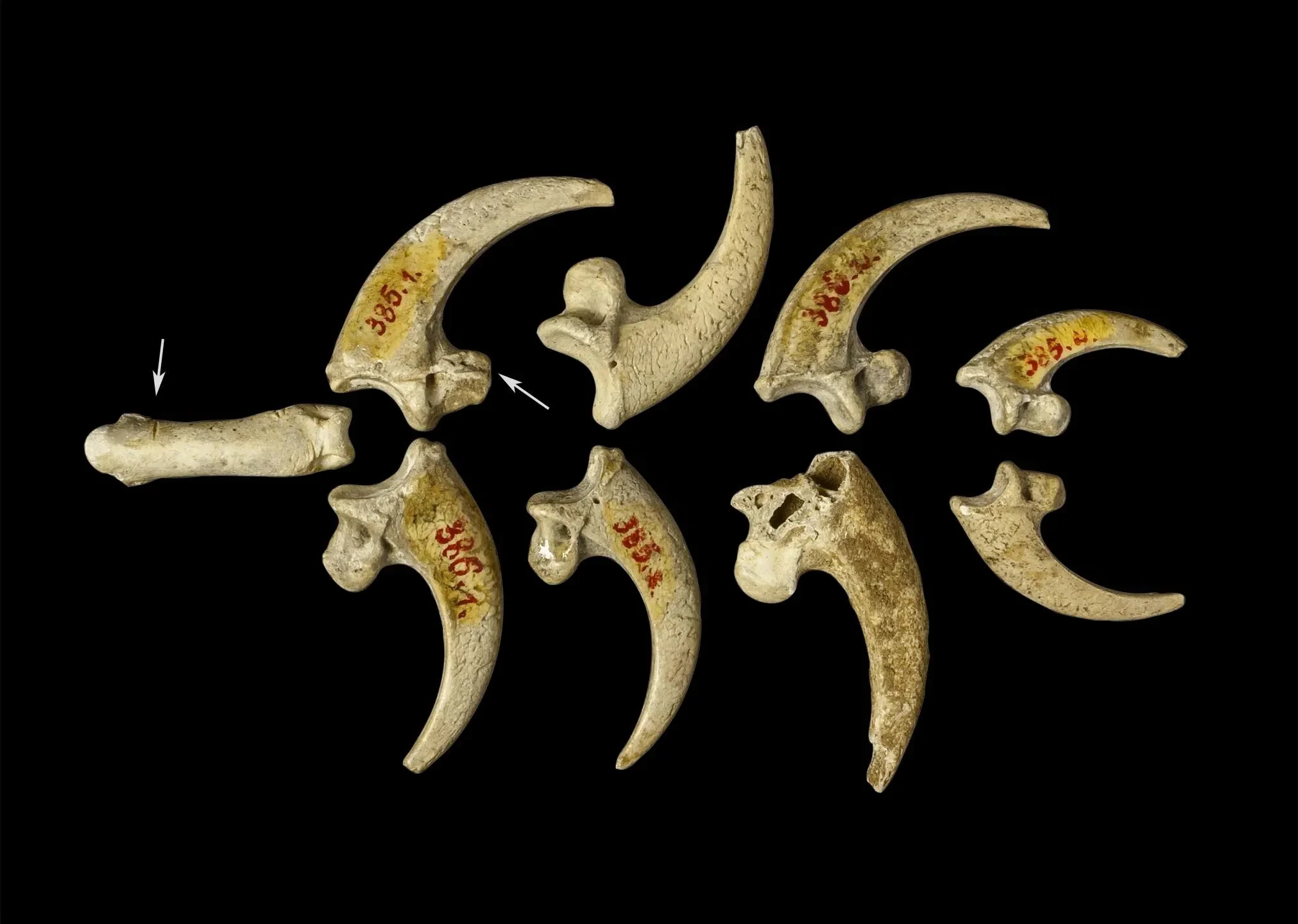
Forget flint tools for a second – Neanderthals were apparently accessorizing. At the Krapina site in Croatia, dated to roughly 130,000 years ago, researchers examined eight white-tailed eagle talons that show cut marks indicating removal for use as pendants, with no signs of dietary exploitation whatsoever.
That last detail matters enormously. If Neanderthals were simply eating the eagles, you’d expect butchery marks consistent with meat removal near the joints and breastbone. Instead, the cuts cluster exactly where you’d slice to free talons for stringing – suggesting the birds were hunted or scavenged specifically for their claws, not their meat.
Most people assume body decoration started with modern humans in Africa. This find pushes symbolic ornamentation back tens of thousands of years earlier, and hands the credit to a species long dismissed as incapable of caring what they looked like. Eagle talons aren’t easy to get, either – these are apex predators, not scavenged carcasses lying around camp. Even that doesn’t compare to the chemistry they pulled off next.
#4 – They Invented an Industrial-Grade Glue Recipe
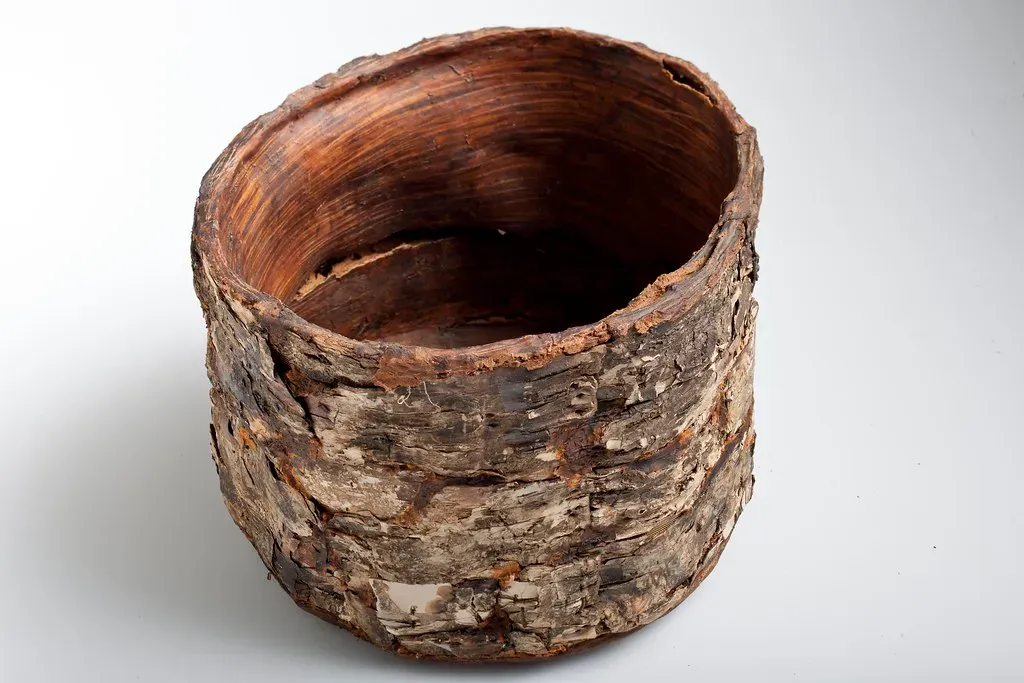
Hafting a stone blade onto a wooden handle sounds simple until you realize the adhesive has to survive impact, weather, and repeated use. Neanderthals solved this with birch bark tar – one of the earliest known instances of early humans using fire to produce a substance that doesn’t exist in nature, a tradition that may reach back as far as 200,000 years.
Physical evidence has turned up at multiple sites across Europe. All five known tar-covered pieces can be linked to Neanderthals, found at Campitello Quarry in Italy, Königsaue in Germany, and Zandmotor in the Netherlands – spanning tens of thousands of years and hundreds of miles. This wasn’t a one-off lucky accident; it was a repeated, transmitted technology.
There’s genuine scientific friction here worth mentioning. It was long believed birch bark tar required a complex recipe showing advanced cognitive skills, but a 2019 study showed it can be made simply by burning bark on smooth vertical surfaces. Other researchers counter that refining the method across dozens of millennia still counts as cumulative culture. Either way, the tar worked, and it kept their weapons together. Which brings us to an even bigger surprise about their diet.
#5 – They Ran a Stone Age “Fat Factory”
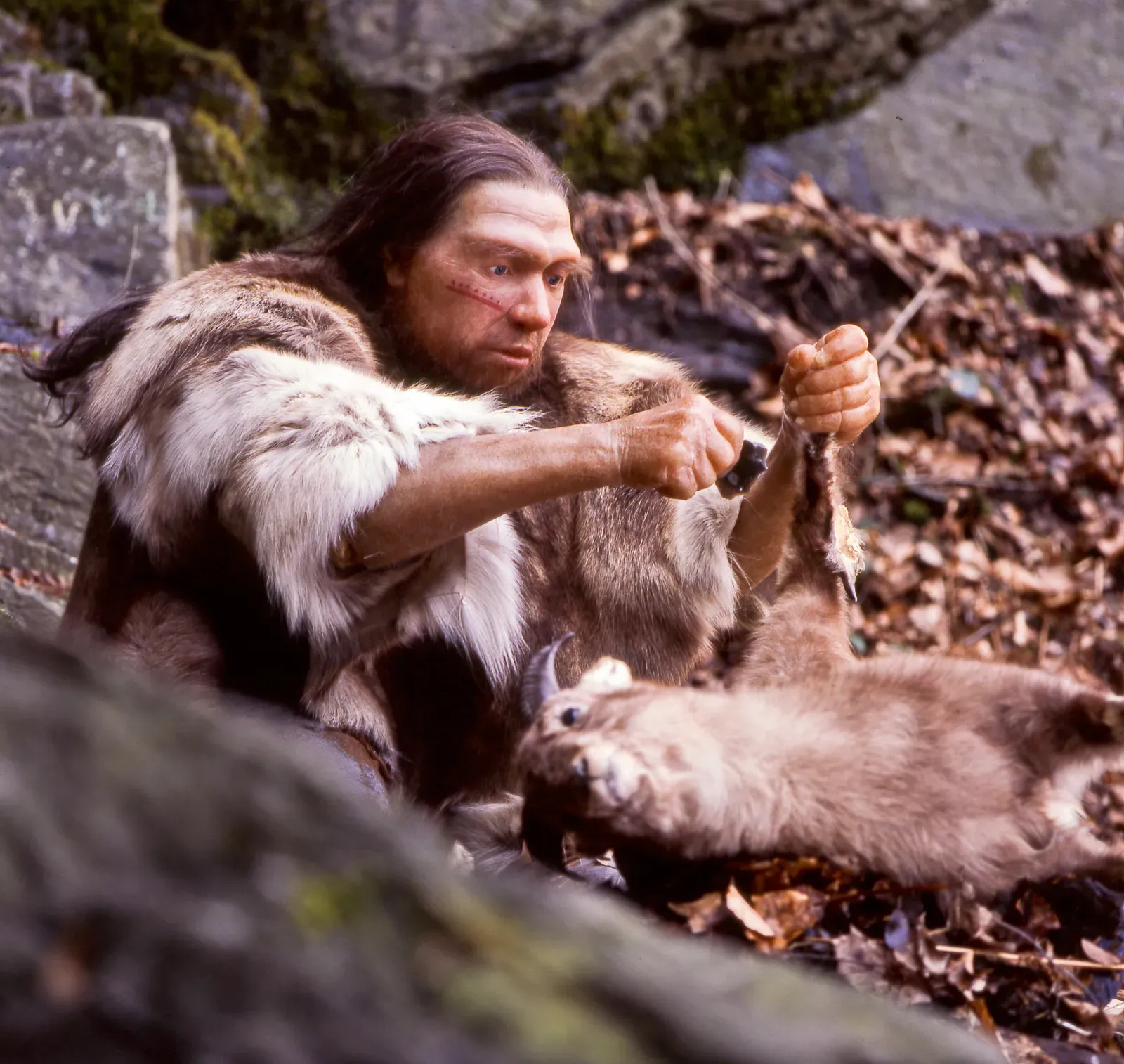
Pure meat without fat can actually be dangerous to survive on long-term – a condition modern nutritionists call “rabbit starvation.” Turns out Neanderthals figured out the fix 125,000 years before anyone wrote it down. Researchers uncovered what they’ve called a “fat factory” at a site in Germany, dated to roughly that same era.
The scale of the operation is what surprised experts most. A survey of nearly 200 animal bones revealed that Neanderthals smashed them open to get at the marrow inside, then boiled the fragments to extract the fat. This wasn’t casual snacking – it was a systematic, repeated process requiring container technology, controlled heat, and nutritional know-how that most textbooks never credited them with.
Worth Knowing
- Site dated to roughly 125,000 years ago in Germany
- Nearly 200 animal bones examined by researchers
- Process required smashing bones, then boiling fragments for grease
- Implies container technology once thought too advanced for Neanderthals
Boiling bones for grease requires containers that can hold water over fire – something Neanderthals allegedly didn’t have, according to older models of their capabilities. This single discovery quietly rewrites assumptions about their cooking technology and dietary planning. But their kitchen skills didn’t stop there.
#6 – They Cooked Lentils and Ground Their Own Flour
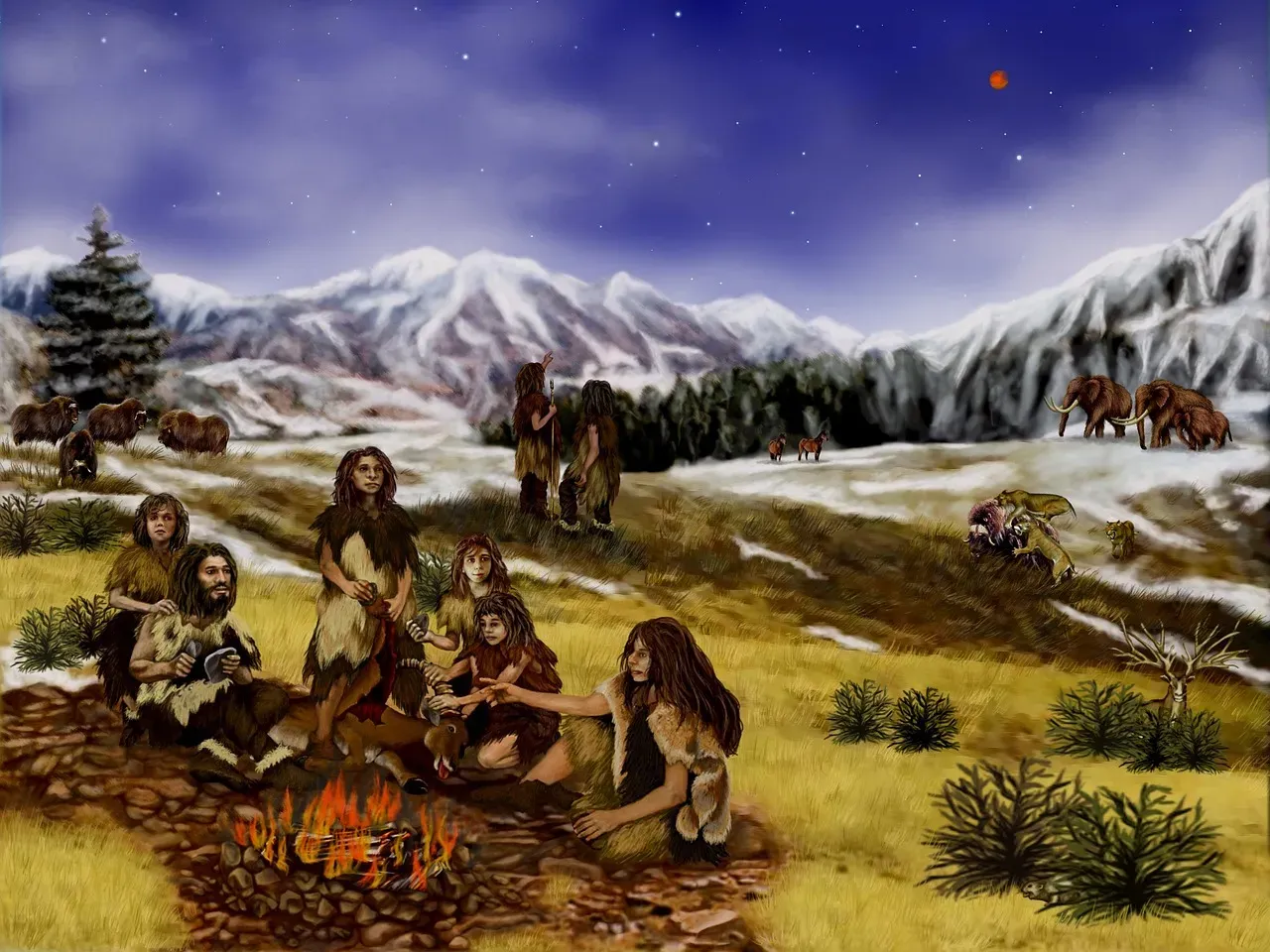
The “meat-only caveman” stereotype takes another hit here. Chemical analysis of ancient dental plaque and cooking residue shows Neanderthals were cooking pulses such as lentils, while a separate study found starch grains suggesting Neanderthals in Italy were making flour.
Grinding grain into flour isn’t a trivial task. It requires understanding which plants are edible, processing them into a usable form, and likely some kind of cooking or baking step to make them digestible and palatable. That’s a multi-step food-preparation chain, not opportunistic foraging.
This detail lines up with plant residue found in Neanderthal teeth across multiple sites in Europe and the Near East, painting a picture of a far more varied diet than the “big game hunter” cliché suggests. Vegetables, grains, and legumes were clearly on the menu long before agriculture existed. Their hunting habits are just as revealing.
#7 – They Hunted Small Game and Planned Their Meals

Textbooks loved to claim Neanderthals could only bring down giant, dangerous animals through brute force. Recent excavation at Spain’s Abric Pizarro site says otherwise. The bones recovered show Neanderthals were exploiting the surrounding fauna broadly – hunting red deer, horses, and bison, but also catching freshwater turtles and rabbits, which implies a degree of planning rarely considered for the species.
Catching a rabbit or a turtle takes entirely different skills than spearing a bison. It demands patience, knowledge of small-animal behavior, and likely trapping or snare technology that leaves little archaeological trace. These findings directly challenge the widespread belief that Neanderthals hunted exclusively large, dangerous animals.
We now have direct evidence that they were capable of hunting small game as well.
Sofia Samper Carro, lead researcher
This wasn’t a species clinging to survival by chasing mammoths – it was a species with a flexible, diversified food strategy. And then there’s the theory that really divides scientists.
#8 – They May Have Built Boats and Crossed Open Water
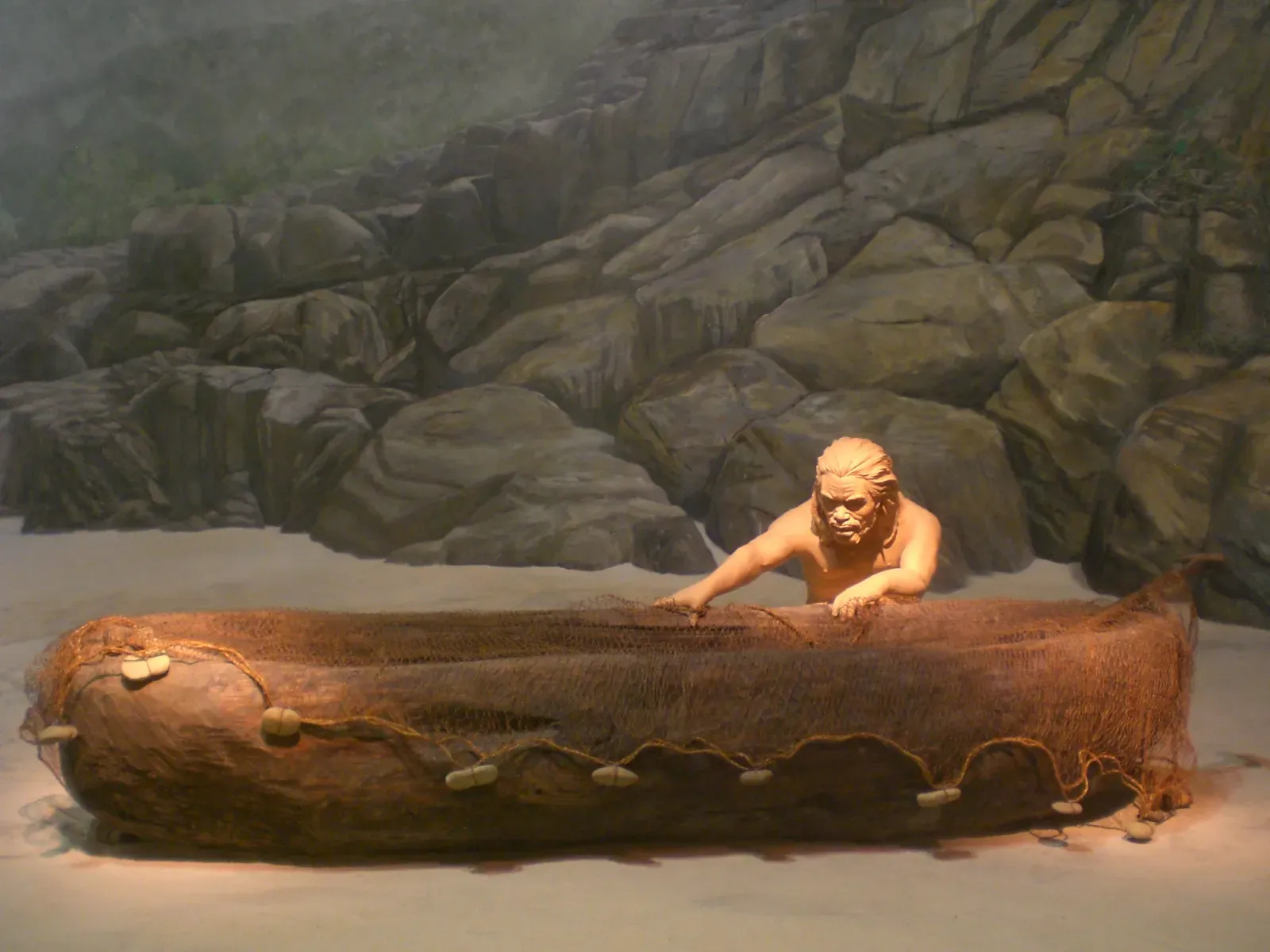
This is one of the most contested claims on this list, and it deserves to be argued about in the comments. Some researchers now believe evidence suggests Neanderthals were capable of building boats and sailing to islands, based on stone tools discovered on Mediterranean islands that would have required a water crossing to reach.
Mainstream anthropology has resisted this idea for decades, largely because deliberate seafaring implies planning, risk assessment, and cooperative building skills far beyond “primitive toolmaker.” If Neanderthals really did cross open water on purpose, it means they understood currents, timing, and vessel construction well enough to survive the trip.
Not every archaeologist buys this interpretation, and some argue the tools could have arrived by other means, like shifting land bridges or accidental drift on natural debris. Still, the mere fact that this theory gets serious treatment in peer-reviewed journals today – rather than laughed out of the room – shows how far the scientific consensus has shifted. Compare that to the accusation scientists finally had to retract.
#9 – They Invented Their Own Tools Without Any Help From Modern Humans
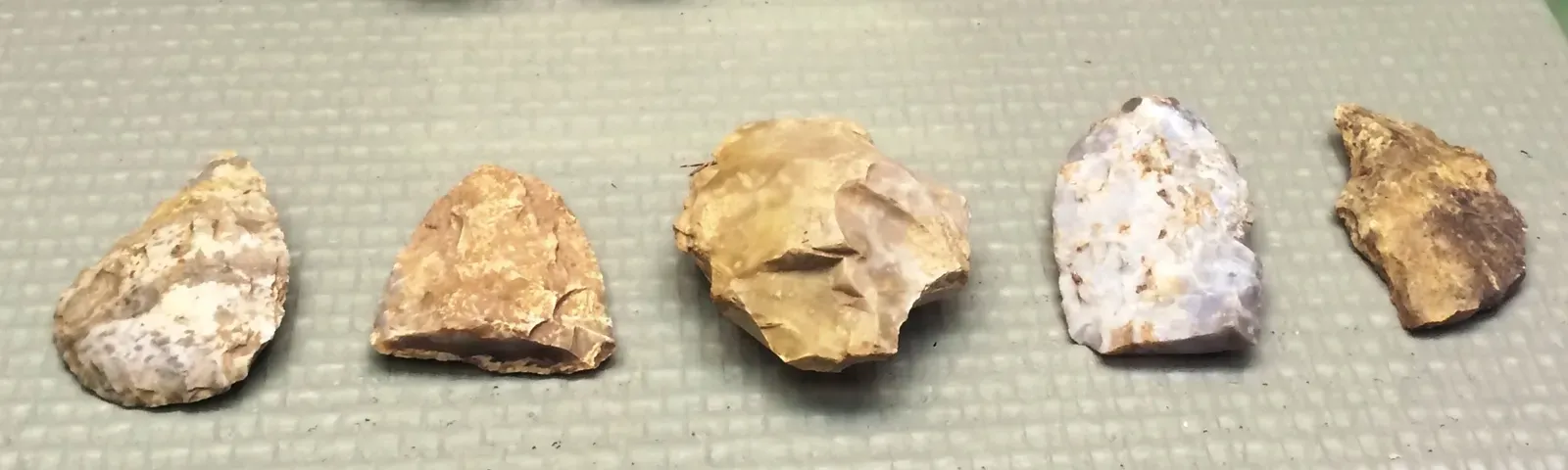
For years, the going theory was almost insulting: any time Neanderthals showed “advanced” tool technology, scientists assumed they must have copied it from modern humans nearby. Excavations across southern Italy dismantled that theory. Researchers identified projectile points, ochre, bone tools, ornaments, and possible evidence of fishing and small-game hunting at Uluzzian sites throughout the region.
The timing is what matters. These tools appeared in areas and eras where modern humans simply weren’t present yet, ruling out cultural borrowing entirely. Such innovations weren’t traditionally associated with Neanderthals at all, which strongly suggests the tools evolved independently – possibly in response to dramatic shifts in climate.
That climate detail is key – these weren’t copycats reacting to contact with a “smarter” species. They were responding to their own environmental pressures with original engineering. Independent innovation is a far bigger cognitive claim than simple imitation, and it’s one scientists spent decades refusing to grant them. Nothing, though, beats what turned up in their teeth.
#10 – They Self-Medicated With Aspirin and Natural Antibiotics
Here’s where things get genuinely startling. Dental plaque from a Neanderthal at El Sidrón cave in Spain contained chemical fingerprints of real medicine. This individual had been eating poplar, a natural source of aspirin, and had also consumed moulded vegetation containing Penicillium fungus – the source of a natural antibiotic.
That’s not a coincidence diet. Poplar bark and moldy plant matter aren’t things you eat for flavor. Researchers also found yarrow and chamomile in the same dental record – both bitter-tasting plants with little nutritional value, suggesting they were selected specifically for medicinal properties rather than taste or calories.
At a Glance
- Site: El Sidrón Cave, Spain
- Poplar bark – natural aspirin source
- Penicillium mold – natural antibiotic compound
- Yarrow and chamomile – bitter, low-calorie medicinal plants
- Roughly 40,000+ years before penicillin was formally discovered
Even skeptical scientists admit the implications are wild. Using something functionally close to antibiotics is startling when you consider this happened more than 40,000 years before penicillin was formally discovered. A species dismissed as barely more than animals may have understood pharmacology before written history existed. Their compassion runs even deeper than that.
#11 – They Cared for the Sick, Injured, and Elderly for Years

Survival-of-the-fittest logic says injured or elderly group members should have been left behind. Neanderthal skeletons tell a completely different story. At Shanidar Cave in Iraq, a skeleton shows healed injuries suggesting long-term care for the wounded – discoveries that challenged old stereotypes and revealed a species capable of deep social bonds.
The “Old Man of La Chapelle” tells an even more dramatic version of this story. This individual had severe arthritis, missing teeth, and multiple healed fractures that would have left him unable to hunt or chew tough food for years before he died. Someone had to soften his food, protect him from predators, and keep him fed for years – and that forced scientists to rethink Neanderthals not as cold, solitary figures, but as members of genuinely supportive communities.
That’s not instinct. That’s sustained, deliberate compassion across a social group, extended to someone who had stopped being useful in any survival sense. The next find pushes that compassion even further, into how they handled death itself.
#12 – They Buried a Woman With Flowers and Ritual Care
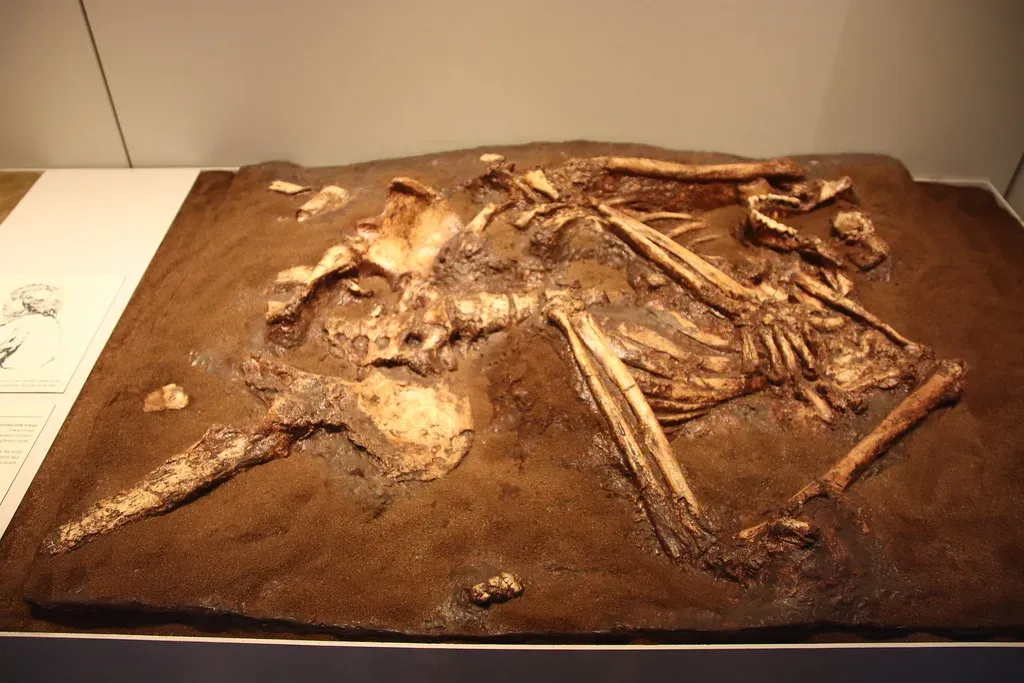
Death rituals were supposed to be a purely modern human invention. Then researchers examined Shanidar 4, a skeleton whose burial site raised eyebrows immediately – it was found surrounded by wildflower pollen, sparking theories about symbolic ritual. The find is still debated, but it hints that Neanderthals may have buried their dead with intention rather than simply discarding bodies.
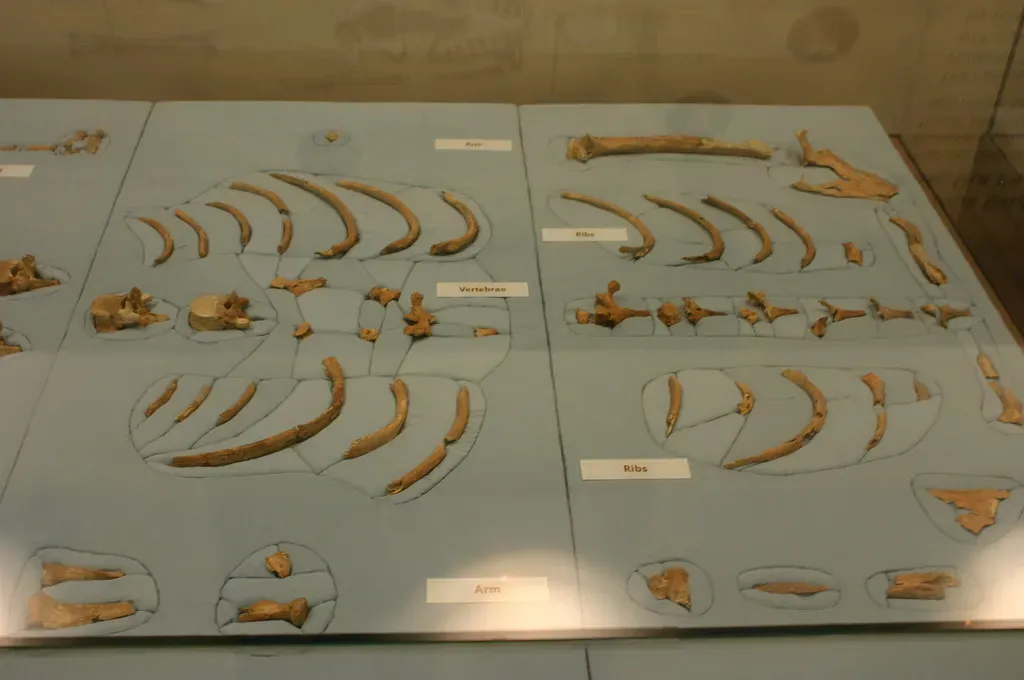
Then in 2024, a fresh discovery at the same cave reignited the entire debate. Excavators uncovered “Shanidar Z,” a roughly 75,000-year-old skeleton so fragile that researchers used a glue-like consolidant to strengthen the bones and surrounding sediment, removing her in dozens of small foil-wrapped blocks from beneath seven and a half metres of soil and rock deep inside the cave.
What made this find remarkable wasn’t just the careful excavation – it was who she was. New analysis strongly suggests Shanidar Z was an older female, perhaps in her mid-forties, a significant age to reach so deep in prehistory. Living to your mid-forties as a Neanderthal woman meant surviving decades most of her peers never saw, and the careful positioning of her body suggests her community marked that milestone in death, too. Then comes the discovery that complicates everything we just said.
#13 – They Practiced Cannibalism on Their Own Dead
This is the uncomfortable flip side of Neanderthal compassion, and it’s exactly the kind of detail that generates arguments in the comment section. At Moula-Guercy Cave in France, occupied by Neanderthals roughly 100,000 years ago, evidence has been found that researchers interpret as clear signs of cannibalism.
Moula-Guercy isn’t an isolated case. Several sites across the Neanderthal range show similar patterns, and El Sidrón cave in Spain – the same site famous for medicinal plant use – delivered one of the most jarring twists in the field. The very cave that once yielded evidence of Neanderthals as brain-eating cannibals now also shows they ate their greens and used herbal remedies.
The same skeletons that proved Neanderthals understood plant medicine also showed signs of having been butchered and eaten by their own kind. Whether this reflects starvation-driven survival cannibalism, ritual defleshing of the dead, or intergroup violence is still fiercely debated among specialists – and honestly, it should be, because the bone-cut evidence alone can’t settle motive. But the biggest bombshell was still to come.
#14 – They Interbred With Modern Humans and Denisovans
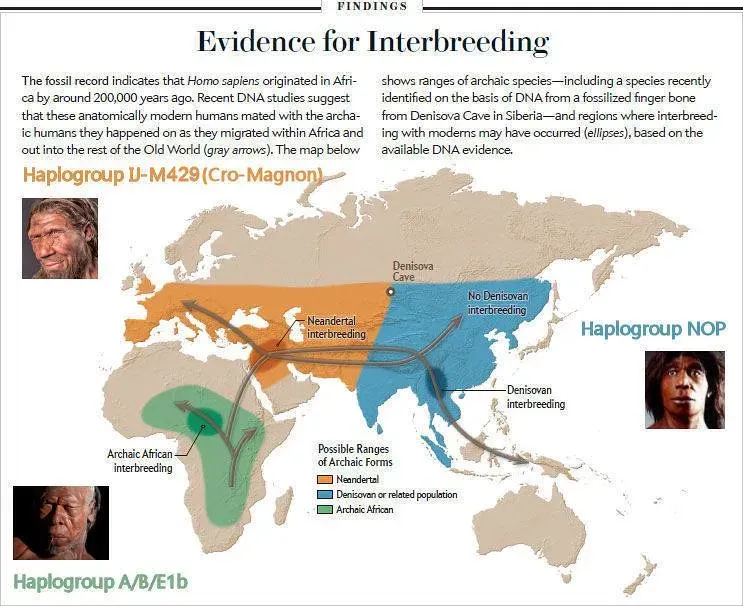
Here’s the discovery that finally forced the entire scientific community to stop treating Neanderthals as a separate, doomed species and start treating them as literal ancestors. Genetic sequencing breakthroughs began with fossils from Vindija Cave, where scientists extracted and sequenced Neanderthal DNA, unlocking unprecedented insight into their biology and behavior.
Quick Compare
- Sequencing origin: fossils from Vindija Cave, Croatia
- Modern legacy: most non-African people carry inherited Neanderthal DNA
- Beyond Neanderthals: separate interbreeding with Denisovans also confirmed
- Old assumption vs. new evidence: “isolated lineage” replaced by “overlapping, interbreeding populations”
What that genetic data revealed shocked even veteran researchers. The genetic surprises are mirrored by new archaeological findings, which show Neanderthals probably behaved in ways once thought exclusive to modern humans. Our two species didn’t just coexist across Ice Age Europe and the Middle East – they had children together, repeatedly, over thousands of years.
Interbreeding on that scale requires something scientists spent decades denying Neanderthals could manage: sustained contact, tolerance, and enough communication between two different human populations to raise families together. Most people walking around outside Africa today are still carrying inherited Neanderthal DNA in their genome, a detail that would have been laughed out of any anthropology conference just thirty years ago. Denisovan interbreeding adds another layer entirely, revealing an ancient world of overlapping, interbreeding human populations rather than one lonely lineage marching toward inevitable extinction.
The Bottom Line
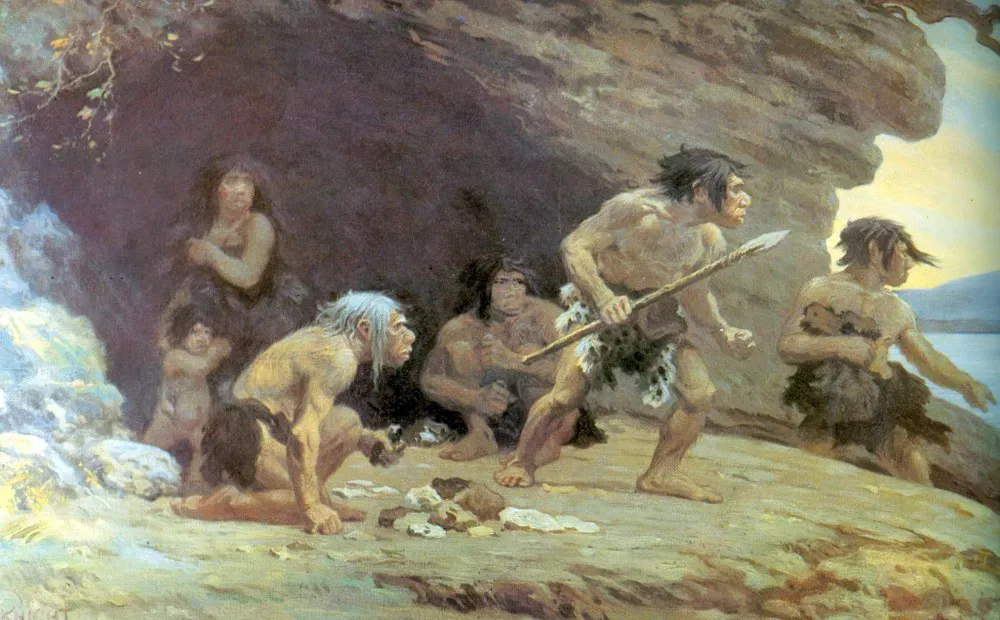
Neanderthals weren’t the failed evolutionary experiment we were taught about in school. They built underground structures 176,000 years ago, painted cave walls before modern humans even reached Europe, made their own glue technology, dosed themselves with aspirin and natural antibiotics, and cared for their sick and elderly for years on end. They also, uncomfortably, ate their own dead and possibly built boats to cross open water – proof that this species was every bit as complicated, contradictory, and human as we are.
My honest take: the real story here isn’t that Neanderthals were secretly geniuses hiding behind a bad reputation. It’s that we built the “brutish caveman” myth first and then spent 160 years reluctantly dragging our conclusions to match the evidence, one grudging discovery at a time. The biggest twist of all is that they never actually went extinct. Their DNA is still alive in millions of people today. Which of these fourteen facts surprised you the most? Drop your pick in the comments below.