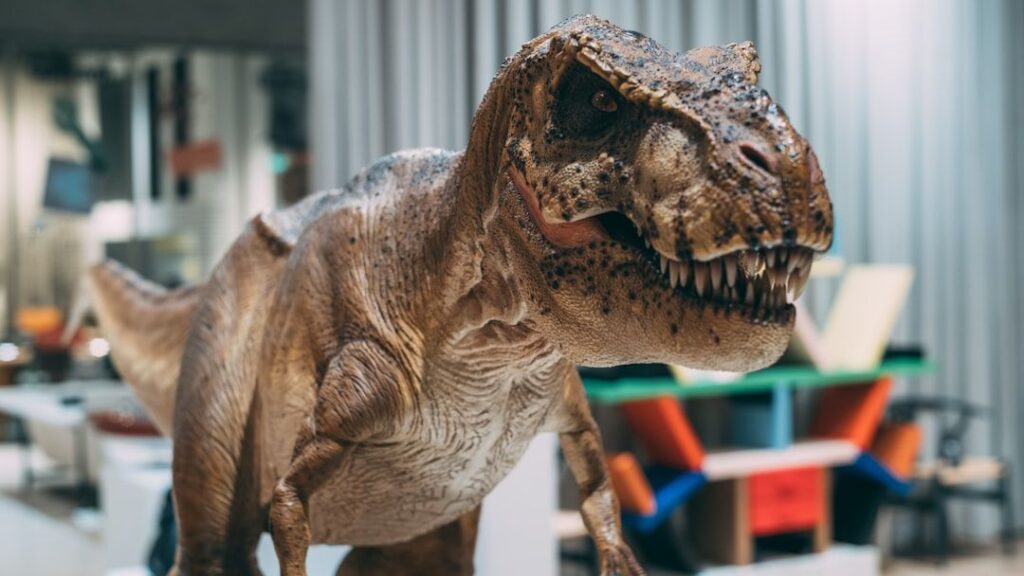
Every movie gets it wrong in the same way. The hero freezes, the T-Rex sniffs the air, and somehow there’s a standoff with enough time for a dramatic escape. Real paleontology tells a completely different story – one that starts before you ever see the animal and ends far faster than any script would dare admit. The moment you were within range of a living Tyrannosaurus rex, a cascade of biological events would begin, none of them in your favor.
What follows isn’t speculation dressed up as science. It’s grounded in fossil records, biomechanical modeling, and sensory biology – and some of it is genuinely shocking even if you already know your dinosaurs. A few of these entries will rewrite what you thought you knew. The ones near the end are the ones that stick with you.
#14 – The Ground Would Shake Beneath Your Feet Before You Even Saw It Coming
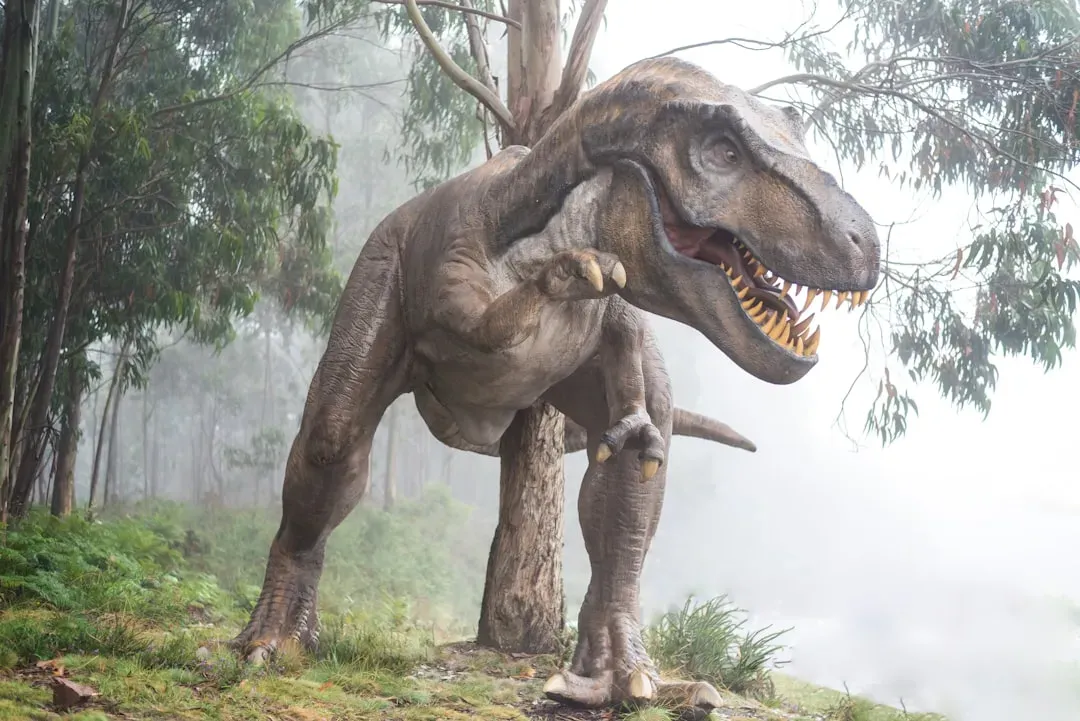
A nine-ton animal does not sneak up on you – the earth announces it first. The largest T. rex specimens are estimated to have weighed close to 9 metric tons, a mass concentrated onto two thick, column-like legs. Every footfall would send a seismic pulse radiating outward through the soil, the kind of deep, rhythmic tremor you feel in your sternum before your brain has processed what’s happening. People who’ve stood near charging elephants describe a similar vibration through the soles of their feet. Now triple the weight.
Those shockwaves wouldn’t just be unsettling – they’d be disorienting. Loose dirt would jump. Your knees would feel it. The T-Rex would weigh more than two full-grown African elephants combined, and unlike an elephant moving carefully through brush, this animal had no biological reason to be gentle. You’d know it was coming from dozens of yards away, which sounds reassuring until you realize knowing and doing something about it are very different things.
Fast Facts
- Largest confirmed T. rex specimen (“Scotty”) weighed an estimated 8,800 kg (about 19,400 lbs)
- Each stride covered roughly 6.2 feet even at a walking pace, based on fossilized trackway analysis
- Walking speed was approximately 2.86–3 mph – comparable to a brisk human walk, but carried on a frame that vibrated the ground with every step
- T. rex existed during the Late Cretaceous, approximately 68–66 million years ago
- Despite its fame, the species existed for only about 3 million years before extinction
#13 – Its Nose Would Find You Long Before Its Eyes Did
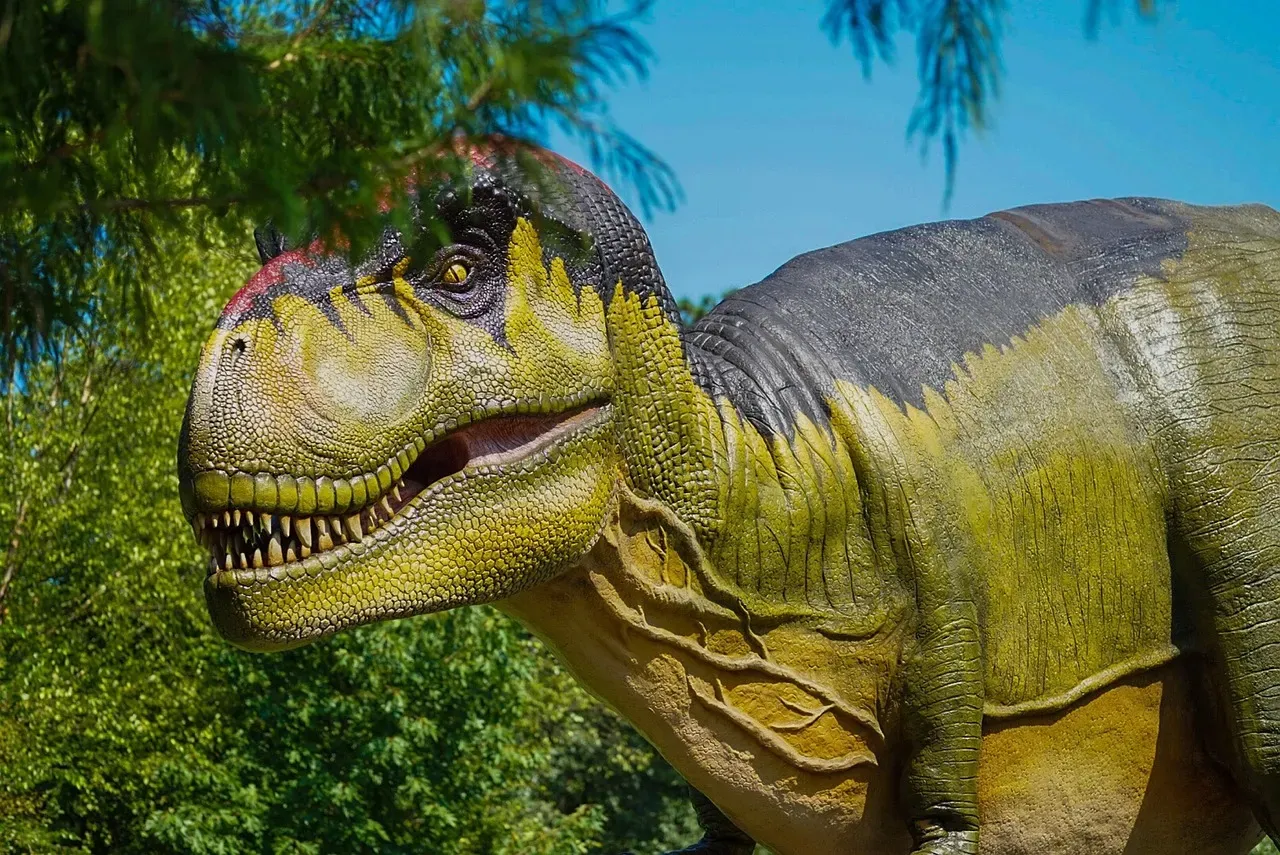
T. rex possessed one of the most sophisticated olfactory systems of any dinosaur we’ve studied. The olfactory bulbs – the brain regions dedicated to processing smell – were proportionally enormous, comparable in relative size to those of modern turkey vultures, which can detect a carcass from over a mile away in the right conditions. You wouldn’t need to move, make noise, or stand in its line of sight. Your scent alone would register as something new, something warm, something worth investigating.
Researchers who study predator sensory biology describe smell as the “first contact” sense for large carnivores – it builds a picture of the environment before vision confirms it. A living T-Rex would have caught your scent on the breeze and begun reorienting toward you while you were still thinking you were safely hidden. The terrifying part isn’t that it would smell you. It’s that you’d have no equivalent warning coming back the other way – at least not until point #11.
#12 – Those Forward-Facing Eyes Would Lock Onto You With Predator Precision
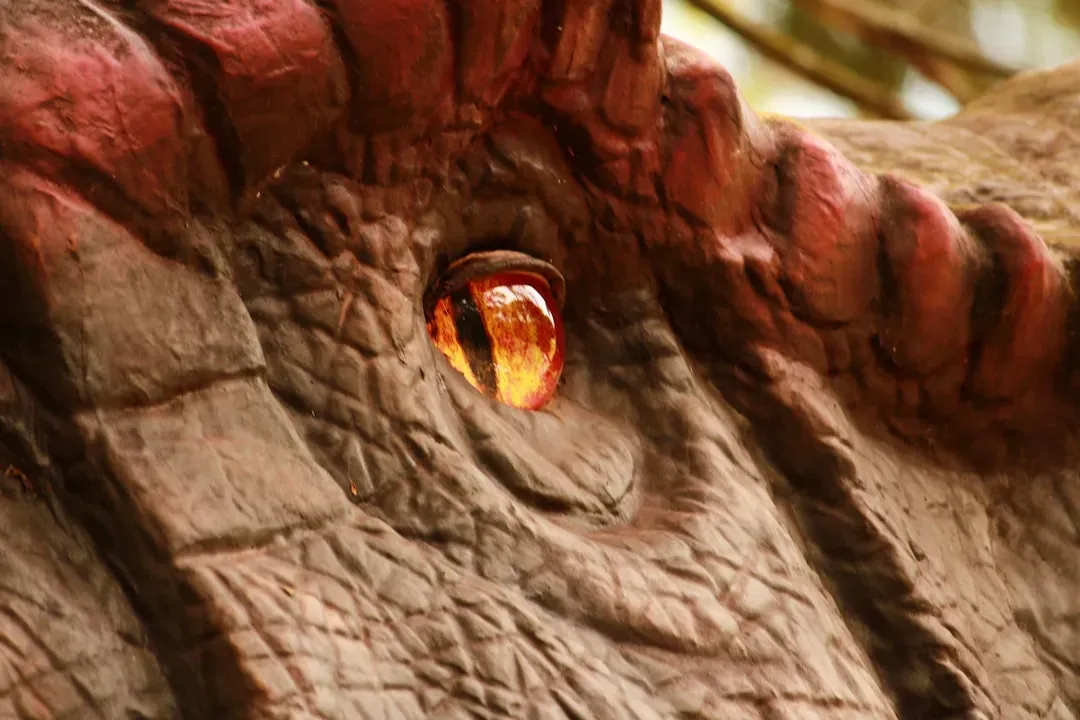
Most people don’t realize that forward-facing eyes are a predator’s tool. They create overlapping fields of vision, which the brain uses to calculate depth and distance with precision – exactly what you need when you’re deciding whether prey is close enough to lunge at. T. rex had eyes roughly the size of oranges, set in a skull angled to maximize that forward overlap. Some estimates suggest its binocular range exceeded that of a modern red-tailed hawk. Hawks can spot a mouse from 100 feet in the air.
The old idea that staying still would save you – borrowed loosely from how some modern reptiles see – almost certainly doesn’t apply here. T. rex wasn’t a static-vision predator. Its visual system was built for active tracking. Once you were within its field of view, your silhouette, your heat signature, and the micro-movements you can’t consciously control would all confirm your presence. Freezing wouldn’t make you invisible. It might just make you easier to approach.
#11 – The Smell of Its Breath Would Hit You Like a Physical Wall
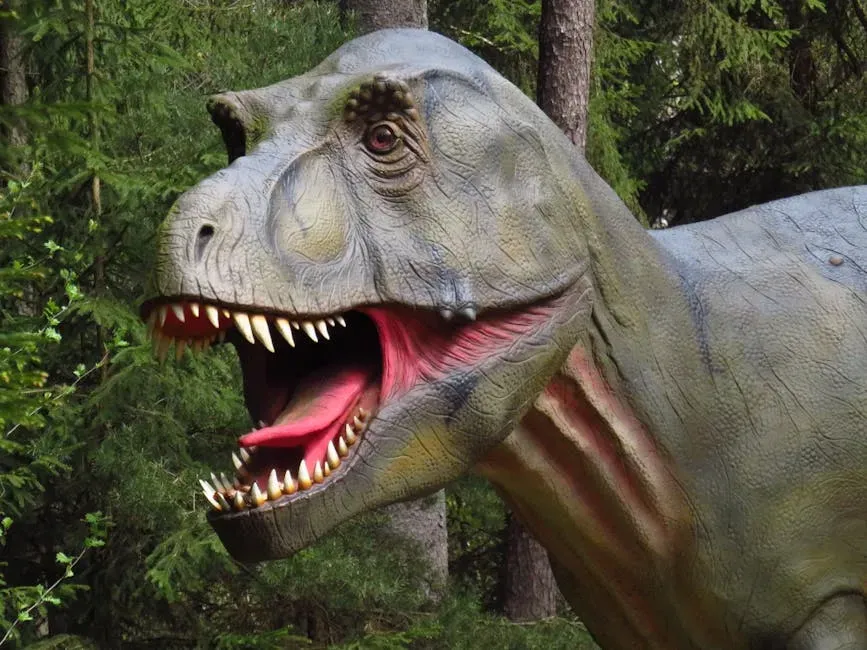
Imagine the scent of rot, iron, and bacteria given the force of a bellows. T. rex had up to 60 serrated teeth, some nearly a foot long, constantly bathed in the biological debris of its last meal – blood, marrow, decaying flesh wedged into serrations designed to grip and tear. There was no toothbrush, no saliva composition evolved to neutralize decay. The mouth was, functionally, a warm, wet environment for anaerobic bacteria to thrive. The exhalation coming off those jaws would be chemically aggressive.
This isn’t just a gross detail – it’s a proximity alarm. If you could smell its breath, you were already dangerously close. For anything living in the Cretaceous, that odor carried meaning: apex predator, immediately nearby, already aware of you. Modern wildlife researchers describe a similar phenomenon with large predatory cats. By the time you smell them up close, the encounter has already moved past the point where distance was your friend.
#10 – Its Skull Alone Was Larger Than Your Entire Body
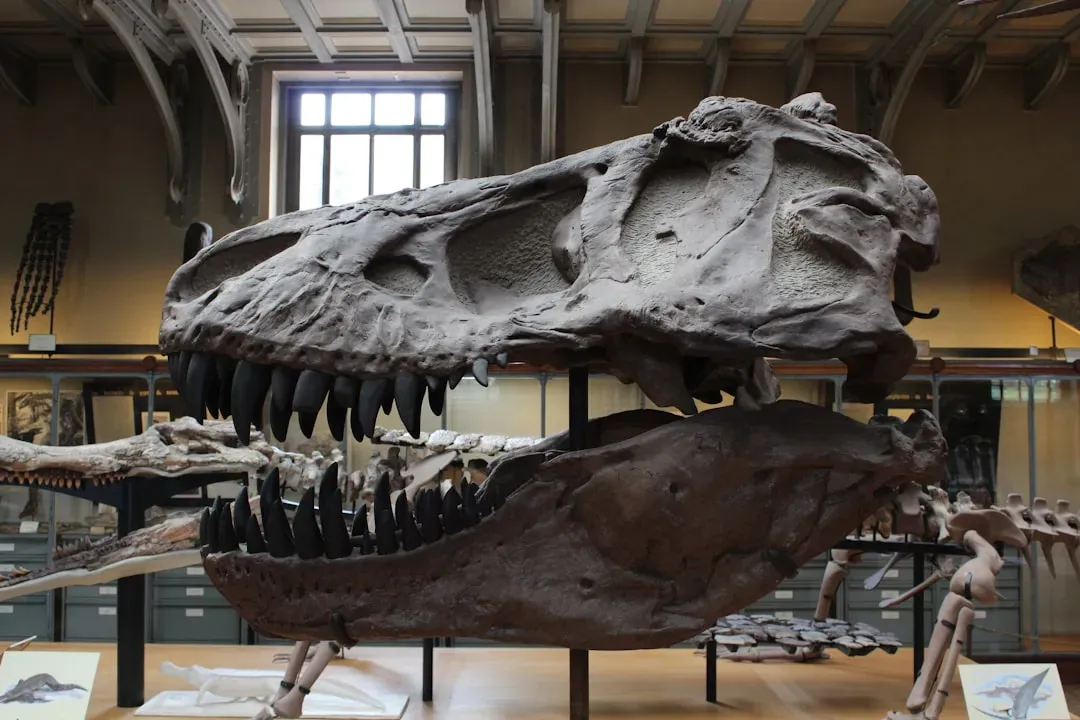
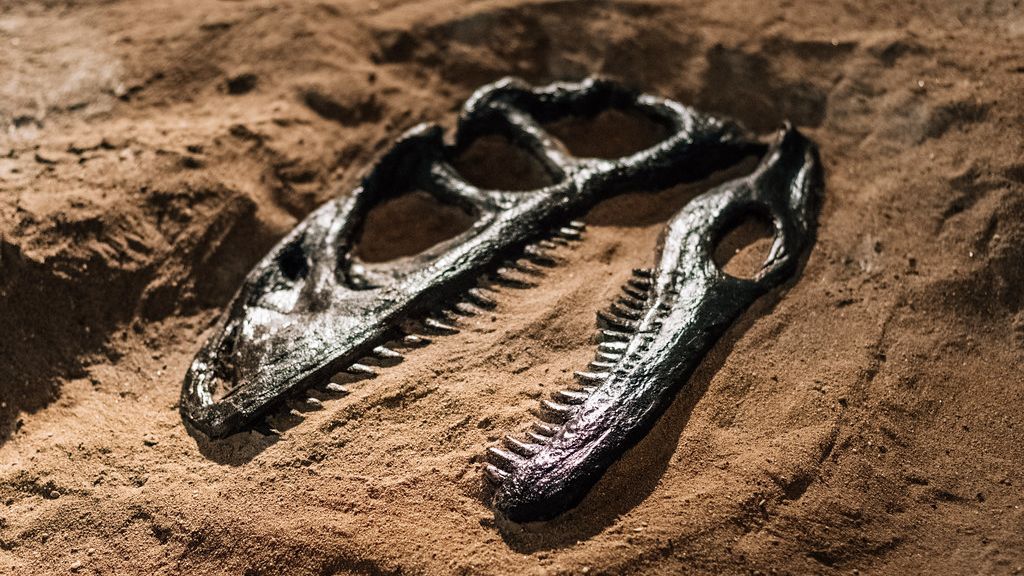
The skull of a fully grown T. rex stretched roughly five feet from snout to back, and it wasn’t just long – it was massively reinforced, built to absorb and transmit extraordinary forces without shattering. Weighing hundreds of pounds, it was braced internally with struts of bone that channeled bite stress away from vulnerable areas. Looking up at it from standing height, you wouldn’t see a head. You’d see a structure – architectural, almost industrial in scale.
The psychological weight of that image is hard to overstate. Humans instinctively measure threat by scale relative to our own bodies. A skull you could walk underneath, with jaws that could open wide enough to engulf your torso, bypasses intellectual threat assessment entirely and lands somewhere older and louder in the brain. You wouldn’t be processing tactics. You’d be experiencing something closer to awe and terror occupying the same moment simultaneously.
At a Glance: The T. Rex Skull by the Numbers
- Skull length: approximately 5 feet (1.5 m) from snout to rear
- Up to 60 teeth, some nearly 12 inches long including the root
- U-shaped jaw (vs. the narrow V-shape of most predators) – designed for massive bite volume
- Bone struts inside the skull channeled stress forces away from fracture-prone zones
- Teeth were serrated on both edges and continuously replaced throughout the animal’s lifetime
#9 – Those “Useless” Little Arms Were Actually Stronger Than You Are
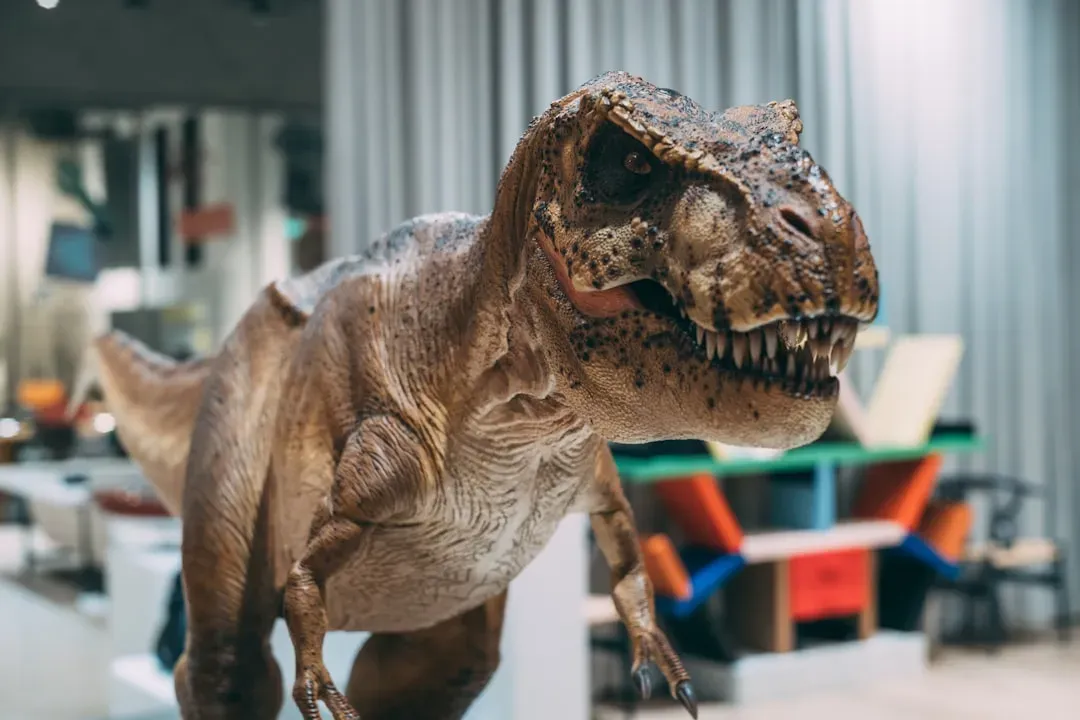
The internet loves to mock T. rex arms. They’re stubby, they’re two-fingered, they look almost comical on a 40-foot predator. But biomechanical analysis of the muscle attachment points tells a different story. Those forelimbs were extremely dense with muscle, capable of generating significant pulling and gripping force – enough, researchers believe, to help pin struggling prey or push the animal upright from a resting position. They were short because long arms would have been a liability on an animal using its skull as its primary weapon.
Up close, you’d notice them in a way you don’t expect. They’re not flat against the body. They move. The two-fingered hands faced inward, palm-to-palm, with curved claws built for gripping rather than slashing. They’re not the vestigial joke pop culture turned them into – they’re one more component of an organism where almost nothing was accidental. Which somehow makes the whole animal more unsettling, not less.
#8 – The Teeth Would Look Exactly Like What They Were: Weapons
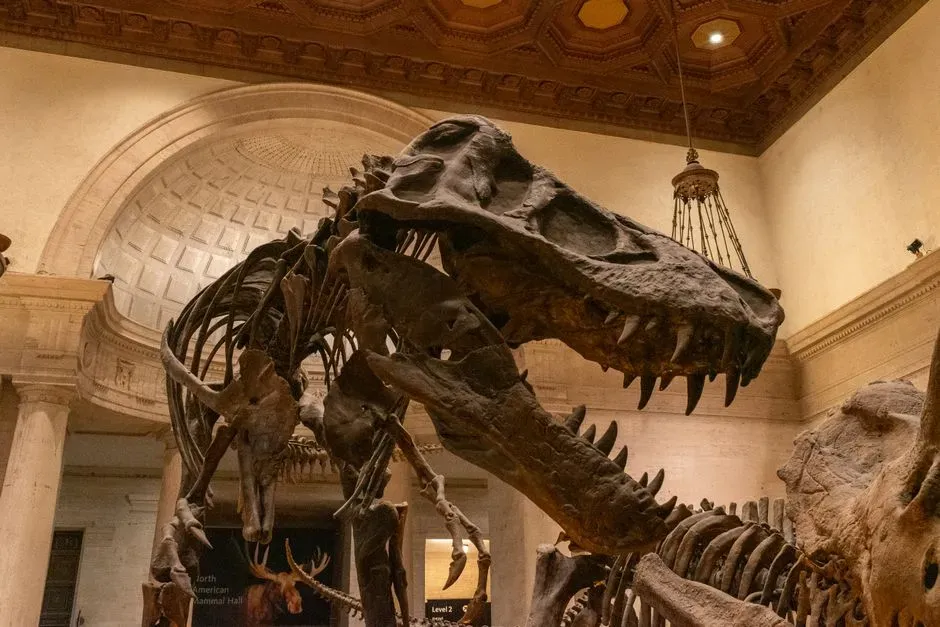
Banana-sized, serrated along both edges, and continuously replaced throughout the animal’s lifetime – T. rex teeth were not passive tools. The serrations worked like a steak knife at industrial scale, designed to catch on tissue and pull as the head rotated or pulled back. The U-shaped jaw, rather than the narrow V-shape of many predators, meant it could take enormous chunks rather than precise bites. This was a skull built for volume and destruction, not surgical precision.
Some biomechanical models estimate individual teeth could focus pressure exceeding 12,000 pounds per square inch at the point of contact. For scale, that’s enough to shatter dense bone like it’s dry wood. Standing close enough to see individual teeth – the surface texture, the slight curvature, the way they stagger in size along the jaw – would be one of those images the human brain simply doesn’t have a reference file for. Nothing alive today prepares you for it.
#7 – The Bite Force Would Be Unlike Anything That Has Walked the Earth Since
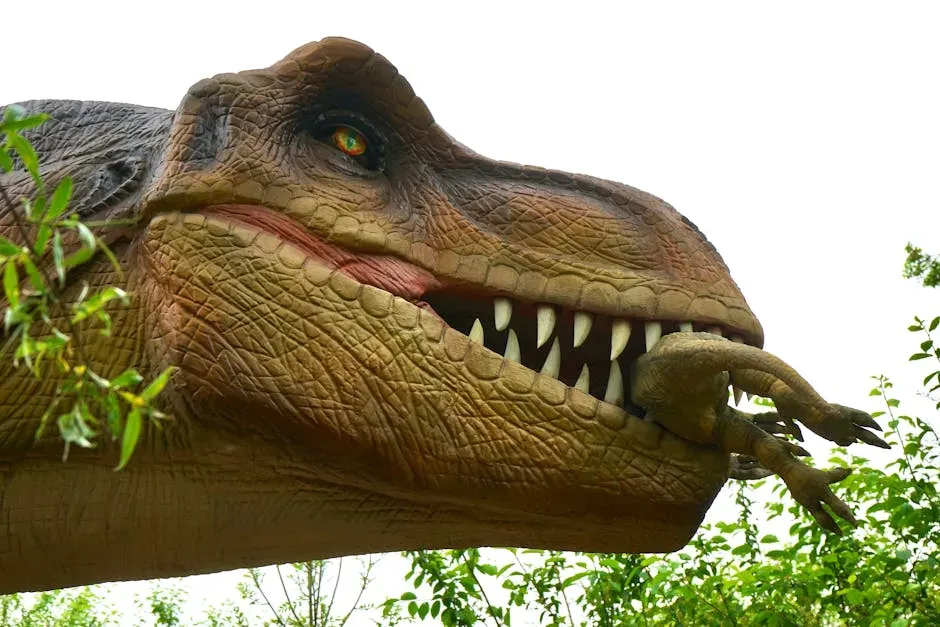
Studies modeling T. rex bite force have produced estimates ranging from 35,000 to 57,000 newtons at the rear teeth – by far the highest confirmed for any land animal, living or extinct. For comparison, a saltwater crocodile, which holds the record among living animals, generates roughly 16,000 newtons. A lion produces about 4,500. The T. rex wasn’t just stronger; it was operating in a different category entirely.
Fossil evidence backs this up in the most visceral way possible. Paleontologists have found Triceratops bones with T. rex bite marks punched completely through them – not scraped, not cracked, punctured through dense horn and frill material. It was capable of what researchers call “pulverizing” bone to access the marrow inside, a behavior that required generating and sustaining force that would destroy the jaw mechanics of any modern predator. The skull wasn’t just a weapon. It was a machine.
Quick Compare: Bite Force Across the Animal Kingdom
| Animal | Estimated Bite Force |
|---|---|
| T. rex (adult, rear teeth) | ~35,000–57,000 N |
| Saltwater crocodile | ~16,000 N (strongest living animal) |
| Hippopotamus | ~8,100 N |
| Lion | ~4,500 N |
| Human | ~700 N |
#6 – It Would Close the Distance Faster Than Your Brain Could Process the Threat
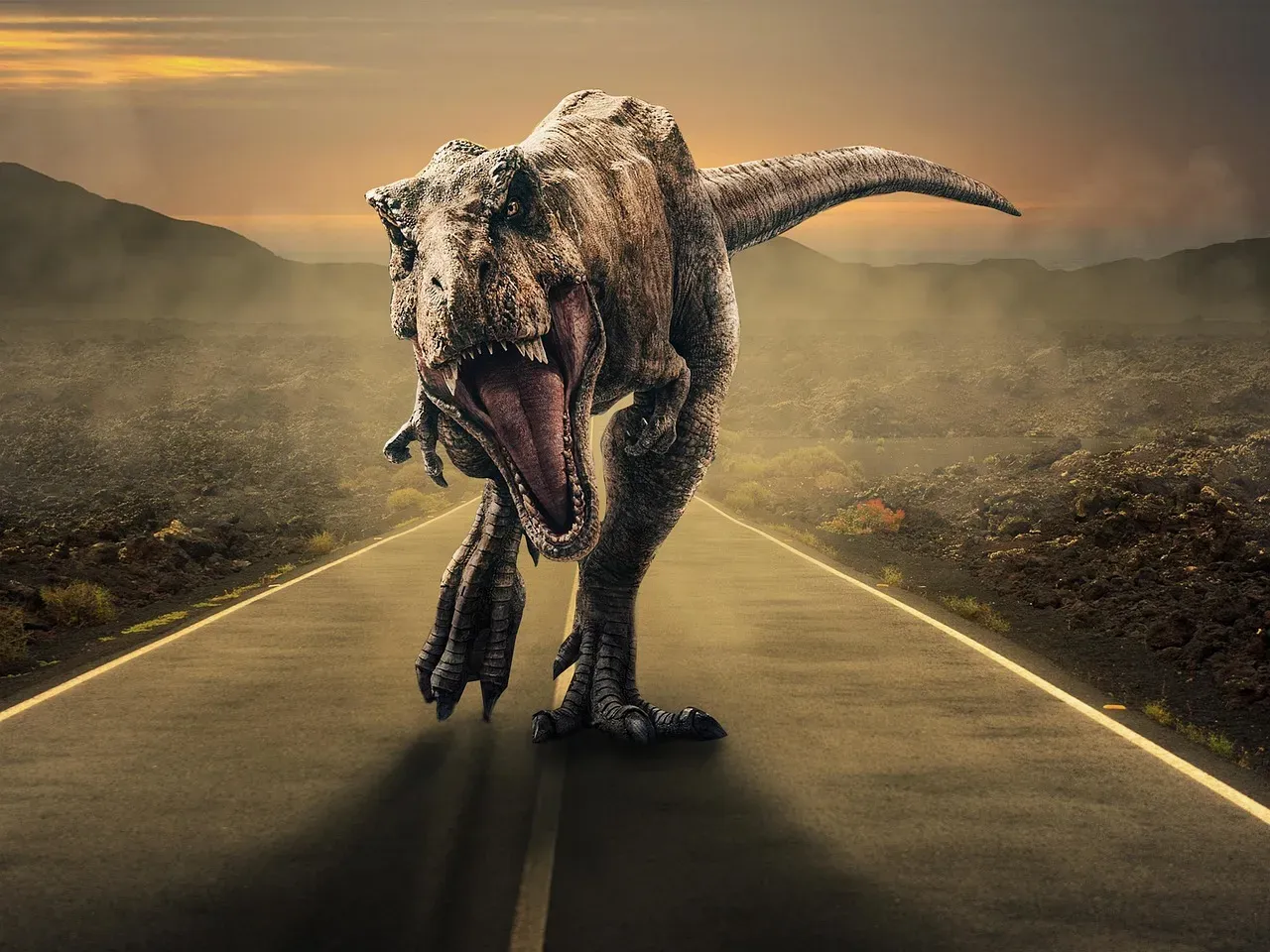
Current best estimates put T. rex top speed at roughly 12 to 17 miles per hour – not the sprinting monster of the movies, but not slow either. More importantly, those estimates describe sustained movement of a nine-ton animal with legs built like load-bearing columns. Each stride covered enormous ground. The gap between “it noticed you” and “it reached you” would close in seconds, not the drawn-out chase sequences Hollywood uses to build suspense.
Human reaction time to a sudden threat averages about 0.25 seconds just to register that something is happening – before any physical response begins. A T. rex moving at 15 mph covers roughly 22 feet per second. Do that math against an open field and the window for any meaningful evasion collapses almost immediately. The film version gives you time to run. The biological version doesn’t particularly care how fast you think you are.
#5 – You’d Feel Its Presence Through Your Whole Body Before You Could Name Why
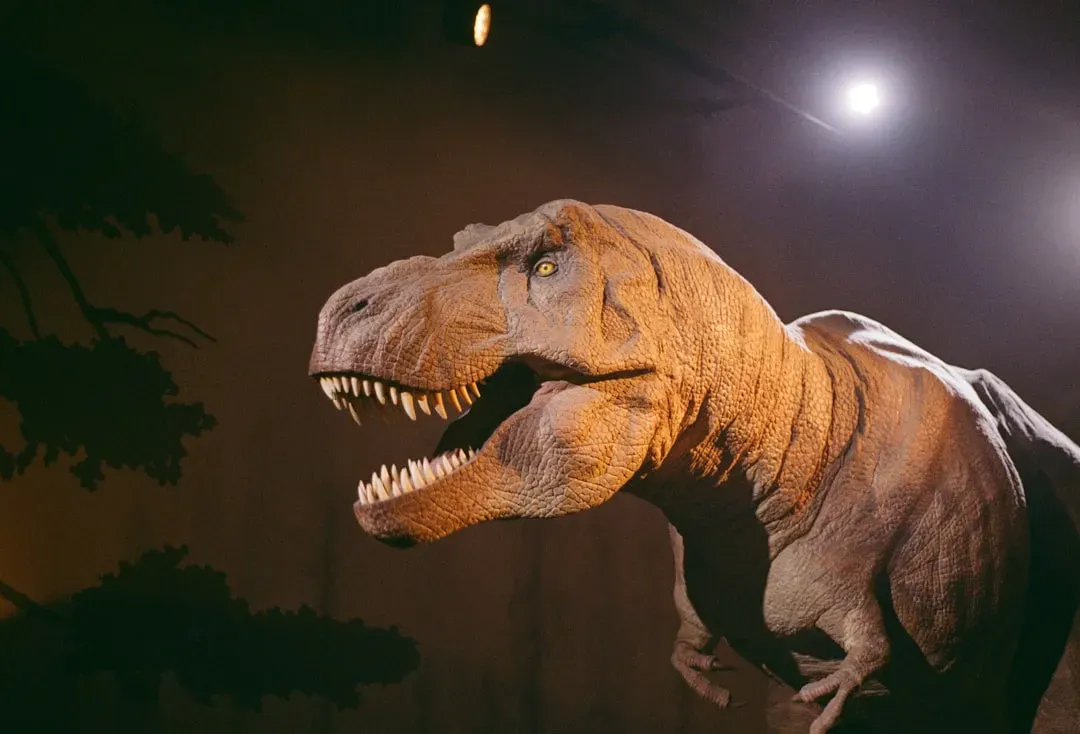
The inner ear structure of T. rex – specifically the lagena, the hearing organ in non-mammalian vertebrates – suggests strong sensitivity to low-frequency sound and ground vibration. This made evolutionary sense: low frequencies travel farther, penetrate dense vegetation more effectively, and carry information about large animals moving at distance. The same physics that made it a good listener also meant its own movements and potential vocalizations would have been rich in low-frequency energy.
Standing close to a vocalizing or simply moving T. rex, you’d experience that energy the way you feel a subwoofer at a concert – not just heard but physically present in your ribcage and gut. Humans are wired to register low-frequency rumbles as threat signals; it’s one of the oldest alarm systems in our nervous system. Your body would be reacting before your conscious mind had finished deciding whether what you were seeing was actually real.
Worth Knowing: What Science Says About T. Rex Senses
- Smell: Estimated 620–645 olfactory receptor genes – on par with domestic cats, higher than almost all modern birds
- Hearing: Inner ear anatomy suggests strong sensitivity to low-frequency sound and ground vibration
- Vision: Forward-facing eyes with binocular overlap likely exceeding that of a modern hawk
- Smell range: Likely able to track prey over long distances the way modern wolves do, or locate carrion like turkey vultures
- Night capability: Large olfactory bulbs may have supported hunting in low-light conditions when visual cues were limited
#4 – A Single Accidental Step Would Be Instantly and Completely Fatal
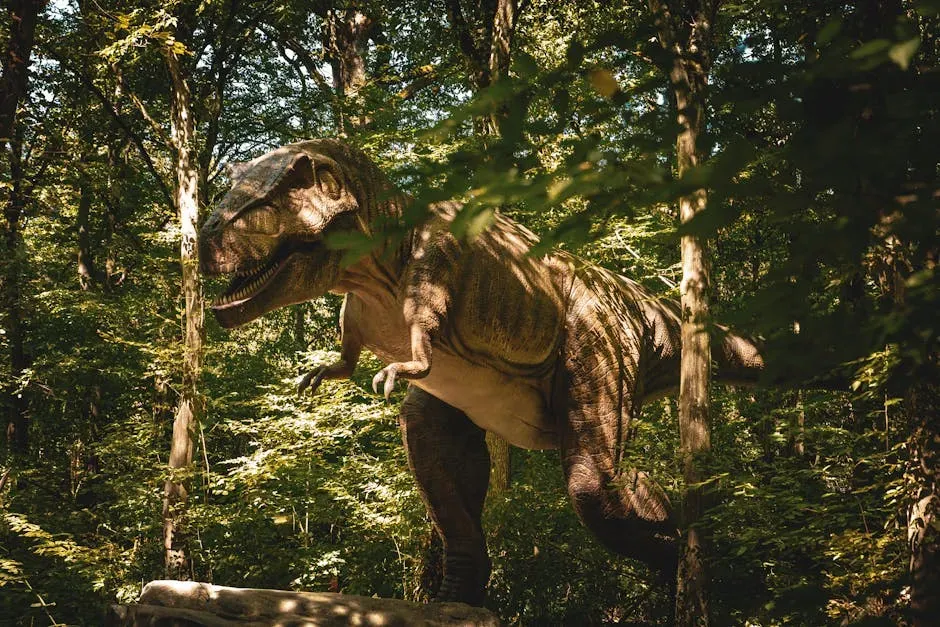
Intent wouldn’t matter. A T. rex shifting its weight, adjusting its stance, or simply turning to face a different direction could bring thousands of pounds of force down onto whatever happened to be underfoot. The pressure per square inch under a T. rex footfall has been modeled as sufficient to crush bone and soft tissue without any aggressive action required – just physics and mass doing what physics and mass do.
This is the detail that makes the imagined scenario feel truly alien. With every other predator in Earth’s history, survival at least theoretically involves the predator choosing to act. Here, simple coexistence in the same physical space was the danger. The animal didn’t need to be hungry. It didn’t need to be threatened. It just needed to move. And at nine tons, it was always moving.
#3 – Its Brain Would Almost Certainly Register You as Something Worth Acting On
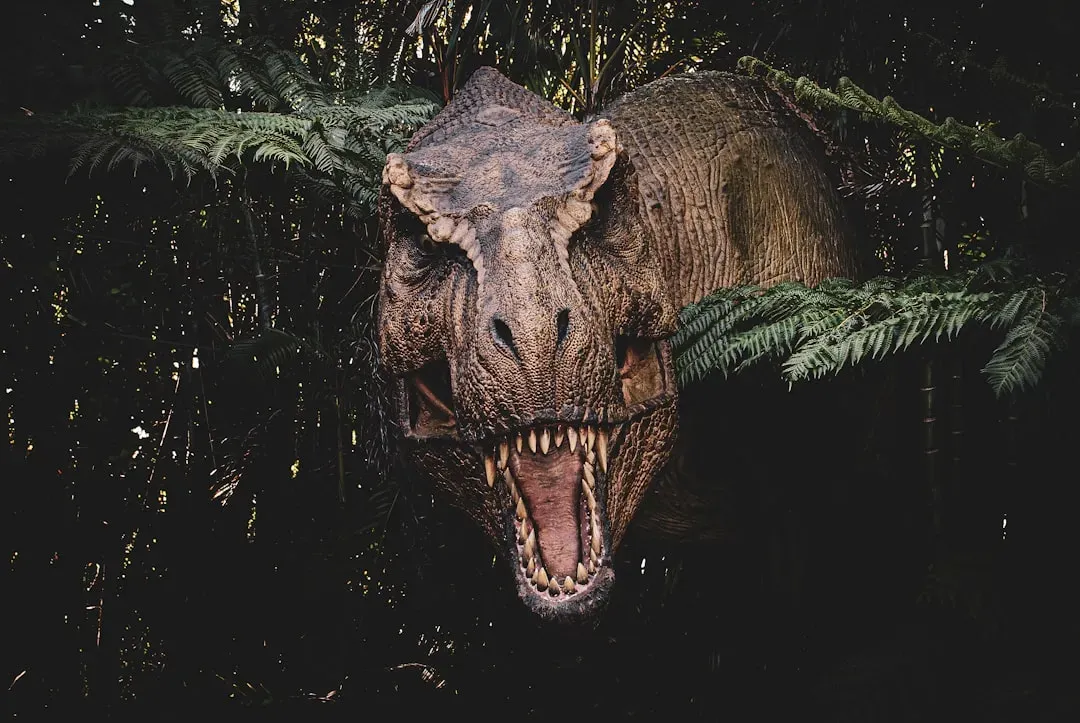
T. rex is now understood to have been both an active predator and an opportunistic scavenger – meaning it pursued live prey when viable and took advantage of carrion when available. A small, unfamiliar, warm-bodied animal standing nearby would have triggered investigation regardless of hunger state. Predator cognition doesn’t require a decision tree. Novel stimulus plus proximity equals response. You wouldn’t be ignored just because you were small or unfamiliar.
What makes this particularly grim is that the response wouldn’t need to be a full predatory charge to be lethal. A curious nudge from a five-foot skull. A snap to investigate the smell more closely. A foot repositioned without looking down. Any of these would end the encounter from your side. The T. rex might not have even registered that anything significant had occurred. That asymmetry – catastrophic for one party, barely noticeable for the other – is one of the stranger truths buried in the fossil record.
#2 – The Sound It Made Would Hit You Like a Pressure Wave
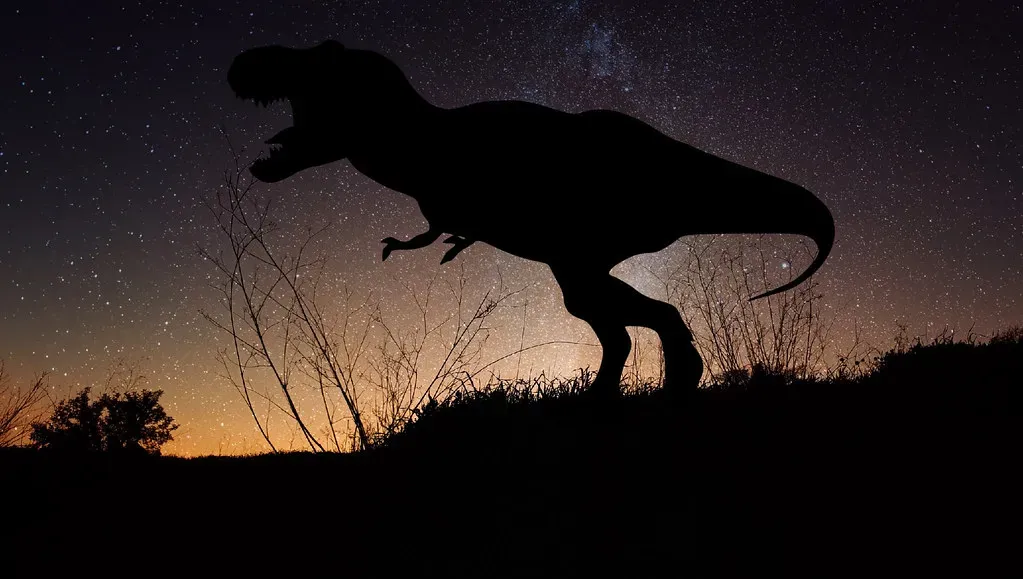
We don’t have a recording, and the soft tissue structures that shaped vocalization don’t preserve in fossils. But we know its size, its inner ear sensitivity to low frequencies, and the general principle that large-bodied animals tend to produce large-bodied sounds. Crocodilians – among the closest living relatives to dinosaurs – produce bellowing infrasound that travels miles and is felt as much as heard by those nearby. A T. rex, significantly larger, almost certainly operated in similar or lower frequency ranges.
Standing adjacent to a vocalizing animal of that mass would be less like hearing a loud noise and more like being inside the noise. The sound pressure at close range wouldn’t just be painful – it could be physically disorienting, the way standing next to a firing artillery piece affects balance and cognition. Your ears would be the least of your concerns. The wave moving through the air at that frequency would push against your chest like a hand. You would feel it in your teeth.
#1 – No Preparation, Skill, or Strategy Would Have Saved You
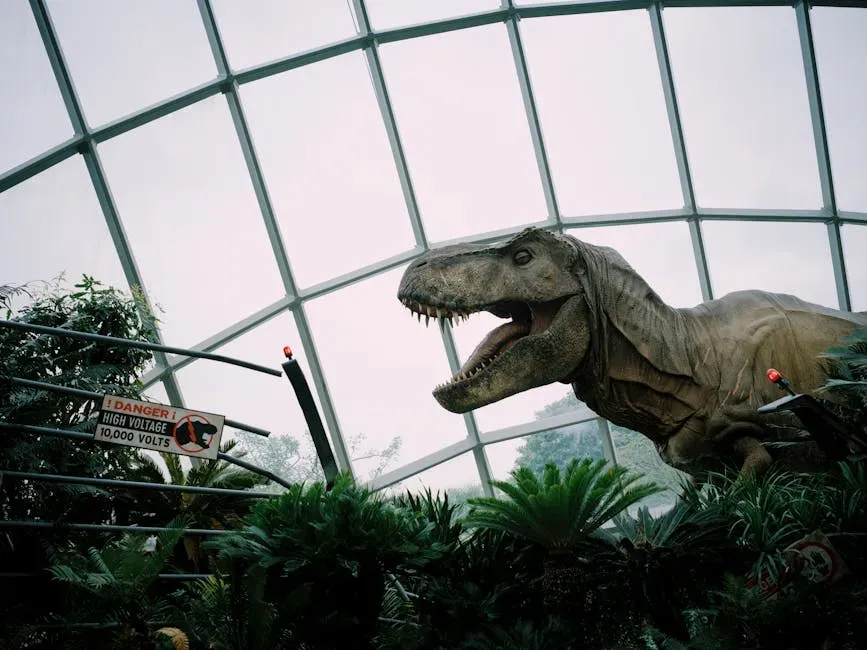
This is the one the movies refuse to tell you. There is no clever angle. There is no behavior you could perform, no stillness deep enough, no speed available to a human body that reliably changes the outcome of standing next to a living, aware T. rex. Its senses would detect you before you detected it. Its mass made every proximity dangerous regardless of intent. Its bite force exceeded anything the animal kingdom has produced in the 66 million years since. You weren’t prey in the traditional sense. You were simply a small biological object in the operating range of something that had no natural reason to be careful around you.
What the full body of fossil and biomechanical evidence actually reveals isn’t a monster in the horror movie sense – it’s something stranger and more humbling. T. rex was an organism so precisely engineered by 160 million years of theropod evolution that the gap between it and a modern human isn’t really a gap at all. It’s a chasm. The only reason we exist to study it is that it went first. Those 66 million years of distance aren’t just time – they’re the only margin that ever kept us safe.
The Verdict
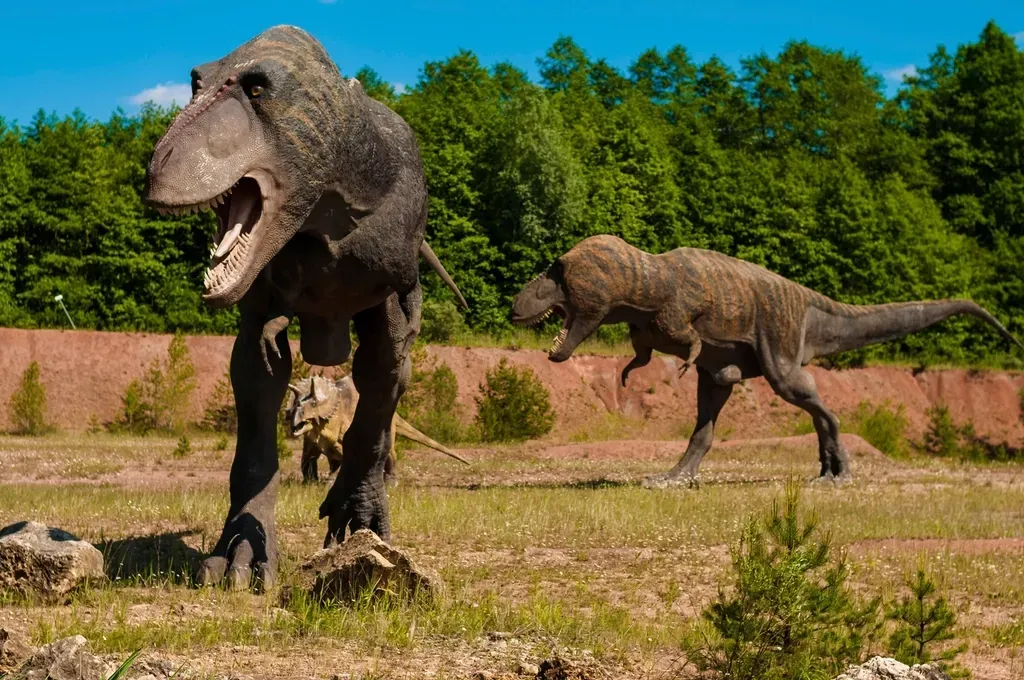
Standing next to a real T. rex wouldn’t have been an adventure. It would have been a brief, overwhelming exposure to what genuine apex predation looks like – before any of the details had time to fully register. The ground shaking, the smell hitting you, the size making your brain stutter, the sound moving through your body like current through water. Pop culture borrowed the shape of the animal and replaced everything else with something manageable. The real version wasn’t manageable. It was the top of a food chain that had no interest in negotiating with anything below it.
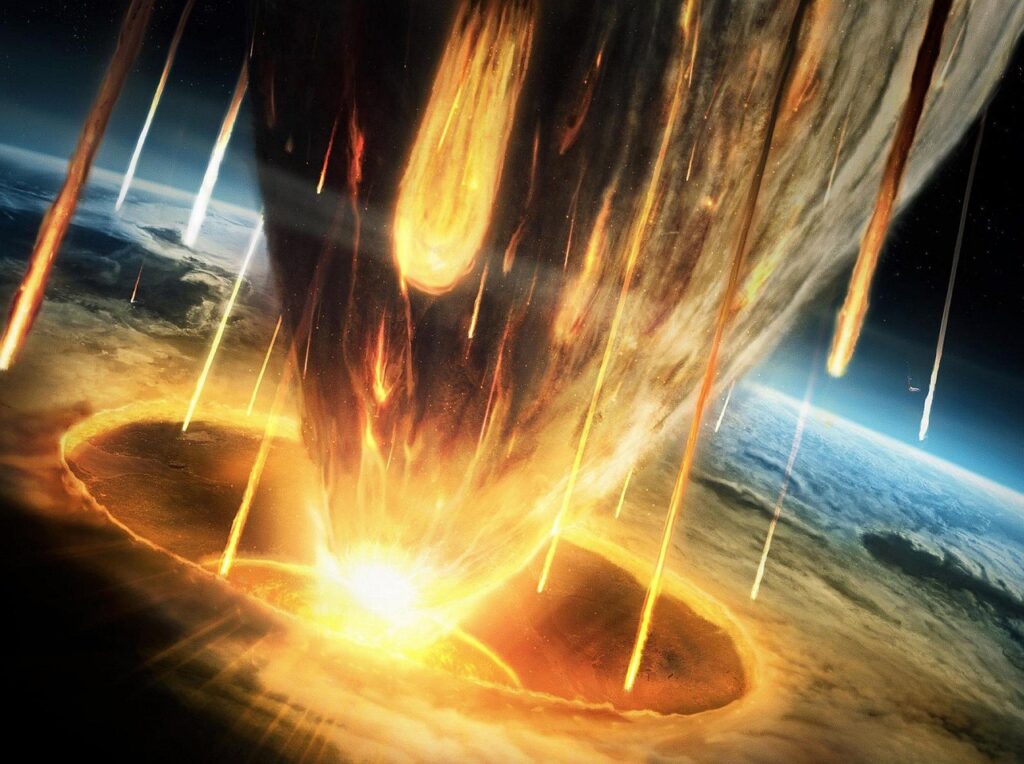
The most honest takeaway from all of this isn’t fear – it’s awe. We are alive right now, thinking about this animal, because extinction is the universe’s way of creating distance. T. rex didn’t lose to us. It lost to a rock. And on its best day, on the warm Cretaceous soil it actually walked, we would have been entirely, completely, and immediately outclassed. That’s not a scary thought. That’s a magnificent one.