
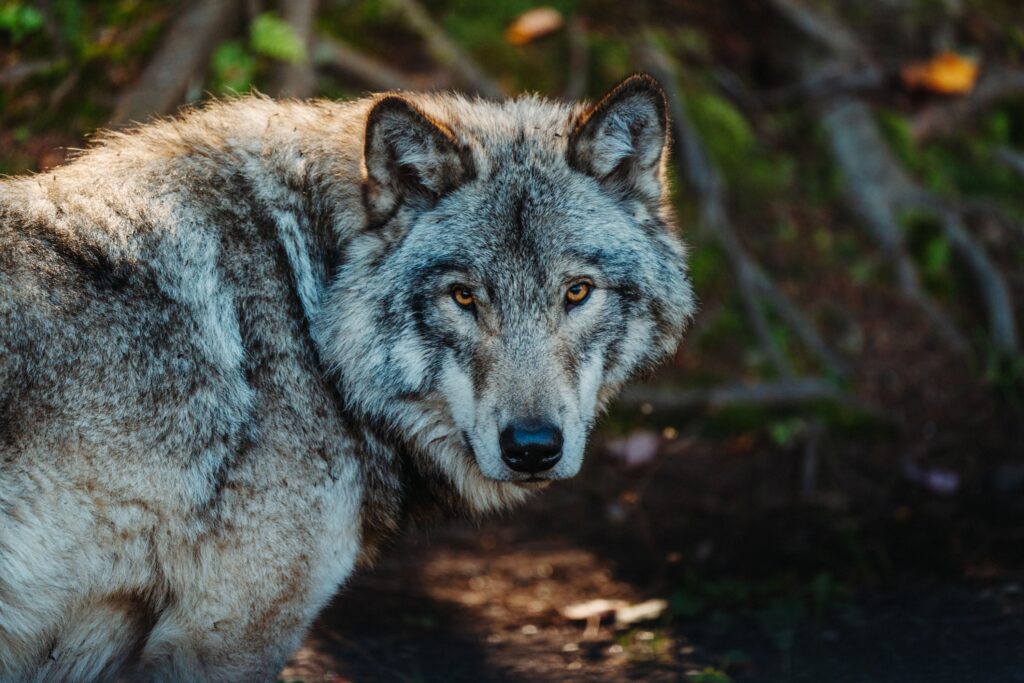
Most people assume our ancestors invented survival strategies all on their own – hunting in groups, raising kids together, marking territory like it was their own idea. They didn’t. Long before agriculture or fire mastery took center stage, early humans spent thousands of years living alongside, competing with, and quietly studying grey wolves, the most socially sophisticated predator on the Ice Age landscape.
Anthropologists and behavioral ecologists now believe many of our so-called “uniquely human” social behaviors weren’t invented at all. They were borrowed – copied, almost move for move, from an animal we once feared enough to build fires against. Here’s what fourteen of those stolen strategies actually look like, and why the researchers studying them can’t quite believe how closely we followed the wolf’s lead.
#1 – Hunting as a Coordinated Team, Not a Solo Mission
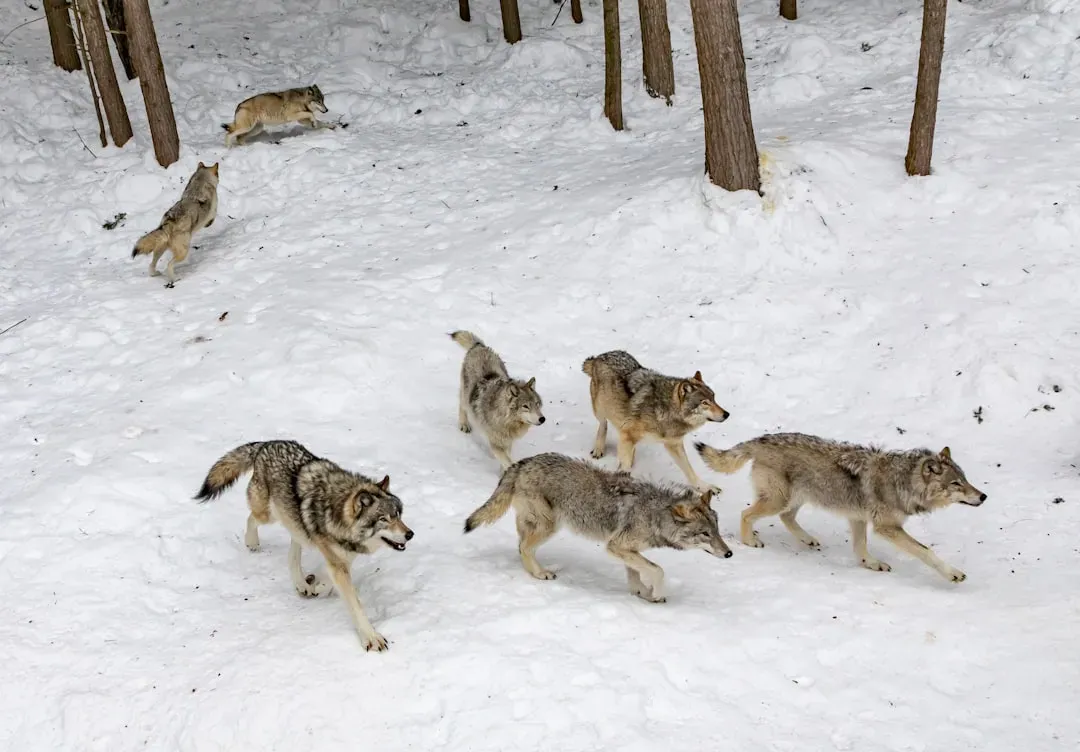
Solo hunting is inefficient and dangerous. Wolves figured that out long before humans did, and the evidence suggests our ancestors were paying close attention.
Wolves hunt in packs, using stealth, harassment, and active chase to ultimately attack the rump, flanks, and shoulders of large prey. It’s not chaos – it’s a cooperative, continuous chase in which pack members take turns playing different roles in the collective effort. That role-rotation is the key detail researchers highlight, because early human hunting parties show the exact same pattern: some drive the prey, others wait in ambush, others move in for the kill.
Here’s the humbling part: most wolf hunts fail anyway. Early human hunters faced the same brutal success rate on mammoth and bison hunts, sometimes going home empty-handed more often than not. The lesson both species learned was identical – teamwork doesn’t guarantee a kill, but it’s the only strategy that makes chasing something ten times your size survivable at all. And it gets stranger from here.
Fast Facts
- Wolves target the rump, flanks, and shoulders of large prey using coordinated harassment.
- Pack members rotate roles – driving, ambushing, and closing in – rather than repeating the same job.
- Most wolf hunts end without a kill, mirroring the low success rates early human hunters faced on mammoth and bison.
- Teamwork, not raw strength, made chasing prey many times a hunter’s size survivable.
#2 – Organizing Life Around the Nuclear Family
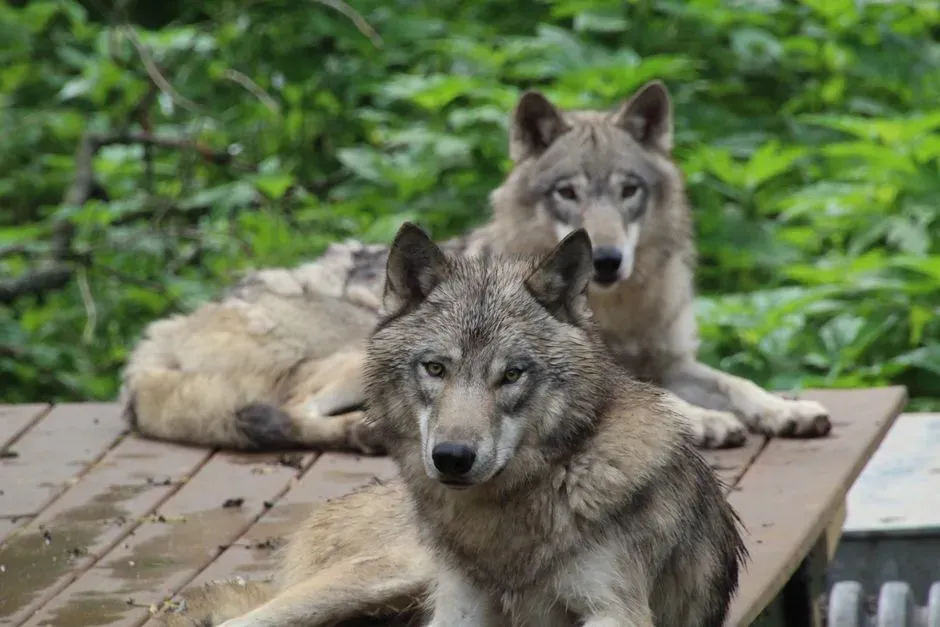
Forget the myth of the snarling “alpha” ruling through fear and violence. The modern wolf pack looks a lot more like a household than a gang.
Gray wolves usually live in packs of up to two dozen individuals, with a pack basically consisting of an adult breeding pair and their offspring of various ages. That’s strikingly close to how early human bands were structured – a core mated pair, their children, and sometimes an extra relative or two, rather than large anonymous crowds.
Early hunter-gatherer bands mirrored this almost exactly – small, kin-based, multigenerational units built around one breeding pair and the young they raised together across several seasons. It’s a controversial idea among some anthropologists, but a growing number now argue human “family” as a survival unit wasn’t invented by us at all. It was recognized in wolves first, and we simply kept the design.
#3 – Splitting Roles by Sex and Skill
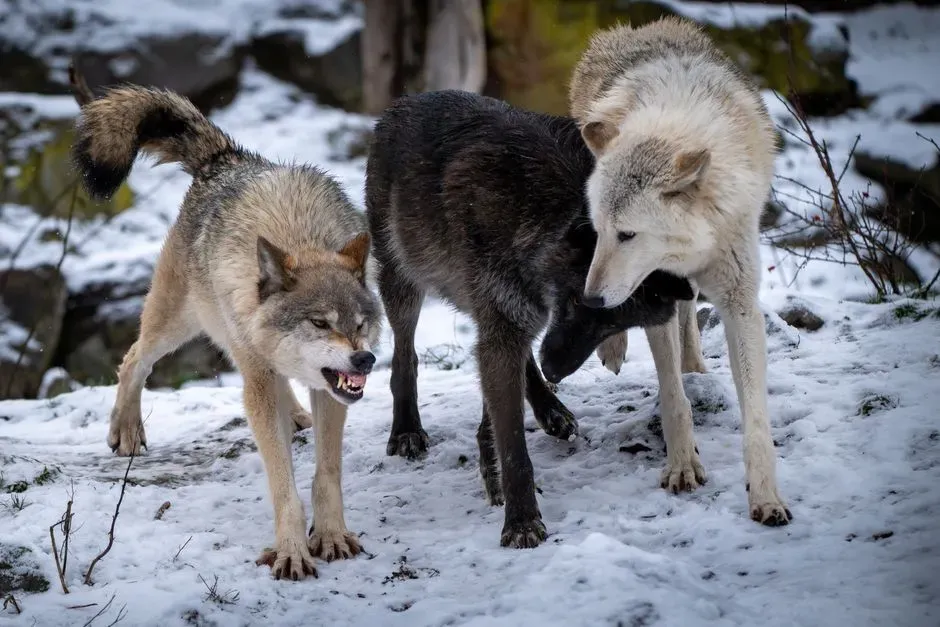
Division of labor sounds like a modern economic concept. It isn’t. It’s ancient, and wolves practice it daily without a single meeting or vote.
Within the pack, the breeding male and female guide the group’s activities, with the female often focused on pup care and the male ranging out to forage. It’s not a rigid rule in every pack, but it’s consistent enough that researchers see it as a genuine survival strategy rather than coincidence.
Early human societies show a remarkably parallel split – one parent anchored near the shelter with dependents, the other ranging farther for food. This wasn’t gender politics; it was logistics. A pack, or a family, that assigns roles instead of duplicating effort simply survives lean seasons better. Critics argue this comparison oversimplifies both species’ flexibility, and they may have a point, but the underlying efficiency logic holds up across both.
#4 – Letting the Whole Group Raise the Kids
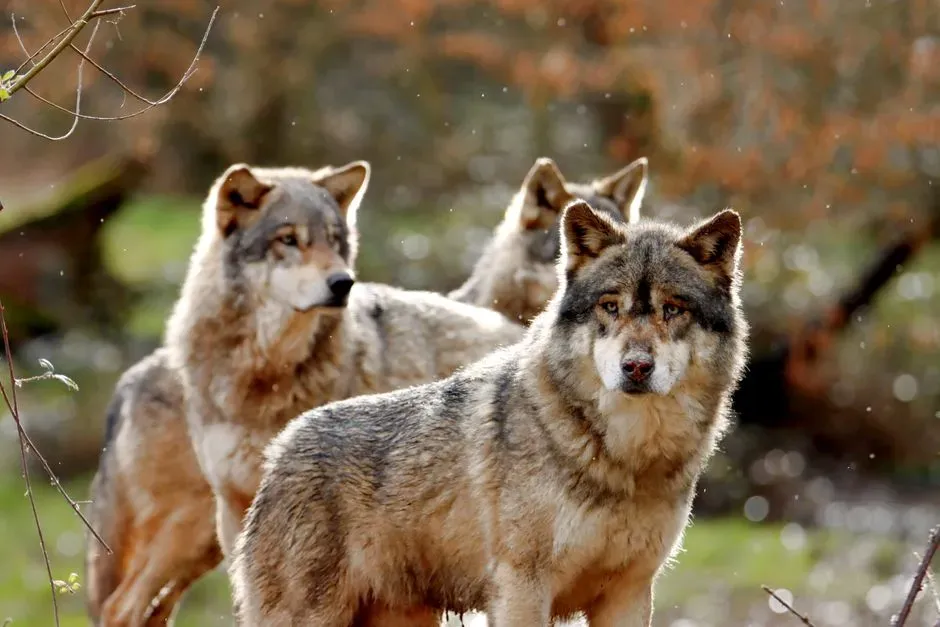
Wolves don’t leave parenting to two exhausted individuals. The entire pack pitches in, and that one detail changes everything about how we think about early human childcare.
All pack members help rear the pups. This isn’t occasional babysitting – it’s structural. Every wolf, breeding or not, contributes to feeding, guarding, and even disciplining the youngest members, and biologists list shared offspring care as a defining trait of pack life itself.
Early human communities practiced something almost identical: alloparenting, where aunts, older siblings, and unrelated group members helped raise children collectively. This wasn’t sentimentality – it was insurance. If a parent died or was injured on a hunt, a child raised communally still had caregivers waiting. Some researchers now argue this shared-care model, not the isolated nuclear family, is what let human brains evolve to be so demanding and slow to mature in the first place.
#5 – Building a Fixed Base While Raising Young
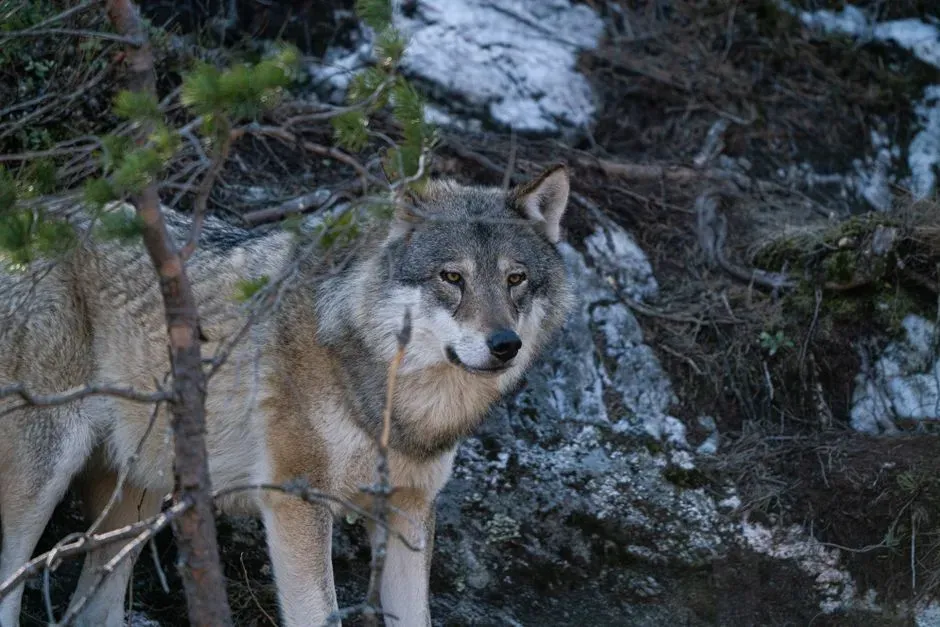
Nomadic life doesn’t mean constant movement – not for wolves, and eventually, not for early humans either.
The mother usually stays with her young in the den, eating food brought to her by other pack members. That single behavior – anchoring to a fixed point during the most vulnerable stretch of early development while others provision from a distance – shows up again and again in early human campsites near reliable water and shelter.
Pack size itself flexes around this base-camp logic, expanding when pups are born and contracting when food supply and prey biomass tighten. Early human groups did the same, swelling near resource-rich zones during birthing seasons and scattering when food thinned out. The “den” wasn’t just a wolf innovation – it became the blueprint for the earliest human seasonal camp.
#6 – Calling Across Miles With a Single Sound
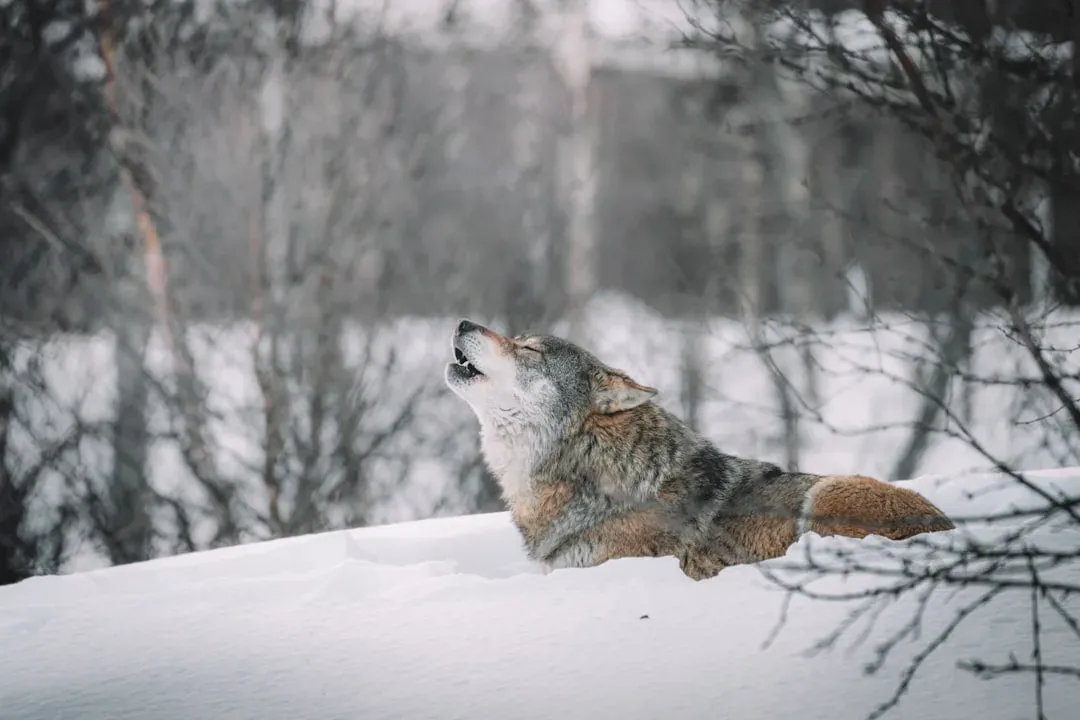
Before language, there was the howl. And it traveled a lot farther than most people assume.
A wolf’s howl can carry up to 16 kilometers in open terrain. It isn’t a growl of aggression – it’s long-range communication. A “lonesome howl” is a shortened call that rises in pitch, used by a wolf separated from its pack, and if answered, the wolf switches to deep, even howls to broadcast its location back.
Early human groups, scattered across dense forests or open steppe, faced the exact same problem wolves did: staying connected without visual contact. Long, rhythmic vocal calls used for locating separated group members appear across countless hunter-gatherer cultures – a direct functional echo of the wolf howl. Howling even spikes during breeding season among wolves, paralleling how human vocal signaling surges during social and reproductive gatherings of our own.
Worth Knowing
- A wolf’s howl can travel up to 16 kilometers across open terrain.
- A “lonesome howl” rises in pitch and signals a wolf separated from its pack.
- Once answered, wolves shift to deep, steady howls to broadcast their exact location.
- Howling frequency spikes during breeding season, similar to social vocal surges in early human gatherings.
#7 – Marking Boundaries So Fights Don’t Have To
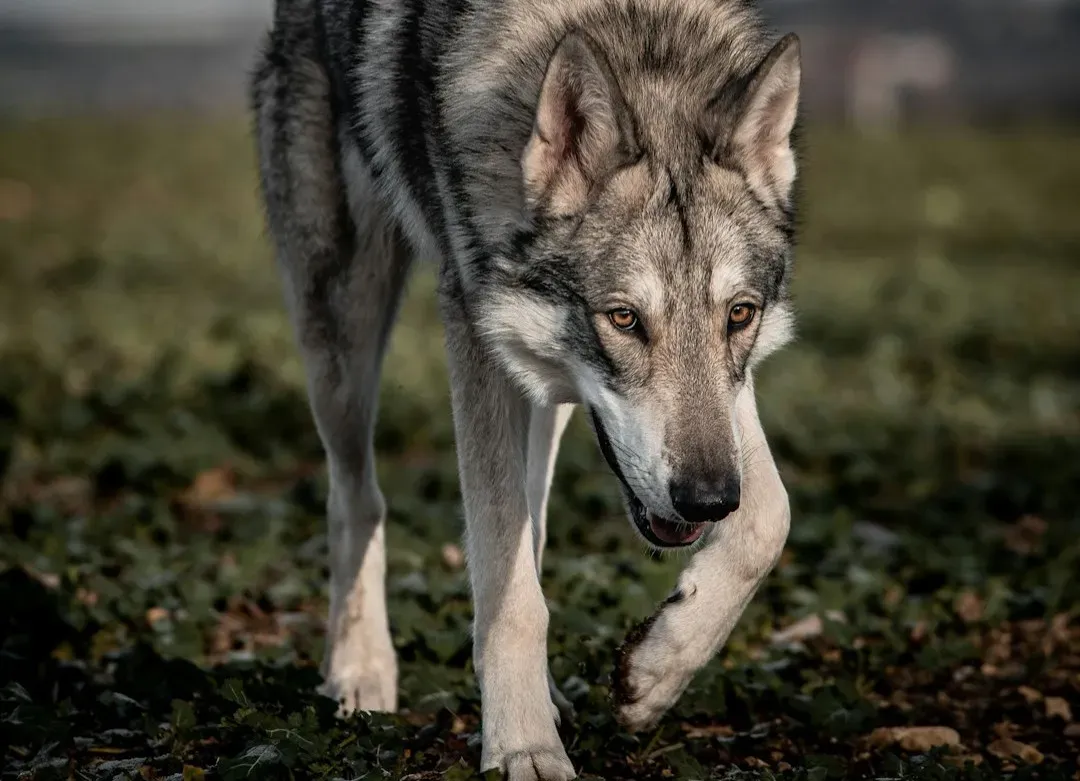
Territory disputes are expensive – injuries slow down hunters, and a wounded hunter is a liability all winter. Wolves solved this with scent instead of violence, and it’s a strategy early humans clearly noticed.
Scent marking through scratching, defecation, and urination are all means of maintaining pack territories. This lets neighboring packs know exactly where the line sits without a physical confrontation every single time. It’s efficient, low-risk, and constantly renewed with zero bloodshed required.
Wolf territories aren’t small either – they can range from 80 to 3,000 square kilometers, and wolves will still aggressively defend that ground when boundaries are crossed. Early human groups used analogous markers – cairns, carved trees, deliberately placed remains – to signal ownership of hunting grounds without constant fighting. The message in both species is identical: mark it clearly, and you rarely have to defend it with your life.
#8 – Structuring Leadership Around Experience, Not Just Force
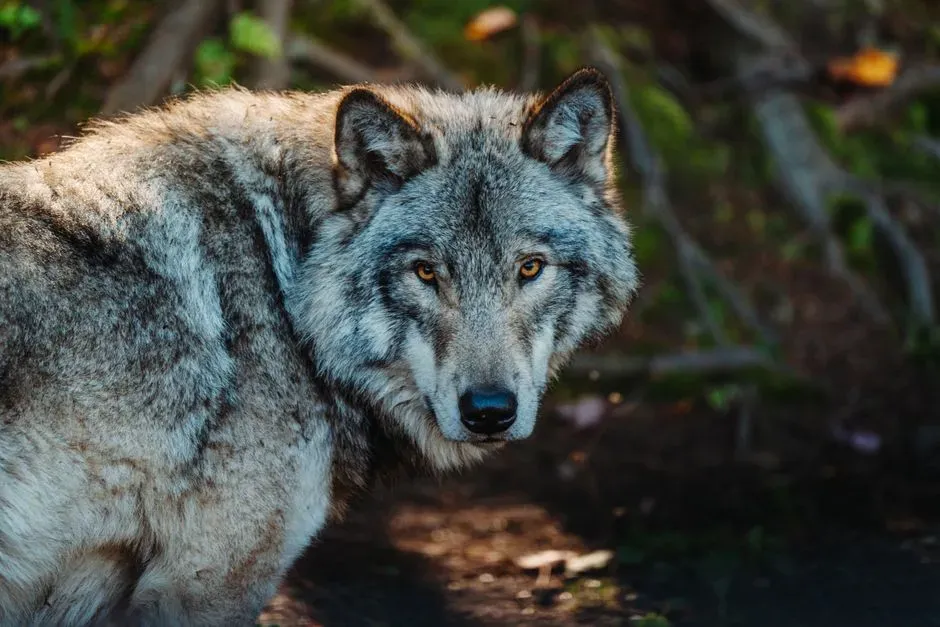
The “alpha wolf” idea has been misunderstood for decades, and that misunderstanding actually reveals something more interesting about leadership itself.
Wolf packs show a dominance structure based on behavior and age, but newer research complicates the old “fight for the crown” story. Wolf packs function more like a family than a battleground, and younger wolves don’t challenge the oldest male for dominance – they simply leave when they’re old enough to start their own packs elsewhere.
This is the more controversial point on this list, and it should be: many anthropologists now argue early human leadership worked the same way, earned through experience and age rather than seized through combat. The “strongest fighter rules” narrative both species got saddled with is largely a myth. Leadership in wolf packs, and likely in early human bands, was closer to mentorship than domination.
#9 – Practicing Loyalty That Costs the Individual
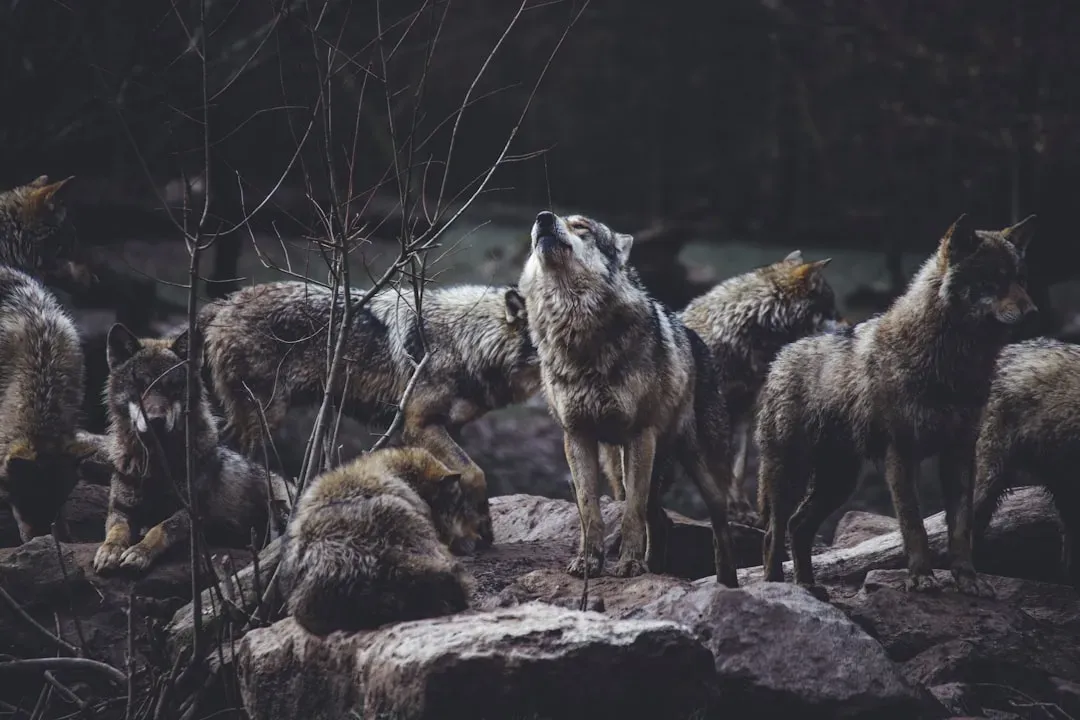
Loyalty sounds like a distinctly human virtue. Wolves demonstrate it just as consistently, and possibly first.
The strength of the pack is the wolf, and the strength of the wolf is the pack.
Rudyard Kipling
Wolves consistently put the needs of the group above their own, a pattern backed by field observations around food-sharing, injury protection, and risk-taking during hunts. The bonds within a pack are reinforced through grooming and play, which strengthen trust long before it’s ever tested in a crisis.
Early human survival depended on that exact same self-sacrificing loyalty. A hunter who shared meat during a lean week, or who risked injury defending a group member, was investing in a system where the group’s survival guaranteed his own. This reciprocal loyalty likely predates human morality itself – it may simply be an inherited pack instinct that got reinterpreted, centuries later, as an ethical code.
#10 – Covering Enormous Ground on Foot, Constantly
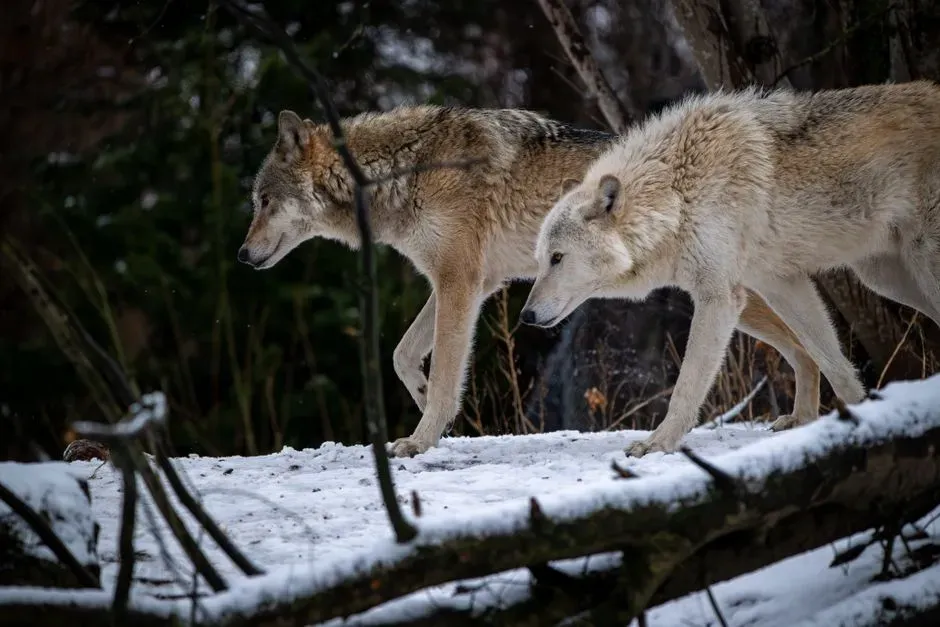
Wolves are built for distance, not speed bursts – and so, evolutionarily, were early humans.
Wolves spend roughly 35% of their time traveling, often covering 20 to 30 miles a day, and sometimes over 100 miles when prey is scarce. That’s an extraordinary daily output for an animal relying entirely on stamina rather than ambush speed.
Early Homo sapiens shared this exact adaptation – long limbs, efficient sweat cooling, and endurance-based tracking over raw sprint strength. Both species essentially walked their prey to exhaustion rather than overpowering it directly. This convergence isn’t coincidental; it’s a shared solution to the same brutal math – in open, resource-scattered landscapes, the animal that can travel farthest without tiring wins.
At a Glance
- Wolves spend about 35% of their day traveling.
- Daily distances typically run 20 to 30 miles.
- In lean seasons, wolves may travel more than 100 miles searching for prey.
- Early humans shared the same endurance-first build: long limbs and efficient sweat cooling over sprint speed.
#11 – Talking Without Words, Constantly
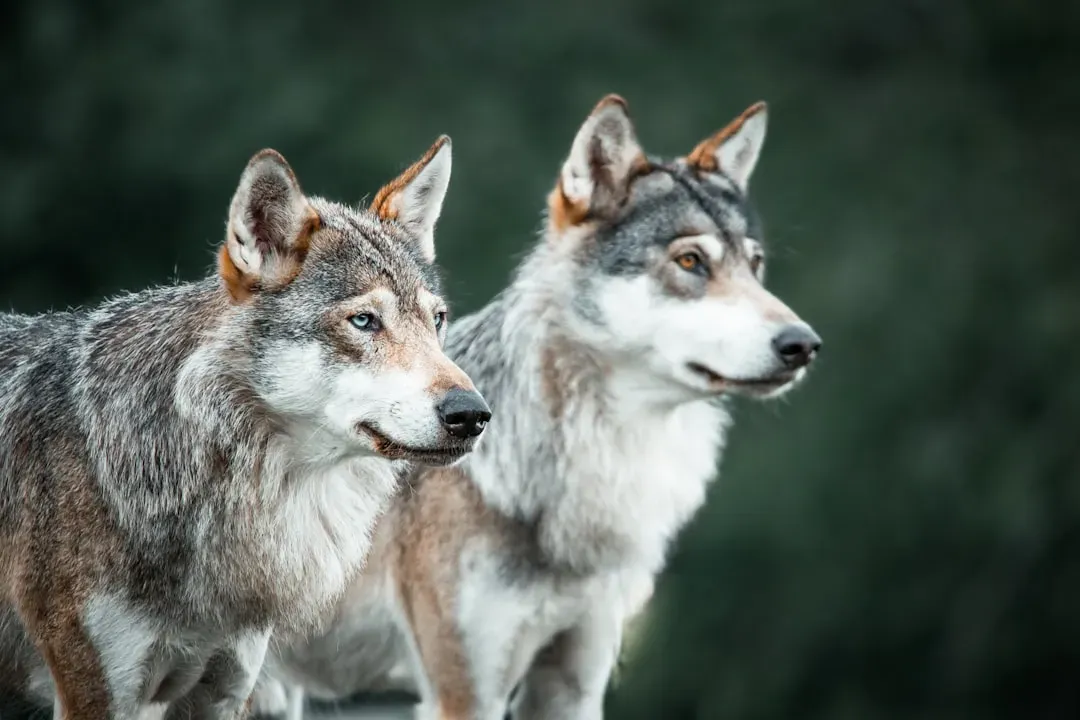
Long before spoken language, communication had to happen through the body. Wolves are fluent in this silent language, and it shows up almost unchanged in early human gesture systems.
Visual signals among wolves include facial expressions, body position, and tail position. Submission and dominance broadcast instantly – a submissive wolf crouches, whimpers, tucks its tail, licks the other wolf’s mouth, or rolls onto its back, while a dominant wolf carries a partly erect tail, walks with its head high, and raises its hackles.
Early human social hierarchies used a nearly identical nonverbal grammar – lowered eyes and a bowed posture for submission, a raised chin and squared shoulders for dominance. This body-language template appears so consistently across mammals that researchers suspect humans didn’t invent it at all. We simply kept the wolf-era operating system running quietly underneath our spoken words.
#12 – Repairing Relationships After Conflict, Deliberately
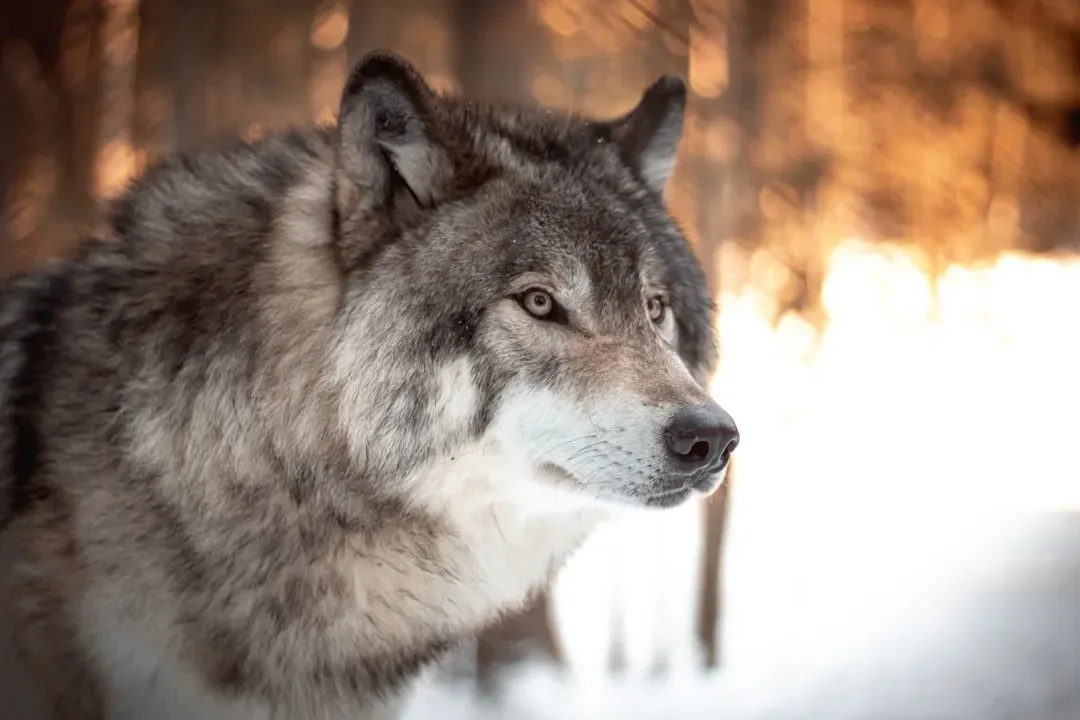
Fighting is inevitable in any group. What separates functional societies from collapsing ones is what happens right after the fight ends.
Wolves manage group disruption through sophisticated post-conflict maneuvers, actively restoring the relationship between opponents and reducing the spread of aggression through the rest of the pack. That’s a genuinely advanced social skill – working to de-escalate and repair a bond rather than just avoiding the other wolf from then on.
Wolves can even negotiate across rank differences, trading social tolerance for help and support later. Early human conflict-resolution rituals – gift-giving after disputes, shared meals to “reset” tension – mirror this almost exactly. This is arguably the most underrated parallel on this entire list, because reconciliation requires real social intelligence, not just instinct. It suggests peacemaking is older, and more animal, than we like to admit.
#13 – Committing to One Partner for Survival, Not Romance
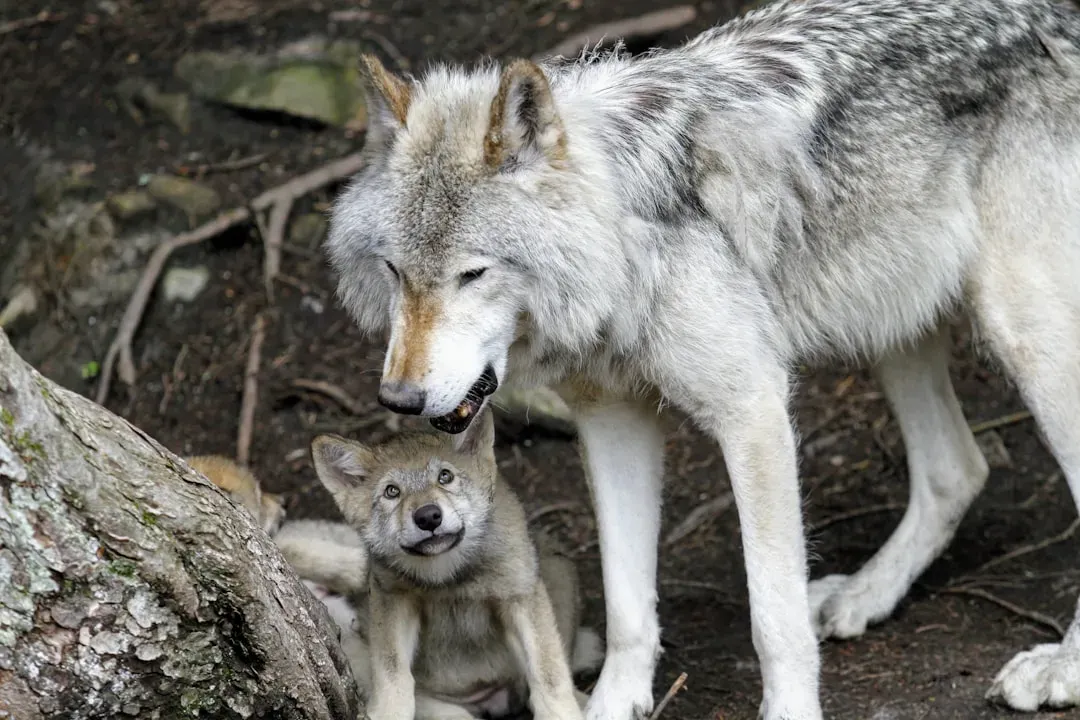
Monogamy gets framed as a human cultural invention. In wolves, it’s a cold, practical survival calculation – and early humans likely copied the logic, not the sentiment.
Mating usually occurs only between the dominant male and female of the pack, meaning just one litter is produced per breeding season. New packs form the same deliberate way: wolves disperse from their natal packs, pair off with unrelated individuals, and stake out a territory of their own.
This isn’t loyalty in the emotional sense – it’s resource math. Two committed parents can protect and provision offspring more reliably than scattered, competing partnerships. Early human pair-bonding likely emerged from the same calculation: fewer, more invested caregivers meant higher child survival odds in an unforgiving environment. The romantic framing came much later; the underlying strategy is pure wolf-pack logistics.
#14 – Keeping Generations Together Instead of Splitting Apart
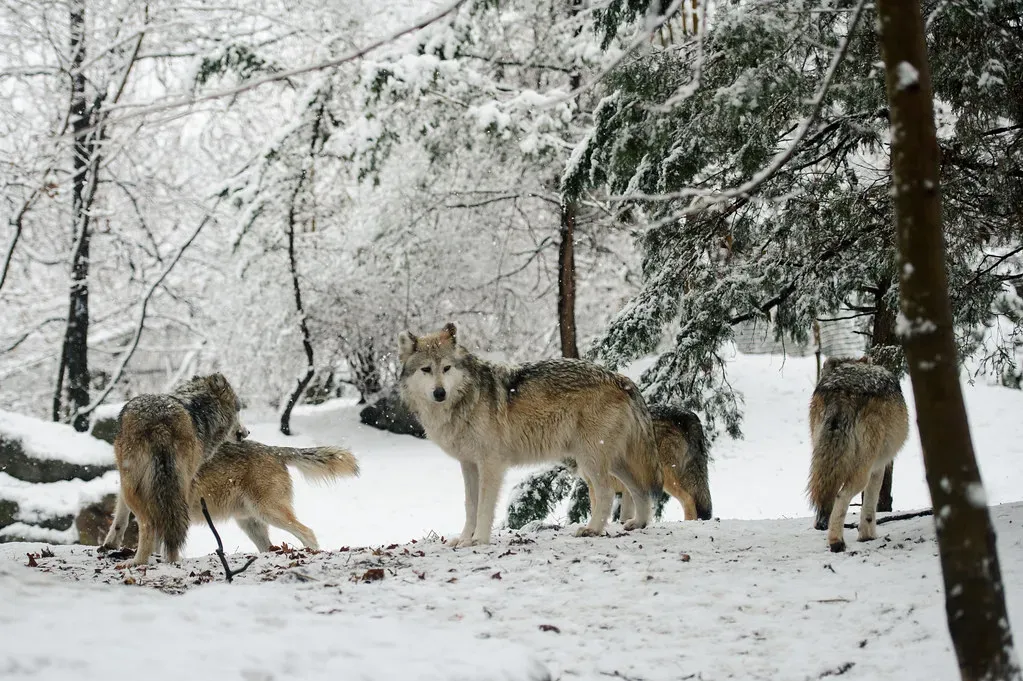
This is the behavior researchers consider the true foundation of everything else on this list, and it’s the reason wolf packs, and early human bands, could function as long-term societies at all.
Group cohesion is reinforced through daily activities like hunting, territorial patrolling, and pup rearing, with experienced leaders, usually the dominant breeding pair, playing critical roles in keeping the pack stable across years. Multiple generations don’t just coexist – they actively cooperate, with older members passing down territorial knowledge and hunting experience to the young.
Younger wolves don’t challenge the oldest male for dominance; they leave when they’re ready to start something of their own. Early human bands followed this identical multigenerational structure – elders weren’t pushed out, they were kept close as living repositories of survival knowledge. This single behavior may be the biggest reason early humans outlasted every other hominin species that didn’t organize this way.
Why It Stands Out
- Elders were kept close, not pushed out, preserving generations of survival knowledge.
- Younger wolves leave voluntarily to start new packs instead of fighting for dominance.
- This multigenerational cohesion is considered the foundation behind every other behavior on this list.
The Bottom Line
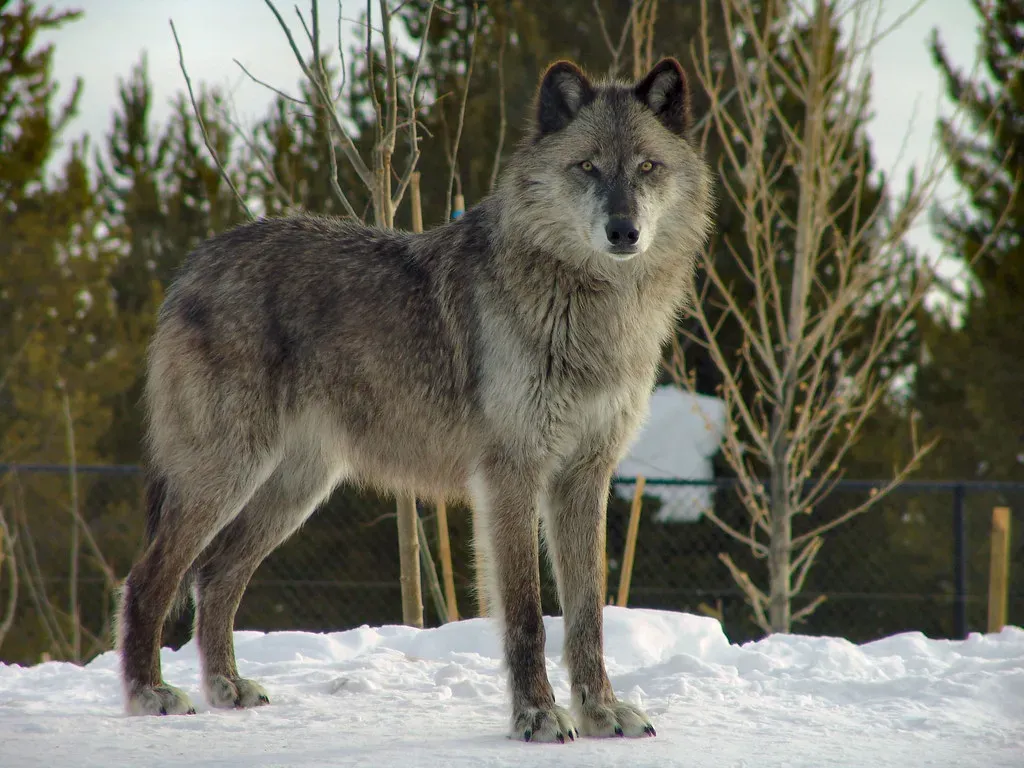
Strip away the campfire mythology, and the pattern is undeniable: early human society wasn’t built from scratch, it was reverse-engineered from watching wolves survive. Cooperative hunting, shared childcare, silent body language, territorial marking, even reconciliation after conflict – none of these are uniquely human inventions.
They’re inherited, observed, or convergently discovered survival tools that happened to work for a highly social predator millennia before we ever formalized them into “culture.” The uncomfortable truth many researchers now accept is that humans weren’t the first social geniuses on the landscape. Wolves were, and we were just smart enough to take notes. Which of these 14 surprised you the most? Drop your pick in the comments.