Have you ever looked at a giraffe and genuinely wondered how on earth that neck came to be? Or stared at a whale and thought, “Wait, you used to walk on land?” Evolution is one of those subjects that sounds like a dry science class topic until you actually dig into the details, and then it becomes something close to magic. The natural world is full of creatures that look and behave as they do because of millions of years of relentless change, adaptation, and survival pressure.
What you’re about to discover is that every stripe, beak, fin, and instinct has a story behind it. Some of those stories are surprising. A few are genuinely jaw-dropping. From the hidden logic behind a zebra’s bold black-and-white pattern to the reason whales move their tails up and down instead of side to side, the evidence of evolution is everywhere you look. Let’s dive in.
1. Natural Selection Turned Beneficial Traits Into the Norm
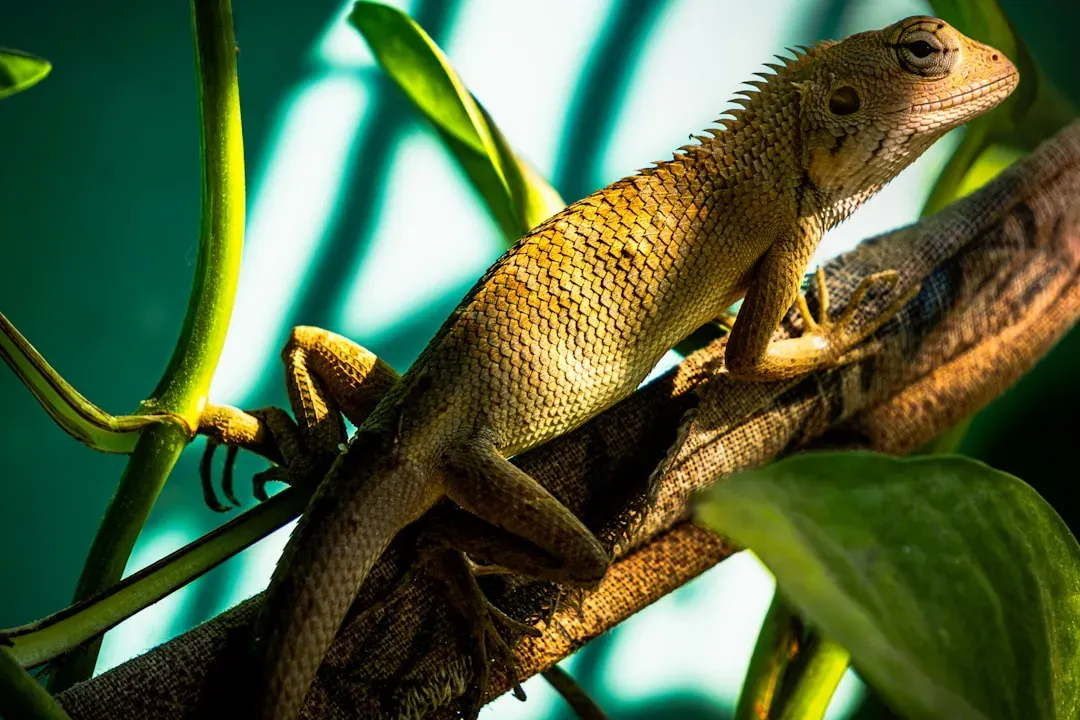
Here’s the foundational idea that makes everything else click. Natural selection is a mechanism of evolution. Organisms that are more adapted to their environment are more likely to survive and pass on the genes that aided their success. This process causes species to change and diverge over time. Think of it like a filter. Only the most useful traits survive the test of time.
Variation of traits, both genetic and physical, exists within all populations of organisms. Some traits are more likely to facilitate survival and reproductive success, and thus are more likely to be passed on to the next generation. You can almost picture it like a slow, invisible hand sorting through generations, keeping what works and quietly discarding what doesn’t. I think this is one of the most elegant processes in all of nature.
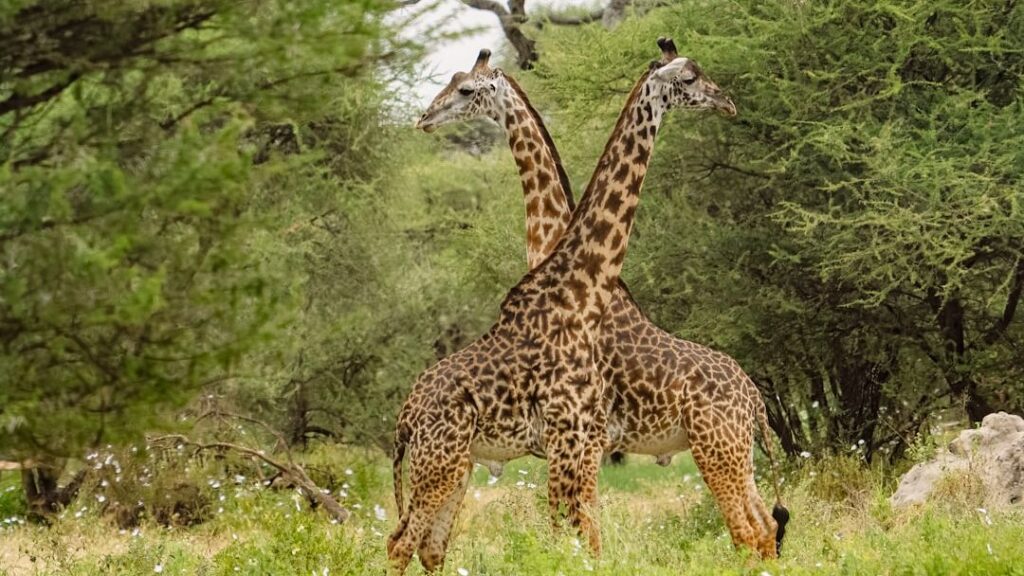
2. The Giraffe’s Remarkable Neck Was Forged Through Sexual Competition
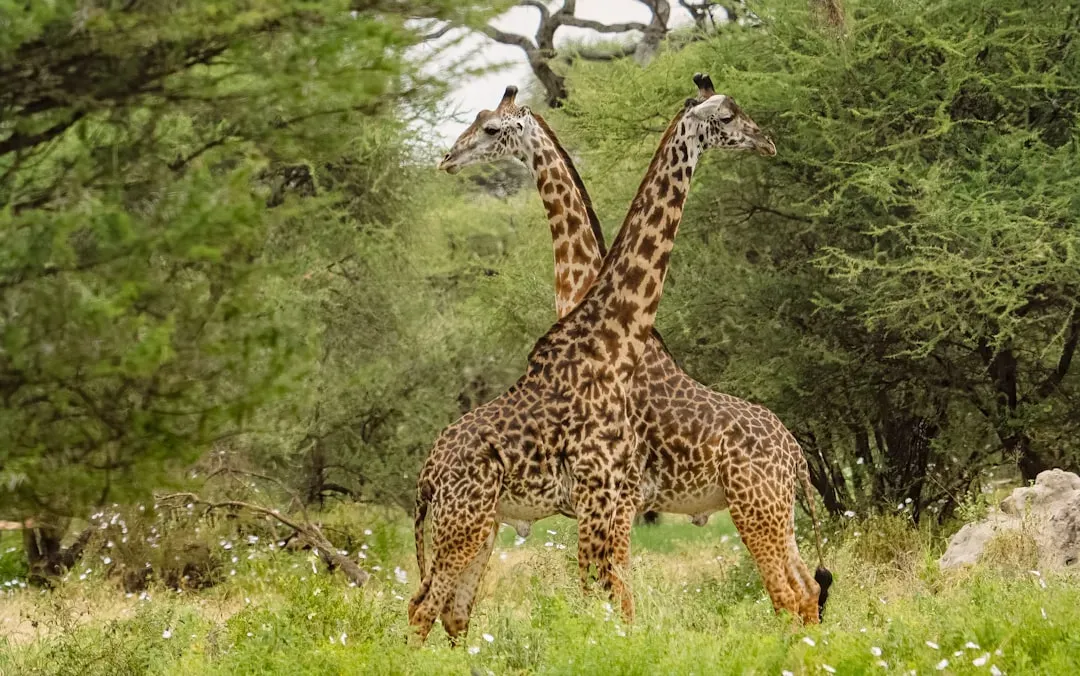
You might have always assumed giraffes grew long necks simply to reach high leaves on trees. Honestly, it’s a reasonable guess, but the story is far more dramatic. A sheep-sized, ancient relative of modern day giraffes called Discokeryx xiezhi lived around 17 million years ago. It had a stumpy neck and a disk-shaped, thick skull. Scientists proposed that those thick skulls evolved to withstand massive blows to the head during fights between males, and those same bouts fueled the growth of their necks.
This is called the “necks for sex” hypothesis, which suggests competition led to longer necks developing. Males who won fights more often passed these genes onto their offspring than did the losers, eventually leading to the giraffes we see today. So the next time you see a giraffe serenely nibbling on a treetop, remember it’s carrying the legacy of millions of years of brutal neck fights. Nature, as always, has a sense of humor.
3. Whales Were Once Four-Legged Land Mammals
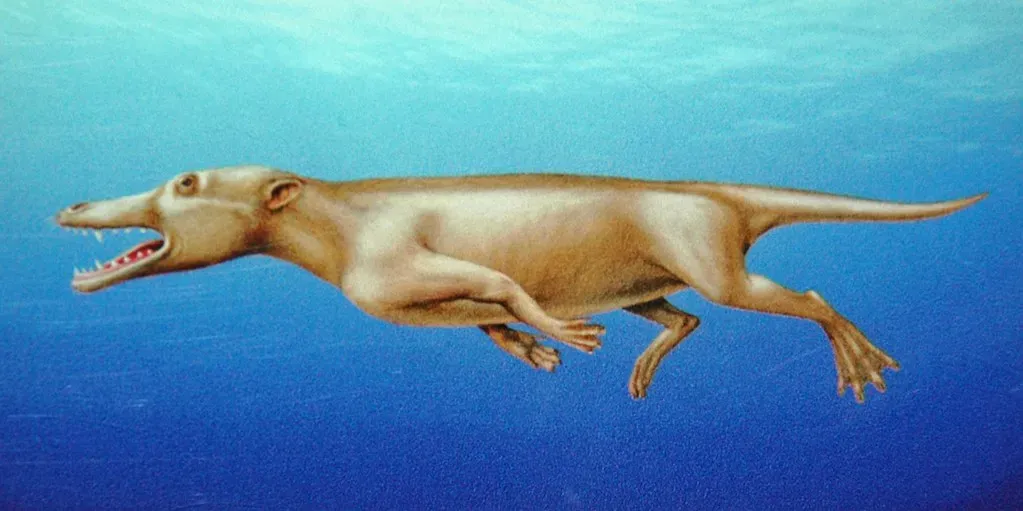
This is the one that makes people stop mid-sentence. Although whales are expert swimmers and perfectly adapted to life underwater, these marine mammals once walked on four legs. Their land-dwelling ancestors lived about 50 million years ago. Meet Pakicetus, a goat-sized, four-legged creature that scientists recognize as one of the first cetaceans. Yes, a creature roughly the size of a goat is the ancestor of the blue whale, the largest animal on Earth. If that doesn’t blow your mind a little, nothing will.
Whales move their tails up and down, rather than back and forth as fishes do. This is because whales evolved from walking land mammals whose backbones did not naturally bend side to side, but up and down. Their nostrils evolved into blowholes now located at the top of the head, hind limbs disappeared, front limbs transformed into fins, and their bodies lost nearly all fur and hair. Every detail of a whale’s body is a memo from its landlocked past.
4. The Cambrian Explosion Launched Animal Diversity as We Know It
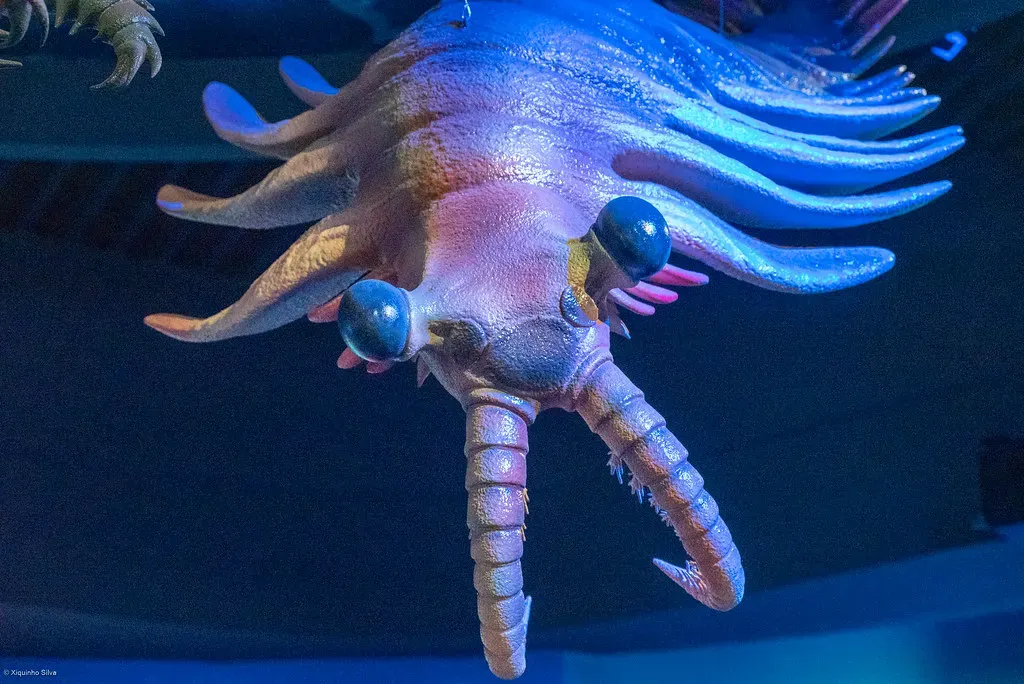
The evolution of animals is a complex process that took billions of years. Simply speaking, modern animals evolved from various lineages of simplistic aquatic species starting around 2.5 billion years ago. Then came the big bang of animal life. The different stages of evolution can be seen during what scientists call the Cambrian explosion, where a major shift in the Earth caused a massive wave of diversification of animal species.
During the Cambrian period, most of the ancestors of modern animals like insects, jellyfish, aquatic bivalves, and many more simplistic animal forms emerged. Before this, life on Earth was largely a quiet, featureless affair. The Cambrian explosion was like flipping a switch and suddenly the oceans were teeming with creatures sporting eyes, shells, limbs, and feeding strategies never seen before. It was the first great evolutionary experiment in complexity, and it worked brilliantly.
5. The Dinosaur Extinction Gave Mammals Their Shot at Greatness
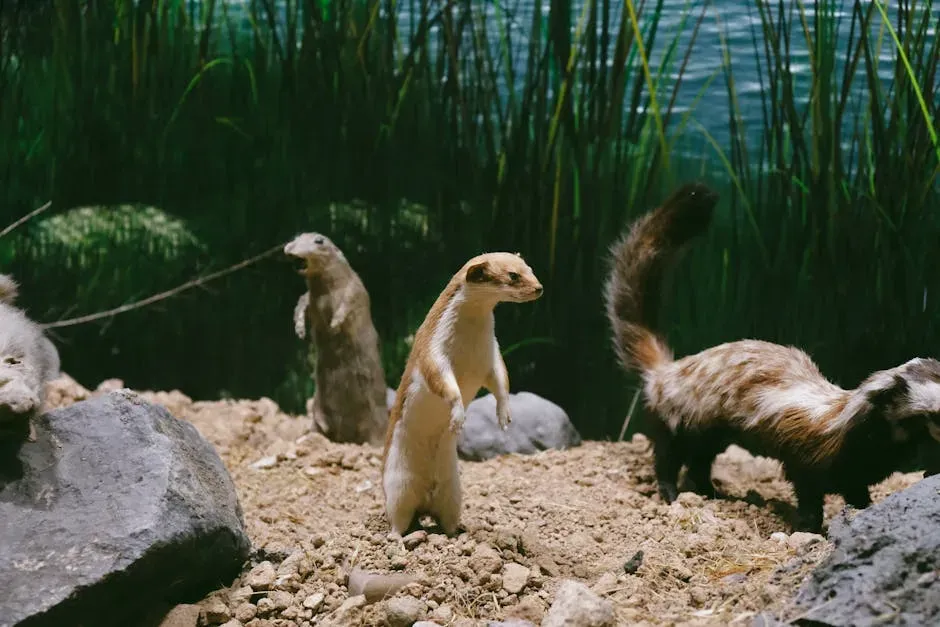
The extinction of non-avian dinosaurs wasn’t just an ending, it was a beginning that fundamentally reshaped life on Earth. This massive ecological disruption created opportunities for mammals to evolve in ways that would have been impossible in a dinosaur-dominated world. The absence of large dinosaur predators and competitors allowed mammals to explore new ecological niches and develop characteristics that define modern animal diversity. It’s hard to overstate how pivotal that moment was.
Recent discoveries show that the origins of modern mammals can be traced back to small, rodent-sized ancestors that lived during the age of dinosaurs. These fossil findings push back the timeline of mammalian evolution, highlighting the complex journey that led to the diverse species we see today. Imagine a world where tiny, scurrying, night-dwelling furballs survived an asteroid impact and eventually became lions, dolphins, elephants, and humans. That is, more or less, exactly what happened.
6. Camouflage Evolved as One of Nature’s Greatest Survival Tools
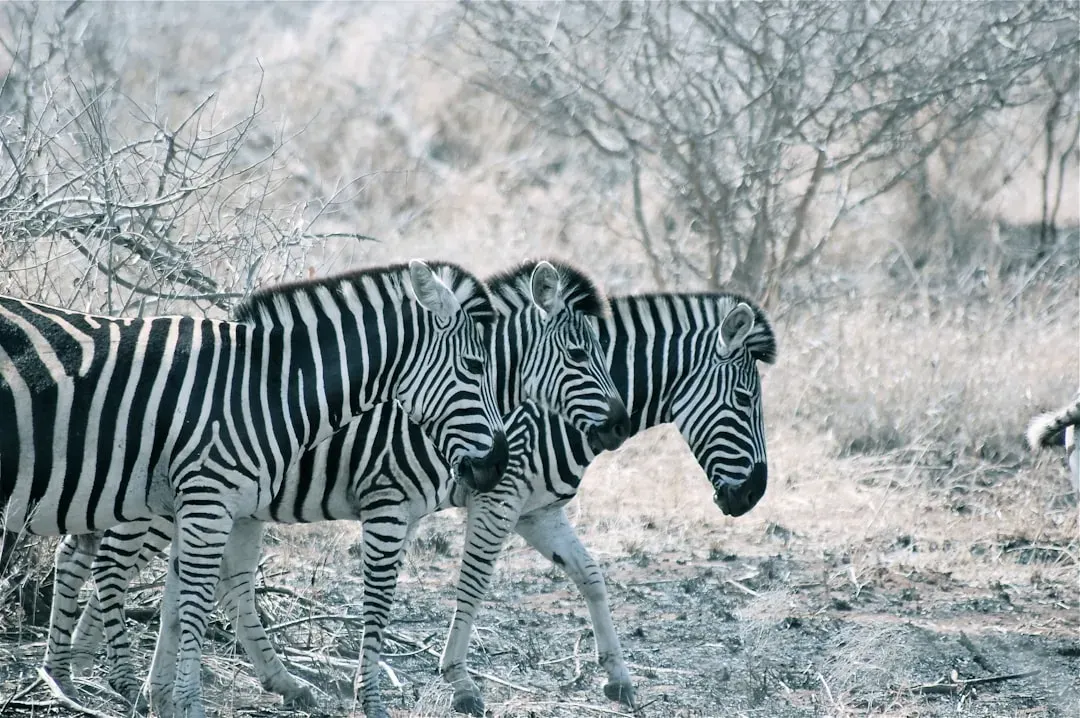
Let’s be real, camouflage is one of those adaptations that seems almost too clever to be accidental. Camouflage has been a textbook example of natural selection and adaptation since the time of the earliest evolutionists. The logic is almost ruthlessly simple. Natural selection rewards those who can best avoid predators or ambush prey through concealment. The principle is simple: animals that go unnoticed tend to live longer and reproduce more successfully.
Over time, random genetic mutations can create small variations in an animal’s color or pattern. If a mutation improves camouflage, it provides a survival advantage, allowing that individual to pass on its genes. Across many generations, these successful traits spread through the population, producing well-adapted species that blend seamlessly with their surroundings. You can see this everywhere, from Arctic foxes developing white coats in winter and brown ones in summer to match the snow or tundra, to desert lizards that seem to vanish against sand dunes.
7. Mimicry Evolved as a Master Class in Evolutionary Deception
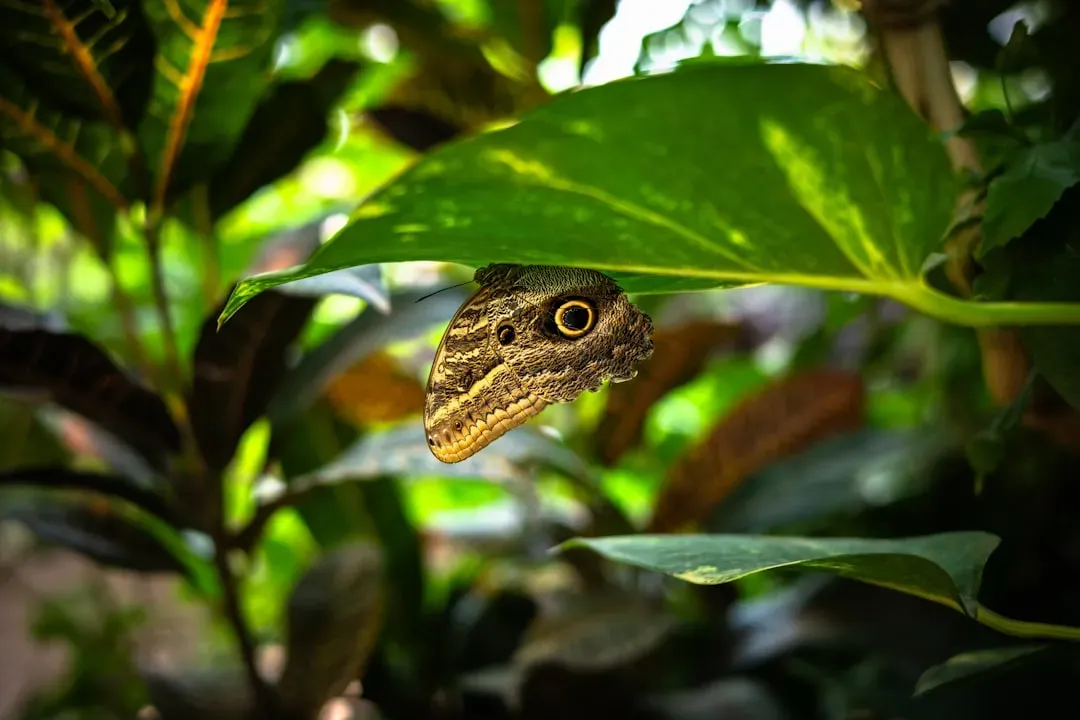
If camouflage is about hiding, mimicry is about lying, and evolution is remarkably good at producing convincing liars. Henry Bates and Fritz Müller found patterns that led to ideas like Batesian mimicry, when harmless animals look like dangerous ones, and Müllerian mimicry, when dangerous animals look alike. Both strategies exploit the memories and fears of predators with stunning efficiency.
Some species imitate the appearance of others to gain protection. For instance, the viceroy butterfly mimics the toxic monarch butterfly, deterring predators who have learned to avoid monarchs. The harmless king snake copies the color pattern of the venomous coral snake, gaining safety through deception. It’s essentially biological bluffing. The viceroy butterfly doesn’t need to be toxic. It just needs predators to think it might be. That single evolutionary trick has saved countless lives across millions of years.
8. Predator-Prey Arms Races Drove Complex Survival Behaviors
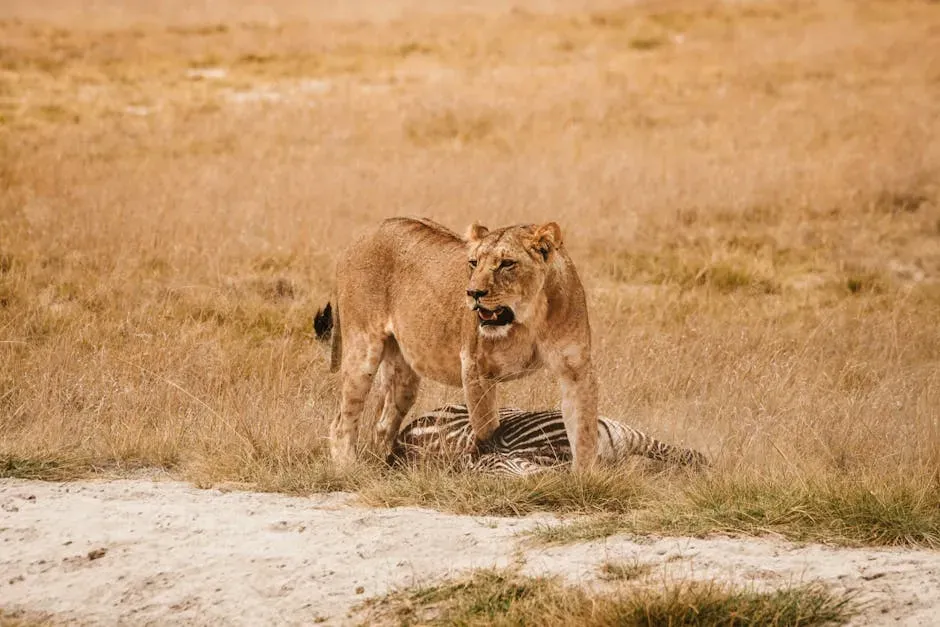
Here’s the thing about evolution: it doesn’t let anyone rest for too long. The arms race between predatory dinosaurs and their prey created increasingly sophisticated hunting and evasion strategies. Velociraptors developed cooperative hunting techniques that required complex communication and coordination. Their prey species responded by developing advanced warning systems, herd behaviors, and defensive strategies that created a feedback loop of evolutionary innovation.
What’s remarkable is how these ancient predator-prey dynamics continue to shape modern animal behavior. The way a lion stalks its prey, the way a school of fish moves to avoid predators, and even the way small mammals freeze when they sense danger all trace back to strategies first developed in dinosaur ecosystems. These creatures essentially wrote the playbook for survival that modern animals still follow. Every time a wildebeest bolts in panic, it is echoing a reflex millions of years in the making.
9. Darwin’s Finches Show How Quickly Beaks Can Change
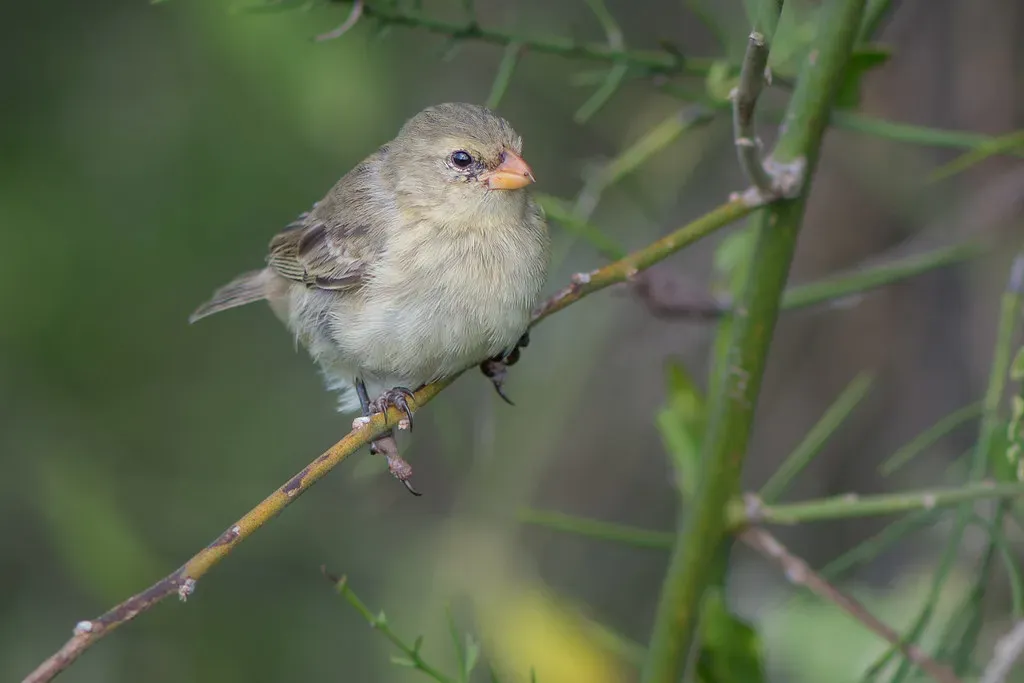
Few evolutionary stories are as clean and visible as the finches of the Galapagos Islands. Very convincing data show that the shape of finches’ beaks on the Galapagos Islands has tracked weather patterns: after droughts, the finch population has deeper, stronger beaks that let them eat tougher seeds. It’s like watching evolution happen on fast-forward. The environment changes, the food changes, and within a handful of generations, the beak changes too.
Natural selection is the process through which species adapt to their environments. It is the engine that drives evolution. The finch story is a perfect illustration of this because the changes are observable within a human lifetime. It’s not just ancient history written in fossils. You can watch it unfolding right now on a volcanic island in the Pacific. That, honestly, is one of the most electrifying things science has ever documented.
10. Echolocation Evolved Independently in Bats and Whales
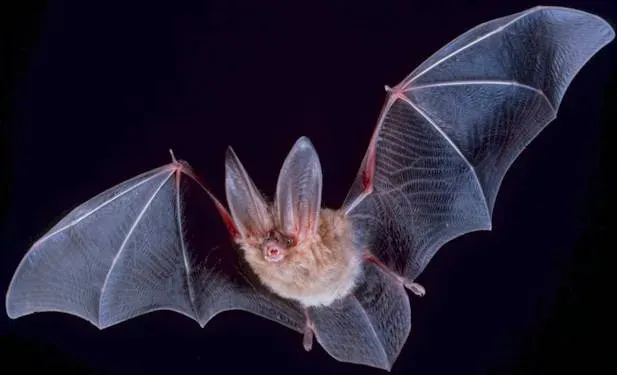
This is where evolution starts to look almost impossibly creative. Several animals use echolocation, a biological form of sonar, to navigate, hunt and communicate. This includes whales and bats. The same mutations in hearing-related genes help both to find prey in low-light conditions, whether that’s in deep water or at night. Two completely different animals, living in completely different environments, arriving at the exact same high-tech solution. Scientists call this convergent evolution.
Species have evolved similar traits and attributes when separated by oceans, continents, or even millions of years. Dolphins and extinct marine reptiles called ichthyosaurs are a prime example. They evolved a very similar body shape, yet ichthyosaurs lived in the oceans hundreds of millions of years before dolphins appeared. This tells us that these animals experienced similar conditions and lifestyles, even if millions of years apart. The ocean essentially has a preferred body design, and life keeps rediscovering it.
11. The Peppered Moth Showed Evolution Happening in Real Time
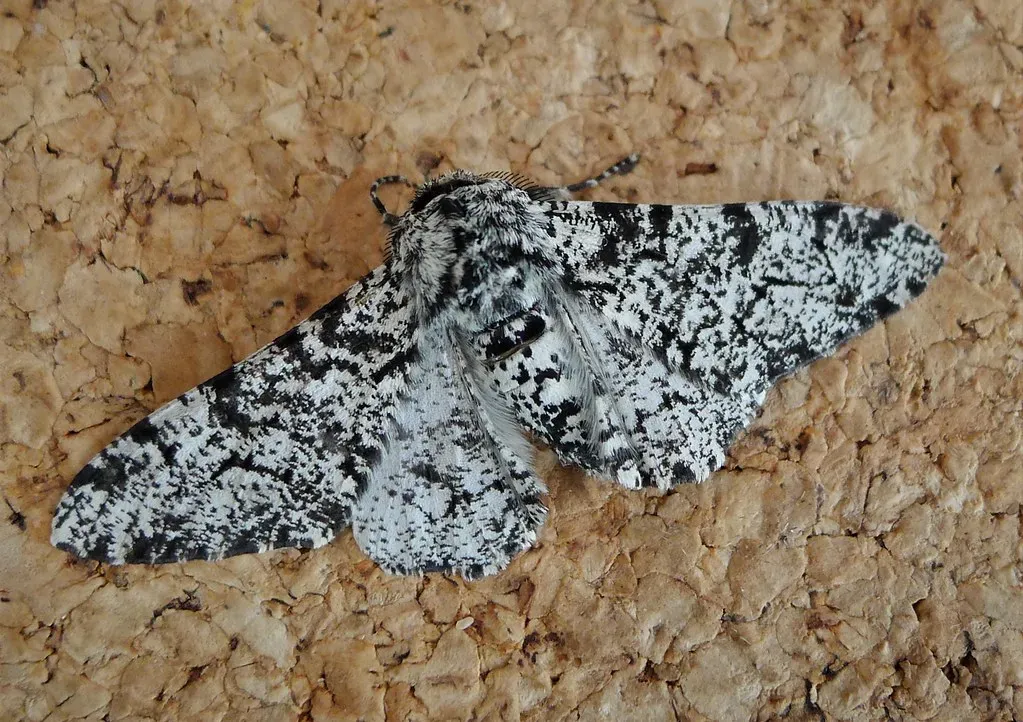
Want a story that connects industrial pollution, bird vision, and genetic mutation into one tidy package? Before the mid-19th Century, peppered moths were cream with black spots. During the Industrial Revolution, this was replaced with a black alternative, which camouflaged well against the sooty tree trunks where it rested during the day. Then, in the 20th Century, when the Clean Air Act improved the air quality, the darker form declined and the cream version became more common.
The story illustrates how quickly evolutionary change can occur, and in 2016, scientists deciphered the cause of this rapid color change. A well-timed mutation altered the moth’s pigmentation, leading to the appearance of an evolutionary showstopper. What makes this story particularly powerful is the reversal. When human behavior changed and pollution decreased, evolution shifted course to match. It is one of the clearest demonstrations that evolution is not a one-way street frozen in the distant past. It is happening right now, all around you.
12. Animals Adapted Dramatically to Their Specific Habitats
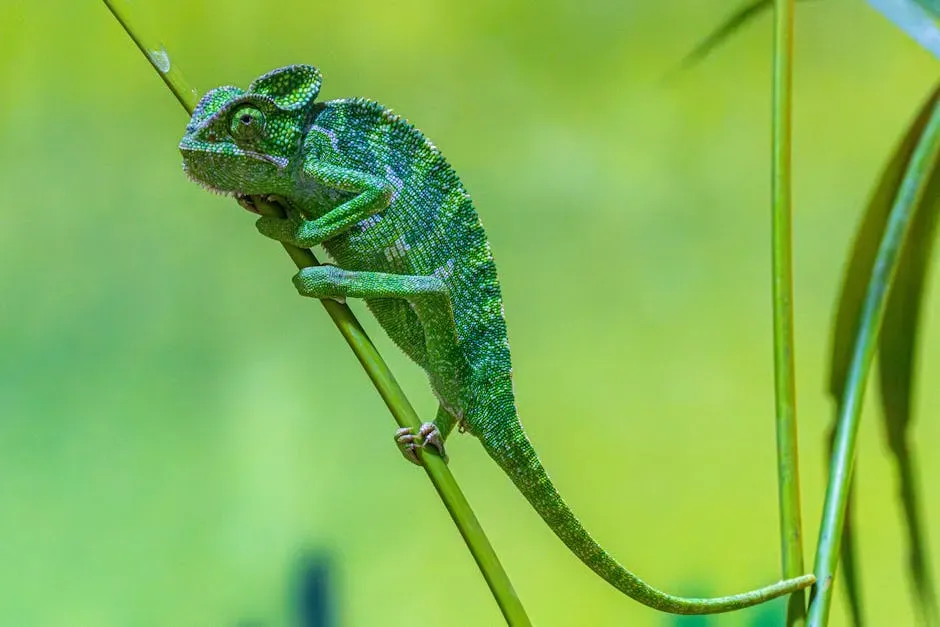
An adaptation is a feature that arose and was favored by natural selection for its current function. Adaptations help an organism survive and reproduce in its current environment. They can take many forms: a behavior that allows better evasion of predators, a protein that functions better at body temperature, or an anatomical feature that allows the organism to access a valuable new resource. Over deep time, these small changes accumulate into radical transformations.
A striking example is the cave fish. Fish species that live in completely dark caves have vestigial, non-functional eyes. When their sighted ancestors ended up living in caves, there was no longer any natural selection that maintained the function of the fishes’ eyes. Fish with better sight no longer out-competed fish with worse sight. Today, these fish still have eyes, but they are not functional and are not an adaptation; they are just by-products of the fishes’ evolutionary history. Losing something can be just as powerful an adaptation as gaining it.
13. Sexual Selection Shaped Animal Appearance Beyond Survival Needs
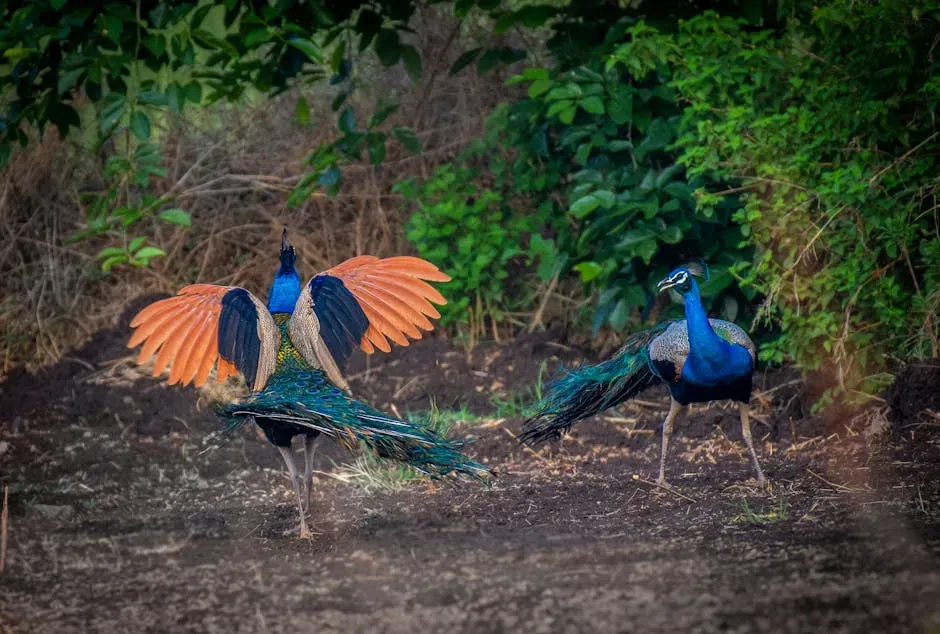
Not all evolutionary pressure comes from predators or climate. Sometimes, it comes from the opposite sex. Sexual selection, the selection pressure on males and females in mating, can result in traits designed to maximize sexual success. The peacock’s absurdly gorgeous tail is a perfect metaphor for this. It’s heavy, it’s conspicuous, and it makes the bird easier for predators to spot. Yet generation after generation, it gets more elaborate.
Behavior can also be shaped by natural selection. Behaviors such as birds’ mating rituals, bees’ waggle dance, and humans’ capacity to learn language have genetic components and are subject to natural selection. The male blue-footed booby, for example, exaggerates his foot movements, an adaptation that helps him attract a mate. Evolution does not only build warriors. It builds performers, showoffs, and dancers. Those traits survive too, because being chosen as a mate matters just as much as not being eaten.
14. Humans Are Now Driving a New, Faster Chapter of Animal Evolution
Here’s a sobering thought to end on. Evolution has never stopped, and right now, one species is accelerating it in ways that took billions of years to unfold naturally. Humans are shaping the evolutionary trajectories of animals across the globe, from insects to whales. As a result of our influence, key aspects of animal behavior are changing, including where animals live, where they breed, what they eat, whom they fight, and whom they help.
We are remodeling more than just the environments species live in. We are altering the species themselves as they evolve in response to our impact on their surroundings. One consequence of this change is that we are creating mismatches between animals and the settings in which they evolved. For example, house sparrows brought to North America from Europe in the nineteenth century have, since then, used genetic variation within the species and different selective pressures to adapt to different parts of the continent. Evolution is not just a story of the past. It is unfolding in every city, every ocean, and every field on Earth today.
Conclusion
From the stumpy-necked ancestor of the giraffe to the goat-sized landlubber that eventually became the blue whale, evolution has sculpted the animal kingdom into something almost impossibly rich and varied. You now have proof that every living creature you see carries millions of years of pressure, adaptation, and ingenuity encoded in its very body. The beak, the stripe, the flipper, the echolocation, the camouflage. None of it is an accident.
What strikes you most is how relentless and creative the process is. It never pauses, never starts from scratch, and never wastes a useful trait. It builds on what exists and nudges it, generation by generation, toward whatever works best right now. The animal world is a living archive of that process, and every species in it is a current chapter in a story that has no end. When you look at an animal today, what evolutionary chapter do you think you’re reading?