If you think dragons, thunder birds, and shadow wolves only belong in fantasy novels, you might be in for a shock. Earth’s fossil record is basically the wildest creature encyclopedia ever written, and a lot of its cast would fit perfectly into an epic saga or a dark fairytale. Some of them had armor like living tanks, others wielded teeth longer than your hand, and a few looked like mashups designed by a sleep‑deprived game concept artist.
What fascinates me most is how ordinary our modern animals feel once you meet their extinct cousins. After reading about giant vampire bats, saber‑toothed salmon, and birds the size of small planes, you start to realize humans showed up pretty late to the party. Let’s walk through fifteen very real, scientifically described creatures that sound completely made‑up – and see how close nature has always been to fantasy.
1. Thylacine – The Striped Ghost Hound of Tasmania
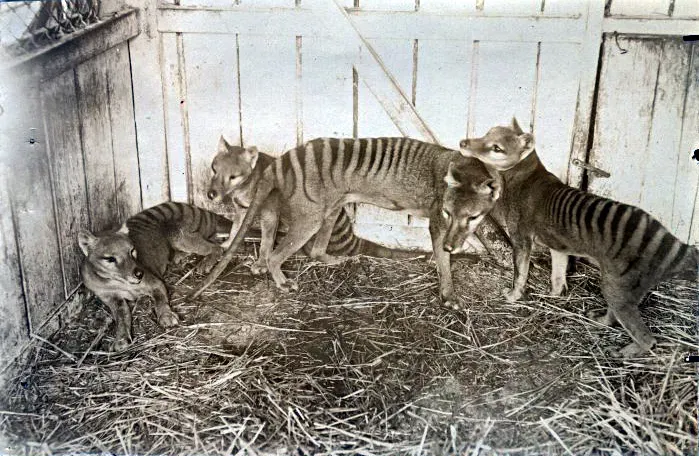
The thylacine, often called the Tasmanian tiger, feels like something straight out of a folklore bestiary: a dog‑shaped hunter with a pouch like a kangaroo and tiger‑style stripes across its back. It was actually a marsupial, more closely related to wombats than to wolves, but if you saw one in a misty forest you’d probably just think “otherworldly striped hound” and slowly back away. Old footage shows them yawning with jaws that opened freakishly wide, giving them an even more uncanny, almost demon‑dog look.
Humans did what humans do far too often: hunted them relentlessly, blamed them for livestock losses, and ignored warnings until it was too late. The last known thylacine died in captivity in the 1930s, and ever since, people have reported shadowy sightings in the wilderness like ghost stories that refuse to die. Part of me hopes they’re secretly hanging on in some hidden valley, but the scientific reality is grim. Still, as far as real‑life “fantasy familiars” go, the thylacine is hard to beat.
2. Quetzalcoatlus – The Sky Dragon with a Plane‑Sized Wingspan
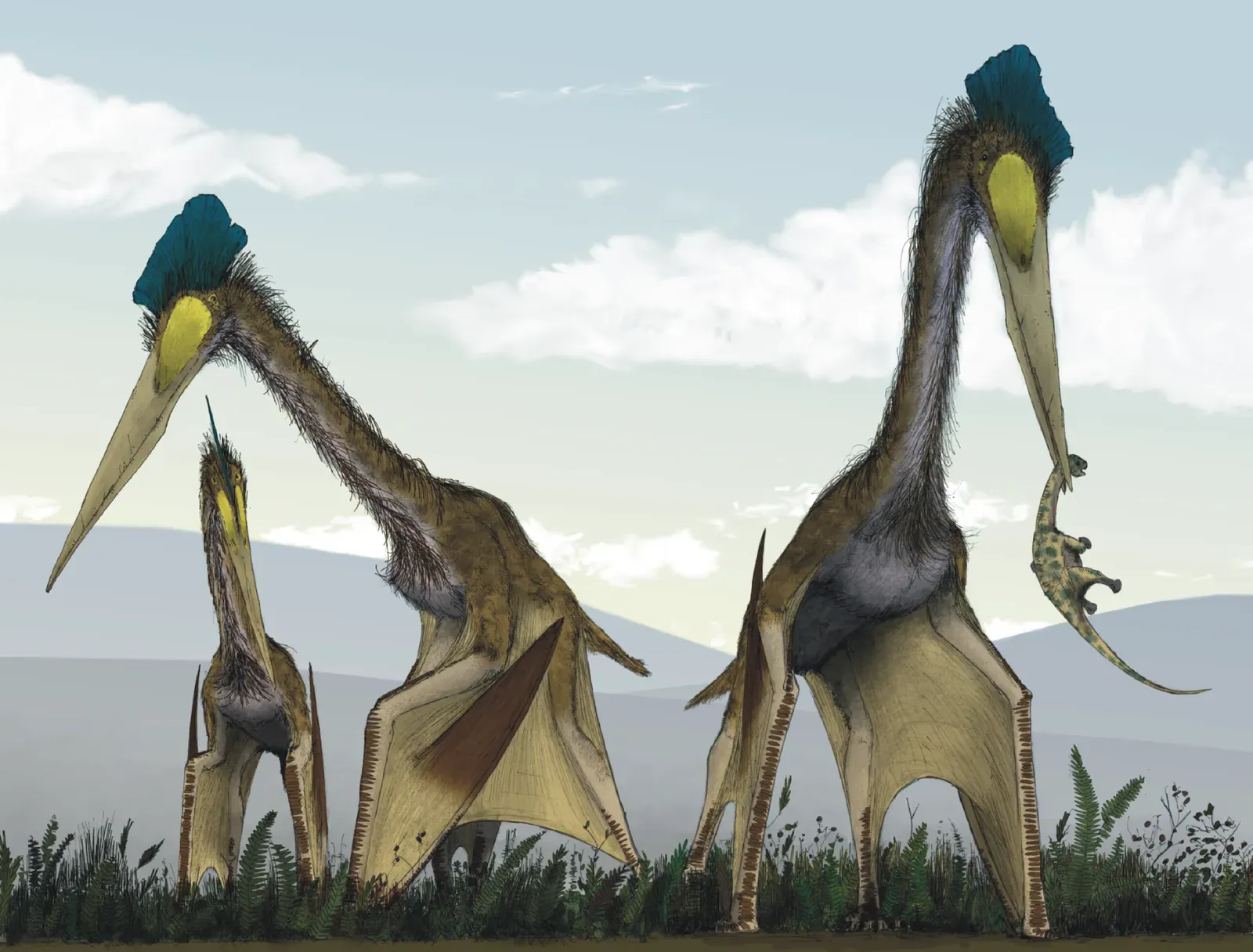
Quetzalcoatlus is the kind of name you’d expect for an elder dragon in a fantasy series, and honestly, the real creature lives up to it. This pterosaur from the Late Cretaceous had an estimated wingspan rivaling a small airplane, towering as tall as a giraffe when standing on the ground. Imagine walking out of a primeval forest into a clearing and seeing that silhouette against the sunset – tell me you wouldn’t assume you’d wandered into a myth.
Despite its intimidating presence, Quetzalcoatlus might not have been a constant flier; some scientists think it stalked prey on land like a huge, long‑necked stork, jabbing down at small animals. The idea of a stalking sky dragon that sometimes walks the earth just makes it feel even more like a boss encounter from a game. We tend to talk about dinosaurs as the stars of the Mesozoic, but creatures like this prove the skies were just as dramatic. Modern birds suddenly seem like the polite, watered‑down sequel.
3. Glyptodon – The Armored Living Tank
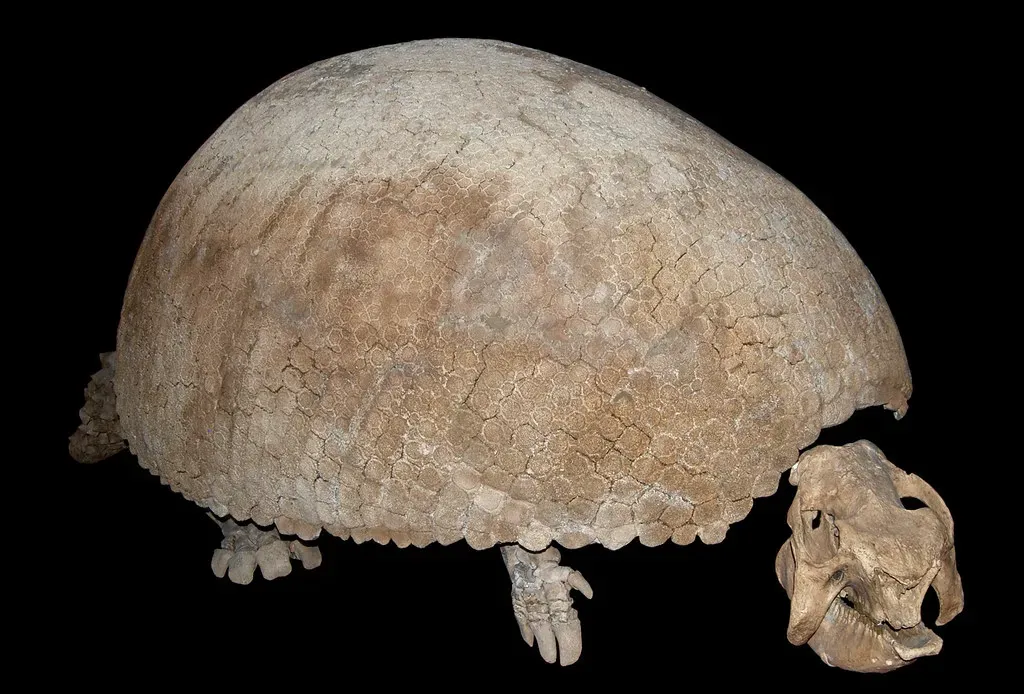
Glyptodon sounds like the kind of mount a fantasy knight would ride into battle: a gigantic armadillo with a domed shell like a stone fortress. These Ice Age herbivores were roughly the size of a small car, with a heavy bony shell and, in some species, a thick, club‑like tail. If you sketched one into a fantasy setting, fully armored and trundling across some cursed plain, nobody would question it for a second.
I always imagine early humans staring at glyptodons with a mixture of awe and opportunity – on the one hand, that is a walking bunker; on the other, that shell is basically ready‑made shelter material. There’s evidence people may have used their shells as makeshift huts, which feels oddly resourceful and a bit brutal at the same time. In a fairer world, glyptodons would still be with us, ambling along riverbanks like prehistoric tanks. Instead, climate shifts and human expansion likely pushed them into the history books.
4. Smilodon – The Saber‑Toothed Shadow Cat
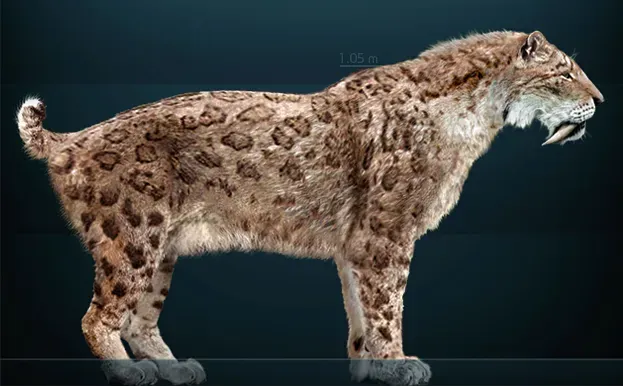
Smilodon is always introduced as the “saber‑toothed tiger,” but it really deserves a better, more mythical title. This Ice Age predator had upper canine teeth so long they look like props from a dark fantasy movie, curving down from a massive, muscular skull. It was not built for speed like a cheetah; instead, its powerful forelimbs and stocky build suggest an ambush hunter that brought down big prey and then finished the job with those terrifying fangs.
What I find haunting is how closely Smilodon lived alongside early humans in the Americas; we were basically sharing the stage with an animal that looks like a cursed avatar of a war god. Cave finds packed with Smilodon fossils hint at complex lives, perhaps even some form of social behavior. If you imagine a moonlit Ice Age plain, herds of giant sloths and bison moving in the dark, and these huge saber‑cats waiting in the brush, it’s hard not to feel like we lost a major character when they vanished.
5. Haast’s Eagle – The Giant Eagle That Hunted Humans’ Ancestors
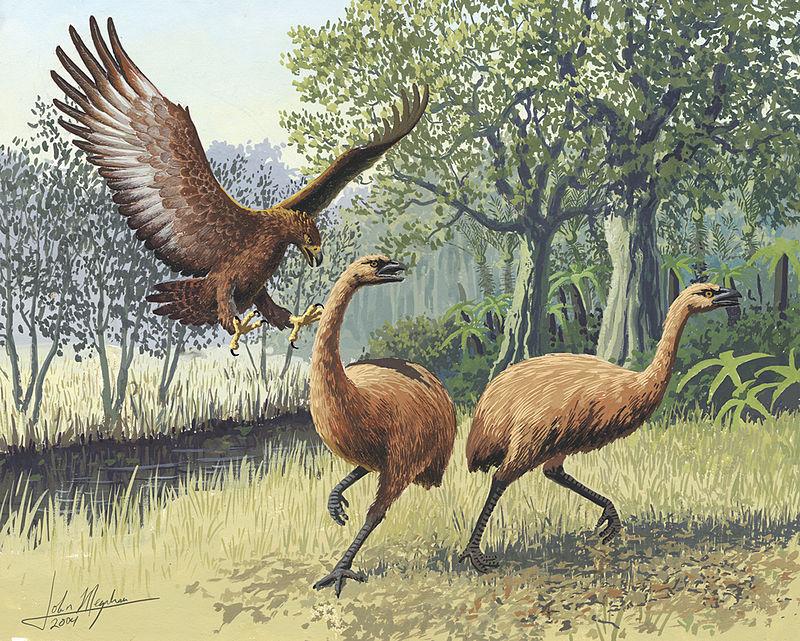
Haast’s eagle is one of those creatures that makes fantasy “war eagles” seem almost tame. Native to New Zealand and now extinct, this bird of prey had a wingspan large enough to overshadow a person and talons comparable in size to a tiger’s claws. It preyed on massive moa birds, but once humans arrived, it almost certainly would have seen people – especially children – as potential targets.
Imagine hiking through dense, ancient forest and knowing that death can fall out of the sky with almost no warning. Stories from Indigenous traditions describe enormous man‑hunting birds, and while details vary, the core idea lines up chillingly well with what we know from fossils. The extinction of the moa, driven largely by human hunting, removed the eagle’s main prey, and the giant bird followed soon after. In a poetic twist, our species basically cut the anchor line holding this sky predator in the world.
6. Megalodon – The Ocean’s Primeval Sea Demon
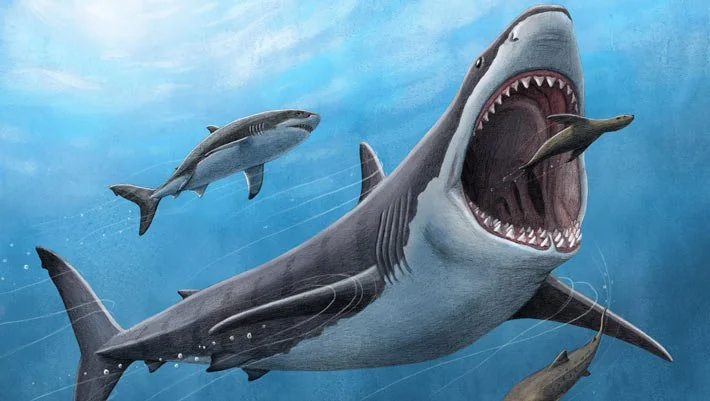
Megalodon has already been turned into a pop‑culture monster, but the real animal is eerie enough without any exaggeration. This prehistoric shark was longer than a city bus and carried jaws lined with teeth big enough to fill your open hand. It probably hunted whales, ramming, biting, and tearing in ways that feel more like something out of a sea horror novel than a nature documentary.
What gets me is how invisible a threat like that would have been. You could be sailing over calm water, sun warm on your face, and have no idea that a predator the length of your street could be gliding far below. Modern great white sharks, frightening as they are, look like smaller cousins next to its reconstructed jaws. If fantasy stories sometimes imagine gods of the deep, Megalodon is proof that nature already tried that concept once – and then let it disappear beneath the waves.
7. Titanoboa – The Serpent of Swamp Nightmares
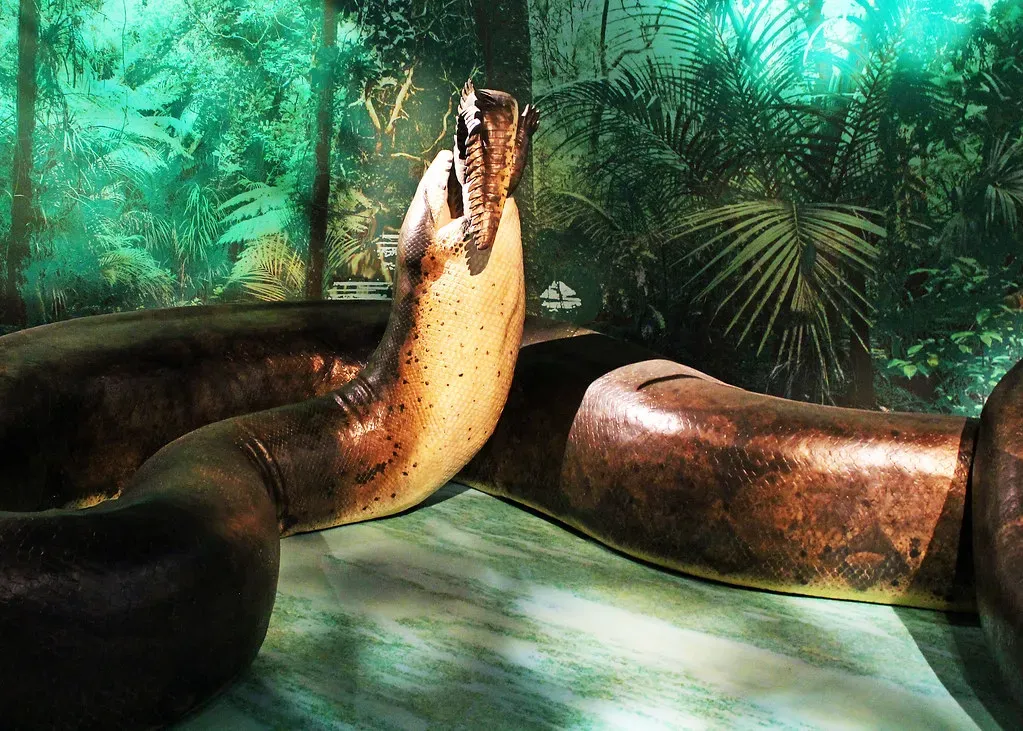
Titanoboa is exactly what its name suggests: a boa on titan mode. This enormous snake slithered through tropical South American swamps after the age of the dinosaurs and may have reached lengths that surpass anything living today. Picture a thick, muscular body as long as a city bus, silently coiling through murky water; it sounds like the final guardian of some cursed jungle temple.
The climate it lived in was hotter than today’s tropics, which helped a cold‑blooded reptile grow to such monstrous size. Scientists think Titanoboa probably hunted large fish and maybe crocodile‑like reptiles, ambushing them from murky depths. Whenever I see small snakes in modern wetlands, it’s wild to think they once had a relative that could have wrapped around a car and kept going. Nature clearly flirted with the “world‑encircling serpent” trope long before storytellers got to it.
8. Terror Birds (Phorusrhacids) – The Running Beaked Reapers
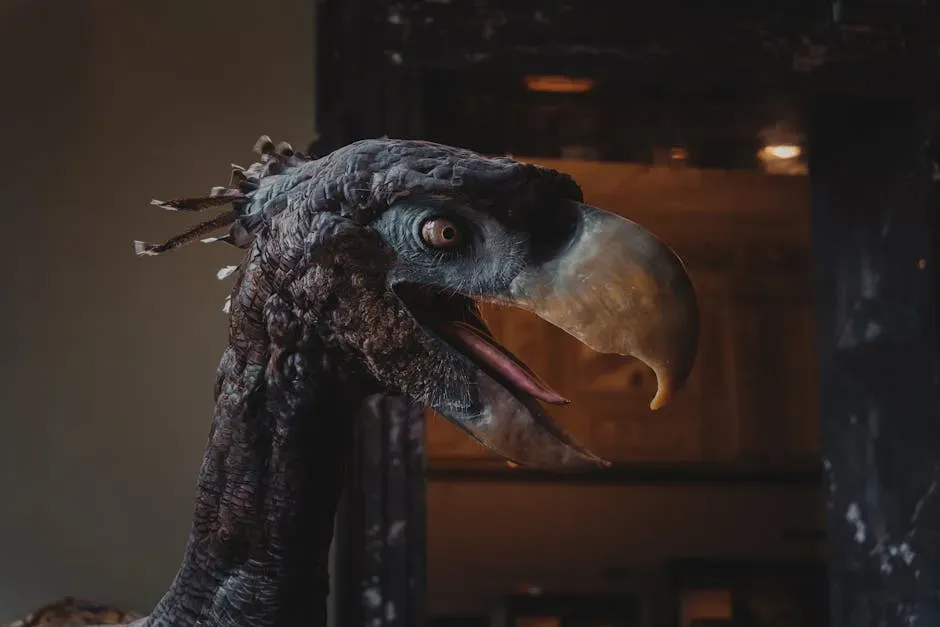
Terror birds, an informal name for the Phorusrhacids, sound like something a fantasy writer would invent when they get tired of wolves and dragons. These large, flightless predatory birds roamed South America and parts of North America, with powerful legs for running and huge, hooked beaks for tearing flesh. They were not delicate birdwatching material; they were more like armored assassins on stilts.
Try to visualize a landscape where your main predator is a sprinting, human‑height bird with a beak strong enough to crush bone. Instead of a silent stalker in the bushes, you’d have this towering figure weaving through scrub, head bobbing, eyes fixed on you like you’re just another small mammal to dismantle. Some species may have chased down prey at serious speed, using their beak almost like a built‑in war hammer. In a fantasy setting, they’d be perfect as the feared steeds of some desert war tribe – and in reality, they probably ruled their ecosystems with similar confidence.
9. Deinocheirus – The Bizarre Hunchbacked Giant
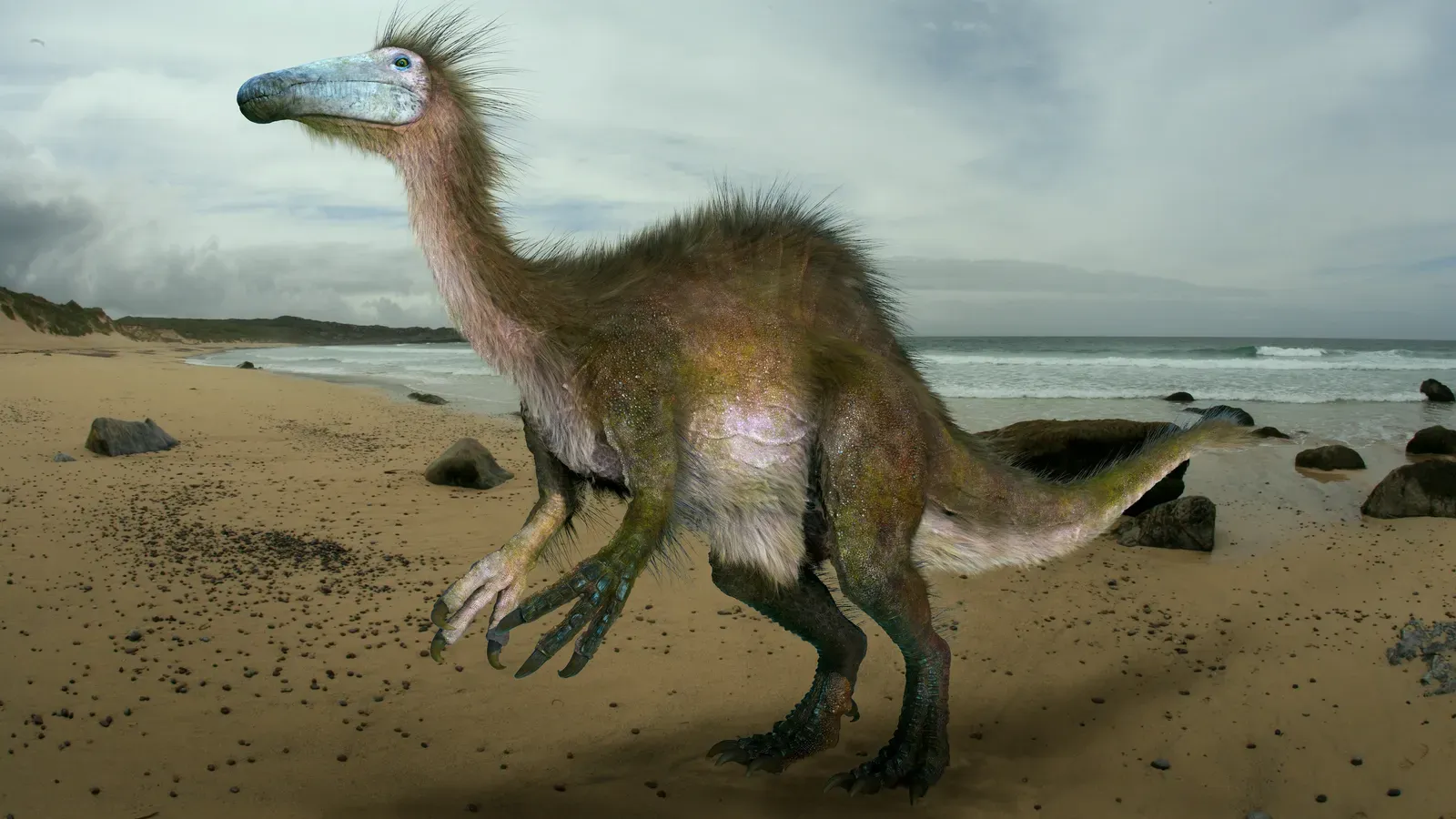
Deinocheirus looked for decades like a creature assembled by a very confused sculptor. Paleontologists originally found only its massive front claws and arms, which were longer than a person is tall, leading to all sorts of monstrous reconstructions. When more complete fossils were discovered, the full animal turned out to be stranger and somehow even more fantasy‑worthy: a humped‑back giant with a duck‑like bill and a heavy tail.
Despite its fearsome claws, it was most likely an omnivore or plant‑eater, trundling along riverbanks like some eccentric guardian spirit of the floodplain. I always picture it as a sort of gentle colossus, looming over lesser dinosaurs while scooping up plants and maybe the occasional fish. If someone painted it onto an ancient temple wall as a god of abundance, it would look completely fitting. It is a nice reminder that “monstrous” anatomy doesn’t always equal “villain” in the story of life.
10. Helicoprion – The Shark with a Buzzsaw Jaw
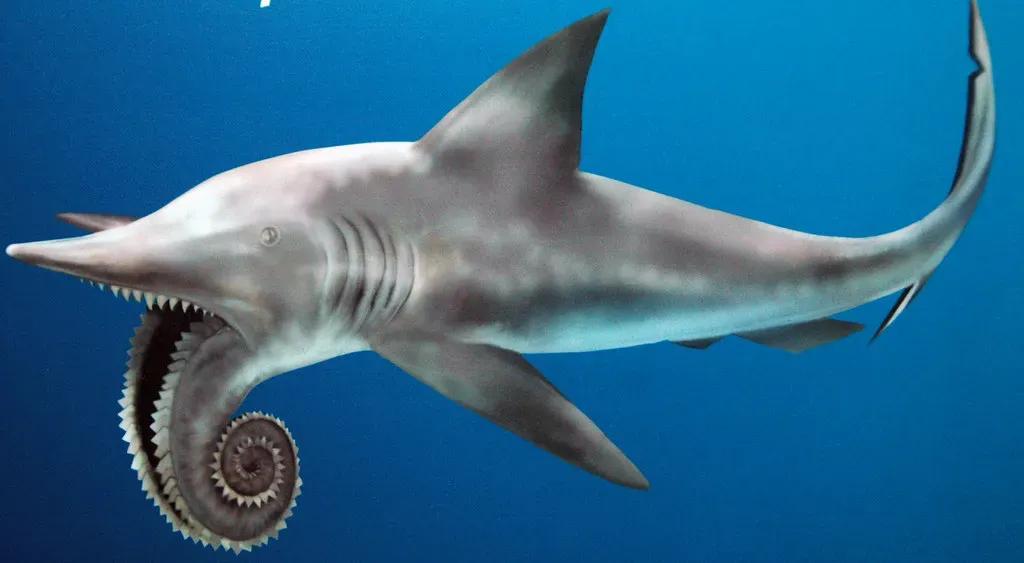
Helicoprion sounds like the brand name of a power tool, and weirdly, its mouth kind of matched that description. This ancient fish had a spiral of teeth in its lower jaw, forming something that looks uncannily like a circular saw blade rolled up inside its head. For a long time, scientists were unsure exactly how that spiral fit, leading to some truly unhinged early reconstructions.
Current interpretations suggest that the buzzsaw‑like structure helped slice soft prey like squid, almost like a built‑in conveyor‑blade system. The idea that a real animal swam through the oceans wielding a biological saw is the kind of detail you’d expect in an over‑the‑top fantasy bestiary, not a serious textbook. Even great white sharks feel almost minimalist next to this strange experiment in tooth design. Personally, I find Helicoprion proof that evolution sometimes prioritizes “this might work” over “this will look normal.”
11. Dimetrodon – The Sail‑Backed Lurker of Ancient Swamps
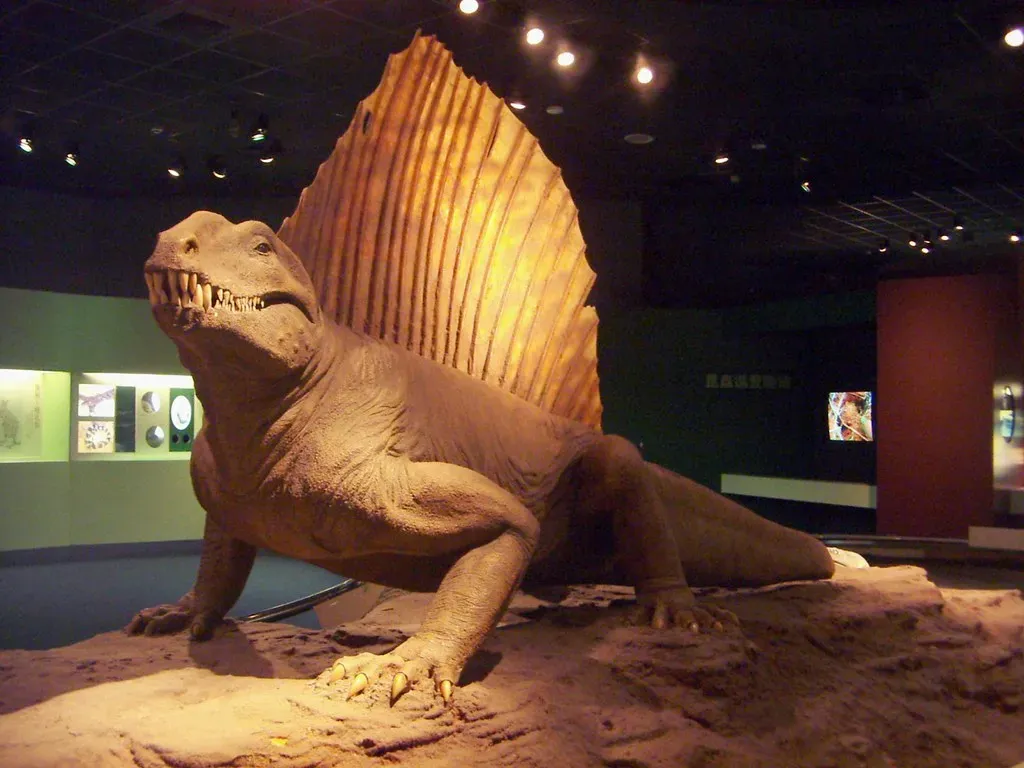
Dimetrodon is one of those creatures many people mistake for a dinosaur, but it actually lived long before them and sits closer on the family tree to mammals. Its most dramatic feature is the huge sail on its back, formed by elongated vertebrae and likely covered in skin. That towering, spiky outline against a swampy horizon feels straight out of a fantasy illustrator’s sketchbook.
The function of the sail is still debated: it might have helped with temperature regulation, or maybe it played a role in displays to attract mates or intimidate rivals. Either way, it turned Dimetrodon into a walking symbol, like a living banner proclaiming dominance over its muddy world. I always imagine it half‑submerged in shallow water, only the sail breaking the surface like a monstrous fin. If you wrote that scene into a novel, readers would probably call it “atmospheric” – in reality, it was just another day in the Permian.
12. Dunkleosteus – The Armored Juggernaut of the Ancient Seas
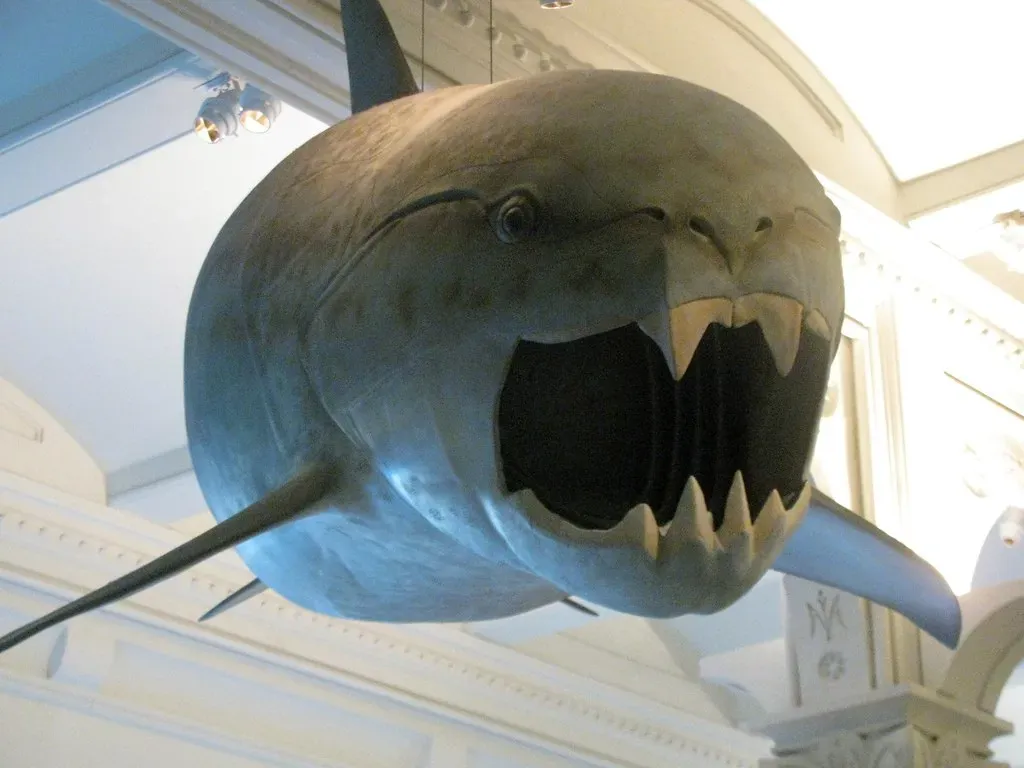
Dunkleosteus was a giant armored fish from the Devonian period, and it looks exactly like a boss creature guarding some underwater dungeon. Instead of real teeth, it had bony plates forming sharp edges that came together like a mechanical beak, delivering a bite force that ranks among the most powerful in vertebrate history. Its head and front body were sheathed in thick armor, turning it into a swimming battering ram.
There is something deeply unsettling about a predator that is basically all head and armor at the front and raw power behind it. Smaller fish and other marine creatures would have stood no chance once those bony “shears” closed. When I see modern reef fish drifting peacefully, it’s wild to remember that their distant predecessors once shared the water with this brute. If the ocean had its own legends of dragons and demons, Dunkleosteus would absolutely be on the list.
13. Andrewsarchus – The Giant Mystery Beast of the Past
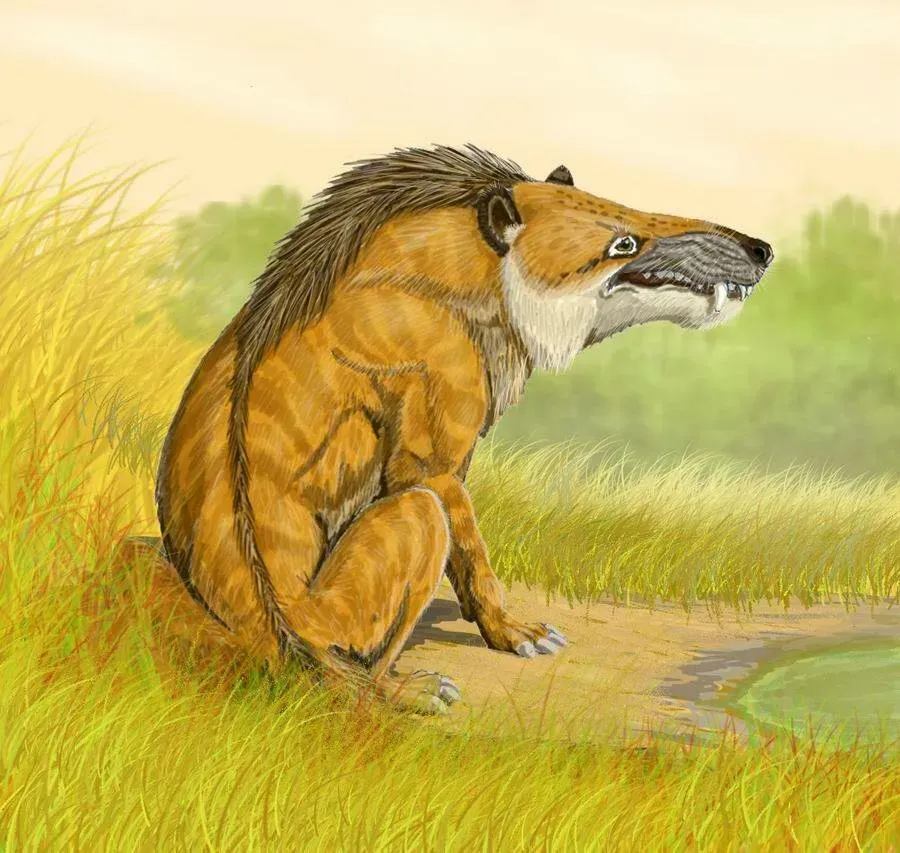
Andrewsarchus is one of those animals where the fragment we have – a massive skull – leaves almost too much room for the imagination. Early reconstructions portrayed it as a huge, wolf‑like or hyena‑like super‑predator, roaming ancient shorelines like a living siege engine with teeth. More recent thinking suggests it might have been closer to hoofed mammals and perhaps more of an omnivore, but the fantasy vibe remains strong.
Part of what makes Andrewsarchus so compelling is that it sits uncomfortably between categories we like to keep separate. Was it a dedicated hunter, a powerful scavenger, or a coastal generalist tearing into whatever washed up on ancient beaches? The fossil evidence is patchy enough that we have to hold our stories loosely. Still, if some author described a coastal realm patrolled by massive, thick‑snouted “shore wolves,” you could easily trace those fictional beasts back to this real, enigmatic skull.
14. Argentavis – The Giant Silent Glider of the Skies
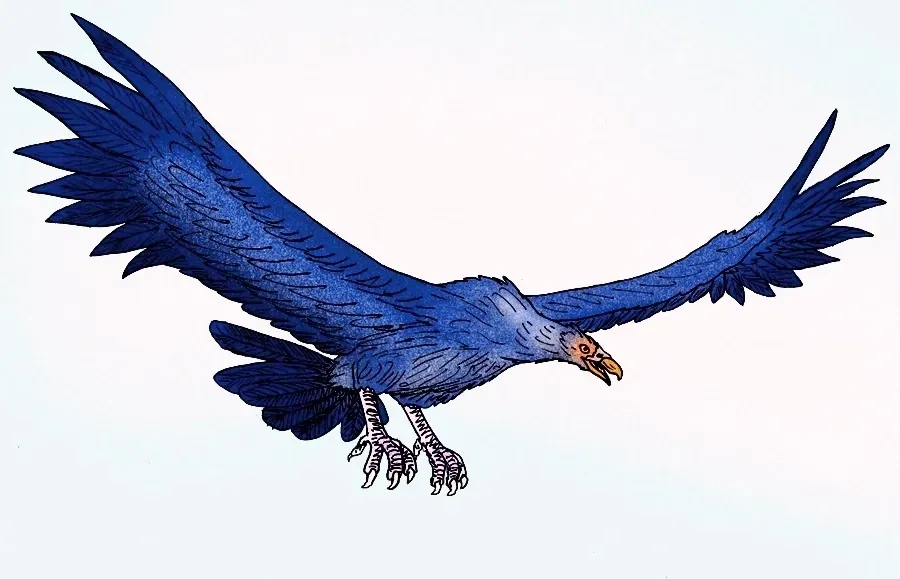
Argentavis was one of the largest flying birds ever known, a South American giant that soared on wings wider than many small aircraft. Imagine looking up and seeing a bird cross the sky so slowly and silently that it feels like a drifting omen. It probably spent much of its life riding powerful air currents, barely flapping, scanning the ground for carcasses or small prey.
What I love about Argentavis is that it makes the sky feel less empty and more like a lost highway of titans. Modern vultures and eagles suddenly feel like smaller, humbler versions of an original blueprint. In a fantasy world, Argentavis would be the bird reserved for prophets and kings to interpret as signs. In our world, it is a reminder that vast, almost unsettling scale used to be far more common above our heads.
15. Arctodus simus – The Short‑Faced Bear from Your Nightmares
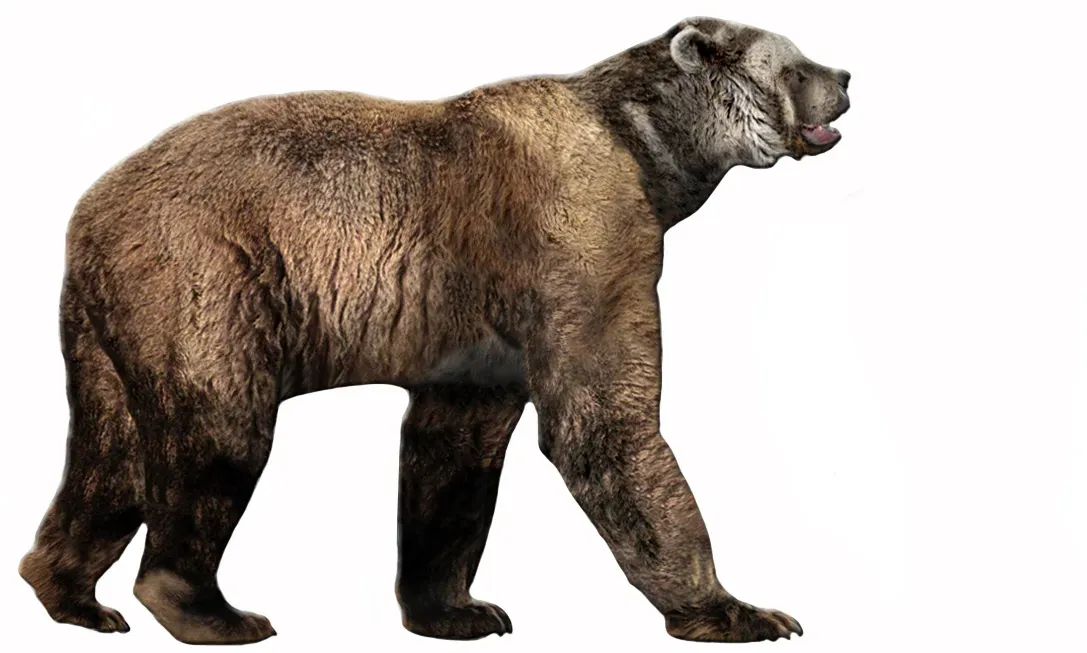
Arctodus simus, often called the short‑faced bear, roamed North America during the Ice Age and may have stood taller than any bear alive today when rearing up. It had long legs, a broad head, and a build that suggests it could cover ground frighteningly fast for such a massive animal. Picture something bear‑like but stretched upward and streamlined, a predator or super‑scavenger that could simply bully smaller carnivores off their kills.
Humans likely overlapped with this towering bear, which means our ancestors walked through landscapes where something like a nightmare bear could be just over the next ridge. Some researchers see it as a specialized scavenger, others as an active hunter; either way, it would have owned whatever territory it chose. In a fantasy novel, this would be the creature that stalks the tundra beyond the last settlement, spoken of in hushed warnings around the fire. In reality, climate shifts and ecological changes eventually swept it away, leaving only bones and a lingering sense that our world once held bigger, stranger dangers.
Conclusion – The World Was Always Wilder Than Our Stories
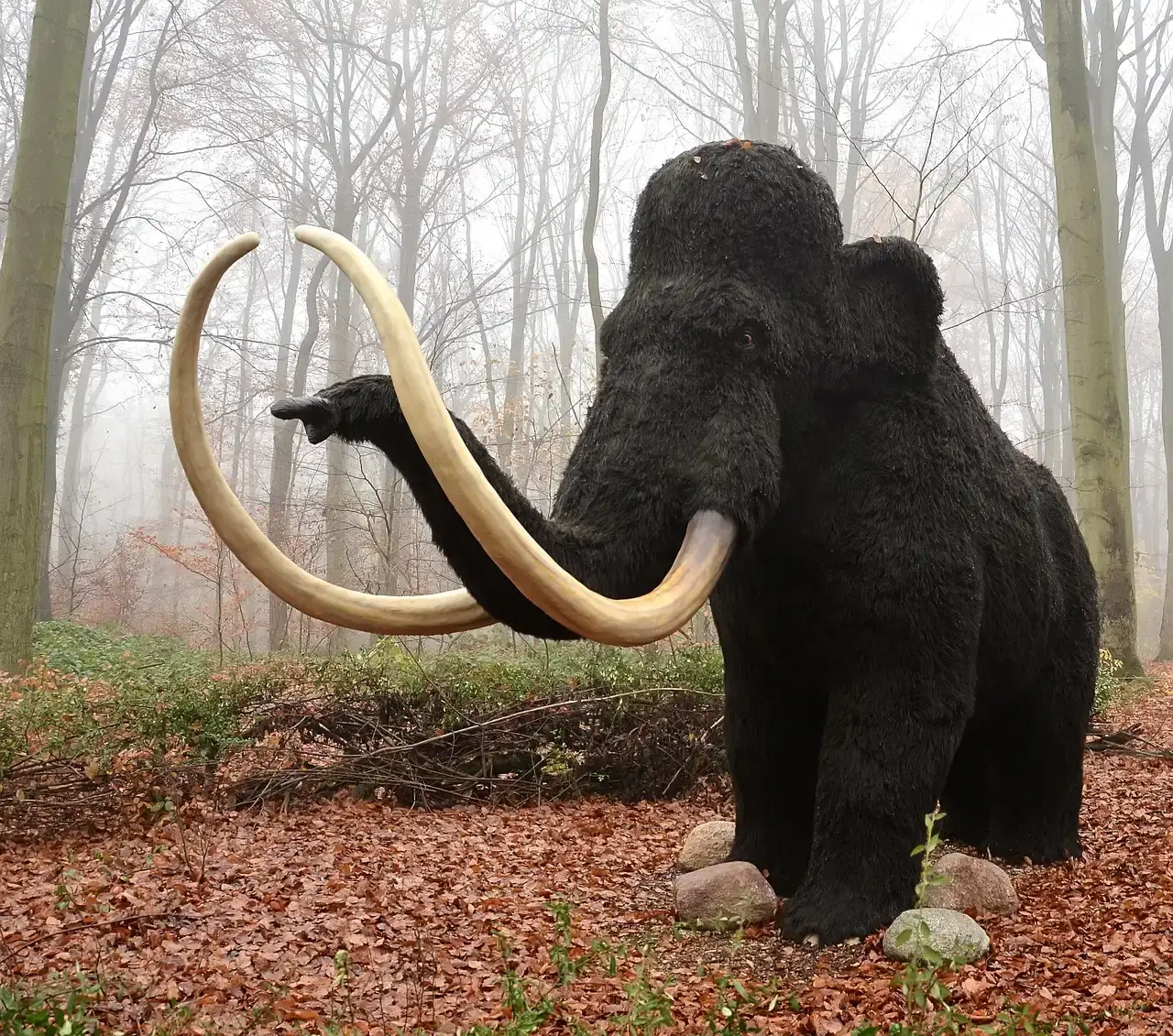
The more I learn about extinct animals, the more I think fantasy writers are basically taking gentle notes from history rather than inventing things from scratch. Titan snakes, sky dragons, saber‑toothed cats, terror birds – these are not the fever dreams of storytellers but real evolutionary experiments that walked, flew, and swam across this planet. Our age, with its relatively modest megafauna, almost feels like the quiet epilogue after a very loud, very dramatic book.
There is a bittersweet edge to all of this, of course. Many of these creatures vanished through slow natural change, but some brushed up against human expansion and did not survive the encounter. To me, that raises a sharp question: if the past was stranger and grander than we usually imagine, what living species today are we casually pushing toward becoming the next “fantasy animal” future humans only know from bones? When you picture a world once filled with armored fish, giant eagles, and striped ghost hounds, it suddenly feels worth asking – what wonders do we still have, and which ones are we willing to lose?