Most people assume ancient human fossils turn up exactly where the textbooks say they should – right layer, right continent, right timeline. That assumption is wrong more often than you’d think. Scientists keep pulling bones out of the ground in places that make zero sense: buried impossibly deep, stranded on islands nothing that primitive should have reached, or dated so far outside the “acceptable” window that entire papers get rewritten overnight.
Some of these finds quietly reshaped the human story. Others are still being argued over in academic journals, with no clean resolution in sight. Either way, the fossil record is a lot messier – and a lot stranger – than the diagrams in your old biology textbook ever let on. Here’s what actually got dug up, and why it broke the rules.
#15 – The California Bones That Are 100,000 Years Too Old
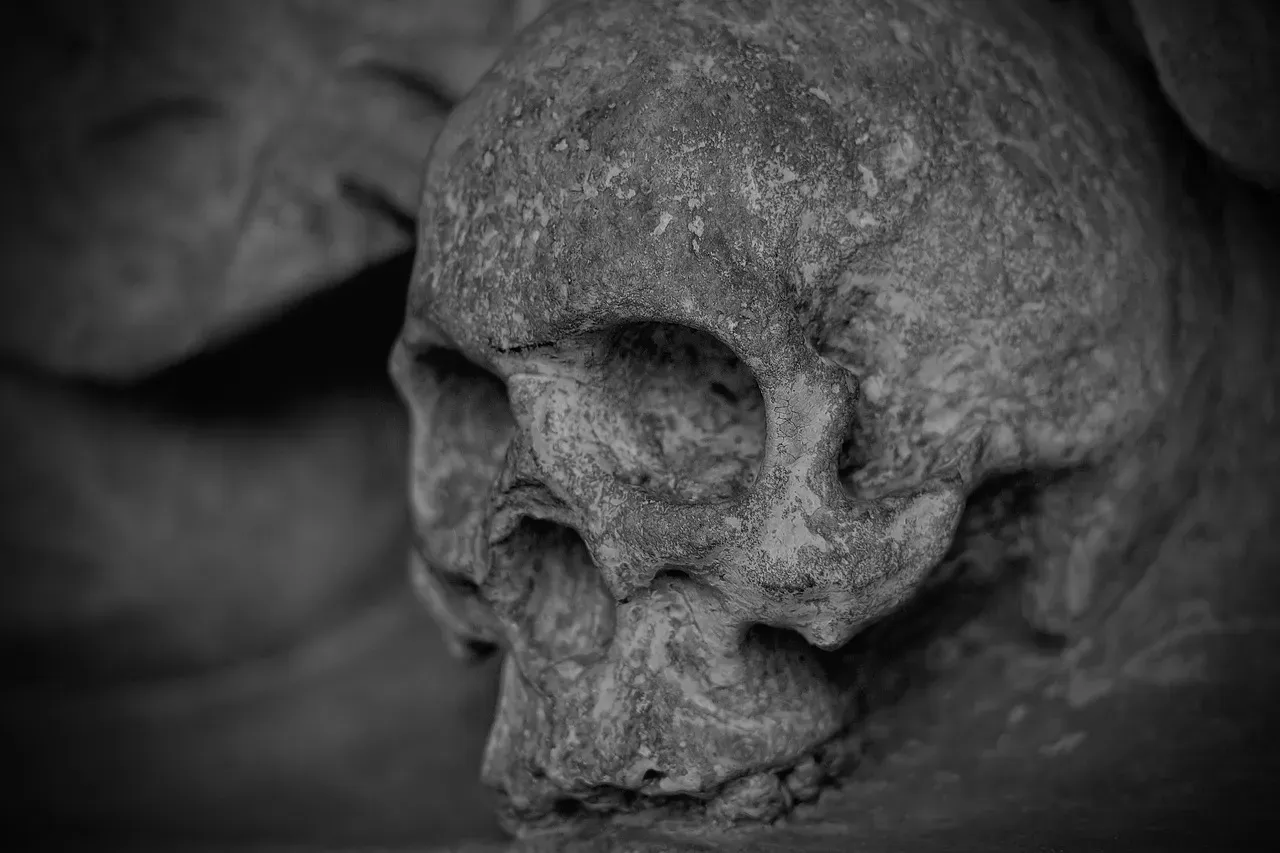
A mastodon skeleton in San Diego County wasn’t supposed to tell scientists anything about humans – until the cut marks showed up. In 2017, broken mastodon bones at the site were dated to around 130,700 years ago. Researchers found them alongside cobblestones showing use-wear and impact marks, and proposed the bones had been intentionally smashed with those very stones.
That date is staggering. It would push human presence in the Americas far earlier than the accepted 19,000-to-26,000-year window, and tens of thousands of years before modern humans are known to have existed outside Africa. Most archaeologists remain unconvinced, arguing that trampling or geological pressure could fake tool marks. But nobody has fully explained the pattern away – which keeps this site permanently parked in “we don’t actually know” territory.
#14 – A Pre-Human Jawbone Found Nowhere Near Africa
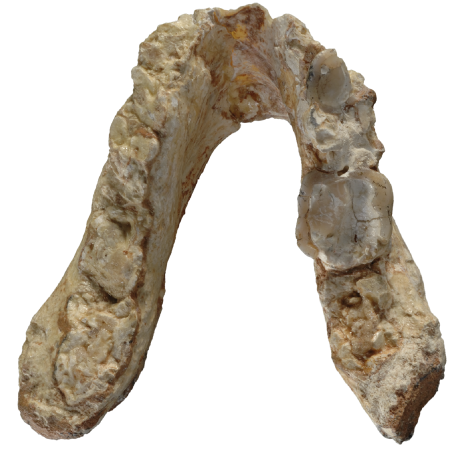
Every textbook says early human ancestors evolved exclusively in Africa. A 7.2-million-year-old jaw dug up in the Balkans quietly disagreed. Nicknamed “El Graeco,” the jaw has dental root features suggesting the species Graecopithecus freybergi might belong to the pre-human lineage – a lineage previously known only from sub-Saharan Africa.
Here’s the kicker: Graecopithecus is several hundred thousand years older than the oldest known pre-human candidate from Africa, the six-to-seven-million-year-old Sahelanthropus from Chad. Researchers dated the Greek and Bulgarian fossil sites to 7.24 and 7.175 million years ago. If confirmed, it suggests the human lineage may have split in the Mediterranean, not East Africa – a single jawbone quietly threatening one of paleoanthropology’s most sacred assumptions.
Quick Compare
- El Graeco (Balkans): roughly 7.24 to 7.175 million years old
- Sahelanthropus (Chad, Africa): roughly 6 to 7 million years old
- The gap: El Graeco appears several hundred thousand years older than Africa’s oldest known candidate
- The implication: a possible Mediterranean origin point instead of East Africa
#13 – Butchered Bones That Predate the “First Americans”
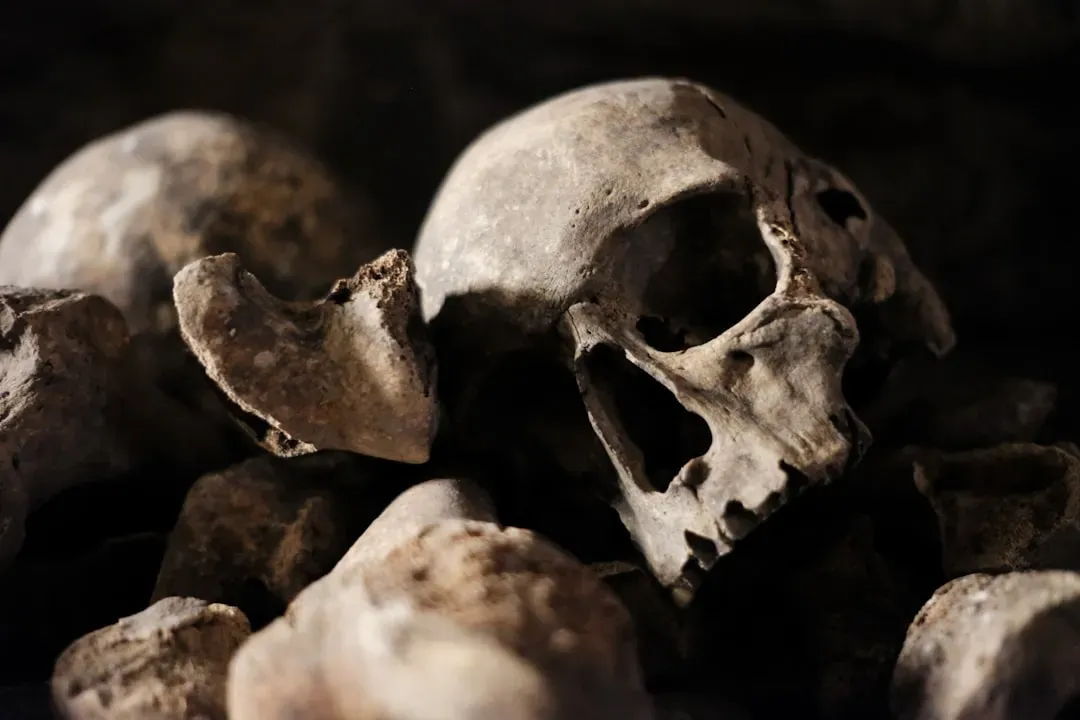
An extinct armored beast’s bones sat in Uruguay for tens of thousands of years, and they might carry the fingerprints of humans who technically weren’t supposed to be there yet. At Arroyo del Vizcaíno, researchers studying cut marks on the bones argue they show a human presence, and that nearby modified stones might be tools.
The surprising part: the site is dated to roughly 27,000 to 30,000 years old, closer in age to the famous White Sands footprints than to the controversial Cerutti Mastodon site. Skeptics note there are no confirmed stone tools directly tied to the cut marks, which keeps the site in scientific limbo. Still, it sits inside a growing cluster of pre-Clovis claims stacking up across South America.
#12 – Footprints Frozen in an Ancient Lakebed That Silenced the Skeptics
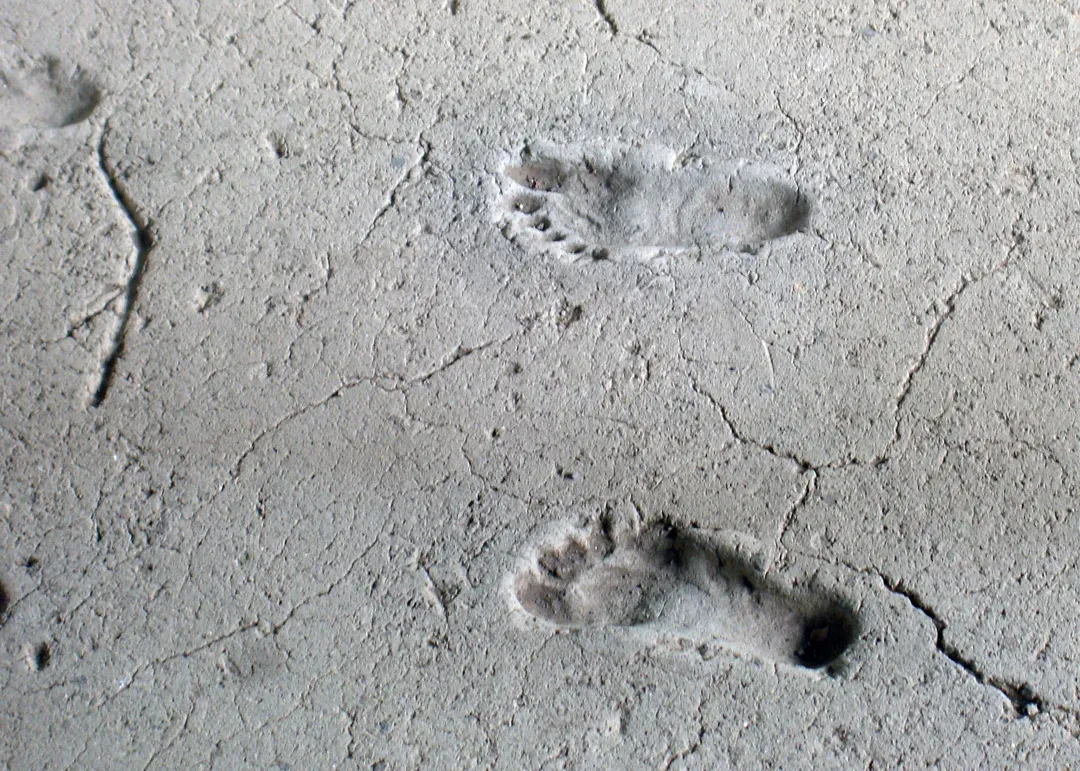
Bones can be argued with. Footprints, it turns out, are much harder to dismiss. The earliest definitive proof of humans in the Americas comes from footprints fossilized into an ancient lakebed at White Sands National Park in New Mexico, discovered in 2009 – and initially dismissed as impossible.
Those footprints reportedly date to between roughly 23,000 and 21,000 years ago, based on radiocarbon dating of seeds from an aquatic plant preserved in the same mud. That’s thousands of years before Clovis-era people were long assumed to be the first Americans. Once independent teams re-dated the site and accounted for known reservoir effects, the numbers held – and unlike bones, footprints leave no room for “maybe it’s natural.”
#11 – The Skeleton That Survived a Museum Fire
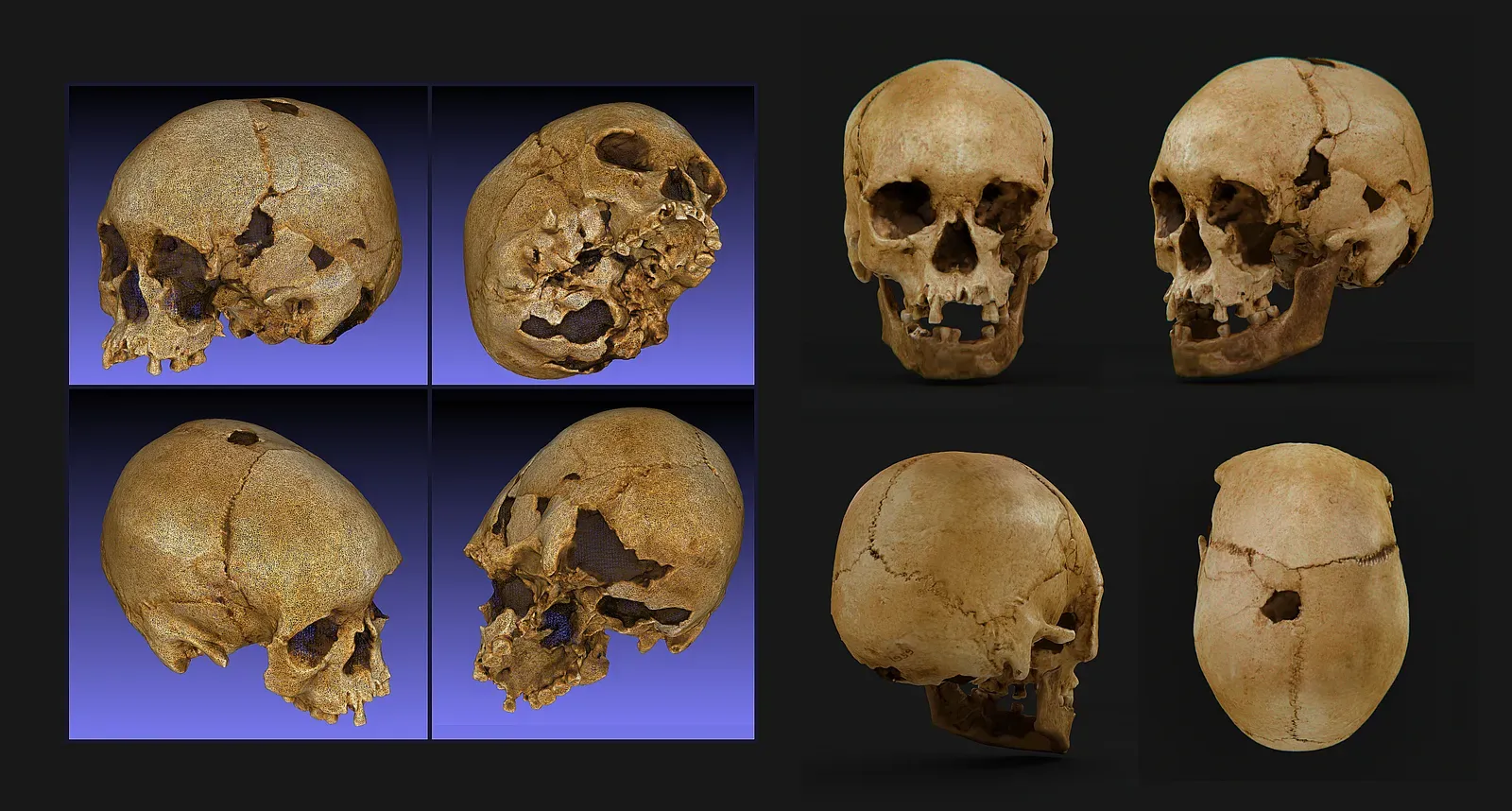
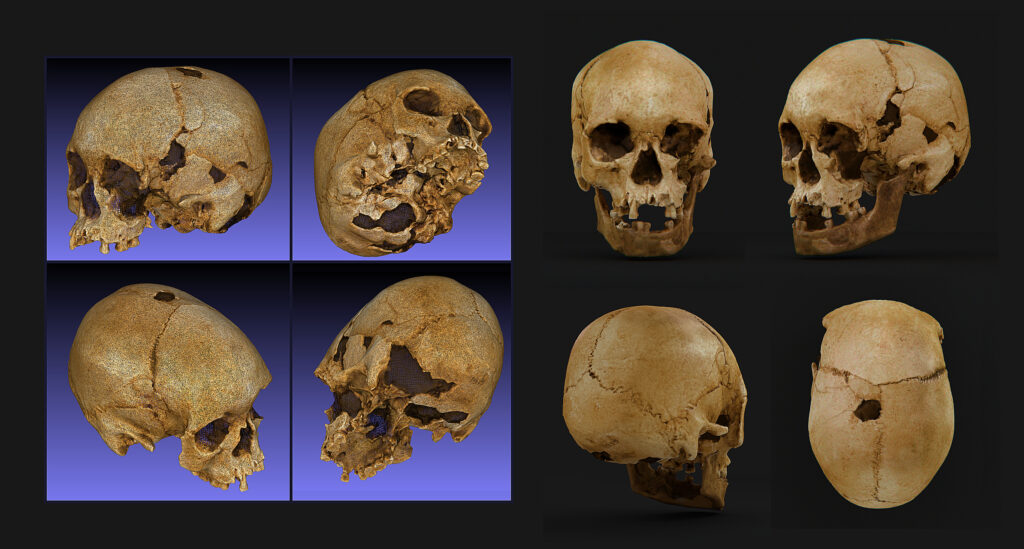
Sometimes the danger isn’t ancient geology – it’s modern disaster. Luzia Woman, an Upper Paleolithic Paleo-Indian whose roughly 11,500-year-old remains were found in a Brazilian cave in 1974, spent decades as one of the oldest known skeletons in the Americas, quietly reshaping ideas about early South American migration.
Then disaster struck. Luzia’s fossil was on display at Brazil’s National Museum when a catastrophic fire tore through the building in September 2018. By October, researchers had identified most of her remains in the debris and began rebuilding her skeleton piece by piece. An 11,000-year-old skeleton nearly erased in a single night – that’s a kind of fragility archaeology rarely likes to advertise.
#10 – Three Lonely Bones That Redefined an Entire Region’s Fossil Record
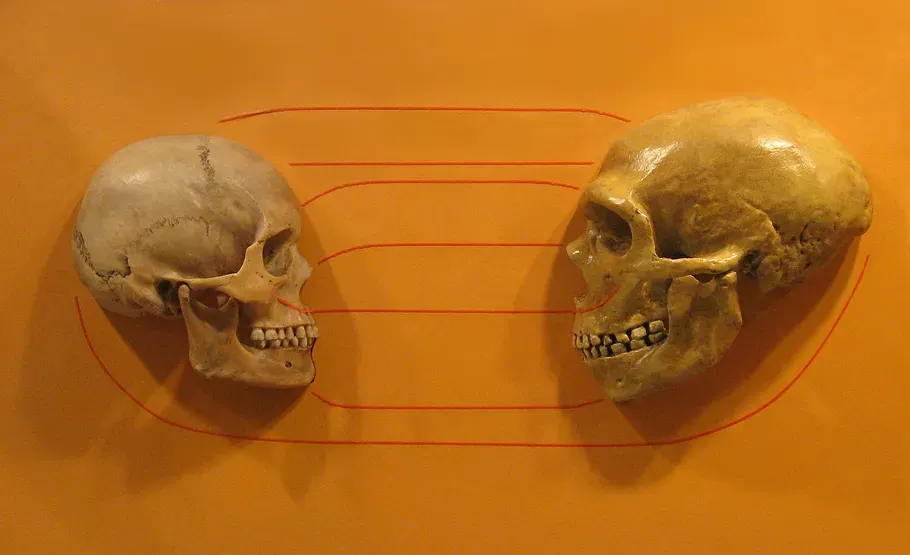
Neanderthal fossils are supposed to be scattered across Europe’s caves. In Northwest Europe, they’re almost nonexistent – all known Middle Pleistocene human fossils from the region come from just ten sites in Germany and England. Which made one riverside dig at Tourville-la-Rivière, in France’s Seine Valley, genuinely extraordinary.
During rescue excavations in September 2010, researchers uncovered three long bones from the same left upper limb. New dating placed them at 183,000 to 236,000 years old, attributable to the Neanderthal lineage. An open-air site, not a cave – a rare and valuable context for fossils this old, in a region that almost never gives any up at all.
#9 – The Oldest Modern Humans in Eastern Europe, Marked by Their Own Hands
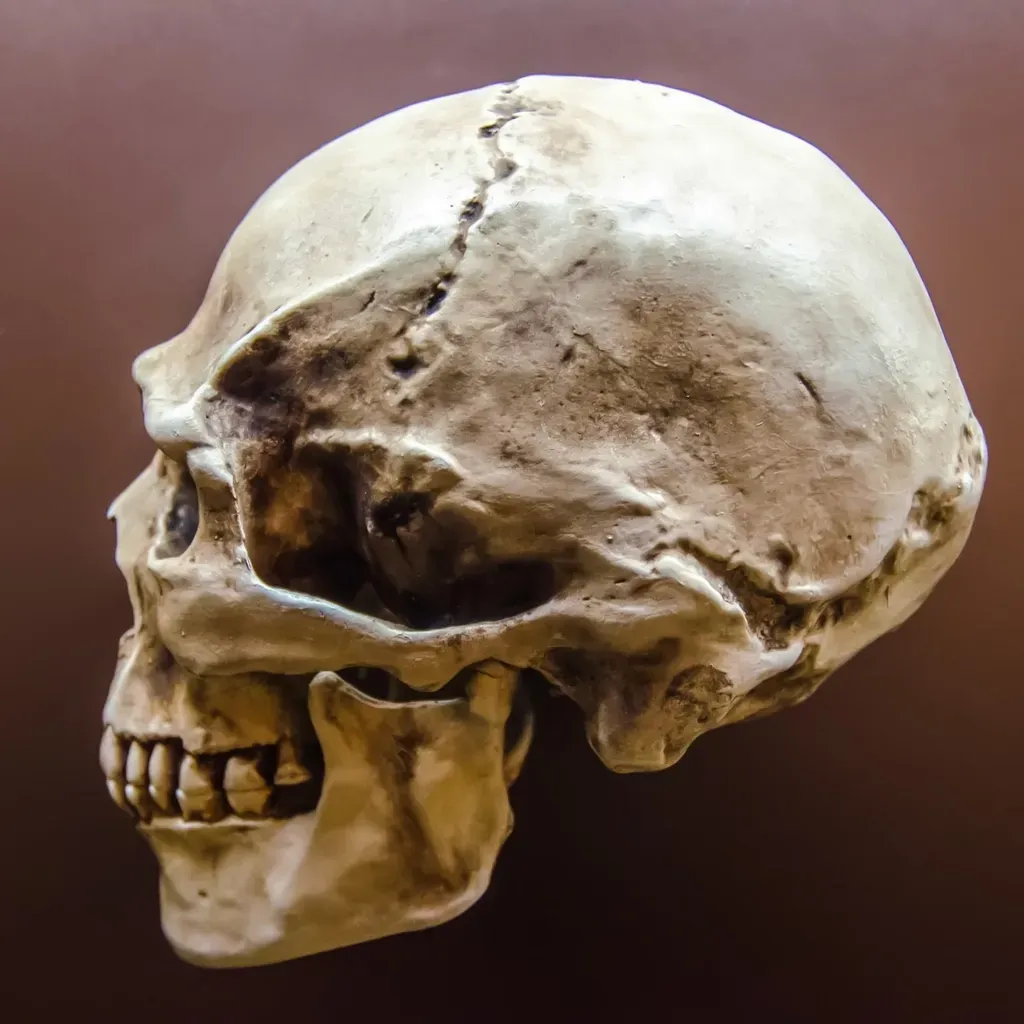
Buried in a Crimean cave layer are bones that hold both a chronological record and a disturbing behavioral one. Direct dating by Accelerator Mass Spectrometry places anatomically modern humans there at 31,900 years old – the oldest secure evidence of modern humans in a well-documented archaeological context in the region.
Here’s the unsettling part: cut marks and the scattered distribution of skeletal elements suggest deliberate post-mortem handling of the dead. In plain terms, someone processed these bodies after death, long before written history could explain why. It complicates the tidy narrative of modern humans spreading peacefully across an empty European landscape.
#8 – Bones Beneath a Medieval Castle That Rewrote Cold-Climate Survival
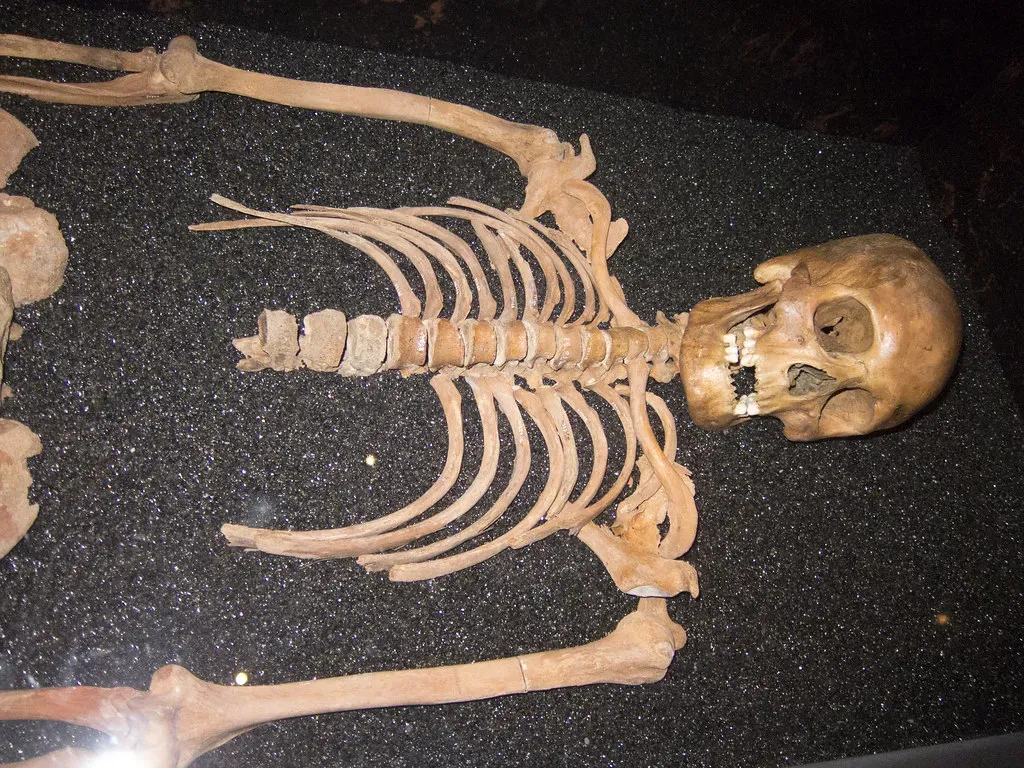
Nobody expected proof of humans thriving in ice-age conditions to be sitting under a German castle’s foundations. Inside a collapsed cave buried beneath the castle, researchers found a pit of bones layered with cave bear and hyena remains – plus 13 bones from early humans who died 45,000 years ago, among the oldest known Homo sapiens remains in Central and Northwest Europe.
What really surprised the team: the regional climate at the time was brutally cold. It shows that these early Homo sapiens dispersing across Eurasia already had real capacity to adapt to harsh conditions, surviving something close to Siberian-level winters thousands of years earlier than anyone assumed.
Fast Facts
- Location: a collapsed cave sealed beneath a medieval castle in Germany
- Human bones recovered: 13, dated to roughly 45,000 years old
- Found layered with cave bear and hyena remains
- Climate at the time: brutally cold, closer to Siberian winters than modern Central Europe
#7 – A “Vanished” Species That Wasn’t Actually Gone
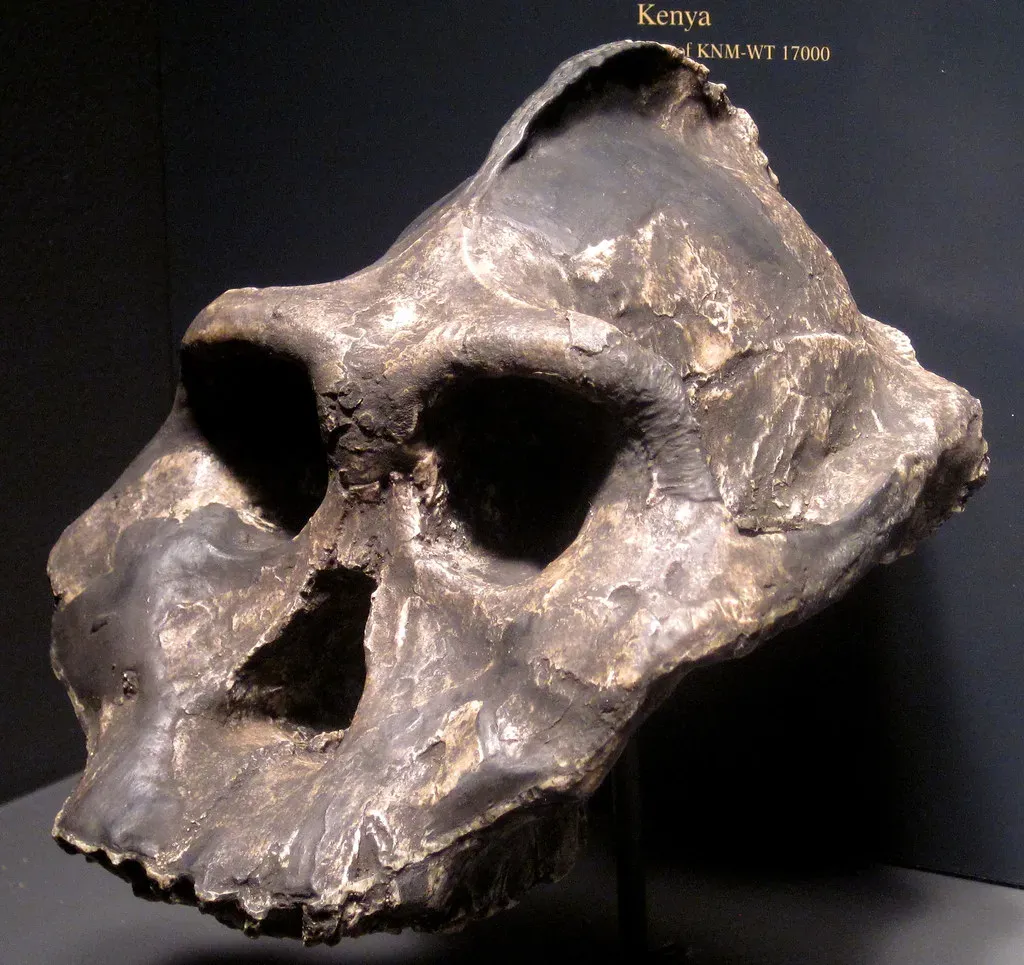
Skeletons unearthed in southwestern China had faces that looked ancient – but carbon dating told a very different, much stranger story. The fossils showed an unusual mix of primitive and modern features, paired with a shockingly late date range almost exclusively associated with modern humans.
The dates put them at just 11,500 to 14,500 years old – practically yesterday, geologically speaking. It’s controversial because pre-modern species on mainland Eurasia were thought to have died out roughly 40,000 years ago. This find suggests at least one pre-modern population overlapped with modern humans in East Asia for tens of thousands of years longer than believed, and scientists still can’t agree on whether it counts as a distinct species.
#6 – The Island “Hobbits” Who Outlived Their Own Extinction Timeline
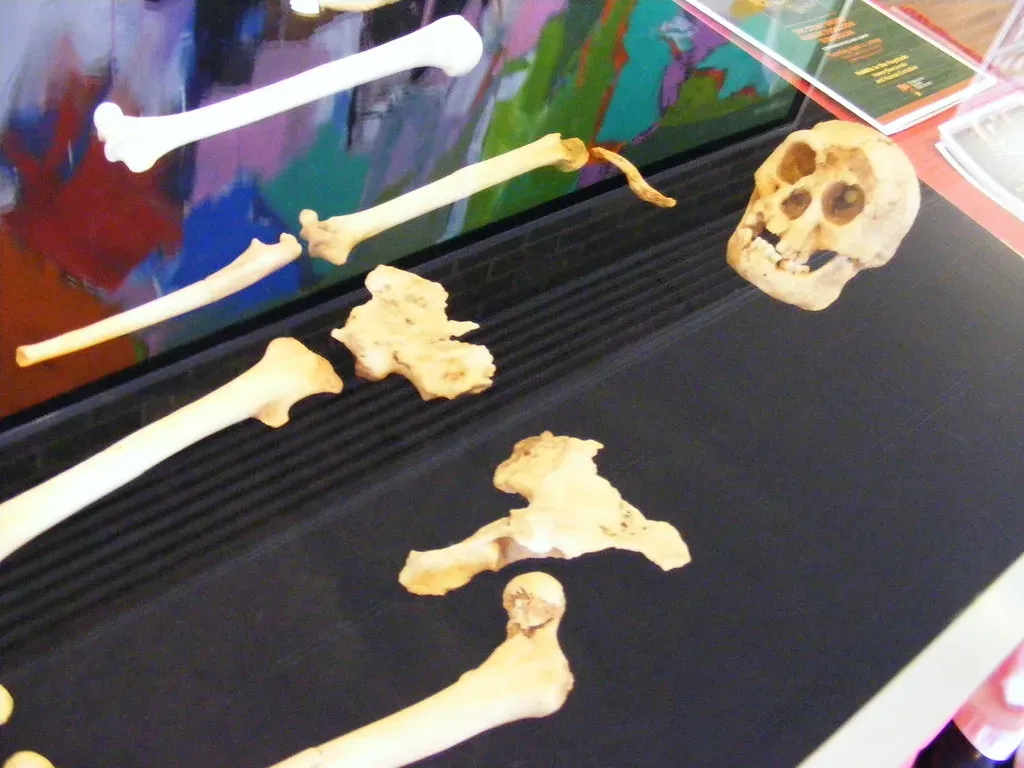
A skull the size of a grapefruit, buried deep in an Indonesian cave, forced anthropologists to rethink how long “primitive” humans actually survived. Uncovered in Liang Bua cave on the island of Flores, the female hominin stood just 3.5 feet tall – a never-before-seen species dubbed Homo floresiensis, the “hobbit.”
Here’s the twist that changed everything: the sensational early dates turned out to be wrong. Continued excavation showed the fossils actually come from sediment layers between 60,000 and 100,000 years old, with associated artifacts spanning 50,000 to 190,000 years. A tiny, isolated population survived on one island for potentially over 100,000 years without anyone knowing it existed.
At a Glance
- Discovery site: Liang Bua cave, Flores Island, Indonesia
- Nickname: the “hobbit”
- Height: about 3.5 feet tall
- Revised fossil age: 60,000 to 100,000 years old; tools span 50,000 to 190,000 years
#5 – The Species Discovered From a Single Finger Bone
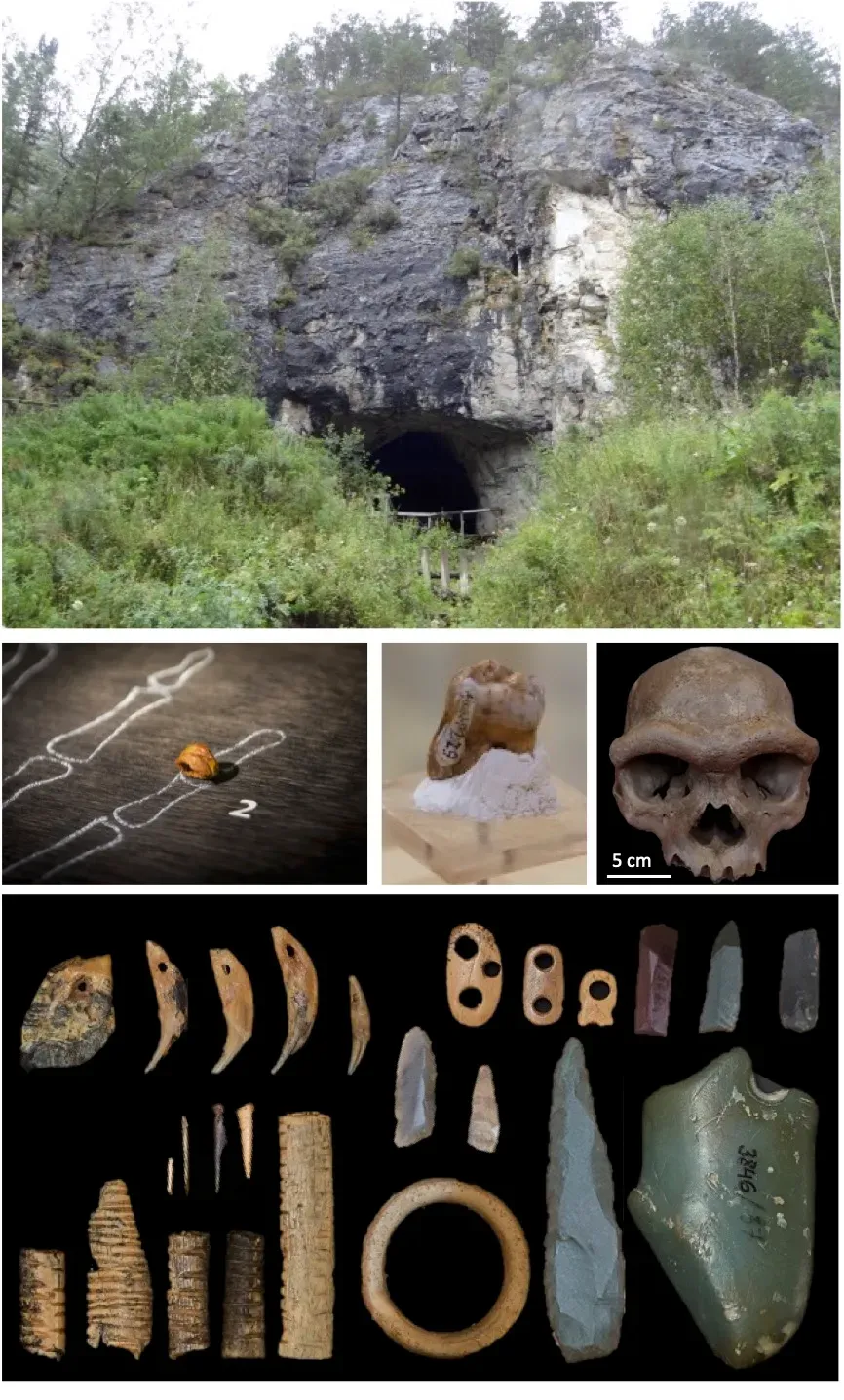
Somewhere in a Siberian cave, an entire branch of humanity was hiding in plain sight – known only through DNA pulled from one tiny fragment. Researchers found evidence of Neanderthals, Denisovans, and possibly Homo erectus all layered together in the same cave, alongside modern humans dating to about 50,000 years ago.
Here’s what makes it genuinely bizarre: DNA shows Denisovans interbred with the ancestors of Indigenous populations across Island Southeast Asia, New Guinea, and Australia – yet Denisovan fossils have never actually been found anywhere near that region. Their genetic legacy is strongest thousands of miles from where their bones have ever turned up, a mismatch that hints at how much of the human story is still missing.
#4 – Face Bones Buried Deeper Than Anyone Thought Possible
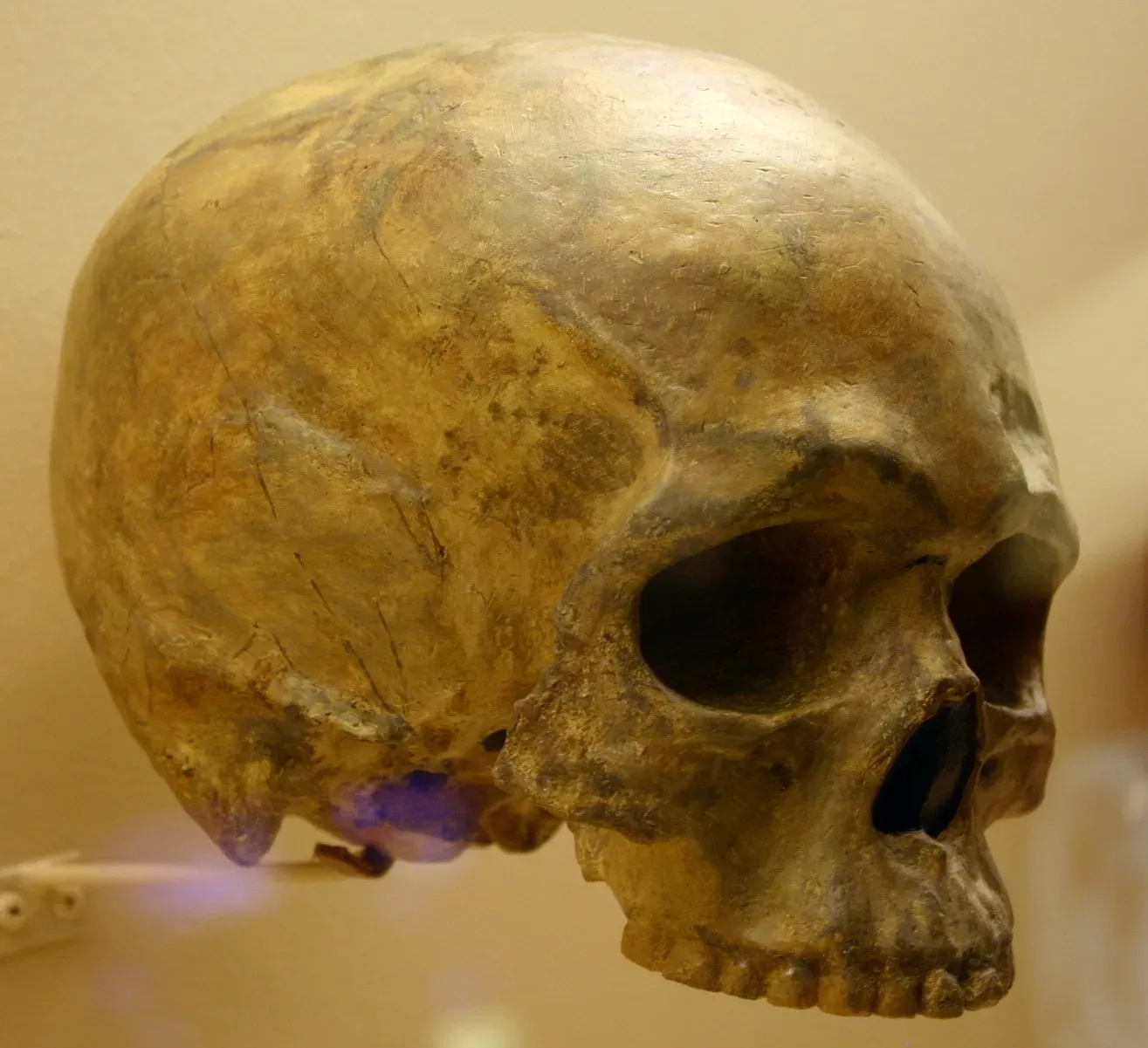
A cave system in Spain has now delivered the same jaw-dropping surprise three separate times. Researchers there uncovered the earliest human remains ever found in Western Europe – fragments of face bones from a species previously unknown in the region, dating between 1.2 and 1.4 million years old.
What makes it even stranger: this is the third time this same research team has found hominin fossils sitting in unexpectedly deep, unexpectedly old layers of this cave system. Fossils from Dmanisi show hominins had already left Africa by at least 1.8 million years ago, meaning this Spanish discovery suggests they reached the westernmost edge of Europe within a few hundred thousand years – a migration far faster than anyone had assumed.
#3 – The Skull That Got 100,000 Years Older Overnight
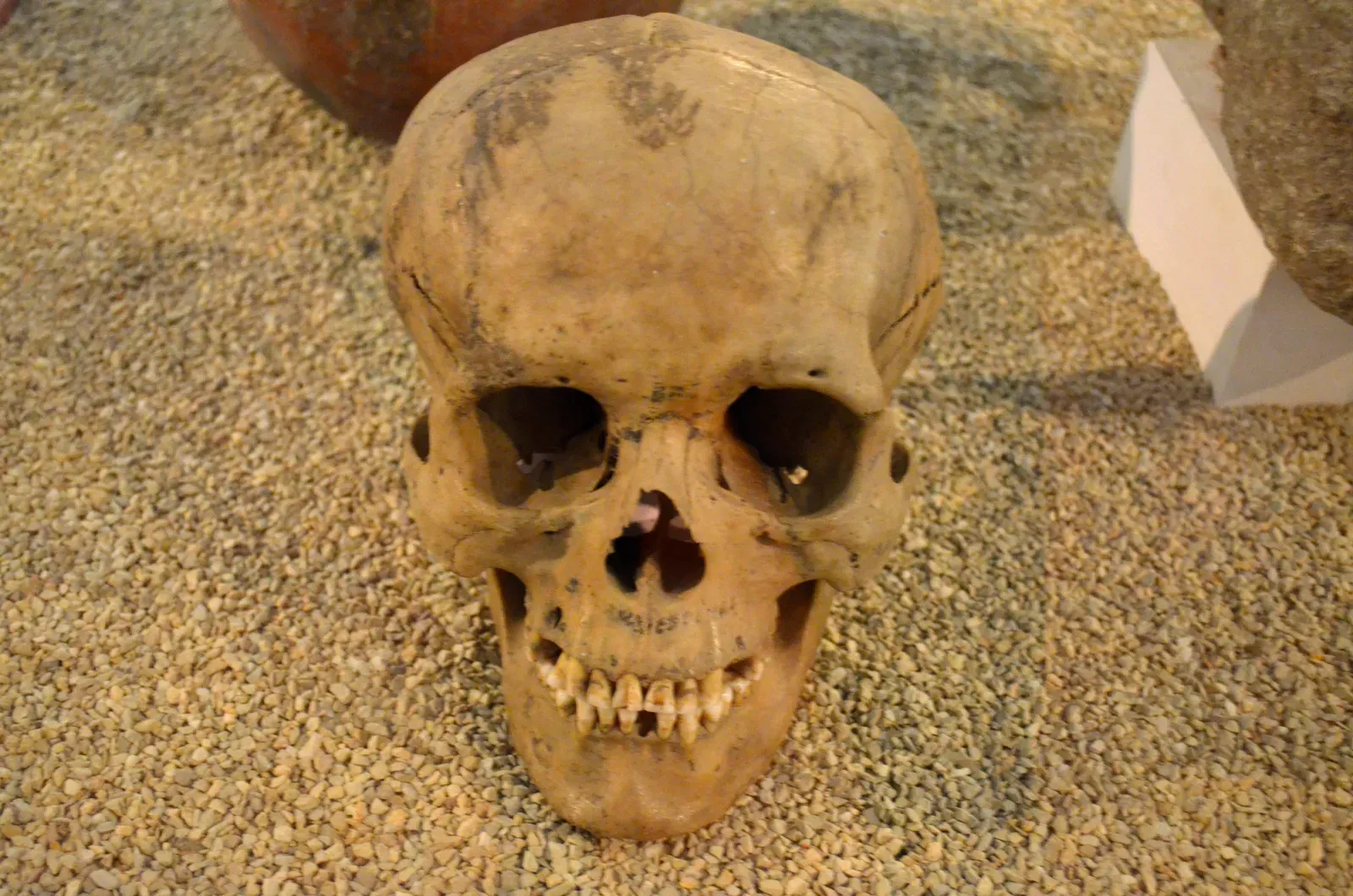
For over 50 years, scientists thought they knew exactly how old this skull was. Then geologists checked the volcanic ash. Paleoanthropologist Richard Leakey and colleagues found the Omo I skull near southern Ethiopia in 1967, originally dating it to about 130,000 years old using freshwater mollusk shells found nearby.
Then everything changed. An international team reassessed the surrounding volcanic layers and determined the remains must be older than a massive eruption that occurred 230,000 years ago. One of the oldest known Homo sapiens fossils on Earth was pushed back by roughly 100,000 years – not because new bones appeared, but because scientists finally figured out how to properly date the ash around it.
#2 – Fossils a Full Million Years Older Than the Label Said
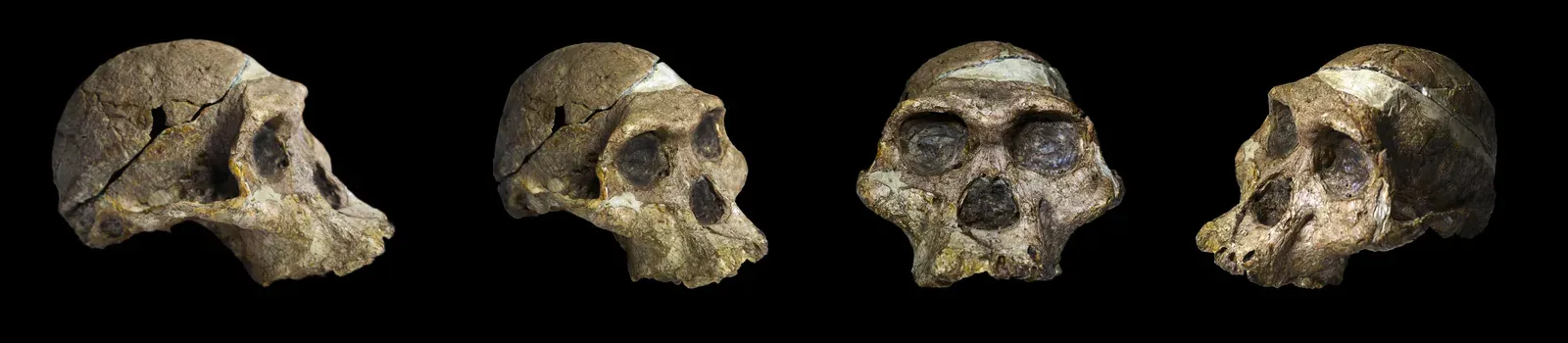
South Africa’s caves have quietly rewritten early human evolution more than once, and one recent correction was staggering. Fossils of early human ancestors found in South African caves are now believed to be between 3.4 and 3.6 million years old – a full million years older than previously suspected.
A million years is not a rounding error. It’s an entirely different chapter of human evolution than scientists thought they were reading, and the correction came from a new geological dating technique, not new bones. The fossils were never the unreliable part – the dating tools were, which raises an uncomfortable question about how many other “settled” ages sitting in museums right now are quietly wrong.
#1 – Remains Found in a Chamber Almost No Human Could Reach
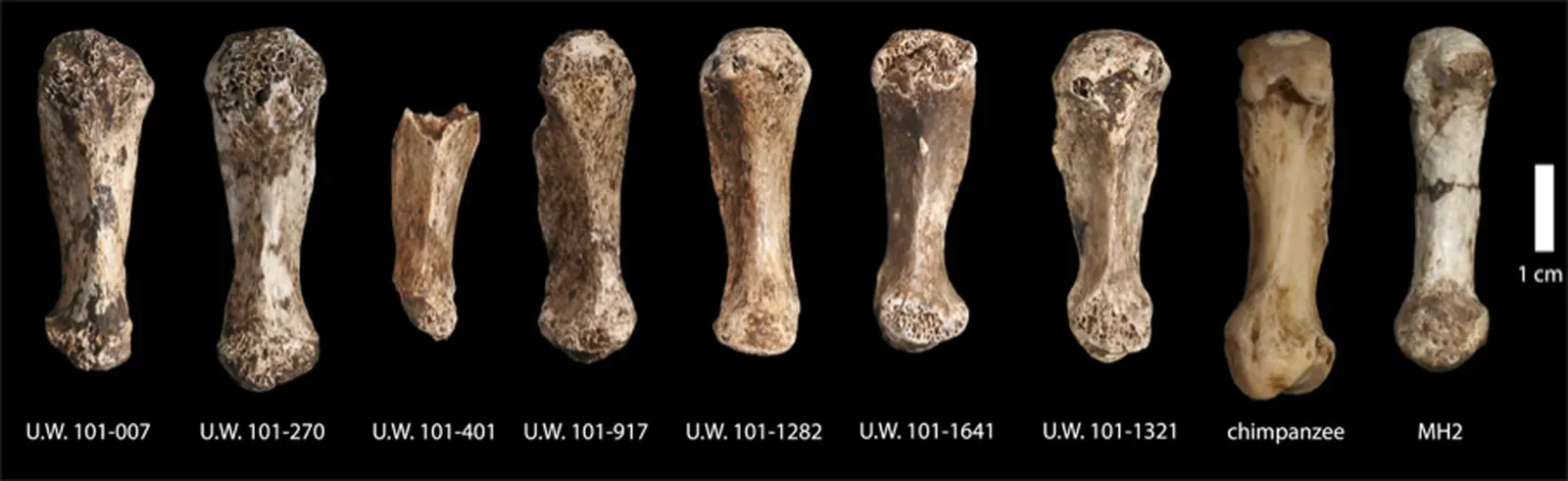
Deep inside South Africa’s Rising Star cave system sits a chamber so difficult to access that researchers had to recruit slim-framed cavers just to squeeze through a chute barely the width of a shoulder. Inside that nearly inaccessible chamber, called Dinaledi, excavators found the remains of more than a dozen individuals belonging to Homo naledi – a small-brained, small-bodied hominin nobody expected to find that deep in a cave system with no easy entrance.
The truly strange part is how they got there. The chamber shows no natural entrance large enough for bodies to wash in by accident, and there are no predator bones or scavenger marks suggesting animals dragged them there. Some researchers argue this points to deliberate placement – meaning a small-brained hominin may have intentionally carried its dead into the depths of a cave, a behavior once thought exclusive to modern humans. If confirmed, that single possibility upends everything assumed about which species were capable of ritual behavior.
We are going to tell the world that this nonhuman animal deliberately disposed of its dead in that chamber.
Lee Berger, paleoanthropologist
The Bottom Line
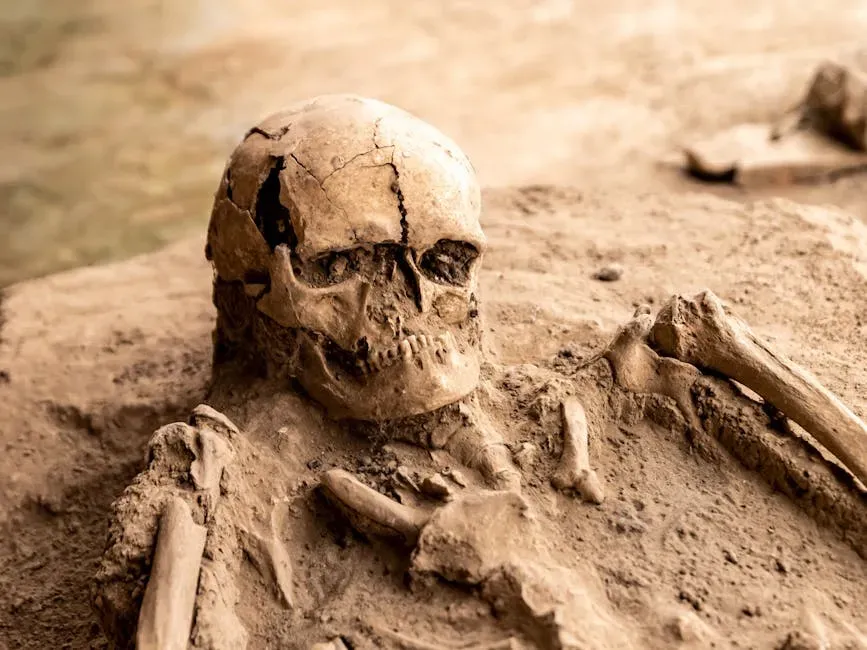
The pattern across every one of these discoveries is the same: the fossil record keeps proving how incomplete our timeline actually is. Skulls get older overnight. Species turn up on islands and in caves they had no business reaching. Ages assumed “settled” for fifty years get rewritten by a single layer of volcanic ash.
Frankly, the idea that we’ve already found most of the human story is starting to look like the biggest myth in paleoanthropology – not because scientists are careless, but because the earth keeps hiding surprises in places nobody thought to look twice. Which of these findings genuinely surprised you the most? Drop your pick in the comments – we’re curious which one breaks the internet.