
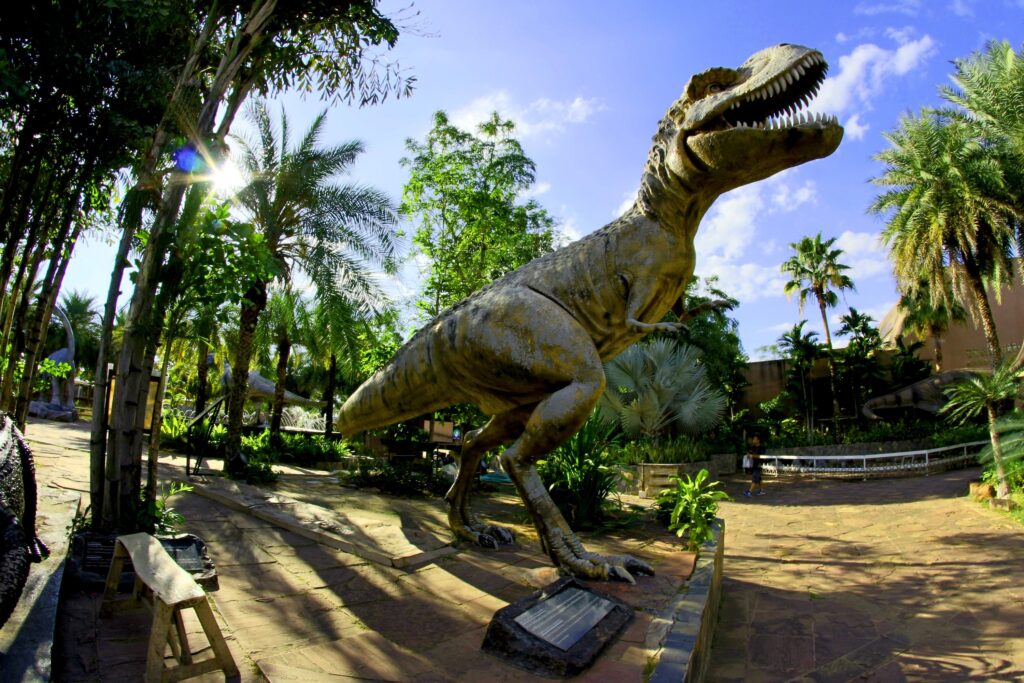
Most people assume paleontology is a “settled” science – dusty bones, fixed facts, museum plaques that never change. They’re wrong. Genetic testing, CT scans, and computer modeling have quietly rewritten dozens of “facts” that were drilled into generations of students.
Dinosaurs you learned about in third grade may have looked, moved, and even sounded nothing like your textbook claimed. Some entire species have been erased. Others have been resurrected from the dead – twice. Here’s what paleontologists actually say now, and a few of these reversals might make you question everything you thought was locked in.
#15 – Brontosaurus Was a Complete Fake
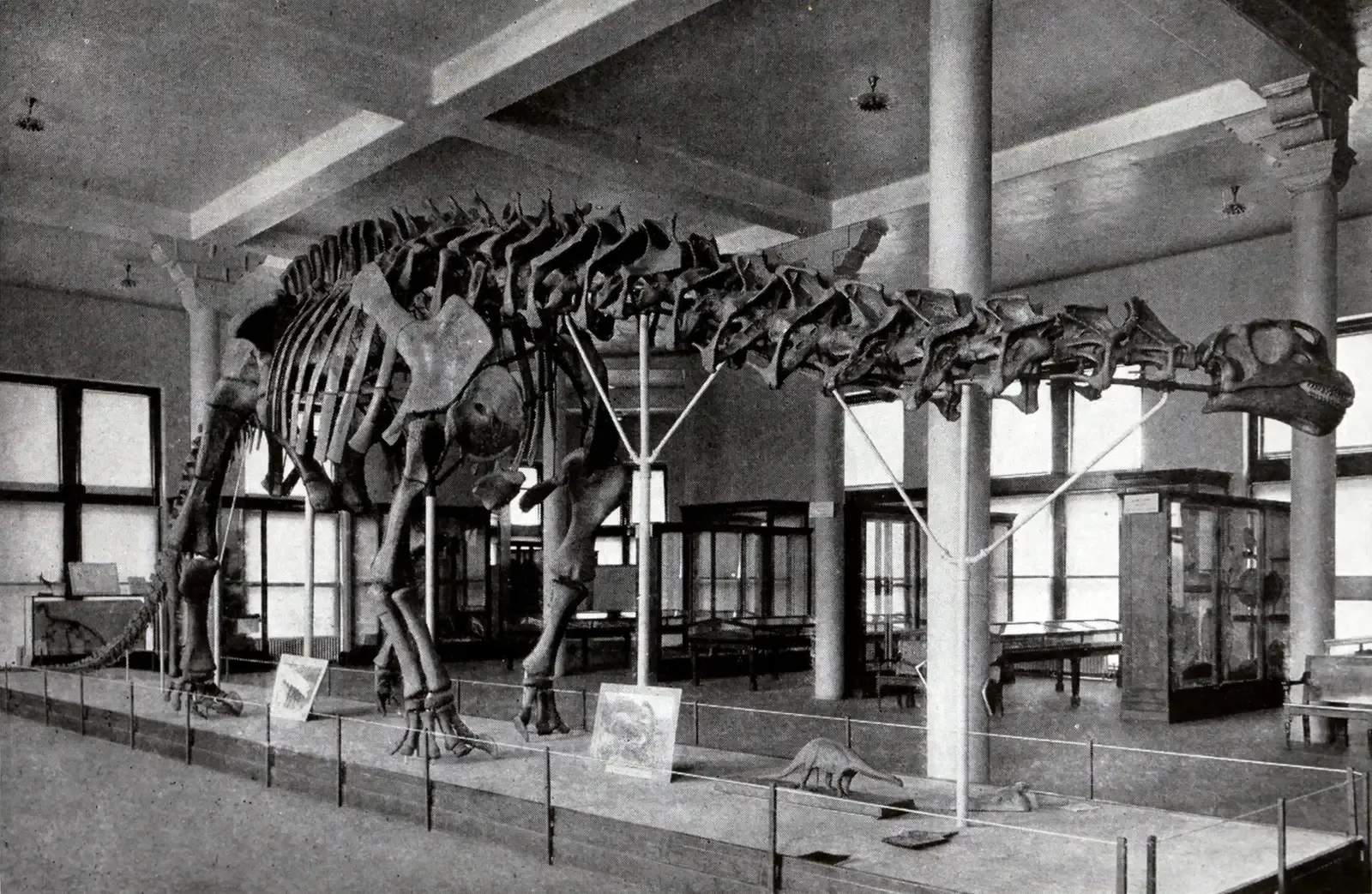
For over a century, kids were taught that Brontosaurus never existed – it was just a misidentified Apatosaurus skeleton with the wrong head glued on.
That “fact” is now dead wrong. An exhaustive study by paleontologists from Portugal and the UK provides conclusive evidence that Brontosaurus is distinct from Apatosaurus and can now be reinstated as its own unique genus, after being considered misclassified since 1903. The 2015 research wasn’t a casual opinion – it was carried out over a five-year period, statistically analyzing 477 key aspects of dinosaur anatomy to see how close their characteristics really were. Scientists themselves admit this could flip again with new evidence, and the sluggish, cold-blooded dinosaur myth coming up next is even shakier than this one.
Fast Facts
- Othniel Charles Marsh named Apatosaurus in 1877 and Brontosaurus in 1879 – the two were merged into one genus back in 1903.
- The landmark 2015 study, led by paleontologist Emanuel Tschopp, examined 477 anatomical traits across 81 individual sauropod specimens.
- Researchers spent five years cross-checking museum collections across Europe and the U.S. before publishing their findings.
- Brontosaurus is now told apart from Apatosaurus mainly by its taller, narrower neck.
#14 – Dinosaurs Were Slow, Cold-Blooded Lizards
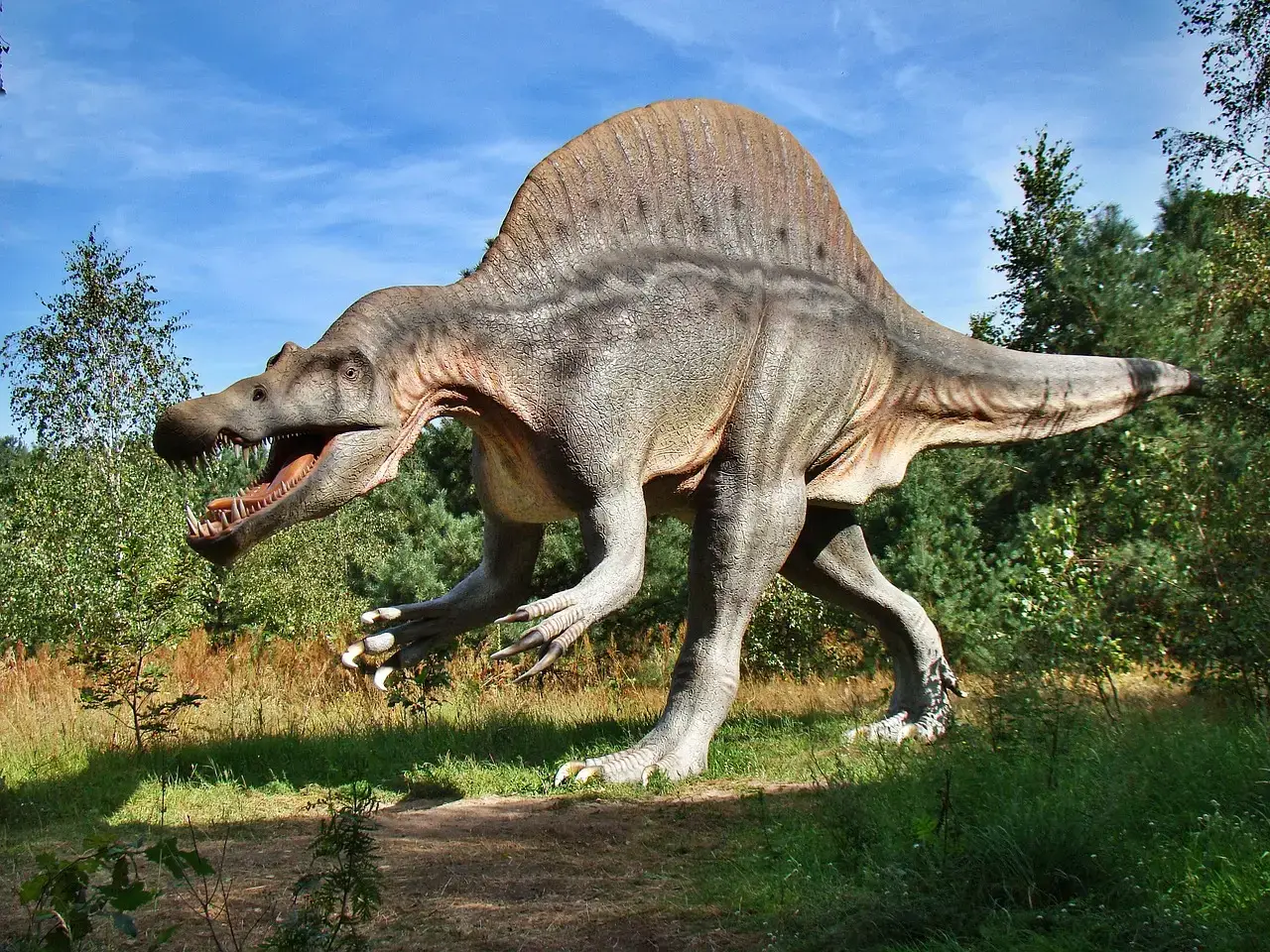
Old textbooks painted dinosaurs as sluggish, swamp-bound reptiles that could barely move fast enough to escape a determined toddler.
That image has been thoroughly demolished. Bone growth studies, heart-rate modeling, and predator-to-prey ratio calculations now suggest many dinosaurs had metabolisms closer to modern birds and mammals than to lizards or crocodiles. Some species likely maintained body temperatures well above their surroundings, actively regulating heat rather than basking for it. Growth rings in fossilized bone show many dinosaurs grew shockingly fast – reaching adult size in a decade or less, a pace no cold-blooded reptile can match. Turns out the “lumbering reptile” image was more Hollywood than biology, and the scaly-monster look you grew up with is getting a feathery makeover next.
#13 – Dinosaurs Were Scaly, Not Feathered
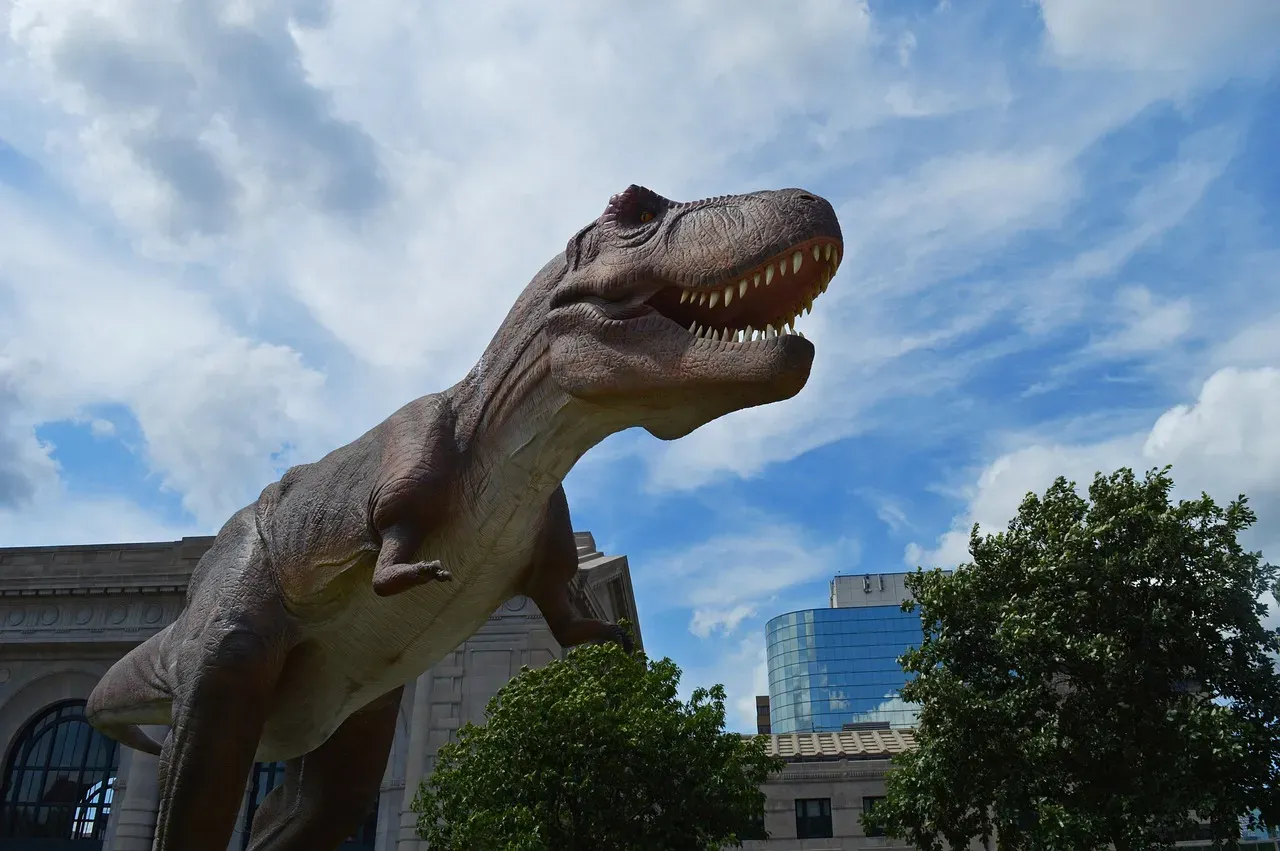
Ask anyone over 35 what a dinosaur looks like, and they’ll probably describe leathery, reptilian skin – no fuzz, no feathers, nothing bird-like at all.
That image is now considered outdated for a huge chunk of the dinosaur family tree. Fossil beds in China, preserved in fine-grained volcanic ash, have produced specimen after specimen showing primitive feathers, filaments, and proto-plumage on species never expected to have them. Even some large theropods related to T. rex show direct feather evidence, not just the small, bird-like raptors museum-goers expect. Feathers likely first evolved for insulation and display, long before any animal used them to fly – and that same rewrite is coming for the way T. rex supposedly dragged its tail, up next.
#12 – T. Rex Dragged Its Tail Behind It
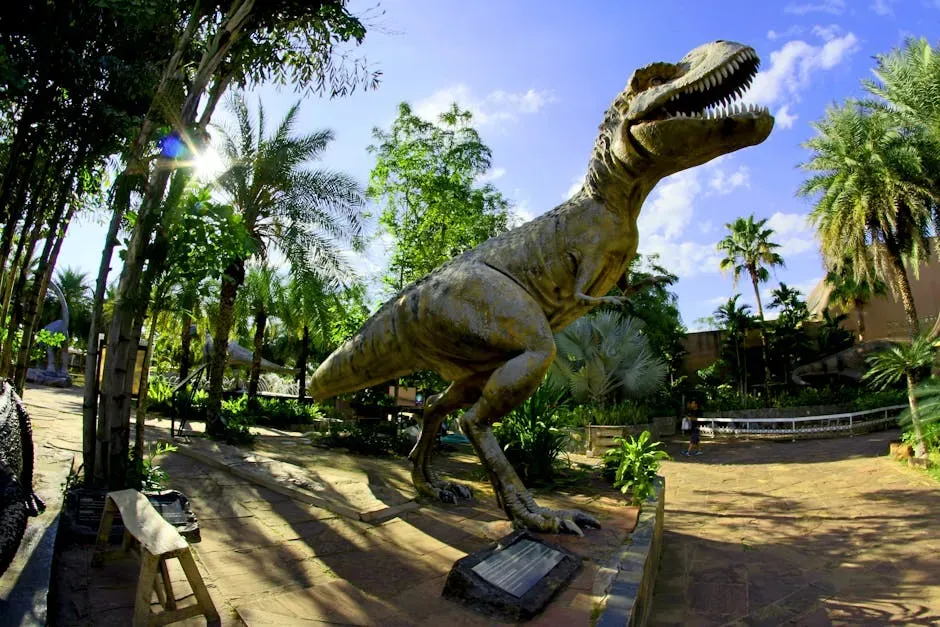
Classic dinosaur reconstructions show Tyrannosaurus rex standing upright like a kangaroo, tail scraping the ground behind it for balance.
That posture is now considered biomechanically impossible. Modern skeletal analysis shows the tail was held rigidly aloft, acting as a horizontal counterbalance to the massive skull and torso, with the spine running roughly parallel to the ground instead of tilted upward in the old “tripod” pose. Tail-drag trackways that once seemed to confirm the dragging tail turned out to be extremely rare in the fossil record – nearly absent, in fact – meaning the classic posture was essentially invented for museum displays. Every natural history museum has had to physically re-mount its T. rex skeletons because of this correction, and Hollywood’s other favorite dinosaur myth is even further from reality – Velociraptor is up next.
#11 – Velociraptor Was a Man-Sized Killing Machine
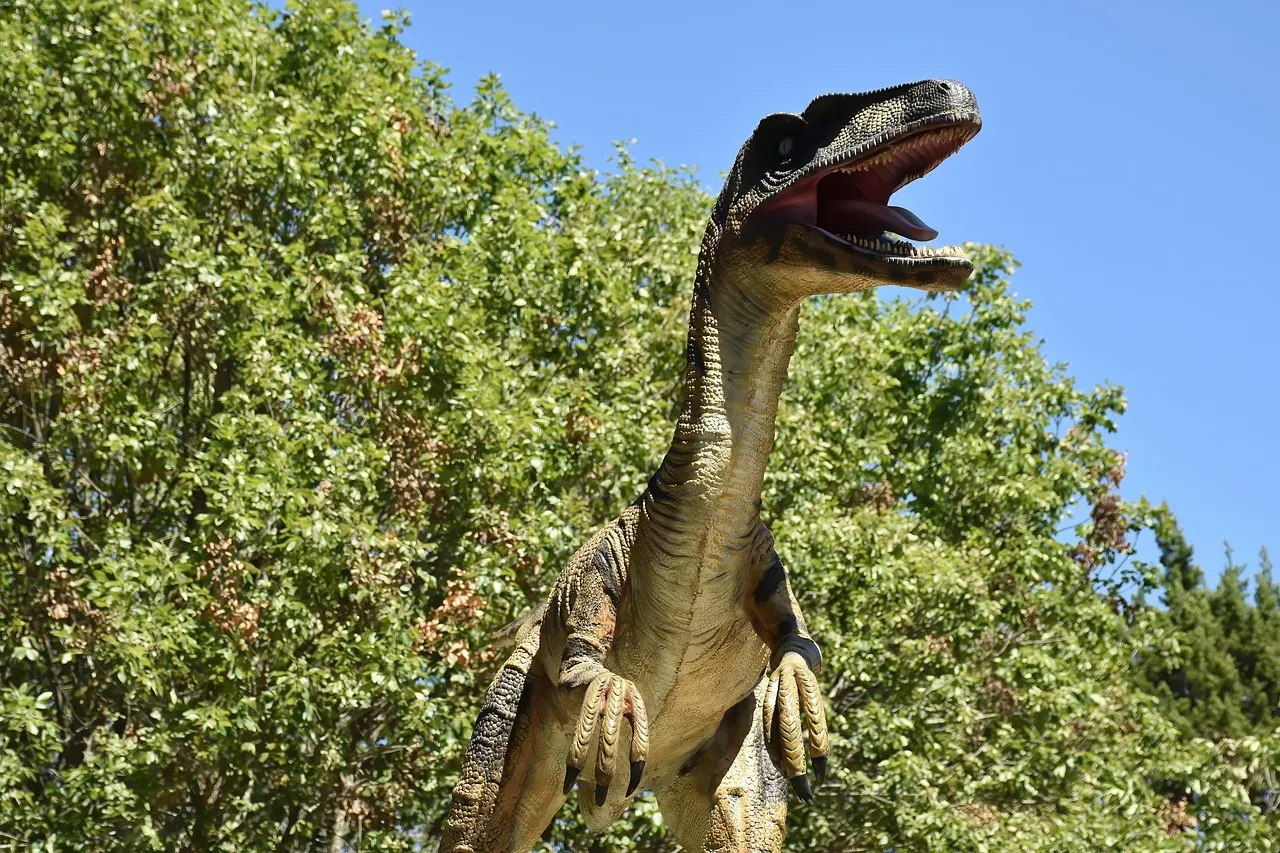
Thanks to a certain blockbuster franchise, most people picture Velociraptor as a scaly, six-foot-tall predator capable of opening doors.
Real Velociraptor was nowhere close. Actual fossils show an animal roughly the size of a turkey, standing about two feet tall at the hip, covered in feathers rather than bare scales. The “raptors” in popular media were actually modeled more closely on a larger relative, Deinonychus, not the real Velociraptor at all. Quill knob fossils – small bumps on the arm bones where feathers anchor – provide direct physical proof that Velociraptor carried real plumage, even though it likely couldn’t fly. Many paleontologists argue this is one of the most misleading dinosaur depictions ever put on screen, and the giraffe-necked sauropod pose coming up next never really happened either.
#10 – Long-Necked Dinosaurs Held Their Heads High Like Giraffes
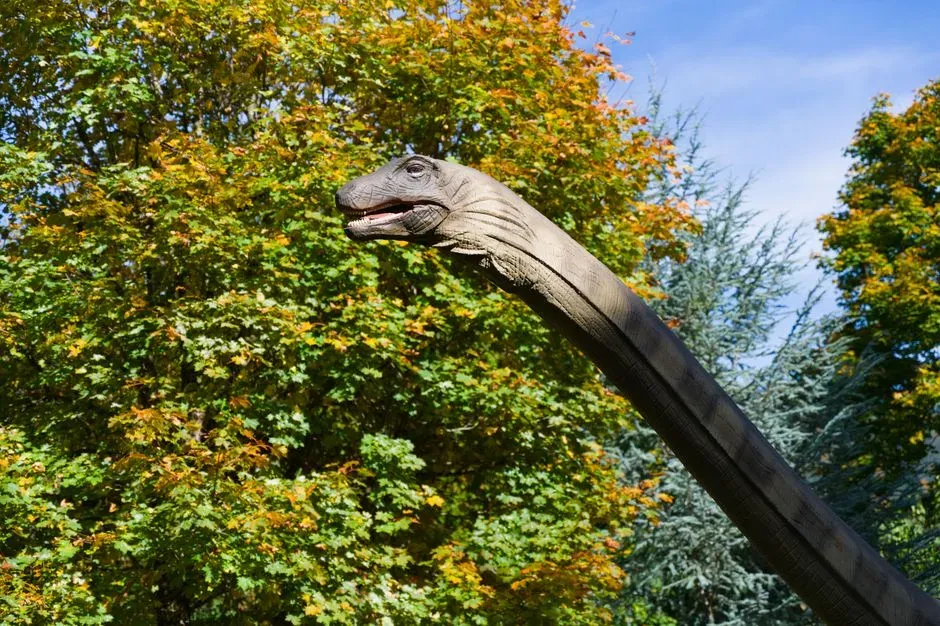
Sauropods like Brachiosaurus are almost always drawn craning their necks straight upward, browsing treetops like a scaly giraffe.
Biomechanical modeling has seriously challenged that image. Studies on neck vertebrae, blood pressure requirements, and neural arch angles suggest many sauropods held their necks in a more horizontal, forward-sweeping posture rather than a dramatic upright curve. Pumping blood to a head held that high would have required an almost impossibly powerful heart, one far beyond what the fossil evidence supports for most species. Some sauropods likely could lift their heads occasionally, but sustained giraffe-like feeding wasn’t the everyday norm textbooks implied – and this is still a genuinely contested area, unlike the Stegosaurus myth coming up next.
#9 – Stegosaurus Plates Were Armor
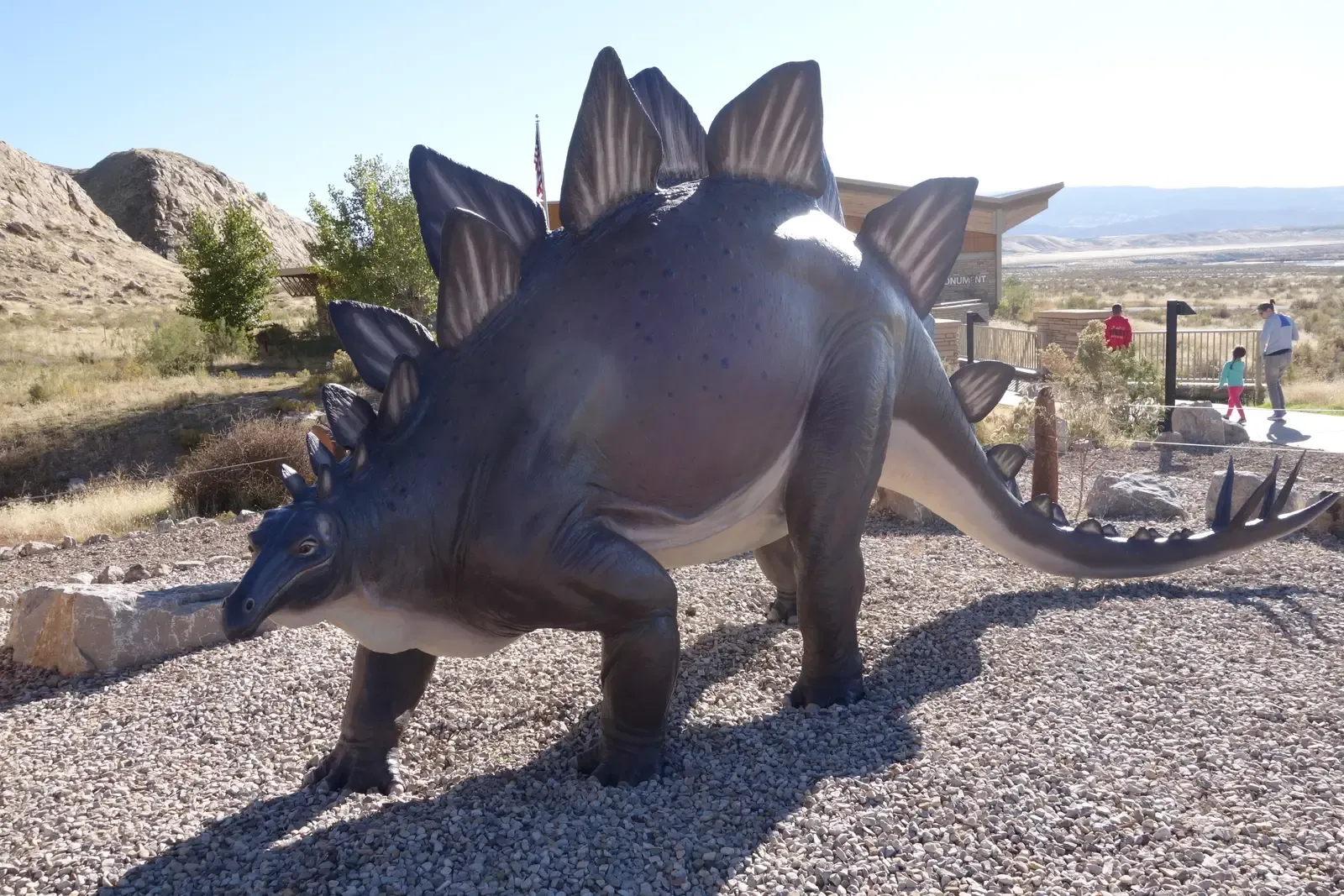
For decades, Stegosaurus plates were taught as pure defensive armor, protecting the back from predator bites.
That explanation doesn’t hold up well anymore. The plates were thin, brittle, and embedded loosely in the skin rather than fused to the skeleton – a poor design if the goal was blocking bites. CT scans reveal the plates were riddled with blood vessels, strongly suggesting they functioned for heat regulation, species recognition, or dramatic visual display rather than protection. Some researchers now argue the plates may have even flushed with color during mating displays or territorial disputes, much like a modern lizard’s dewlap. Meanwhile, the actual defensive weapon – the spiked tail known as the “thagomizer” – gets far less textbook attention despite being the more plausible combat tool, and next up is one of paleontology’s most embarrassing mix-ups, still standing in bronze on old museum lawns.
#8 – Iguanodon’s Thumb Spike Was a Horn on Its Nose
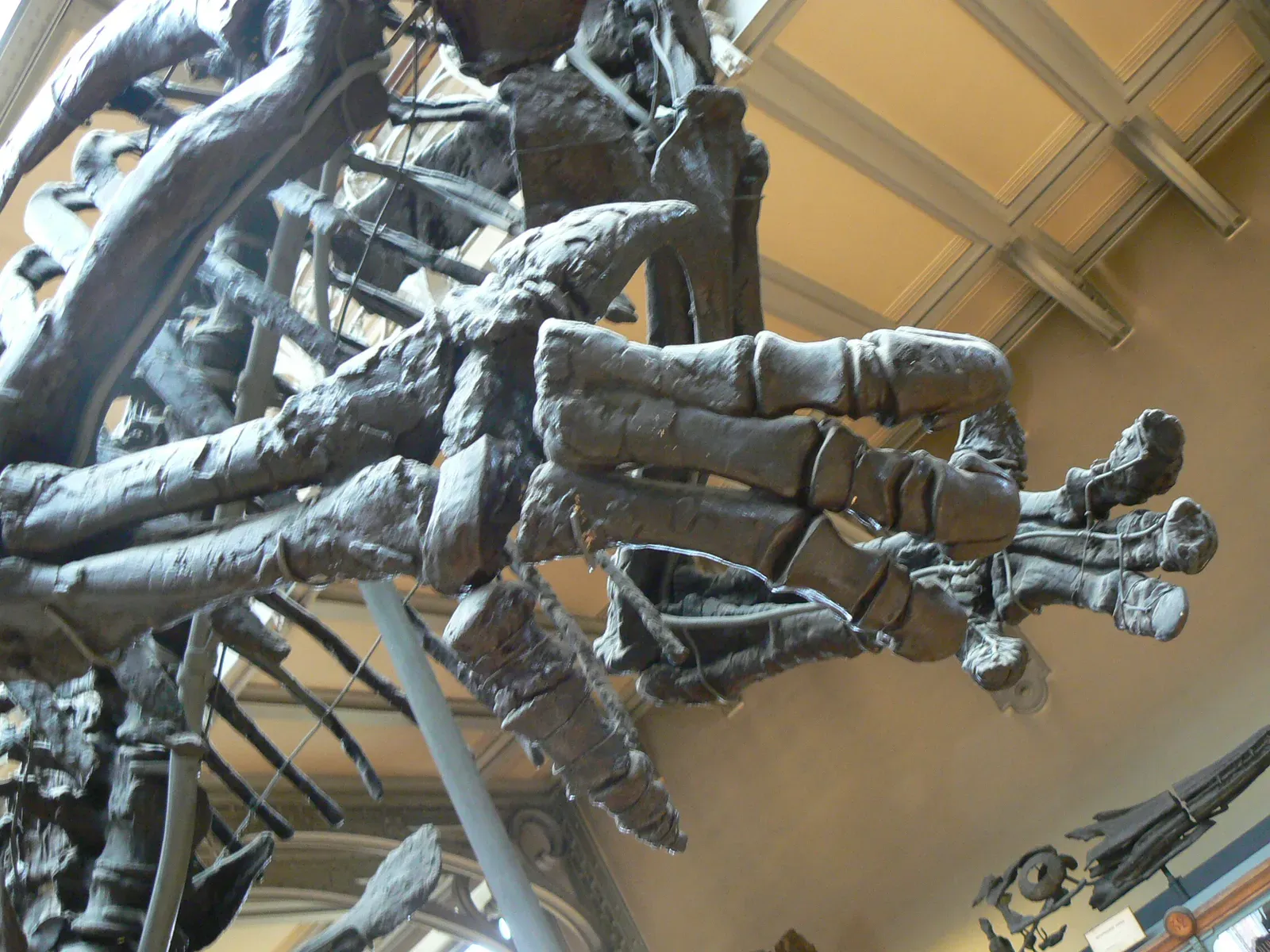
One of paleontology’s most famous blunders involved sticking Iguanodon’s thumb spike directly onto the tip of its nose like a rhino horn.
This wasn’t a minor rounding error – it was the accepted scientific reconstruction for years, based on incomplete Victorian-era fossils assembled without a clear skeletal blueprint. Later, far more complete skeletons revealed the “horn” was actually a defensive thumb spike, positioned on the hand rather than the face at all. The mistake became so iconic that early sculptures built with the misplaced horn still exist today as historical landmarks, essentially preserved monuments to a scientific correction. It’s a humbling reminder that even confident, published reconstructions can be built on wildly incomplete evidence – and the tidy extinction story you learned in school is next on the chopping block.
#7 – Dinosaurs Slowly Declined Before Going Extinct
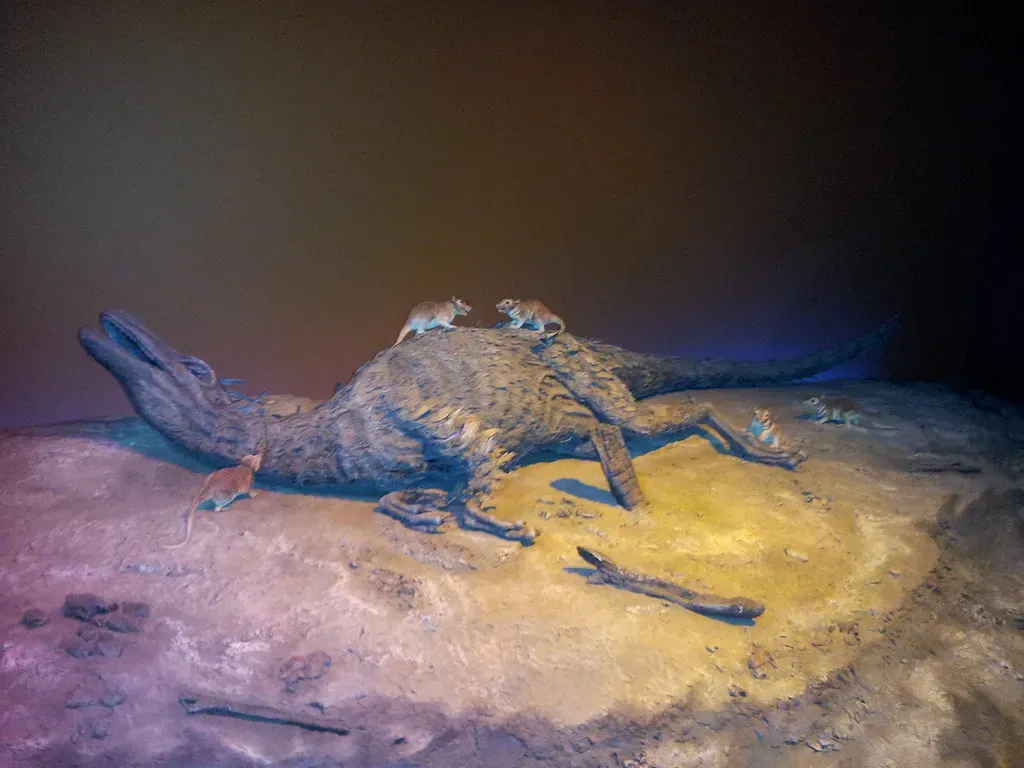
An older theory taught that dinosaurs were already fading out gradually, outcompeted by early mammals millions of years before their final disappearance.
That slow-decline narrative has been replaced by evidence pointing to a sudden, catastrophic event. A massive asteroid impact, dated to the end of the Cretaceous period, left behind a global layer of iridium-rich sediment and a crater large enough to trigger years of climate disruption. Many dinosaur groups appear to have still been diverse and thriving right up until the impact, not fading out gradually as once assumed. Massive volcanic activity around the same time likely compounded the environmental stress, adding another layer to an already brutal extinction event. Some researchers still debate exactly how much volcanic activity contributed versus the impact itself, but up next is a redesign that finally gave pterosaurs some fuzz.
At a Glance
- The Chicxulub crater lies buried beneath Mexico’s Yucatán Peninsula and measures roughly 180 km (110 miles) wide.
- The impact is dated to about 66 million years ago, right at the boundary between the Cretaceous and Paleogene periods.
- The asteroid itself is estimated at 10 to 15 km across – large enough to trigger a prolonged, sunlight-blocking “impact winter.”
- A thin, iridium-rich sediment layer from the event has since been found in rock formations around the globe.
#6 – Pterosaurs Were Bald, Leathery Flying Reptiles
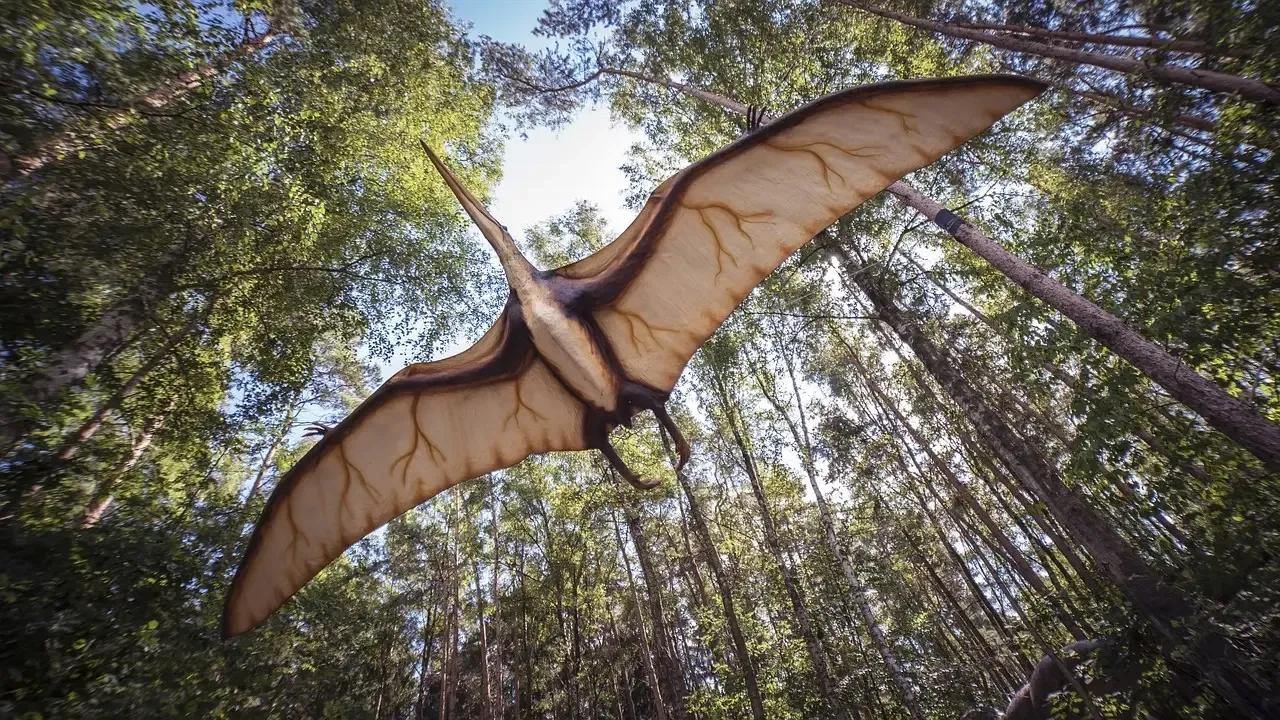
Classic illustrations show pterosaurs as smooth-skinned, bat-winged reptiles with bare, leathery bodies and no insulation whatsoever.
Exceptionally preserved fossils have overturned that image completely. Many pterosaurs were covered in short, hair-like filaments called pycnofibers, distinct from both fur and feathers but clearly serving an insulating function. This fuzzy coating strongly suggests pterosaurs were warm-blooded fliers, not cold, reptilian gliders as older textbooks implied. Wing membrane studies also show far more internal structure – blood vessels, muscle fibers, and reinforcing struts – than the simple “bat wing” comparison ever captured. The bald, scaly pterosaur is basically a paleoart myth at this point, kept alive mostly by outdated toy models, and next up is a dinosaur identity crisis so messy that paleontologists still argue about it today.
#5 – Triceratops and Torosaurus Are Definitely Different Dinosaurs
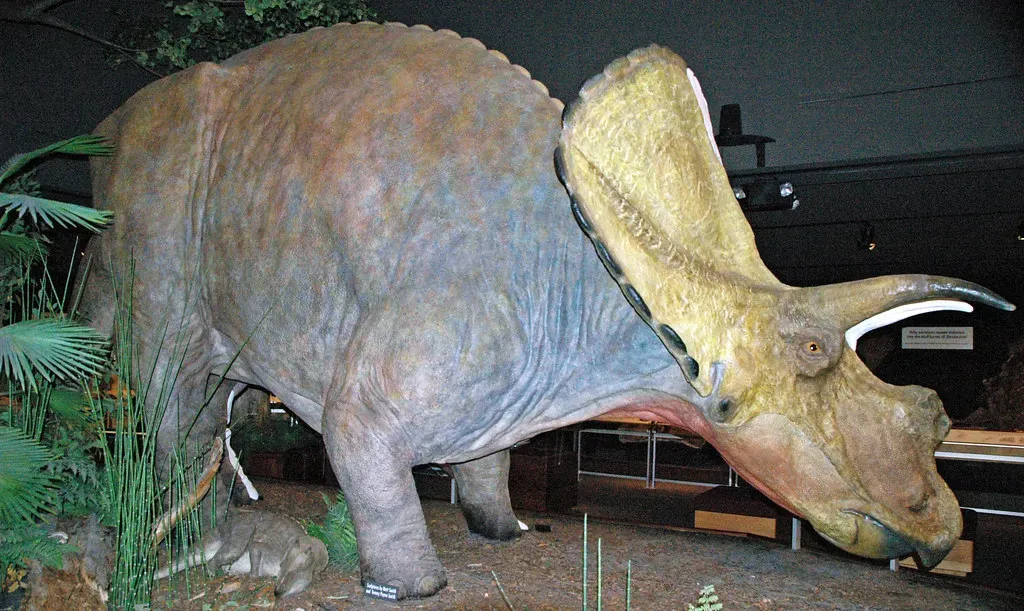
For generations, Triceratops and Torosaurus were confidently taught as two completely separate, unrelated horned dinosaur genera.
That confidence has cracked wide open. A 2010 study proposed that Torosaurus latus and Triceratops were synonymous, meaning Torosaurus should be absorbed into Triceratops rather than treated as a distinct genus, since Triceratops was named first and would take taxonomic priority. The core evidence involves the skull frill itself: the large parietal openings seen in Torosaurus remain the most structurally problematic feature for the synonymy hypothesis, since Triceratops possesses a solid, hole-free frill while Torosaurus shows large, well-defined openings. This isn’t a fringe theory whispered in blogs – the taxonomic validity of Torosaurus has genuinely come into question, with researchers arguing it may simply be the ultimate growth form of Triceratops. Other scientists disagree just as strongly, and many working paleontologists now consider it one of the messiest open questions in the field. Next up is a discovery that quietly rewired the entire dinosaur family tree.
Worth Knowing
- The synonymy idea comes from a 2010 paper by paleontologists John Scannella and Jack Horner in the Journal of Vertebrate Paleontology.
- Othniel Charles Marsh named Triceratops in 1889 and Torosaurus in 1891 – meaning Triceratops keeps naming priority if the two are ever formally merged.
- Torosaurus skulls show two large openings in the frill, while every known Triceratops skull has a solid, unbroken frill.
- Other researchers, including paleontologist Andrew Farke, have pushed back hard, keeping the debate unresolved well over a decade later.
#4 – Birds and Dinosaurs Are Completely Unrelated Animals
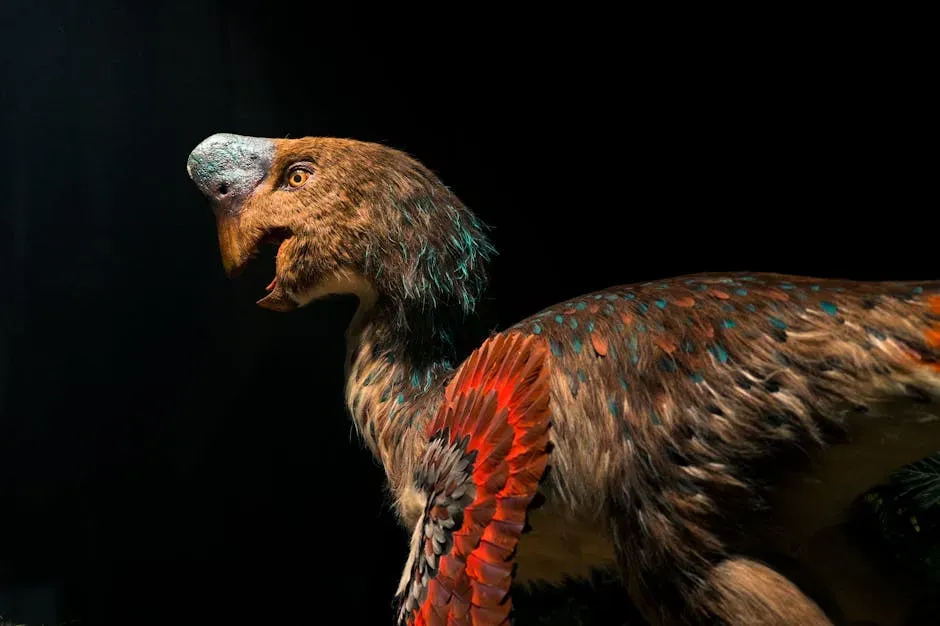
Older curricula treated birds and dinosaurs as separate evolutionary stories entirely – dinosaurs died out, and birds simply appeared afterward, unrelated survivors of a different lineage.
That separation is now considered flatly incorrect. Overwhelming skeletal, genetic, and fossil evidence places birds firmly inside the dinosaur family tree, specifically nested within the theropod group that also produced predators like T. rex. Technically speaking, birds ARE dinosaurs – not descendants of dinosaurs, but living members of the same evolutionary branch that never went extinct at all. Shared features like hollow bones, wishbones, nesting behavior, and feather structures aren’t coincidences; they’re inherited traits passed directly down the family line. Non-avian dinosaurs vanished, sure – but in the strictest biological sense, dinosaurs are still very much alive outside your window right now. And the human evolution chart you memorized in school is next, and it’s just as wrong.
#3 – Human Evolution Was a Straight Line From Ape to Man

That famous illustration – a hunched ape gradually straightening into a modern human walking left to right – has shaped public understanding of evolution for decades.
Paleoanthropologists now reject that image almost entirely. The human fossil record looks less like a straight line and more like a densely branching bush, with multiple hominin species often existing at the same time, in the same regions, competing or coexisting rather than forming one tidy progression. Modern humans weren’t the inevitable endpoint of a linear march – they were simply the one branch of many that happened to survive. Several hominin lineages went extinct entirely, leaving no direct descendants, despite once being just as “successful” by evolutionary standards. Many scientists now argue that iconic image did more to confuse the public than any single graphic in science history – and the Neanderthal reputation is about to get the biggest makeover on this list.
#2 – Neanderthals Were Dumb, Brutish Cavemen
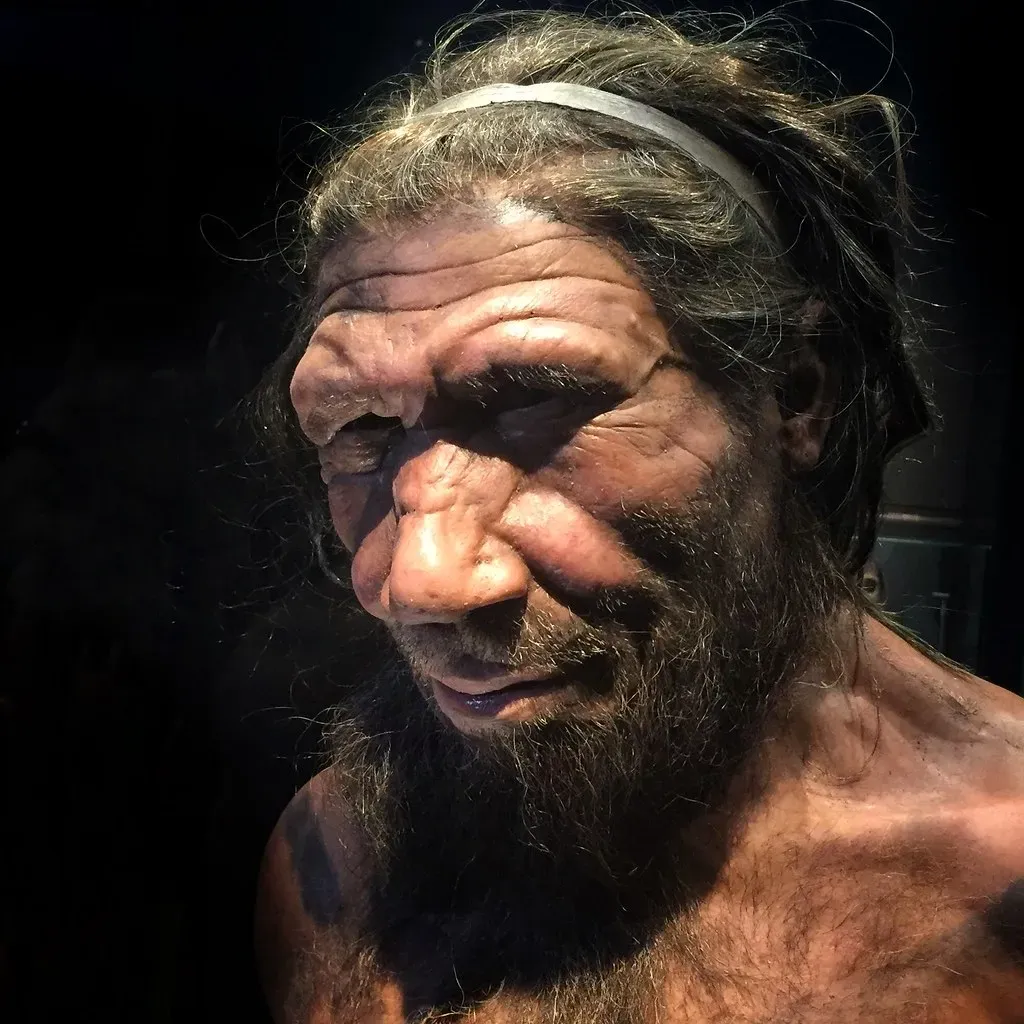
For most of the 20th century, Neanderthals were taught as slow-witted, hunched brutes – an evolutionary dead end that modern humans simply outsmarted into extinction.
That stereotype has been almost completely reversed by modern research. Neanderthal sites show evidence of controlled fire use, complex tool-making, symbolic burial practices, and even art and personal ornamentation. Genetic sequencing has proven that Neanderthals didn’t simply vanish – they interbred with early modern humans, and most people of non-African descent today still carry measurable percentages of Neanderthal DNA. Some of that inherited DNA even appears linked to modern immune function and other traits, meaning Neanderthals never truly went extinct in the genetic sense. The “brutish caveman” stereotype persists in pop culture, but it’s essentially scientific fiction at this point – and the family tree rewrite waiting at #1 is dramatic enough to move an entire animal into a completely different group of mammals.
#1 – Whales Evolved From an Unrelated Group of Land Carnivores
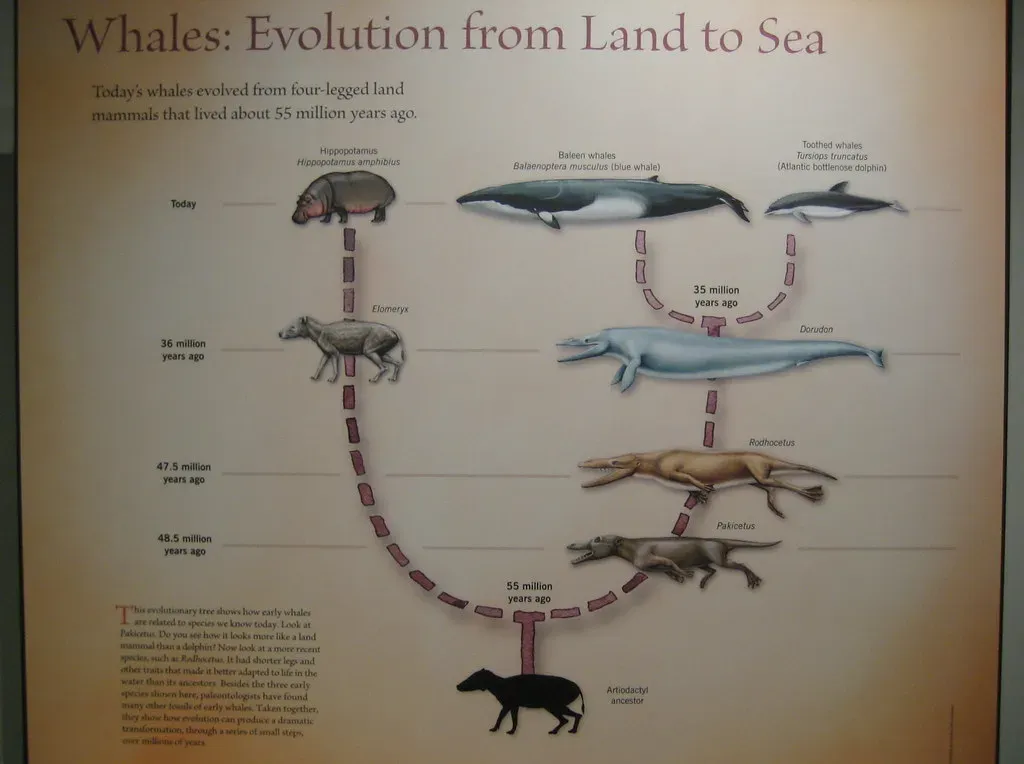
Older textbooks taught that whales descended from ancient land-based meat-eaters, entirely separate from the lineage of hoofed, plant-eating mammals.
That family tree has been completely rewritten. Fossil discoveries of early whale ancestors with distinctive ankle bones – a feature unique to even-toed hoofed mammals – placed whales directly inside the same group as cattle, deer, and camels. DNA evidence sealed the case further, revealing that whales’ closest living relative isn’t any carnivore at all – it’s the hippopotamus. This means the ancestors of the modern blue whale were four-legged, hoofed land mammals that gradually moved into aquatic life over millions of years. It’s arguably the single most surprising reversal on this entire list, because it doesn’t just tweak a detail – it rewrites which branch of the mammal family tree whales belong to entirely.
Why It Stands Out
- Early whale ancestors had distinctive ankle bones only otherwise found in even-toed hoofed mammals like deer and camels.
- DNA comparisons consistently place the hippopotamus, not any carnivore, as the whale’s closest living relative.
- The shift from four-legged land mammal to fully aquatic life unfolded gradually, over millions of years, not overnight.
- This makes whales more closely related to cows and hippos than to any predatory land mammal old textbooks once claimed.
The Bottom Line
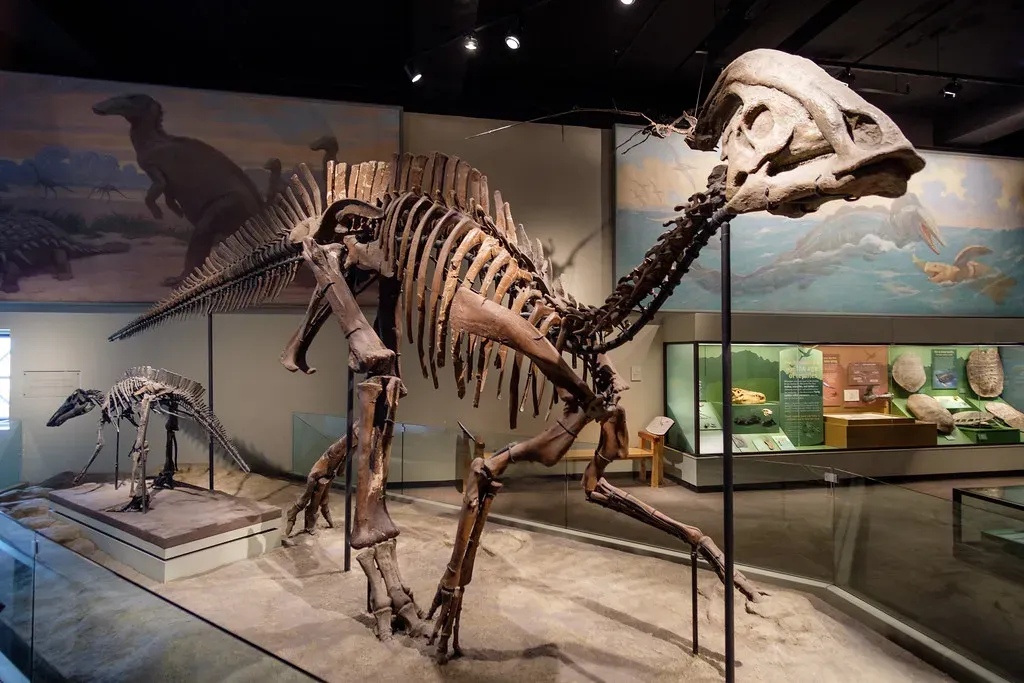
Paleontology isn’t a museum of fixed facts – it’s a living, argumentative science that revises itself constantly as new fossils, scans, and genetic tools emerge.
Some of these corrections, like feathered dinosaurs and whale-hippo ancestry, are settled science. Others, like the Triceratops-Torosaurus debate and sauropod neck posture, remain genuinely contested among experts. If there’s one honest takeaway, it’s that the “final answer” in your old textbook was never really final at all. Which of these surprised you the most?