Most people assume archaeologists have prehistory locked down by now – carbon dates, ancient DNA, laser scans, case closed. They don’t. Some of the biggest questions about our own species are exactly as contested today as they were in the 1970s, and in a few cases, new evidence has made the fights louder, not quieter.
Scientists have thrown supercomputers, isotope analysis, and full genome sequencing at these mysteries, and entire careers have been built on refusing to agree with each other. Here are 16 debates that flat-out won’t die, counting down to the one that still makes grown archaeologists interrupt each other at conferences.
#16 – Why Modern Humans Look the Way They Do, Depending on Where They’re From

The “Out of Africa” model used to be treated as settled science. It isn’t anymore. For decades the story was simple: modern humans evolved in Africa around 200,000 years ago and replaced every other human population on Earth with barely any mixing. That tidy version is falling apart fast. Ancient DNA has shown that Homo sapiens interbred with Neanderthals and Denisovans, which means the clean “replacement” story was never entirely true. Most non-African people today carry measurable percentages of Neanderthal DNA, a fact that would’ve gotten you laughed out of a conference room in the 1980s.
The fight now isn’t “Out of Africa vs. multiregional” anymore – it’s about how much mixing happened, where, and how many times it occurred. Some researchers argue there were multiple separate migrations out of Africa, not one clean exodus. Others think regional populations contributed more to modern human traits than the mainstream model wants to admit. It’s a slow-burning academic feud that reignites every time a new genome gets sequenced.
Fast Facts
- Non-African populations typically carry roughly 1-2% Neanderthal DNA
- The oldest confirmed Homo sapiens fossils date back roughly 200,000-300,000 years
- Some Melanesian and Southeast Asian populations show notably higher Denisovan ancestry
- Genetic evidence points to interbreeding happening at more than one point in time
#15 – Whether the “Hobbit” Was Even Human
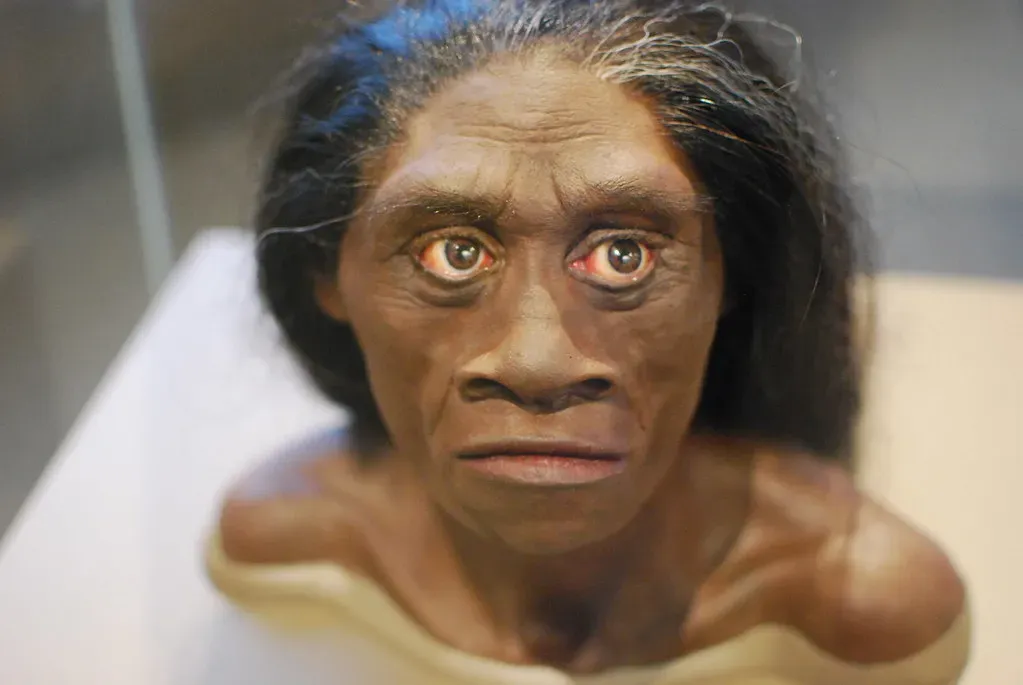
A three-foot-tall skeleton found in an Indonesian cave in 2003 broke paleoanthropology, and the field still hasn’t fully recovered. Homo floresiensis, nicknamed “the hobbit,” turned up on the island of Flores with a brain roughly a third the size of a modern human’s. The immediate, furious question was whether this was a genuine distinct species or just a modern human with a growth disorder like microcephaly. Skeptics didn’t back down easily – this fight dragged on for more than a decade.
The disease theory has since been largely abandoned, and most scientists now recognize H. floresiensis as a legitimate species, distinct from Homo sapiens entirely. But the argument didn’t end – it just changed shape. Researchers still disagree about whether the hobbit shrank from a larger Homo erectus ancestor or descended from an already-tiny, more primitive hominin altogether. Every new fossil find reopens the case from scratch.
#14 – When Humans Actually Domesticated Dogs

Everyone loves a good dog origin story, but researchers can’t even agree on the century, let alone the continent. The timeline for dog domestication swings wildly depending on which team you ask – estimates range from roughly 15,000 to over 30,000 years ago, with proposed locations spanning Europe, Central Asia, and East Asia. Some genetic studies suggest a single domestication event. Others argue wolves were domesticated twice, independently, in different regions, with one lineage later dying out completely.
That means the “first dog” might not even be an ancestor of any dog alive today. This isn’t a minor technicality – it rewrites the entire narrative of how early humans and wolves became partners. A double domestication suggests something universal about the human-wolf bond. A single event makes it a one-time accident tied to a specific population and ecological pressure. Neither camp has fossil or genetic evidence solid enough to shut the other down.
#13 – What Those Chubby Little Stone Women Were Actually For
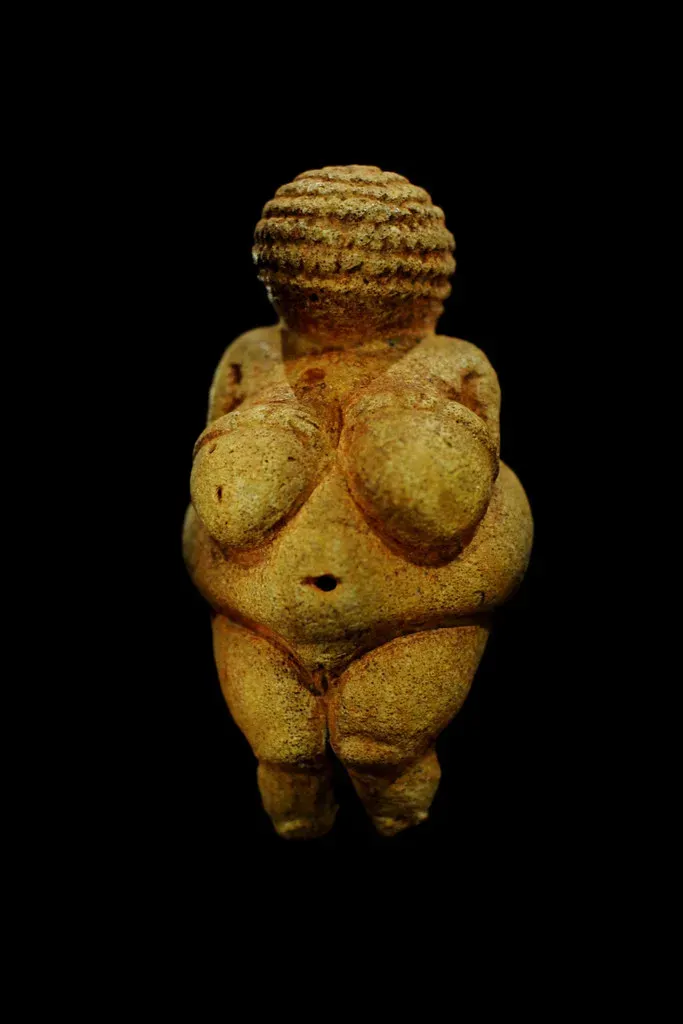
Venus figurines – small carved statuettes of exaggerated female forms found across Ice Age Europe – have been dividing scholars since the first one turned up over a century ago. Interpretations range from fertility symbols and mother-goddess religious icons to self-portraits carved by pregnant women looking down at their own bodies. Some researchers argue they’re erotic art. Others insist they’re beauty standards, status symbols, or even childbirth teaching tools. No inscription, no context clue, and no burial association has ever settled it.
What makes this debate so stubborn is the total absence of any written record to check a theory against. These figurines span thousands of miles and thousands of years, meaning one explanation probably can’t cover all of them. Some experts now argue that hunting for a single universal meaning is itself the mistake – different cultures likely carved them for completely different reasons. That doesn’t sit well with researchers who want one clean answer.
#12 – Whether an Ancient Greek “Computer” Actually Worked
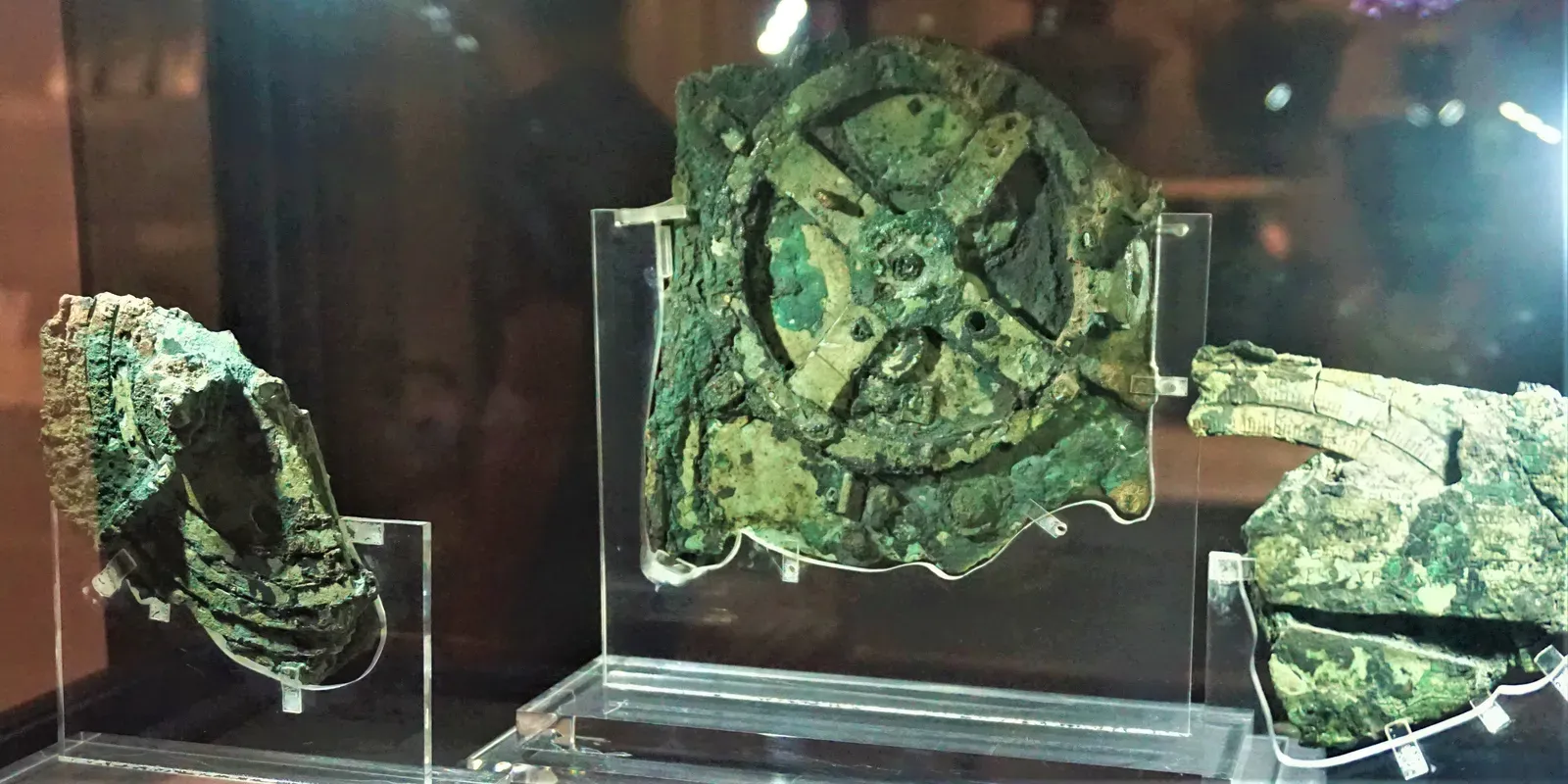
The Antikythera mechanism looks like something that shouldn’t exist – a corroded bronze gear system pulled from a shipwreck, predating comparable technology by over 1,000 years. Researchers have spent more than a century trying to figure out what it was actually built to do. It’s often called the world’s first analog computer, but its exact purpose and precision remain seriously disputed. Theories range from astronomical prediction tool to court astrologer’s device to elaborate toy.
A 2025 simulation study threw a genuinely uncomfortable twist into the mix, suggesting the mechanism may not have been a precision instrument at all but a device prone to constant jamming. That would mean one of history’s most celebrated feats of ancient engineering barely worked. Other researchers still defend the precision-instrument theory, pointing to inscriptions describing genuine astronomical calculations. Neither side has won.
At a Glance
- Recovered from a shipwreck near the Greek island of Antikythera in 1901
- Contains dozens of interlocking bronze gears packed into a hand-sized case
- Believed to date to somewhere around the 2nd century BC
- Inscriptions suggest it tracked lunar cycles, solar cycles, and eclipse predictions
#11 – How Old the Sphinx Actually Is
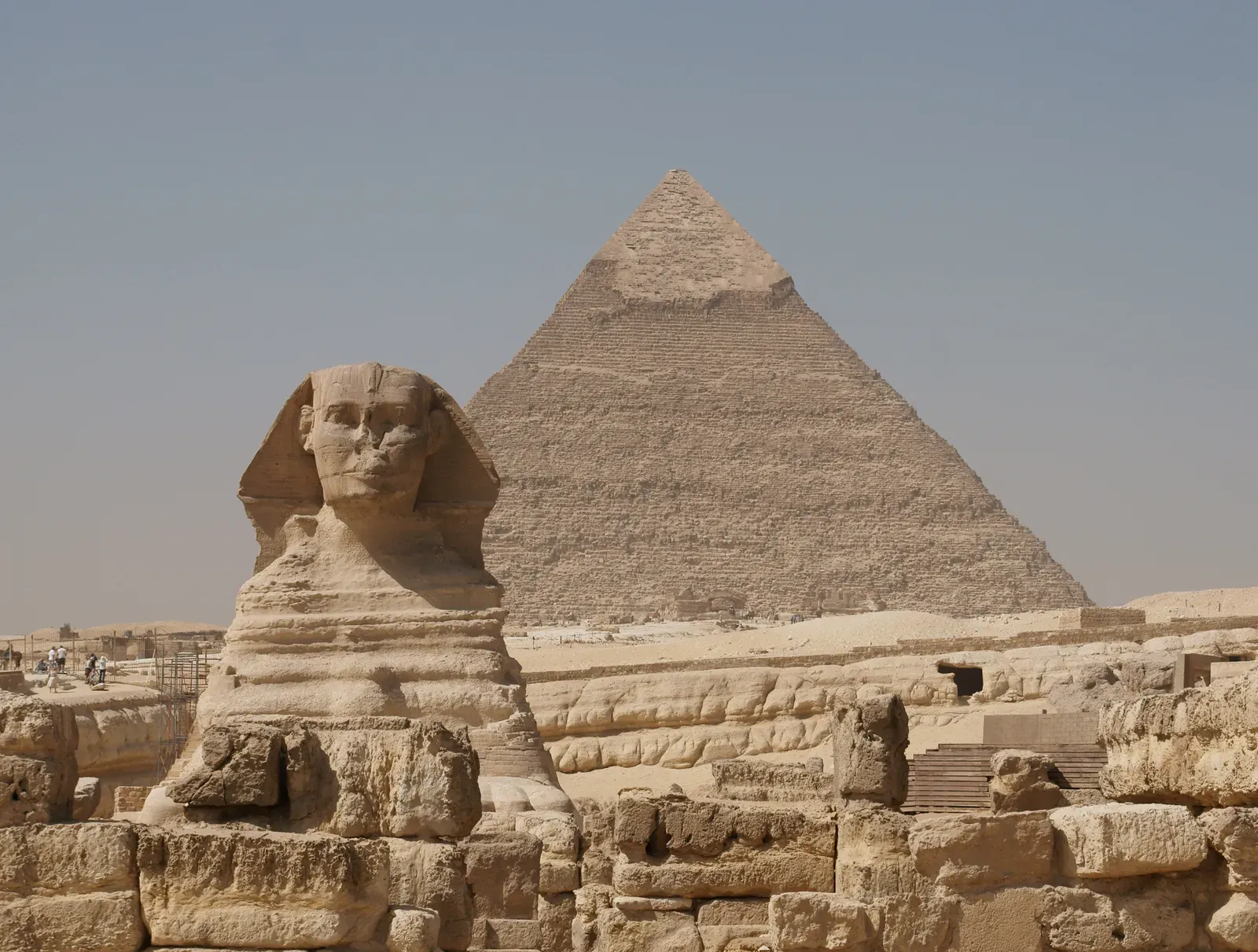
Most tourists assume the Great Sphinx of Giza was carved alongside the pyramids around it, roughly 2500 BC, and most Egyptologists agree. But a minority of geologists have pushed back hard for decades, pointing to water erosion patterns on the Sphinx enclosure walls that they claim could only have been caused by heavy rainfall, not wind and sand. Egypt’s climate hasn’t supported that kind of rainfall since roughly 7000 BC or earlier – meaning, if true, the Sphinx could be thousands of years older than the mainstream timeline allows.
That single claim, if it held up, would rewrite the entire chronology of early Egyptian civilization. Mainstream Egyptologists reject the reading almost entirely, citing construction tool marks and stylistic evidence tying the monument firmly to the Old Kingdom. The geological theory has never been accepted by the broader archaeological community, but it refuses to disappear – it resurfaces in conferences and documentaries every few years. Few debates in archaeology generate this much cross-discipline hostility.
#10 – How the Pyramids Were Actually Built

Ask ten Egyptologists how the Great Pyramid was constructed and you’ll get variations on ramps, levers, and organized labor – but the specifics remain genuinely unresolved. Massive external straight ramps, spiraling ramps wrapped around the exterior, internal ramps, and even water-based transport systems have all been proposed. Each theory solves some problems and creates new ones. A straight ramp long enough to reach the pyramid’s peak would have required more material than the pyramid itself.
Discoveries like the Wadi al-Jarf papyri, describing workers moving limestone blocks by boat along ancient waterways, have added real evidence without settling the core mystery. Researchers now generally agree that skilled, paid laborers – not slaves – built the pyramids, correcting one major historical myth. But precisely how they hoisted multi-ton blocks with such precision remains a genuinely open engineering question after fifty years of trying.
#9 – What Really Wiped Out the Ice Age Giants
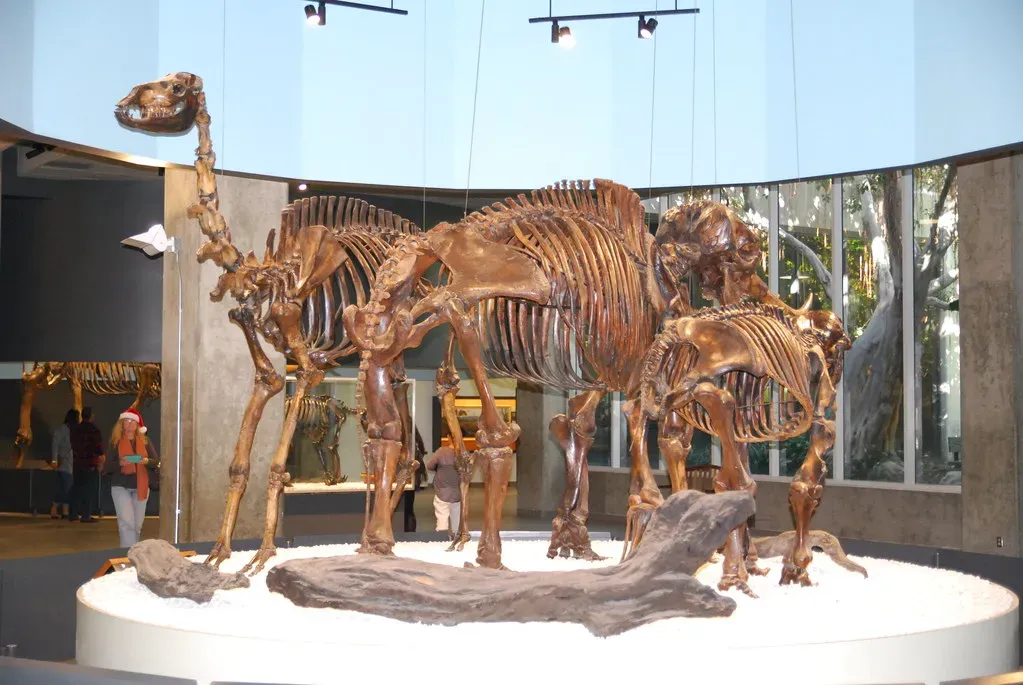
Woolly mammoths, giant sloths, saber-toothed cats, and dozens of other massive Ice Age species vanished within a few thousand years of each other, and researchers still can’t agree on the killer. The two leading suspects are climate change at the end of the last Ice Age and “overkill” by newly arrived human hunters. Climate advocates point to rapid temperature swings that destroyed habitats faster than species could adapt. Overkill proponents note that megafauna extinctions closely track human arrival on nearly every continent, including places with stable climates.
Neither theory alone explains every regional extinction pattern. Most researchers today lean toward a combined explanation – human hunting pressure on populations already stressed by a shifting climate. But the ratio of blame assigned to each factor is still hotly contested, and it varies wildly by continent and species. Australia’s extinctions look nothing like North America’s, which complicates any universal theory even further.
#8 – What Actually Killed the Dinosaurs

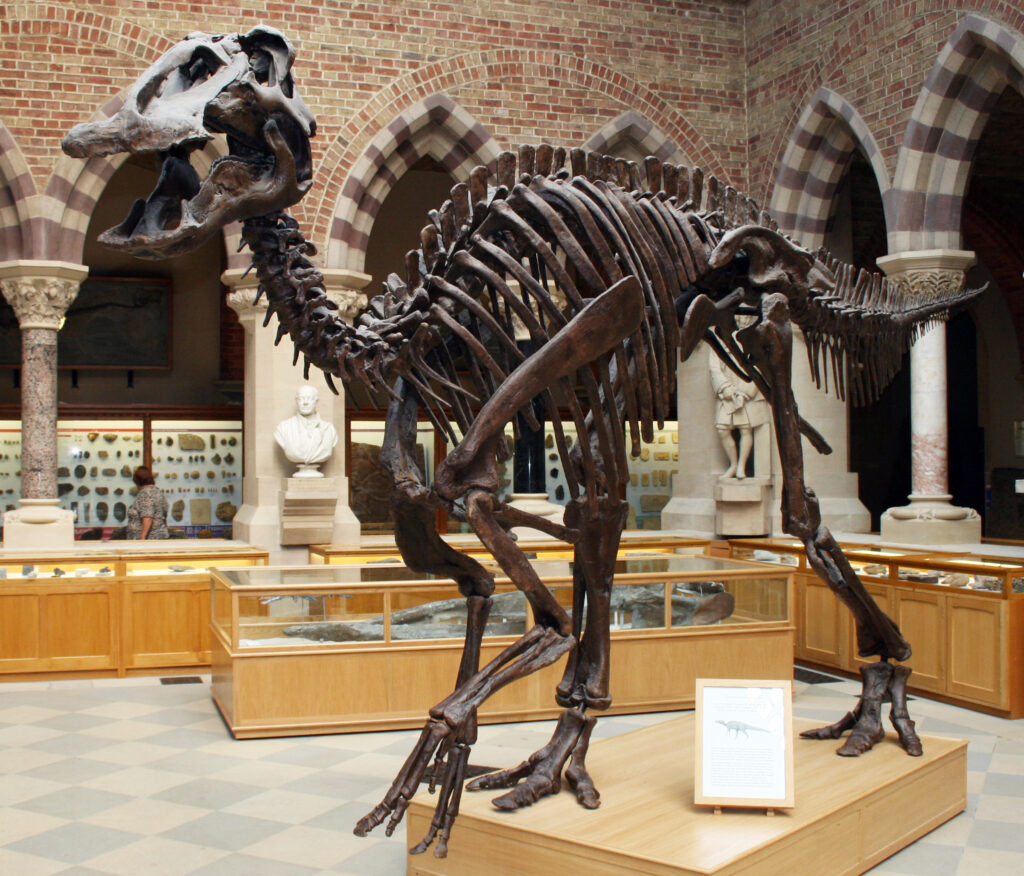
The asteroid impact theory feels like settled science to most people, but paleontologists studying the actual extinction event know it’s messier than a single space rock. The Chicxulub asteroid impact 66 million years ago is broadly accepted as a major trigger of the end-Cretaceous extinction. But a vocal group of researchers argues that massive volcanic eruptions in India’s Deccan Traps were already destabilizing global ecosystems before the asteroid ever hit.
Some researchers argue the asteroid delivered the final blow to a biosphere already collapsing from volcanic climate chaos. This isn’t a fringe position – it’s published in major journals by serious geochemists studying the same rock layers. The debate largely comes down to timing precision that’s brutally hard to nail down across millions of years. Both camps have refined their dating methods repeatedly for two decades, and neither has landed a knockout blow.
Quick Compare
- Asteroid impact: Chicxulub crater, roughly 66 million years old, tied to sudden global darkness and cooling
- Deccan Traps volcanism: Massive lava flows releasing sulfur and CO2 over hundreds of thousands of years
- Combined theory: Volcanic stress weakened ecosystems first, and the impact delivered the final blow
#7 – Whether a Comet Ended the Ice Age

For over a decade, a small but persistent group of scientists has argued that a comet or fragmented asteroid struck North America roughly 12,900 years ago, triggering a sudden global cooling event called the Younger Dryas. The theory claims this impact caused catastrophic wildfires, wiped out Ice Age megafauna, and ended the Clovis stone-tool culture almost overnight. Proponents point to platinum spikes and melted glass found at dozens of sites worldwide as physical proof.
Critics have been brutal in their rejection, and many mainstream scientists dismiss it as a widely refuted fringe hypothesis. A major 2011 review went so far as to call it a “requiem” for the theory. But newer 2024–2025 studies from ocean-core samples have revived interest with fresh platinum evidence. This is one of the rare prehistoric debates that’s actually gotten louder in the last year, not quieter.
#6 – Why Neanderthals Disappeared

Neanderthals thrived across Europe and Asia for hundreds of thousands of years, then vanished roughly 40,000 years ago, and researchers still argue fiercely about why. Competition with incoming modern humans is the most popular theory – the idea that Homo sapiens simply out-competed Neanderthals for resources and hunting efficiency. Others argue climate volatility stressed populations that were already small and genetically limited. A third camp points to interbreeding and gradual absorption into the modern human gene pool rather than true extinction at all.
Genetic evidence confirms Neanderthal DNA persists in most non-African populations today, complicating the idea that they disappeared completely. This may genuinely be a case of “all of the above happening at once,” which is deeply unsatisfying to researchers hunting for one clean cause. Some experts now argue the entire framing of Neanderthal “extinction” is outdated, since so much of their genetic material survived through interbreeding. Traditionalists still push back hard on that reframing.
#5 – Who Actually Got to the Americas First
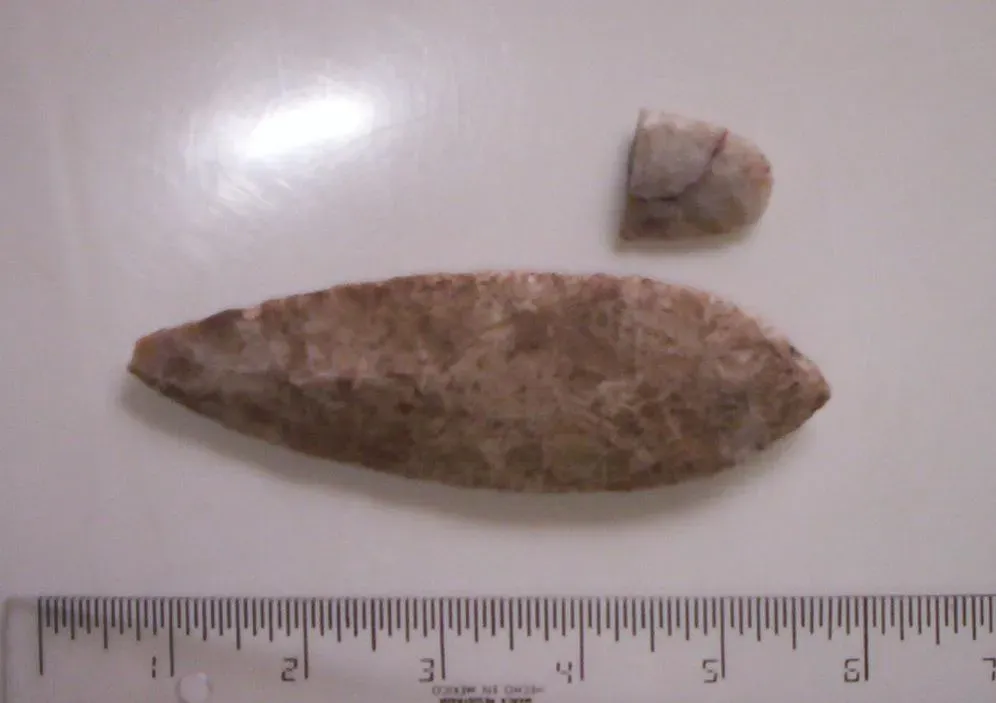
For most of the 20th century, the “Clovis-first” model was gospel: humans crossed the Bering land bridge around 13,000 years ago and quickly spread across two continents, leaving distinctive stone spear points behind. That consensus has been under sustained attack for decades. Archaeological sites in Chile, Texas, and elsewhere have produced dates that appear to predate Clovis culture by thousands of years, suggesting earlier migration waves via coastal routes rather than an inland ice corridor.
Some contested footprint evidence from New Mexico has been dated to over 20,000 years old, a claim that, if fully validated, would blow apart the traditional timeline entirely. Clovis-first defenders argue that many pre-Clovis sites suffer from dating problems, contamination, or misidentified artifacts. The fight has gotten personal, with entire careers built on defending or attacking specific sites. Coastal migration theories are gaining ground, but nobody has produced a site definitive enough to end the argument for good.
Worth Knowing
- Clovis-first model: land bridge crossing roughly 13,000 years ago
- Pre-Clovis sites in Chile and Texas suggest much earlier arrivals
- Disputed New Mexico footprints have been dated to over 20,000 years old
- Coastal migration routes are gaining favor over the old inland ice-corridor model
#4 – What the Nazca Lines Were Actually For
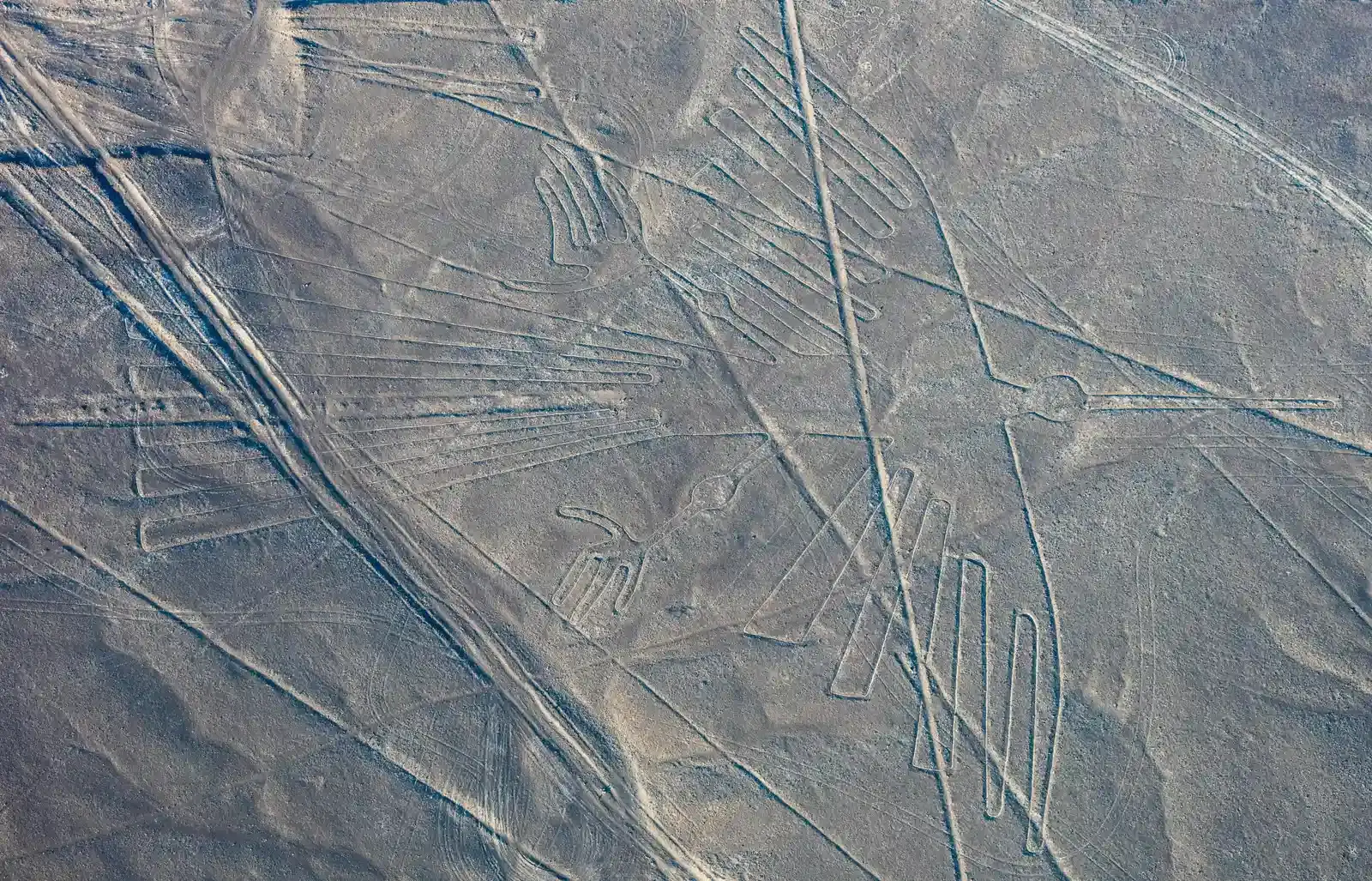
Carved into the Peruvian desert floor, the Nazca Lines form massive geometric shapes and animal figures only fully visible from the air – a fact that has fueled outlandish theories for decades. Serious researchers have mostly dismissed the ancient-astronaut explanations, but the legitimate scientific debate is still very much alive. Leading theories include astronomical calendars marking solstices, ceremonial pathways tied to water rituals, and territorial markers meant to be viewed by deities rather than humans.
The lines were created simply by removing dark surface stones to reveal lighter sand beneath – a technique so basic it’s almost more puzzling than the shapes themselves. What keeps the argument alive is the sheer variety: some lines are simple straight paths stretching for miles, others are intricate animal figures, and they don’t all seem to serve the same purpose. Some experts now argue that treating the Nazca Lines as one unified project is the wrong approach entirely, since they were likely made across generations for different reasons.
#3 – Why Rapa Nui Society Collapsed
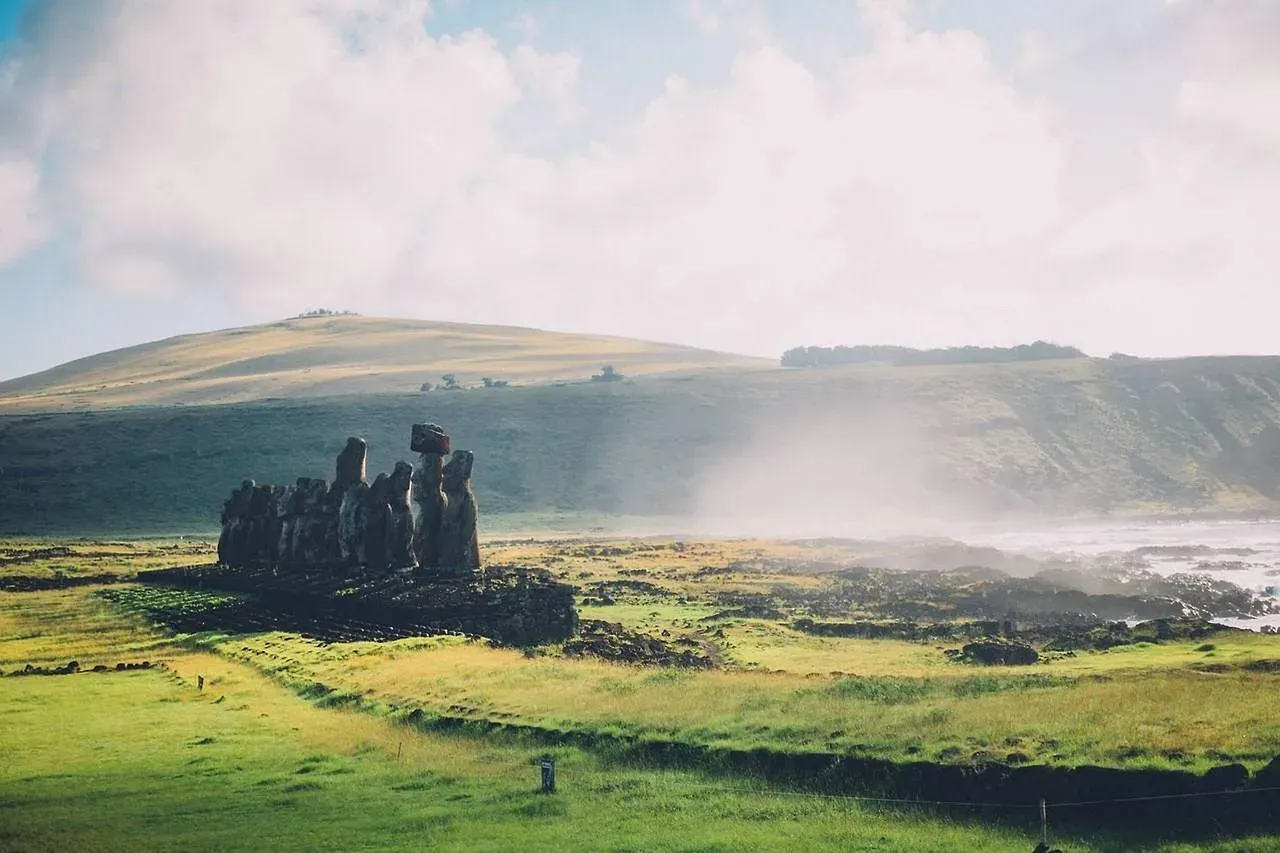
Easter Island’s population crash has been blamed on ecological suicide for so long that most people assume it’s settled fact – deforestation, resource exhaustion, societal collapse. It isn’t settled at all. The traditional “ecocide” narrative argues islanders cut down every palm tree to move giant statues, destroyed their own soil, and triggered a population collapse before Europeans even arrived.
Newer research pushes back hard, pointing to rat infestations that decimated palm seedlings, and to European-introduced disease and slave raids as the real population killers arriving after first contact. Some researchers now argue the pre-contact population never crashed the way the ecocide story claims at all. This has become one of the most politically charged debates on this list, because the ecocide narrative has long been used as an environmental cautionary tale. Critics argue that blaming islanders for their own collapse conveniently ignores colonial violence as the actual culprit.
#2 – How Easter Island’s Statues Actually Moved
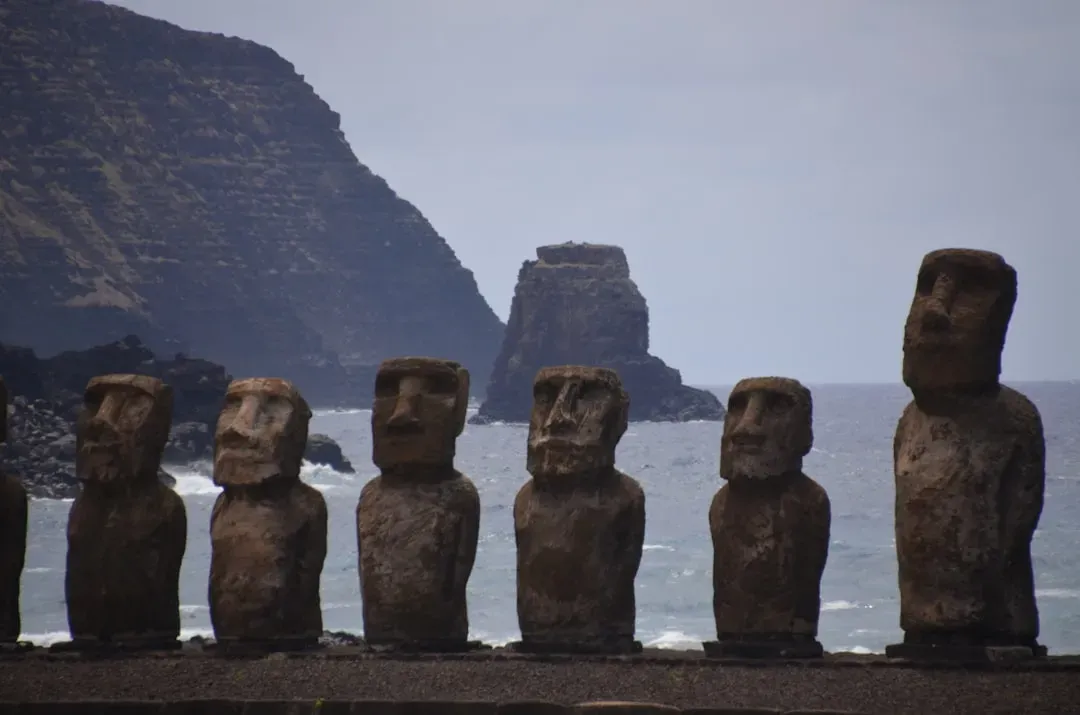
The moai of Easter Island weigh up to 80 tons each, and for decades the dominant assumption was that islanders used log rollers to drag them across the landscape – a theory that required deforesting the entire island to explain. But local oral tradition has always insisted the statues “walked” to their platforms, and modern experimental archaeology has taken that claim surprisingly seriously.
Researchers have demonstrated that with ropes attached at the right points, a team of people really can rock and rotate an upright moai forward in a walking motion. That single experiment undercut one of the central pillars of the ecocide collapse narrative, since it no longer requires mass deforestation to explain statue transport. Not every researcher is convinced the walking method explains every statue, especially those found abandoned along transport roads in positions inconsistent with an upright walk. The disagreement has real stakes, because it directly challenges how much environmental damage the moai-building process actually caused.
#1 – What Stonehenge Was Actually Built For
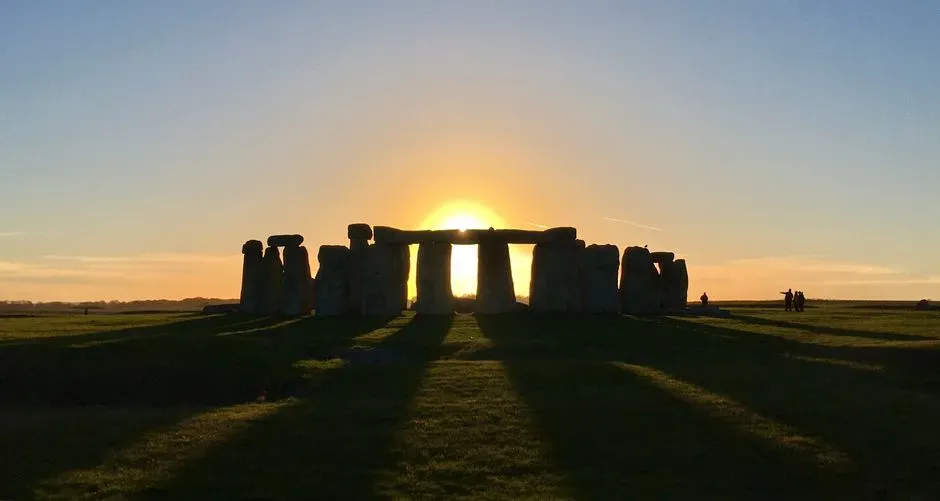
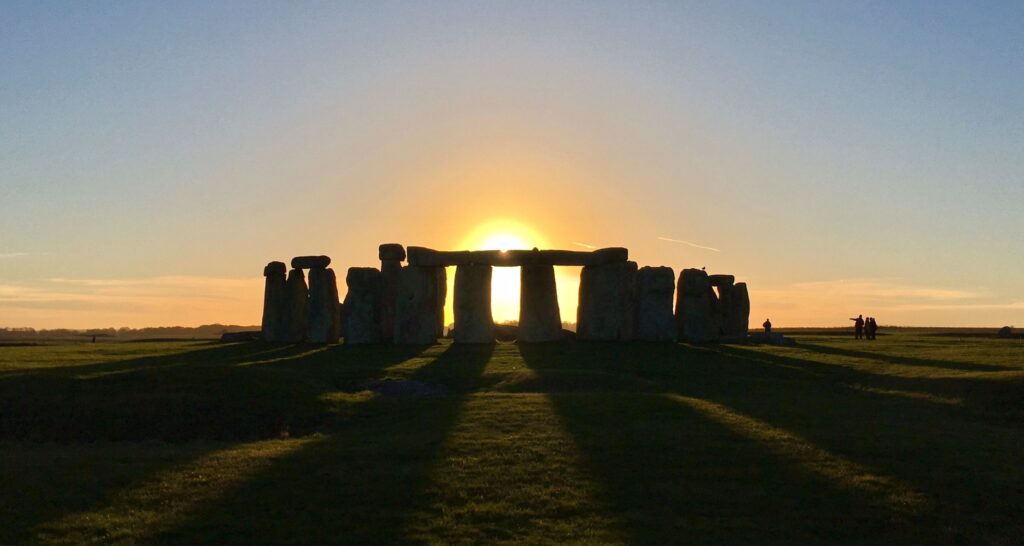
More money, more surveys, and more ground-penetrating radar have been thrown at Stonehenge than almost any other prehistoric site on Earth, and researchers still can’t agree on its core purpose. Leading theories include a solstice-aligned astronomical calendar, a healing site tied to the bluestones’ supposed medicinal properties, a burial ground for elite prehistoric families, and a unifying ceremonial gathering place for scattered British tribes. Excavations have found cremated human remains dating across centuries of use, supporting the burial theory, while the monument’s precise solstice alignment keeps the astronomical theory firmly alive.
One of the bluestones has been traced to a quarry in Wales roughly 150 miles away, meaning Neolithic builders somehow transported multi-ton stones across enormous distances without wheels or metal tools. That transport mystery alone has generated its own decades-long sub-argument about sledges, log rollers, water routes, and glacial movement. Some researchers now argue Stonehenge served multiple overlapping purposes simultaneously rather than one single function – a deeply unsatisfying answer for a monument this famous. Traditionalists want one clean explanation. The evidence keeps refusing to give them one.
Why It Stands Out
- Built in phases over roughly 1,500 years, from around 3000 BC to 1500 BC
- Bluestones traced to a Welsh quarry nearly 150 miles from the site
- Larger sarsen stones weigh up to 25 tons apiece
- Precisely aligned with summer and winter solstice sunrise and sunset
The Bottom Line
Fifty years of excavation, DNA sequencing, and satellite imaging haven’t settled these arguments – they’ve mostly made them more complicated. The honest truth is that prehistory resists tidy answers, and every “final” theory eventually gets challenged by the next generation of researchers with sharper tools.
Science is the belief in the ignorance of experts.
Richard Feynman
That’s not cynicism – it’s the whole point. The people who claim total certainty about Stonehenge, the moai, or the Sphinx are usually overselling their evidence, and the ones still arguing after fifty years are doing exactly what good science demands. Which of these sixteen puzzles do you think finally gets cracked in your lifetime, and which one do you think never will? Drop your theory below.