For over a century, museum visitors have walked past mounted dinosaur skeletons assuming scientists had this all figured out. They haven’t. Behind the neat placards and confident dates sit fossils that have triggered decades of shouting matches at academic conferences, quietly retracted papers, and theories that got flipped upside down within a single generation.
Some of the most famous specimens on the planet still can’t be cleanly classified, explained, or even agreed upon by the people who’ve spent entire careers studying them. The deeper you dig into these seventeen cases, the less “settled” science starts to feel, and the last one on this list might be the strangest reversal of all.
#17 – The Blob That Might Not Even Be an Animal
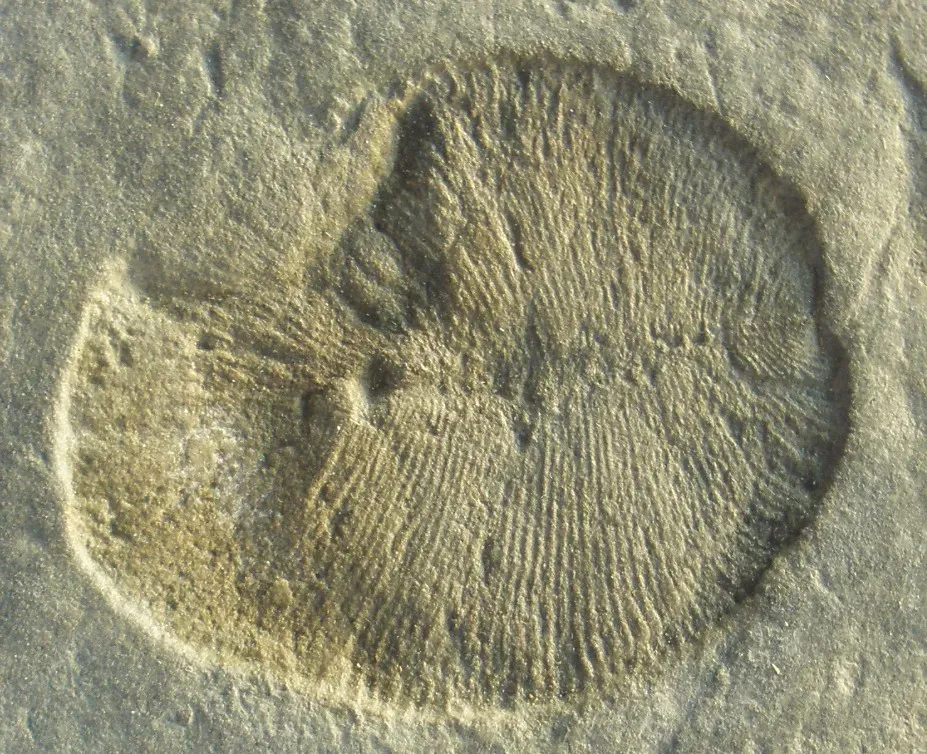
Dickinsonia looks like a ribbed bathmat pressed into ancient seafloor mud, and for over a hundred years nobody could agree on what it even was.
Discovered in the Ediacaran hills of Australia, this flat, oval organism lived hundreds of millions of years before the Cambrian explosion, long before shells, eyes, or bones existed. Scientists debated whether it was a fungus, a lichen, a giant single-celled amoeba, or a genuine animal. Researchers eventually recovered fossilized cholesterol molecules from Dickinsonia specimens, a biochemical fingerprint that leans toward it being one of the earliest known animals on the planet. But the discovery didn’t close the case. Dickinsonia has no mouth, no gut, no visible limbs, and a strange growth pattern that doesn’t match any living animal group. Which branch of the family tree it belongs to remains genuinely unresolved. And #16 pushes that same kind of uncertainty into stranger territory.
#16 – The Spiral Tooth Nobody Could Place
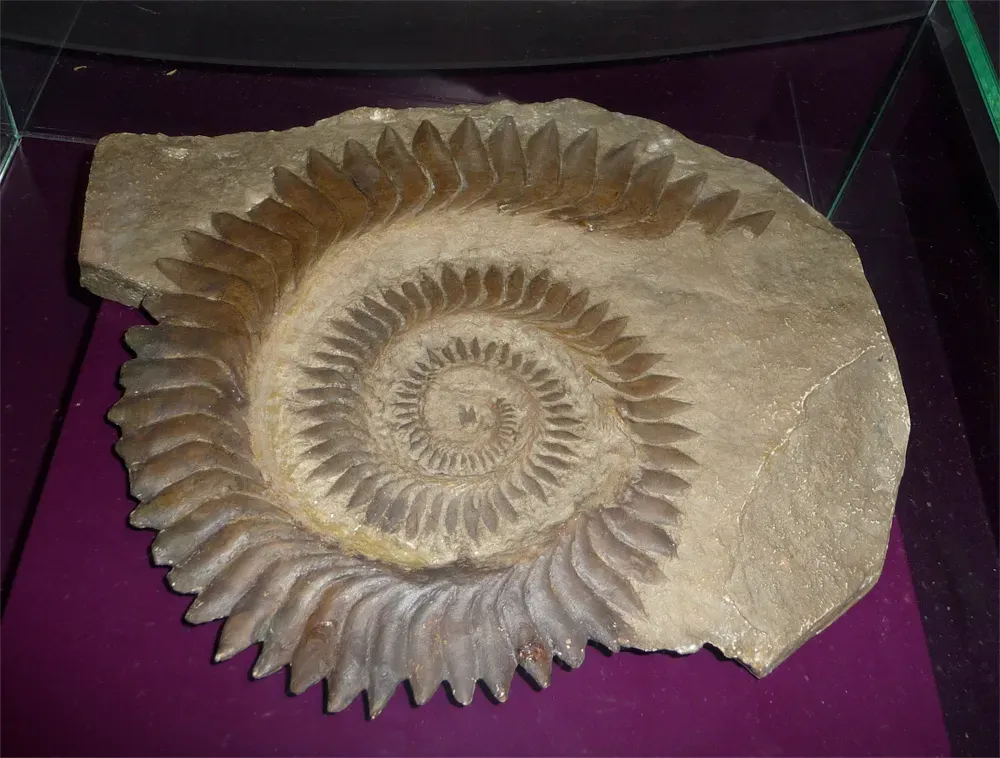
Imagine finding a circular saw blade made entirely of teeth and having no idea where on an animal’s body it belonged.
That’s essentially what happened with Helicoprion, an ancient shark-like fish whose fossilized tooth whorl baffled researchers for decades. Early reconstructions placed the spiral on the tip of the tail, the top of the head, and even curling outward from the chin like a bizarre buzzsaw mustache. For nearly a century, nobody had a complete skull to confirm any of it. It wasn’t until CT scans of a rare specimen with actual cartilage preserved that researchers finally pieced together where the whorl sat, inside the lower jaw, rotating teeth inward as new ones grew. Even now, exactly how Helicoprion used that spinning tooth conveyor to catch prey is still debated among paleontologists, since nothing alive today hunts quite that way. Yet #15 didn’t just puzzle scientists, it fractured them into rival camps.
Fast Facts
- Helicoprion swam the seas from roughly 290 to 250 million years ago, spanning the Permian into the Early Triassic.
- Some species may have grown over 30 feet long, based on comparisons between whorl sizes.
- 2013 CT scans overturned the shark assumption, revealing Helicoprion was actually a relative of modern chimaeras, or “ghost sharks.”
- Its jaws could never fully close because the coiled tooth whorl physically got in the way.
#15 – The Reptile With Feathers Before Feathers Existed
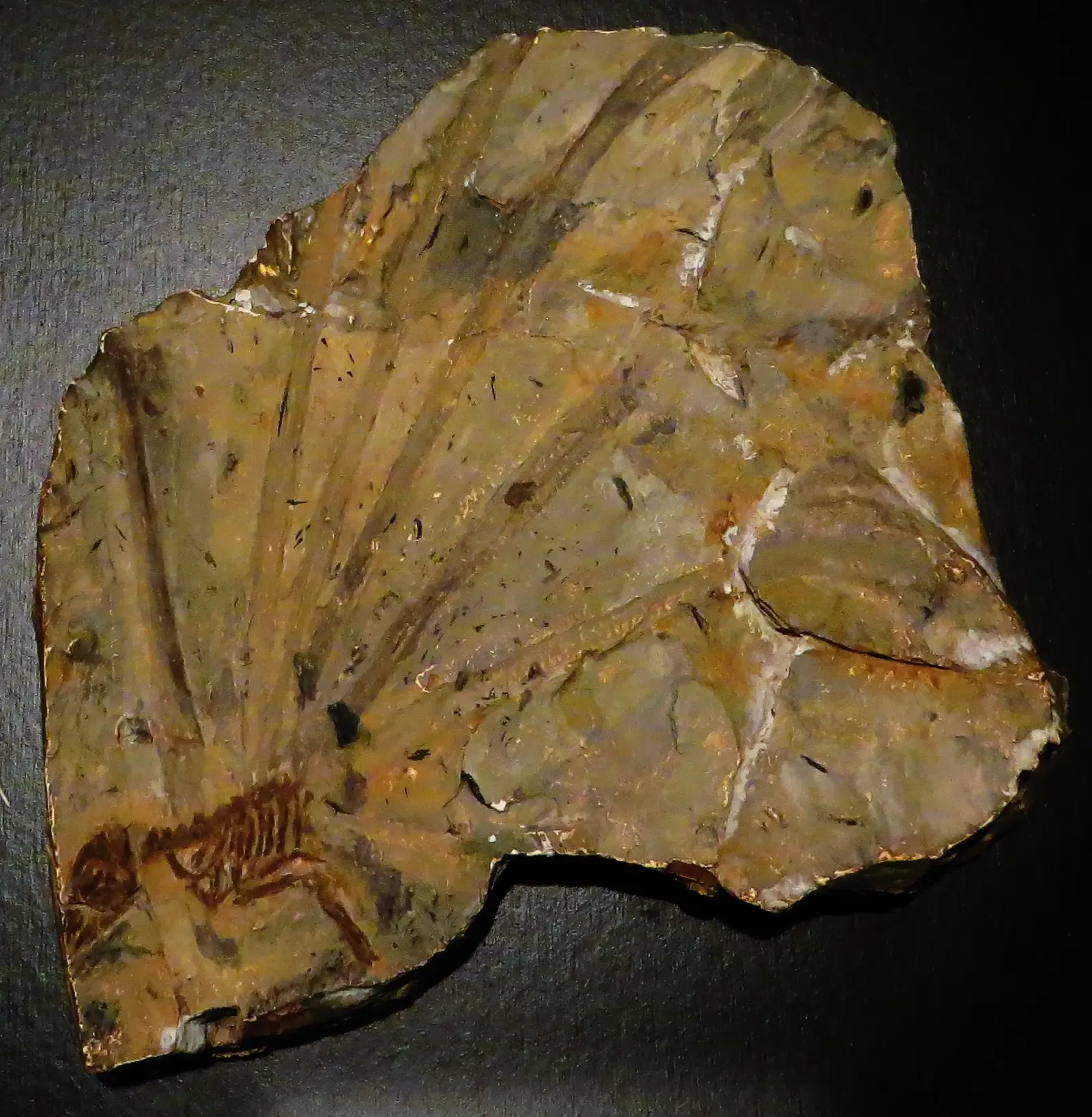
Long before anyone had heard of feathered dinosaurs, one small reptile fossil was already causing headaches.
Longisquama was a tiny Triassic reptile discovered with a row of strange, elongated appendages running down its back. Some researchers interpreted them as early feather-like structures, which would be a genuinely explosive claim, since Longisquama isn’t even in the dinosaur lineage. Other scientists insisted the structures were simply modified scales, or possibly not attached to the animal at all, but preserved alongside it by coincidence. The debate essentially split paleontology into two camps that still haven’t reconciled. If the feather interpretation is correct, it would mean feather-like structures evolved independently and much earlier than anyone assumed. If it’s wrong, it’s just an oddly shaped lizard relative. Without better-preserved specimens, this one may never get a clean answer. Then #14 arrived and threw the wing rulebook out entirely.
#14 – The Dinosaur With Bat Wings
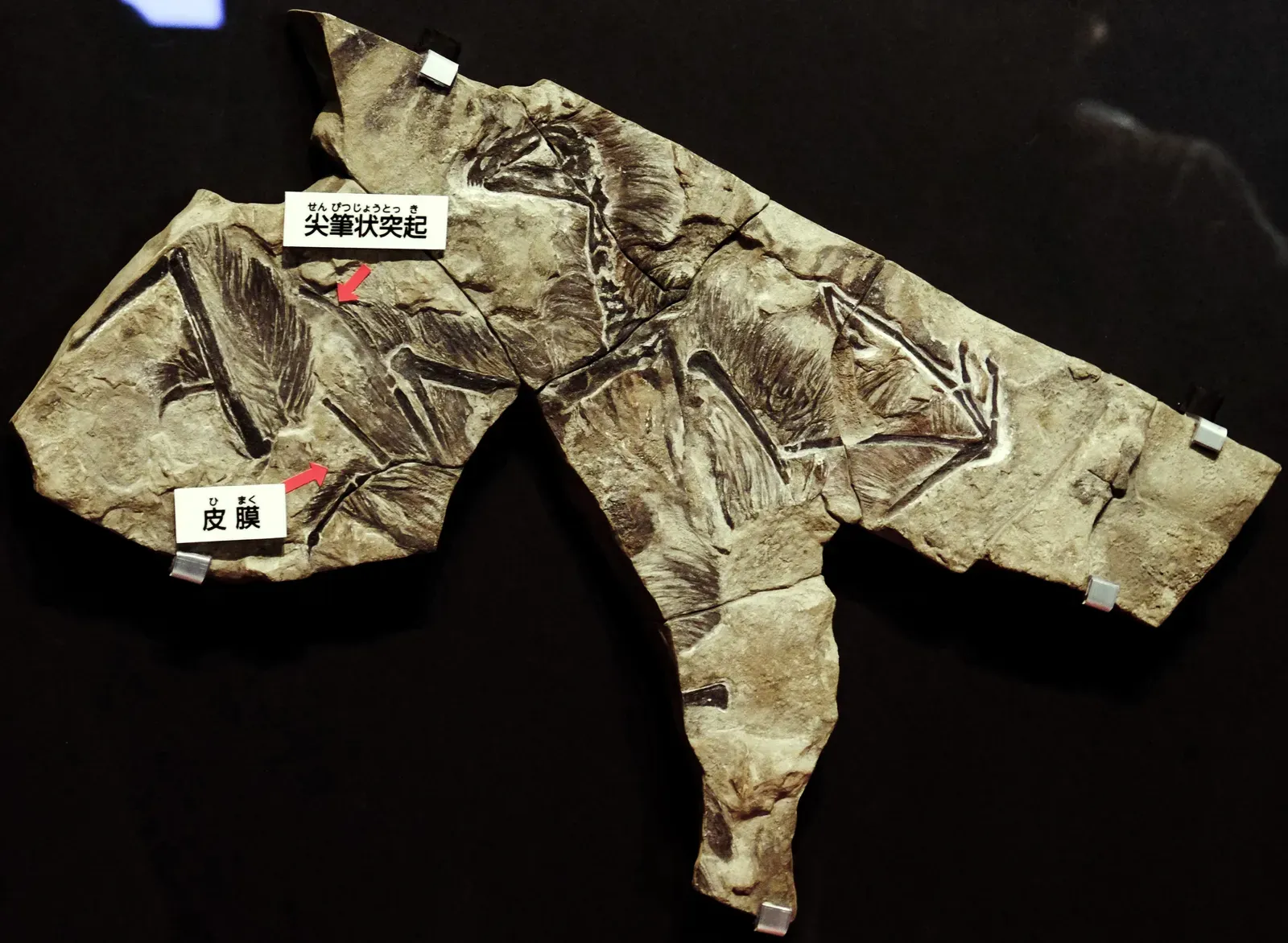
Most people picture dinosaur wings as feathered, bird-like structures. One fossil completely wrecked that assumption.
Yi qi, a small dinosaur unearthed in China, had bizarre rod-like bones extending from its wrists, supporting a membranous, bat-like wing instead of a feathered one. It’s an arrangement seen nowhere else in the dinosaur fossil record, feathered or otherwise. Scientists still can’t agree on whether Yi qi could actually fly, glide short distances, or simply used the membrane for display. The skeleton doesn’t clearly support any of the standard aerodynamic models used for other gliding animals, and no second complete specimen has turned up to settle the argument. This leaves researchers with a genuinely strange evolutionary dead end: a dinosaur that appears to have experimented with flight in a completely different direction than the birds we know today, then vanished without leaving descendants. Compared to what came next, though, that mystery looks almost tame.
#13 – The Flying Reptile’s Pointless Antler
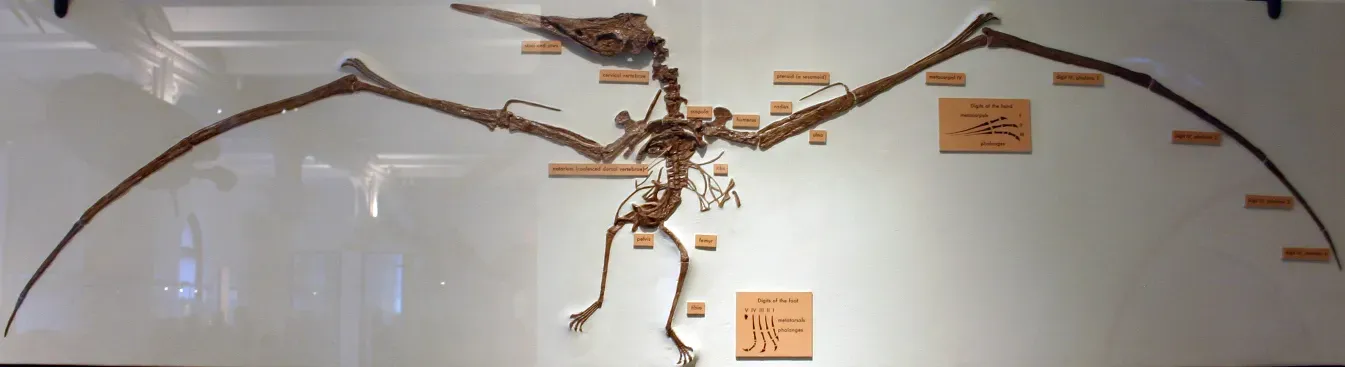
Nyctosaurus was a pterosaur with a head crest so extreme it looks almost fictional, a massive antler-like structure far longer than its own skull.
Unlike other crested pterosaurs, Nyctosaurus had no wing claws and a crest with no obvious wind-catching or steering function that researchers can confidently pin down. Some scientists have proposed it supported a skin sail used for display or species recognition, similar to a peacock’s tail. Others argue a structure that large would have made flight nearly impossible without some counterbalancing feature that hasn’t been found. No fossil has ever preserved direct evidence of skin, membrane, or coloring on the crest itself, leaving its exact function purely speculative. Whether it helped attract mates, glide, or signal rivals across a crowded Cretaceous shoreline is still an open question that illustrated reconstructions tend to gloss over entirely. Still, nothing prepared researchers for the anatomical head-scratcher waiting at #12.
#12 – The Dinosaur With an Unexplained Hump
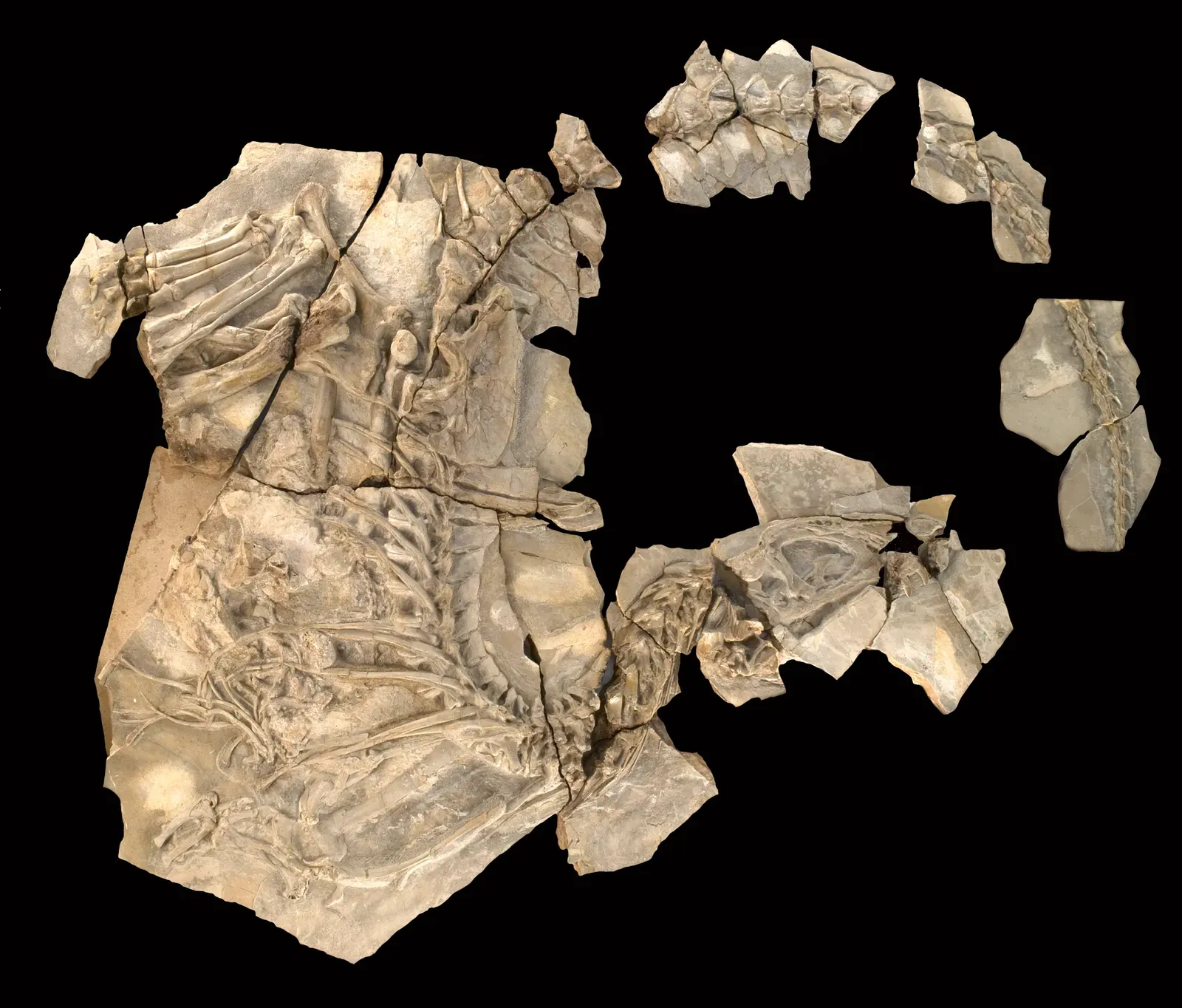
Concavenator, a mid-sized predatory dinosaur from Spain, has a tall hump rising from its hips that has puzzled researchers since its discovery.
Unlike a sail supported by long spines, this structure appears to be a raised section of vertebrae with no clear equivalent in other theropods. Proposed explanations range from a fat reserve similar to a camel’s hump, to a display structure for signaling other Concavenator, to a simple genetic quirk with no real function at all. Adding to the mystery, small bumps along its forearm resemble quill knobs seen in feathered birds, hinting the dinosaur may have had some kind of bristle-like covering despite not being closely related to feathered dinosaur lineages. Whether that interpretation holds up under further scrutiny is still debated. Either way, Concavenator remains one of those fossils that raises more anatomical questions than it answers. That’s minor, though, compared to a human relative nobody has actually seen.
#11 – The Human Relative Nobody Has Actually Seen
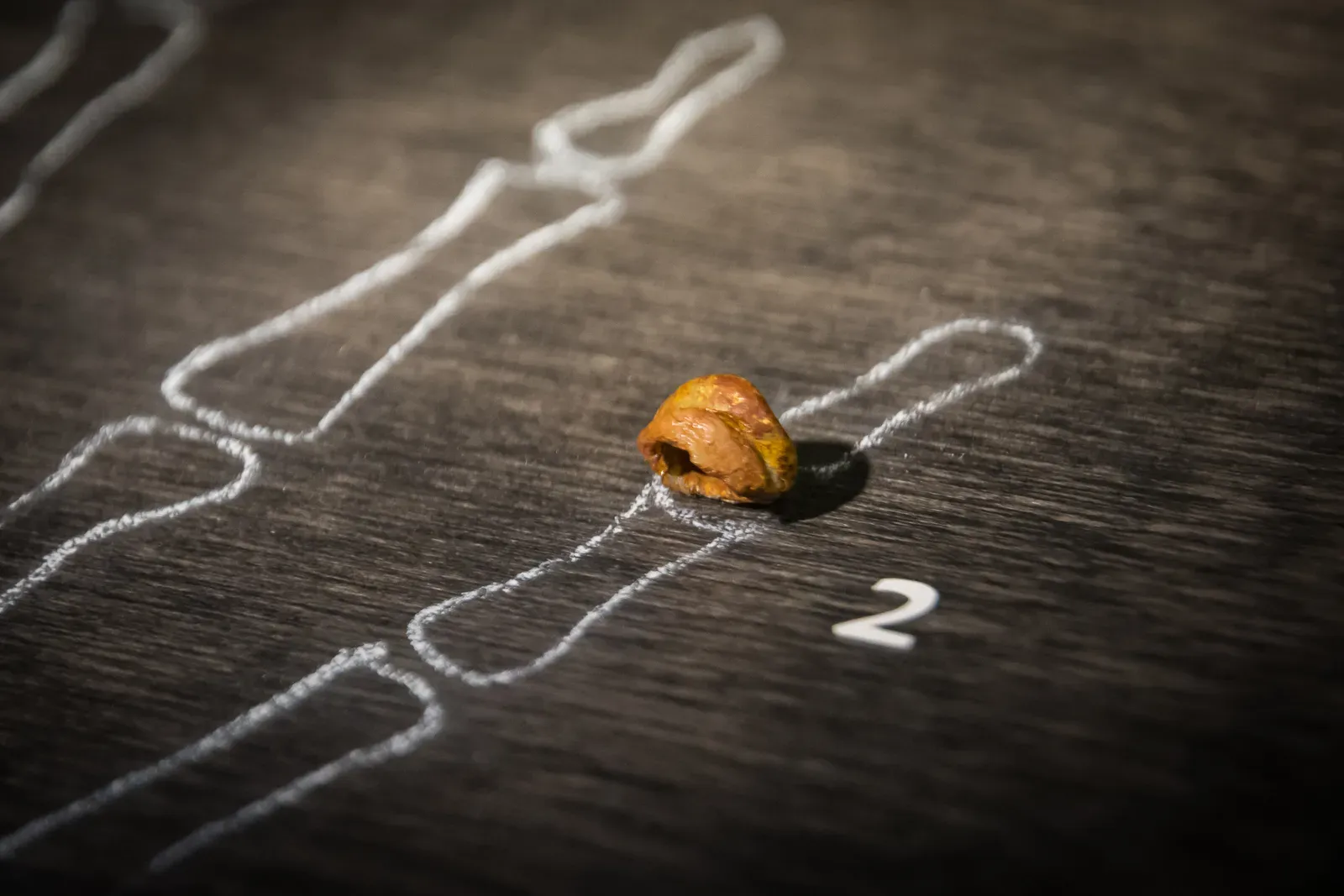
Denisovans might be one of the strangest chapters in human evolution because scientists identified an entire population before finding almost any bones.
The first evidence came from a single finger bone and a few teeth in a Siberian cave, identified through DNA analysis rather than skeletal comparison. That meant researchers knew Denisovans existed, and even that they interbred with both Neanderthals and modern humans, long before anyone had a face, skull, or body to study. A jawbone found on the Tibetan Plateau and a skull nicknamed “Dragon Man” have since been proposed as Denisovan remains, though debate continues over exactly which specimens truly belong to this group. An entire human lineage was scientifically confirmed largely through genetics rather than physical appearance, a first in paleoanthropology. What Denisovans actually looked like is still mostly guesswork. But #10 turned into one of the ugliest fights the field has ever seen.
At a Glance
- Identified in 2010 from a single finger bone fragment found in Siberia’s Denisova Cave.
- Confirmed as a distinct human lineage through DNA before any skull or complete skeleton was ever found.
- Interbred with both Neanderthals and early modern humans, leaving traces in living populations today.
- A Tibetan jawbone and the “Dragon Man” skull remain debated candidates for what a Denisovan actually looked like.
#10 – The “Hobbit” That Split the Field in Two
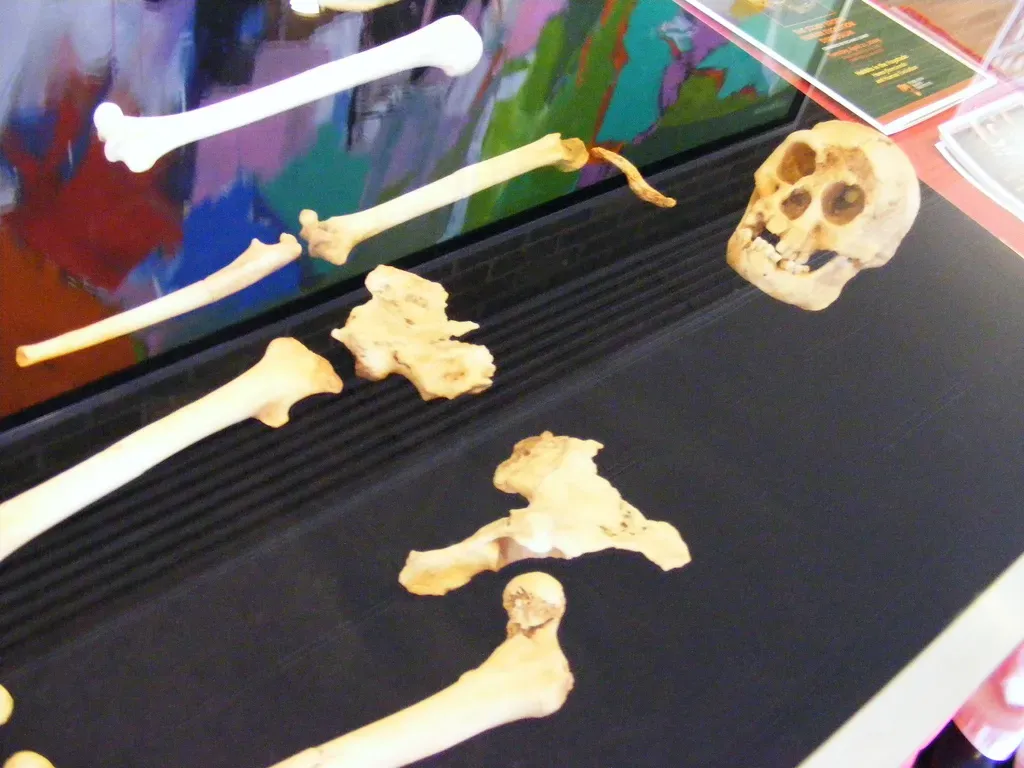
When researchers found tiny, three-foot-tall human remains on the Indonesian island of Flores, they didn’t just find a new specimen, they triggered one of the ugliest debates in modern paleoanthropology.
Homo floresiensis, nicknamed the “hobbit,” had a brain roughly the size of a chimpanzee’s yet appeared to use stone tools, a combination that some researchers found nearly impossible to accept. One camp argued it represented a genuinely new, small-bodied human species that evolved in isolation. Another camp insisted the remains simply belonged to a modern human with a pathological condition like microcephaly. Decades later, both sides still have defenders, even though most researchers now lean toward it being a true distinct species. The disagreement highlights how much interpretation, not just measurement, drives conclusions in human evolution research. Few fossils have divided the field this deeply for this long. Even that pales next to fifty years of staring at two giant arms with nothing attached.
#9 – The Giant Arms With No Body
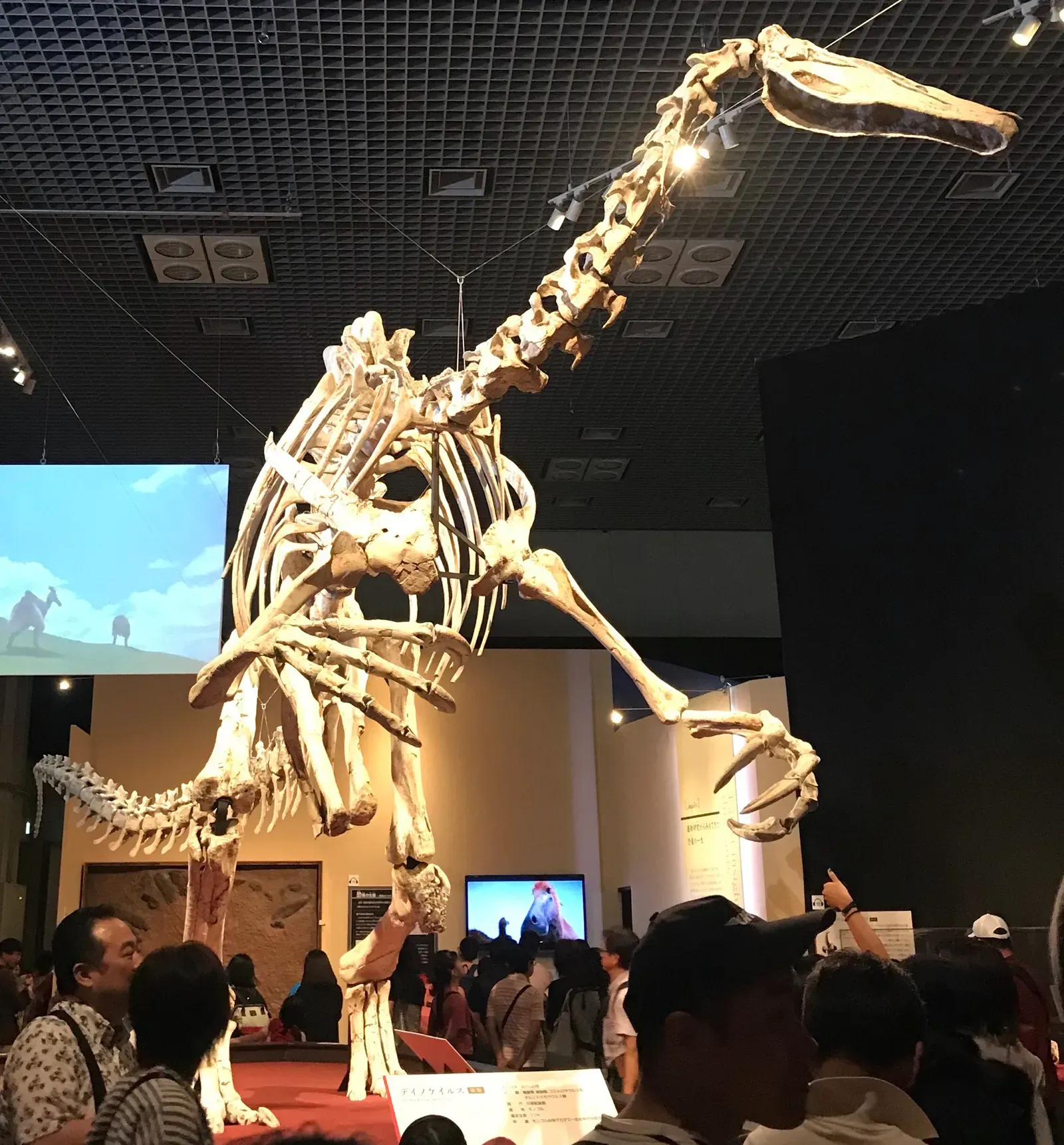
For roughly fifty years, paleontologists had only two enormous, clawed arms and nothing else, and it drove the field slightly insane.
Deinocheirus, discovered in Mongolia in the 1960s, was known solely from a pair of eight-foot-long arms tipped with massive claws. Without a skull, spine, or legs, scientists could only guess wildly at what kind of animal they belonged to; some early reconstructions imagined a terrifying super-predator built entirely around those arms. It wasn’t until more complete skeletons surfaced decades later that the truth emerged: a bizarre, humpbacked, duck-billed giant that likely ate plants and fish rather than hunting anything with those claws. The reveal genuinely surprised researchers who had spent half a century assuming otherwise. It remains one of the clearest examples in paleontology of how badly a handful of bones can mislead an entire scientific consensus. As wild as that sounds, #8 managed to unravel an even bigger textbook story.
#8 – The Fish That Complicated Its Own Story
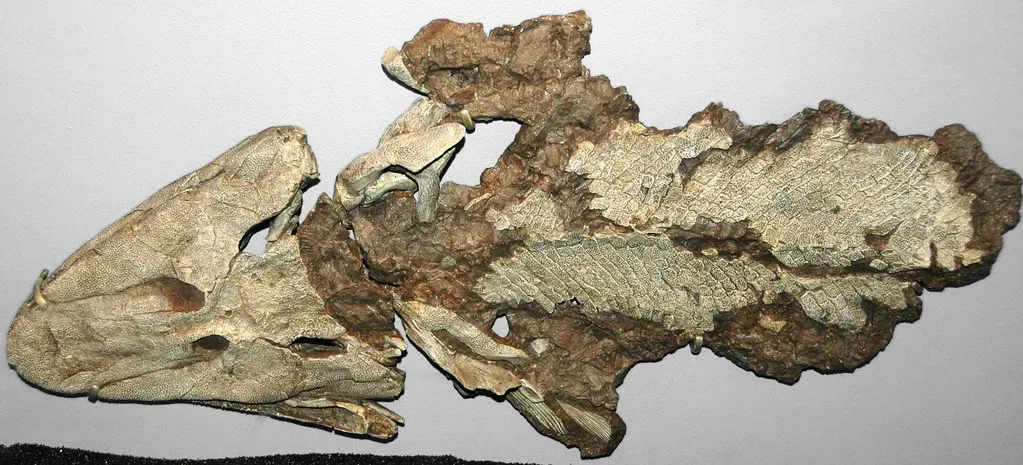
Tiktaalik was supposed to be the tidy transitional fossil, the fish with proto-limbs that neatly bridged the gap between water and land. Then more evidence showed up and ruined the clean narrative.
Researchers later discovered fossilized footprints in Poland dated to millions of years before Tiktaalik existed, suggesting four-legged, land-capable creatures were already walking around before this supposedly transitional fish evolved. That timeline problem means Tiktaalik can’t simply be labeled the missing link it was once celebrated as. Instead, it now looks like one branch among several experimenting with limb-like structures at roughly the same time, rather than a single evolutionary stepping stone. The tidy fish-to-land-animal story taught in textbooks turned out to be far messier than the fossil record initially suggested. Scientists are still working out exactly how many separate lineages were making this transition simultaneously, and Tiktaalik’s exact place among them remains an active area of research. Yet the Tully Monster broke something even more basic than a timeline.
#7 – The Monster That Broke Biology’s Basic Rulebook
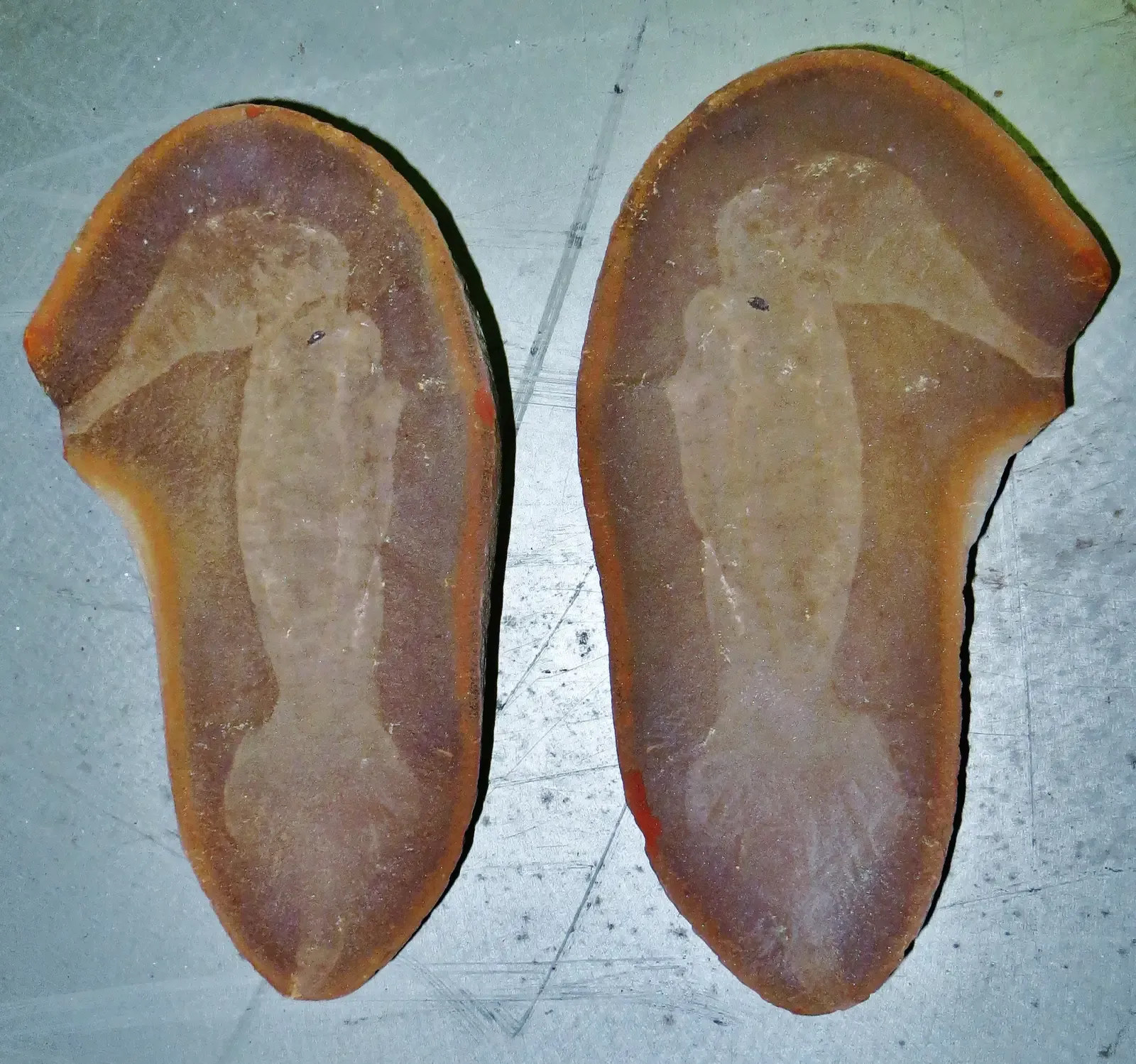
Most fossils eventually get sorted into either the vertebrate or invertebrate column. The Tully Monster refused to cooperate for over sixty years.
Discovered by an amateur fossil collector in Illinois in the 1950s, it was first described in a paper in 1966 and became the Illinois state fossil in 1989. With stalked eyes, a long proboscis tipped with tiny claws, and a soft body that defied easy comparison to any living creature, researchers have been unable to determine whether the fossil was a vertebrate or invertebrate, one of the first bases of taxonomic identification. A 2016 study claimed it was a vertebrate related to lampreys, based on preserved eye pigments. Later synchrotron and 3D imaging research pushed back hard, with one 2023 team concluding the vertebrate hypothesis of the Tully Monster was “untenable,” pointing to segmentation in the extinct creature’s head region not known in any vertebrate lineage. Even so, researchers now believe the Tully Monster was not a vertebrate, but the question remains: what kind of invertebrate was it? Even that shakes out small compared to the reveal about megalodon’s real body.
Quick Compare
- 2016 case for vertebrate: Preserved eye pigments resembled those found in lampreys, a jawless fish.
- 2023 case for invertebrate: Synchrotron and 3D imaging revealed head segmentation unlike anything in the vertebrate family tree.
- Meanwhile: The animal became Illinois’s official state fossil in 1989, decades before either side had settled the argument.
#6 – The Ocean Giant That Might Not Look Like We Think
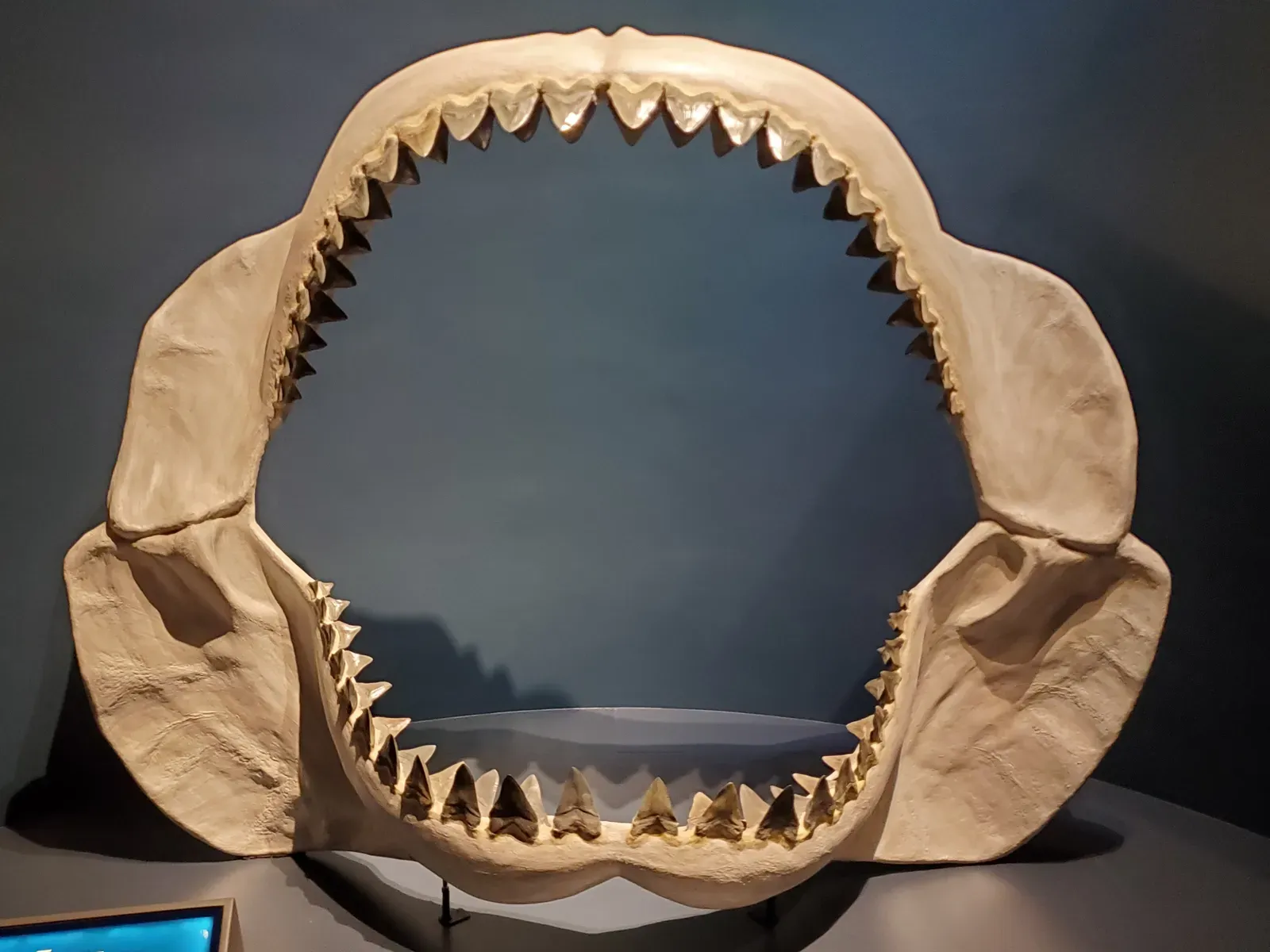
Everyone has seen the same image of megalodon: an oversized great white shark the size of a school bus. New research suggests that picture might be flat-out wrong.
For decades, paleontologists have historically used modern great white sharks as a stand-in model for reconstructing megalodon bodies. A 2022 study using that approach concluded the ancient shark relative was potentially a stocky and powerful fish built for bursts of speed similar to the modern great white shark. But a follow-up team re-examined the fossilized vertebral column and found megalodon’s vertebral column is relatively thin compared with the sturdier vertebrae that support the beefy brawn of great whites, makos, and other modern relatives. That mismatch led researchers to propose a completely different body shape, one closer to “an enormous lemon shark, with a more slender, elongated body” than a scaled-up great white. Without a complete skeleton, such disagreements may seem difficult to resolve, and the debate remains genuinely unsettled. Still, nothing sparked more academic tension than what happened with Spinosaurus’s tail.
#5 – The Dinosaur That Might Have Hunted Like a Penguin
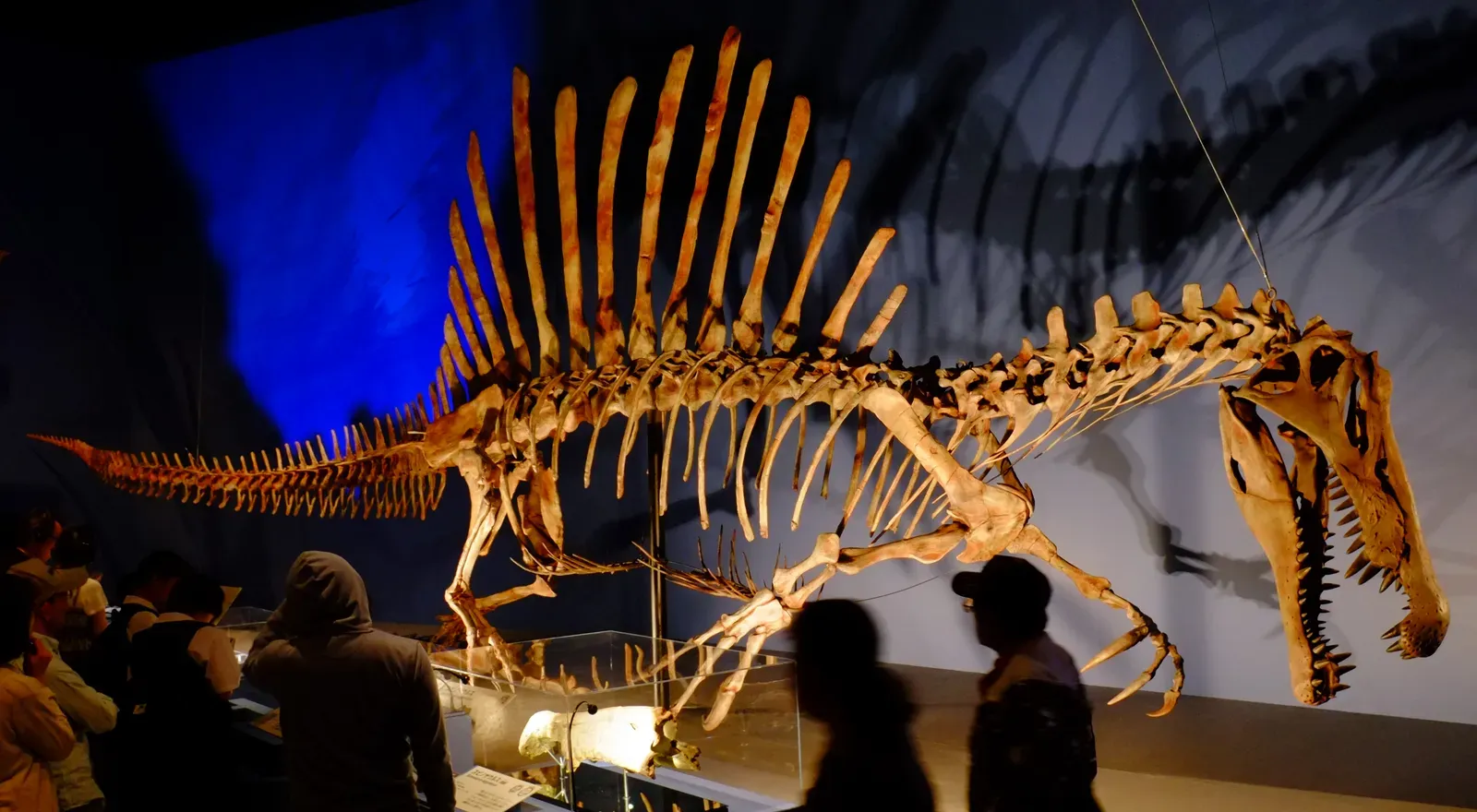
Spinosaurus was already the largest known predatory dinosaur on record. Then researchers discovered its tail looked nothing like any other theropod’s, and the argument over what that meant has never really stopped.
The fossils included tail vertebrae with meter-long spines that seemed to form an expanded paddle, raising questions as to what the tail was used for. One team argued this proved Spinosaurus could actively swim and pursue fish underwater, with dense bones used as ballast for diving like a penguin. Other prominent paleontologists pushed back hard, arguing that Spinosaurus’s center of mass and overall body plan were poorly suited to stable underwater locomotion, and that it likely waded in shallow water, the way herons and storks do.
It’s semantics. What do people mean when they say semiaquatic?
Paleontologist involved in the Spinosaurus debate
Both camps at least agree Spinosaurus was semi-aquatic. Compared to what happened next, though, that’s a friendly disagreement.
#4 – The Feathered Dinosaur Nobody Can Officially Name Anymore
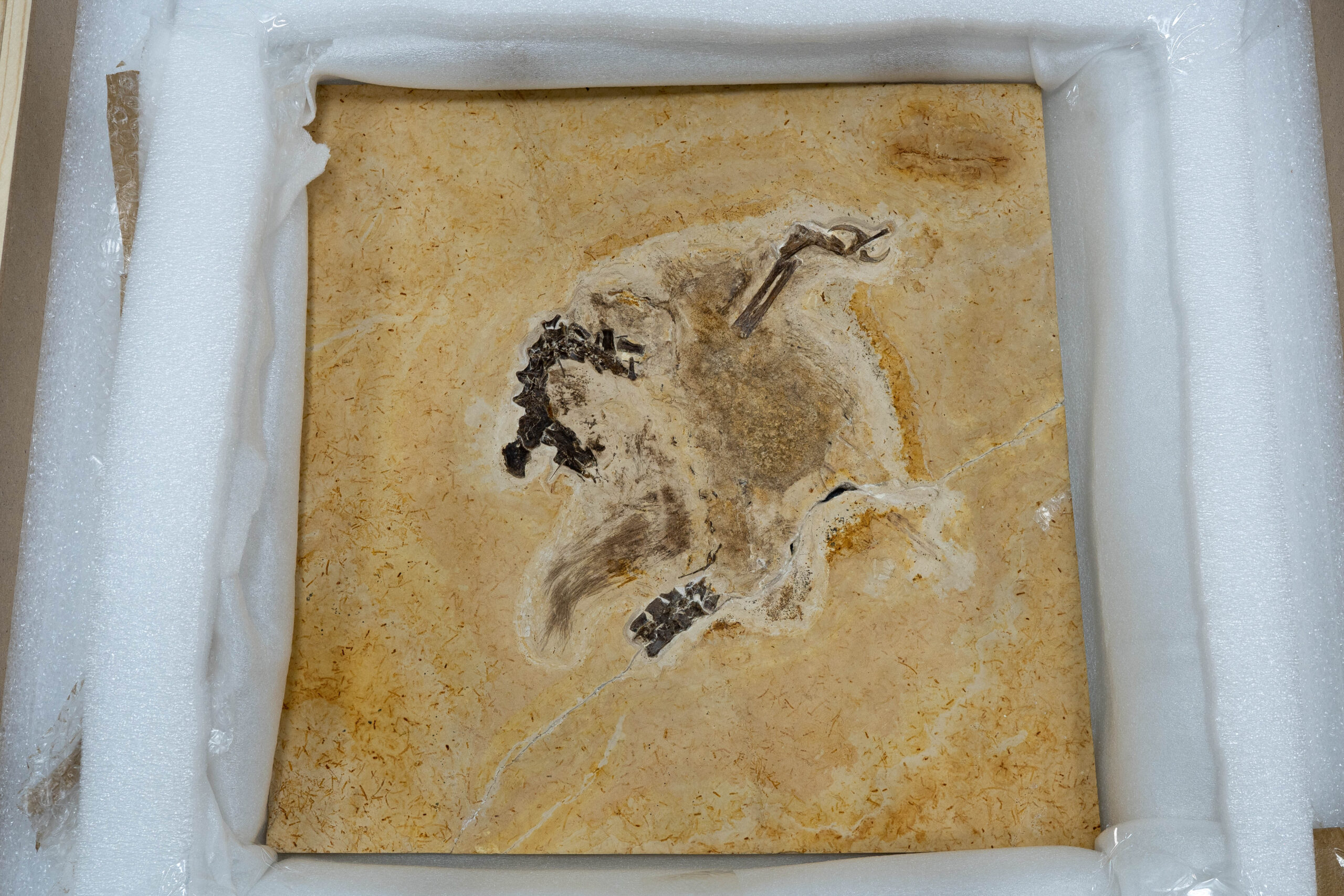
In 2020, a small Brazilian dinosaur made headlines for having spectacular, ribbon-like plumage unlike anything seen in a non-bird dinosaur before. Within months, the entire scientific paper describing it had collapsed.
Ubirajara jubatus was hailed as the first known non-avian dinosaur with unusually prominent shoulder feathers, but Brazilian scientists quickly raised alarms that the feathered dinosaur fossil’s 1995 export from Brazil may have violated the country’s laws. A social media campaign followed, and in 2021 the journal formally retracted the Ubirajara study amid concerns surrounding the fossil’s legal status, an extreme rarity within paleontology. The fossil itself was eventually returned to Brazil, and the scientific name Ubirajara jubatus was removed from the International Commission on Zoological Nomenclature registry, meaning one of the most striking feathered dinosaur specimens ever found technically has no valid scientific name today. But #3 raises a question with far bigger stakes than a naming dispute.
#3 – The Ancient Humans Who May, or May Not, Have Buried Their Dead
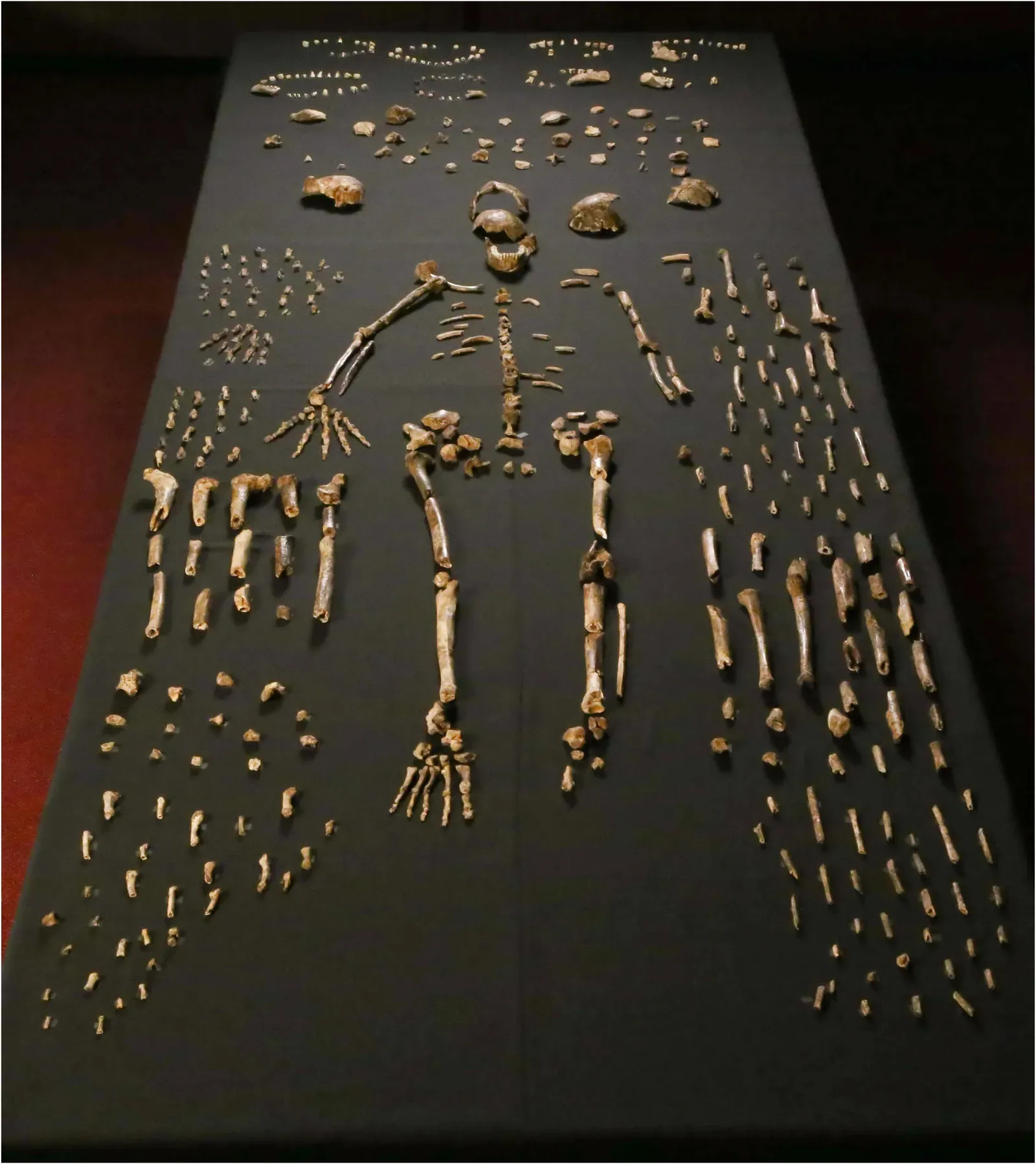
If confirmed, this discovery would rewrite the timeline of human behavior by hundreds of thousands of years. Right now, paleoanthropologists can’t agree if it’s real.
Homo naledi, a small-brained hominin species found deep in South Africa’s Rising Star cave system, was proposed by researcher Lee Berger’s team to have one of the skeletons found in a crouched position holding a stone tool, in a depression that has clear “cut” lines around its edge, indicating that it was a hole that had been excavated and filled back in. That claim would mean a species with a brain one-third the size of ours engaged in deliberate burial, a behavior long assumed exclusive to modern humans and Neanderthals. But a separate research team countered that their attempts to replicate the soil testing found no evidence of sophisticated burial markers, and peer reviewers remain split, with one reviewer concluding the findings convincingly demonstrate intentional burial practices, while another considers the evidence incomplete. Yet none of that compares to a fossil fight that ended up in actual court.
#2 – The Fossil Fight That Became a Legal Battle
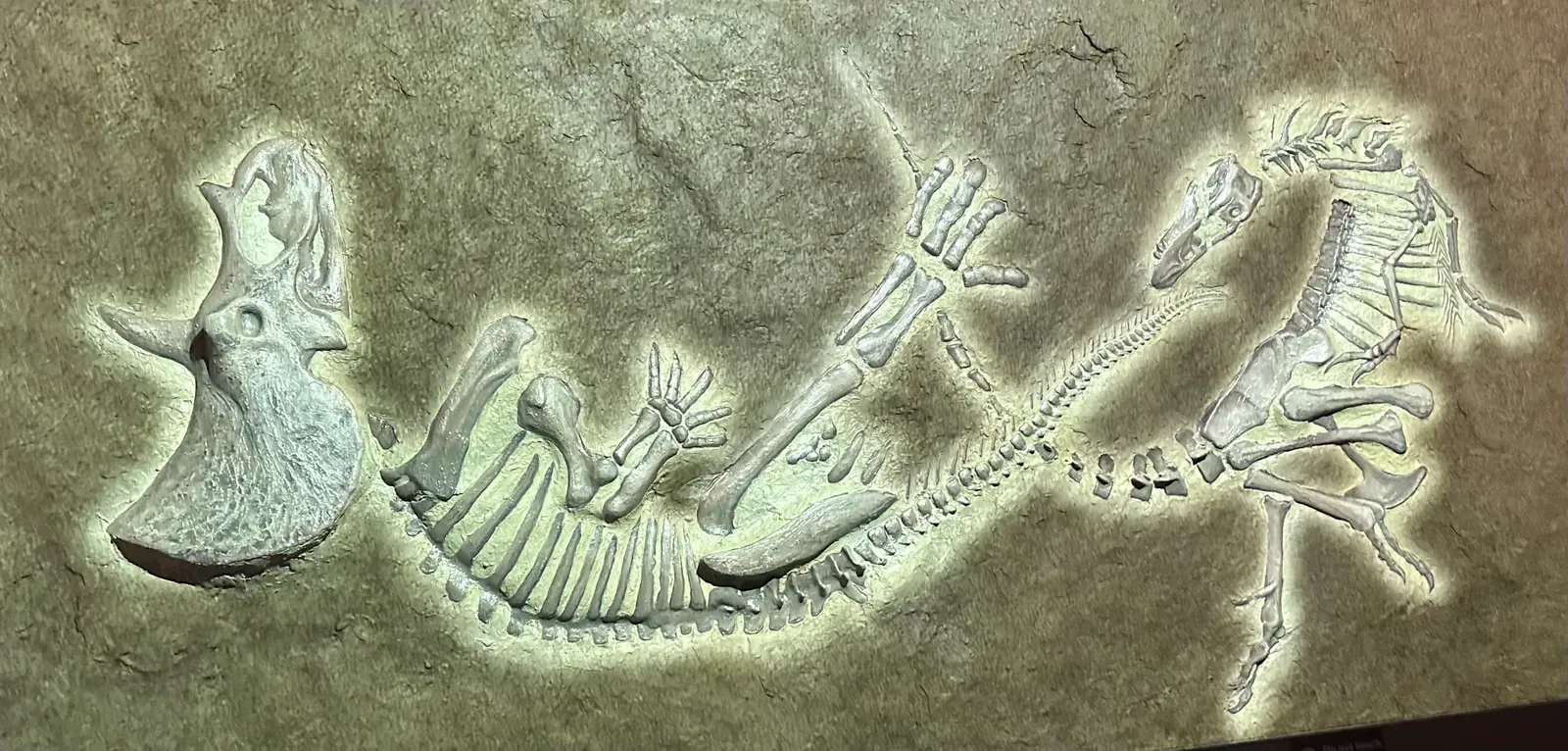
Two dinosaurs, locked together in death for 67 million years, should have been a straightforward scientific triumph. Instead, this specimen sat in legal limbo for years before scientists could even study it properly.
Nicknamed the “Dueling Dinosaurs,” the fossil preserves what appears to be a Tyrannosaurus and a Triceratops found close together in a single death assemblage, sparking immediate speculation that they died mid-combat. Ownership disputes over mineral rights kept the fossil tied up in litigation for roughly a decade, delaying scientific access and fueling public frustration that one of the most dramatic fossil finds in modern paleontology was gathering dust in storage instead of being studied. Even now that researchers have gained access, questions remain unresolved: did these two animals actually fight each other, or did they simply die near one another during a separate catastrophic event, like a flood or riverbank collapse? The dramatic “frozen battle” story may be more assumption than confirmed fact. Still, the biggest rule-breaker on this entire list was saved for last.
Worth Knowing
- Discovered in 2006 on a Montana ranch within the fossil-rich Hell Creek Formation.
- Failed to sell at a 2013 New York auction after bidding topped out around $5.5 million.
- A 2020 Montana Supreme Court ruling settled a key legal question: fossils are not legally classified as “minerals.”
- Finally sold in 2020 for roughly $6 million and now resides at the North Carolina Museum of Natural Sciences.
#1 – The Tissue That Shouldn’t Exist
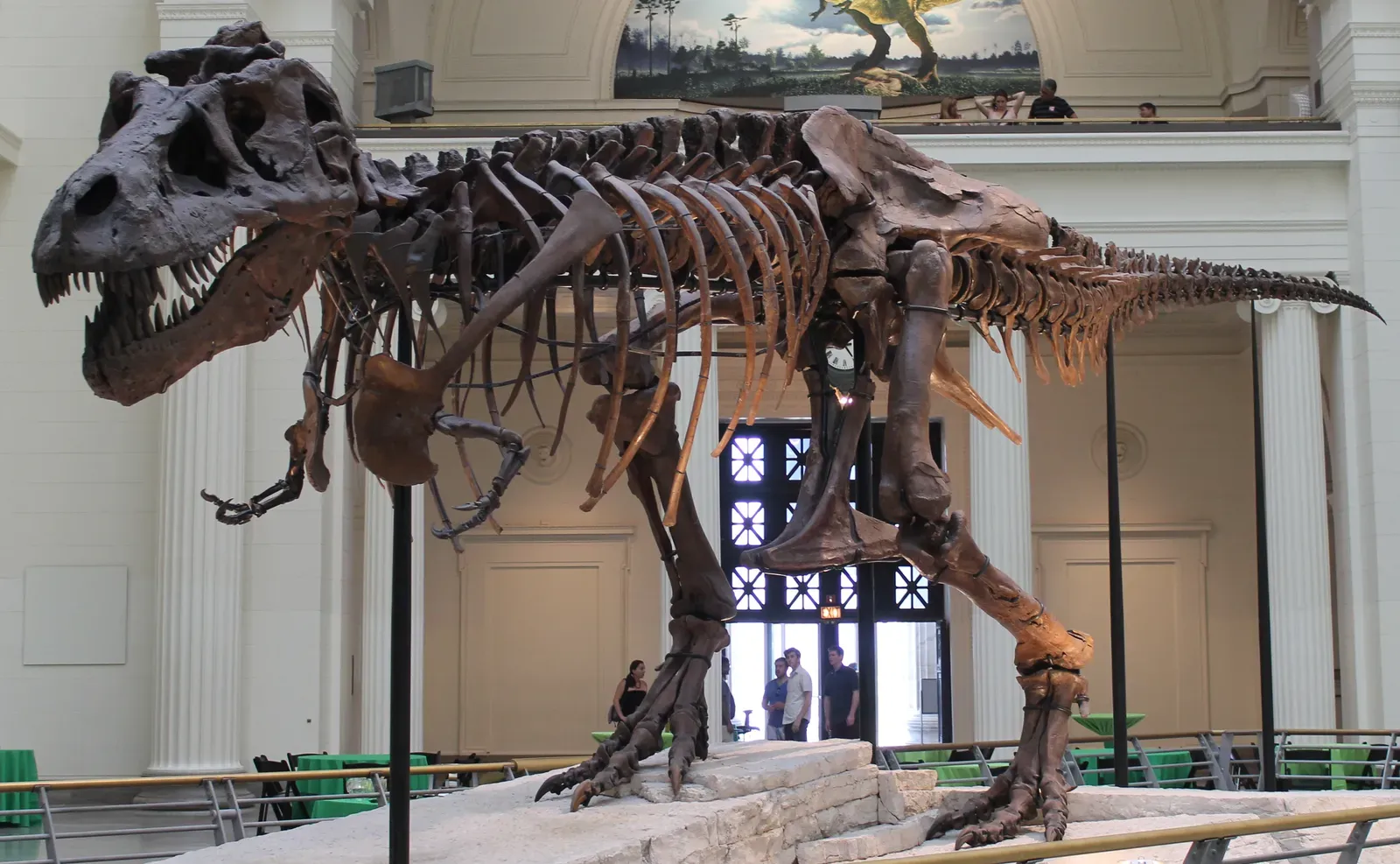
This is the discovery that made paleontologists question a rule they thought was absolute: soft tissue simply cannot survive for tens of millions of years.
In the early 2000s, researcher Mary Schweitzer’s team reported finding what appeared to be flexible, stretchy structures resembling blood vessels and cell-like material inside a Tyrannosaurus rex femur roughly 68 million years old. Soft tissue simply isn’t supposed to survive that long, and the announcement triggered immediate, intense skepticism across the paleontology community, with many researchers assuming contamination or bacterial biofilm was being misidentified as original dinosaur material. Follow-up studies using different extraction techniques and additional specimens have supported the idea that some original organic material can persist far longer than previously believed under the right preservation conditions. Exactly how, and what that means for extracting biological information from other ancient fossils, is still being worked out. It remains one of the most genuinely unresolved and consequential debates in the entire field.
The Bottom Line
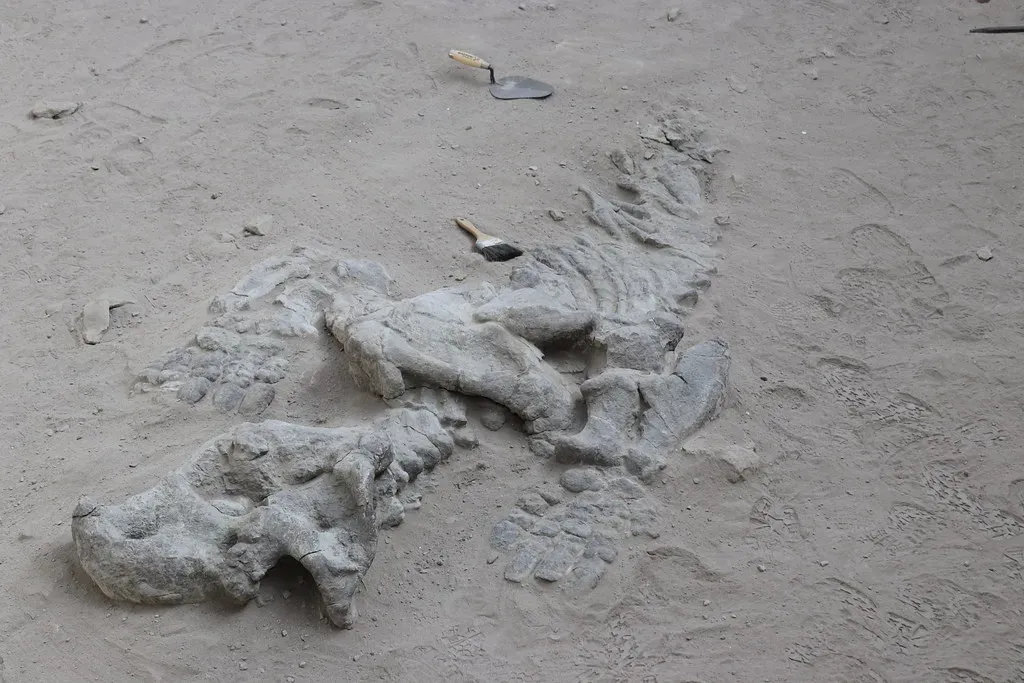
Here’s the uncomfortable truth: paleontology isn’t a finished textbook, it’s an ongoing argument, and that’s exactly what makes it worth paying attention to. Fossils like the Tully Monster and megalodon prove that even “settled” ancient creatures get completely reimagined when new technology or new specimens show up. Frankly, the constant reversals shouldn’t be treated as embarrassing, they’re the field working exactly as it should.
Anyone who tells you dinosaurs and ancient humans are fully “figured out” either hasn’t kept up with the research or is oversimplifying on purpose. Which of these unresolved mysteries do you think will finally get solved first, and which one do you think we’ll be arguing about for another fifty years? Drop your take in the comments.