
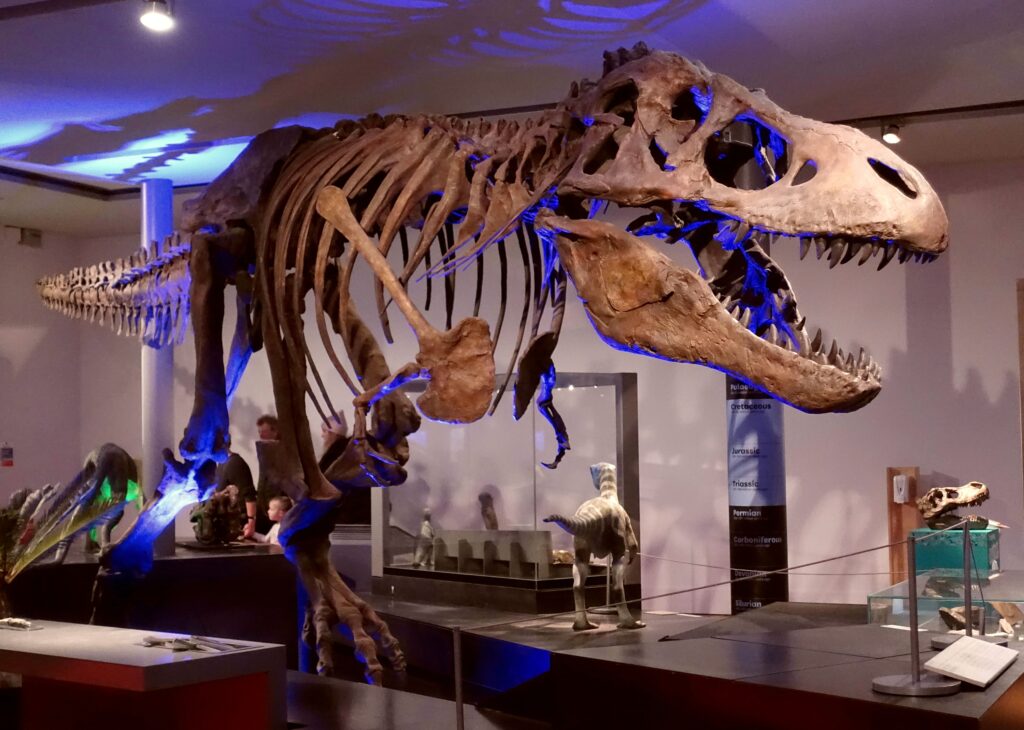
You probably think you know what a T. rex looks like. Upright tail dragging, arms flapping, teeth bared in a permanent scream, right? Except that version has been dead wrong for years, and the museum near you likely fixed it without a single press release, plaque update, or apology.
Paleontology doesn’t work like history class, where facts get locked in and stay put. It works more like a slow-motion crime scene reinvestigation, where new evidence keeps forcing quiet, awkward corrections. Some of these fixes are subtle: a rotated wrist, a raised tail. Others completely rewrite what kind of animal you’re looking at. Here are 20 of the biggest, most surprising, and most quietly handled reconstructions in museum history.
20. The Tail-Dragging Brontosaurus That Suddenly Stood Tall
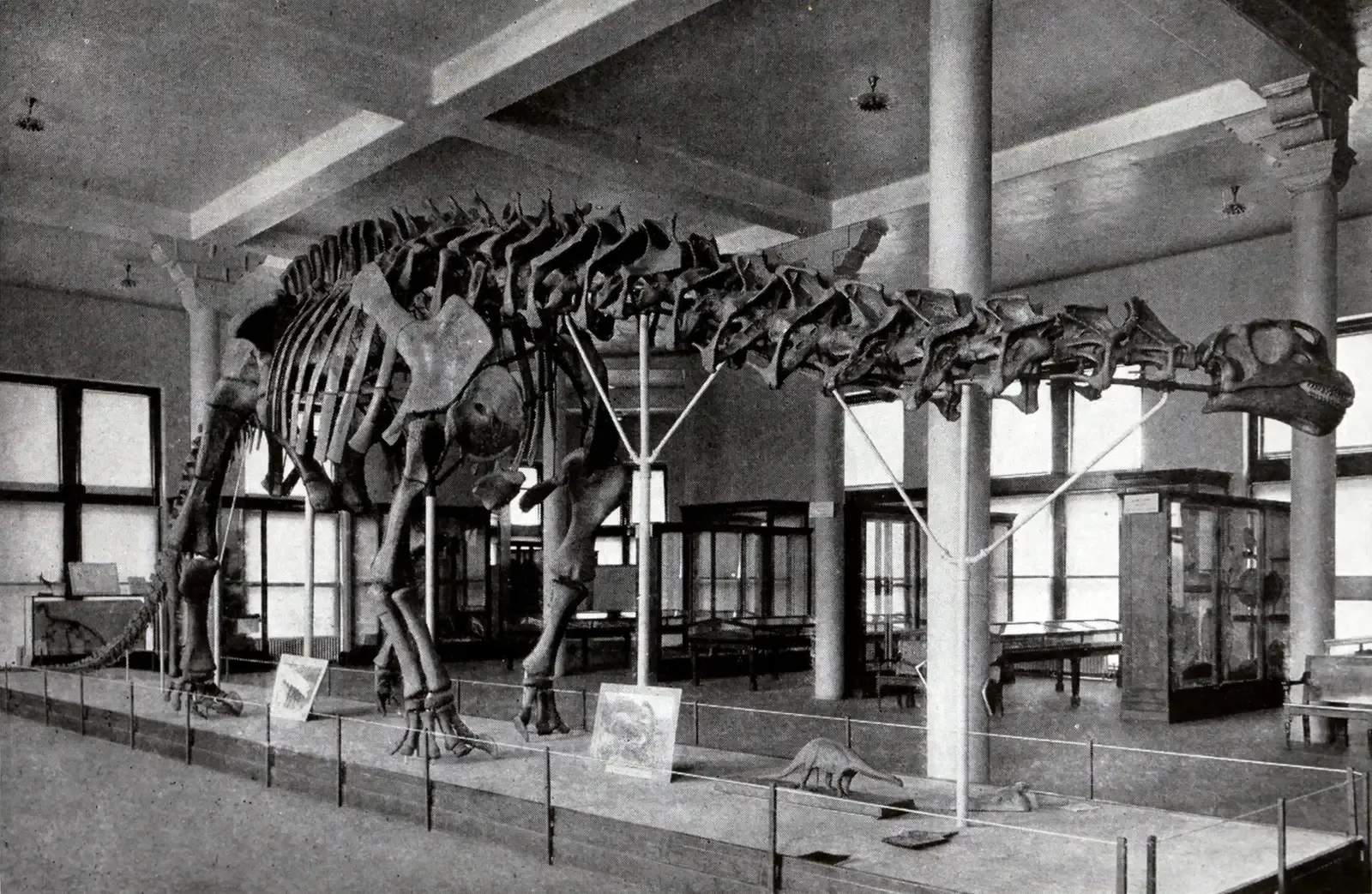
For generations, the classic Brontosaurus mount sagged in the middle, its tail scraping the floor like a swamp-dragon too heavy for its own legs. That image came from early 1900s assumptions that giant sauropods needed water just to hold themselves up. New trackway evidence and biomechanical studies flipped that idea completely: those tails worked like counterbalancing whips, held high off the ground to keep the animal agile on land.
Quietly, museums began raising tails and straightening spines. A tail dragging through mud isn’t just ugly, it’s a walking infection risk and a massive waste of energy. Today, most major mounts show Brontosaurus and its relatives in a dynamic land-ready pose, vertebrae curved in a gentle S. Some museums didn’t even bother changing the placard, just the bones.
Fast Facts
- Early 1900s mounts assumed sauropods needed water to support their weight, so tails sagged to the floor.
- Fossil trackways show no drag marks, proving the tail stayed lifted during locomotion.
- The shift to raised, S-curved tails took hold during the so-called dinosaur renaissance of the 1970s and 1980s.
- A lifted tail also acted as a counterbalance, letting the front half of the body move more freely.
19. Triceratops: From Swollen Lizard Belly to Athletic Powerhouse
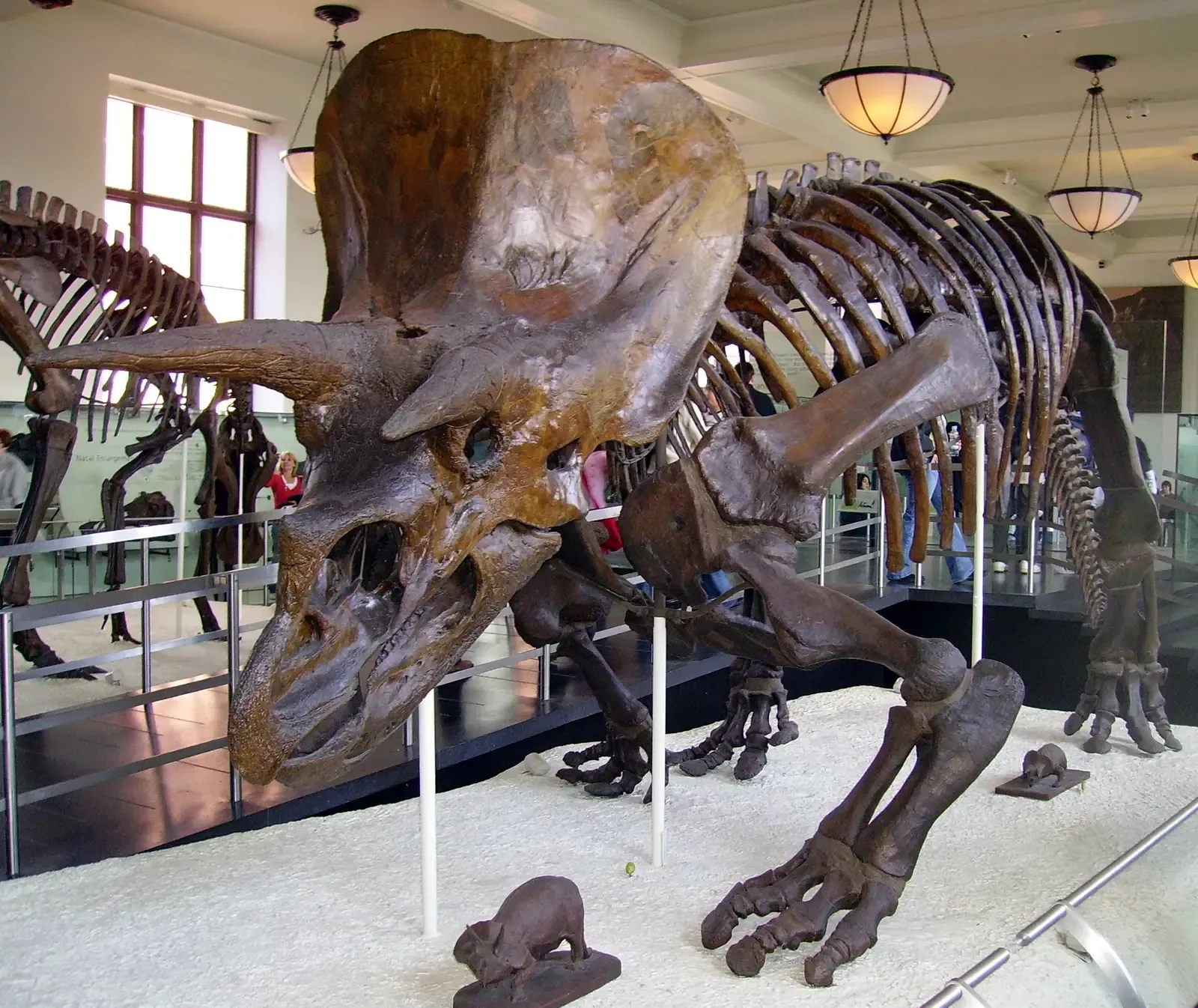
Older Triceratops reconstructions gave it a squat, bloated body with legs sprawled out to the sides, basically a reptilian rhino. That posture came from misreading the shoulder joint and copying lizard limb positions a little too literally. Better fossil series and detailed joint studies revealed the truth: Triceratops carried its legs upright and pillar-like beneath the body, not splayed like a crocodile.
Museums rotated shoulder girdles, tucked elbows inward, and slimmed the torso. The payoff is a surprisingly athletic animal, chest lifted, head free to swing that massive frill and horns. Some updated mounts even show it charging. The irony is that plastic toy versions in kids’ bedrooms are still stuck in the pot-bellied past.
18. Stegosaurus Plates: Radiators, Armor, or Living Billboards?
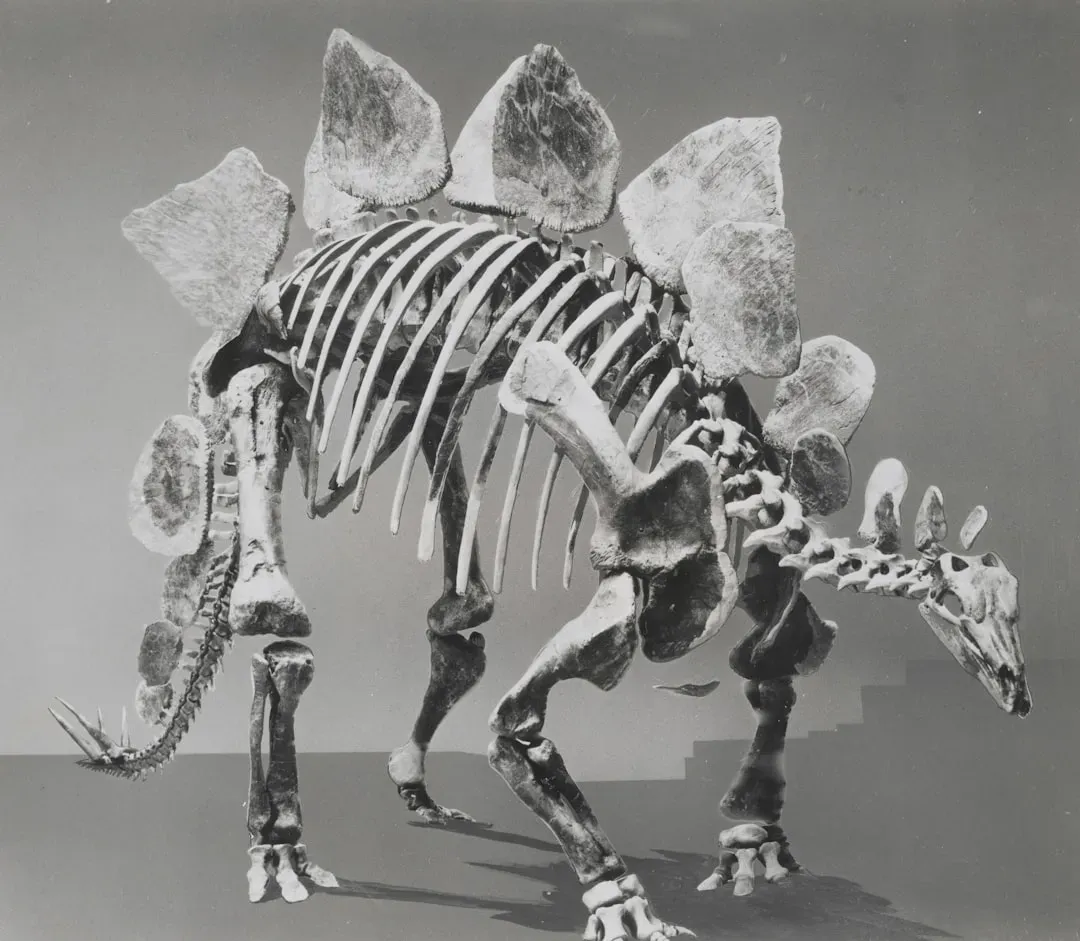
For decades, Stegosaurus wore its plates in two neat, mirrored rows, like armored roof shingles. It looked tidy. It also didn’t match the actual attachment points on real fossils. More complete skeletons showed the plates actually zig-zagged in alternating rows, giving the animal a strange, three-dimensional silhouette and way more display surface than anyone expected.
Museums quietly re-mounted the plates, often without touching the old “defense” story on the sign. Meanwhile, research into blood vessel channels inside the plates suggested they could shift temperature or color, hinting at something closer to a mating display than a suit of armor. So while most visitors still whisper “tank,” a lot of curators now picture something closer to a walking billboard.
17. Velociraptor: The Naked Movie Star That Grew Feathers Overnight
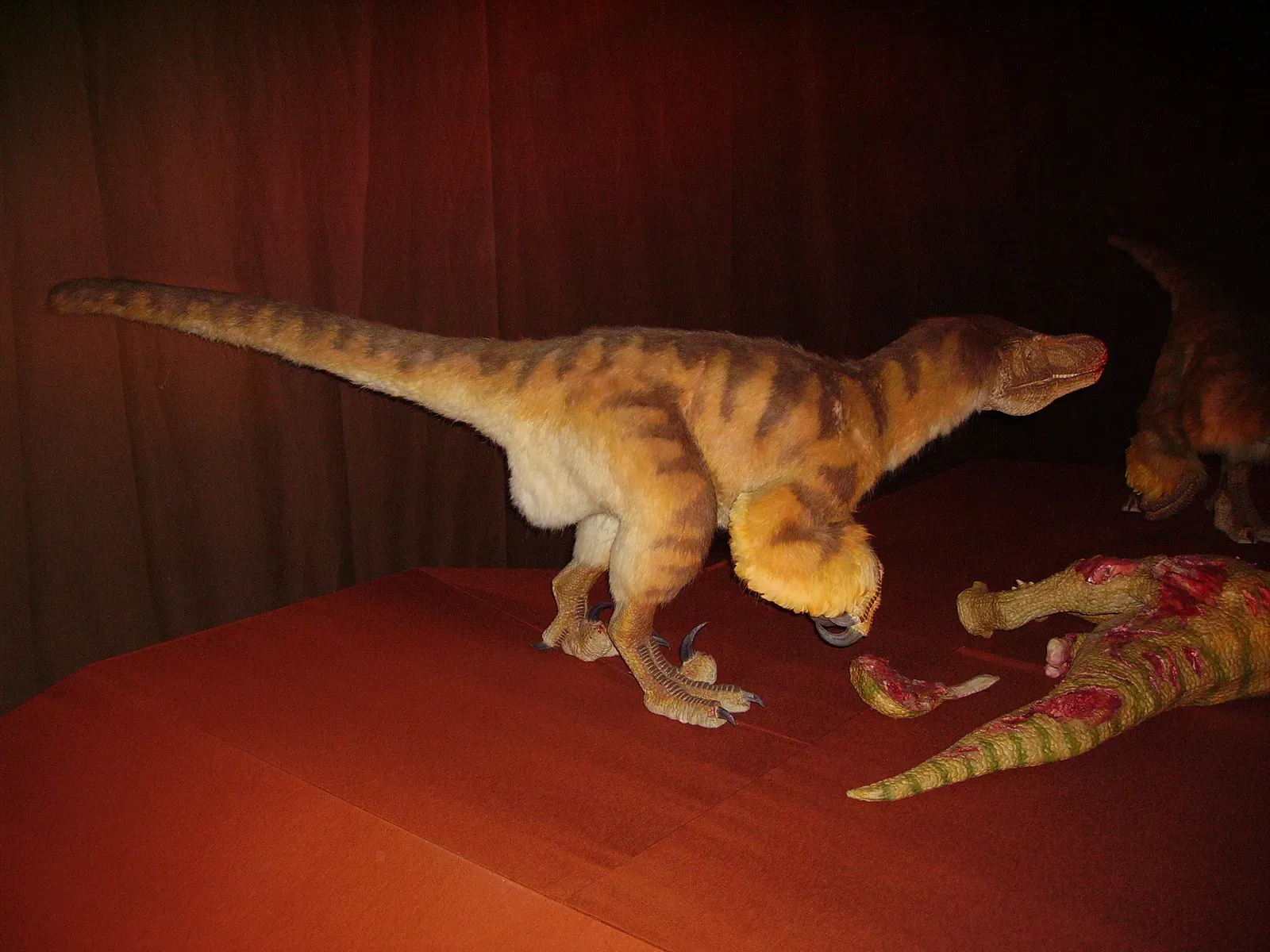
Museums rode the Jurassic Park wave hard, embracing a sleek, scaly Velociraptor posed mid-leap with big bare claws. Then reality crashed the party. Fossils from close relatives in China clearly preserved complex feathers, wing-like arms, and quill knobs on the bone itself. The movie raptor, it turns out, was basically a plucked bird.
Institutions quietly wrapped the same skeletons in a new, fluffier look. Some visitors felt their childhood monster was being “ruined”; others thought it was overdue honesty. The funniest twist: the real animal was also much smaller than Hollywood’s version, closer in size to a turkey than a human. Feathered raptors are standard in serious exhibit halls now, even if the gift shop keeps selling the naked killers.
16. T. rex Hands: The “High-Five” Pose That Vanished
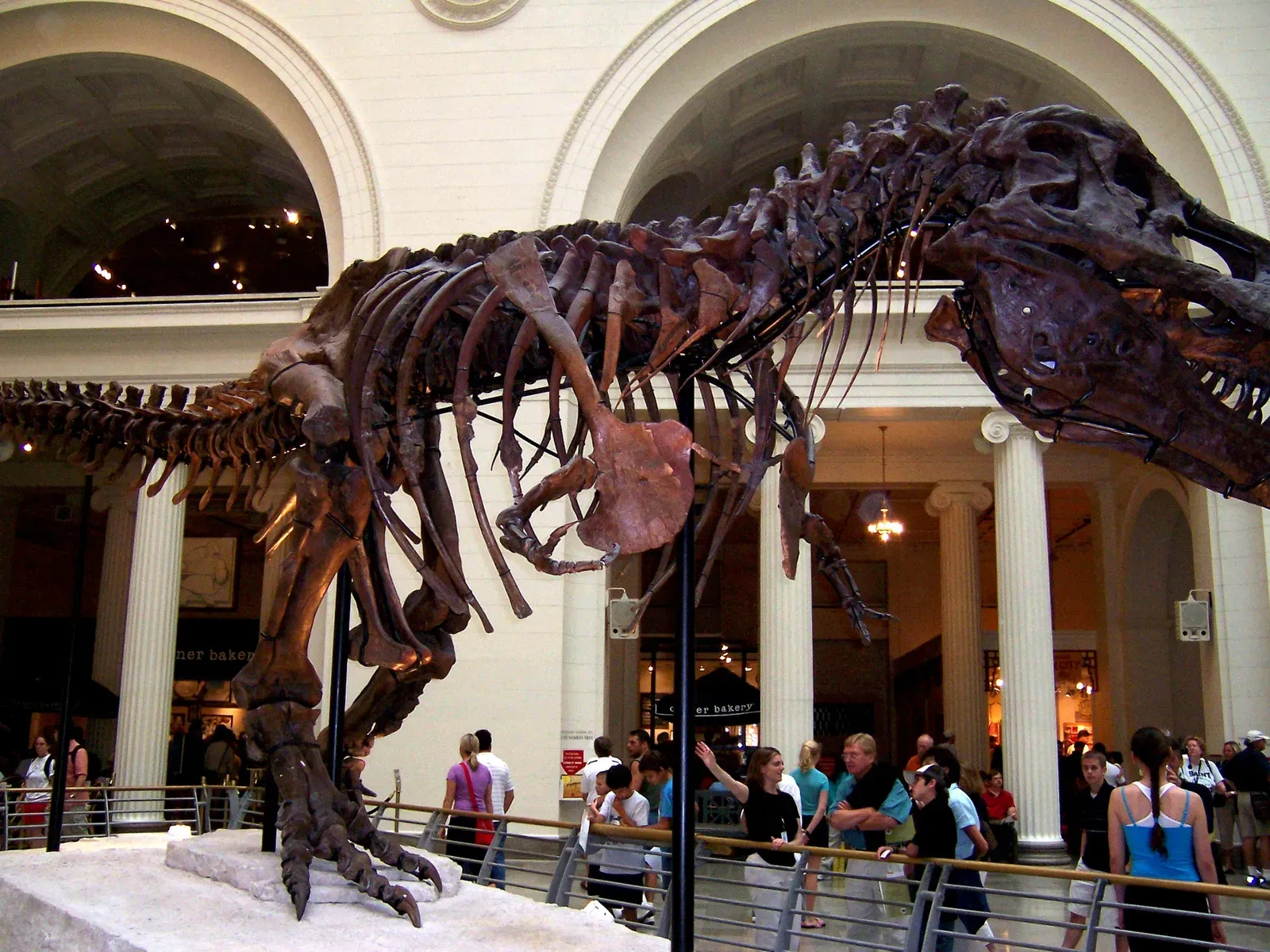
For years, T. rex stood with its tiny arms spread wide, palms facing outward like it was about to hug the crowd. Dramatic, sure. Anatomically, it was a mess. Studies of the elbow and wrist joints showed the arms could only rotate so far, and the palms naturally faced each other, not the ground, closer to a clapping motion than a push-up stance.
Museums quietly rotated the forearms inward, giving T. rex a tucked-in, ready look. It sounds minor, but it flips the whole vibe from goofy to genuinely predatory. Those little arms, posed correctly, suddenly look like specialized tools rather than a punchline. Old postcards with the “airplane wing” hands are still floating around, proof of how recent this fix actually is.
15. Spinosaurus: From T. rex Imitator to Aquatic Monster
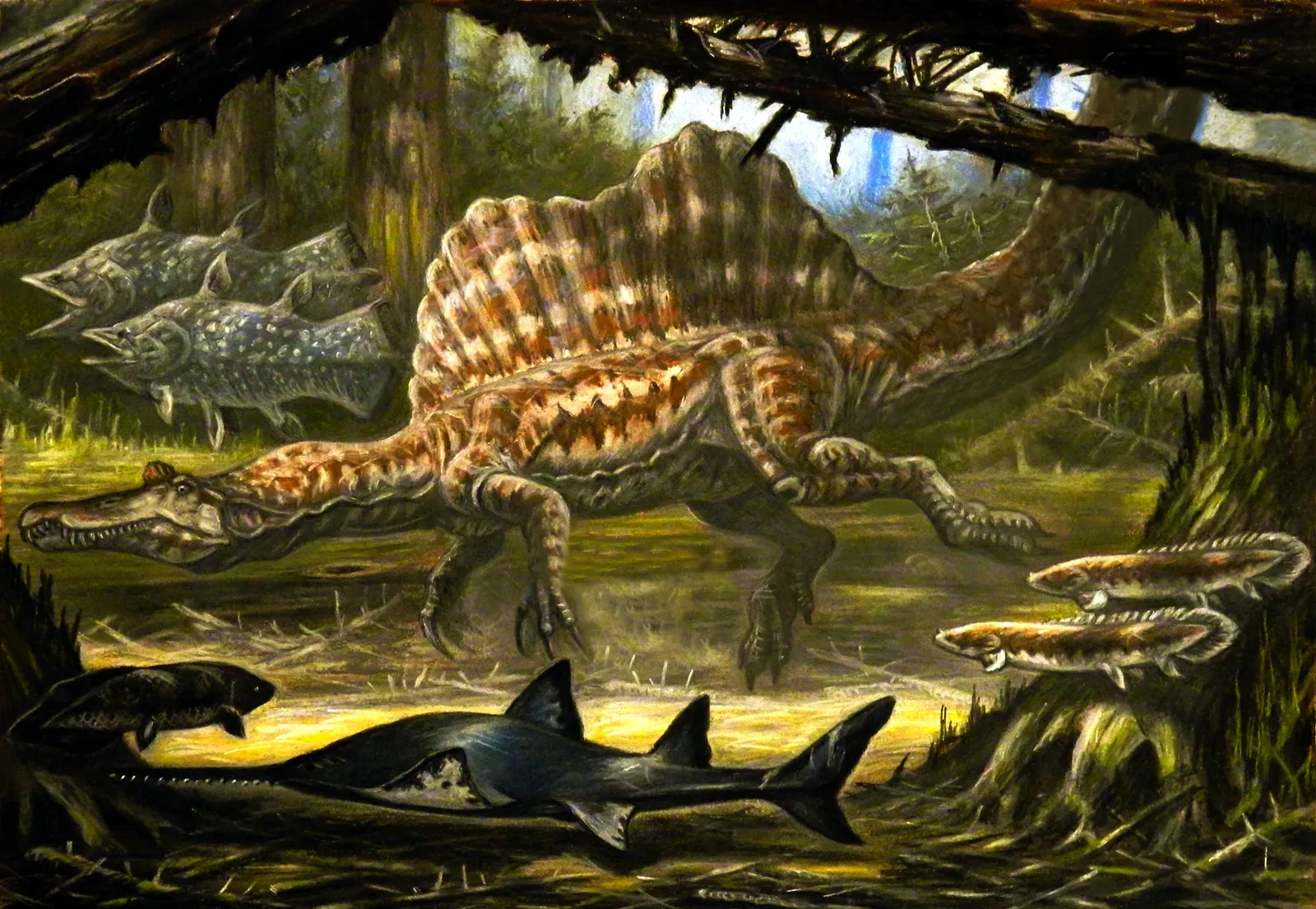
This might be the single biggest makeover in modern paleontology. Early museum versions showed a standard theropod body, basically a T. rex wearing a sail, because the original skeleton was so fragmentary. New fossils from North Africa changed everything: Spinosaurus turned out to have short hind legs, dense bones, and a crocodile-like tail built for swimming.
That discovery torpedoed the old reconstruction almost overnight. Exhibits quietly replaced or re-posed their mounts, turning Spinosaurus from a land predator into a semi-aquatic fish hunter cruising ancient rivers. Some halls now show it chest-deep in water, tail undulating like a giant newt. Not everyone agrees on the exact proportions yet, but almost nobody still uses the old “T. rex plus sail” template.
Quick Compare
- Old model: Bipedal, land-bound theropod built like a sail-backed T. rex.
- New model: Short hind legs, dense bones, and a tall, paddle-shaped tail for swimming.
- Key evidence: A more complete skeleton uncovered in Morocco reshaped the entire reconstruction.
- Modern verdict: A semi-aquatic hunter built for rivers, not open plains.
14. Iguanodon: Goodbye, Kangaroo Tail and Thumb-Nose Spike
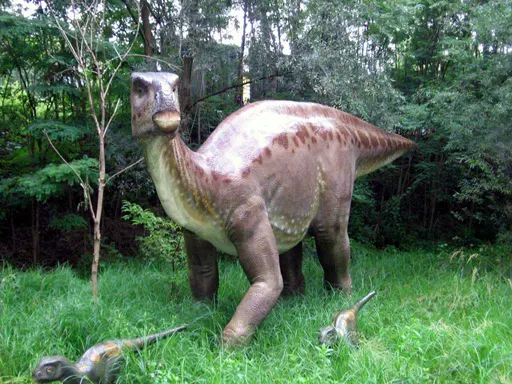
If your childhood dinosaur book showed Iguanodon standing upright, tail dragging, with a big spike on its nose, that image is officially retired. Early reconstructions misread the thumb spike and misjudged the animal’s balance, creating a tripod pose that would have dislocated real joints. More complete, articulated skeletons proved Iguanodon was mostly a quadruped with a horizontal tail.
Museums shifted mounts forward, lifted the tail off the floor, and moved that famous spike to the thumb, where it almost certainly belonged. One change turned Iguanodon from a goofy plant-eater into a dynamic herd animal that could rear up when it needed to, but never waddled like an oversized wallaby. Plenty of park statues never got the memo.
13. Hadrosaur “Duckbills” That Lost Their Webbed Feet
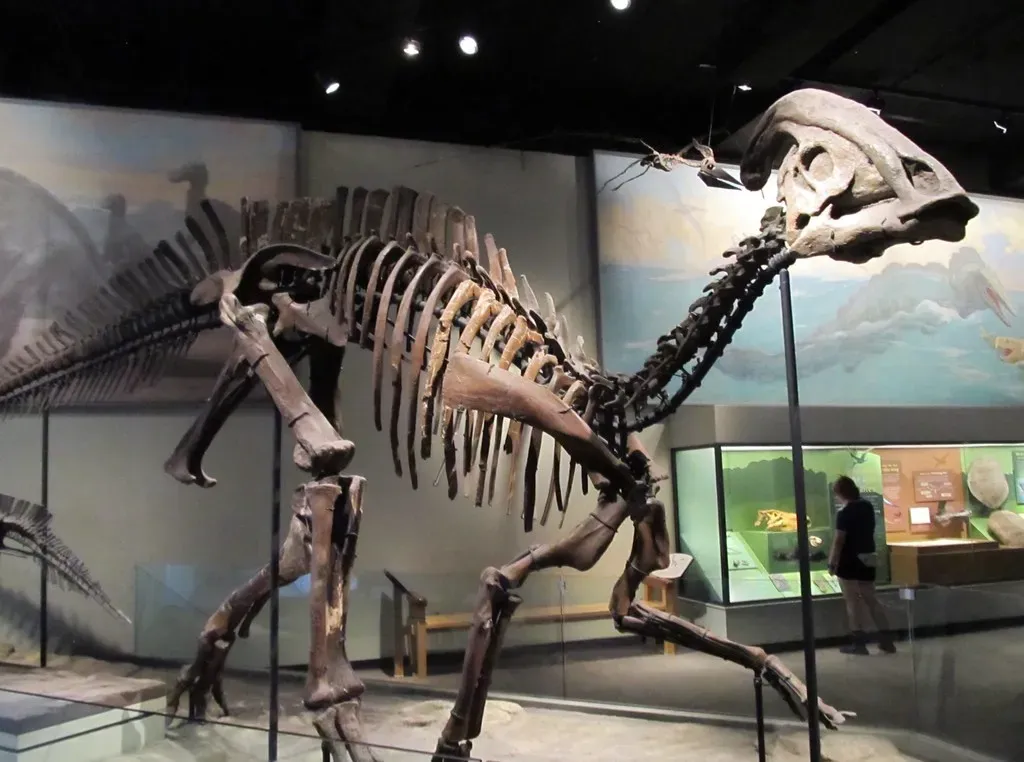
Classic hadrosaur art leaned hard into the “duck-billed” nickname, giving them broad, fully webbed feet and swampy, goose-like lifestyles. The misconception traced back to a poorly preserved fossil that seemed to show webbing where later evidence pointed to simple soft tissue pads instead. Better foot impressions eventually exposed the mistake.
Museums trimmed back the webbing in their models and murals, quietly rebranding hadrosaurs as fast, land-based grazers rather than clumsy swamp ducks. The skulls stayed the same, but the whole ecology shifted underneath them. Some curators still get pushback from visitors attached to the old “duckbill” image, but the science now favors strong limbs and hoof-like toe pads.
12. Archaeopteryx: From Half-Lizard Curiosity to Full-Bird Status
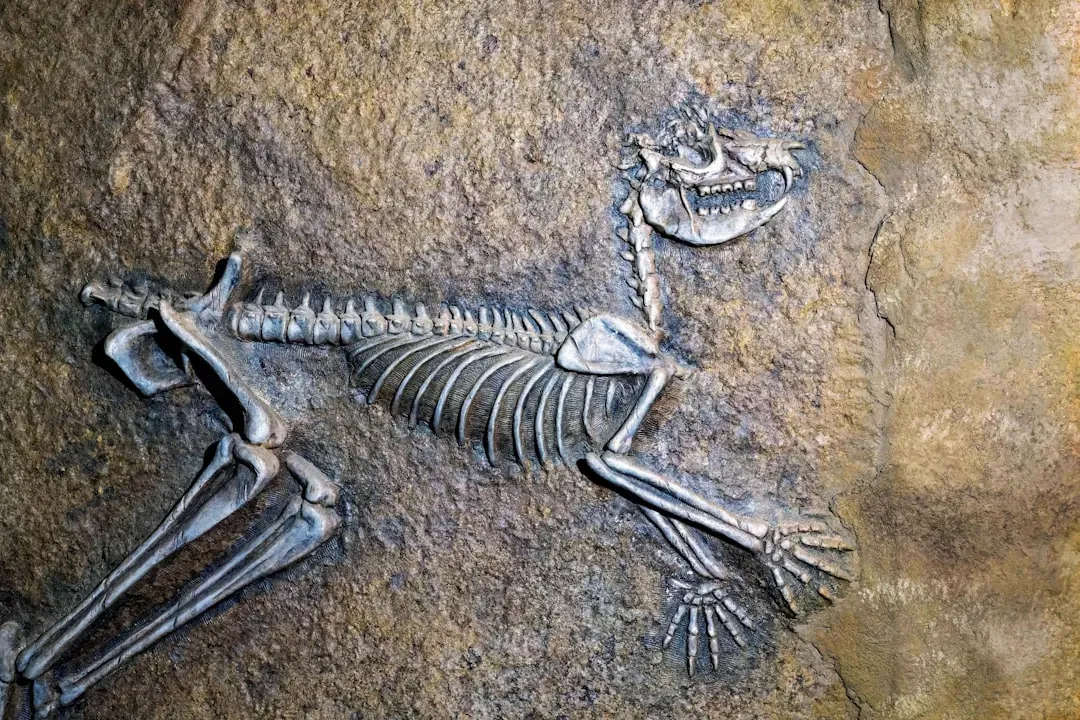
Early displays treated Archaeopteryx like a reluctant, half-finished bird, posed stiffly with wings held out awkwardly, no real thought given to flight mechanics. Detailed feather studies changed that picture. Comparisons with living birds revealed asymmetrical flight feathers and a more bird-like shoulder than anyone expected, hinting at real powered flight or at least agile gliding.
Museums updated their mounts and casts accordingly: wings folded naturally, feathers arranged like a modern bird’s, head held upright instead of drooping. The fossil slab itself never changed, but everything sculpted around it did. Archaeopteryx is still a mosaic of primitive and modern traits, but it now reads far less like a hesitant experiment and more like an early master of the air.
11. Mammoths: From Hairless Giants to Shaggy Ice Age Icons
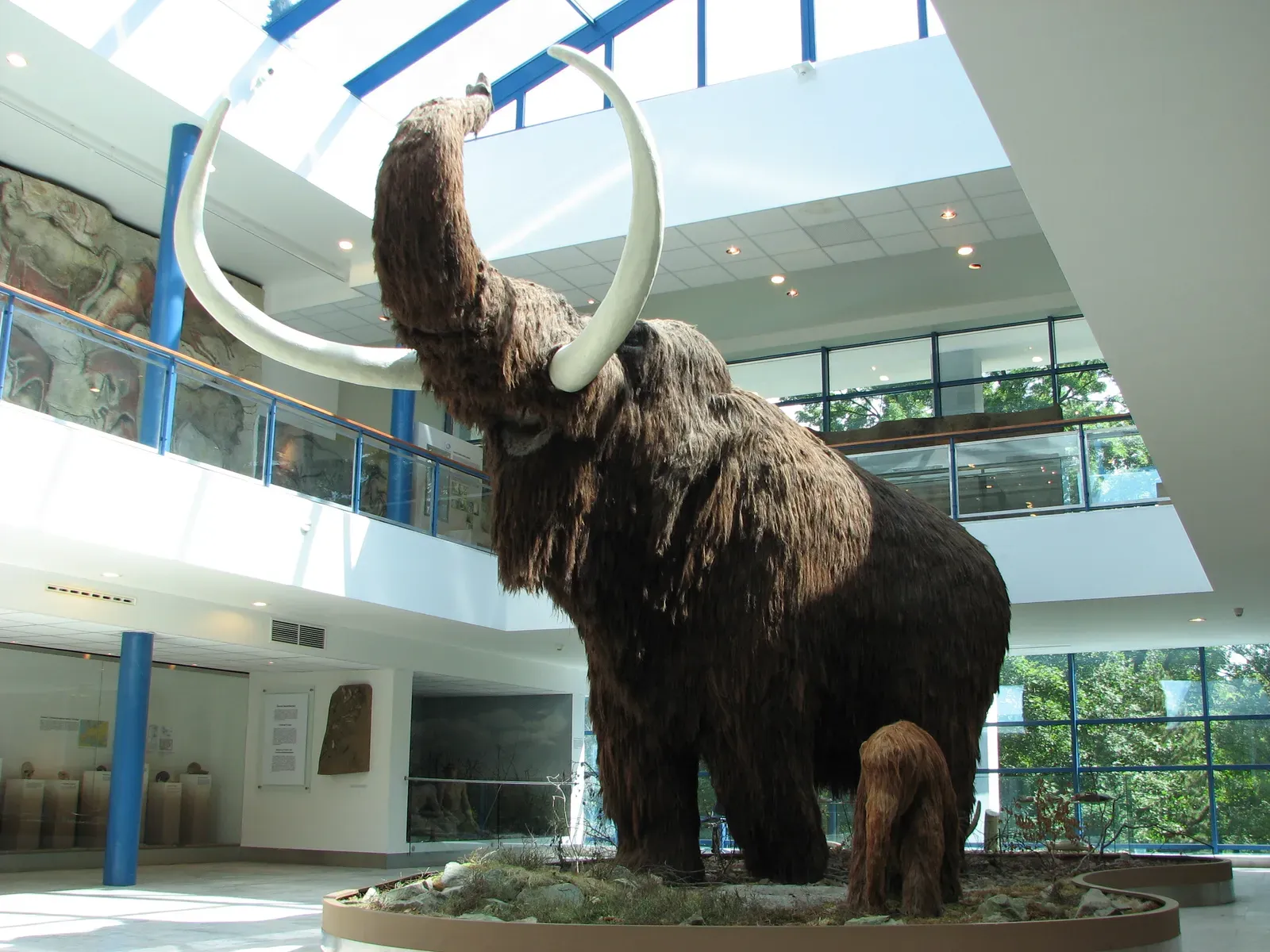
Believe it or not, some of the earliest mammoth models in museums were surprisingly bare-skinned, basically oversized elephants with tusks. Part artistic laziness, part lack of good soft-tissue evidence. Then frozen carcasses started turning up across Siberia, and denial was no longer an option: woolly mammoths were thickly coated in long guard hairs and dense underfur, with fat pads and small, compact ears built for the cold.
Institutions quietly swapped their smooth, elephant-like models for shaggier, more compact ones. Tails shrank, ears shrank, shoulder humps grew to reflect massive neck muscles and stored fat. The new look feels instantly “Ice Age,” and it’s backed by actual mummified tissue. Meanwhile, plenty of cartoons still cling to the smooth old design, making museums look like the radicals for simply following the evidence.
Worth Knowing
- Frozen mammoth carcasses have turned up across Siberia with hair, skin, and even stomach contents intact.
- Genetic studies have identified hair-color variants, including dark brown, in preserved mammoth DNA.
- Woolly mammoths survived on isolated Arctic islands until roughly 4,000 years ago, long after mainland herds vanished.
- Compact ears and short tails helped reduce heat loss in extreme cold, and museum models now reflect that.
10. Saber-Toothed Cats: No More Bulldog Faces and Permanent Snarls
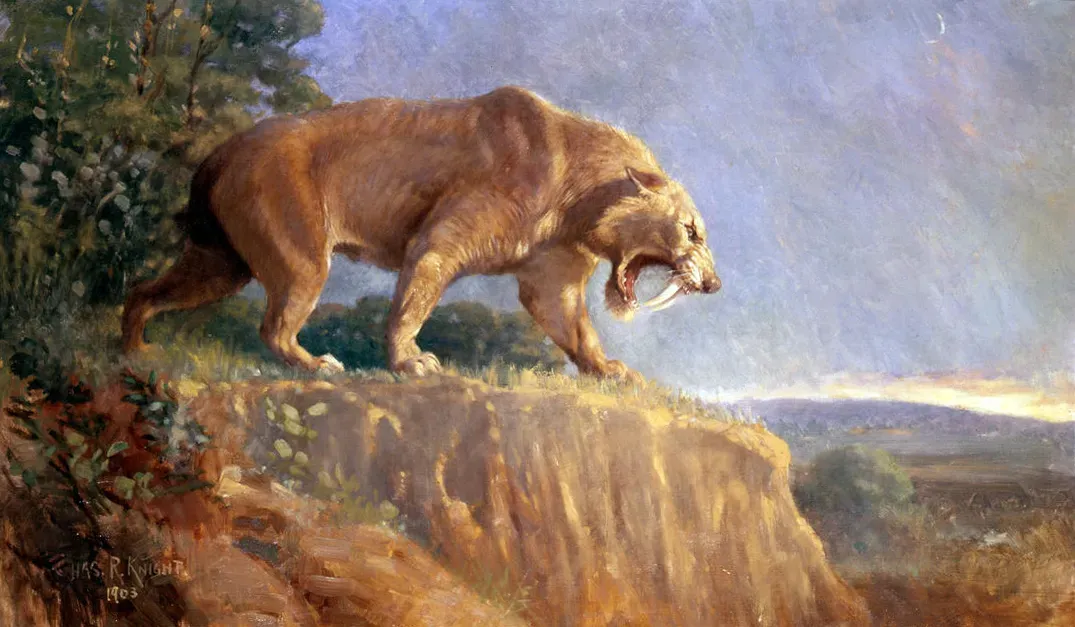
Older Smilodon mounts often came with overly muscular, bulldog-like jaws and lips pulled back so those enormous canines were always on display. Great for drama, questionable for biology. Studies of jaw mechanics and comparisons with modern big cats suggest those sabers were likely sheathed by lips when the mouth was closed, and the skull profile was less exaggerated than early artists imagined.
Museums softened the faces, adding fuller lips, more realistic whisker pads, and toning down the cartoonish neck bulk. The animal still looks terrifying mid-bite, but at rest it resembles a patient ambush predator rather than a permanent snarl machine. Honestly, that’s scarier. A predator that doesn’t wave its weapons around constantly is one that knows exactly when to use them.
9. Pterosaurs: No Longer Leather-Winged Lizards on Stilt-Legs
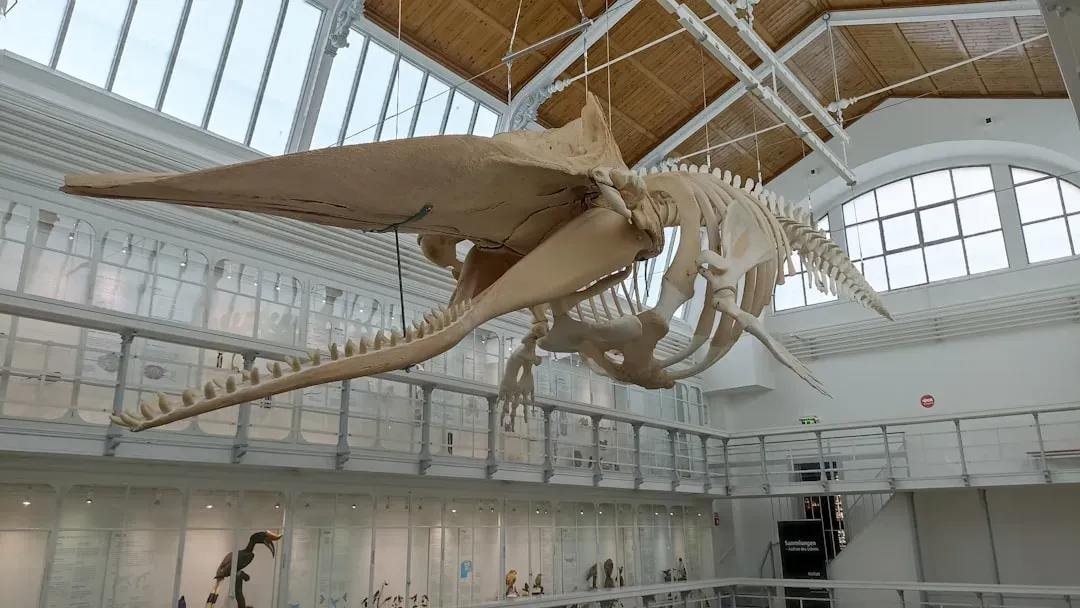
For decades, pterosaurs got the “scaly flying reptile” treatment, all leathery bat-wings and spindly back legs, often mounted walking awkwardly on two feet or hanging upside down like bats. The proportions never quite added up. Then fossil skin impressions revealed fine, fur-like filaments called pycnofibers, proving these animals were far more complex: fuzzy-bodied, with multifunctional wings and strong forelimbs.
Modern corrections show pterosaurs walking comfortably on all fours, using their winged arms as front limbs, their bodies covered in an insulating, fuzzy coat. Some reconstructions even show colorful crests and elaborate social displays. Most of these updates happened quietly, one re-posed skeleton and one updated cast at a time, with zero fanfare. The result feels less like a mutant bat and more like its own strange, successful branch of life.
At a Glance
- Pycnofibers, the fur-like filaments coating pterosaur bodies, point to warm-blooded, insulated fliers.
- Wingspans ranged from small gliders to Quetzalcoatlus, estimated at roughly 10 to 11 meters across.
- Strong forelimbs let pterosaurs walk comfortably on all fours rather than hop awkwardly like bats.
- Some species show evidence of colorful crests, hinting at visual display rather than pure camouflage.
8. Ankylosaurus: The Low-Rider Tank That Got a Grounded Makeover
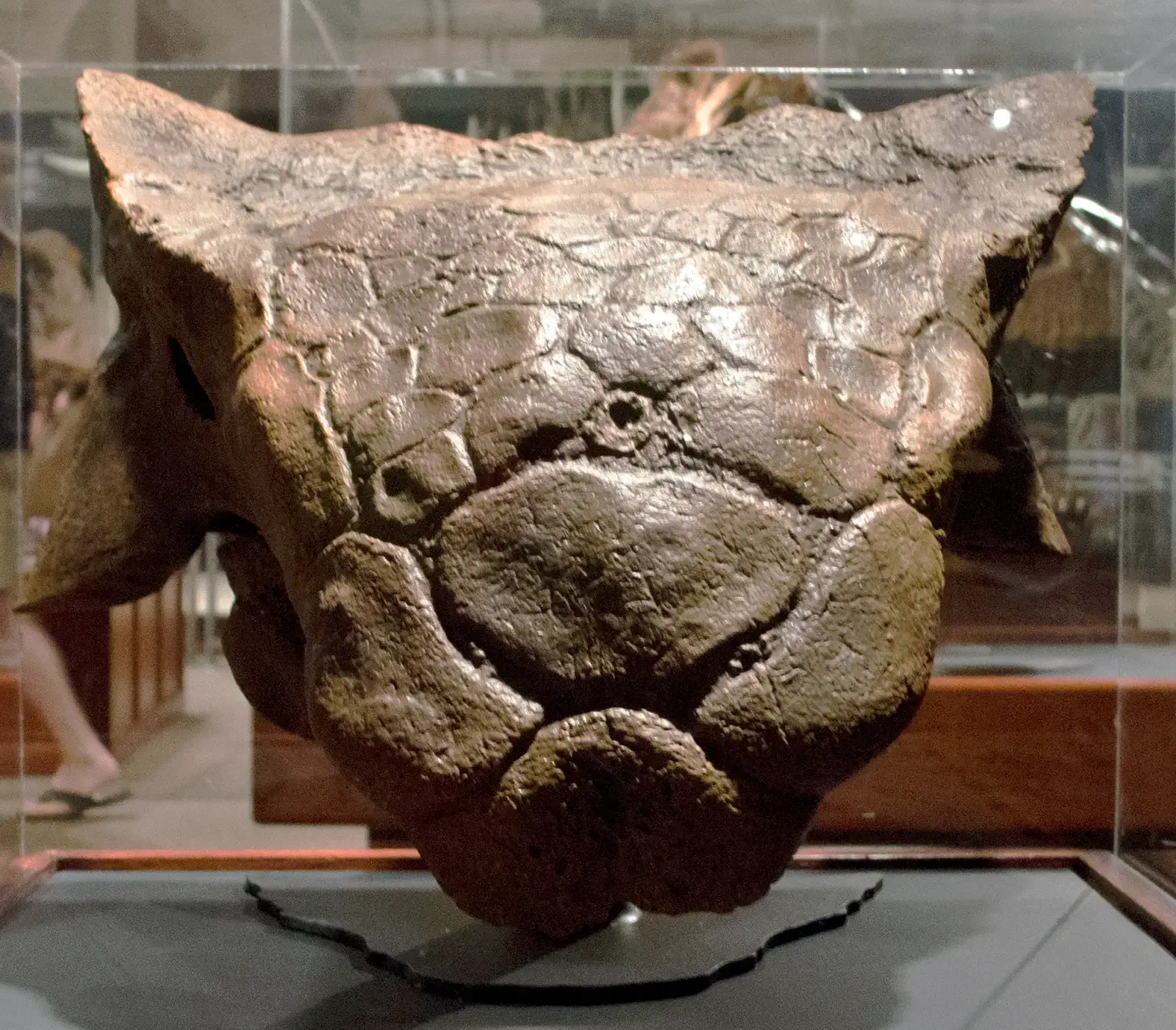
Early Ankylosaurus reconstructions sometimes stood too tall on their legs, giving it the silhouette of a heavy-set rhino in armor plating. Incomplete skeletons and rough guesswork about limb proportions were mostly to blame. As more related species turned up, it became clear Ankylosaurus rode very low to the ground, with wide sprawling hips and a heavy tail club positioned right at predator ankle height.
Museums dropped the body, widened the stance, and adjusted the tail angle so that club could sweep in a low, devastating arc. Suddenly the animal’s whole defense system makes sense; a raised body with a high club just doesn’t match the damage patterns found on theropod leg bones. Today’s mounts look like living tanks hugging the earth, not armored cows on stilts.
7. Dimetrodon: The “Dinosaur” That Never Actually Was One
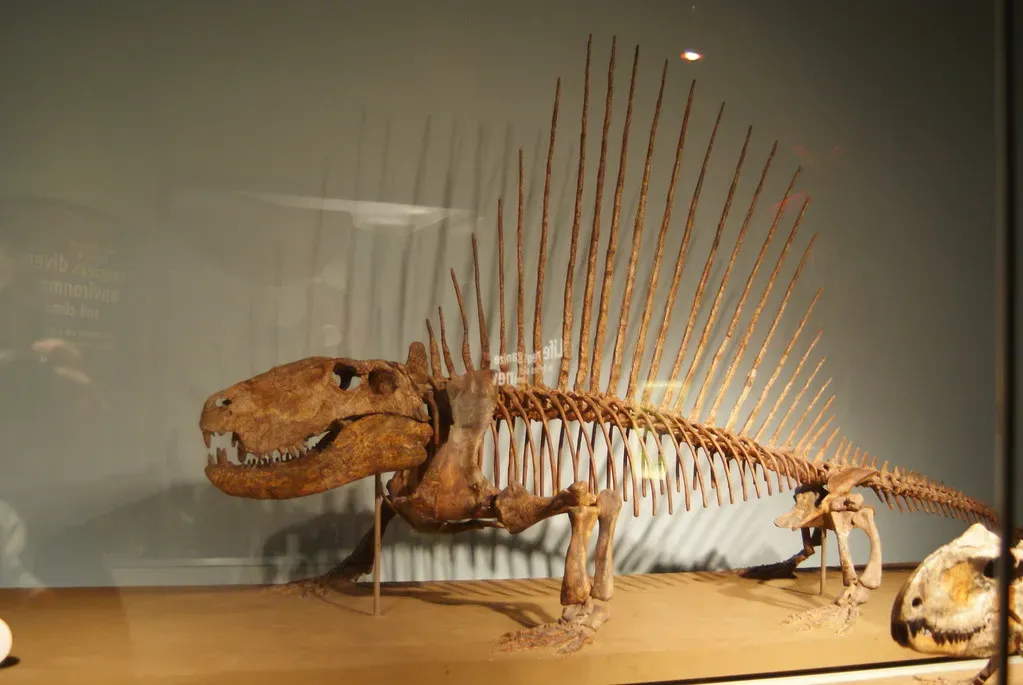
Dimetrodon, sail-backed and crocodile-headed, still gets mislabeled as a dinosaur on gift shop merchandise everywhere. Older museum displays didn’t help, often placing it right alongside actual Jurassic and Cretaceous species with zero context. Quietly, curators have been moving Dimetrodon and its relatives closer to the mammal section, updating text to explain it’s a synapsid, more closely related to us than to any dinosaur that ever lived.
Some institutions have even re-posed it with less sprawl and more semi-upright limbs, reflecting newer ideas about early synapsid locomotion. The sail, once shown as a plain fin, is now often depicted with complex soft tissue and possible display patterns rather than a simple heat radiator. The bones haven’t changed, but the story completely has: Dimetrodon isn’t a failed prototype before dinosaurs, it’s part of our own deep family tree.
6. “Brontosaurus” Vanished, Then Quietly Came Back
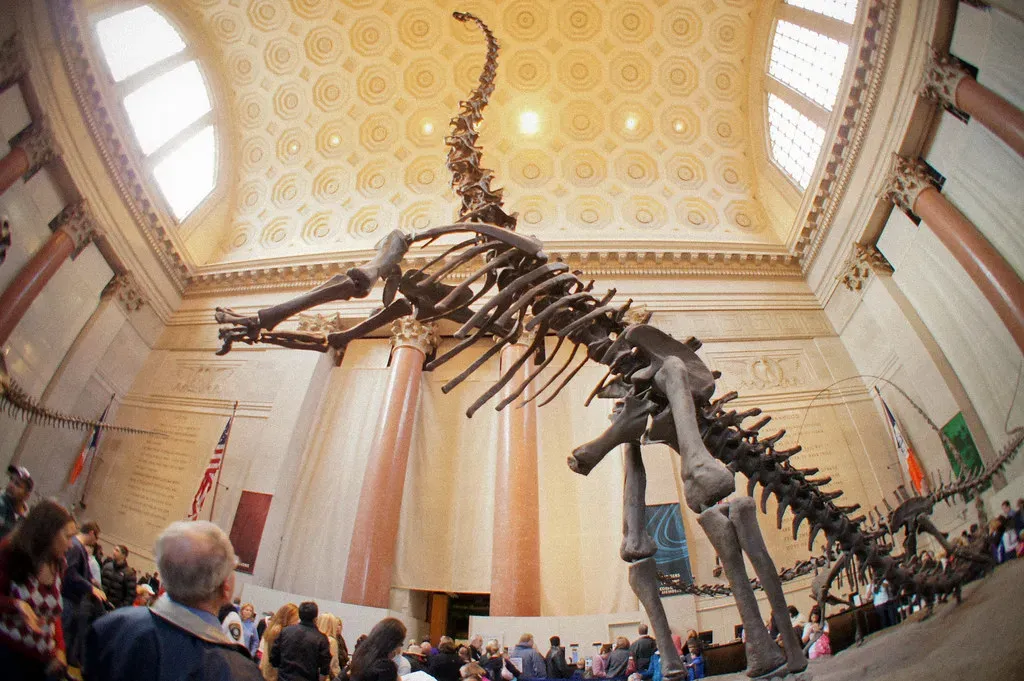
For years, museum halls proudly labeled their giant, long-necked sauropods Brontosaurus. Then late-20th-century taxonomic research decided those specimens were actually Apatosaurus, and Brontosaurus got dropped as a valid name almost overnight. Museums quietly relabeled their mounts, rarely explaining why everyone’s favorite dinosaur name had suddenly disappeared.
Confusion reigned for decades. Then, in the 2010s, a massive skeletal revision argued Brontosaurus might actually be distinct after all, reviving the name in serious scientific literature. Some institutions cautiously brought it back on labels, occasionally hedging with “Brontosaurus (formerly Apatosaurus).” The skeleton never moved an inch, but its identity did a full taxonomic U-turn while almost nobody was watching.
5. T. rex Posture: From Godzilla Tripod to Bird-Like Predator
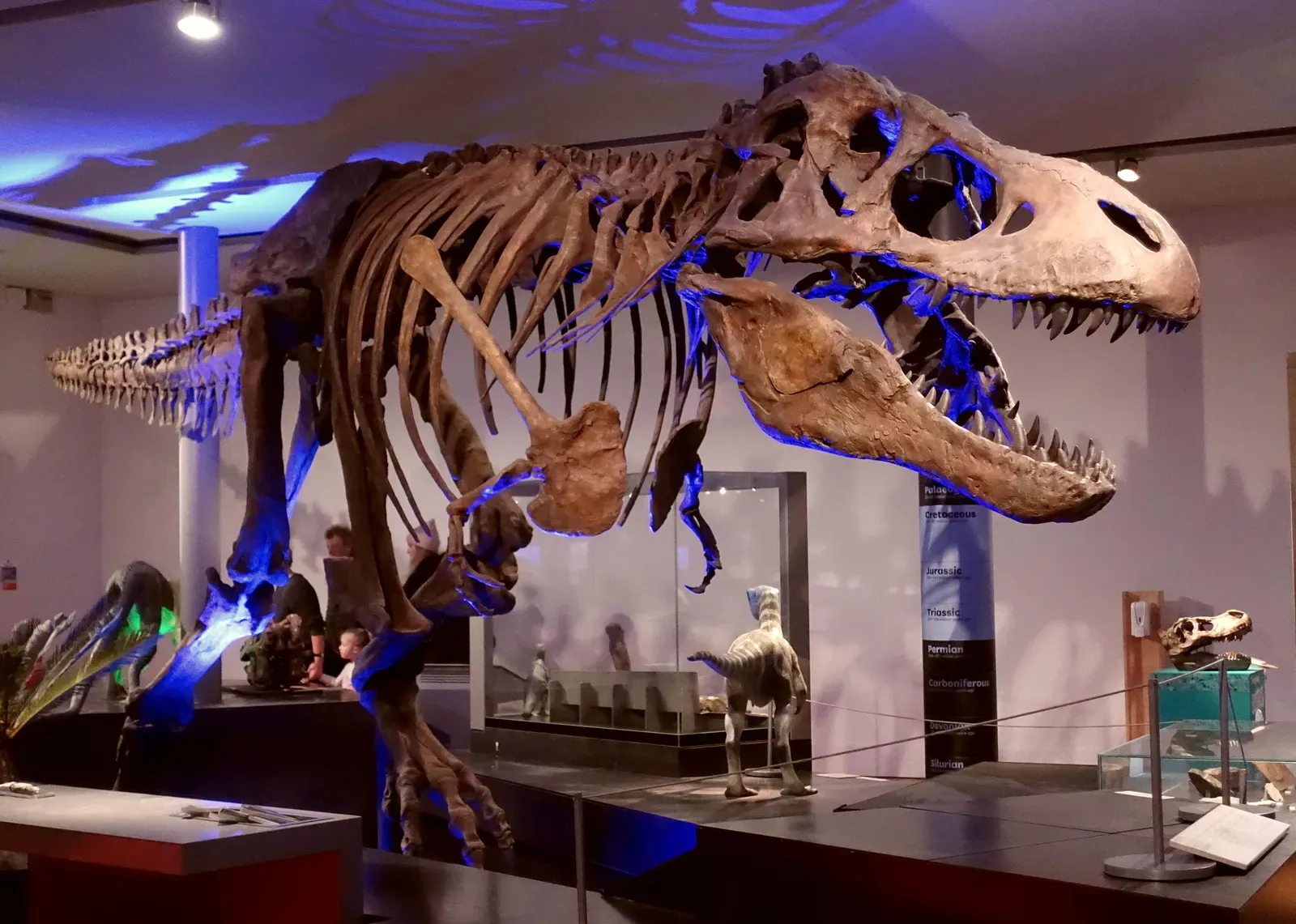
The original T. rex mounts stood bolt upright, spine nearly vertical, tail dragging on the ground like a Godzilla suit. It was iconic. It was also based more on movie-monster theater than actual anatomy. Re-examining the vertebrae and hips, researchers realized T. rex balanced over its hips in a horizontal, bird-like posture with the tail held off the ground as a counterweight.
Massive remounting projects quietly swept through major museums, and in some cases engineers had to rebuild entire support armatures just to get the stance right. The new mounts look mid-stride, head thrust forward, tail sweeping every step into balance. Visitors often feel like they’re seeing a brand-new species, when really they’re just seeing the same old bones finally treated with respect for physics.
4. Deinonychus and “Raptors” That Got a Full Feathery Wardrobe
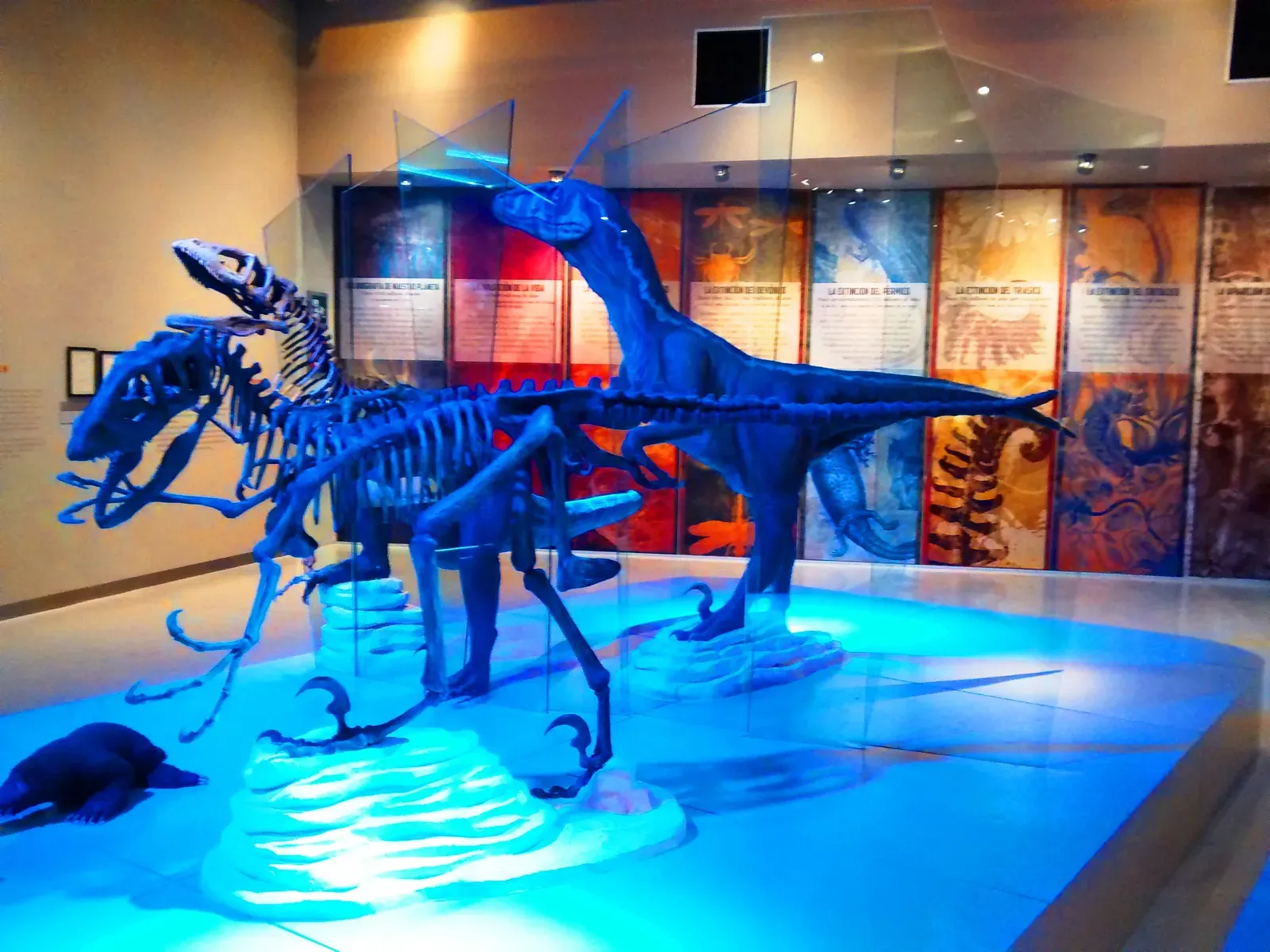
Before the feather revolution hit, Deinonychus and its relatives were displayed as scaly pack hunters with bare arms and whip-like tails. As evidence for feathers on related dromaeosaurs piled up fast, that bare-skin look became impossible to defend. Some museums quietly unveiled fully feathered Deinonychus models, complete with winged forelimbs and fan-shaped tails, with barely a press release to mark the occasion.
The science suggests these animals were visually striking, possibly using color patterns for communication and thermoregulation. Updating the wall art and life-size sculptures to match was a quiet but genuinely huge correction, one that undercut decades of paleo-art baked into public expectations. Some visitors still insist feathered raptors “look wrong,” but that reaction says a lot more about Hollywood than it does about fossils.
3. Theropod Lips: Teeth No Longer Hanging Out in the Breeze
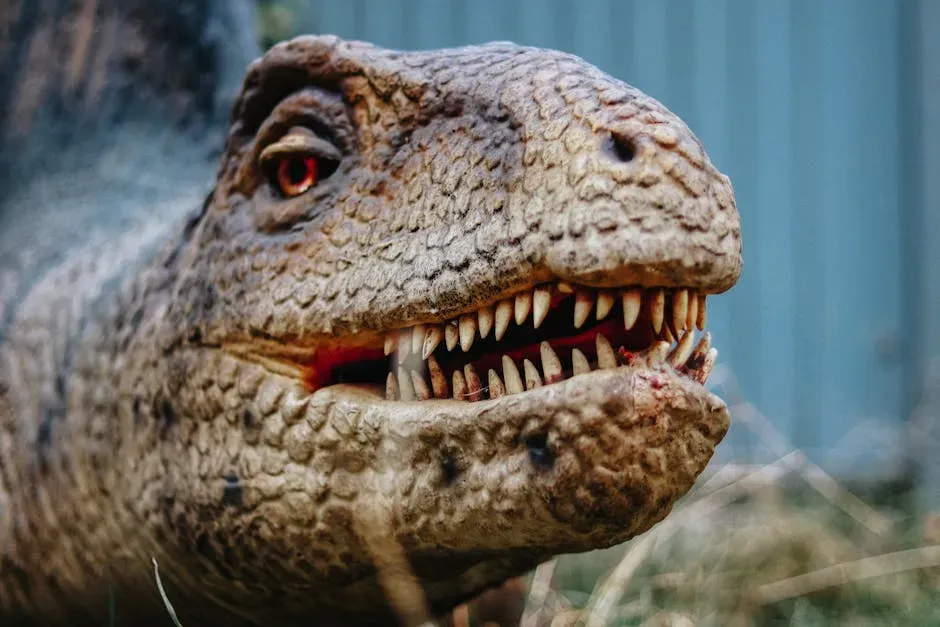
Classic meat-eating dinosaurs, from Allosaurus to T. rex, were almost always shown with teeth permanently exposed, no lips in sight, basically a walking crocodile skull. Comparative anatomy with modern reptiles, plus close analysis of tooth wear patterns, led many experts to argue that most theropods likely had lips covering the teeth when the mouth was closed, protecting them from drying out and cracking.
Several museums have subtly updated their fleshed-out models and murals: same skeletons underneath, but a resting face that now looks more like a monitor lizard than a crocodile. Some visitors resist the change; it feels less monstrous. But it’s probably closer to the truth, and it makes the animal feel more like a nuanced predator and less like a rubber horror-movie prop.
2. Colorless Dinosaurs Quietly Repainted with Patterns and Pigment
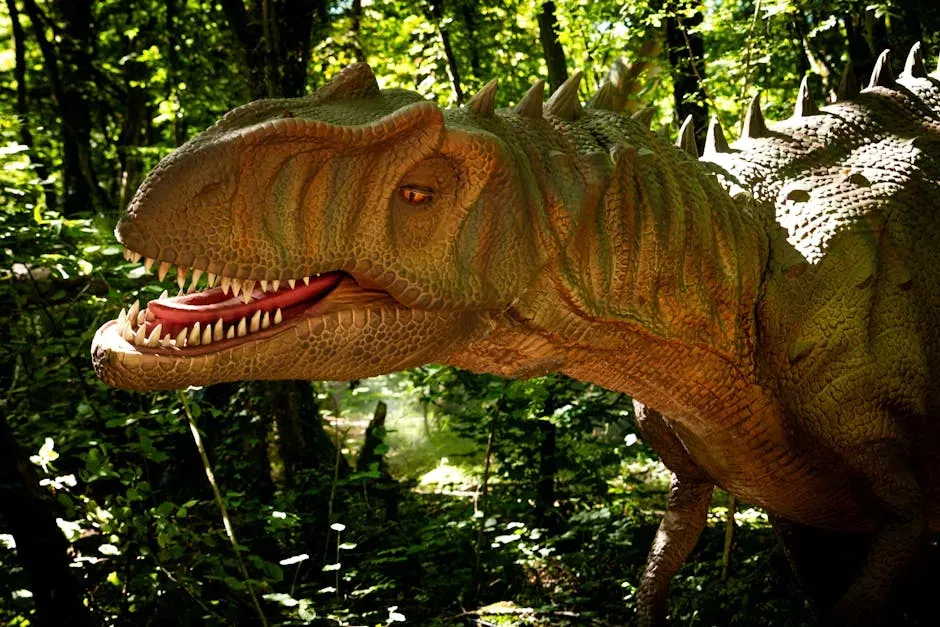
For most of the 20th century, museum dinosaurs were painted dull green, brown, or gray, reflecting the honest belief that we could never know their real colors. Then came fossilized melanosomes, microscopic pigment structures preserved in fossil feathers and skin, that let scientists actually infer color and pattern for certain species. Without any flashy campaign, institutions began repainting models with patterns, banding, and even iridescent sheens.
Anchiornis, Microraptor, and several early birds led the charge, showing dark bodies, banded tails, and contrasting wing patches. Even giants without direct pigment data benefited indirectly, as curators finally felt free to ditch the dull “lizard green” cliché entirely. Visitors might assume the new paint jobs are just artistic flair; in reality, some of it is anchored in literal microscopic evidence preserved for millions of years.
Why It Stands Out
- Melanosomes, microscopic pigment-bearing structures, can survive in fossil feathers for millions of years.
- Anchiornis became one of the first dinosaurs to receive a full, evidence-based color reconstruction.
- Sinosauropteryx research pointed to reddish-brown banding along its tail.
- The shift moved dinosaur color from pure artistic guesswork to something closer to genuine forensic science.
1. Feathered Tyrannosaurs: The Most Controversial Quiet Upgrade of All
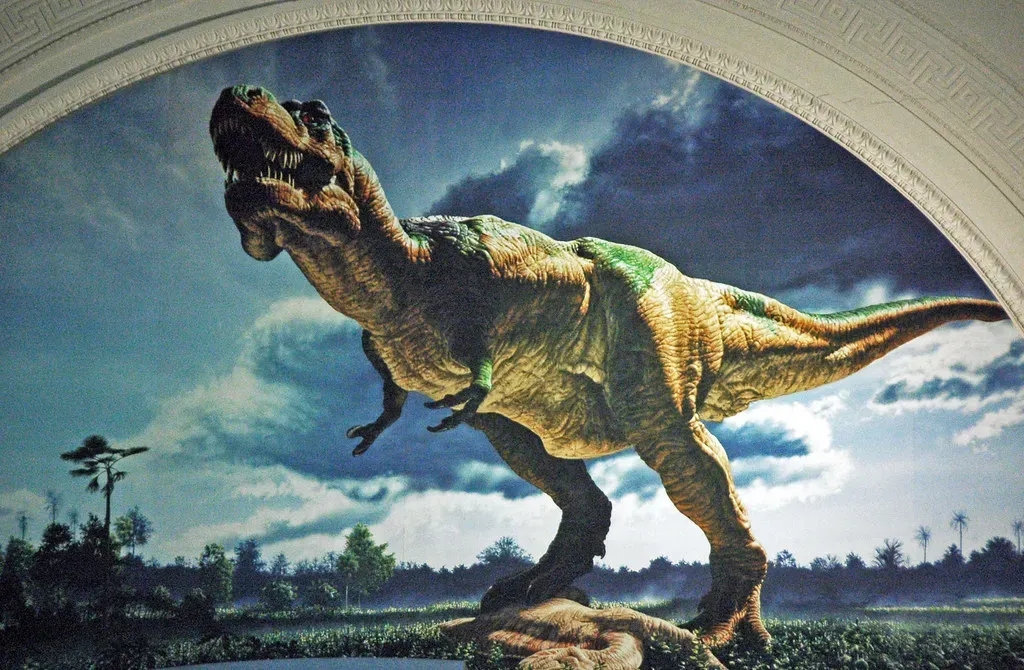
The boldest quiet correction on this entire list is also the most controversial: adding feathers, or at least meaningful fuzz, to tyrannosaur reconstructions. No full-body feather coat has been preserved for an adult T. rex, but close relatives and juveniles from related species clearly show insulating filaments and possible feather-like coverings, especially early in life.
Some museums have cautiously rolled out fuzzy juvenile T. rex models, or light feathering along the neck and spine of adults, without making a big ideological stand about it. It drives some visitors wild, they see it as an attack on the iconic scaly monster. But a completely naked, crocodile-skinned T. rex is now considered by many paleontologists to be just as speculative as a fully shaggy one. The truth is probably somewhere in between, and museums are inching toward that middle ground quietly, mount by mount.
The Bottom Line
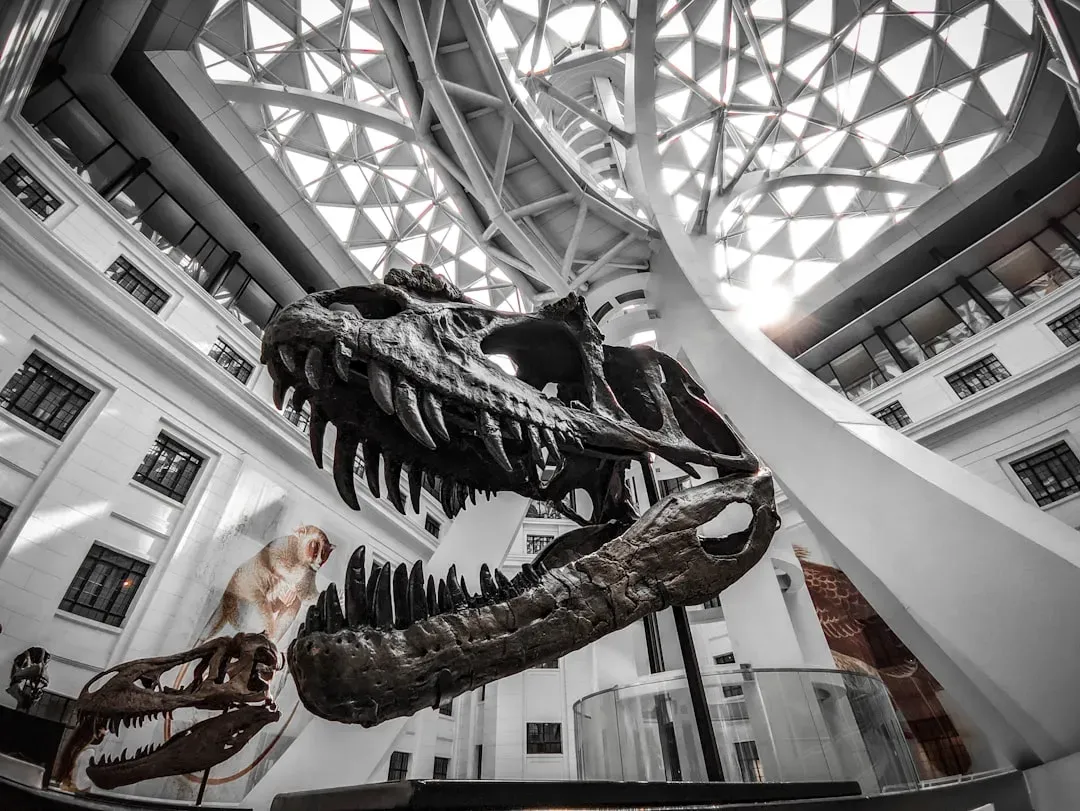
Add it all up and the pattern is impossible to ignore: almost every dinosaur you “know” is really a snapshot of outdated guesswork frozen in fiberglass. Tails got lifted, arms got rotated, feathers got added, lips got restored, names got un-cancelled and re-cancelled. Individually these look like small fixes. Together, they quietly turned a room full of lizard-monsters into fast, feathered, physics-obeying animals.
Here’s my honest take: museums should be shouting about these corrections, not burying them in silence. Hiding the update makes it look like the old version was a mistake to be ashamed of, when really it’s proof the science is alive and working exactly as it should. The most unsettling part isn’t that these mounts were wrong before. It’s knowing that the dinosaur standing in front of you right now, confident pose and all, is probably already halfway to its next quiet correction.