Preliminary data from the International Disaster Database revealed that more than 200 climate-related disasters struck the globe in 2025, impacting over 87.8 million people.
A Year of Unprecedented Fury
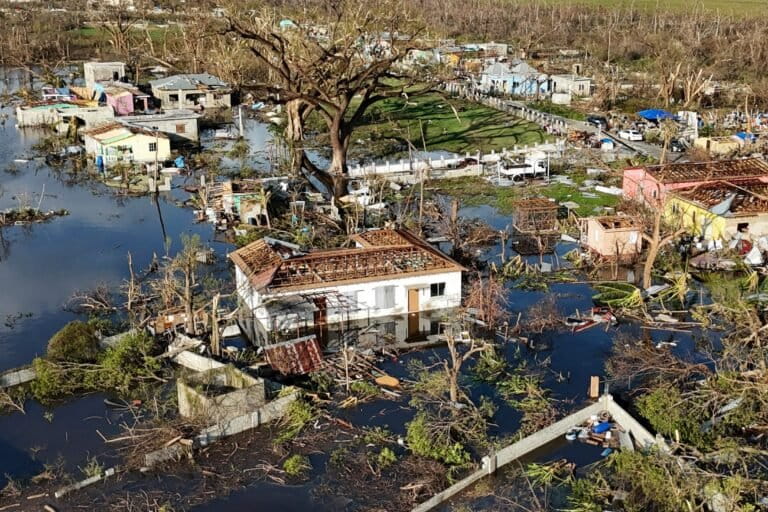
A Year of Unprecedented Fury (Image Credits: Imgs.mongabay.com)
More than 8,000 lives ended due to these events, though experts expect the true figure to rise as underreported incidents surface. Flash floods swept away communities, landslides buried homes, severe storms battered coastlines, wildfires scorched landscapes, and droughts parched farmlands.
These disasters tested the limits of human resilience. Communities faced repeated blows, with recovery efforts often overwhelmed before the next crisis arrived. The sheer volume underscored a troubling trend in a warming world.
- Flash floods and landslides disrupted daily life in vulnerable regions.
- Severe storms unleashed destructive winds and heavy rains.
- Wildfires ravaged forests and settlements amid dry conditions.
- Droughts triggered widespread food shortages.
Droughts Fuel Food Crises Across Continents
Drought emerged as the most pervasive threat, driving food insecurity for millions. Syria endured its worst drought in 36 years, leaving 14.5 million people without adequate food supplies.
In Kenya, a drought that began in January jeopardized food for more than 2 million individuals. Nepal’s Madhesh province suffered similarly in September, with 1.2 million facing shortages. These prolonged dry spells crippled agriculture and heightened humanitarian needs.
Governments and aid organizations scrambled to distribute relief, but the scale strained resources. Such events highlighted vulnerabilities in arid zones where rainfall patterns shifted dramatically.
Storms Deliver Deadly Blows
Tropical systems proved particularly lethal in 2025. In October, Hurricane Melissa roared through the Caribbean with sustained winds of 295 km/h (185 mph), marking it as the year’s most destructive storm. The hurricane affected millions across Jamaica, Haiti, Panama, the Dominican Republic, and Cuba, claiming at least 127 lives.
Late November and early December brought a rare triple threat in Asia: two tropical cyclones and a typhoon that together caused thousands of deaths. Indonesia reported 1,109 fatalities, Sri Lanka 826, with hundreds more in Pakistan and Thailand. Scientists attributed Hurricane Melissa’s intensity to human-caused warming from fossil fuels.
Toward Resilience in a Warming World
Despite a weak La Niña cooling the planet slightly, 2025 ranked as the third-warmest year on record. Fossil fuel emissions continued to climb even as renewables expanded, complicating mitigation efforts.
Analyses stressed the urgency of phasing out fossil fuels and bolstering adaptation measures. High preparedness mitigated some losses, yet small island nations suffered outsized impacts. Timely investments could avert many future tragedies.
| Event | Region | People Affected/Deaths |
|---|---|---|
| Syria Drought | Middle East | 14.5 million food insecure |
| Hurricane Melissa | Caribbean | Millions affected; 127 deaths |
| Asia Cyclones/Typhoon | Asia | Thousands dead |
- Over 200 disasters affected 87.8 million, with droughts hitting hardest.
- Storms like Hurricane Melissa intensified by climate change caused heavy losses.
- Urgent shifts to clean energy and adaptation funding are essential.
The events of 2025 served as a stark warning: climate impacts demand immediate global action. Stronger international cooperation could safeguard vulnerable populations moving forward. What steps do you believe leaders should prioritize next? Share your thoughts in the comments.