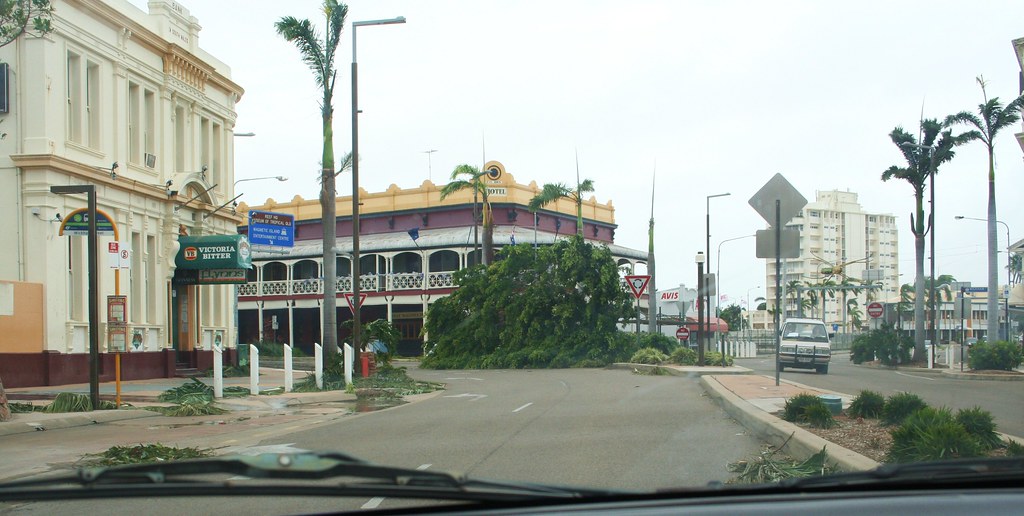

A Year of Unrelenting Fury (Image Credits: Flickr)
In 2025, the United States endured a barrage of weather events that collectively inflicted damages exceeding $115 billion, marking the third-costliest year on record despite the absence of major hurricane landfalls.
A Year of Unrelenting Fury
Thunderstorms dominated the landscape of destruction in 2025, with 21 events each surpassing the $1 billion threshold in damages. This surge highlighted a shift from coastal hurricanes to widespread inland turmoil, as severe weather patterns battered communities across the Midwest and South. Flooding from relentless rains submerged homes and farmlands, while destructive winds toppled infrastructure in multiple states. The frequency of these incidents – one roughly every two weeks – strained emergency response systems nationwide. Experts noted that this pattern reflected broader climate trends amplifying storm intensity.
Wildfires also contributed significantly, scorching vast areas in the West and adding billions to the tally. California and neighboring states faced prolonged dry spells that fueled blazes, displacing thousands and destroying property at an alarming rate. Unlike previous years dominated by tropical systems, 2025’s profile emphasized the growing threat from non-hurricane extremes. Federal agencies tracked 23 such billion-dollar disasters overall, a near-record figure that underscored the escalating economic vulnerability.
Breaking Down the Major Culprits
The first half of the year alone set a grim precedent, with 15 billion-dollar disasters costing over $101 billion – the most expensive six-month period ever documented. Torrential downpours in the spring led to catastrophic flooding along the Mississippi River basin, affecting agriculture and transportation hubs. Summer heatwaves exacerbated drought conditions, sparking wildfires that consumed millions of acres. These events disrupted supply chains and forced evacuations on a scale not seen in recent memory. By mid-year, the cumulative impact already rivaled full-year totals from milder seasons.
Fall brought continued challenges, including a series of derechos – fast-moving thunderstorm complexes – that ravaged the Plains. One such storm in September caused widespread power outages and structural damage estimated at $5 billion. Researchers from nonprofit organizations, stepping in after federal tracking was disrupted, compiled these figures to fill data gaps. The absence of hurricanes did little to temper the overall ferocity, as continental weather systems filled the void with equal devastation.
Why Costs Keep Climbing
Population growth in vulnerable areas played a pivotal role, placing more lives and assets in harm’s way. Urban expansion into floodplains and wildfire-prone zones amplified the financial repercussions of each event. Insurance claims skyrocketed, with premiums rising in affected regions to offset the mounting losses. Economic analyses revealed that infrastructure investments lagged behind the pace of these threats, leading to prolonged recovery times. Climate scientists attributed the uptick to warmer atmospheric conditions that hold more moisture, intensifying precipitation events.
Comparisons to prior years paint a stark picture of acceleration. In 2024, 27 disasters tallied high costs, but 2025’s total edged closer without relying on massive tropical storms. This trend signals a diversification of risks, from convective storms to prolonged droughts. Policymakers grappled with funding shortfalls for mitigation, as federal budgets strained under the weight of repeated responses. The nonprofit efforts to monitor these occurrences ensured the data remained accessible amid administrative changes.
Lessons from a Costly Calendar
Communities adapted where possible, with early warning systems credited for saving lives amid the chaos. However, the economic ripple effects lingered, impacting local economies for months. Businesses in agriculture and energy sectors reported setbacks that could influence national growth. International observers noted the U.S. now accounts for a disproportionate share of global disaster damages, raising questions about resilience strategies. As 2026 unfolds, the focus shifts to proactive measures like fortified building codes and ecosystem restoration.
Key Takeaways
- 23 billion-dollar weather disasters struck in 2025, totaling $115 billion in damages.
- Thunderstorms led with 21 events, surpassing hurricanes in financial impact.
- First-half costs hit a record $101 billion, driven by floods and wildfires.
The $115 billion price tag of 2025 serves as a urgent call to bolster defenses against an increasingly unpredictable climate, reminding us that preparation today can avert tomorrow’s crises. What steps do you believe communities should take next? Share your thoughts in the comments.